The Shifting Timeline of Women's Health in India: Puberty and Menopause
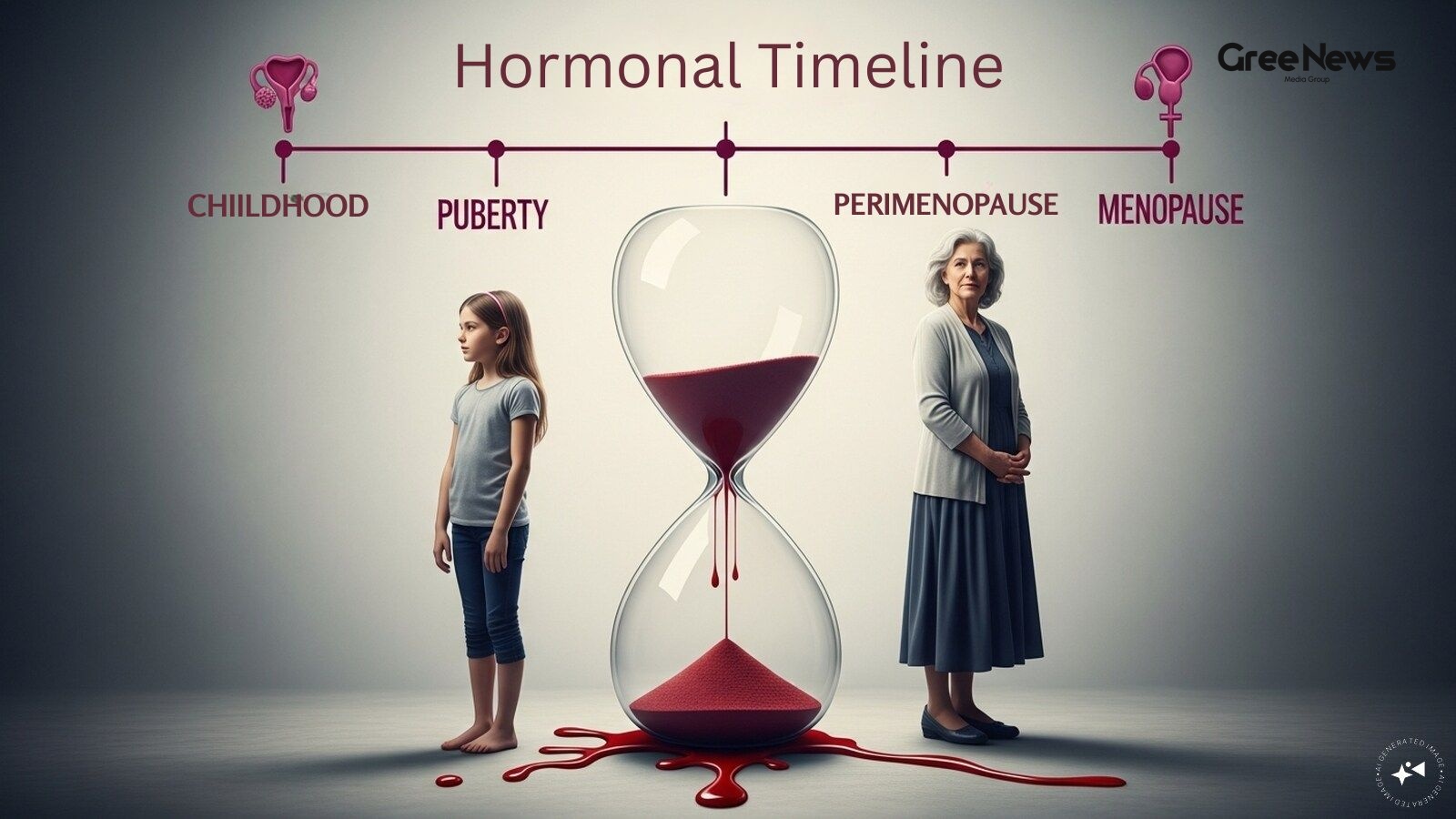
A quiet but significant shift is happening in how women’s health is understood across India. Girls are hitting puberty much sooner now. And frankly, many women are starting to experience menopause earlier than anyone expected.
These changes together are seriously shortening what we call reproductive years. It forces us to ask big questions about how we actually define and support women through every stage of life.
It’s not just some random biological coincidence. Experts keep pointing back to lifestyle stuff. Think about nutrition, obesity rates, environmental stress, and sleep patterns. All that mess influences the body's hormonal clock right from childhood straight into middle age. It’s all connected.
Right now, a lot of girls are starting puberty while they are still figuring out how to be emotionally and physically. Meanwhile, women in their mid-forties are increasingly dealing with the hormonal shifts associated with menopause. Two sides of the same coin, really.
This shrinking window for reproductive health screams that we need better awareness. We need healthcare support that actually fits these evolving needs.
Puberty Is Starting Earlier Than Before
The numbers on puberty are striking. Tamanna Singh, a Menopause Coach and founder of Menoveda, points to some clinical observations from gynaecologists in urban India. She noted that almost one-third of young Indian girls now show signs of puberty before they even hit age eight.
The average age for menarche that first menstrual period has dropped to about twelve years. But thelarche, breast development? That’s happening around ten years in some studies conducted across northern India.
And where does this link up with health issues? A 2025 cross-sectional study involving over a thousand schoolgirls in Karnataka found something concerning: overweight and obese girls experienced menarche earlier than their peers. It just makes you look at the environment.
Researchers are linking this acceleration to rising childhood obesity, poor eating habits, terrible sleep patterns, and exposure to those endocrine-disrupting chemicals hiding in plastics, cosmetics, everything household. The external factors are clearly playing a role here.
Menopause Is Arriving Earlier Too
Then there’s the other side of that hormonal timeline: menopause. Indian women are also reaching this phase earlier than global benchmarks suggest.
Data from things like NFHS-5 and the Longitudinal Ageing Study of India shows that the average age for natural menopause in India is around 46 years. That’s significantly lower than the fifty-one-year global average we often hear about.
A nationwide survey, done with the Indian Menopause Society, landed on an average age of 46.2 years. The transition phase leading up to that perimenopause starts around 44.7 years. It’s a fast ride.
The pace isn't uniform across the country either. Bihar is reporting one of the lowest averages at forty-four, while Kerala shows the highest at forty-seven point six. That regional difference matters.
And when you look closer at the specifics: Around sixteen percent of Indian women are experiencing early menopause between forty and forty-four. And in rural areas, nearly five percent enter premature menopause before forty. Urban women face similar challenges, with three percent entering it before forty too.
Socioeconomic status clearly plays a hand here. Graduate women tend to hit menopause nearly eighteen months later than those with little or no formal education. It’s layered.
The Lagging System
Taken all this in the earlier start of puberty and the earlier arrival of menopause it paints a picture of a hormonal timeline that starts sooner and ends sooner than many global expectations suggest. And yet, our schools, our workplaces, even our healthcare systems? They are still built on older assumptions about women’s health.
Dr Sujata Kar, a gynaecologist based in Bhubaneswar who has seen this rise firsthand among young patients, says early puberty is a silent epidemic in urban India. She insists we need to stop just talking about awareness and start taking real action. We have to look at our homes, our schools, and every single everyday choice we make for children.
Experts point out that the rush to discuss early puberty often separates it from early menopause, even though they are fueled by the exact same underlying drivers. Stress, poor diet, weight all of it messes with hormones throughout a woman's life.
According to Singh again, India’s healthcare system is still running on a timeline that just doesn't match current reality. An eight-year-old girl dealing with early puberty and a forty-six-year-old woman navigating menopause often find themselves facing massive life shifts without the proper support or recognition they deserve.
As these age markers continue to shift, we have to adjust more than just medical guidelines. The systems the policies, the education setup, how we talk about health publicly they all need to evolve too. Recognizing this reality is the very first step toward making sure women get the guidance and care they actually need, no matter where they are on that shifting timeline.
Written by Gree News Team — Senior Editorial Board
Gree News Team covers international news and global affairs at Gree News. Our collective of senior editors is dedicated to providing independent, accurate, and responsible journalism for a global audience.
More from Life & Style
View All
Discreet Desk Stretches for Office Workers
The daily grind for most working people is a relentless shift. One screen after another. Emails before breakfast, calls during lunch, and then just hours sitting there in the same chair. It builds up. By the afternoon, that stiffness hits. The neck tightens, shoulders start to seize up, and the lowe
Jun 23, 2026 by Gree News Team

The Holistic Journey of Yoga: Finding Balance, Health, and Mindfulness
International Yoga Day. June 21st. It’s a date that sticks around, doesn't it? It’s supposed to be about yoga, right? This whole idea that you can actually weave something like that into the fabric of modern life. A holistic practice. Health. Mind. Body. That’s what they push. It started in ancient
Jun 22, 2026 by Gree News Team

Surya Namaskar: The Complete Guide to Yoga Flow and Benefits
Surya Namaskar that’s the name for that whole sequence of yoga poses we talk about. It’s tied to International Yoga Day, June 21st, you know? It brings this ancient Indian practice into the global spotlight. People are really starting to see it as a huge symbol for health and just getting grounded.
Jun 22, 2026 by Gree News Team

The True Meaning of Father's Day: Partnership and Emotional Connection
Father’s Day always feels like it’s about celebrating the dads who work hard, provide for the family, take care of everything. But honestly? Science seems to tell us something different. The most impactful fathers aren't just involved parents. They are supportive partners. It turns out research in p
Jun 22, 2026 by Gree News Team
Latest Headlines

Julian Alvarez Transfer Speculation and Atletico Madrid's Future
Julian Alvarez has finally dropped some real hints that his time at Atletico Madrid might be coming to an end. It’s all noise right now, but the feeling is there. He admitted he wants to leave and actually "fulfil his dream" amid all this mounting interest from some of Europe's biggest clubs. This c
Jun 23, 2026 by Gree News Team
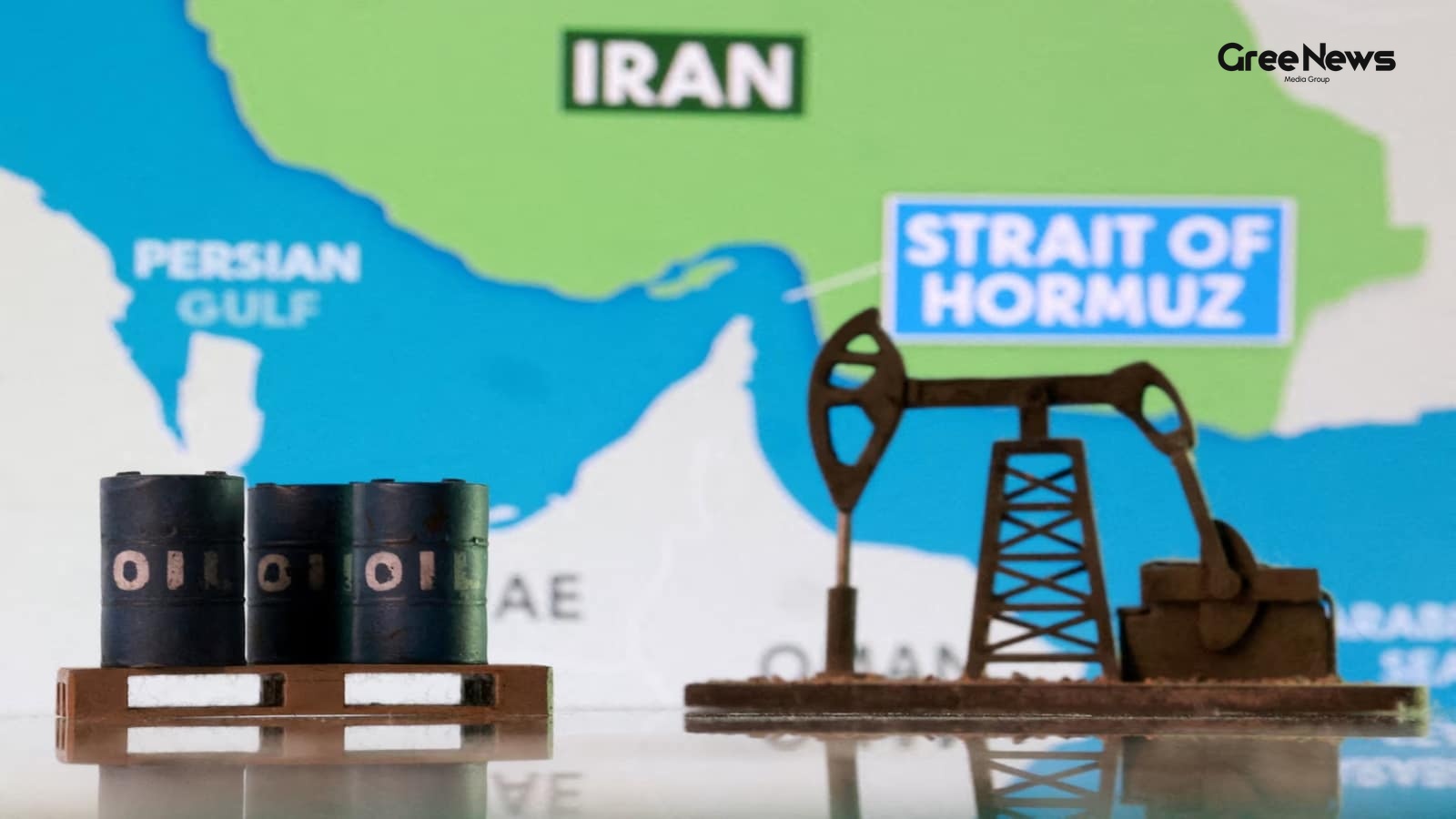
Impact of US Sanctions Waiver on Iranian Oil Exports for India
The air around energy markets right now feels incredibly thin. You see these official announcements about sanctions, temporary waivers they sound clean, mathematical, but underneath that veneer, there’s always this simmering tension, this sense that things are about to shift, or maybe just wobble mo
Jun 23, 2026 by Gree News Team

Akansha Ranjan on Freezing Eggs and Family Trust
Akansha Ranjan recently opened up about something big. Her decision to freeze her eggs. It’s a choice that might sound pretty unconventional to most people, but it seems like it was a really strong one for her. She talked about how her parents reacted when she made this choice. They were, you know,
Jun 23, 2026 by Gree News Team
New CBSE Policy for Private Students Affected by Class 12 Exam Cancellations
The Centre basically told the Supreme Court something on Monday. It was about a new policy CBSE brought in. This policy deals with private students who got hit by the cancellation of their Class 12 board exams in Gulf countries, all because of that recent Iran-US mess. A bench Justices S V N Bhatti
Jun 23, 2026 by Gree News Team

Trump Administration Proposal for Increased Legal Immigrant Citizenship Fees
The Trump administration is pushing for a big jump in fees for legal immigrants trying to get citizenship. They argue applicants should pay the full cost of processing things and all that extra vetting, instead of depending on subsidies from other immigration programs. This proposal came out under a
Jun 23, 2026 by Gree News Team
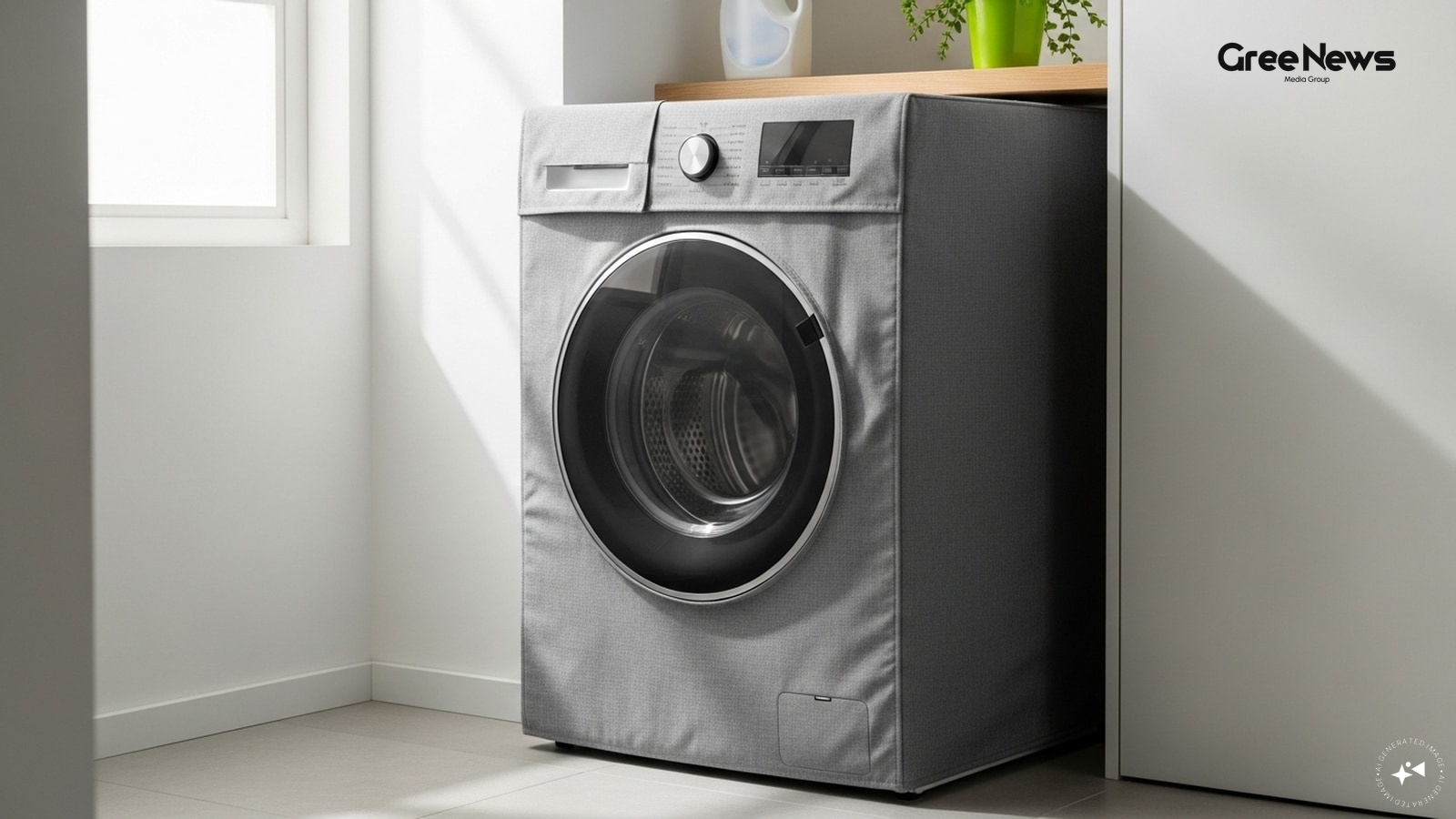
Protecting Appliances and Global Trade Dynamics
People always think about protecting expensive gadgets, right? Smartphones, TVs. But washing machines? They get totally ignored. Left out there, gathering dust, moisture, daily wear. And that stuff leaves marks. Detergent spills, water splashes, random things piled on top it all scratches the applia
Jun 23, 2026 by Gree News Team
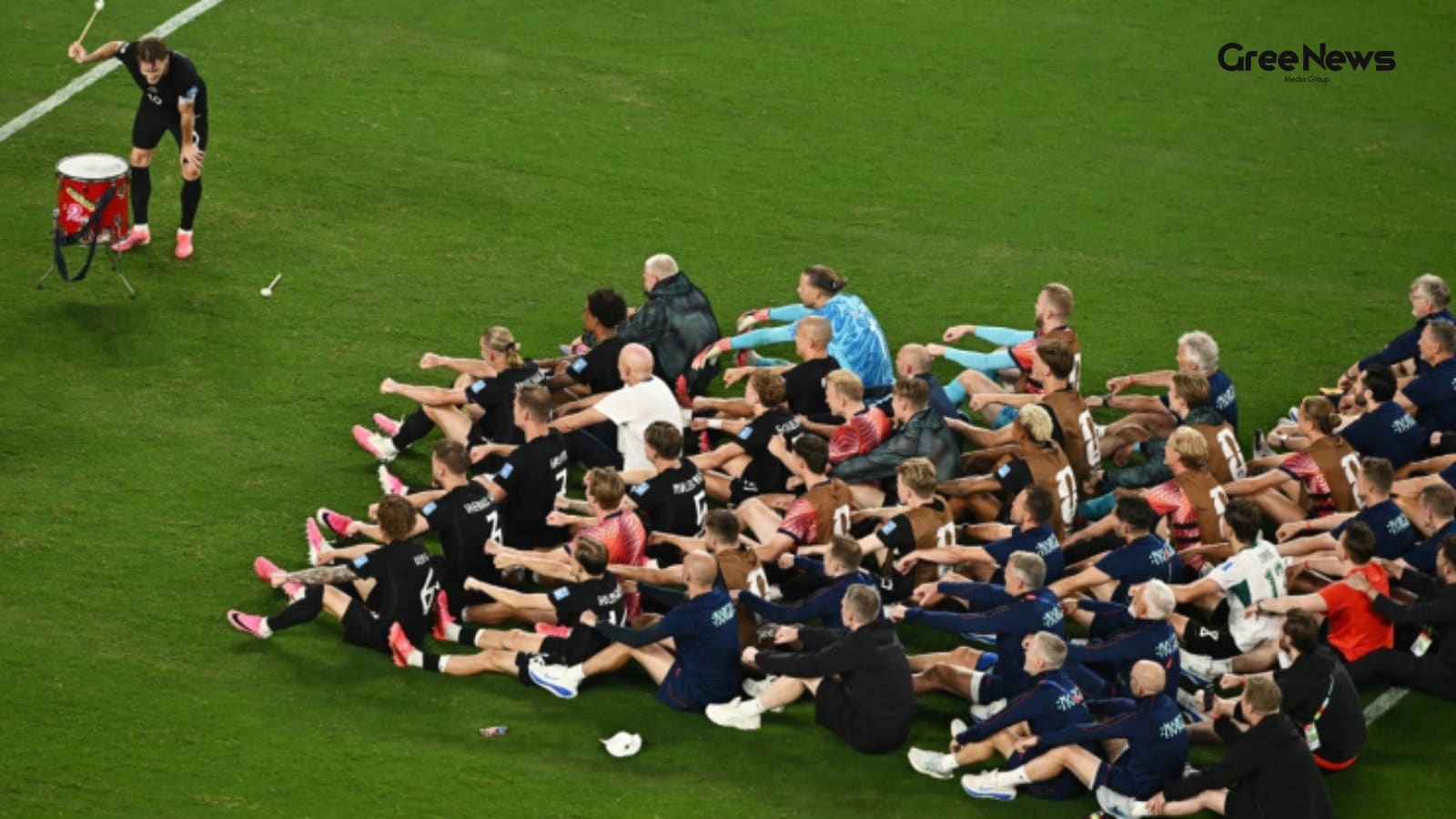
The Viral Viking Row: Norway's Celebration and Global Phenomenon
Erling Haaland’s goals got all the attention. But honestly, it was the Norway team’s celebration that really stole the show. They booked their spot for the FIFA World Cup 2026 in a dramatic way on Monday. A three-two win against Senegal. Qualification secured. Right after that win, the players just
Jun 23, 2026 by Gree News Team

World Cup Match Disrupted by Severe Weather
That night was just brutal for everyone there. Players, coaches, all those sixty-nine thousand fans crammed into Philadelphia Stadium felt it acutely. By the time things finally settled down, France had managed to pull off a 3-0 victory over Iraq. They got into the knockout rounds of the World Cup.
Jun 23, 2026 by Gree News Team
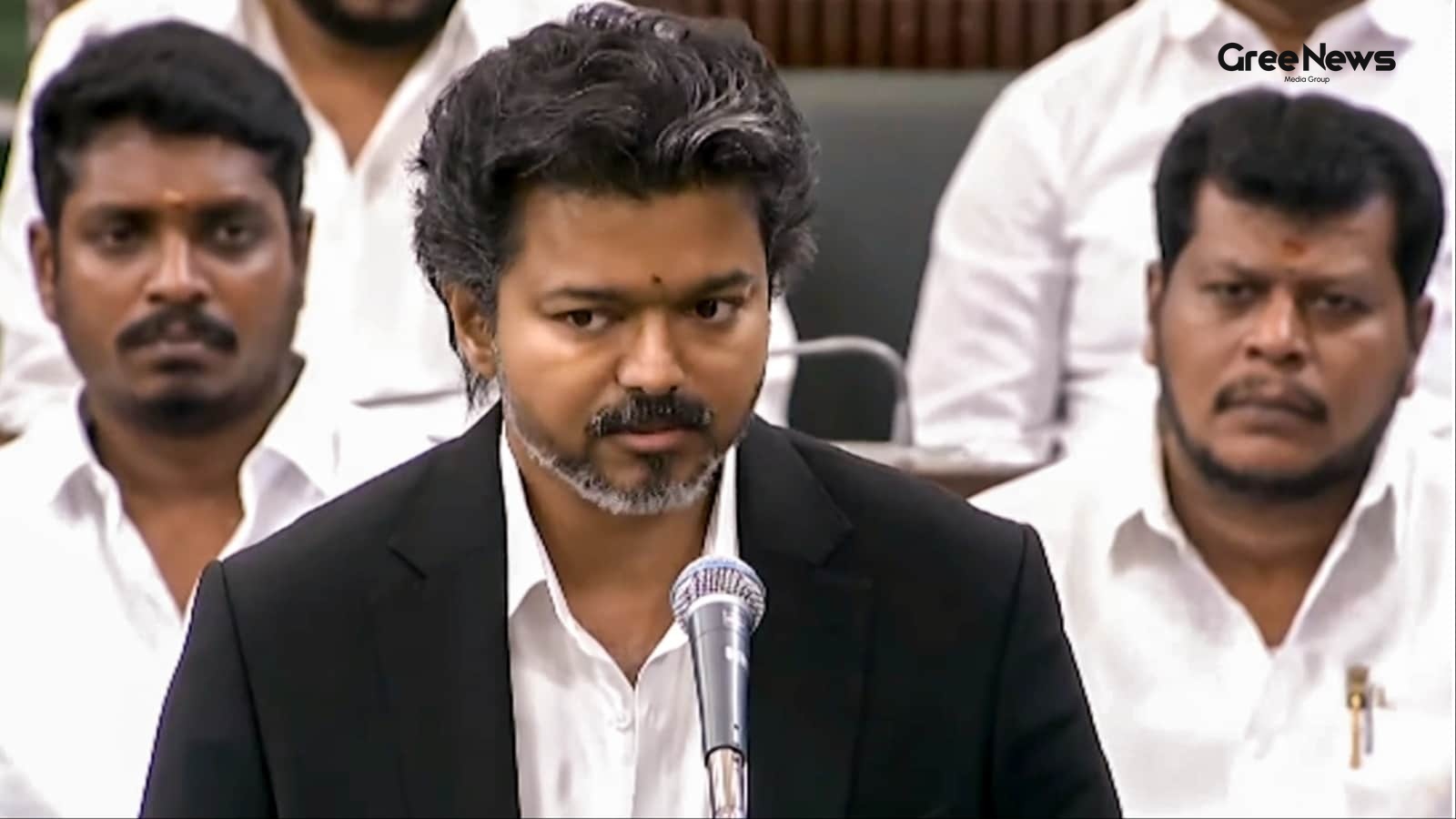
CM Joseph Vijay on NEET and Tamil Nadu Welfare
C Joseph Vijay, the Chief Minister of Tamil Nadu, went back on Tuesday again about the National Eligibility-cum-Entrance Test, or NEET. He basically hammered home that the exam was unfair to medical students here in the state and he absolutely opposed anyone forcing a language onto the students. He
Jun 23, 2026 by Gree News Team
Discreet Desk Stretches for Office Workers
The daily grind for most working people is a relentless shift. One screen after another. Emails before breakfast, calls during lunch, and then just hours sitting there in the same chair. It builds up. By the afternoon, that stiffness hits. The neck tightens, shoulders start to seize up, and the lowe
Jun 23, 2026 by Gree News Team

Standoff at Gurudwara in Nagrasu, Uttarakhand Involves Nihangs and Political Dialogue
That whole standoff at the gurudwara in Nagrasu, Uttarakhand’s Rudraprayag district it just kept going on Monday. Four Nihangs there, swords and spears, they were holding onto the place. They demanded four people be let out. These guys had been arrested over some parking mess back in Chamoli, from J
Jun 23, 2026 by Gree News Team
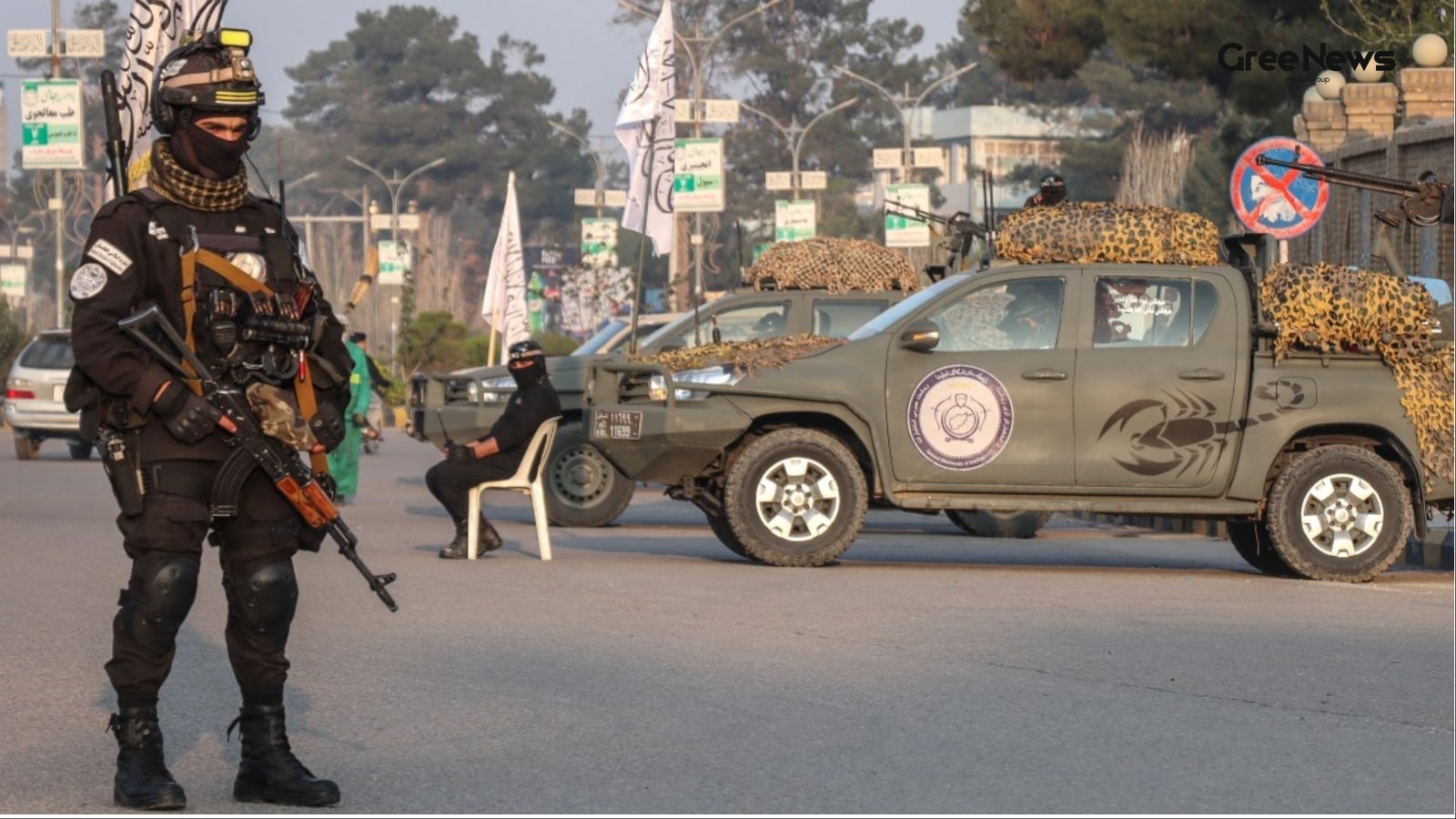
Taliban Morality Police Detention of Aid Workers
The Taliban’s morality police acted fast. They briefly detained about twenty aid workers at a reception center near the Afghan border with Iran. The reason? They accused these people of not meeting the country’s beard length requirements. This came out, apparently, through sources cited by AFP, thou
Jun 23, 2026 by Gree News Team
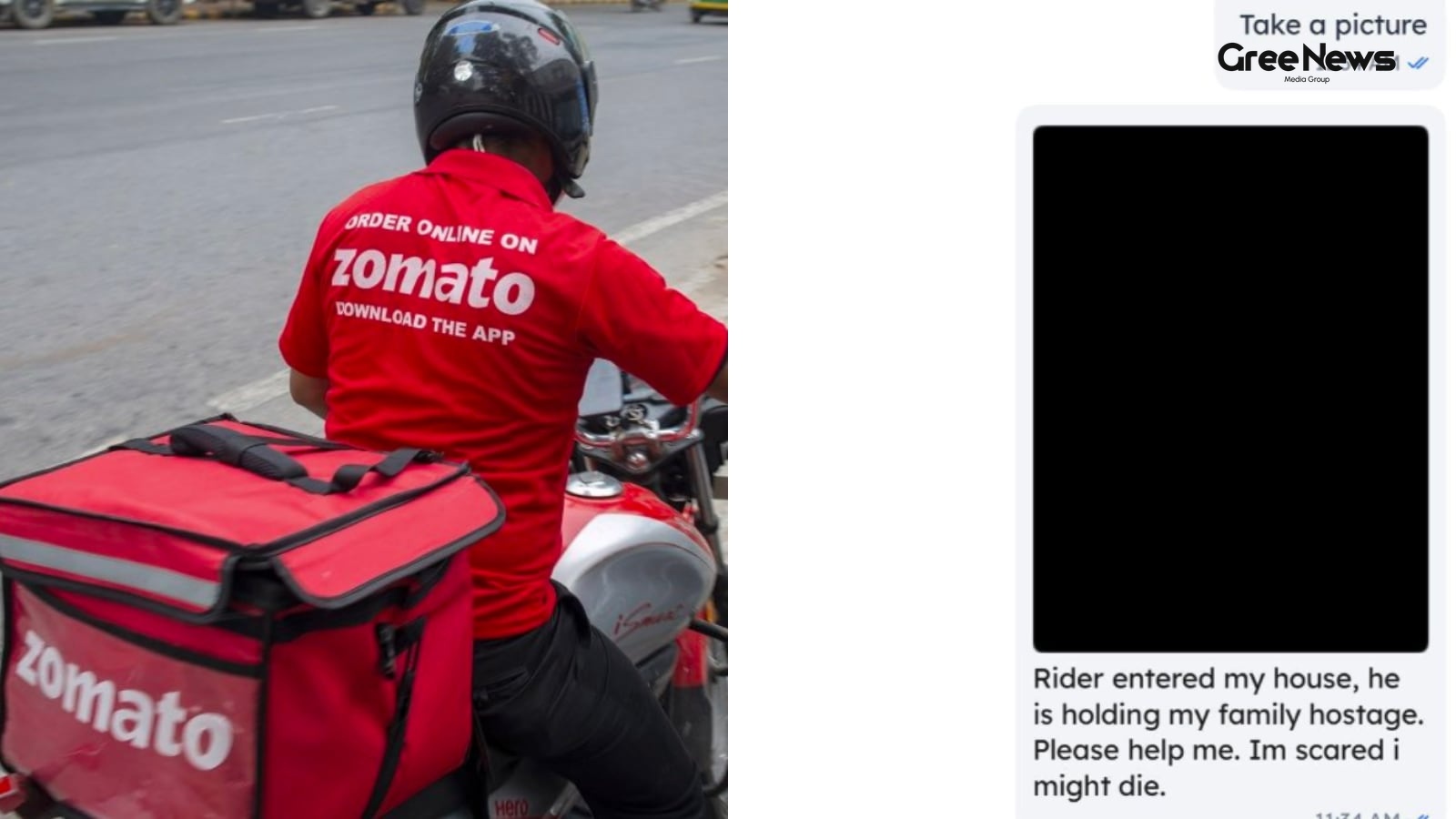
The Frustration of Zomato Customer Care and Automated Systems
You know, sometimes you see stuff online, right? Not the polished press releases. Just raw frustration bleeding out. That’s what this whole thread was about. A customer, totally fed up with automated responses everywhere, ended up posting something kind of wild through the Zomato support system. It
Jun 23, 2026 by Gree News Team
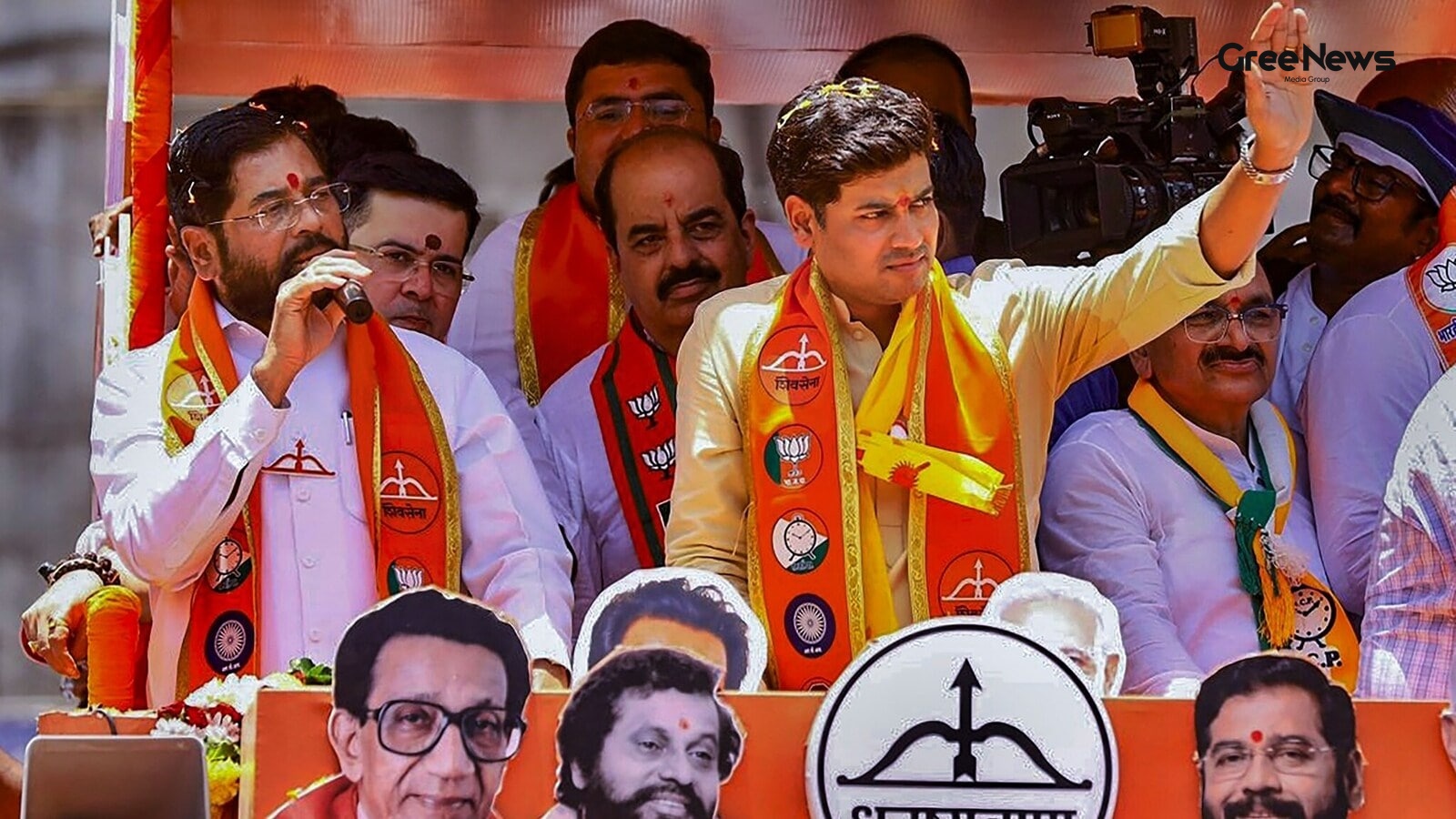
Political Shifts and Defections in Maharashtra
Shrikant Shinde, that guy credited with ‘Operation Tiger’ in the Shiv Sena world, he suggested something Monday. He said more political shifts could happen now that six UBT MPs have jumped over to Eknath Shinde's side. After all that movement. He wasn’t just talking about a single move though. It fe
Jun 23, 2026 by Gree News Team

The Legacy and Evolution of Indian Television Soaps
Ektaa Kapoor. You just have to talk about her reputation, doesn't she? It’s not just about making shows; it’s about building something that sticks around. Years and years of keeping audiences hooked. Blockbuster soaps, those long family dramas she always manages to find that loyal base. And look at
Jun 23, 2026 by Gree News Team