The Evolution of Indian Gin: From Importation to Local Craftsmanship

For years, premium spirits in India felt very much defined by what was imported and some kind of international aspiration. But things are changing now. A whole new wave of Indian gin brands is reshaping that conversation. They aren't looking outward anymore. They’re turning inward instead.
It’s about using the country’s own biodiversity, regional ingredients, those centuries-old traditions. That stuff is becoming the real foundation for a drinking experience that feels more confident, more rooted culturally.
What people are actually starting to look for isn't just a premium pour. It’s a sense of place. Provenance has evolved past just geography, you know? It now covers authenticity, craftsmanship, and all those stories tucked away in what ends up in the glass.
Varun Jain, CEO and Founder of Smoke Lab, he sees that consumers want products with purpose, an identity attached to them. He says they are interested in where a spirit comes from. What inspires it. The story it tells. Gin, with its unique botanicals, seems like the perfect vehicle for expressing India’s incredible biodiversity, its cultural richness.
There’s this idea that gets really interesting when you talk about ingredients. Take Mohulo, India's first sipping gin. It was inspired by the Mahua flower the sacred “Tree of Life” for groups like the Baiga tribe in Central India. For Jain, bringing Mahua into the mix wasn't just about adding a unique Indian element to the spirit.
He explained it felt more profound than that. It was about recognizing the deep history, all the knowledge and context behind that ingredient. Presenting it authentically, respectfully. That’s where he sees the future of Indian gin. Beyond just the botanicals. Understanding the people and traditions behind everything.
Meanwhile, there's this whole shift happening in how we drink itself. This appreciation for storytelling is mirrored by a broader change in culture. Slow drinking. Mindful consumption are pushing back against those old volume-driven habits. People are focusing more on flavor complexity, on craftsmanship now.
Jain puts it plainly: Spirits are increasingly being savored rather than just consumed. People want character. They want authenticity in a conscious way.
This shift isn't just confined to gin. It’s visible everywhere when we talk about luxury itself. Sameer Mahandru, Founder of Indobevs, points out that India is finally finding its own voice in categories that were always shaped by Western influence. Gin has been one of the most interesting places to watch this happen.
What started as an imported habit? Now it’s being reimagined through Indian botanicals and local sensibilities. Mahandru feels today's consumers aren’t just chasing prestige anymore. They want something that reflects their cultural preferences. The next phase in premium drinking here won't be about importing status. It’ll be about experiencing it locally, with craftsmanship that can hold up against anything global.
A new generation of gin brands is embracing this sense of place. Jatin Dev Bobb, Founder and CEO of Baagh Gin, thinks Indian gin has hit an inflection point. For years, the category borrowed its identity from modernism, from a Western sensibility. Now, though, there are brands drawing much more confidently from local ingredients, regional flavors the richness of India’s soil, the seasons, the culture itself.
Consumers aren't just being curious about this change. They are building loyalty towards brands that have a clear identity. That authenticity matters.
At Baagh, they take that philosophy further than just flavor. Every bottle is meant to tell a story. It’s visual, too. Designed by an Indian artist, it carries history woven into the design and the ingredients. Take their latest, Baagh Blue. It mixes jamun, hibiscus, butterfly pea flower. The result? Something visually striking, definitely flavourful. And that natural color change it adds this whole element of theatre to the experience.
Bobb says premium drinking here is moving past imitation. It’s about craft. Originality. A bit of nerve.
So where does it go from here? Indian gin isn't trying to copy London dry traditions or borrow legitimacy elsewhere anymore. It’s building its own language. One rooted deep in indigenous ingredients, local artistry, and stories that just feel undeniably Indian.
As this category matures, these culturally grounded spirits are going to become ambassadors for India’s botanical and creative heritage. Not just at home. On bars. Back on shelves worldwide. The real future of premium drinking isn't about where the liquid originates geographically. It's about how honestly it reflects the people and the place that shaped it.
Written by Gree News Team — Senior Editorial Board
Gree News Team covers international news and global affairs at Gree News. Our collective of senior editors is dedicated to providing independent, accurate, and responsible journalism for a global audience.
More from Recipes
View All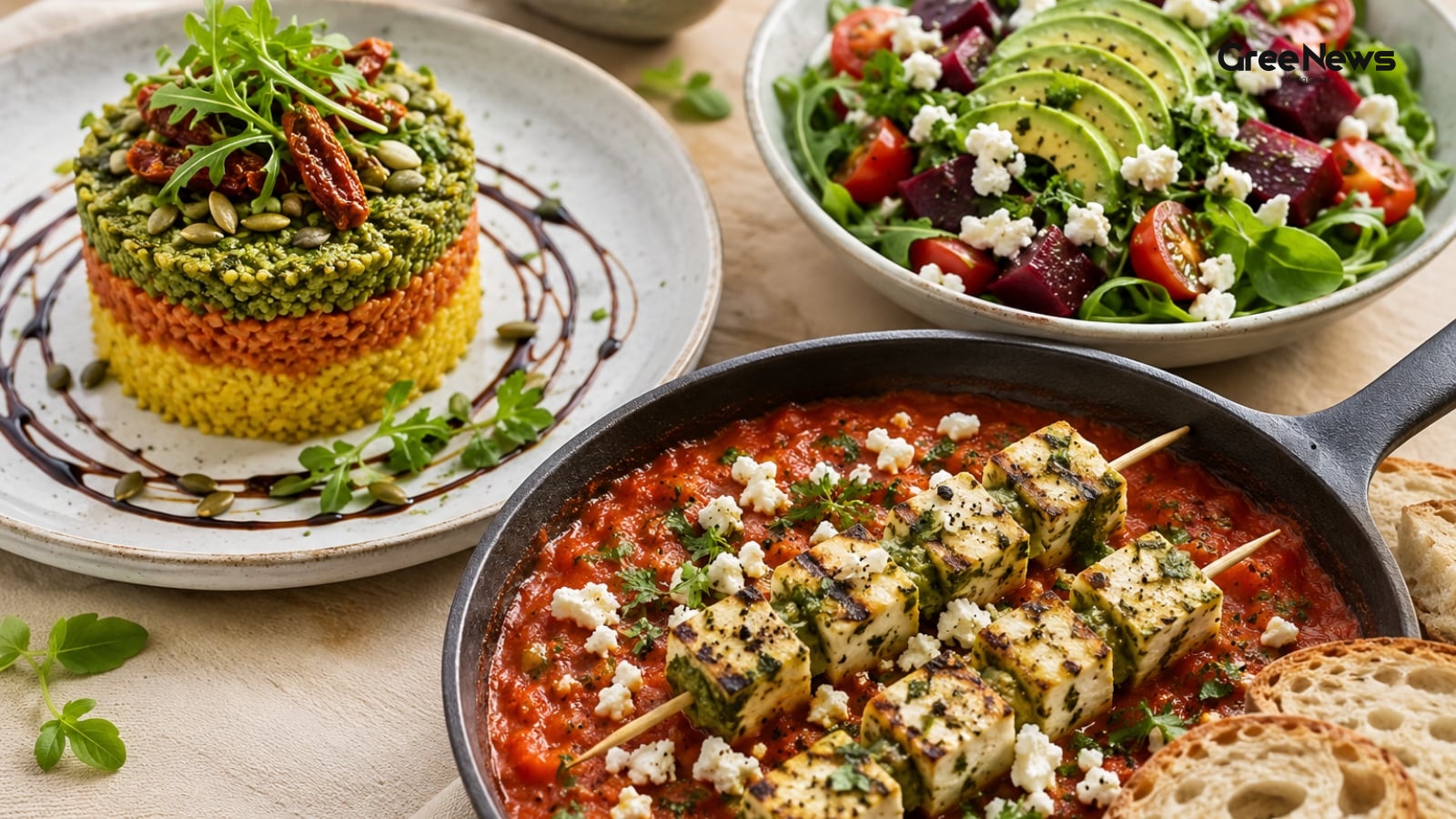
Holistic Wellness Recipes: Gluten-Free Meals and Protein Focus
International Yoga Day… it’s supposed to be about holistic stuff. Well, movement and mindfulness are important. But you know what else matters too. Food. Real food for a balanced life. Perfect for a wellness menu. Pesto. Saffron. Pomodoro. Arugula. It’s simple stuff really. Taking care of what you p
Jun 22, 2026 by Gree News Team
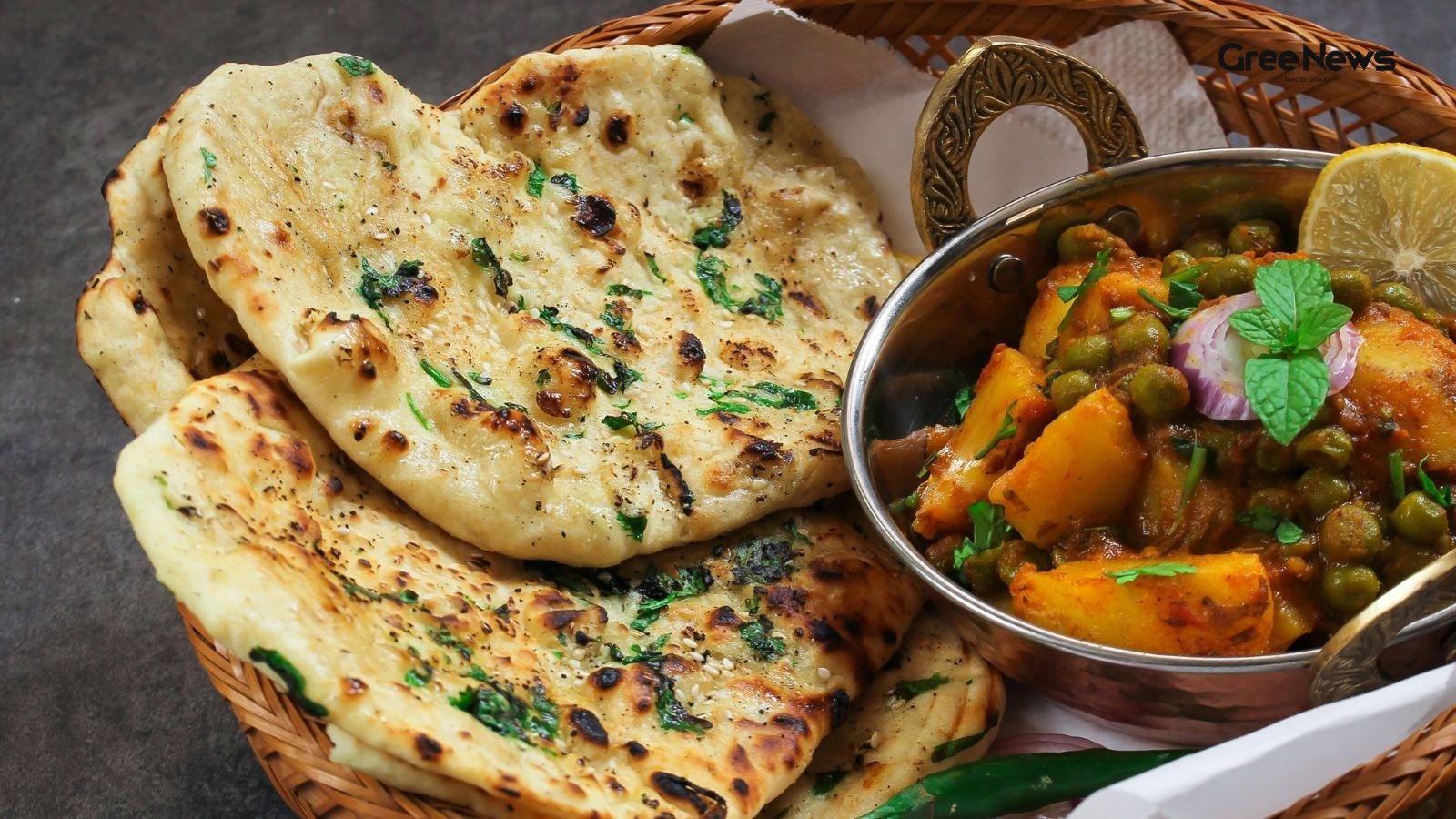
How to Make Soft, Fluffy Homemade Kulchas and Chole
man, there’s just something about that combination. hot chole and those soft, fluffy kulchas. it hits you right. making homemade chole itself isn't hard. pretty straightforward stuff. but people? they skip the kulchas. they assume you need some kind of fancy tandoor or oven for them. like it’s some
Jun 22, 2026 by Gree News Team

How to Make Fluffy Homemade Popcorn from Corn
Most people just grab popcorn kernels from the store. They don't realize you can actually make them yourself using fresh corn. It’s kind of wild. A mature corn cob? You can turn that into fluffy movie-theater style popcorn with just a little bit of drying and some prep work. If you’re hunting for a
Jun 22, 2026 by Gree News Team
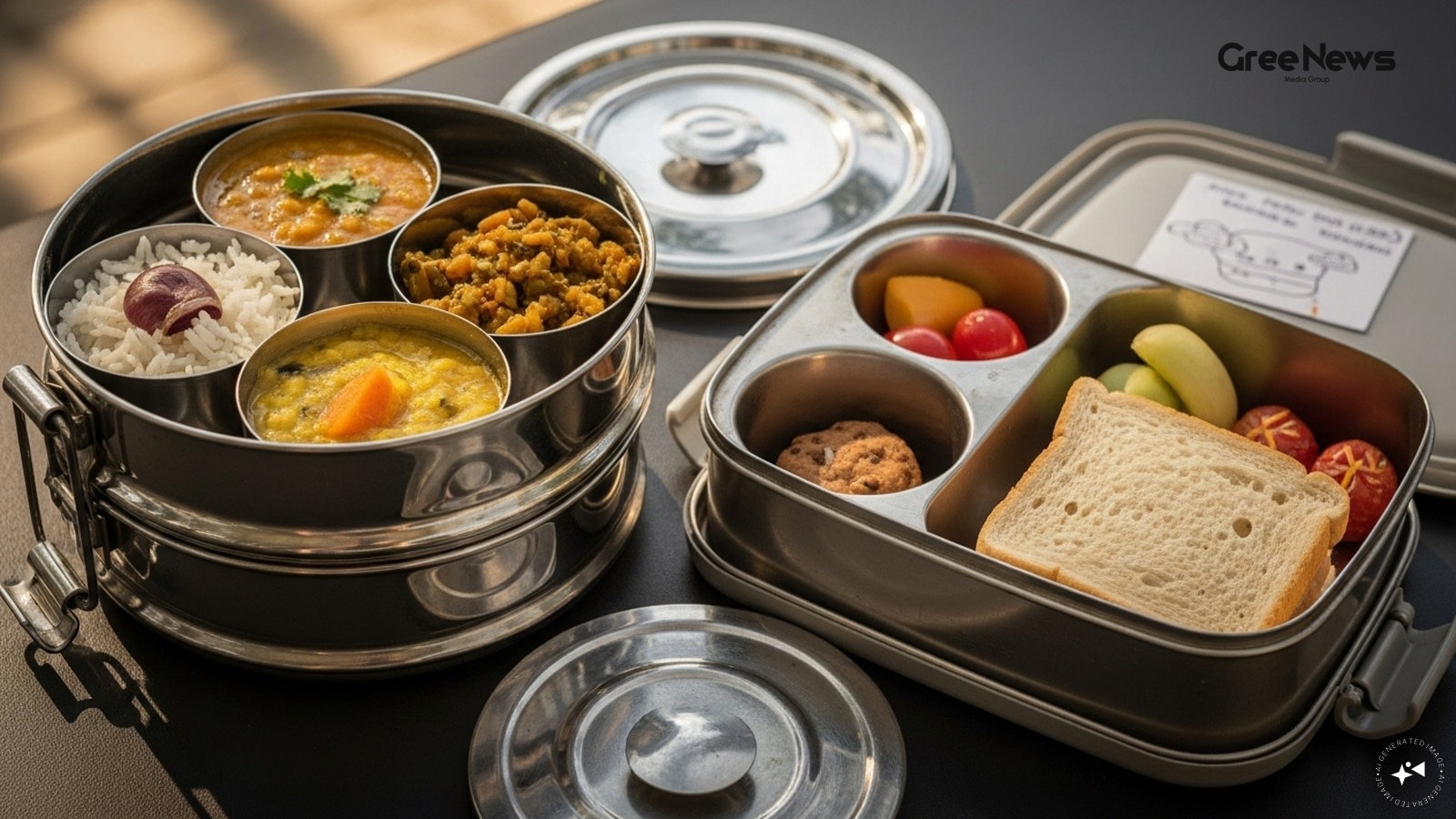
Choosing the Best Lunch Box: Materials, Capacity, and Portability
Look, whether you’re dealing with a packed office lunch or just trying to manage a simple homemade meal for college, a decent lunch box actually makes carrying food way easier. Seriously. Nobody wants curry leaking all over their backpack or some container, leaving yesterday’s smells hanging around
Jun 22, 2026 by Gree News Team
Latest Headlines

CEO Impersonation Fraud and Cybercrime Schemes
The Ministry of Home Affairs stepped in. They warned everyone about a new way criminals are operating using the names of high-ranking officials to pull this stuff off. It’s all about fraud now. I4C, that’s the Indian Cyber Crime Coordination Centre, they issued an advisory. It’s flagged these fraudu
Jun 23, 2026 by Gree News Team

The Resilience and Story Behind *Main Vaapas Aaunga*
That film, *Main Vaapas Aaunga*, it’s still holding onto something. Weekday numbers are keeping it in the conversation, even into its second week now. It showed surprising grit compared to how slow things started out Monday. You see competition everywhere, but Imtiaz Ali managed to keep that audienc
Jun 23, 2026 by Gree News Team
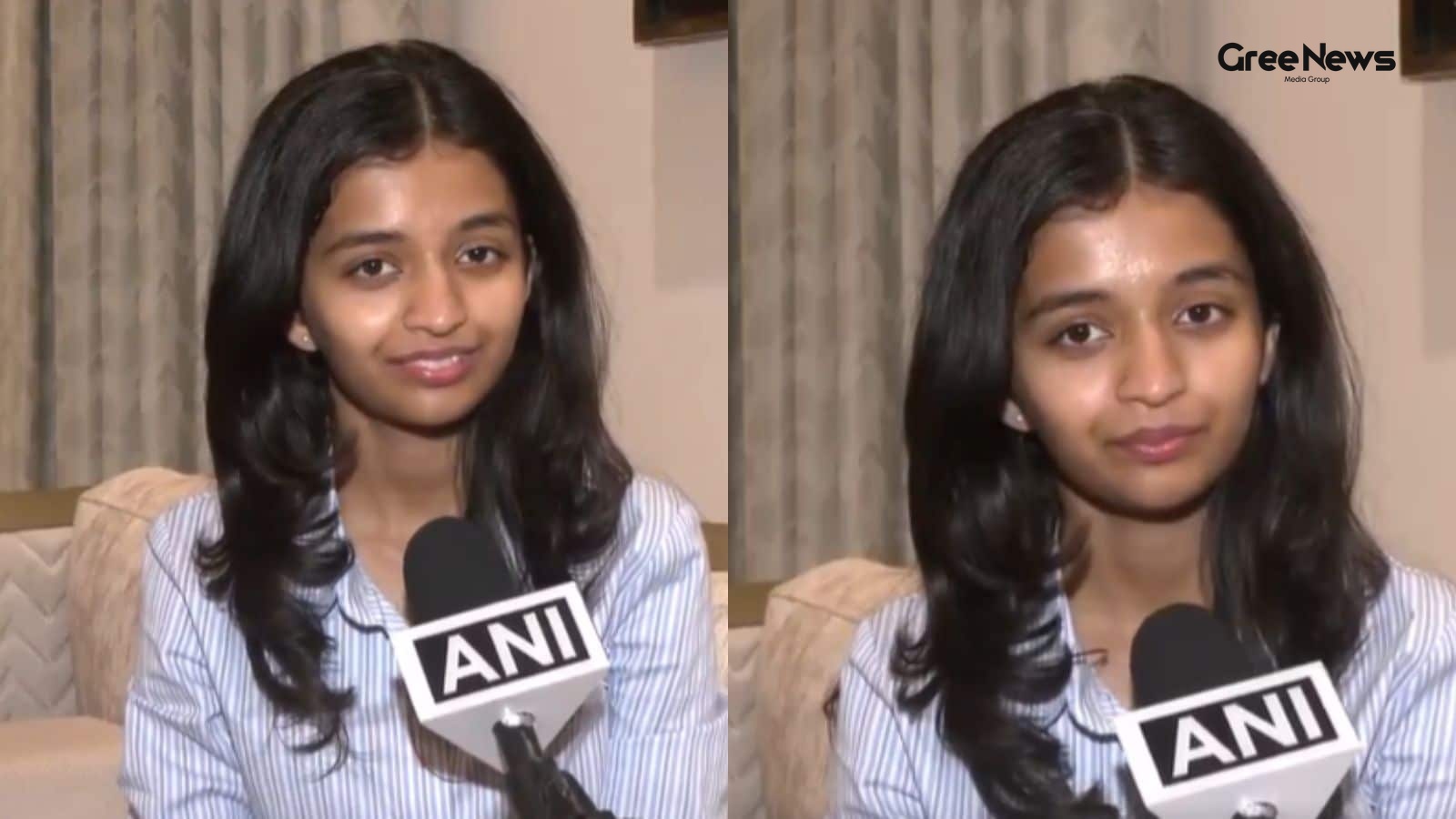
Avni Kejriwal's CBSE Re-evaluation and the Shocking Marks
That whole story about Avni Kejriwal and her CBSE re-evaluation just blew up social media. People were calling it one of those truly shocking board exam moments this year. Avni, she was in Class 12 commerce, from Ranchi. She went from scoring just over ninety-two percent. Then, after the CBSE checke
Jun 23, 2026 by Gree News Team

Stabbing Incident in Bengaluru: Investigation and Family Tensions
Three people were allegedly stabbed to death inside their apartment in Bengaluru’s Seegehalli area. It was a massive police search operation right after that happened. The incident itself, according to the police file, wrapped up on Monday evening, somewhere between six and six-thirty pm near Kastur
Jun 23, 2026 by Gree News Team

Pakistan's Migration, Security, and Gulf Relations
Pakistan’s Gulf partners have started flagging something really uncomfortable for Islamabad. We’re talking about over five thousand five hundred Pakistani beggars being caught in Saudi Arabia alone. The UAE has also raised serious concerns about Pakistani nationals involved in begging, that’s what M
Jun 23, 2026 by Gree News Team

Work-Life Balance and Corporate Expectations in India
You know how it is. Even after working for twelve hours straight, some working professionals just log off early. It’s not uncommon these days. Someone posted something online about this exact situation. They mentioned that a client actually reported to their company management. They said the team de
Jun 23, 2026 by Gree News Team

The Unseen Dynamics of Change and Information Flow
The air in the room felt thick today. It started subtly enough. A slight hesitation in a public statement here, a glance averted there. Nothing concrete yet, just this underlying current of unease running through the city. You watch these things unfold, right? Then the official chatter kicked up. Su
Jun 23, 2026 by Gree News Team

Shankh Mitra's Massive Compensation and Career at Welltower
Shankh Mitra, an Indian origin executive, has pulled off something massive with his compensation package at Welltower. We’re talking $821 million roughly seven thousand and sixty-one crore rupees. That puts him right behind Elon Musk as the second highest paid executive in the company. He’s the CEO
Jun 23, 2026 by Gree News Team
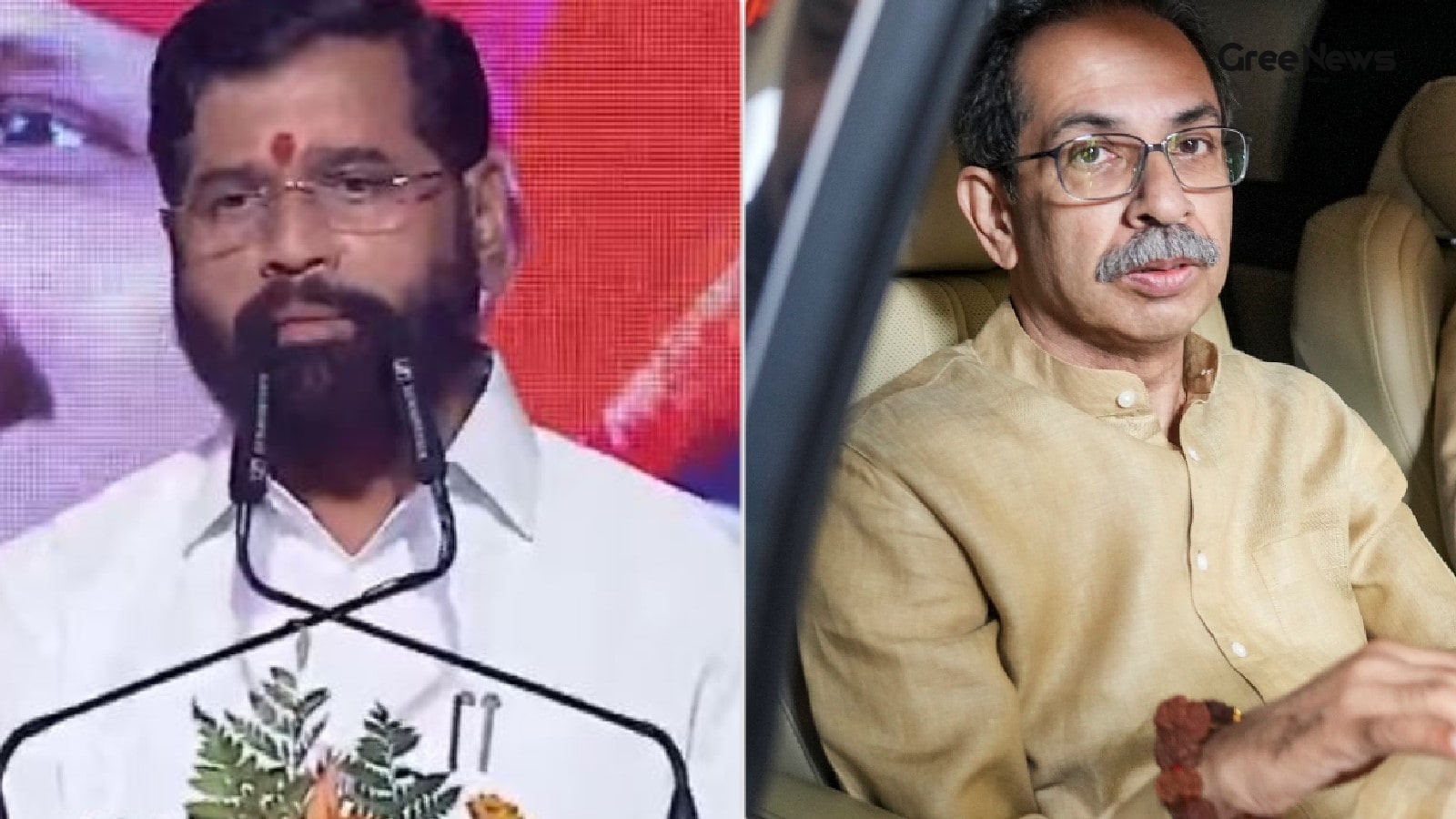
Political Explosions and Shifting Power in Maharashtra
A day after those six Shiv Sena (UBT) Lok Sabha MPs jumped ship to Eknath Shinde’s camp, joining Maharashtra minister Uday Samant, things just keep heating up. He wasn't holding back. Samant hinted that more political explosions were coming. Not just some little squabbles. Real ones. The kind that a
Jun 23, 2026 by Gree News Team

Lucknow Building Fire: Systemic Failure and Safety Violations
A massive fire. That’s what happened in Lucknow. A commercial building in Aliganj went up in flames on Monday. Fifteen people died. Several others got hurt. It was just chaos, really. An FIR got filed right away. The initial report is all about that blaze and the terrible cost of it. When you look a
Jun 23, 2026 by Gree News Team
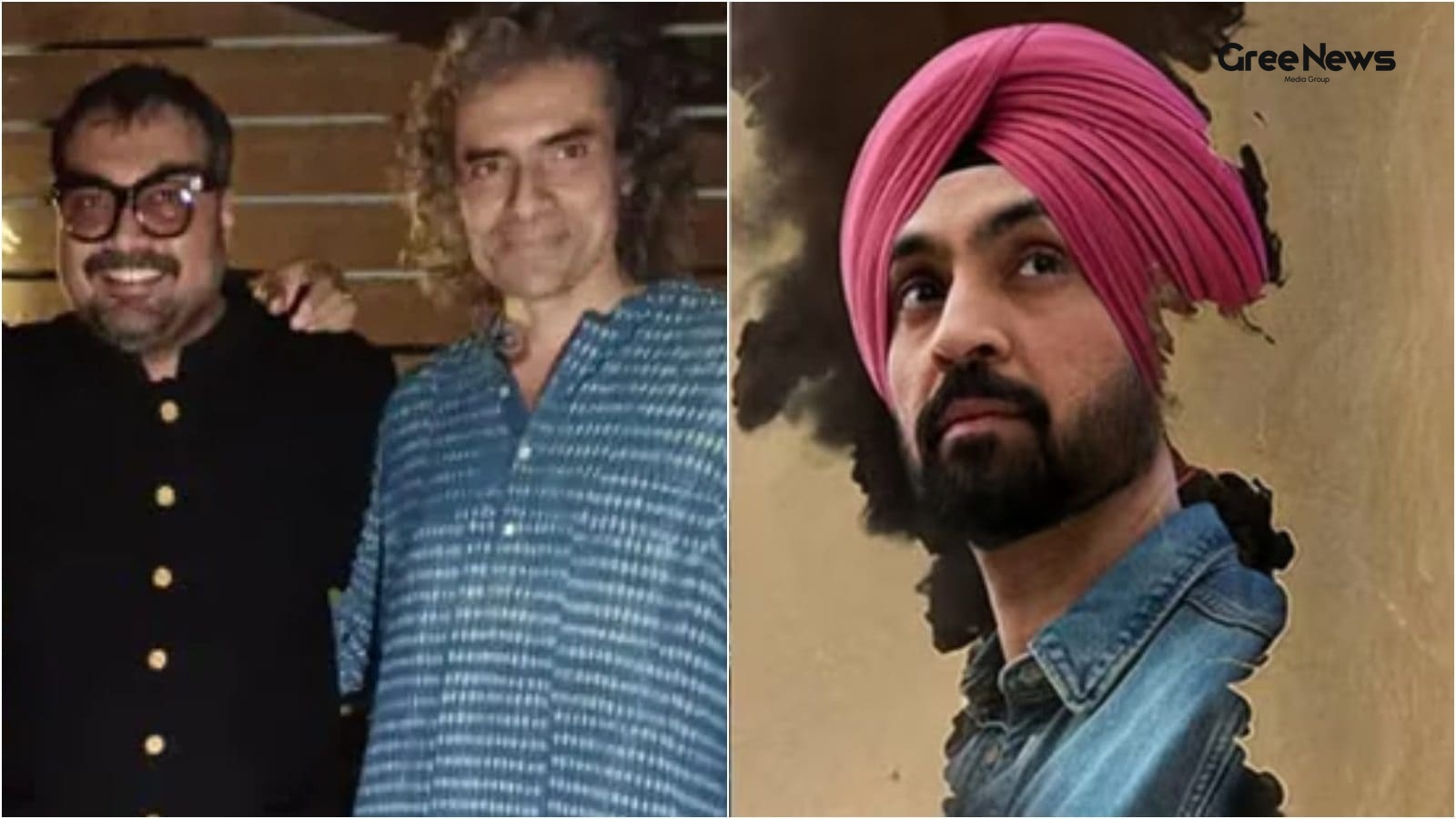
Imtiaz Ali’s Film *Main Vaapas Aaunga* Reception and Buzz
Imtiaz Ali’s latest film, *Main Vaapas Aaunga*, starring Sharvari, Vedang Raina, Diljit Dosanjh, and Naseeruddin Shah, turned out to be quite a surprise hit. It really struck a chord with people across the country. It didn't exactly explode at the box office right away, though. There was a slow star
Jun 23, 2026 by Gree News Team
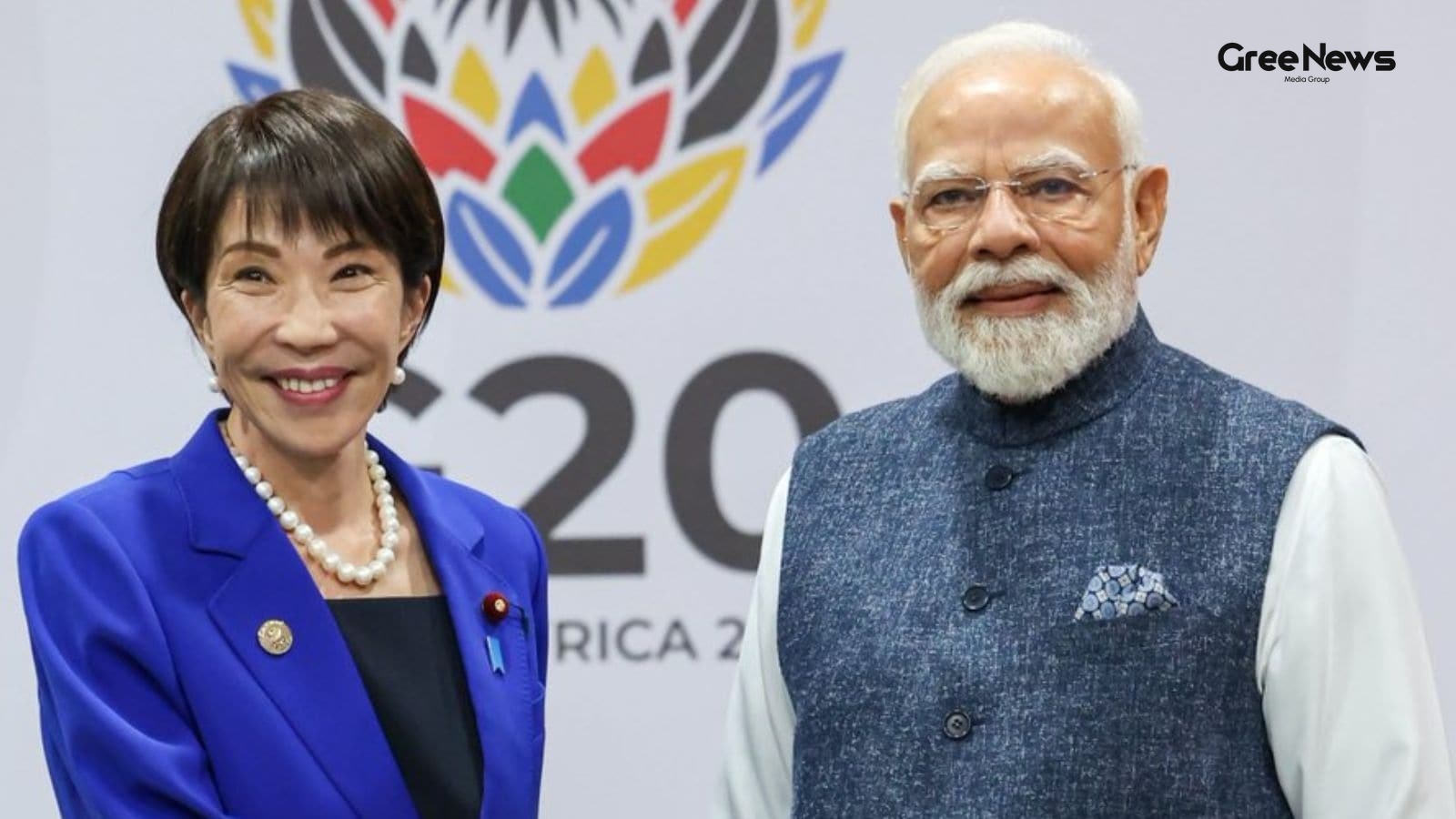
Sanae Takaichi's Official Trip to India and the Shift in Focus
Sanae Takaichi is probably going to stick her first official trip to India in New Delhi next month. Guwahati, which had been floated as a possibility for this high-profile visit, seems off the table now. CNN-News18 picked up on that detail. She’s expected to be in India from July 1st to 3rd. The mai
Jun 23, 2026 by Gree News Team

CM Vijay's Cinematic Gesture and Political Impact
Vijay’s closing moments in the Assembly really caught people off guard. It wasn't just the end of a speech; it was this familiar, cinematic gesture he made. And that little act? Instant buzz inside the House. Then instantly online. People were talking about it. Some joked, naturally. The actor-turne
Jun 23, 2026 by Gree News Team
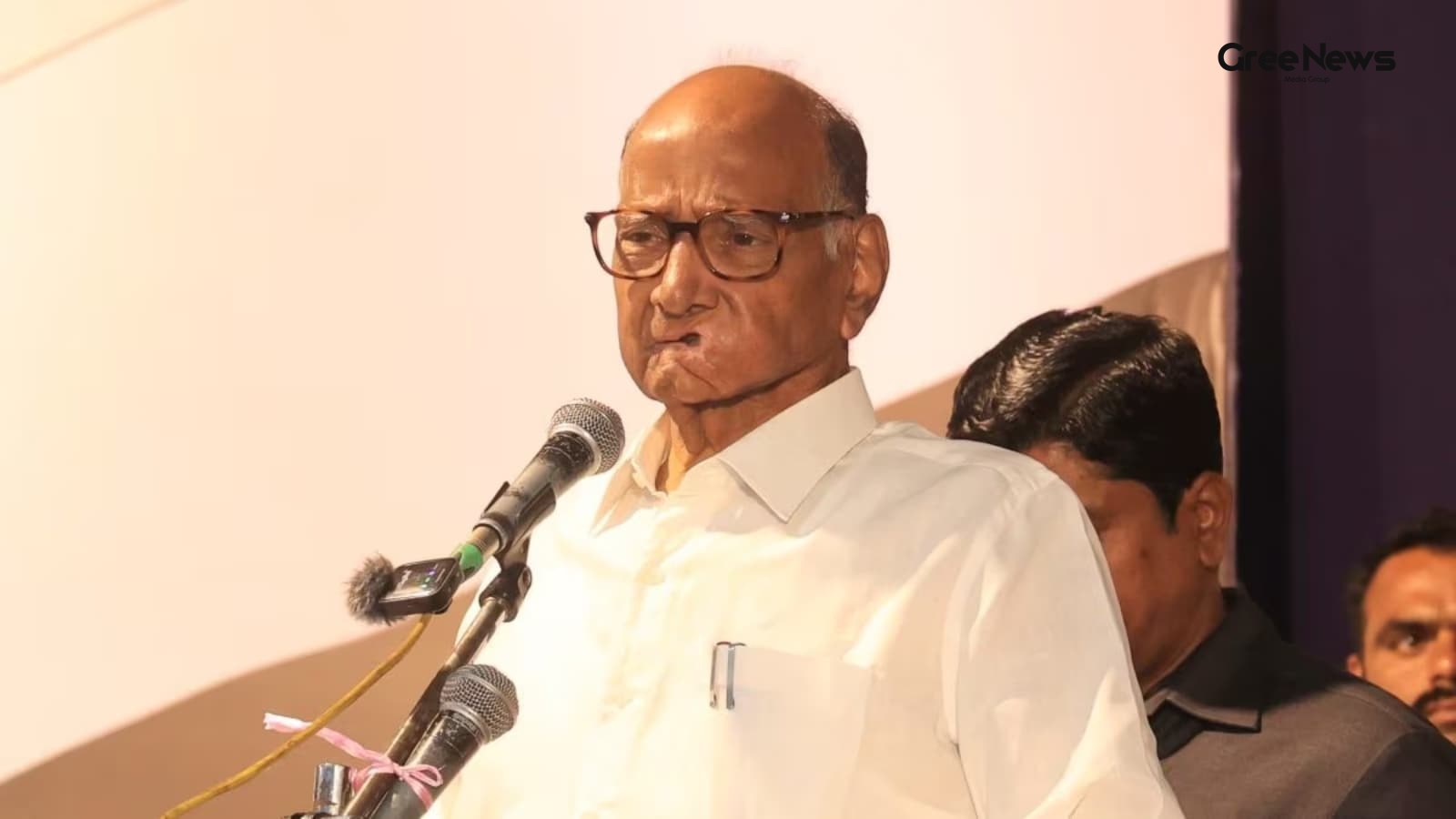
Political Shifts and Strategy in Maharashtra
You hear about the whole situation happening in Maharashtra. It’s all shifting around right now after some big exits. Twenty Trinamool Congress MPs walked out. Then six Shiv Sena UBT Lok Sabha members left for the Eknath Shinde side. Media and folks watching politics are now really focused on the NC
Jun 23, 2026 by Gree News Team

Samay Raina's Financial Success and the Creator Economy
Samay Raina, that stand-up guy, is back in the headlines with *India’s Got Latent* Season 2. But it isn't about the jokes this time. It’s all about the money. The real buzz came from an X user named Paritsh Sharma. He dropped some numbers. Estimates for what Raina might have pulled in through Netfli
Jun 23, 2026 by Gree News Team