The Unfolding Controversy of the FIFA World Cup 2026
The football world right now feels utterly fractured. It’s spectacular, sure, the goals are incredible and the moments captured are unforgettable. But underneath that dazzling surface of athleticism is this relentless controversy. It's not just about the game anymore; it’s about everything surrounding it.
We're weeks into the FIFA World Cup 2026, and instead of pure sporting celebration, what we’re seeing is a collision course of off-field disputes and incidents that feel almost unprecedented. From the heavy geopolitical tensions looming in the background to ridiculous complaints about the match ball itself this tournament has managed to snag controversy at practically every single turn. It just keeps piling up.
It really highlights how fragile these massive global events are, doesn't it? They’re supposed to be a unifying force, but they’ve become a stage for everything else.
Here’s where things get particularly thorny when you look at the political backdrop involving Iran and the United States. It’s perhaps the single most overshadowing element of the entire tournament narrative. For the first time in World Cup history, a host nation is hosting while actively engaged in conflict with one of the major participating countries. That kind of friction doesn't just happen on the sidelines; it bleeds into the logistics, the travel, everything.
Iran qualified for this competition, obviously. But they couldn’t stick to their original plans. They had to pivot. Instead of setting up that planned training camp in the US, they ended up locating their setup in Mexico. A necessary change, maybe, but it highlights just how much maneuvering is required when you try to organize something so huge under these specific pressures.
Iranian officials and coach Amir Ghalenoei haven't been quiet about it. They keep pushing back against what they see as arbitrary travel restrictions. The demands are real: the team needs to fly in and out of match venues within strict time windows. It sounds simple, but when you layer on international politics, those small logistical rules become massive political hurdles for the players trying to simply participate.
Ghalenoei’s reaction is sharp. He calls it something like, “The most oppressed team in the whole World Cup.” That kind of language that level of frustration channeled into a quote it cuts through all the polite sporting rhetoric. It reminds you that this isn't just about football tactics; it’s about sovereignty and access.
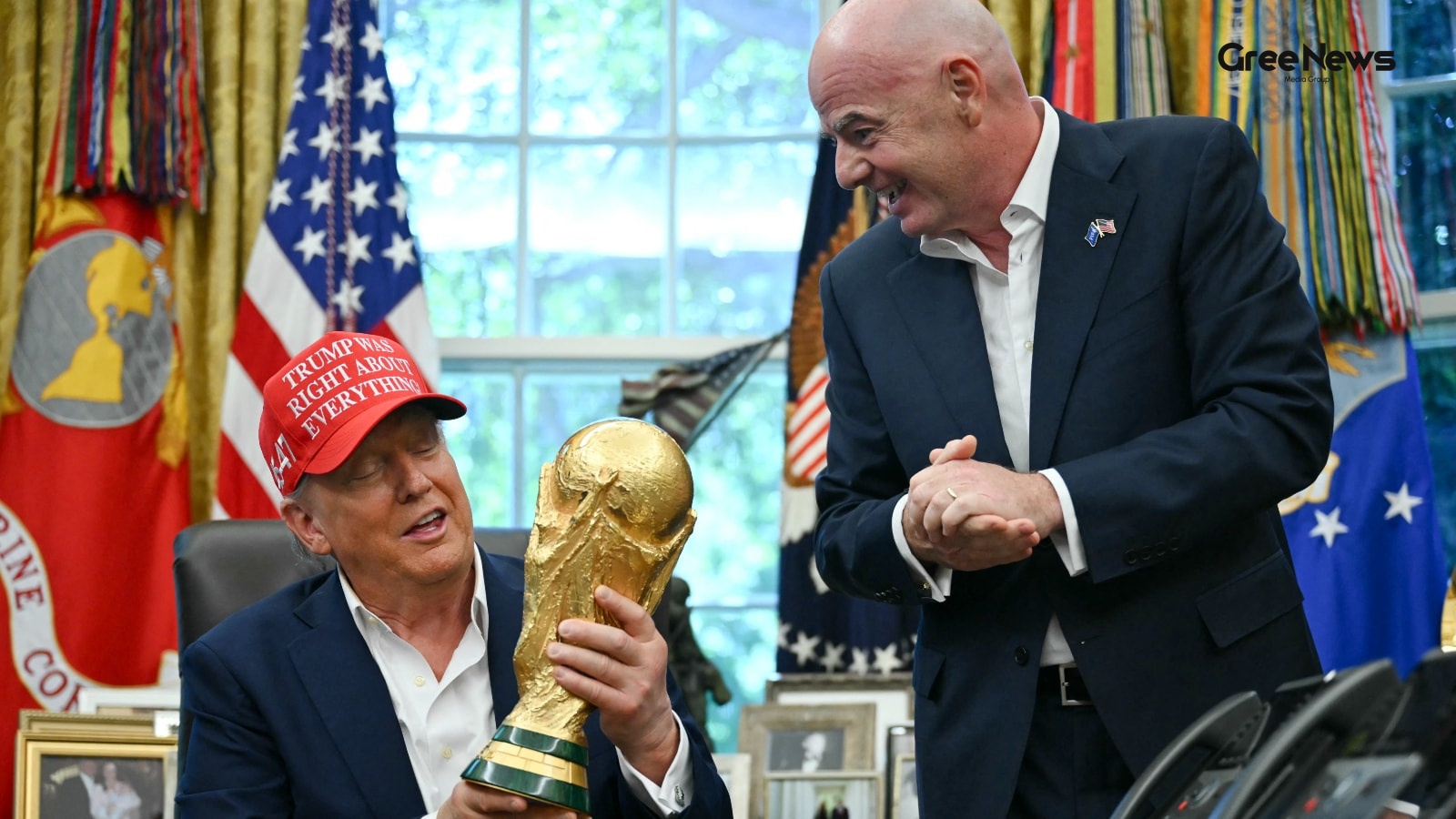
And the friction doesn't stop there, especially when you look at FIFA itself. The relationship between some of the big players has drawn serious scrutiny lately. Think about Gianni Infantino. His history with US President Donald Trump is something that keeps getting pointed at now. Critics argue this closeness isn't just friendly diplomacy; it’s an alignment that blurs the lines, making it hard to see FIFA operating in true political neutrality.
There were those points about his repeated appearances alongside Trump. And then there was that decision to award him the FIFA Peace Prize right before the tournament kicked off. It started raising eyebrows immediately. People are asking: what is the line between sports administration and high-level politics? Human rights groups, they’re loud on this front, accusing FIFA of abandoning any pretense of political neutrality entirely. Is the World Cup turning into just another platform for global maneuvering? That question hangs heavy over every official decision made lately.
Then you have these bizarre, almost surreal moments that stick with everyone who watches. Take the issue surrounding Somali referee Omar Abdulkadir Artan. This wasn't about a tactical foul or a bad call; it was about basic access and fairness.
Artan was slated to be the first Somali official to referee at a World Cup. A huge moment for representation. But he faced an immediate wall when trying to get into the United States. Diplomatic efforts were made, obviously. People tried to smooth things over behind closed doors. Yet, in the end, FIFA just removed him from the tournament roster. That kind of dismissal feels deeply unfair. It throws a spotlight on how arbitrary decisions can be when you're dealing with international bodies and visa policies colliding with sporting ambition. It sparked an entire fresh debate about access about what "global" truly means at these events.
And then there’s the chaos that happened right on the pitch, something completely bizarre that became instantly iconic of this tournament’s mood. This was during Paraguay’s narrow 1-0 victory over Turkey. A moment that probably won't be remembered in terms of tactics, but it will stick forever because of how strange it was.
Miguel Almiron. He became the first player ever sent off under FIFA’s newly implemented mouth-covering rule. Why? While speaking to Turkish defender Mert Muldur during an altercation, he covered his mouth. It looked utterly ridiculous in the moment, a flash of pure absurdity amidst the serious competition. But then came the VAR review, and referee Ivan Barton stepped in. He produced a straight red card.
The rule itself was meant for a reason to stop players from hiding abusive language from officials or cameras. That’s the intent. But when it happens live, especially under the intense glare of global scrutiny, these moments aren't just about discipline; they become defining spectacles. The dismissal immediately felt like one of those pivotal moments that define the entire tournament atmosphere, a stark reminder of how volatile human interaction can be compressed into a single frame.
It’s this mix the high-stakes politics bleeding into referee decisions, the rule changes designed to manage behavior creating new spectacle, and all of it layered onto the sport itself that makes watching feel like navigating a minefield.
Then you have the structural shifts FIFA has forced on the tournament, trying to make sense of the chaos by imposing new rules. They overhauled how results are tabulated. For the first time, head-to-head results are now being used ahead of overall goal difference when teams finish level on points.
Supporters argue this is about rewarding direct competition. It rewards the immediate clash between two sides. But critics look at it differently. They feel that overall goal difference the net performance across an entire group stage is a far more honest measure of a team’s true standing and performance over the whole tournament cycle. It feels like they are trying to force a narrative where direct confrontation matters more than sustained, holistic effort.
This change isn't just theoretical either. It’s already started complicating qualification calculations. As the group stage winds down, this new tiebreaker could prove incredibly decisive for who moves forward. The implications ripple out far beyond the scoreboard; they touch on how we value different forms of sporting achievement.
And let's pivot sharply to the financial reality. Forget the beautiful game for a moment and look at the costs associated with attending this spectacle. Fans have voiced just how angry they are over soaring prices. We’re talking about reports of World Cup final tickets being listed on FIFA’s resale platform for staggering amounts up to $2.3 million, some sources suggest. And that money is reportedly flowing through FIFA, commissions being taken on these transactions. It feels predatory.
Travel costs have also exploded. Think about the infrastructure surrounding it all. Train fares in places like New Jersey jumped from maybe $13 up to nearly $100 during those peak tournament periods. This cost inflation fuels another layer of criticism: this massive event is becoming increasingly inaccessible, a luxury reserved for a select few, rather than something open to ordinary supporters worldwide.
Meanwhile, the environment itself has become an active concern. Extreme weather isn't just an inconvenience; it’s a genuine threat that FIFA had to address with mandatory safety measures. Scientists had warned before even starting that temperatures in some venues could climb past 40 deGrees Celsius. So they implemented hydration breaks. A necessary measure for player safety, perhaps. But those stoppages? They quickly became controversial.
Coaches are now using these mandated breaks differently. They aren't just about physical recovery; they’re being used as tactical timeouts. And that prompts complaints immediately that these interruptions disrupt the natural rhythm of a match. It feels like an added layer of administrative control inserted into something supposed to be raw, unfolding drama.
Then there is the equipment itself. The Adidas Trionda match ball has also found itself under intense scrutiny. It’s not just about aesthetics; it's about performance perception. Goalkeeping experts are starting to whisper that the ball’s movement seems unpredictable now. They suggest this unpredictability might be contributing to an unusually high number of long-range goals and, inevitably, more goalkeeping errors.
Former England goalkeeper Paul Robinson offered a somewhat resigned observation about it. He noted that the ball simply hasn't behaved as expected in several matches. It’s another piece of evidence suggesting that everything surrounding this tournament the political noise, the financial demands, the physical environment, even the equipment is conspiring to make the experience feel less controlled and more chaotic than anyone anticipated.
When you put it all together, you see a system under immense strain. You have global politics colliding with local refereeing decisions. You have massive financial speculation layered on top of basic fan access. And underneath it all is the physical spectacle, which is now being managed by rules designed for safety that are themselves generating friction. It’s messy. It’s loud. And honestly, it feels like we are watching something far more complicated than just a World Cup.
Written by Gree News Team — Senior Editorial Board
Gree News Team covers international news and global affairs at Gree News. Our collective of senior editors is dedicated to providing independent, accurate, and responsible journalism for a global audience.
More from Sports
View All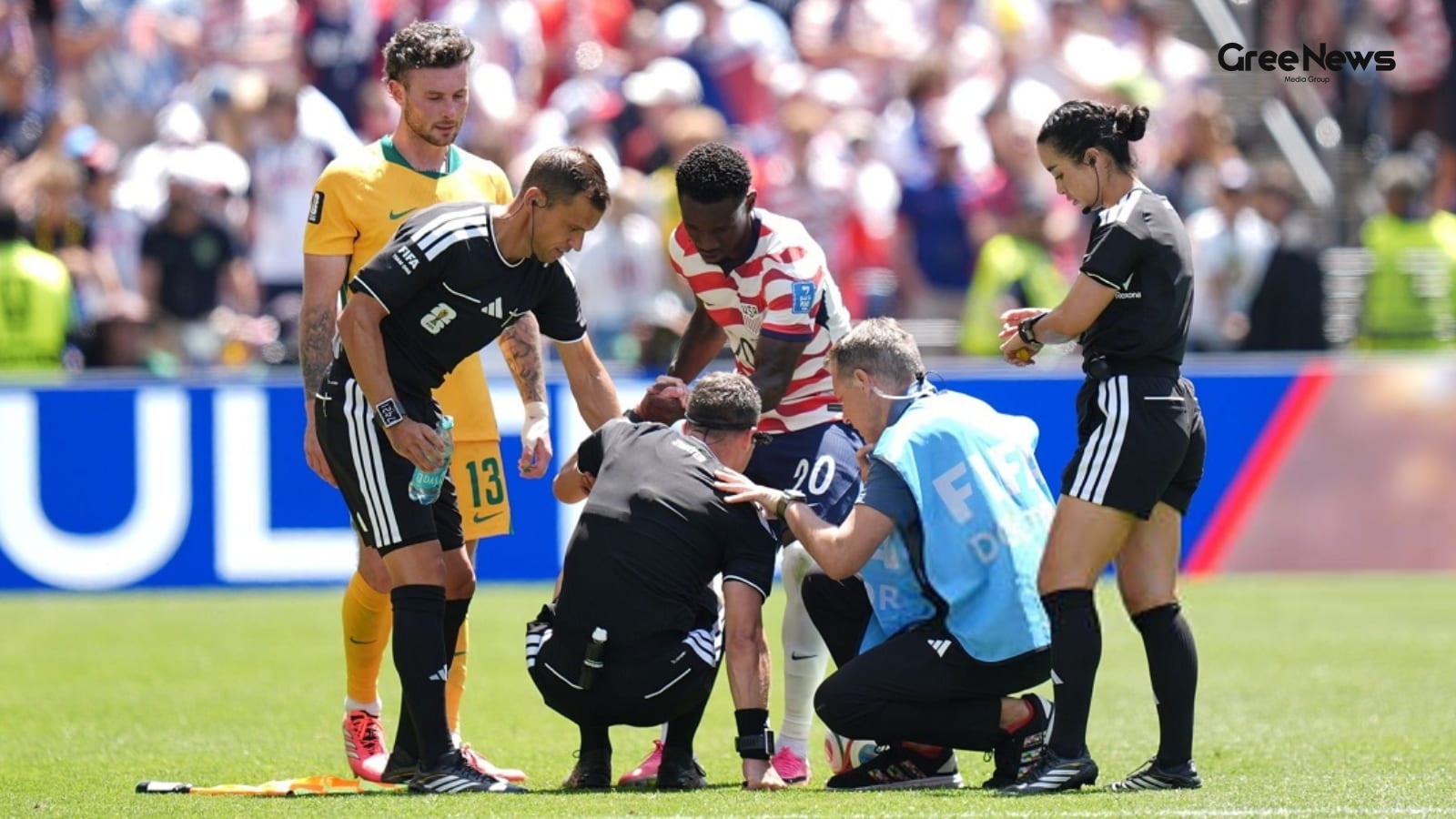
Pickle Juice and the FIFA World Cup 2026 Incident
Amidst all the noise, the drama that has always surrounded the FIFA World Cup 2026, something unexpected popped up. Pickle juice. It grabbed headlines during that wild moment when the United States beat Australia two-nil. The whole thing happened because referee Felix Zwayer just suddenly collapsed
Jun 22, 2026 by Gree News Team
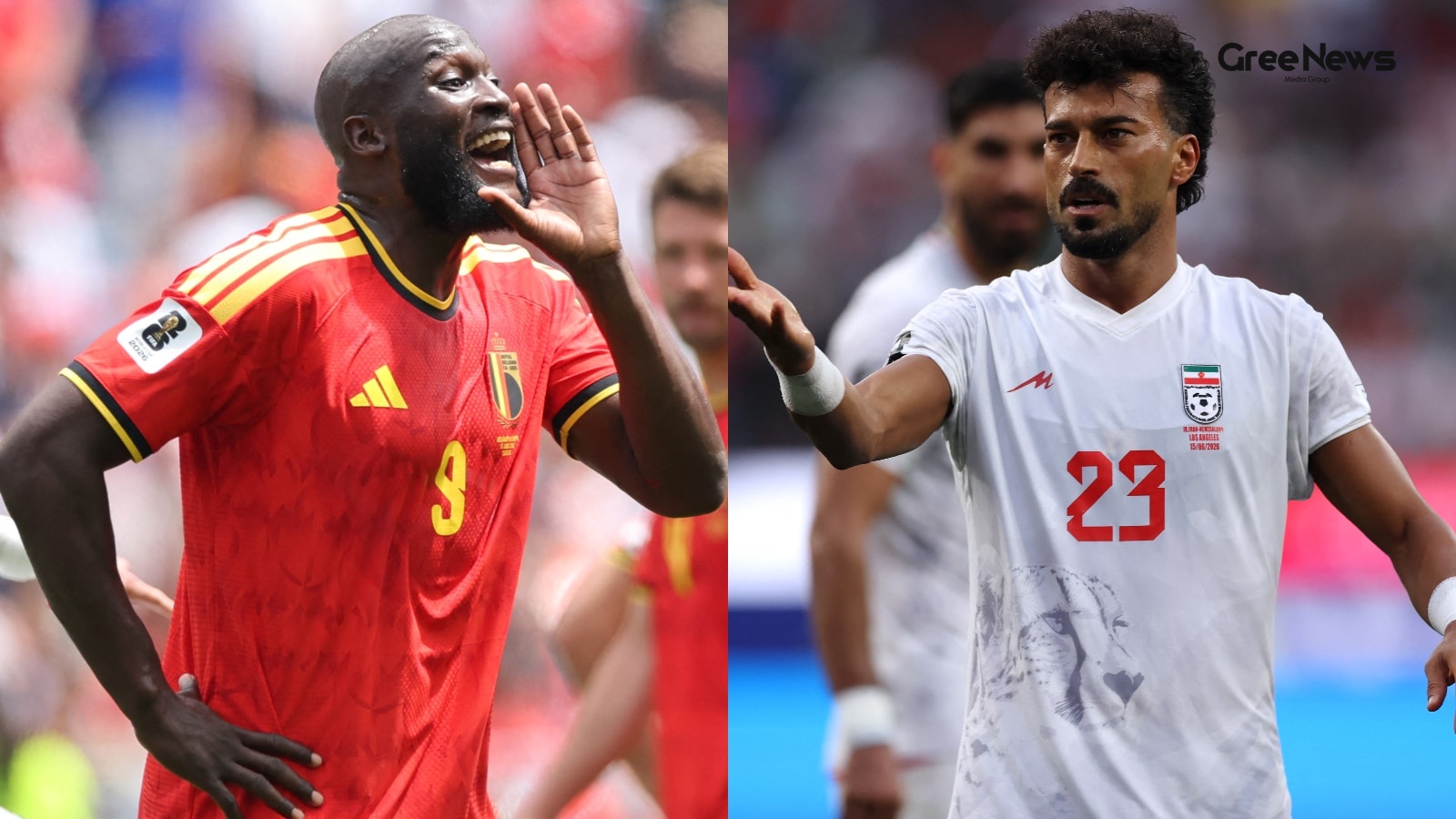
Belgium vs Iran World Cup 2026 Match Analysis
Belgium is really in a tight spot right now. They have almost zero room for error facing Iran in that Group G clash at the World Cup 2026 on Sunday. Both teams just know a positive result there could actually decide everything about making it to the knockout rounds. The Red Devils are already under
Jun 22, 2026 by Gree News Team
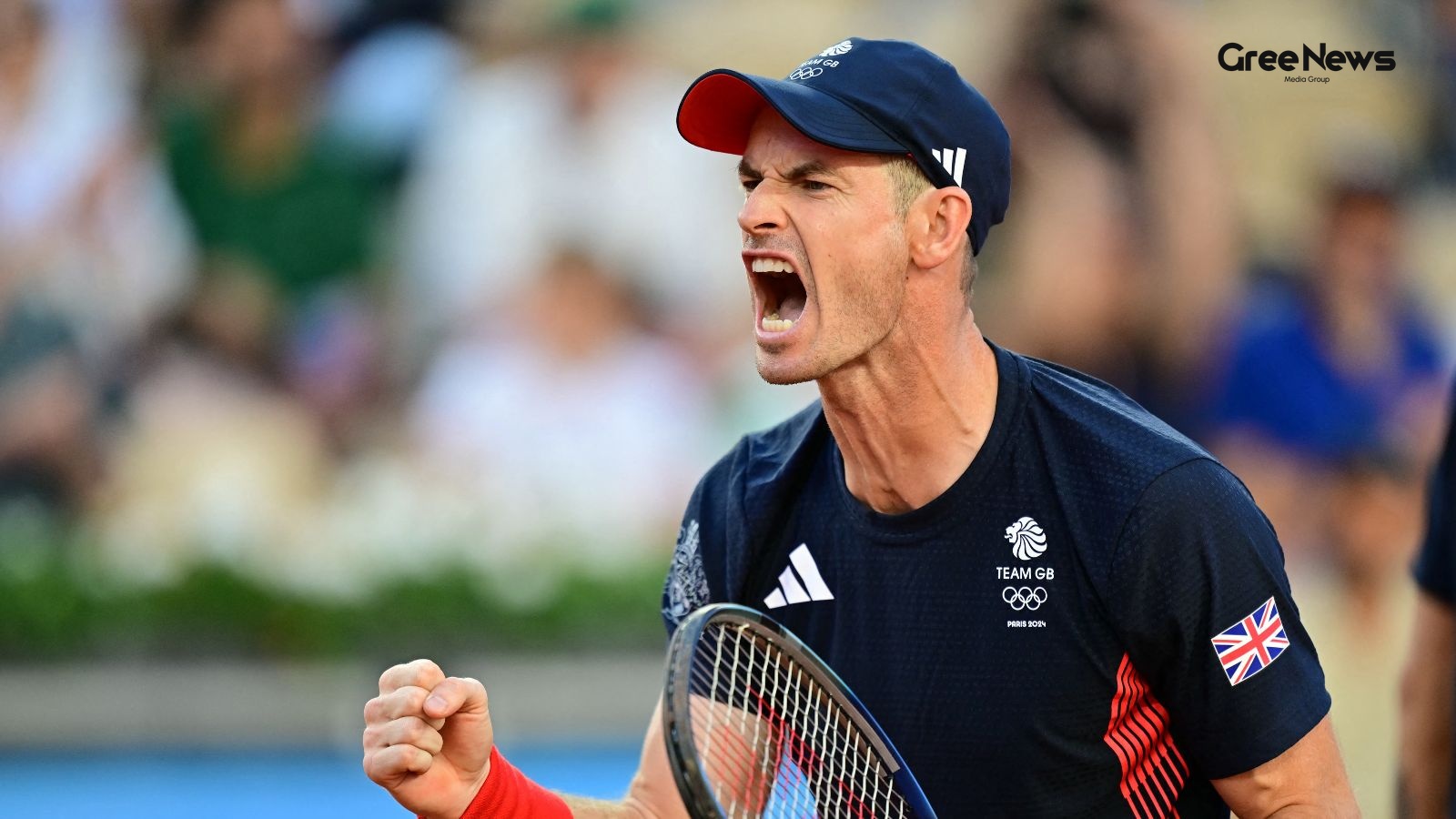
Andy Murray, Djokovic, and the Coaching Rumors
Andy Murray finally blew up that Instagram rumor about him asking Novak Djokovic for a huge sum like a hundred thousand dollars, or 94 lakh rupees to coach him. It was one of those things that just surfaces online, right? A viral claim, totally unsubstantiated noise. He didn't just ignore it, though
Jun 22, 2026 by Gree News Team
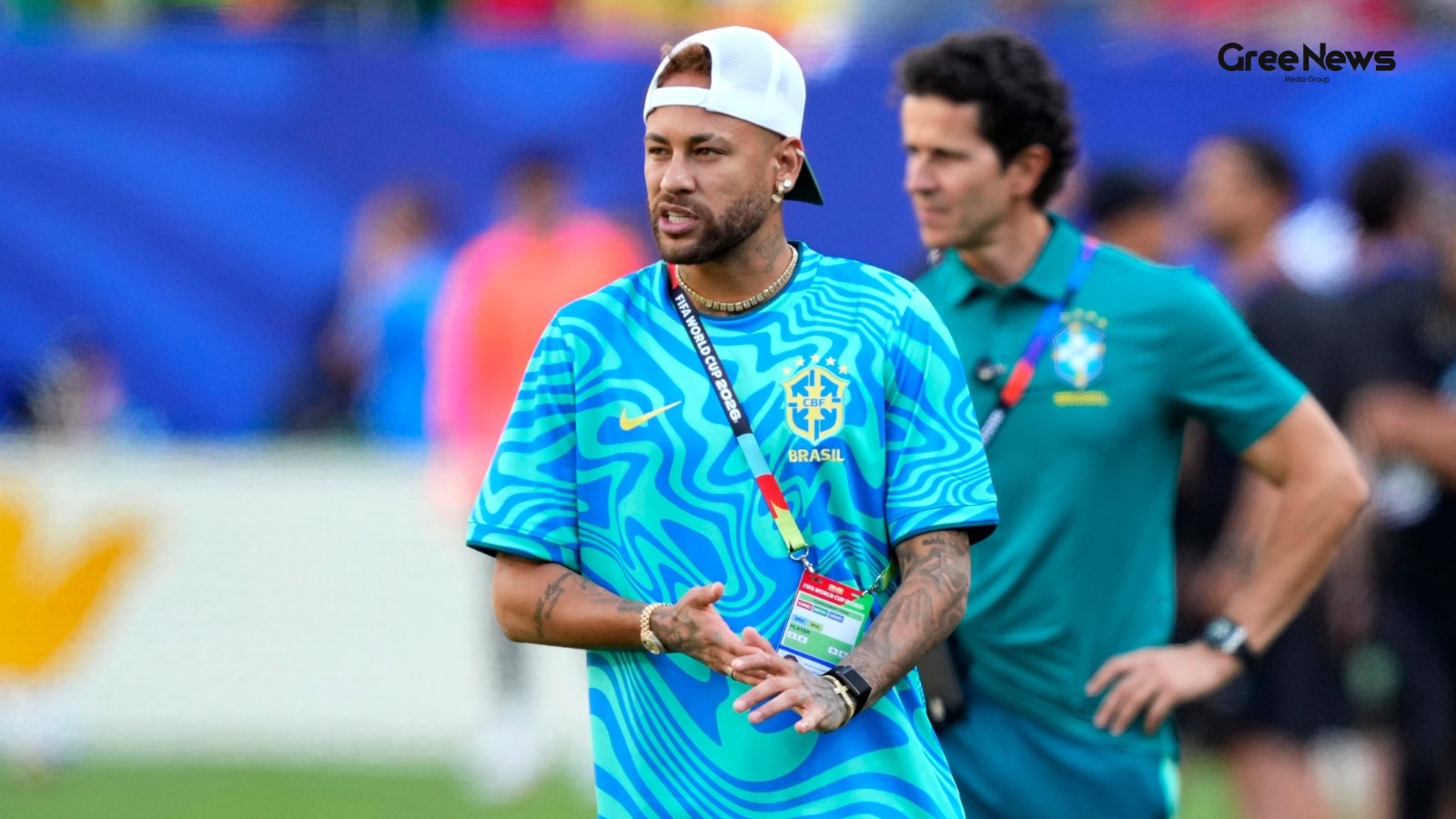
Neymar's Recovery: Why the Wait for the Pitch is Going to Be Longer
The long wait for Neymar back on the pitch? It’s going to be a little longer. That much is confirmed. Brazil officially said it Thursday. The veteran forward won't be traveling. He won't be playing in that FIFA World Cup Group C match against Haiti on Friday. Why? Because they are still focused enti
Jun 21, 2026 by Gree News Team
Latest Headlines
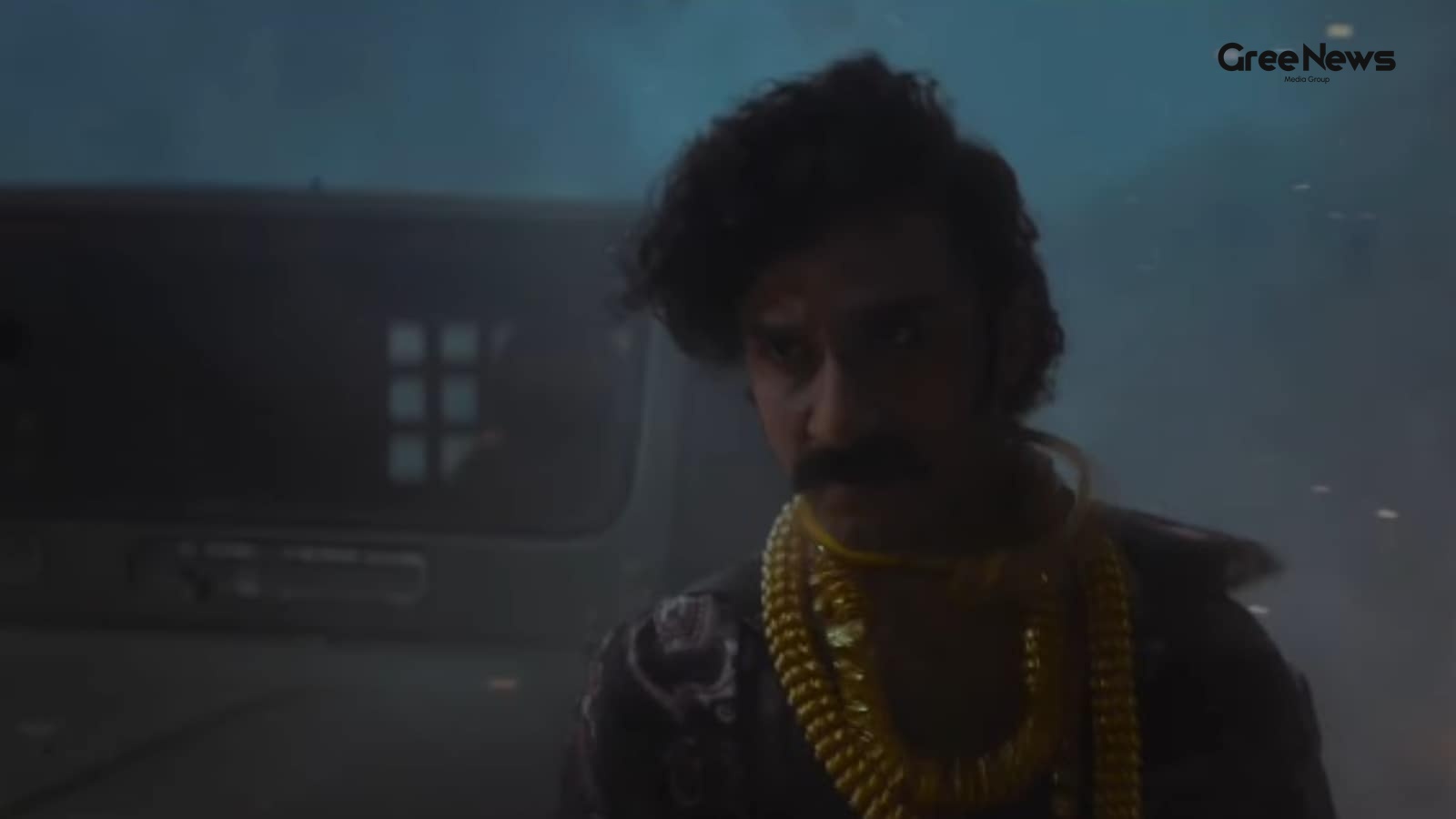
Raghav Juyal and Nani in The Paradise: Buzz and Behind the Scenes
The buzz around *The Paradise* is definitely heating up now that the makers have finally dropped that first look of Raghav Juyal as Vikram Maalik. It’s already causing a huge stir on social media. The way he was presented that fierce, commanding presence it just hints at some seriously powerful stuf
Jun 22, 2026 by Gree News Team
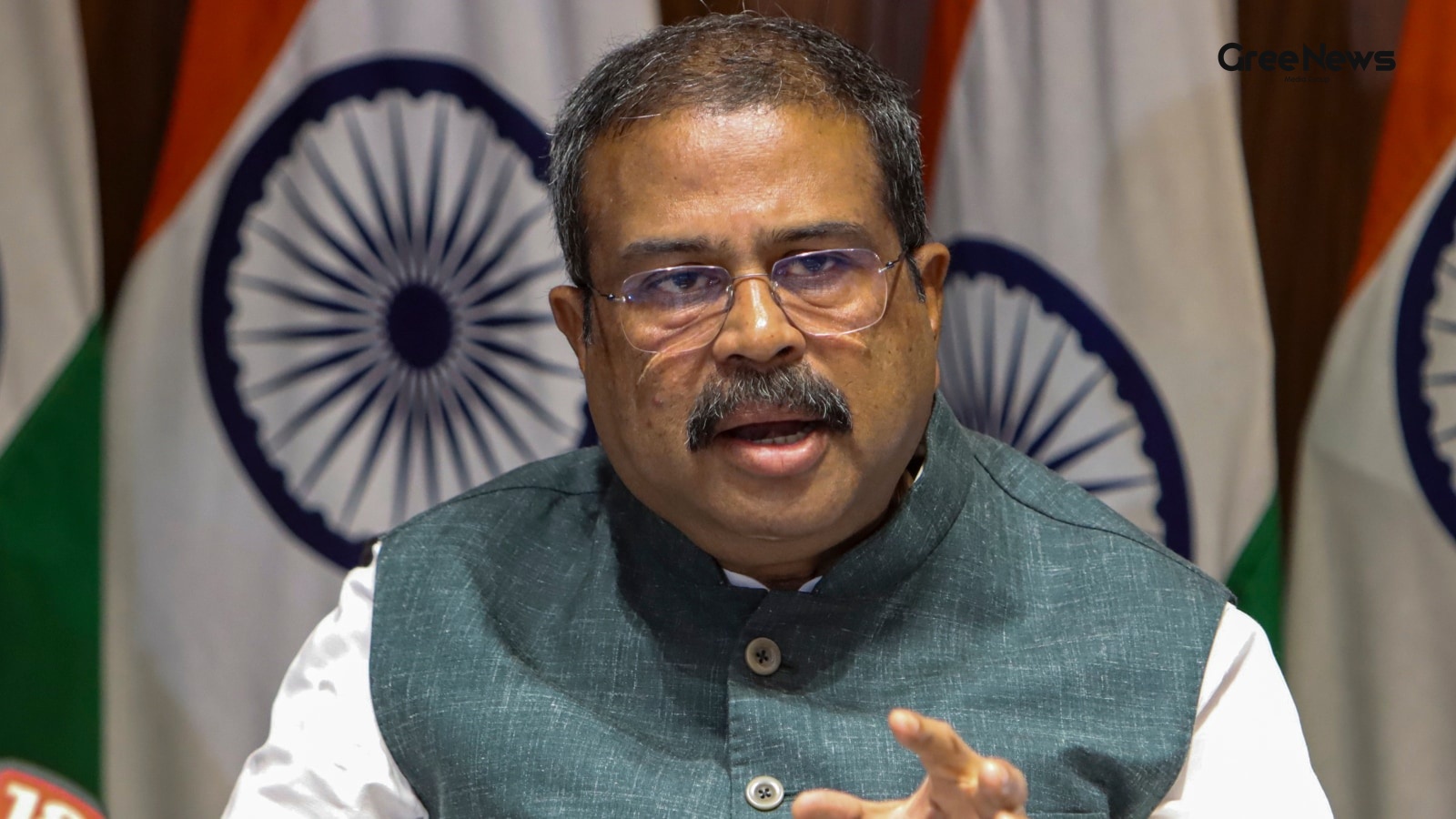
Dharmendra Pradhan on NEET UG Re-examination and Student Future
Dharmendra Pradhan, Union Education Minister, spoke out about the upcoming NEET UG re-examination happening today. He was trying to pump confidence into everyone involved. He basically said he had complete faith. Faith in the NTA, sure. And the state governments, district administrations, even the w
Jun 22, 2026 by Gree News Team
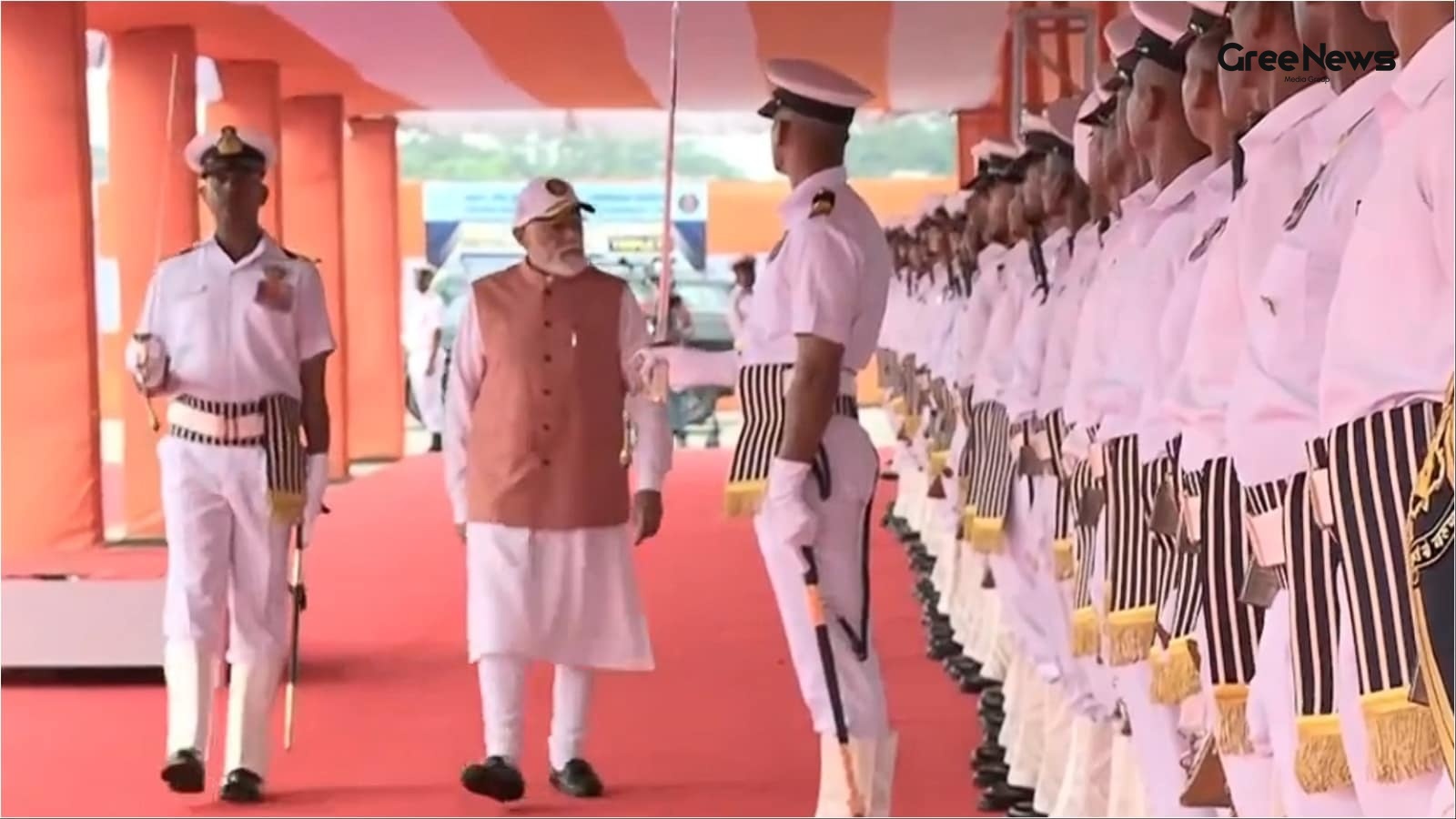
Modi on Aatmanirbharta and India's Maritime Strength
Modi spoke Sunday about Aatmanirbharta and having a developed India being central to everything. He commissioned three naval platforms in Kolkata then: INS Dunagiri, INS Sanshodhak, and INS Agray. It was a big step, he said. Building an India that is self-reliant, secure, and actually developed. Tha
Jun 22, 2026 by Gree News Team
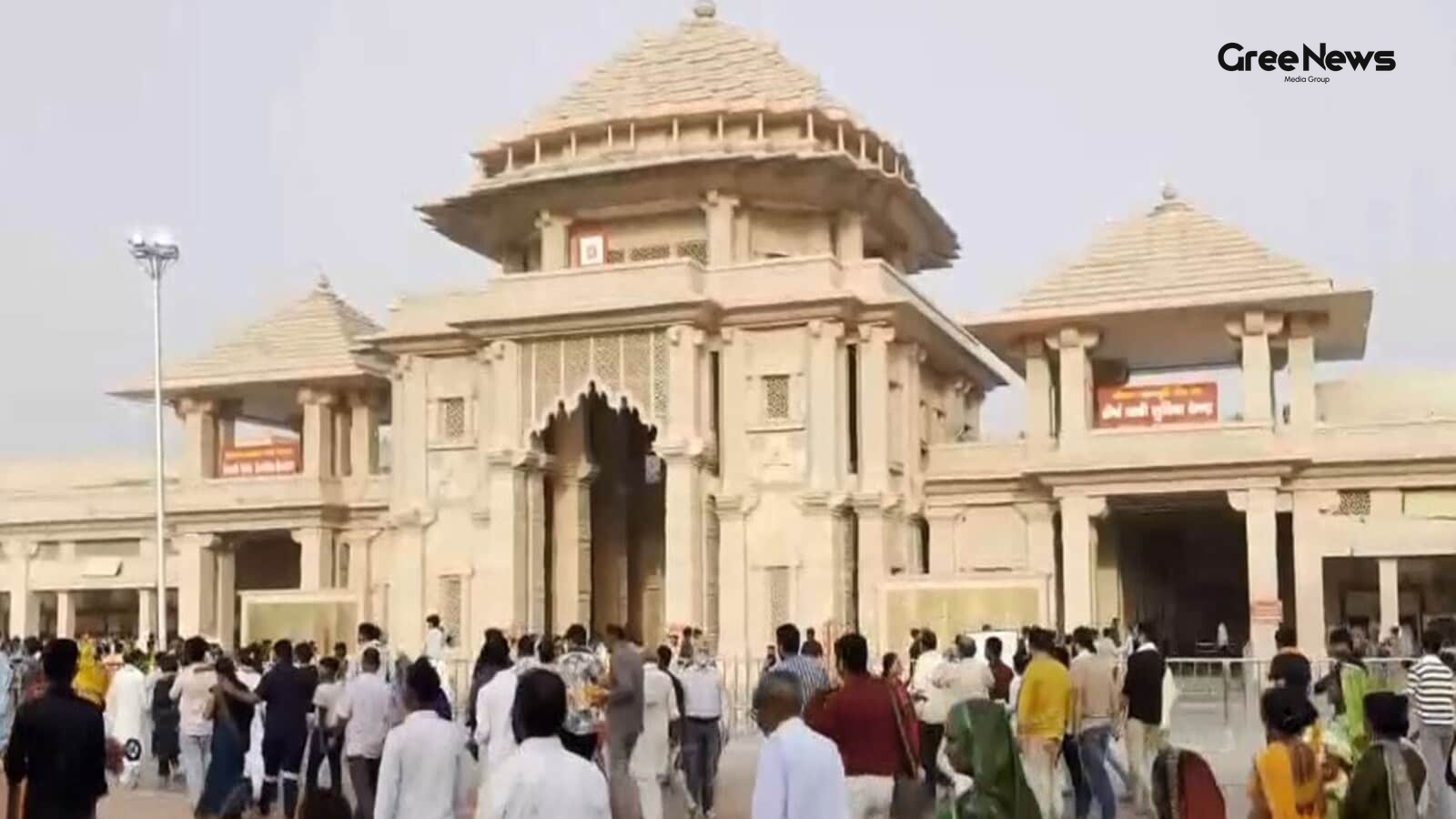
Investigation into Alleged Donation Irregularities at Shri Ram Janmabhoomi Temple
The Special Investigation Team, probing those alleged irregularities surrounding donations at the Shri Ram Janmabhoomi Temple, reportedly found evidence pointing toward theft of money. It sounds like a serious mess. They’re expected to hand their preliminary report over to Uttar Pradesh Chief Minist
Jun 22, 2026 by Gree News Team
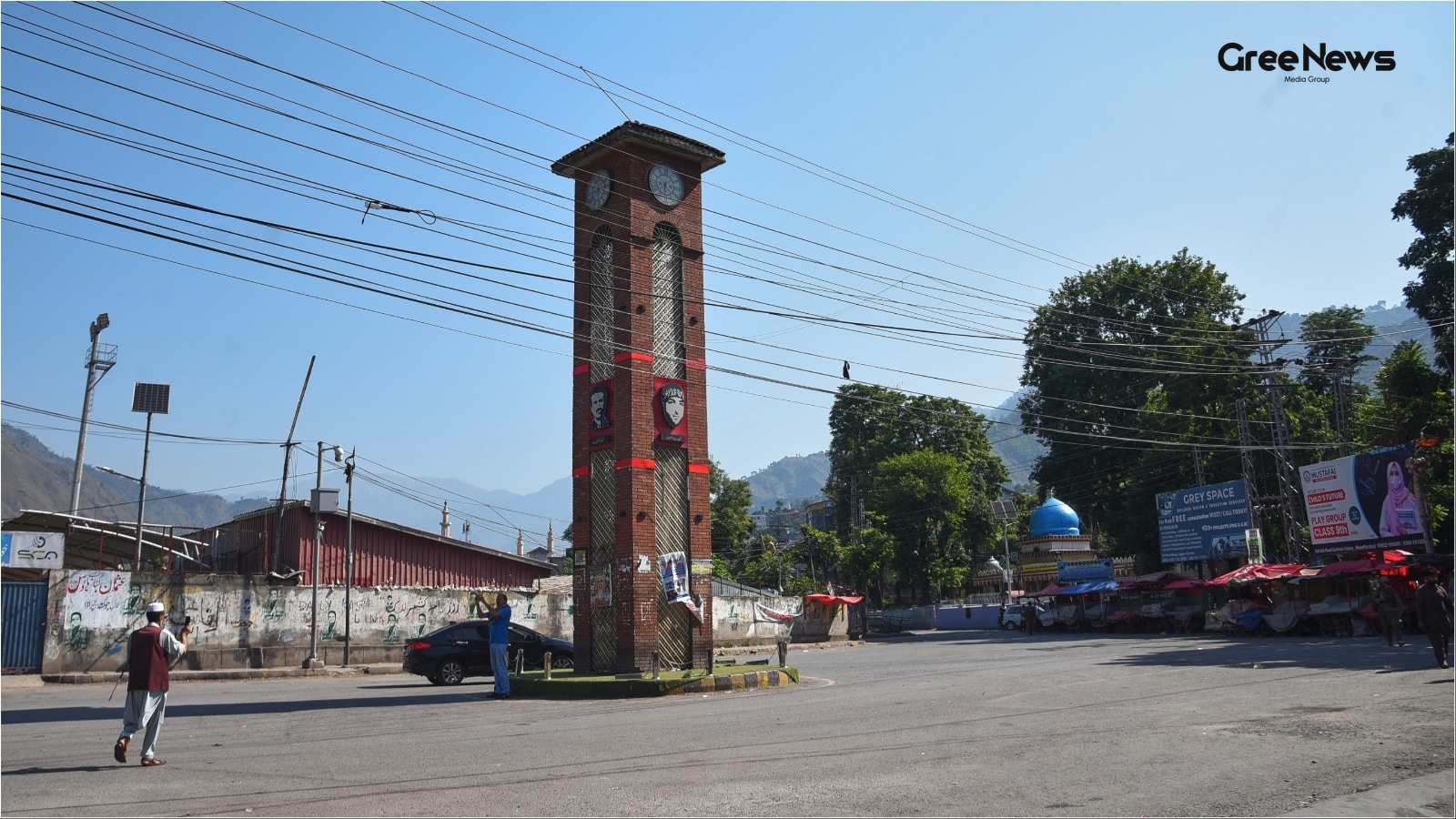
Protests and Crackdown in PoK: Blockade, Arrests, and Economic Impact
PoK still simmering. It’s been nineteen days now with these massive protests against the government. demonstrators are just refusing to stop fighting despite the crackdown from Pakistani authorities. that's what CNN-News18 is learning. Pakistan has imposed something protesters call a total food bloc
Jun 22, 2026 by Gree News Team
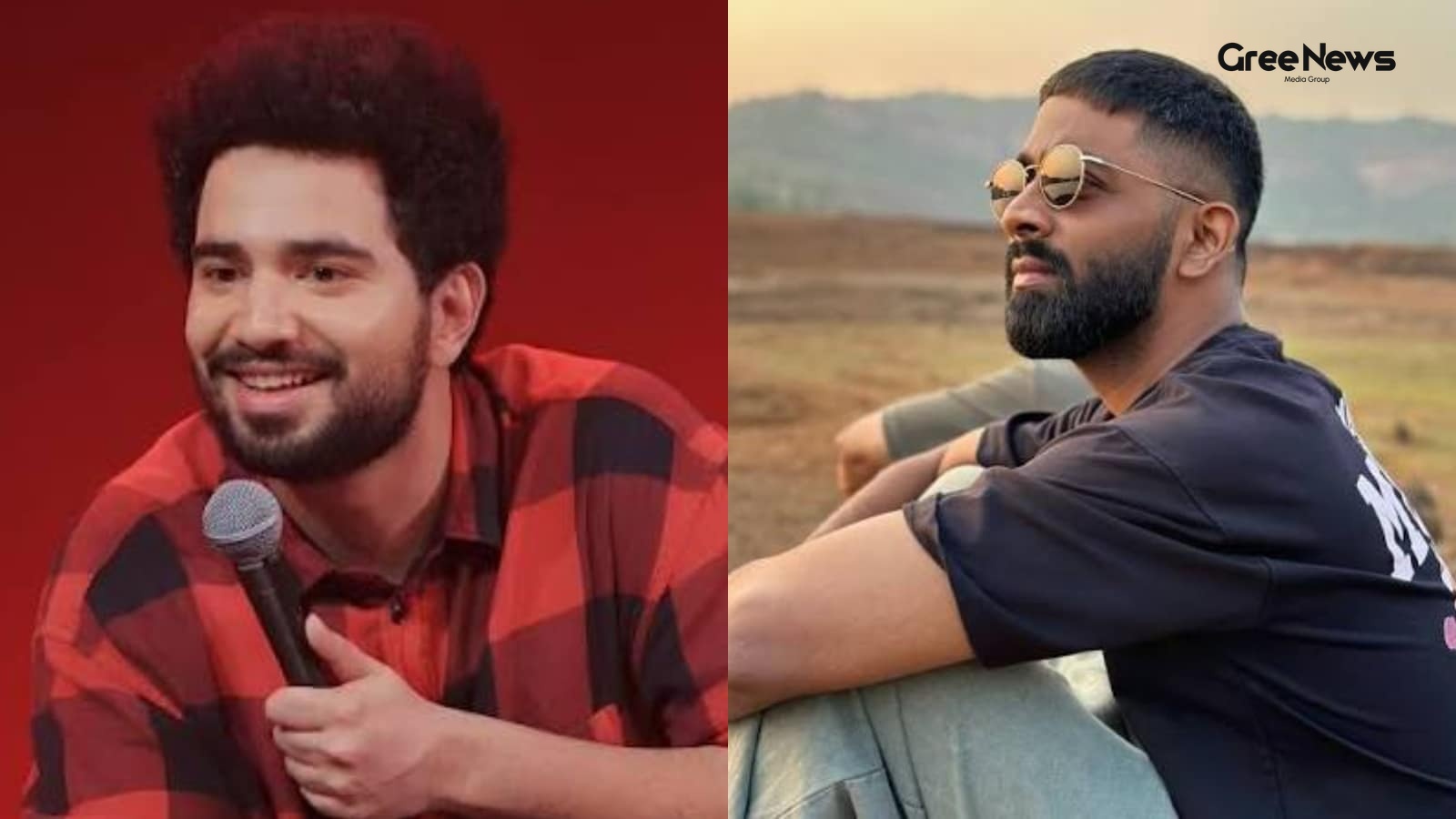
Controversy: Pranit More, Samay Raina, and the Biryani Joke Incident
Pranit More’s crowd-work video from his recent stand-up show really caused a stir. It brought controversy because of some derogatory remarks made under the guise of comedy. We’re talking about that whole Rs 370 biryani joke row. Meanwhile, social media is buzzing about Samay Raina. He stepped in to
Jun 22, 2026 by Gree News Team
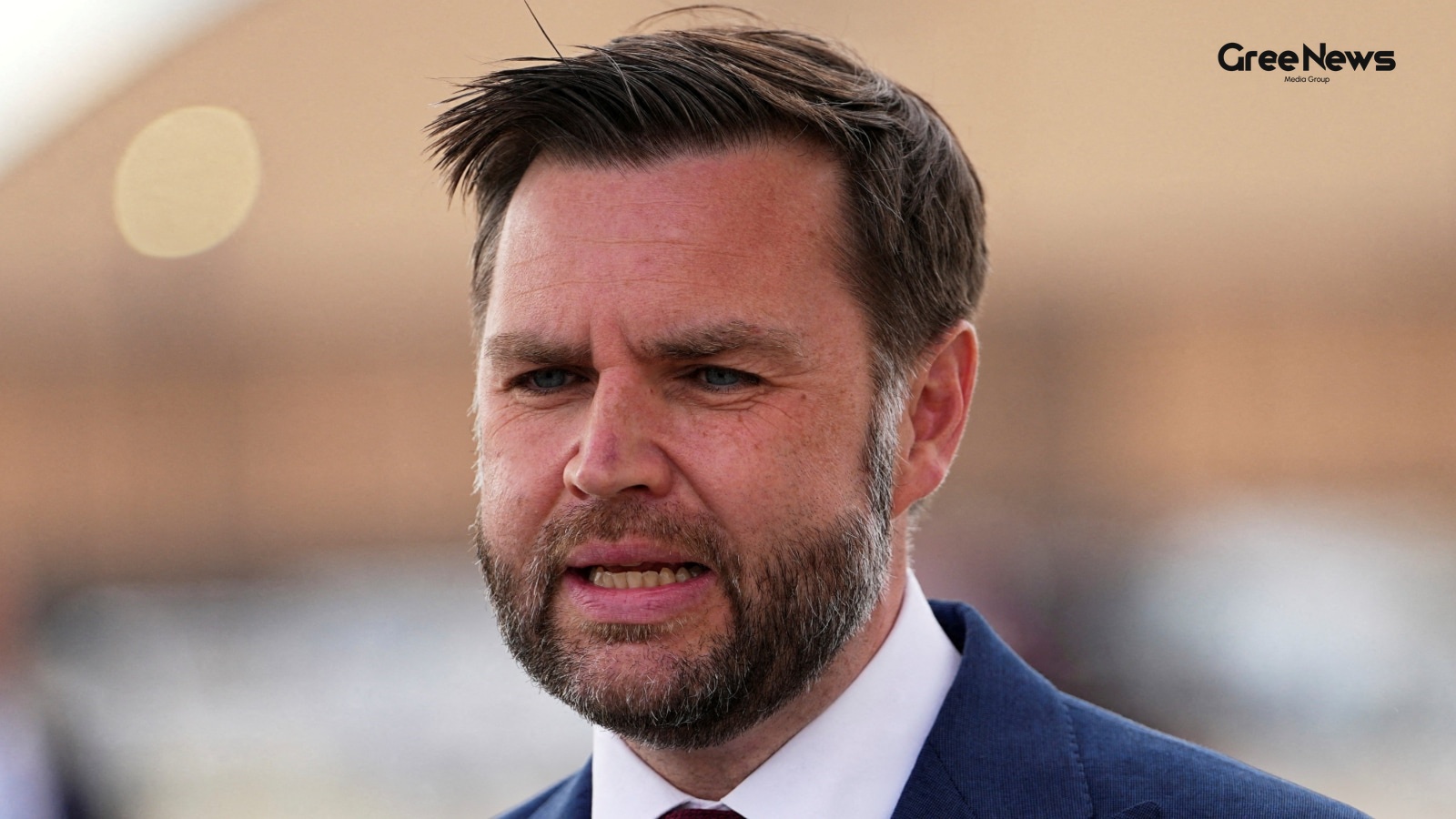
US-Iran Talks, Nuclear Negotiations, and Frozen Funds
Vance went to Switzerland for those US-Iran talks, the first round, after things got delayed last week. They’re supposed to be happening Sunday. It’s about Iran’s nuclear program, and frozen money. Washington wants something specific from Iran. They want Iran to let UN inspectors visit its nuclear s
Jun 22, 2026 by Gree News Team

5 Simple Yoga Poses for Beginners
Thinking about yoga? Starting out feels huge, right? But honestly, you don’t need to be super flexible or some seasoned yogi to jump in. These poses they can actually help flexibility, posture, balance, just general feeling better. And you can do it all right there at home. So here are a few spots p
Jun 22, 2026 by Gree News Team
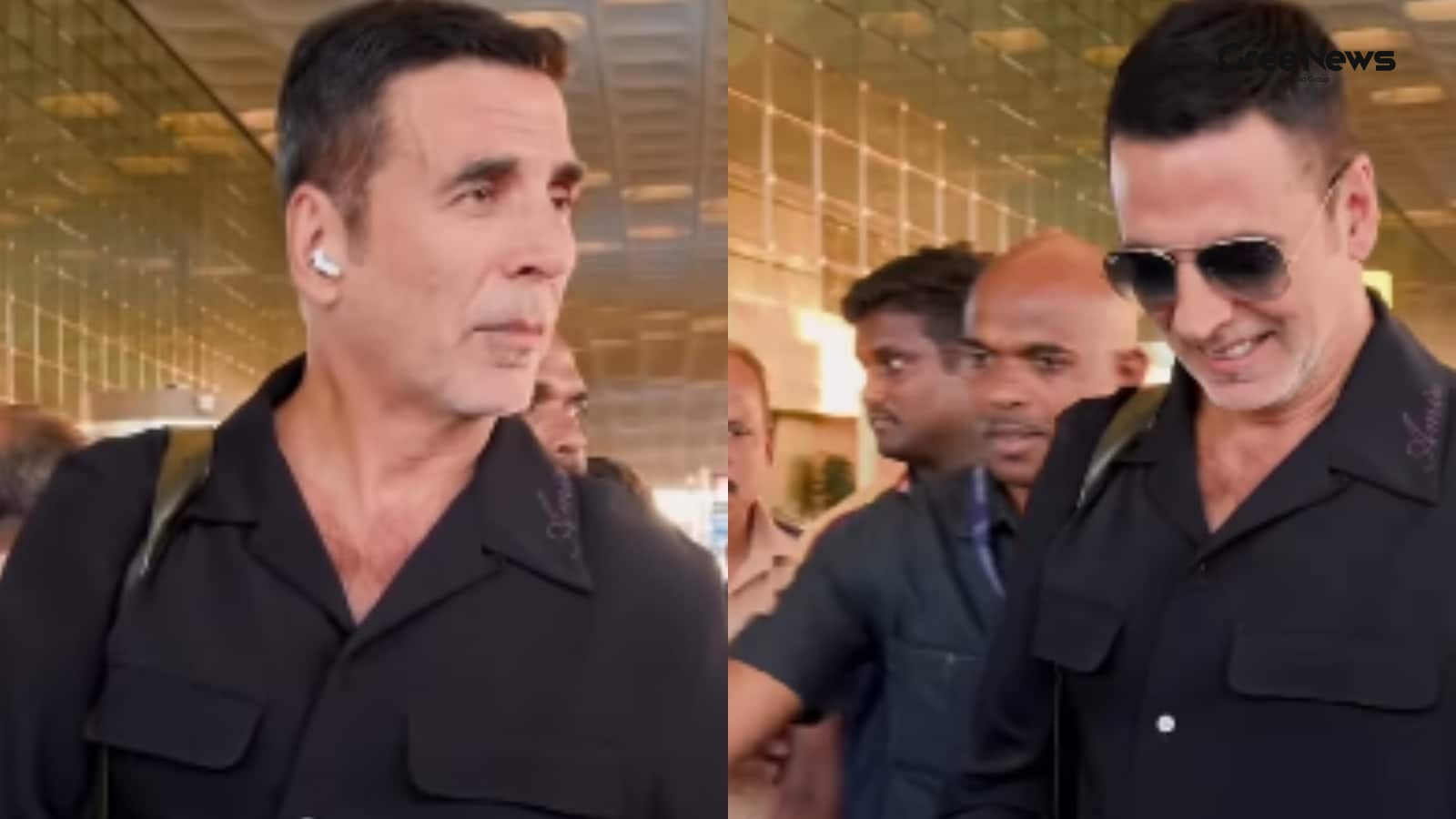
Akshay Kumar and the Chaos of Welcome To The Jungle
Akshay Kumar. Always something happening around him. Right now he’s deep into promoting *Welcome To The Jungle*. It’s a comedy caper, you know? And everyone is waiting for it. He was just heading to the airport recently. Just walking through those gates. Then this happened. A paparazzo catches him.
Jun 22, 2026 by Gree News Team
Pickle Juice and the FIFA World Cup 2026 Incident
Amidst all the noise, the drama that has always surrounded the FIFA World Cup 2026, something unexpected popped up. Pickle juice. It grabbed headlines during that wild moment when the United States beat Australia two-nil. The whole thing happened because referee Felix Zwayer just suddenly collapsed
Jun 22, 2026 by Gree News Team
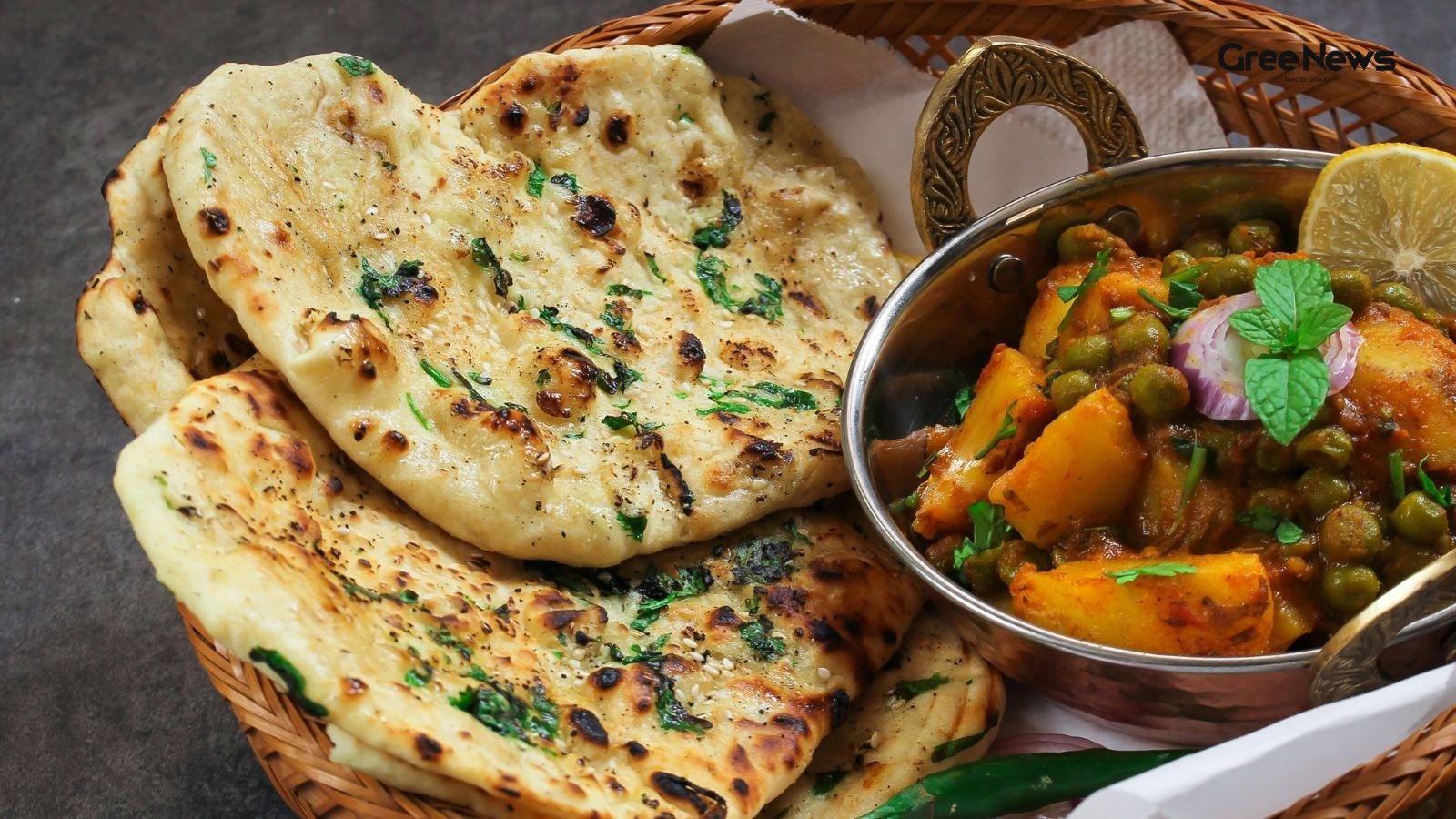
How to Make Soft, Fluffy Homemade Kulchas and Chole
man, there’s just something about that combination. hot chole and those soft, fluffy kulchas. it hits you right. making homemade chole itself isn't hard. pretty straightforward stuff. but people? they skip the kulchas. they assume you need some kind of fancy tandoor or oven for them. like it’s some
Jun 22, 2026 by Gree News Team
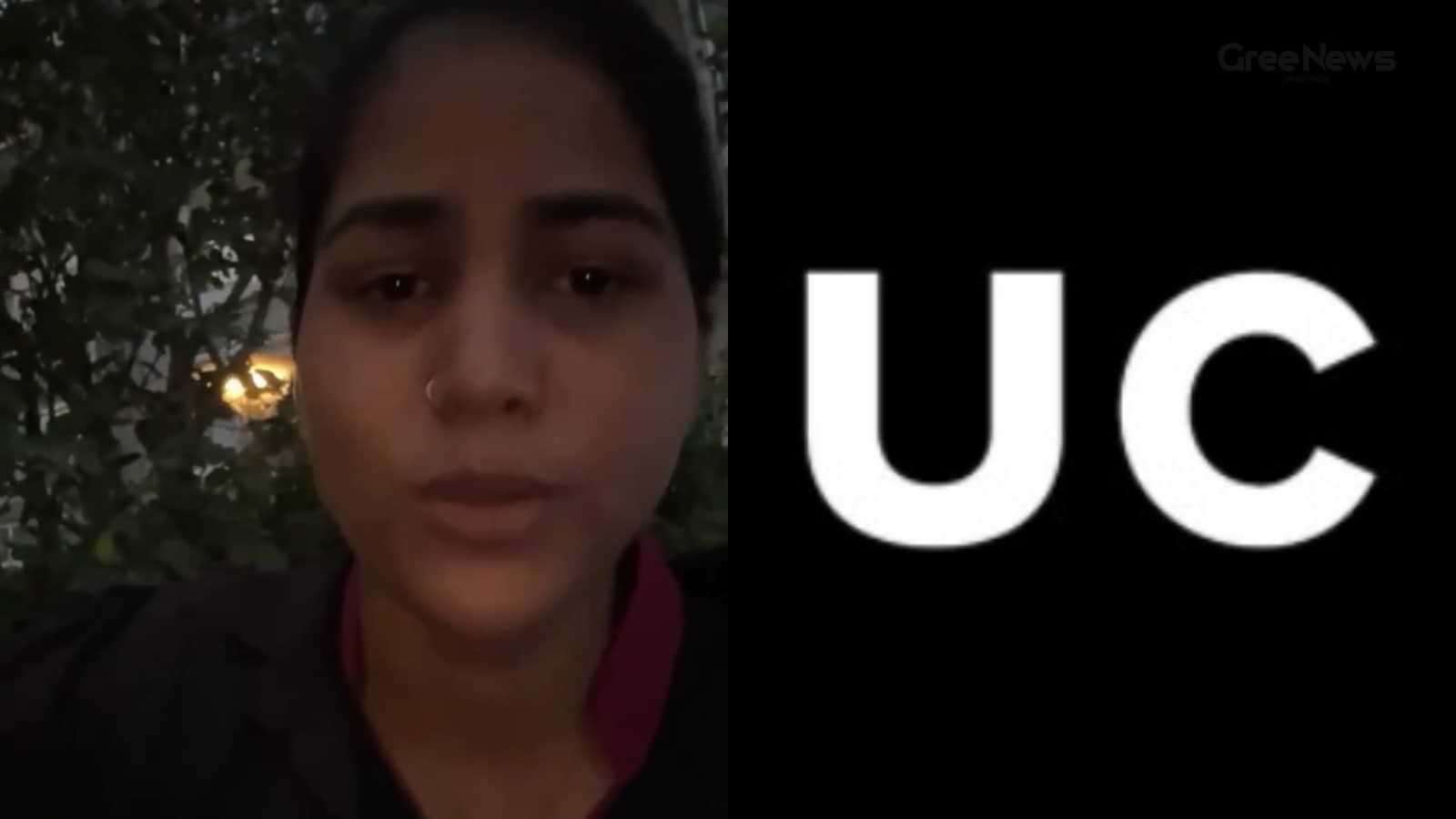
Gig Worker Allegations: Cancellation and Mistreatment on the Platform
A video went viral. It showed a female gig worker breaking down, talking about what happened to her. She alleged that her booking on the app was just cancelled. This happened even though she had already done some of the service at a customer’s place. She claimed something much worse too. That after
Jun 22, 2026 by Gree News Team
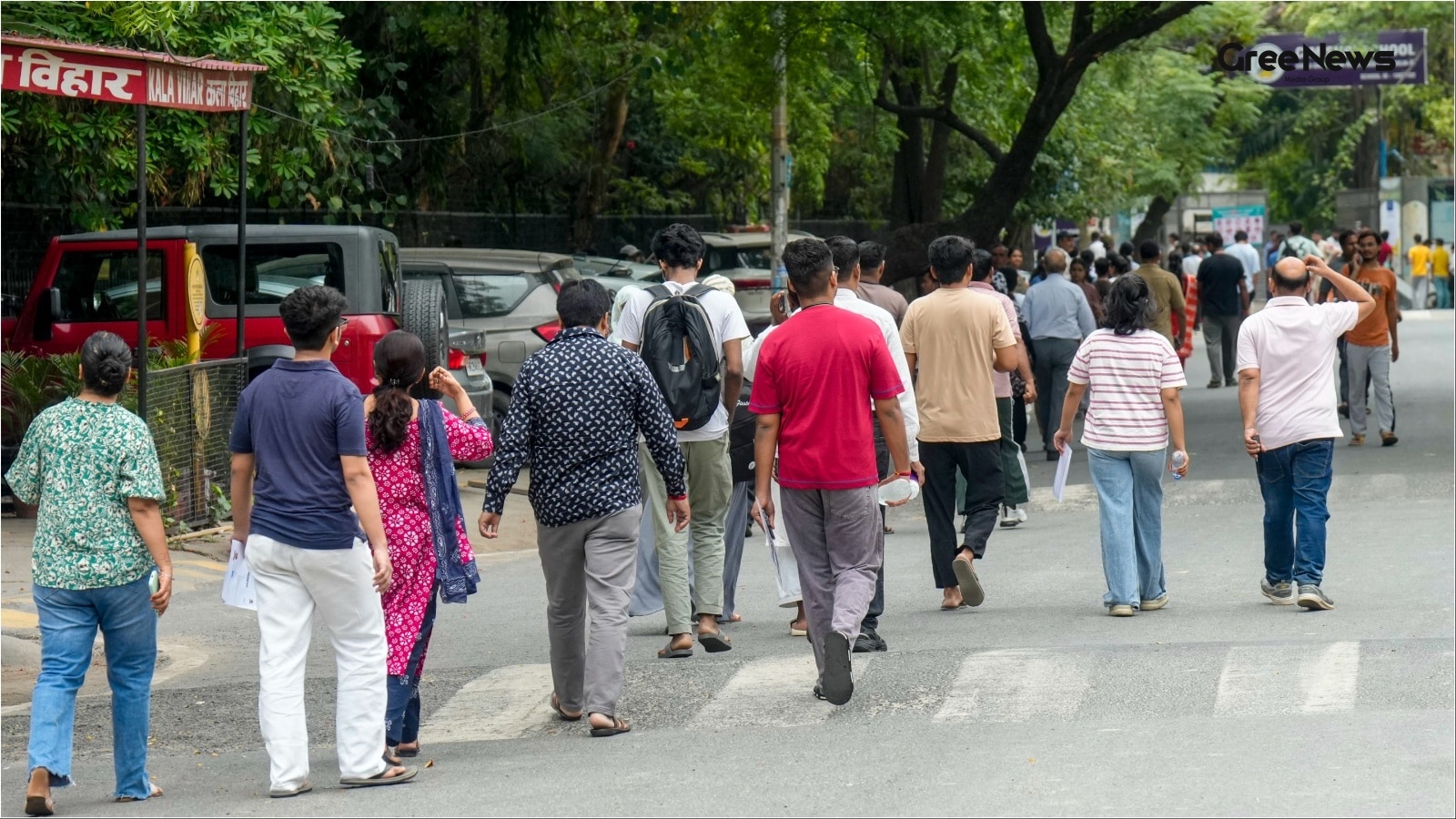
NEET-UG 2026 Exam: Security Arrangements and Controversy
The NEET-UG 2026 exam is happening again, and this time it’s under some seriously heavy security arrangements. Why? Because the original test got scrapped. There were serious allegations about a paper leak, concerns about the whole medical entrance process integrity. Now, over two million candidates
Jun 22, 2026 by Gree News Team

The Success and Royalties of The Legend Of Kitchen Soldier Adaptation
The success of *The Legend Of Kitchen Soldier* really turned into something rewarding. Not just for the stars and producers chasing it, but for the writer himself. J Robin, the guy behind the original story, is seeing some serious payoff now. It all kicked off after Park Ji-Hoon made the K-drama ada
Jun 22, 2026 by Gree News Team
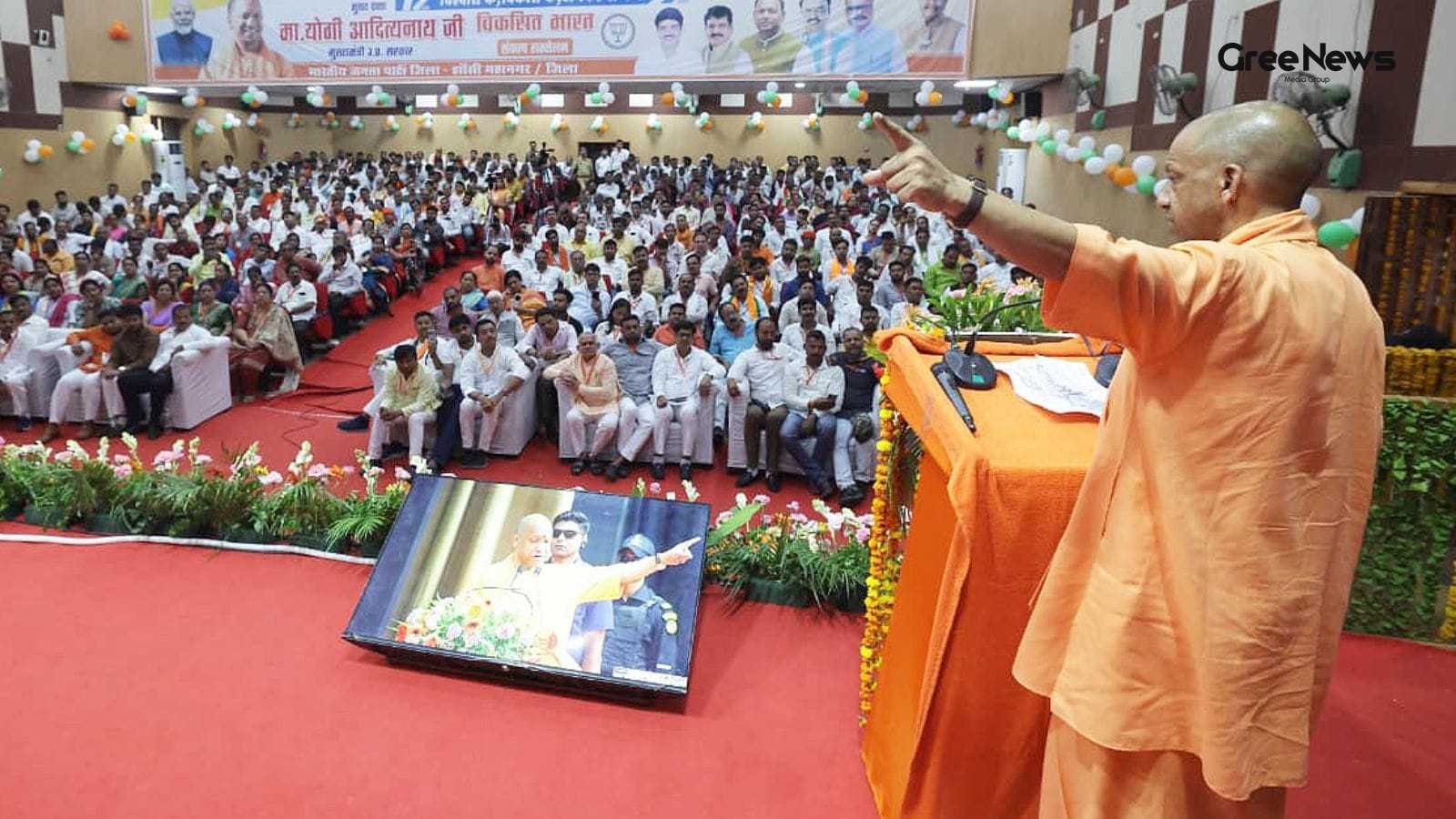
Yogi Adityanath on Development, Self-Reliance, and the Viksit Bharat Vision
Yogi Adityanath talked about Bundelkhand being something different now. It wasn't just some forgotten area anymore. He framed it as actually emerging a new kind of development model. This came up at that ‘Viksit Bharat Sankalp Conference’ in Jhansi, where he was talking to everyone. He kept hitting
Jun 22, 2026 by Gree News Team