Netanyahu on Relations with Trump, Iran, and Regional Security
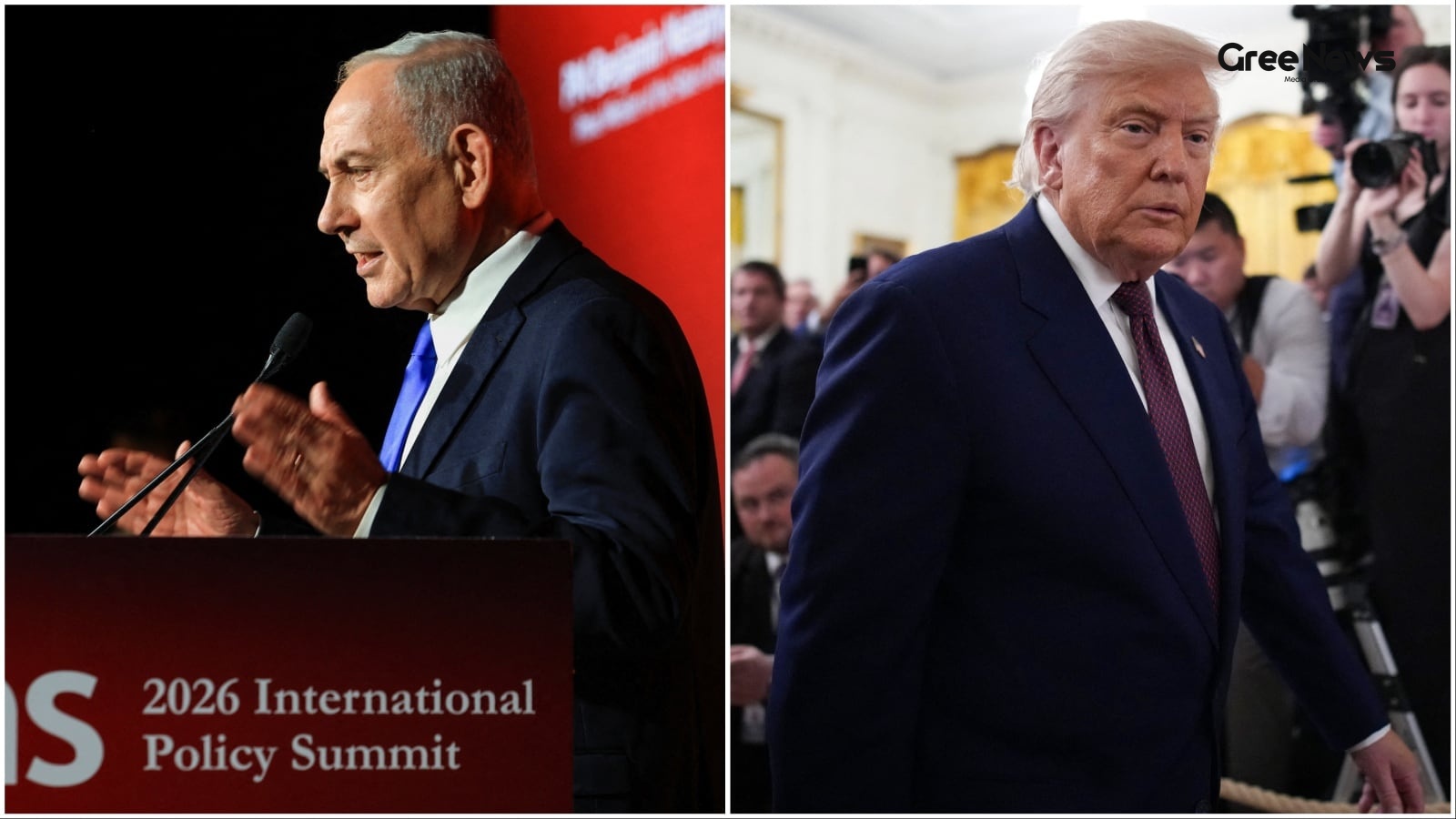
Netanyahu shut down the talk this Sunday about him just following Donald Trump around. He insisted that both leaders make their own calls for their countries, plain and simple.
He was speaking at the JNS Summit in Jerusalem when he addressed all the speculation floating around about his relationship with Trump. The perception in both Israel and the US, he said, is just wrong about how they actually connect.
“In the United States,” Netanyahu claimed, “they say President Trump does whatever I ask him to do. And over there in Israel? They say I do everything he wants me to do.”
It sounds absurd. Neither is true. We are leaders of separate nations. We have our own interests. He stressed that he stands for Israel’s security. That was the core point coming out of it.
He noted that while major issues often see aGreement, there are times when their views just clash. But the foundation, he insisted, remains mutual respect.
“We often see eye to eye,” Netanyahu remarked. “Sometimes we don’t. But we respect each other’s leadership and commitment to their people.” A measured pause there.
Meanwhile, the conversation shifted abruptly to Iran. That came up again, linked with regional tensions involving Israel and Hezbollah. He was very firm about nuclear weapons.
“With regard to Iran,” he stated firmly, “whatever political developments happen, I will not allow them to get nuclear weapons. As long as I am Prime Minister of Israel, that simply won't happen.” It felt like a definitive line drawn in the sand.
He then brought up the conflict with Iran itself. He claimed that the whole Middle East situation helped remove what he called an existential threat. A very dramatic claim, but it was delivered publicly.
“We stopped them from planning to annihilate us,” he said. “Today they would have had an atomic bomb to do so.” It’s a heavy statement. The implication is that action averted something truly catastrophic. Had Israel not moved, the outcome, he suggested, would have been far worse they would have used those bombs.
Netanyahu also pointed toward joint actions with the US. He argued these efforts significantly damaged Iran’s Revolutionary Guards. He said the campaign inflicted damage from which they might “not recover for a long time.” A lingering effect.
“Once you deal these blows,” he continued, “and once the rift between the regime and its people is so deep, you can’t tell when such a regime will fall.” It seemed to be about inevitable collapse.
He felt they created the conditions for that downfall. That was the real triumph, he said. When the Iranian people finally take their own destiny into their hands. When they knock out this brutal regime terrorizing everyone.
And then there was the deployment issue in Lebanon. This followed the discussion on Iran and the broader regional struggle. The position Israel held regarding its forces remained clear: they would stay deployed in southern Lebanon for as long as needed to protect the northern residents and all of Israel.
AFP reported that these operations were specifically aimed at Hezbollah, not the Lebanese government itself. He addressed concerns about casualties too. He claimed he was informed that the ratio of Hezbollah fighters killed to civilians harmed was five to one.
“Five terrorists killed for every civilian harmed in the process,” Netanyahu said. “Five to one. Unheard of.” That number seemed designed to shock, highlighting the scale of what happened on the ground.
He tied peace directly to dismantling the Iranian threat. He suggested that true peace with Lebanon would only be possible once that Iran-backed group was gone.
“When that proxy of Iran is no longer a threat,” he said, “when it’s dismantled and disarmed, then yes, we will have peace with Lebanon. I look forward to signing it.” The focus shifts back to the necessity of disarmament before any formal aGreement could happen. This all happened while US-Iran talks were ongoing in Switzerland. Tensions remain thick across the region involving Iran, Israel, and Hezbollah.
Written by Gree News Team — Senior Editorial Board
Gree News Team covers international news and global affairs at Gree News. Our collective of senior editors is dedicated to providing independent, accurate, and responsible journalism for a global audience.
More from World
View All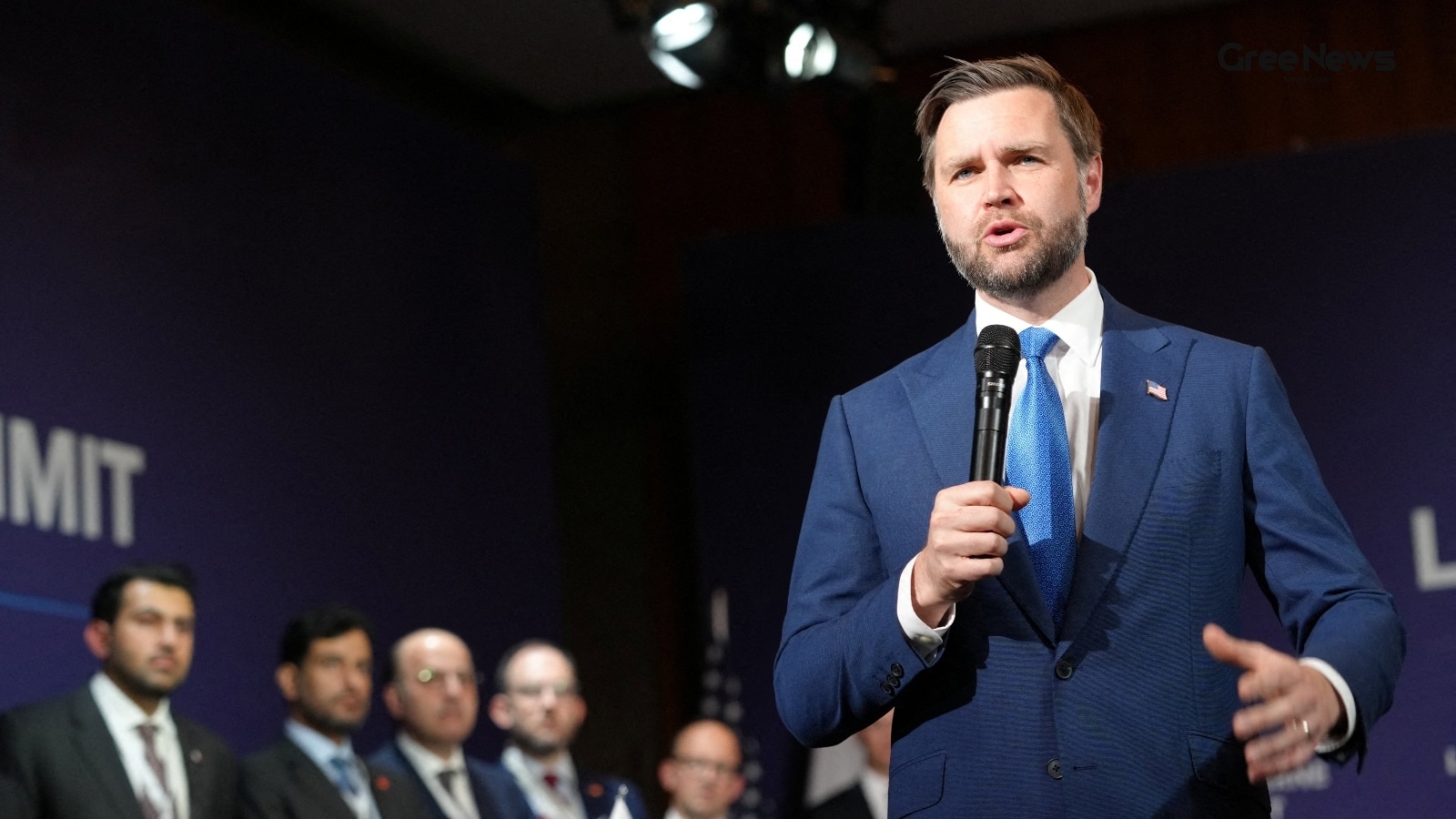
JD Vance on Talks with Iran and the Lebanon Ceasefire
JD Vance, the Vice President, basically framed the latest round of talks with Iran the ones aimed at sorting out that West Asian war mess as just kicking off something technical. It started in Switzerland on Sunday. He was at this resort, Burgenstock, and he said the whole point wasn’t solving every
Jun 22, 2026 by Gree News Team
Netanyahu Defends Military Presence in Southern Lebanon
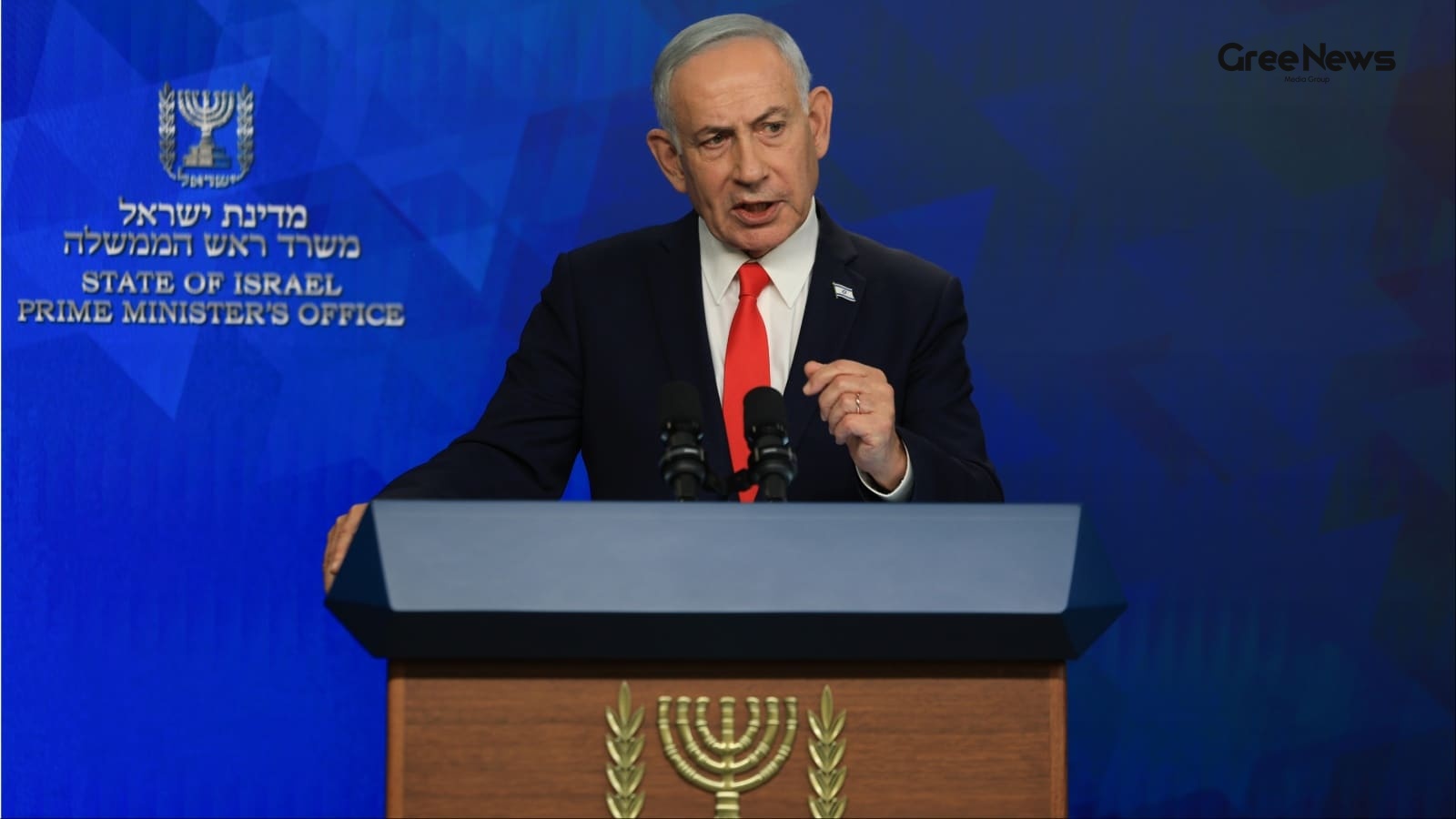
Netanyahu defended the military presence in southern Lebanon recently. He made this comparison to how the United States would react if they faced similar threats right across their own borders. He was speaking at some public event, laying out his view. Israeli forces, he said, will stay in that secu
Jun 22, 2026 by Gree News Team
Ambassador Greer's Visit to New Delhi for US-India Trade Negotiations
Ambassador Jamieson Greer is heading to New Delhi this week. He’s going for talks with Union Commerce and Industry Minister Piyush Goyal and some other senior Indian officials. The whole thing is about pushing forward negotiations for that proposed India–US Bilateral Trade Agreement, and reviewing w
Jun 22, 2026 by Gree News Team
Progress and Next Steps from the Islamabad Memorandum of Understanding
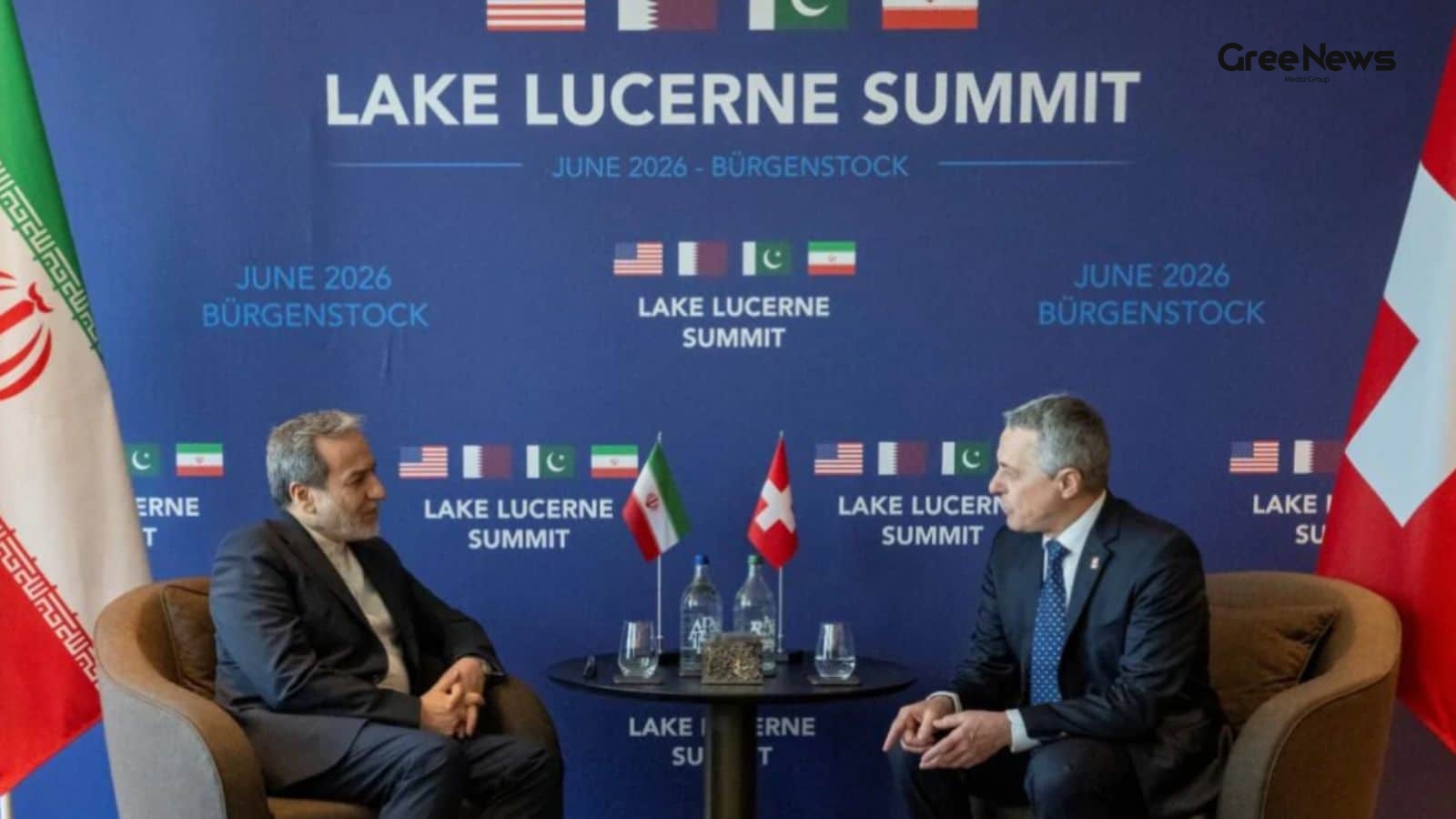
The first big session under that Islamabad Memorandum of Understanding. It wrapped up at Burgenstock, Switzerland. Representatives from Iran, the US, and the folks mediating Qatar and Pakistan were there for it. Just getting started, you know? They called it a positive and constructive atmosphere. P
Jun 22, 2026 by Gree News Team
Latest Headlines
India’s Got Latent Season 2 Controversy and Reaction
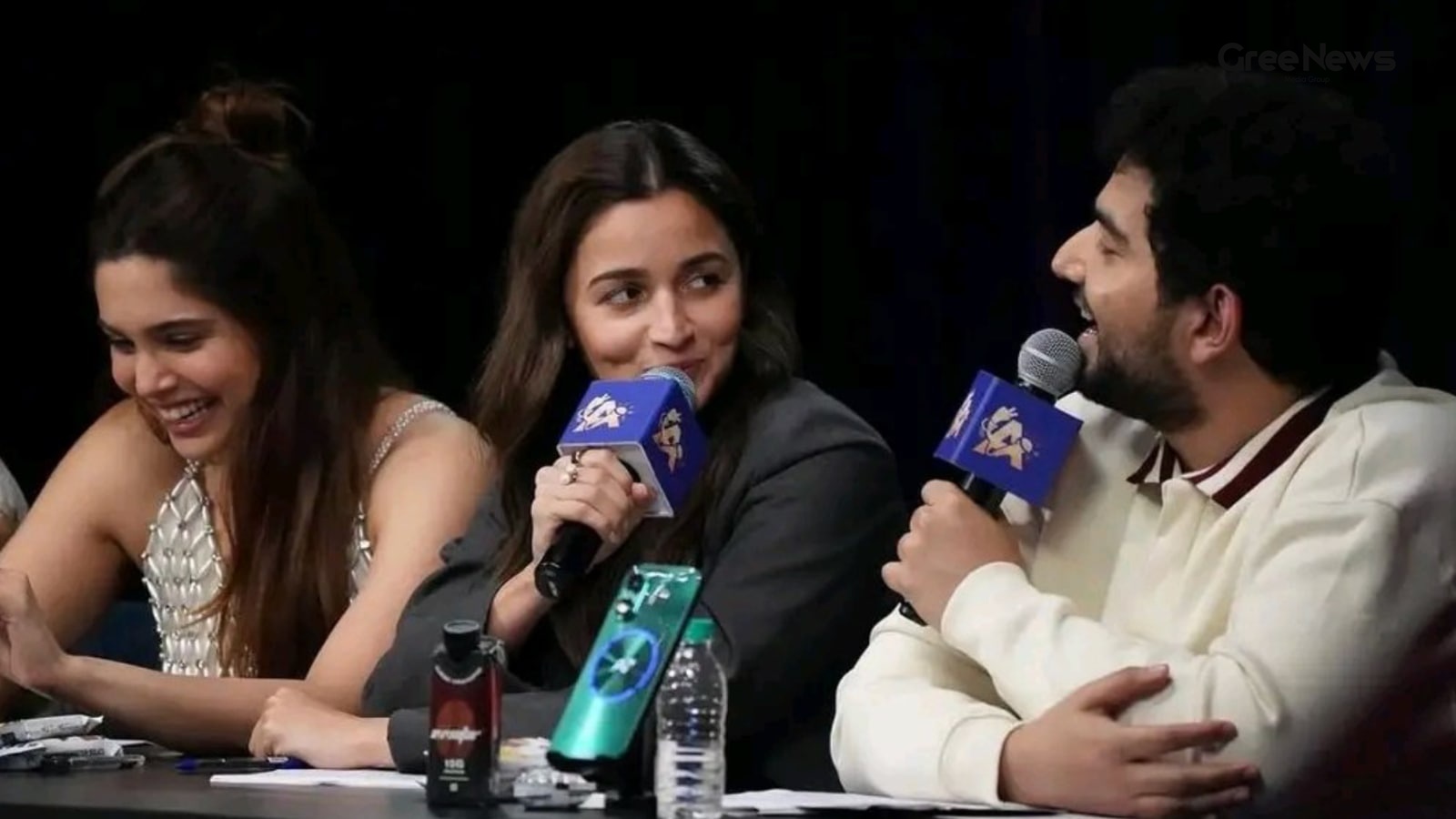
Netflix and YouTube finally put out the first episode of India’s Got Latent Season 2 on Saturday. Alia Bhatt and Sharvari were there, along with Samay Raina hosting. It was months of waiting, you know? And then this arrived. But honestly, the reaction online hasn't been great. A lot of viewers seeme
Jun 22, 2026 by Gree News Team

Jana Nayagan: The Wait, The Politics, and The Emotional Goodbye
KVN Productions dropped an update on *Toxic* on Sunday. But honestly, everyone’s attention has swung somewhere else now. It's all about *Jana Nayagan*, Thalapathy Vijay’s much-anticipated next big thing. This film feels huge. Like his last major screen appearance before he fully dives into politics.
Jun 22, 2026 by Gree News Team
MP Defections and Political Splits in Shiv Sena
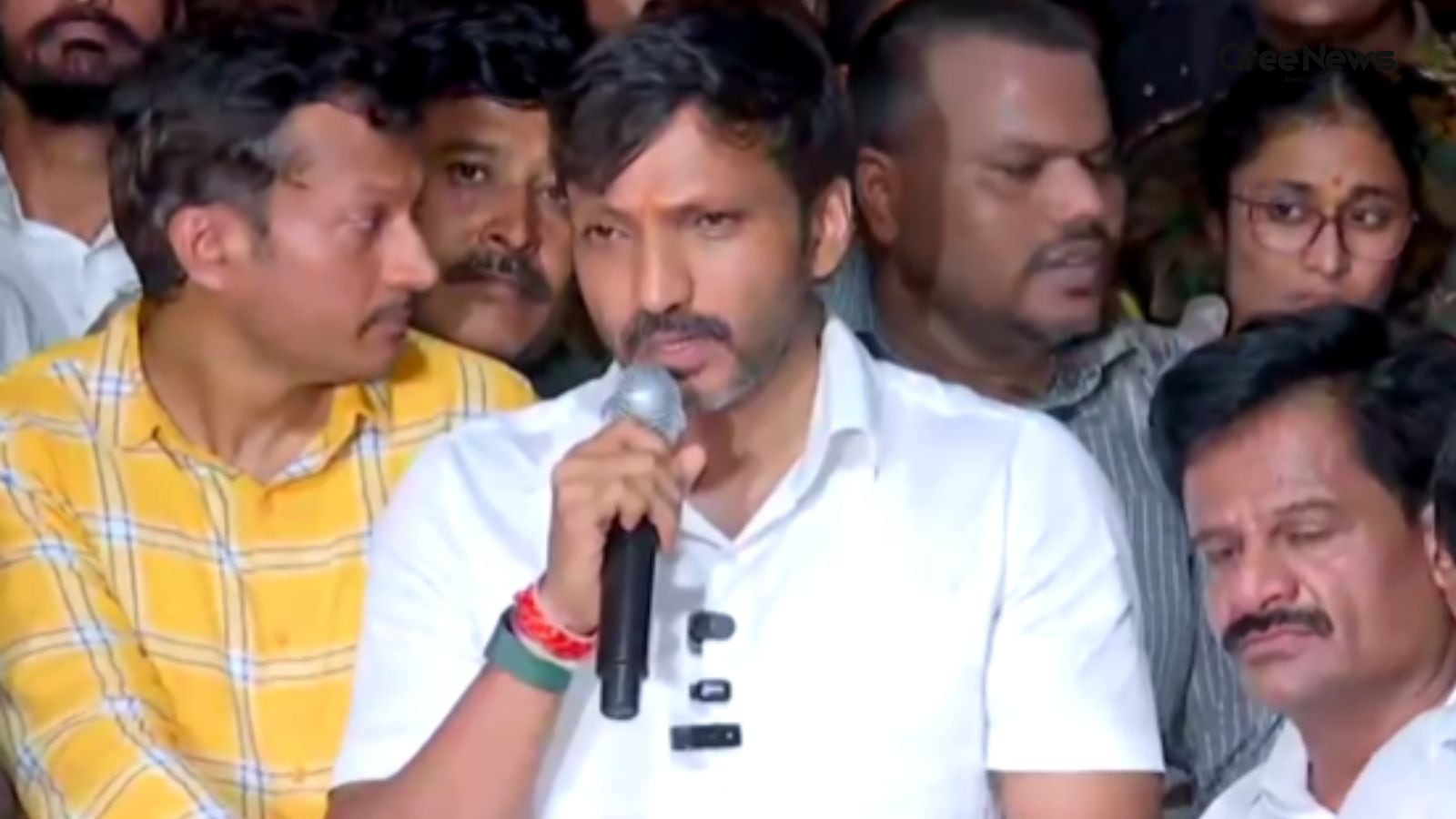
Days after things started heating up after skipping that parliamentary meeting and fueling all the rebellion buzz MP Omraje Nimbalkar finally made his move on Sunday. He announced he was joining the Eknath Shinde-led Shiv Sena. That decision apparently came after talking things over with supporters
Jun 22, 2026 by Gree News Team

Challenges and Irregularities in the NEET-UG Re-examination
About twenty-two lakh medical aspirants showed up for that NEET-UG re-examination on Sunday. But things got messy, especially in Uttar Pradesh’s Moradabad. Several candidates missed the entrance test entirely because Google Maps just pointed them to the wrong place when they were trying to get to th
Jun 22, 2026 by Gree News Team

Foreign Investment Outflow and the AI Capital Rotation
The whole thing is churning, you know? Foreign investors are moving around because of all this AI stuff. It’s caused a massive outflow from India in 2026. Seriously. Over fifty percent of what they were putting into India-focused equity funds since 2023 has just left now. That's the story, according
Jun 22, 2026 by Gree News Team
Tragedy Behind the Scenes of Love & War: Worker Death and Production Details
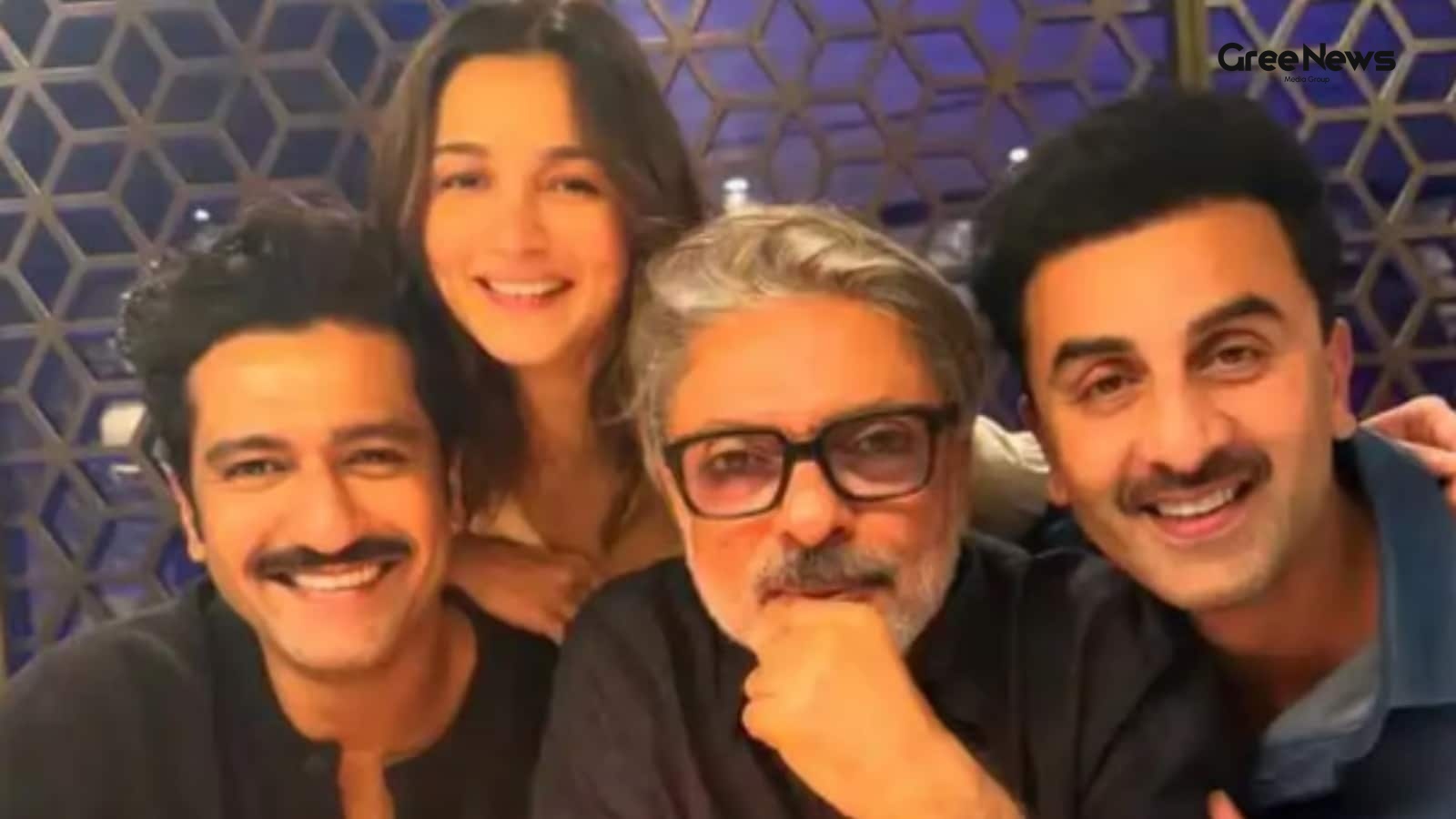
Sanjay Leela Bhansali’s *Love & War*. It was already huge, one of those films everyone was talking about. But this week, the news got really heavy after something awful happened behind the scenes in Mumbai. A worker reportedly lost his life while working on that set. The details are grim. According
Jun 22, 2026 by Gree News Team
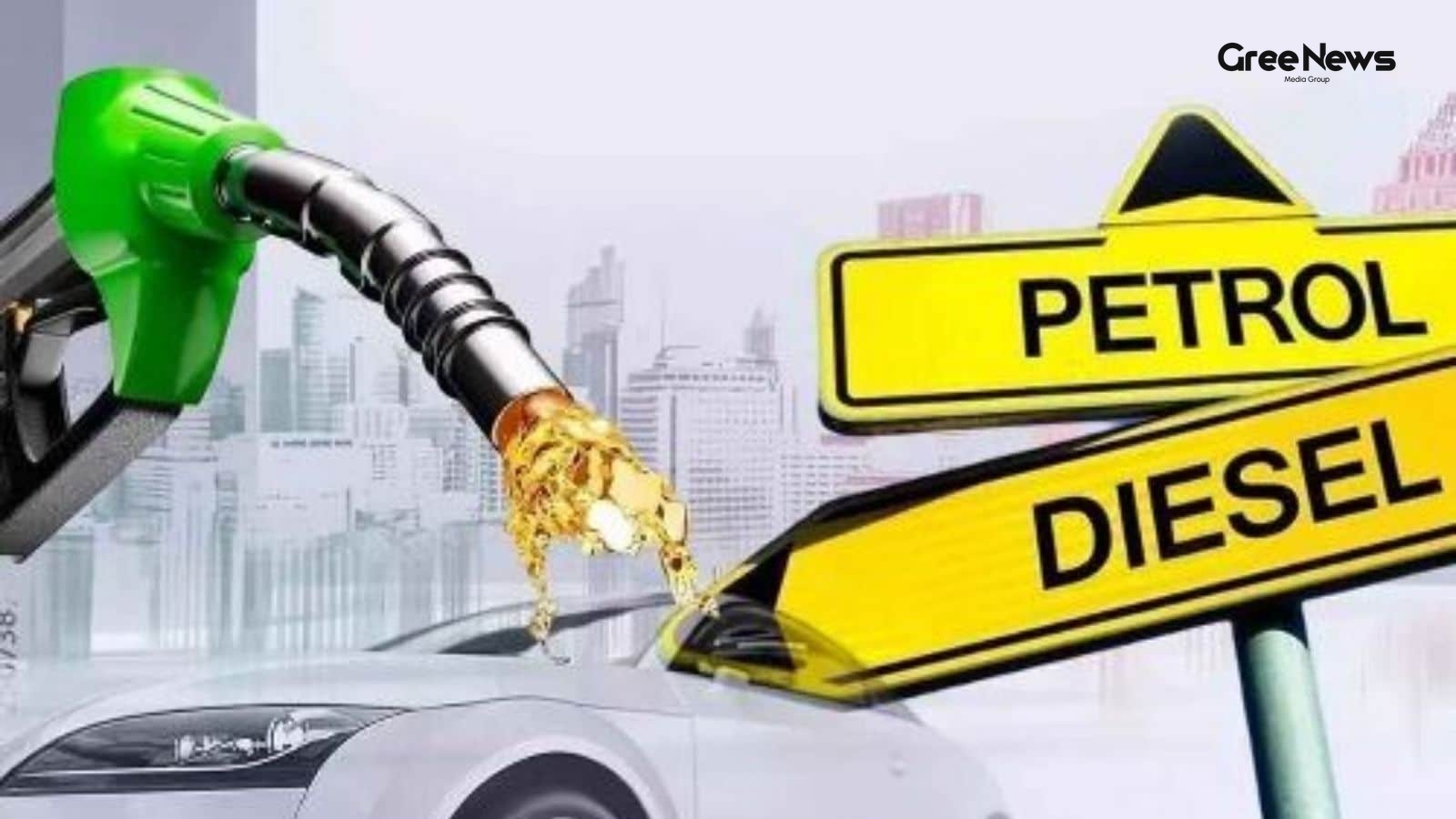
Petrol, Diesel, and CNG Price Update
Petrol, diesel, and CNG prices held steady on Monday, June 22nd. Nothing moved, at least not officially. But behind the scenes, things were definitely shifting. Oil market companies and gas distributors tweak those figures every morning at six, you know? It’s routine, but it signals the underlying p
Jun 22, 2026 by Gree News Team
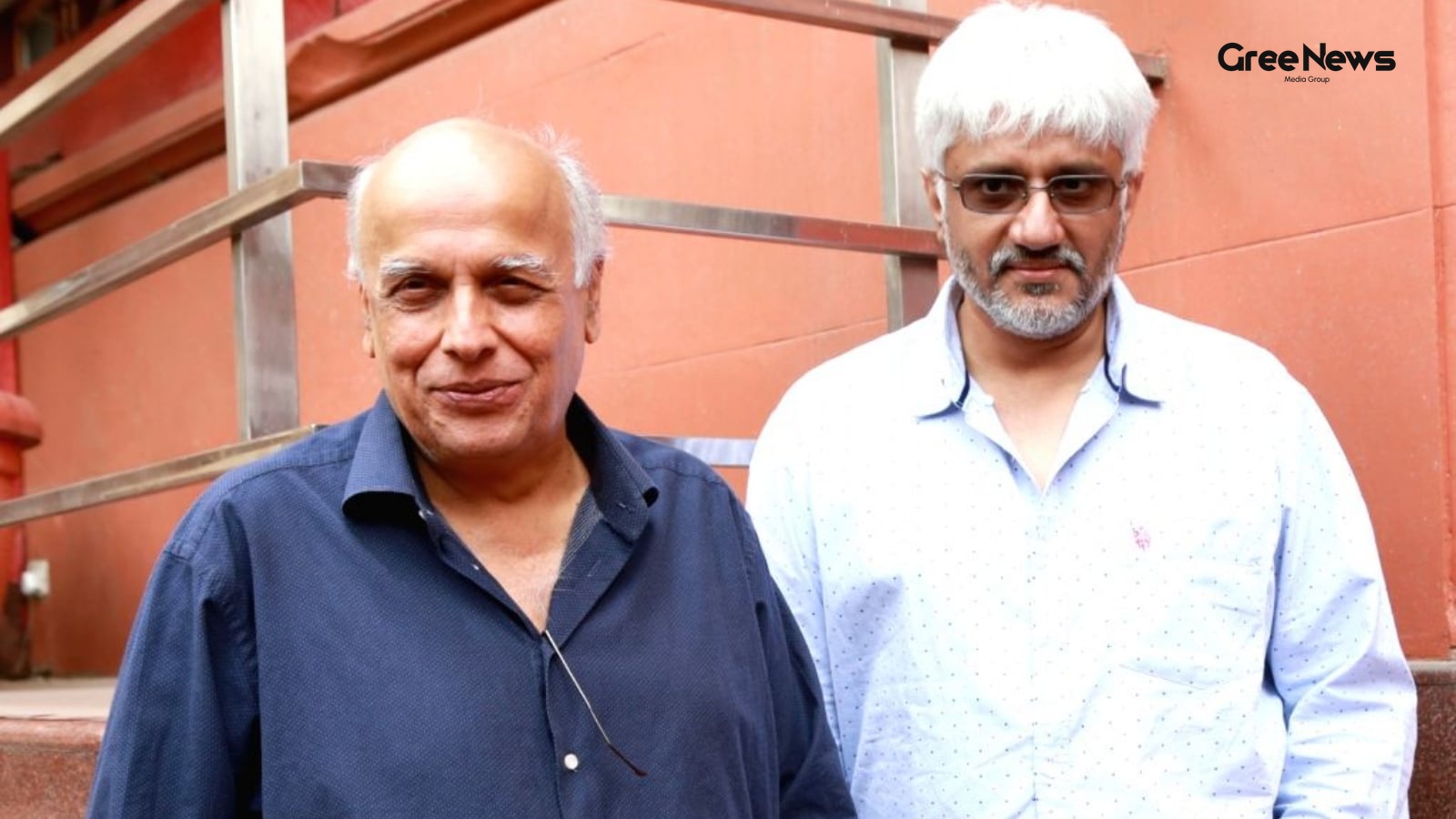
The Legal and Personal Fallout of the Vikram Bhatt Case
December last year. That’s when Vikram Bhatt and his wife found themselves in trouble. A multi-crore cheating case registered right there in Rajasthan. It wasn't some small dispute; this was about defrauding someone big. Dr Ajay Murdia, the guy from Udaipur, founder of that massive Indira Group of C
Jun 22, 2026 by Gree News Team
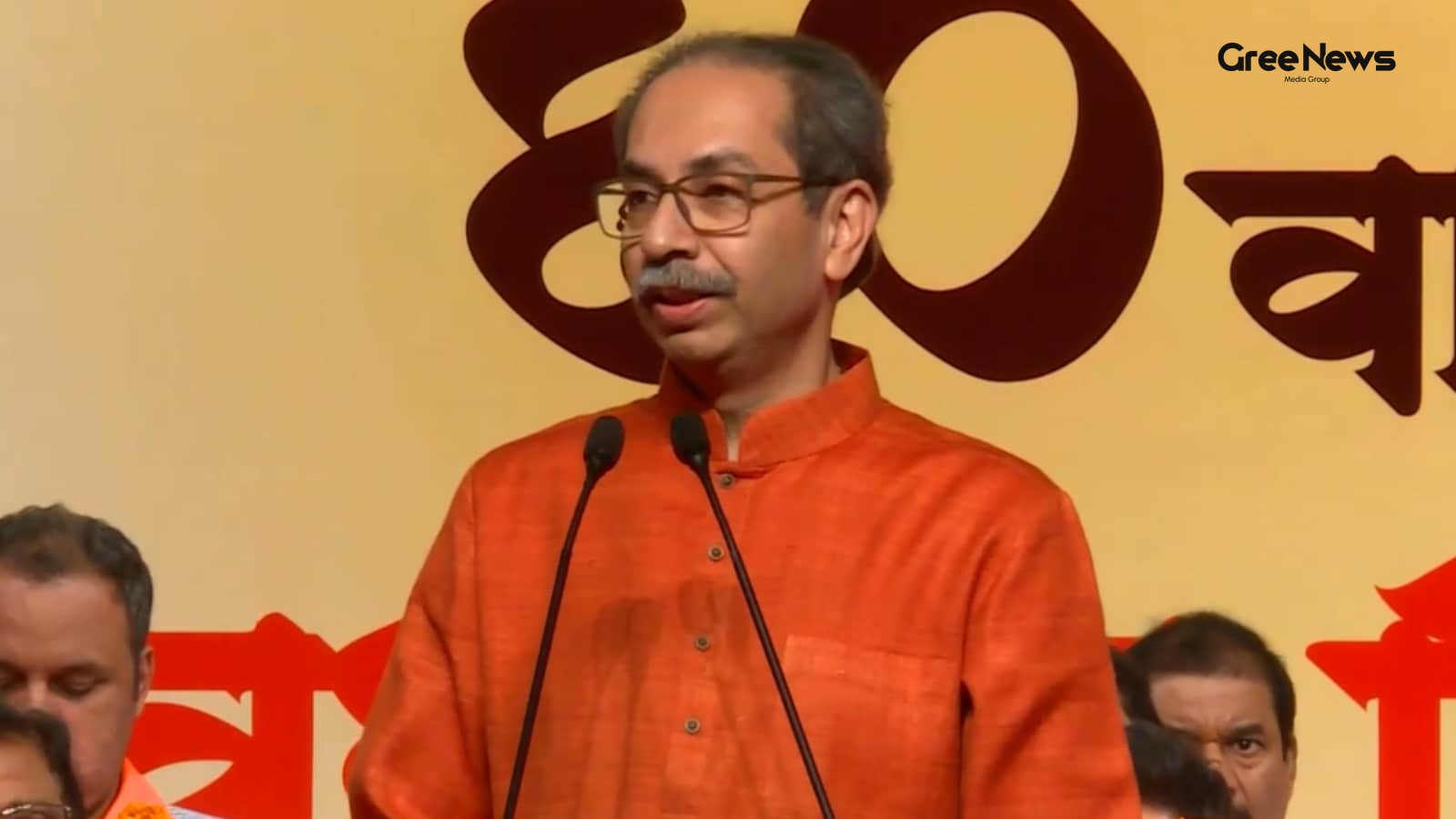
Political Crisis: Lok Sabha MPs Jump Ship to Shinde's Shiv Sena
Uddhav Thackeray is taking a serious hit right now. Six of his party’s nine Lok Sabha MPs are expected to jump ship to Eknath Shinde's Shiv Sena this Monday. It’s a big blow, plain and simple. Media reports are swirling that these MPs will formally merge with the Shinde faction around three in the a
Jun 22, 2026 by Gree News Team
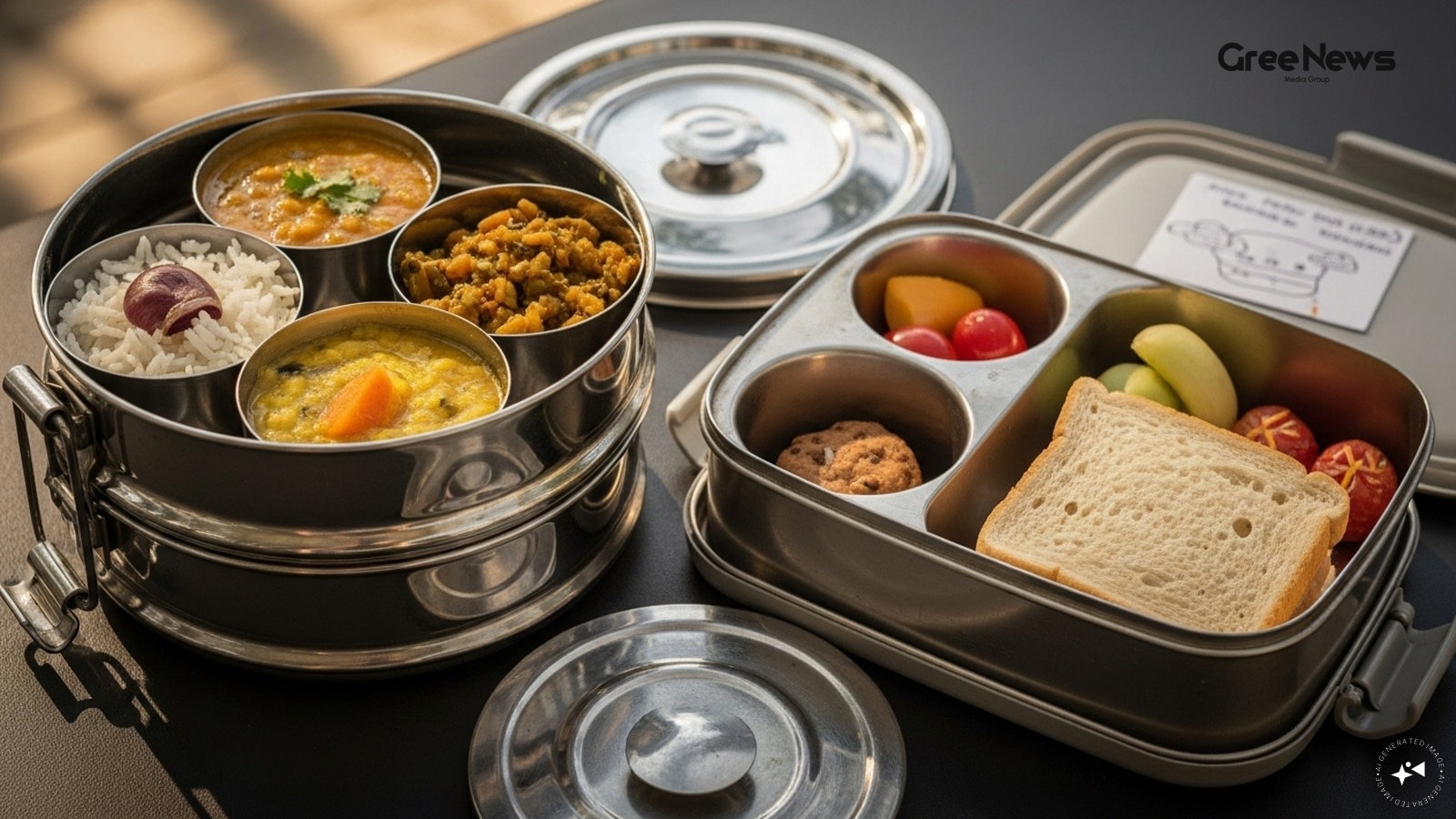
Choosing the Best Lunch Box: Materials, Capacity, and Portability
Look, whether you’re dealing with a packed office lunch or just trying to manage a simple homemade meal for college, a decent lunch box actually makes carrying food way easier. Seriously. Nobody wants curry leaking all over their backpack or some container, leaving yesterday’s smells hanging around
Jun 22, 2026 by Gree News Team
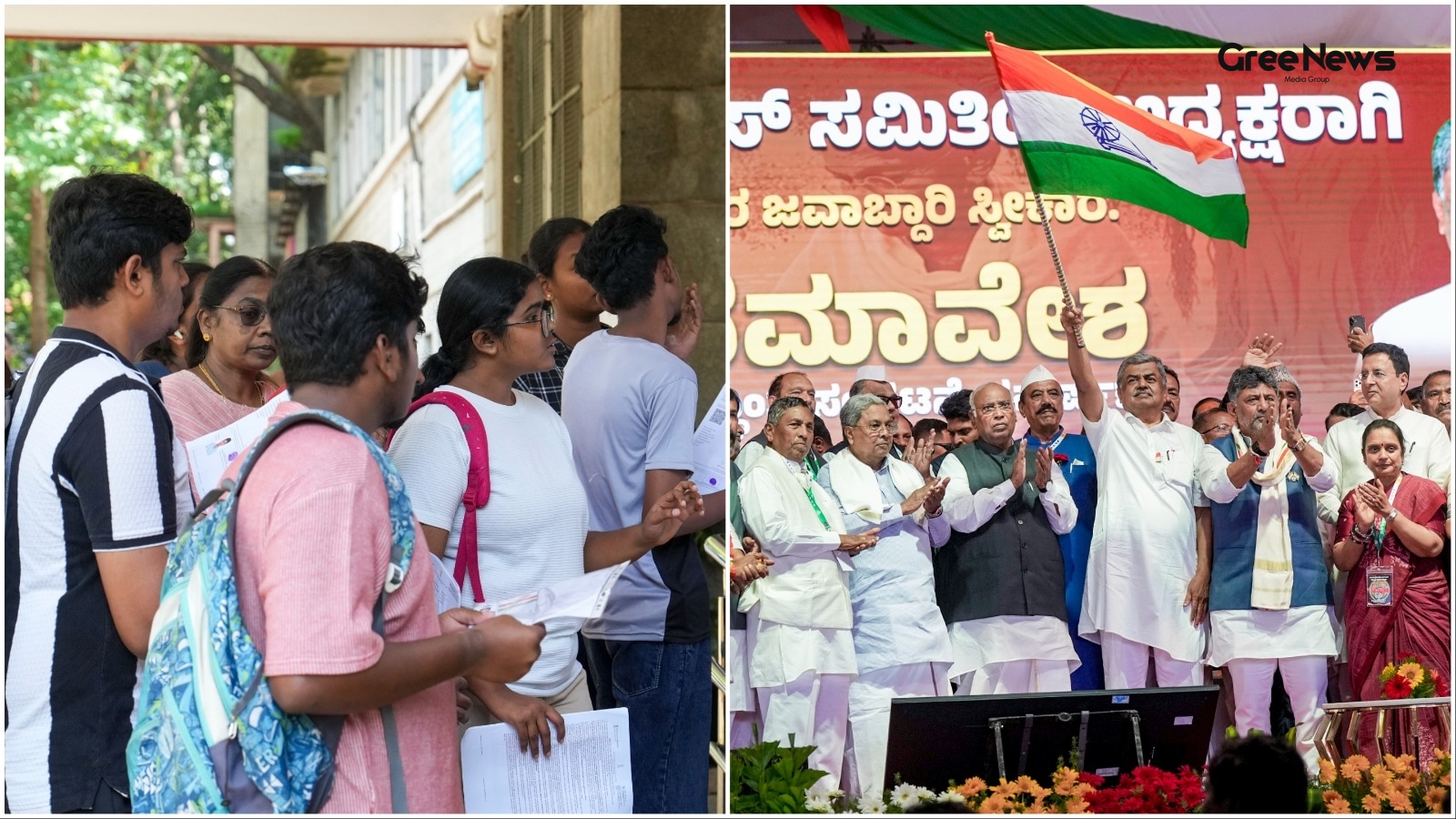
Traffic, Politics, and Anxiety: The NEET Exam Chaos
The whole thing started with students. NEET aspirants and their parents. They were talking about traffic in Bengaluru. Severe congestion. Delays reaching those exam centers. It wasn't just a commute; it became this big political headache. The opposition parties the Janata Dal (Secular) and the BJP t
Jun 22, 2026 by Gree News Team
Netanyahu Defends Military Presence in Southern Lebanon
Netanyahu defended the military presence in southern Lebanon recently. He made this comparison to how the United States would react if they faced similar threats right across their own borders. He was speaking at some public event, laying out his view. Israeli forces, he said, will stay in that secu
Jun 22, 2026 by Gree News Team

Air Cooler vs. Air Conditioner: The Ultimate Guide to Cooling and TV Choices
Choosing between an air cooler and an air conditioner. That’s the classic summer dilemma, right? At first glance, it seems simple enough. Coolers cost way less money upfront. They use minimal electricity. But then you look closer. Air conditioners push out much stronger cooling. They come with a hig
Jun 22, 2026 by Gree News Team
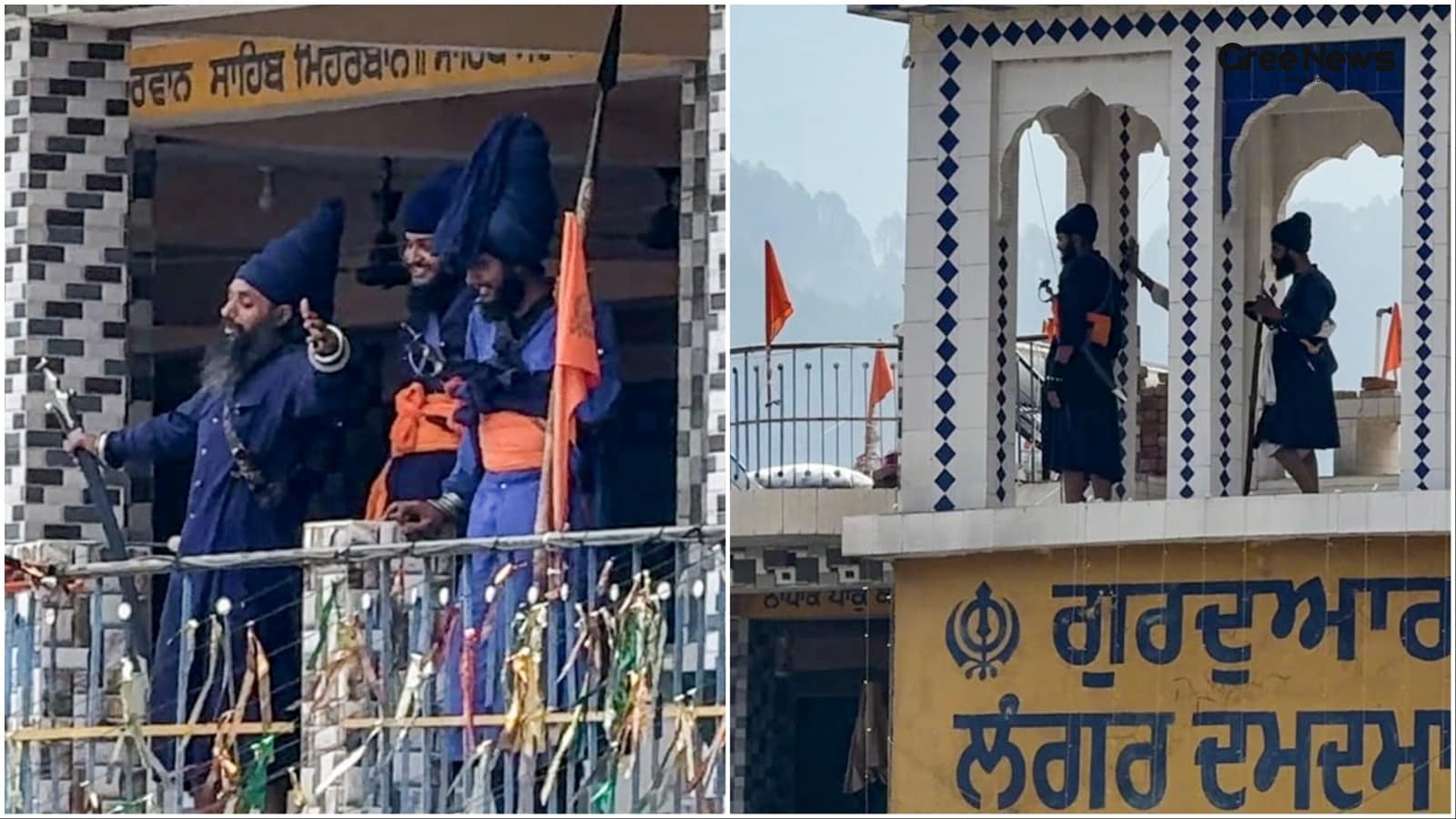
Standoff at Nagrasu Gurdwara: Police Engage Nihangs Over Dispute
A standoff. That’s what was happening at Nagrasu Gurdwara in Uttarakhand’s Rudraprayag district on Sunday. A group of Nihangs had essentially occupied part of the religious complex, making demands about four members from their sect who were arrested following a clash back in Chamoli earlier this mon
Jun 22, 2026 by Gree News Team

Non-stick vs. Stainless Steel for Indian Cooking
Indian cooking... it just demands a lot from your cookware. High heat, heavy spices, all that oil-rich gravy stirring for ages. It puts a totally different kind of stress on pots and pans compared to what you see in many Western styles. That’s where the kitchen debates always land: non-stick versus
Jun 22, 2026 by Gree News Team