The Legal and Personal Fallout of the Vikram Bhatt Case
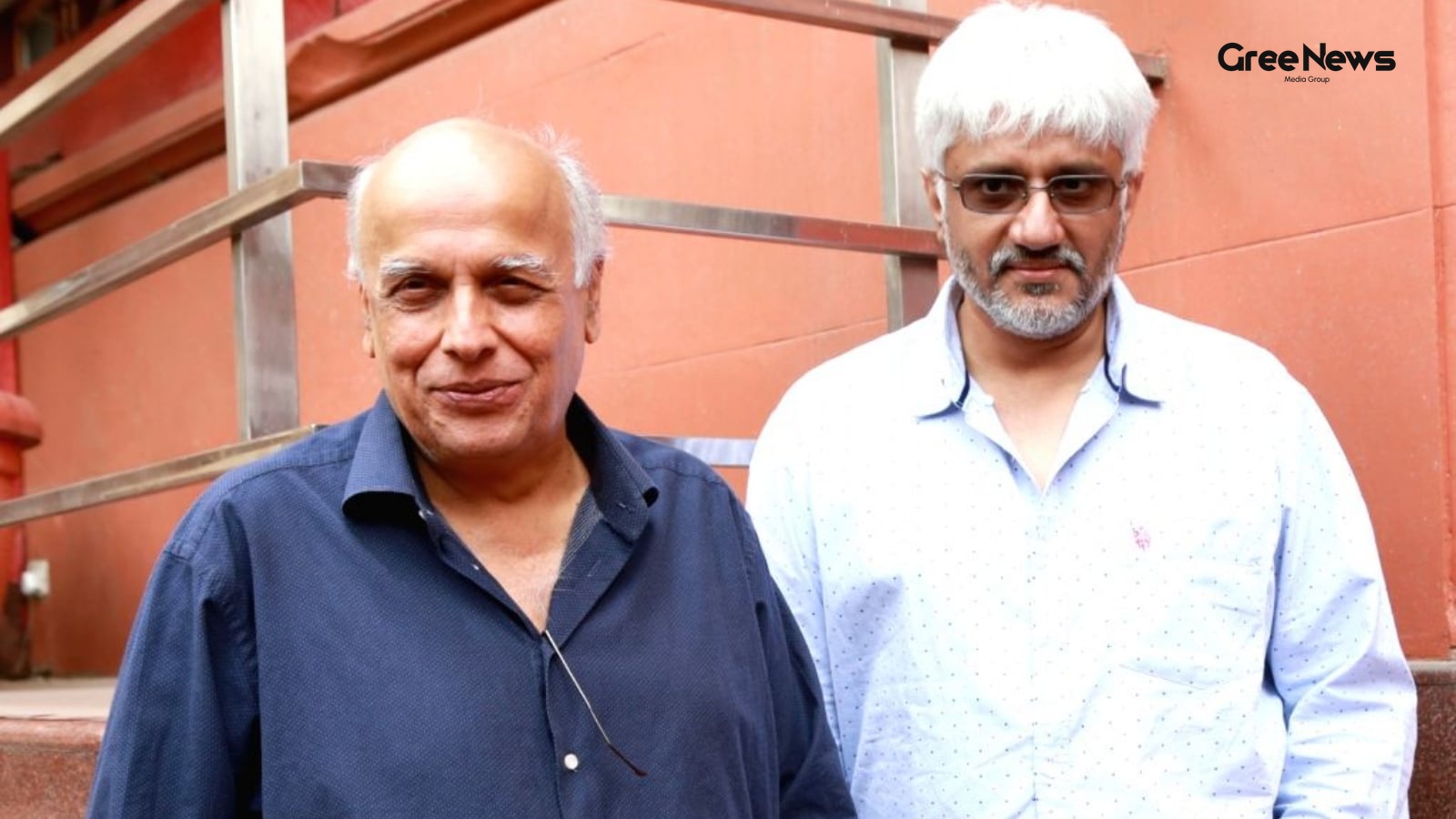
December last year. That’s when Vikram Bhatt and his wife found themselves in trouble. A multi-crore cheating case registered right there in Rajasthan. It wasn't some small dispute; this was about defrauding someone big. Dr Ajay Murdia , the guy from Udaipur, founder of that massive Indira Group of Companies .
They were accused of something huge. Luring him into investing over thirty crore rupees. All tied up in four films. Promises of high returns. It sounds simple enough on paper, but when you look at these things, it’s never just simple. It’s a web.
One of those projects? It was supposed to be a biography. A tribute. For Dr Murdia’s late wife. That kind of history, that weight, it seemed to be part of the deal.
Then there was the fallout. The courts got involved. Rajasthan High Court denied him bail. Standard procedure maybe, but for people like this, standard procedures feel less like justice and more like a delay tactic. Two and a half months crawled by. And then, finally, the Supreme Court stepped in. Bail granted in February of this year. A massive relief, I guess.
But the story doesn't end there. Vikram, after getting out, brought up something quiet. Something that really sticks with you. Mahesh Bhatt . He sent him a congratulatory message. Post-release. While everyone else was probably talking about the legal drama. It just hangs there. Public silence during jail time it’s always that thing. What you can’t say.
Vikram spoke to News18 recently, trying to get some real air on it. He said Mahesh had stayed in touch with his family throughout all of that mess. Constantly checking in. It sounds nice, right? Support means a lot. But then the question pops up immediately. What could he have done?
He admitted the difficulty of communication. “I was in,” he explained. How could you chat? He said it was a total lock down. Five minutes a day to speak to anyone. Five minutes is just too little, isn’t it? It used to get over before anything really started. A kind of suffocating quiet.
He added that he wasn't in a place where anyone could reach him easily. But Mahesh had other channels. He spoke to the kids. The sister-in-law. The brother-in-law. Connecting through those lines, somehow. It’s that strange way things happen when you’re trapped.
And then there was the bigger picture, about helplessness. Vikram talks about how Mahesh, his mentor figure, felt completely stuck during all of it. Helplessness. That feeling seems to be central to everything this whole ordeal touched upon. But he immediately pivots. He says, “But it was the law.” That’s where the shift happens. And then he adds that Mahesh resisted something. He knew there wasn't any fairness built into whatever was happening.
He felt fear. Fear that if he said anything provocative, if he pushed back, it would only upset the powers that be. It would land him in even more trouble. So, he held back. Resisted. That’s the truth of the matter, Vikram says. A silent power game played out behind closed doors.
The real friction point, the place where all this tension boiled over, seems to be Tumko Meri Kasam . That film. The one released in 2025. It was inspired by Dr Murdia’s life, right? And that’s where the trouble really started brewing.
That movie got hammered. Under suspicion from SEBI . They suspected it wasn't just art. They thought it was promotional material for Indira IVF during a fundraising period. Regulatory scrutiny kicked in. A week after the theatrical release, Indira IVF had to pull back its massive Rs 3,500-crore IPO. The whole thing stalled because of that review.
And Tumko Meri Kasam itself? It didn’t land well commercially either. No buzz. Critically panned. Just failed.
Did Vikram feel the weight of this lack of cushion from his own side? From the Bhatts? He admitted, yes. It flopped. The money wasn't there for them in that moment. But he contrasted it with other projects. He pointed out a gap. “But I hadn’t directed for Vishesh Films in the last twelve years.” Even when Mahesh was involved with that setup. A lot of their hits you know, Awara Paagal Deewana , Deewane Huye Paagal , 1920 , Haunted and 1921 they weren't tied up in those deals. They just weren’t there.
It makes you wonder about the foundation, doesn't it? What truly cushions a filmmaker when things go sideways? He offered a stark observation. “The only cushion is your work.” That’s all there is. No other buffer. Any other cushion? It can be taken away from you. Your talent. Your hard work. That’s the only real thing you can rely on.
Meanwhile, we have to remember that this isn't just about film and finance anymore. There's always a layer of personal dynamic underneath it all. The way people interact under pressure. The sense of power shifts. It feels less like an objective legal matter and more like something deeply personal, doesn’t it? That resistance Mahesh showed it wasn't just legal maneuvering. It was about protecting something intangible. Something that felt threatened by the sheer machinery of power.
And even now, looking at the silence around these kinds of events, it’s heavy. You see how quickly reputations can shift. How a single regulatory hiccup can unravel an entire enterprise built on promises and public trust. It all just flows into this mess. From film credits to IPO withdrawals to personal messages it's all connected by that underlying tension. A very messy connection.
Written by Gree News Team — Senior Editorial Board
Gree News Team covers international news and global affairs at Gree News. Our collective of senior editors is dedicated to providing independent, accurate, and responsible journalism for a global audience.
More from Movies
View All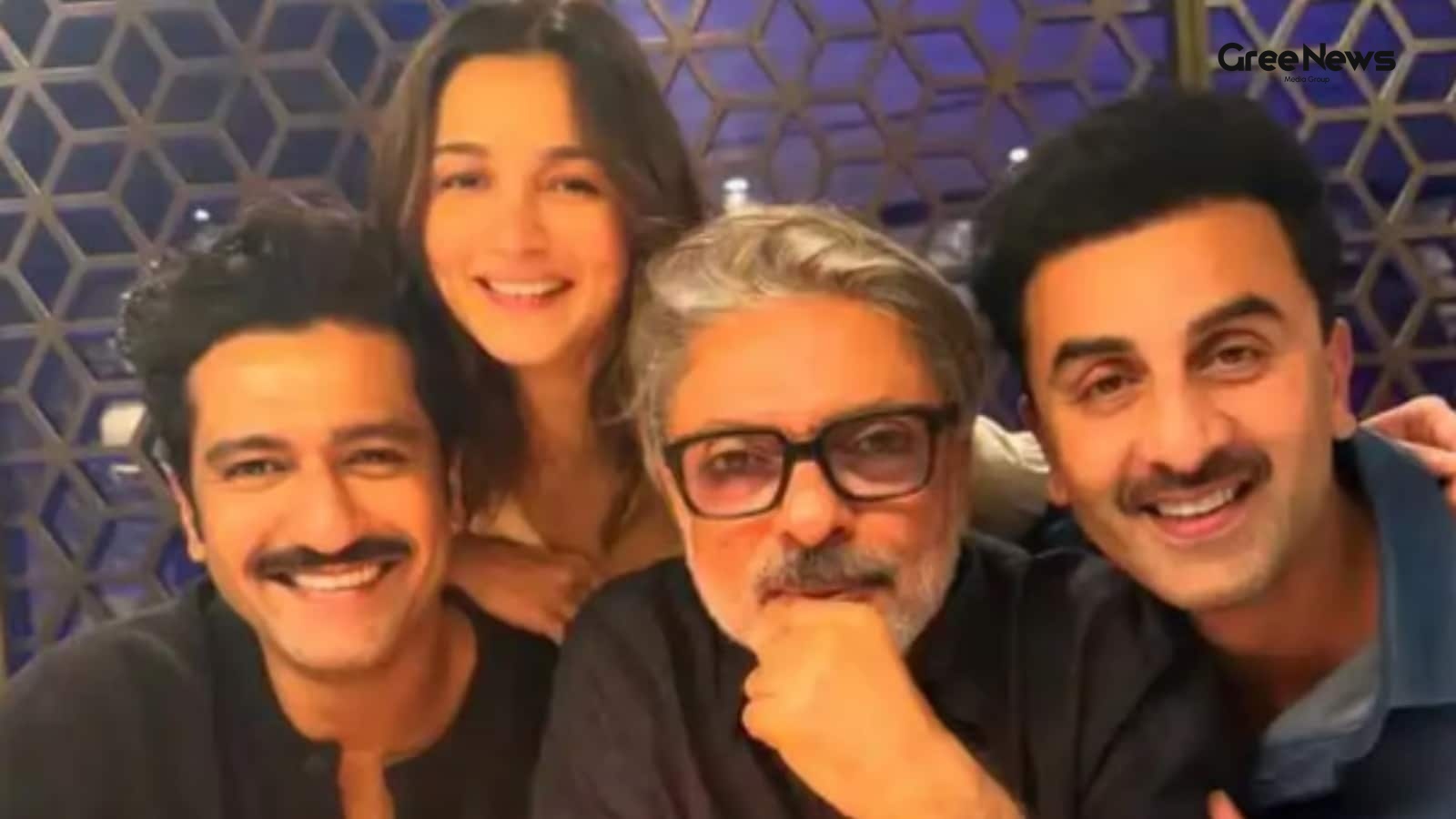
Tragedy Behind the Scenes of Love & War: Worker Death and Production Details
Sanjay Leela Bhansali’s *Love & War*. It was already huge, one of those films everyone was talking about. But this week, the news got really heavy after something awful happened behind the scenes in Mumbai. A worker reportedly lost his life while working on that set. The details are grim. According
Jun 22, 2026 by Gree News Team
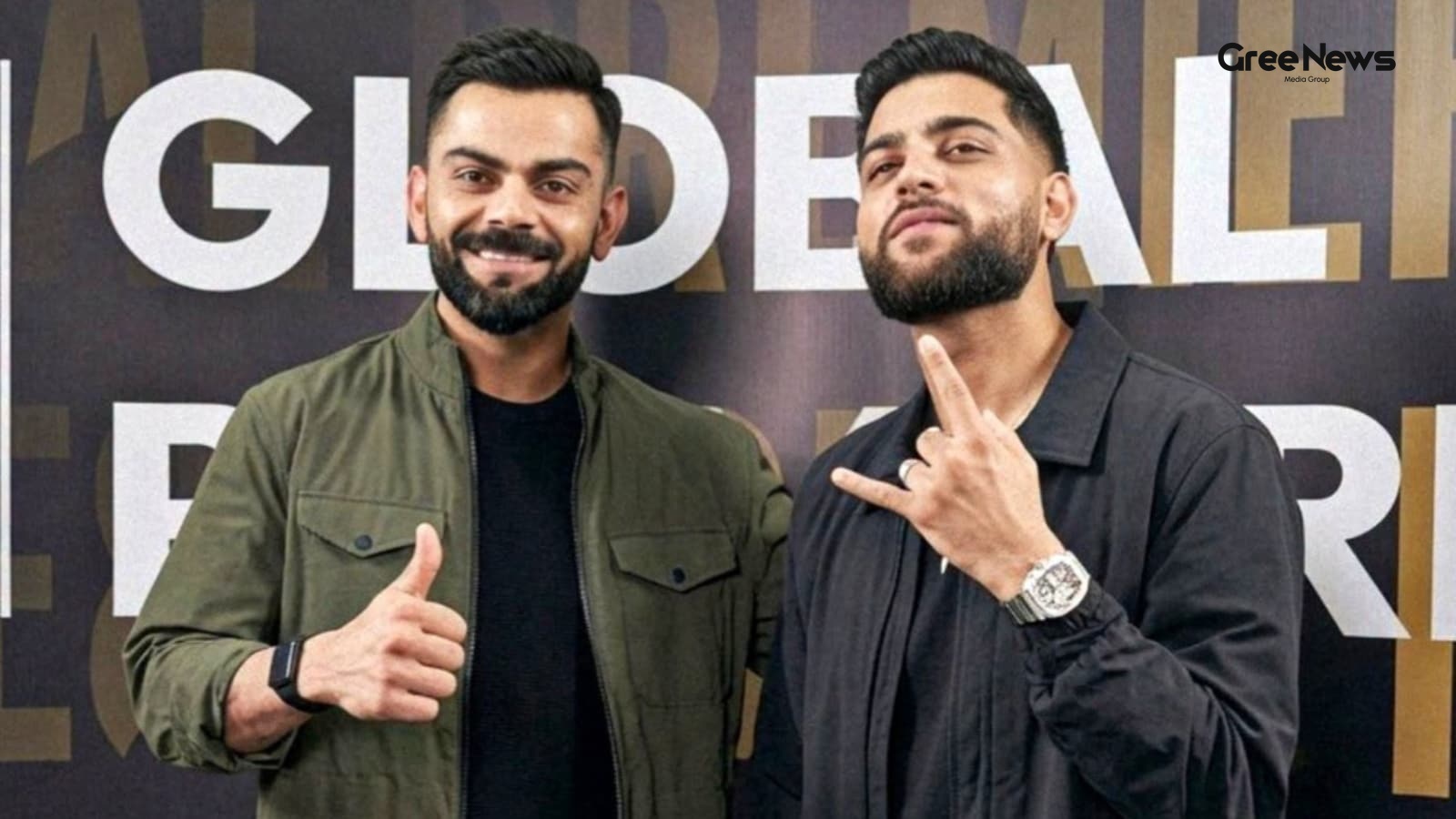
Virat Kohli on Karan Aujla’s Music and the Power of Persistence
Virat Kohli brought up Karan Aujla’s music recently, talking about how one of his tracks really sticks with him because it mirrors his own path. He mentioned ‘Winning Speech’ stands out for him more than anything else from Aujla’s catalogue. It just hits differently. He said the song connects on a p
Jun 22, 2026 by Gree News Team
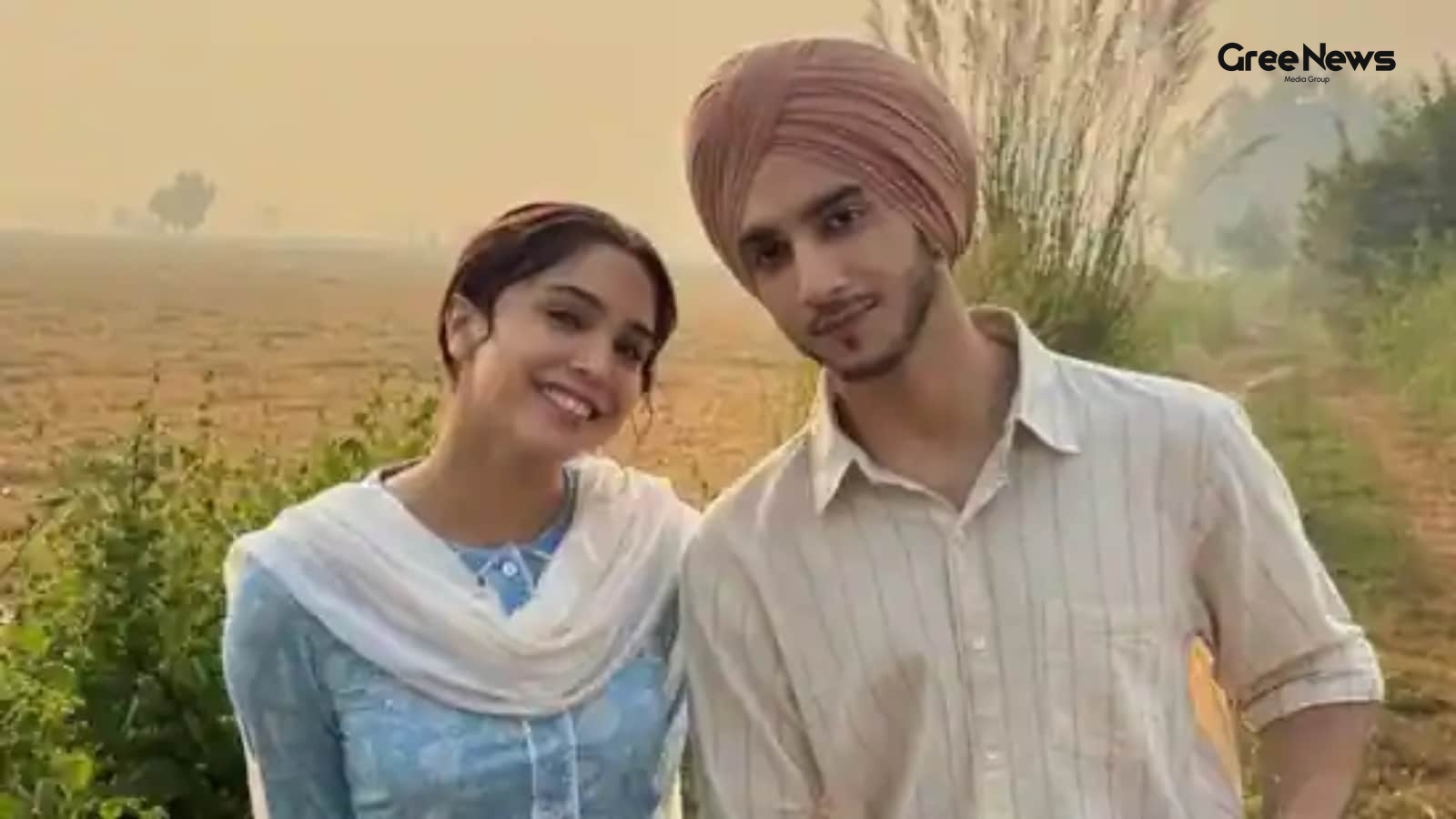
Main Vaapas Aaunga Box Office Performance and Story
A real shift is happening with *Main Vaapas Aaunga*. Imtiaz Ali’s romantic drama is pulling momentum, especially now that we hit the second week. What started out as a modest opening? It's morphed into something riding on genuine word-of-mouth and growing theatre demand across different markets. Box
Jun 22, 2026 by Gree News Team

Akansha Ranjan Kapoor on Reproductive Health and Career
Women’s Day. Akansha Ranjan Kapoor used social media for it. She talked about egg freezing. It seemed like that ticking clock really pushed her. Made her take control of her reproductive health. She mentioned going through injections, dealing with bloating, mood swings, and medications before she fi
Jun 22, 2026 by Gree News Team
Latest Headlines
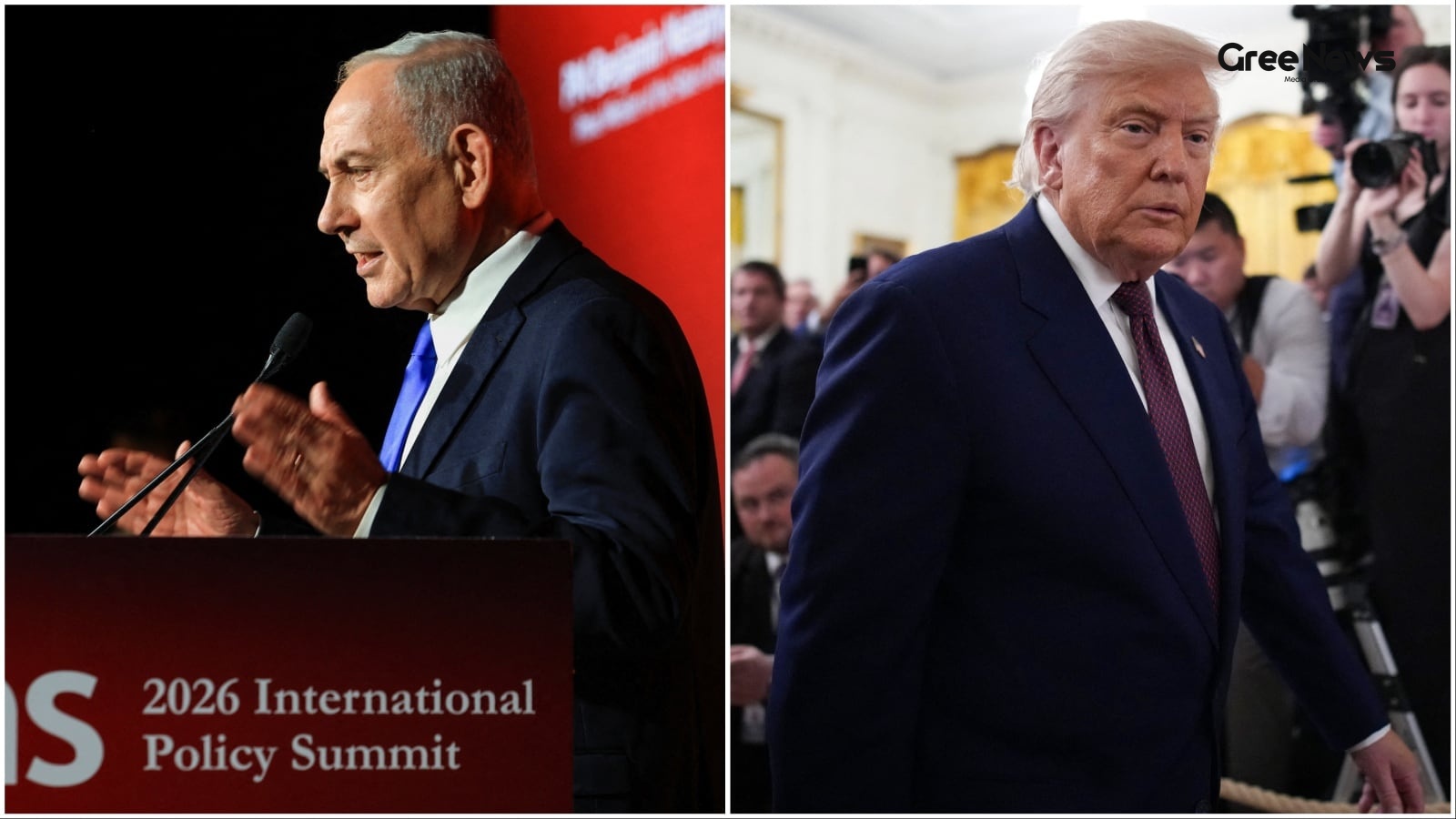
Netanyahu on Relations with Trump, Iran, and Regional Security
Netanyahu shut down the talk this Sunday about him just following Donald Trump around. He insisted that both leaders make their own calls for their countries, plain and simple. He was speaking at the JNS Summit in Jerusalem when he addressed all the speculation floating around about his relationship
Jun 22, 2026 by Gree News Team
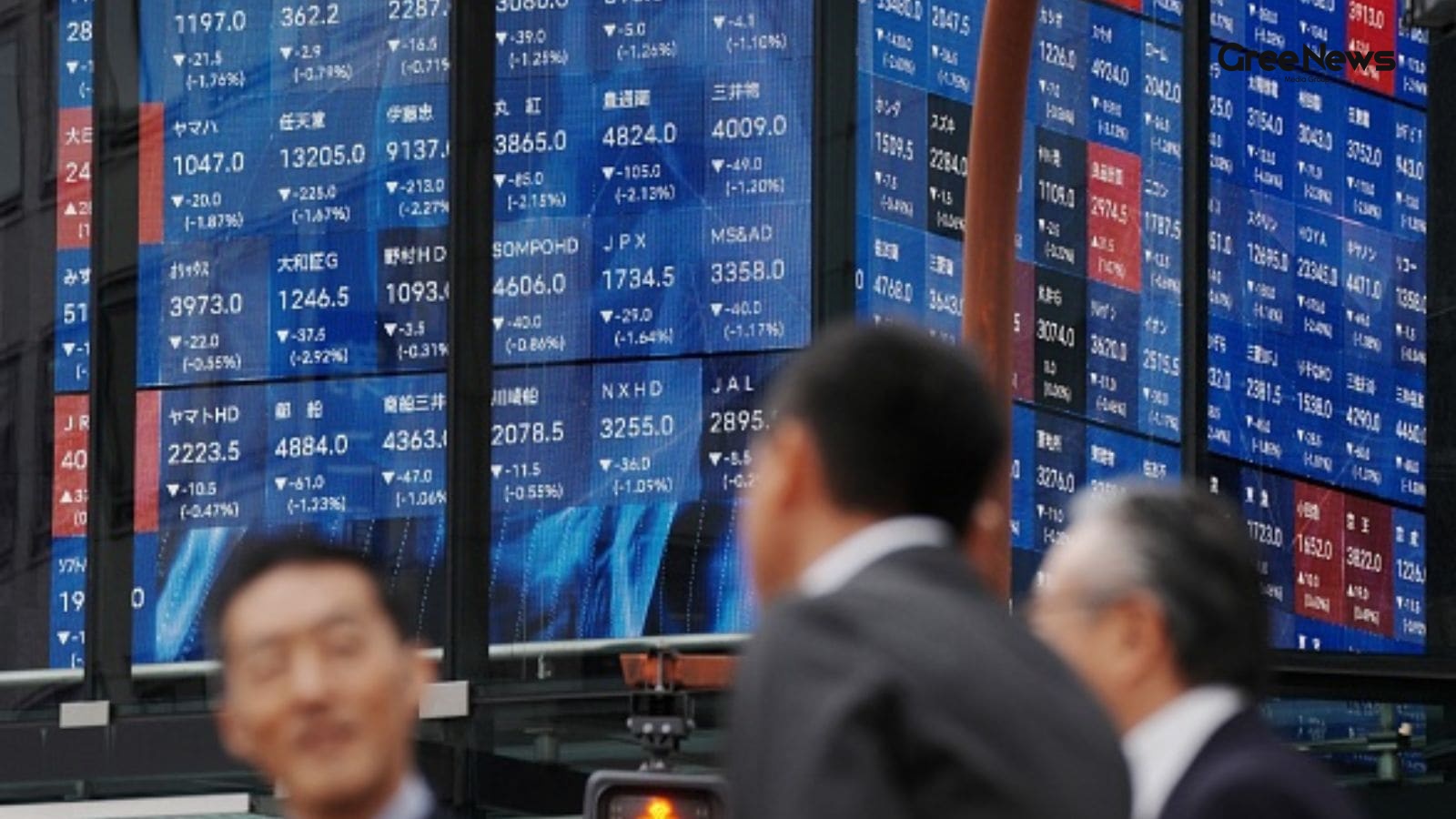
Foreign Investment Outflow and the AI Capital Rotation
The whole thing is churning, you know? Foreign investors are moving around because of all this AI stuff. It’s caused a massive outflow from India in 2026. Seriously. Over fifty percent of what they were putting into India-focused equity funds since 2023 has just left now. That's the story, according
Jun 22, 2026 by Gree News Team
Tragedy Behind the Scenes of Love & War: Worker Death and Production Details
Sanjay Leela Bhansali’s *Love & War*. It was already huge, one of those films everyone was talking about. But this week, the news got really heavy after something awful happened behind the scenes in Mumbai. A worker reportedly lost his life while working on that set. The details are grim. According
Jun 22, 2026 by Gree News Team

Petrol, Diesel, and CNG Price Update
Petrol, diesel, and CNG prices held steady on Monday, June 22nd. Nothing moved, at least not officially. But behind the scenes, things were definitely shifting. Oil market companies and gas distributors tweak those figures every morning at six, you know? It’s routine, but it signals the underlying p
Jun 22, 2026 by Gree News Team
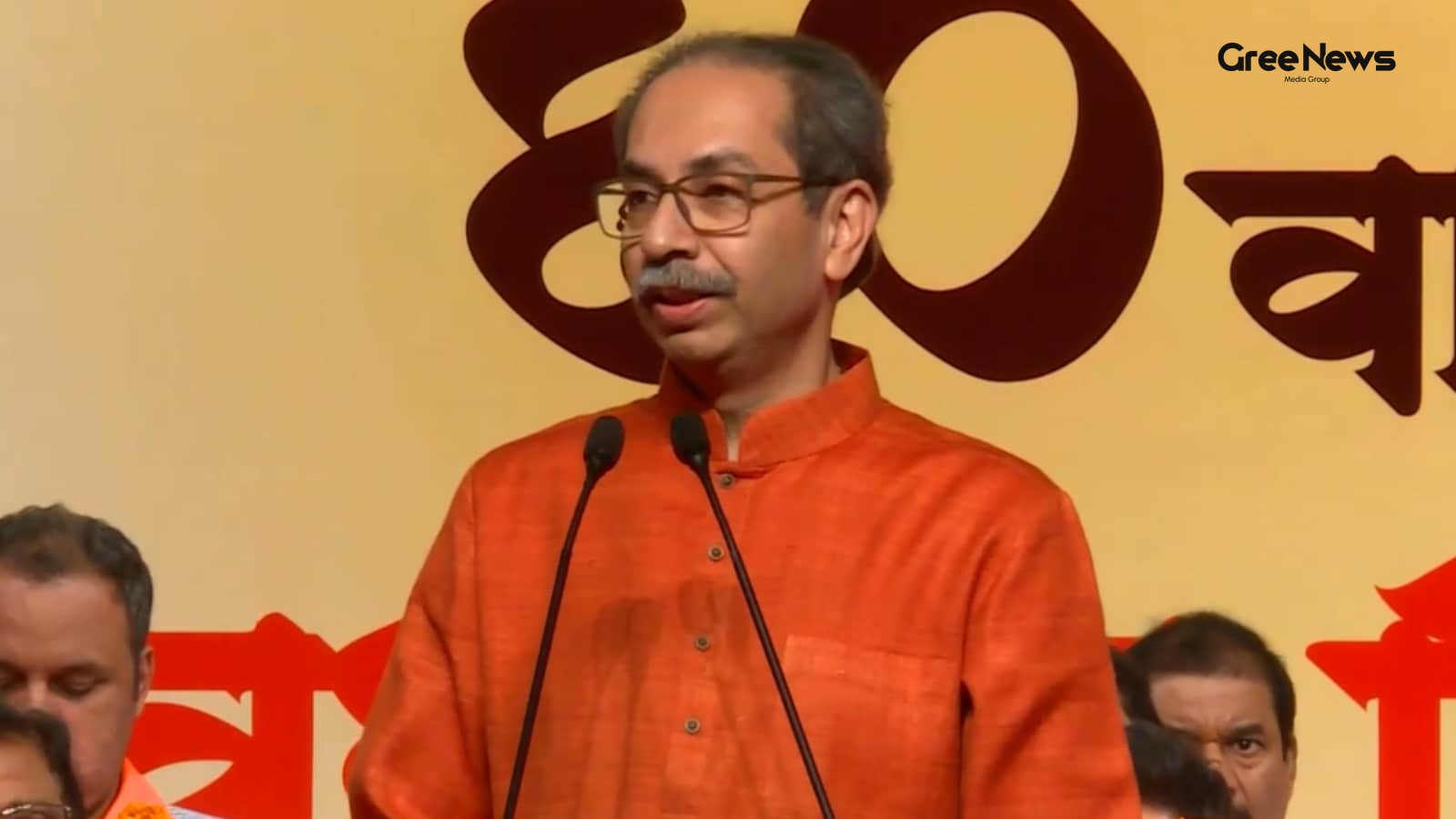
Political Crisis: Lok Sabha MPs Jump Ship to Shinde's Shiv Sena
Uddhav Thackeray is taking a serious hit right now. Six of his party’s nine Lok Sabha MPs are expected to jump ship to Eknath Shinde's Shiv Sena this Monday. It’s a big blow, plain and simple. Media reports are swirling that these MPs will formally merge with the Shinde faction around three in the a
Jun 22, 2026 by Gree News Team
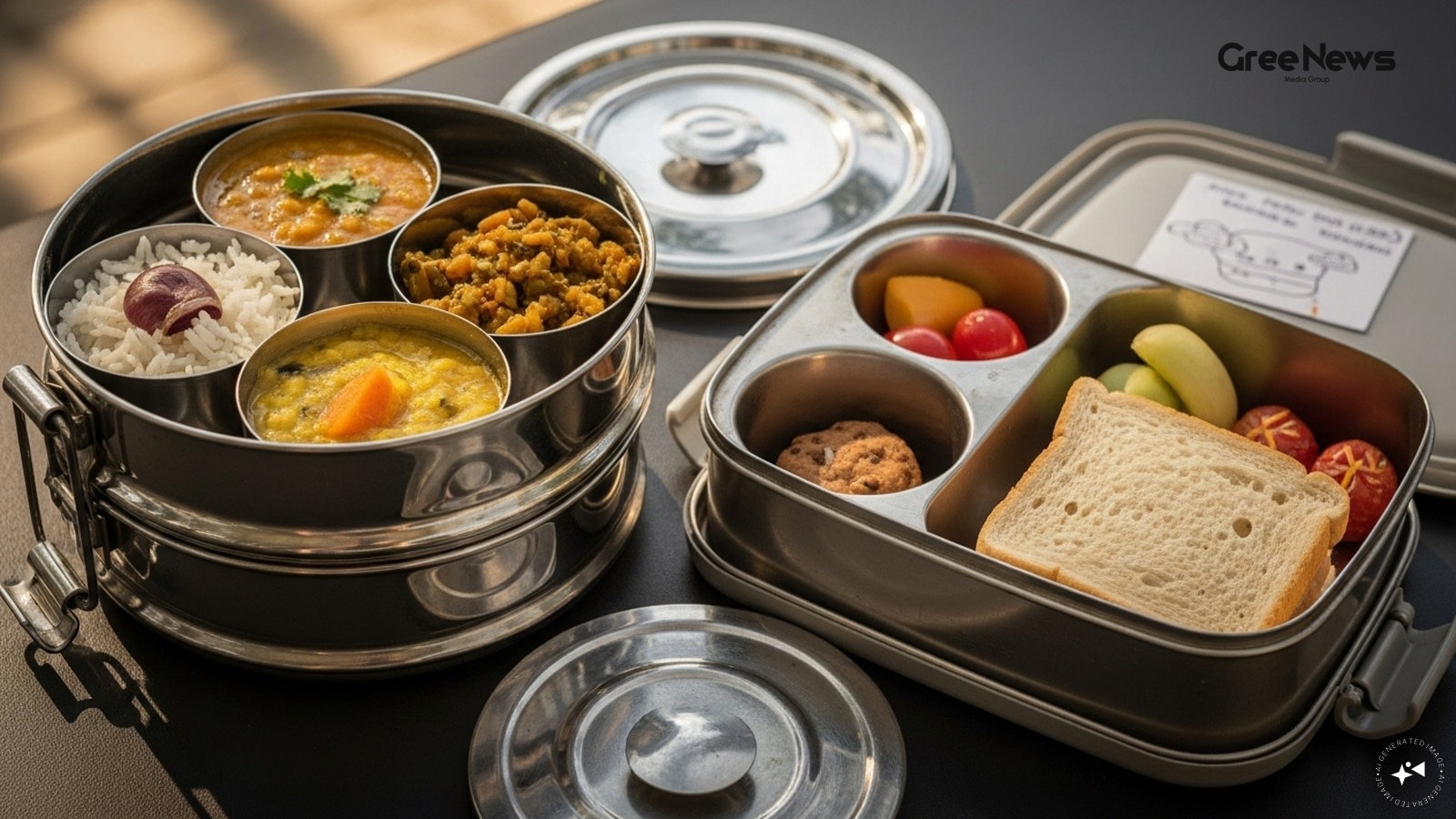
Choosing the Best Lunch Box: Materials, Capacity, and Portability
Look, whether you’re dealing with a packed office lunch or just trying to manage a simple homemade meal for college, a decent lunch box actually makes carrying food way easier. Seriously. Nobody wants curry leaking all over their backpack or some container, leaving yesterday’s smells hanging around
Jun 22, 2026 by Gree News Team
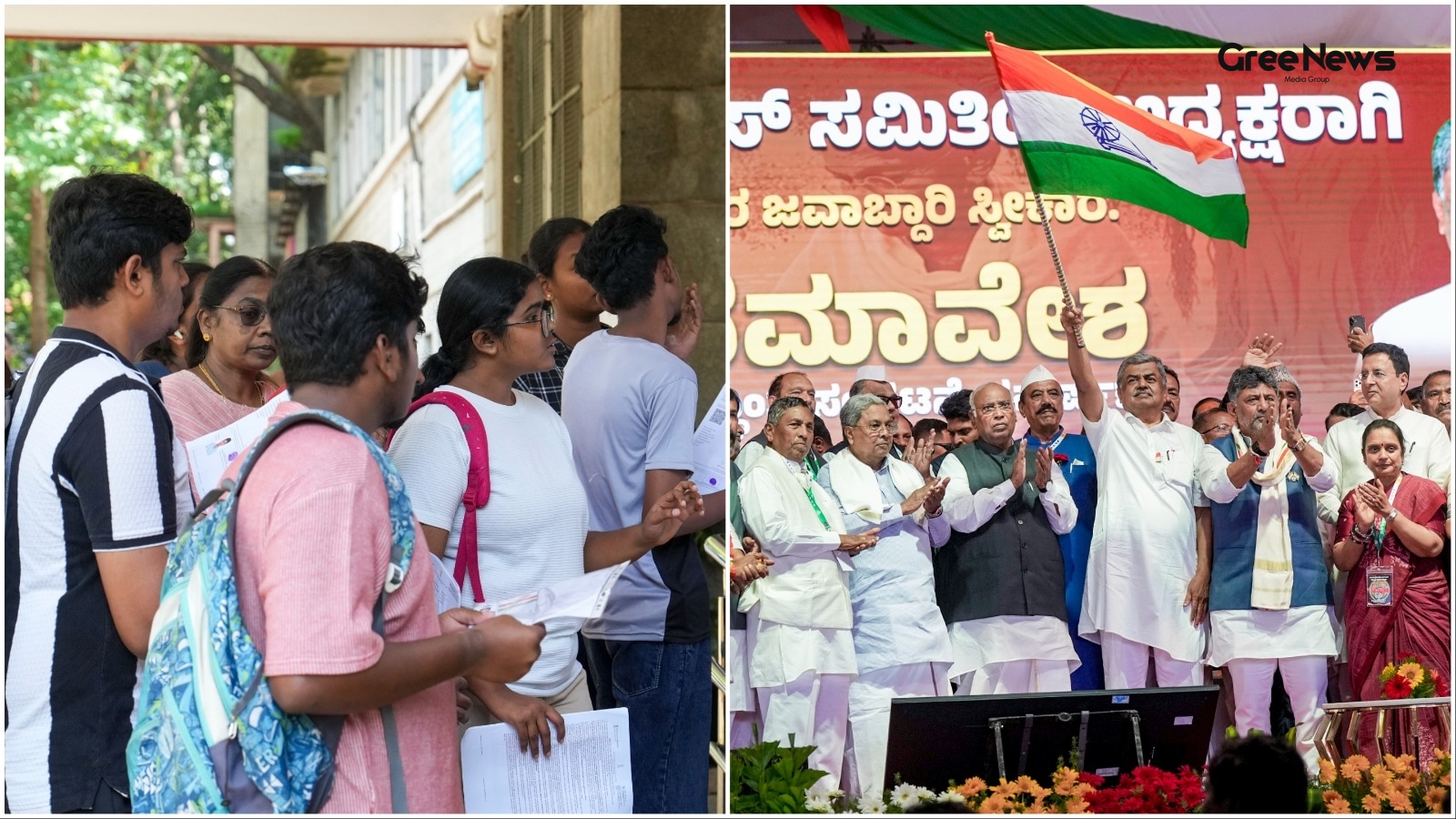
Traffic, Politics, and Anxiety: The NEET Exam Chaos
The whole thing started with students. NEET aspirants and their parents. They were talking about traffic in Bengaluru. Severe congestion. Delays reaching those exam centers. It wasn't just a commute; it became this big political headache. The opposition parties the Janata Dal (Secular) and the BJP t
Jun 22, 2026 by Gree News Team
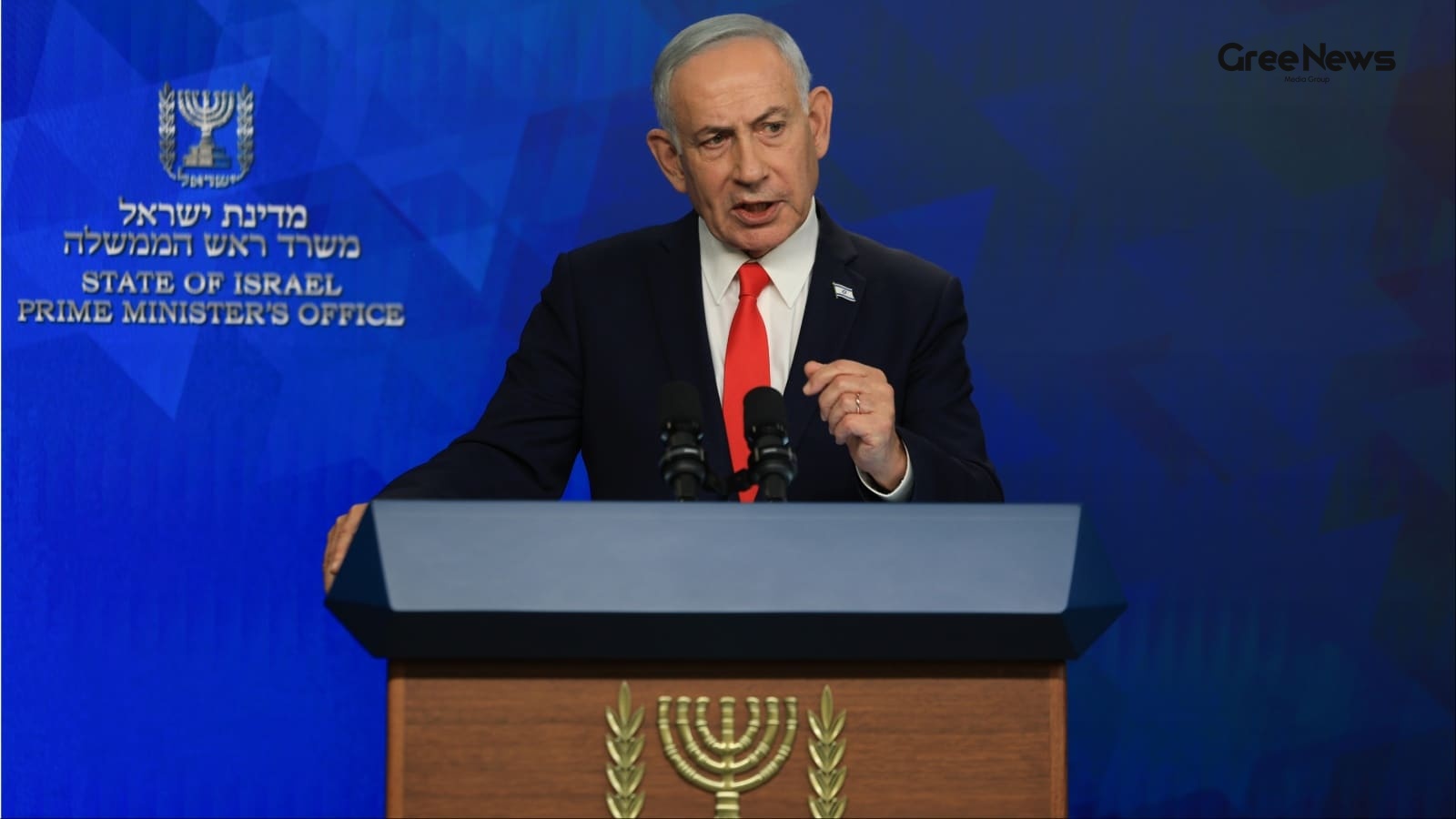
Netanyahu Defends Military Presence in Southern Lebanon
Netanyahu defended the military presence in southern Lebanon recently. He made this comparison to how the United States would react if they faced similar threats right across their own borders. He was speaking at some public event, laying out his view. Israeli forces, he said, will stay in that secu
Jun 22, 2026 by Gree News Team

Air Cooler vs. Air Conditioner: The Ultimate Guide to Cooling and TV Choices
Choosing between an air cooler and an air conditioner. That’s the classic summer dilemma, right? At first glance, it seems simple enough. Coolers cost way less money upfront. They use minimal electricity. But then you look closer. Air conditioners push out much stronger cooling. They come with a hig
Jun 22, 2026 by Gree News Team
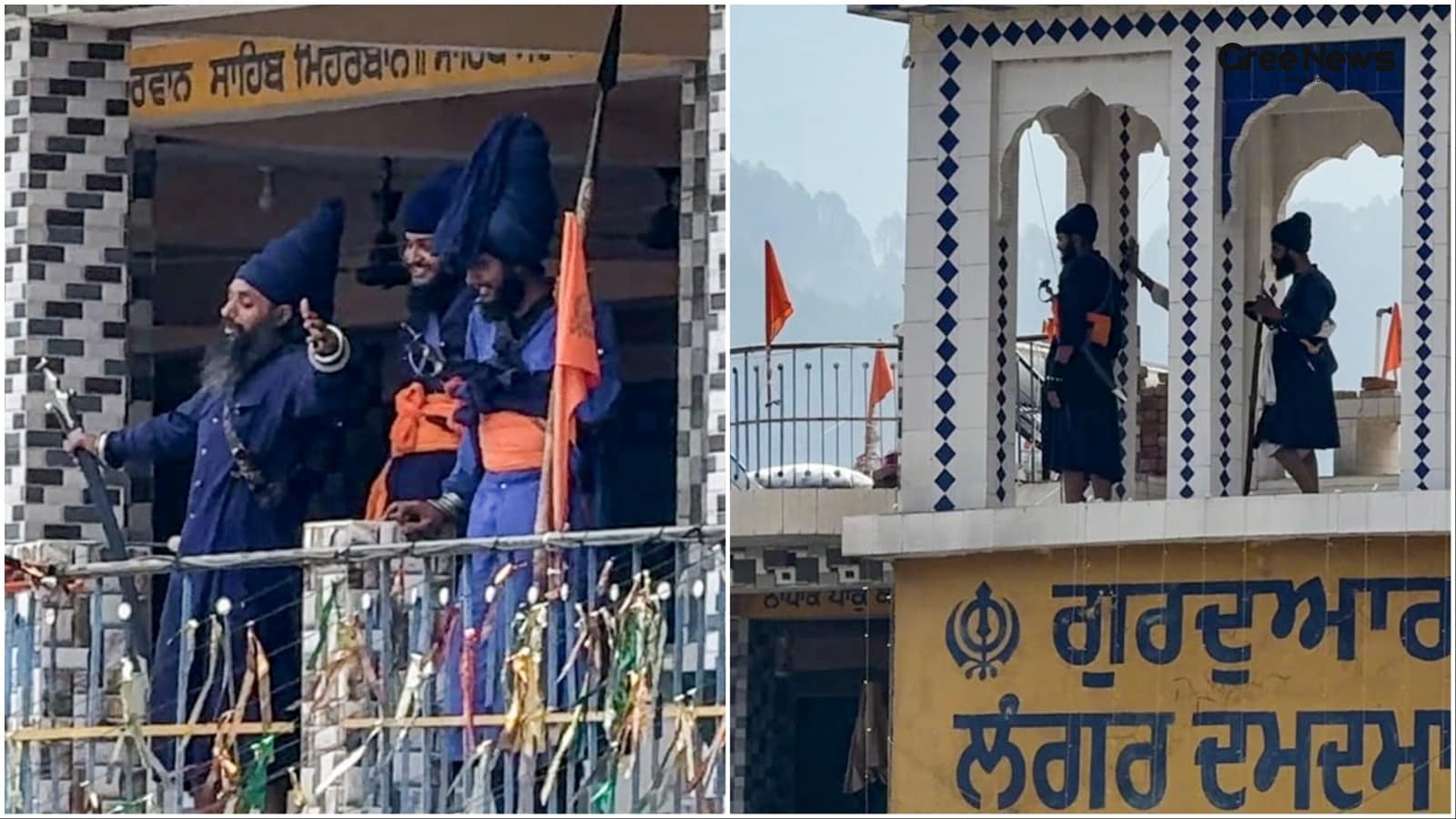
Standoff at Nagrasu Gurdwara: Police Engage Nihangs Over Dispute
A standoff. That’s what was happening at Nagrasu Gurdwara in Uttarakhand’s Rudraprayag district on Sunday. A group of Nihangs had essentially occupied part of the religious complex, making demands about four members from their sect who were arrested following a clash back in Chamoli earlier this mon
Jun 22, 2026 by Gree News Team

Non-stick vs. Stainless Steel for Indian Cooking
Indian cooking... it just demands a lot from your cookware. High heat, heavy spices, all that oil-rich gravy stirring for ages. It puts a totally different kind of stress on pots and pans compared to what you see in many Western styles. That’s where the kitchen debates always land: non-stick versus
Jun 22, 2026 by Gree News Team
Virat Kohli on Karan Aujla’s Music and the Power of Persistence
Virat Kohli brought up Karan Aujla’s music recently, talking about how one of his tracks really sticks with him because it mirrors his own path. He mentioned ‘Winning Speech’ stands out for him more than anything else from Aujla’s catalogue. It just hits differently. He said the song connects on a p
Jun 22, 2026 by Gree News Team
Main Vaapas Aaunga Box Office Performance and Story
A real shift is happening with *Main Vaapas Aaunga*. Imtiaz Ali’s romantic drama is pulling momentum, especially now that we hit the second week. What started out as a modest opening? It's morphed into something riding on genuine word-of-mouth and growing theatre demand across different markets. Box
Jun 22, 2026 by Gree News Team
Akansha Ranjan Kapoor on Reproductive Health and Career
Women’s Day. Akansha Ranjan Kapoor used social media for it. She talked about egg freezing. It seemed like that ticking clock really pushed her. Made her take control of her reproductive health. She mentioned going through injections, dealing with bloating, mood swings, and medications before she fi
Jun 22, 2026 by Gree News Team

Market Update: Asian Performance and Business News
The market is starting the week off a bit better than expected, it seems. The Gift Nifty was trading higher at 24,117 this morning around 8:40 am, suggesting a generally positive sentiment heading into the trading session. Across Asia, things were mostly up on Monday. That AI-driven technology stock
Jun 22, 2026 by Gree News Team