Low Haemoglobin: Understanding the Causes, Risks, and the Need for Medical Investigation
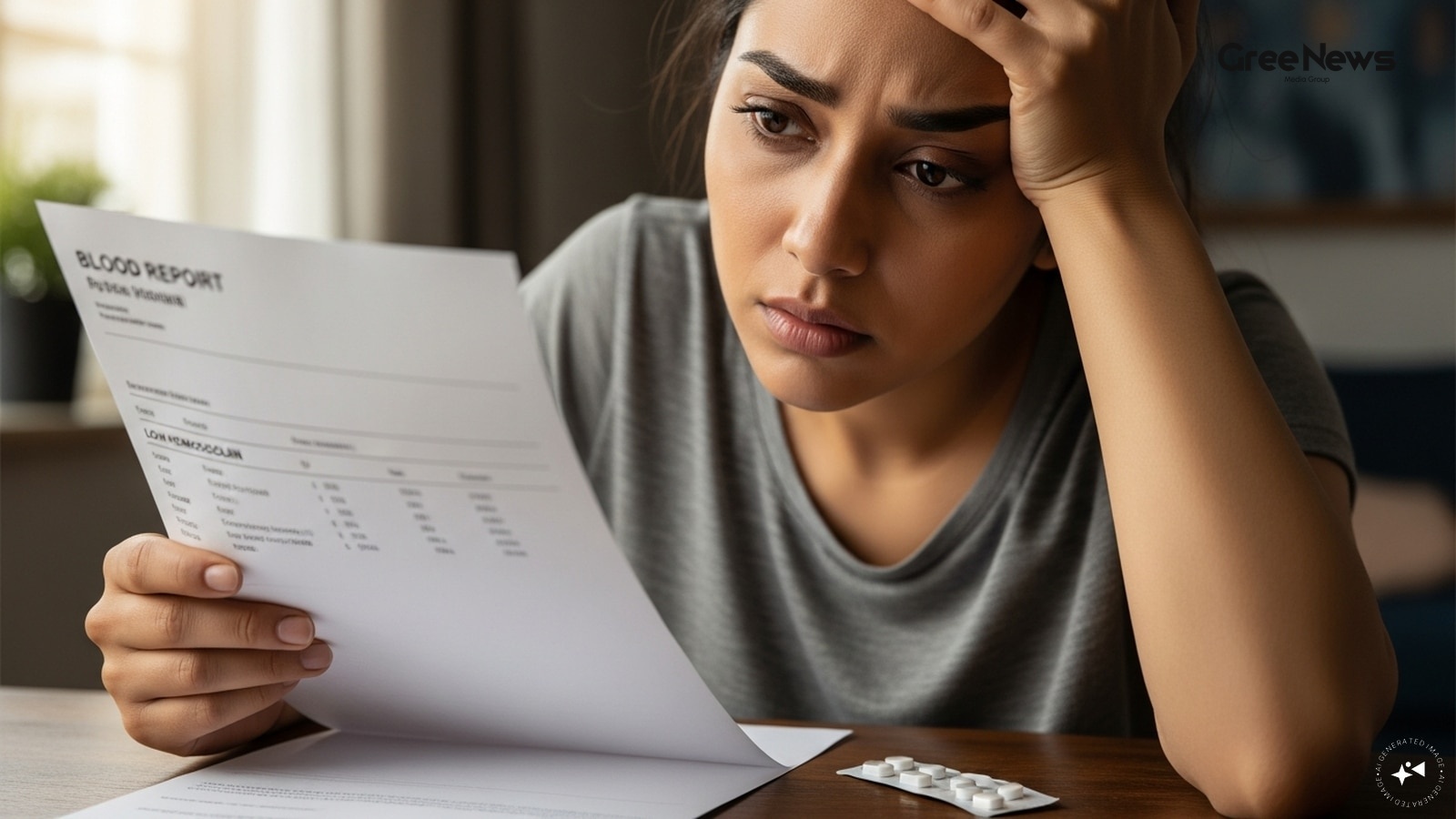
low haemoglobin is one of those things you see popping up on a blood test, right? it’s super common. but that doesn't make it any less confusing. people jump straight to the conclusion that they have iron deficiency. then bam over-the-counter supplements. no doctor check first. and honestly, that move can be pretty reckless. health experts push back hard on that idea. they warn you that low haemoglobin isn’t usually just about missing iron. it can be pointing toward a whole mess of other things going on underneath. self-treating, in this case, often ends up doing more damage than the initial problem itself. it's a huge trap.
Global Context and Biological Realities
we have to start with where we are globally. according to those big reports from the WHO, the 2024 Global Anaemia Estimates and that 2025 Global Burden of Disease analysis, asia is sitting home to the lion's share of people dealing with anemia. massive numbers. but even within asia, it’s not uniform. prevalence shifts wildly depending on where you look subregions are playing out very different stories. it just shows how complex these biological realities are.
The Mechanism of Low Haemoglobin
what exactly is going on when haemoglobin dips? simply put, low haemoglobin means your body doesn't have enough healthy red blood cells to properly ferry oxygen around. that’s the core mechanism. less oxygen transport. more strain on the system. and this lack of oxygen shows up everywhere. you feel it in a way that’s deeply physical.
you start feeling tired. not just mildly sleepy after a long day, but a deep, bone-weary exhaustion that just won't quit. then there's the breathlessness. climbing those few flights of stairs suddenly feels like an Olympic event. or maybe just struggling to catch your breath when you’re sitting still. constant fatigue. these are the usual flags people point to. and sometimes, yes, iron deficiency is right at the top of that list. but it often isn't the whole story lurking behind those symptoms.
Why Investigation Matters
so why does this matter so much? because if you just treat the symptom without finding the root cause, you’re essentially ignoring a potential disease. you’re treating a scratch instead of the broken bone. and when we talk about anemia the actual state of having low oxygen-carrying capacity it often becomes just one piece of a bigger puzzle.
The Story of Priya: A Cautionary Tale
take the story of priya. she was twenty-eight, working in HR in gurugram. she felt that crushing exhaustion. it wasn't just stress; it was persistent, gnawing fatigue that seeped into every part of her existence. for months, she carried it, trying to chalk it up to being overworked or just general malaise. then the routine check-up came. and there it was: low haemoglobin.
she looked at that number, and instantly, the script played out in her head. iron deficiency. that’s what you thought. so naturally, she went down the well-trodden path. she started chasing supplements online. every day. simple enough. just follow the instructions. assume the diagnosis was the end of the investigation.
that's where things got messy fast. not long after starting the iron regimen, a whole new set of problems kicked in. severe constipation. stomach discomfort. nausea rolled around. it wasn’t just mild indigestion; this felt heavy. like something systemic was throwing a tantrum in her gut because she was forcing iron into a system that didn't need it right then.
she kept going. she thought, okay, these side effects must be temporary. they must be the cost of fixing the underlying problem. she rationalized it away. she just had to keep taking the supplements. waiting for the energy rush. but the discomfort persisted. and the exhaustion? it didn't lift. not even a little bit.
that’s the part that really sticks with you, doesn't it? the realization that following the prescribed path led to worse symptoms instead of better health. she was stuck in a loop where the treatment itself became an additional source of distress. the physical symptoms were getting worse while her energy levels remained flat. a real disconnect between what the blood test showed and what her body was actually experiencing.
The Real Cause: A Complex Interplay
priya eventually hit a wall. the self-treatment wasn't working. that’s when she finally stopped pushing forward alone. she sought out a doctor. this time, she brought everything the fatigue, the breathlessness, the awful digestive issues, and the timeline of the iron supplementation to the table.
and the results? they flipped the script entirely. there was no iron deficiency at all. it wasn't the root cause.
the doctor pointed to something else entirely. a vitamin b12 deficiency popping up alongside borderline thyroid issues. suddenly, the whole picture shifted. her low haemoglobin wasn’t an isolated issue caused by a single mineral shortage. it was a signal. a symptom pointing toward a complex interplay of different bodily systems struggling at once.
the iron supplements? they were just adding to the noise. unnecessary. counterproductive. they weren't fixing anything because they weren't addressing what was actually missing. in fact, taking that extra iron seemed to compound her physical discomfort without ever touching the underlying deficiency. it highlighted how blindly we often follow initial test results without digging deeper into the context of the patient’s entire medical history and presentation.
Expert Perspective and Risks of Self-Medication
this whole experience, this frustrating detour for priya, is a stark reminder about what low haemoglobin really means. it's not a simple deficit to be filled with a single pill. it demands investigation. serious evaluation. before any intervention happens.
dr satya prakash yadav, who deals with things like paediatric bone marrow transplants and medical oncology at medanta in gurugram, puts this into sharp focus. his message is blunt: low haemoglobin must never be self-diagnosed. period.
when you see that number on a report, the immediate human reaction the instinct to fix it fast is powerful. but that instinct often overrides the need for careful medical scrutiny. people default to the easiest explanation, and iron deficiency is probably the most obvious one we think of.
dr yadav explains this complexity really well. he says you have to understand that there are multiple avenues contributing to low haemoglobin levels. it’s not a single switch being flipped by a single vitamin. it's an ecosystem. chronic illnesses can mess with red blood cell production. things like chronic kidney disease, for example, throw the whole system out of whack. cancer involvement is another factor that you have to consider immediately. inflammatory bowel disease. liver disease all these things are known disruptors of blood health.
and then there’s the nutritional side again. iron deficiency is just one note in that symphony. vitamin b12. folate. these deficiencies, when present alongside other factors, can create a cascade effect that manifests as anemia. and don't forget the genetic angles. thalassemia. sickle cell anaemia. those are conditions where the red blood cells themselves have an inherent problem with carrying oxygen or functioning correctly.
and of course, we have to not overlook the physical losses. heavy blood loss. accidents. gastrointestinal issues. ulcers eating away at things internally. even abnormal menstrual bleeding these processes can steadily drain haemoglobin levels over time. it’s a constant, often invisible bleed happening inside us.
The Responsible Path Forward
understanding this wide array is crucial. it changes everything. it shifts the focus from 'what pill do I need?' to 'what is causing this?' that shift requires a doctor's eye, not just a blood test reading.
the danger in self-medication comes into sharp focus here. iron supplements aren’t magic cures for every form of anemia. they are highly specific treatments for iron deficiency . giving them when the actual problem is something else say, thyroid dysfunction or B12 deficiency is like throwing the wrong tool at a complex mechanical problem. it doesn't solve anything. worse, as priya experienced, you’re just adding physical burden to your system.
excess iron isn't benign. there are real risks involved with accumulating too much of any substance in the body. we’re talking about potential damage to organs like the liver if things go seriously awry. it’s a risk that demands professional oversight.
so what is the actual, responsible path forward when you see low haemoglobin? it starts with pausing the rush. stop the immediate impulse to order supplements. instead, start demanding context. demand an investigation.
a doctor doesn't just look at the number. they look at your whole story. they review your medical history. they look for patterns. they investigate potential underlying conditions that could be causing the anemia in the first place. then and only then can they recommend a targeted treatment plan.
that might involve specific dietary changes tailored to the root cause. it might mean addressing a thyroid imbalance. it might require correcting a vitamin deficiency. or it might involve managing an inflammatory condition. sometimes, it involves treating an existing disease that is causing chronic blood loss. each path is unique. no one-size-fits-all approach absolutely does not work here.
Conclusion: The Takeaway
the lesson priya learned was profound. the information on the screen that single low haemoglobin reading is just a starting point. it's a flag, a beacon pointing toward something that needs attention. it’s not a definitive diagnosis of the disease itself.
she realized the gap between data and understanding is huge. there’s a vast difference between seeing a number on a piece of paper and truly grasping what that number means for your body in context. self-diagnosis is a shortcut, and shortcuts, especially medical ones, are incredibly dangerous when dealing with something as fundamental as blood health.
the takeaway needs to be hammered home: always consult a professional. this isn't just about avoiding side effects from supplements; it’s about ensuring you receive the correct treatment for whatever is actually causing your body to signal low oxygen levels. identifying and treating the actual cause be it a nutritional deficit, an underlying chronic illness, or a genetic condition is not optional. it is the absolute key to restoring true health and preventing long-term complications down the line. don't let fear or easy answers dictate your health decisions. seek the evaluation. that’s the only safe way forward.
Written by Gree News Team — Senior Editorial Board
Gree News Team covers international news and global affairs at Gree News. Our collective of senior editors is dedicated to providing independent, accurate, and responsible journalism for a global audience.
More from Life & Style
View All
Ten Yoga Props Worth Looking At for 2026
Look, if you’re wrestling with a stiff back, tight hips, or just trying to make yoga feel less painful the right gear can genuinely flip things around for your practice. It's not about chasing perfect flexibility first. Honestly, comfort and support? That matters way more when you start out. That’s
Jun 20, 2026 by Gree News Team
Changes to Trade Margins and Distribution under PMBJP
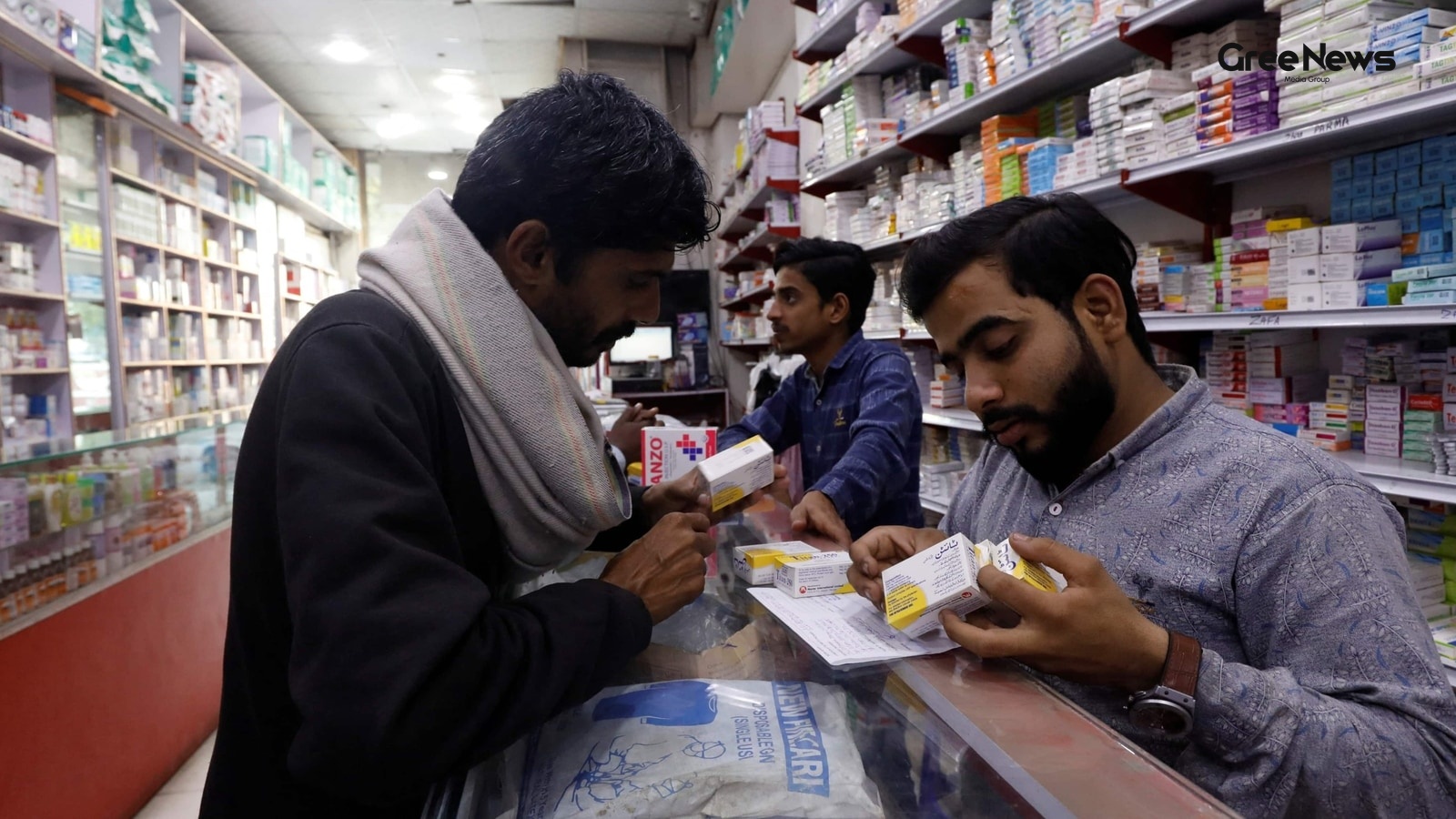
The PMBI decided to bump up the trade margin for Jan Aushadhi Kendras. It went from twenty per cent to thirty per cent. This move was meant to fix things under the Pradhan Mantri Bhartiya Janaushadhi Pariyojana, or PMBJP. They wanted to make sure these stores could actually survive and strengthen ho
Jun 20, 2026 by Gree News Team

The Simple Morning Yoga Routine for Health and Balance
Morning yoga routine. International Yoga Day hits every year on June 21th, you know? It’s all about trying to push those physical, mental, spiritual benefits of yoga. It’s this ancient stuff. How it can genuinely improve health and help people find some balance. Over the years, everyone seems to be
Jun 20, 2026 by Gree News Team

Yoga and Belly Fat: A Holistic Approach to Weight Management
International Yoga Day hits every year on June 21st. It’s about honoring that old practice, you know? The yoga thing, which started way back in India, thousands of years ago. It promotes awareness physical stuff, mental peace, spiritual things. People all over the world join in, doing sessions, work
Jun 20, 2026 by Gree News Team
Latest Headlines
Yogi Adityanath on Ram Temple Donation Theft Investigation
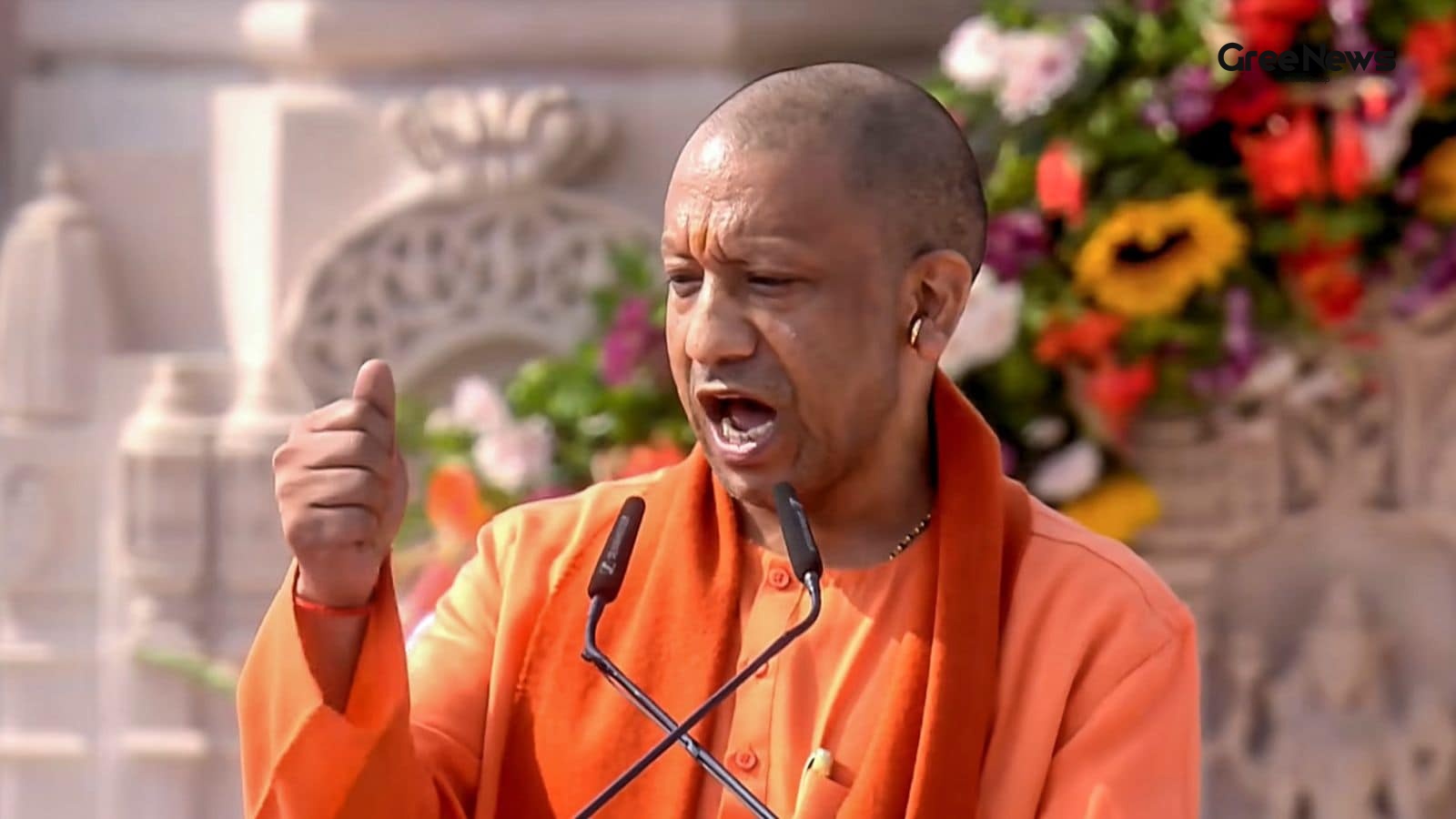
Yogi Adityanath, the Chief Minister of Uttar Pradesh, talked about the case involving the theft at the Ram Temple donation. He said the culprits wouldn’t be spared, no matter who they are. A Special Investigation Team, an SIT, has been set up to look into this whole thing. He made these remarks duri
Jun 21, 2026 by Gree News Team

Matchday Two Group Analysis and Predictions
Matchday Two is shaping up to be a real mess in Groups C and D. It’s all about who slips through, who gets knocked out before things get really interesting later on. Some teams are already looking pretty good for that Round of 32 spot. Scotland, they're standing right on the edge. That one win again
Jun 21, 2026 by Gree News Team
Shiv Sena UBT MP Defection and Political Fallout
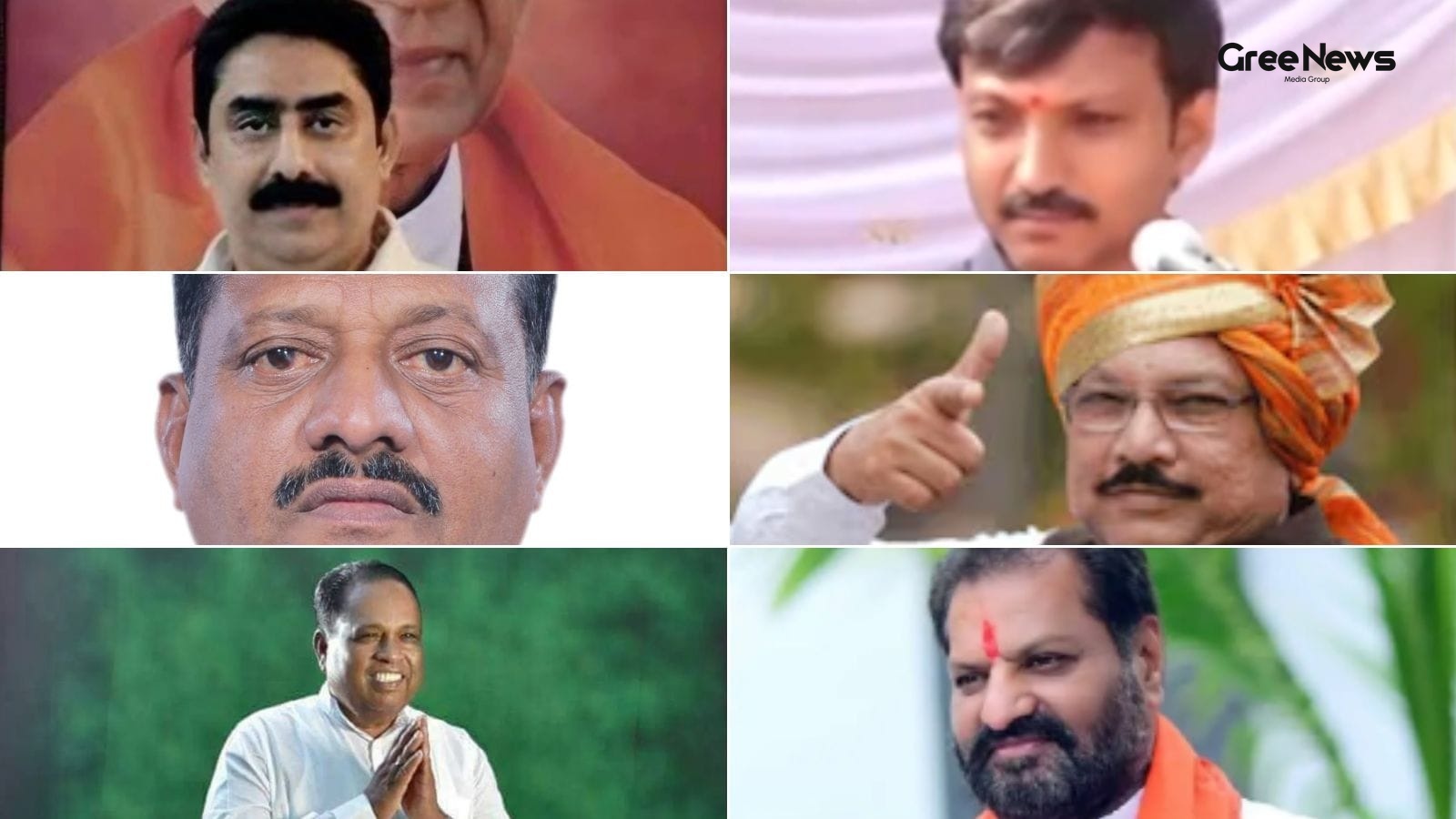
Shiv Sena UBT. It’s all about those six MPs who just walked out. They’ve actively rebelled against Uddhav Thackeray’s leadership, and now the whispers are getting louder that they might actually jump ship. Sources are saying they could formally join Eknath Shinde's Shiv Sena faction by June 21st. Th
Jun 21, 2026 by Gree News Team

PM Kisan 23rd Installment: Eligibility, Process, and Roadblocks
The wait for the 23rd installment of PM Kisan seems to be finally over. Prime Minister Narendra Modi is set to release about eighteen thousand eight hundred eighty crore rupees on Saturday, June 20, 2026. That money is slated for over nine point four four crore farmers. The announcement comes from T
Jun 21, 2026 by Gree News Team

Leaked Video and Buzz from Shakti Shalini Sets
Aneet Padda and Vishal Jethwa, you know, that leaked video from the sets of *Shakti Shalini*? It’s just blown up social media. People are talking about it nonstop. It’s one of those candid clips, pure fun, really lighthearted between them. They were running around somewhere in the set. Aneet was hol
Jun 21, 2026 by Gree News Team
Salman Khan's Experience Filming Sikandar and Personal Loss
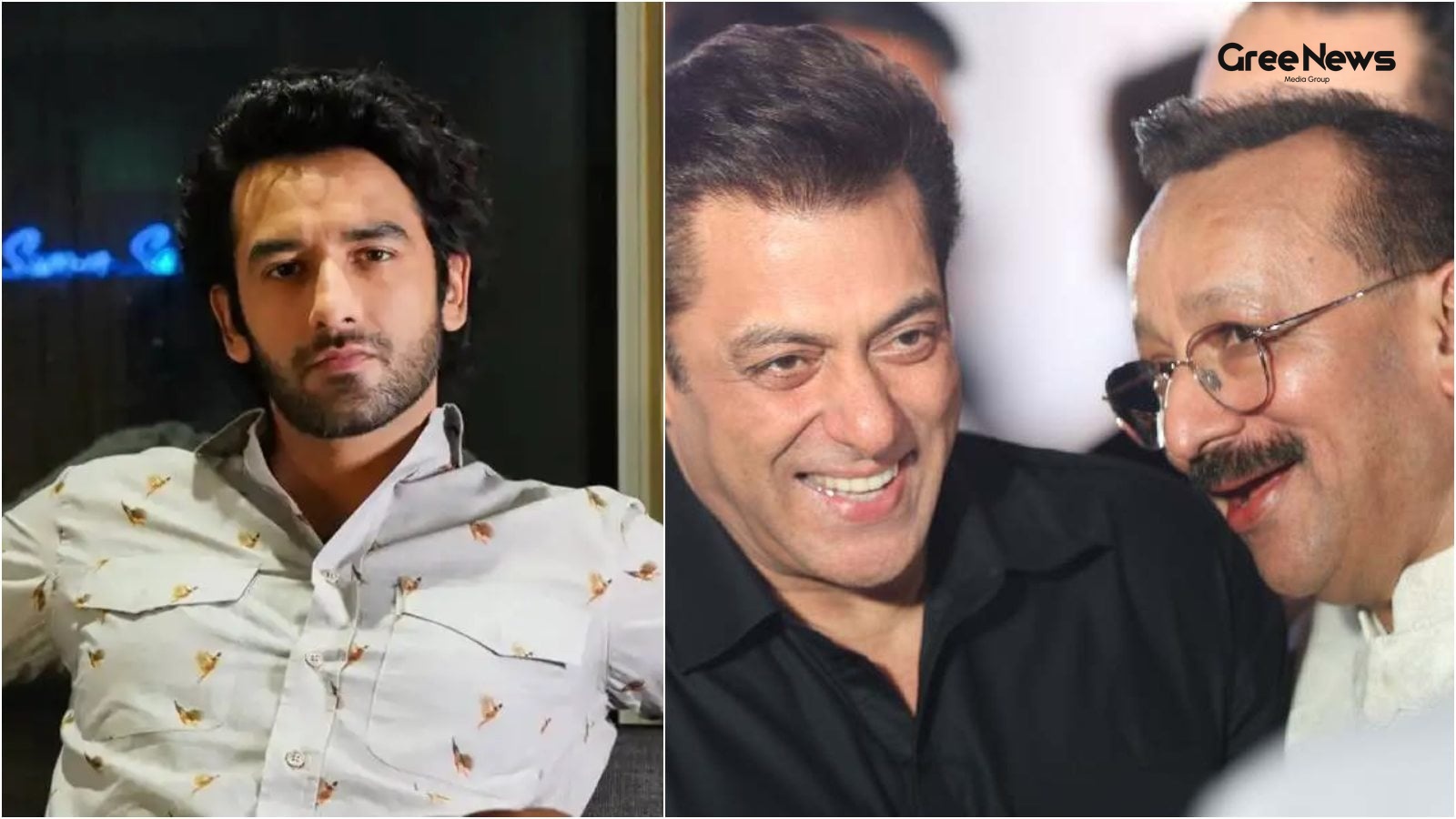
Salman Khan was last seen in Sikandar with Rashmika Mandanna. But behind the scenes, things were really rough for him. He’d suffered a personal loss while that film was being made his close friend and politician, Baba Siddique, had been killed. That kind of shockwaves through everything. It hit the
Jun 21, 2026 by Gree News Team

Donald Trump and the Medal of Honor: A Viral Moment
The whole thing blew up online. A formal ceremony at the White House turned into some sort of viral moment thanks to Donald Trump. He was right there in the middle of a Medal of Honor presentation, and apparently, things got messy trying to get that decoration. It started with him just struggling. T
Jun 20, 2026 by Gree News Team
Social Media Reaction to Suspicious AI-Generated Workplace Email
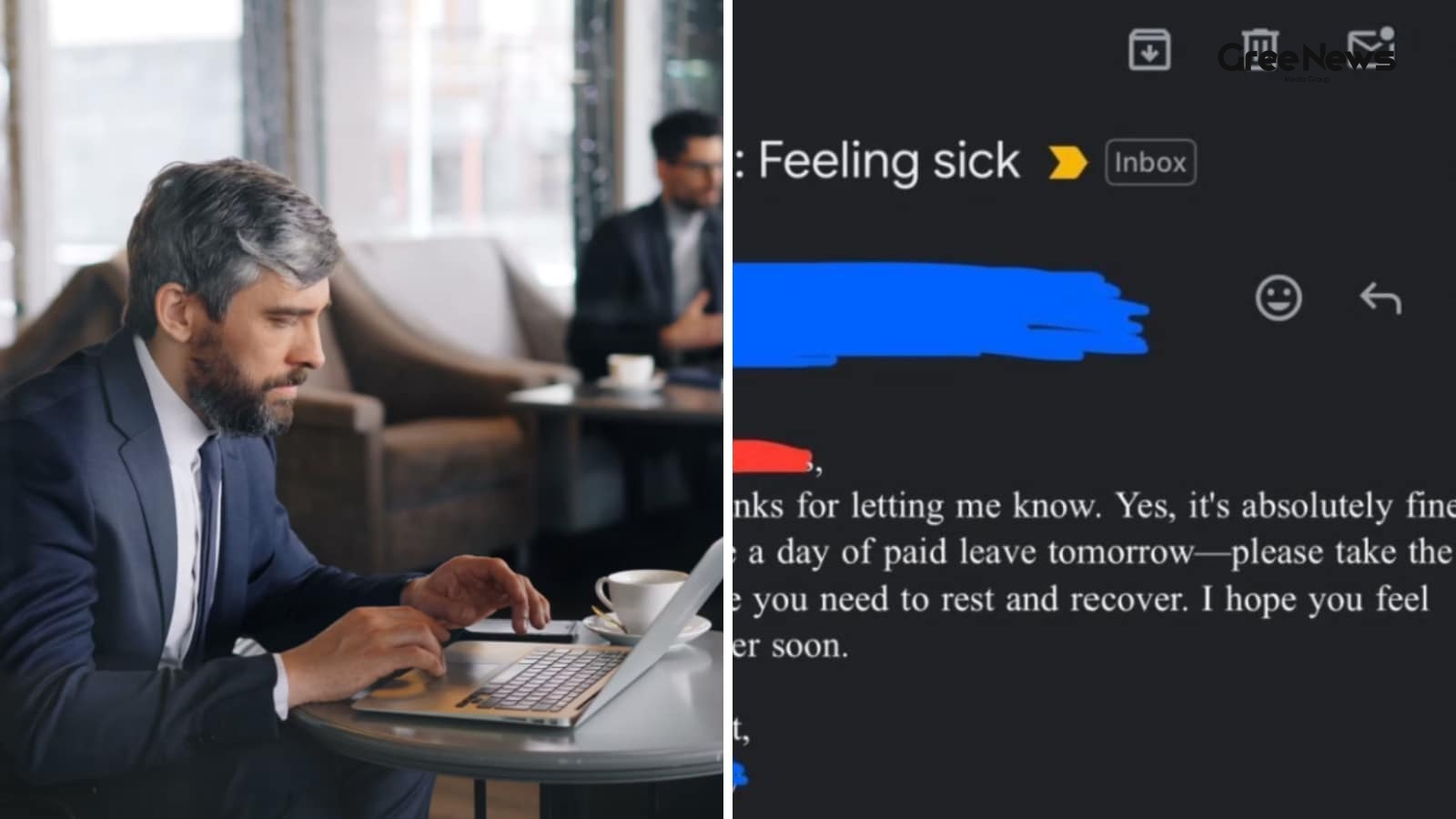
A woman posted something online that got people talking. She shared an email she got from her boss. It approved her paid leave, wished her a speedy recovery standard stuff. But then there was this last line. That’s what caught everyone’s eye. She dropped a screenshot on X, you know? And wrote someth
Jun 20, 2026 by Gree News Team
Review of Main Vaapas Aaunga: Partition, Love, and Box Office Strategy
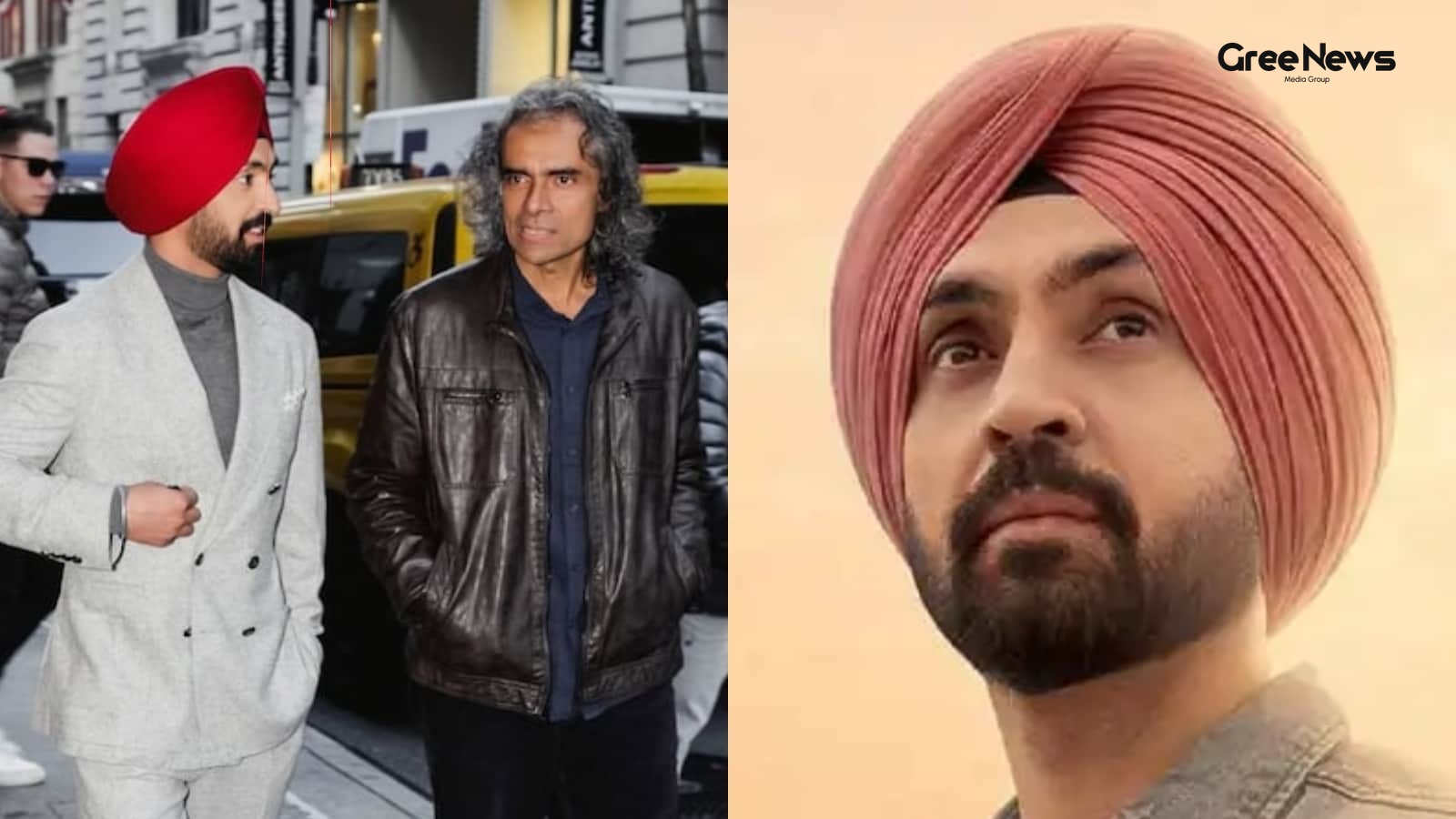
Imtiaz Ali’s *Main Vaapas Aaunga*, it opened slowly at all. But he still thinks there’s room for it to grow through word-of-mouth. It’s a period romance drama, set right against that heavy backdrop of the 1947 Partition, and it hit theaters on June 12th. Sharvari, Vedang Raina, Diljit Dosanjh, Nasee
Jun 20, 2026 by Gree News Team

The Complex History Behind Vice President Vance and Usha Vance
You know, when you dig into what people talk about behind closed doors, especially with someone like Vice President Vance, it always pulls up these layers. It’s not just politics you get; it’s the messy reality of personal history bleeding right into public view. He talks a lot about his life, and t
Jun 20, 2026 by Gree News Team

Vidyut Jammwal's Hollywood Buzz and the Street Fighter Adaptation
Vidyut Jammwal’s next big thing in Hollywood is already buzzing. People are talking about his upcoming movie, and it seems he snagged some serious attention from a massive name in action cinema. That’s Jason Momoa. Momoa recently dropped some comments about sharing screen time with Vidyut in the new
Jun 20, 2026 by Gree News Team

Spider-Man: Brand New Day Release and Rumors in India
Spider-Man fans, you know, they’ve been watching everything about this next big movie. Every single update on the franchise. But lately? The noise online wasn't about the story anymore. It was all about where it would actually come out in India. That kind of stuff got the studio to step in and clear
Jun 20, 2026 by Gree News Team

Strait of Hormuz Easing Impacts India's Fertilizer Supply and Geopolitics
The easing up around the Strait of Hormuz is finally giving some breathing room for India’s agriculture sector. Officials are saying that fertilizer shipments, which had been stuck way back in that critical maritime corridor, should now be able to move without hitting major snags. It was a real head
Jun 20, 2026 by Gree News Team

EPFO Overhaul: Bringing Faster Access to Provident Fund Money
The Employees’ Provident Fund Organisation is pushing forward with a massive overhaul. They are rolling out a new mobile application that’s going to link directly to members’ bank accounts. Think UPI integration BHIM and other digital payment apps connecting straight into the system. The whole aim h
Jun 20, 2026 by Gree News Team
Mukesh Ambani on PM Modi's Tenure and India's Global Role
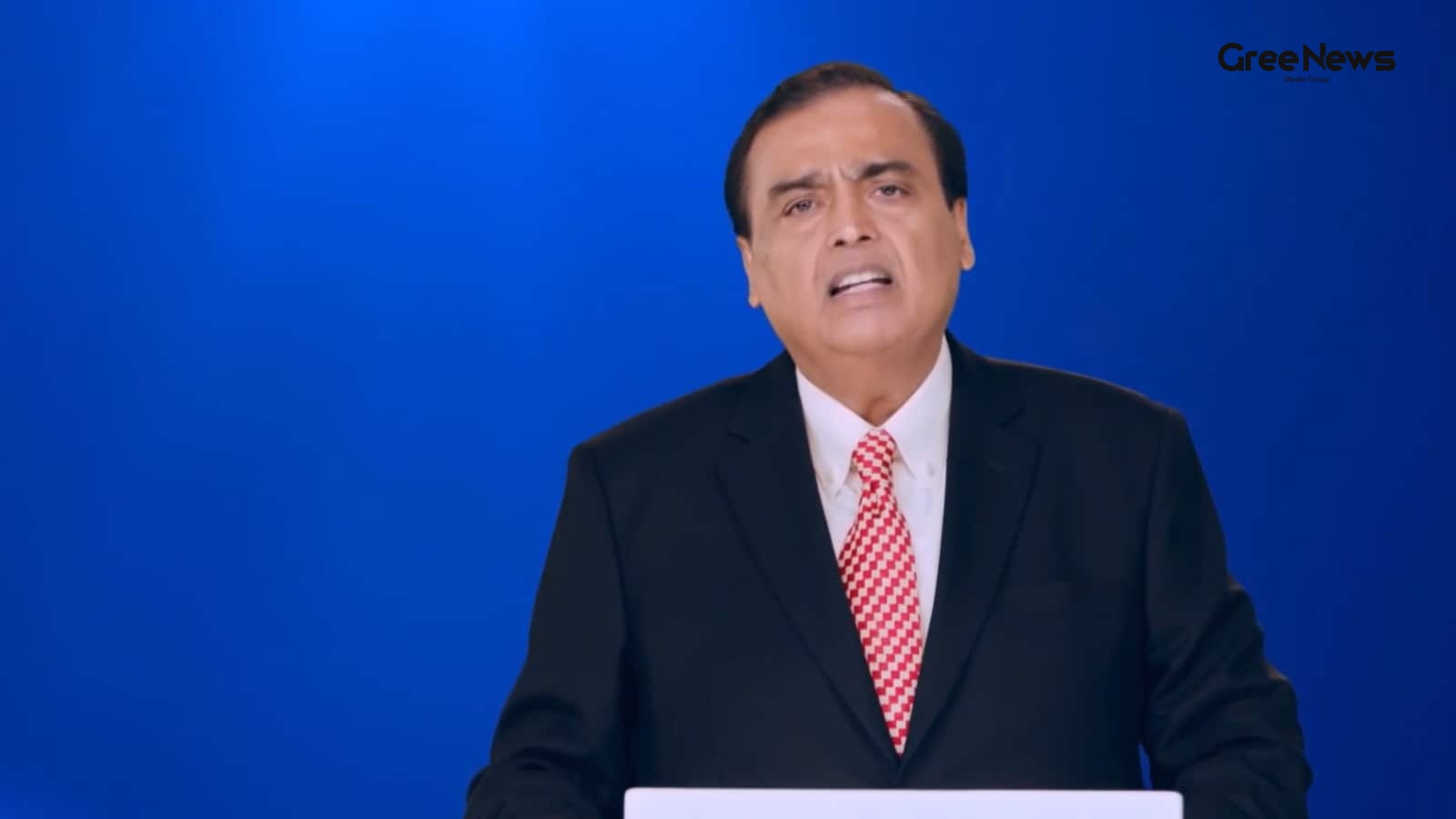
Mukesh Ambani, the Chairman and Managing Director of Reliance Industries, started Friday extending greetings to Prime Minister Narendra Modi. It was tied to a specific milestone: Modi emerging as the longest-serving head of an elected government. Twelve years in office. That’s what he clocked in. Th
Jun 20, 2026 by Gree News Team