Changes to Trade Margins and Distribution under PMBJP
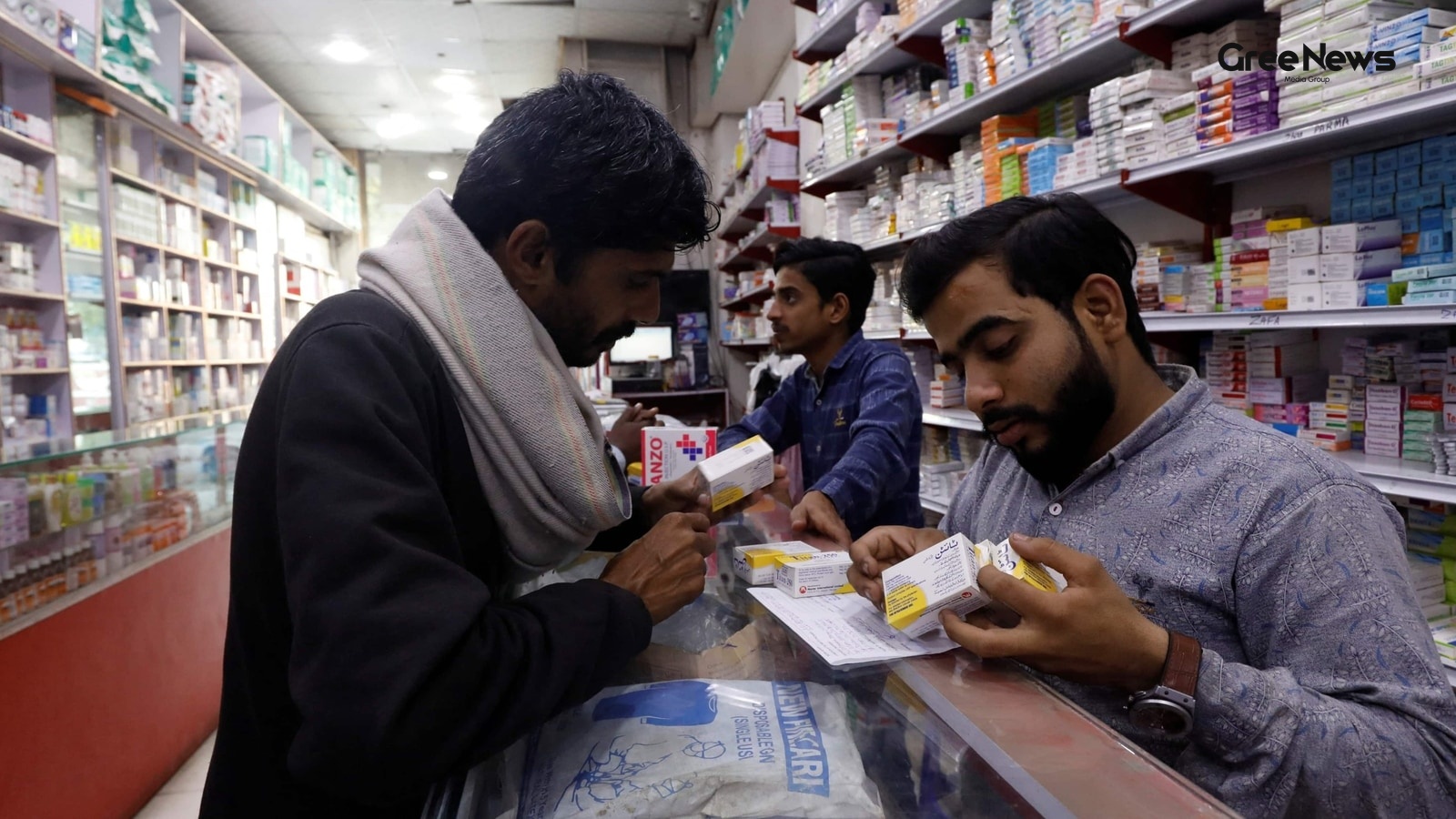
The PMBI decided to bump up the trade margin for Jan Aushadhi Kendras. It went from twenty per cent to thirty per cent. This move was meant to fix things under the Pradhan Mantri Bhartiya Janaushadhi Pariyojana, or PMBJP . They wanted to make sure these stores could actually survive and strengthen how generic medicines get distributed across the country.
It wasn't just about numbers though. This change is part of a bigger package. The goal was clearer than just expanding the number of outlets. It was about fixing real problems sales, working capital headaches for everyone involved in distribution, and those inventory messes that keep popping up in the supply chain.
A senior government official, who saw behind this whole development, made it clear where the focus should be. They weren't just trying to build more Kendras anymore. The evaluation of the scheme’s “continuous viability” actually showed something quite stark. Only forty-three point four per cent of retailers felt their income had genuinely increased since they opened up shop. That means a significant chunk, nearly thirty-five per cent, disaGreed with that claim.
There were other headaches flagged too. Medicine availability was a big one. Supply issues? Those kept coming up in the reports.
So what did they do? They raised the retailer margins to thirty per cent. They also extended credit periods. Distributors now get ninety days for payments to the bureau. And then, distributors have to give the Kendra operators a seventy-five day window for getting medicine delivered. That gives the retailers some breathing room, more flexibility.
And wait, there’s another layer. PMBI also added an extra two point five per cent margin specifically on sanitary pads sold through this network. This was meant to help distributors cover logistics costs and ensure those hygiene products actually reach everyone under the Jan Aushadhi umbrella.
Inventory losses were a major worry too. For the top four hundred fast-moving medicines, they kept that existing two per cent upfront discount as expiry compensation. And for the near-expiry stuff? That scheme stays the same. Kendras still get twenty-five extra units free of cost, provided the medicine has at least four to six months left on the shelf.
But what about everything else? For products outside that top forty-hundred list? PMBI introduced a returnable stock system. Expired items can now be returned right back to where they were bought. This was supposed to cut down inventory risk for both distributors and retailers. Though, obviously, these returns still have to go through the PMBI-authorized distributors.
It feels like this whole package is trying to make the Jan Aushadhi ecosystem more attractive. For the entrepreneurs running these stores. And for the distributors moving the goods. It’s tied into the larger picture of healthcare initiatives the PMBJP itself has been highlighted constantly by Modi, whether it was during rallies or his radio shows.
The report from Ahmedabad’s Entrepreneurship Development Institute put it plainly: only forty-three point four per cent aGreed their income had gone up since setting up a store. That lack of uniform gain across the board is something you can't ignore. There’s still this need to address accessibility, business generation, awareness... and keeping these Kendras running smoothly.
Written by Gree News Team — Senior Editorial Board
Gree News Team covers international news and global affairs at Gree News. Our collective of senior editors is dedicated to providing independent, accurate, and responsible journalism for a global audience.
More from Life & Style
View All
The Simple Morning Yoga Routine for Health and Balance
Morning yoga routine. International Yoga Day hits every year on June 21th, you know? It’s all about trying to push those physical, mental, spiritual benefits of yoga. It’s this ancient stuff. How it can genuinely improve health and help people find some balance. Over the years, everyone seems to be
Jun 20, 2026 by Gree News Team

Yoga and Belly Fat: A Holistic Approach to Weight Management
International Yoga Day hits every year on June 21st. It’s about honoring that old practice, you know? The yoga thing, which started way back in India, thousands of years ago. It promotes awareness physical stuff, mental peace, spiritual things. People all over the world join in, doing sessions, work
Jun 20, 2026 by Gree News Team

The Rise of Romantic Minimalism in Modern Relationships
It’s all gotten so polished lately, right? Picture-perfect proposals. Those extravagant dates. All that relentless social media flexing of affection. You just assume bigger gestures equal deeper love. It’s easy to fall into that trap. But a lot of young singles are starting to push back on that idea
Jun 20, 2026 by Gree News Team

WHO Guidelines for Filovirus Diseases: Managing Ebola and Marburg Outbreaks
The World Health Organization finally rolled out its first full set of clinical management guidelines for filovirus diseases. It covers everything known about Ebola virus variants and Marburg disease. This whole thing launched back on June 17, 2026. And it hits right in the middle of a crisis. Right
Jun 19, 2026 by Gree News Team
Latest Headlines

Donald Trump on Artificial Intelligence and Global Impact
You know, Donald Trump brought up artificial intelligence, positioning it as this massive deal a total shift in how we’re living right now. He called it a defining technological moment for our era. It’s supposed to blow past even the internet’s impact, reshaping everything from healthcare all the wa
Jun 20, 2026 by Gree News Team

Accusations Against Mexican Mayor Nancy Nápoles: Kidnapping and Embezzlement Scheme
A Mexican mayor, Nancy Nápoles, is facing serious accusations. She’s being accused of staging her own kidnapping. All for a scheme to embezzle about two million dollars from public funds. Investigators claim that money was disguised as ransom. Nápoles, who is the municipal president of Tenancingo a
Jun 20, 2026 by Gree News Team

Tej Pratap Yadav Allegations, Threats, and Legal Proceedings
Tej Pratap Yadav, President of JJD, brought up some serious stuff on Friday. He claimed his life was genuinely under threat. Not just some vague worry, but he alleged there was a full-blown conspiracy cooking to get him killed, something linked straight to opposition leaders. He wasn't just making n
Jun 20, 2026 by Gree News Team

Defence Deal: India Signs Contract for Marine Gas Turbine Generators with Bharat Forge
The big news hitting the defence sector right now is that the Ministry of Defence actually signed a deal. A hefty Rs 425 crore contract. It’s with Bharat Forge Limited, based right there in Pune. What they are doing? Supplying twelve marine gas turbine generator sets for the Indian Navy. It feels li
Jun 20, 2026 by Gree News Team

Energy Prices and Market Shifts: Petrol, Diesel, and CNG Rates
Petrol, diesel, and CNG prices stuck where they were on Saturday, June 20th. Nothing moved officially. But behind that stillness, things were shifting. Oil market companies and those handling gas distribution keep tweaking rates every morning at six a.m., trying to keep pace with whatever’s happenin
Jun 20, 2026 by Gree News Team

The Unsettled Reality of Political Instability
Small things at first. People talking on the street corners, not about policy or elections, but about feeling… unsettled. Like the ground itself was shifting beneath their feet. And then the big announcements hit. They always do. It’s never clean. Never neat. We watched the feed all day. The endless
Jun 20, 2026 by Gree News Team

Iran's Frozen Assets and Negotiations with the US
Iran is talking about accessing $6 billion in frozen assets sitting in Qatar. This comes up in discussions aimed at cooling down the hostility between Tehran and Washington, according to reports from The Wall Street Journal. But there are major hurdles. Access isn't just going to happen freely. It’s
Jun 20, 2026 by Gree News Team
Choosing the Best Mixer Grinder for Indian Cooking
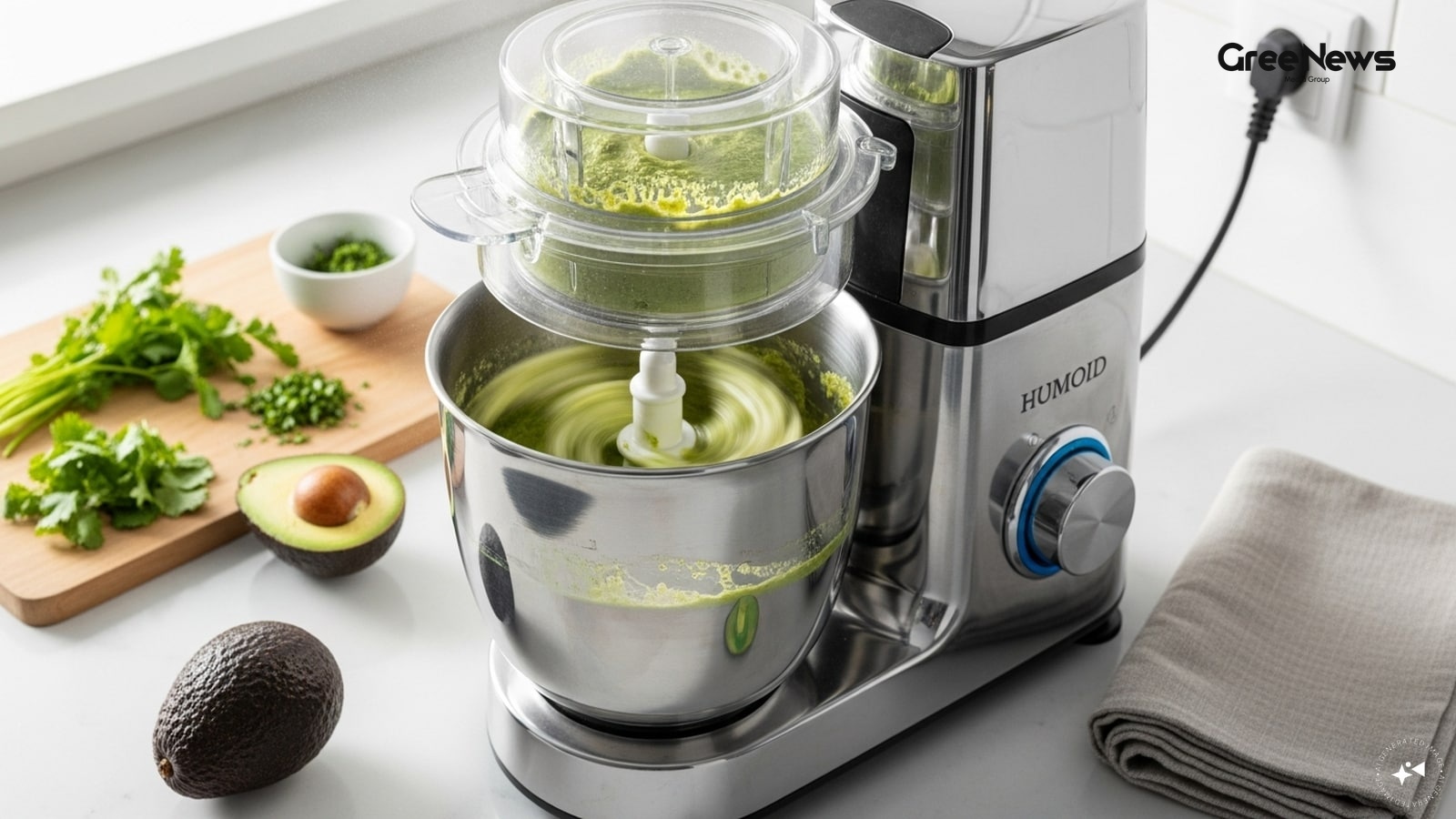
A mixer grinder. It’s one of those things you completely ignore until it finally kicks the bucket. It's not like a microwave or an air fryer. You use those maybe once in a while. But a mixer grinder? That thing is practically glued to your daily life. It’s there constantly. You need that ginger-garl
Jun 20, 2026 by Gree News Team
Financial and Legal Battle Over Trinamool Congress Party Funds
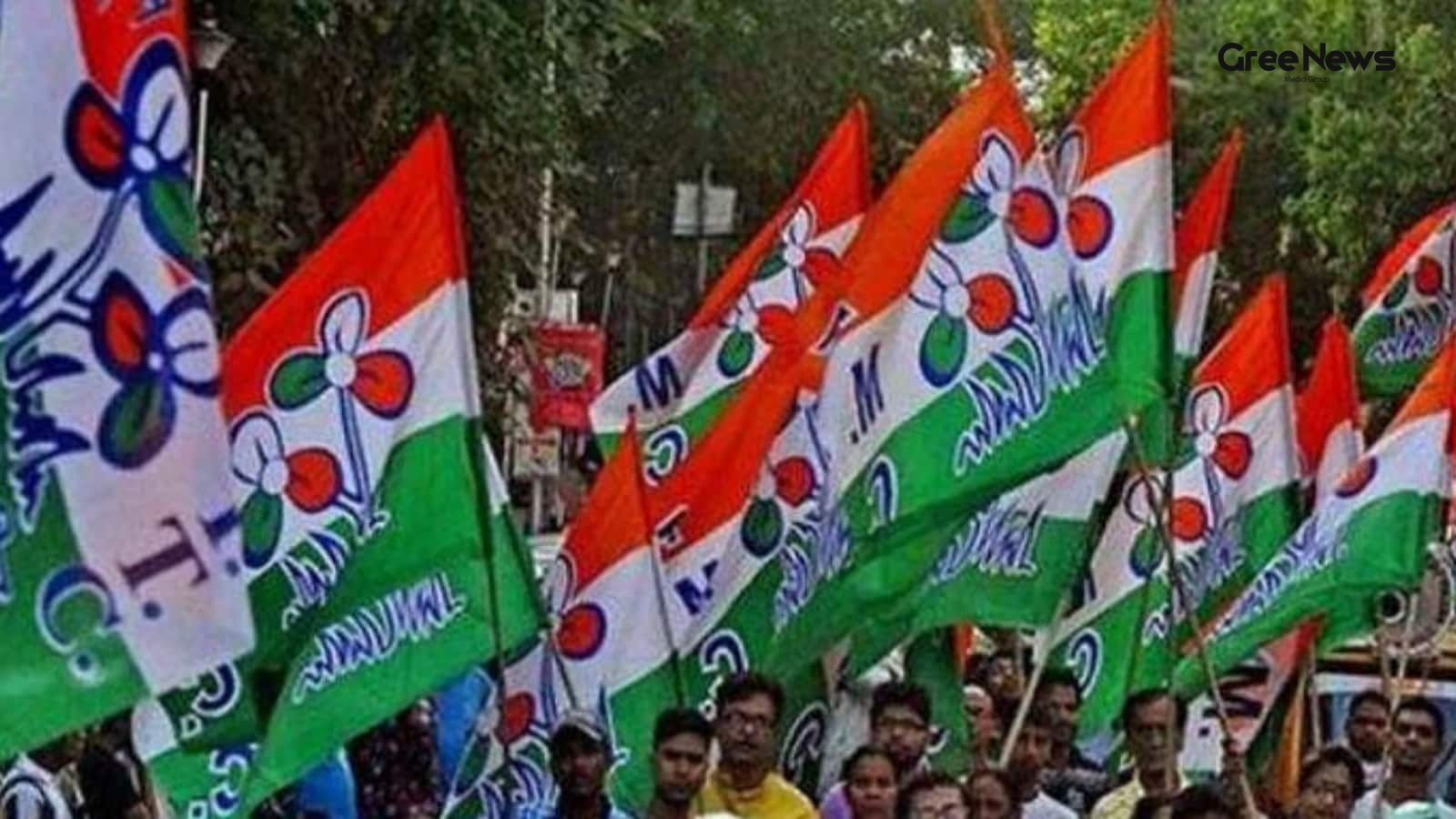
A full-blown war. That’s what’s happening over the Trinamool Congress party fund right now. We're talking about a massive pot, estimated around six hundred crore rupees. It started small, you know? An internal squabble. A political rebellion bubbling up beneath the surface of the party structure. Bu
Jun 20, 2026 by Gree News Team
The Simple Morning Yoga Routine for Health and Balance
Morning yoga routine. International Yoga Day hits every year on June 21th, you know? It’s all about trying to push those physical, mental, spiritual benefits of yoga. It’s this ancient stuff. How it can genuinely improve health and help people find some balance. Over the years, everyone seems to be
Jun 20, 2026 by Gree News Team
Yoga and Belly Fat: A Holistic Approach to Weight Management
International Yoga Day hits every year on June 21st. It’s about honoring that old practice, you know? The yoga thing, which started way back in India, thousands of years ago. It promotes awareness physical stuff, mental peace, spiritual things. People all over the world join in, doing sessions, work
Jun 20, 2026 by Gree News Team

First Home Buying Anxiety Amidst Job Layoffs and Real Estate Market Panic
A Bengaluru resident recently spilled some real worries online about buying a first home. It all stems from the recent layoffs hitting the job market. He posted on Reddit expressing genuine uncertainty. He was planning to buy a house but now he’s second-guessing everything because job security feels
Jun 20, 2026 by Gree News Team

DK Shivakumar on Karnataka Government Welfare Schemes and Eligibility
DK Shivakumar spoke on Friday about government welfare schemes in Karnataka. He basically said only people whose names are actually on the electoral rolls should get these benefits. No deserving person should suffer because of whatever moves were happening. He was chairing a review meeting at the Vi
Jun 20, 2026 by Gree News Team

The Evolution of Bollywood Romance: From Cocktail to Cocktail 2
The buzz around *Cocktail 2*, with Shahid Kapoor, Rashmika Mandanna, and Kriti Sanon stepping in it just pulls you back to the original movie. You look back at what Saif Ali Khan, Deepika Padukone, and Diana Penty managed to create in the first one. It’s that magic. People get nostalgic fast. Especi
Jun 20, 2026 by Gree News Team

Miguel Almiron's Red Card and the New FIFA Rule
Miguel Almiron ended up in the record books Friday night. But not for any of the reasons Paraguay actually wanted. He became the first player in FIFA World Cup history to get sent off under that brand new mouth-covering rule. It happened during a heated Group D clash against Turkey. The whole thing
Jun 20, 2026 by Gree News Team