Donald Trump's Deal with Iran and Internal Party Conflict
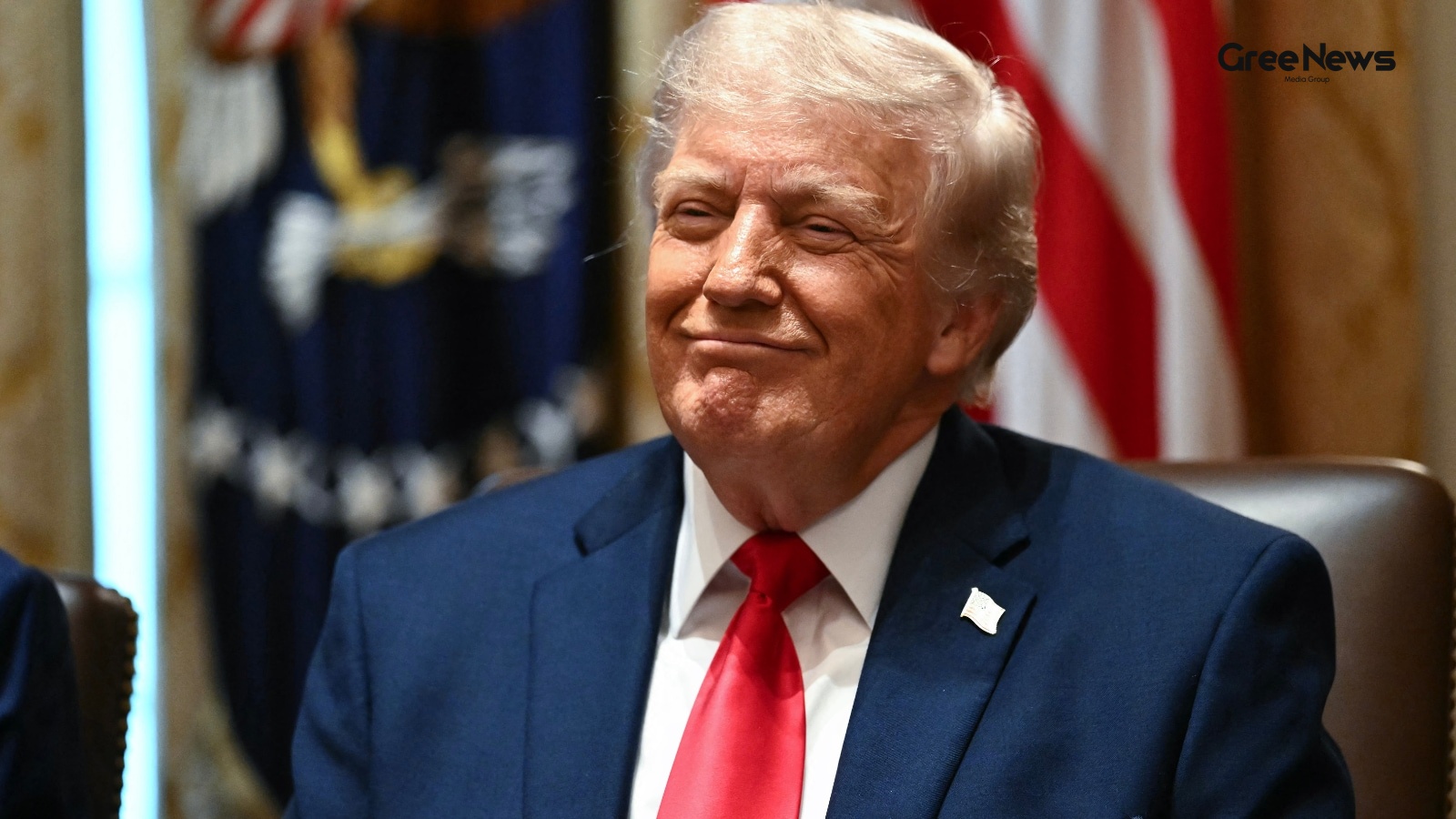
Donald Trump’s deal with Iran just stirred up some serious trouble inside his own party. Senators, former officials, even some conservative commentators are poking around, wondering if Tehran got too much from the whole arrangement without actually giving up anything big on nukes or missiles.
The criticism really kicked up after Washington released the full text of that 14-point interim aGreement on Wednesday. It’s a deal designed to stop the fighting immediately. It sets up a sixty-day negotiation period focused on Iran’s nuclear program.
It also talks about lifting sanctions and releasing billions in frozen Iranian assets. There’s this massive $300 billion reconstruction plan for Iran kicking around too.
Trump insisted that the US wouldn't foot the bill for that reconstruction fund, saying he didn't push Gulf countries to contribute anything. But that assurance? It didn't settle things for Republicans. They worry this deal actually strengthens the Iranian leadership after months of pretty costly warfare.
You had Bill Cassidy leading the charge with some sharp stuff. He argued the deal totally failed to curb Iran’s nuclear ambitions. He suggested Tehran learned that closing off the Strait of Hormuz could force the US into concessions.
Cassidy brought up something pointed about Reagan, saying, “Reagan is rolling over in his grave.” It was a heavy jab.
He went on to point out how this played out before and after the conflict. Before? The strait was open. Iran was being crushed by sanctions. Thirteen US service members were still alive. Now? Thirteen Americans are dead. Families paid billions at the pump. Sanctions are lifted. Bombing stopped.
“This is the worst foreign policy blunder in decades,” he said.
Then there’s Nikki Haley. She supported hitting those nuclear and missile sites, sure. But she immediately questioned the payoff. She wrote on X that striking the facilities was right, but adding, “It’s a huge mistake to pay to rebuild the threat we just destroyed.”
She felt the regime had an obligation to destroy America. Now they get billions unlocked and sanctions lifted, plus more money promised.
Texas Senator Ted Cruz also looked at the cash flow with suspicion. He praised Trump for weakening Iran’s military, but then asked a real tough question on his podcast: “Is it giving $300 billion to the Iranian ayatollah? I hope not. I pray not.”
He later told the Daily Wire that Iran could get serious financial relief before they even made their first nuclear concession. History teaches you that handing billions over to theocratic lunatics who want to murder us is a bad idea. Somewhere between ten and thirty billion dollars will flow immediately to the Ayatollah before they budge on nukes.
Marc Thiessen, writing for Fox News, called the reconstruction proposal “a disaster.” He compared it to offering Germany a Marshall Plan while the Nazis were still in power.
Mike Pence, the former vice-president, also stepped in with some rare public criticism aimed at Trump. Pence argued the memorandum felt like the kind of appeasement that his own administration had rejected back in the 2015 Iran nuclear deal.
Pence urged a different path. He said the President should step back, keep the blockade going, and pursue real negotiation. That needed to commit Iran to dismantling their nukes, getting rid of missile programs, stopping support for proxies, and reopening the strait. Failing that? Let the military finish the job on US terms.
Republican critics are now asking if Trump actually secured terms strong enough to separate his aGreement from what he abandoned before.
The concerns got deeper when Trump said in France that it would be “unfair” not to let Iran keep some ballistic missiles after the peace deal. That position seemed weaker than what he promised earlier about destroying those missiles and razing the industry to the ground that they’d be totally obliterated.
Statements from Tehran, like something Mohammed Bagher Ghalibaf made, just fueled the anger. He claimed they got far more through negotiation than expected militarily. Everything they wanted came through talking; it wasn't comparable to war. This reinforced the fear that Iran genuinely believes disrupting the Strait of Hormuz and pressuring global energy markets forced Washington to hand over economic aid.
The backlash spread fast across conservative media. The New York Post called the deal a “LOVEBOMB” for Iran on their front page. Mark Levin on Fox News said there was "much to be concerned about" and demanded amendments. Even Marjorie Taylor Greene, who used to be one of Trump’s biggest supporters, called the war “totally unnecessary,” adding sarcastically that this seemed like what winning looks like.
Trump just dismissed the critics as “stupid and bad people.” He argued continuing the fighting would only satisfy a small minority maybe ten percent but it was still the wrong thing to do. The White House defended the memo as ending the fight, reopening the strait, and creating a path away from nukes. Now Trump has to figure out how to convince one side of his party that war was necessary, and the other that Iran shouldn't be rewarded for prolonging it. It all hinges on what Tehran aGrees to in those next sixty days.
Written by Gree News Team — Senior Editorial Board
Gree News Team covers international news and global affairs at Gree News. Our collective of senior editors is dedicated to providing independent, accurate, and responsible journalism for a global audience.
More from World
View All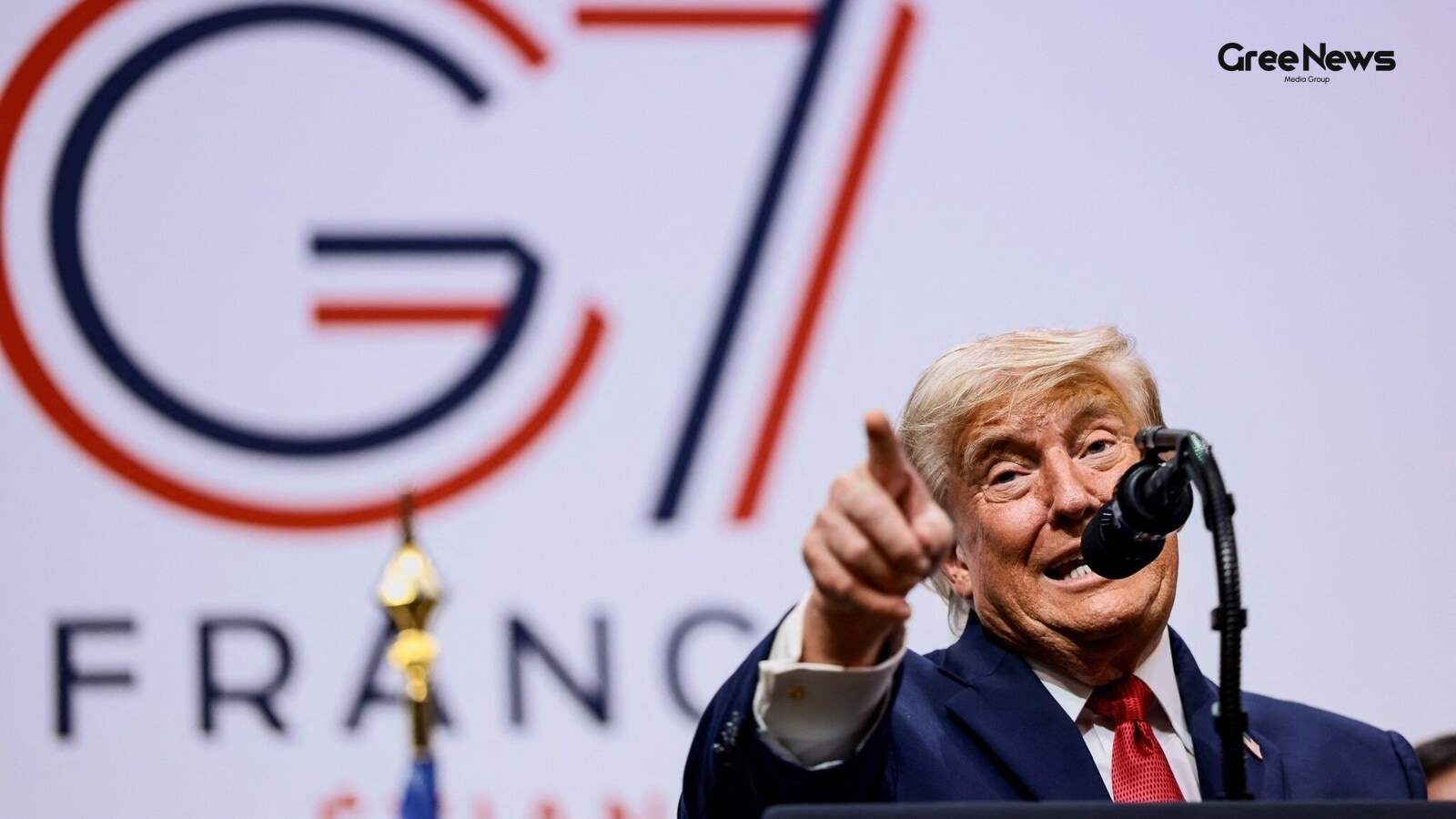
Donald Trump on China, Russia, and the Iran Conflict
Donald Trump brought up China and Russia yesterday. He thanked Xi Jinping and Vladimir Putin. Said they stayed neutral during America’s fight with Iran. Apparently, they avoided doing anything that would mess up Washington’s military push or any peace talks happening afterward. He made these comment
Jun 19, 2026 by Gree News Team
The Complex Fallout of the Trump-Pezeshkian Peace Agreement
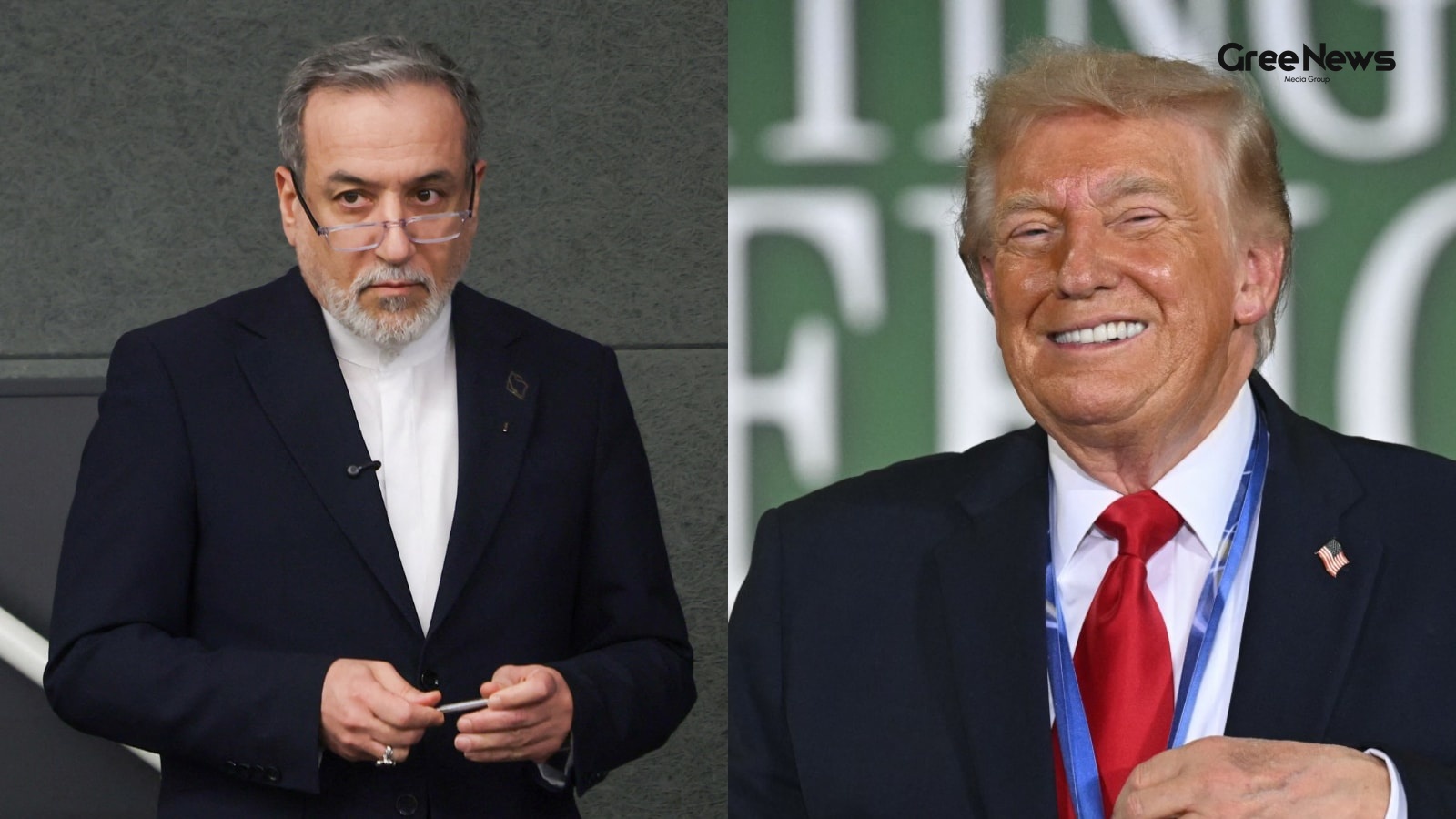
The whole thing hinges on that signing. Trump and Pezeshkian finally put pen to paper, a peace agreement, they called it. But honestly, the real work the actual messy part is just starting now. It’s not over yet. It happened at some dinner, I think. Hosted by Macron, somewhere in Versailles. Photos
Jun 19, 2026 by Gree News Team
The Unseen Dynamics of Political Tension and Shifting Alliances
The air just felt thick today. You could almost taste the tension hanging over everything. It wasn't some grand, predictable political shift; it was just... happening. Slow, heavy stuff moving along. There are whispers now, mostly in the back rooms, not the big headlines you see on TV. People are ta
Jun 19, 2026 by Gree News Team
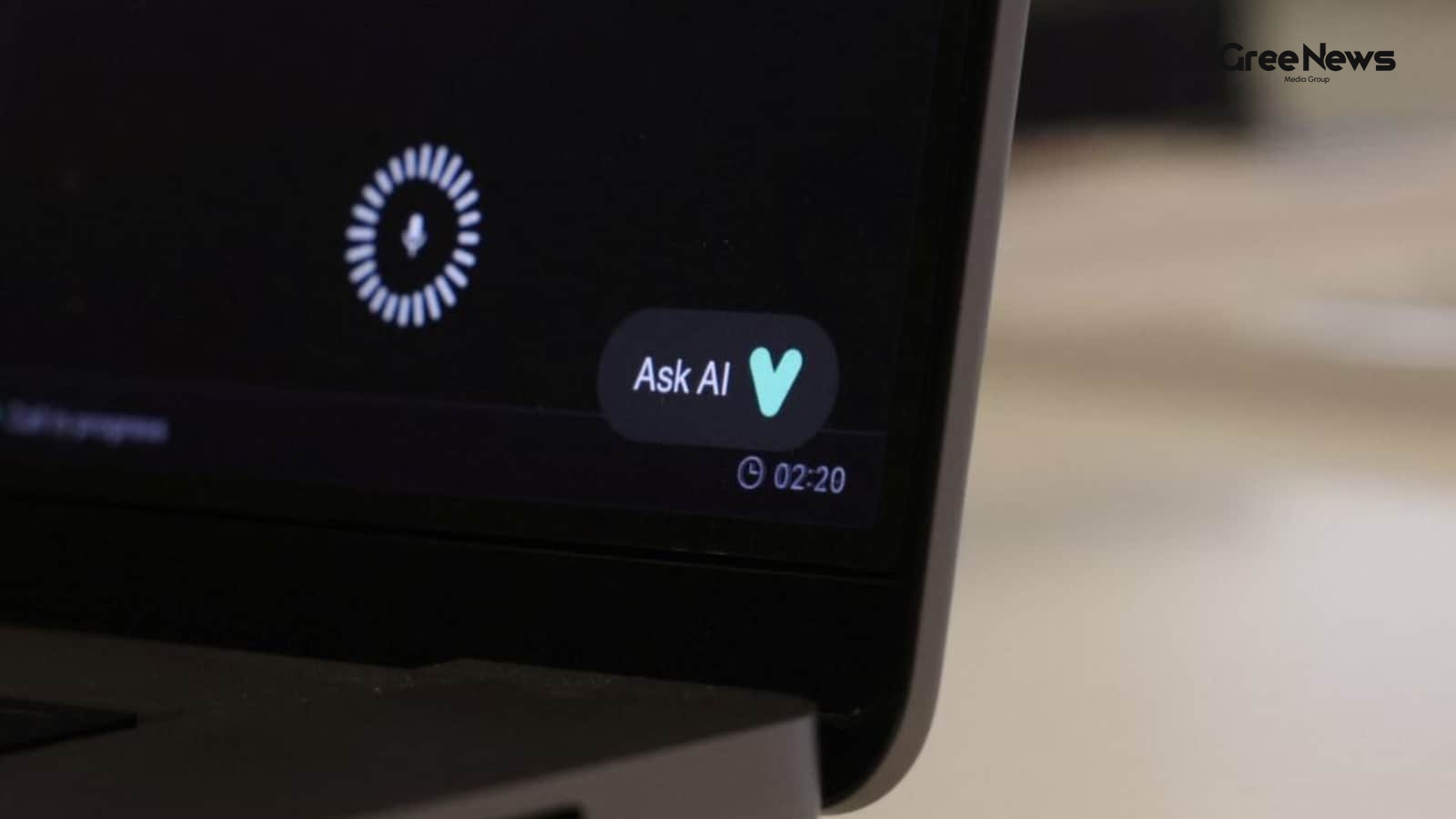
The Impact of Artificial Intelligence on Job Security and Global Economies
Tech workers are facing a serious problem. If you don’t use artificial intelligence at least once a month, you face three times the risk of getting laid off compared to your colleagues who do. That's what Gallup found in their research from a February survey of over 23,000 US workers. Sixty-six of t
Jun 19, 2026 by Gree News Team
Latest Headlines

Telegram: The Nexus of Cybercrime, Terrorism, and Exam Security Concerns
The Centre basically told the Delhi High Court that Telegram is this massive loophole, really exploited for some seriously illegal stuff. We’re talking terrorism, cybercrime, drug running, child exploitation, all sorts of financial scams happening on it. They even pegged the platform as a sort of "n
Jun 19, 2026 by Gree News Team

Plastic Pollution and Wildlife in Karnataka
Plastic pollution. it’s become a massive headache lately, an environmental disaster everywhere. And this stuff? it really shows how precarious things are for animals. You saw a video, right? A wild elephant rummaging through piles of plastic waste, actually eating near garbage dumps way up in Karnat
Jun 19, 2026 by Gree News Team
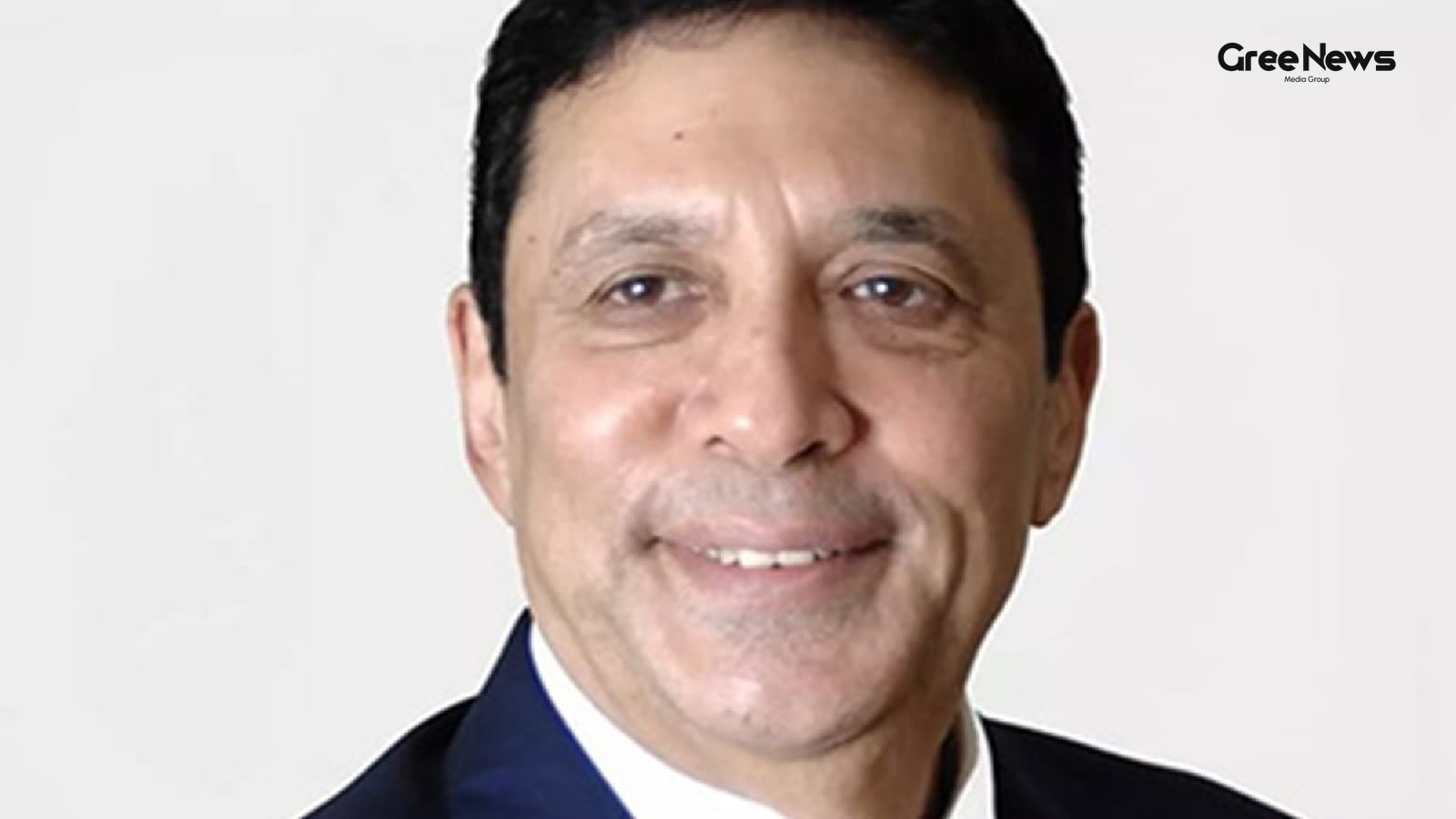
HDFC Bank Interim Chairman Extension Approved by RBI
HDFC Bank, India’s biggest private lender, they announced on Thursday that they got the nod from the Reserve Bank of India to keep interim chairman Keki Mistry in place for another three months. Or until someone permanent is picked. The bank filed this information with the stock exchanges. It was al
Jun 19, 2026 by Gree News Team
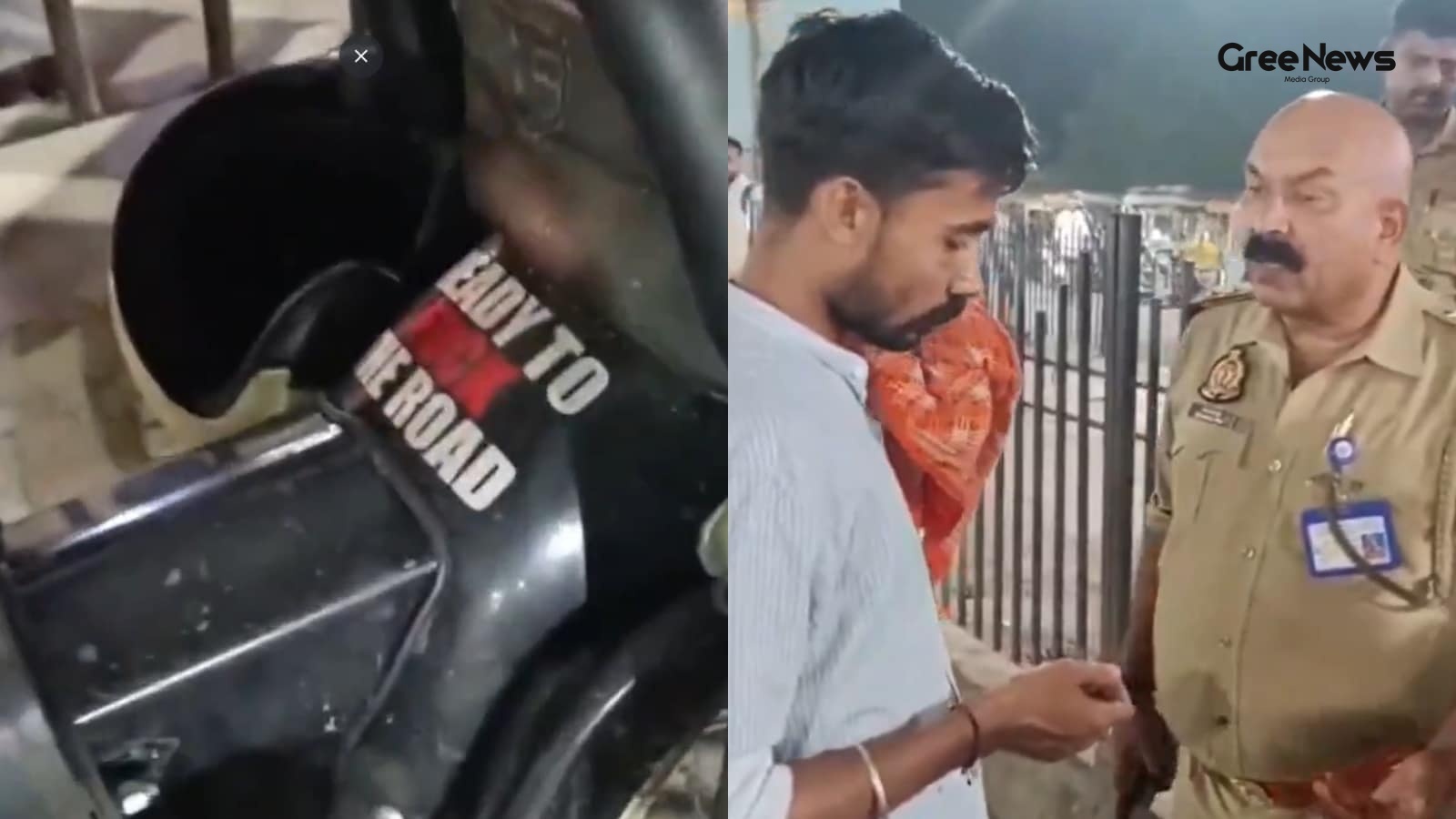
Police Incident in Varanasi Over Motorcycle Sticker
A police officer charged a motorcycle owner in Varanasi for something that just sort of blew up online. It was this whole thing about an obscene sticker, right? The incident happened there. A motorcyclist, riding a Royal Enfield, got pulled over and questioned by an inspector. The reason? Some kind
Jun 19, 2026 by Gree News Team
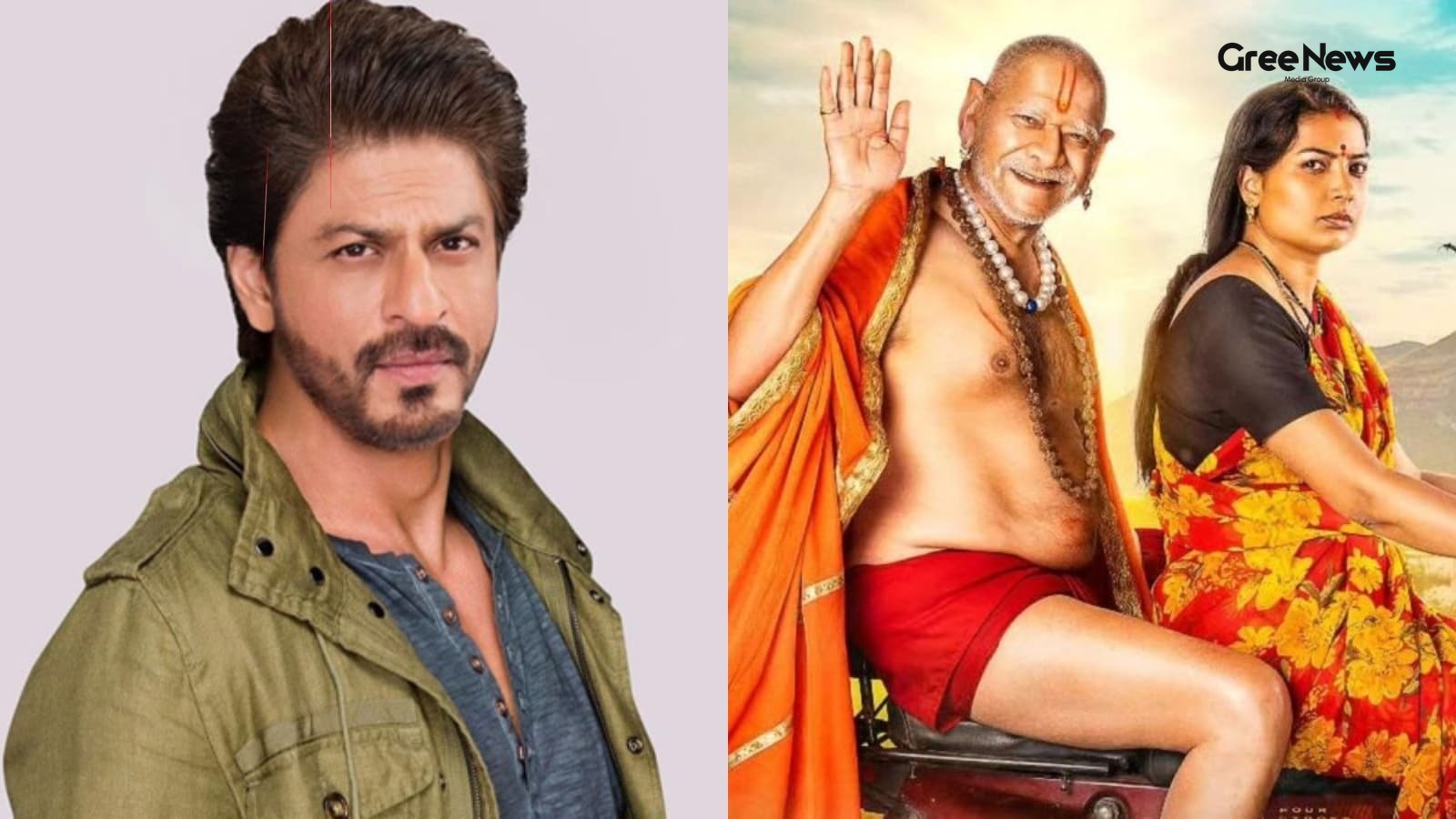
The Success and Financial Hurdles of Deool Band 2
Pravin Tarde’s *Deool Band 2* is just one of those big Marathi cinema stories this year. It really blew up. They reported the budget was around eight to ten crore rupees. But look at where it landed. Box office numbers already shot past eighty crore. It's now one of the top five grossing Marathi fil
Jun 19, 2026 by Gree News Team

Dolly Javed and the Dynamics of Alliance: Identity, Comparison, and Reality TV
Dolly Javed is rumored to be in the running for *Alliance*. Kunal Kemmu’s upcoming reality show, you know, it’s getting all the buzz. She’s reportedly been approached about it, talking with the producers now. It’s interesting timing, isn't it? Dolly, who already has a bit of traction as a social med
Jun 19, 2026 by Gree News Team
Donald Trump on China, Russia, and the Iran Conflict
Donald Trump brought up China and Russia yesterday. He thanked Xi Jinping and Vladimir Putin. Said they stayed neutral during America’s fight with Iran. Apparently, they avoided doing anything that would mess up Washington’s military push or any peace talks happening afterward. He made these comment
Jun 19, 2026 by Gree News Team
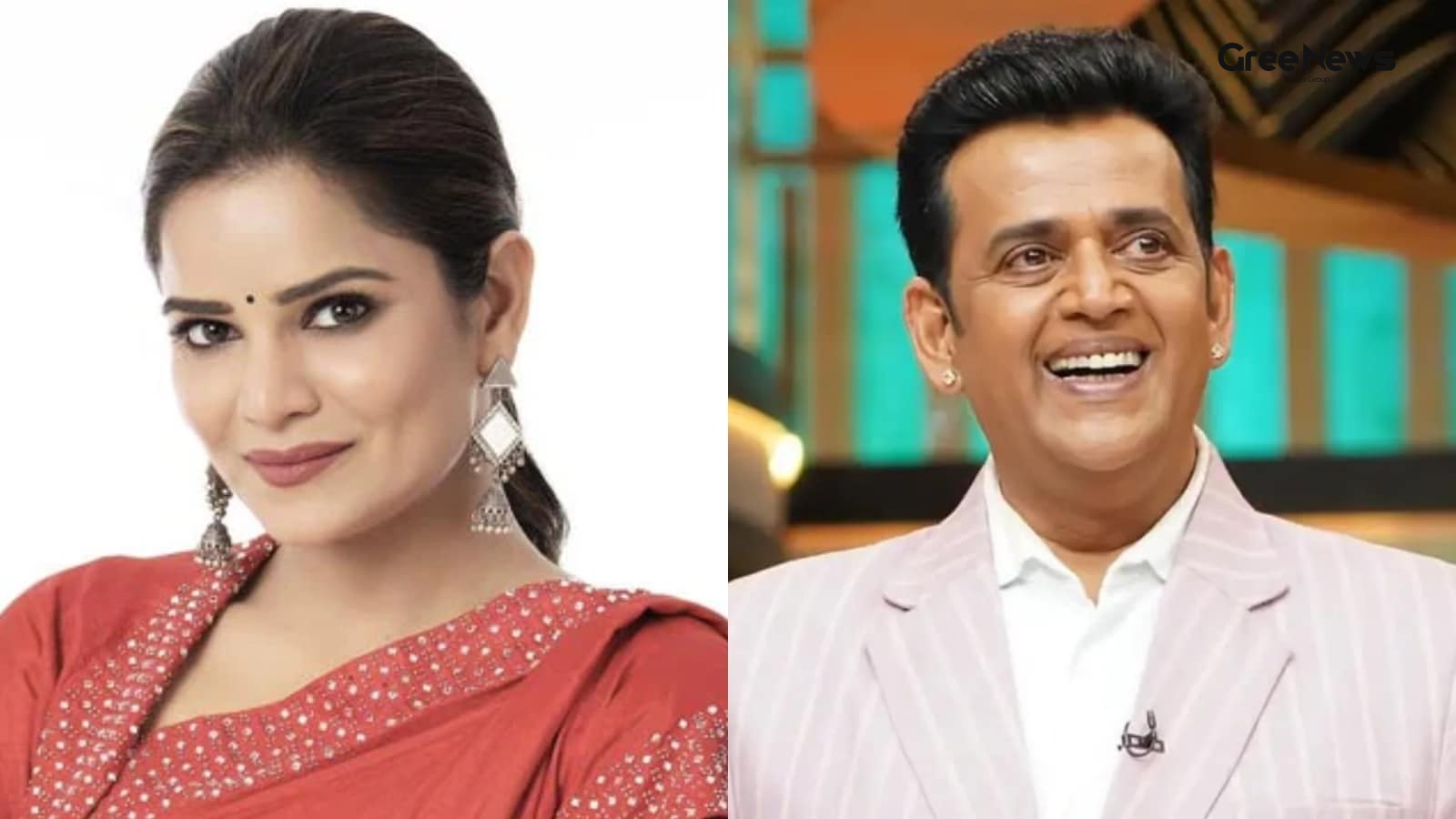
Archana Gautam's Journey: From Meerut to Acting
The upcoming episode of ‘Tum Ho Naa – Ghar ki Superstar,’ hosted by Rajeev Khandelwal, is going to feature Archana Gautam talking about everything she’s been through. Her struggle and the whole journey into acting are going to come up. It felt like a real look behind the curtain. She also brought up
Jun 19, 2026 by Gree News Team
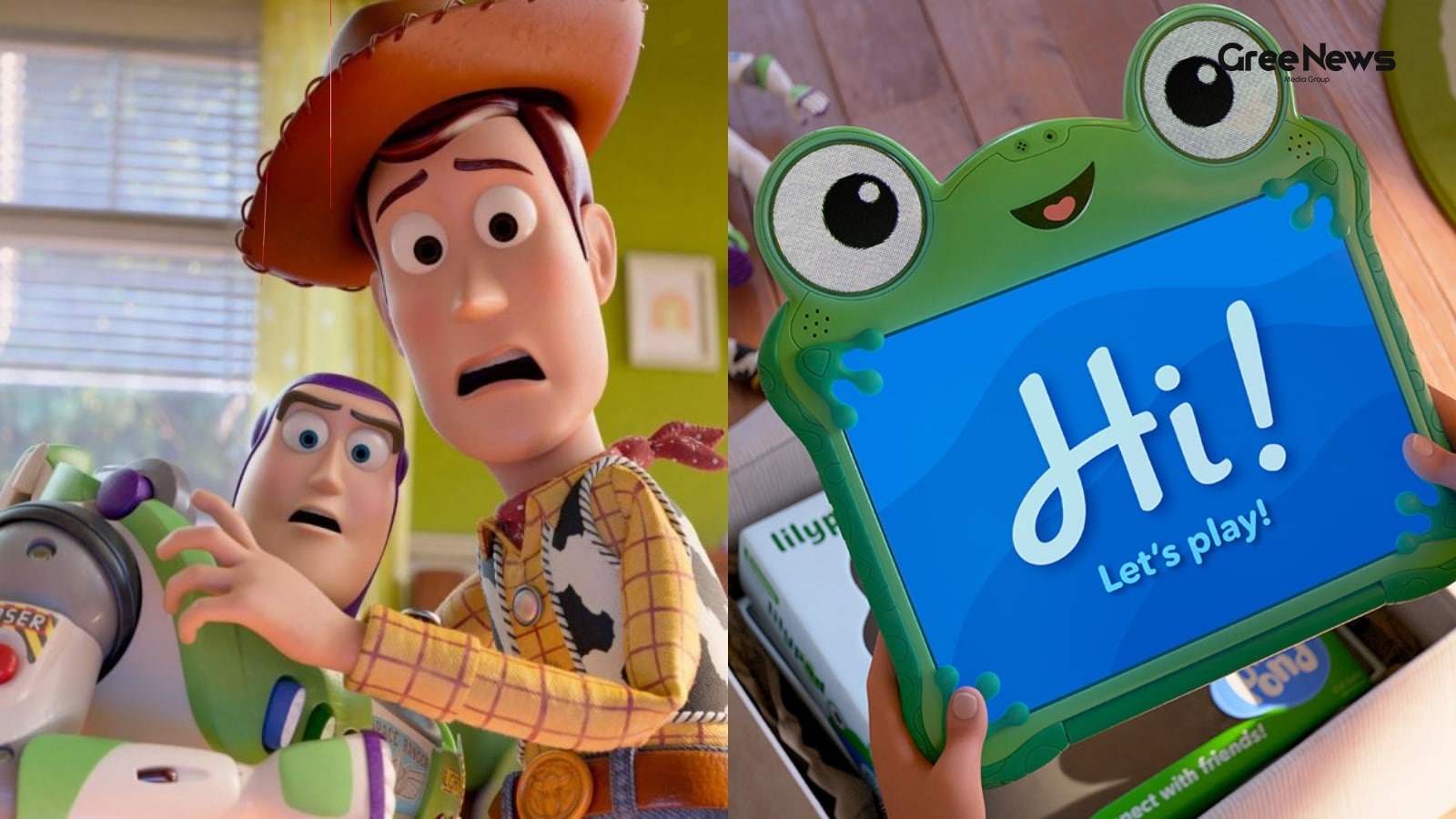
The Existential Threat of Screens in Toy Story 5
For thirty years, *Toy Story* has asked that one simple question, in different ways: what happens when kids grow up and move on from their toys? In '95, the fear was giving way to something shinier. Now it’s about abandonment. Daycare politics. That slow ache of losing purpose. Letting a child go. A
Jun 19, 2026 by Gree News Team

Premium Noise Cancelling Headphones vs. Kitchen Appliances
Premium noise cancelling headphones aren't just some fancy gadget anymore. They’ve completely changed how people listen to music, watch stuff, or even just try to block out the noise in a noisy apartment or on a long flight. But here’s the snag. The best models now cost a fortune we’re talking anywh
Jun 19, 2026 by Gree News Team

BSF Women Reach Mount Everest: A Story of Courage and Achievement
Four women from the Border Security Force just did something massive. They actually reached the top of Mount Everest. The highest peak in the world. It was history for them, and honestly, it felt huge for the whole country. It wasn't just a climb. It was an all-women team. A BSF squad. That’s what h
Jun 19, 2026 by Gree News Team

Main Vaapas Aaunga: The Emotional Journey of 'Tere Paas Main'
*Main Vaapas Aaunga* is really catching on. Since it came out, people are loving it. The music, especially, has hit hard. Those songs just pull at you, hitting those feelings right in the chest through melodies and lyrics that feel genuinely heartfelt. And now, because everyone asked for it, they dr
Jun 19, 2026 by Gree News Team
The Complex Fallout of the Trump-Pezeshkian Peace Agreement
The whole thing hinges on that signing. Trump and Pezeshkian finally put pen to paper, a peace agreement, they called it. But honestly, the real work the actual messy part is just starting now. It’s not over yet. It happened at some dinner, I think. Hosted by Macron, somewhere in Versailles. Photos
Jun 19, 2026 by Gree News Team

Amazon Engineers Accuse Retaliation Over Data Center Regulation
Three Amazon software engineers made it public recently. They accused the tech giant of illegal retaliation after speaking at a Seattle City Council hearing about data centre regulation. It’s messy, this whole thing. They claim they got summoned into mandatory meetings with human resources right aft
Jun 19, 2026 by Gree News Team
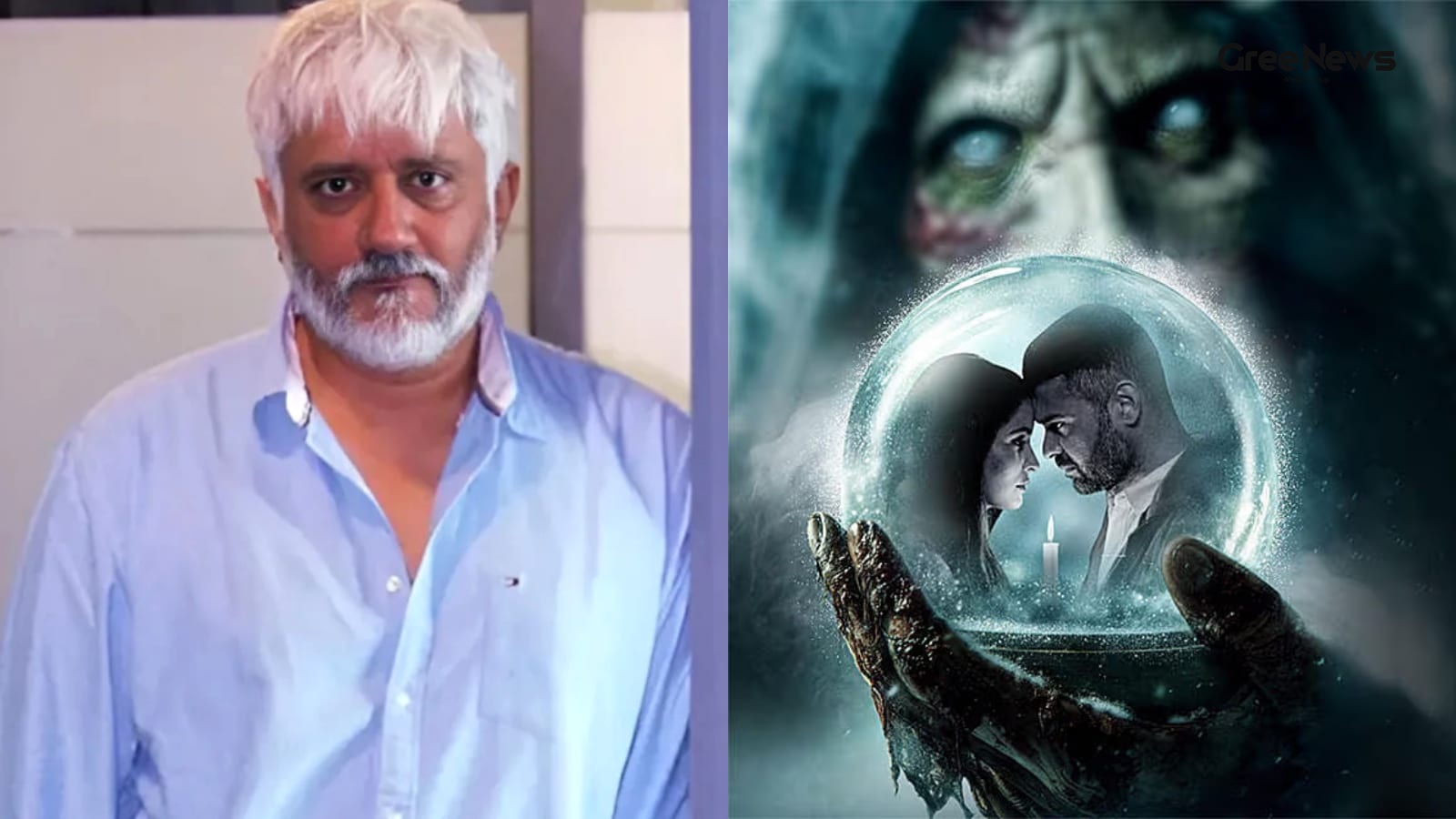
Vikram Bhatt, AI, and the Future of Filmmaking
Vikram Bhatt’s latest flick, *Haunted 3D: Echoes Of The Past*, it’s definitely been a box office black sleep. Day one numbers were Rs 2.5 crore nett. That beat out films like *Main Vaapas Aaunga* and *Bharat Bhhagya Viddhaata*. But there's the fallout, right? It got panned because of how he used AI
Jun 19, 2026 by Gree News Team