The Impact of Artificial Intelligence on Job Security and Global Economies
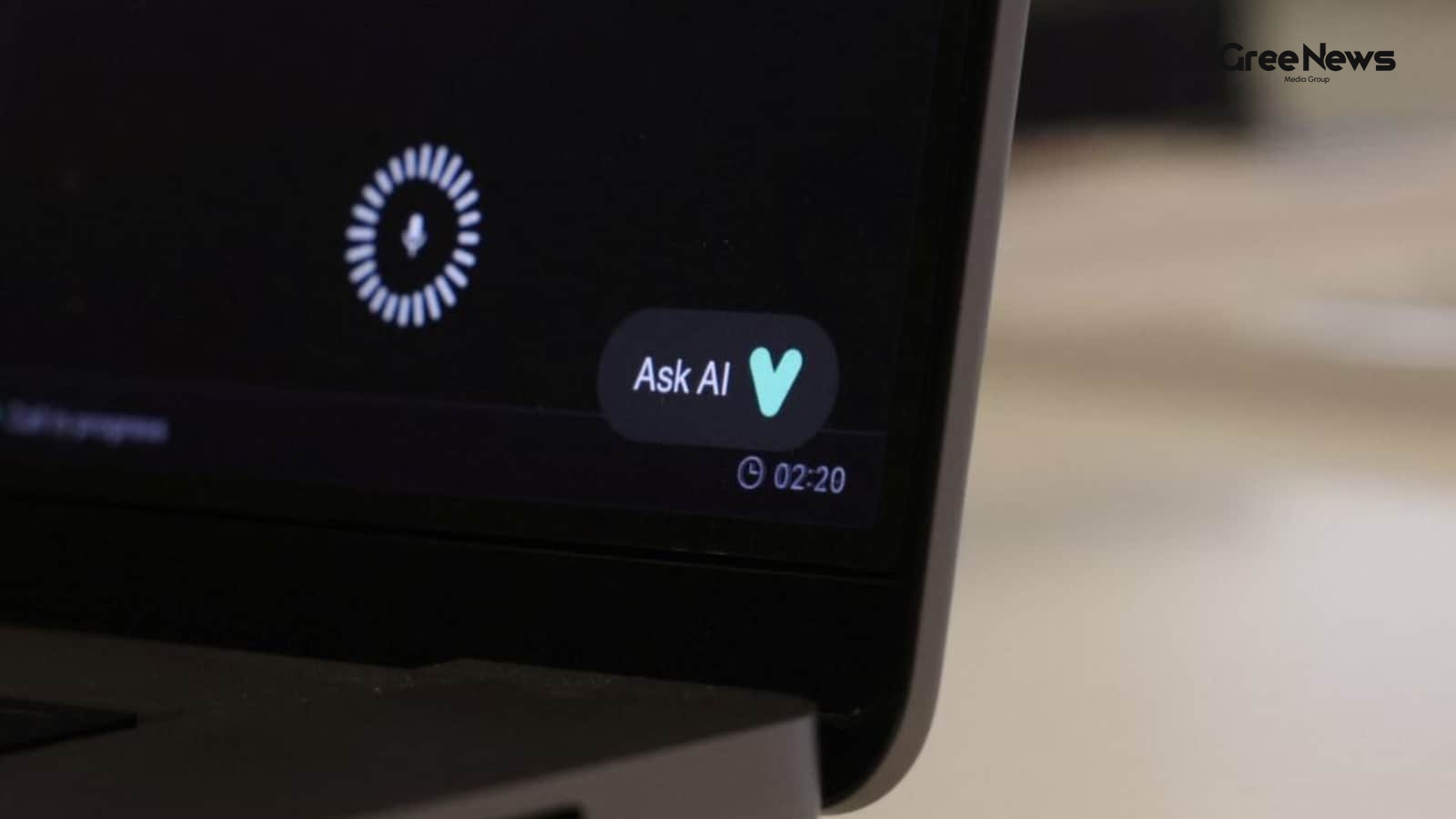
Tech workers are facing a serious problem. If you don’t use artificial intelligence at least once a month, you face three times the risk of getting laid off compared to your colleagues who do. That's what Gallup found in their research from a February survey of over 23,000 US workers. Sixty-six of those people actually lost their jobs during that time.
Among the tech crowd, if you use AI regularly, say monthly or more, the chance of being laid off is only about six percent. But for those who don't use it much? The number jumps to eighteen percent. That gap stayed wide even after they tried to control for stuff like age, education, and how long they’d been unemployed. Gallup researchers made that point.
It felt contradictory, you know? The data didn't tell a clean story about AI causing the cuts directly. Only about one percent of those laid-off workers blamed AI itself. Most people pointed to organizational restructuring or just bad economics instead. It makes you wonder where the real pressure is coming from.
Jim Harter, who’s the chief scientist over at Gallup's workplace practice, actually said this disconnect surprised him. He noted they didn't just blame AI.
That gap between what workers feel and what companies do is huge. AI was listed as the top reason for job cuts last month by outplacement firm Challenger, Gray & Christmas about forty percent of those announcements.
But Harter warned against using this stuff to measure productivity. You can’t tie performance reviews to how often someone prompts a chatbot. That just pushes people to game the system. The real question is: Are they actually more productive? He kept saying that.
Meanwhile, things are playing out completely differently over in China. Beijing has set up this massive goal of getting seventy percent AI adoption across key sectors by next year. At the same time, they’re telling companies to protect jobs. It's a real tug-of-war happening there.
The big private tech firms Alibaba, Tencent they are leading the charge on deploying AI. But their executives are trying hard to signal that they still value employment. Richard Liu, the founder of JD.com, recently made this public pledge about protecting his company’s ninety-thousand employees from automation.
That promise seems shaky when you look closer. Last year, Liu admitted that robots had already replaced ninety percent of humans at their Beijing sorting center. Alibaba, worth hundreds of billions, they just started quietly cutting staff through attrition and gradual reductions, according to a source cited by Reuters.
Citibank estimates that nearly ten percent of Chinese jobs that’s about seventy million roles are really exposed to AI displacement right now. This is happening while youth unemployment sits around seventeen percent. And there are twelve-seven million new graduates entering the job market this summer.
Reuters actually wrote that Beijing's conflicting policy goals act like a brake on their AI innovation compared to Western competitors who aren’t so restrictive about restructuring. It slows things down.
The story changes when you look at India. The Gallup numbers don't land in the same way there. The stakes here are less about corporate structure and more about basic survival, socioeconomic stuff.
India’s IT sector is massive, employing about six million people. For decades, it absorbed a huge chunk of engineering graduates, bringing in about one-and-a-half million new hires yearly. That rate has completely collapsed in the last three years. Analysts cited by Outlook India point to this drop as a major issue.
Fresh graduate recruitment at the four biggest IT exporters plummeted seventy percent between 2023 and 2024. They went from two-hundred-two-thousand down to sixty thousand hires. TCS and Infosys lost thirty-eight thousand employees combined in just that one year. That’s the first time the sector has actually shrunk in decades.
The fallout is visible everywhere. House sales in major Indian cities dropped thirteen percent in the first quarter of 2026. Economists at CareEdge Ratings pointed directly to those IT layoffs as a big factor. Demand for places to stay in Bengaluru also took a sharp dive, and property owners publicly blamed the tech slowdown.
A twenty-five analysis by EY suggested that entry-level IT roles were already down by twenty to twenty-five percent just because of automation kicking in.
NASSCOM reported workforce growth in India’s tech sector slowed down to just two-point-three percent in fiscal year twenty-six, even though the rest of the industry was still expanding. This makes the Gallup finding feel much more real for that region.
The skills picture is crucial here. NASSCOM projects that AI job demand in India will hit one million roles by 2026. But the Ministry’s latest estimate shows only about sixteen percent of Indian IT professionals actually have the necessary AI skills right now.
And look at the big gaps. The World Economic Forum says nearly fifty-one percent of all AI and machine learning jobs are still empty. That's a huge vacuum. NASSCOM estimates that sixty to sixty-five percent of India’s current workforce will need serious reskilling by 2030. McKinsey projects that AI could automate up to seventy percent of employee time across almost every industry.
The Gallup data, when you frame it this way, shows something specific about the cost. Workers who don't make AI a daily part of their work aren't just losing an edge on productivity. The numbers suggest they are losing job security entirely. For that IT workforce that used to feel like engineering deGrees guaranteed stability that’s a fundamental shift with no easy safety net underneath it.
It’s not just about the metrics anymore. Reuters itself has set a baseline for its staff, requiring them to use AI at least twenty times a month. Jane Barrett, who heads their AI strategy, said prompting skills aren't optional anymore. She called it an edict: "This is something everyone has to do."
Written by Gree News Team — Senior Editorial Board
Gree News Team covers international news and global affairs at Gree News. Our collective of senior editors is dedicated to providing independent, accurate, and responsible journalism for a global audience.
More from World
View All
The Water Dispute: Geopolitics, Internal Failures, and Escalation between India and Pakistan
Bilawal Bhutto-Zardari, that’s who was making the noise lately about water between India and Pakistan. He really escalated things, didn't he? It wasn't just some polite disagreement anymore; it became this heavy warning from the heart of Pakistan itself. He spoke in Parliament, you know? Right there
Jun 19, 2026 by Gree News Team
Iran-US Agreement: Internal Dynamics and Negotiation Process
Iran’s Supreme Leader Mojtaba Khamenei, he admitted, wasn't exactly thrilled when that memorandum of understanding finally landed on the table between Tehran and Washington. There were clear reservations. It felt like a forced concession at first glance. But then things shifted. He ultimately gave h
Jun 19, 2026 by Gree News Team
US-Israel Relations: Friction, Diplomacy, and Personal Tensions
Vance went straight for it. The Vice President sharply criticized members of Israel’s government. He basically accused them of not appreciating American backing. And warned that Israel is getting increasingly isolated out there. This wasn't some polite diplomatic note. It was blunt. It highlighted t
Jun 19, 2026 by Gree News Team

Heatwaves in France: Health, Inequality, and Housing Crisis
Two new studies just dropped warning bells about heatwaves in France. They’re serious. The biggest danger isn't just the temperature itself, but how this intense heat is hitting people especially those living in badly built housing and poorer neighborhoods. This comes right as Europe braces for a br
Jun 19, 2026 by Gree News Team
Latest Headlines

Doctors’ Money and Career Paths in India
Doctors’ money and career paths in India are getting dragged online right now after some social media post questioned whether MBBS really sets you up for early financial independence. It just sparked this whole debate. People are reacting in totally mixed ways. Some folks seem to agree with the skep
Jun 19, 2026 by Gree News Team

The Shifting Reality: Navigating Uncertainty and Unspoken Narratives
the air in the room felt thick today you could almost taste the static electricity building up between the ideas, that kind of pressure you get when things are shifting underneath the surface but nobody really talks about it. it’s not a neat thing. it just… happens. we were watching the projections
Jun 19, 2026 by Gree News Team

Kerala Lottery Results and Claiming Information
Kerala Lottery results. Today’s the day for the Karunya Plus KN-628 draw. They’re holding it on Thursday, June 18th. Everything is set to happen at three in the afternoon. Location? Gorky Bhavan, right near Bakery Junction in Thiruvananthapuram. That's where they'll announce what won. The stakes are
Jun 19, 2026 by Gree News Team
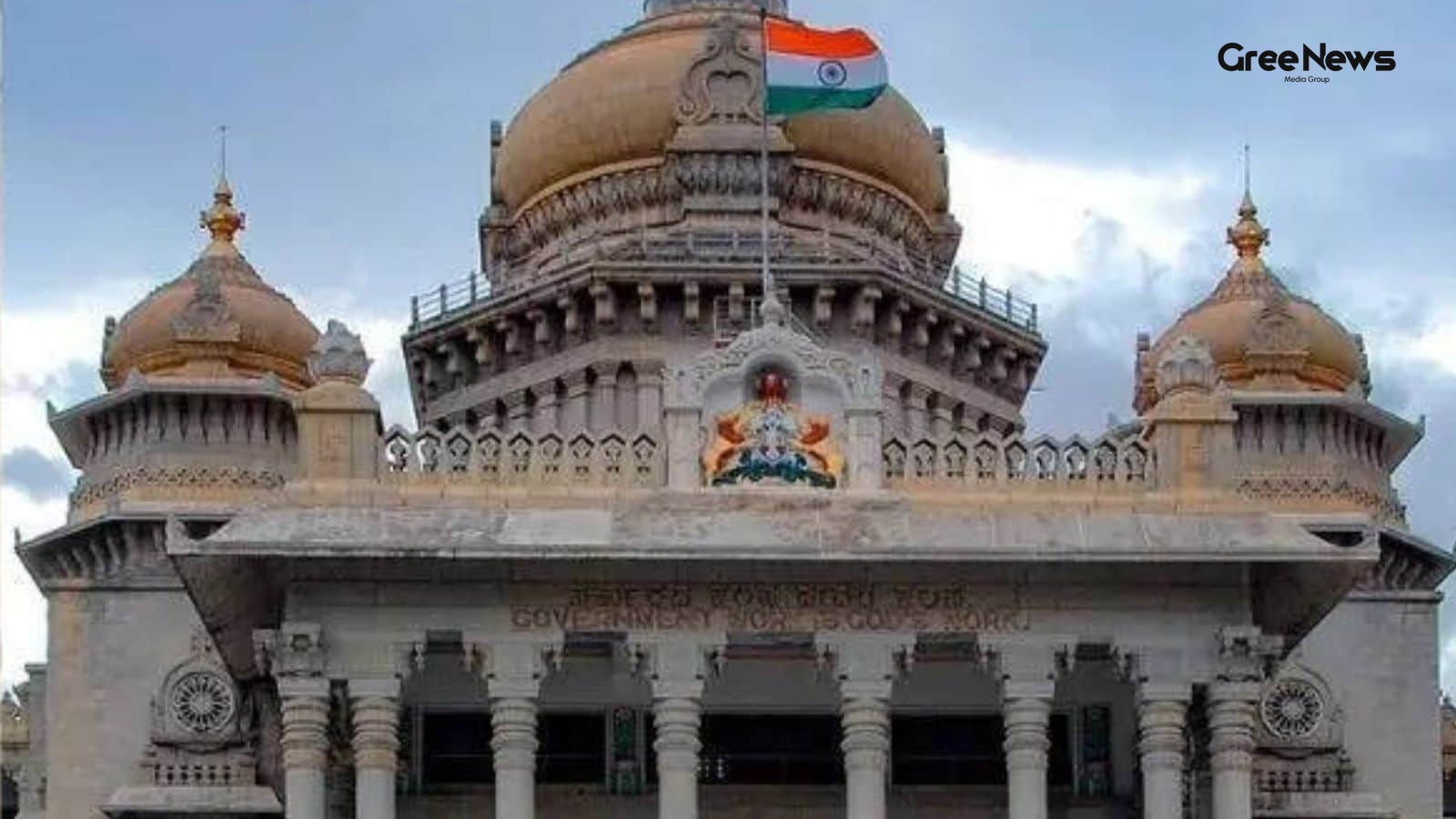
Karnataka Legislative Council Election Results and Cross-Voting Allegations
Thursday brought some messy results from the Karnataka Legislative Council election. Congress managed to snag five seats, and the BJP got two. But that wasn't even the main story. What really started stirring up talk was the whole cross-voting allegation the way votes seemed to shift across party li
Jun 19, 2026 by Gree News Team

Workplace Blackmail and Retaliation: A Discussion
An employee posted something online that started a real discussion about their workplace. It was a troubling claim. They said managers repeatedly warned them over the years that if they quit, a specific coworker would lose their job too. The employee felt like leaving because of what they described
Jun 19, 2026 by Gree News Team
The Water Dispute: Geopolitics, Internal Failures, and Escalation between India and Pakistan
Bilawal Bhutto-Zardari, that’s who was making the noise lately about water between India and Pakistan. He really escalated things, didn't he? It wasn't just some polite disagreement anymore; it became this heavy warning from the heart of Pakistan itself. He spoke in Parliament, you know? Right there
Jun 19, 2026 by Gree News Team
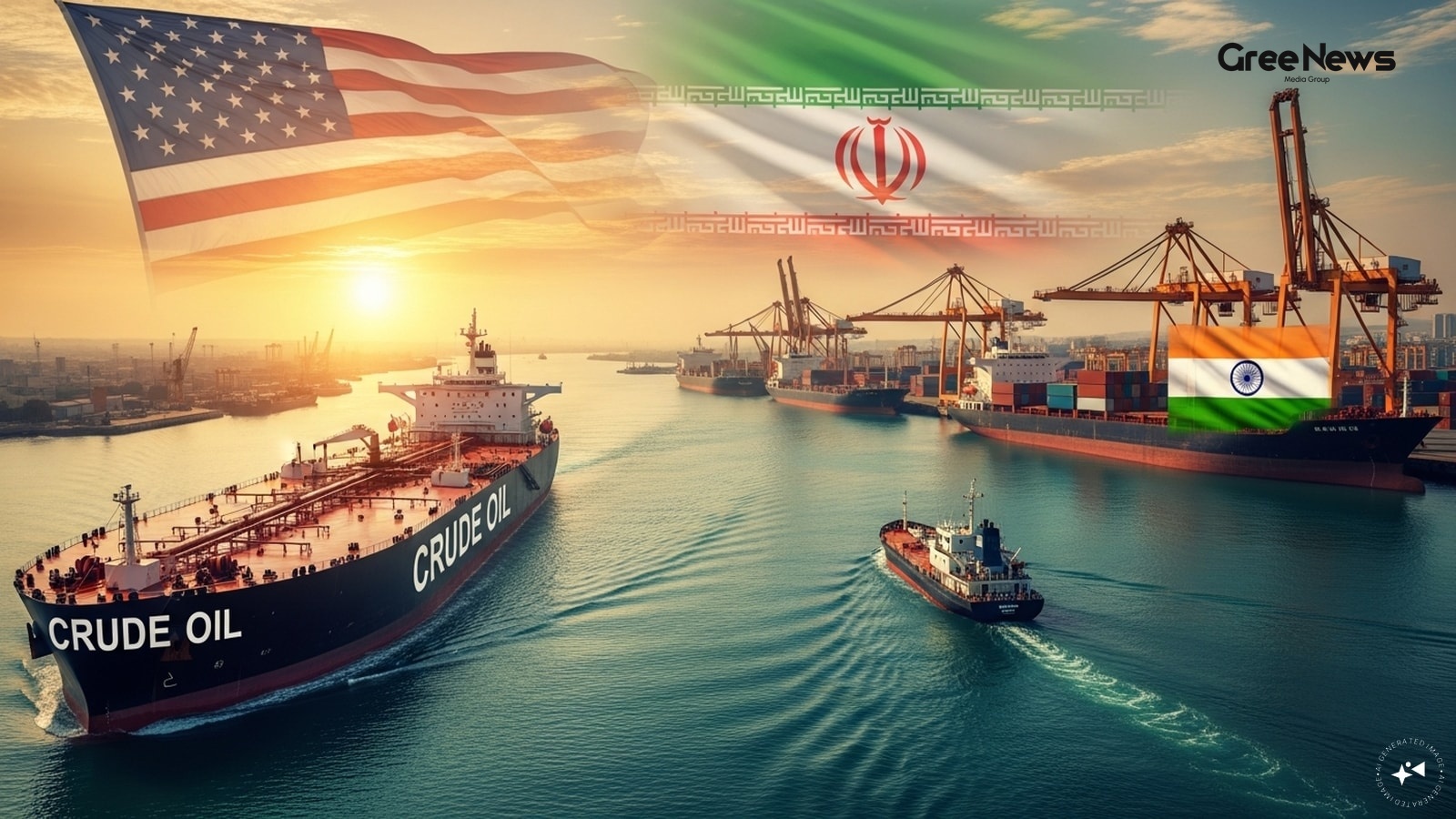
Impact of US-Iran Peace Deal on India's Energy and Trade
The US-Iran peace deal... it looks like it could actually be a net positive for India. Think about it: renewed access to Iranian oil, easing those gnawing worries about shipping through the Strait of Hormuz. And New Delhi’s big connectivity ambitions focused on Chabahar port all suddenly sitting on
Jun 19, 2026 by Gree News Team
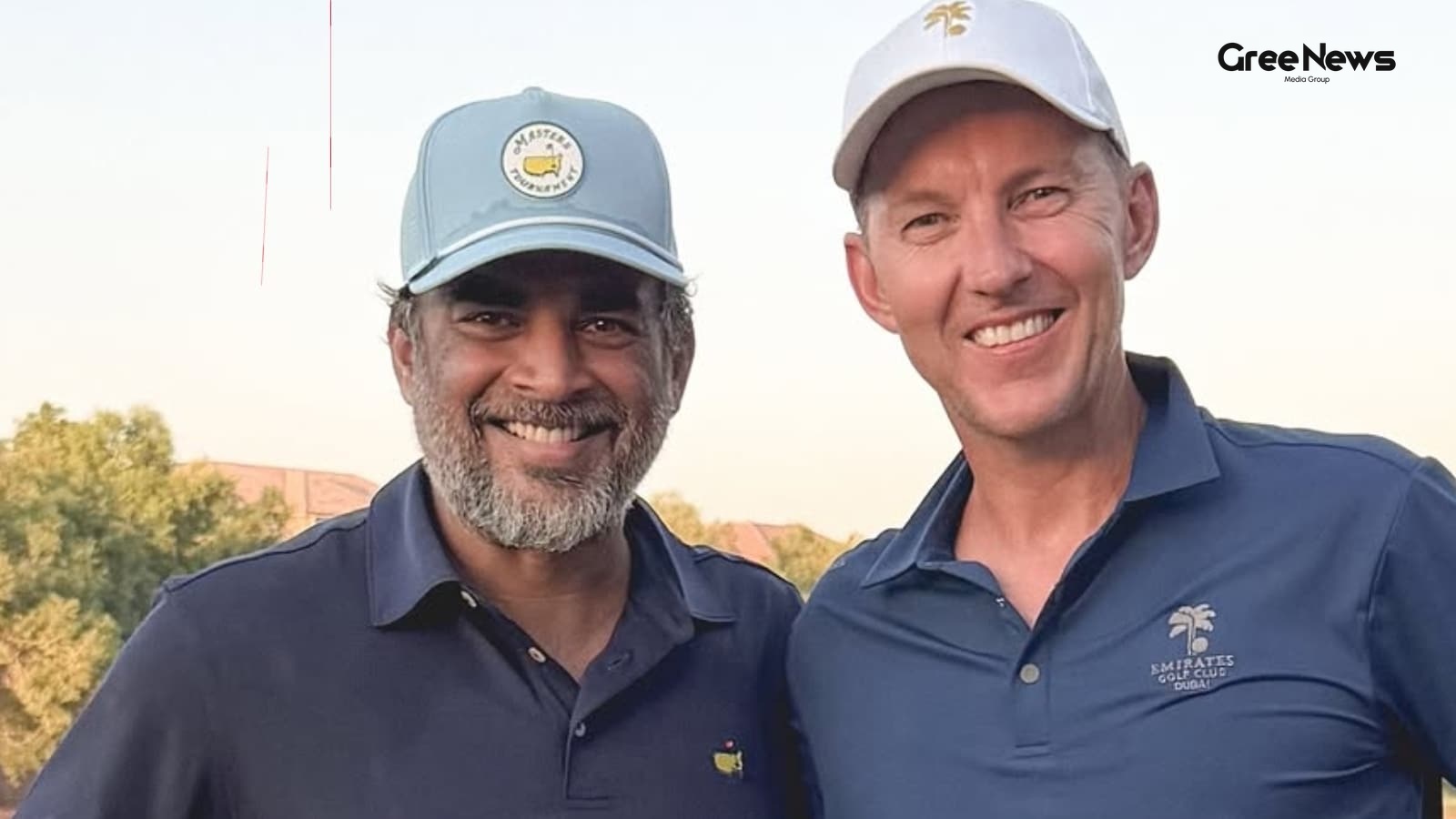
Brett Lee and R Madhavan: A Bond Forged on the Golf Course
Brett Lee and R Madhavan recently caught up. A round of golf in Dubai, that’s where they met. It turned out to be a pretty easy camaraderie between them, and it’s been getting talked about by fans. The cricketer shared some pictures from their outing on Instagram. He wrote something kind of reflecti
Jun 19, 2026 by Gree News Team

AI in Tax Filing: The Future of Income Tax with Large Language Models
India is gearing up for this big overhaul of its tax framework, Income-tax Rules, 2026. But something weird is happening online. People are actually using artificial intelligence to file their income tax returns. It started small just some professionals experimenting. Now it’s exploded across Linked
Jun 19, 2026 by Gree News Team
Iran-US Agreement: Internal Dynamics and Negotiation Process
Iran’s Supreme Leader Mojtaba Khamenei, he admitted, wasn't exactly thrilled when that memorandum of understanding finally landed on the table between Tehran and Washington. There were clear reservations. It felt like a forced concession at first glance. But then things shifted. He ultimately gave h
Jun 19, 2026 by Gree News Team
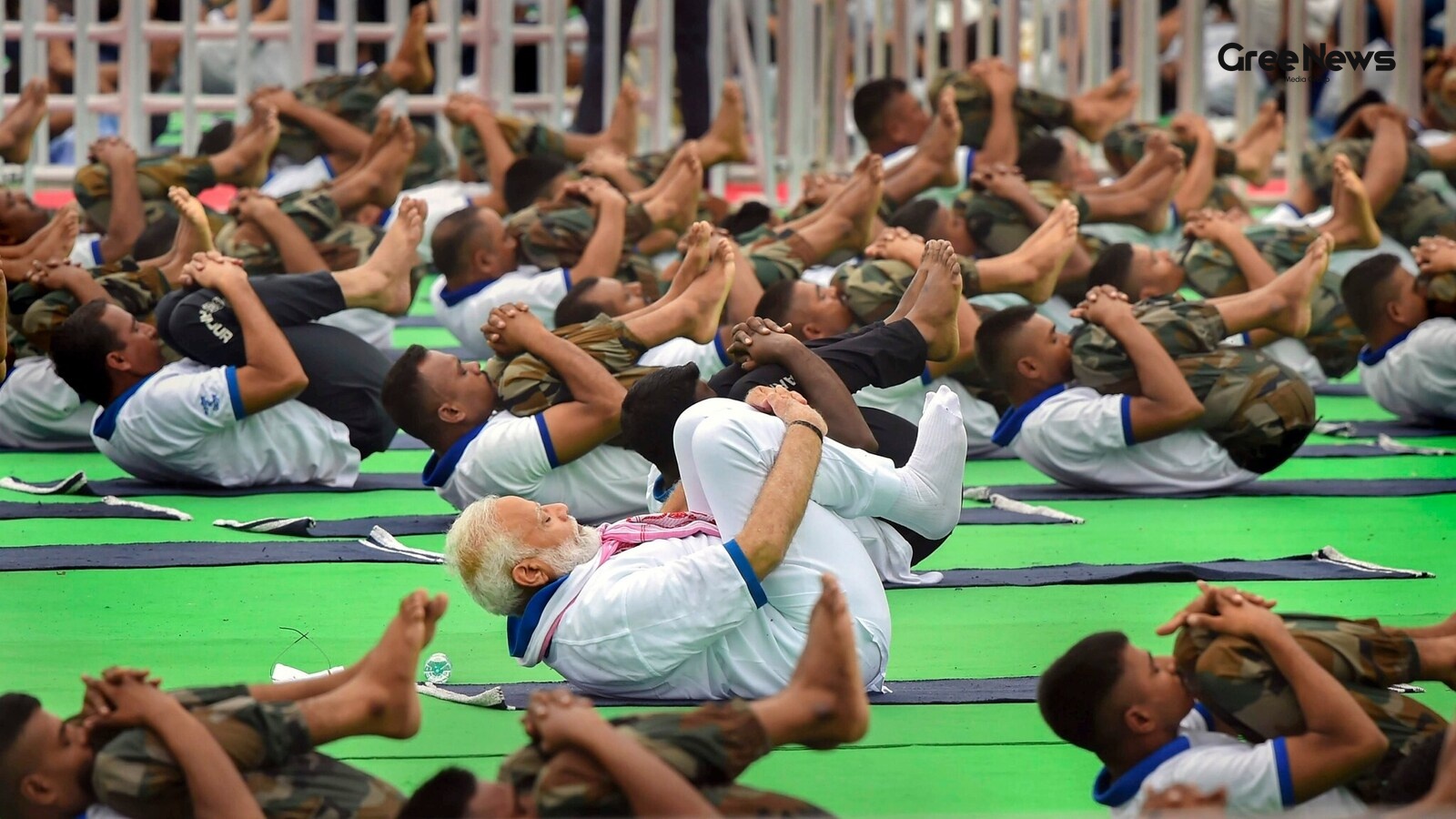
Narendra Modi's Yoga Day in Kolkata: A Shift in Bengal's Identity
Narendra Modi is leading the International Day of Yoga in Kolkata on June 21. It’s happening at Red Road. That spot. It’s heavy with symbolism, you know? Geopolitics and culture all mixed up. The timing is jarring. It lines up perfectly with Paschim Bango Divas the state's foundation day. A real con
Jun 19, 2026 by Gree News Team
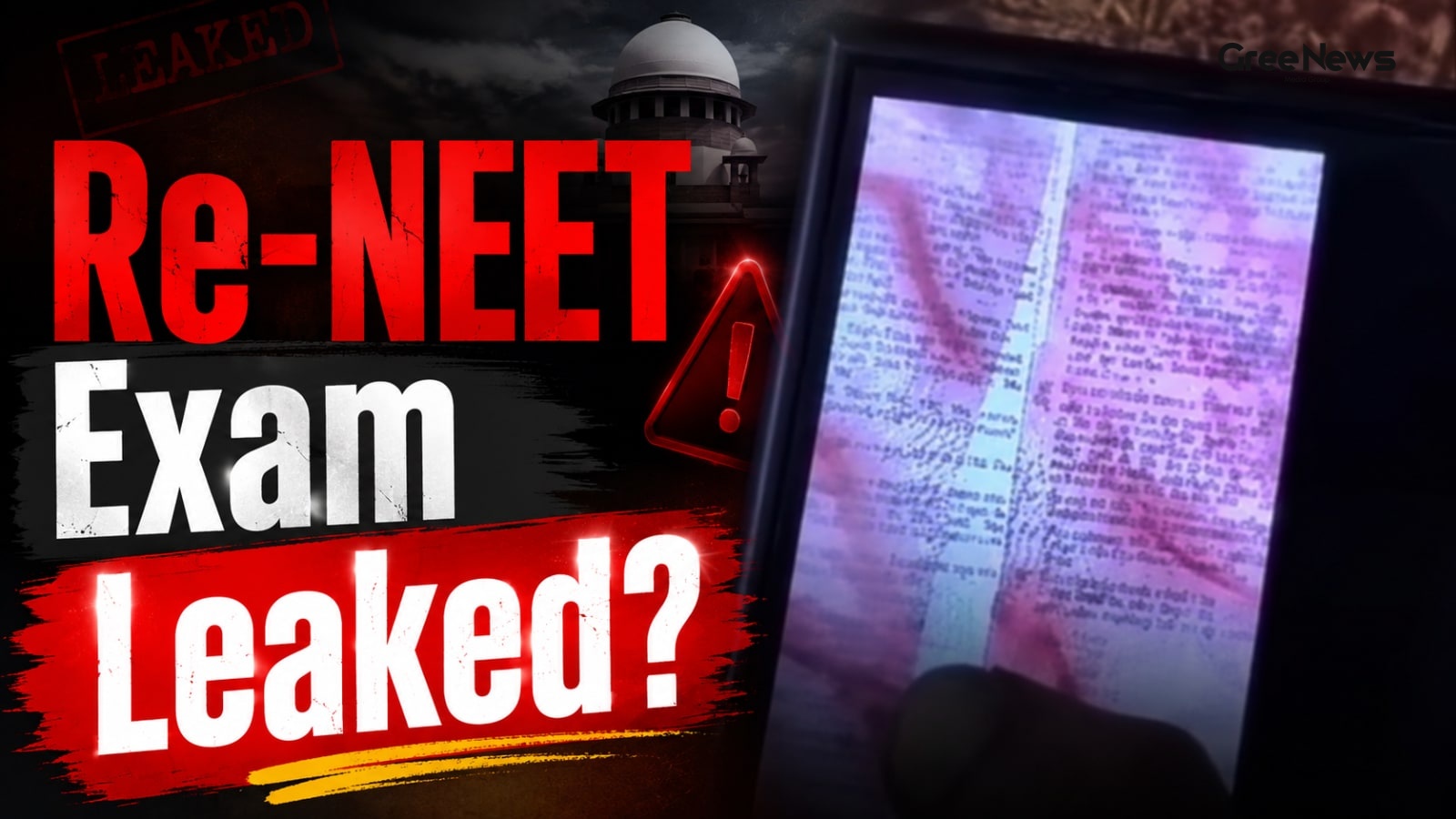
Re-NEET Exam Paper Controversy and Social Media Debate
That video is blowing up online right now about the Re-NEET exam. People are talking about someone allegedly claiming they had the question paper before the test itself. The test is scheduled for June 21st, 2026. It’s all started with this clip circulating across social media. An Instagram page call
Jun 19, 2026 by Gree News Team
US-Israel Relations: Friction, Diplomacy, and Personal Tensions
Vance went straight for it. The Vice President sharply criticized members of Israel’s government. He basically accused them of not appreciating American backing. And warned that Israel is getting increasingly isolated out there. This wasn't some polite diplomatic note. It was blunt. It highlighted t
Jun 19, 2026 by Gree News Team
Heatwaves in France: Health, Inequality, and Housing Crisis
Two new studies just dropped warning bells about heatwaves in France. They’re serious. The biggest danger isn't just the temperature itself, but how this intense heat is hitting people especially those living in badly built housing and poorer neighborhoods. This comes right as Europe braces for a br
Jun 19, 2026 by Gree News Team

US Gas Prices Dip Amid Developments in US-Iran Negotiations
Gas prices finally dipped below four a gallon in the US. That’s the first time we’ve seen that drop since those early weeks of the war with Iran. It offers some breathing room for consumers after months where fuel costs were just relentless. Motor Club AAA data shows the national average for regular
Jun 19, 2026 by Gree News Team