US-Israel Relations: Friction, Diplomacy, and Personal Tensions
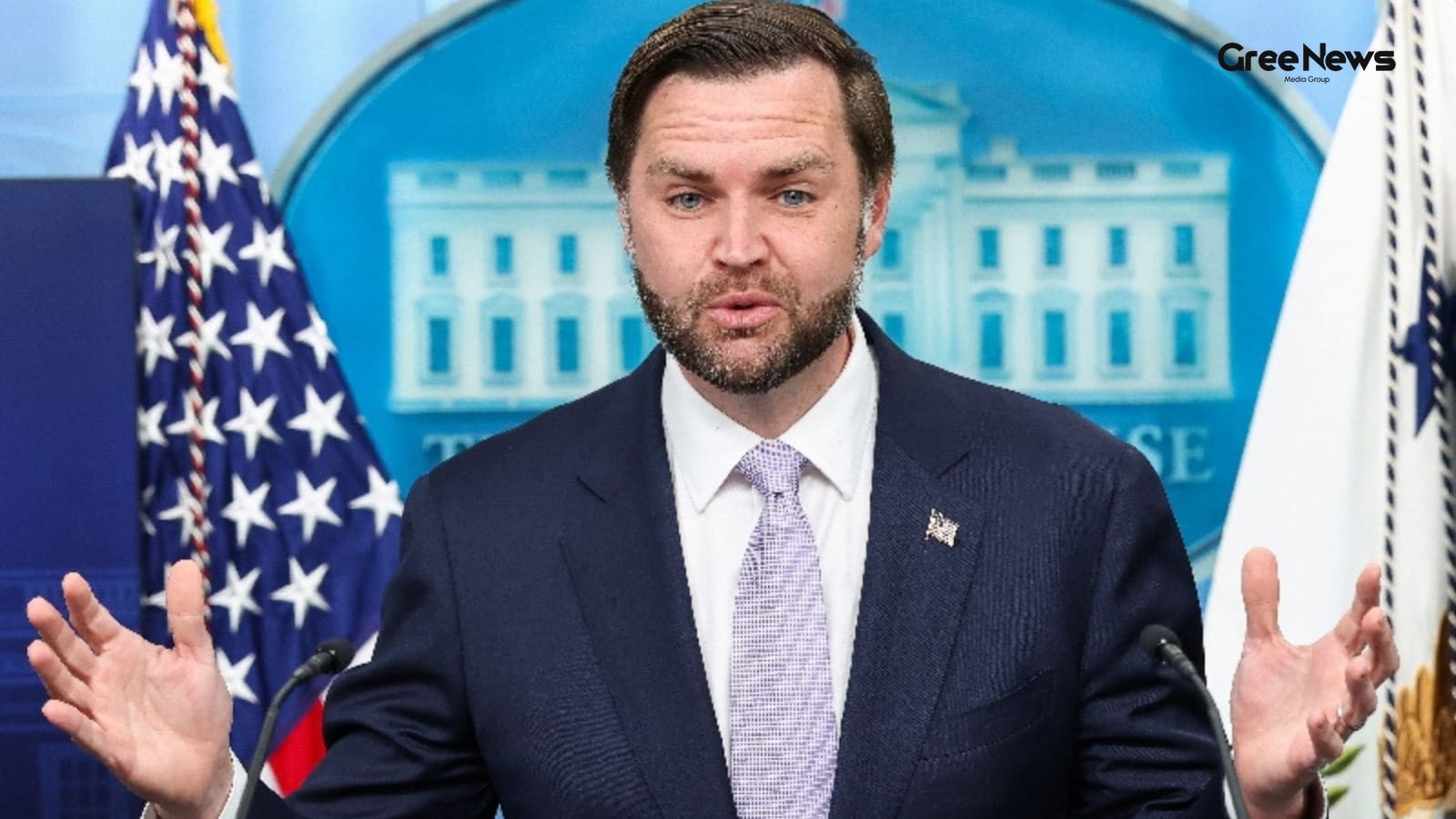
Vance went straight for it. The Vice President sharply criticized members of Israel’s government. He basically accused them of not appreciating American backing. And warned that Israel is getting increasingly isolated out there.
This wasn't some polite diplomatic note. It was blunt. It highlighted this growing friction between Washington and Jerusalem, especially around that whole US-brokered deal with Iran. The one that stopped the fighting for months, and then launched these negotiations toward some kind of peace settlement. Things are clearly getting tense.
He spoke at a White House briefing about it all. Vance defended what Donald Trump did with his diplomatic outreach to Tehran. But he also suggested some Israeli officials just fundamentally misunderstood where Israel actually stands right now.
“Donald J. Trump is the only head of state in the entire world who is sympathetic to the nation of Israel at this moment in time,” Vance said. Then he hit you with the punchline: “The problem for Israel is not Donald J. Trump. And anybody in Israel who thinks their biggest problem is the president of the United States needs to wake up and smell the reality of the situation that country is in.”
It was a big statement, really cutting through the usual diplomatic noise.
Remember, the US and Israel actually launched military operations against Iran together back in February 28th? They coordinated it; it lasted over a month. But differences popped up later. After some preliminary ceasefire aGreement got sorted out on April 8th. Trump seemed keen to end the conflict quickly. Netanyahu, though? He kept pushing for maintaining that military pressure on Tehran.
That gap just widened, didn't it? Especially with this week’s memorandum of understanding between Washington and Tehran. That thing set up a sixty-day negotiation period focused on nuclear stuff, security, and technical details. And naturally, it meant lifting the US naval blockade on Iran. Reopening the Strait of Hormuz. Big moves.
Netanyahu hasn't really put out any big public complaints about that aGreement itself. But you see other things moving around inside Israel. Some members of his coalition government are getting much more confrontational. Take National Security Minister Itamar Ben-Gvir, for example. He heads a small ultranationalist party. He declared earlier this week that Israel isn't actually "bound" by Trump’s deal. He won't bow to international pressure.
Vance wasn't holding back on the accusations against Netanyahu’s Cabinet either. Without naming specific people, he argued they showed little gratitude for American support. The core idea was simple: Israel is heavily reliant on US military backing. And outside of Washington? International support is really limited.
And this all plays into some personal drama too. There are signs of friction between Trump and Netanyahu lately. Trump has openly expressed frustration with the Israeli leader. He claimed credit for helping secure Israel during that whole conflict. Then he reportedly called Netanyahu “crazy.” That’s heavy stuff. Plus, there’s reports that the US President sidelined some Israeli officials during those Iran talks. And publicly criticized certain Israeli airstrikes in Beirut.
It all just feels messy. A complicated web of alliances and personal grudges boiling over into this kind of public tension. The whole situation is shifting fast.</p
Written by Gree News Team — Senior Editorial Board
Gree News Team covers international news and global affairs at Gree News. Our collective of senior editors is dedicated to providing independent, accurate, and responsible journalism for a global audience.
More from World
View All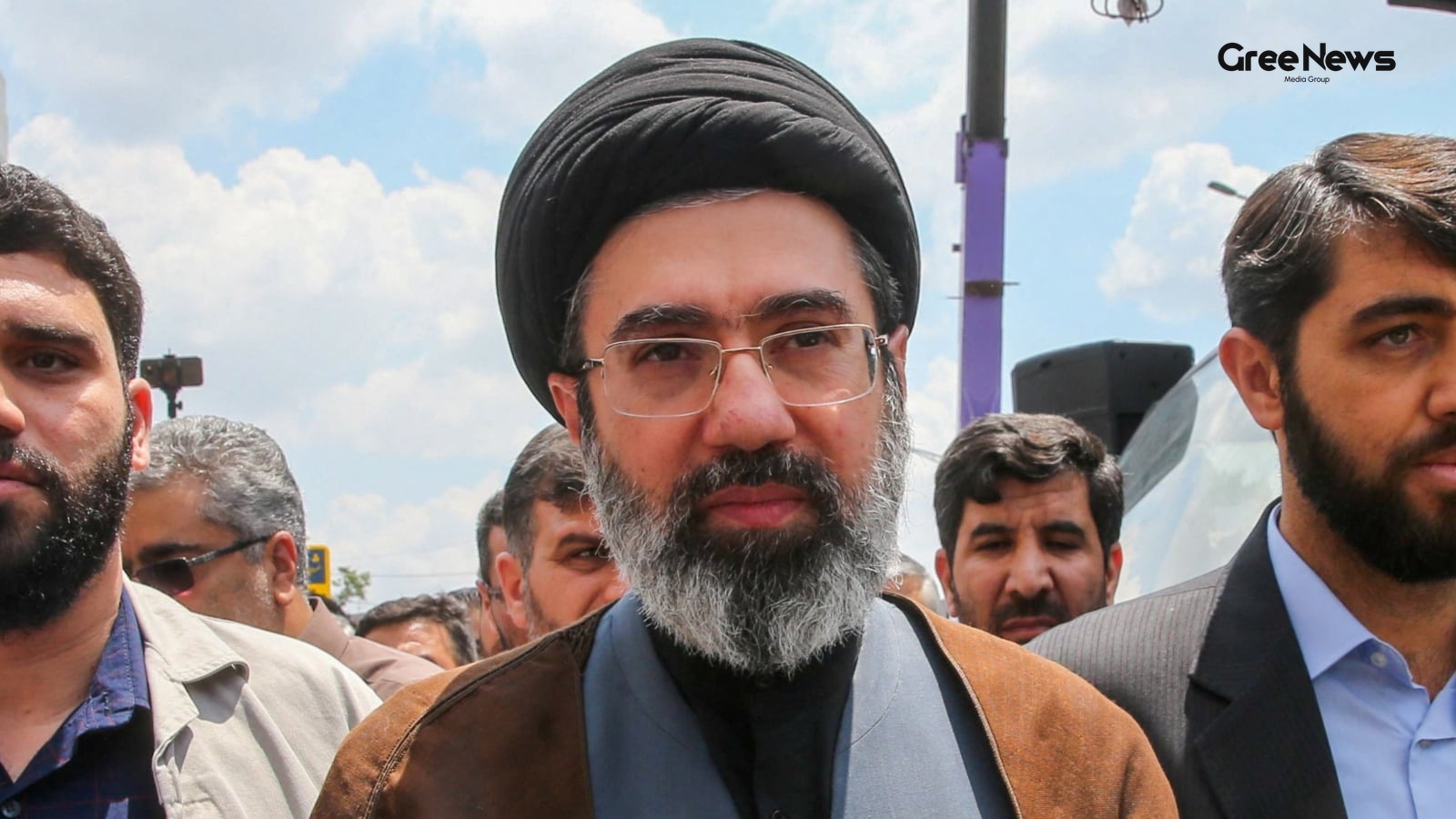
Iran-US Agreement: Internal Dynamics and Negotiation Process
Iran’s Supreme Leader Mojtaba Khamenei, he admitted, wasn't exactly thrilled when that memorandum of understanding finally landed on the table between Tehran and Washington. There were clear reservations. It felt like a forced concession at first glance. But then things shifted. He ultimately gave h
Jun 19, 2026 by Gree News Team

Heatwaves in France: Health, Inequality, and Housing Crisis
Two new studies just dropped warning bells about heatwaves in France. They’re serious. The biggest danger isn't just the temperature itself, but how this intense heat is hitting people especially those living in badly built housing and poorer neighborhoods. This comes right as Europe braces for a br
Jun 19, 2026 by Gree News Team
US Gas Prices Dip Amid Developments in US-Iran Negotiations
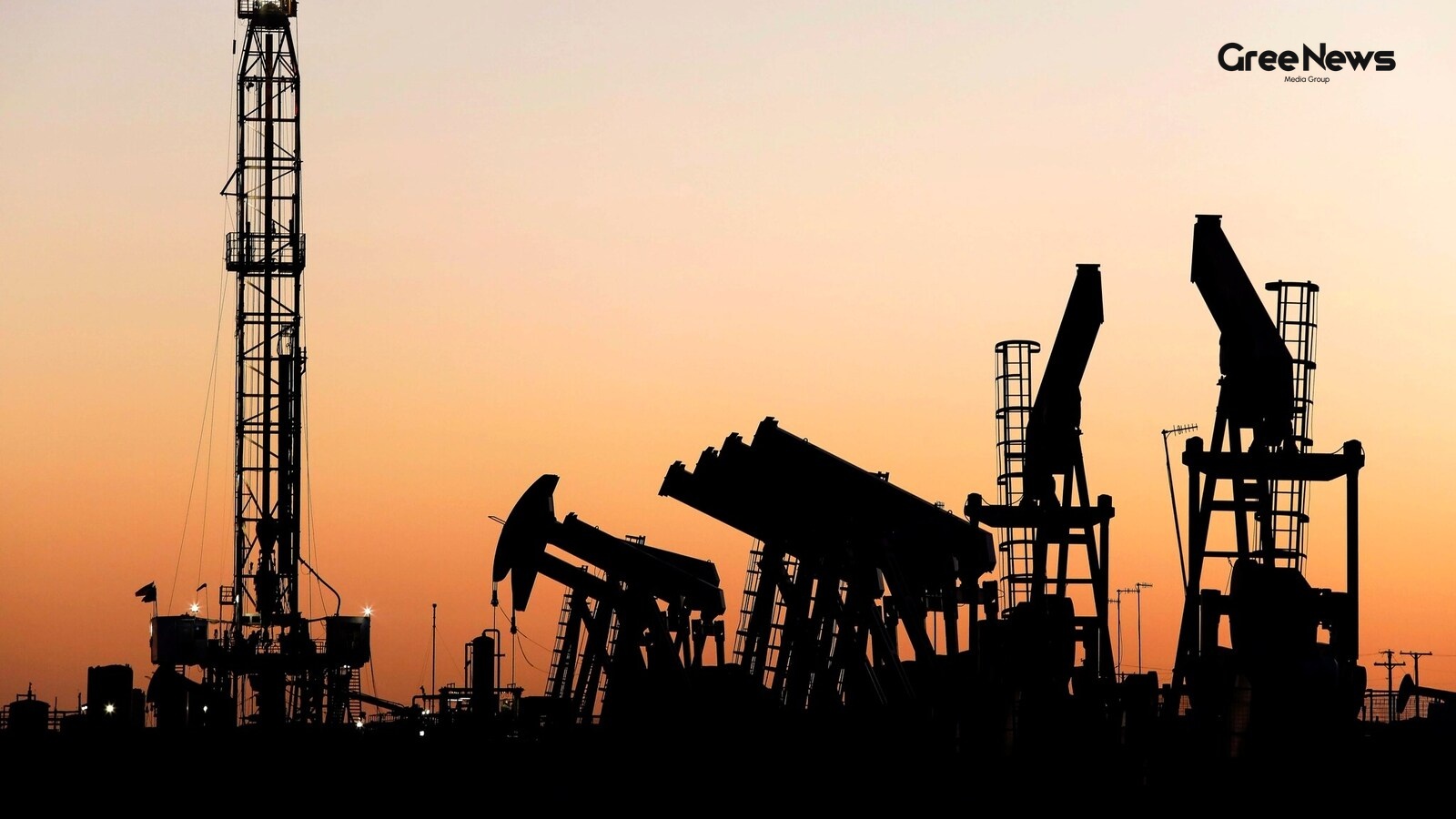
Gas prices finally dipped below four a gallon in the US. That’s the first time we’ve seen that drop since those early weeks of the war with Iran. It offers some breathing room for consumers after months where fuel costs were just relentless. Motor Club AAA data shows the national average for regular
Jun 19, 2026 by Gree News Team
Drone Assault Ignites Moscow Oil Refinery Amid Conflict
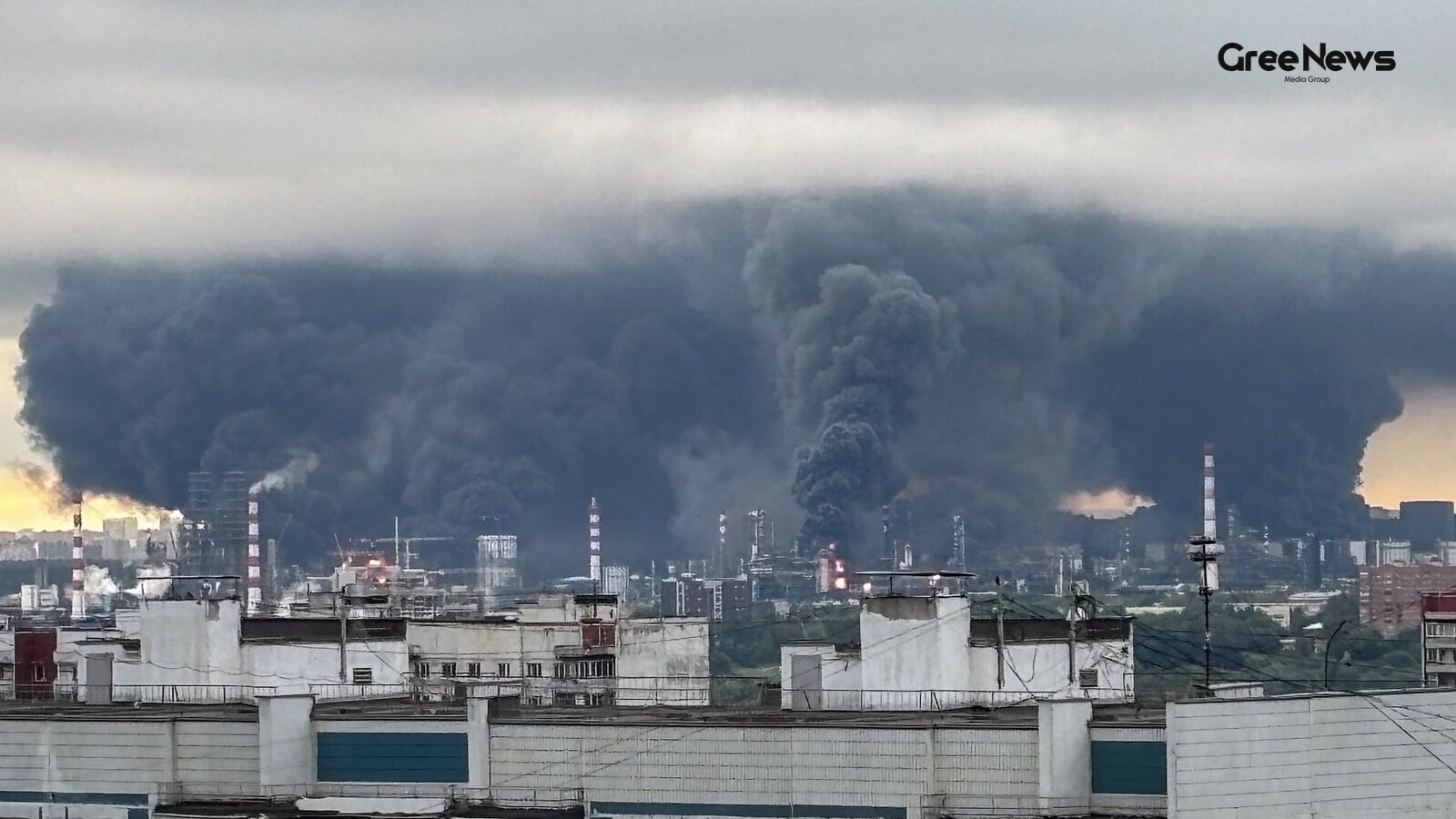
Soot-choked black rain hit Moscow after Ukraine launched what they called their biggest drone assault yet against the capital. It was a direct hit, straight into a vital energy facility. Close to two hundred long-range drones aimed at the city early Thursday morning. They managed to overwhelm local
Jun 19, 2026 by Gree News Team
Latest Headlines
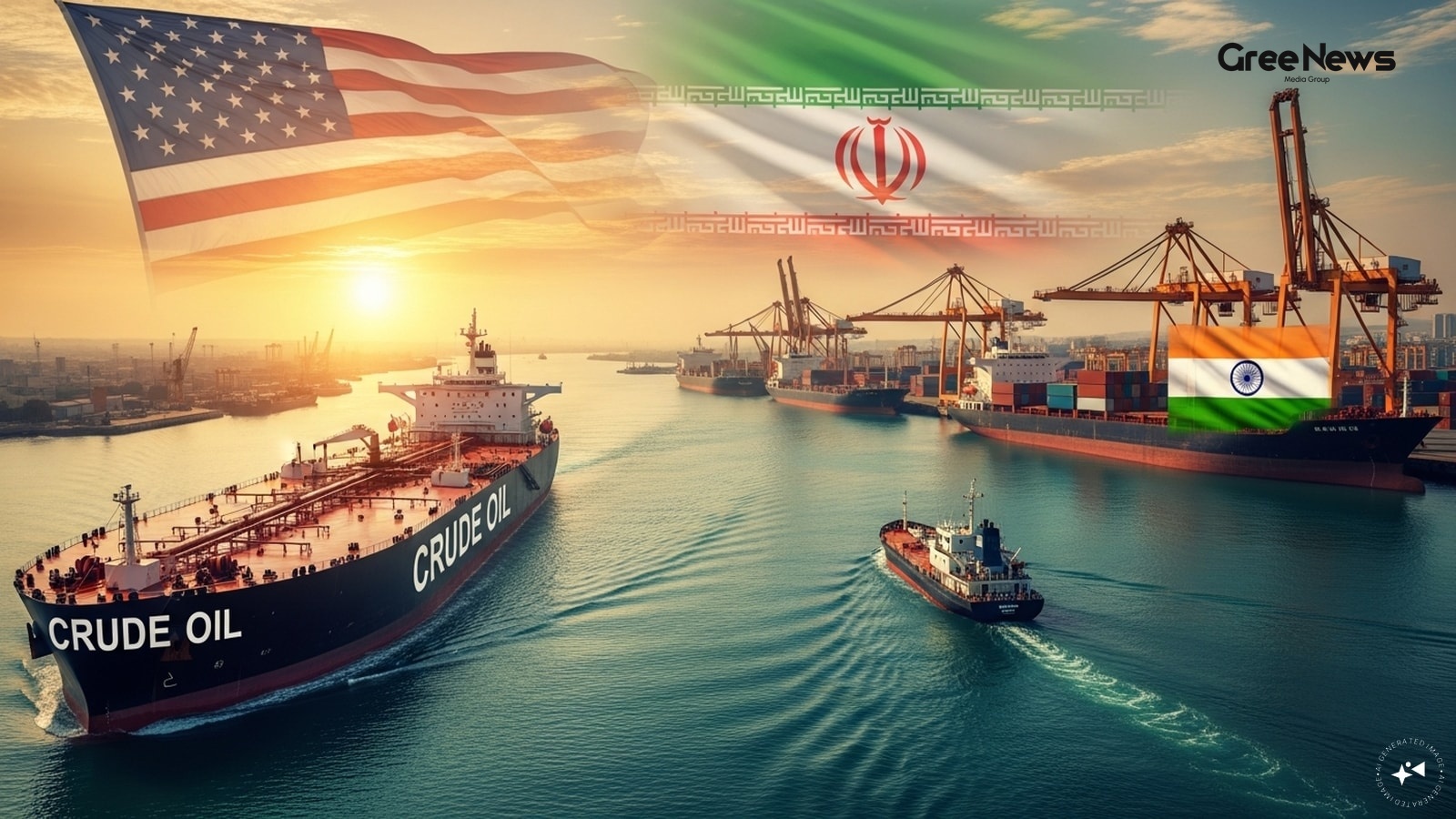
Impact of US-Iran Peace Deal on India's Energy and Trade
The US-Iran peace deal... it looks like it could actually be a net positive for India. Think about it: renewed access to Iranian oil, easing those gnawing worries about shipping through the Strait of Hormuz. And New Delhi’s big connectivity ambitions focused on Chabahar port all suddenly sitting on
Jun 19, 2026 by Gree News Team
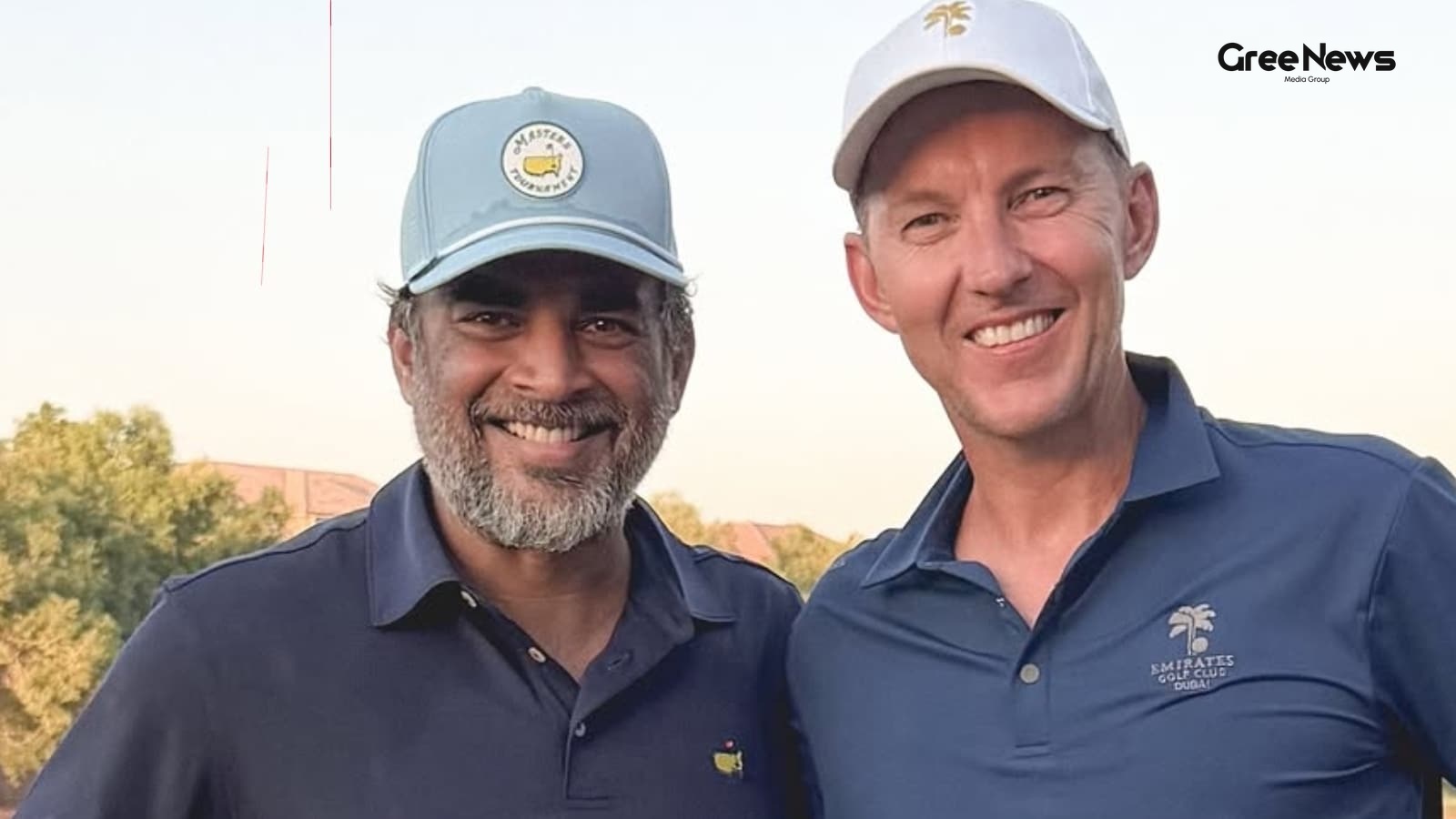
Brett Lee and R Madhavan: A Bond Forged on the Golf Course
Brett Lee and R Madhavan recently caught up. A round of golf in Dubai, that’s where they met. It turned out to be a pretty easy camaraderie between them, and it’s been getting talked about by fans. The cricketer shared some pictures from their outing on Instagram. He wrote something kind of reflecti
Jun 19, 2026 by Gree News Team

AI in Tax Filing: The Future of Income Tax with Large Language Models
India is gearing up for this big overhaul of its tax framework, Income-tax Rules, 2026. But something weird is happening online. People are actually using artificial intelligence to file their income tax returns. It started small just some professionals experimenting. Now it’s exploded across Linked
Jun 19, 2026 by Gree News Team
Iran-US Agreement: Internal Dynamics and Negotiation Process
Iran’s Supreme Leader Mojtaba Khamenei, he admitted, wasn't exactly thrilled when that memorandum of understanding finally landed on the table between Tehran and Washington. There were clear reservations. It felt like a forced concession at first glance. But then things shifted. He ultimately gave h
Jun 19, 2026 by Gree News Team
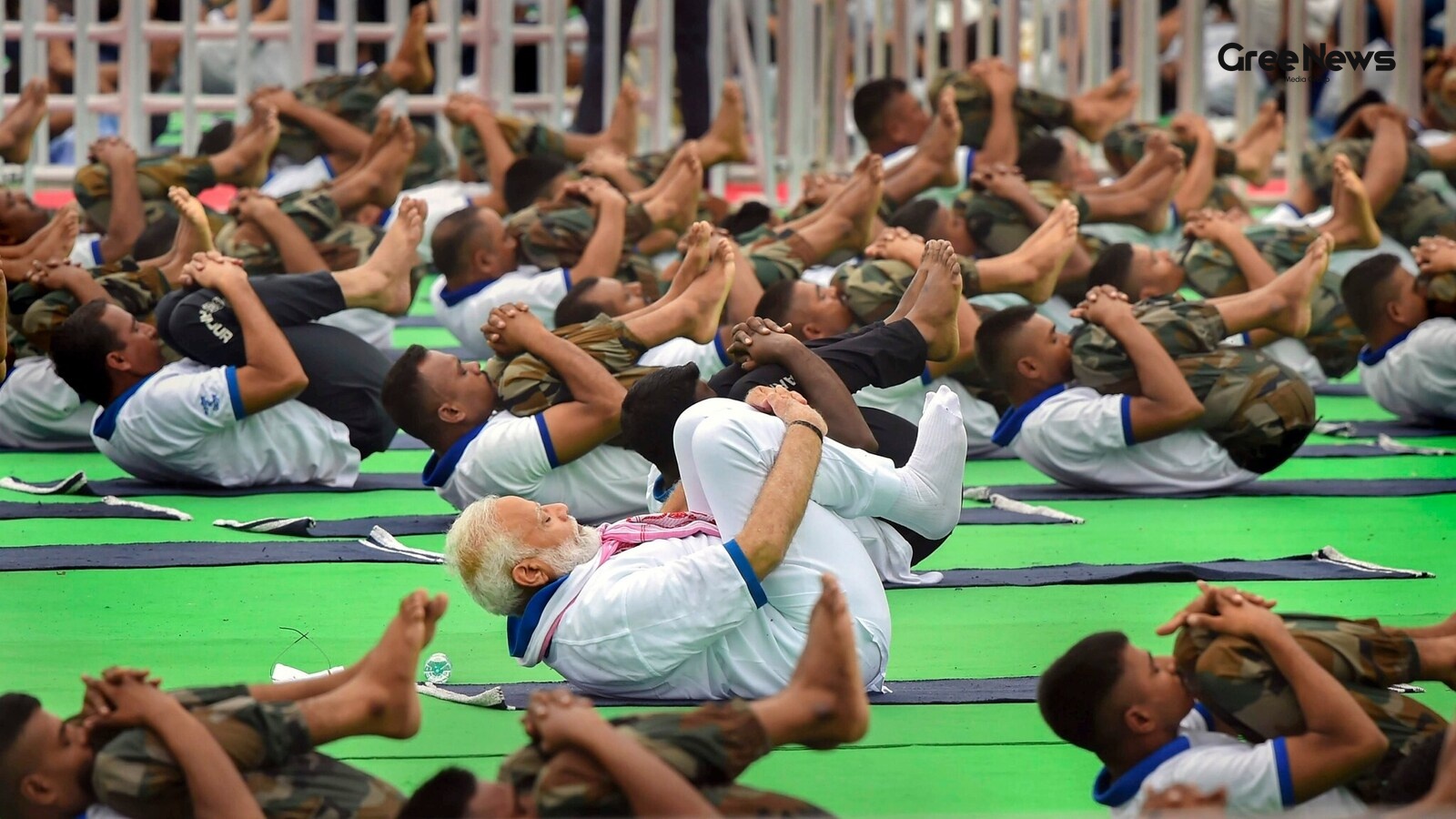
Narendra Modi's Yoga Day in Kolkata: A Shift in Bengal's Identity
Narendra Modi is leading the International Day of Yoga in Kolkata on June 21. It’s happening at Red Road. That spot. It’s heavy with symbolism, you know? Geopolitics and culture all mixed up. The timing is jarring. It lines up perfectly with Paschim Bango Divas the state's foundation day. A real con
Jun 19, 2026 by Gree News Team
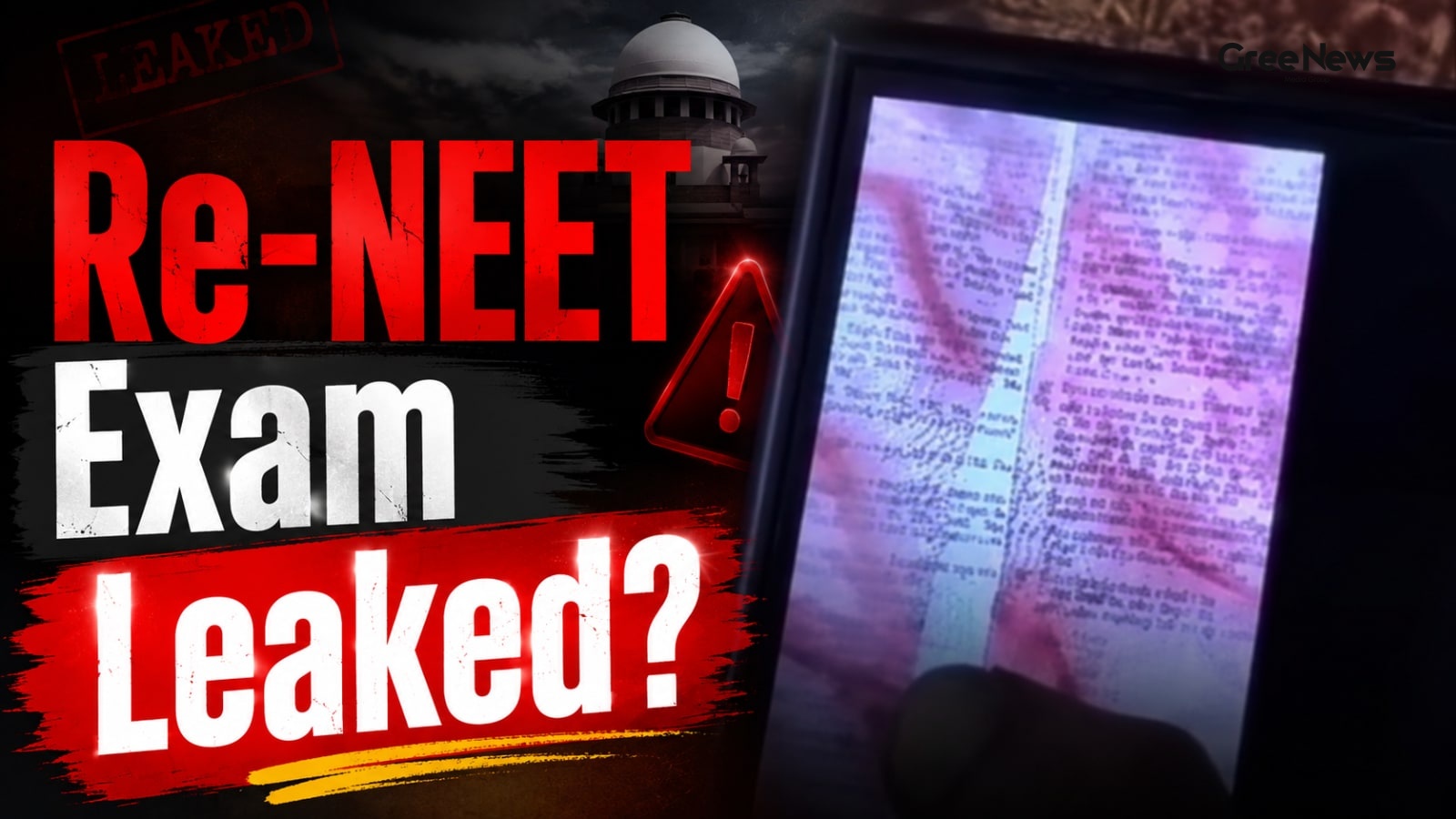
Re-NEET Exam Paper Controversy and Social Media Debate
That video is blowing up online right now about the Re-NEET exam. People are talking about someone allegedly claiming they had the question paper before the test itself. The test is scheduled for June 21st, 2026. It’s all started with this clip circulating across social media. An Instagram page call
Jun 19, 2026 by Gree News Team
Heatwaves in France: Health, Inequality, and Housing Crisis
Two new studies just dropped warning bells about heatwaves in France. They’re serious. The biggest danger isn't just the temperature itself, but how this intense heat is hitting people especially those living in badly built housing and poorer neighborhoods. This comes right as Europe braces for a br
Jun 19, 2026 by Gree News Team
US Gas Prices Dip Amid Developments in US-Iran Negotiations
Gas prices finally dipped below four a gallon in the US. That’s the first time we’ve seen that drop since those early weeks of the war with Iran. It offers some breathing room for consumers after months where fuel costs were just relentless. Motor Club AAA data shows the national average for regular
Jun 19, 2026 by Gree News Team
Drone Assault Ignites Moscow Oil Refinery Amid Conflict
Soot-choked black rain hit Moscow after Ukraine launched what they called their biggest drone assault yet against the capital. It was a direct hit, straight into a vital energy facility. Close to two hundred long-range drones aimed at the city early Thursday morning. They managed to overwhelm local
Jun 19, 2026 by Gree News Team

The Shift to Holistic Sustainability in Architecture and Design
The way we’re building things right now... it feels like a real shift. Not just some small tweak in energy efficiency, but something much deeper about how we look at the world and what we throw out. You see these projects popping up everywhere, kind of scattered across the globe, each one pushing so
Jun 19, 2026 by Gree News Team
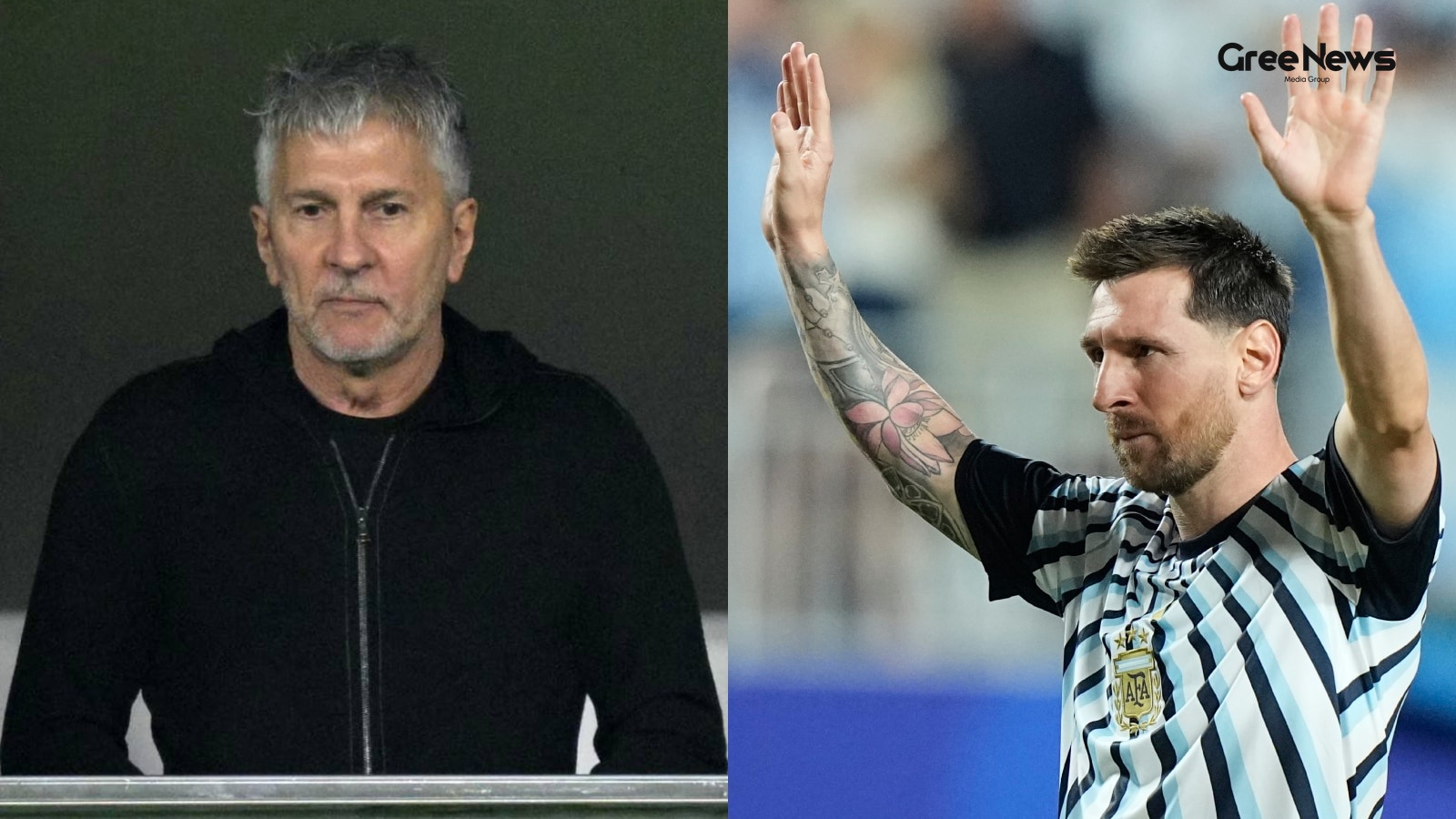
Lionel Messi Family Statement on Jorge Messi's Health and Privacy
The family of Lionel Messi stepped in after some really nasty rumors started flying around about his father, Jorge Messi. They released a statement through Messi’s media office on Thursday. It said that Jorge is actually receiving medical treatment for some undisclosed health issue. They asked every
Jun 19, 2026 by Gree News Team
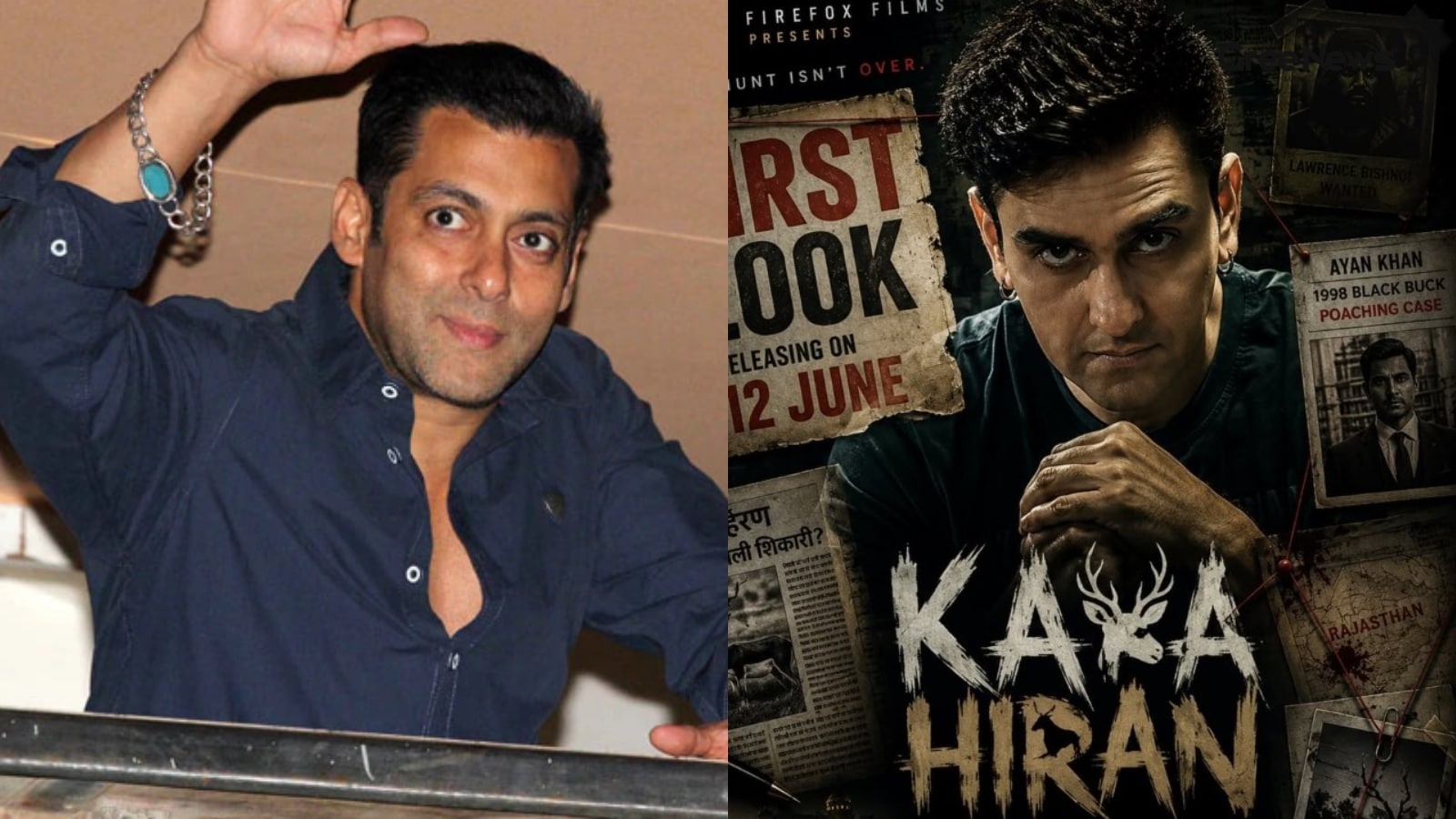
The Controversy Surrounding Kala Hiran and Salman Khan
The noise around *Kala Hiran: The Battle For Legacy* just keeps getting louder. Govind Namdev stepped away from the film because he didn’t want to be caught up in the story against Salman Khan. Director Bharat S Shrinate said something about it, unlike the veteran actor who claimed ignorance about w
Jun 19, 2026 by Gree News Team
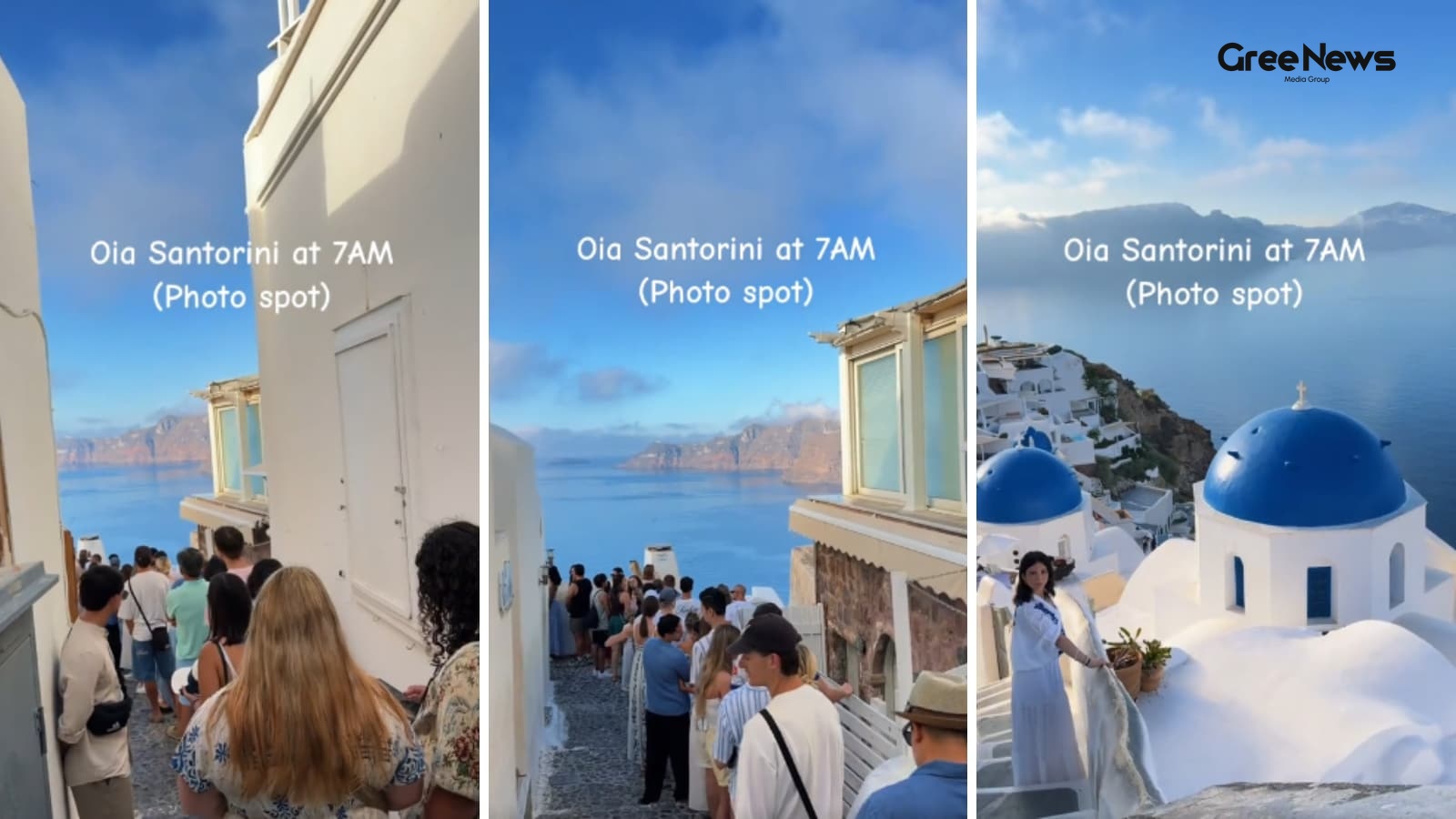
The Performance of Travel: Bottlenecks, Validation, and the Cost of Spectacle
The air around those famous spots in Santorini, you know? It’s always a mess. Not just the physical queues now. It’s this whole thing about how we see things. How travel has morphed into some kind of performance piece for the algorithm. You saw that clip, right? The one floating around X. It’s from
Jun 19, 2026 by Gree News Team
Petrol, Diesel, and CNG Price Movements and Market Analysis
Petrol, diesel, and CNG prices held steady on Monday, June 19, 2026. It felt almost static, didn't it? But beneath that surface calm, things were definitely moving. Oil market folks and the gas distribution companies still tweak those numbers every morning at six, trying to keep pace with what’s hap
Jun 19, 2026 by Gree News Team
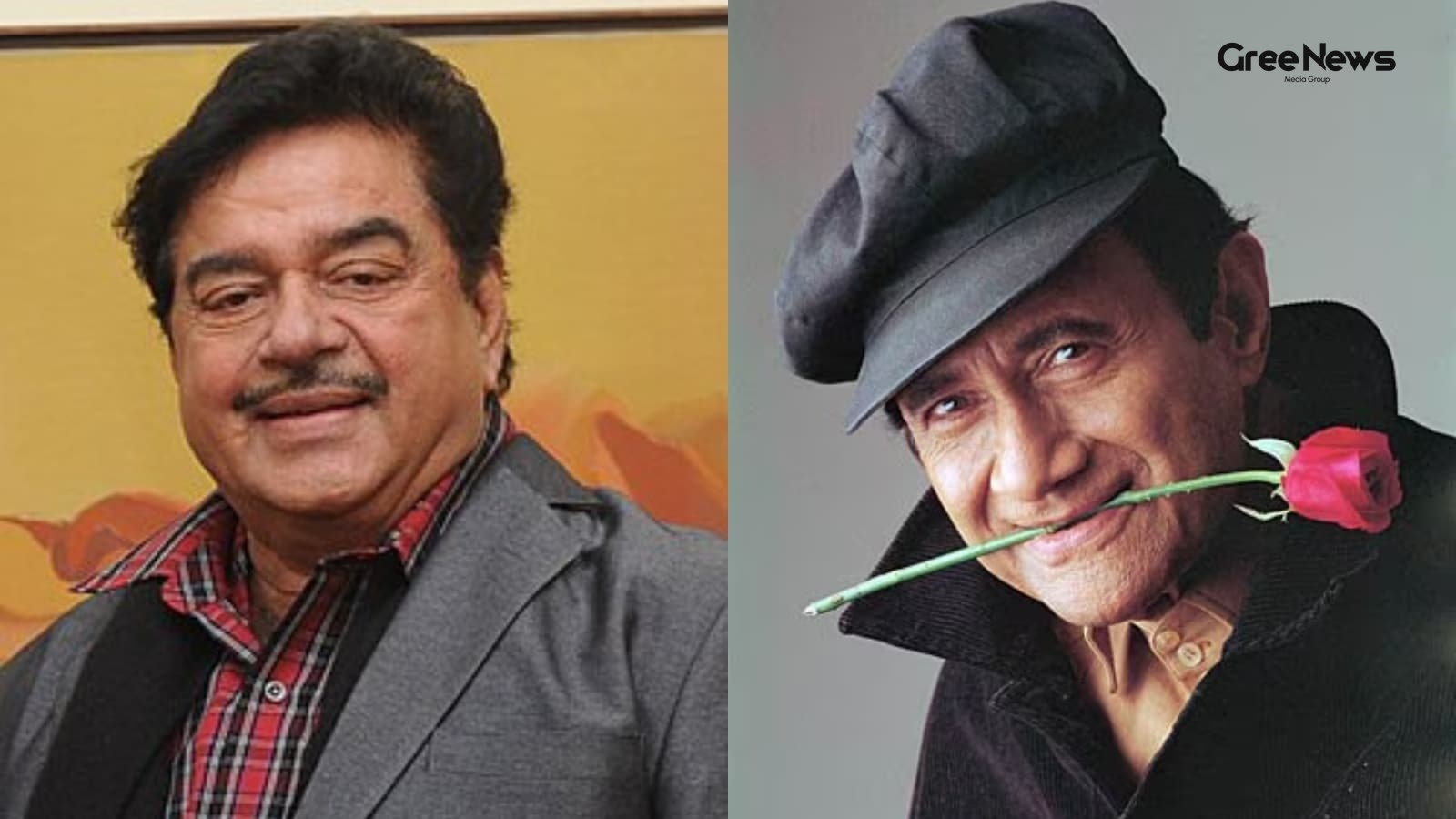
The Echoes of Mentorship and Cinematic Inspiration
The lights are always strange in these things. You watch them blink, waiting for something to shift. That’s what happens when you try to pull memories out of the dust. Especially old ones. So this episode of ‘Indian Idol’. It’s not just about singing or performance really. It’s bringing back stuff.
Jun 19, 2026 by Gree News Team