AI in Tax Filing: The Future of Income Tax with Large Language Models
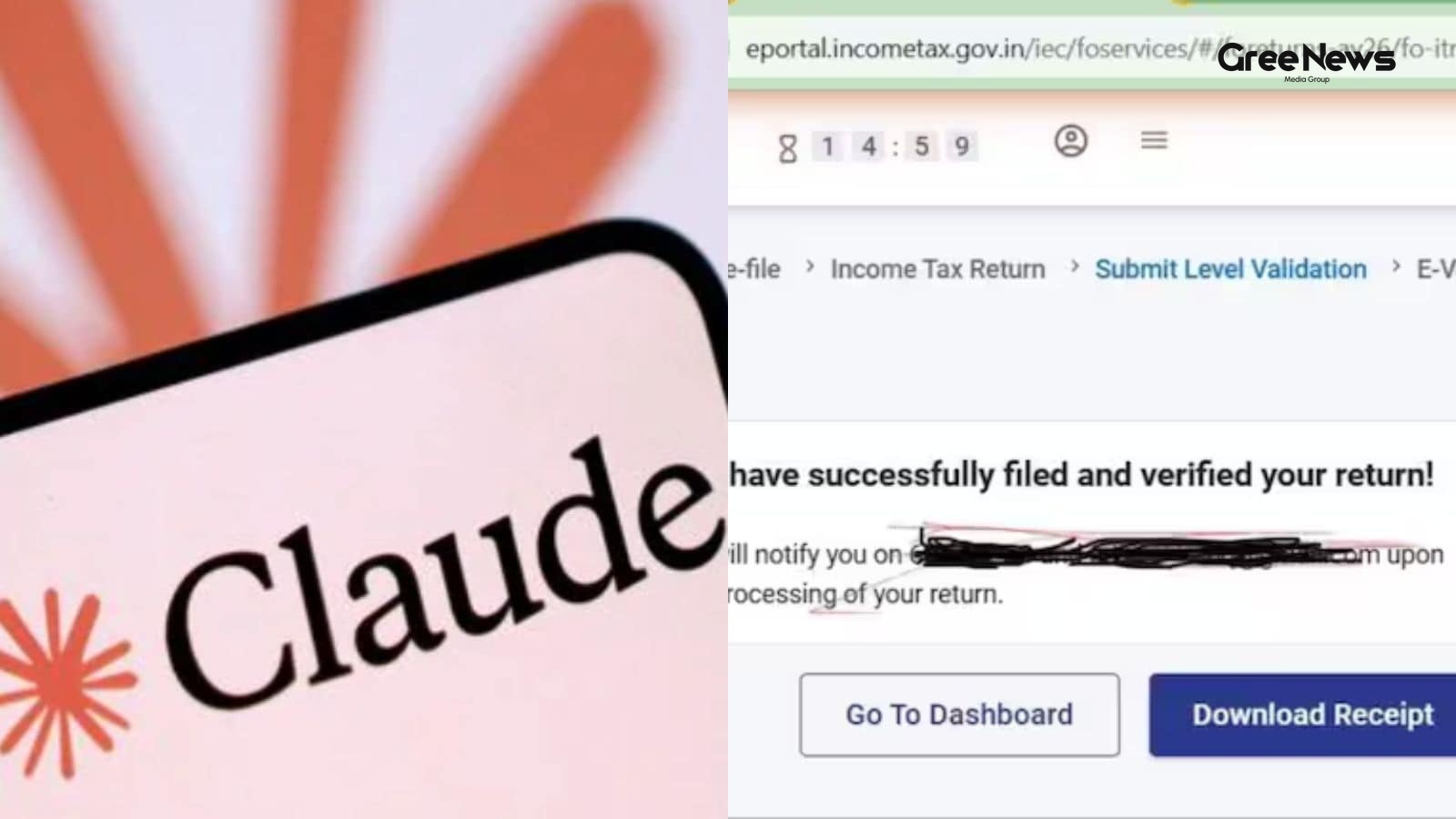
India is gearing up for this big overhaul of its tax framework, Income-tax Rules, 2026 . But something weird is happening online. People are actually using artificial intelligence to file their income tax returns.
It started small just some professionals experimenting. Now it’s exploded across LinkedIn and Reddit. Some folks are calling the AI a virtual chartered accountant. Others? They're absolutely terrified about handing over sensitive financial data to these large language models. The debate is already raging.
One of the biggest stories came from Bengaluru, where an info security specialist named Uddeshya Kumar was involved. He claimed he used Anthropic’s Claude desktop app for almost the entire tax filing process.
Kumar described it as running like having a CA sitting right next to him. Largely seamless, he said.
He managed everything: analyzing his Form 16, cross-checking income against the Annual Information Statement (AIS). Finding discrepancies. Handling that mess when his employer changed mid-year. Sorting out portal issues and those frustrating session timeouts. Then, finally filing it all.
“The whole thing ran like a CA sitting next to me,” Kumar put it.
He felt AI could actually navigate government portals, read the documents, spot errors, and file on your behalf. It sounds futuristic, maybe too much for some people.
He even shared the exact prompt he used to guide Claude through this whole ordeal. It laid out everything: document requirements, verification steps, how to handle pop-ups and login interruptions.
The prompt looked like this:
Role: Expert CA via Chrome MCP
Task: ITR-1 Filing
Parameters: [AY] | [Regime] | [City] | [Employment Type]
Prerequisites included Form 16 for every employer, final settlement slips for job switches, bank details. And things like deciding on the city and whether a secondary address existed. A whole workflow laid out step by step from dashboard to resume filing, making sure you never hit “File Now” until everything was checked. It forced him to confirm Personal Info, GTI, Deductions, Tax Paid, Liability in strict order. Then verification, previewing, checking declarations... Aadhaar OTP e-verify.
But there were the session rules too. You had to navigate only through the UI, no direct URL clicks to avoid logging out automatically. And those annoying dual login popups you clicked ‘Login Here,’ you ignored the logout prompts. Timeout? Just re-login and resume. It was a protocol built around avoiding friction.
Still, the reaction wasn't unanimous. When one LinkedIn user questioned if filing through Claude was actually safe, Kumar defended it strongly.
“Fair question,” he pushed back. “But think about what most people do: they share PANs, Form 16s on WhatsApp with a CA. They upload salary slips to ClearTax or Quicko. They give login access to some portal they’ve never audited.” He paused there. “I did none of that. Claude ran inside my own browser. I was in control the entire time. I reviewed the summary before anything went through.”
He admitted it wasn't fully autonomous either. “This workflow was running with Human In Loop ,” he clarified. But even with that, concerns about privacy and security just kept dominating the conversation. Where does all that personal data actually end up? Could it be used for training models? People argue hard AI should just be a tool, not a replacement for actual professional expertise.
Then there was Akhil Sood, a senior executive at Amazon in Washington, US. For him, the appeal wasn't automation; it was understanding. He used an AI assistant to file his Indian ITR as a non-resident Indian, and he found it surprisingly educational.
Tax filing always felt unnecessarily complicated for him back then. It involved endless searching for CAs, coordinating paperwork, waiting around for replies just trying to grasp the terminology.
What really stuck with Sood was that the AI didn't just spit out answers. It explained why certain fields existed. What information they needed to verify. How different income categories worked. What checks were necessary before you submitted anything.
This reduced his reliance on middlemen. More importantly, it improved his grasp of compliance. He noted the AI could actually flag issues on the tax portal and suggest ways to raise grievances things that usually just stall a filing process.
The timing of all this feels significant. India’s entire tax ecosystem is shifting right now. The Income-tax Rules, 2026 are coming. They aim to simplify things new form numbering, new disclosures, streamlined compliance workflows. This digital experiment? It lands right in the middle of that structural change.
Written by Gree News Team — Senior Editorial Board
Gree News Team covers international news and global affairs at Gree News. Our collective of senior editors is dedicated to providing independent, accurate, and responsible journalism for a global audience.
More from Top News
View All
Workplace Blackmail and Retaliation: A Discussion
An employee posted something online that started a real discussion about their workplace. It was a troubling claim. They said managers repeatedly warned them over the years that if they quit, a specific coworker would lose their job too. The employee felt like leaving because of what they described
Jun 19, 2026 by Gree News Team
Re-NEET Exam Paper Controversy and Social Media Debate
That video is blowing up online right now about the Re-NEET exam. People are talking about someone allegedly claiming they had the question paper before the test itself. The test is scheduled for June 21st, 2026. It’s all started with this clip circulating across social media. An Instagram page call
Jun 19, 2026 by Gree News Team

The Shift to Holistic Sustainability in Architecture and Design
The way we’re building things right now... it feels like a real shift. Not just some small tweak in energy efficiency, but something much deeper about how we look at the world and what we throw out. You see these projects popping up everywhere, kind of scattered across the globe, each one pushing so
Jun 19, 2026 by Gree News Team
The Performance of Travel: Bottlenecks, Validation, and the Cost of Spectacle
The air around those famous spots in Santorini, you know? It’s always a mess. Not just the physical queues now. It’s this whole thing about how we see things. How travel has morphed into some kind of performance piece for the algorithm. You saw that clip, right? The one floating around X. It’s from
Jun 19, 2026 by Gree News Team
Latest Headlines
Karnataka Legislative Council Election Results and Cross-Voting Allegations
Thursday brought some messy results from the Karnataka Legislative Council election. Congress managed to snag five seats, and the BJP got two. But that wasn't even the main story. What really started stirring up talk was the whole cross-voting allegation the way votes seemed to shift across party li
Jun 19, 2026 by Gree News Team
The Impact of Artificial Intelligence on Job Security and Global Economies
Tech workers are facing a serious problem. If you don’t use artificial intelligence at least once a month, you face three times the risk of getting laid off compared to your colleagues who do. That's what Gallup found in their research from a February survey of over 23,000 US workers. Sixty-six of t
Jun 19, 2026 by Gree News Team
Workplace Blackmail and Retaliation: A Discussion
An employee posted something online that started a real discussion about their workplace. It was a troubling claim. They said managers repeatedly warned them over the years that if they quit, a specific coworker would lose their job too. The employee felt like leaving because of what they described
Jun 19, 2026 by Gree News Team
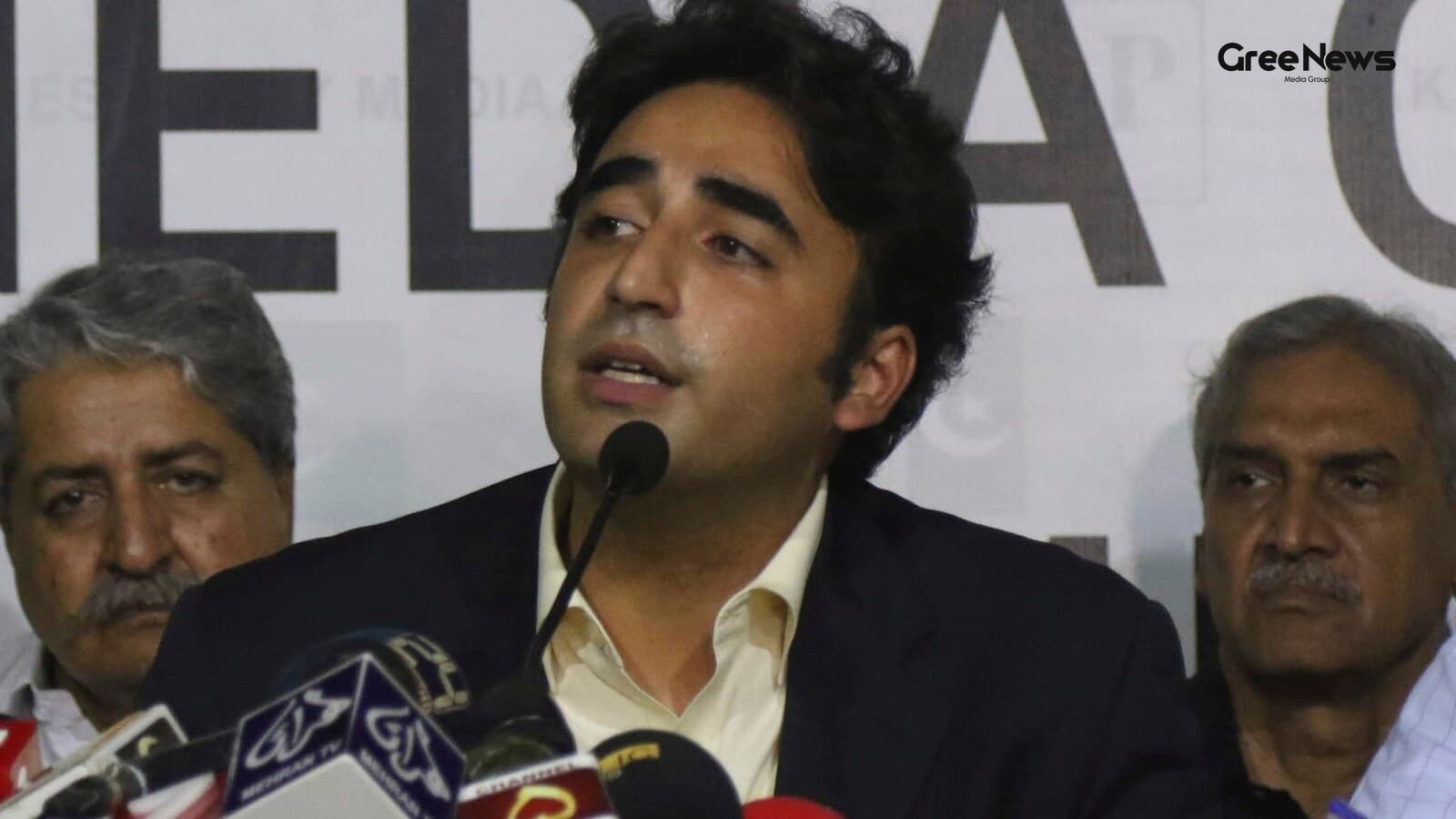
The Water Dispute: Geopolitics, Internal Failures, and Escalation between India and Pakistan
Bilawal Bhutto-Zardari, that’s who was making the noise lately about water between India and Pakistan. He really escalated things, didn't he? It wasn't just some polite disagreement anymore; it became this heavy warning from the heart of Pakistan itself. He spoke in Parliament, you know? Right there
Jun 19, 2026 by Gree News Team

Impact of US-Iran Peace Deal on India's Energy and Trade
The US-Iran peace deal... it looks like it could actually be a net positive for India. Think about it: renewed access to Iranian oil, easing those gnawing worries about shipping through the Strait of Hormuz. And New Delhi’s big connectivity ambitions focused on Chabahar port all suddenly sitting on
Jun 19, 2026 by Gree News Team
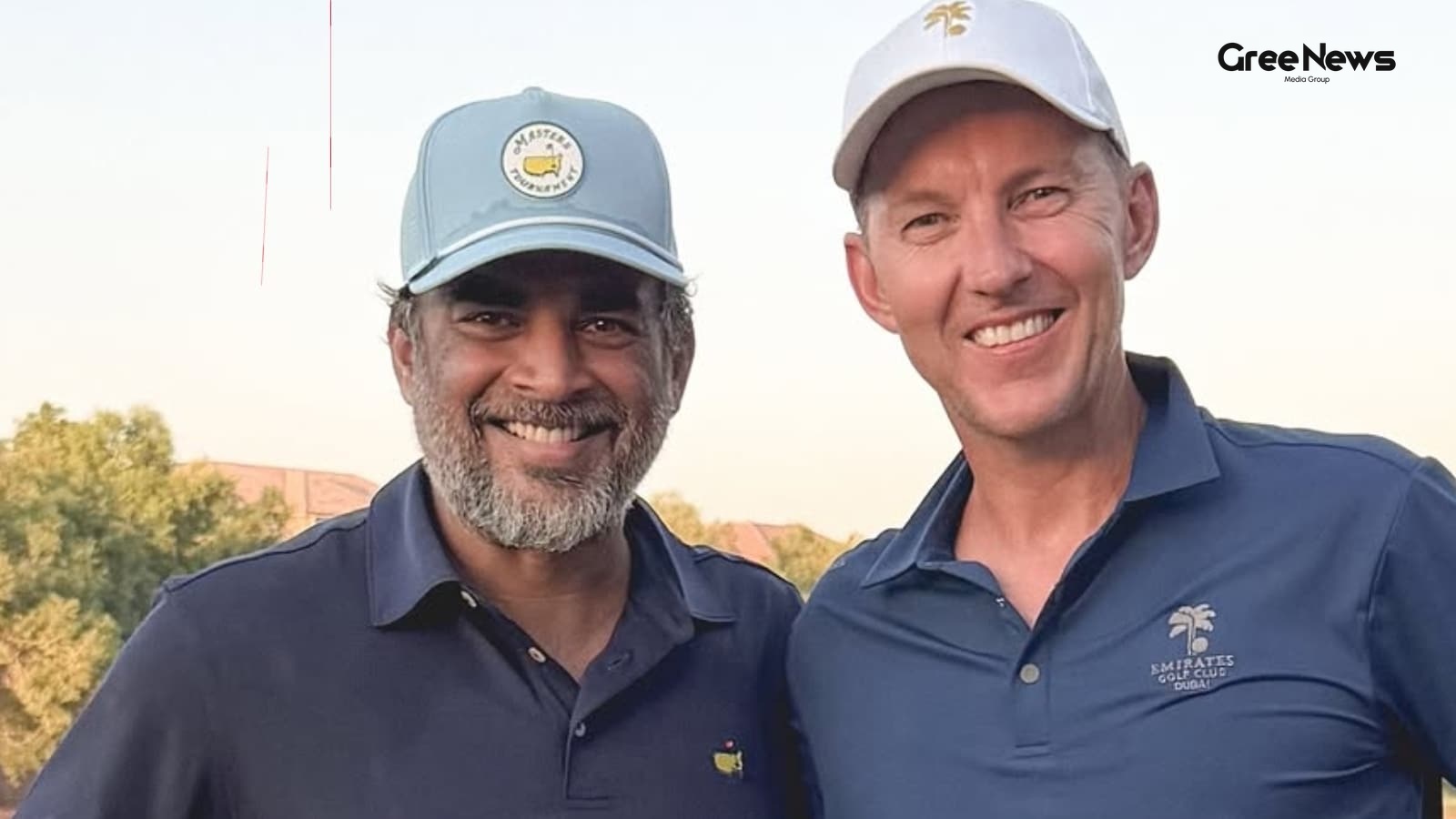
Brett Lee and R Madhavan: A Bond Forged on the Golf Course
Brett Lee and R Madhavan recently caught up. A round of golf in Dubai, that’s where they met. It turned out to be a pretty easy camaraderie between them, and it’s been getting talked about by fans. The cricketer shared some pictures from their outing on Instagram. He wrote something kind of reflecti
Jun 19, 2026 by Gree News Team
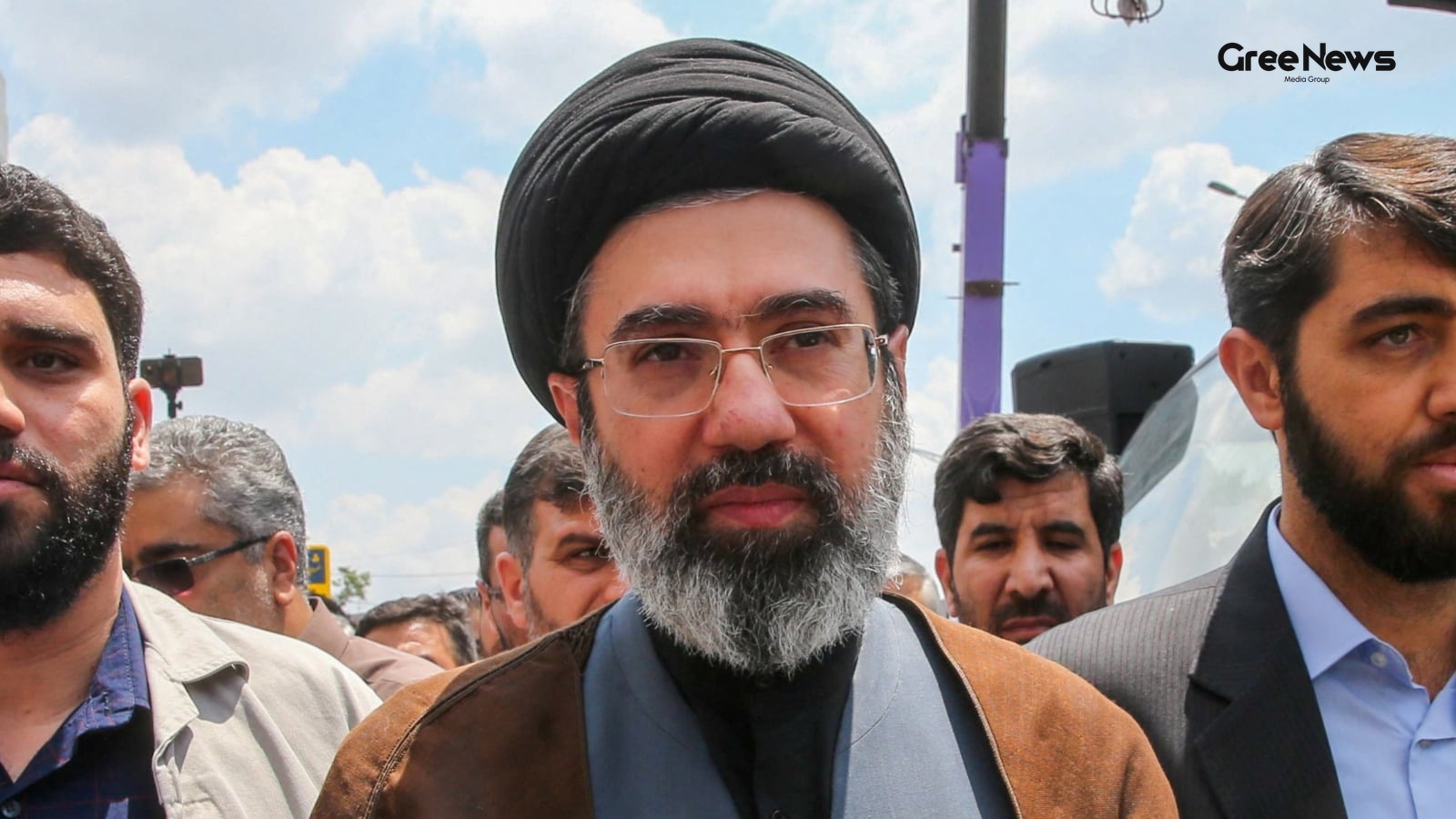
Iran-US Agreement: Internal Dynamics and Negotiation Process
Iran’s Supreme Leader Mojtaba Khamenei, he admitted, wasn't exactly thrilled when that memorandum of understanding finally landed on the table between Tehran and Washington. There were clear reservations. It felt like a forced concession at first glance. But then things shifted. He ultimately gave h
Jun 19, 2026 by Gree News Team
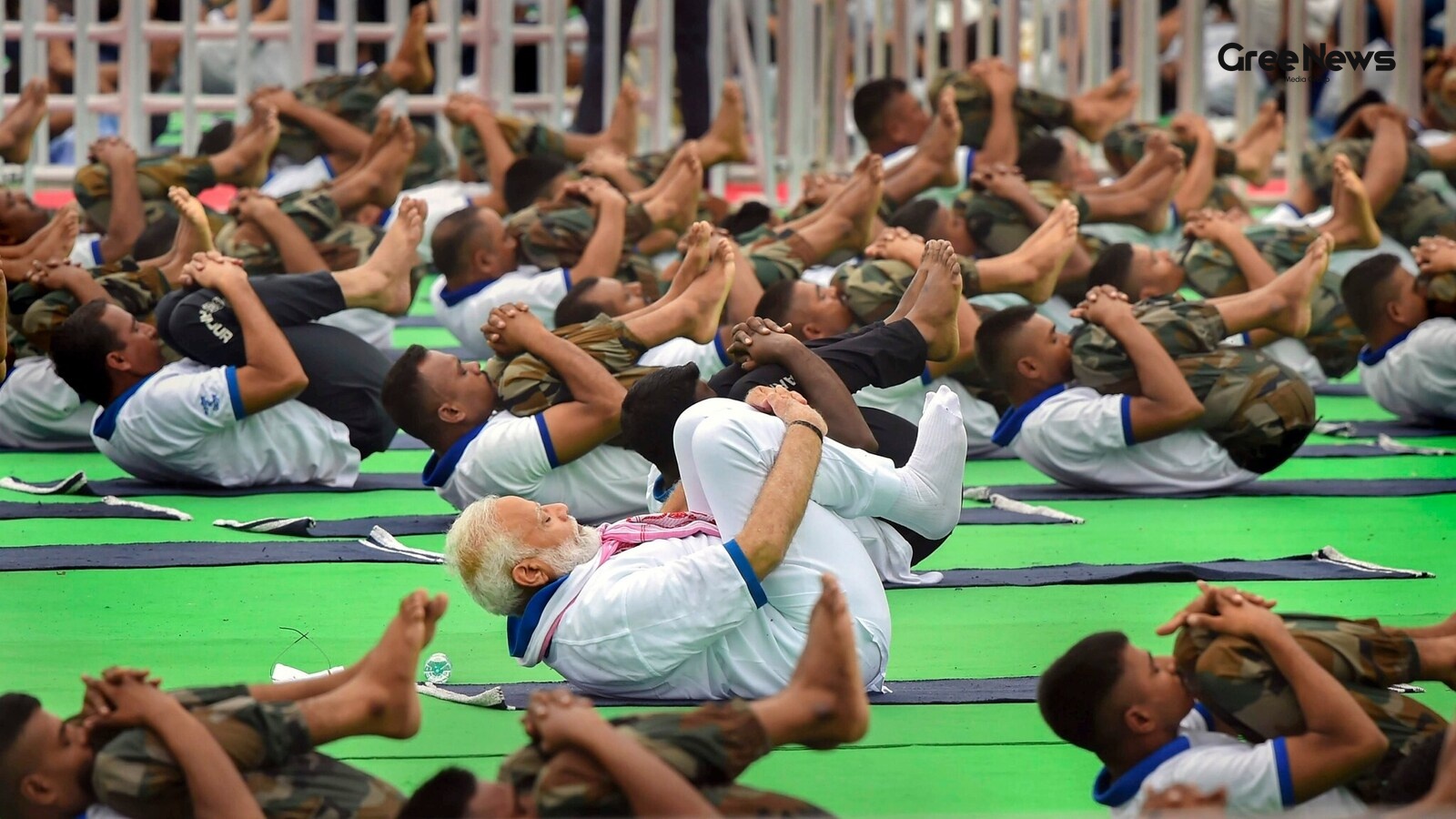
Narendra Modi's Yoga Day in Kolkata: A Shift in Bengal's Identity
Narendra Modi is leading the International Day of Yoga in Kolkata on June 21. It’s happening at Red Road. That spot. It’s heavy with symbolism, you know? Geopolitics and culture all mixed up. The timing is jarring. It lines up perfectly with Paschim Bango Divas the state's foundation day. A real con
Jun 19, 2026 by Gree News Team
Re-NEET Exam Paper Controversy and Social Media Debate
That video is blowing up online right now about the Re-NEET exam. People are talking about someone allegedly claiming they had the question paper before the test itself. The test is scheduled for June 21st, 2026. It’s all started with this clip circulating across social media. An Instagram page call
Jun 19, 2026 by Gree News Team
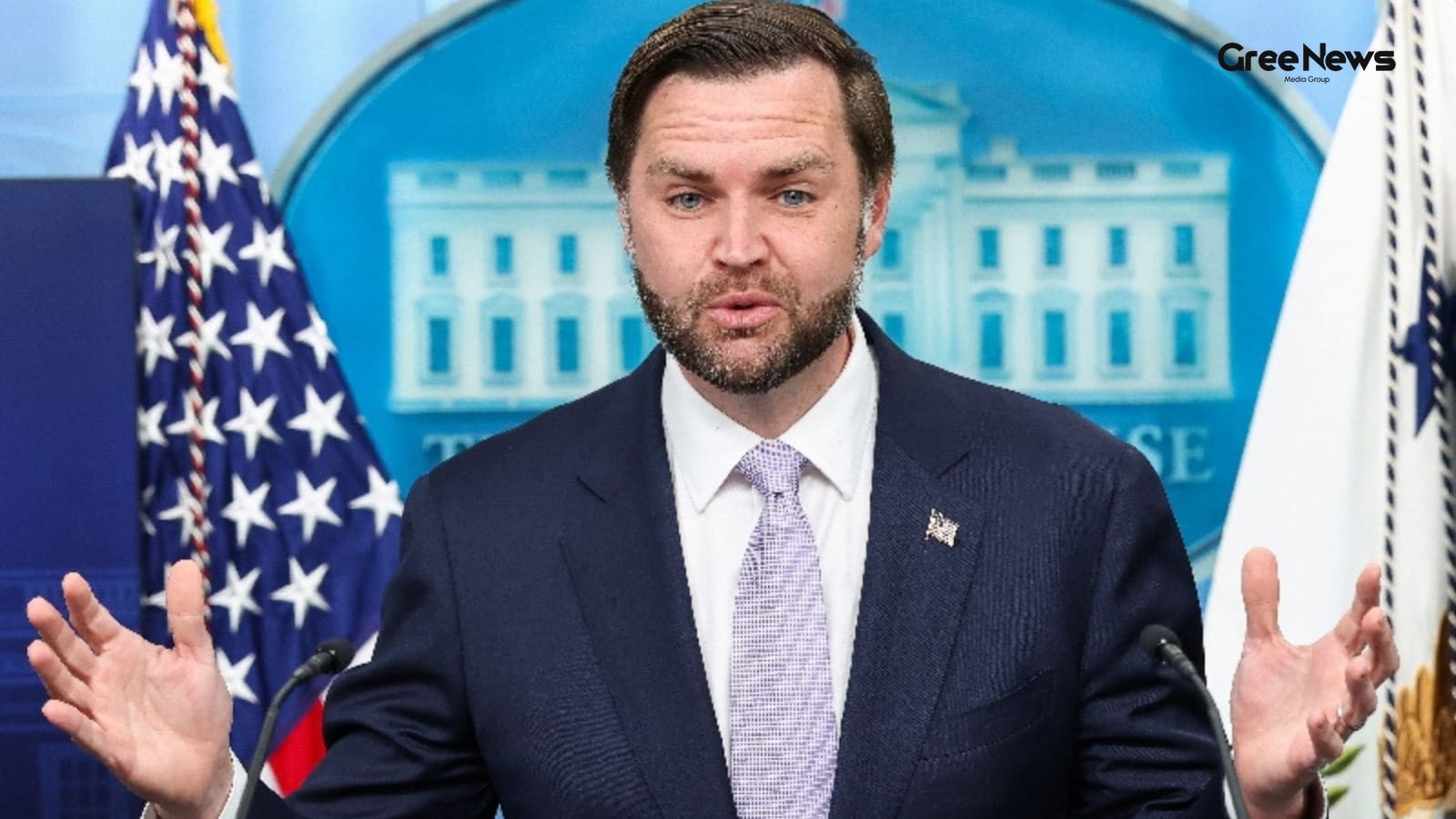
US-Israel Relations: Friction, Diplomacy, and Personal Tensions
Vance went straight for it. The Vice President sharply criticized members of Israel’s government. He basically accused them of not appreciating American backing. And warned that Israel is getting increasingly isolated out there. This wasn't some polite diplomatic note. It was blunt. It highlighted t
Jun 19, 2026 by Gree News Team

Heatwaves in France: Health, Inequality, and Housing Crisis
Two new studies just dropped warning bells about heatwaves in France. They’re serious. The biggest danger isn't just the temperature itself, but how this intense heat is hitting people especially those living in badly built housing and poorer neighborhoods. This comes right as Europe braces for a br
Jun 19, 2026 by Gree News Team
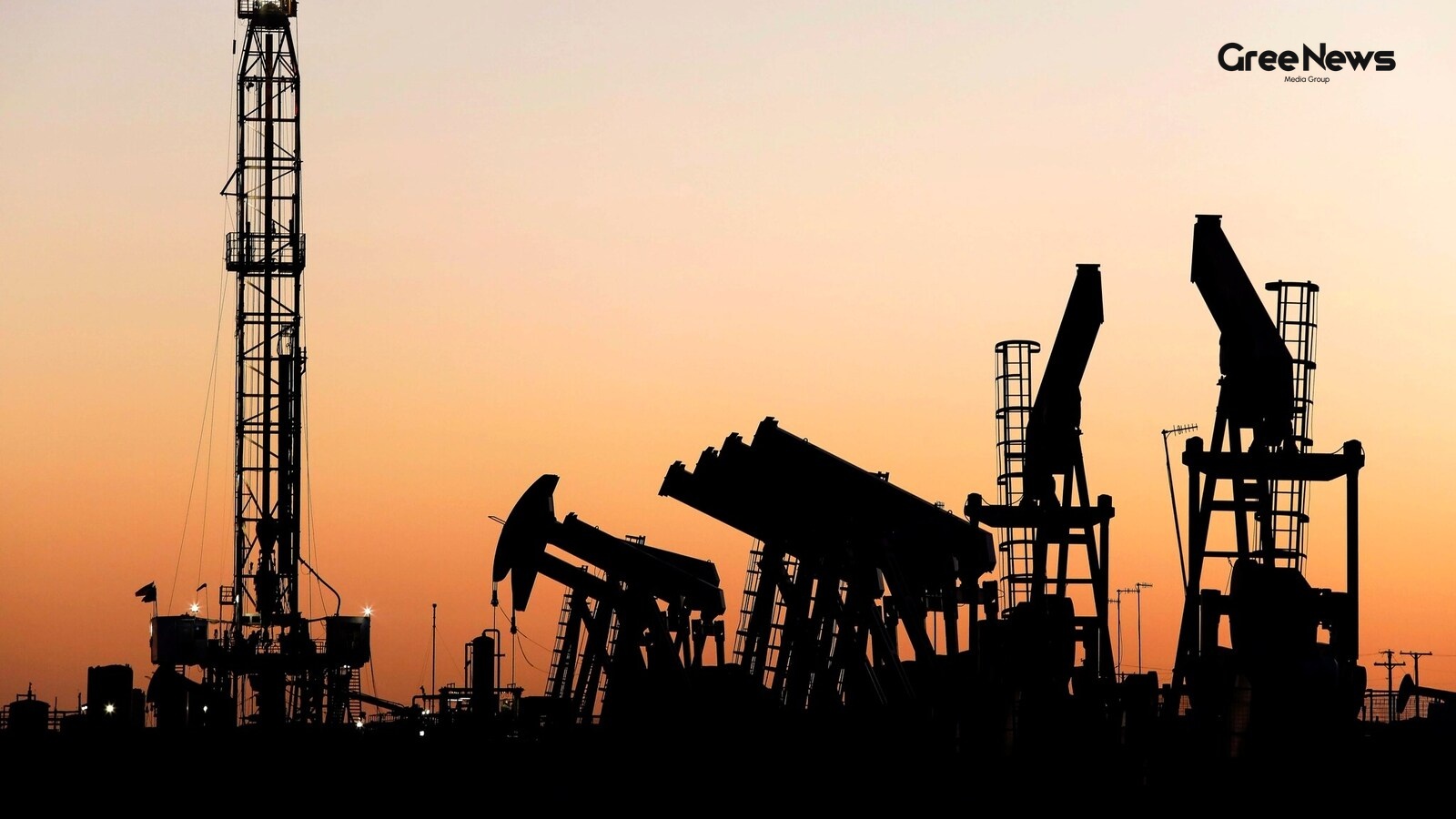
US Gas Prices Dip Amid Developments in US-Iran Negotiations
Gas prices finally dipped below four a gallon in the US. That’s the first time we’ve seen that drop since those early weeks of the war with Iran. It offers some breathing room for consumers after months where fuel costs were just relentless. Motor Club AAA data shows the national average for regular
Jun 19, 2026 by Gree News Team
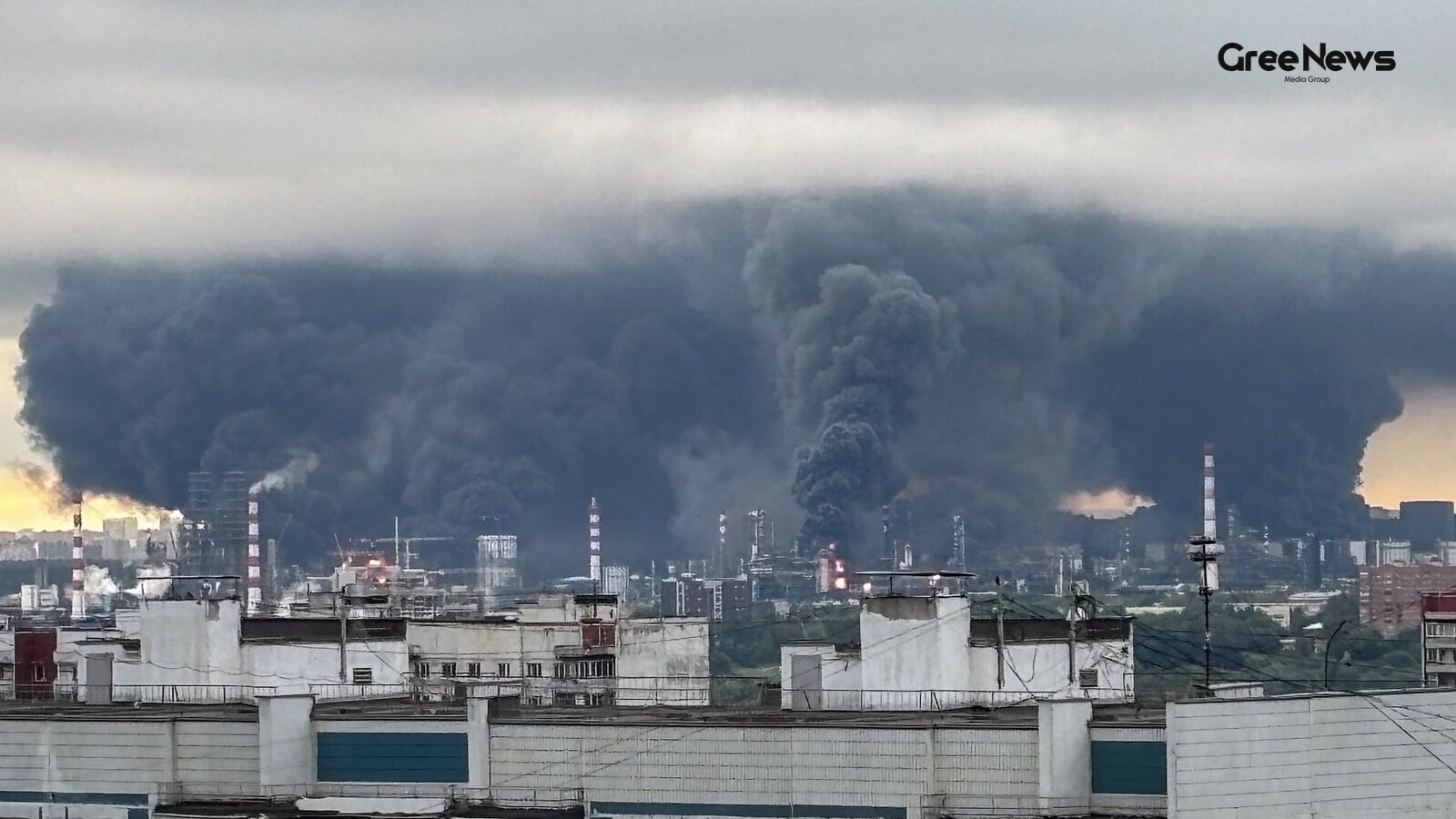
Drone Assault Ignites Moscow Oil Refinery Amid Conflict
Soot-choked black rain hit Moscow after Ukraine launched what they called their biggest drone assault yet against the capital. It was a direct hit, straight into a vital energy facility. Close to two hundred long-range drones aimed at the city early Thursday morning. They managed to overwhelm local
Jun 19, 2026 by Gree News Team
The Shift to Holistic Sustainability in Architecture and Design
The way we’re building things right now... it feels like a real shift. Not just some small tweak in energy efficiency, but something much deeper about how we look at the world and what we throw out. You see these projects popping up everywhere, kind of scattered across the globe, each one pushing so
Jun 19, 2026 by Gree News Team

Lionel Messi Family Statement on Jorge Messi's Health and Privacy
The family of Lionel Messi stepped in after some really nasty rumors started flying around about his father, Jorge Messi. They released a statement through Messi’s media office on Thursday. It said that Jorge is actually receiving medical treatment for some undisclosed health issue. They asked every
Jun 19, 2026 by Gree News Team