The Water Dispute: Geopolitics, Internal Failures, and Escalation between India and Pakistan
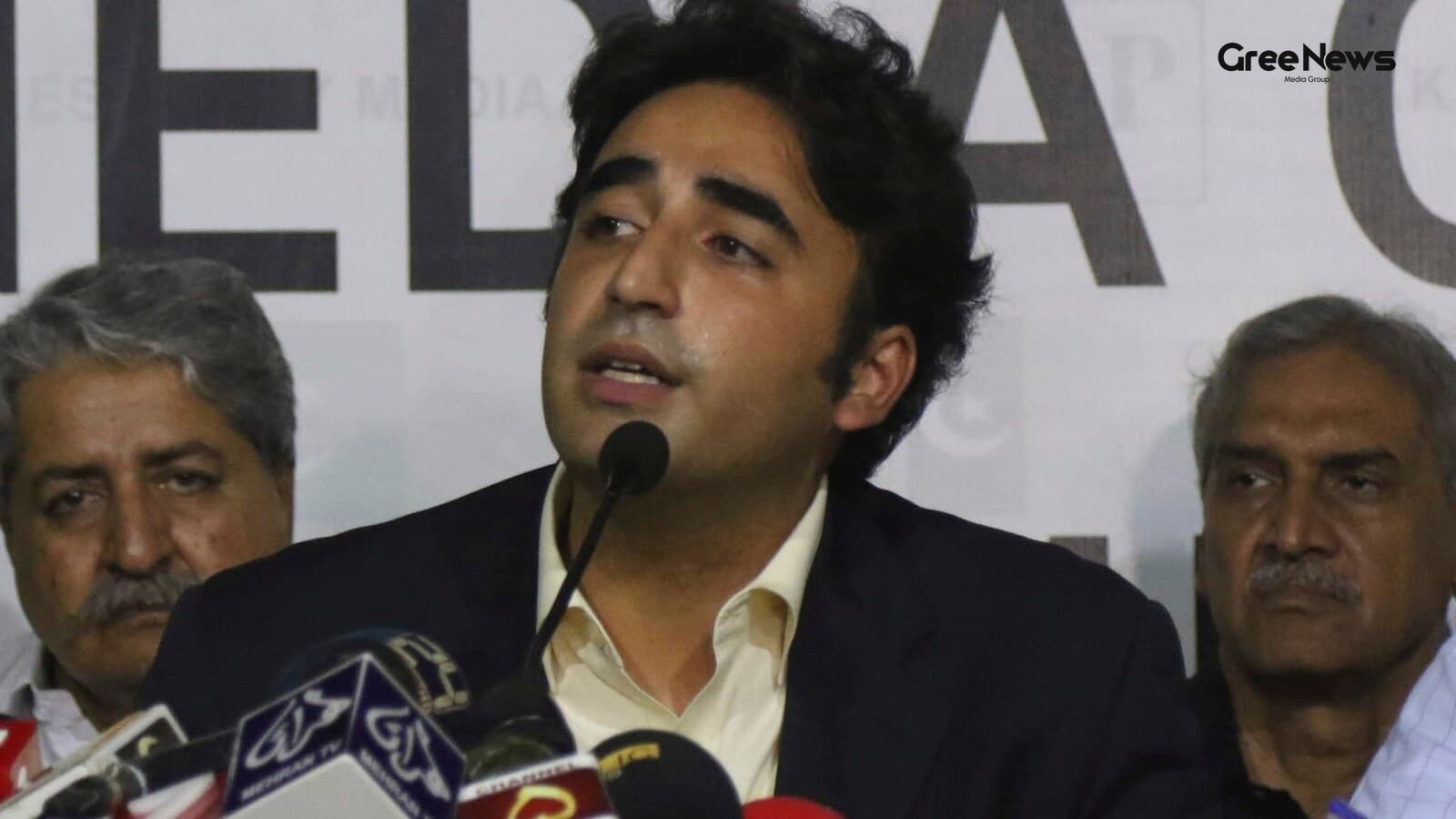
Bilawal Bhutto-Zardari, that’s who was making the noise lately about water between India and Pakistan. He really escalated things, didn't he? It wasn't just some polite disaGreement anymore; it became this heavy warning from the heart of Pakistan itself.
He spoke in Parliament, you know? Right there in the thick of it, throwing these accusations around. “Dewatering.” That’s what he called it. Not a negotiation. A deliberate act of draining something vital. He basically said Islamabad was ready to fight back if New Delhi tried to choke Pakistan’s water supplies. It wasn't just talking about rivers anymore; it felt like an actual threat hanging in the air.
“Pakistan will fight for its water share and rights,” he insisted. That line carried a certain weight. It suggested an unyielding stance. Like, this isn't some negotiable point on the table. This is fundamental survival. If they try to restrict the flow stop it well, he made it clear that there would be a response. A fight. Not just words, but something harder.
This whole thing flares up against this backdrop of massive tension already simmering between New Delhi and Islamabad. You can’t ignore that history. It all stems from that whole messy fallout after the Pahalgam terror attack. And then the suspension of the Indus Waters Treaty framework. That was a huge fracture point, wasn't it? A diplomatic mess that just widened the gap.
The comments Bilawal made weren't aimed at some abstract concept. They were pointed directly at Prime Minister Modi and the Indian government. It’s this kind of sharp maneuvering. Asserting that Pakistan has the teeth to retaliate if its water interests get threatened. It felt very immediate, very personal in its aggression.
And it wasn't just Bilawal talking into the void. The echoes of this rhetoric are loud because there’s something deeper going on inside Pakistan, too. You have to look at what else is happening domestically. This isn’t just about upstream flows from India versus downstream needs in Pakistan. It’s layered with everything else.
Some folks watching this the intelligence side things they saw it differently. Top Indian sources, they painted a picture that seemed far less dramatic than the public spectacle suggested. They described these remarks as a diversionary tactic. A way to shift the focus. Away from what was actually burning inside Pakistan. Away from the domestic chaos.
It’s this pattern you see playing out constantly. The political establishment seems determined to use the water issue, this enormous, existential topic, to deflect attention. They want everyone looking elsewhere. Looking away from internal governance failures. From the mounting economic strain. From the sheer mess of resource management that’s unfolding right there on Pakistani soil.
The argument being pushed is that Pakistan is framing India's actions as outright "water theft." A convenient narrative. It lets them avoid facing scrutiny over how things are managed internally, the systemic breakdowns happening within their own borders. And those internal problems the economic woes, the resource mismanagement they get sidelined. They’re trying to deflect criticism onto the external neighbor.
There's this persistent undercurrent of hostility that seems to define Pakistan’s approach, regardless of what is being said publicly about water rights. It feels like a posture established long before these specific rhetoric bursts. A deep-seated view that borders are more important than internal stability or shared resource concerns.
A source put it out there, something kind of blunt: instead of focusing on dismantling the terror infrastructure Lashkar-e-Taiba, The Resistance Front, all those groups operating from Pakistani soil the leadership keeps adopting this hostile posture toward India. It’s a statement about priorities. A clear hierarchy drawn by state actors.
It suggests that the fight against terrorism is secondary. Or perhaps it's simply a tool used to manage perception. If you look closely at the political maneuvering, the move seems less about security and more about optics. About managing the narrative for an internal audience while dealing with profound instability.
This dynamic feeds into the broader picture of how anti-India narratives are being deployed now. They start linking resource concerns water scarcity, water disputes to the larger geopolitical conflict. It’s a way to generate support. To create a sense of shared grievance that can be mobilized in the public sphere. Amidst worsening domestic conditions, when people feel neglected or anxious about their future, external enemies become easier targets.
The reality on the ground is starkly different from this high-level political dance. We have to look at the actual situation facing ordinary people. The water crisis isn't just some abstract treaty dispute between two governments sitting in capitals. It’s hitting real communities hard. Especially in Sindh and Balochistan. These are regions where the strain of scarcity is felt most acutely, where agriculture is struggling, where local life itself grinds to a halt because there simply isn't enough water flowing where it needs to go.
But when you look at the data coming back from within Pakistan from their own irrigation departments the story gets messy fast. Indian intelligence sources pointed to figures coming directly from those internal systems. They suggested that many of these severe shortages aren't solely due to upstream actions by India. No, they argued there are massive distribution problems happening right inside Pakistan. Internal mismanagement. Allegations of theft within the system itself muddying the whole picture.
Punjab province is a prime example of this internal fracture. It’s drawing far more water than it was officially allocated. The downstream regions? They're left exposed. Facing acute shortages. This isn't just an abstract political statement; it’s about actual, tangible suffering for farmers and local communities who depend on that flow to survive the season.
So, what we are witnessing is this increasingly complex entanglement. Bilawal shouting threats about water security while simultaneously struggling with internal distribution crises. The bilateral relations are already frayed thin, strained by decades of history and current conflicts. And now, water has jumped in. It’s become this new flashpoint. A fresh arena for contention between two nuclear-armed neighbors who are supposed to be managing a delicate balance.
Pakistan accuses India of trying to pressure them through these water measures. They see it as coercion. But the Indian side maintains that their actions are rooted, fundamentally, in national security concerns. They link everything back to Pakistan’s perceived failure the continued inability or unwillingness to act decisively against terror groups operating from Pakistani territory.
And so, Bilawal’s latest statements? They are just another piece thrown into this already volatile mix. They intensify the war of words. New Delhi and Islamabad keep sparring over terrorism, regional security, and who controls the water. It's a cycle that seems impossible to break. A continuous escalation where every diplomatic move is immediately framed through the lens of deep-seated mistrust.
You see how the language shifts? From specific geopolitical demands to broad, almost emotional appeals about national rights and historical grievances. The hyper-nationalist tone around water issues isn’t just political strategy; it seems to be a way to tap into that simmering public sentiment. It links resource survival directly to national identity.
It becomes this messy feedback loop: internal failures create domestic pressure. That pressure is then used externally, often by the ruling narrative, to mobilize opposition or deflect blame. The water issue, whether seen as theft, mismanagement, or a threat to sovereignty, becomes a powerful vessel for these competing narratives. It’s not just about cubic meters of water anymore; it’s about who gets to define reality and whose suffering is acknowledged in the political discourse.
The fragmentation is constant. There’s no single clean line here. Just layers upon layers of self-interest, historical baggage, internal capacity issues, and external pressure all colliding at once. And that collision just keeps getting louder. It leaves you with this feeling this sense of relentless uncertainty about what comes next on the water front, or any other front, between these two nations. It’s a constant state of high alert, driven by these very real, messy realities unfolding daily across the border.
Written by Gree News Team — Senior Editorial Board
Gree News Team covers international news and global affairs at Gree News. Our collective of senior editors is dedicated to providing independent, accurate, and responsible journalism for a global audience.
More from World
View All
The Impact of Artificial Intelligence on Job Security and Global Economies
Tech workers are facing a serious problem. If you don’t use artificial intelligence at least once a month, you face three times the risk of getting laid off compared to your colleagues who do. That's what Gallup found in their research from a February survey of over 23,000 US workers. Sixty-six of t
Jun 19, 2026 by Gree News Team
Iran-US Agreement: Internal Dynamics and Negotiation Process
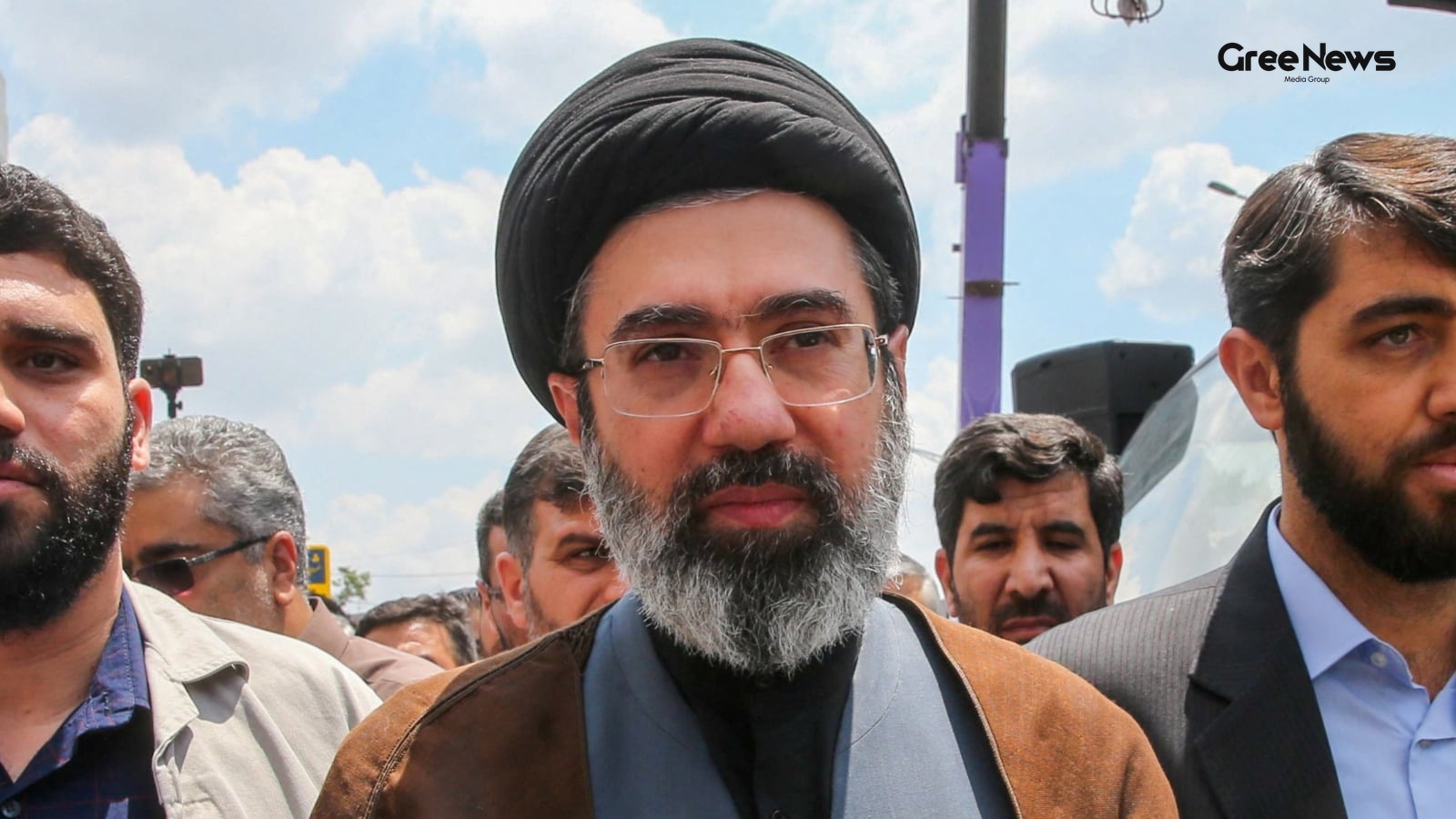
Iran’s Supreme Leader Mojtaba Khamenei, he admitted, wasn't exactly thrilled when that memorandum of understanding finally landed on the table between Tehran and Washington. There were clear reservations. It felt like a forced concession at first glance. But then things shifted. He ultimately gave h
Jun 19, 2026 by Gree News Team
US-Israel Relations: Friction, Diplomacy, and Personal Tensions
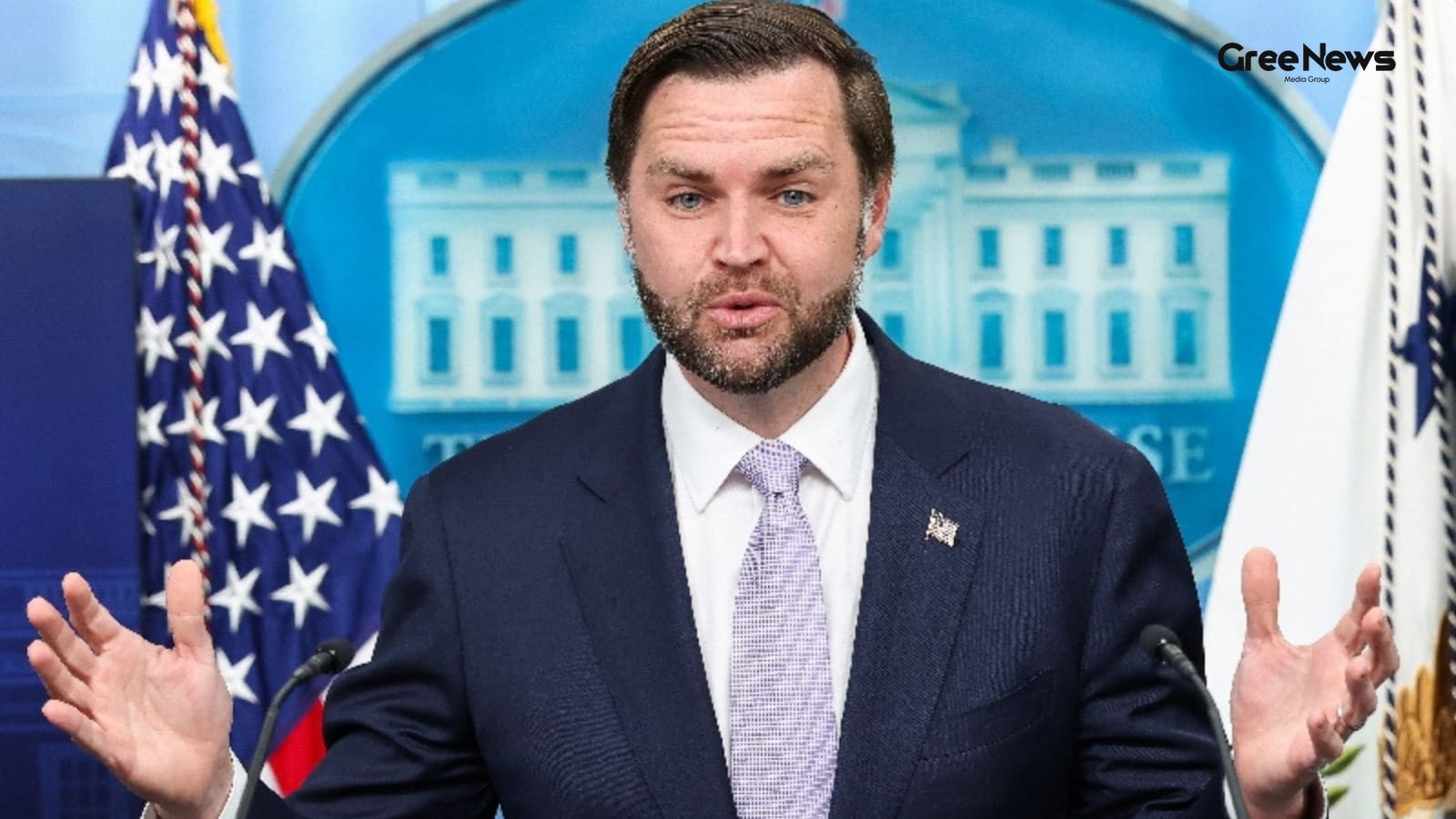
Vance went straight for it. The Vice President sharply criticized members of Israel’s government. He basically accused them of not appreciating American backing. And warned that Israel is getting increasingly isolated out there. This wasn't some polite diplomatic note. It was blunt. It highlighted t
Jun 19, 2026 by Gree News Team

Heatwaves in France: Health, Inequality, and Housing Crisis
Two new studies just dropped warning bells about heatwaves in France. They’re serious. The biggest danger isn't just the temperature itself, but how this intense heat is hitting people especially those living in badly built housing and poorer neighborhoods. This comes right as Europe braces for a br
Jun 19, 2026 by Gree News Team
Latest Headlines

Doctors’ Money and Career Paths in India
Doctors’ money and career paths in India are getting dragged online right now after some social media post questioned whether MBBS really sets you up for early financial independence. It just sparked this whole debate. People are reacting in totally mixed ways. Some folks seem to agree with the skep
Jun 19, 2026 by Gree News Team

The Shifting Reality: Navigating Uncertainty and Unspoken Narratives
the air in the room felt thick today you could almost taste the static electricity building up between the ideas, that kind of pressure you get when things are shifting underneath the surface but nobody really talks about it. it’s not a neat thing. it just… happens. we were watching the projections
Jun 19, 2026 by Gree News Team

Kerala Lottery Results and Claiming Information
Kerala Lottery results. Today’s the day for the Karunya Plus KN-628 draw. They’re holding it on Thursday, June 18th. Everything is set to happen at three in the afternoon. Location? Gorky Bhavan, right near Bakery Junction in Thiruvananthapuram. That's where they'll announce what won. The stakes are
Jun 19, 2026 by Gree News Team
Karnataka Legislative Council Election Results and Cross-Voting Allegations
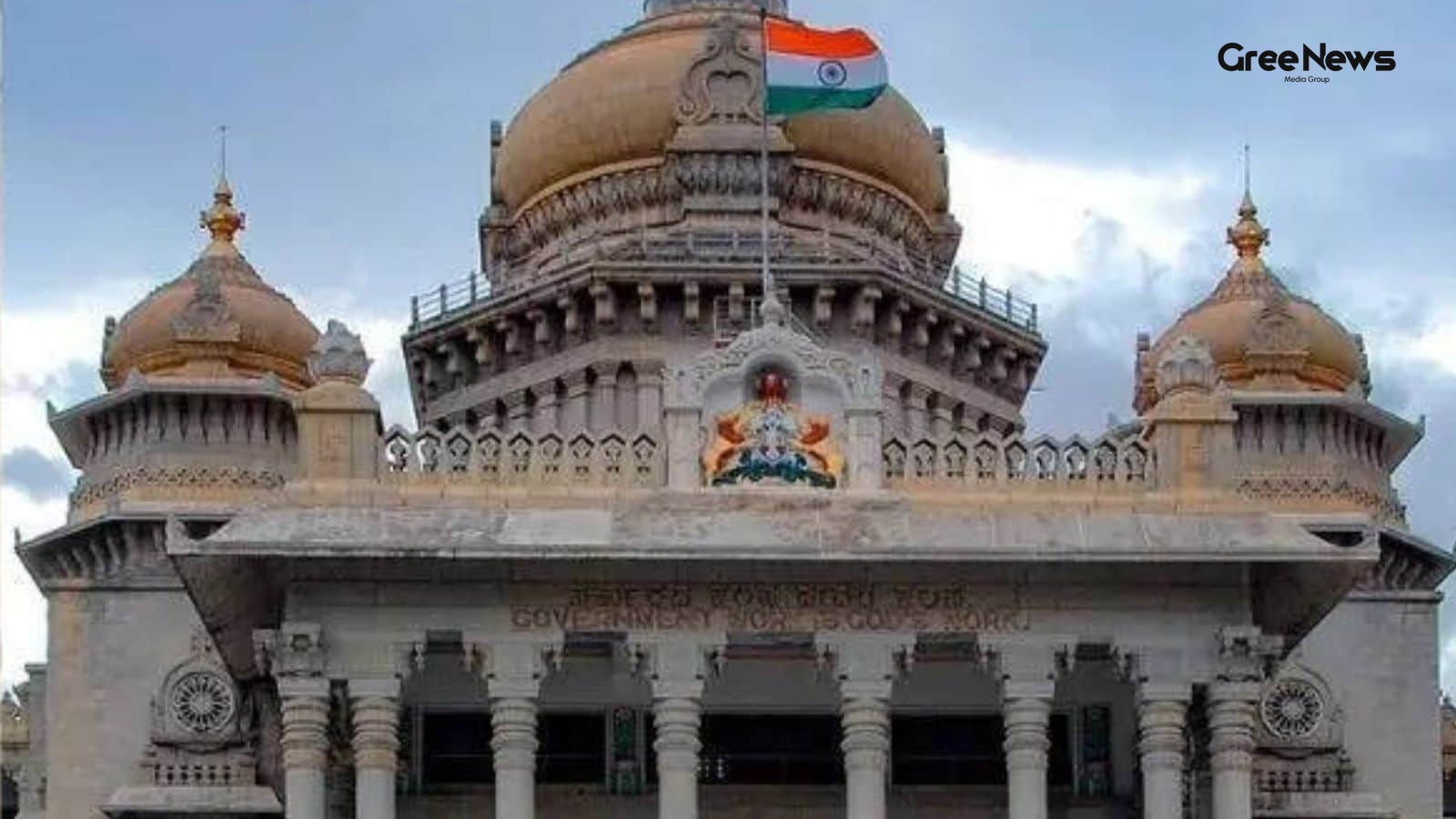
Thursday brought some messy results from the Karnataka Legislative Council election. Congress managed to snag five seats, and the BJP got two. But that wasn't even the main story. What really started stirring up talk was the whole cross-voting allegation the way votes seemed to shift across party li
Jun 19, 2026 by Gree News Team
The Impact of Artificial Intelligence on Job Security and Global Economies
Tech workers are facing a serious problem. If you don’t use artificial intelligence at least once a month, you face three times the risk of getting laid off compared to your colleagues who do. That's what Gallup found in their research from a February survey of over 23,000 US workers. Sixty-six of t
Jun 19, 2026 by Gree News Team

Workplace Blackmail and Retaliation: A Discussion
An employee posted something online that started a real discussion about their workplace. It was a troubling claim. They said managers repeatedly warned them over the years that if they quit, a specific coworker would lose their job too. The employee felt like leaving because of what they described
Jun 19, 2026 by Gree News Team
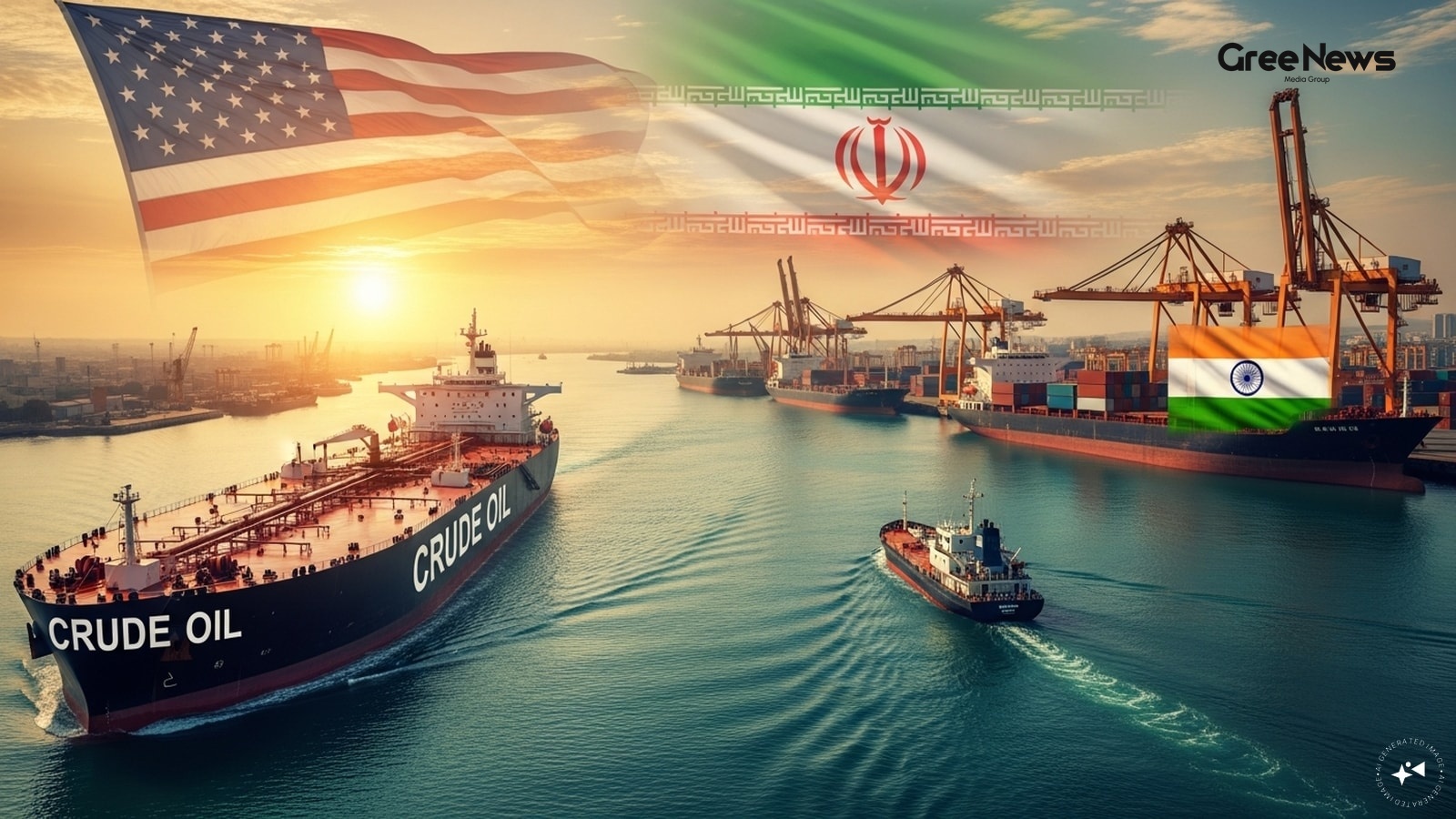
Impact of US-Iran Peace Deal on India's Energy and Trade
The US-Iran peace deal... it looks like it could actually be a net positive for India. Think about it: renewed access to Iranian oil, easing those gnawing worries about shipping through the Strait of Hormuz. And New Delhi’s big connectivity ambitions focused on Chabahar port all suddenly sitting on
Jun 19, 2026 by Gree News Team
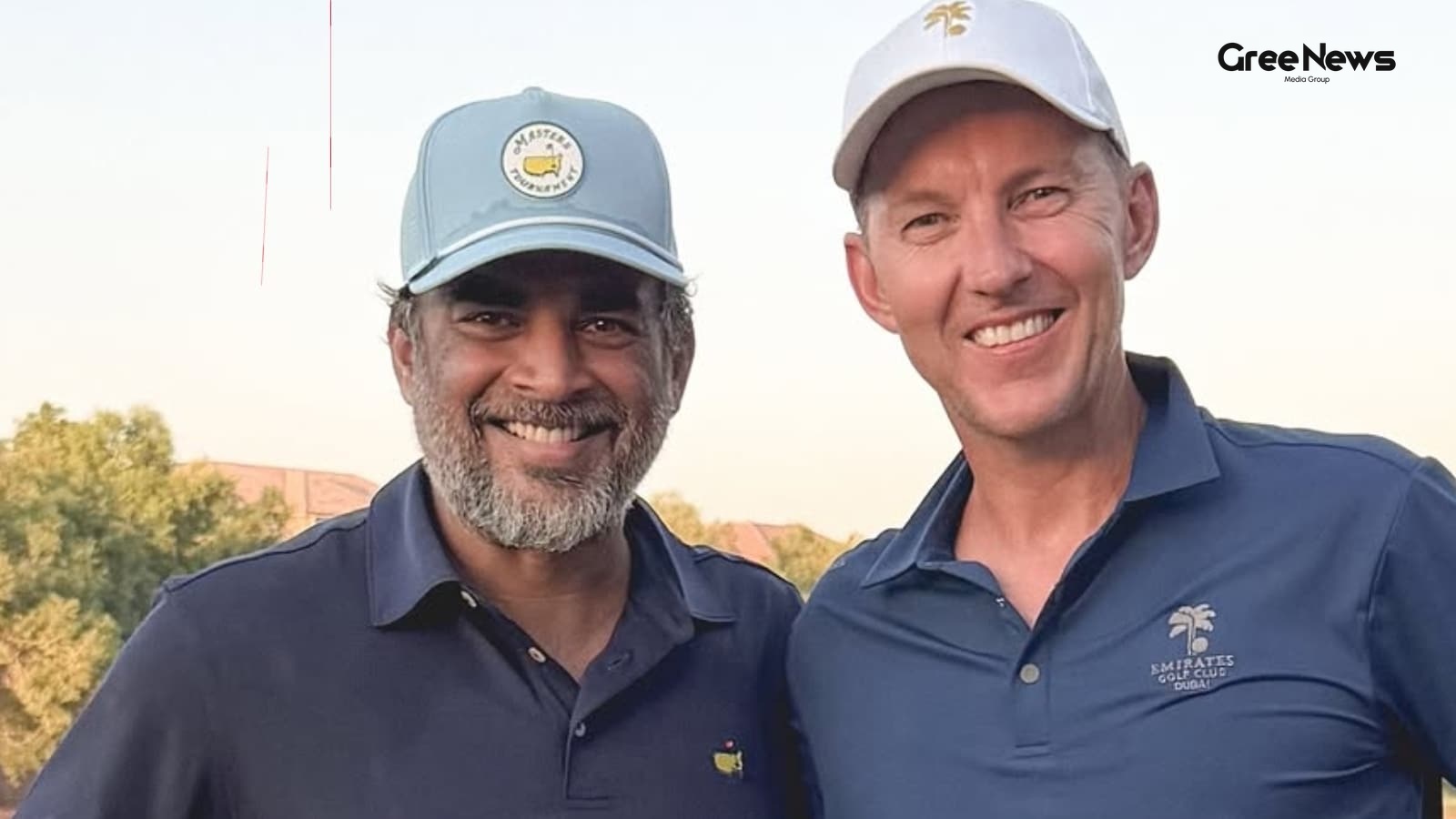
Brett Lee and R Madhavan: A Bond Forged on the Golf Course
Brett Lee and R Madhavan recently caught up. A round of golf in Dubai, that’s where they met. It turned out to be a pretty easy camaraderie between them, and it’s been getting talked about by fans. The cricketer shared some pictures from their outing on Instagram. He wrote something kind of reflecti
Jun 19, 2026 by Gree News Team
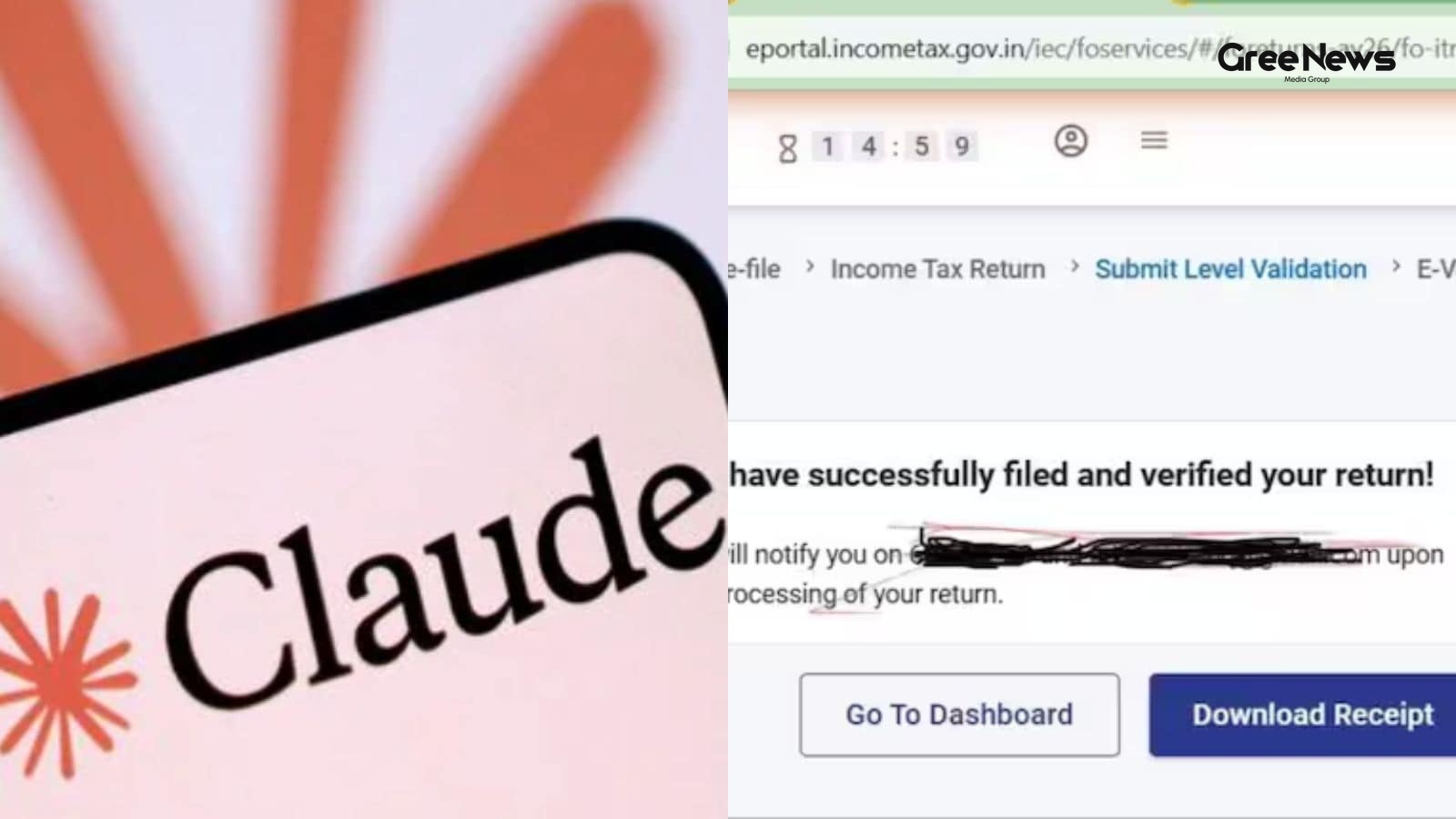
AI in Tax Filing: The Future of Income Tax with Large Language Models
India is gearing up for this big overhaul of its tax framework, Income-tax Rules, 2026. But something weird is happening online. People are actually using artificial intelligence to file their income tax returns. It started small just some professionals experimenting. Now it’s exploded across Linked
Jun 19, 2026 by Gree News Team
Iran-US Agreement: Internal Dynamics and Negotiation Process
Iran’s Supreme Leader Mojtaba Khamenei, he admitted, wasn't exactly thrilled when that memorandum of understanding finally landed on the table between Tehran and Washington. There were clear reservations. It felt like a forced concession at first glance. But then things shifted. He ultimately gave h
Jun 19, 2026 by Gree News Team
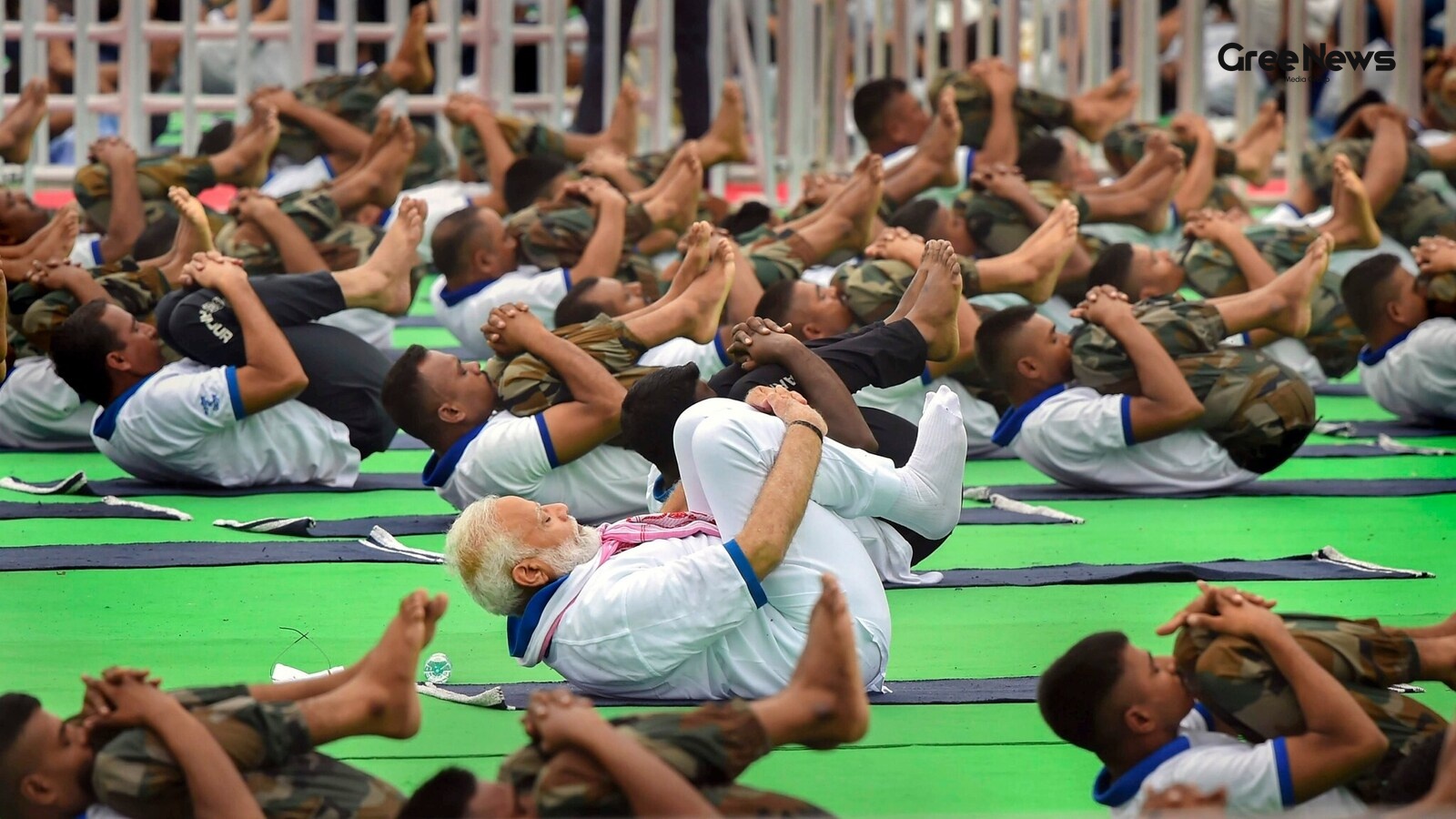
Narendra Modi's Yoga Day in Kolkata: A Shift in Bengal's Identity
Narendra Modi is leading the International Day of Yoga in Kolkata on June 21. It’s happening at Red Road. That spot. It’s heavy with symbolism, you know? Geopolitics and culture all mixed up. The timing is jarring. It lines up perfectly with Paschim Bango Divas the state's foundation day. A real con
Jun 19, 2026 by Gree News Team
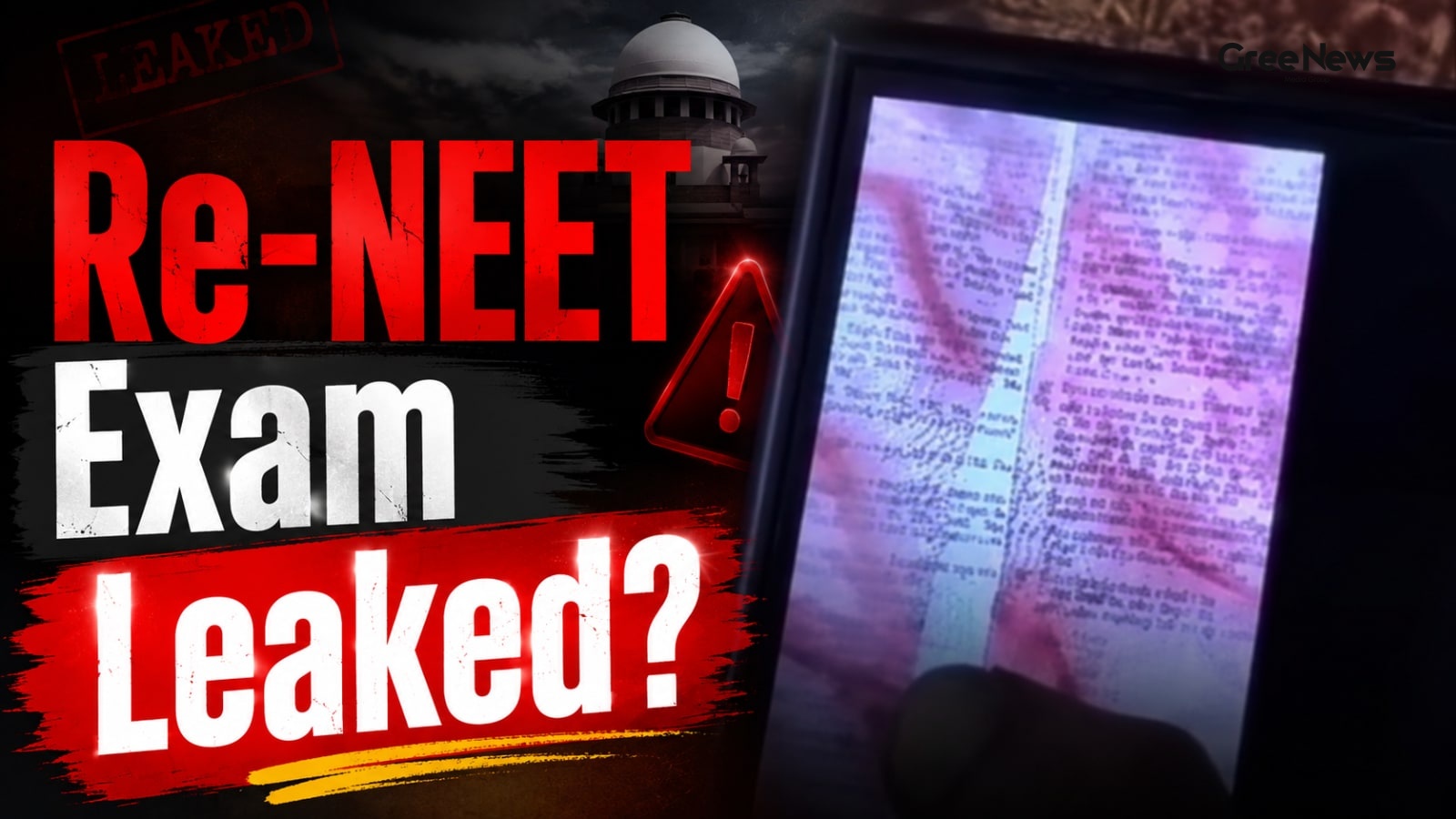
Re-NEET Exam Paper Controversy and Social Media Debate
That video is blowing up online right now about the Re-NEET exam. People are talking about someone allegedly claiming they had the question paper before the test itself. The test is scheduled for June 21st, 2026. It’s all started with this clip circulating across social media. An Instagram page call
Jun 19, 2026 by Gree News Team
US-Israel Relations: Friction, Diplomacy, and Personal Tensions
Vance went straight for it. The Vice President sharply criticized members of Israel’s government. He basically accused them of not appreciating American backing. And warned that Israel is getting increasingly isolated out there. This wasn't some polite diplomatic note. It was blunt. It highlighted t
Jun 19, 2026 by Gree News Team
Heatwaves in France: Health, Inequality, and Housing Crisis
Two new studies just dropped warning bells about heatwaves in France. They’re serious. The biggest danger isn't just the temperature itself, but how this intense heat is hitting people especially those living in badly built housing and poorer neighborhoods. This comes right as Europe braces for a br
Jun 19, 2026 by Gree News Team
US Gas Prices Dip Amid Developments in US-Iran Negotiations
Gas prices finally dipped below four a gallon in the US. That’s the first time we’ve seen that drop since those early weeks of the war with Iran. It offers some breathing room for consumers after months where fuel costs were just relentless. Motor Club AAA data shows the national average for regular
Jun 19, 2026 by Gree News Team