Sustainable Gastronomy and the Rise of Millets: A Path to Food Sustainability
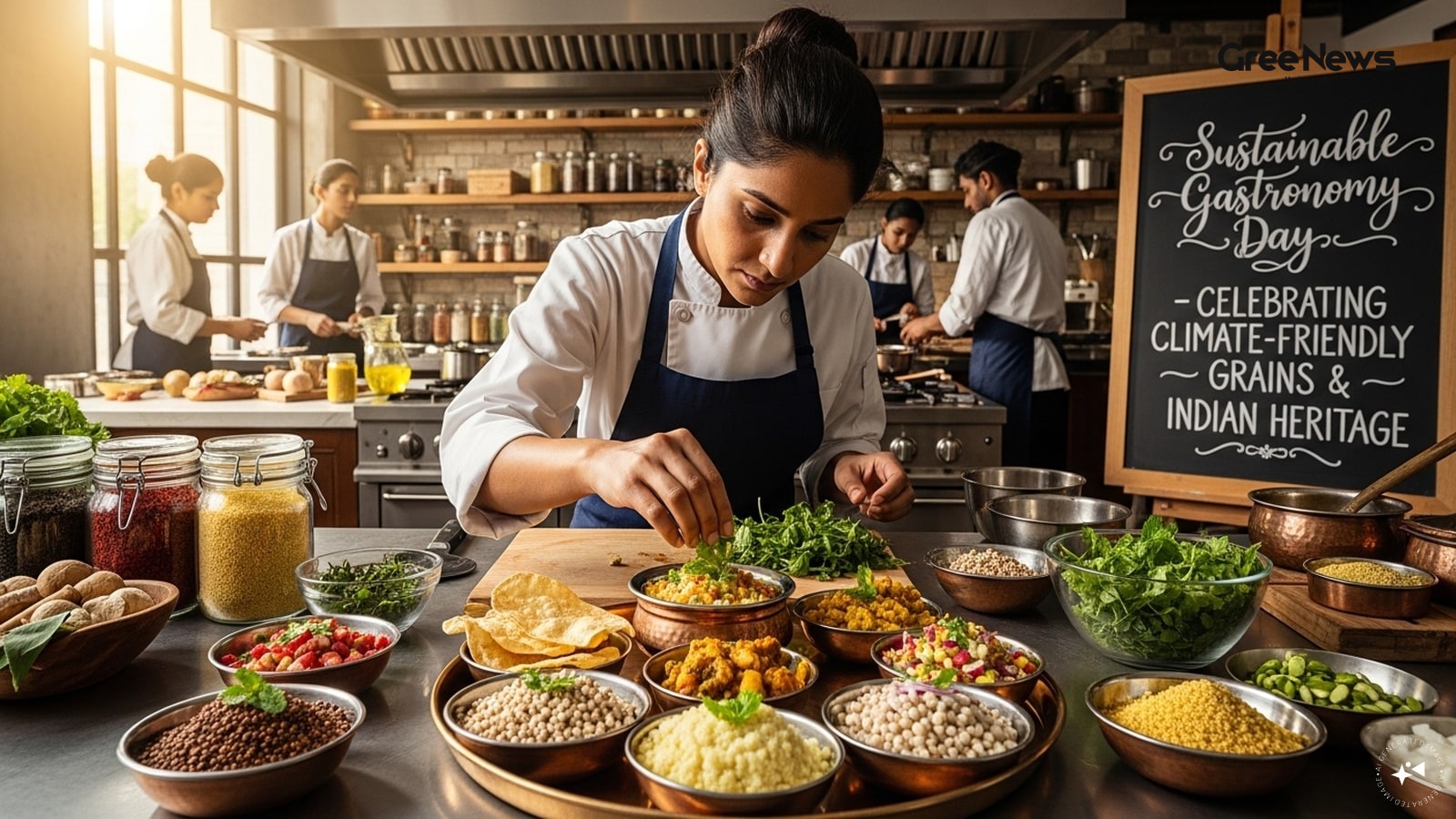
Sustainable Gastronomy Day hits every year on June 18th. It’s supposed to be about highlighting how important sustainable food systems are. People are supposed to stop and think about everything: how food gets grown, cooked, eaten. And what impact those choices actually have on the environment, our health, and local economies.
The United Nations set this up, actually. The Food and Agriculture Organization, or FAO, established it. It pushes for cooking practices that are environmentally responsible. We’re talking about cutting down waste, supporting farmers, keeping biodiversity alive, and making sure we eat food that is genuinely healthy and sustainable.
Food isn't just something we need to survive. It's tangled up with climate change, how much water we use, the health of the soil, even our cultural identity. That’s why this day matters. It reminds us that what we choose for our daily meals shapes the planet’s future.
Now, look at the theme for 2026: “Celebrating Food Heritage.” That pushes focus onto traditional and indigenous food systems. Communities are being encouraged to reconnect with local ingredients. Those old culinary practices they actually have a lot of natural sustainability built into them.
This is where things get really interesting in India. The focus shifts heavily toward traditional grains, like millets.
Millets themselves are small-seeded grains. Think ragi, jowar, bajra, foxtail millet. And they are starting to get a massive push right now because of their environmental and health perks.
They handle drought really well. They need way less water than rice or wheat. That makes them perfect for areas struggling with water scarcity and climate stress. It’s an adaptation built into the plant itself.
And don't forget the nutrition part. Millets are packed with fiber, protein, iron, all those essential minerals. For diets today the ones focused on health and sustainability they just make sense. They become a truly ideal food choice.
This connection to sustainability is why millets line up so well with sustainable gastronomy principles. They offer resilience in a way that traditional grains often don't.
And it’s not just about the eating, either. Restaurants and chefs across India are starting to really incorporate them into modern cooking. You see millet salads popping up, rotis made from them, even some really creative desserts and fusion dishes appearing. It’s bridging that gap between old ways and new nutrition.
India has actually become a global leader here. We’re pushing millets as this future-ready food source. With everyone talking about climate change and better health, these grains are being repositioned completely.
Food festivals, government campaigns all of it is working to bring millets back into the mainstream diet. It’s connecting tradition with modern health needs.
Millets aren't just some ancient grain sitting in a museum anymore. They represent a real sustainable solution for what food can be. Their ability to support people’s health, handle climate stress, and ensure food security? That makes them crucial to this big global shift. As we all try to eat more responsibly, millets are redefining what sustainable food actually means right now.
Written by Gree News Team — Senior Editorial Board
Gree News Team covers international news and global affairs at Gree News. Our collective of senior editors is dedicated to providing independent, accurate, and responsible journalism for a global audience.
More from Recipes
View All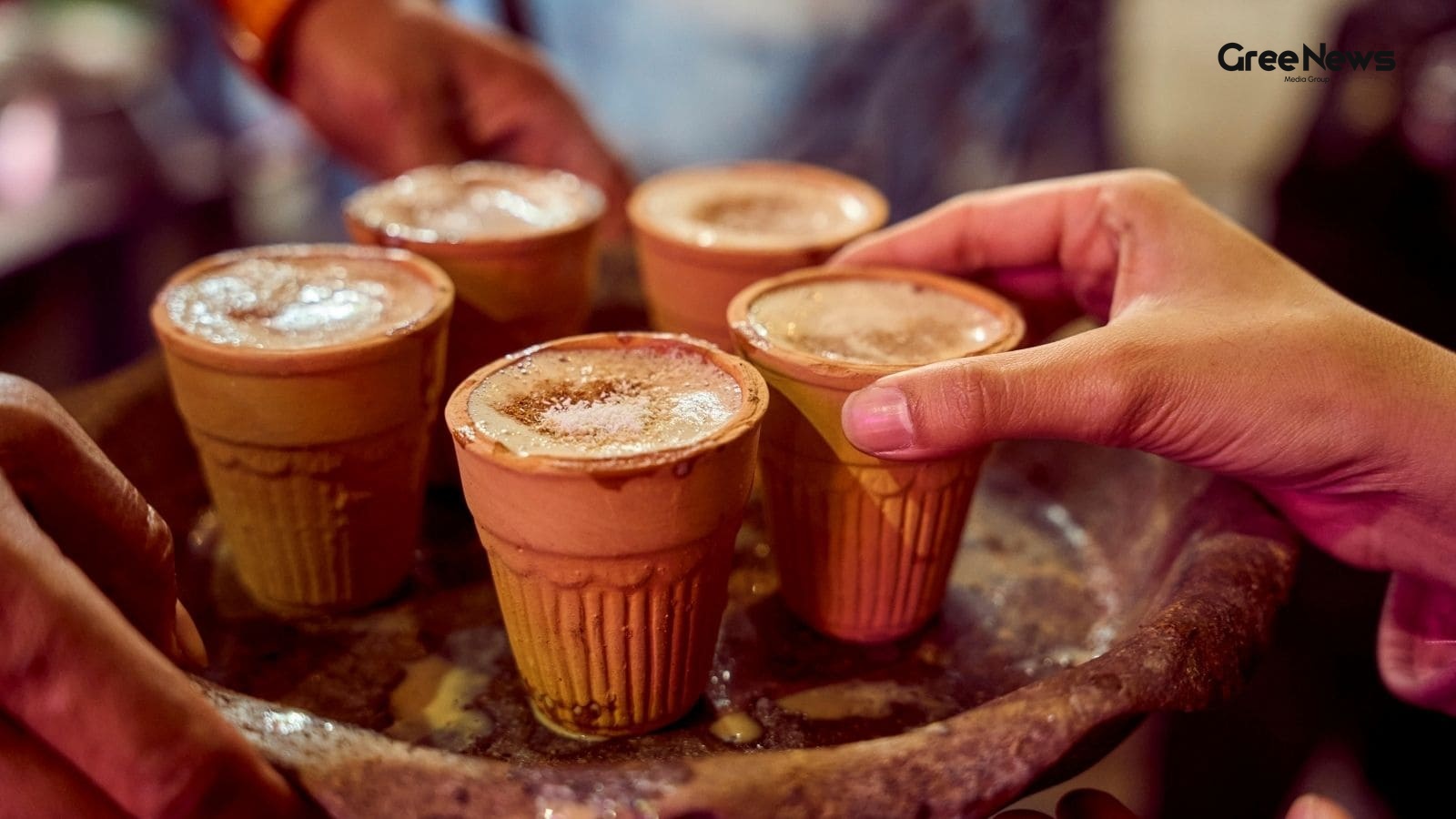
The Secret to Making Deep, Rich Masala Chai
You know that smell? That fresh masala chai aroma. It’s unbeatable. But honestly, most people struggle with making it right. They throw in ginger, cardamom, cloves, all that good stuff, and still, it just doesn't hit that deep, rich fragrance you get from a real roadside stall or your mom’s kitchen.
Jun 17, 2026 by Gree News Team
Legendary Indian Eateries: Culinary Landmarks of History
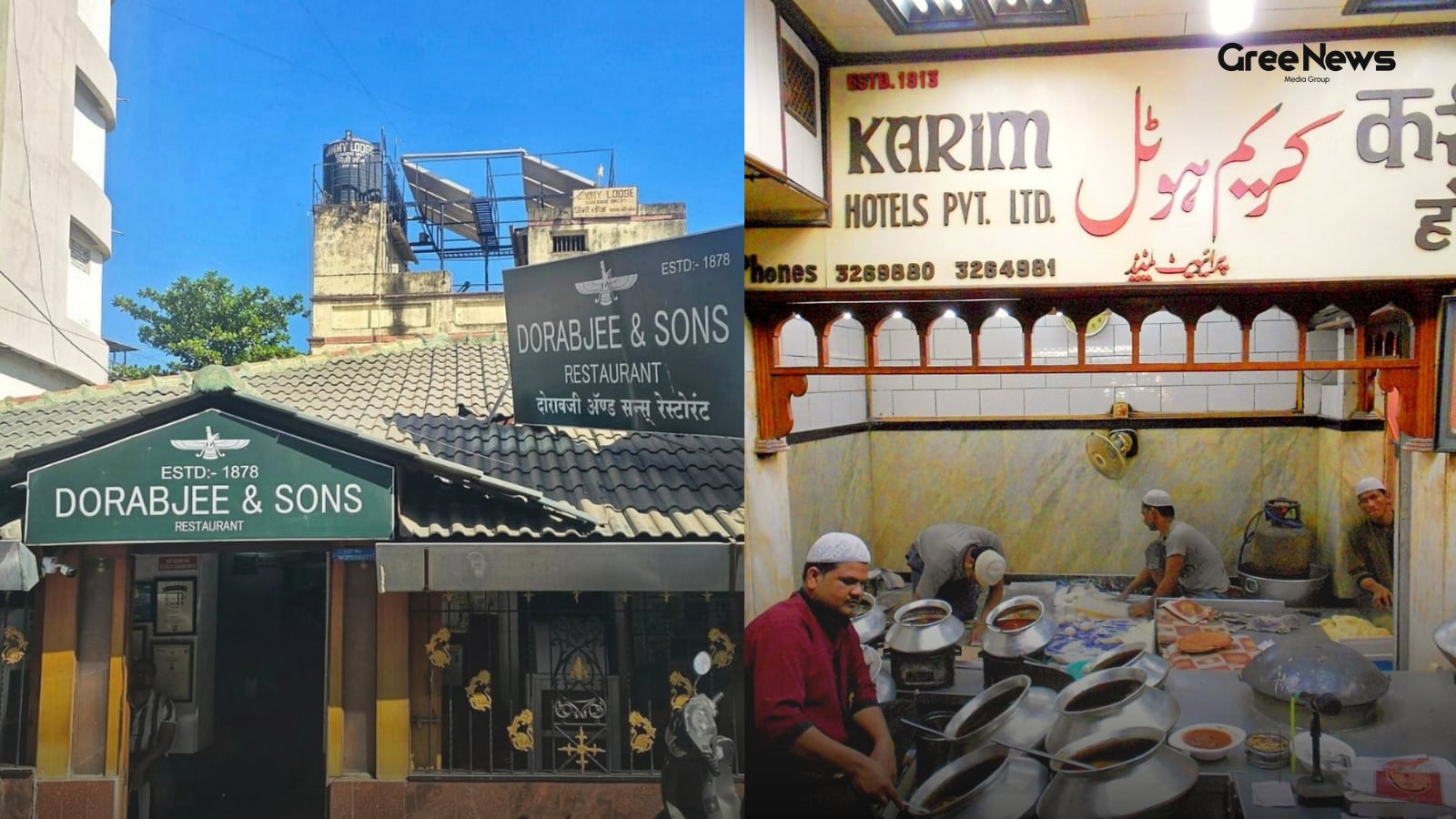
Trends come and go. Restaurants pop up with all that hype and then vanish in a few years. It’s just how things move, right? But across India, there are these places. Select few dining spots that have actually done something incredible. They’ve managed to survive for decades. Some of them even stretc
Jun 16, 2026 by Gree News Team
Cooling Down in Indian Summer: Ayurvedic Home Remedies
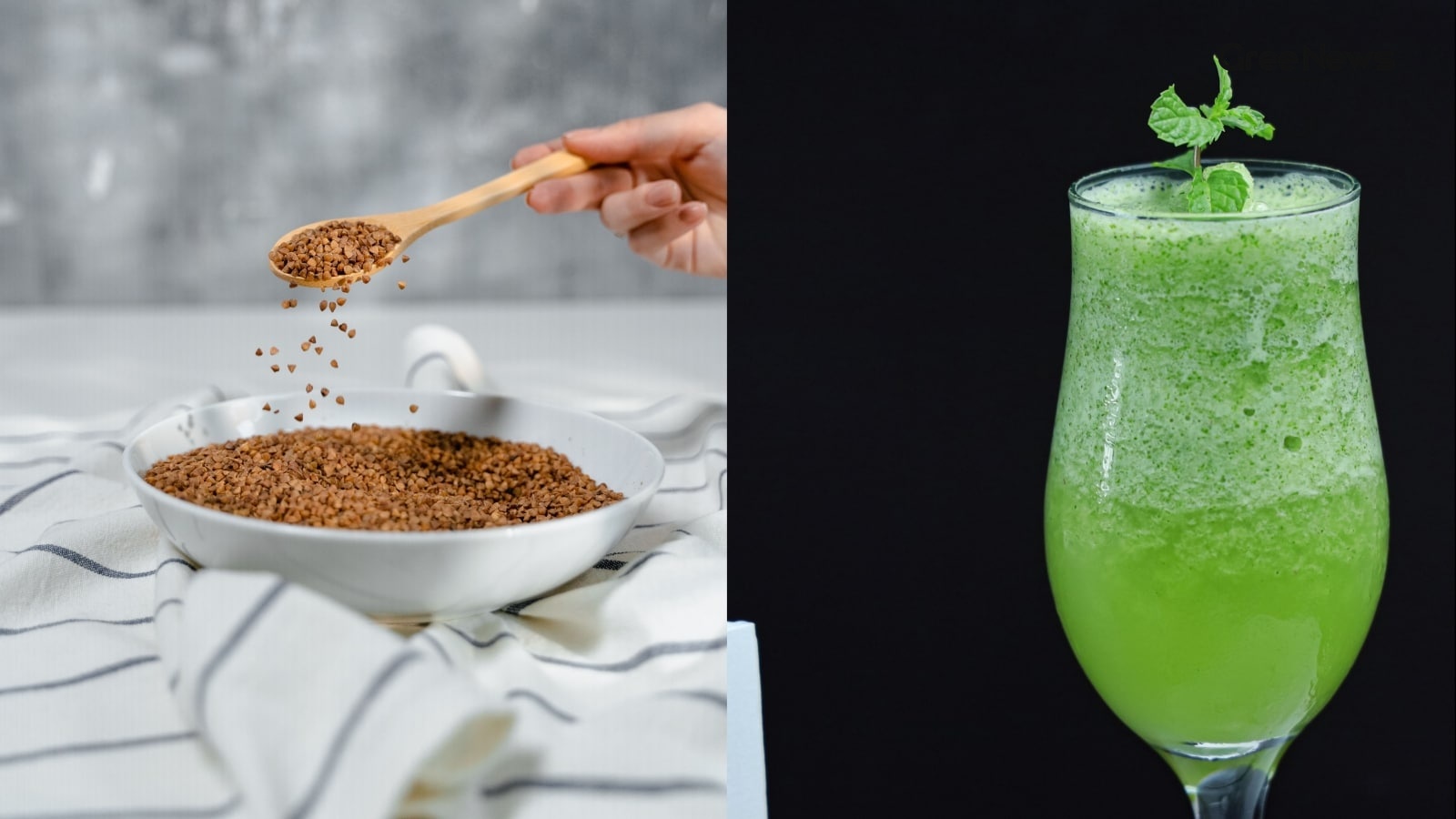
Indian summer isn’t just about the heat itself. It’s really about how your body tries to keep up with it. You move through those humid streets, and the discomfort you feel? That’s not just outside stuff. Your body is sending a quiet signal something needs attention. Balance. In Ayurveda, they link t
Jun 15, 2026 by Gree News Team
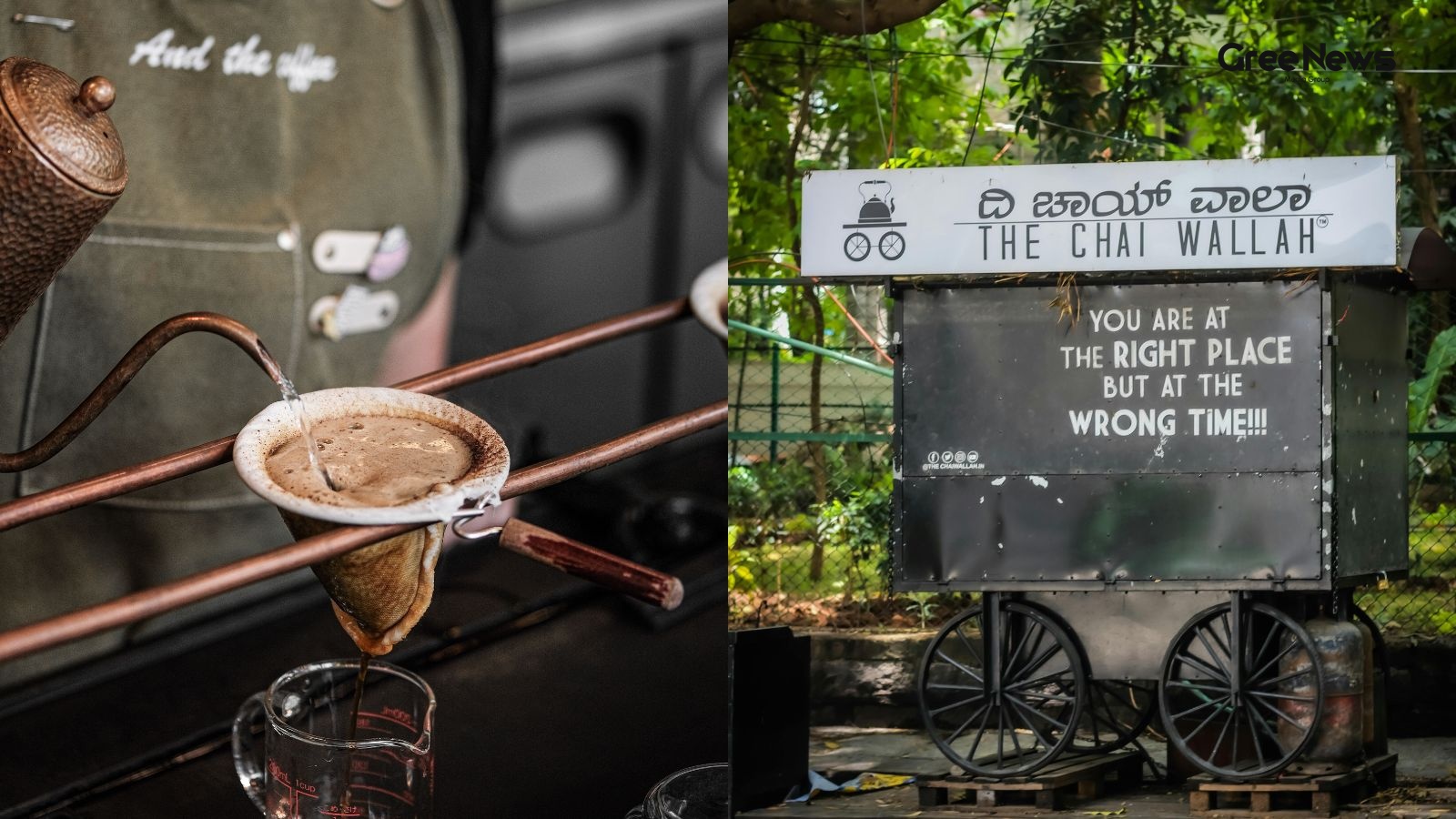
The Definitive Ranking of Global Food Cities and Bengaluru's Identity
You just have to start with food when you travel. Seriously. A city earns its spot on your list because someone tells you: you *have* to eat there. It’s that simple. And every year, some places jump ahead. Cities that just pull way in front of the rest. Dining out becomes this kind of pilgrimage thi
Jun 9, 2026 by Gree News Team
Latest Headlines

Anandita Sundar on Criticism, Weight Loss, and Her Journey
Anandita Sundar, she talked about all the criticism, the scrutiny she dealt with since she was little. It’s heavy stuff. She was on the JFW podcast, and she just opened up about growing up in the public eye. And then there’s the whole weight-loss thing everyone speculates about. People used to troll
Jun 18, 2026 by Gree News Team
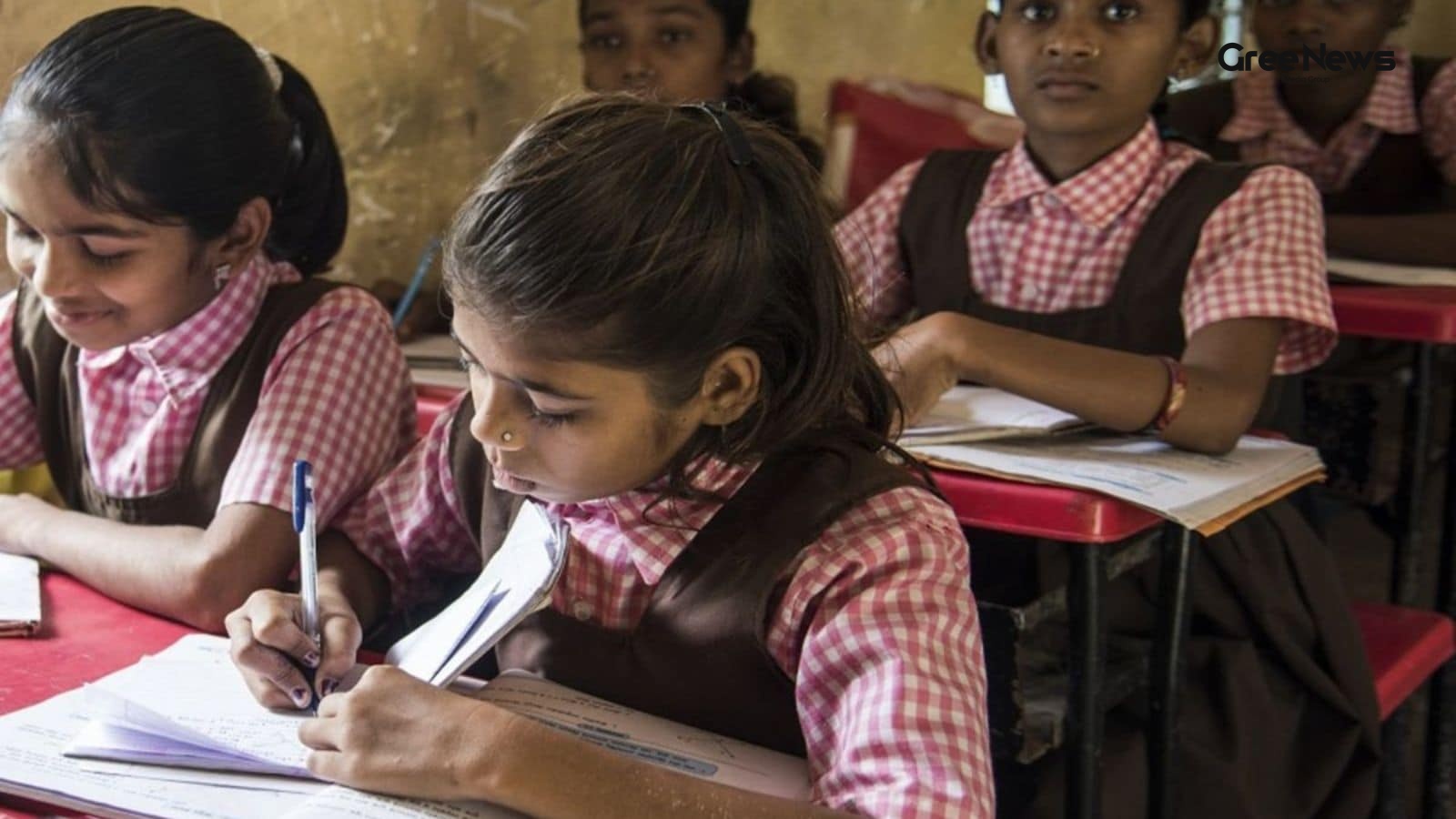
Uttar Pradesh School Holidays Extended and Board Recognition Status Cancelled
The heat is just relentless. That’s why the Uttar Pradesh government decided to push back the school summer holidays. It’s now extended until June 24th. Partha Sarathi Sen Sharma, Additional Chief Secretary for Basic and Secondary Education, issued the order. The vacation timeframe shifted: May 20th
Jun 18, 2026 by Gree News Team

Divyanka Tripathi and Vivek Dahiya's Pregnancy Journey and Twin Arrival
Divyanka Tripathi just dropped some photos that really pulled back the curtain on her pregnancy journey with Vivek Dahiya. It’s a whole memory lane moment, showing glimpses of those private weeks before they officially welcomed their twin baby boys. Weeks after bringing home the boys, she shared the
Jun 18, 2026 by Gree News Team

The Telegram Ban: Public Reaction, Analogy, and Platform Responsibility
When the Centre first announced that they were blocking Telegram temporarily, until June 22 all you could hear was that old familiar question: was it right? Was this move justified? It was a decision by the Ministry of Electronics and Information Technology. They restricted access to the messaging a
Jun 18, 2026 by Gree News Team
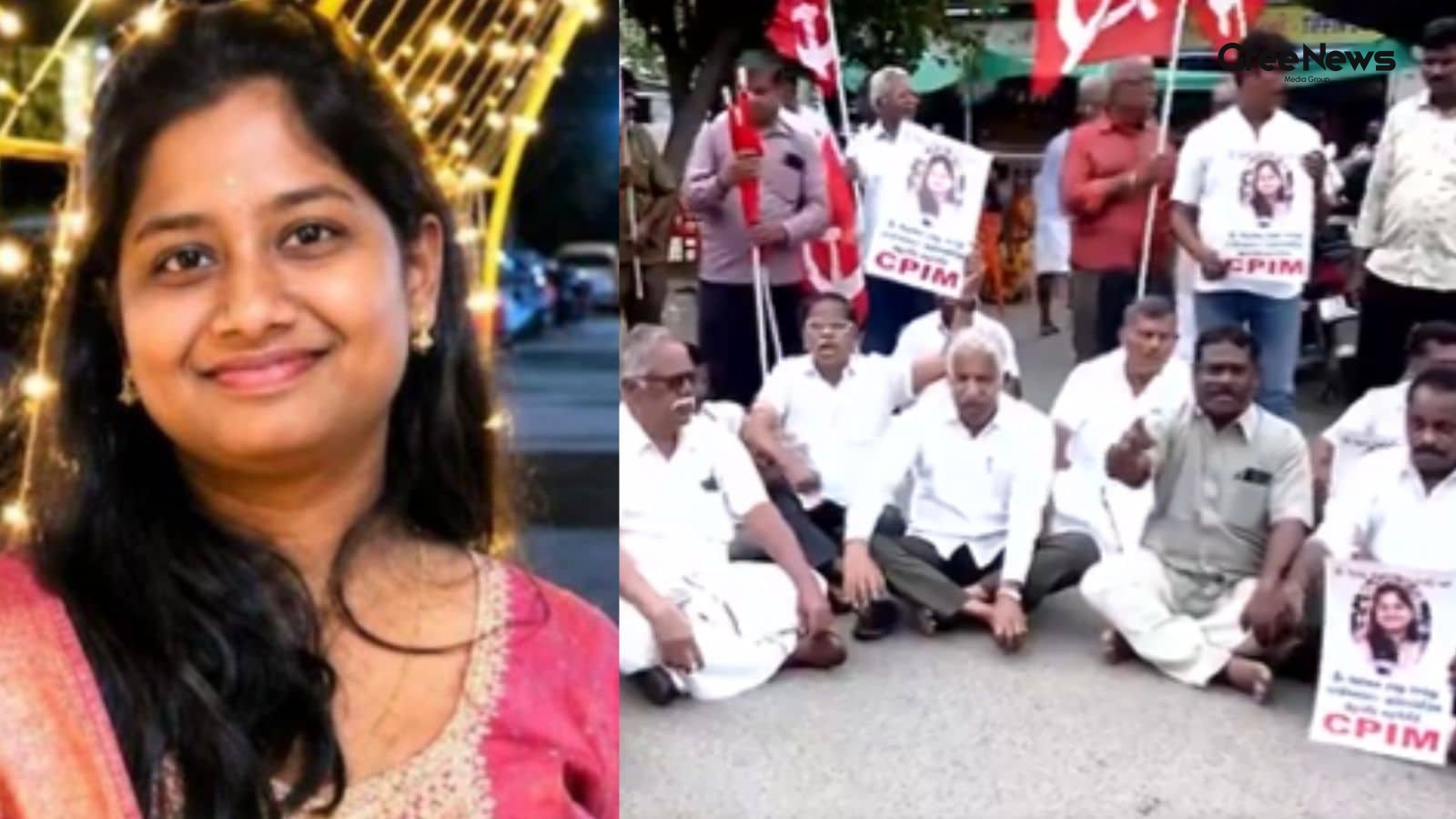
The Immense Stress and Tragedy Surrounding the NEET Aspirant Crisis
The student, Anunkeerthana, she was preparing for NEET, trying again. It sounds like a massive weight just sitting there. Preliminary reports suggest she was really under immense stress. Media whispers are running that candidates who got caught in the recent question paper leak would have to sit for
Jun 18, 2026 by Gree News Team
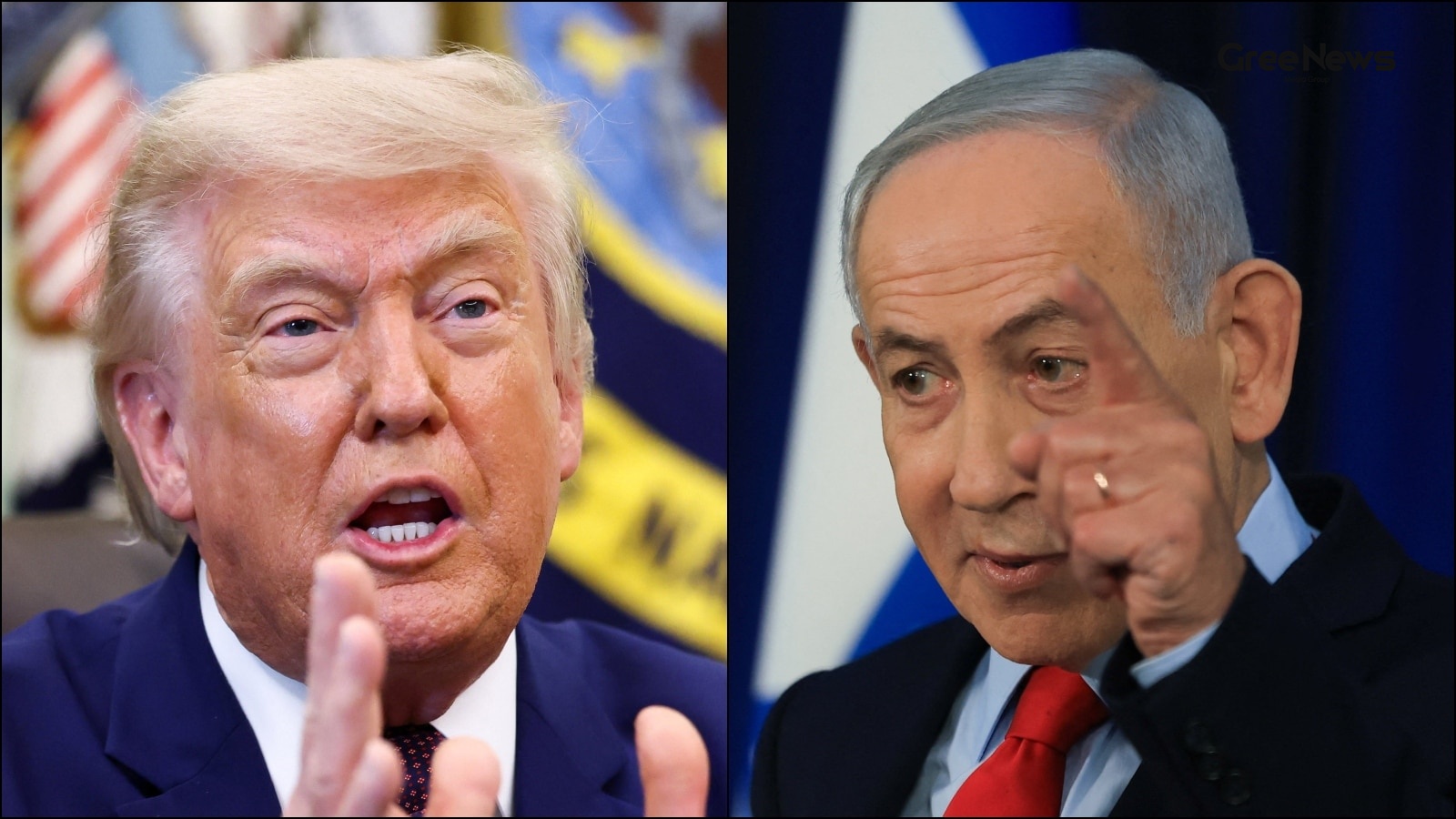
The Peace Deal Between Washington and Tehran and Israel's Security Concerns
That peace deal between Washington and Tehran? After it was signed, President Trump said it wiped out what he called Israel’s biggest security worry. He brought this up speaking to reporters in Évian-les-Bains, France, during that G7 meeting. He claimed he had actually talked to Israeli Prime Minist
Jun 18, 2026 by Gree News Team
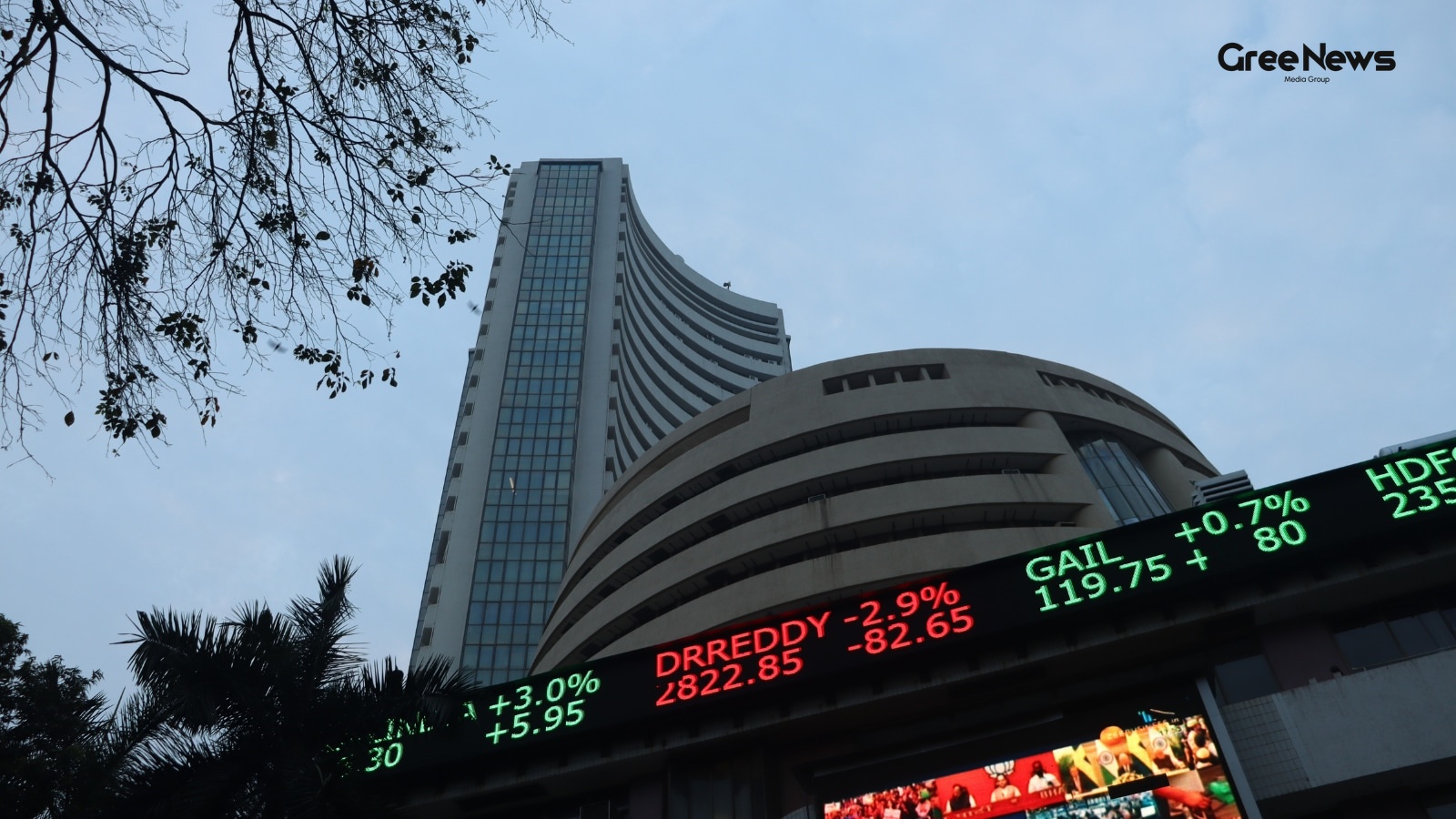
Stock Market Performance and Analysis: June 18
Stock Market Today, June 18. It ended higher on Thursday. A fifth straight session up. That’s what happened. The general mood seemed to lift a bit. Geopolitical tensions eased, crude oil prices dipped, and financial stocks just looked strong. Investor sentiment definitely lifted. Nifty settled at 24
Jun 18, 2026 by Gree News Team

Public Parades, Arrests, and Political Tension in West Bengal
Jahangir Khan. The name keeps coming up. Arrested by the West Bengal police nine days ago, and now? He’s been paraded. Three times, in his own stronghold, Falta. It’s a spectacle, you have to admit that. Retaliation, mostly. His supporters his wife leading the charge they aren't sitting down. They a
Jun 18, 2026 by Gree News Team

Sonali Bendre on Her Journey and the Search for Hopeful Roles
2018 was when Sonali Bendre got the diagnosis. Stage four metastatic cancer. It was a lot. But she kept going. After surviving that big C battle, she started her second act in 2022 as an actor. Web series stuff, like *The Broken News*. And then, same year, she tried something completely different ju
Jun 18, 2026 by Gree News Team
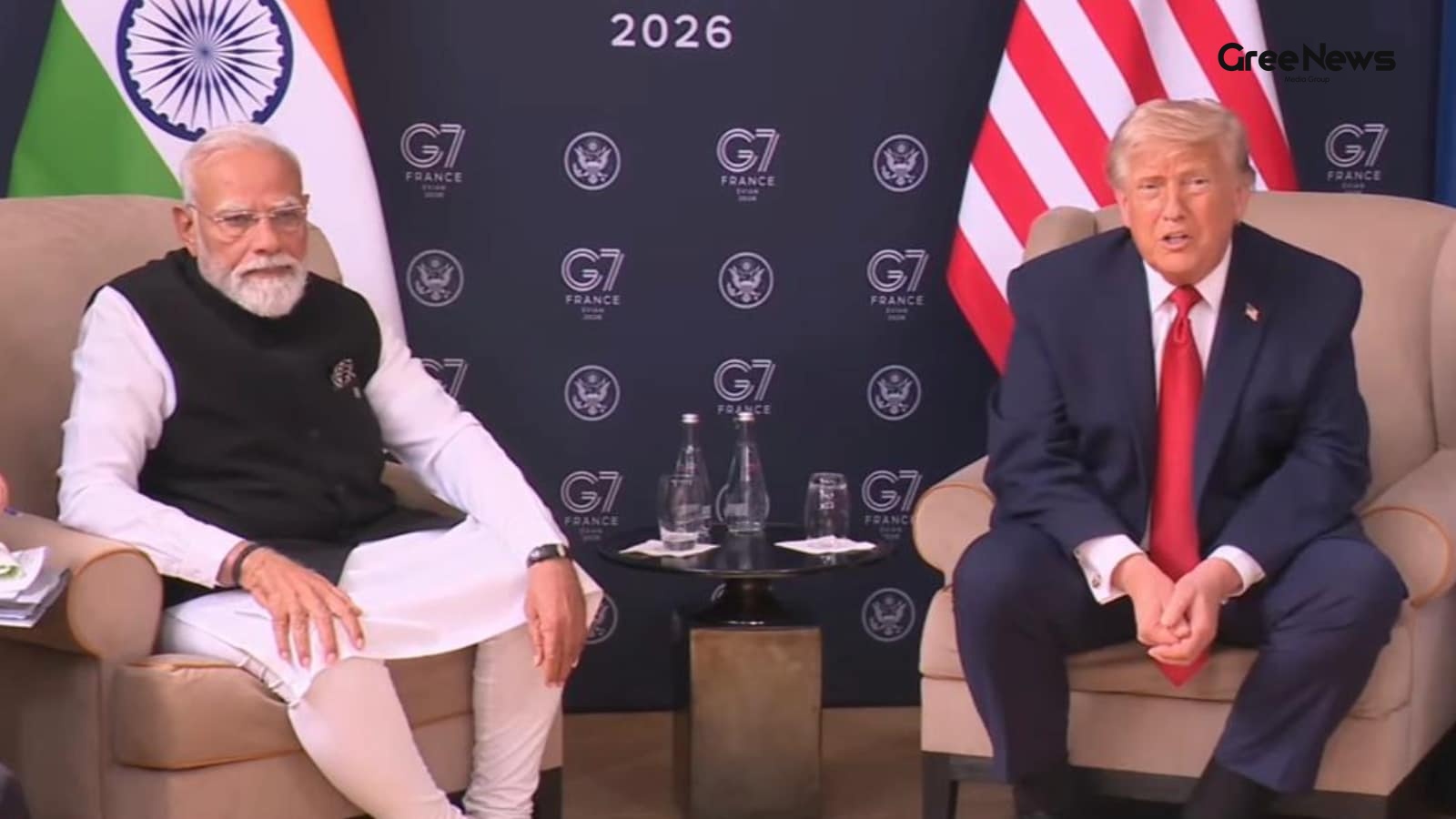
Donald Trump's Personal Dynamics in Meetings with Prime Minister Modi
Donald Trump seemed to really lean into the personal stuff during his meeting with Prime Minister Modi in France, especially while they were both hanging around the G7 Summit. It wasn’t just about trade or defense talks, though those things were definitely on the table regional security, cooperation
Jun 18, 2026 by Gree News Team

India's Growing Importance in Global Geopolitics and US-India Relations
Ian Bremmer, the guy who started Eurasia Group, he was talking about India today. He said its importance in global platforms? That’s gonna jump up over the next couple years. It felt like a shift. This followed something Trump said back there at the G7 summit in Evian, France. A kind of acknowledgme
Jun 18, 2026 by Gree News Team
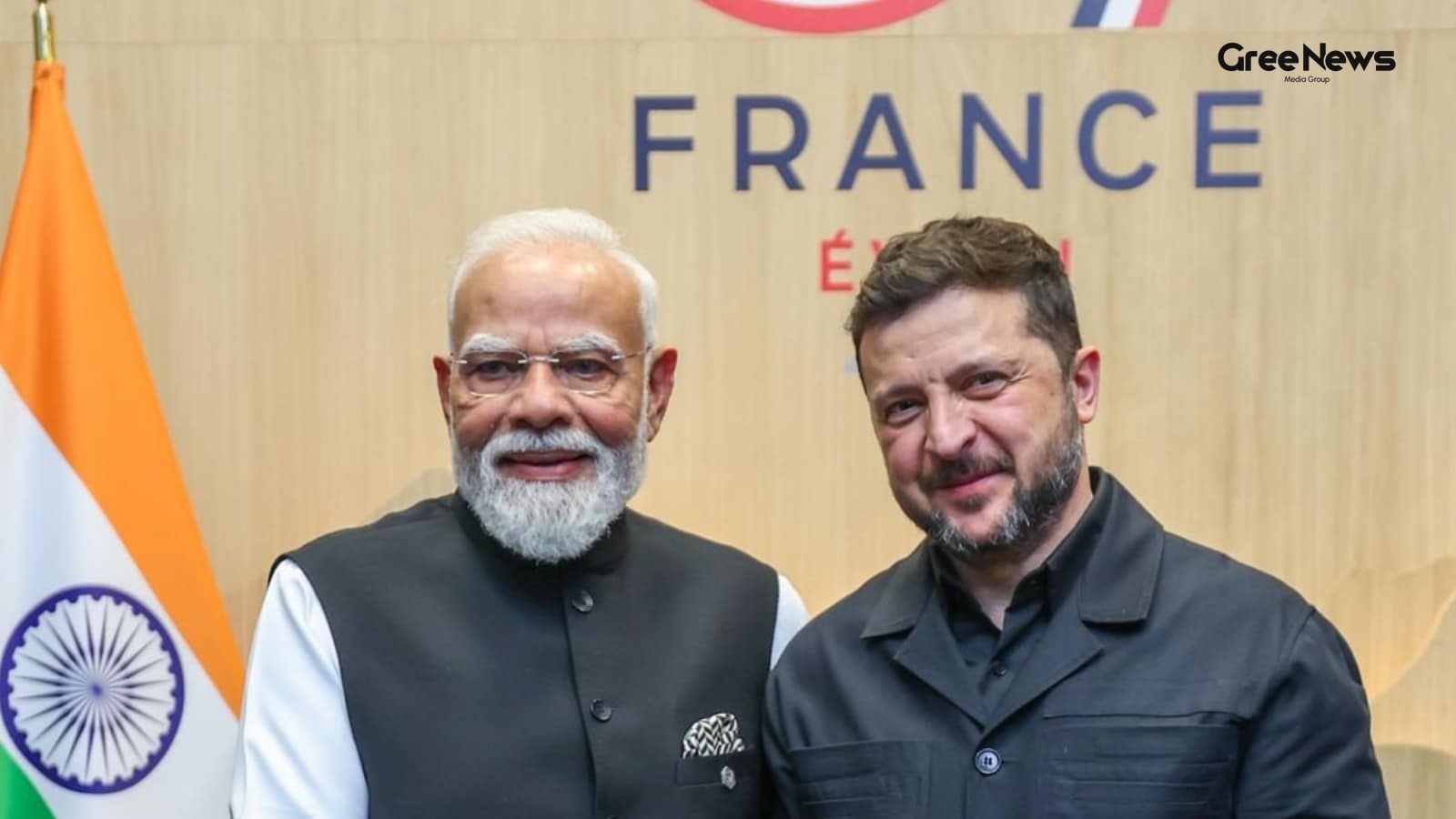
Modi-Zelenskyy Talks and G7 Support for Ukraine
Modi met Zelenskyy during the G7 summit in Évian, France. It wasn’t just a formality though. They talked about cooperation. Trade ties. And trying to find some peace amidst all that mess happening over in Ukraine and Russia. S. Jaishankar and Ajit Doval were there too. External Affairs Minister and
Jun 18, 2026 by Gree News Team

Elye Wahi Arrested Over Match-Fixing Allegations
Elye Wahi, that Ivory Coast forward who’s representing his country at the 2026 World Cup he got arrested less than two weeks before the tournament. The reason? Allegations of match-fixing. That came out in *The Athletic* on Wednesday. Sources say he's now the subject of this whole ongoing probe. Inv
Jun 18, 2026 by Gree News Team
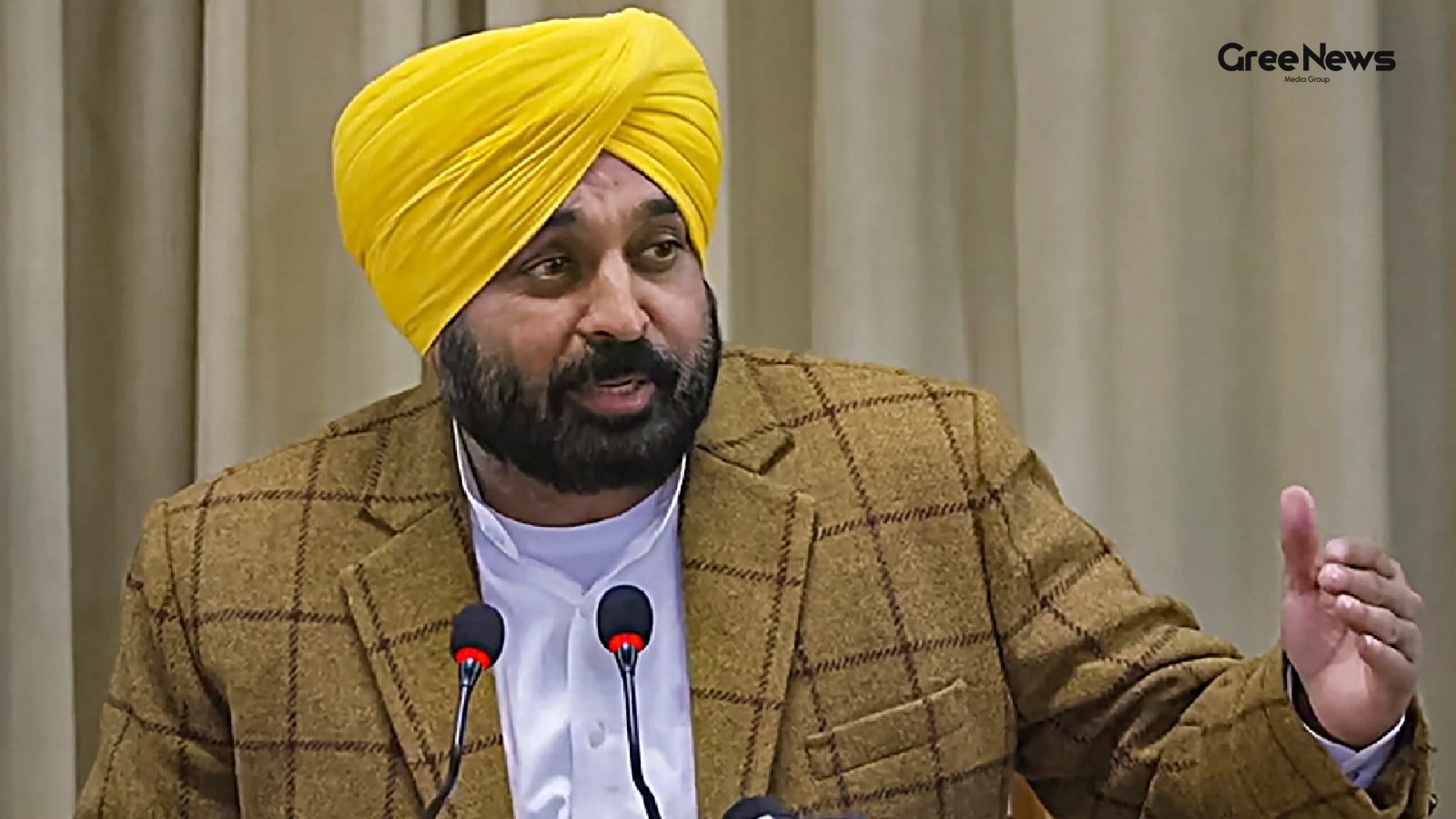
Bhagwant Mann on Sacrilege, Justice, and the Future of Punjab
Bhagwant Mann hammered home his government’s stance on those 2015 sacrilege incidents. He insisted that the people responsible for those acts would face serious punishment and be brought to justice. He spoke about this during a public meeting in Hoshiarpur, talking about how those events the beadbi
Jun 18, 2026 by Gree News Team

US-Iran Memorandum of Understanding Released
US officials finally put out the paperwork today. A memorandum of understanding with Iran. It’s supposed to end the war, but there’s more hanging over it stuff about diluting that enriched uranium stockpile. This agreement, which they released on Wednesday, came after a lot of criticism about how se
Jun 18, 2026 by Gree News Team