The Evolution of Protests in PoK: From Economic Grievances to Political Sovereignty
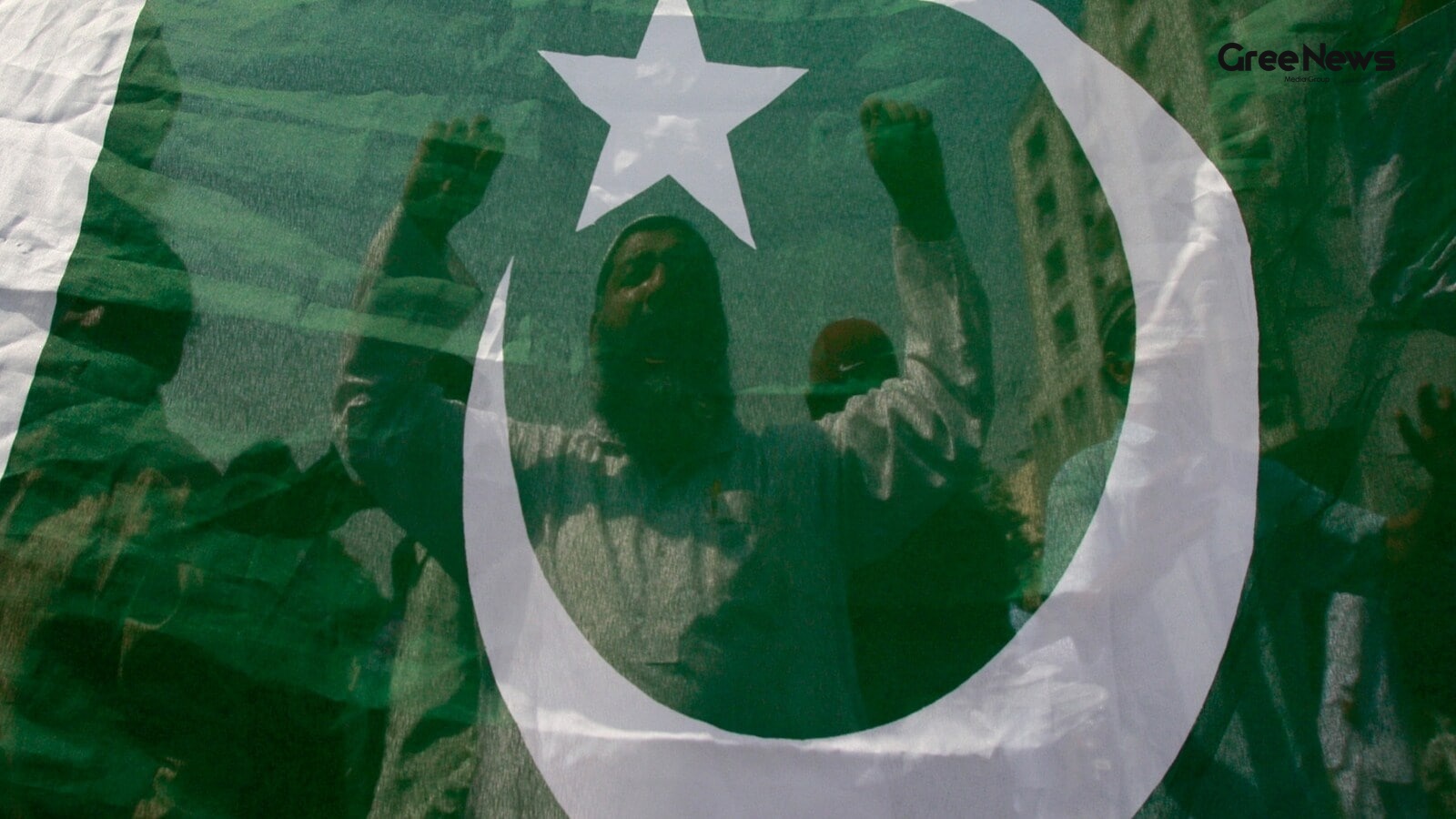
The protests started over simple things soaring electricity bills and wheat prices in PoK. That was the beginning. Now it’s gone way further into politics. Leaders are not just complaining anymore; they’re openly challenging Pakistan’s role entirely, demanding real control over their economy and governance.
Things got sharp recently. At a meeting in Rawalakot, leaders from groups like the Jammu Kashmir Joint Awami Action Committee (JAAC) launched some of the nastiest attacks yet straight at the Pakistani military establishment. They accused Islamabad directly: blocking supplies, exploiting local resources, refusing any real economic connection with India.
It’s an escalation. A big jump from the original focus. Back then, it was about subsidies and inflation. That's what drove the initial mass demonstrations back in 2024 and 2025. People were angry about tariffs, food costs, whatever Pakistan decided to impose on them.
The government finally gave in some ground, right? They announced relief measures wheat subsidies, cuts to electricity rates. But that didn't settle anything for the protestors. Leaders argued those concessions were just band-aids. They weren’t addressing the real core issues: who controls the resources, who gets a say politically, and basic economic rights.
Over the last few months, though, the tone has shifted completely. The movement is now pushing hard against Pakistan’s administrative grip on the region itself. It’s less about prices and more about sovereignty .
Sardar Aman, one of the key voices at that Rawalakot gathering, really drove this change home. He accused the military establishment directly. “Pakistan military is stopping our food and rations,” he alleged. But he didn't stop there. He claimed authorities were actively trying to use economic measures just to break up the protest movement itself.
He pushed back hard against the idea that people simply opposed subsidies on wheat. No, they argued it was about fairness economic justice. It wasn’t about rejecting aid; it was about demanding a fair deal instead of being treated unfairly by Islamabad.
Then came the really provocative stuff. Aman brought up trade routes. If Pakistan wouldn't ensure access to supplies and economic flow, he demanded that alternative trade routes with India be opened. He said clearly: “all trade routes will open soon either from Pakistan or India.” That line just reflects how frustrated people are about being economically isolated. You remember the Cross-Line of Control trade suspended years ago? It removed a vital way for communities to interact commercially on both sides.
Aman also took aim at Pakistan’s usual defense, that military presence was necessary to protect Kashmiris from India. He dismissed it flatly. “Defending against India is our issue, not your business,” he stated. The implication there is huge: local residents should be the ones deciding their own political fate, not some distant military power.
The accusations kept coming. Exploitation of resources. Islamabad was allegedly “looting our waters and resources” while failing to invest anything meaningful back into local development. That sort of narrative has been building up for a long time, layered on top of everything else.
And then there’s the security angle. Activists feel targeted. Aman claimed that security agencies were increasingly treating activists like extremists or terrorists. Peaceful political mobilization? That gets painted as a threat by the authorities who are trying to squash dissent. It makes you wonder where the line is drawn these days.
These latest statements matter because they move past simple pleas for economic relief. They directly challenge how Pakistan frames its entire relationship with Kashmir. For decades, Islamabad has presented itself internationally as the champion of Kashmiri self-determination. But there’s a growing feeling among people in PoK that local residents themselves have almost no real say over major political and financial decisions happening around them.
By pushing for more autonomy, questioning the military's role, even suggesting trade access through India, these protestors are stepping into territory they hadn't touched during earlier demonstrations. It’s a whole different level of demand now.
Aman ended his speech by saying the movement wouldn't stop. It would keep going until it reached Muzaffarabad, the administrative center for PoK. Whether that momentum holds is something you just have to watch. But what’s emerging from these talks suggests that what started as a noisy protest over bills and prices is morphing into a much bigger fight against Pakistan's entire way of governing the region.
Written by Gree News Team — Senior Editorial Board
Gree News Team covers international news and global affairs at Gree News. Our collective of senior editors is dedicated to providing independent, accurate, and responsible journalism for a global audience.
More from World
View All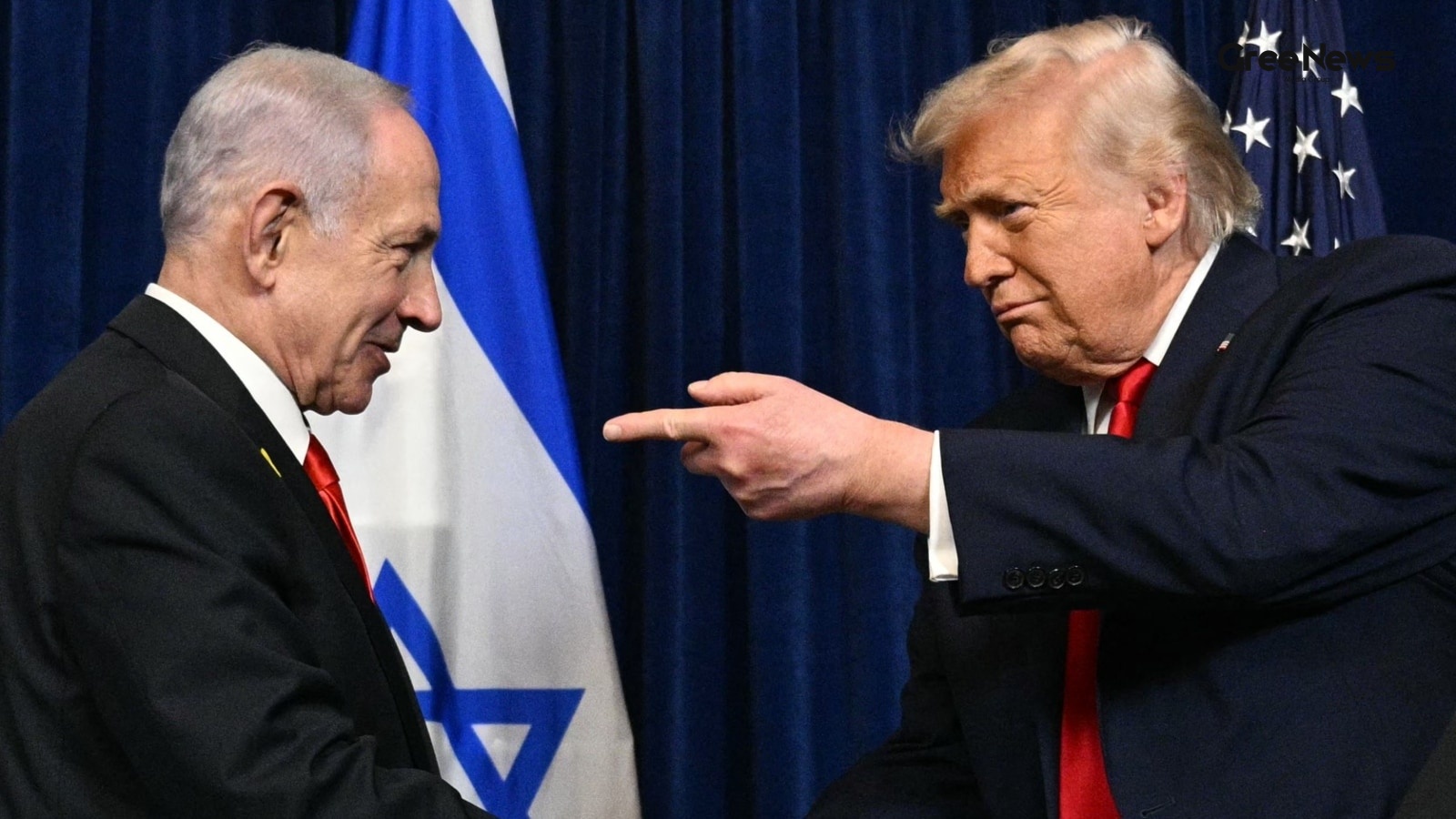
Geopolitical Tensions: The Lebanon-Israel Conflict and the Iran Deal
Tehran keeps pushing that Lebanon has to be in any ceasefire deal with Washington. But Israel isn't buying it. They’re still fighting Hezbollah. That’s the sticking point, isn’t it? Trump, talking to Qatari Emir Tamim bin Hamad Al Thani during the G7 summit in Evian, made some heavy statements about
Jun 17, 2026 by Gree News Team
Donald Trump's Idea: Syria's Role in the Israel-Hezbollah Conflict
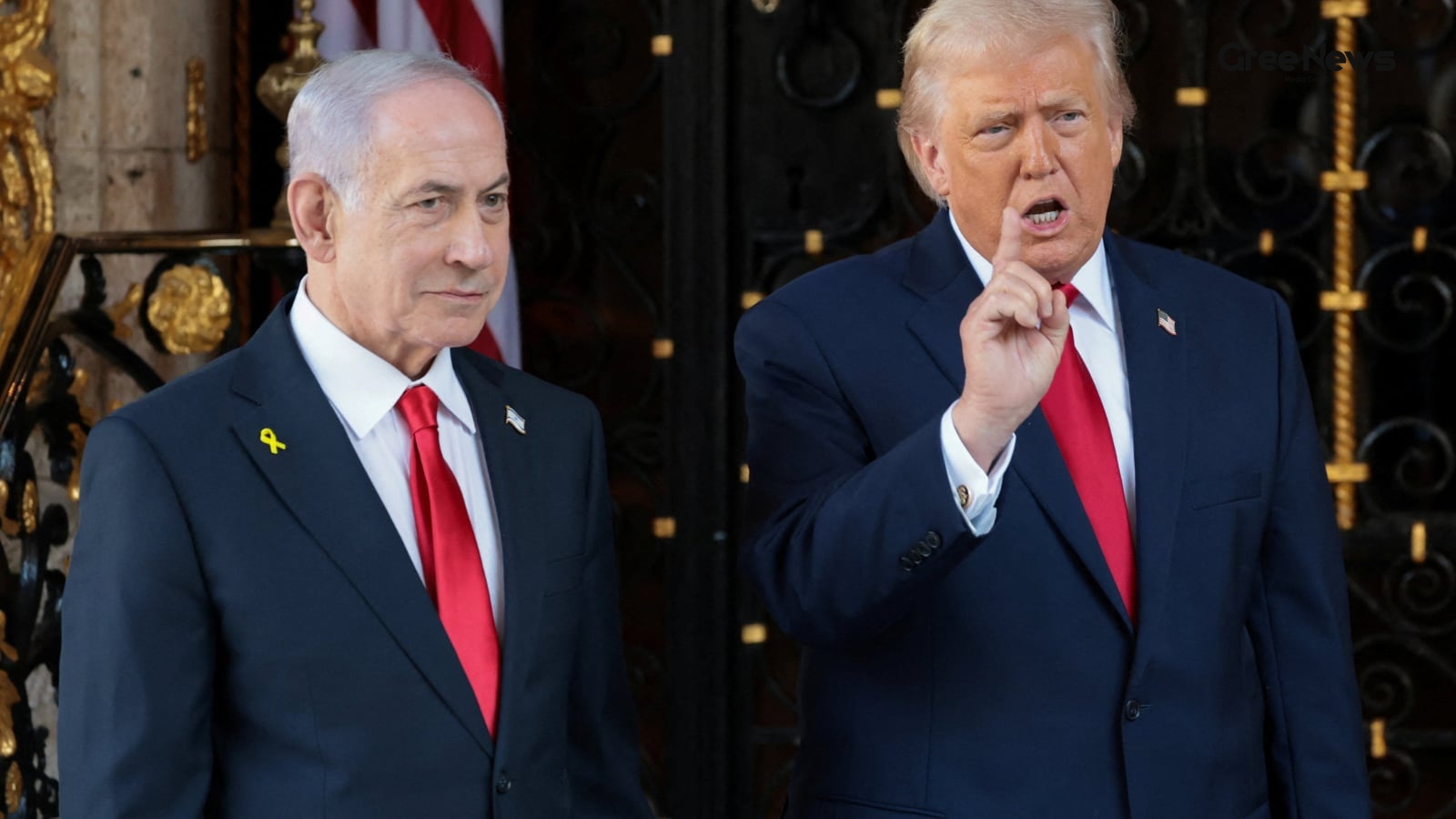
Donald Trump floated an idea recently: Syria should step in for Hezbollah instead of Israel when dealing with Lebanon’s situation. It signals something shifting in Washington's regional thinking. He was pretty frustrated about the casualties from Israel’s campaign against Hezbollah. That’s where the
Jun 17, 2026 by Gree News Team
Donald Trump on the Lebanon Conflict and Iran Deal
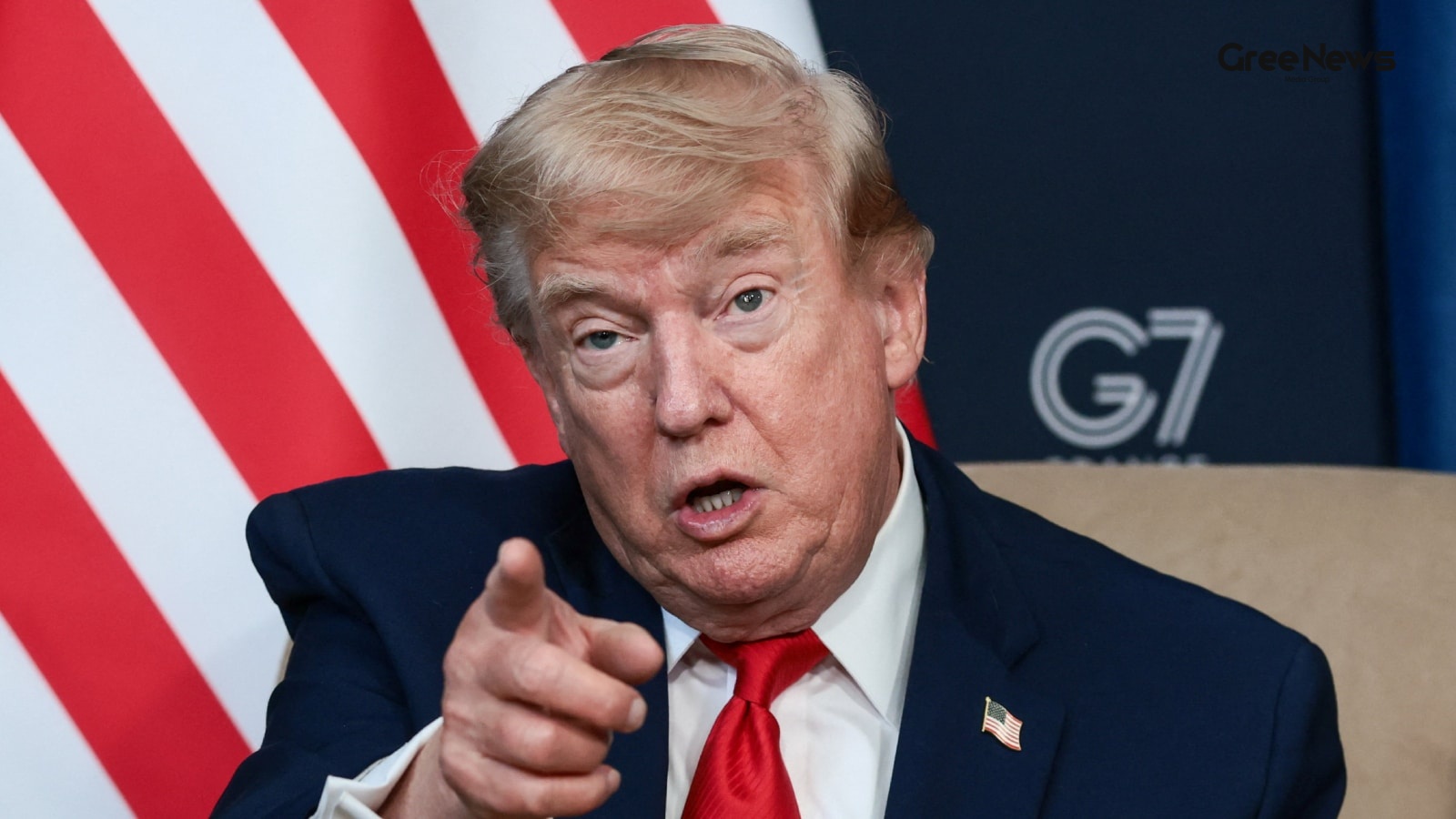
Tuesday, Donald Trump talked about the whole situation in Lebanon. He basically dismissed the Israeli-Hezbollah fighting as just a minor conflict. Not much impact, he said. Nothing big deal for the bigger picture. This came up while he was hanging out with Qatar Emir Sheikh Tamim bin Hamad Al Thani
Jun 17, 2026 by Gree News Team
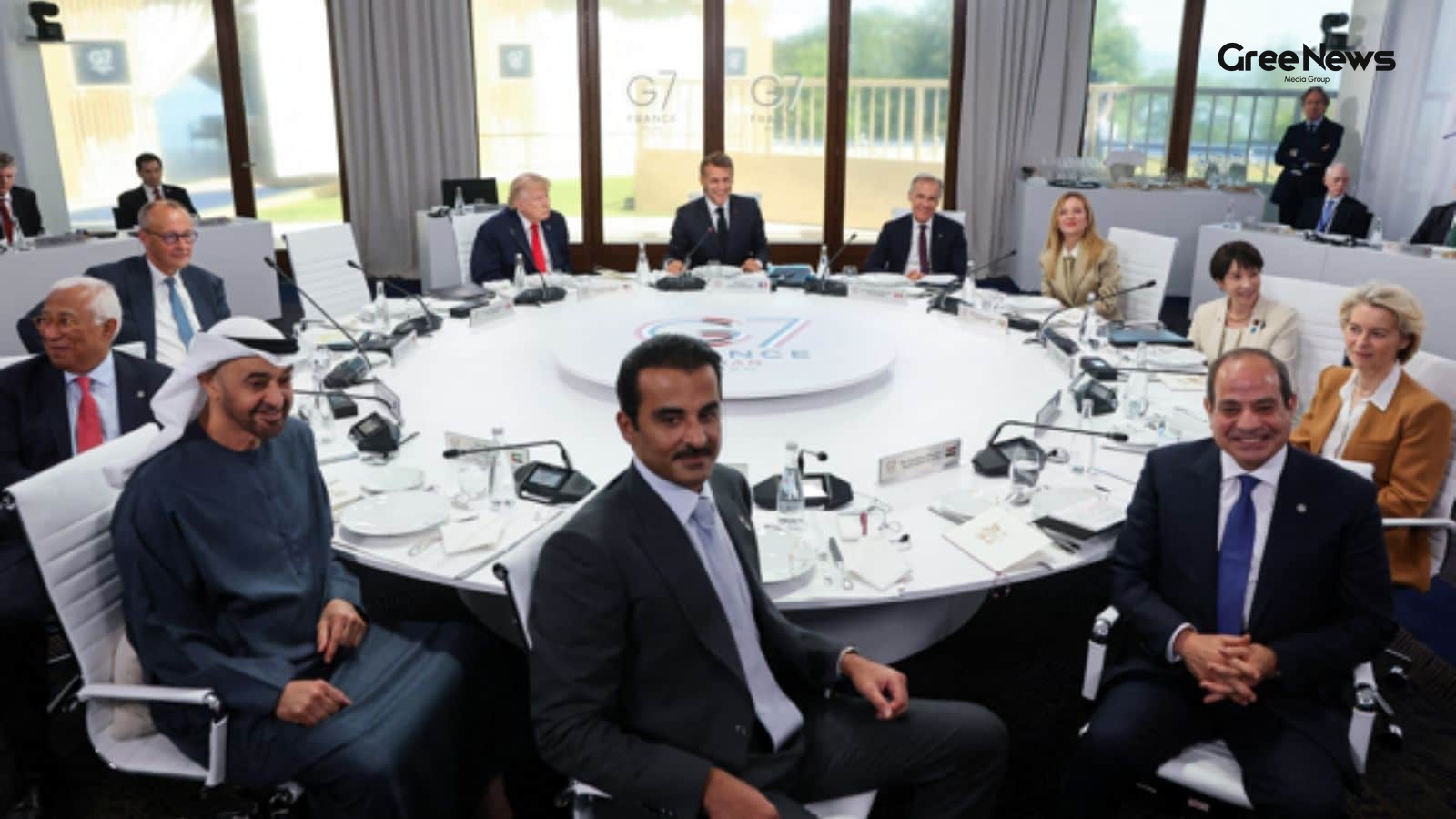
The Friction of Power: Personal Animosities in Global Geopolitics
the air around the g7 summits isn't always clean anymore. it’s thick with something else now, isn’t it? a low hum of old grudges and sharp, almost performative dismissals. we’re talking about the behind-the-scenes friction, the way these supposed pillars of the western world are actually fraying und
Jun 17, 2026 by Gree News Team
Latest Headlines
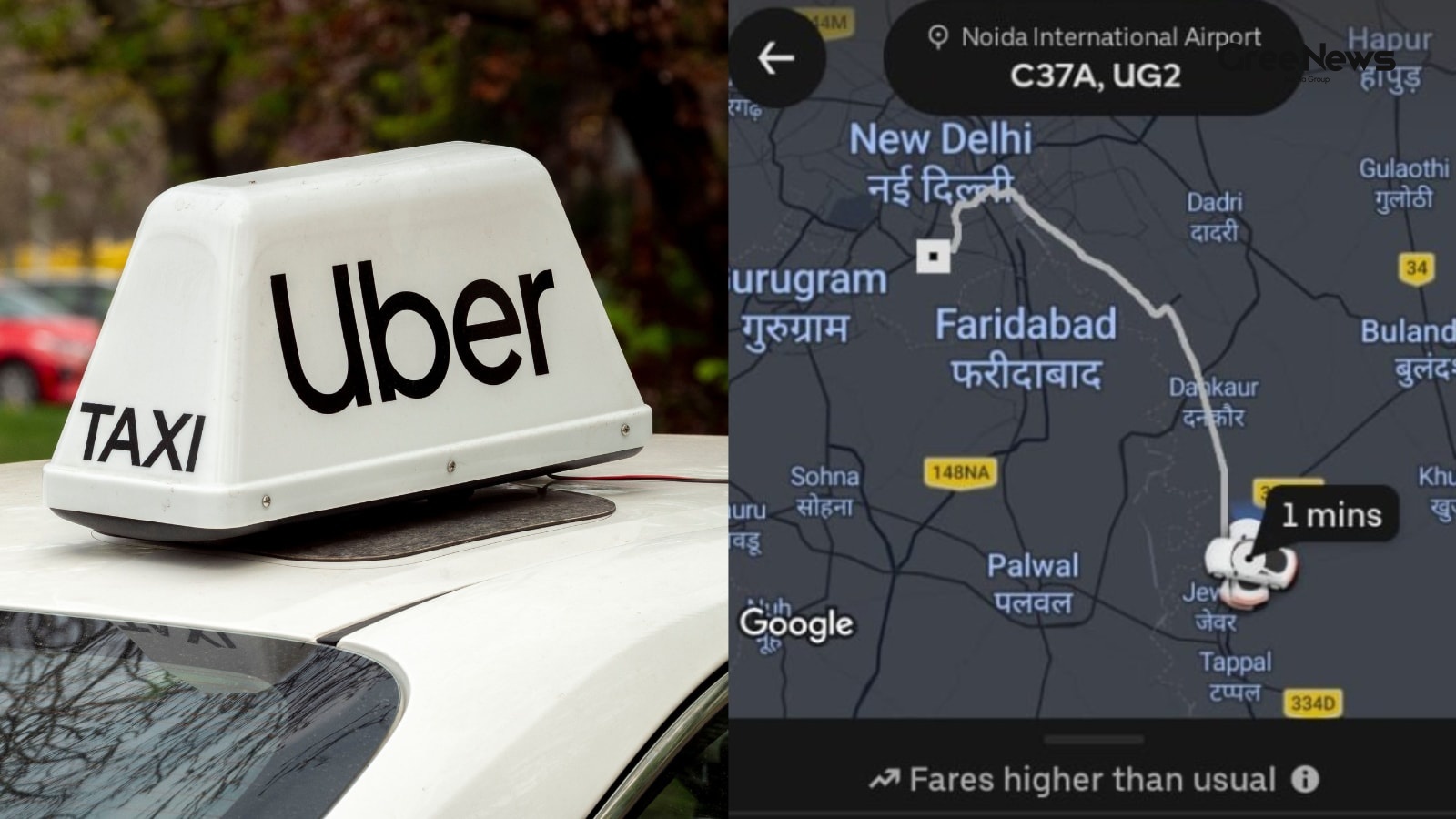
Noida International Airport Launch Sparks Debate Over Cab Fares and Regional Utility
The Noida International Airport in Jewar finally started flying operations Monday, June 15th. A big deal for air travel connecting to the whole National Capital Region. But right when everyone was celebrating the launch, something else popped up online. People were talking about cab fares from that
Jun 17, 2026 by Gree News Team
Tragic Suicide in Andhra Pradesh: Family's Despair and Unresolved Questions
A retired schoolteacher, his wife, and their adopted son were found dead at home in Duvvur village, Andhra Pradesh’s Nellore district. Monday. Just gone. Police are looking into it now. They're checking if the teacher killed them first, maybe before taking his own life. A note was found inside the h
Jun 17, 2026 by Gree News Team
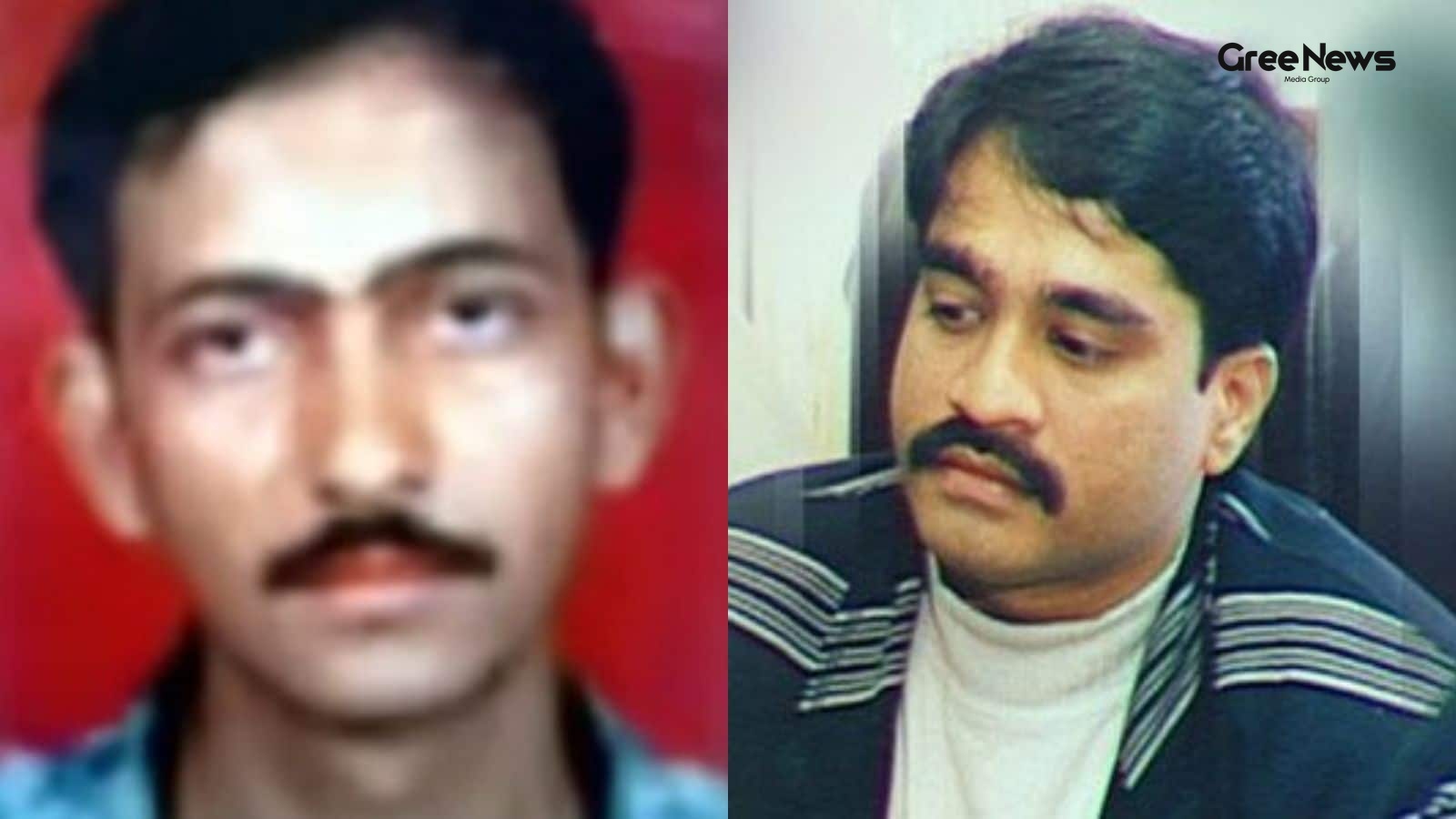
The Subversive Network: Underworld Links, Terror Strikes, and ISI Connections
A friendship started a quarter of a century ago. It happened inside a Bangkok prison. But that connection wasn't just personal. It led to something much darker. A diabolical plan. Terror strikes across multiple Indian cities. Now, the Delhi Police is digging into some arrested individuals during int
Jun 17, 2026 by Gree News Team

The Real Choice: Understanding Cooling and Kitchen Appliance Decisions
The thing about cooling things whether it’s your living room or just a single desk is that people always end up looking for something simple, but they run right into this impossible choice between what works and what costs you the most. You're sweating. The room is thick. You look around and think,
Jun 17, 2026 by Gree News Team
The Political and Diplomatic Fallout of Renaming a Road in Hyderabad
The whole thing started so simply, really. A road name change in Hyderabad. But it quickly spiraled into this mess of posturing, doesn't it? It’s that kind of low-level political friction you see constantly simmering under the surface of any major state-level decision, especially when you start drag
Jun 17, 2026 by Gree News Team
Geopolitical Tensions: The Lebanon-Israel Conflict and the Iran Deal
Tehran keeps pushing that Lebanon has to be in any ceasefire deal with Washington. But Israel isn't buying it. They’re still fighting Hezbollah. That’s the sticking point, isn’t it? Trump, talking to Qatari Emir Tamim bin Hamad Al Thani during the G7 summit in Evian, made some heavy statements about
Jun 17, 2026 by Gree News Team
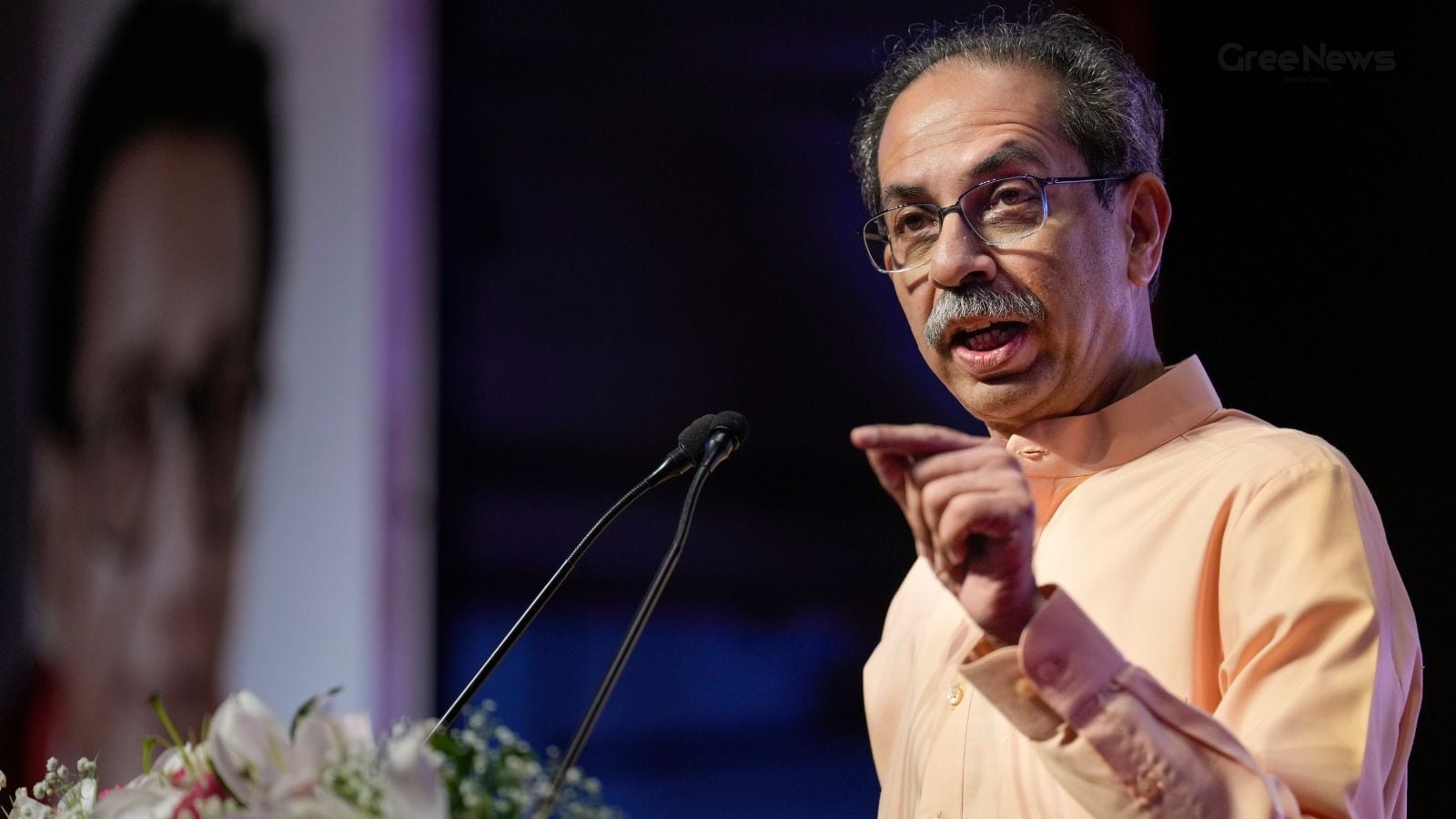
Shiv Sena (UBT) Split Rumors and "Operation Tiger"
The Shiv Sena (UBT) seems to be heading for another major split. Sources are whispering that fourteen to sixteen MLAs and seven MPs are actually preparing to walk out of Uddhav Thackeray’s party. This whole thing could happen fast. They say it might materialize in just six or seven days. If that hap
Jun 17, 2026 by Gree News Team
Donald Trump's Idea: Syria's Role in the Israel-Hezbollah Conflict
Donald Trump floated an idea recently: Syria should step in for Hezbollah instead of Israel when dealing with Lebanon’s situation. It signals something shifting in Washington's regional thinking. He was pretty frustrated about the casualties from Israel’s campaign against Hezbollah. That’s where the
Jun 17, 2026 by Gree News Team
Donald Trump on the Lebanon Conflict and Iran Deal
Tuesday, Donald Trump talked about the whole situation in Lebanon. He basically dismissed the Israeli-Hezbollah fighting as just a minor conflict. Not much impact, he said. Nothing big deal for the bigger picture. This came up while he was hanging out with Qatar Emir Sheikh Tamim bin Hamad Al Thani
Jun 17, 2026 by Gree News Team
The Friction of Power: Personal Animosities in Global Geopolitics
the air around the g7 summits isn't always clean anymore. it’s thick with something else now, isn’t it? a low hum of old grudges and sharp, almost performative dismissals. we’re talking about the behind-the-scenes friction, the way these supposed pillars of the western world are actually fraying und
Jun 17, 2026 by Gree News Team
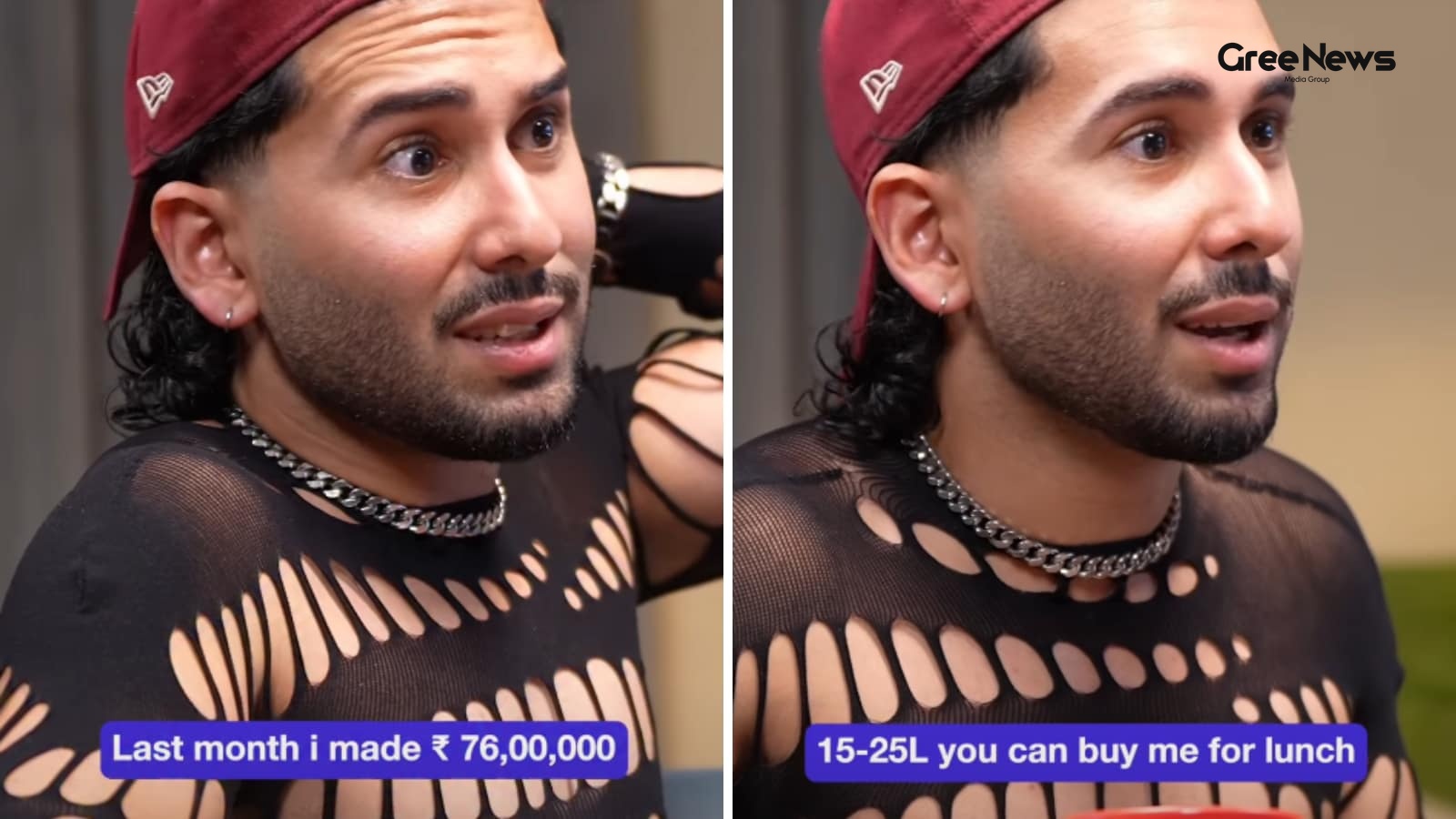
Orry's Income: Social Media, Brand Deals, and Private Bookings
The whole thing just came out of that podcast, you know? Orry was talking about how he actually makes money now. It’s not just sitting around posting stuff anymore. He explained this whole social media and brand deal thing really clearly. How it became a big source of income for him. He mentioned so
Jun 17, 2026 by Gree News Team
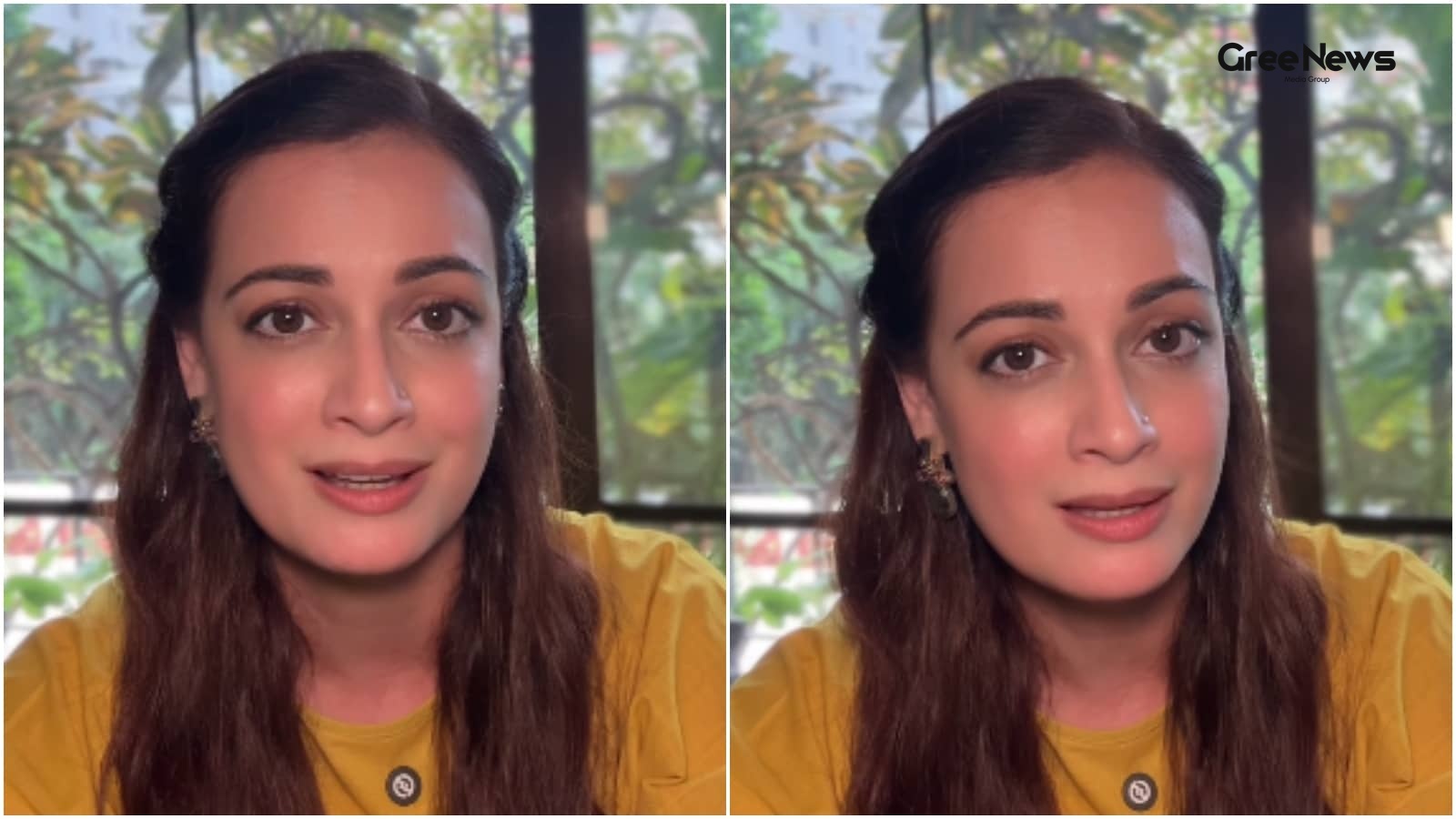
Patriarchy, Climate Change, and Systemic Failure in Activism
The noise started immediately after Dia Mirza made her comments about climate change and men. It was a reaction, fast and ugly. People went straight to social media. Trolling started up instantly. She had said something pretty pointed, linking patriarchy directly to the climate crisis. The original
Jun 17, 2026 by Gree News Team

Sanchita Ugale's Death: Conflicting Stories and Controversy
Sanchita Ugale’s death really shook everyone. Twenty-two years old. Television actress. The shockwave just keeps going through the country. She was found dead at her place in Nalasopara, Maharashtra, back on June 14th. Officially, it’s being reported as suicide. But that’s where things get messy fas
Jun 17, 2026 by Gree News Team

Jyotsna Chandola Singh on Mental Health and Grief
Jyotsna Chandola Singh. Actress. She broke down. Cried about Sanchita Ugale. It happened recently. Tuesday, she posted something on Instagram. A video dropped there. Talking about mental health. Calling Sanchita’s death “very sad.” Simple words, but they carried weight. She was friends with Sanchita
Jun 17, 2026 by Gree News Team
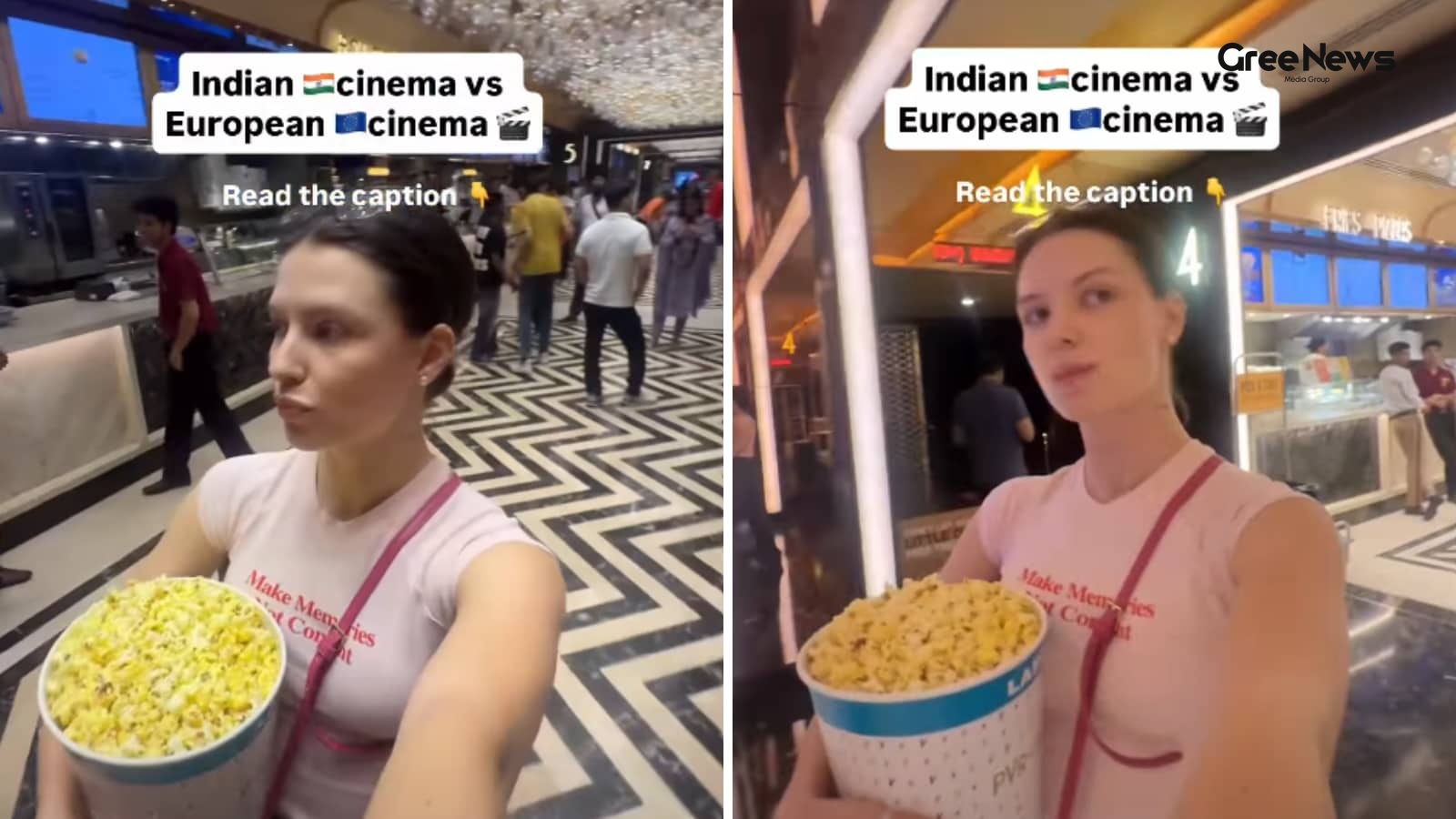
Comparing Cinema Experiences: India versus Europe
Sandra On, this Ukrainian content creator, she put out some thoughts recently comparing cinema experiences across borders India versus Europe. It wasn't just a simple review. She posted it on Instagram, setting up this comparison about how different these movie settings feel in India compared to wha
Jun 17, 2026 by Gree News Team