Abhishek Singh Defends Blocking of Telegram for NEET-UG Exam Security
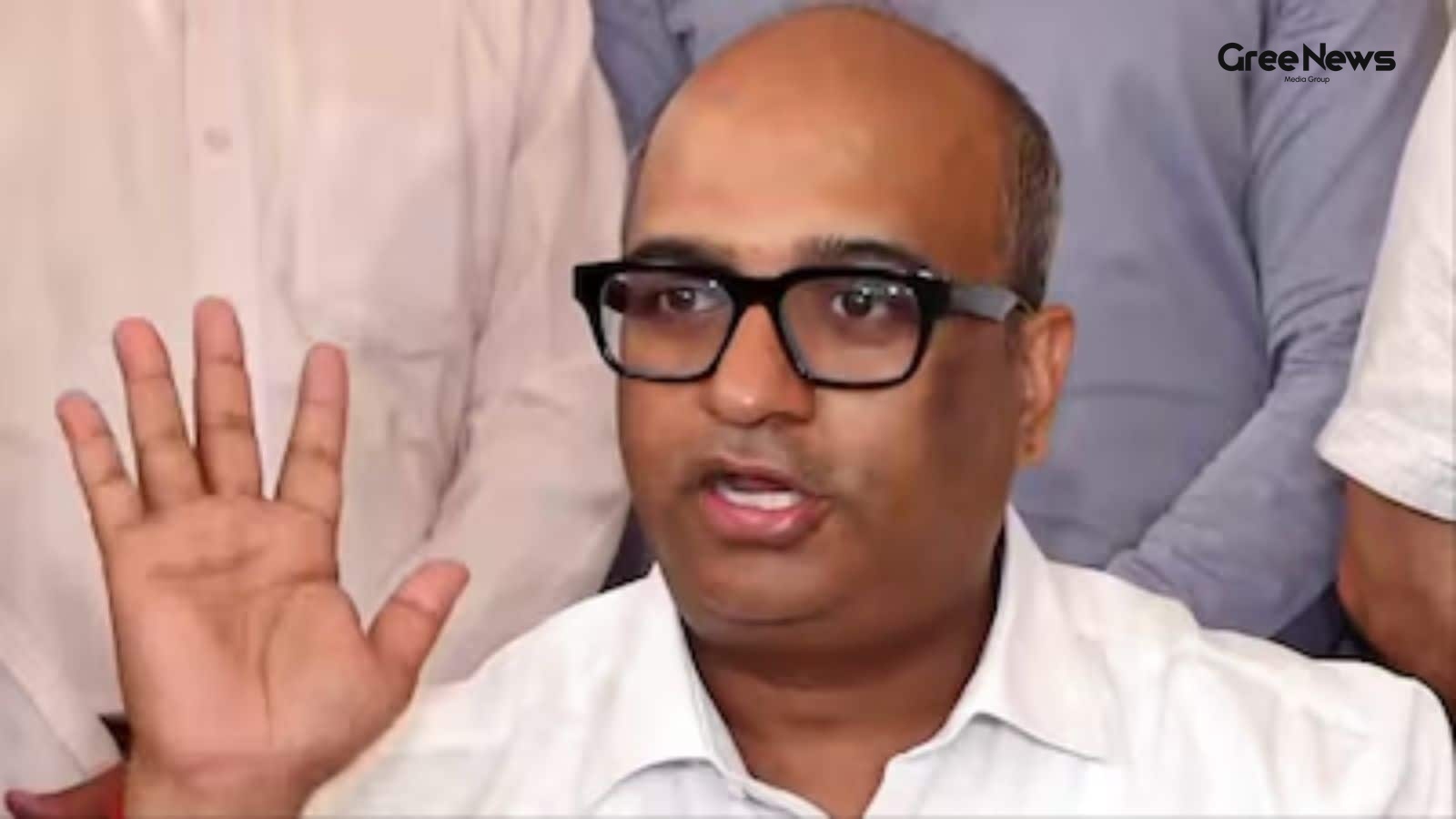
Abhishek Singh, the Director General of the National Testing Agency, basically stood up and defended the government’s move to block Telegram temporarily before the re-NEET-UG 2026 exam. It wasn't some casual decision; it was a reaction to something really toxic happening on that platform.
He argued it was absolutely necessary. Why? Because people were using it, constantly, for outright fraud. Scammers were flooding those channels with fake question papers, trying to cheat worried students and their parents. That kind of cheating just isn't acceptable when you’re dealing with something as critical as future careers.
The whole situation built up because there were repeated complaints. People kept reporting that these fake paper leak channels were active on Telegram. And the response from authorities felt slow, almost negligent. Singh made it clear then the government had no other choice. They had to act. Scammers weren't just sharing rumors; they were actively distributing what looked like genuine papers and demanding money from anyone who paid.
He admitted that this step might look harsh. A sledgehammer, maybe. But he insisted the alternative was worse. He framed it as protecting the 22 lakh students waiting for this exam. It’s about safeguarding their careers, not just stopping a few leaks.
“We had to take this drastic step,” Singh told ANI. There's an undeniable urgency in that admission. This wasn't a suggestion; it was a forced response to rampant misuse. He kept hammering home the point: when students are on the line, when their futures depend on fairness, every tool available must be used.
He spoke about the reality of where this fraud was coming from. It’s not just local issues. Some of these channels were being run by people operating from countries that aren't exactly welcoming to India. That added another layer to the problem it wasn't just internal cheating; it involved external actors exploiting the system.
“Some people can operate those channels using VPNs,” he explained. Or they are running them entirely from outside India. It’s a logistical nightmare, really. But even if they keep operating them from overseas, Singh pointed out that access itself is still being restricted for students right now. The point was to cut off the supply line of fake material.
He brought up some specific details about what was happening inside Telegram. There's this feature on the platform the ability to edit old messages while keeping the original timestamp attached. This feature, when misused, becomes terrifyingly effective. It allows people to retroactively claim that papers were shared long before the exam even started. That’s a massive vulnerability you have to deal with.
Think about the implications for confidence. Singh stressed that this action was also about protecting the faith of those 22 lakh students. They need to believe, truly believe, that what they are facing is fair. Merit matters. The outcome should be based purely on performance and hard work, not on who managed to smuggle a document in.
“Not every student will qualify,” he said. And this line carries so much weight. It’s about managing expectations. You don't want students feeling cheated just because some rogue operator got ahead of them with a leaked file. They need the confidence that the examination process itself is solid, based on actual merit.
The NTA hasn't been sitting still either. He mentioned the agency has taken multiple steps already to make sure this whole testing procedure runs smoothly. It’s not just about blocking channels; it’s about total security across the board. We’re talking tighter controls during paper setting. Translation, printing all of that needs an ironclad chain. Transporting those papers. Storing them securely.
They worked with various government departments and security forces on this, trying to build a fortress around the entire process. It was a multi-pronged effort just to secure the mechanics of the exam itself.
“We have taken every possible precaution,” he insisted. This is India’s commitment to these young minds. The promise that the test will be flawless across all 5,040 centers inside India and those 14 centers abroad. That scale requires absolute vigilance. It demands more than just basic oversight; it needs serious security protocols woven into every step of the operation.
It feels like a massive undertaking, doesn't it? Trying to balance platform freedom against the need for absolute integrity in high-stakes testing. Singh’s defense wasn't just political posturing. It was rooted in the raw fear felt by students and parents who were worried about their hard work being invalidated by some digital trickery.
The issue with Telegram, when viewed through this lens, isn't just a communication tool. It became an unregulated pipeline for misinformation and potential systemic fraud. When you introduce that level of chaos into an examination environment, trust erodes quickly. And trust is the most fragile thing when people are relying on meritocracy to judge their lives.
He spoke about how these operators were moving around the globe, using digital shadows to operate outside normal scrutiny. It highlights a deeper problem the intersection of global technology and domestic educational security. The fraudsters weren't just local; they were leveraging international gaps for their gain. This complexity makes the solution necessarily drastic. If you can’t control the external environment, you have to tighten the internal controls severely.
The idea that students should feel secure in their results is paramount. It goes beyond just getting a score right. It's about believing the entire system they participated in was honest. When that belief is shaken by rumors of leaked papers and illicit deals, it poisons the experience long before the results are even announced. That’s why the focus shifted so heavily onto procedural integrity, on making sure every single test center operates under the same strict, verifiable rules.
They don't just view digital platforms as spaces for chatting anymore; they are vectors for potential societal harm, especially when tied into high-stakes national events like these entrance exams. The restrictions on Telegram felt less like an inconvenience and more like damage control an attempt to stop the bleeding caused by widespread deception before it could fully manifest in the final results.
The constant need to address these digital threats means that security isn't a side issue; it has to be front and center. It’s about ensuring that the immense effort put into setting up the NEET-UG exam is respected, protected from tampering, and ultimately, reflects genuine student potential. That kind of sustained vigilance is what the NTA is trying to enforce now.
Written by Gree News Team — Senior Editorial Board
Gree News Team covers international news and global affairs at Gree News. Our collective of senior editors is dedicated to providing independent, accurate, and responsible journalism for a global audience.
More from Education
View All
Mandatory Rituals and Ideological Conflict in School Education
The whole thing just exploded. This sweeping order from the School Education Department it’s a total shift for how schools operate across the state. They made it mandatory. Apparently, starting with the 2026-27 academic session, everything changes. It’s not just some new rule; it’s about restructuri
Jun 17, 2026 by Gree News Team
School Reopening Directives and Political Controversy in Education
Schools are finally set to reopen on June 16, after those summer holidays. But there’s more happening behind the scenes. The School Education Department just dropped some directives for the whole 2026–27 session. And this isn't just about classes starting up. They made rules about how things should
Jun 17, 2026 by Gree News Team
UPSC Prelims Results and Next Steps for Civil Services 2026
UPSC Prelims results finally out. That’s what the Commission dropped on their site, upsc.gov.in. It means the preliminary stage for 2026 is over. For those who managed to qualify 13,343 folks now eligible for the next hurdle: the Mains exam. It’s a big step forward, but it doesn't feel like the fini
Jun 16, 2026 by Gree News Team
NEET (UG) 2026 Re-examination Admit Card Release Details
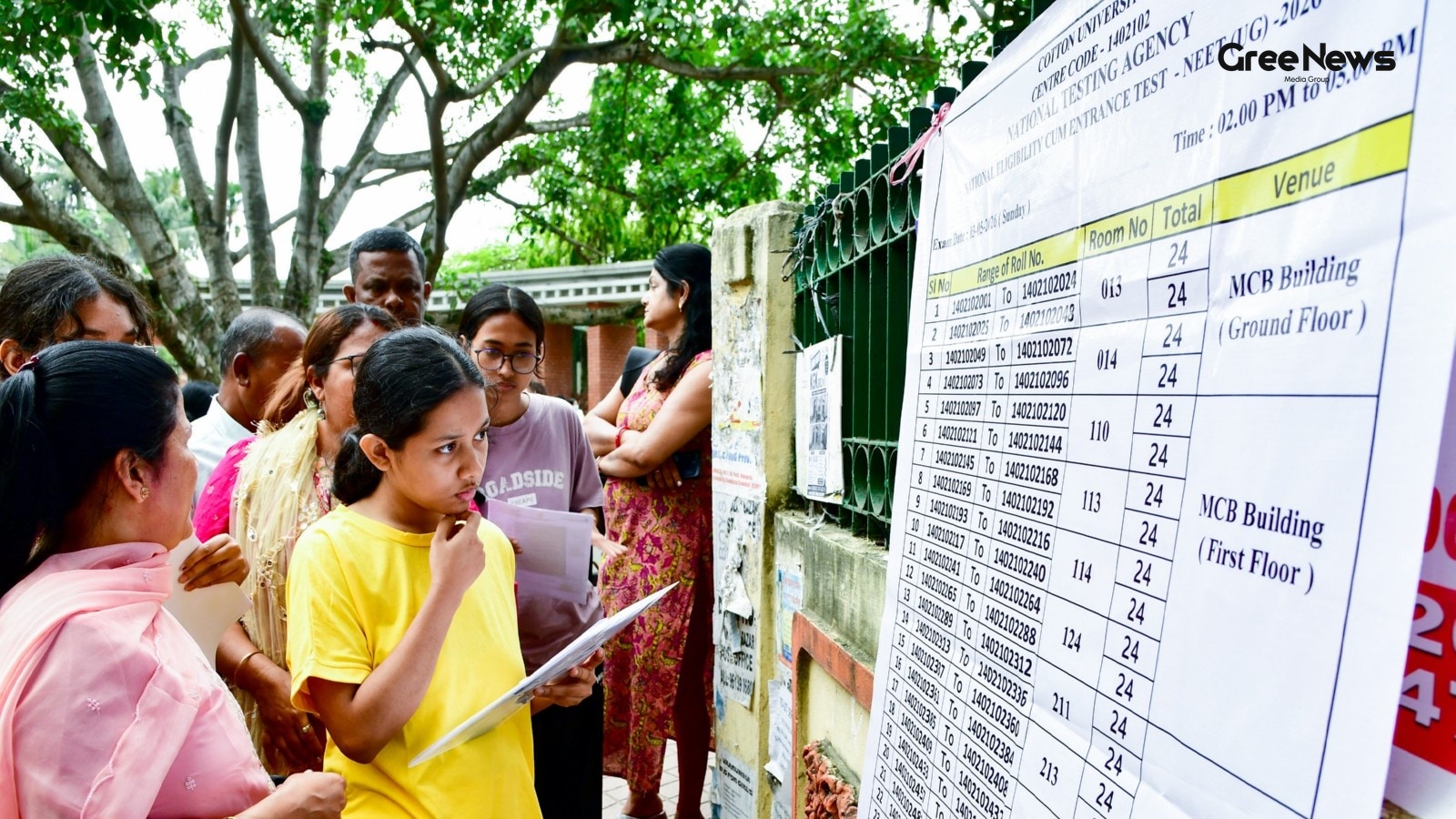
The National Testing Agency finally put out the admit cards for the NEET (UG) 2026 re-examination. It’s scheduled for June 21st, 2026. Sunday notice said you can grab these things from their official site, neet.nta.nic.in. You just need your application number and date of birth to get started. But t
Jun 15, 2026 by Gree News Team
Latest Headlines
Justice Served: BSF Jawans Sentenced for Gang-Rape and Acid Attack in Mizoram
Bringing that nine-year legal fight to a close in Mizoram’s district court was something huge. They finally sentenced two Border Security Force jawans to rigorous imprisonment. The charges? Gang-rape and brutal acid attack against a local tribal woman back in 2017. The judge, Additional District and
Jun 17, 2026 by Gree News Team

Erling Haaland Scores First World Cup Goals in Norway Victory
Erling Haaland scored his first World Cup goals. Norway beat Iraq four to one on Tuesday in their very first game at a major tournament in twenty-six years. It happened fast. He turned in from close range for the lead around the twenty-ninth minute in Boston. But Aymen Hussein got level with a heade
Jun 17, 2026 by Gree News Team

Fuel Price Movements and Market Dynamics on June 17th
Petrol, diesel, and CNG prices stayed put Monday, June 17th. That’s what they said. But behind the scenes? The oil market companies and gas distributors are still tweaking things every morning at six, you know? Still, there was movement in the upstream stuff. OMCs hiked petrol and diesel by about se
Jun 17, 2026 by Gree News Team
The Secret to Making Deep, Rich Masala Chai
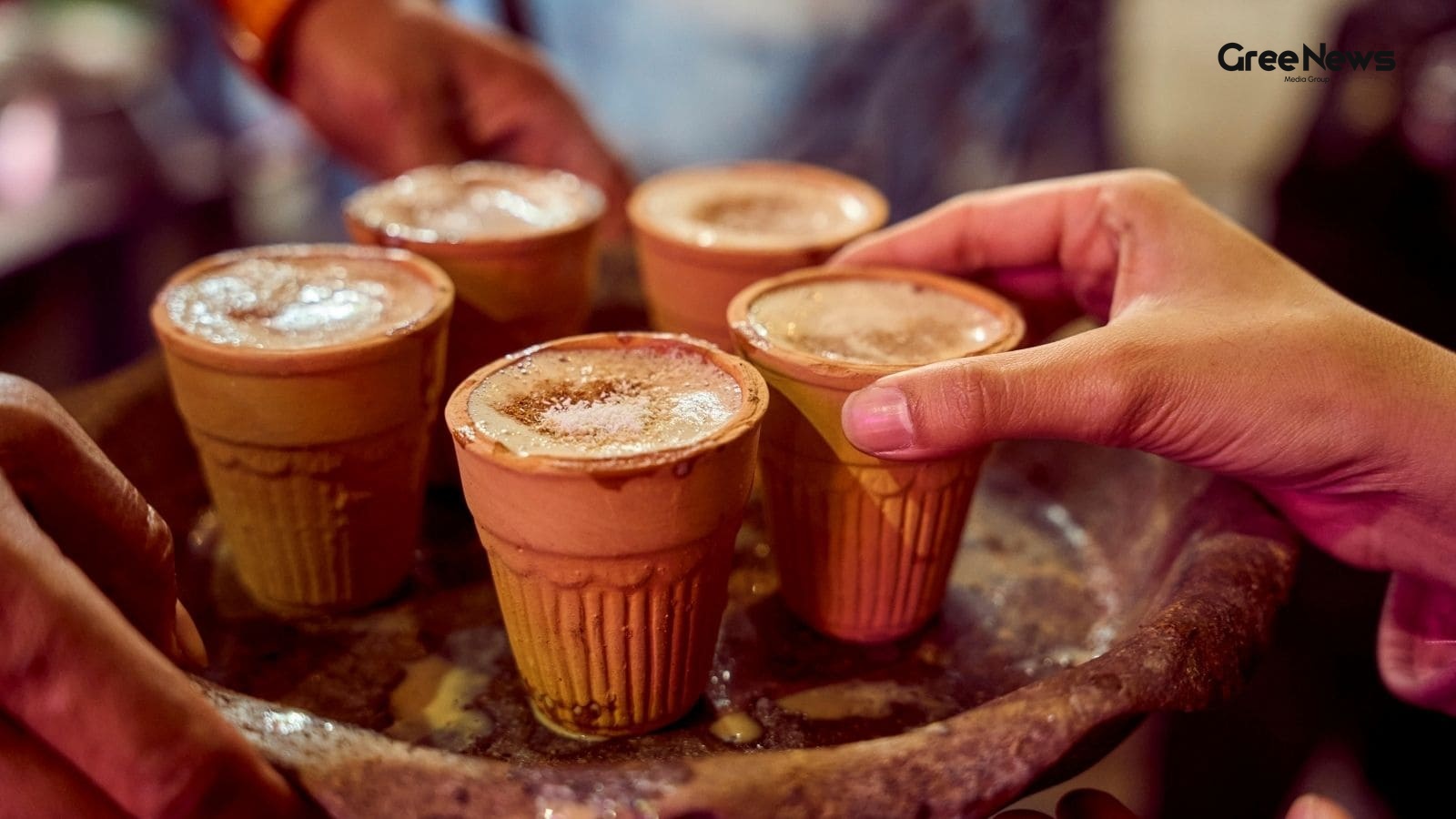
You know that smell? That fresh masala chai aroma. It’s unbeatable. But honestly, most people struggle with making it right. They throw in ginger, cardamom, cloves, all that good stuff, and still, it just doesn't hit that deep, rich fragrance you get from a real roadside stall or your mom’s kitchen.
Jun 17, 2026 by Gree News Team
The Dynamic of Stardom: Behind Dil To Pagal Hai and Bollywood Evolution
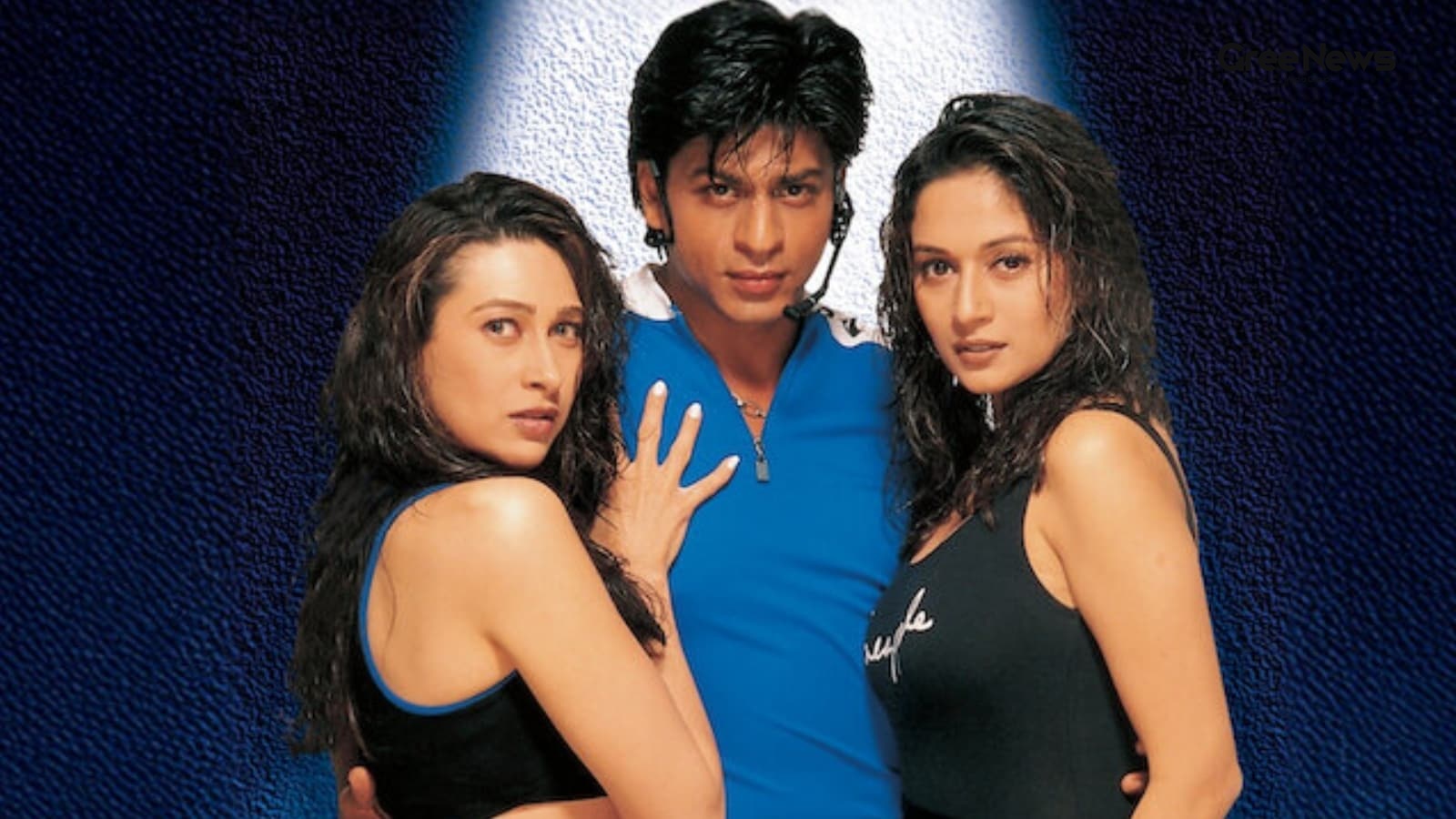
You know, you hear about *Dil To Pagal Hai*. It’s always something, isn't it? Not just a movie, really. It’s become this thing everyone talks about. A proper cult favorite now, that stuff. And you look at what happened behind the scenes with those actresses. It’s a story, really. A weird one. Karism
Jun 17, 2026 by Gree News Team

Deepika Padukone's Departure, Casting Speculation, and Industry Battles
Everyone’s buzzing about who’s going to step into Deepika Padukone's shoes for the sequel to *Kalki 2898 AD*. It’s all speculation right now, obviously. No official word yet. But then a new report surfaces, and suddenly things get interesting. Apparently, Alia isn’t taking that spot in Prabhas’ film
Jun 17, 2026 by Gree News Team
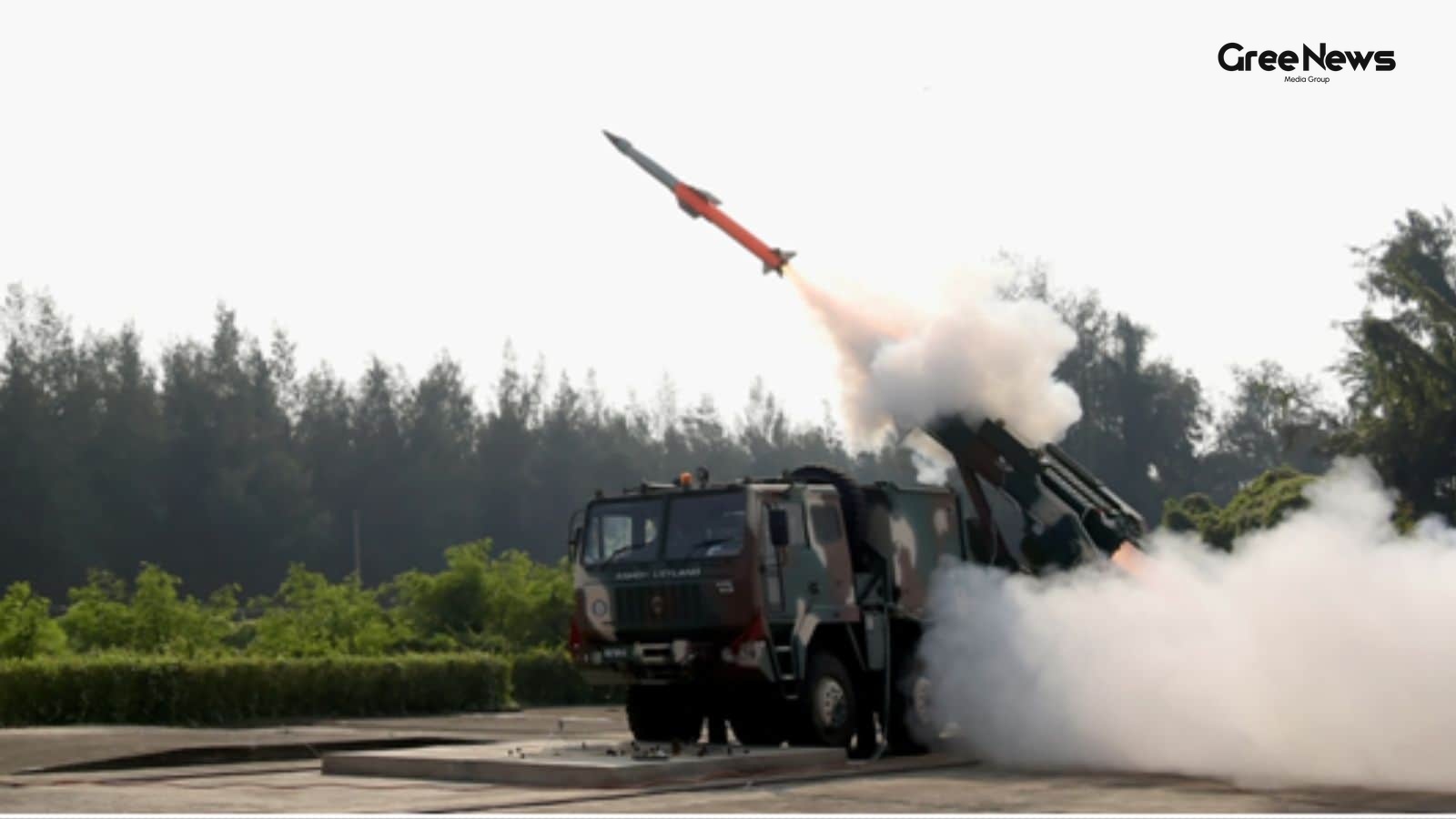
India's Defense Production and Indigenous Manufacturing Growth
India’s defense production hit a record high this year. It clocked in at Rs 1.78 lakh crore for FY 2025-26, Defence Minister Rajnath Singh announced. This really shows how much indigenous manufacturing capabilities are growing in the country. The context isn't just about the final number though. The
Jun 17, 2026 by Gree News Team
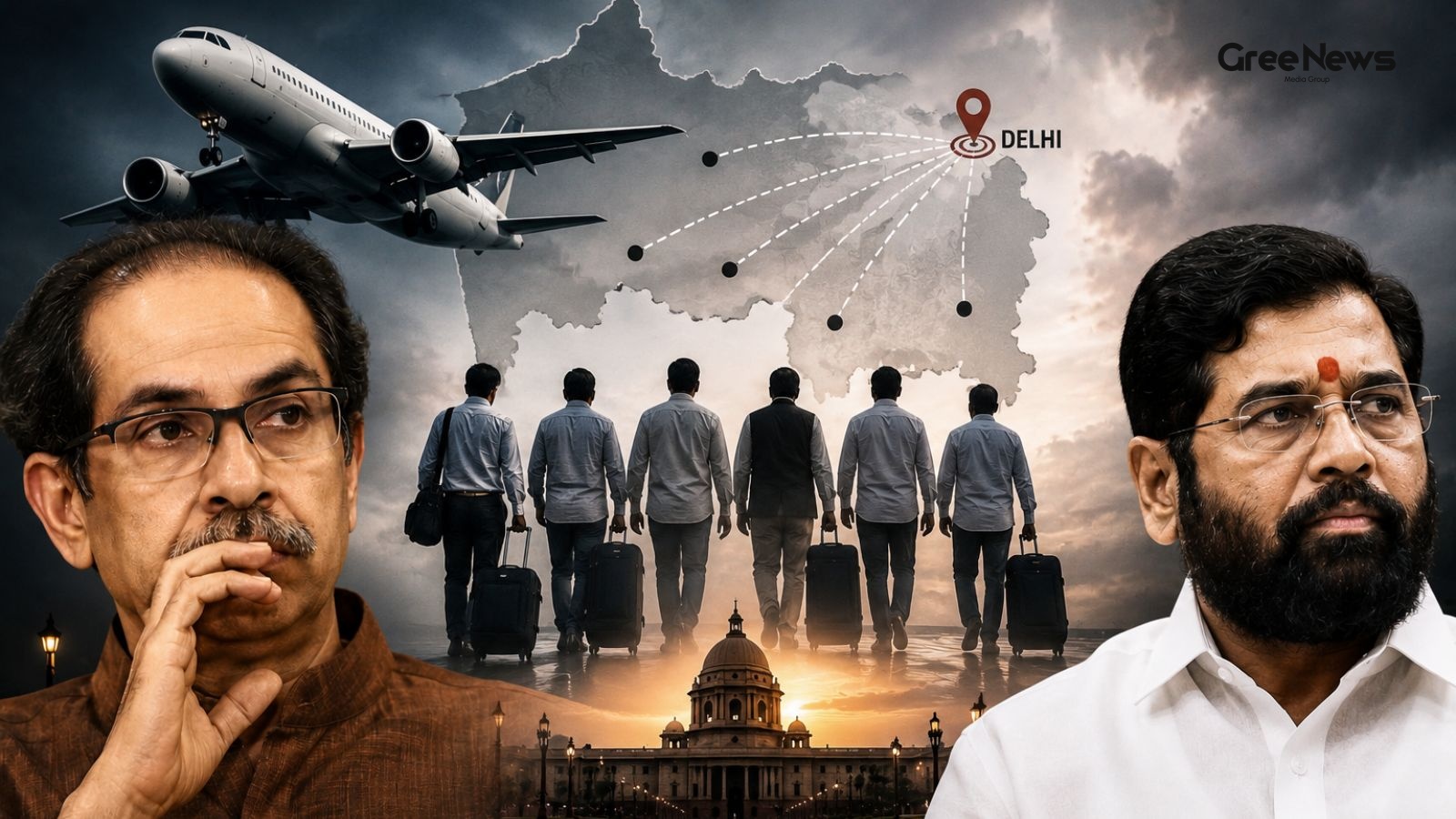
Shiv Sena (UBT) MP Movement and Political Split Rumors
One MP drove for hours. From Hadgaon to Hyderabad before catching a flight. Two others did the same, separate road trips to Nanded Airport, then boarded chartered planes heading to Delhi. Another one came in from Mumbai. And yet another took a direct flight straight from Shirdi. These journeys felt
Jun 17, 2026 by Gree News Team
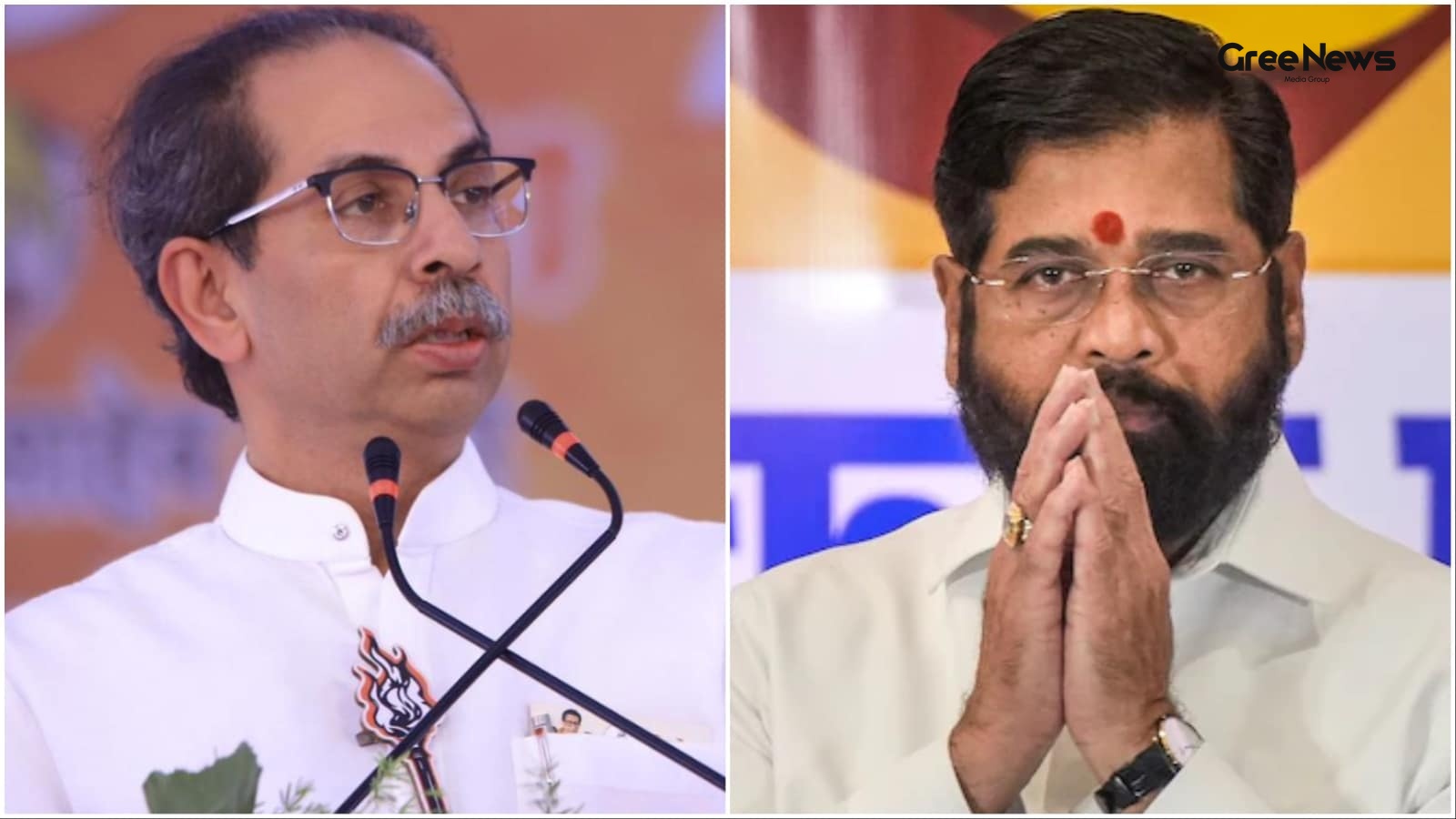
Maharashtra Politics Chaos and Shiv Sena Internal Speculation
Maharashtra politics right now feels totally thrown into chaos. There’s this huge undercurrent of speculation swirling around Shiv Sena. People are talking about a section of the party some MPs potentially wanting to just jump ship. It’s all about word wars, accusations of poaching, and lawyers star
Jun 17, 2026 by Gree News Team
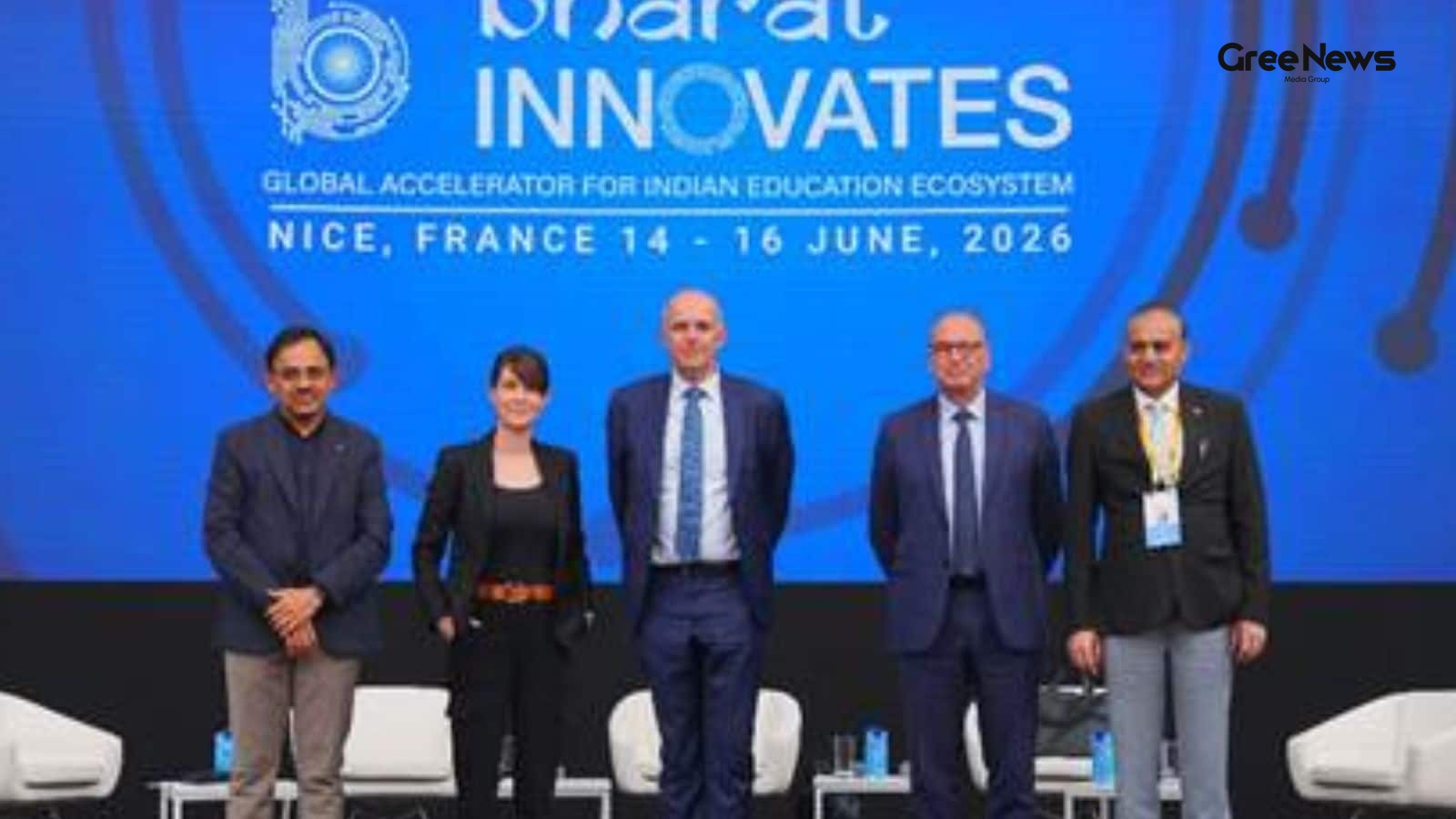
Bharat Innovates 2026: Driving Global Investment in DeepTech and Innovation
The second day of Bharat Innovates 2026 was just intense. It felt like everyone global investors, industry heavyweights, researchers, policymakers, startups, academics were crammed together there. The whole focus was on moving innovation faster. Making those DeepTech solutions actually commercial. T
Jun 17, 2026 by Gree News Team

Adil Hussain on Creative Collaboration and the Legacy of Sridevi
Adil Hussain. He’s talking about old times now, walking down memory lane for that film ‘52 Blue’ which is coming up at the London Indian Film Festival. It’s July 9th through the 19th of 2026. A festival date, right? He spoke to IANS about working with a creative giant back in the early 2010s. Sridev
Jun 17, 2026 by Gree News Team
Mandatory Rituals and Ideological Conflict in School Education
The whole thing just exploded. This sweeping order from the School Education Department it’s a total shift for how schools operate across the state. They made it mandatory. Apparently, starting with the 2026-27 academic session, everything changes. It’s not just some new rule; it’s about restructuri
Jun 17, 2026 by Gree News Team
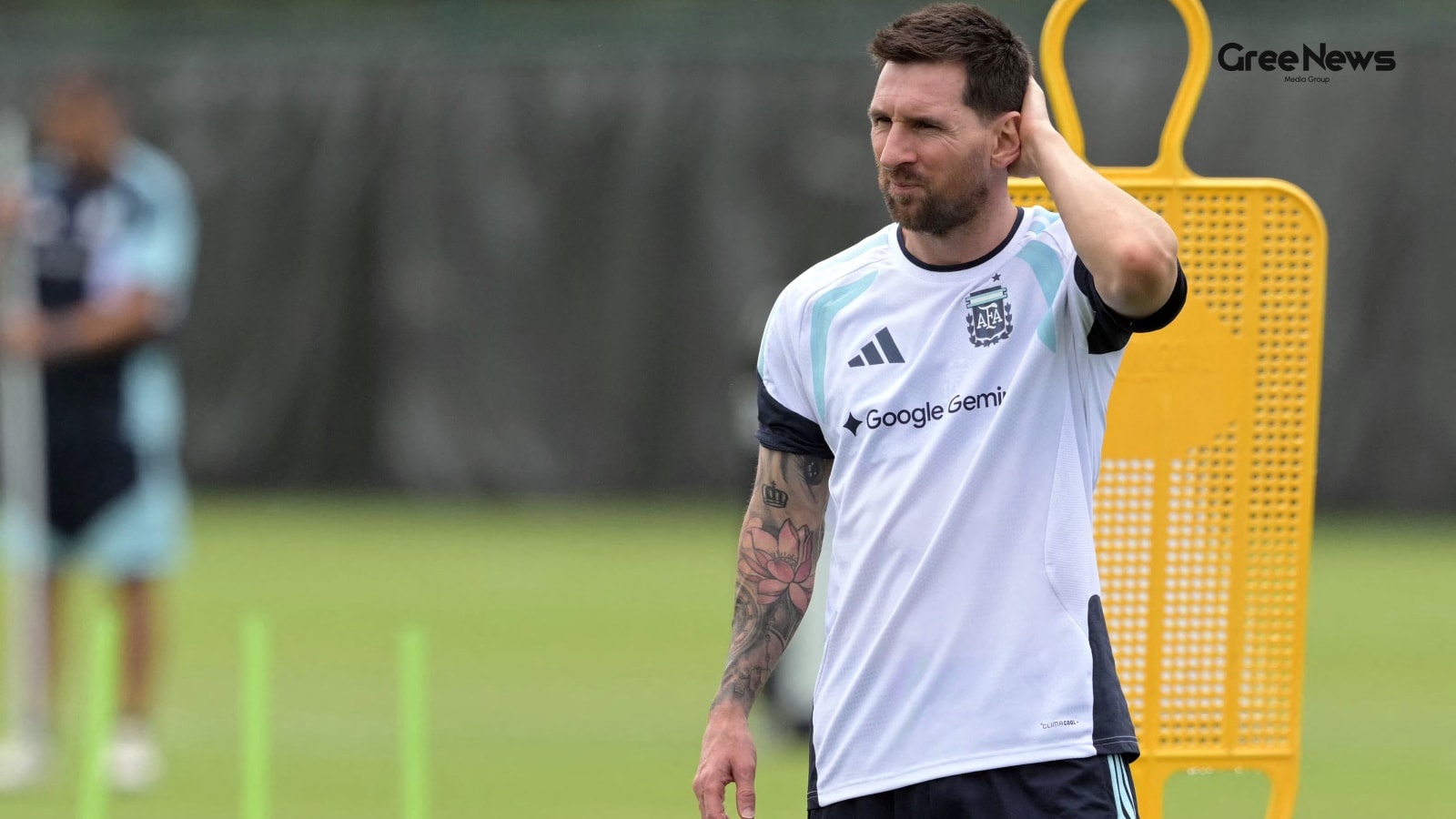
Argentina's Quest to Defend the World Cup Title
Argentina trying to become the third nation in history to actually defend that World Cup title. It starts now. Wednesday. Messi and La Albiceleste head into Algeria. Group J opener at Arrowhead Stadium, Kansas City. Just another step in this whole messy journey. Four years ago things looked complete
Jun 17, 2026 by Gree News Team
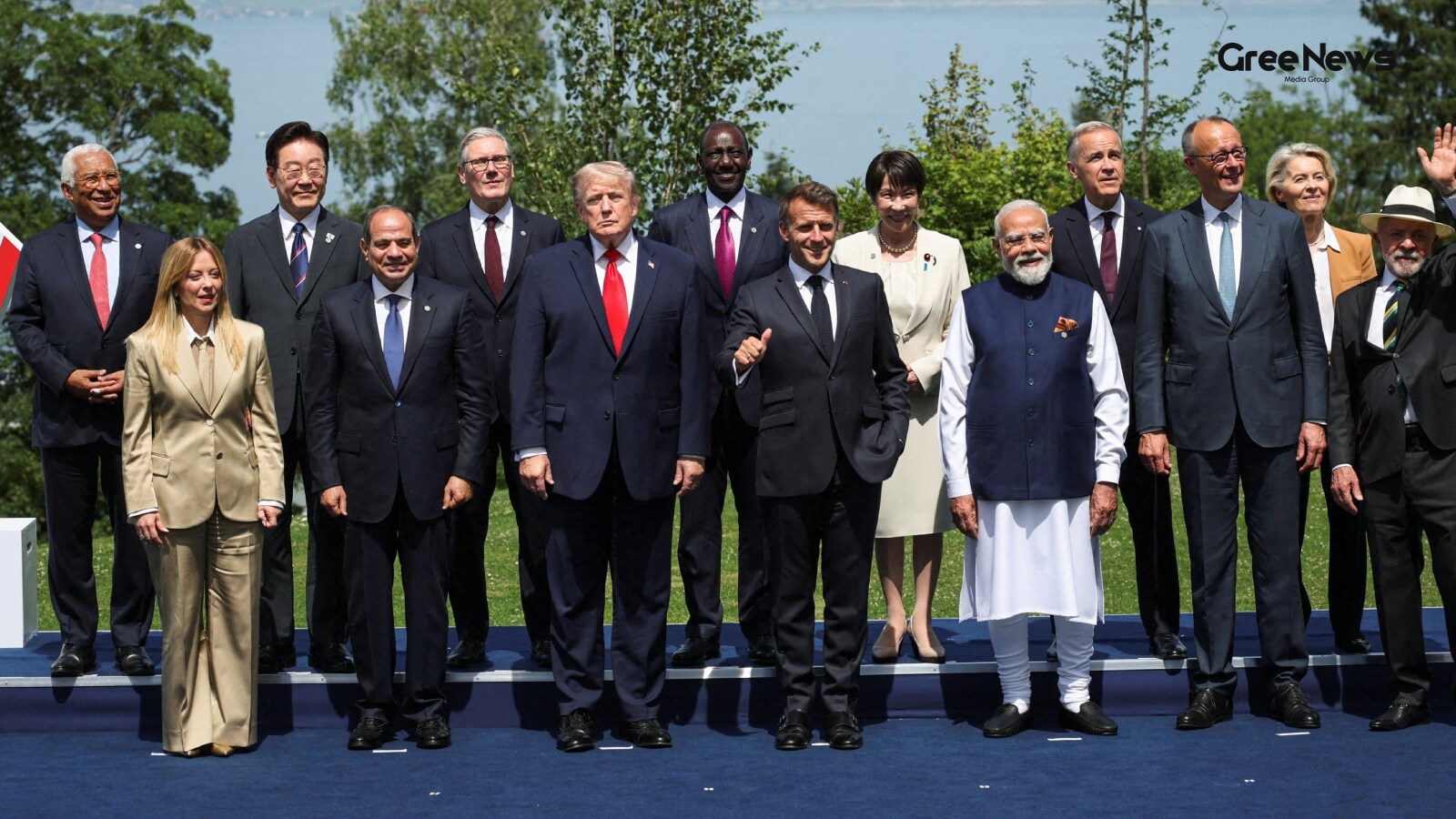
G7 Summit in Evian: Navigating Conflicts in the Middle East and Ukraine
Emmanuel Macron was hosting the world leaders on the second day of the G7 Summit in Evian. It felt like everything was swirling around that day the ongoing war in Ukraine and some really serious talks about ending hostilities between the United States and Iran were taking centre stage in the discuss
Jun 17, 2026 by Gree News Team

Ranabaali: The Collision of History, Mythology, and Star Power
Man, you just have to sit back and watch this unfold. Vijay Deverakonda and Rashmika Mandanna. They’re finally gearing up for *Ranabaali*. And honestly? The wait felt like an eternity sometimes, didn't it? All those whispers, all those frantic updates bouncing around the fandom… it was exhausting, b
Jun 17, 2026 by Gree News Team