Geopolitical Tension and Maritime Security at International Summits
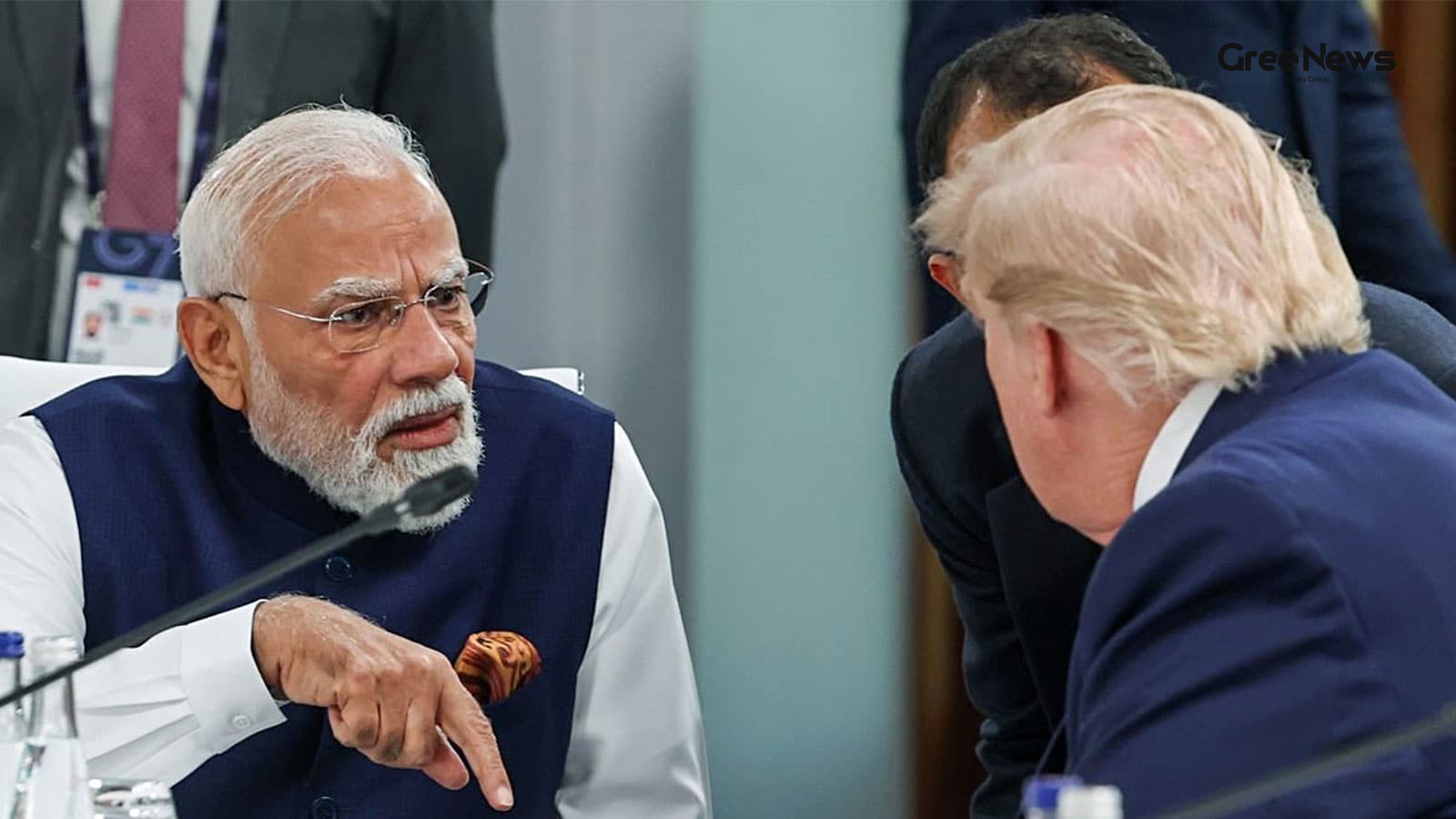
The air around international summits always smells different. It’s thick with unspoken deals and simmering tensions. And right now, that tension is particularly sharp as we look toward France, where Prime Minister Modi and President Trump are scheduled to meet on the sidelines of the G7 Summit. Wednesday. A bilateral chat planned against a backdrop of everything currently churning in the geopolitical soup trade wars, energy crises, and those lingering shadows over the Middle East.
It’s not just a handshake or two; it’s about navigating waters that are dangerously volatile right now. The whole setup feels less like diplomacy and more like damage control. You have these huge global systems, trade routes, energy flows all dependent on stability in places far away, especially when the Strait of Hormuz is involved.
The Stakes of Maritime Security
Why this meeting matters, you have to ask. It’s not just about pleasantries; it’s about tangible risks. The recent memory the tragedy unfolding in the Gulf of Oman that hangs over everything they are supposed to be discussing. Those three Indian sailors. The loss of life on a merchant vessel. That incident wasn't some isolated maritime accident; it was a stark reminder of how fragile those global arteries really are, and who is responsible for keeping them safe.
Modi spoke out days ago, calling everyone to pay attention to the security of these routes. He emphasized protecting the seafarers. It felt less like a diplomatic plea and more like an urgent demand. Responsibility flows from the sea, doesn't it? From those ships carrying oil and goods, connecting continents, across waters that are supposed to be neutral, or at least navigable.
“It is our responsibility to ensure the safety of the seafarers who connect all nations through global maritime trade,” he said during that session. It was a heavy statement. It laid bare the human cost behind these massive geopolitical calculations. They want stability for energy; they want smooth trade. But there’s a layer underneath the sheer vulnerability of those routes, especially when they are contested.
The Intersection of Trade and Geopolitics
And that brings us straight to where this meeting is happening. The Strait of Hormuz . That artery isn't just a line on a map for shipping lanes. It’s the choke point. It dictates how much energy flows, how global markets react, and frankly, it feeds into every sense of anxiety felt across the globe right now. When talks happen there, they aren’t talking about abstract policy; they are talking about immediate supply chains and potential conflict flashpoints.
Both leaders have history, a relationship that has been evolving slowly over months a first face-to-face interaction in Evian, nearly sixteen months ago. Now, that history is being tested by very real, very present threats. They are expected to chew over West Asia, energy security, and of course, the trade deal simmering between New Delhi and Washington.
The trade aspect always seems to be the bread and butter for these high-level talks. It’s a constant loop: security feeds economics, and economics drives further demands for security guarantees. Negotiations on that proposed India-US bilateral trade aGreement are reportedly in their final throes. Sources are whispering that things should wrap up in the coming weeks. They managed to hit an interim deal back in February after months of slow movement. Now it’s time to solidify something bigger, something that anchors them against the swirling uncertainties.
The White House confirmed this meeting is going to focus heavily on pushing that trade aGreement forward. It’s clear. The economic angle is paramount, but you can’t separate it from the physical reality unfolding in the water.
Think about the context of the maritime incident itself. Three Indian nationals lost their lives. A Palau-flagged tanker was involved. US forces were involved over an alleged violation while transporting oil Iranian oil, according to reports. This isn't just a story for the shipping industry; it’s a political flashpoint wrapped in tragedy. It injects immediate, visceral reality into the abstract discussions about energy security and trade aGreements.
Modi’s reaction was sharp because the stakes are so high. He wasn’t just talking about tariffs or quotas; he was talking about lives lost on the water. That transforms an economic negotiation instantly into a moral imperative. It forces the conversation to pivot from transactional deals to fundamental human safety.
The Strait of Hormuz , as noted earlier, is that critical artery for global energy flows. Disruptions there don't just cause market jitters; they create real-world scarcity and increase geopolitical leverage for those who control the flow. When we discuss deepening the energy partnership between India and the US which is clearly a major focus of these talks it has to involve guarantees that those pipelines, those shipping lanes, remain open and safe, regardless of what happens on the ground in West Asia.
The expectation is that discussions will naturally gravitate toward ensuring stable supplies. Energy cooperation isn't just about volume; it’s about reliability. It’s about making sure that when India needs energy security, and the US needs reliable access, those foundational elements are secured first. This links directly back to maritime security. If the routes through Hormuz are threatened, then all trade, all energy transport, becomes inherently unstable.
Diplomacy vs. Reality
And what about the atmosphere of the meeting itself? It’s always layered with carefully managed optics. We saw the handshakes, the smiles exchanged on the sidelines of the G7. But there was a notable absence of something more familiar no trademark PM Modi-Trump hug. Or maybe that just shows how guarded these interactions are. The group photo session, where they were seated side by side among the other leaders, offered a different kind of visual narrative. No visible eye contact. No immediate exchange of warmth in that moment. It feels like performance, careful calibration.
It’s this contrast the high-level political choreography versus the brutal reality happening miles away on the water that defines the tension. They are sitting there discussing trade aGreements and energy cooperation while the very routes they depend on are being threatened by conflict and military action.
Modi framed his message powerfully, stressing that maritime safety is everyone’s job. It was an appeal to shared humanity, trying to pull the focus away from the friction points the blockades, the strikes, the instability and back onto the essential work of keeping global commerce moving without catastrophe. He used that platform not just for diplomacy but as a moral outcry about the human cost of geopolitical instability impacting ordinary people and their livelihoods dependent on these routes.
The complexity deepens when you consider who is actually responsible for maintaining that security, or failing to maintain it. When we talk about maritime safety, we aren't just talking about navies; we’re talking about commercial shipping, international law, and the sheer logistical nightmare of global trade. And right now, that nightmare seems amplified by these regional conflicts in West Asia.
The energy discussion circles back into this security framework. If disruptions occur through Hormuz, how does that ripple through the existing energy pacts? Does it force a re-evaluation of long-term commitments? It forces a reckoning on whether the established partnerships can survive when external forces are actively trying to destabilize the very infrastructure they rely on.
It’s this constant push and pull the desire for economic partnership versus the stark reality of military risk that colors every aspect of these high-level discussions. The trade deal, the energy talks, the maritime security concerns. They aren't neatly separated; they are fused together by the immediate, visceral threat hanging over them.
The world watches these interactions closely. Every statement made, every pause taken, seems scrutinized for its implications on global stability and economic flow. It’s a delicate balancing act, trying to manage deep-seated strategic interests while responding to immediate, tragic events unfolding in the Gulf. The reality is messy. It’s not just about signing papers; it’s about managing fear and hope simultaneously across these vast distances. And that tension that subtle urgency woven into every line of communication is what makes these sidelined meetings so incredibly heavy with unspoken meaning.
Written by Gree News Team — Senior Editorial Board
Gree News Team covers international news and global affairs at Gree News. Our collective of senior editors is dedicated to providing independent, accurate, and responsible journalism for a global audience.
More from World
View All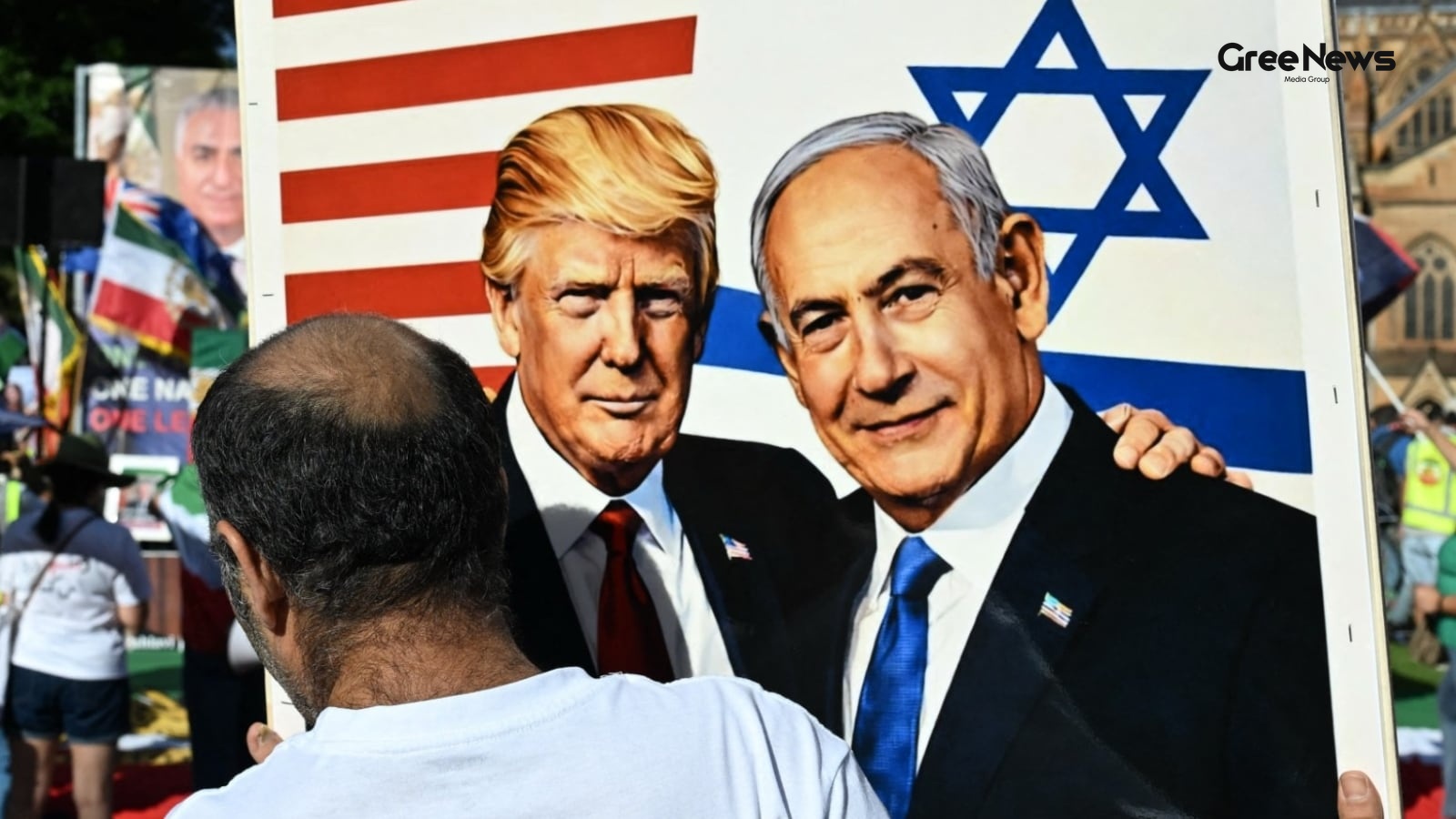
The Shifting Geopolitics of the Middle East: Uncertainty and Realignment
The air around this whole situation feels thin. You know? It’s not just some headline flashing across a screen. It’s that slow, creeping realization that whatever moves happen in the Middle East right now the deals, the threats, the shifting lines on the map they don't follow any neat, predictable p
Jun 17, 2026 by Gree News Team
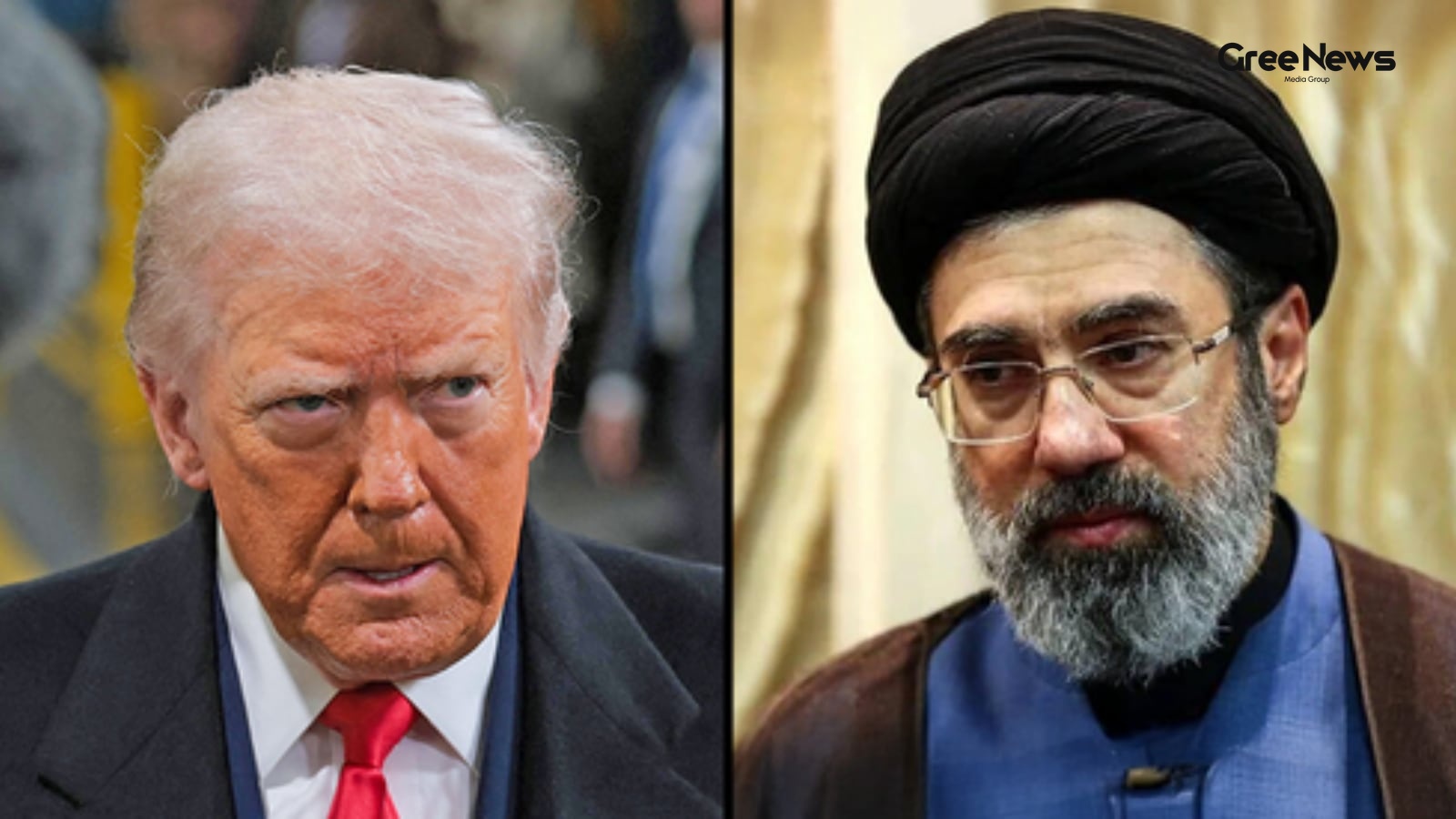
The $300 Billion Investment Fund for Iran and the Peace Framework
That $300 billion figure for Iran is really starting to look like one of the biggest sticking points in whatever peace framework the Trump administration is pushing with Tehran right now. If they actually nail this deal, it changes everything. It means the first major investment tied directly to the
Jun 17, 2026 by Gree News Team
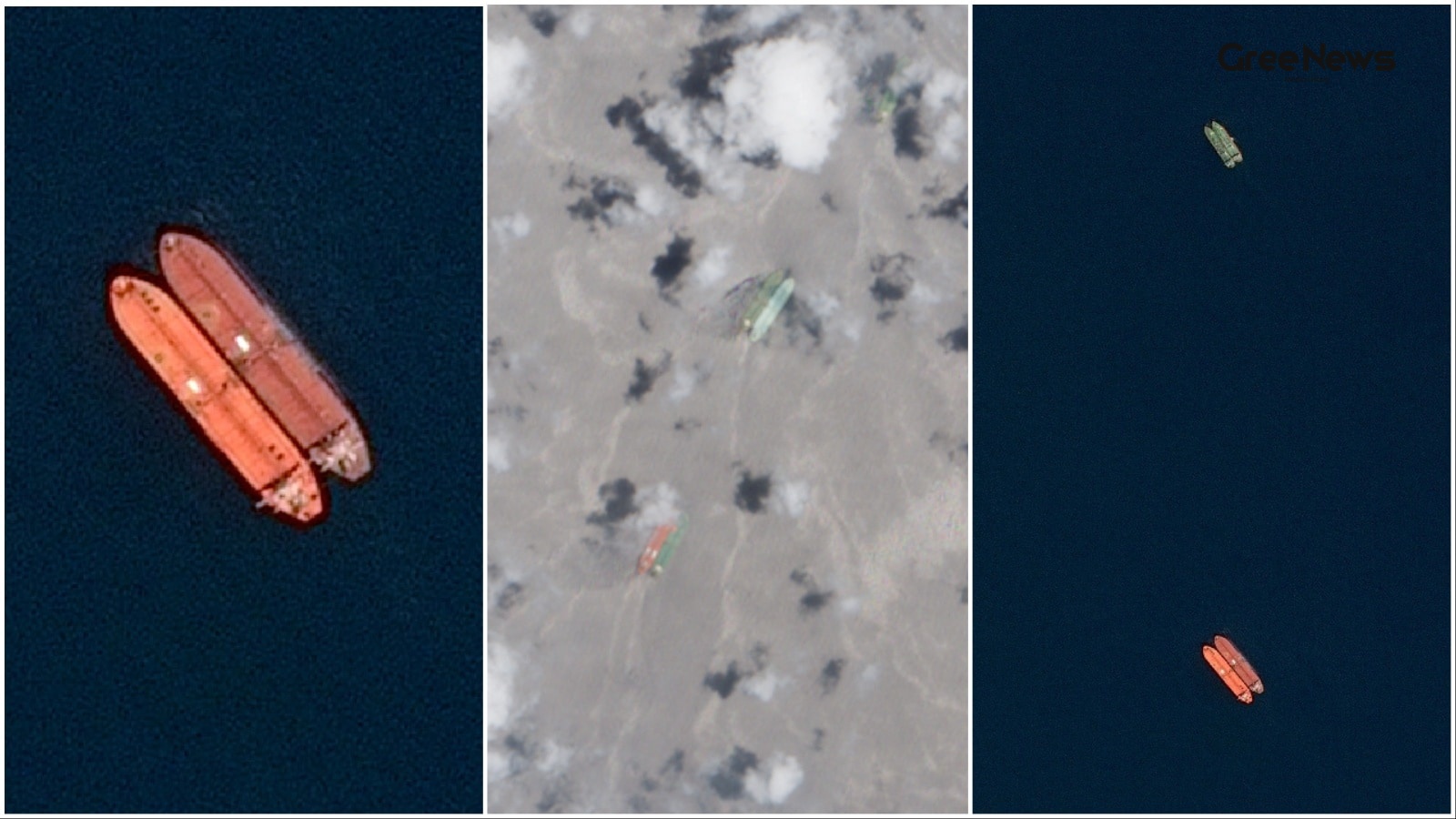
Satellite Imagery Reveals Oil Transfers in the Gulf of Oman and Strait of Hormuz
Satellite images from May 2nd through June 11th reveal something pretty intense happening in the Gulf of Oman and near the Strait of Hormuz. It’s a sprawling network of tankers moving oil offshore, side by side for extended periods. We’re talking about transfers happening at least two spots: one off
Jun 17, 2026 by Gree News Team
Restoration of USPACOM: History and Geopolitical Context
They just announced something about a command name change. It’s kind of buried in the details, really. The US Department of War, which used to be called the Department of Defense that’s where this is coming from said they are dropping ‘INDO’ from the name of its oldest and largest unified combatant
Jun 17, 2026 by Gree News Team
Latest Headlines
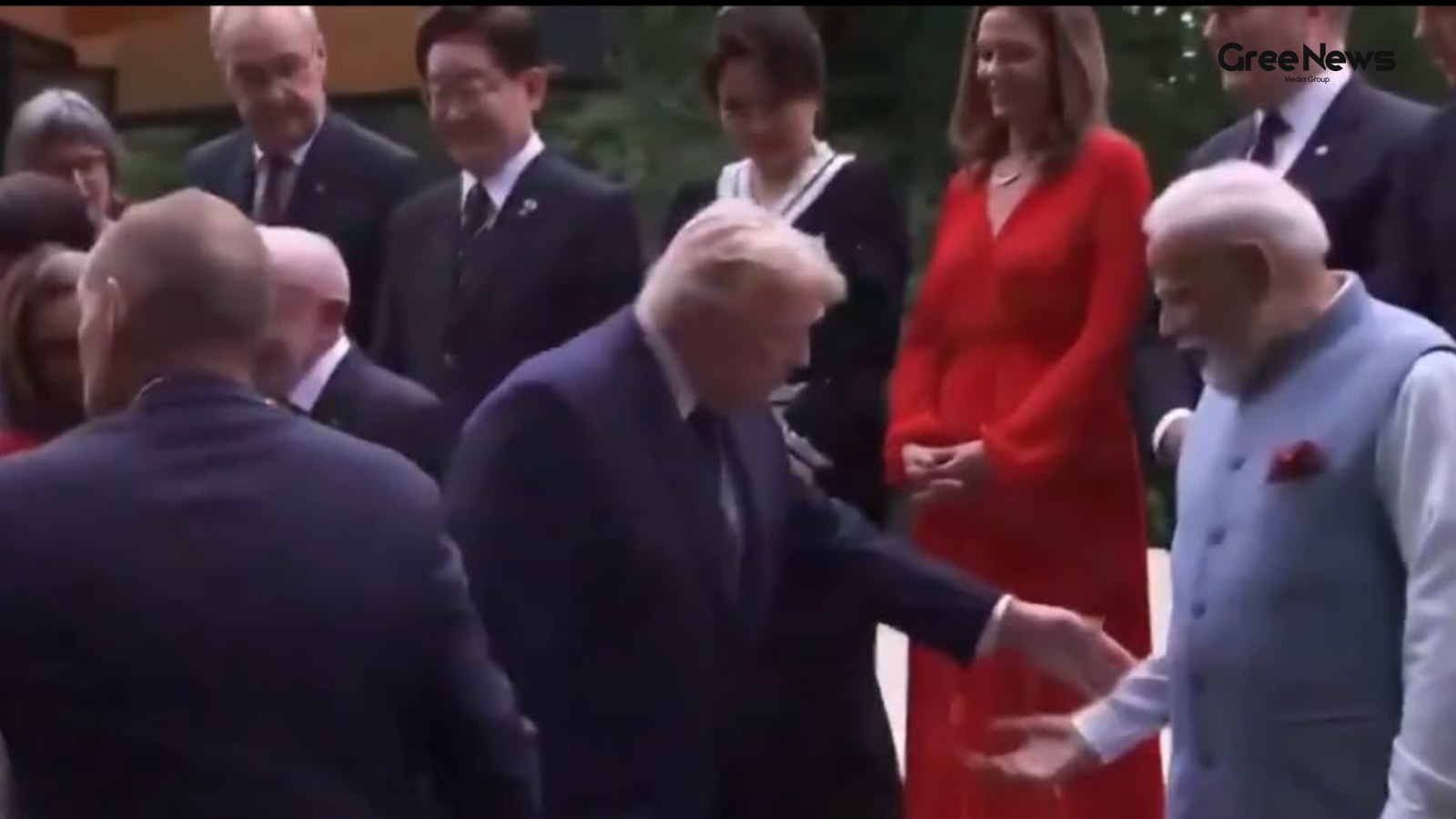
The Geopolitics of the Handshake: Analyzing the Trump-Modi Moment
The whole thing just sort of exploded online, didn't it? That little clip from the G7 Summit. It wasn’t some grand strategic maneuver or anything massive. Just a moment, really. Trump reaching for Modi’s wrist while they were walking up those steps in that French spa town, Evian-les-Bains. Suddenly,
Jun 17, 2026 by Gree News Team
Kylian Mbappé's World Cup Legacy and Match Highlights
Kylian Mbappé took his career World Cup tally to fourteen. Two behind Miroslav Klose. And Bradley Barcola was also on target for Les Bleus. That’s what happened in that game against Senegal, securing those three points for Didier Deschamps. Mbappe darted across the box. A brilliant pass from Michael
Jun 17, 2026 by Gree News Team
The Shifting Geopolitics of the Middle East: Uncertainty and Realignment
The air around this whole situation feels thin. You know? It’s not just some headline flashing across a screen. It’s that slow, creeping realization that whatever moves happen in the Middle East right now the deals, the threats, the shifting lines on the map they don't follow any neat, predictable p
Jun 17, 2026 by Gree News Team
The $300 Billion Investment Fund for Iran and the Peace Framework
That $300 billion figure for Iran is really starting to look like one of the biggest sticking points in whatever peace framework the Trump administration is pushing with Tehran right now. If they actually nail this deal, it changes everything. It means the first major investment tied directly to the
Jun 17, 2026 by Gree News Team
The Collision of History and Possibility in Global Football Narratives
the air around that moment, you know? it wasn't just football. it was something else entirely. a strange collision of history, geography, and sheer, raw possibility unfolding on the pitch in Boston. zidane iqbal. the name itself carries this weight, doesn’t it? not just for the goals, but for what t
Jun 17, 2026 by Gree News Team
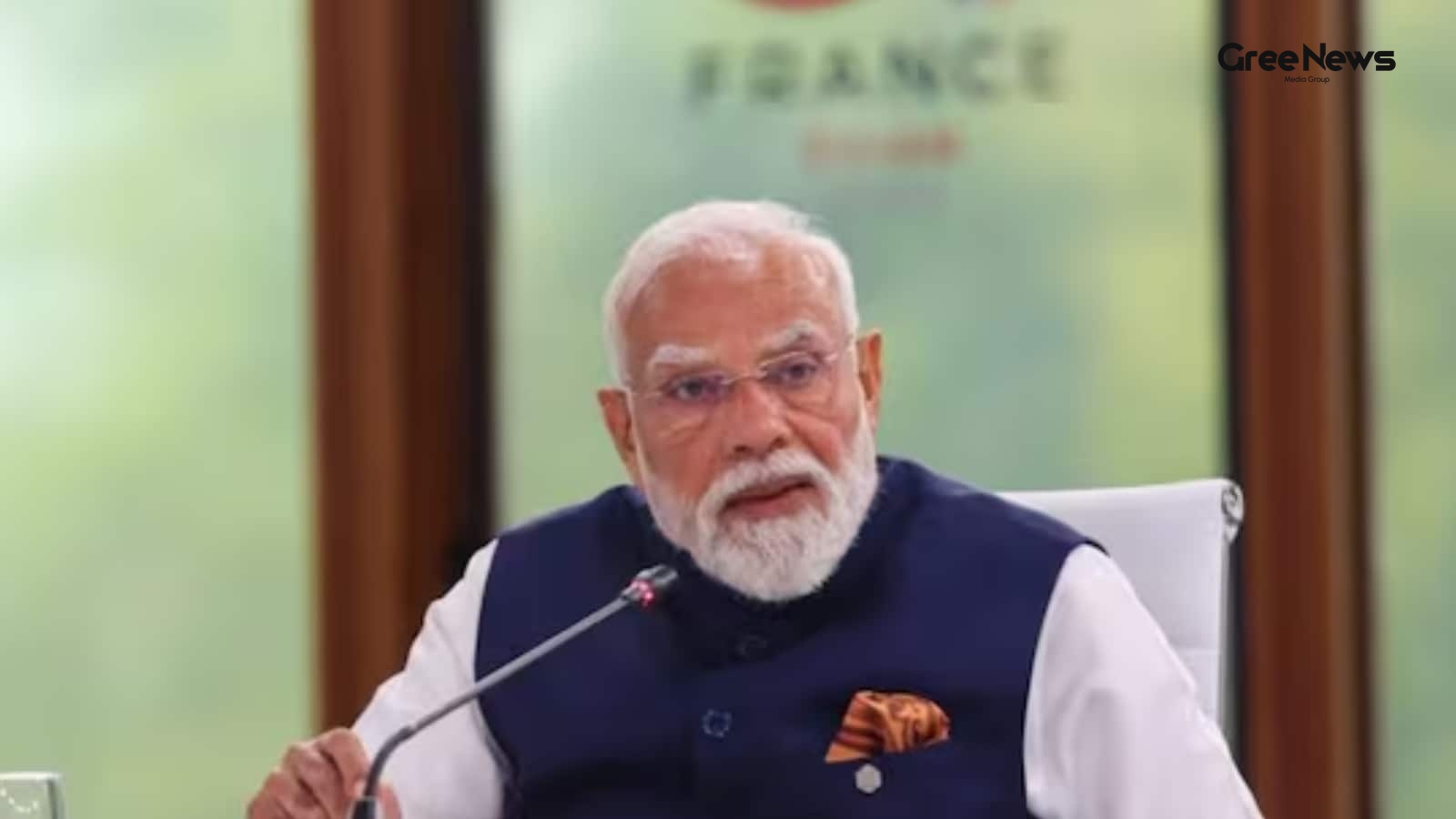
Maritime Security, Global Interdependence, and the Call for Trust
Prime Minister Modi brought this up during a G7 session, right in the middle of big international talks with leaders like Trump. It wasn’t just some standard talking point; it felt heavy, almost immediate. The backdrop was those three Indian sailors killed in that US military strike off the Omani co
Jun 17, 2026 by Gree News Team

Sanchita Ugale's Passing: Mental Health Struggles and Investigation
Sanchita Ugale’s passing really hit people hard. It wasn't just shock. It opened up this huge conversation about mental health, something everyone was grappling with right away. There were reports floating around that she had been struggling with mental health issues for some time before everything
Jun 17, 2026 by Gree News Team

Robot Vacuum Reviews and Telegram Messaging Incident in India
Keeping floors clean isn’t usually hard. Keeping them clean every day is the real challenge. Dust settles surprisingly quickly, crumbs just appear out of nowhere. Pet hair finds every corner of the house somehow. That's why robot vacuum cleaners have become so popular. They don’t replace deep cleani
Jun 17, 2026 by Gree News Team
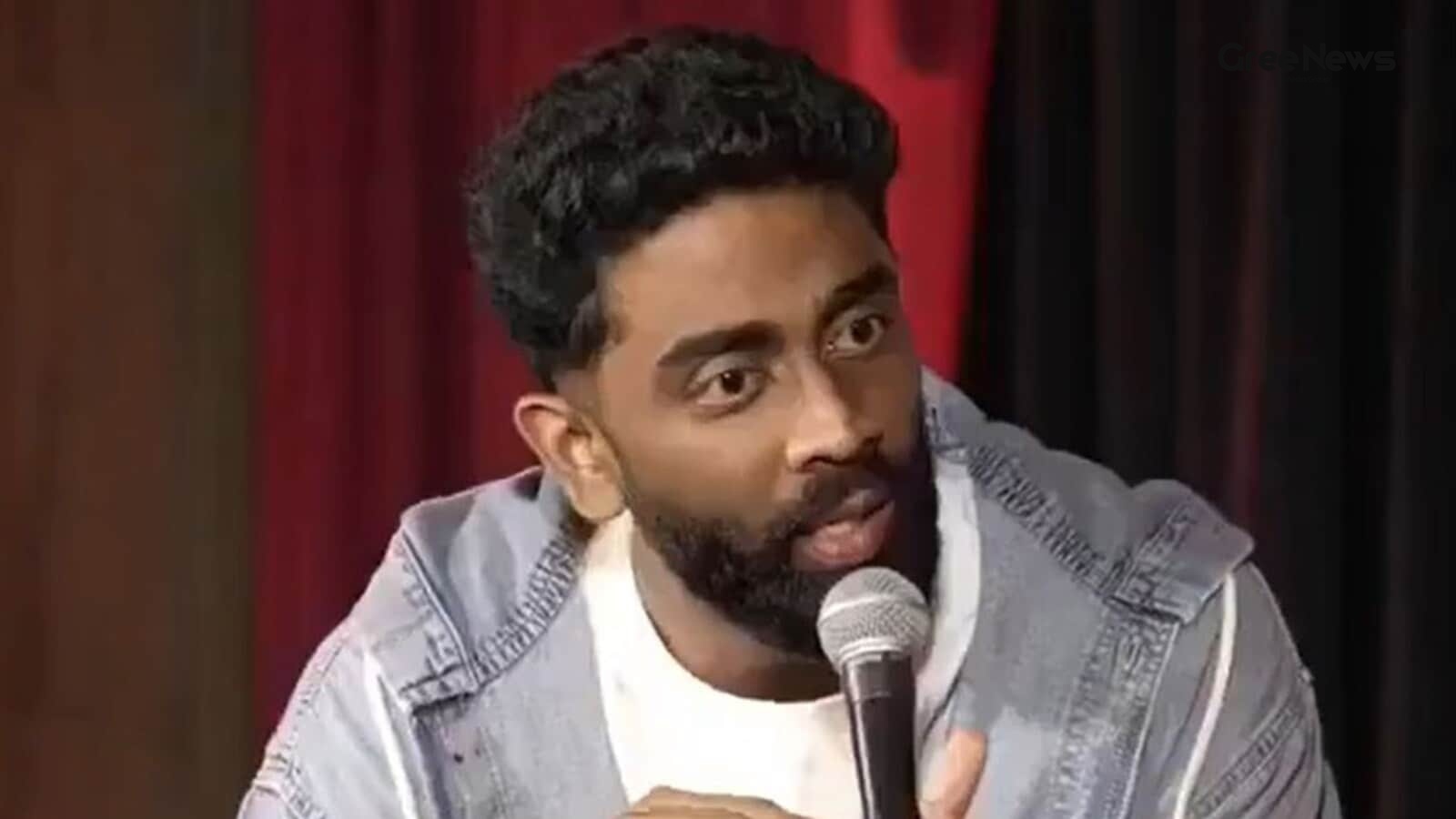
Legal Trouble and Controversy Involving Pranit More and Himanshu Jangra
The noise around Pranit More isn't going to quiet down anytime soon. Gurugram police just slapped another FIR on the stand-up comedian. The reason? That ridiculous 'Rs 370 Biryani' comment. But it’s not just about him. Himanshu Jangra, the tech guy who actually made those remarks, is also named in t
Jun 17, 2026 by Gree News Team

Indian Equities Market Update and Corporate News
Stocks moving today are going to be kind of slow, maybe a bit muted. The Indian equities market is expected to start Wednesday without much real momentum, especially after that Iran-US peace deal stuff cooled things down a bit. SGX Nifty already signals a soft opening for India. As of the morning, i
Jun 17, 2026 by Gree News Team
Satellite Imagery Reveals Oil Transfers in the Gulf of Oman and Strait of Hormuz
Satellite images from May 2nd through June 11th reveal something pretty intense happening in the Gulf of Oman and near the Strait of Hormuz. It’s a sprawling network of tankers moving oil offshore, side by side for extended periods. We’re talking about transfers happening at least two spots: one off
Jun 17, 2026 by Gree News Team
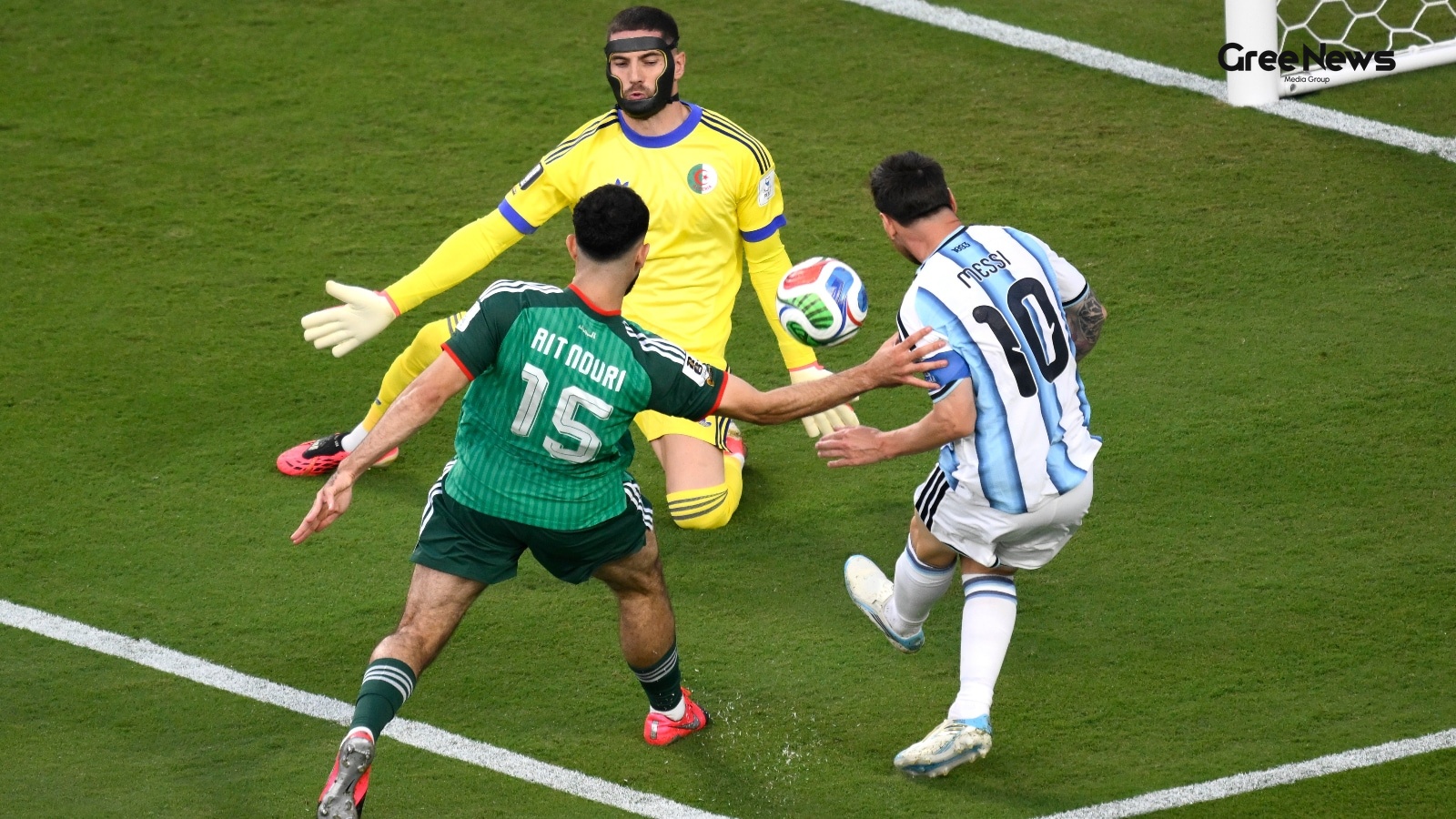
The Psychology of Performance: Legacy, Media, and the Narrative of Football
Argentina versus Algeria. The World Cup 2026 kickoff in Kansas City felt like something else entirely. Twenty years on, and you still see it. Messi. He just put on a show. A hat-trick. Three goals in a solid three-nil win against Algeria. It wasn't just a game; it was a reminder of everything. The w
Jun 17, 2026 by Gree News Team
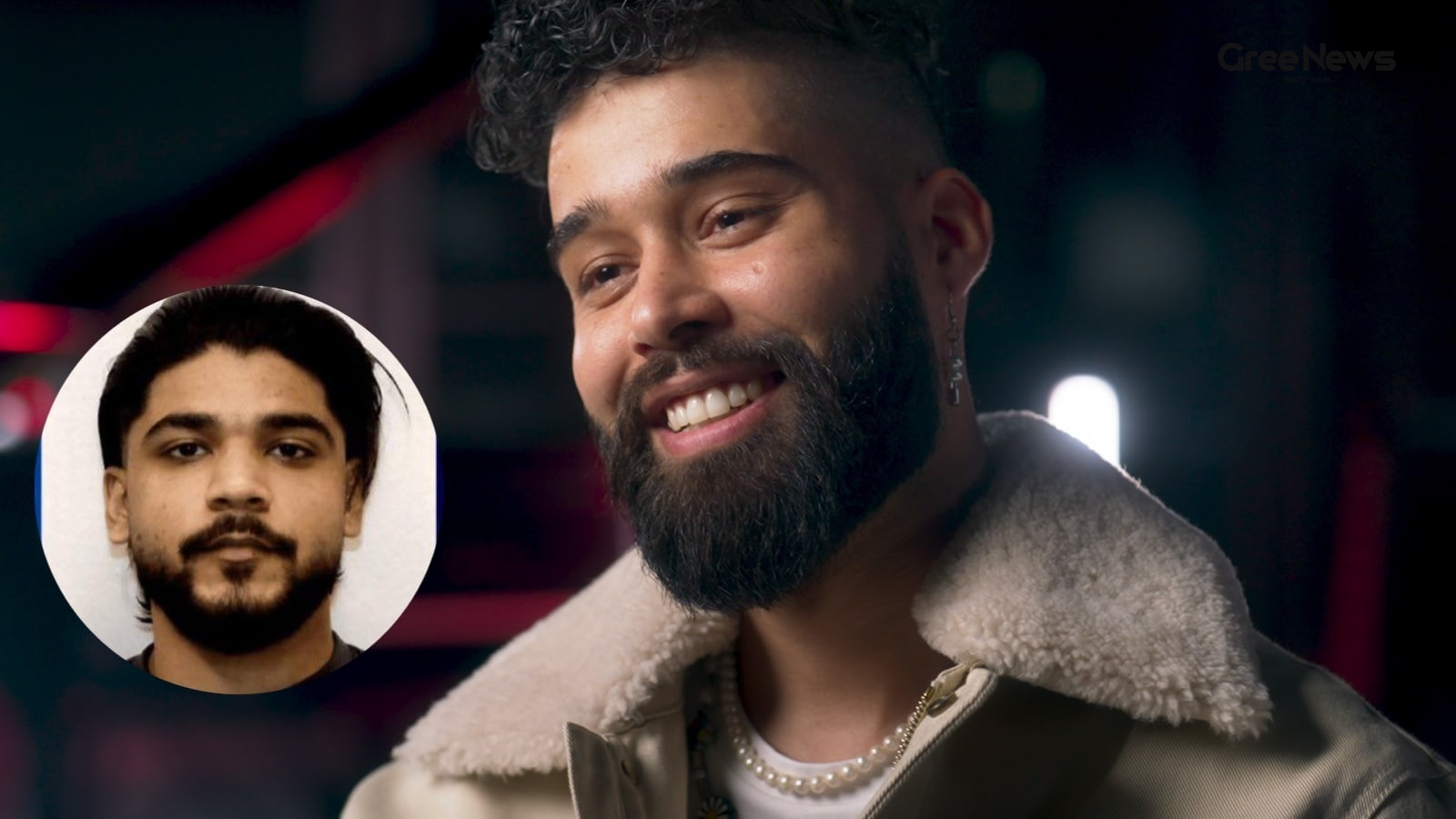
Deportation Order Linked to Organized Crime and the Lawrence Bishnoi Gang
Something big is happening with Punjabi singer AP Dhillon’s house firing case. Canada’s Immigration and Refugee Board just ordered the deportation of Indian national Abhijeet Kingra. The reason? They found him connected to the Lawrence Bishnoi gang. This group, apparently, is involved in a lot of se
Jun 17, 2026 by Gree News Team

Cocktail 2 Rumors: Inside the Queer Speculation and On-Set Reality
It turned out that there was some noise swirling around *Cocktail 2*. A lot of talk about what the film might be about, right? Especially regarding Kriti Sanon and Rashmika Mandanna. Some reports floated around suggesting they were queer, or maybe even exploring something more intimate in the movie.
Jun 17, 2026 by Gree News Team

Karnataka's Standing Order 1061: New Guidelines on Digital Privacy and Cybercrime
A massive new directive just dropped from Karnataka. It’s called Standing Order 1061. It came from the Director General and Inspector General of Police. A big move, they say. Trying to lock down digital privacy and seriously tackle those cybercrimes specifically targeting women. The guidelines are s
Jun 17, 2026 by Gree News Team