Indian LNG Tanker Successfully Crosses Strait of Hormuz Amid Geopolitical Uncertainty
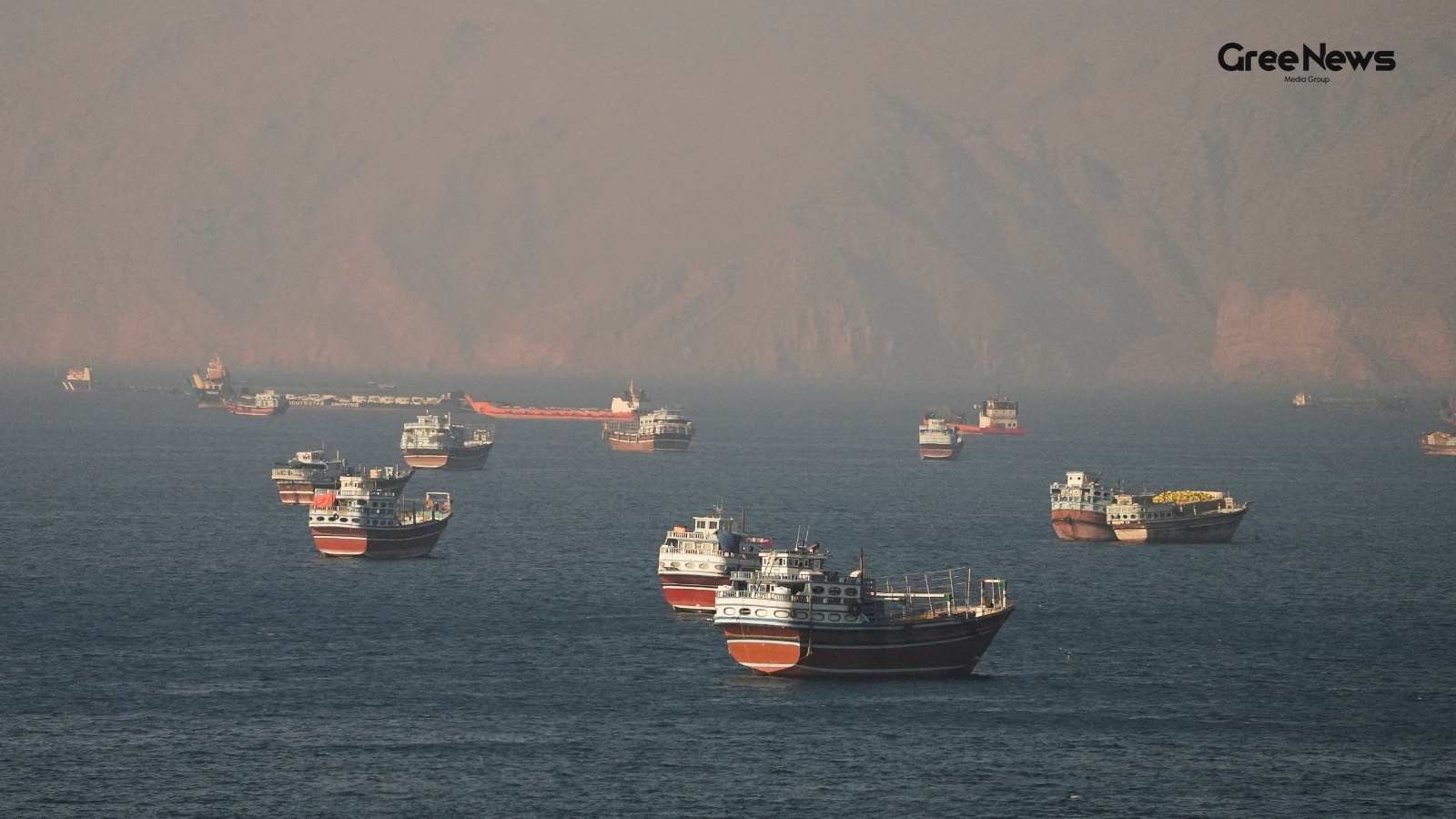
The Indian LNG tanker Disha finally made it through the Strait of Hormuz on Monday. It was the first Indian merchant vessel to safely cross that route after nearly two months of waiting.
This transit followed the recent understanding between the US and Iran, though the underlying situation remains fraught with uncertainty for everyone involved.
Disha , operated by India’s state-owned Shipping Corporation of India (SCI), was carrying Qatari LNG for India when it successfully navigated the waterway.
What this crossing means is a glimmer of hope. It suggests safe passage for the other thirty-four Indian and foreign ships that were stuck in the Persian Gulf, waiting their turn to reach Indian ports.
Officials are speaking about the cargo involved. Director in the Shipping Ministry, Opesh Kumar Sharma, confirmed that Disha carried 62,370 tonnes of LNG. The vessel is now headed toward Dahej, likely by June 18th.
But the picture isn't entirely rosy right now. There’s a lot more to consider than just safe shipping lanes opening up.
Bandana Preyashi, joint secretary in the fertiliser department, pointed out that among the sixteen important ships currently stuck in the strait, some are carrying fertilizer. Eight of them are loaded with urea; four are diammonium phosphate (DAP); three have sulphur; and one is ammonia.
If these fertiliser shipments can get through Hormuz, it naturally augments the supply of essential soil nutrients for the region, according to policymakers.
Yet, that doesn't immediately fix energy shortages. The real sticking point seems to be the damage done elsewhere. Facilities like Ras Laffan in Qatar suffered extensive damage during the US-Iran conflict. That kind of disruption casts a long shadow over recovery time.
Shipping routes might stabilize eventually. But improvements in energy supplies won’t come instantly because major gas facilities took a heavy hit. Uncertainty remains about when full operations can actually resume at those critical sites. India relies heavily on that long-term supply aGreement with QatarEnergy, and any disruption there feels particularly significant right now.
The damage wasn't just limited to the shipping lanes. The UAE’s Habshan Gas Plant also sustained damage, affecting its ability to operate smoothly. They are working on it, though. About 60% of that plant’s capacity has already been restored. Expecting eight-tenths recovery by the end of 2026, with complete structural restoration targeted for 2027.
Furthermore, at QatarEnergy’s Ras Laffan complex, two LNG processing trains were damaged. This reduced the facility's capacity by roughly seventeen percent. These operational hiccups add another layer of complexity to the whole energy picture.
India’s dependence on this region is starkly exposed when you look at the history. Before everything happened, India imported over eighty-eight percent of its crude oil needs. Nearly half that amount came from West Asia. And critically, more than sixty percent of India's imported LNG has to pass through the Strait of Hormuz. About ninety percent of those shipments transit right through that strategic waterway.
This dependence really underscores the potential fallout if things keep being disrupted. It’s a vulnerability you can’t ignore when talking about energy security across the board.
Written by Gree News Team — Senior Editorial Board
Gree News Team covers international news and global affairs at Gree News. Our collective of senior editors is dedicated to providing independent, accurate, and responsible journalism for a global audience.
More from World
View All
Intelligence Doubts and Skepticism Over the US-Iran Nuclear Deal
Trump tossed out reports about Washington paying Iran three hundred million dollars under that new US-Iran deal. He insisted, straight up, that Tehran had agreed never to get a nuclear weapon. He posted it on Truth Social. Said the story about the money? Fake news. Put out by the Dumocrats. This all
Jun 16, 2026 by Gree News Team
The Fragile Geopolitical Framework: Trump, Vance, and Iran Negotiations
The air around this whole situation is thick, isn't it? It’s not just official statements or press releases; it’s that heavy, almost suffocating silence that comes when two massive powers finally decide to put pen to paper about things that have been boiling for years. We’re talking about Trump and
Jun 16, 2026 by Gree News Team
US Sanctions, Strait of Hormuz, and Iran Framework Agreement
The US is talking about lifting sanctions on Iran right alongside reopening the Strait of Hormuz. That’s what one official mentioned, quoted by Fox News. But getting those mines out? That’s set for later. A phase after that. This whole setup seems tied into some indications from Washington and regio
Jun 16, 2026 by Gree News Team
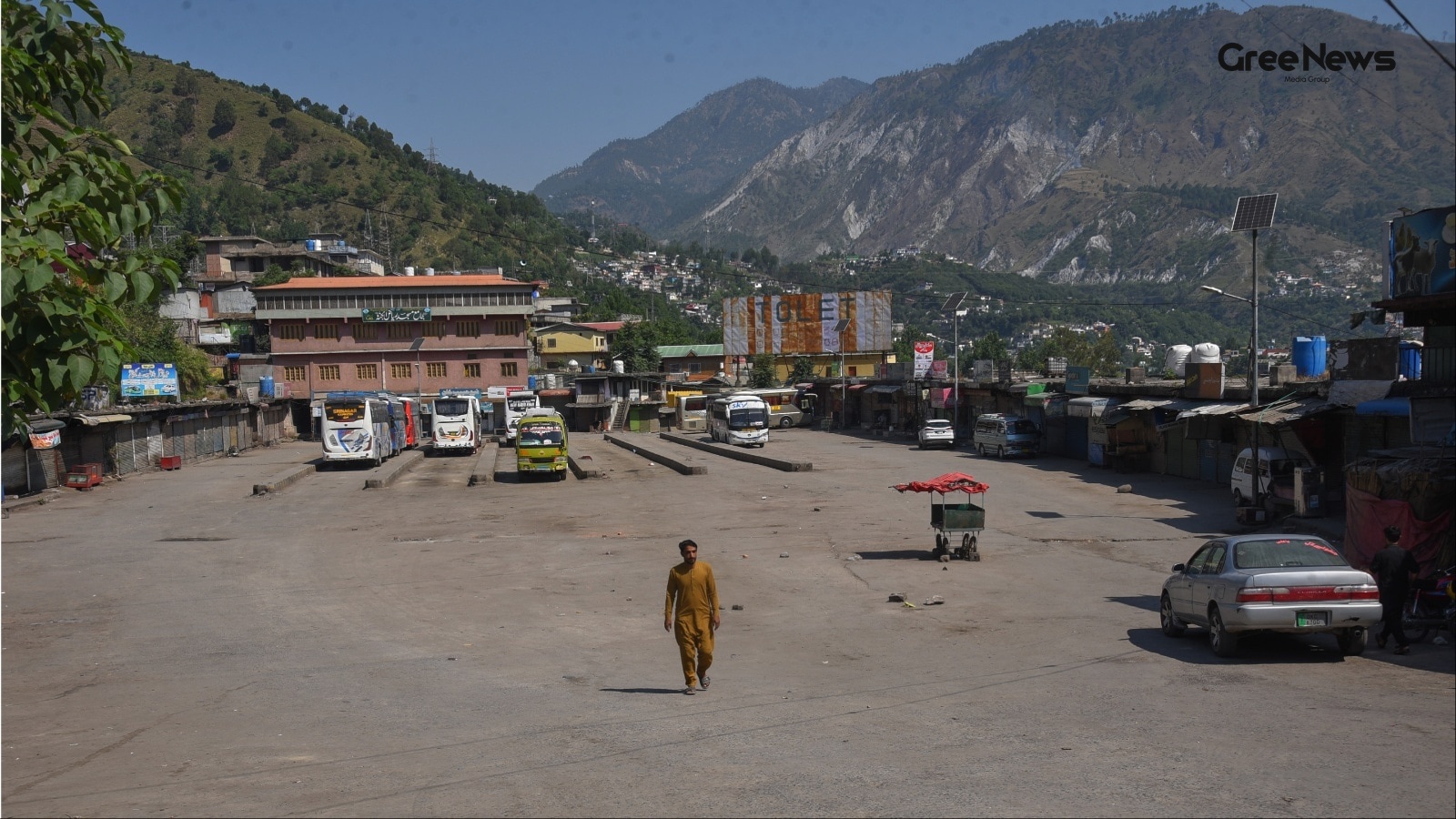
Crackdown, Blackout, and Humanitarian Crisis in Rawalakot Amid Regional Unrest
The crackdown hit Rawalakot hard. It happened during Fajr prayers at Eid Gah Ground, right when members and supporters of the Awami Action Committee were holding a sit-in. Things escalated fast. Security personnel used direct firing, heavy shelling, and tons of tear gas just to break up the gatherin
Jun 15, 2026 by Gree News Team
Latest Headlines

Bollywood Stars Renting Out Properties: The Mumbai Real Estate Trend
Disha Patani isn't the only one moving real estate around here. It’s getting weird, you know? Bollywood stars are actually putting their properties up for rent across Mumbai now. It’s a strange scene. She’s done it too. This actor has leased out her apartment in Khar West. Right in that upscale area
Jun 16, 2026 by Gree News Team
Guide to Washing Machines and Kitchen Chimneys: Buying Essentials
the washing machine. it seems like one of those easy buys, right? you walk into the showroom thinking twenty minutes is all it takes. then bam. suddenly you’re staring at front-load versus top-load machines. inverter motors, steam wash programs... capacities jumping from six kilos to twelve kilos an
Jun 16, 2026 by Gree News Team

UPSC Prelims Results and Next Steps for Civil Services 2026
UPSC Prelims results finally out. That’s what the Commission dropped on their site, upsc.gov.in. It means the preliminary stage for 2026 is over. For those who managed to qualify 13,343 folks now eligible for the next hurdle: the Mains exam. It’s a big step forward, but it doesn't feel like the fini
Jun 16, 2026 by Gree News Team

The Neuroscience of Fatherhood: Redefining "Dad Strength"
Father’s Day 2026 is coming up on June 21st. It’s more than just gifts and family dinners though. It's really about how fathers fit into modern life now. They aren't just showing up anymore. They are deeply involved in caregiving, parenting daily. That kind of shift feels huge, right? But there’s so
Jun 16, 2026 by Gree News Team
Intelligence Doubts and Skepticism Over the US-Iran Nuclear Deal
Trump tossed out reports about Washington paying Iran three hundred million dollars under that new US-Iran deal. He insisted, straight up, that Tehran had agreed never to get a nuclear weapon. He posted it on Truth Social. Said the story about the money? Fake news. Put out by the Dumocrats. This all
Jun 16, 2026 by Gree News Team
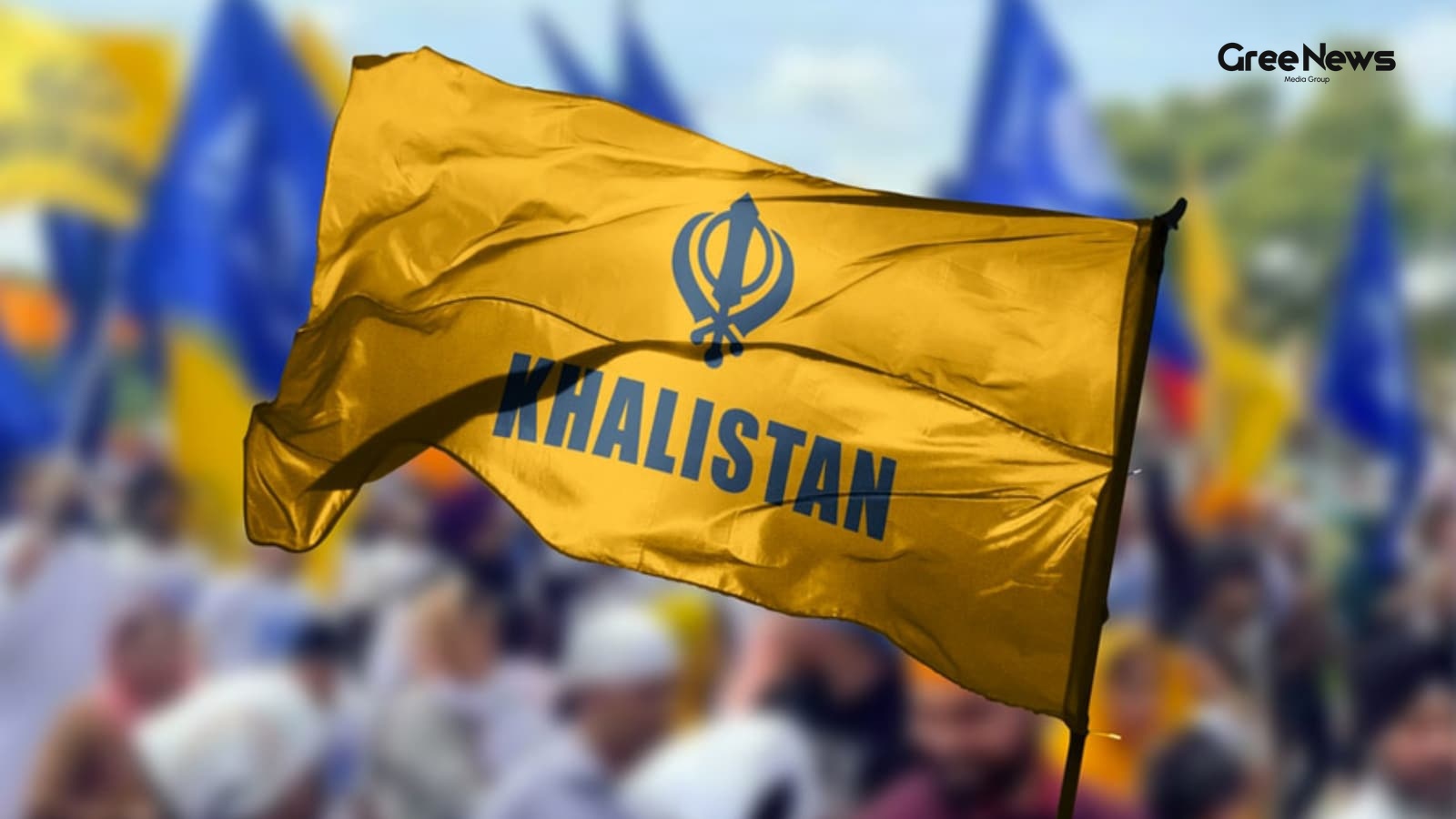
Khalistani Liberation Army (KLA): Emerging Threat and Cross-Border Terror Networks
Sources are talking about a new player emerging in this space. It’s the Khalistani Liberation Army, or KLA. They claim they’re one of the most trained, armed proxy groups right now under that whole Khalistani terror umbrella. This isn't just some fringe element. Intelligence suggests these groups, w
Jun 16, 2026 by Gree News Team
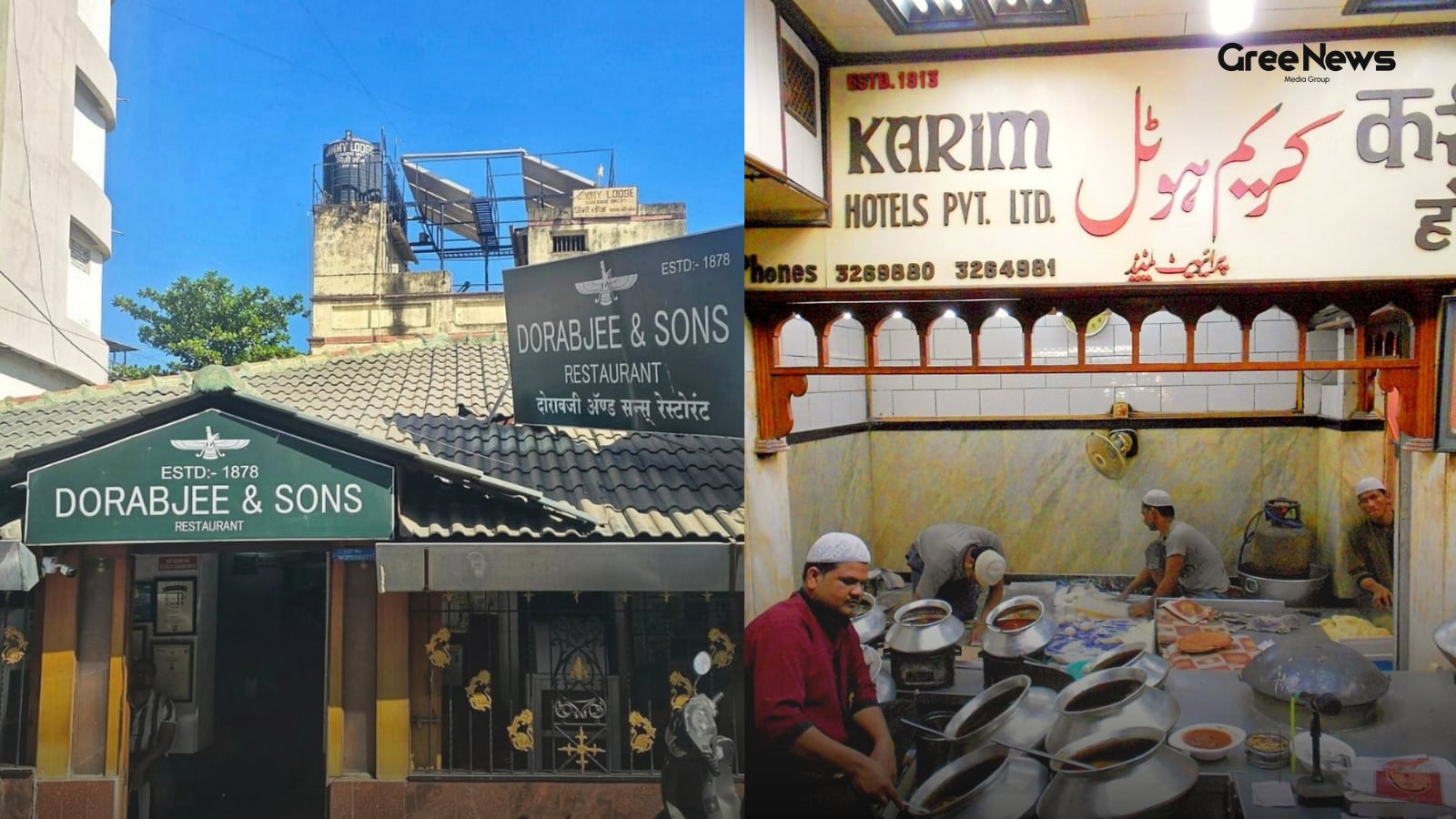
Legendary Indian Eateries: Culinary Landmarks of History
Trends come and go. Restaurants pop up with all that hype and then vanish in a few years. It’s just how things move, right? But across India, there are these places. Select few dining spots that have actually done something incredible. They’ve managed to survive for decades. Some of them even stretc
Jun 16, 2026 by Gree News Team
Market Movement Analysis: Factors Driving the Morning Gains
The markets kicked off Tuesday. Indian benchmarks actually managed a slight gain. It wasn't a huge jump, just enough to tick up on the global mood. The BSE Sensex, for instance. It climbed 300.72 points. That’s 0.39%. It settled at 76,565.05. They started the day lower, you know? Opening around 76,5
Jun 16, 2026 by Gree News Team

The Reality of Freelancing: Expectations vs. Reality in Video Editing
That LinkedIn post hit something. It went viral, you know? A video editor and founder just laid out a conversation he had with a potential client, and it immediately started sparking some serious debate online about how freelancers actually get paid these days. It all boiled down to expectations ver
Jun 16, 2026 by Gree News Team

The Rise of Facial Fitness: A New Approach to Beauty and Wellness
It’s funny how things shift. For ages, beauty talk has been all about skincare. Simple, right? But now, people are looking deeper. They’re turning their attention under the skin to the actual muscles that hold every smile, every frown, every expression we make. It’s this whole thing they call facial
Jun 16, 2026 by Gree News Team
The Fragile Geopolitical Framework: Trump, Vance, and Iran Negotiations
The air around this whole situation is thick, isn't it? It’s not just official statements or press releases; it’s that heavy, almost suffocating silence that comes when two massive powers finally decide to put pen to paper about things that have been boiling for years. We’re talking about Trump and
Jun 16, 2026 by Gree News Team

The Raw Power of Ambition in Isakapatnam: A Deep Dive into Human Conflict
The air around the announcement of *Isakapatnam* feels thick right now. It’s not just the buzz about a new show; it’s this whole collision of ambition and raw human feeling that the trailer throws at you. Crime, politics, loyalty all boiling down into something intense, something that drags you unde
Jun 16, 2026 by Gree News Team

Iran's World Cup Opener: Politics, Controversy, and Frustration
Iran’s opening game for the FIFA World Cup 2026 against New Zealand really stirred up a lot of noise, both on and off the pitch. It wasn't just football; it felt loaded with politics. Midfielder Mohammad Mohebi scored Iran’s second goal in that tense 2-2 draw at SoFi Stadium in Los Angeles. But what
Jun 16, 2026 by Gree News Team

The Link Between Nutrition and Sexual Health
most people just jump to stress or relationship drama when they talk about sexual health problems. but what if the real culprit isn’t in the bedroom? what if it’s hiding right there on your dinner plate? vitamins. they aren't usually the first thing that pops into mind, right? but they actually matt
Jun 16, 2026 by Gree News Team
Fuel Market Updates: Petrol, Diesel, and CNG Costs
Petrol, diesel, and CNG costs just hung there on Saturday, June 13th. Nothing changed officially. But behind the scenes, the oil market companies and those handling natural gas distribution keep tweaking things every morning at six, you know? Still, those crude oil prices from West Asia, that crisis
Jun 16, 2026 by Gree News Team