Systemic Failure and Public Frustration: The Impact of Delayed Indian Railways
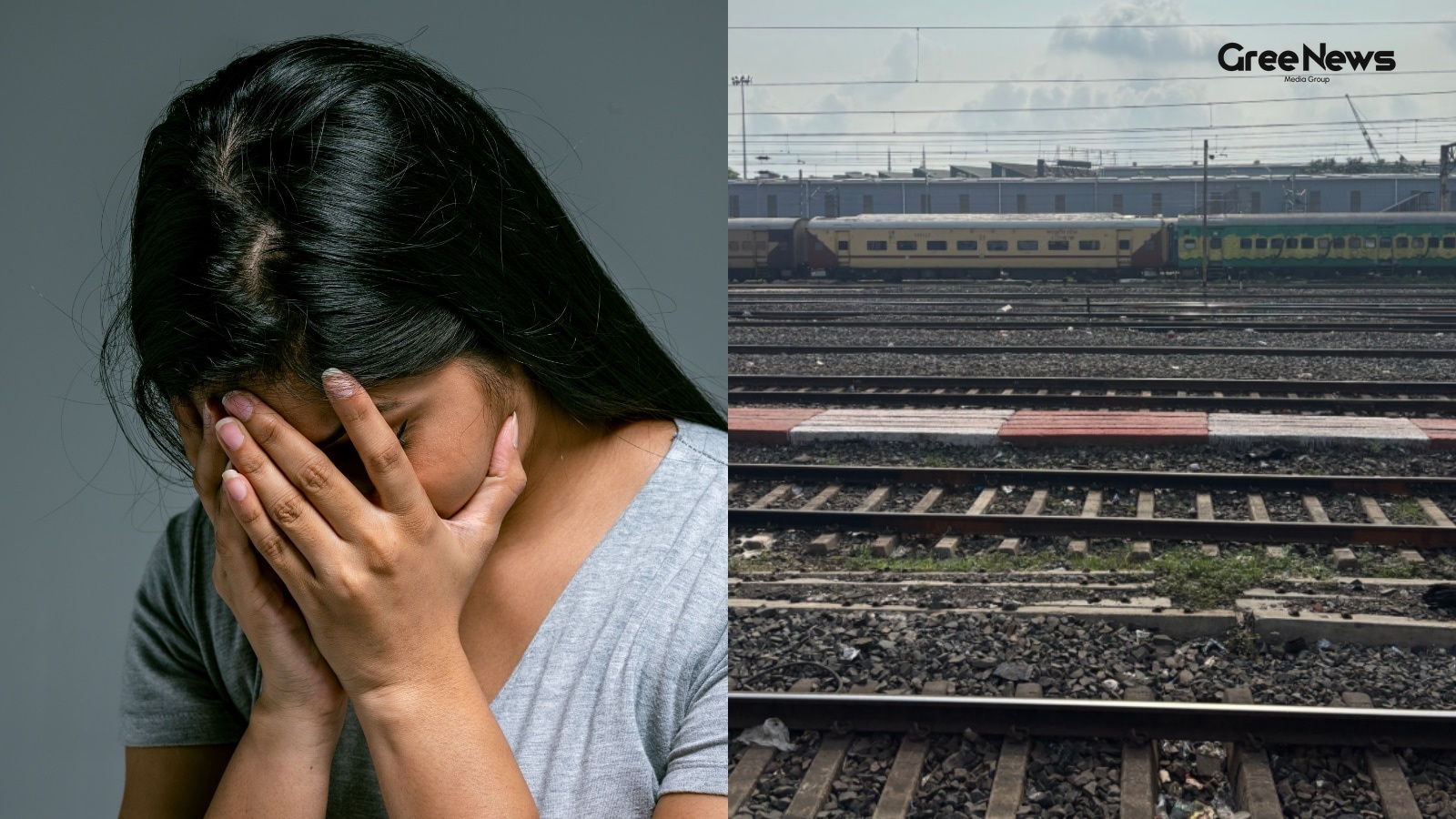
The digital space flared up fast. A single post about a missed exam date the RBI Grade B test , June 13th quickly morphed into something much larger. It wasn’t just a personal complaint; it became an instant mirror reflecting a deep, simmering frustration about the state of Indian Railways and the sheer chaos that underlies daily life in the South Eastern region.
People weren't just mourning a missed opportunity. They were pointing fingers at systems they felt utterly failed them. The immediate reaction wasn’t sympathy alone; it was a sharp, almost accusatory pivot towards accountability .
The initial post itself laid out the stark reality: missing the exam because of an unforgivable delay on the local train. It set the stage for everything that followed. Boarding the Andul-Howrah local at 5:36 AM, expecting a routine journey thirty minutes, maybe forty turned into a grinding ordeal. Two hours and forty-one minutes later, arriving at Howrah station at 8:17 AM, just two minutes after the exam center gates slammed shut at 8:15 AM. That gap. It wasn’t just lost time; it felt like a deliberate erasure of effort.
@RBI @AshwiniVaishnaw @RailMinIndia were tagged. The hashtags screamed outrage. #RBIGradeB. But the focus quickly shifted from the specific exam to the infrastructure that allowed this failure to happen.
The response that followed wasn't measured or formal. It was raw, immediate, and deeply regional. Suddenly, the conversation fractured into a chorus of shared grievances about the state of the railways across the board. There was an almost visceral feeling that the entire network, particularly in the South Eastern zone , was fundamentally broken.
One voice cut through the noise with stark regional observation. It wasn’t about one delayed train; it was about neglect. The Southeastern Railway , SER . That name became shorthand for a whole systemic failure. People started talking about how the suburban trains the lifeline for millions were perpetually running late. They recalled that this slow pace hadn't been an anomaly. It had been the norm since at least 2021. Five years of this creeping delay, they argued, felt like a betrayal of public trust.
And then there was the physical reality layered onto this frustration. Not just tardiness; it was the lack of basic amenities. The comments drifted to infrastructural decay. There were references to stations that were supposed to be hubs but lacked even rudimentary facilities. Kharagpur, for instance, was mentioned a major station in that zone, yet apparently lacking an operational escalator. A stark visual symbol of priorities being misplaced. Where is the focus? On moving people efficiently? Or on evicting hawkers? The contrast felt brutal.
This observational tone fed into a broader critique of governance itself. One person posted something that aimed directly at the railway administration, demanding action from the consumer court. "Who will take responsibility now?" the sentiment hung heavy in the air. It wasn't just about compensation; it was about accountability for the fundamental failure to deliver reliable service. File a complaint against the railways. That simple instruction carried an immense weight of public expectation unmet.
Then, the conversation took a sharp turn from systemic blame to personal admonishment. This is where the advice started flowing, often laced with impatience and a sense of condescension that only arises when people feel victimized by large systems.
"You should have planned it better." This phrase appeared frequently. It’s the classic deflection shifting the blame from the system to the individual. But for many reading this thread, it felt less like advice and more like an indictment. If you had planned properly, if you hadn't trusted the transport network for such a critical event, why were you dependent on something so fundamentally unreliable?
The implication was clear: trust in public systems is not a luxury; it’s a baseline expectation. When that baseline is shattered repeatedly, then individual responsibility seems absurd.
There was an argument about timing itself. Why allow such a small margin for error? One commenter pressed the issue of scheduling. "Why you took such a small gap?" The demand was for certainty. You should come a day before. This wasn't just about catching a train; it was about securing a stable timeline for life-altering events like exams and careers.
The suggestion to simply move closer, to arrive a full day early when the exam happened annually, felt like an overly simplistic solution imposed on a complex logistical problem. It highlighted how disconnected public planning is from real-world demands. It suggested that trust in transport schedules should be absolute, not conditional.
But then some people countered this advice with sharp realism. They acknowledged the validity of the planner's frustration but insisted the ultimate fault lay with the system itself. "Even though you are right," someone wrote, acknowledging the planning error, "nevertheless, it’s totally your mistake to trust Indian Railway for such an important decision." It was a messy acknowledgment a recognition that while personal errors exist, they are amplified by institutional failure .
The core tension became visible: the conflict between individual agency and systemic responsibility . One side demanded flawless execution from institutions; the other pointed out how utterly impossible that demand is when dealing with aging infrastructure and stretched resources. The system was seen as inherently flawed, constantly operating in a state of delayed reaction.
Meanwhile, the focus pulled back to the sheer, grinding reality of daily life versus these high-stakes administrative failures. It brought up the everyday struggles layered beneath the headlines. Suburban trains running late for five years that’s not just about an exam miss; it's about missed opportunities, lost wages, and eroded dignity. The slow pace of the railway mirrors a slower pace of governance, a prioritization where essential services seem perpetually relegated to the back burner behind more immediate, visible concerns like managing hawkers or maintenance issues.
The comments became less about logistics and more about politics or rather, the observable political reality reflected in infrastructure decisions. When you look at these delays, you are not just seeing missed minutes; you are seeing a failure of priorities. You see resources being misallocated. You see an environment where basic public services feel optional rather than guaranteed.
The digital space became this messy intersection: personal anxiety colliding with institutional inertia . It’s the frustration of watching a system that has existed for a century, which should be flawlessly reliable, consistently failing its users in the modern era. The urgency wasn't just about that one train; it was about the persistent feeling that the machinery governing essential movement the railways is either indifferent or actively negligent.
It’s this kind of fractured reporting, this layering of personal distress over public infrastructure failure, that defines the atmosphere surrounding these kinds of events in India right now. It's observational, slightly accusatory, and deeply human. The noise isn't just about a delayed train; it's about what it means when basic promises made by governments promises of timely service, reliable infrastructure are routinely broken on a massive scale. And the people left behind are forced to articulate that brokenness in whatever chaotic way they can find.
Written by Gree News Team — Senior Editorial Board
Gree News Team covers international news and global affairs at Gree News. Our collective of senior editors is dedicated to providing independent, accurate, and responsible journalism for a global audience.
More from Top News
View All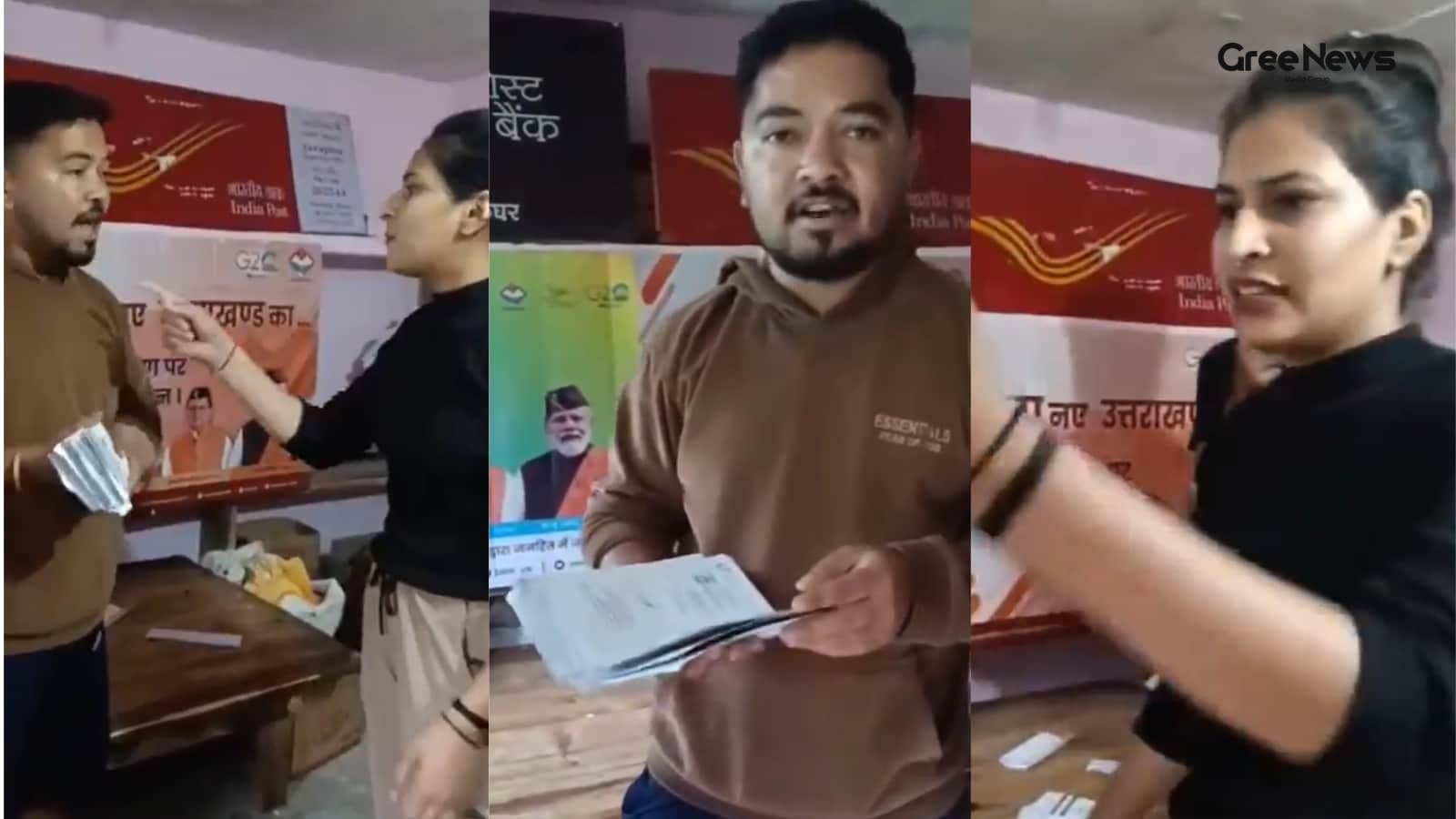
Post Office Misconduct and Social Media Outrage in Uttarakhand
The noise started in Uttarakhand, right at the post office in Jara Jibli village. It wasn't a quiet disagreement; it was just raw, heated confrontation between some local residents and the India Post staff. Things blew up fast online. It all kicked off because one local came in there claiming the em
Jun 15, 2026 by Gree News Team
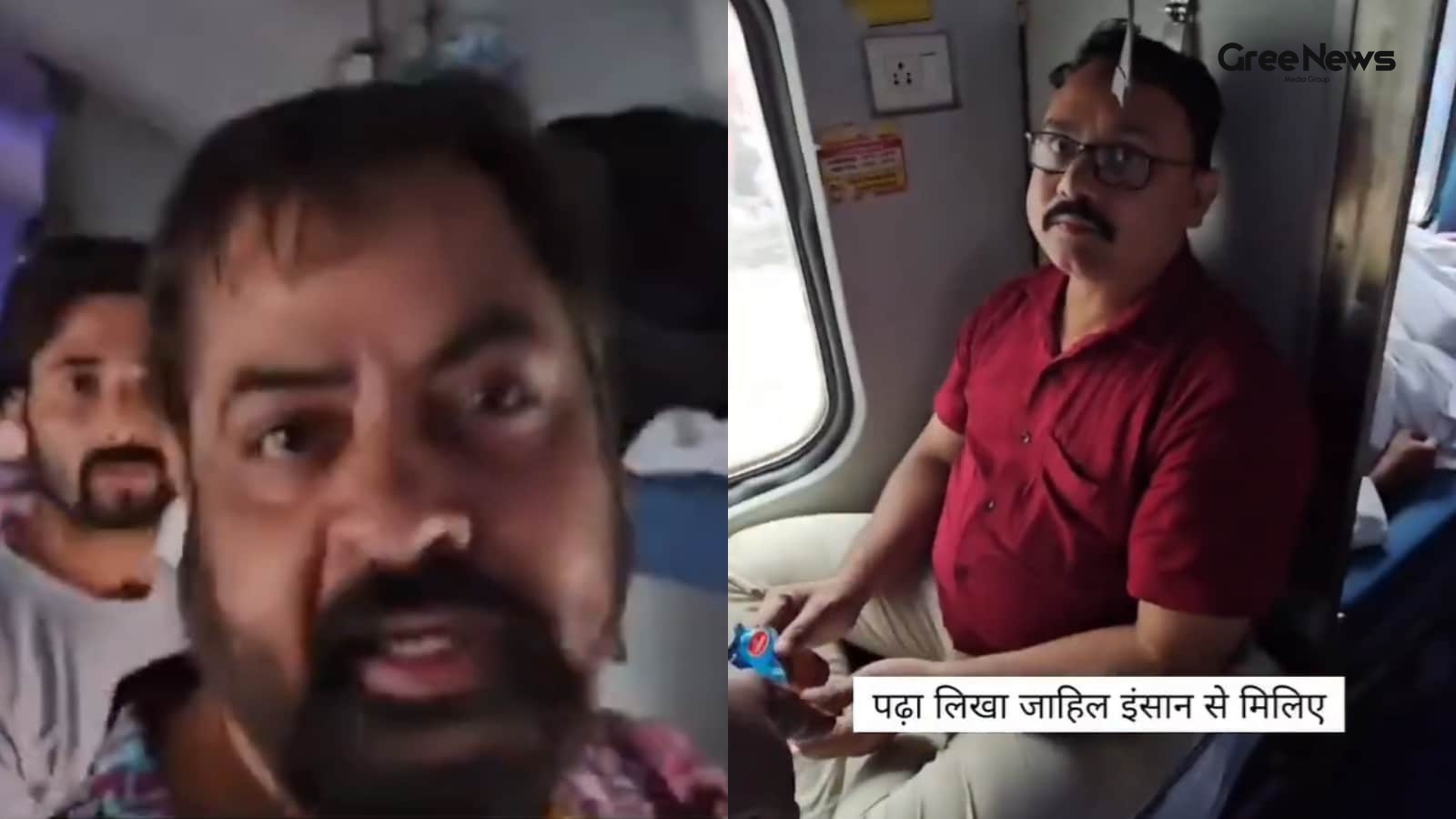
The Entitlement of Space: A Reflection on Public Friction and Social Boundaries
What happens when you watch stuff like that online? It just sparks things. You see this clip, right? Two guys on a train, fighting over a seat. Not some grand political drama, no. Just basic inconvenience escalating into something… messy. People latch onto it instantly. It’s the whole seating thing,
Jun 15, 2026 by Gree News Team

Tragedy and Negligence: The Brazil Bridge Swing Incident
That whole thing that happened in Brazil is just… shocking. A 21-year-old woman lost her life after apparently being launched off a bridge swing without any safety rope on her harness. It just happened. And now everyone’s furious, and police are looking into whether someone was negligent. She was na
Jun 15, 2026 by Gree News Team
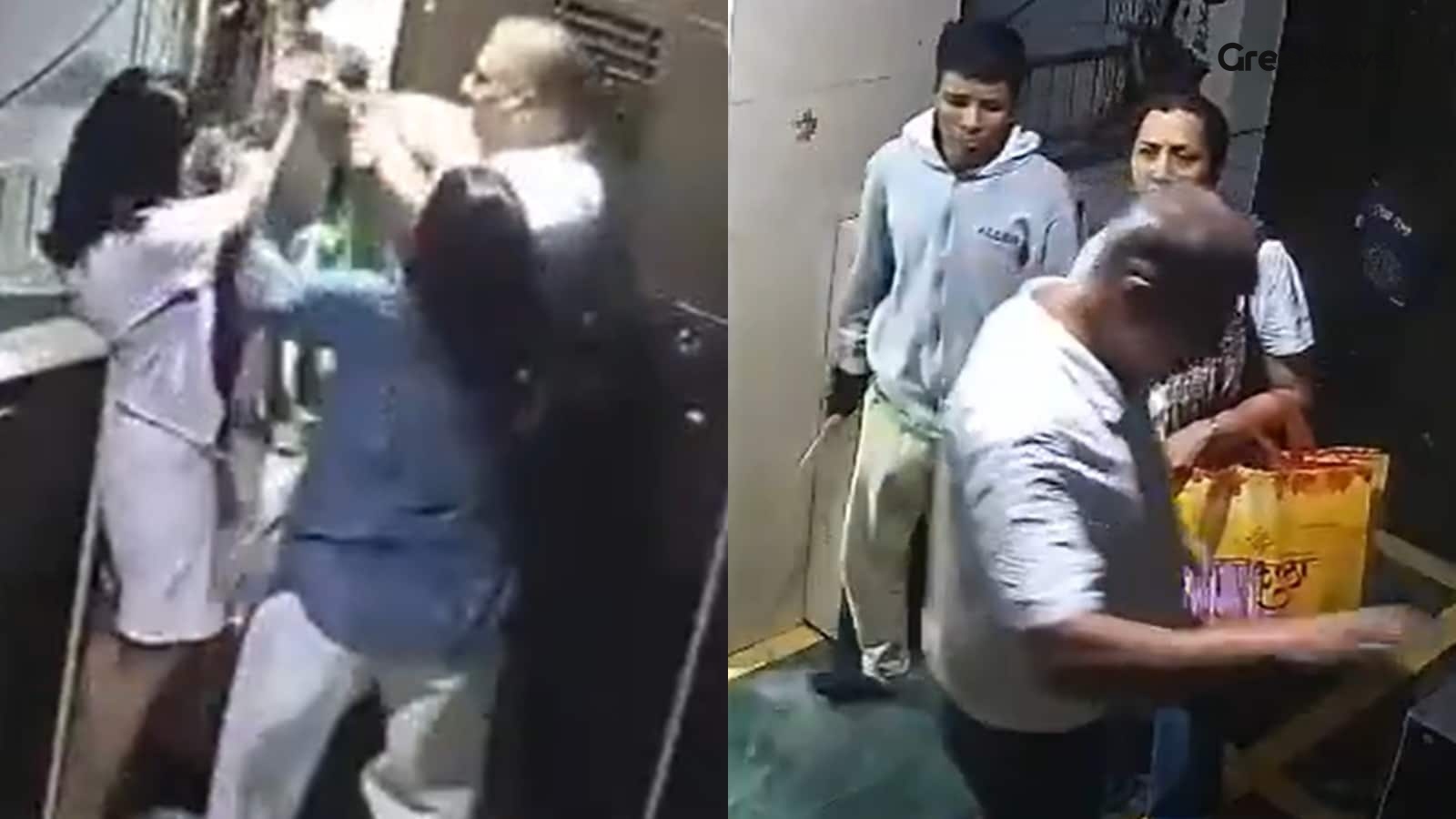
Pimpri Incident: Knife Attack, Legal Fallout, and Online Reaction
That whole thing in Pimpri felt just… explosive. A minor spat over something stupid spitting on a shoe rack in a building lift and it blew up into something really bad. You see, this happened on June 10th. The CCTV footage, taken from the seventh floor of that residential block in Morwadi area, show
Jun 14, 2026 by Gree News Team
Latest Headlines

Fuel Market Updates: Petrol, Diesel, and CNG Costs
Petrol, diesel, and CNG costs just hung there on Saturday, June 13th. Nothing changed officially. But behind the scenes, the oil market companies and those handling natural gas distribution keep tweaking things every morning at six, you know? Still, those crude oil prices from West Asia, that crisis
Jun 16, 2026 by Gree News Team
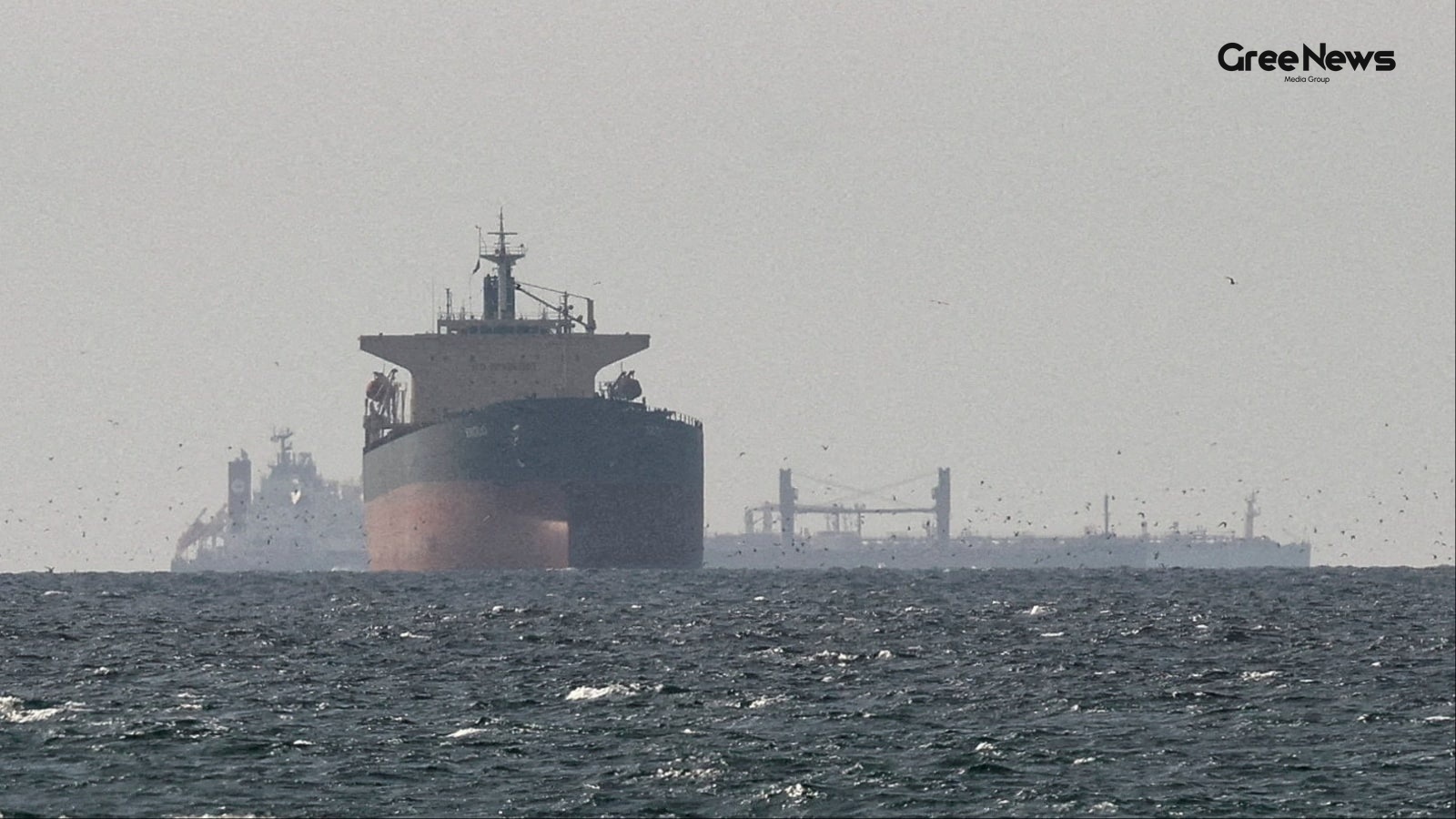
US Sanctions, Strait of Hormuz, and Iran Framework Agreement
The US is talking about lifting sanctions on Iran right alongside reopening the Strait of Hormuz. That’s what one official mentioned, quoted by Fox News. But getting those mines out? That’s set for later. A phase after that. This whole setup seems tied into some indications from Washington and regio
Jun 16, 2026 by Gree News Team

Controversy and Reactions: Pranit More Apology and Social Commentary
Samyuktha Hegde really went off about Pranit More’s latest apology. It was all tied up in that whole mess from his show, where some audience member, Himanshu Jangra, made some comments. The initial spark was about something ridiculously small some guy spent money on chicken biryani and felt entitled
Jun 16, 2026 by Gree News Team
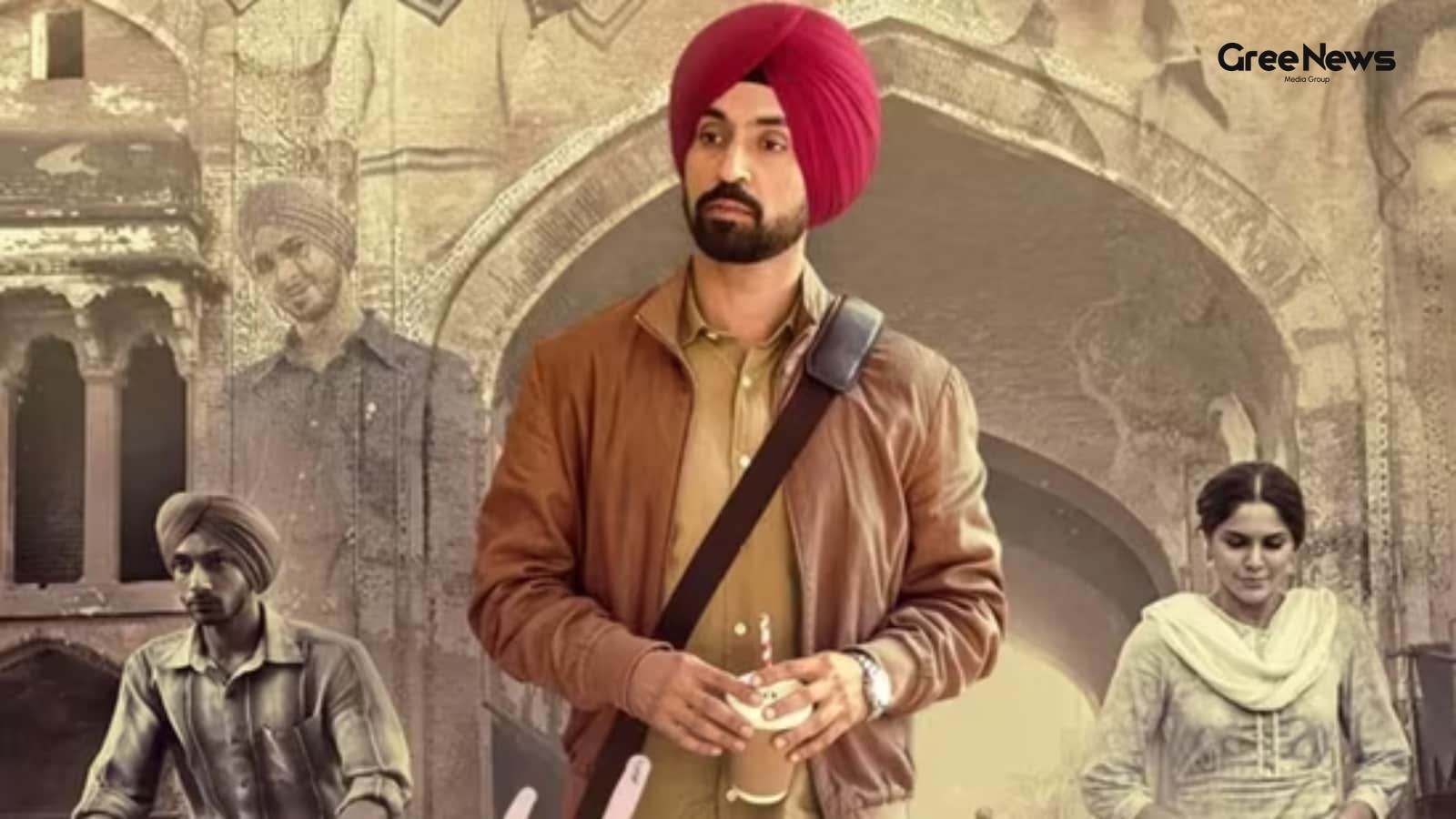
The Emotional Weight of Cinema: Analyzing the Success and Substance of Main Vaapas Aaunga
The air in the cinema lobby felt thick, didn’t it? That kind of heavy silence that settles after the initial buzz fades out. You watch these numbers, right? They flash up on the screen, and you try to make sense of them. It’s not just about the cash, really. It’s about the echo bouncing around in th
Jun 16, 2026 by Gree News Team

The Paradox of Information: Drowning in Content vs. Gaining Wisdom
We never had access to information like we do now. It’s just... different. News hits you instantly. Content pops up on your screen right when you look for it. AI spits answers back in seconds. And yet, somehow, people feel less informed. Less certain. More overwhelmed than ever before. That feels li
Jun 16, 2026 by Gree News Team
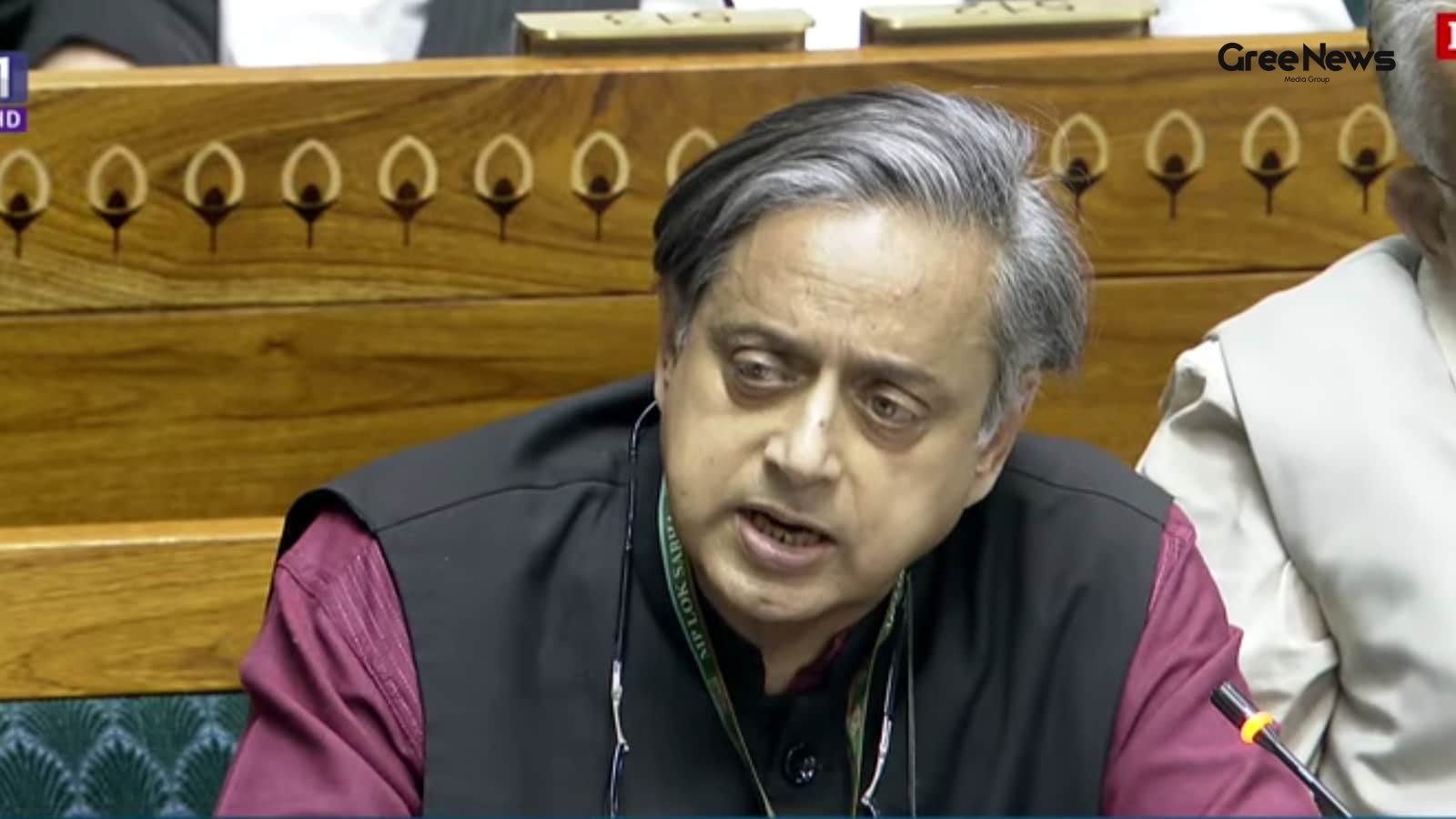
Shashi Tharoor on US Response to Indian Mariners' Deaths in Gulf of Oman
Shashi Tharoor, MP and head of the Parliamentary Standing Committee on External Affairs, really hammered Washington over the silence. No condolences offered after three Indian mariners died in a US military strike on a merchant ship somewhere in the Gulf of Oman. It was a major sticking point right
Jun 16, 2026 by Gree News Team
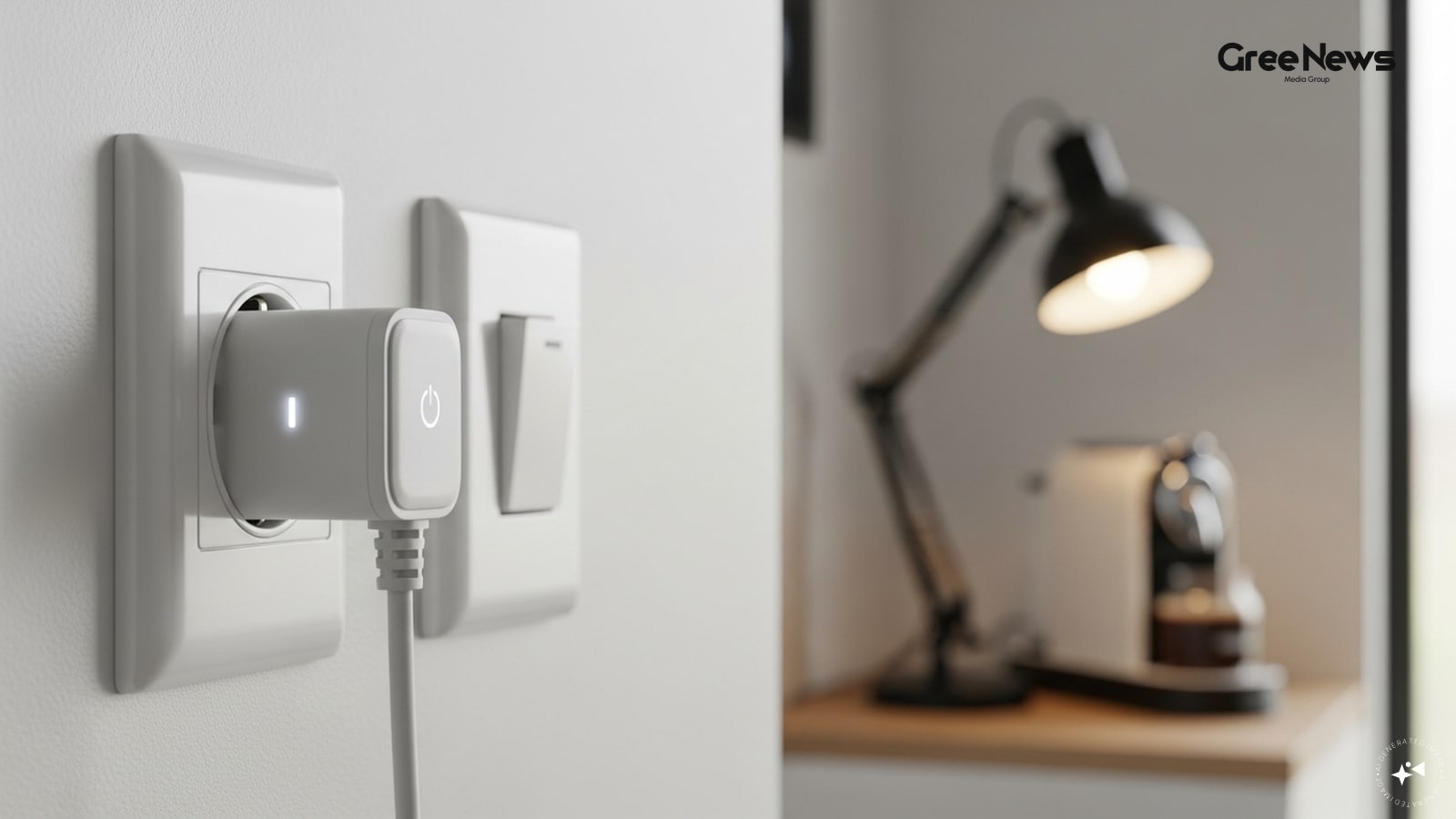
Smart Home Gadgets and the AI Geopolitical Standoff
The world of smart homes is moving fast. People are looking for ways to make their daily lives easier, safer and cheaper. And right now, there’s a wave of gadgets priced under five thousand rupees that promise real convenience, security, and automation without needing a massive renovation or an army
Jun 16, 2026 by Gree News Team

Diplomatic Exchange: Modi and Vucic on Leadership and Partnership
The exchange between New Delhi and Belgrade, centered around Prime Minister Modi’s tenure, felt less like official diplomacy and more like something shared across social media feeds a casual acknowledgment of status mixed with a hint of deeper history. It wasn't just about congratulations; it was ab
Jun 15, 2026 by Gree News Team
Analysis of Horror Film Box Office Performance and Growth
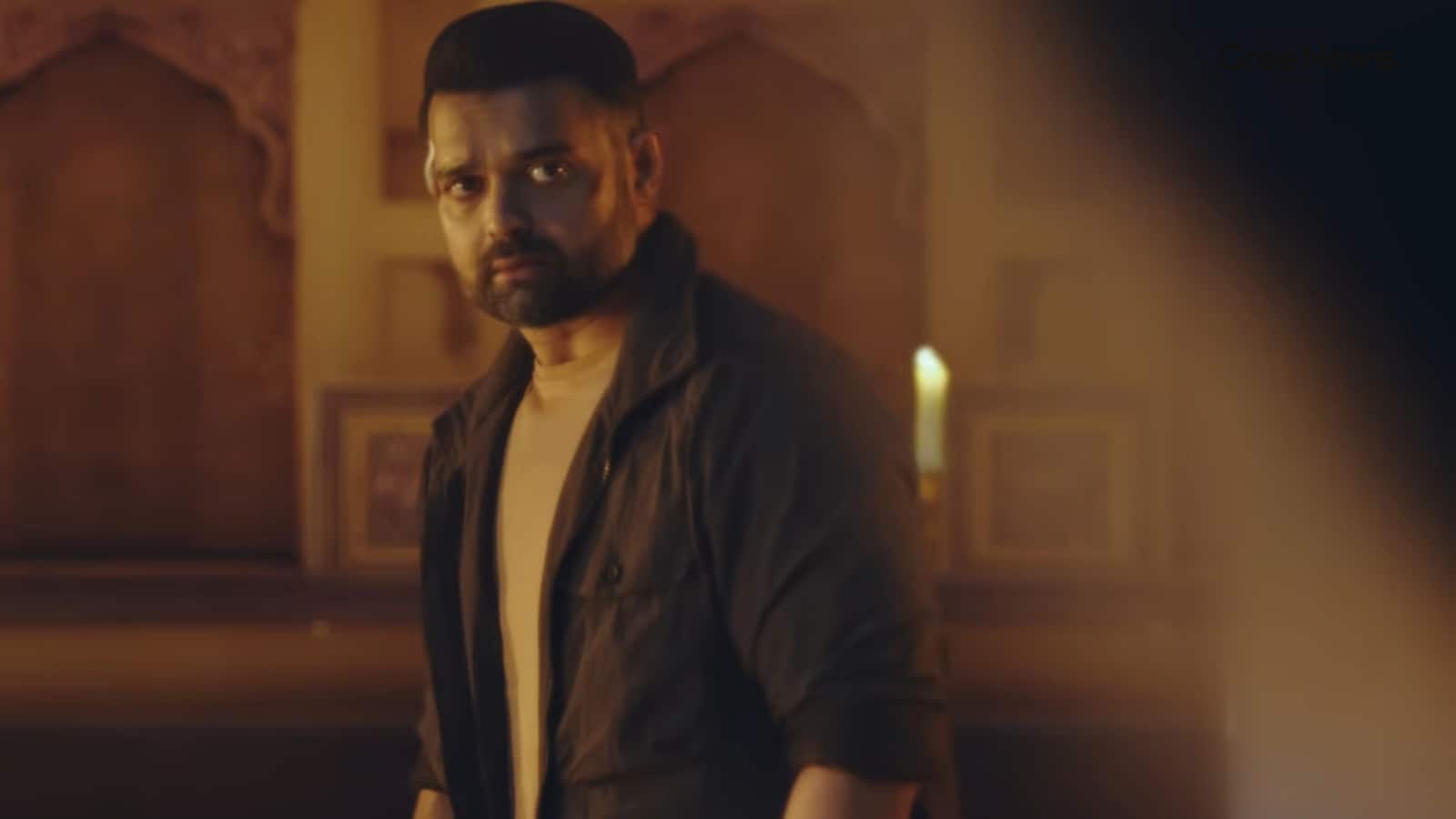
That whole box office is just nuts right now. Everyone chasing those big star releases. But somehow, one horror film manages to stick around. *Haunted 3D: Echoes Of The Past*. It’s quietly finding its space despite the noise. It’s got that slow build going on through the opening weekend. Not exactly
Jun 15, 2026 by Gree News Team
Post Office Misconduct and Social Media Outrage in Uttarakhand
The noise started in Uttarakhand, right at the post office in Jara Jibli village. It wasn't a quiet disagreement; it was just raw, heated confrontation between some local residents and the India Post staff. Things blew up fast online. It all kicked off because one local came in there claiming the em
Jun 15, 2026 by Gree News Team
Raghubir Yadav: Journey from Uncertainty to Stardom
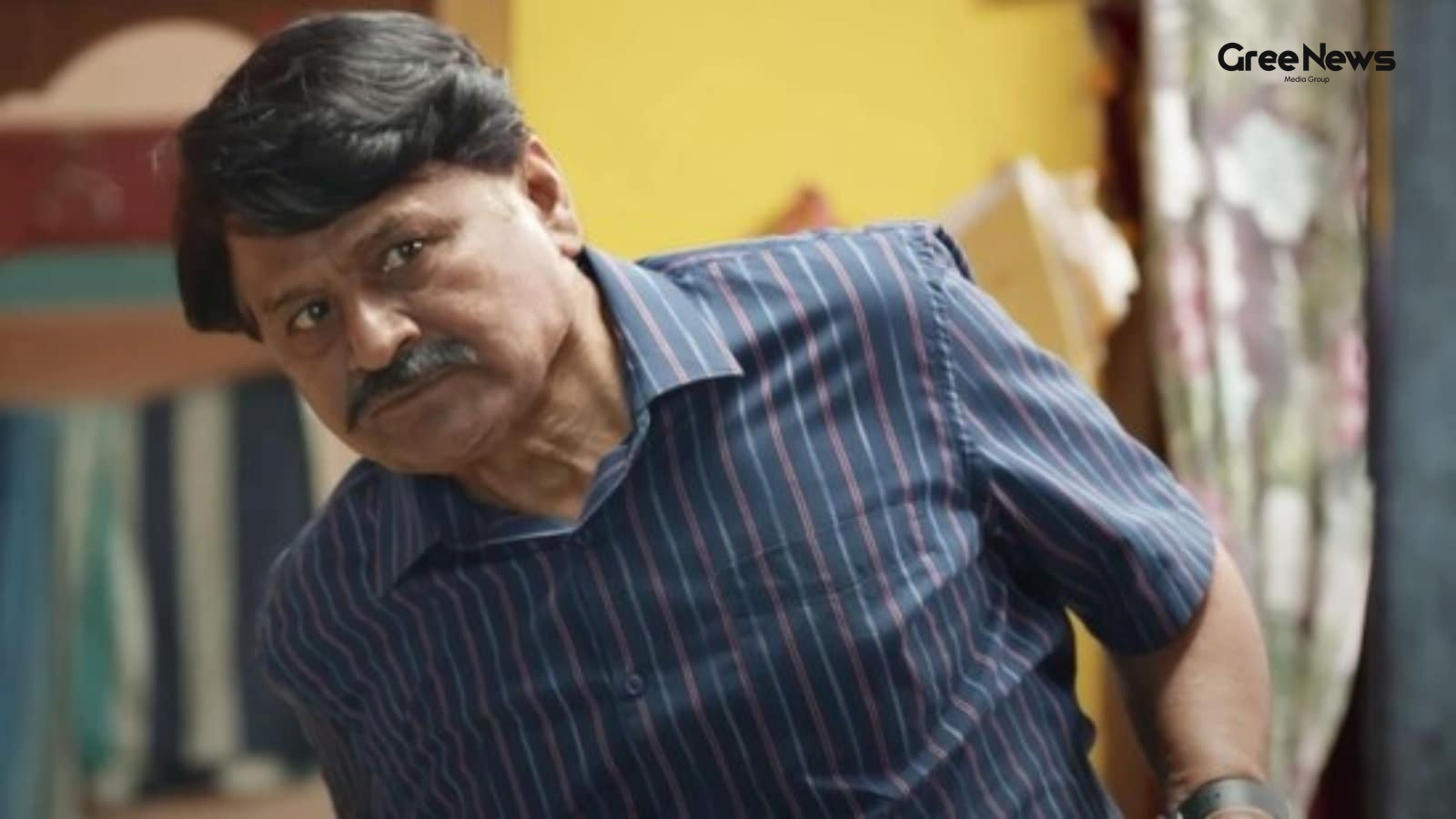
Raghubir Yadav wasn't just some familiar face on TV and cinema screens, you know? Long before that, his life was totally uncertain. Now he’s celebrated for those memorable performances, but getting there? That wasn't easy at all. He looked back at those rough years in a chat with ABP Live. He talked
Jun 15, 2026 by Gree News Team

Accountability, Apology, and Growth in Public Scrutiny
Nehal Chudasama weighed in on the whole mess with Pranit More’s situation. She basically said that even though what went down at his show was wrong which it was people still need some space for growth after accountability is actually shown. The whole thing kicked off because of that viral clip from
Jun 15, 2026 by Gree News Team

Best Action Camera and Kitchen Gadget Pairings for Travel and Cooking
Travelling solo, right? That’s when you really start thinking about gear. Becoming your own photographer. It sounds simple enough, but getting good shots on a scooter ride or while hiking it all hinges on having something lightweight and solid. And that’s where the selfie stick comes in. It just mak
Jun 15, 2026 by Gree News Team
Crackdown, Blackout, and Humanitarian Crisis in Rawalakot Amid Regional Unrest
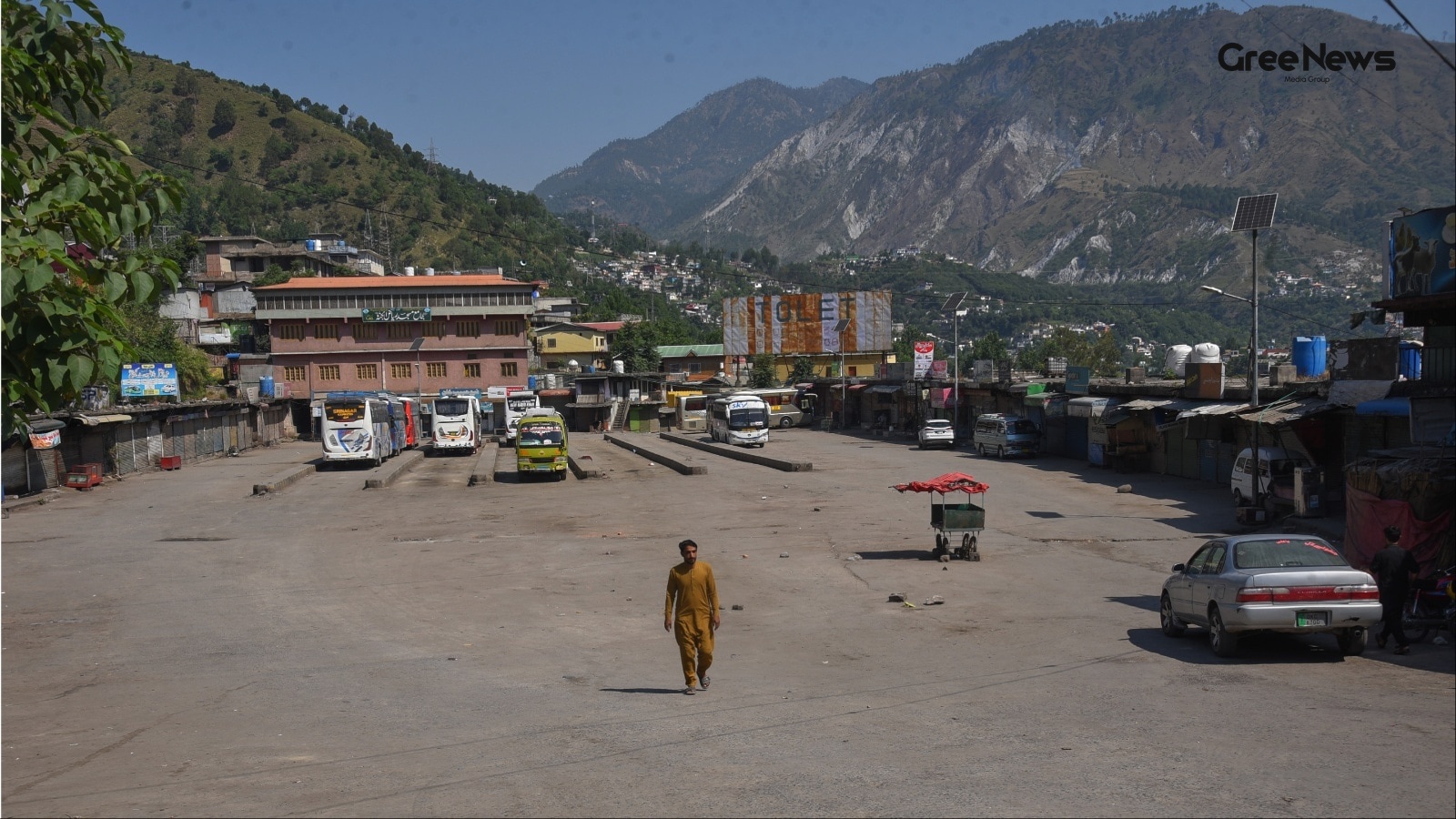
The crackdown hit Rawalakot hard. It happened during Fajr prayers at Eid Gah Ground, right when members and supporters of the Awami Action Committee were holding a sit-in. Things escalated fast. Security personnel used direct firing, heavy shelling, and tons of tear gas just to break up the gatherin
Jun 15, 2026 by Gree News Team

K-pop's Dominance: Awards, Legacy, and Cross-Cultural Reach
K-pop just keeps pushing across Asia. It really does. Some of the biggest names are walking away with top honors at the Music Awards Japan 2026. It’s clear their grip isn't slipping. The whole thing happened on June 13th, held over at the Toyoto Arena in Tokyo. That was the second time they brought
Jun 15, 2026 by Gree News Team