Maritime Safety and Geopolitical Risks in the Gulf Region
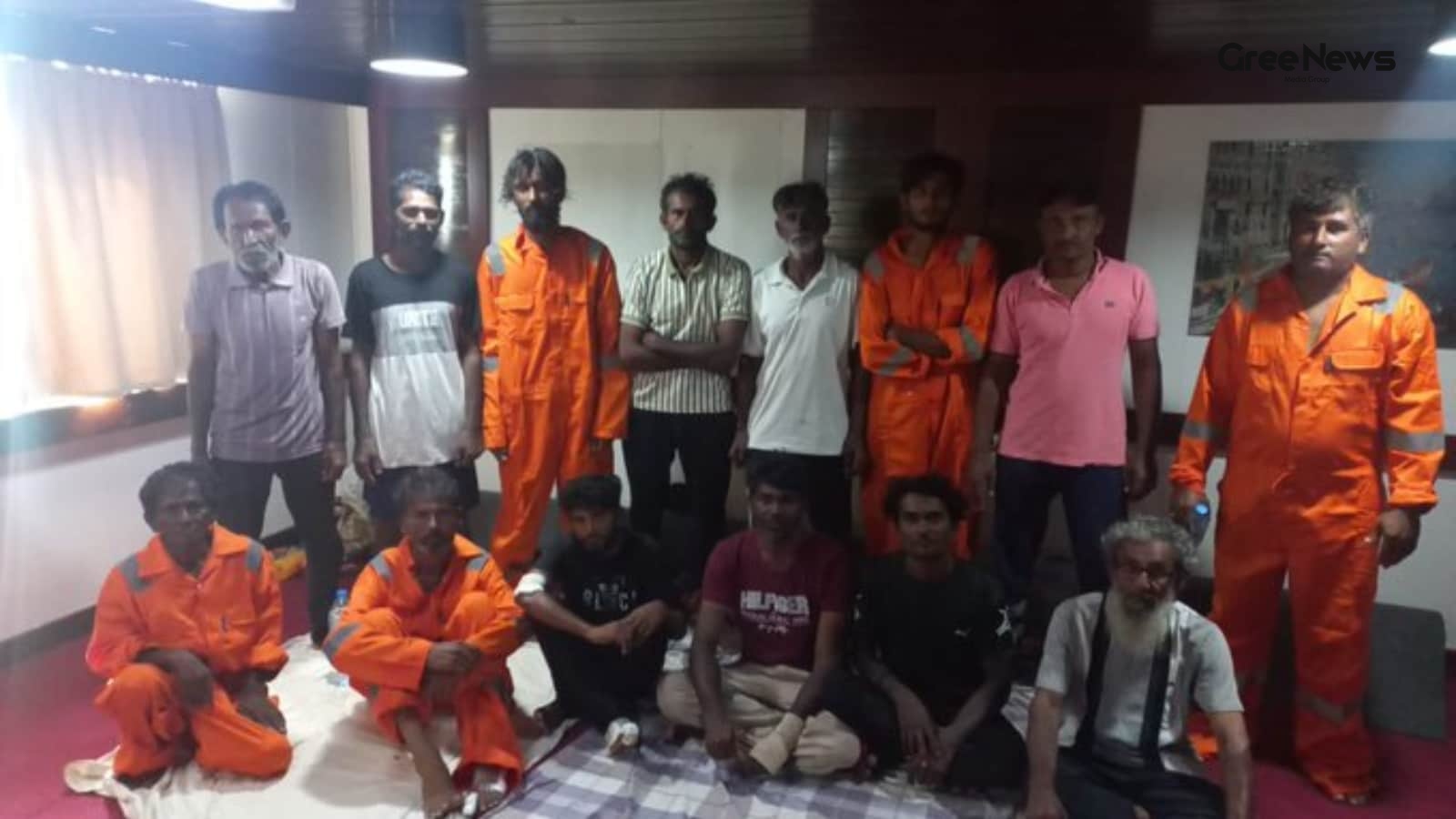
Fourteen Indian crew members. That’s what they managed to pull off, safely evacuated from a ship near Oman this past Sunday. An engine failure forced the issue. It kicked off an immediate rescue operation involving Omani authorities and various maritime agencies scrambling into action.
It wasn't just about a broken machine, you know? It was happening right in the middle of all the noise swirling around the Gulf region lately. Heightened concerns. That’s what everything feels like these days regarding safety on the water there. There have been so many shipping emergencies reported recently involving Indian seafarers. Attacks. Incidents that sort of stick with you.
Officials said the technical fault developed, stranded them right off Oman. The crew reported the engine failure first, they asked for help then. That’s how it started. A simple breakdown turning into a big deal when you are far out at sea.
Then came the coordination. Rescue teams alerted. Everything had to be coordinated fast. Authorities worked together to make sure those people got off that distressed vessel safely. Preventing things from spiraling further. Escalation? That was the real fear there, wasn't it? A maritime emergency getting worse because of a mechanical glitch.
The Indian Embassy posted something online about it. Something like they managed to get most of them sorted. Eleven out of fourteen crew members ended up safe aboard another vessel, the MV Jabal Ali 9. No injuries reported during that whole ordeal. That’s the initial report. Eleven got away fine. Three later were rescued. It's that kind of messy reality you deal with when things go wrong at sea.
Meanwhile, there’s this background noise. This constant state of watching. Indian authorities are definitely keeping a close eye on seafarers operating in the Gulf and the Strait of Hormuz. It just feels like perpetual vigilance. Every movement, every vessel, it all gets scrutinized.
And the area itself? The Gulf of Oman and that narrow stretch of water, the Strait of Hormuz. They aren't just some random patches of ocean. They are massive shipping corridors. Seriously busy. Handling huge chunks of global energy trade. You can’t ignore that scale. It shapes everything.
Geopolitics bleeds into the shipping lanes. Recent tensions. Security incidents. All of it ramps up the risk for any merchant ship moving through there. Governments and maritime agencies? They are just on high alert. That constant tension, it makes every incident feel heavier.
It’s not just this one story, though. Over the last week alone, multiple vessels carrying Indian crews have been involved in trouble off the coast of Oman. Not just mechanical failures. There were attacks reported. Casualties and emergency evacuations followed those events. It just keeps piling up. India keeps stressing something constant: protecting commercial shipping. Protecting the welfare of the seafarers doing that hard work in these volatile waters.
That sense of vulnerability is palpable. When you look at the geography, the strategic importance the Hormuz choke point, for instance it changes how you view maritime safety. It’s not just about the mechanics of a ship; it's about who controls those routes. Who ensures that people working there aren't just collateral damage in larger games.
The reality is, these incidents feed into a bigger picture. The risk assessment for shipping here isn't static. It shifts based on everything happening across the Middle East and beyond. You see governments reacting faster now. Maritime agencies tightening protocols. It’s reactive, born out of necessity, really. Not proactive peace, just damage control under pressure.
Think about those energy flows again. Oil, gas it all moves through these waterways. When that flow is threatened by tension, the shipping becomes a direct vector for instability. And the crews are in the middle of it. They are the ones exposed to the immediate physical risks, and often the indirect political fallout. It’s that layer you don't see on the big geopolitical charts.
The rescue itself was handled, they say. Those arrangements were made. The focus shifted instantly from crisis management to logistics getting people where they needed to be safely. But the underlying anxiety remains. That feeling of being exposed in a place that is inherently unstable. It’s an observation you can't shake.
The system is always patching things up. Coordinating between different flags, different jurisdictions. Maritime law, local authority response, international protocols. It’s a tangled mess of procedures trying to handle sudden, brutal reality at sea. And it all has to happen quickly, which often means cutting corners or improvising under extreme stress.
And that improvisation that's where the human element really shows up. Not just the machinery failing. But the sheer effort required from everyone involved. The local teams, the international responders, trying to manage a situation where the stakes feel impossibly high for the people caught in the middle of it all. It’s observational stuff you see when reports are stripped down to the bare bones.
The routine reporting structure, the neat timelines they don't capture that messy friction. The way things actually unfold on the water, under pressure. It’s less about perfect chronology and more about the immediate, raw response to danger. That’s what you get when you look at these events repeatedly. A constant reminder of fragility in global trade routes.
And those routes are constantly being tested. Not just by weather or mechanical failure. But by external forces. By tensions that don't necessarily involve the ship itself, but everything surrounding it. It makes every voyage feel like a gamble. Every crossing feels loaded with potential risk.
So you have the immediate physical rescue the successful extraction of people from danger. And then there’s the systemic issue underneath. The constant monitoring. The geopolitical pressure that dictates how safely those crews can operate, and what kind of support they are guaranteed. It's a cycle. A loop of emergency response feeding back into heightened awareness about the very real dangers lurking in these critical maritime zones.
It makes you wonder about the infrastructure supporting this trade. Is it secure? Are the rules enforced consistently across all those jurisdictions? Or does the reality on the ground, where the ships are actually running, dictate a different set of priorities entirely? That’s the silent question hanging over every incident like a shadow. The complexity just keeps growing.
Written by Gree News Team — Senior Editorial Board
Gree News Team covers international news and global affairs at Gree News. Our collective of senior editors is dedicated to providing independent, accurate, and responsible journalism for a global audience.
More from World
View All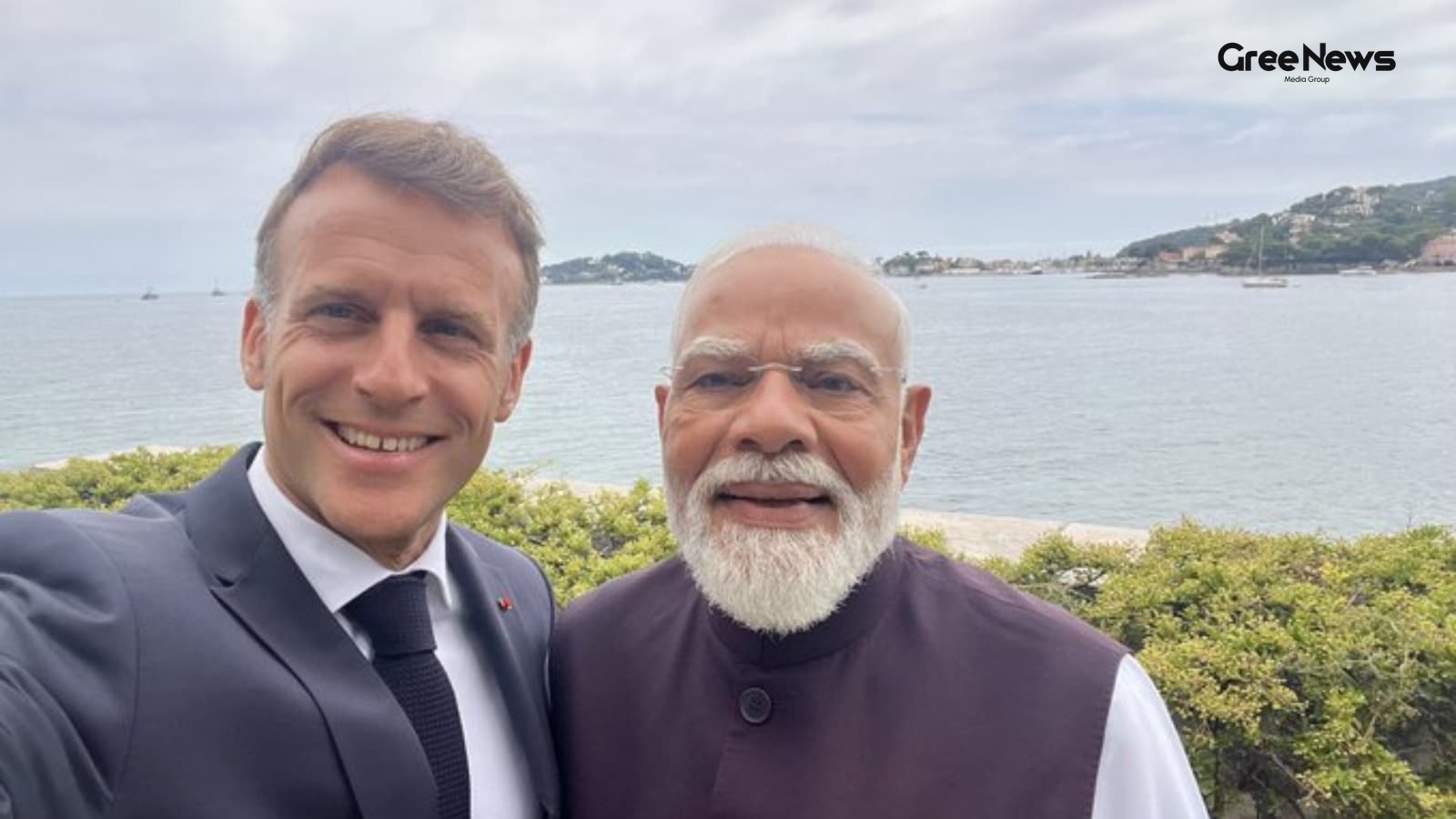
The Geopolitical Significance of the Macron-Modi Moment
The photo dropped online, naturally. Macron and Modi smiling against that Mediterranean backdrop in Nice. Just a selfie, captioned with one word: “Nice!” It felt… light. Almost deliberately so. But underneath that simple caption, there was a whole current running through it. A kind of unspoken ackno
Jun 15, 2026 by Gree News Team
Donald Trump's Reaction to the Beirut Strike and the Iran Peace Deal
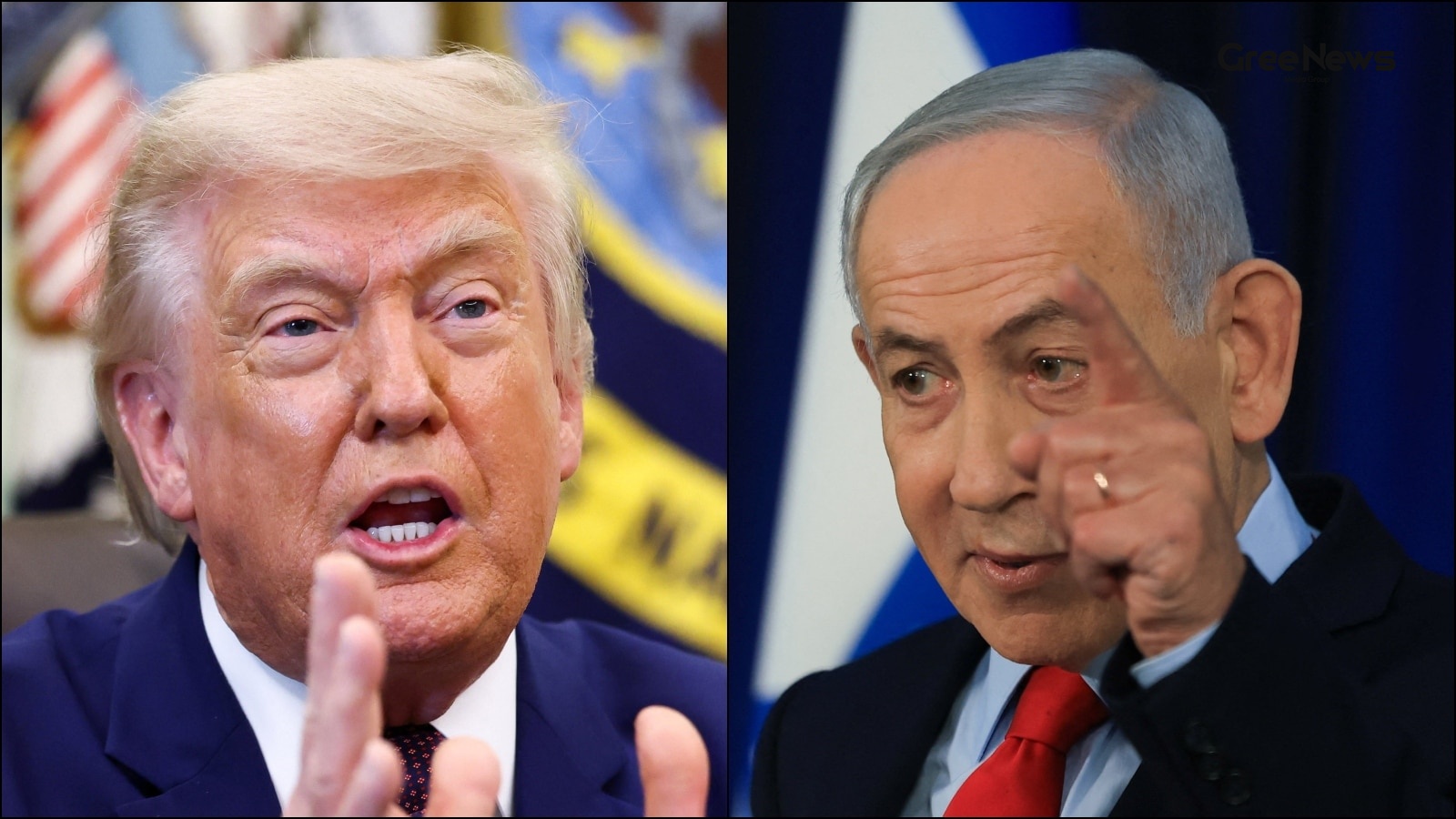
Donald Trump got really angry. He sharply criticized Israeli Prime Minister Benjamin Netanyahu about that Beirut strike on Sunday. He said he was "so pissed off" by the decision. That’s what came out in remarks shared with journalist Barak Ravid of *Axios*. Apparently, this happened during a phone c
Jun 15, 2026 by Gree News Team
US and Iran Peace Deal Negotiations and Demands
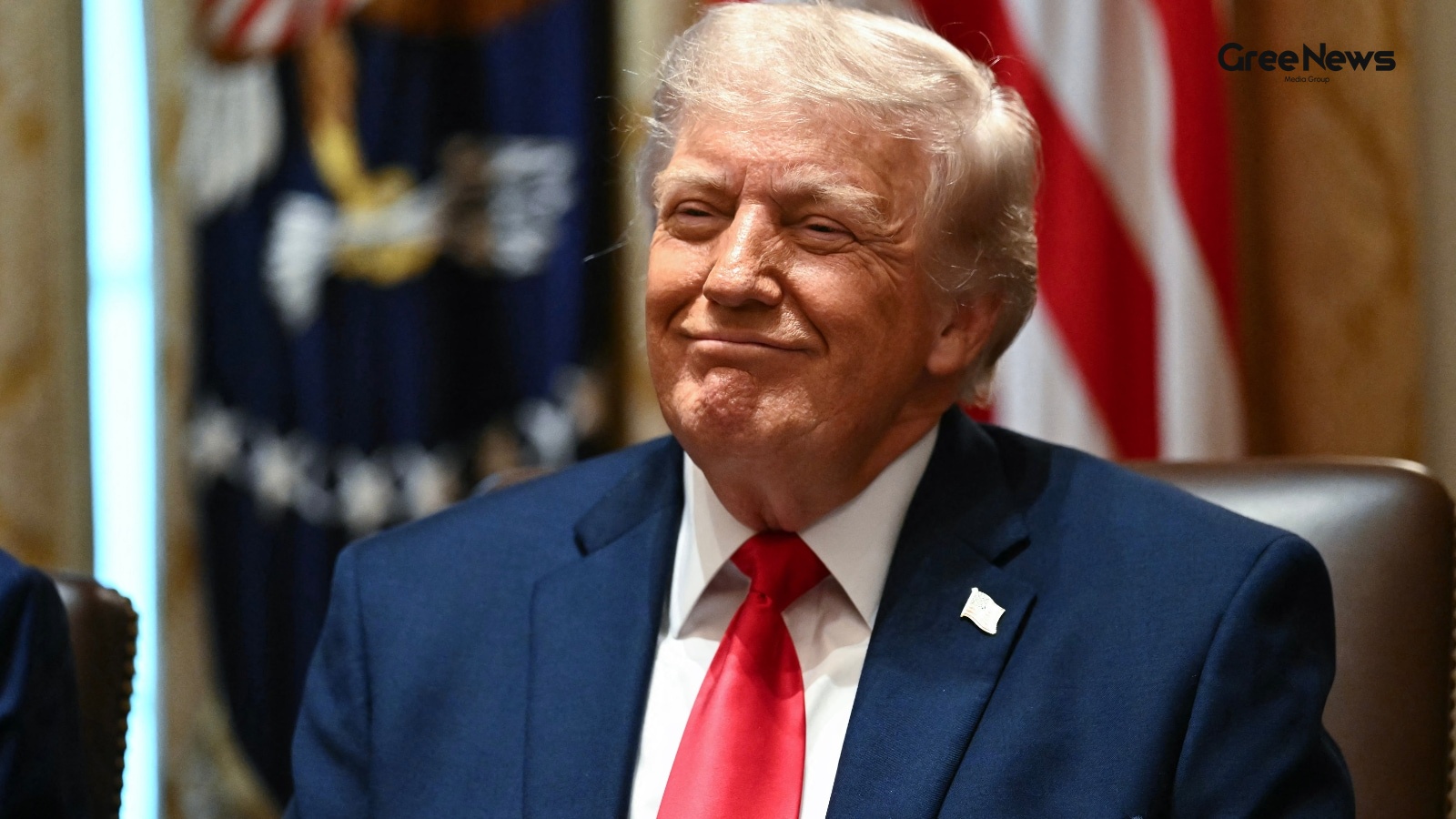
The US and Iran supposedly nailed down a peace deal after some intense back-and-forth negotiations wrapped up Sunday. Both sides agreed to stop all military moves immediately. That included everything going on in Lebanon too. President Trump was the one to confirm it, calling it a huge step for stab
Jun 15, 2026 by Gree News Team
US-Iran Framework Agreement, Nuclear Sticking Points, and Diplomatic Tensions
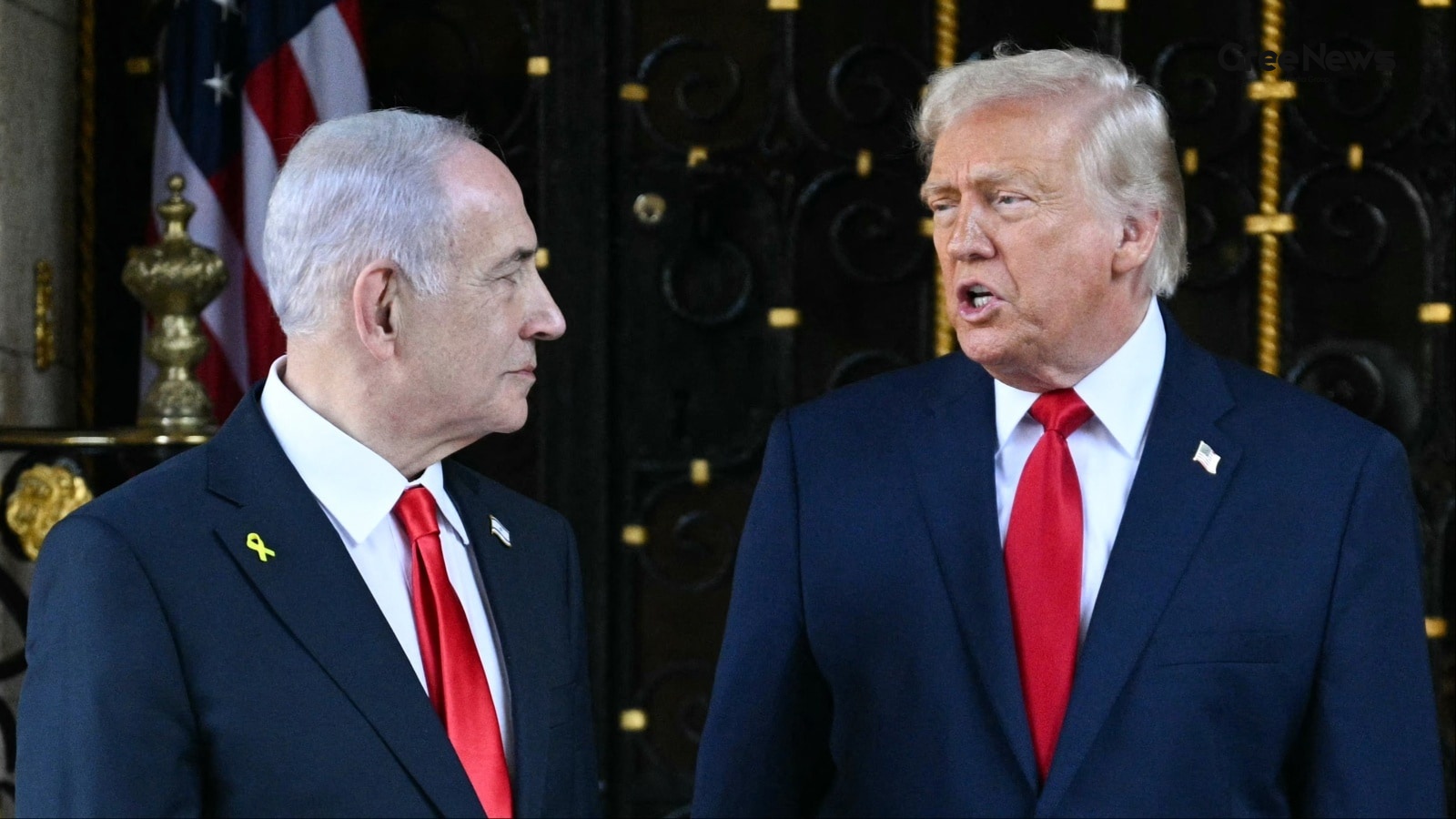
The framework agreement between the US and Iran came out of nowhere. Months of conflict suddenly paused. Military operations stopped. Negotiations started on the really messy parts, especially Tehran’s nuclear programme. Then you have the chatter from Trump. He said Israel stood to benefit from this
Jun 15, 2026 by Gree News Team
Latest Headlines

Chiyaan Vikram's *Chiyaan63*: Rumors, Fees, and Production Details
Chiyaan Vikram’s next big thing, *Chiyaan63*, is definitely generating a lot of noise right now. It’s all about that rumored fee floating around, isn't it? There are whispers real whispers, based on what industry trackers are circulating that the actor might have agreed to a hefty sum, something aro
Jun 15, 2026 by Gree News Team

The Entitlement of Space: A Reflection on Public Friction and Social Boundaries
What happens when you watch stuff like that online? It just sparks things. You see this clip, right? Two guys on a train, fighting over a seat. Not some grand political drama, no. Just basic inconvenience escalating into something… messy. People latch onto it instantly. It’s the whole seating thing,
Jun 15, 2026 by Gree News Team
The Geopolitical Significance of the Macron-Modi Moment
The photo dropped online, naturally. Macron and Modi smiling against that Mediterranean backdrop in Nice. Just a selfie, captioned with one word: “Nice!” It felt… light. Almost deliberately so. But underneath that simple caption, there was a whole current running through it. A kind of unspoken ackno
Jun 15, 2026 by Gree News Team

The Fight for Visibility: Show Timings and the Future of Indian Cinema in Theaters
Anurag Kashyap never hesitates when there’s something glaring that needs pointing out. This time it wasn't about reviews or box office numbers. It was about show timings. Something much more fundamental for any film trying to survive in theaters. He posted these comments on Instagram stories, callin
Jun 15, 2026 by Gree News Team

Protest in Delhi Linked to US Naval Strikes and Maritime Incidents
The scene in Delhi is wild right now. Auto-rickshaw drivers, you know, they’re tearing down posters. Posters of Donald Trump. It’s happening on their vehicles. A protest, obviously, after some nasty news about a US strike off Oman that supposedly killed three Indian sailors. Videos are flooding soci
Jun 15, 2026 by Gree News Team
Violence Erupts at Patna Railway Station During Exam Protest
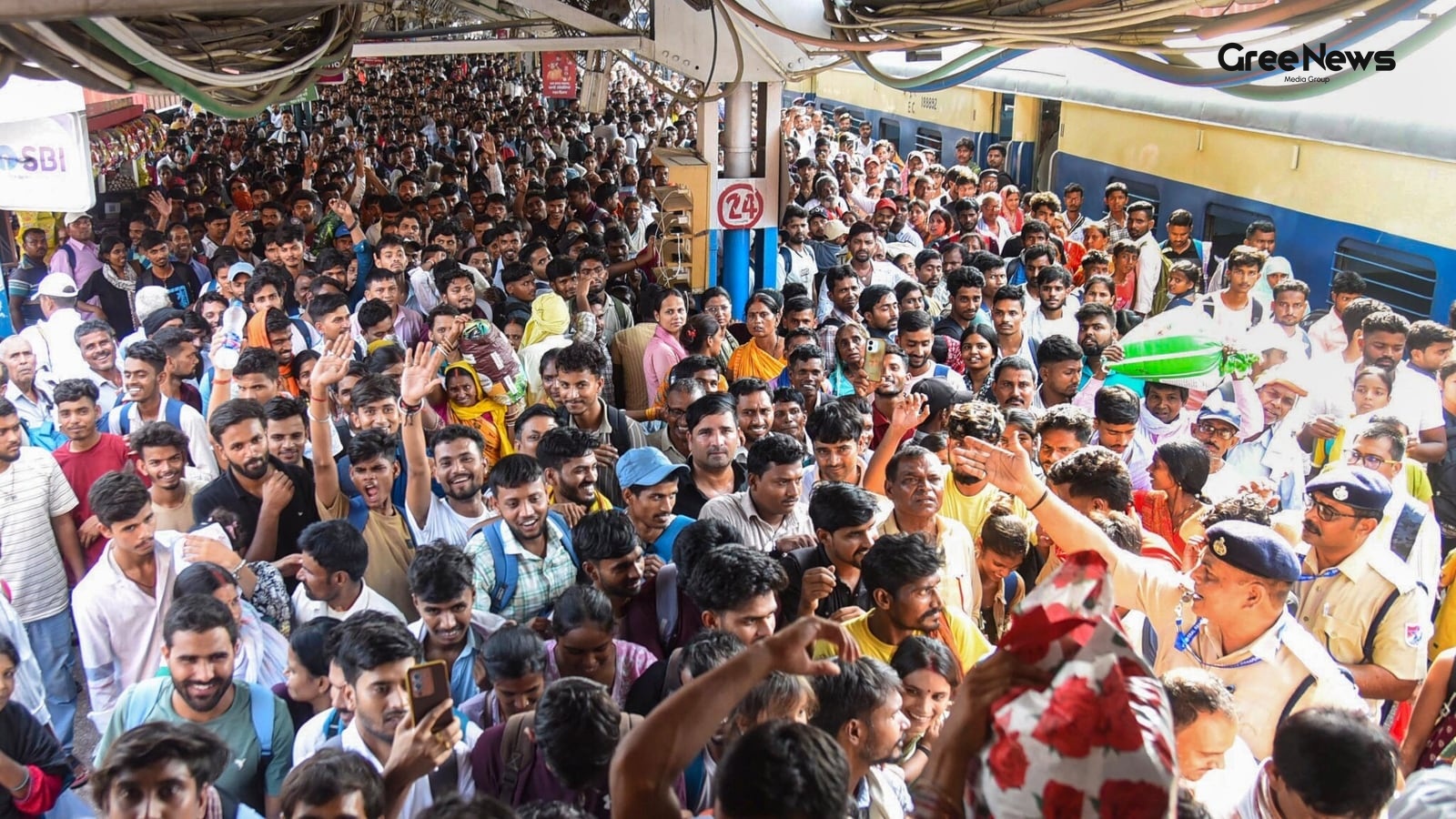
Violence erupted at Patna’s Pataliputra Railway Station on Saturday night. Hundreds of exam aspirants had blocked the railway tracks. They were protesting what they claimed was inadequate train arrangements for an examination scheduled for Sunday. Amresh Kumar, who is the Inspector General in charge
Jun 15, 2026 by Gree News Team
Donald Trump's Reaction to the Beirut Strike and the Iran Peace Deal
Donald Trump got really angry. He sharply criticized Israeli Prime Minister Benjamin Netanyahu about that Beirut strike on Sunday. He said he was "so pissed off" by the decision. That’s what came out in remarks shared with journalist Barak Ravid of *Axios*. Apparently, this happened during a phone c
Jun 15, 2026 by Gree News Team

Kangana Ranaut's Film Receives Entertainment Tax Exemption in Haryana and Delhi
Kangana Ranaut’s new film, *Bharat Bhhagya Viddhaata*, is suddenly doing really well at the box office. And it’s not just the movie that got attention. Haryana actually waived entertainment tax on it within days of release. That announcement came after a special screening. Chief Minister Nayab Singh
Jun 15, 2026 by Gree News Team

The Power of the First Hour: Morning Habits for Longevity and Health
That first hour after you wake up. it might be way more important than most people realize. longevity physician Dr Vassily Eliopoulos, he just goes by Dr Vass, points out that the habits we get into in the morning really mess with everything. think hormone levels, metabolism, energy, focus even long
Jun 15, 2026 by Gree News Team
Impact of Crude Oil Price Drop on Global Markets and India's Economy
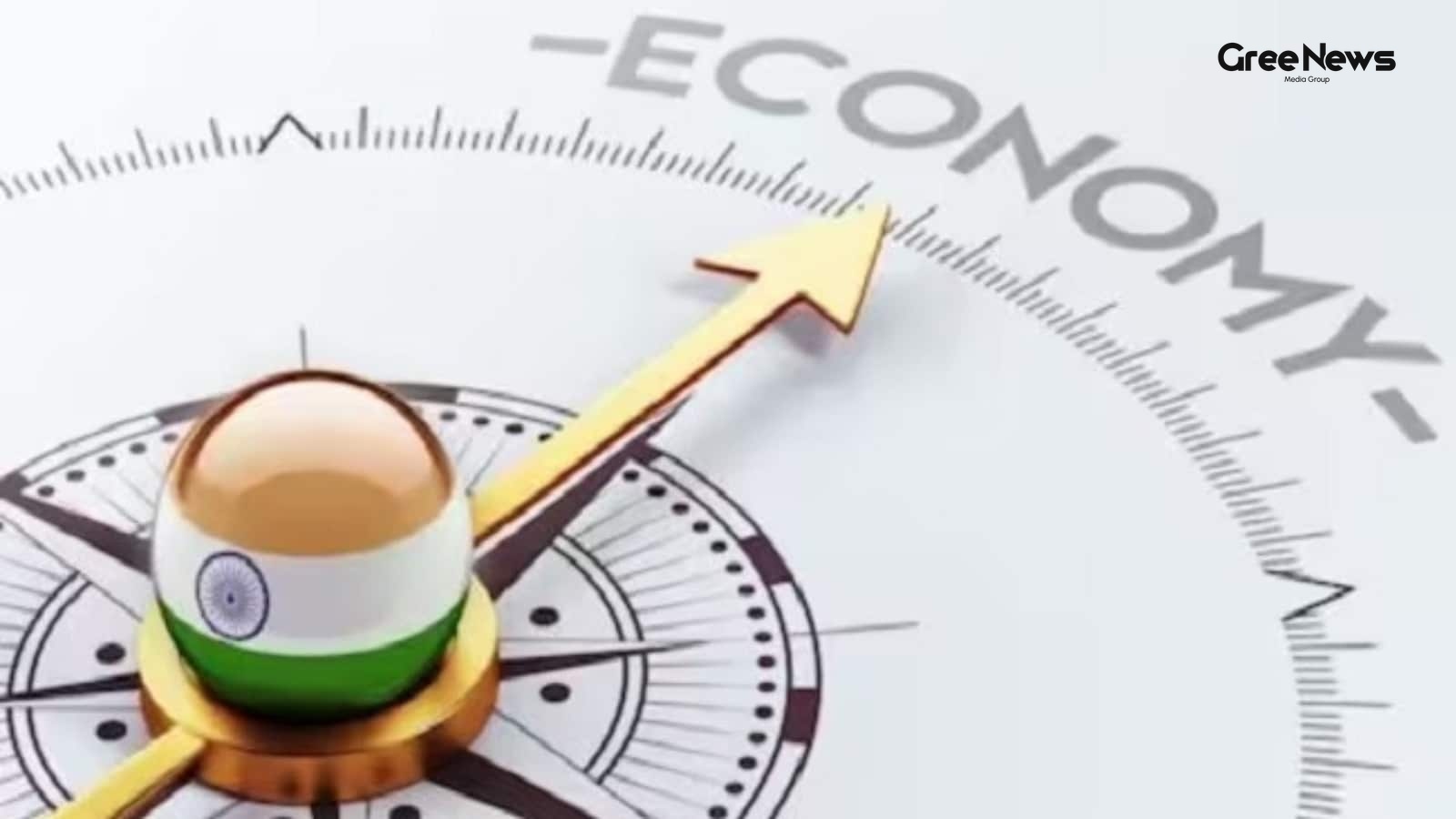
Crude oil prices took a dive on Monday. Nearly five percent off. It happened after the US and Iran announced some preliminary peace deal. The big thing? They said it might reopen the Strait of Hormuz. That choke point, one of the most vital shipping lanes globally for oil, suddenly felt less threate
Jun 15, 2026 by Gree News Team
Rail Disaster near Hetampur: Chaos and Aftermath
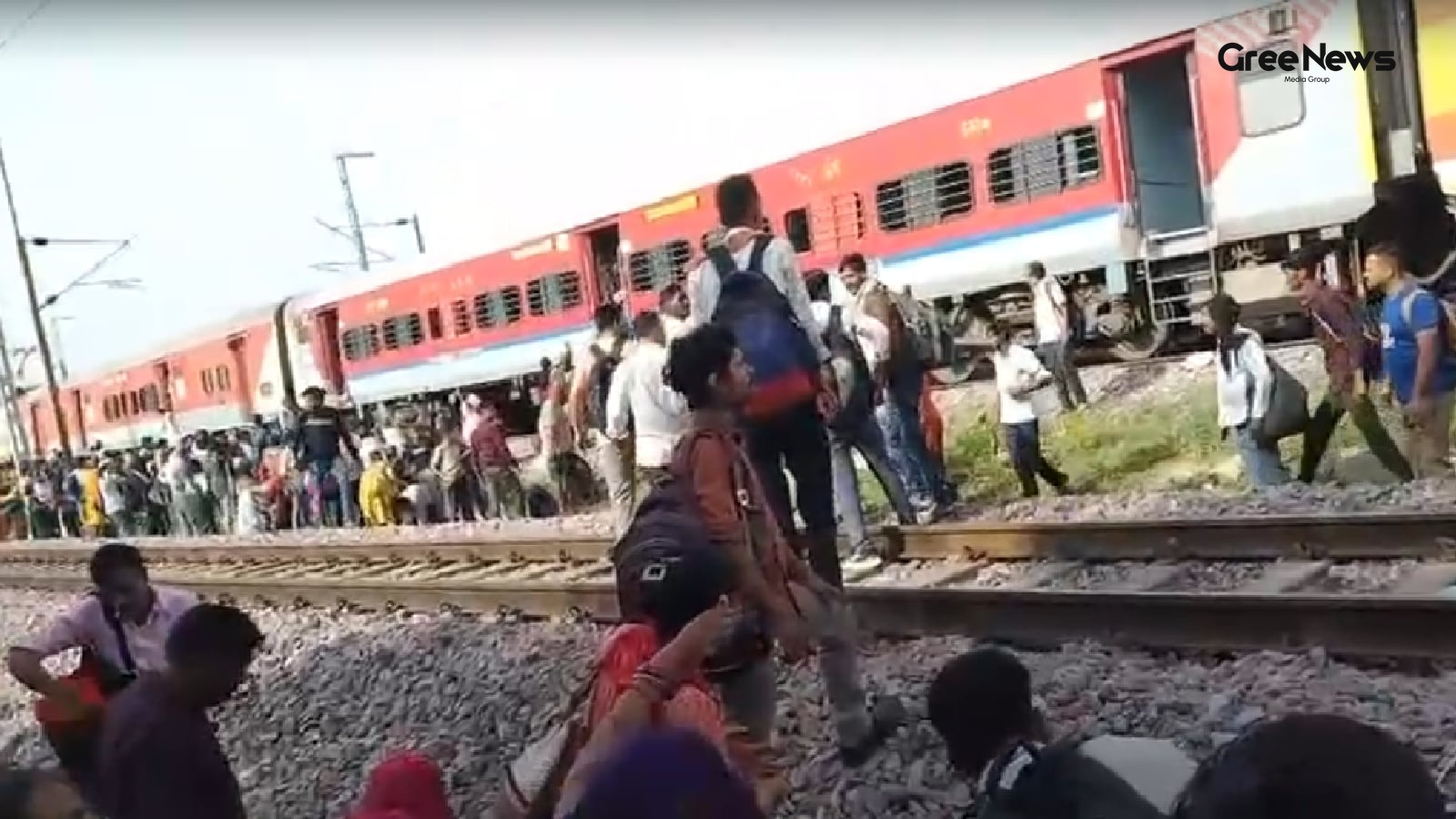
The scene near Hetampur railway station. It wasn’t smooth, not at all. Everything felt broken that day. Train No. 19665 Khajuraho-Udaipur Intercity Express had stopped. Around four fifteen in the afternoon. Just a halt. A sudden stop. And then things started to unravel. Initial whispers, you know? R
Jun 15, 2026 by Gree News Team

Tragedy and Negligence: The Brazil Bridge Swing Incident
That whole thing that happened in Brazil is just… shocking. A 21-year-old woman lost her life after apparently being launched off a bridge swing without any safety rope on her harness. It just happened. And now everyone’s furious, and police are looking into whether someone was negligent. She was na
Jun 15, 2026 by Gree News Team

Eye Health Risks During Monsoon Season: 5 Infections to Watch For
The monsoon season rolls in, bringing that much-needed relief from the brutal summer heat. But there’s a shadow hanging over everything a higher risk of seasonal infections creeping in. Moist weather, thick humidity, polluted air... all that dampness and dust just make it easier for germs to spread
Jun 15, 2026 by Gree News Team

International Cricket Stadium in Gorakhpur Development
The push for the International Cricket Stadium in Gorakhpur is really picking up speed now. Officials from the Uttar Pradesh government mentioned that about 6.73 per cent is done since they started the work after laying that foundation stone back in May. It’s a big deal, mind you. We're talking an e
Jun 15, 2026 by Gree News Team
Admissions Open at Major Dhyan Chand Sports University: Sports and Diploma Programs
Admissions are finally open at Major Dhyan Chand Sports University in Meerut. They’re looking at undergraduate stuff, postgraduate degrees, even some diploma programs for the 2026-27 session. Applications stay open until July 10th. That's the deadline hanging over everyone right now. This year, they
Jun 15, 2026 by Gree News Team