Impact of Geopolitical Agreement on Gold and Global Markets
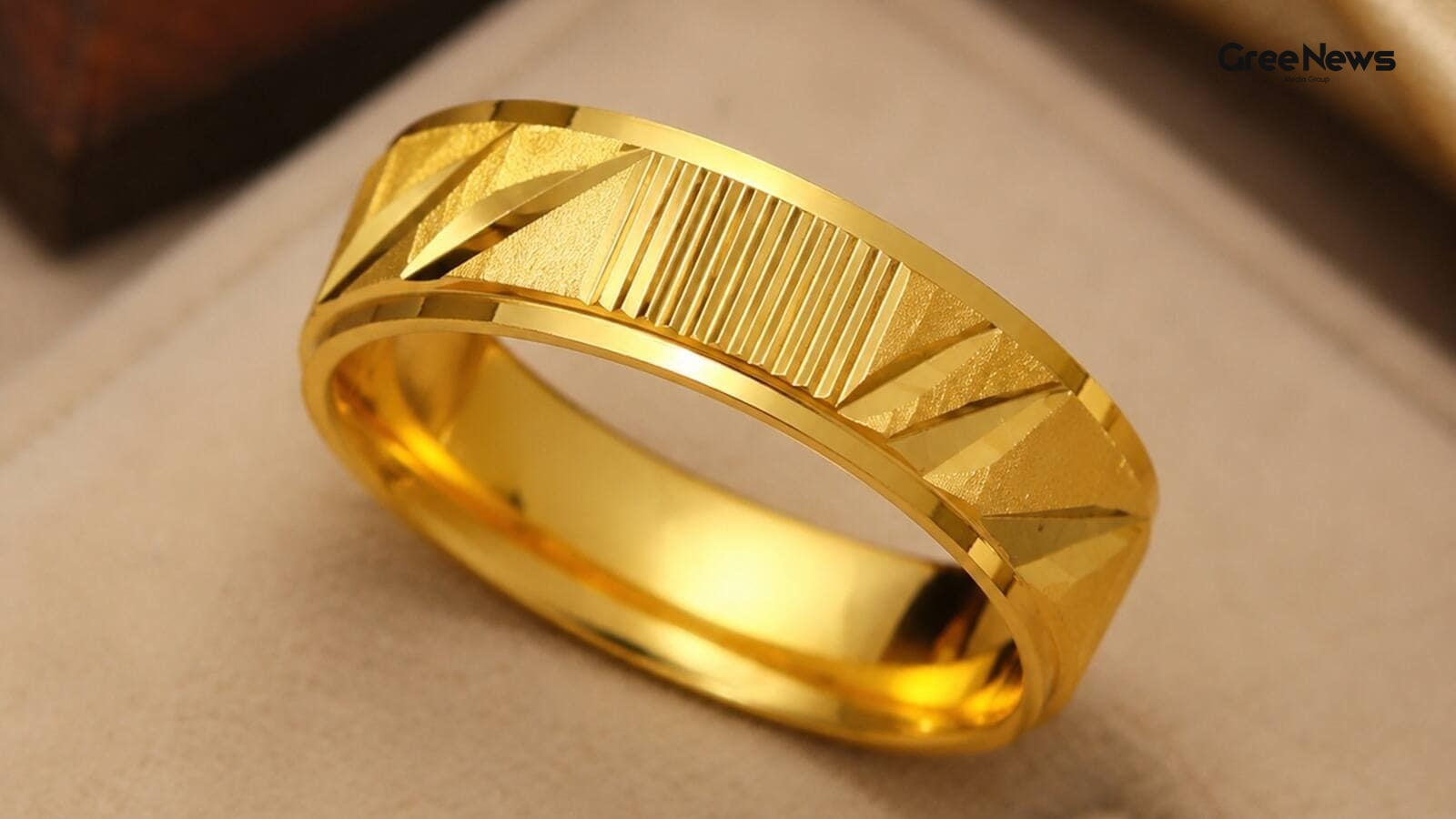
Gold jumped 2% Monday. It’s because US and Iranian officials somehow aGreed on some framework to end things. That aGreement touched oil prices too, pushing them down. The dollar softened right away. People seemed less worried about inflation and those high interest rates that were hanging over everything.
In the international market, spot gold climbed. Up two percent to $4,304.11 an ounce by 0122 GMT. That’s a high point since June 9th, according to Reuters. US gold futures for August delivery also moved up, gaining 2% to $4,325.20 per ounce.
The reason for the rally? It came after those officials announced they had aGreed on something. A framework to stop the war. To lift the US blockade on Iran. And to reopen that strategically important Strait of Hormuz. Pakistani Prime Minister Shehbaz Sharif posted something on X saying this deal is slated for a formal signing in Switzerland on Friday.
The dollar fell hard. It hit its lowest level in ten days. This made gold cheaper for anyone holding other currencies. Meanwhile, oil prices dropped more than four percent. That makes sense. The idea of renewed energy flows through the Strait of Hormuz just seemed to ease supply concerns.
Tim Waterer, Chief Market Analyst at KCM Trade, said something about this effect. Lower oil prices and a softer dollar all coming from reduced geopolitical risk and that anticipated reopening of the Strait of Hormuz they are helping calm inflation expectations.
But there’s still a catch. He added that this combination is giving the precious metal its best tailwind lately. Though, you have to watch how durable this peace aGreement actually proves to be. That's where things get tricky.
Gold has seen a big dip too. It declined around twenty percent since the start of the US-Israeli conflict with Iran back in late February. Back then, disruptions linked to Hormuz had shot oil prices way up. This fueled inflation worries and kept people expecting interest rates would stay high for much longer.
Gold is supposed to be a hedge against inflation, right? But when interest rates are high, that appeal lessens because the metal doesn't actually pay any yield. That’s another piece of the puzzle you have to consider.
The CME FedWatch Tool shows markets lowered their bets on a US interest rate hike in December. They now expect it at forty-seven percent, compared to sixty-nine percent just a week ago. This shift followed that peace framework announcement.
Analysts over at OCBC still feel that while the immediate geopolitical risks have eased up, the long-term drivers for gold are still there. Currency debasement concerns, fiscal risks, and this ongoing fragmentation they keep underpinning the demand. And softer energy inflation might finally let those themes get some focus back from investors.
Other precious metals followed suit too. Silver gained 3.1% to $70.07 per ounce. Platinum ticked up 3.1% to $1,771.27 . Palladium climbed 3.3% to $1,325.76 .
Written by Gree News Team — Senior Editorial Board
Gree News Team covers international news and global affairs at Gree News. Our collective of senior editors is dedicated to providing independent, accurate, and responsible journalism for a global audience.
More from Business
View All
Middle East Peace Deal Framework Sparks Global Market Surge
The news hit markets hard this morning. Donald Trump announced some kind of peace deal framework for the Middle East, something that finally seems to bring some closure to that whole crisis. And right away, Asian stocks just exploded. Kyodo News reported it at 6:40 am IST Japan’s Nikkei shot up over
Jun 15, 2026 by Gree News Team
Stock Market Rally: Impact of US-Iran Deal on Global Markets
Stock market today. June 15th. Everything just jumped up, tracking a broad rally across global markets. It was all triggered by that deal framework announced between the US and Iran. They agreed to reopen the Strait of Hormuz. That eased some massive concerns about energy supplies getting messed up.
Jun 15, 2026 by Gree News Team

Market Update: Global Cues, Corporate Shifts, and Institutional Activity
The markets kicked off this morning with a generally positive signal, tracking firm global cues. Gift Nifty was sitting at 23,478.5 when the clock hit 7:48 am a modest bump of 76 points, or just 0.32 percent. That’s what we saw initially. But there were other things moving around in the background.
Jun 12, 2026 by Gree News Team
Indian Equity Markets Rally Fueled by Global Optimism
The domestic markets opened sharply higher Friday, fueled by a wave of global optimism that swept across international equities. We saw the BSE Sensex jump nearly 981 points that’s over 1.3% gain landing at 74,814 in early trading. The NSE Nifty 50 followed suit, ticking up by 272 points, hitting 23
Jun 12, 2026 by Gree News Team
Latest Headlines
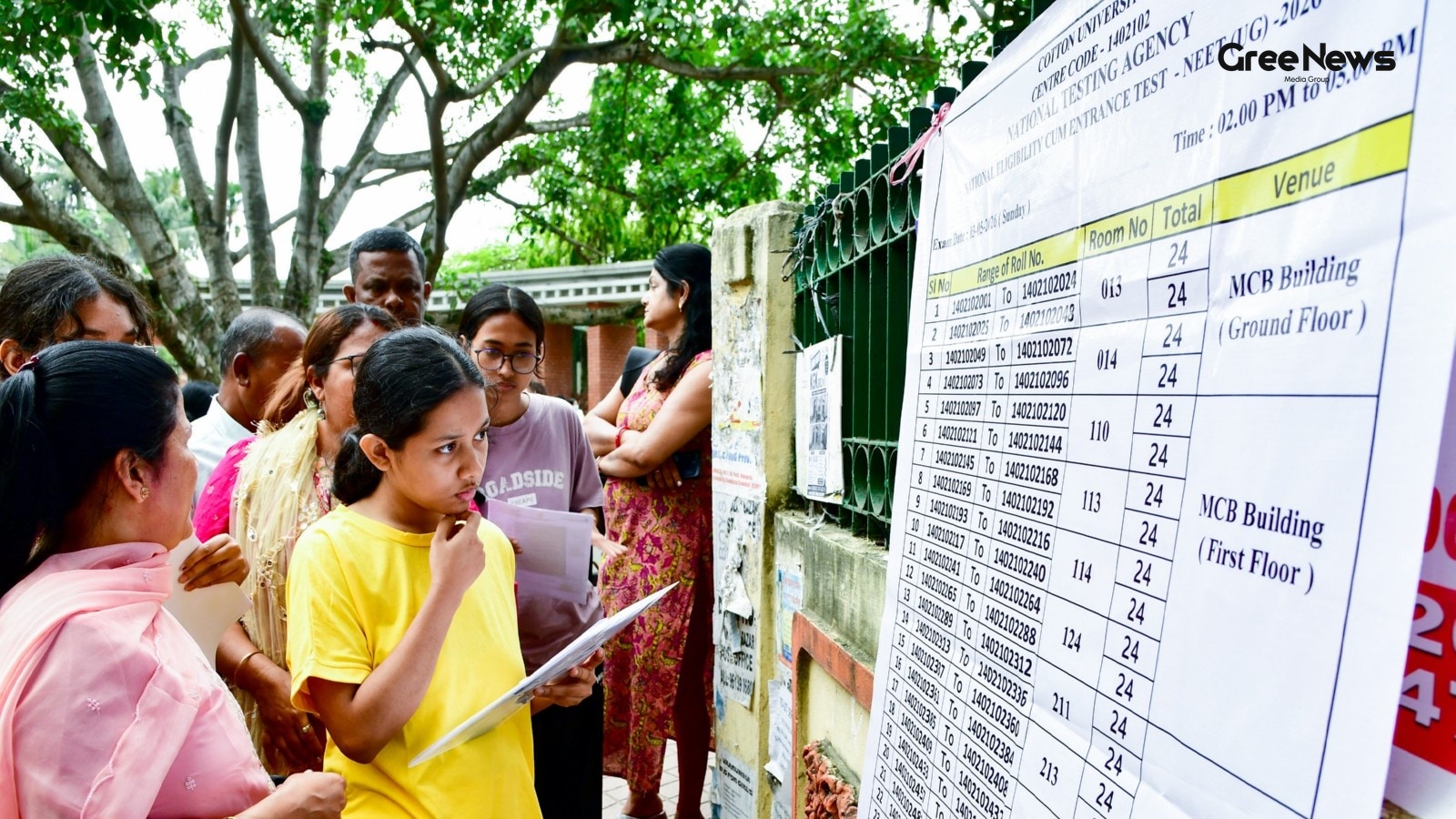
NEET (UG) 2026 Re-examination Admit Card Release Details
The National Testing Agency finally put out the admit cards for the NEET (UG) 2026 re-examination. It’s scheduled for June 21st, 2026. Sunday notice said you can grab these things from their official site, neet.nta.nic.in. You just need your application number and date of birth to get started. But t
Jun 15, 2026 by Gree News Team
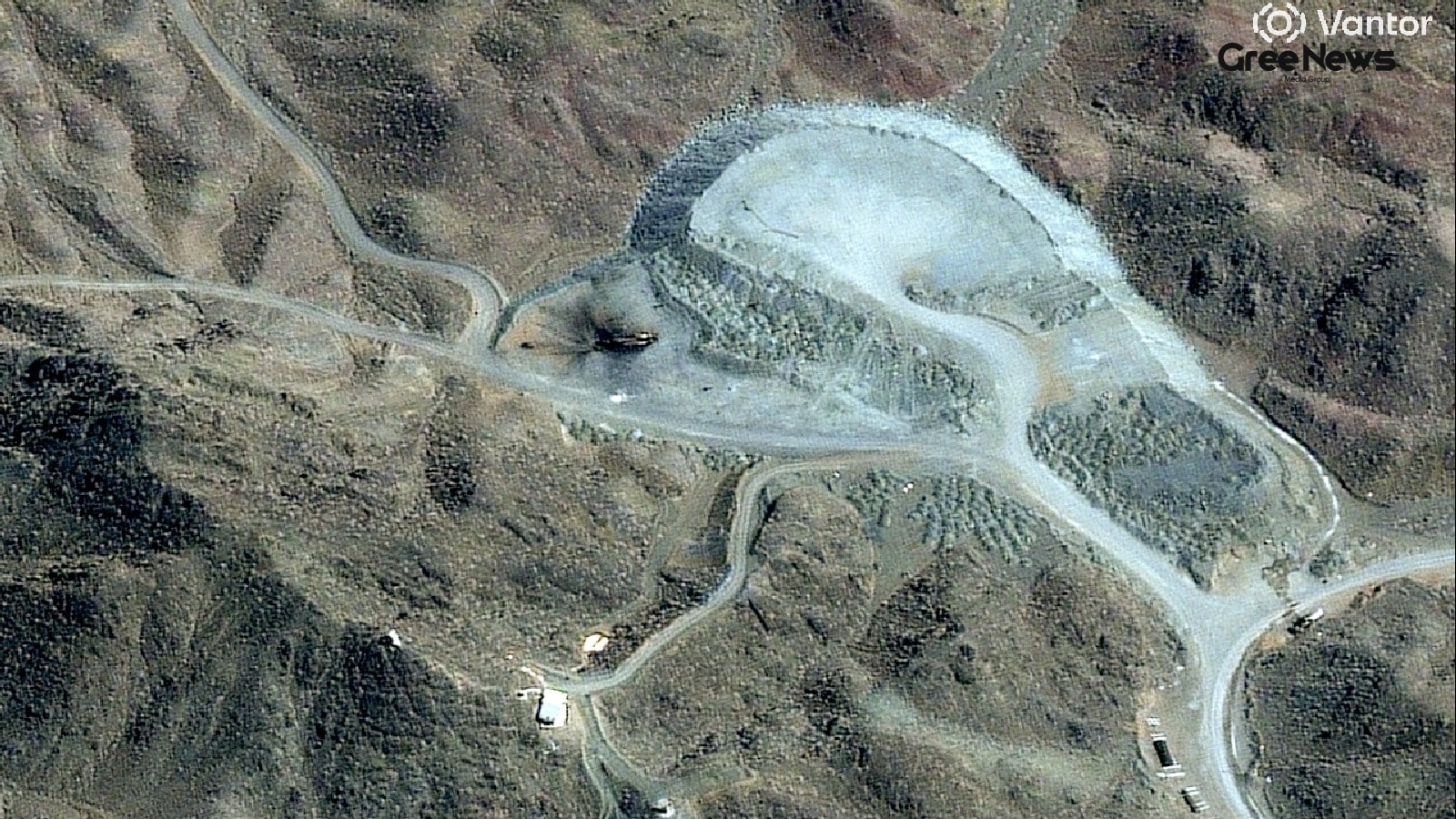
Iran-US Nuclear Negotiations and the Islamabad Memorandum
Iran has agreed something. It won’t produce or get nuclear weapons under a draft memorandum they are working out with the United States. That’s what a senior Iranian official told Reuters. It feels like a real breakthrough, maybe after months of this insane diplomacy between Washington and Tehran. T
Jun 15, 2026 by Gree News Team
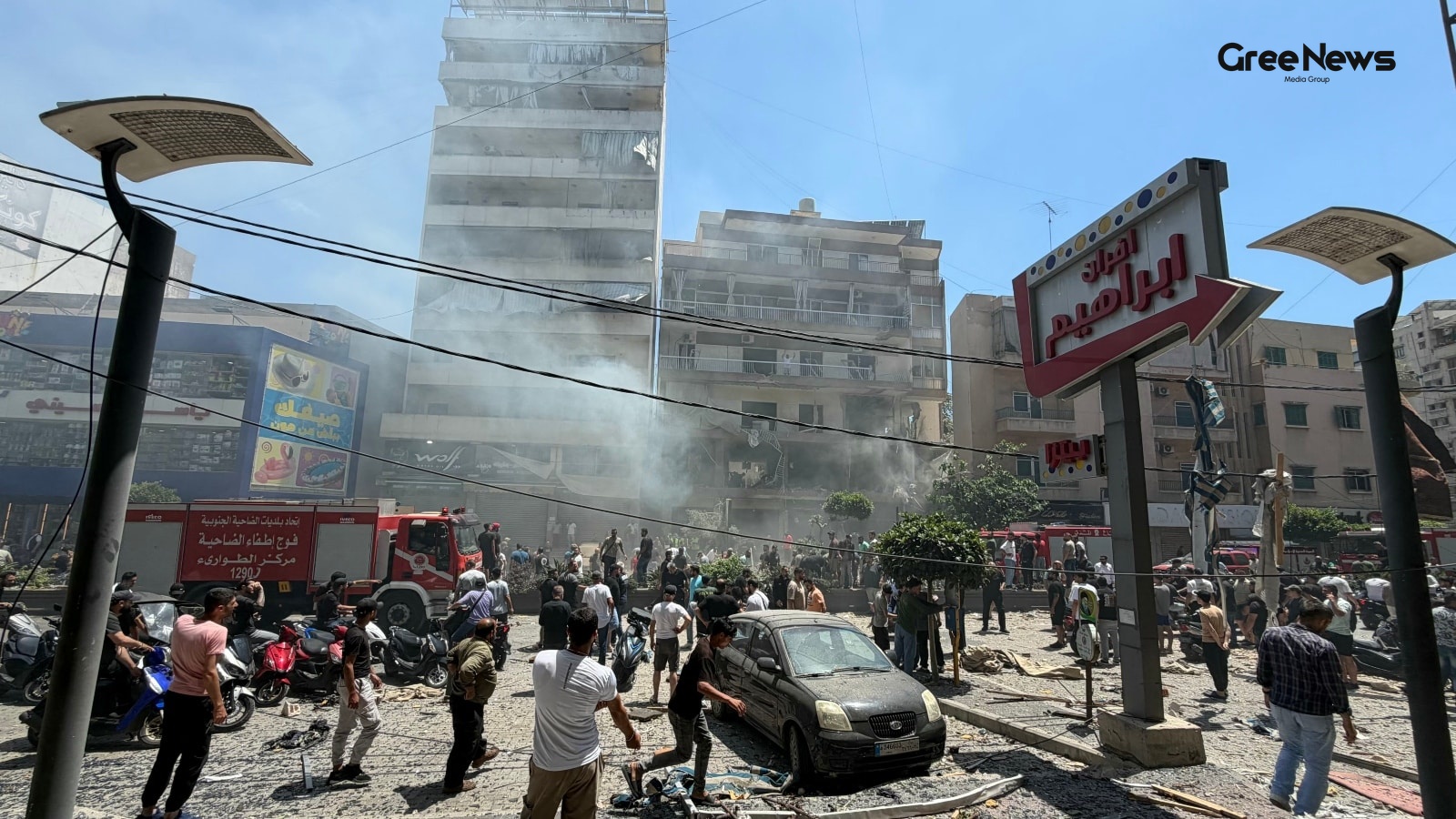
Iranian Officials React to Israeli Strike on Beirut and Peace Talks
A senior Iranian military official said something pretty stark on Sunday. He warned that Israel’s strike hitting Beirut’s southern suburbs wouldn't just be ignored by Tehran. It added this whole layer of uncertainty to that deal, you know, the one US President Donald Trump had hinted would be signed
Jun 15, 2026 by Gree News Team
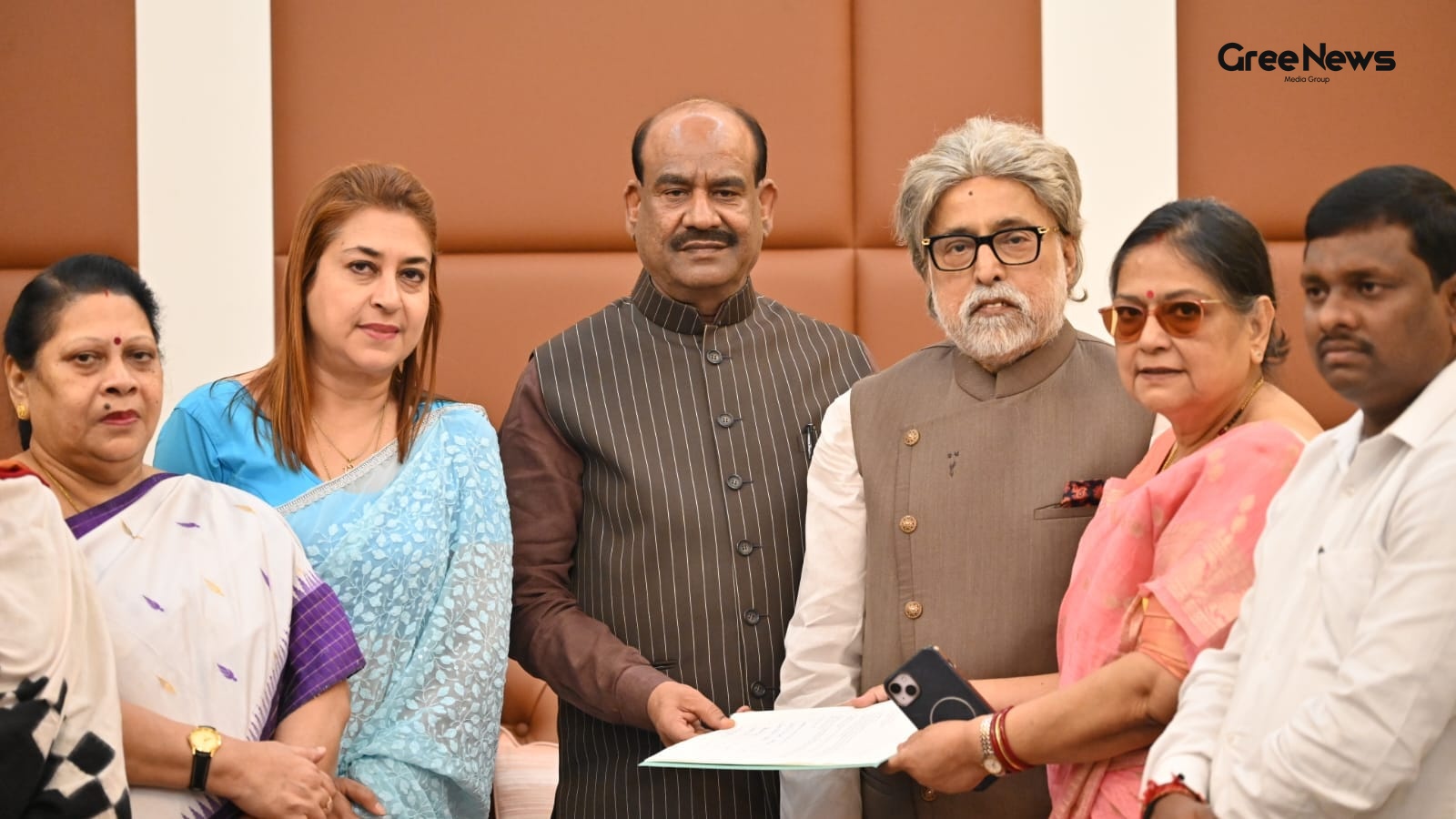
Dissent within TMC: Rebel MPs Seek Alliance with NDA and NCP
Kakoli Ghosh Dastidar from the Rebel Trinamool Congress camp said something on Sunday. She basically claimed that this dissident group would team up with the NDA at the Centre. Work under Modi, they said. This came after some meeting with Lok Sabha Speaker Om Birla. It was happening amid all the noi
Jun 15, 2026 by Gree News Team

Gram Chikitsalay Season 2: Plot, Release Date, and Themes
Fans of Gram Chikitsalay are definitely getting something to look forward to. Seriously. The makers have officially dropped the news about the second season of that comedy-drama series, bringing back Amol Parashar as Dr Prabhat for another dose of rural India humour the kind of chaos mixed with genu
Jun 15, 2026 by Gree News Team
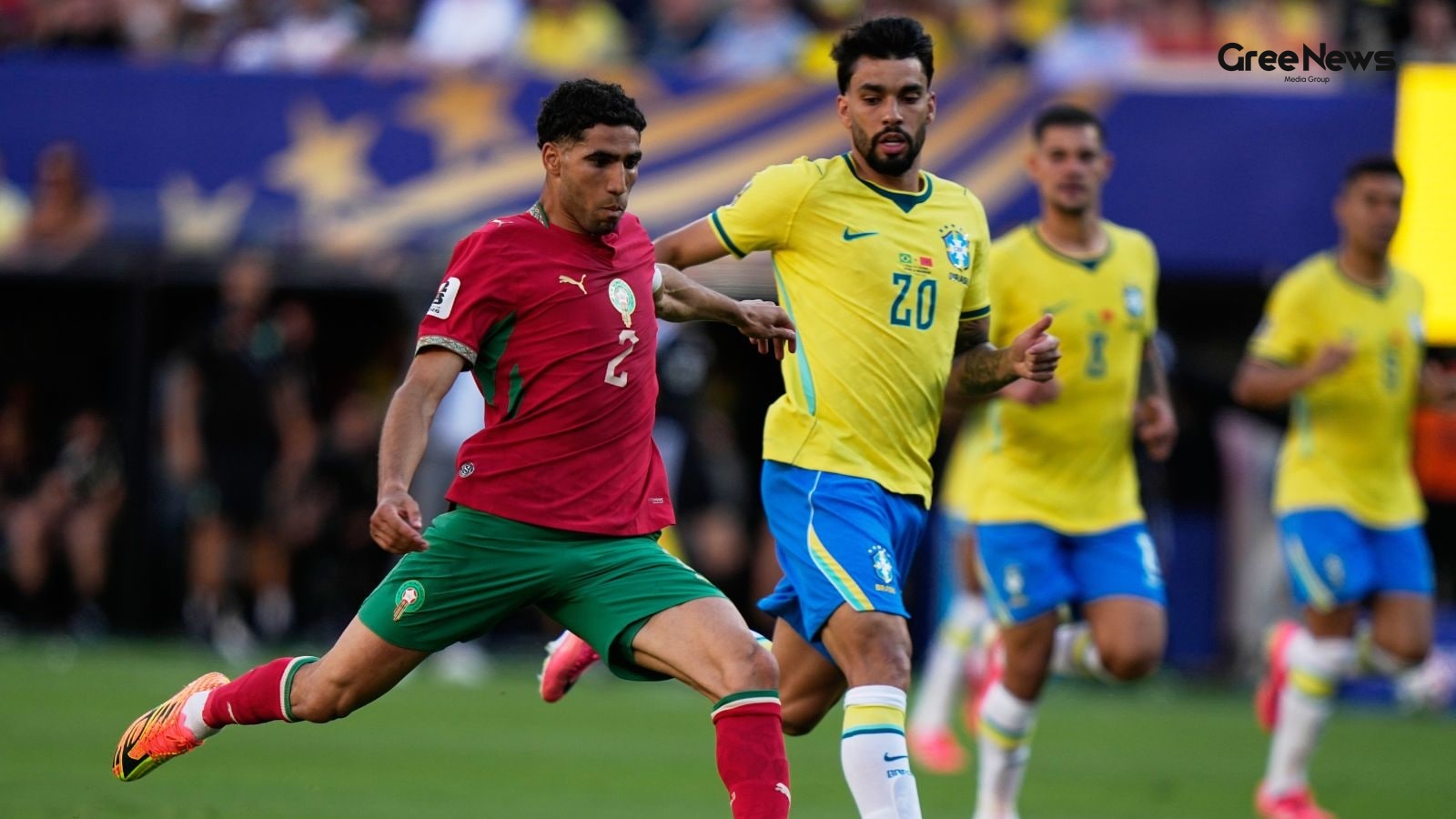
The Blending of Identities in Football: Morocco's World Cup Journey
The Morocco squad, under Achraf Hakimi, something historic happened that Saturday, June 13th. They became the first team in FIFA World Cup history to field eleven footballers who weren't actually born in Morocco. It was during their very first game of this massive tournament, against Brazil. And it
Jun 15, 2026 by Gree News Team
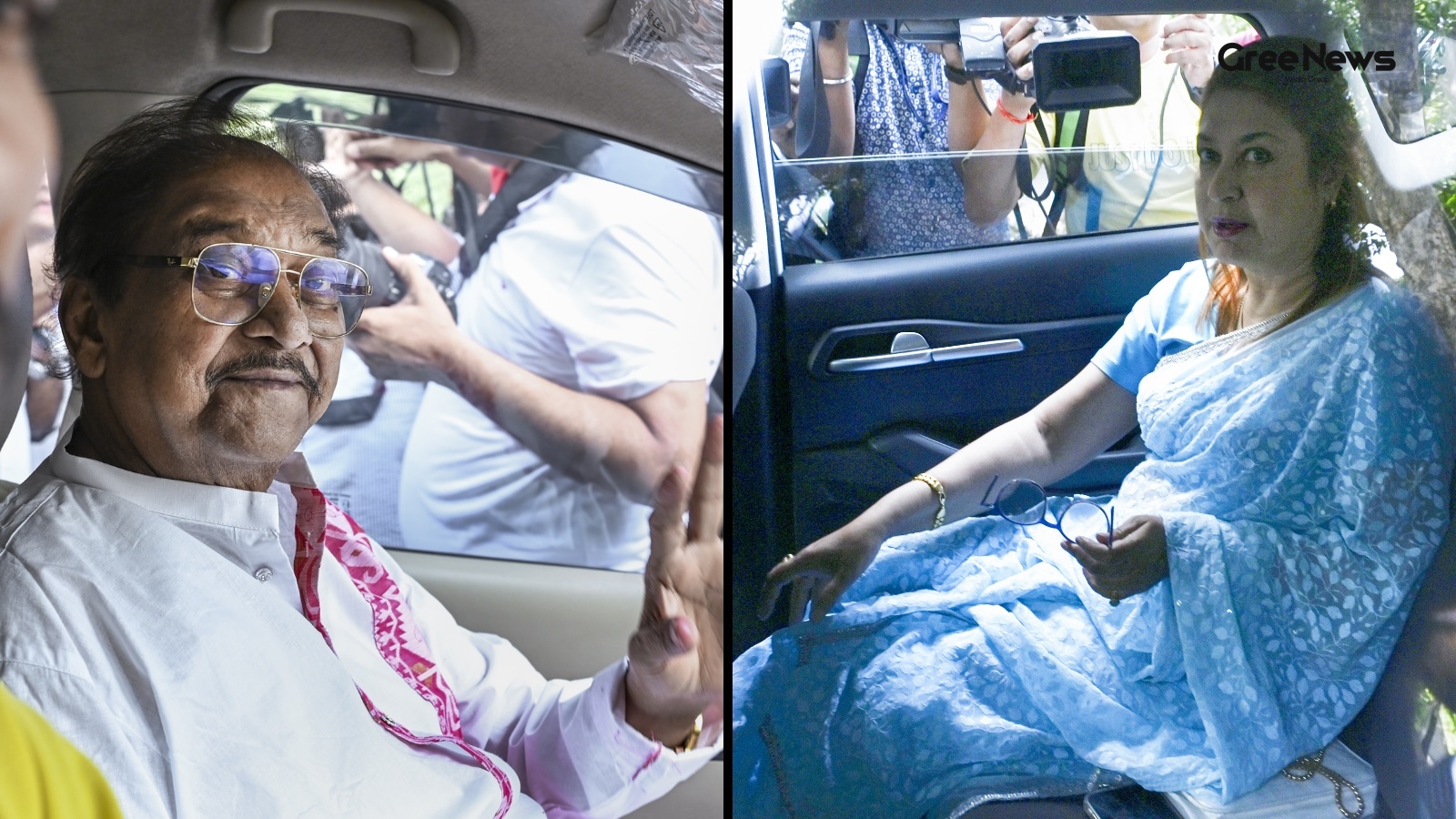
Political Split and Maneuvering within TMC
The air around the TMC seems to be getting noticeably heavier. It’s not just the usual political friction; something bigger is happening behind closed doors. We're talking about a real split, an escalation that started simmering long ago over West Bengal, and now it’s spilling out into parliamentary
Jun 15, 2026 by Gree News Team
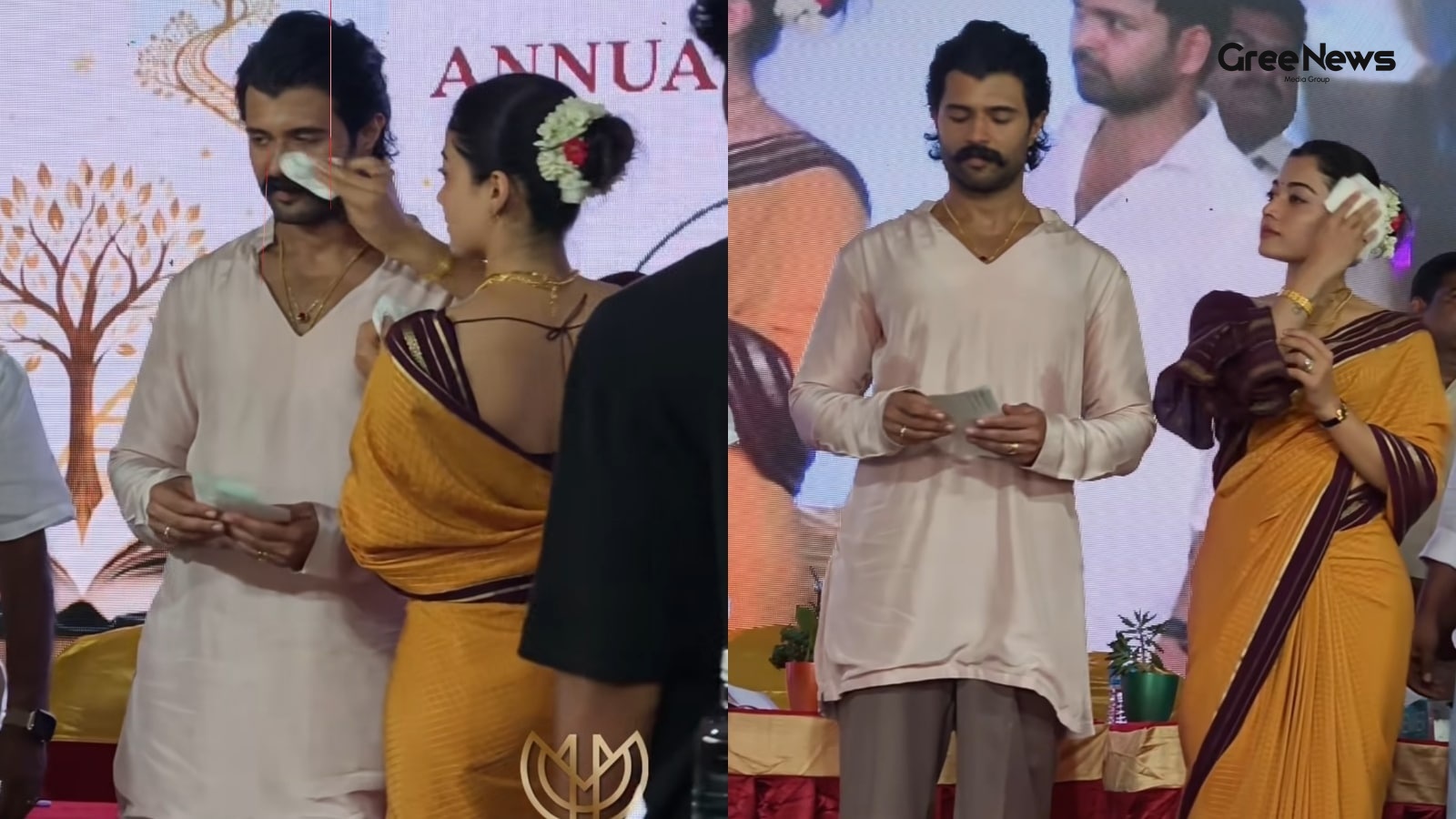
Vijay Deverakonda and Rashmika Mandanna's Viral Trip to Telangana
Vijay Deverakonda and Rashmika Mandanna are still getting clicks online after a video from their trip to Telangana blew up social media. It was a candid moment, you know? A sweet one that just caught everyone’s attention. They were there in Thummanpet village for some scholarship stuff. They were vi
Jun 15, 2026 by Gree News Team
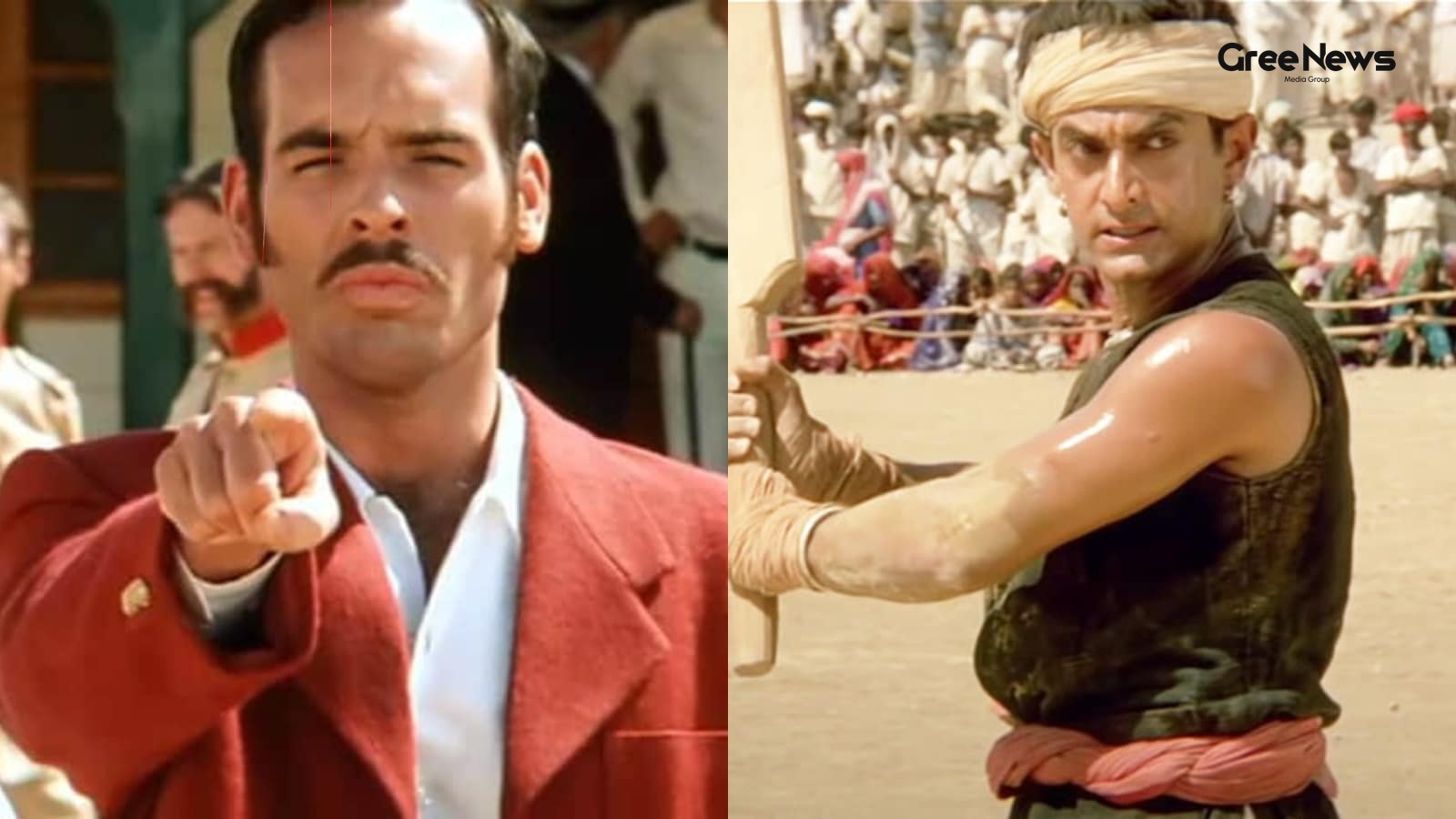
The Magic Behind Lagaan: Behind the Scenes of Cinematic History
The scene that became the heart of *Lagaan* that moment where Captain Russell delivers his famous line, “Teen guna lagaan” wasn’t just cinematic magic. It was born out of a real struggle. Twenty-five years later, Paul Blackthorne finally opened up about how they actually got that terrifying stillnes
Jun 15, 2026 by Gree News Team
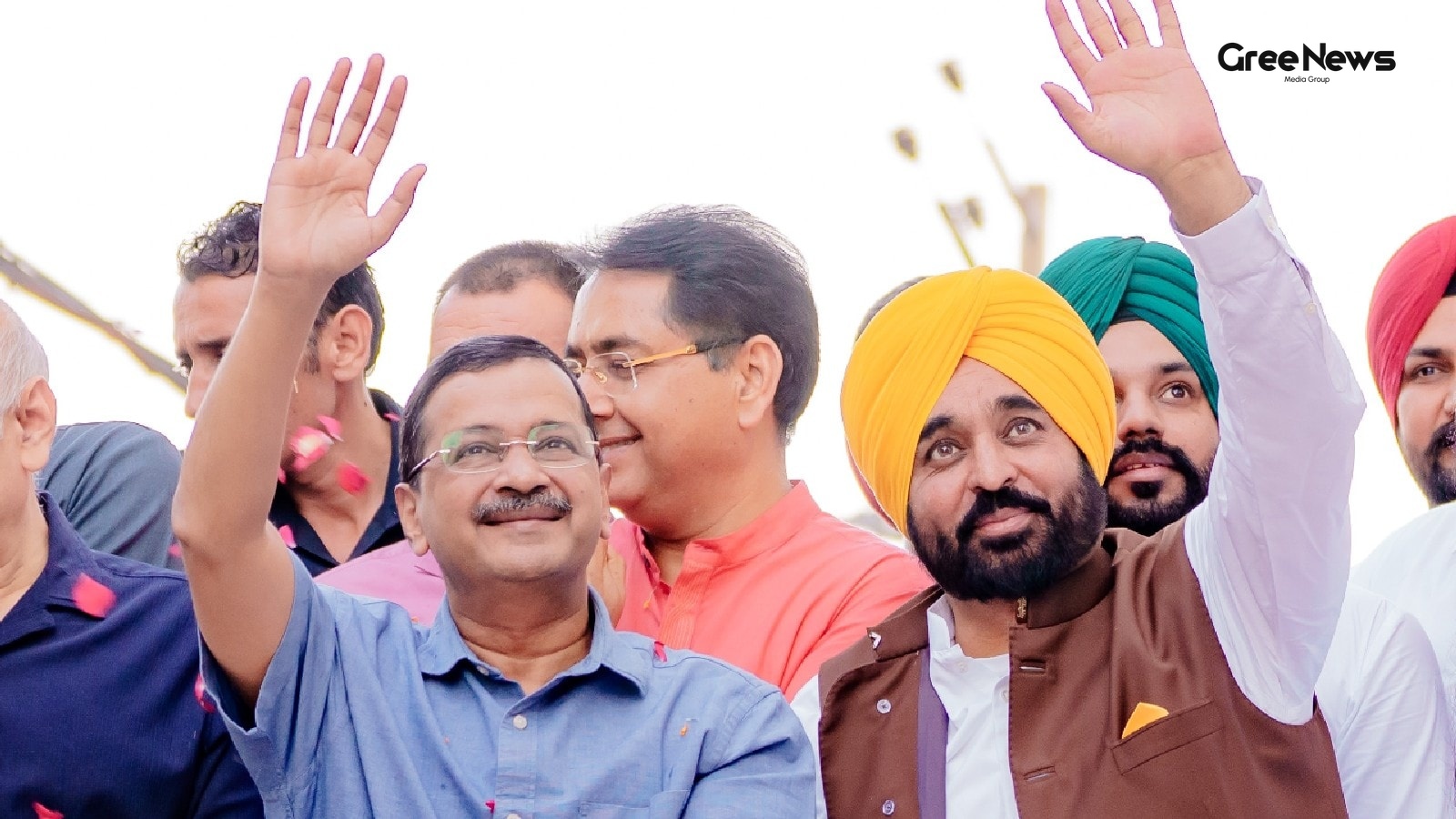
Arvind Kejriwal's Roadshow and Welfare Promises in Mohali
Arvind Kejriwal was out there on Sunday, doing that roadshow thing in Mohali. It followed the Municipal Corporation elections, right? He was talking about the Punjab government’s welfare stuff. Free electricity. Health insurance coverage up to ten lakh rupees for health coverage, they were pushing t
Jun 15, 2026 by Gree News Team
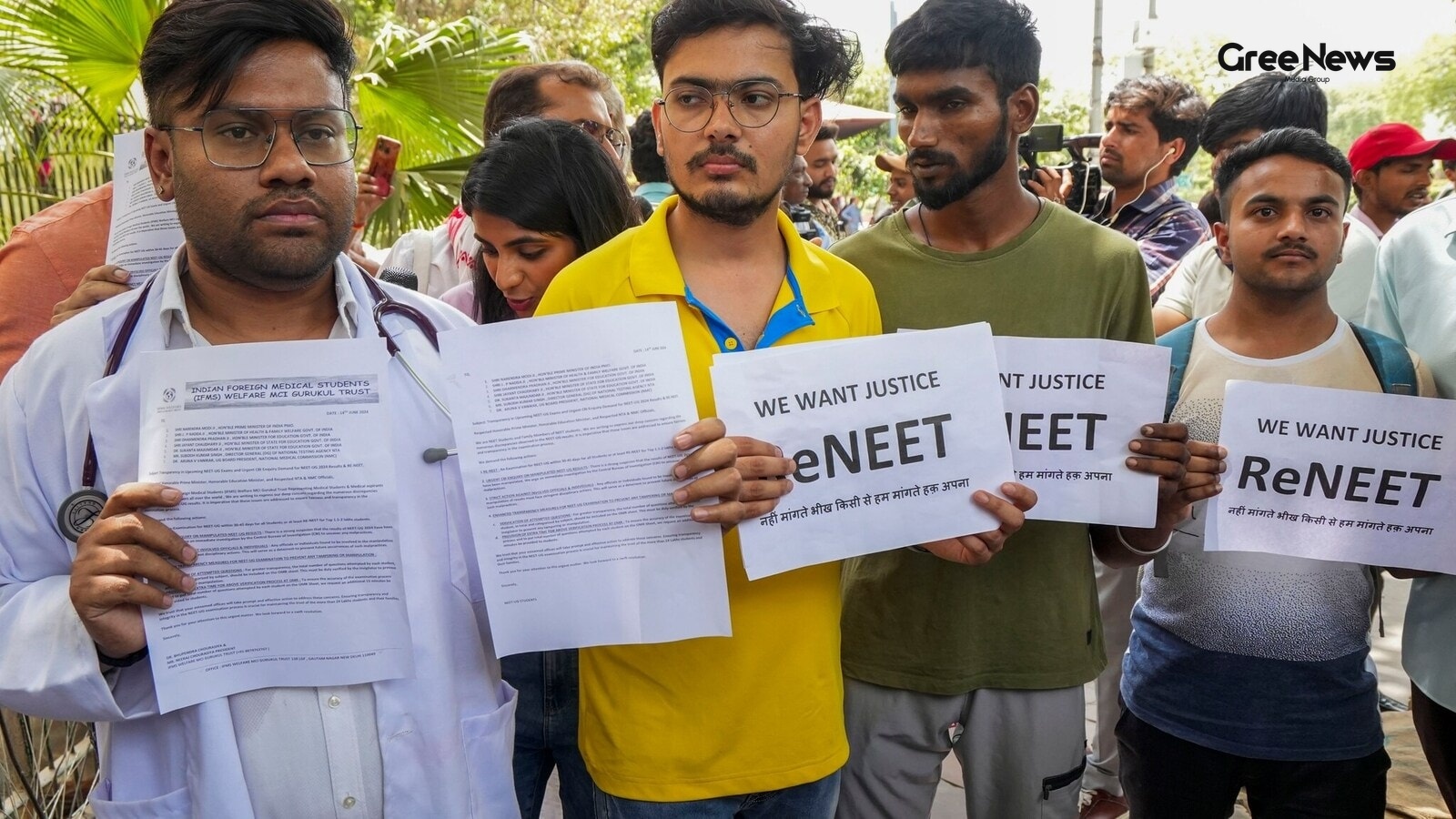
NEET-UG 2026 Re-examination: Logistics, Security, and Controversy
The Indian Air Force is gearing up for a massive transport operation. They're prepping aircraft and helicopters for moving confidential question papers and all that examination material needed for the NEET-UG 2026 re-examination, which is slated for June 21. Defence sources are talking about it. It’
Jun 15, 2026 by Gree News Team
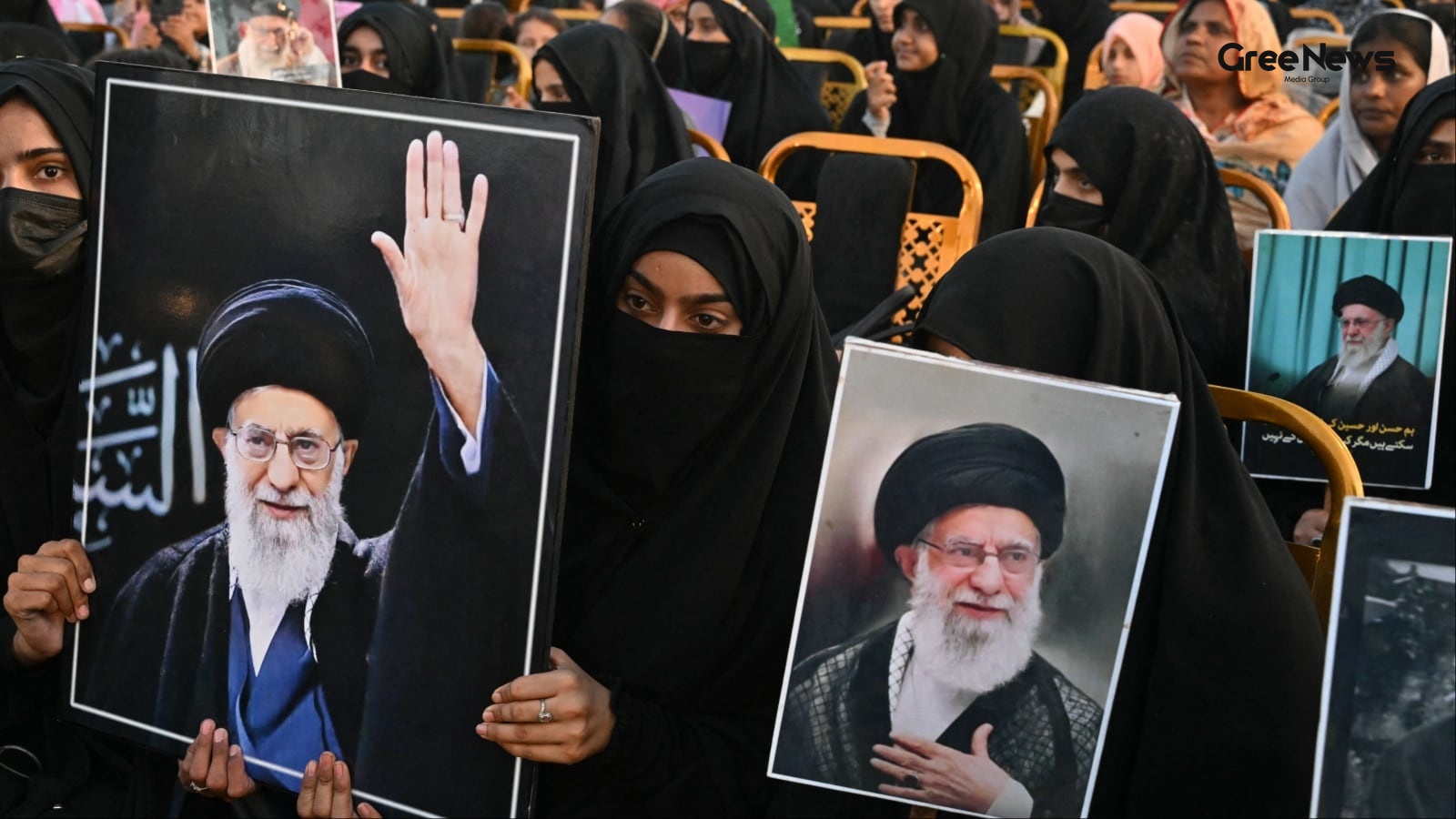
US-Iran Peace Deal Framework and Negotiations
The whole thing is set for June 19th in Geneva. A peace deal between the United States and Iran. It’s supposed to be a big step. An end to this mess that has been raging across the Middle East for over three months now. It wasn't some sudden thing, you know? The announcement itself came from Pakista
Jun 15, 2026 by Gree News Team
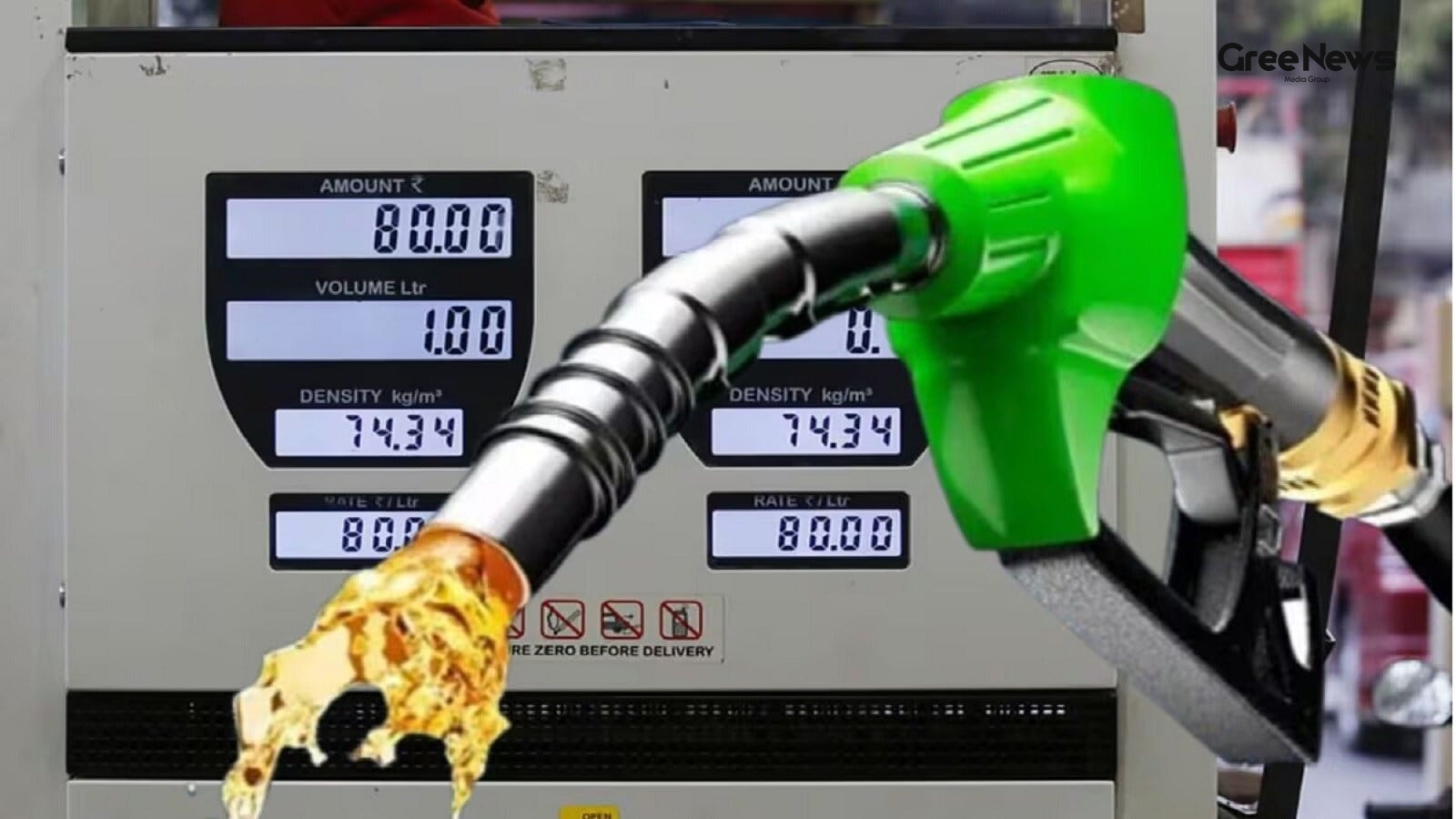
Petrol, Diesel, and CNG Prices Update and Market Shifts
Petrol, diesel, and CNG prices... they just stayed put on Monday, June 15th, 2026. Nothing major shifted there. But the oil market companies and those gas distribution outfits are always revising things at six in the morning, you know? Still, you had that whole situation with petrol and diesel. OMCs
Jun 15, 2026 by Gree News Team
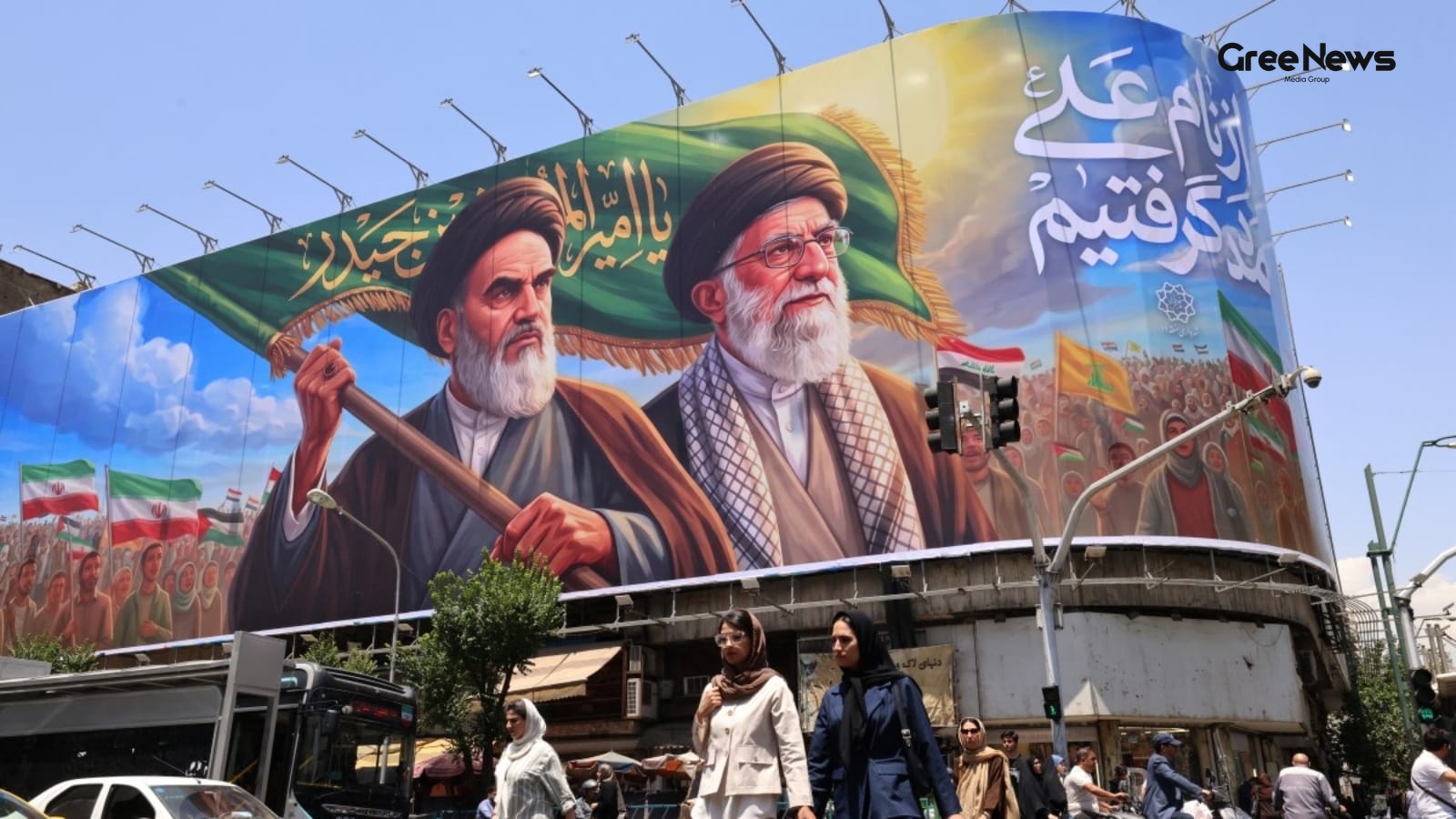
The Symbolic Timing of the US-Iran Peace Agreement
When the United States and Iran finally slapped that breakthrough peace agreement down, there was this one little detail everyone noticed: Tehran insisted on waiting until after midnight local time before they actually finalized everything. And honestly? That had nothing to do with high-level diplom
Jun 15, 2026 by Gree News Team
Middle East Peace Deal Framework Sparks Global Market Surge
The news hit markets hard this morning. Donald Trump announced some kind of peace deal framework for the Middle East, something that finally seems to bring some closure to that whole crisis. And right away, Asian stocks just exploded. Kyodo News reported it at 6:40 am IST Japan’s Nikkei shot up over
Jun 15, 2026 by Gree News Team