Biogas and Cow Protection: A Model for Rural Development in Uttar Pradesh
The big push now in Uttar Pradesh isn't just about cows anymore. It’s something much bigger a plan to link cow protection straight into rural development by installing mini biogas plants across villages. We’re talking about getting this done for over one lakh households.
This whole idea came out of the proposal put forward by the Uttar Pradesh Gauseva Commission. Essentially, they want families to start using what they already have cow dung and organic waste to cook their food cleanly. Think clean cooking fuel. It cuts down on that heavy reliance on LPG gas. And it’s supposed to lift rural incomes at the same time.
The numbers for setting this up aren't astronomical, surprisingly. Officials estimate installing these mini biogas units can cost somewhere between twenty-five thousand and fifty thousand rupees per household. That figure seems manageable, given the goals they are chasing. This whole initiative is clearly tied into Chief Minister Yogi Adityanath’s focus he really wants to emphasize cow protection alongside sustainable growth in the villages.
The state government sees this as a powerful way to connect two huge things: keeping cattle safe and making sure people have energy access. It's trying to create a single model for rural life that incorporates all three elements.
And the potential savings? That’s where things get interesting for families. The Uttar Pradesh Gauseva Commission Chairman, Shyam Bihari Gupta, pointed out exactly what he thinks will happen once this rolls out. He stressed that switching over would lead to serious cuts in LPG consumption. Substantial household savings. It's not just about energy; it's about freeing up money for other things.
But the benefits don't stop at the kitchen. The process generates something else, too. Slurry. A nutrient-rich byproduct. This is where farming gets a serious upgrade. Officials suggest this slurry can be used directly as organic manure in the fields. Imagine farmers getting access to this kind of natural fertilizer. It means less reliance on those harsh chemical fertilizers. Less cost for cultivation. And hopefully, much healthier soil overall.
Farmers could potentially use what comes out of these plants right there in their fields or even sell it for extra money. That opens up a whole new income stream alongside raising cattle. It’s a cycle they are hoping to establish cow dung becomes fuel, fuel becomes fertilizer, and that boosts the local economy.
The officials frame this as more than just an environmental move. They see it as strengthening the vision of Atmanirbhar Bharat . Making villages energy self-sufficient. It's about building something sustainable from the ground up. A real cycle where everything benefits the community.
Gupta summed it up pretty powerfully, calling it a model of “prosperity through cow service.” He suggested that by advancing cow protection, generating clean energy, and boosting rural self-reliance all at once, these goals can advance together. It’s an attempt to make cattle ownership something financially beneficial for the families involved.
If this scheme actually gets implemented across the state, Uttar Pradesh stands to become one of the largest states in the country doing household biogas generation on this scale. It really is a massive shift being proposed right now.
Written by Gree News Team — Senior Editorial Board
Gree News Team covers international news and global affairs at Gree News. Our collective of senior editors is dedicated to providing independent, accurate, and responsible journalism for a global audience.
More from India
View All
The Impact of Visibility and Accountability in Kolkata Police Directives
The air in Kolkata, always thick with a particular kind of unspoken tension, seemed to shift subtly after the directive dropped. It wasn't just another administrative memo floating around; this felt different. It carried a weight. A sudden, sharp insistence that things needed to be seen, acknowledge
Jun 14, 2026 by Gree News Team
Yogi Adityanath Condemns Remarks, Discusses Azamgarh Development and Law and Order
Yogi Adityanath, the Chief Minister of Uttar Pradesh, spoke out Saturday. He strongly condemned some derogatory remarks made against Akhilesh Yadav’s daughter. He insisted that no insult aimed at any daughter should ever be tolerated. He immediately told the police to register an FIR as soon as they
Jun 14, 2026 by Gree News Team
Violent Clash and Murder Over Water Dispute in Uttarakhand
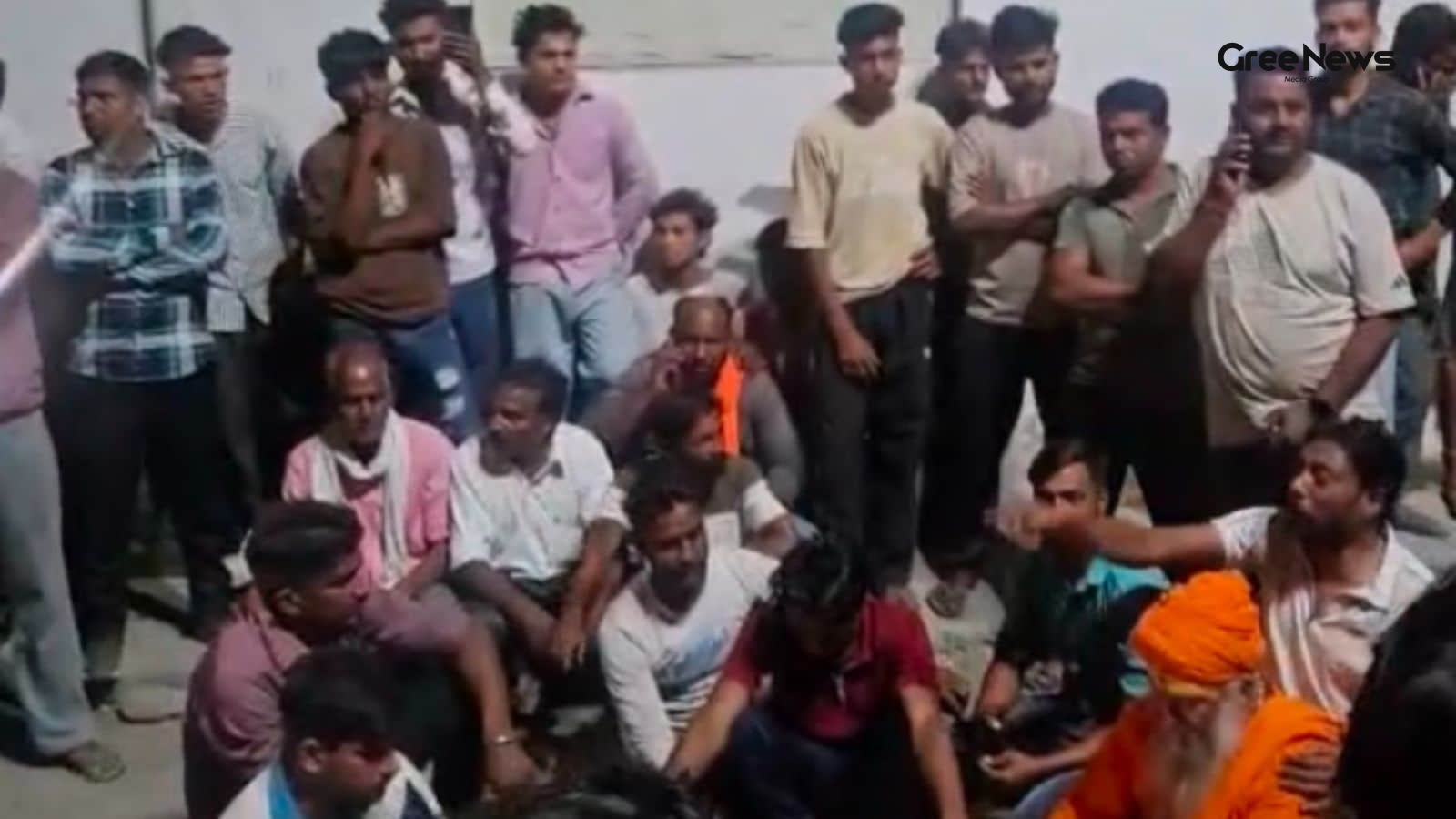
One person was killed. Three others got seriously hurt in a violent clash that broke out between two communities. It all happened over some water dispute in Bairagiwala, deep in the Sahaspur police station limits of Dehradun district, Uttarakhand. Late Saturday evening. That’s when things blew up an
Jun 14, 2026 by Gree News Team
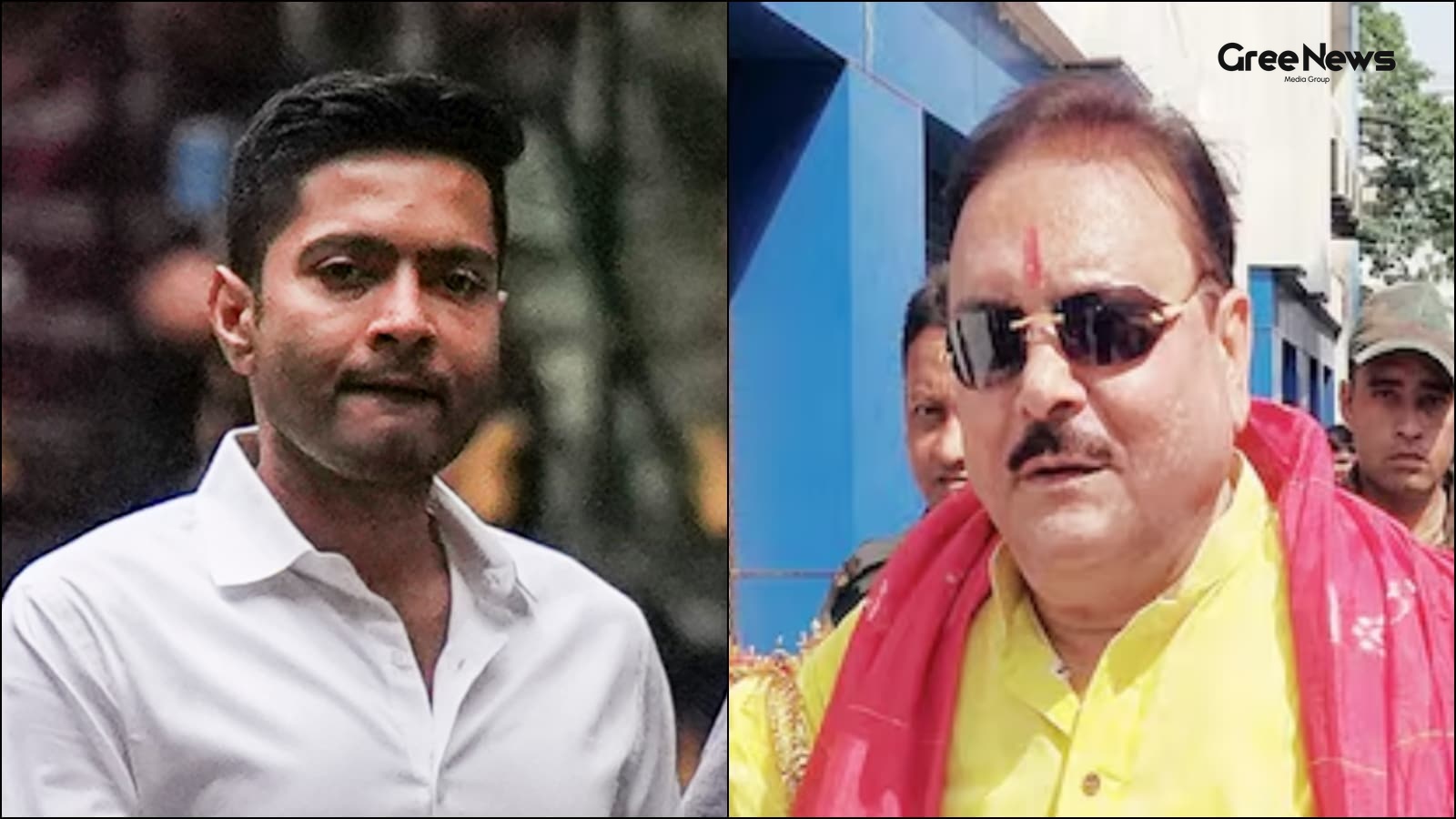
Political Instability and Corruption in West Bengal: Scrutiny of Land Scams and Financial Investigations
The air in Kolkata felt thick that night. Heavy with something you couldn’t quite name, a simmering tension beneath the surface of what was already a volatile political environment for the Trinamool Congress. It wasn't just politics anymore; it felt like exposure. That feeling escalated when the pol
Jun 13, 2026 by Gree News Team
Latest Headlines
The Impact of Visibility and Accountability in Kolkata Police Directives
The air in Kolkata, always thick with a particular kind of unspoken tension, seemed to shift subtly after the directive dropped. It wasn't just another administrative memo floating around; this felt different. It carried a weight. A sudden, sharp insistence that things needed to be seen, acknowledge
Jun 14, 2026 by Gree News Team
Yogi Adityanath Condemns Remarks, Discusses Azamgarh Development and Law and Order
Yogi Adityanath, the Chief Minister of Uttar Pradesh, spoke out Saturday. He strongly condemned some derogatory remarks made against Akhilesh Yadav’s daughter. He insisted that no insult aimed at any daughter should ever be tolerated. He immediately told the police to register an FIR as soon as they
Jun 14, 2026 by Gree News Team

The Digital Ecosystem of World Cup Viewing: Tension and Logistics
The air around the World Cup build-up is thick, isn't it? Especially when you look at these early fixtures. It’s not just about the scores anymore; it’s about those little moments, that tension before the whistle blows in places like Arlington. We’re talking about the Netherlands versus Japan. Group
Jun 14, 2026 by Gree News Team
Violent Clash and Murder Over Water Dispute in Uttarakhand
One person was killed. Three others got seriously hurt in a violent clash that broke out between two communities. It all happened over some water dispute in Bairagiwala, deep in the Sahaspur police station limits of Dehradun district, Uttarakhand. Late Saturday evening. That’s when things blew up an
Jun 14, 2026 by Gree News Team
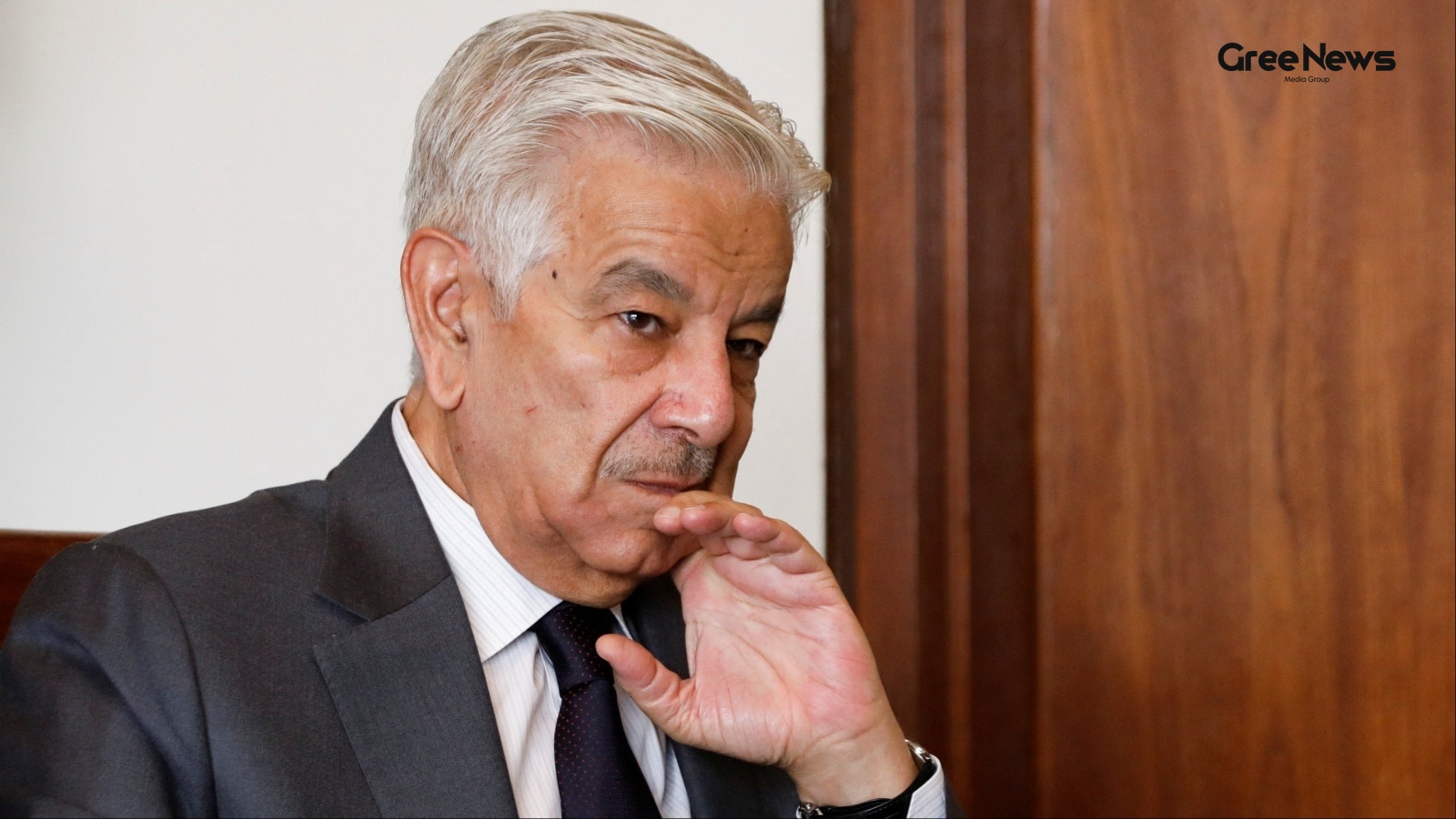
Escalation of Conflict and Religious Controversy in Pakistan-occupied Kashmir
That whole situation boiling over in Pakistan-occupied Kashmir… it’s just getting worse. Asif posted something on X, right? Some kind of message that brought up the Constitution and some part of the Quran while talking about the protests happening there. It was heavy stuff. He wrote that dialogue st
Jun 14, 2026 by Gree News Team
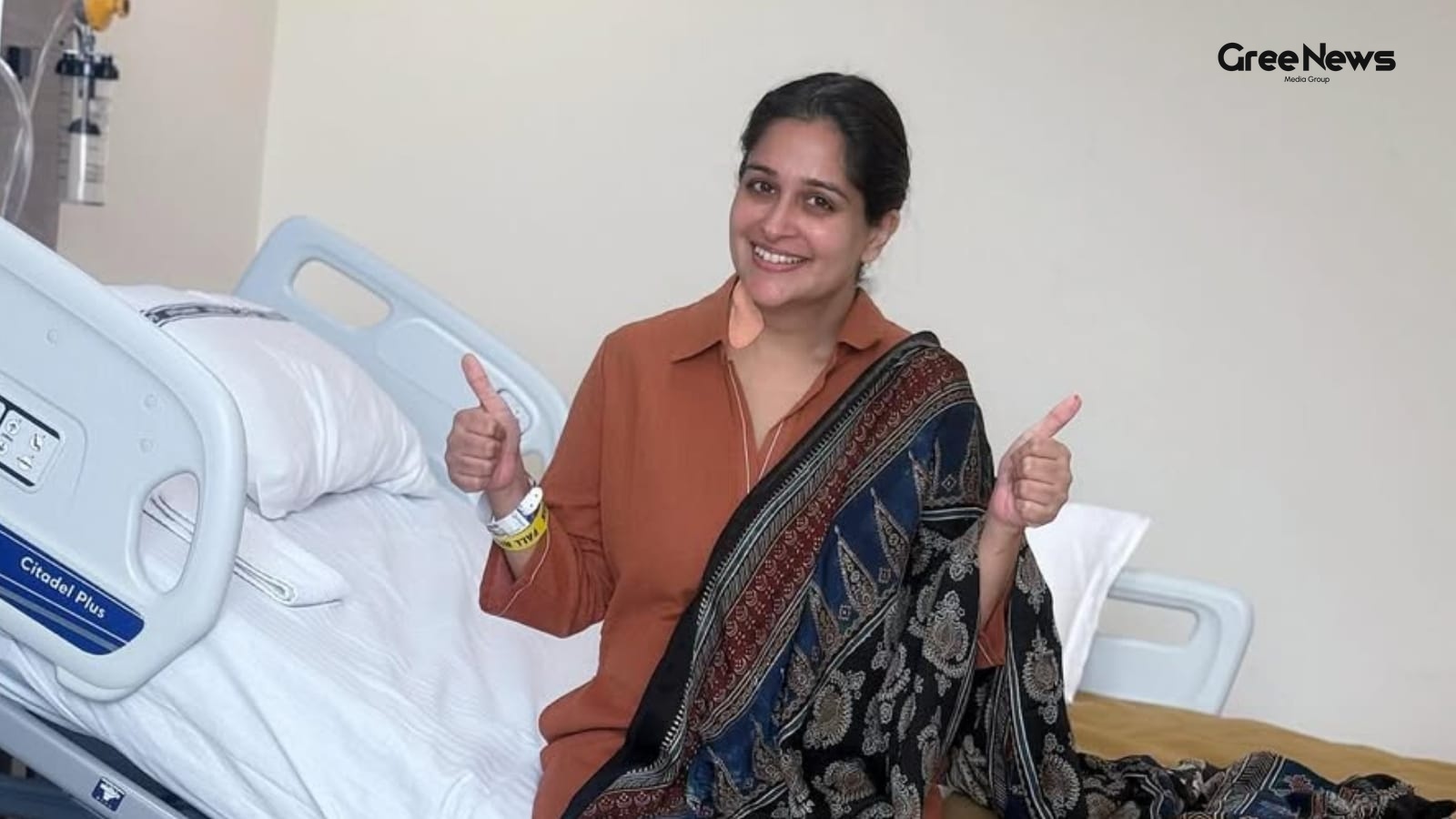
The Emotional and Medical Journey of Dipika Kakar and Shoaib Ibrahim
Dipika Kakar and Shoaib Ibrahim are really going through it right now. It’s just tough. Shoaib’s father, his dad, was admitted to the hospital after suffering a brain hemorrhage. That’s the starting point for all this stress. And Dipika is in the thick of it too. She’s undergoing her own treatment.
Jun 14, 2026 by Gree News Team

The Emotional Cost of Online Dating and the Search for Real Connection
The generation that grew up online is asking some serious questions now. Are those matches actually leading anywhere real? Instead of excitement, a lot of young people report feeling completely drained by it all. Endless conversations, ghosting, mixed signals it just feels heavy. And there’s the pre
Jun 14, 2026 by Gree News Team
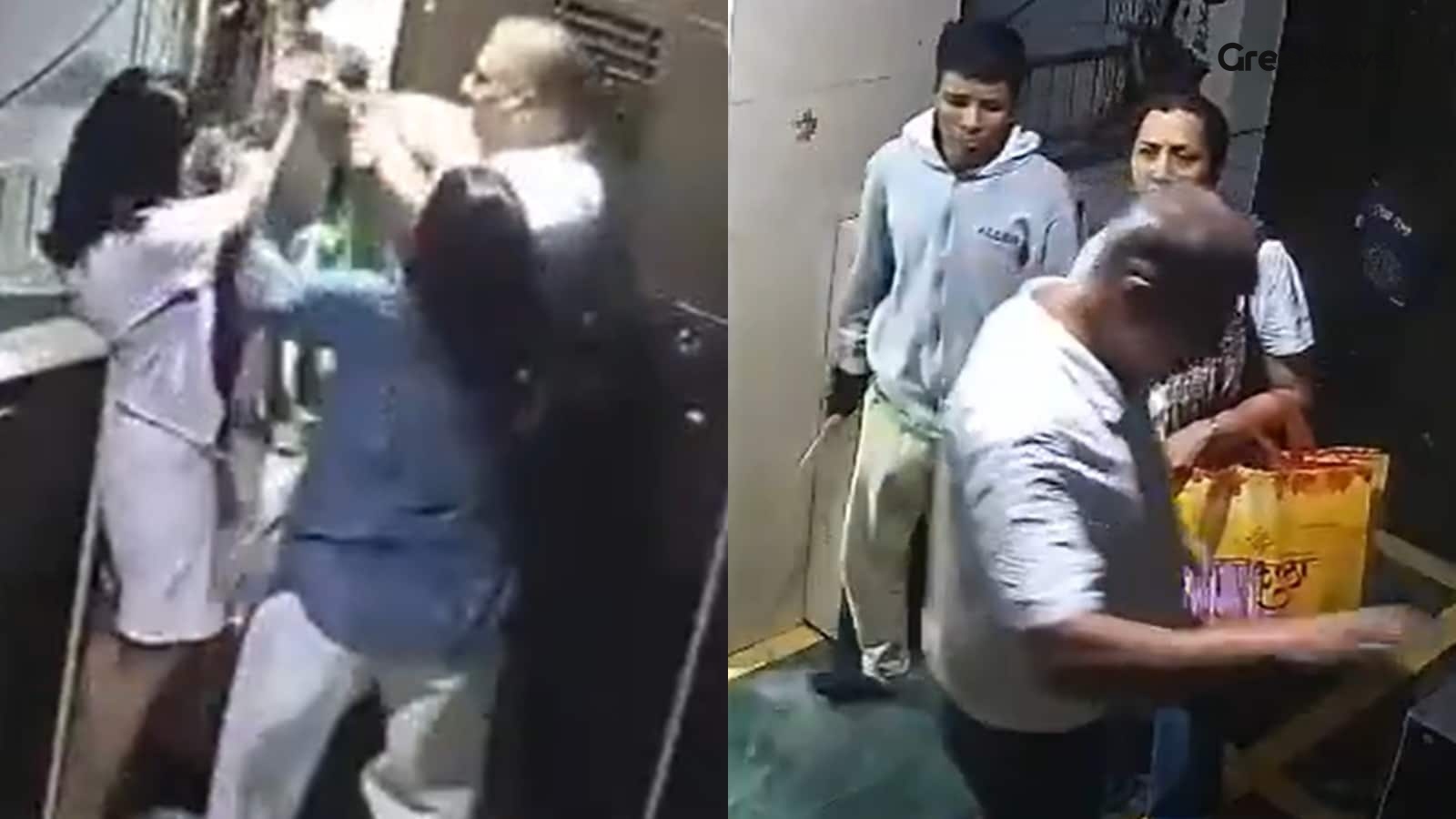
Pimpri Incident: Knife Attack, Legal Fallout, and Online Reaction
That whole thing in Pimpri felt just… explosive. A minor spat over something stupid spitting on a shoe rack in a building lift and it blew up into something really bad. You see, this happened on June 10th. The CCTV footage, taken from the seventh floor of that residential block in Morwadi area, show
Jun 14, 2026 by Gree News Team

The Batman: Part II Casting and Plot Speculation
Casting for *The Batman: Part II* is getting weirder. The mystery around it just got thicker. Ever since Matt Reeves showed those new additions, fans have been spinning theories about who will fill Gotham’s roles in this next chapter. Guessing which iconic characters the actors are bringing back or
Jun 13, 2026 by Gree News Team

The 8th Pay Commission: Timeline, Arrears, and Financial Projections
The whole thing about the 8th Pay Commission feels like it’s always been looming. You know? For nearly fifty lakh central government employees and the pensioners about sixty-five lakh of them too it's one of those developments everyone is watching with bated breath. Consultations are running, that’s
Jun 13, 2026 by Gree News Team
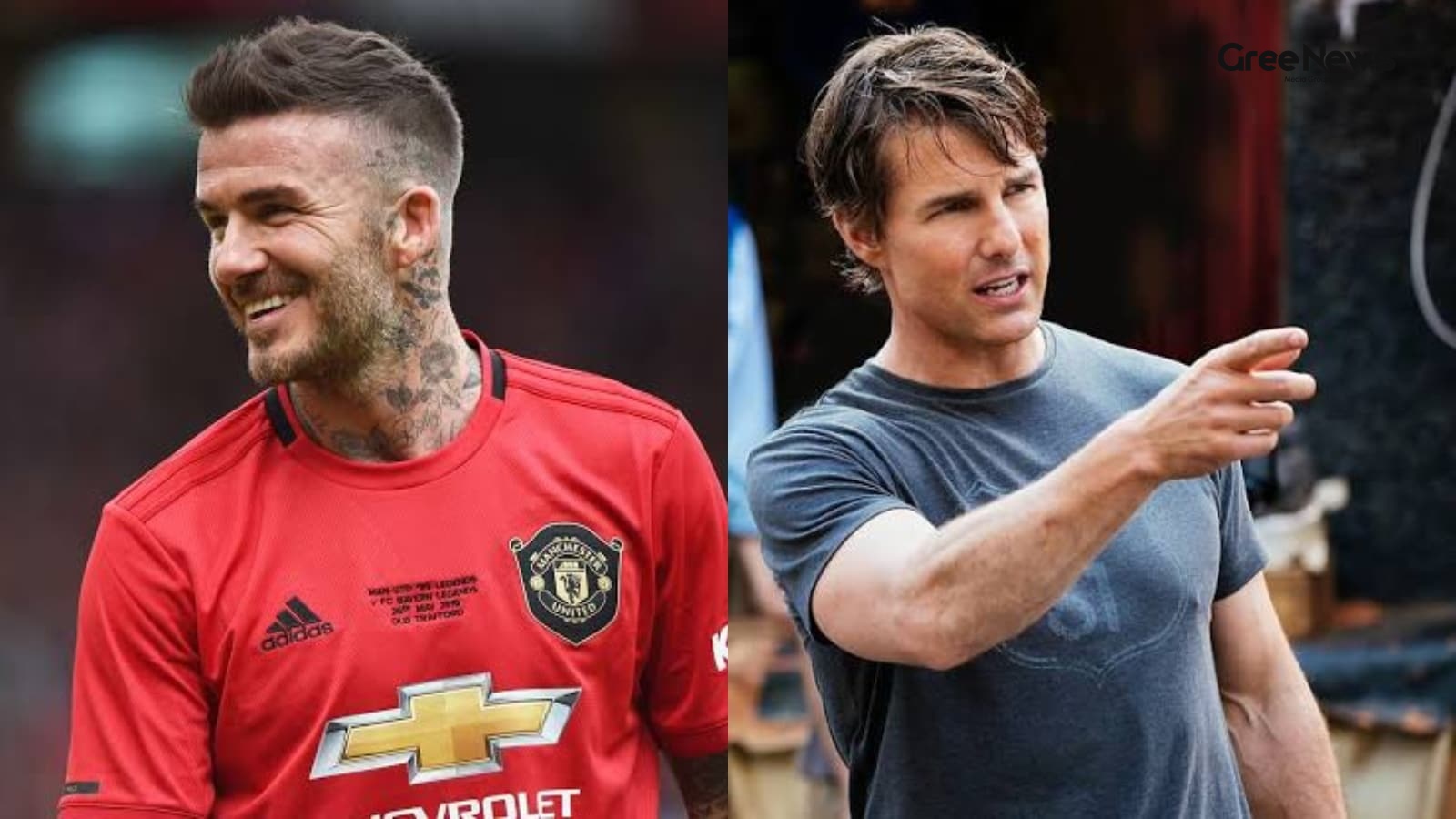
David Beckham's Hollywood Walk of Fame Tribute and Family Reflection
David Beckham had a day lined up. Family. Friends. A big career milestone that felt like it wrapped up decades of success, both on and off the football pitch. He got honored in Los Angeles on Friday. One of those huge entertainment tributes. He received a star on the Hollywood Walk of Fame. It was a
Jun 13, 2026 by Gree News Team
Political Instability and Corruption in West Bengal: Scrutiny of Land Scams and Financial Investigations
The air in Kolkata felt thick that night. Heavy with something you couldn’t quite name, a simmering tension beneath the surface of what was already a volatile political environment for the Trinamool Congress. It wasn't just politics anymore; it felt like exposure. That feeling escalated when the pol
Jun 13, 2026 by Gree News Team
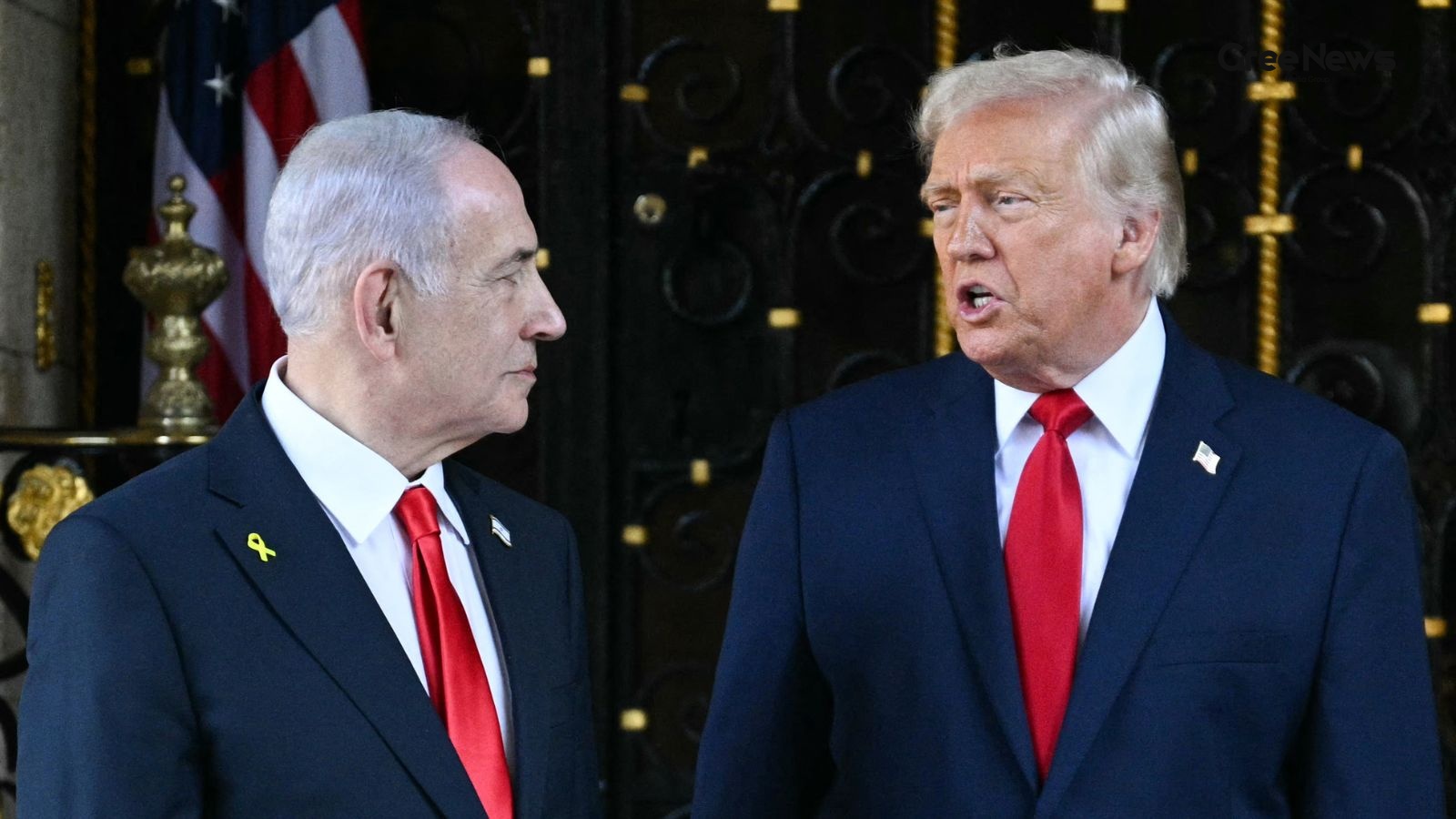
Report: Donald Trump, Netanyahu, and the Potential Peace Deal with Iran
Donald Trump reportedly told Israeli Prime Minister Netanyahu that a peace deal with Iran could happen in days. That’s what a senior US official quoted Axios saying. “This is the deal. It’s a great deal, and it’s time to end this war,” Trump allegedly said during a phone call with Netanyahu. Things
Jun 13, 2026 by Gree News Team

US-Iran Conflict Escalation and Ceasefire Breakdown
The whole thing just blew up again. The shaky ceasefire they managed to agree on back in April it’s completely gone now. Both sides are shooting at each other after Trump made his frustration known about Tehran’s response to any peace deal. It started when Iran shot down a US Apache helicopter over
Jun 13, 2026 by Gree News Team
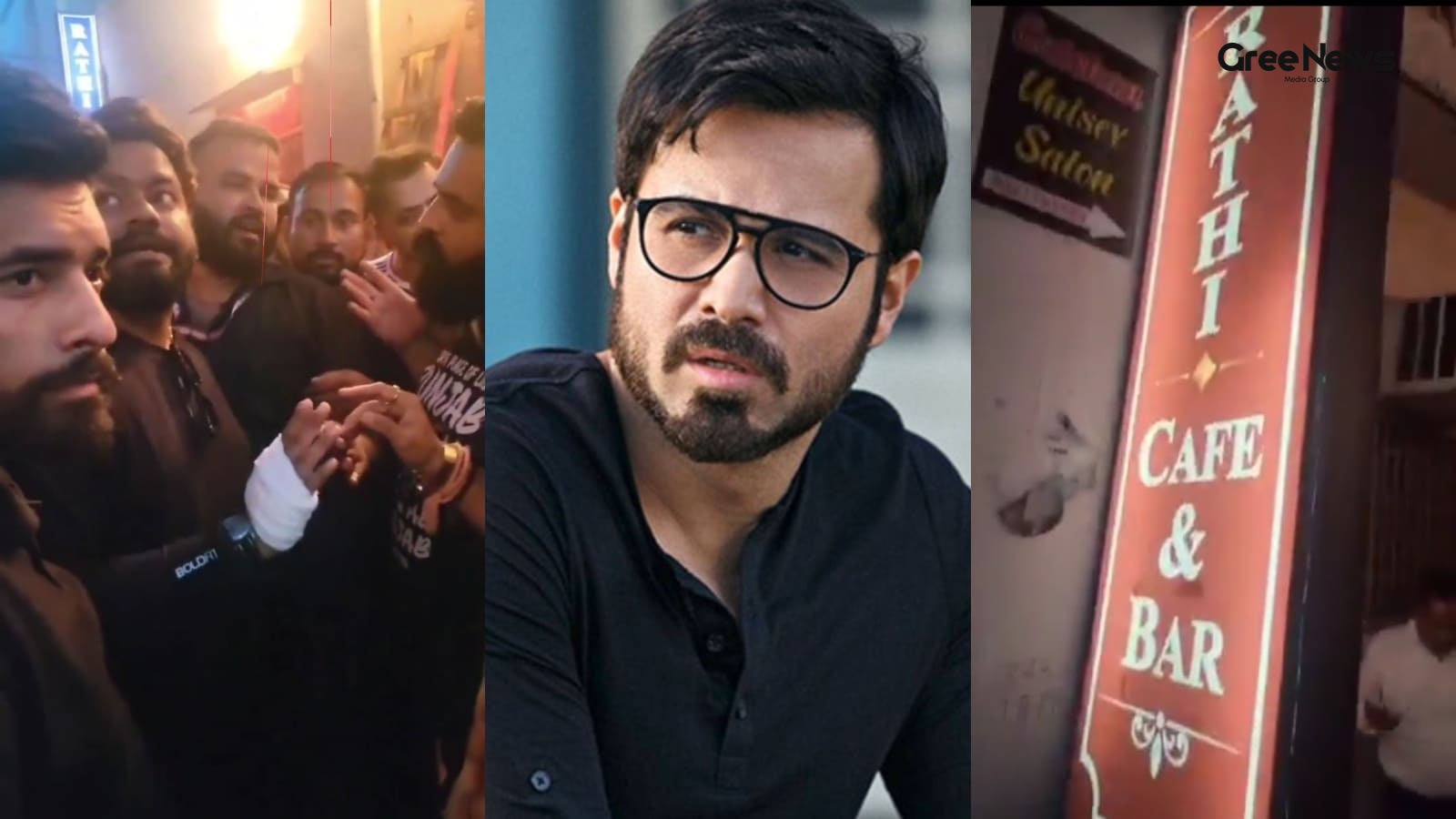
Emraan Hashmi: Haridwar Ruckus, Film Updates, and Upcoming Projects
Actor Emraan Hashmi. Right now he’s in Haridwar, Uttarakhand. Shooting something new. Details? Nothing official yet. But there’s a video out there from the set, and it blew up on social media. Locals apparently objected to some sign they used while filming. Ruckus over a signboard. That’s what happe
Jun 13, 2026 by Gree News Team