The Strait of Hormuz: Oil Smuggling, Shipping Restrictions, and Global Market Impact
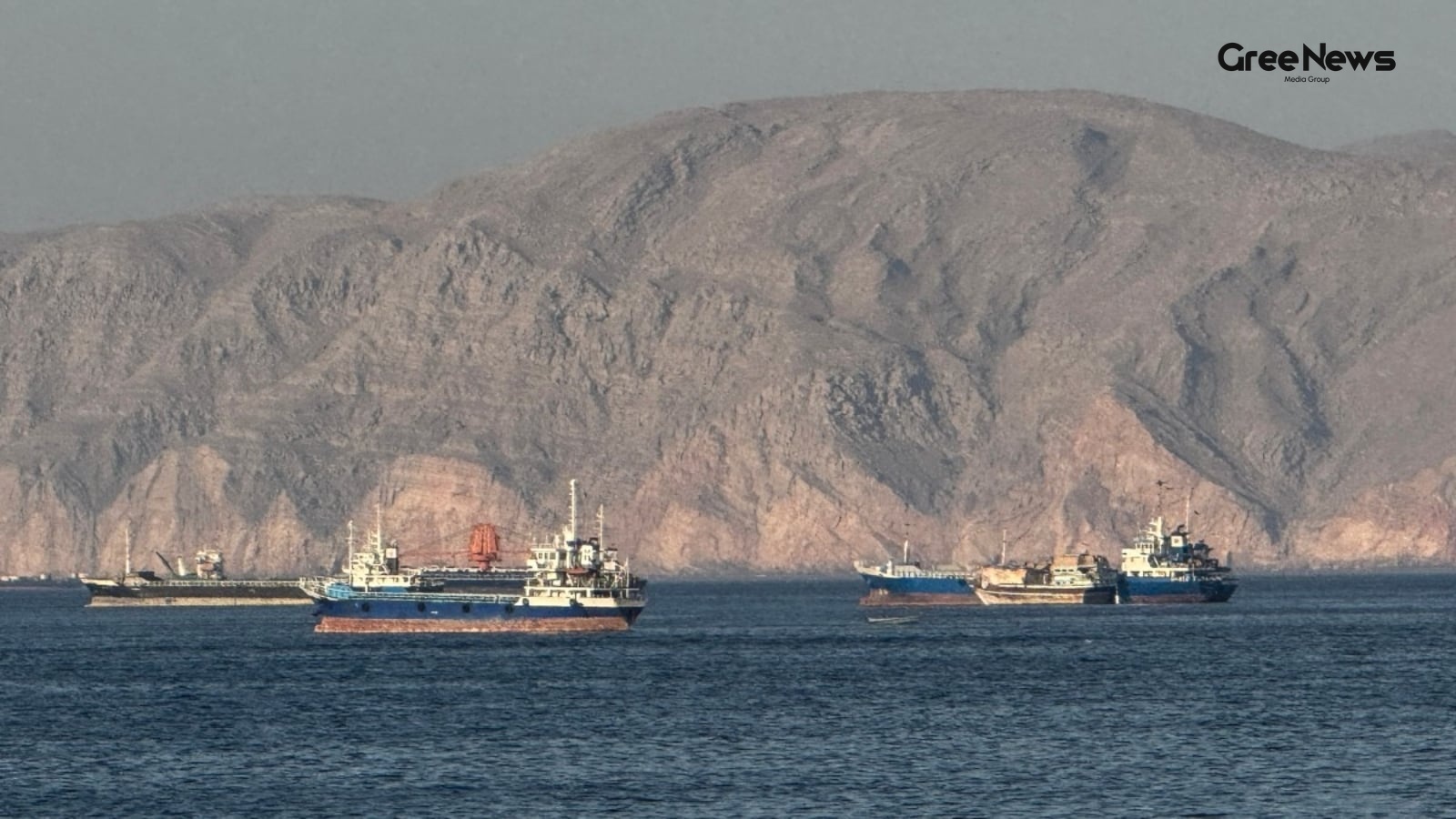
The Strait of Hormuz? It’s practically shut down for commercial shipping now, ever since that US-Iran conflict kicked off back in February.
Roughly fifteen oil tankers manage to slip through the narrow Omani coastal corridor daily under American air cover. They turn their GPS transponders off completely just to dodge Iranian detection.
This isn't some secret operation. People with inside knowledge confirmed this practice, the Financial Times got wind of it from four sources who saw these transits happen. And quietly, it’s managed to move millions of barrels onto the market. It helped keep crude prices from jumping past $100 a barrel.
Crews are instructed to stay silent. Lights off. Some crossings even happen in the middle of the night. President Trump confirmed this scale when he spoke to reporters. He said they were taking out millions of barrels, nobody really knows the total count. One night alone? Twenty-two ships went through with no lights.
The strait normally lets around twenty million barrels move daily. That’s about twenty percent of all global seaborne oil trade. Now? Commercial transit is down to maybe two percent of what it was before the crisis. War risk insurance for tankers has shot up eight times the pre-crisis rate. Six major P&I clubs have actually pulled out of covering those routes.
The closure itself means a massive cut. Around twelve million barrels are missing from the market every day. That’s equivalent to losing six supertankers just in transit.
The route itself is rough. It hugs a rocky coastline. It narrows down to barely eight hundred meters at certain spots. Navigating that is seriously difficult for big ships, John Stawpert, who works at the International Chamber of Shipping, admitted they worry about the navigation implications when vessels use it this way. There’s just not much room to maneuver there.
And remember those dark transits? They coincided with the US actively helping ships navigate through that waterway. The US set up this air cover system maybe two weeks ago, according to a few people who know how it all works.
US Energy Secretary Chris Wright said on Tuesday that these crossings had been "meaningfully" rising. He credited this movement for pushing oil prices down by about three percent.
Meanwhile, producers were finding other ways around the block. Iraq, Kuwait, and the UAE have been using their own vessels to ferry crude outside of Hormuz. They avoided those steep fees commanded by the few ships still willing to risk entry into the strait. Energy consultancy estimates put that these three nations collectively moved about three million barrels of crude daily through that route.
You see the effect on stocks too. At Kuwait’s Mina al-Ahmadi terminal, stocks dropped by nearly eight million barrels by the end of May. That suggests loading was accelerating fast. Abu Dhabi National Oil Company sold at least fourteen million barrels in a tender last week alone, with more cargoes set to load this month.
Amrita Sen, who founded Energy Aspects, pointed out that these dark transits meant refineries could lift production. They avoided what she called "summer tightness," theoretically.
Dan Smoot, the head of Vantor the company tracking ships via satellite imaging told the Wall Street Journal CEO summit in London there was a "tremendous amount" of shipping activity happening through the strait that just wasn't making the news right now. Traffic is still way below the 135 ships per day they saw before everything broke out. And those AIS disruptions make tracking even harder, with vessel counts expected to shift as ships reappear beyond high-risk zones.
Written by Gree News Team — Senior Editorial Board
Gree News Team covers international news and global affairs at Gree News. Our collective of senior editors is dedicated to providing independent, accurate, and responsible journalism for a global audience.
More from World
View All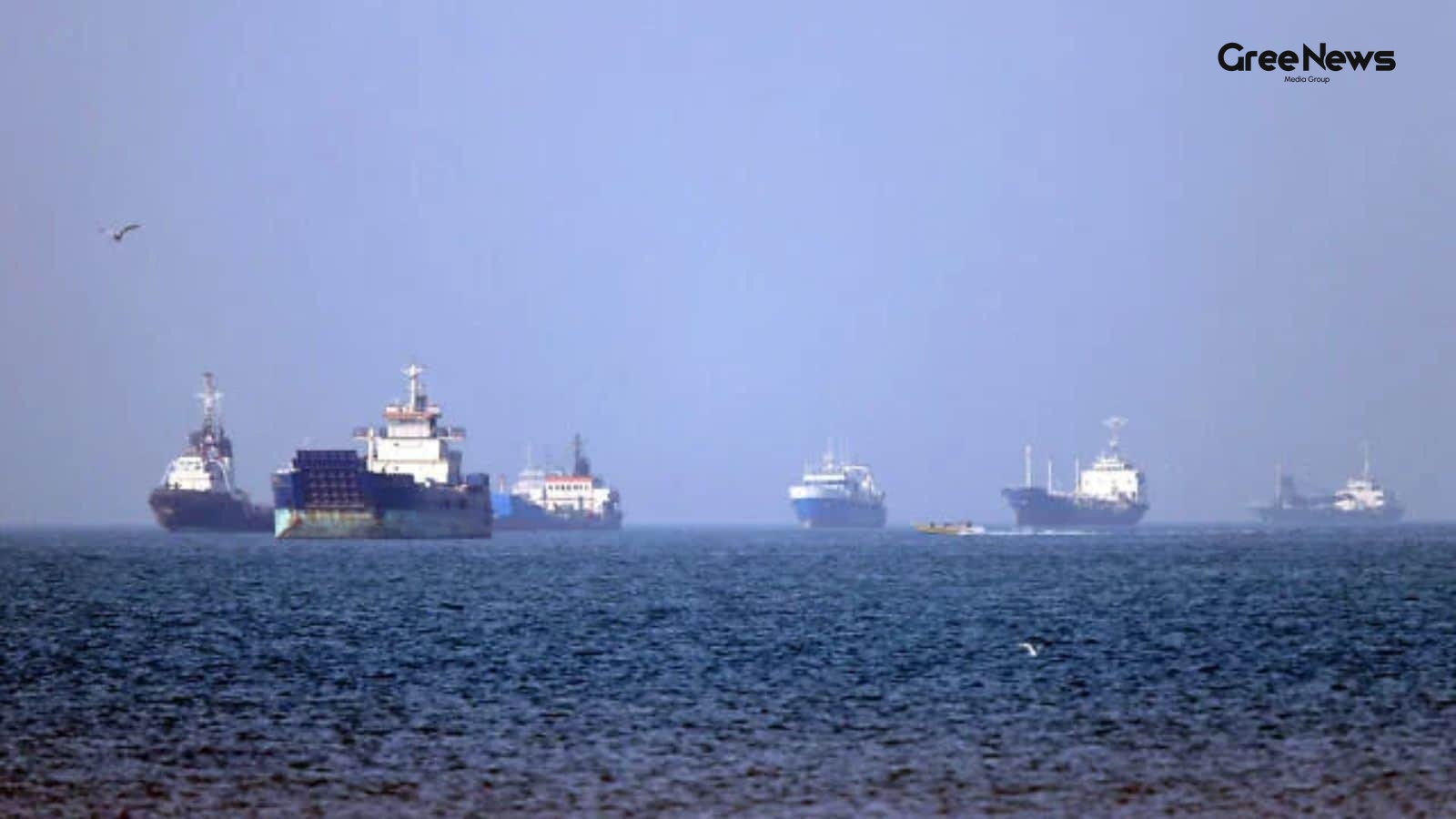
The Human Cost of Geopolitical Risk in the Maritime Industry
The reports coming out of the maritime zones are grim. Real, starkly painful stuff. We’re talking about lives lost in crossfire near choke points Strait of Hormuz, Gulf of Oman. Not abstract casualty figures. Actual sailors. Indian nationals caught in the middle of these global skirmishes. It’s a so
Jun 12, 2026 by Gree News Team
Kharg Island: The Critical Nexus in the US-Iran Oil Standoff
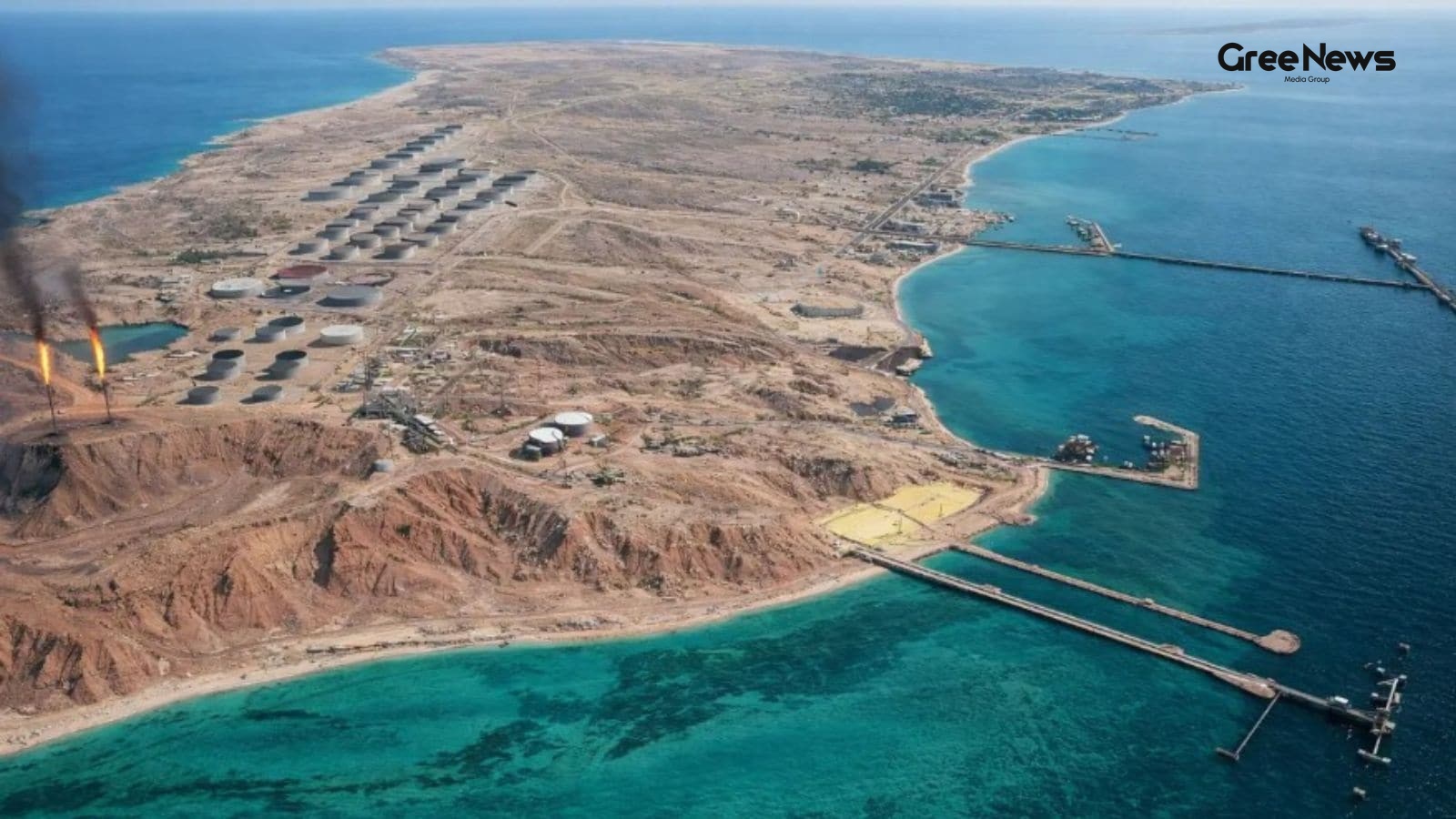
Donald Trump just escalated things again with Iran. He basically said the United States would take control of Kharg Island. It’s a small piece of land, but it’s absolutely crucial for Iran’s oil export network. The claim, made on Truth Social, was that Washington could assume "total control" over Ir
Jun 12, 2026 by Gree News Team
Sheraz Malik Sentencing and the Wider Context of Grooming Gangs
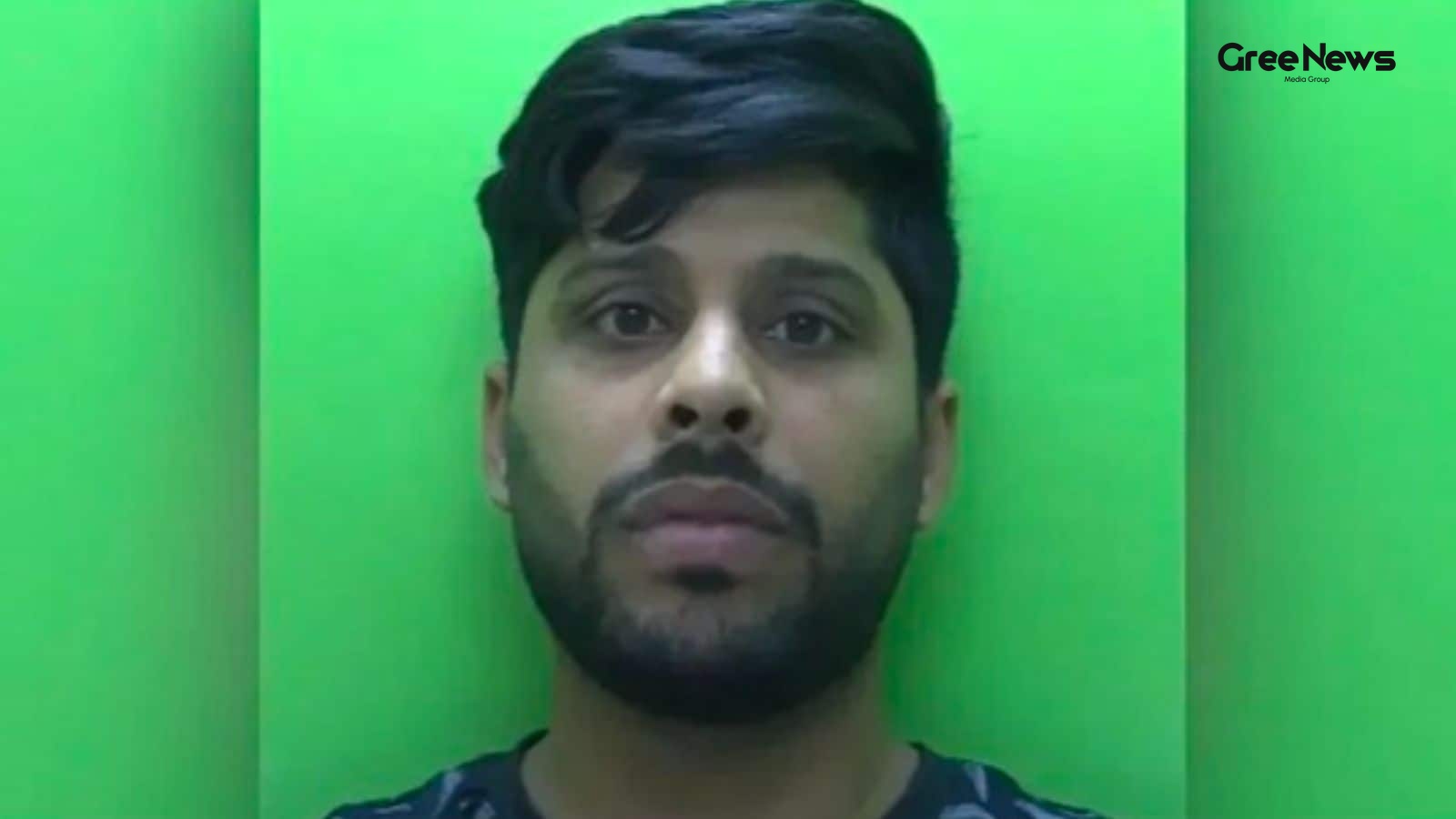
Sheraz Malik got his sentence on Thursday. Ten years in jail, plus four years on extended license. The whole thing happened way back on June 29 last year. In Sutton Lawn park. That’s where the attack took place. The details are kind of messy. She was drinking with a friend when he and some other guy
Jun 12, 2026 by Gree News Team
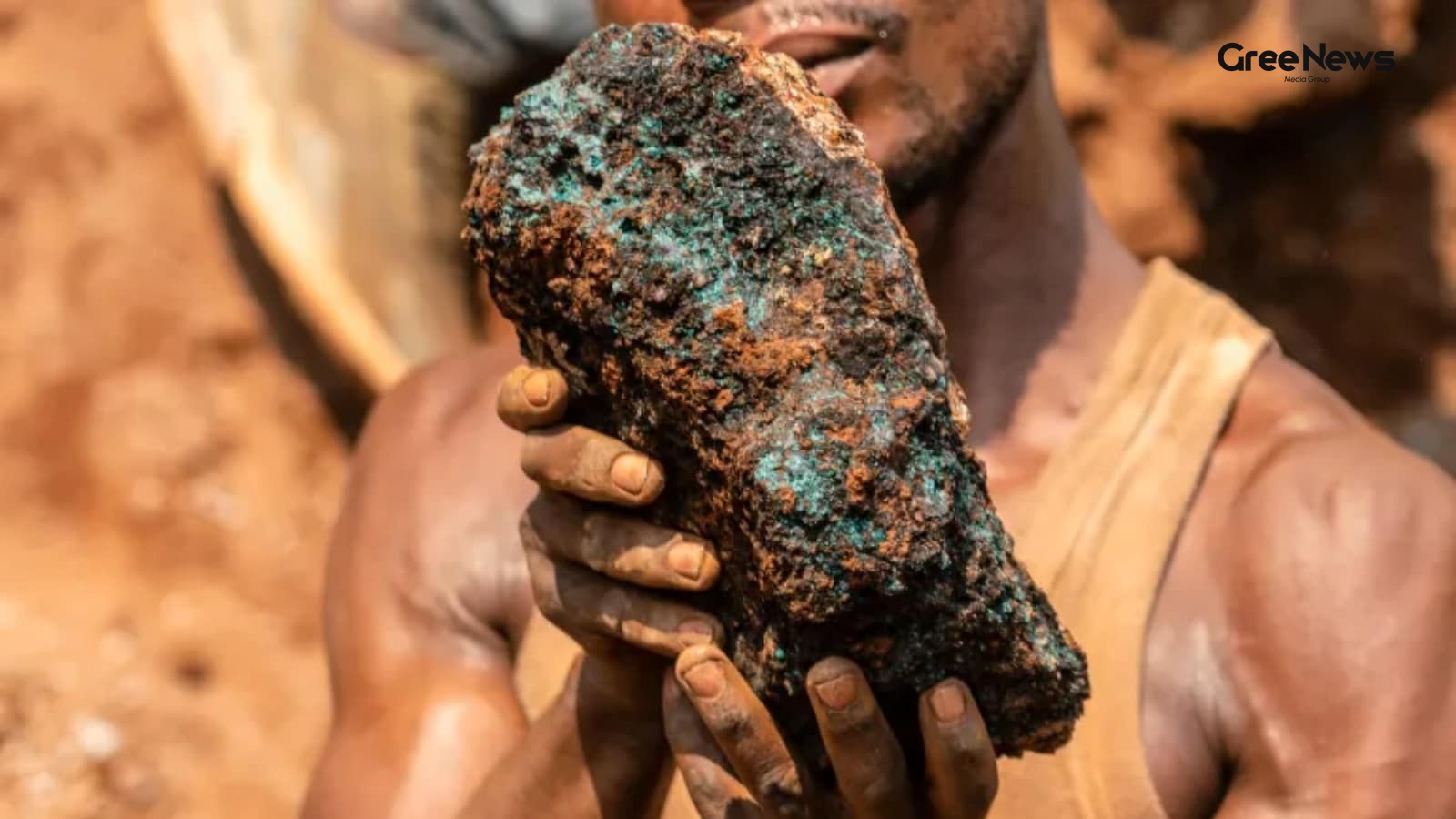
Cobalt Supply Chain, Market Dynamics, and Geopolitical Risks
Cobalt used to be something else entirely. Before it powered electric vehicles before it became the engine of today’s green push it was the color behind Chinese porcelain, staining Tang and Ming dynasty ceramics blue. That's where the element sits now. In the cathodes of rechargeable batteries. The
Jun 12, 2026 by Gree News Team
Latest Headlines
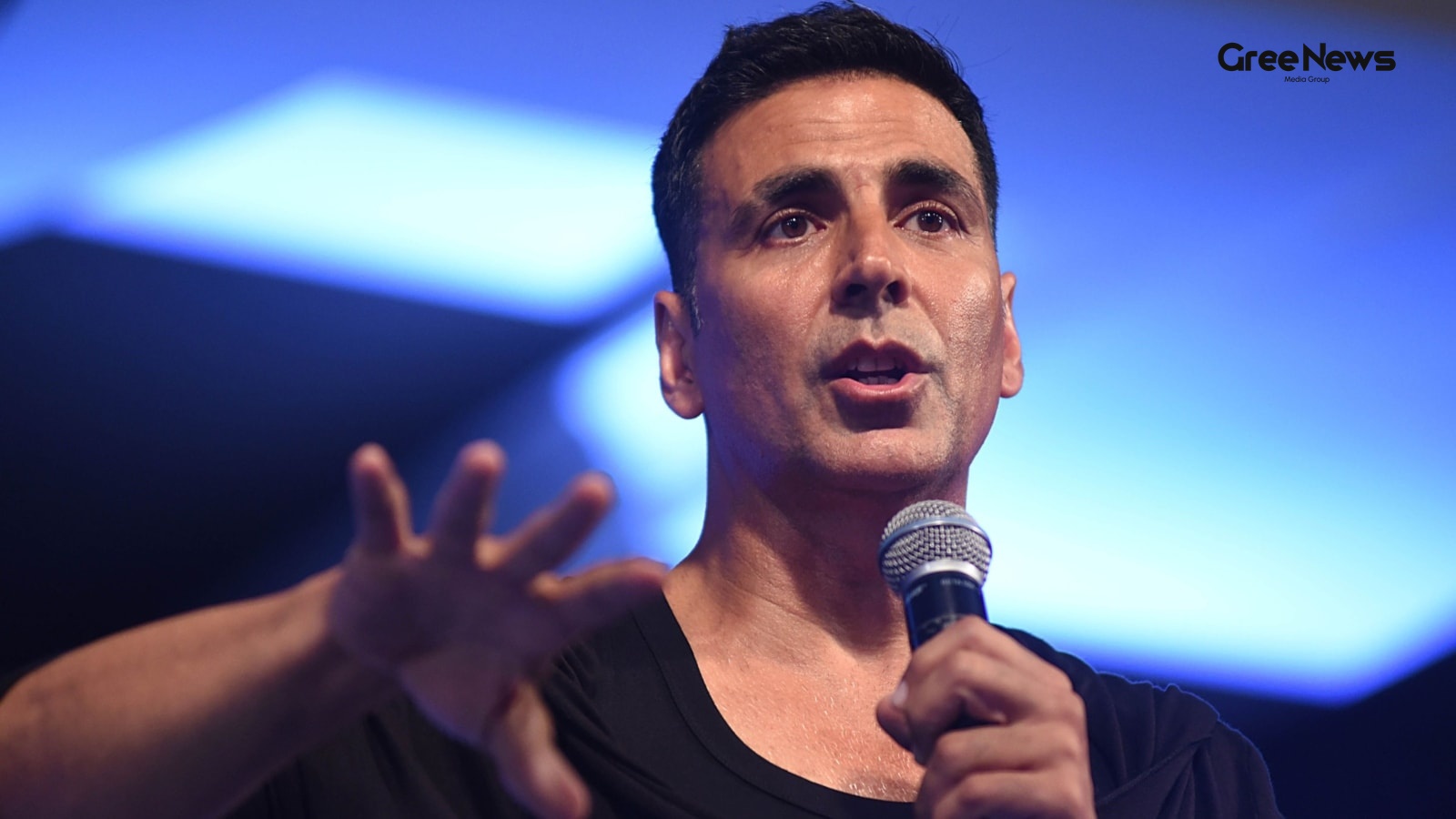
Akshay Kumar on Retirement: The Pursuit of Relentless Motion
Akshay Kumar. Retirement. It’s a word that floats around Bollywood sometimes, isn't it? Not just in the headlines, but in the whispers backstage, the way people talk about these massive careers winding down. And now, all this chatter it boils down to him. He was speaking at the trailer launch for *W
Jun 12, 2026 by Gree News Team

Air India AI-171 Crash: The Aftermath, Trauma, and Compensation
A year has passed since that awful Air India AI-171 crash. Twenty-six hundred lives lost. And Vishwash Kumar Ramesh, he was the only one left standing. He keeps asking for honesty. For transparency. Answers. It’s not just a demand; it feels like a constant ache. The trauma, it doesn't just stay on t
Jun 12, 2026 by Gree News Team
The Human Cost of Geopolitical Risk in the Maritime Industry
The reports coming out of the maritime zones are grim. Real, starkly painful stuff. We’re talking about lives lost in crossfire near choke points Strait of Hormuz, Gulf of Oman. Not abstract casualty figures. Actual sailors. Indian nationals caught in the middle of these global skirmishes. It’s a so
Jun 12, 2026 by Gree News Team

Isha Rikhi and Badshah: The Story Behind Their Relationship
Isha Rikhi finally dropped the news on Thursday. She confirmed it. She’s married to Badshah. It came out during some kind of Ask Me Anything session on social media. Fans had been asking about this for ages, you know? About her relationship with him. It felt like a big deal, I guess. The confirmatio
Jun 12, 2026 by Gree News Team
Kharg Island: The Critical Nexus in the US-Iran Oil Standoff
Donald Trump just escalated things again with Iran. He basically said the United States would take control of Kharg Island. It’s a small piece of land, but it’s absolutely crucial for Iran’s oil export network. The claim, made on Truth Social, was that Washington could assume "total control" over Ir
Jun 12, 2026 by Gree News Team
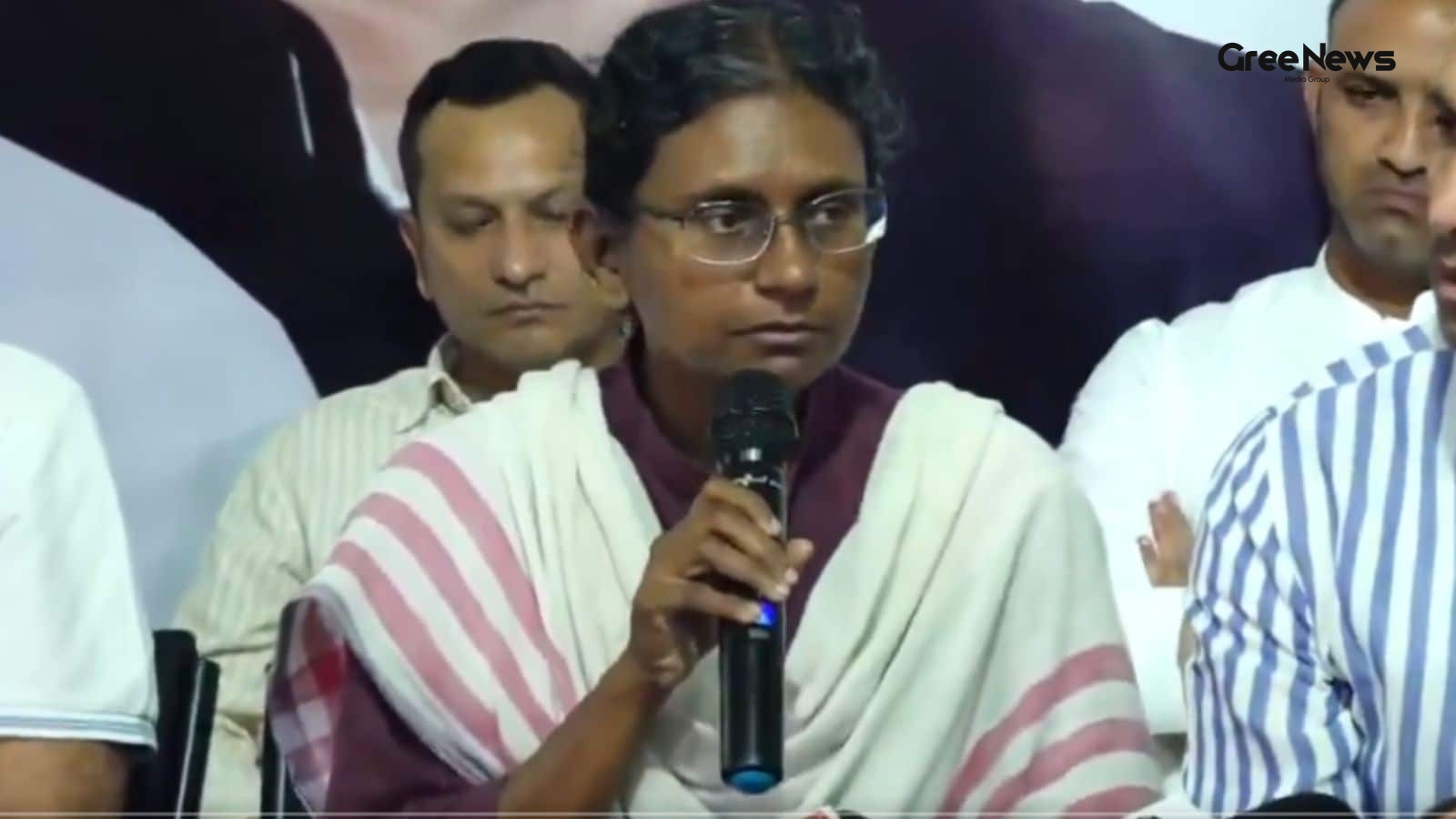
BJP Elected Unopposed to Rajya Sabha Amid Legal Dispute and Political Allegations
Three BJP folks from Madhya Pradesh got elected unopposed to the Rajya Sabha on Thursday. It happened days after Congress leader Meenakshi Natarajan’s nomination got rejected by the Returning Officer. Polling for those three spots was set for June 18th. Given how strong the BJP is in that state asse
Jun 12, 2026 by Gree News Team

The Reality of Tech Pressure: Focus on Basics, Stability, and Real Skills
Freshers hitting the tech scene right now, they feel this huge pressure. You have to keep up. Learning every new framework, building those AI projects it feels like you’re just chasing whatever is hot. It’s the only way to stay relevant, everyone thinks. But listen. One software engineer, someone wh
Jun 12, 2026 by Gree News Team

The Legacy and Reunion of Lagaan: Celebrating 25 Years
Twenty-five years. *Lagaan* just hit that mark. And now they’re doing a re-release. It feels like more than just watching an old movie; it’s something bigger for the team. Javed Akhtar actually got into some deep reflection recently about the soundtrack, which is kind of interesting when you think a
Jun 12, 2026 by Gree News Team

NCW Intervention and Legal Action Following Viral Comedy Incident
The National Commission for Women NCW. They took notice on Thursday about something called “Rs370 biryani.” It wasn’t a quiet thing, not at all. They ordered immediate action. Stringent action, time-bound. Against comedian Pranit More and Himanshu Jangra. That’s what they demanded. This whole mess s
Jun 12, 2026 by Gree News Team
Sheraz Malik Sentencing and the Wider Context of Grooming Gangs
Sheraz Malik got his sentence on Thursday. Ten years in jail, plus four years on extended license. The whole thing happened way back on June 29 last year. In Sutton Lawn park. That’s where the attack took place. The details are kind of messy. She was drinking with a friend when he and some other guy
Jun 12, 2026 by Gree News Team
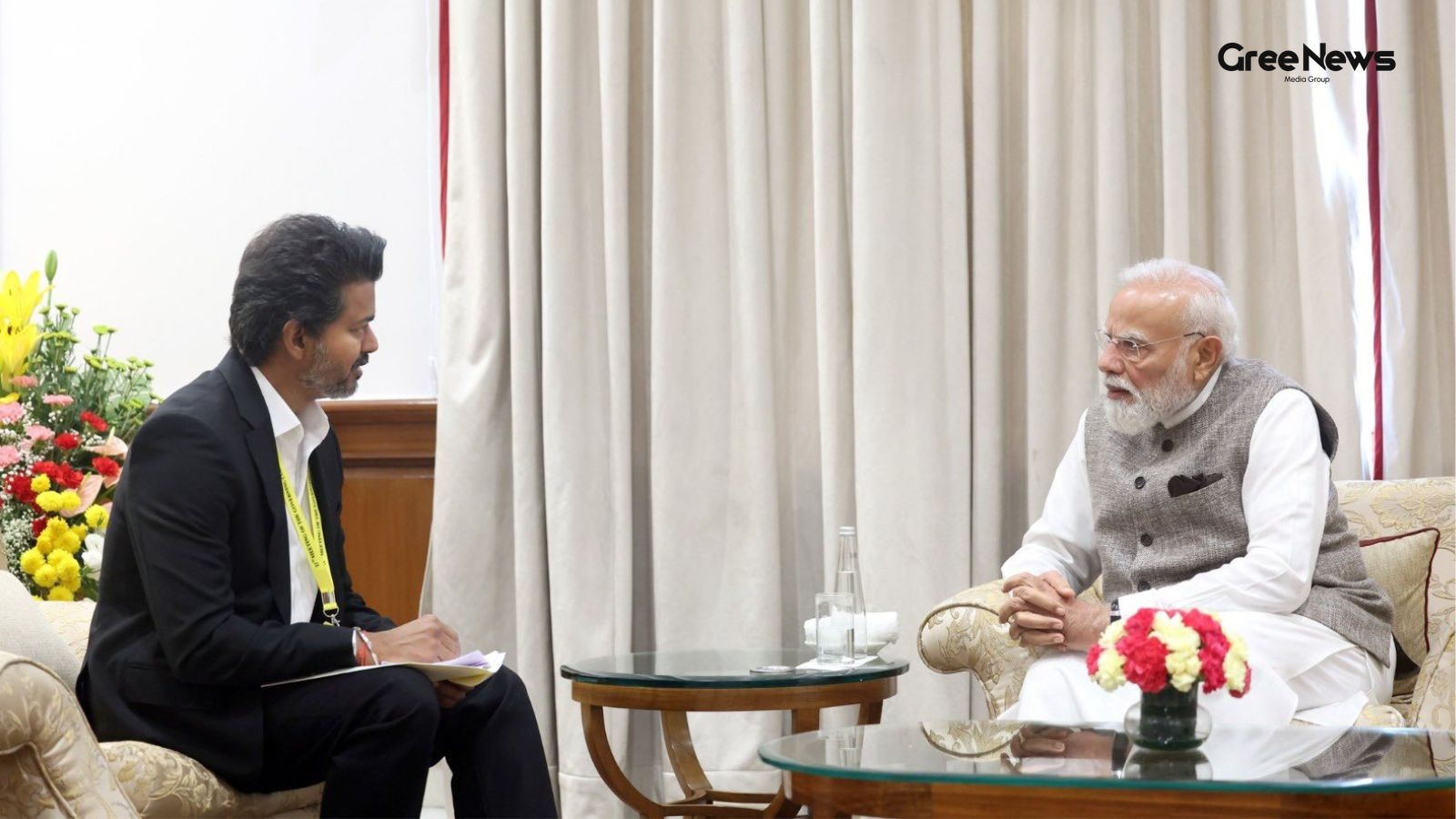
The Slow Recalibration of Tamil Nadu's Relationship with the Centre
That meeting signaled something a slight pivot away from the approach that characterized the previous DMK government when dealing with the Union. It’s not a sudden revolution, really. More like a slow recalibration. Vijay didn't just show up for the formalities. He actively sought engagement. That p
Jun 12, 2026 by Gree News Team
Cobalt Supply Chain, Market Dynamics, and Geopolitical Risks
Cobalt used to be something else entirely. Before it powered electric vehicles before it became the engine of today’s green push it was the color behind Chinese porcelain, staining Tang and Ming dynasty ceramics blue. That's where the element sits now. In the cathodes of rechargeable batteries. The
Jun 12, 2026 by Gree News Team
Investigation into Signatures and Scrutiny of Political Resolution
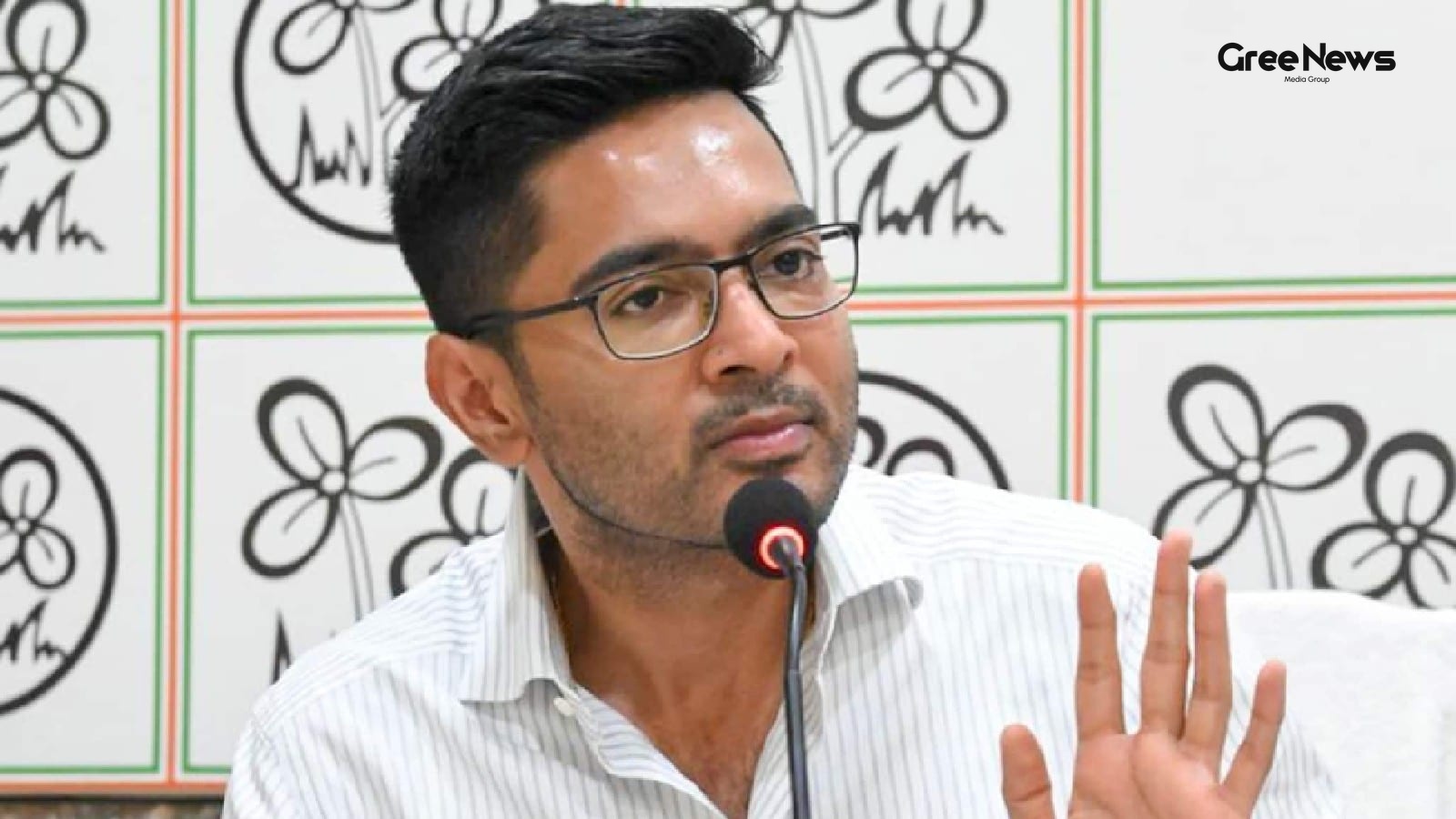
The air around this whole thing is thick with things that aren’t being said. It’s an investigation, sure, but it feels less like a clean procedural step and more like something pulled apart piece by piece under intense scrutiny. It started when the Calcutta High Court stepped in. That was the nudge.
Jun 12, 2026 by Gree News Team
Pakistan's Acknowledgment of India's Growing Strategic and Nuclear Muscle
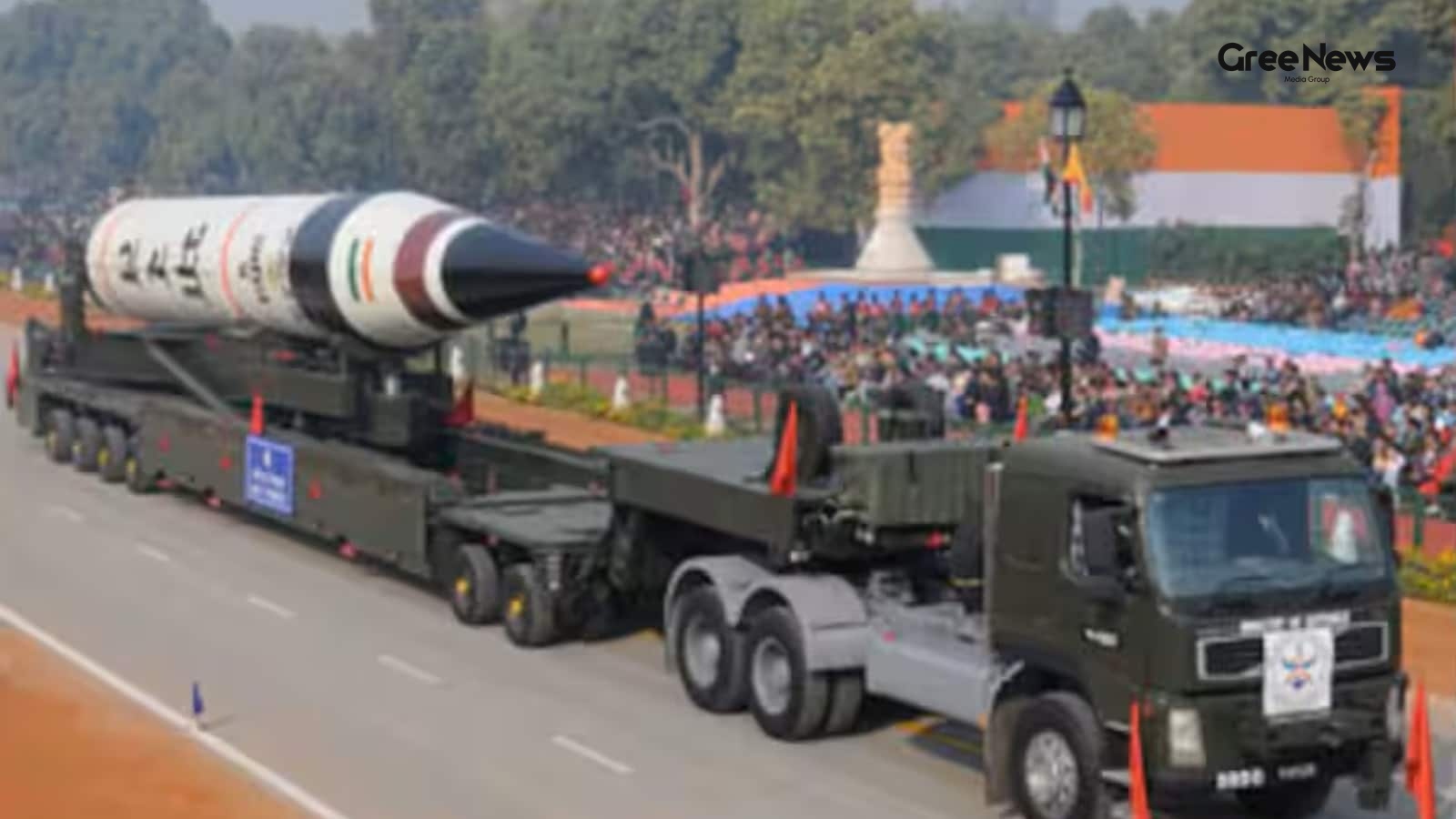
Thursday saw Pakistan publicly nod towards the rapid growth and increasing complexity of India’s strategic muscle. It wasn't a full concession, more of an acknowledgment, but it definitely voiced real unease about what New Delhi was doing with its nuclear stance. The Foreign Office put out this stat
Jun 12, 2026 by Gree News Team
Internal Political Friction: Dynamics within Congress and Trinamool Congress
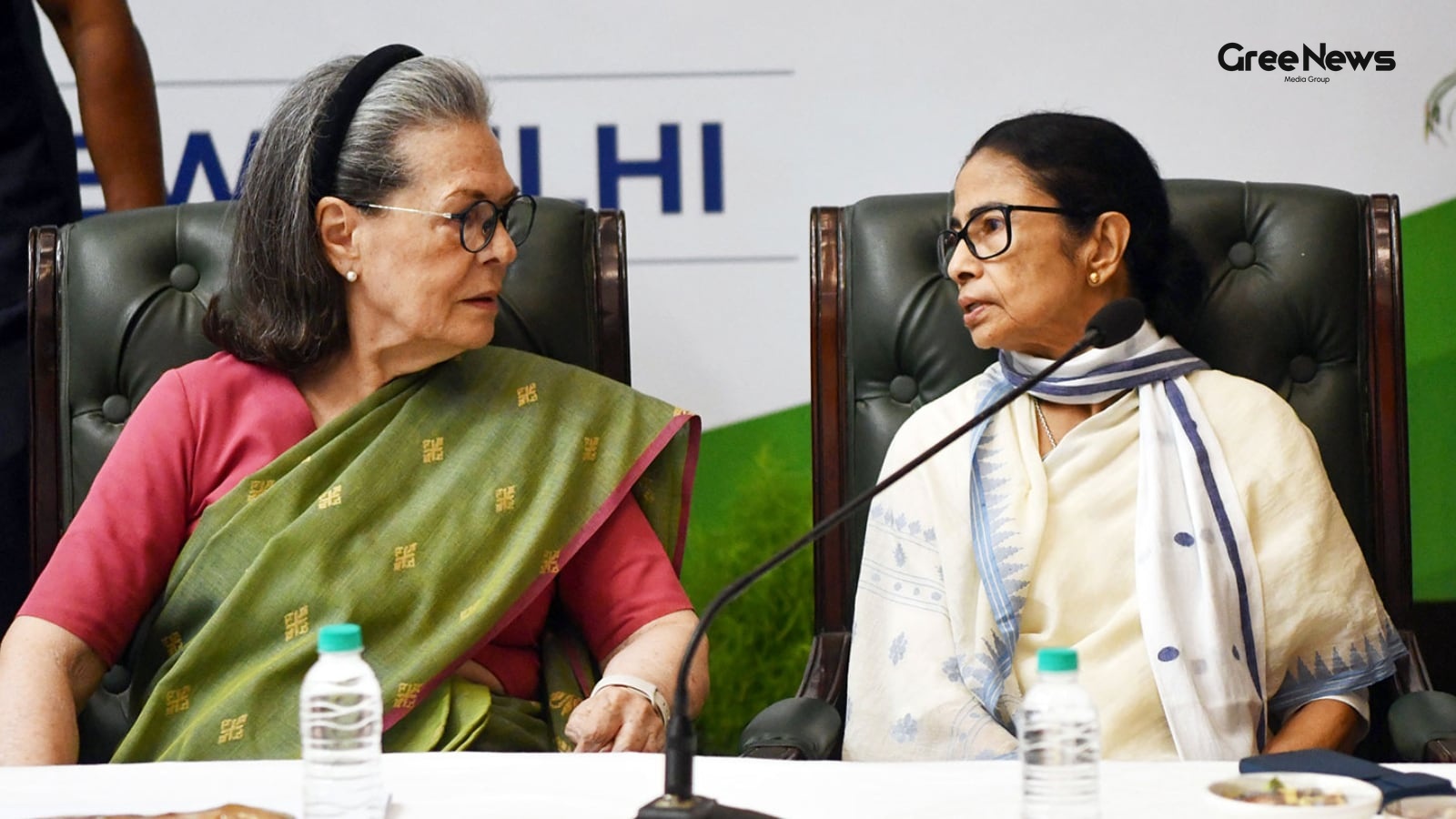
Rahul Gandhi and Abhishek Banerjee. Two names that really define this internal friction inside their parties. It’s not just political sparring. It’s something deeper. A constant sense of being pushed out. A few years back, you had that whole "G-23" thing. That rebellion fractured the Congress from t
Jun 12, 2026 by Gree News Team