Smart Home Tech: Choosing Between Plugs, Switches, and Soundbars
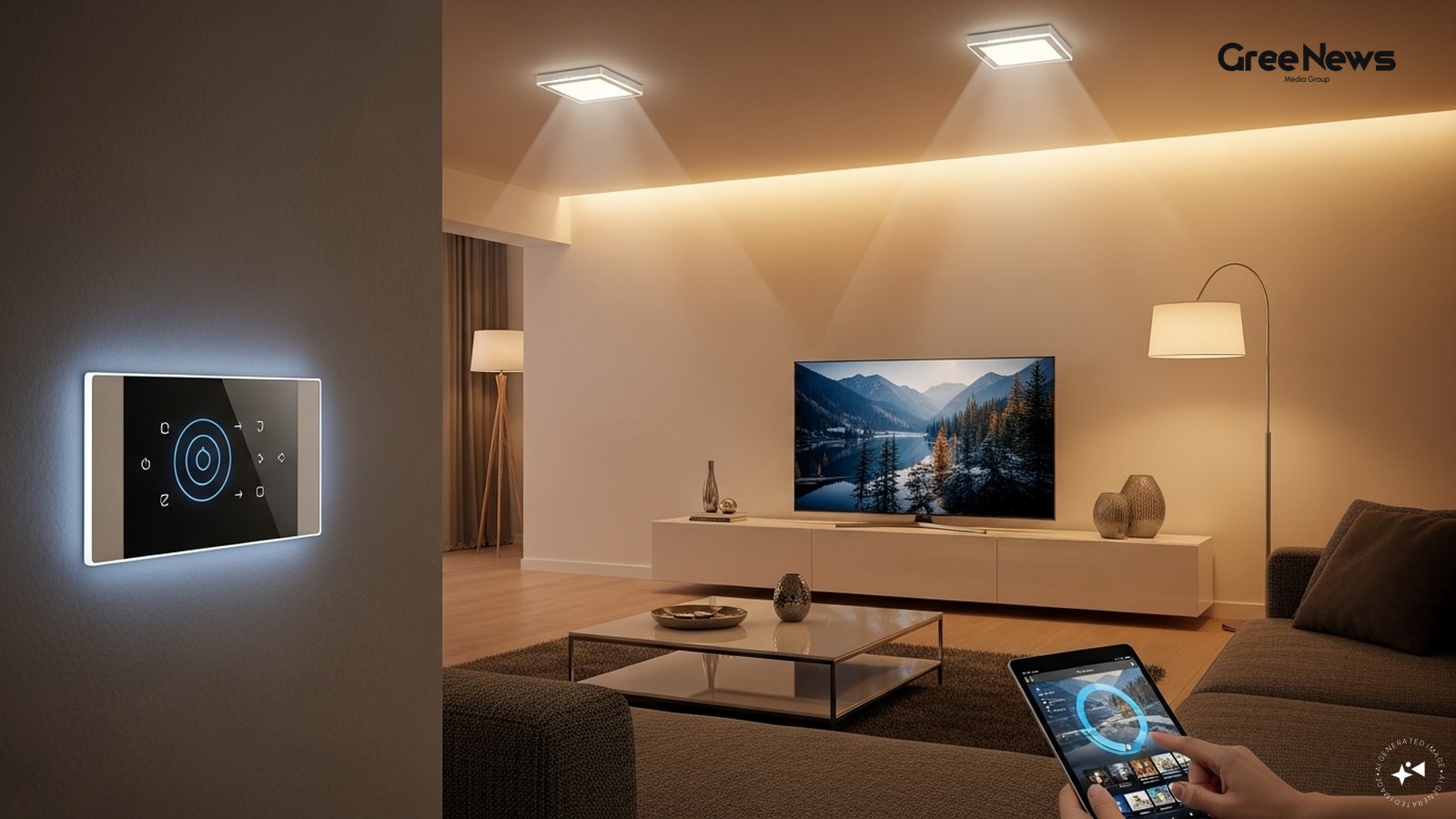
Choosing between a smart plug and a smart switch isn't really about technology itself. It’s more about how much control you actually want over your home, end of story.
If you’re renting an apartment and just need a simple way to automate things a lamp or maybe a coffee machine a smart plug is usually the easiest move. No fuss. On the other hand, if you own your place and you're thinking about long-term upgrades, especially for lighting that works seamlessly from the wall switch, then a smart switch might be better. A real investment.
The simplest way to figure this out? Think about whether you want to automate individual appliances or entire electrical circuits. That’s the core difference.
Smart Plug vs. Smart Switch Breakdown
So, let’s break it down. You pick a smart plug if: you rent, obviously. you don't want to mess with any wiring; you just want control over specific gadgets; and maybe most importantly, you might move homes someday. It’s cheap entry into smart-home stuff.
But if you own the house? If you’re planning renovations or upgrading rooms? Then a smart switch makes more sense. You want permanent smart lighting integrated right into your setup. Or perhaps multiple family members are constantly fiddling with wall switches. A switch creates a cleaner experience for those situations.
For most renters, the smart plug wins hands down. It's affordable, portable, and needs zero installation. For homeowners building something lasting? No messy wiring involved. It’s just that simple.
But there are frustrations too. Each plug usually handles only one thing. Trying to automate a whole house lights, fans, everything means the costs pile up fast. And sometimes they look kind of bulky when you plug them into the wall.
Smart plugs are best for renters and beginners. They handle individual appliances really well. Think about options like the Tapo P110 Smart Plug. It’s a great starting point. You get energy monitoring, scheduling, and solid app support without breaking the bank. For budget buyers, there are plenty of affordable plugs out there, some even bringing down prices significantly from what they used to cost.
Then there are smart switches. They replace that old wall switch entirely. Instead of controlling one thing, you control the whole circuit lights, fans. This gives homeowners a much cleaner setup over time. You’ve got options like the Goldmedal i-Touch Smart Switch, which blends into modern interiors while still offering voice and app control.
Installation is where switches get tricky; they usually require some electrical work and an electrician involved. And because they are wired in, they just don't pack up neatly when you move. That’s why renters stick to the plugs for ease of movement.
If you’re totally unsure? Start with a smart plug. It costs less, needs zero installation, and gives you immediate benefits right away.
A smart plug controls an appliance. A smart switch controls the circuit. That distinction really shapes your decision.
Understanding Soundbars and Audio
Now, let’s talk about soundbars because that's a whole different headache. Most people think they need one, but honestly, for everyday TV watching? No. You don't necessarily need a massive setup just to fix poor audio quality. It’s usually a solution to a specific problem you already have.
People start looking at soundbars when something starts bothering them about their TV. Maybe conversations are hard to catch.
TV manufacturers have less physical space for built-in speakers as screens get slimmer. So even good TVs sometimes produce audio that just doesn't cut it.
What exactly is wrong with your current TV sound? Answering those makes choosing way easier.
It simplifies volume control and synchronizes things better. Optical cables still exist, but they offer less convenience. Bluetooth is fine for casual music streams, but for serious TV audio? Stick to HDMI or Wi-Fi connections for stability.
A lot of marketing focuses on channel counts 5.1 versus 7.1. It’s misleading.
And that big bass thing the subwoofer. It changes everything. A standalone soundbar improves dialogue, making everyday viewing pleasant. But adding a dedicated subwoofer? That changes the whole character of the sound. Movie soundtracks feel richer, sports broadcasts have more energy, and music just develops depth.
Now for the hype: Dolby Atmos. It’s everywhere. It promises sound coming from above you, creating immersion. But honestly? A lot of those affordable models rely heavily on virtual processing rather than actual speakers aimed upward. Whether you notice a real difference depends entirely on your room shape and ceiling height. If you’re mostly watching news or streaming shows, a good standard soundbar solves most problems already.
And placement matters hugely.
Higher power doesn’t automatically equal better sound. Focus on what you hear when you listen. Does it handle dialogue well? Is the bass tight?
For those who want to invest more seriously the premium stuff you see systems like Sonos or Samsung, which offer great sound quality and expandability. You can add rear speakers later if you decide you want that dedicated home theater feel over time. That’s a better long-term play than chasing the latest gimmick.
It needs to deliver clear dialogue and good balance for your space. That’s usually what wins out over chasing every flashy feature.
Written by Gree News Team — Senior Editorial Board
Gree News Team covers international news and global affairs at Gree News. Our collective of senior editors is dedicated to providing independent, accurate, and responsible journalism for a global audience.
More from Tech
View All
Buying Guides: AC Specifications and Immersive Sound Systems
Buying an air conditioner has gotten so much more complicated lately. You have to think about tonnage, inverter tech, efficiency ratings, ambient temps a whole list of things that might or might not matter for just living in a room. The good news is, only a handful of specs actually change how you c
Jun 11, 2026 by Gree News Team
The Complete Guide to Smart Home Automation: Plugs, Lights, Sensors, and Fans
A few years back, smart home stuff felt way too expensive, complicated. But now? You can just automate lights, control appliances from your phone. Get alerts when the door opens. Cut down electricity without emptying your wallet. It’s all there now. The real snag is how people start. They buy gadget
Jun 11, 2026 by Gree News Team
BLDC Ceiling Fans and Water Purifier Buying Guide
That ceiling fan thing. It’s one of those appliances that just runs almost every single day, you know? That immediately makes energy efficiency just as critical as how much air actually moves around. The good news is, you don't need to drop ten thousand rupees anymore just to get a decent BLDC fan w
Jun 9, 2026 by Gree News Team
Water Purifier and Ceiling Fan Buying Guide
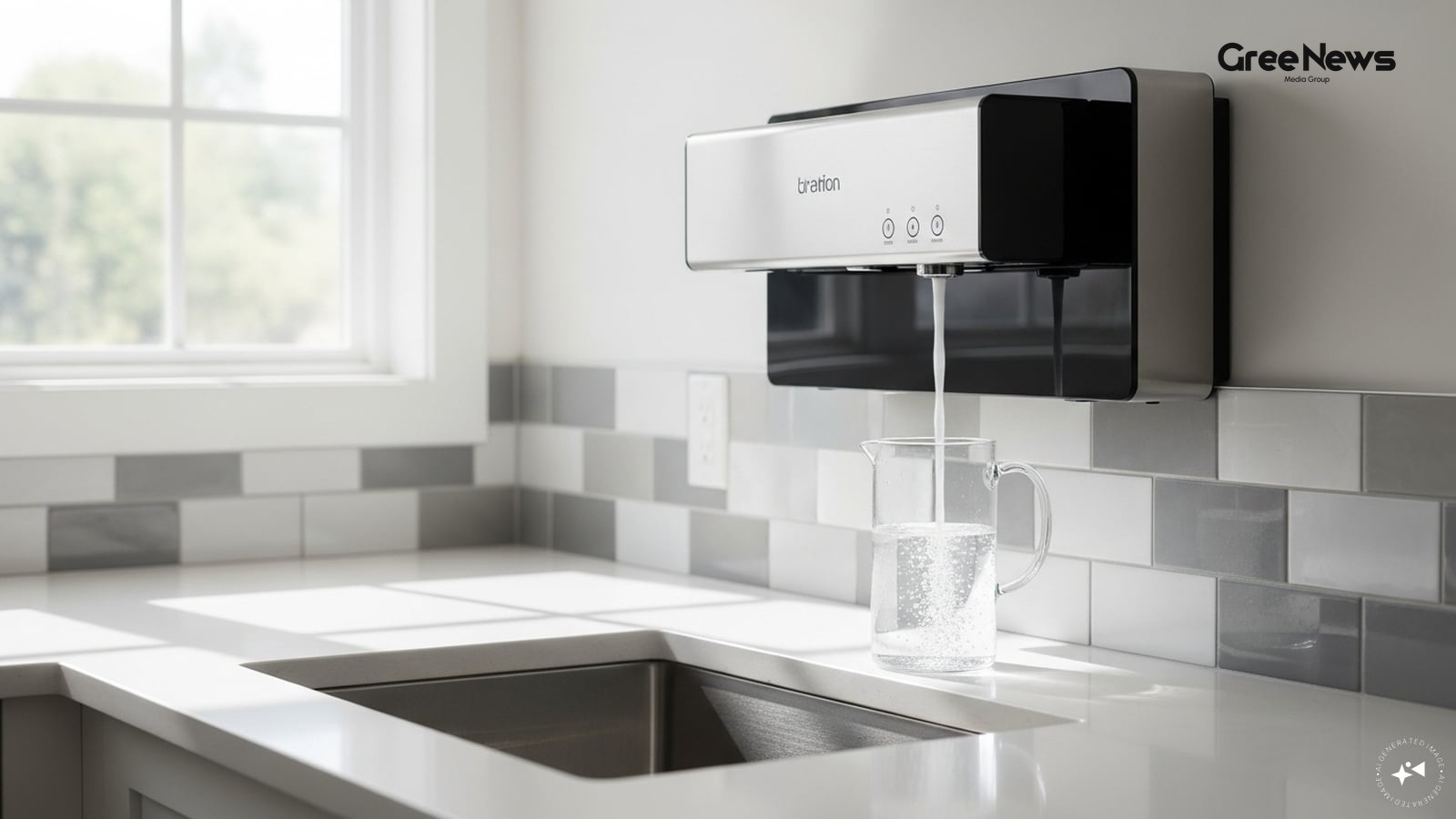
Buying a water purifier today is way more complicated than just picking a popular brand. It really depends on where your water comes from. If you’re dealing with borewell or tanker stuff, you usually need RO purification. But for folks using municipal water, they can often save money and ditch the h
Jun 9, 2026 by Gree News Team
Latest Headlines

The Impact of Music and Passion in the *Dhurandhar* Franchise Success
Shashwat Sachdev’s music really shifted things with Aditya Dhar’s *Dhurandhar* and then *Dhurandhar 2*. People kept talking about how much that background score just lifted the scenes, made everything hit harder. It became a huge deal after the film came out. He got famous fast riding that wave of s
Jun 12, 2026 by Gree News Team

The Alleged Deal with Iran and Shifting Geopolitical Statements
The whole thing is moving fast now. A deal with Iran? It’s supposedly nearly done. Trump was talking about it in the Oval Office, saying they were super close. He called it a “very detailed memorandum of understanding.” Sounds official, but you know how those things are just paper and promises. Pavi
Jun 12, 2026 by Gree News Team

Market Update: Global Cues, Corporate Shifts, and Institutional Activity
The markets kicked off this morning with a generally positive signal, tracking firm global cues. Gift Nifty was sitting at 23,478.5 when the clock hit 7:48 am a modest bump of 76 points, or just 0.32 percent. That’s what we saw initially. But there were other things moving around in the background.
Jun 12, 2026 by Gree News Team

The Tragic Loss and Unanswered Questions of the Air India AI-171 Crash
For David Christian, 72, a retired government official from Chandkheda in Ahmedabad, air travel just isn’t the same anymore. It all changed after what happened. A few weeks back, when he and his elder son traveled to Australia, David made sure they took separate flights. It was a precaution born out
Jun 12, 2026 by Gree News Team

Fake Signature Case: Abhishek Banerjee and the CID Investigation
Fake Signature Case Abhishek Banerjee. Trinamool Congress general secretary. He was hauled in for questioning by the West Bengal CID. Over five hours of it. All connected to this signature mismatch thing. It involves some key resolution submitted in the state Assembly. The Diamond Harbour Lok Sabha
Jun 12, 2026 by Gree News Team

India's Energy Decisions and the Russia Oil Dynamic
Dr S Jaishankar, External Affairs Minister, he was talking about Russia oil on Friday. He defended India’s buying of it, pointing out some kind of contradiction in how Europe was criticizing New Delhi's energy policy. This happened while he was at the Kultaranta Talks in Finland, chatting about "Eme
Jun 12, 2026 by Gree News Team

Indian Equity Markets Rally Fueled by Global Optimism
The domestic markets opened sharply higher Friday, fueled by a wave of global optimism that swept across international equities. We saw the BSE Sensex jump nearly 981 points that’s over 1.3% gain landing at 74,814 in early trading. The NSE Nifty 50 followed suit, ticking up by 272 points, hitting 23
Jun 12, 2026 by Gree News Team

Internal Fracture and Instability within the Trinamool Congress
The air around the Trinamool Congress right now isn’t just heavy with disappointment; it feels brittle. It’s one of those periods where everything that was simmering beneath the surface suddenly boils over into something very real and very dangerous. The party is reeling, utterly battered by the ele
Jun 12, 2026 by Gree News Team

The Rise of Social Media Creators in Indian Reality TV
The Indian television scene is changing fast. Seriously. Over the last few years, it’s been a massive shift. Content creators, YouTubers, those social media influencers? They are totally taking over reality TV now. Think about names like Elvish Yadav, Mr Faisu, Abhishek Malhan. People used to see th
Jun 12, 2026 by Gree News Team

The Psychological Toll of NEET Cancellation and Re-attempts
The mood among those prepping for NEET right now is pretty messed up. A lot of aspirants are feeling this intense anxiety, routines totally shot, confidence gone, and a deep distrust of the whole system after that earlier test got cancelled. Months or even years spent grinding just got hit by this s
Jun 12, 2026 by Gree News Team
Elon Musk’s SpaceX IPO: The $75 Billion Bet and Future Implications
Elon Musk’s SpaceX is about to go public. It's set for its Wall Street debut this Friday. People are calling it potentially the biggest IPO in history. That kind of stuff gets everyone watching. They priced the shares at $135 each. And they’re aiming to raise a staggering $75 billion. Think about th
Jun 12, 2026 by Gree News Team

Denaturalization Actions Against Foreign-Born Americans
The Department of Justice just announced something heavy. They’ve filed denaturalization actions against seventeen foreign-born Americans. The accusation? They allegedly got U.S. citizenship through fraud, hiding things, or outright misrepresentation during that process. It marks a real expansion in
Jun 12, 2026 by Gree News Team
Testimony of Jeffrey Epstein's Former Executive Assistant
Jeffrey Epstein’s longtime executive assistant told the House Oversight Committee something heavy. She claimed she had no knowledge of the late financier’s sexual abuse crimes. She described him as a "monster," a "master manipulator" who managed to keep his secret life completely hidden from everyon
Jun 12, 2026 by Gree News Team

Global Recognition of Modi's Leadership and Tenure
Modi, having held the reins for what feels like an eternity now, got waves of congratulations from leaders all over the world. It’s been a long run, and apparently, that translates into global recognition praise about his leadership, the economic direction he’s set, and how much influence he seems t
Jun 12, 2026 by Gree News Team
Pranit More: Controversy, History, and Public Reaction
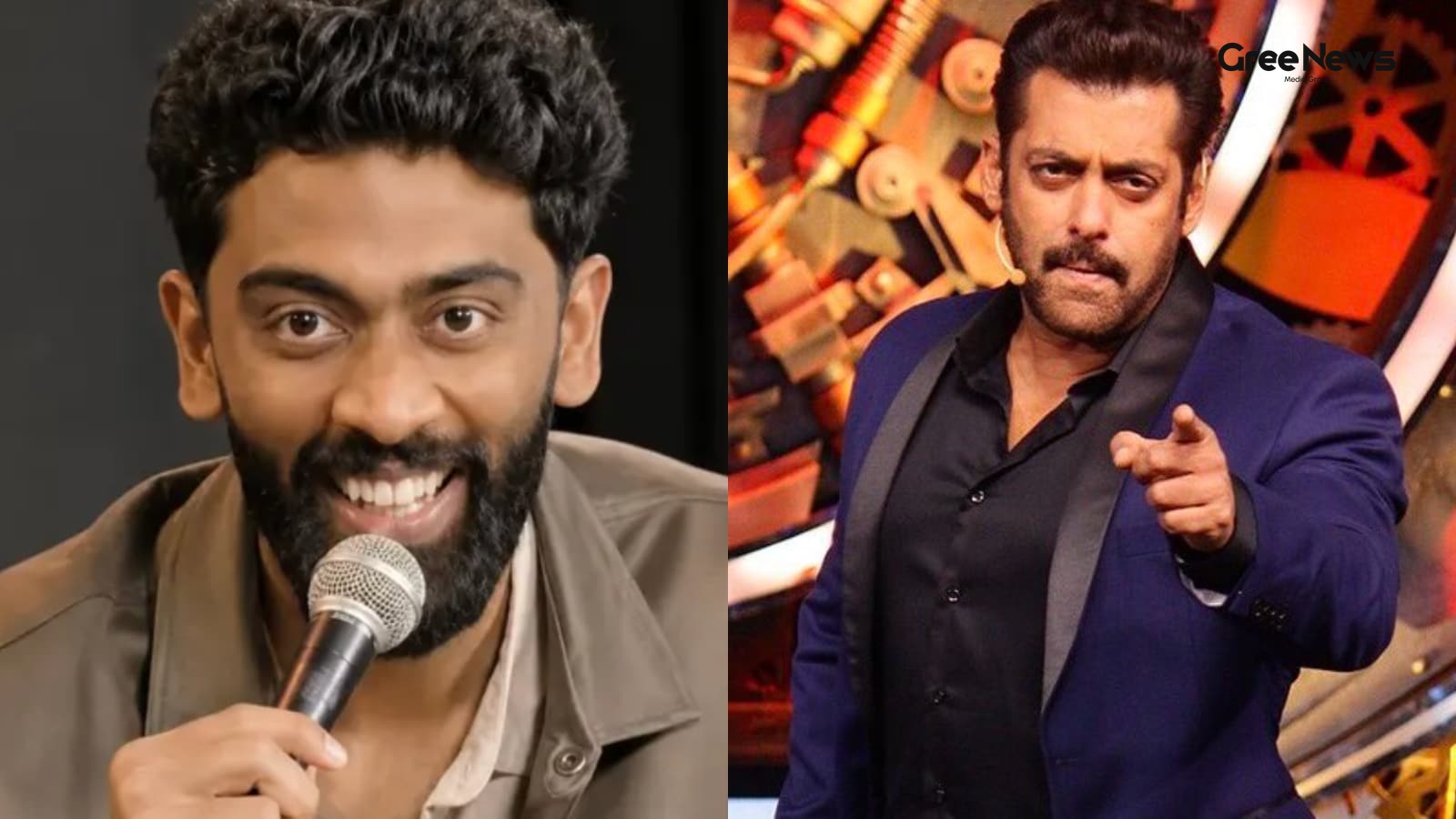
Pranit More. The name surfaces in the middle of something ugly. Comedian, contestant from Bigg Boss 19. Now he’s caught up in this massive stir because of some clip that blew up online from one of his crowd shows. Just plain messy. The whole thing kicked off with an audience member. Himanshu Jangra.
Jun 12, 2026 by Gree News Team