Political Controversy: Ideology and Governance in Hyderabad
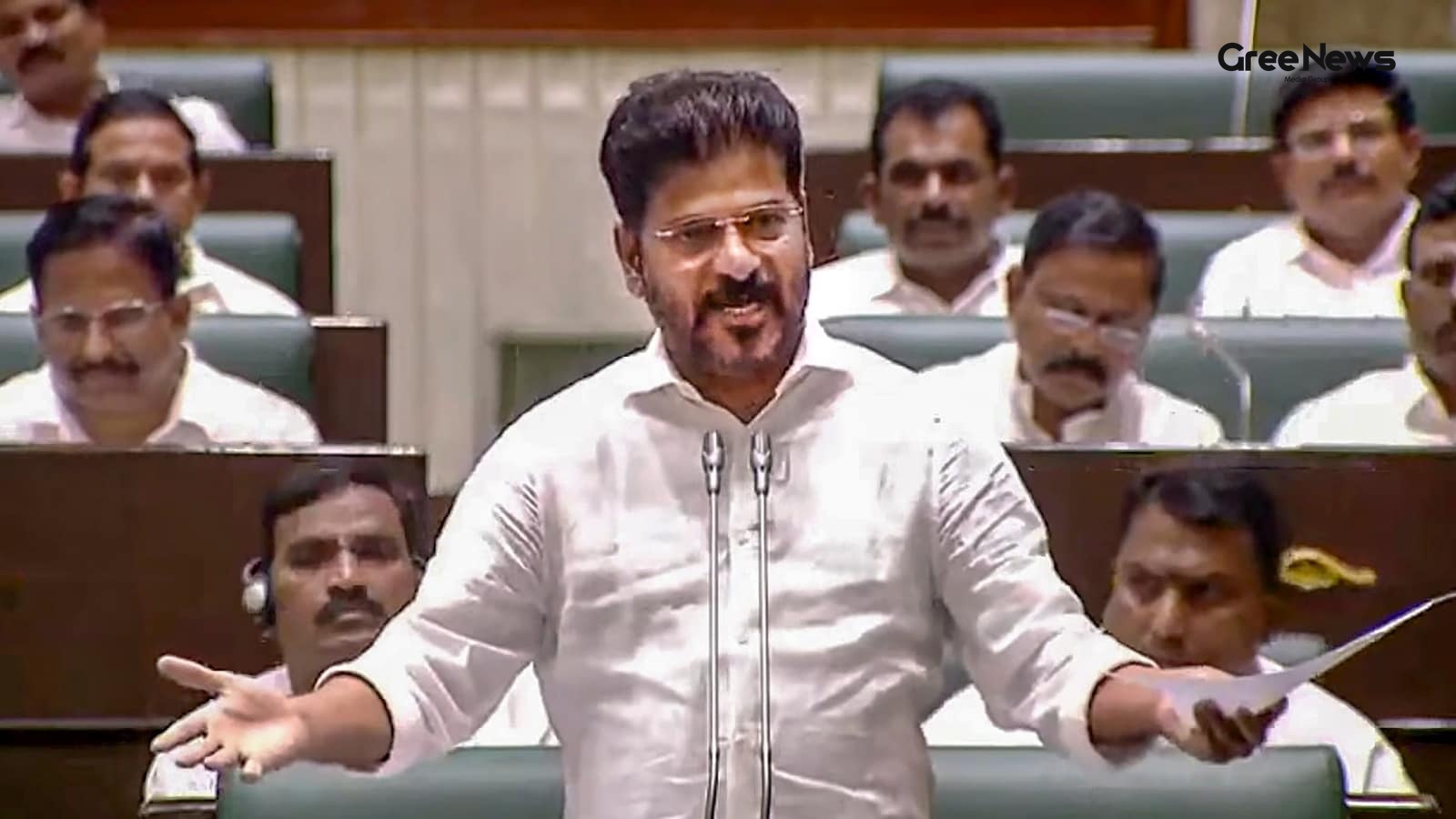
The air in Hyderabad felt thick with controversy after Telangana Chief Minister Revanth Reddy made his remarks. It wasn't some quiet statement; it was an explosion, drawing immediate fire from across the political spectrum.
The whole thing kicked off when Reddy spoke at a conclave in Bengaluru. He claimed that the concept behind HYDRAA the Hyderabad Disaster Response and Asset Protection Agency was inspired by Hitler’s fixation on the word “Hydra.” It was a claim that landed like a grenade.
“Hydra,” he asserted, according to reports, “that’s Hitler’s favourite word. His core team? Called Hydra. They could assassinate anyone. So I took inspiration from him and named it HYDRAA.” A statement that instantly polarized things.
This wasn't just about naming an agency. It was ideological baggage suddenly thrown into the public arena.
Revanth Reddy was trying to defend the creation of HYDRAA, arguing its necessity in tackling massive encroachments on government lands and protecting vital lakes across Hyderabad. He pushed back, suggesting that if environmental protection is the goal, then similar bodies should be set up everywhere to handle flooding, illegal structures, whatever the real problem was.
But this defense didn't land smoothly. It just fueled the fire.
The reaction from the opposition was immediate and brutal. BJP spokesperson Shehzad Poonawalla wasn’t holding back. He called Reddy out directly. The implication hung heavy in the air: a “dictatorial mindset.” And then he immediately pivoted, questioning whether Congress leader Rahul Gandhi would actually do anything about it. That kind of accusation linking governance to tyranny is designed to create maximum friction.
Union minister G. Kishan Reddy also weighed in. He condemned the statement sharply too. He alleged that this wasn't just a policy difference; it reflected an “Emergency mindset” within the Congress party itself. There was a demand, plain and simple: an apology. An unconditional one.
The criticism spread fast. It wasn’t limited to Delhi or the central government circles. The Left parties also weighed in heavily. CPM general secretary M.A. Baby pointed out that these remarks echoed old ideological tendencies the kind associated with the Sangh Parivar. It felt like a deep, systemic critique surfacing right on top of a local administrative dispute.
And then you have the internal party reaction itself. Even within Congress, there was discomfort. KC Venugopal, the Congress general secretary for the organization, stated plainly that the remarks were “not at all acceptable.” He followed up by saying the high command had already conveyed their disapproval to Reddy and advised him to exercise much greater discipline in what he said publicly going forward. It’s a classic move trying to pull back from an inflammatory statement while still maintaining a veneer of party unity.
Meanwhile, other groups were also unsettled. Dipankar Bhattacharya, a Liberation leader from the CPI(ML), called invoking Hitler as some kind of icon of governance simply “worrying.” That level of historical association just feels too heavy for everyday political talk. It shifts the conversation from local land disputes to deep-seated ideological history.
It’s messy. There isn't a clean line here. One minute you have environmental protection, the next you have Nazi undertones. The flow is completely broken. You see people reacting not just to what was said, but what it represents . It taps into old anxieties about power and ideology, layered right over current administrative issues.
The narrative isn't neat. It jumps around. One moment we are discussing lake protection in Hyderabad; the next, we are dissecting historical associations with totalitarianism. The rhythm of the reporting has to change constantly because the underlying tension is so volatile. You can’t just state facts sequentially. The reaction itself becomes part of the story.
The political atmosphere just shifted. It went from a regional administrative issue to something much bigger. Someone started using history as a weapon in a very specific, pointed way. And everyone reacted instantly. There’s no middle ground left for polite disaGreement when these kinds of loaded terms come into play. The silence afterwards is often louder than the initial outcry. People are watching how this plays out. Who will back down? Who will push harder? It's all just noise now, a collision of different political realities crashing together in one spot.
Written by Gree News Team — Senior Editorial Board
Gree News Team covers international news and global affairs at Gree News. Our collective of senior editors is dedicated to providing independent, accurate, and responsible journalism for a global audience.
More from India
View All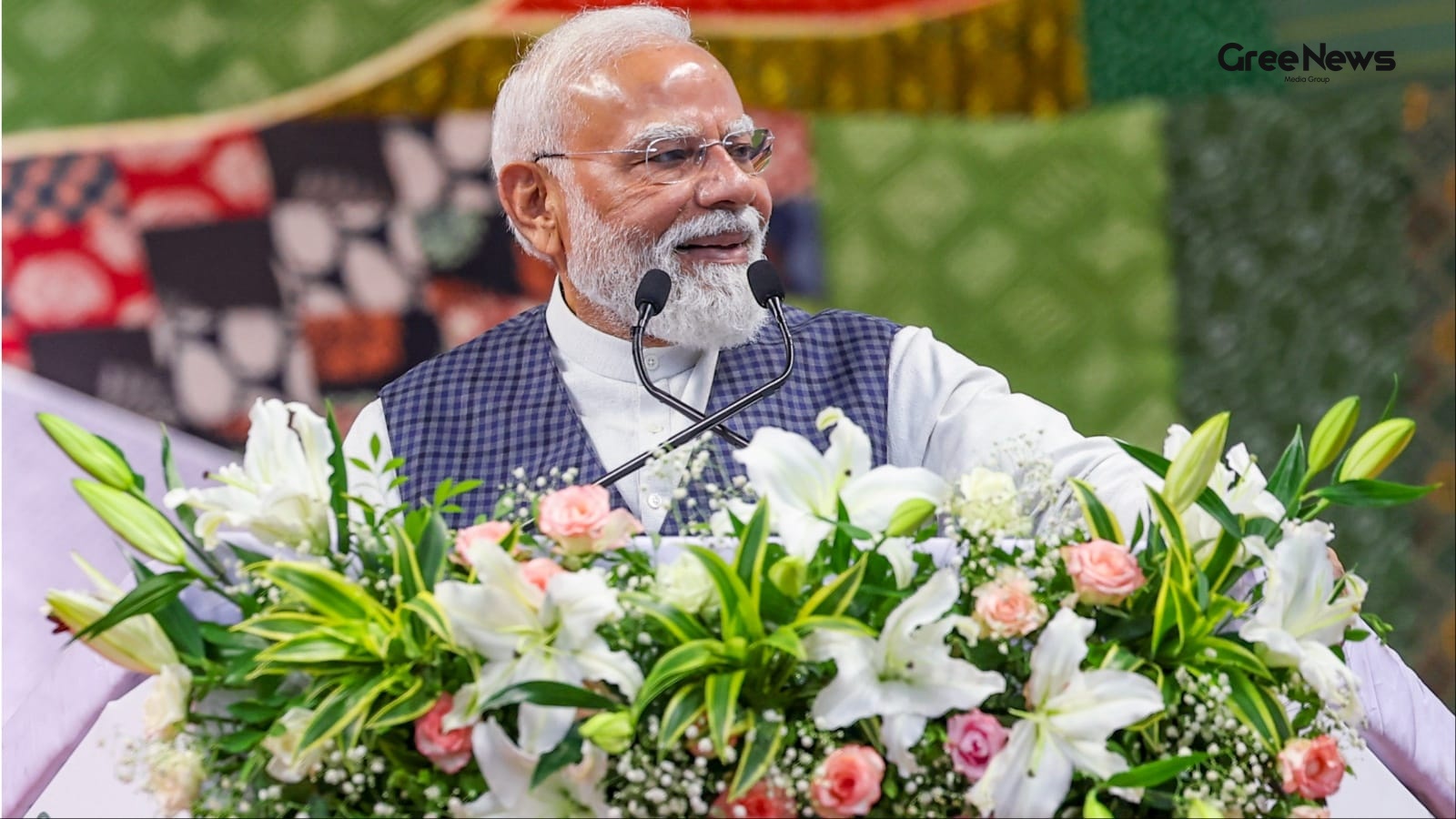
PM Modi's Milestone, Political Roadmap, and Global Standing
The numbers are starting to pile up. Prime Minister Modi has officially hit a major milestone: 4399 consecutive days in office. That’s a long stretch, certainly. It puts him ahead of Nehru's record for continuous service after India’s first elections, which is something you have to consider when you
Jun 12, 2026 by Gree News Team
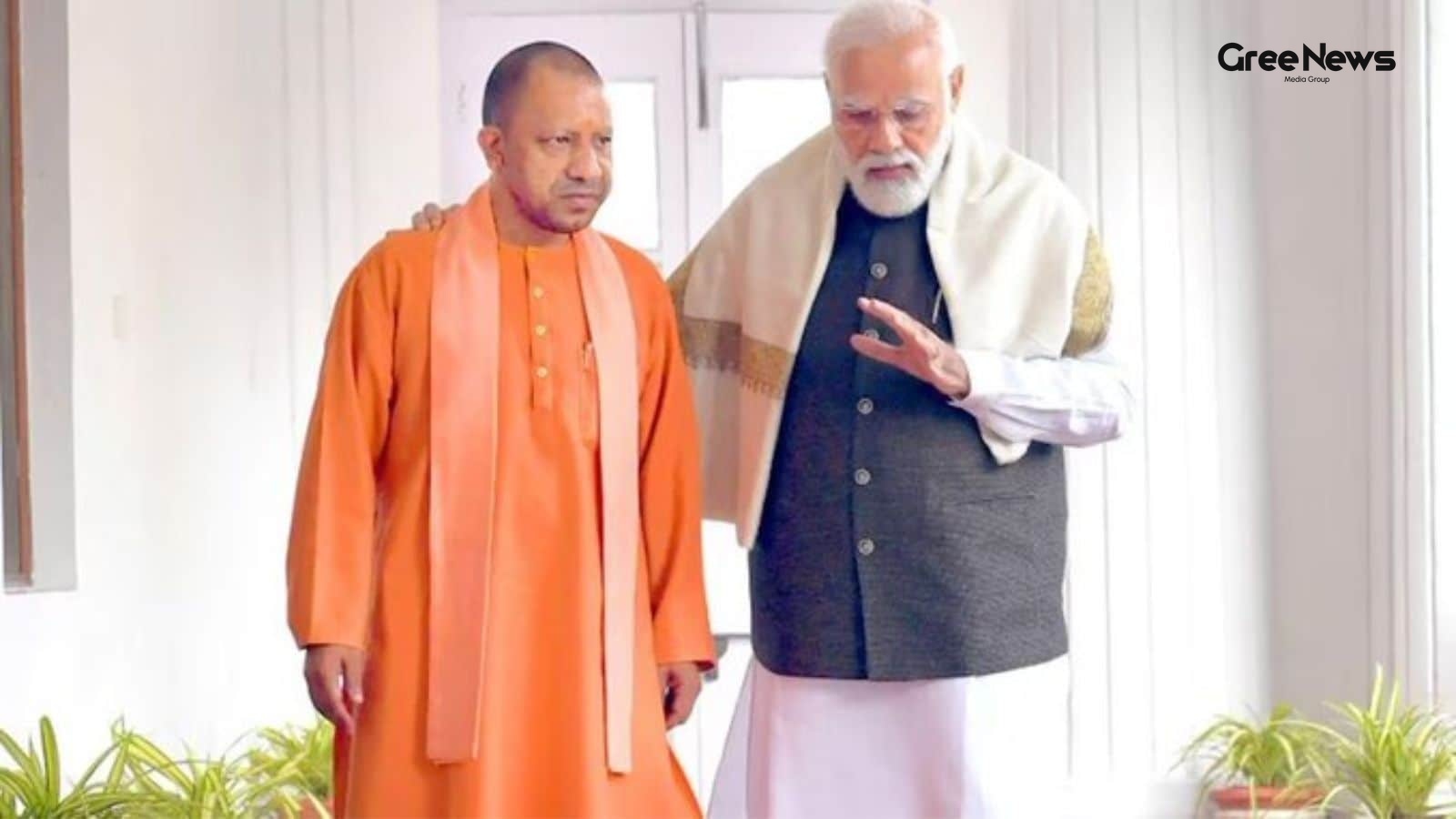
Yogi Adityanath's Post and the Focus on Implementation for Viksit Bharat
Yogi Adityanath, the Chief Minister of Uttar Pradesh, put out a note on X yesterday. Just a simple greeting really. Extended well wishes to Prime Minister Modi for hitting this mark being the longest continuously serving elected Prime Minister in India’s history. It wasn't just some polite acknowled
Jun 11, 2026 by Gree News Team
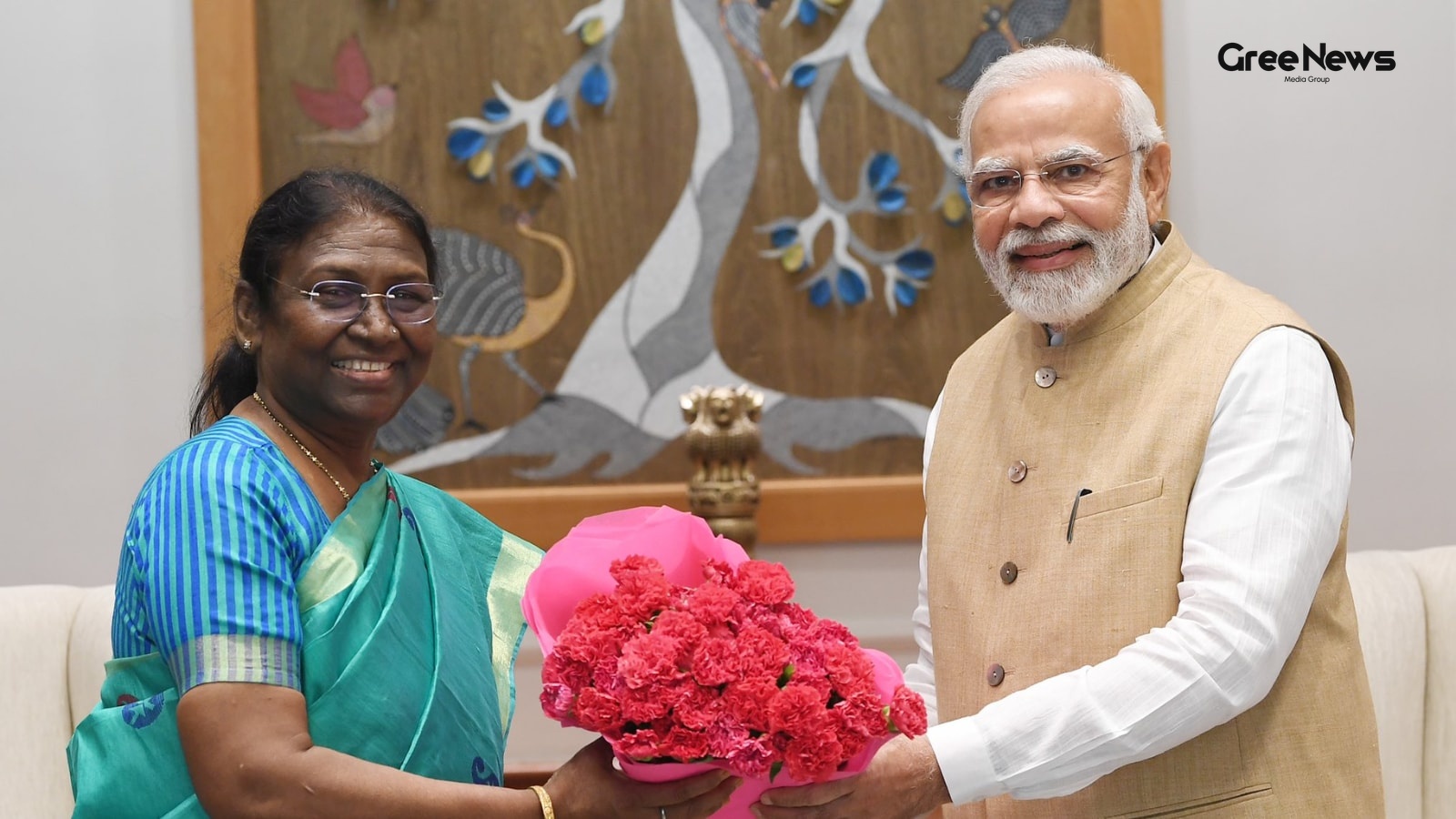
Droupadi Murmu Congratulates PM Modi on Milestone of Leadership
Droupadi Murmu congratulated Prime Minister Modi on Wednesday. It was about him hitting a massive milestone India’s longest continuously elected Prime Minister. She said it really showed how much confidence the people have repeatedly placed in his leadership over these years. In a letter she sent to
Jun 11, 2026 by Gree News Team
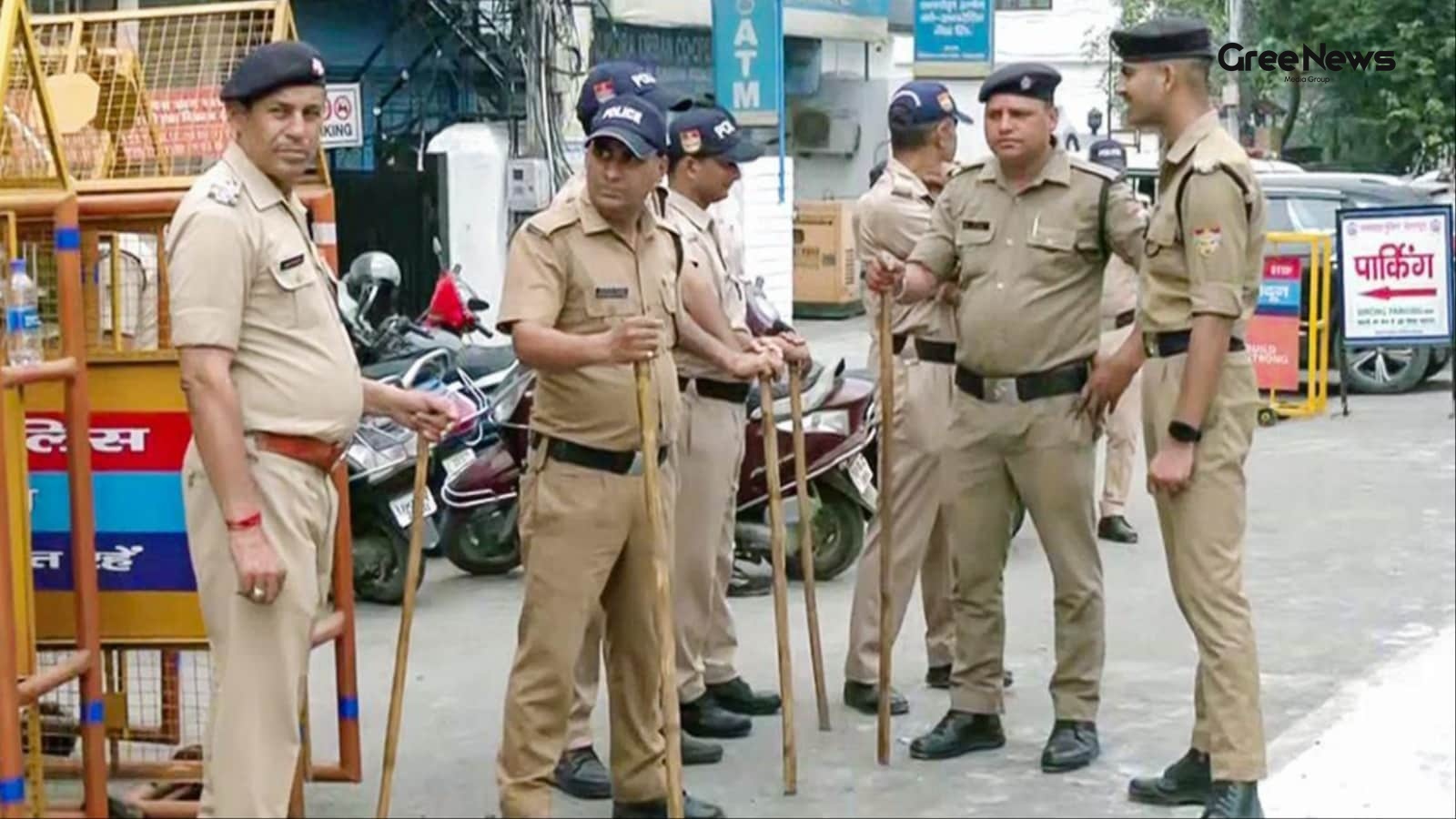
Brutal Torture and Death Allegations in Uttarakhand
Ketan Lal died after allegedly being brutally tortured over a relationship with a minor girl from an upper-caste family in Uttarakhand’s Tehri Garhwal district. This is what the family claims, sparking serious outrage among local villagers and demands for immediate justice. Police reported that Keta
Jun 11, 2026 by Gree News Team
Latest Headlines

Mutual Fund Market Analysis: Equity Dip, Debt Exodus, and Investor Resilience in May 2026
The equity side of things took a real hit in May 2026. We saw a sharp slump forty percent, actually in net equity inflow. It dropped down to twenty-two thousand nine hundred eight crore rupees. That was compared to April, where the flow was much healthier, thirty-eight point four four crore. But don
Jun 11, 2026 by Gree News Team
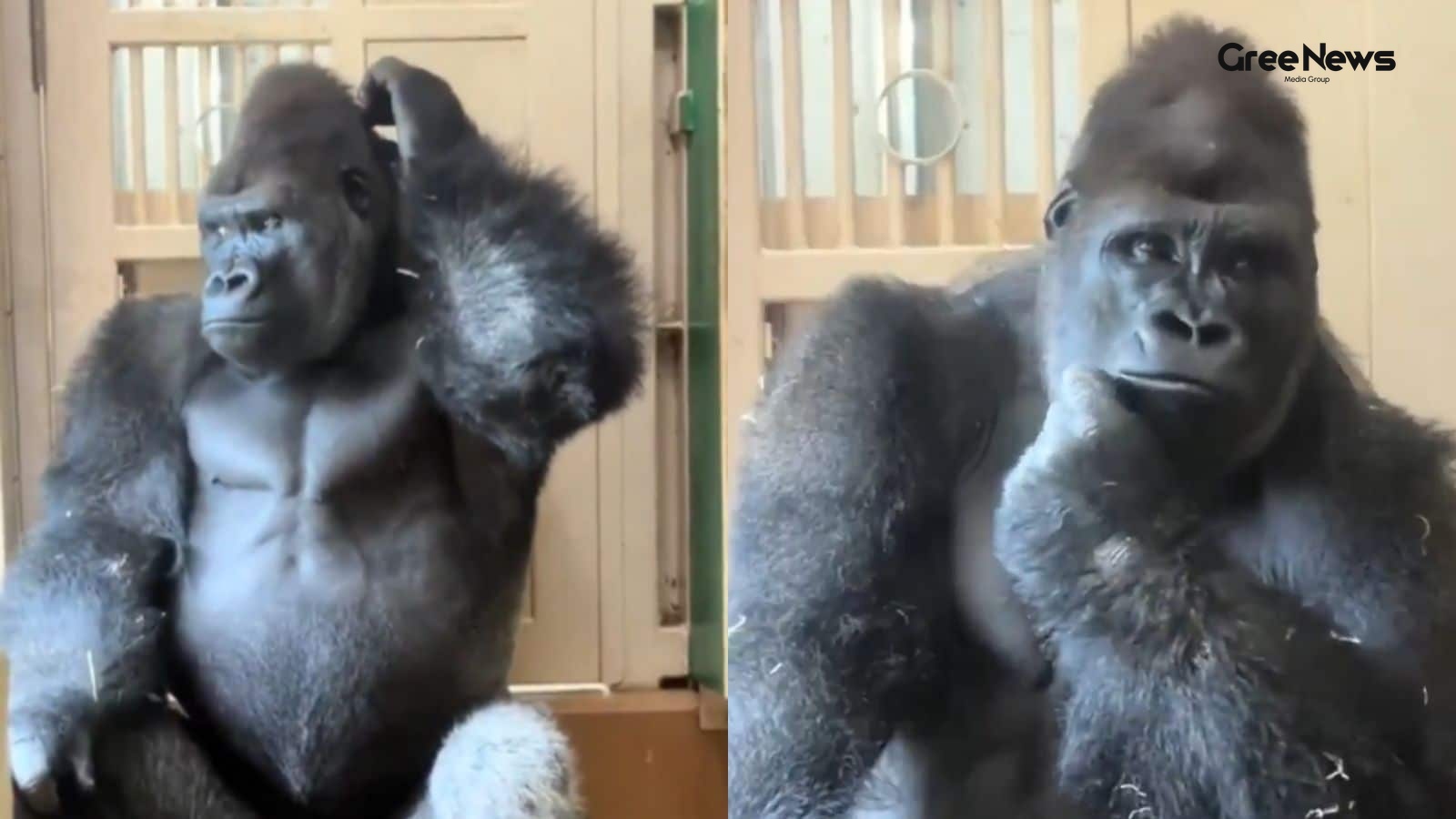
The Gorilla of Domestic Drama: Relatable Existential Melancholy
If you’ve been scrolling lately, chances are something caught your eye. The internet just churned out this thing: a deeply dejected gorilla. It looks like he’s constantly auditing every single life choice he ever made. It's hilarious, honestly. A whole video package went viral across the platforms,
Jun 11, 2026 by Gree News Team
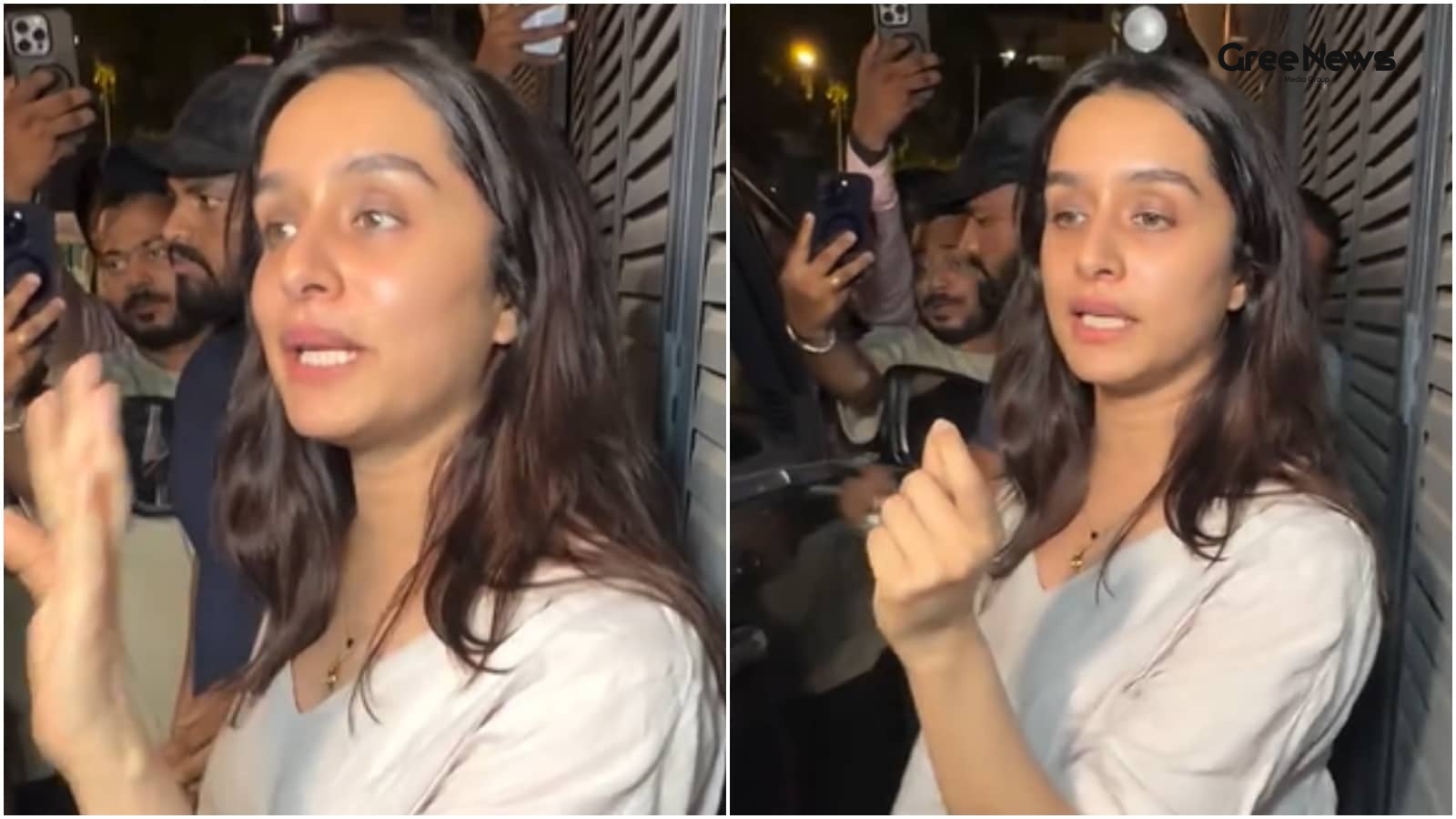
Shraddha Kapoor: Fame, Friction, and the Journey of 'Eetha'
Shraddha Kapoor. You see her everywhere lately, right? Mumbai. Just spotted by those relentless paparazzi. It wasn’t exactly a calm scene, though. She’s known for being pretty cheerful, light banter with the photographers usually, but this time felt different. A little frayed around the edges. She w
Jun 11, 2026 by Gree News Team
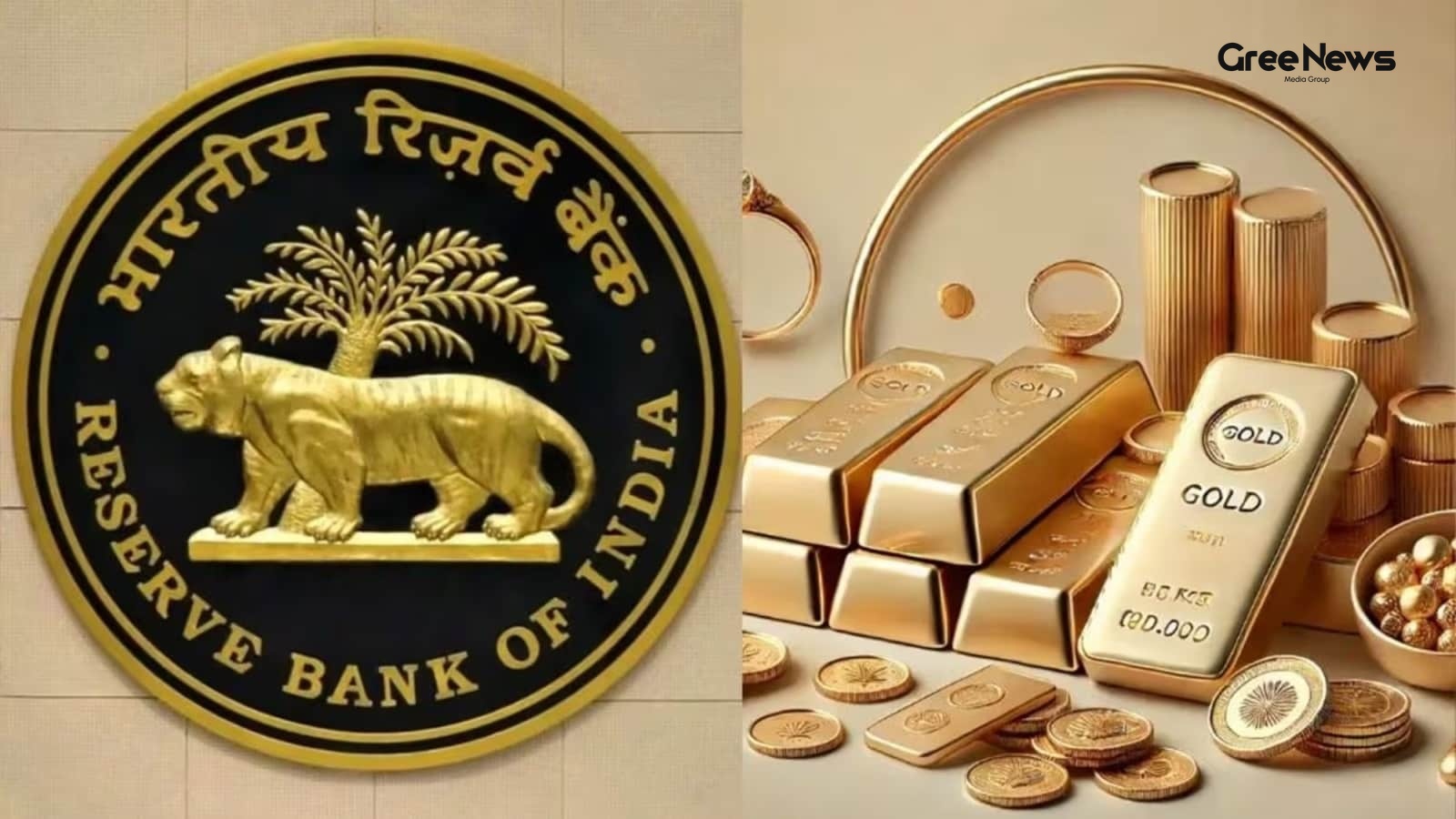
Sovereign Gold Bond Redemption: The Mechanics, Gains, and History
The redemption finally happened today, June 10th, 2026. It was permitted, that is, after all. The price set for these Sovereign Gold Bonds came out at Rs 15,275 per unit. That’s a huge jump a gain of 307.87% over the original issue price of Rs 3,745. And don't forget that doesn't even factor in the
Jun 11, 2026 by Gree News Team
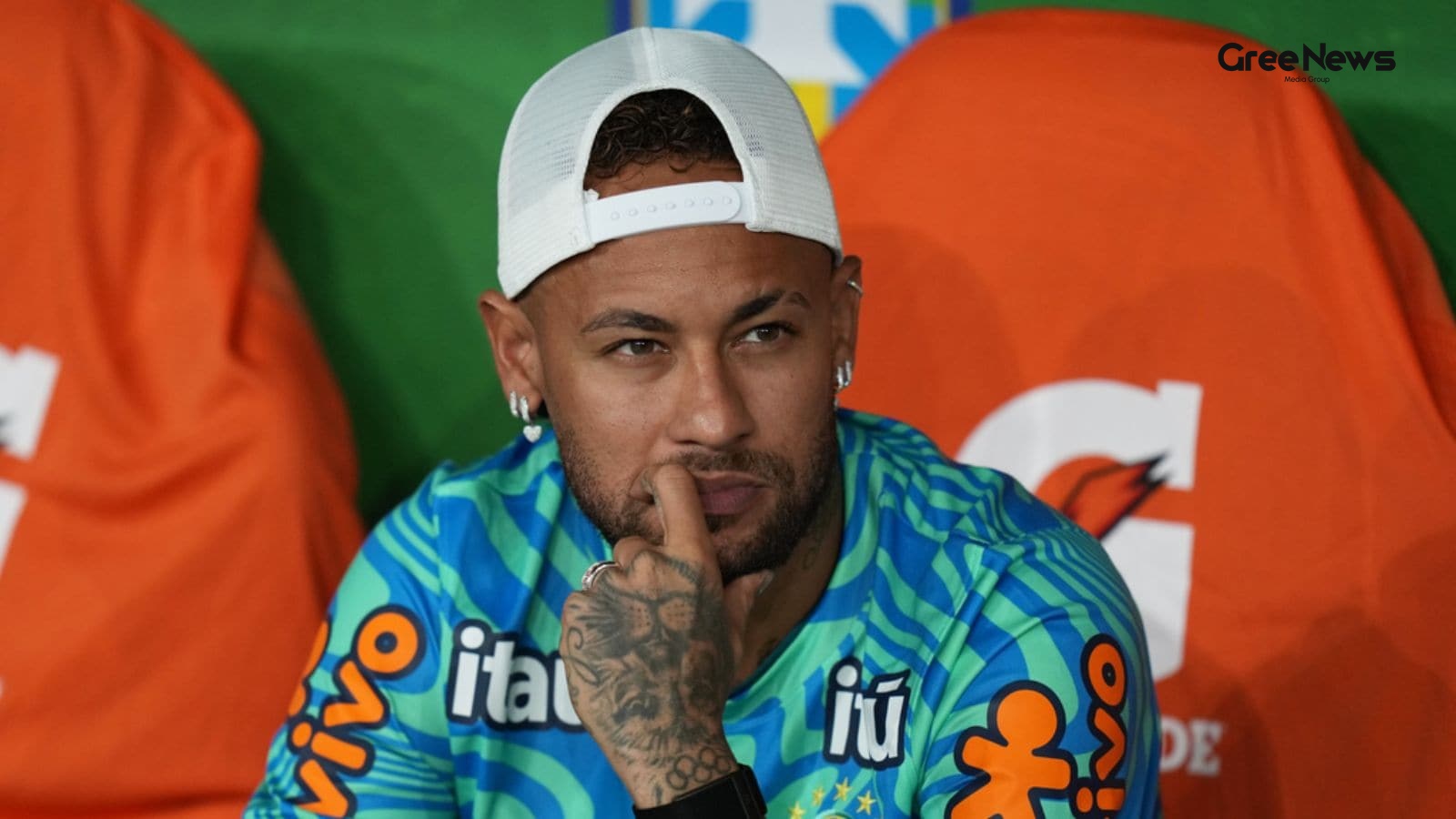
Neymar's Journey: Anticipation, Fitness, and the Final World Cup Moment
Neymar, that Brazilian superstar, he’s talking about feeling like a teenager right now. Like he's gearing up for something huge, even though everyone knows this might be his last big World Cup moment. He’s 34 years old, but the vibe is definitely younger. That kind of excitement you see in someone j
Jun 11, 2026 by Gree News Team
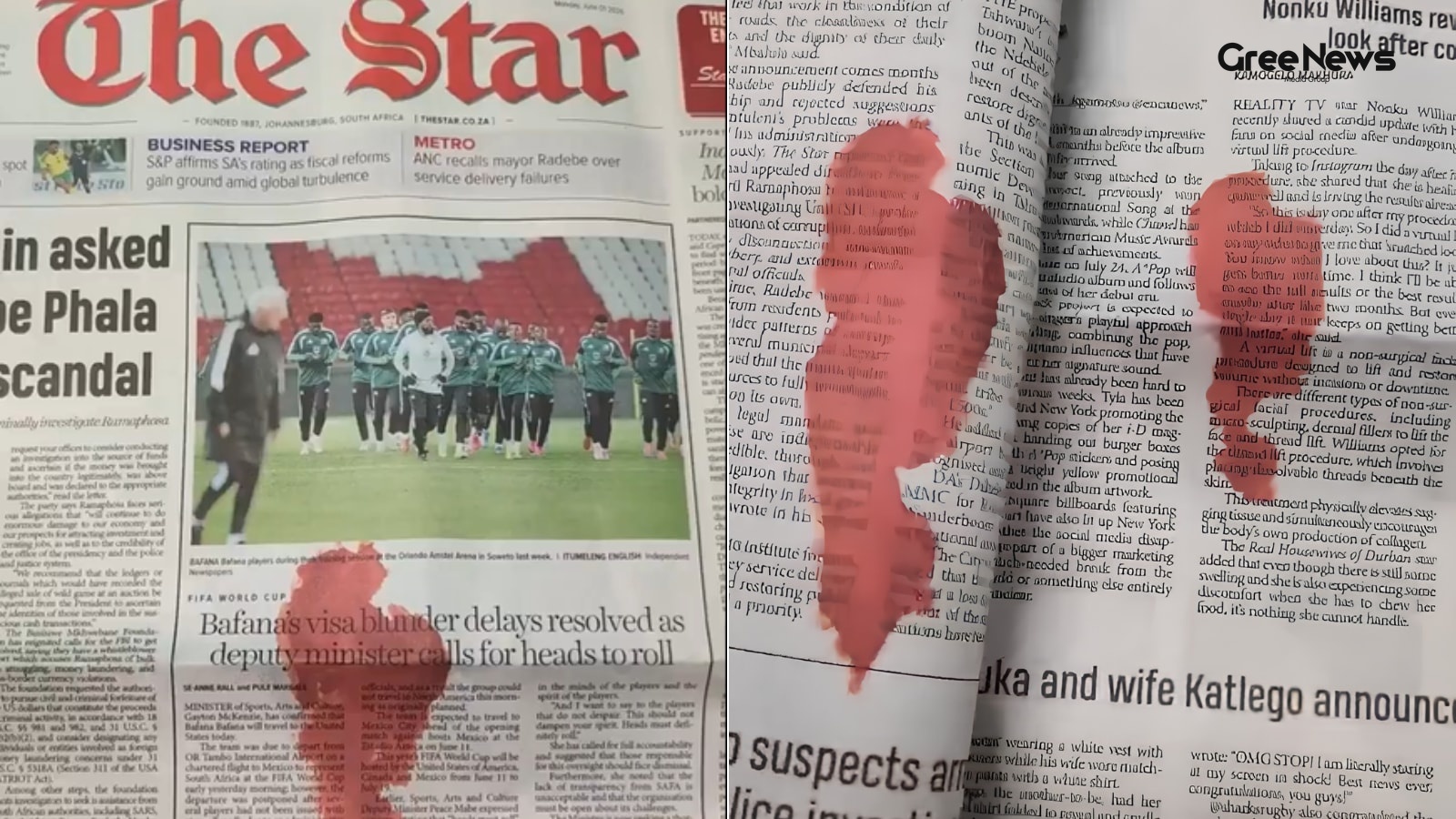
The Viral Ad: Menstruation, Marketing, and Social Taboos
That front-page ad in a South African paper really blew up on social media. It’s all about that shocking ‘printing error.’ Published in The Star in Johannesburg, it just made people stop and look twice. There was this huge dark red stain spreading across the front page, right? It caught fire online
Jun 11, 2026 by Gree News Team
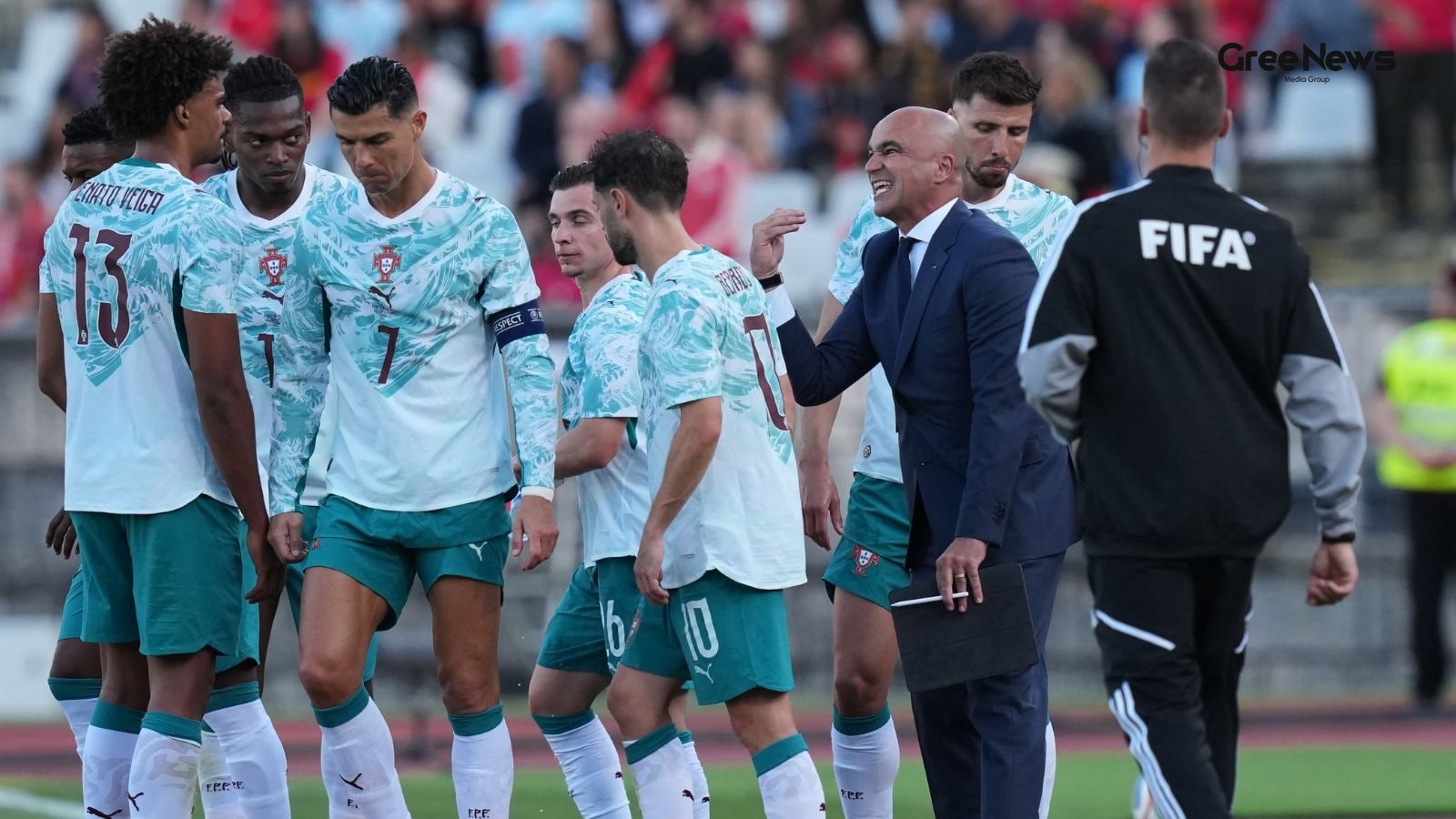
Ronaldo's Final Chance and the FIFA World Cup 2026 Group K
Ronaldo finally gets one last chance. It’s the biggest prize in football, and Portugal is starting their FIFA World Cup 2026 journey right now. They're slotted into Group K with Colombia, DR Congo, and Uzbekistan. That feels like a massive moment, doesn't it? Colombia, they’ve got that South America
Jun 11, 2026 by Gree News Team
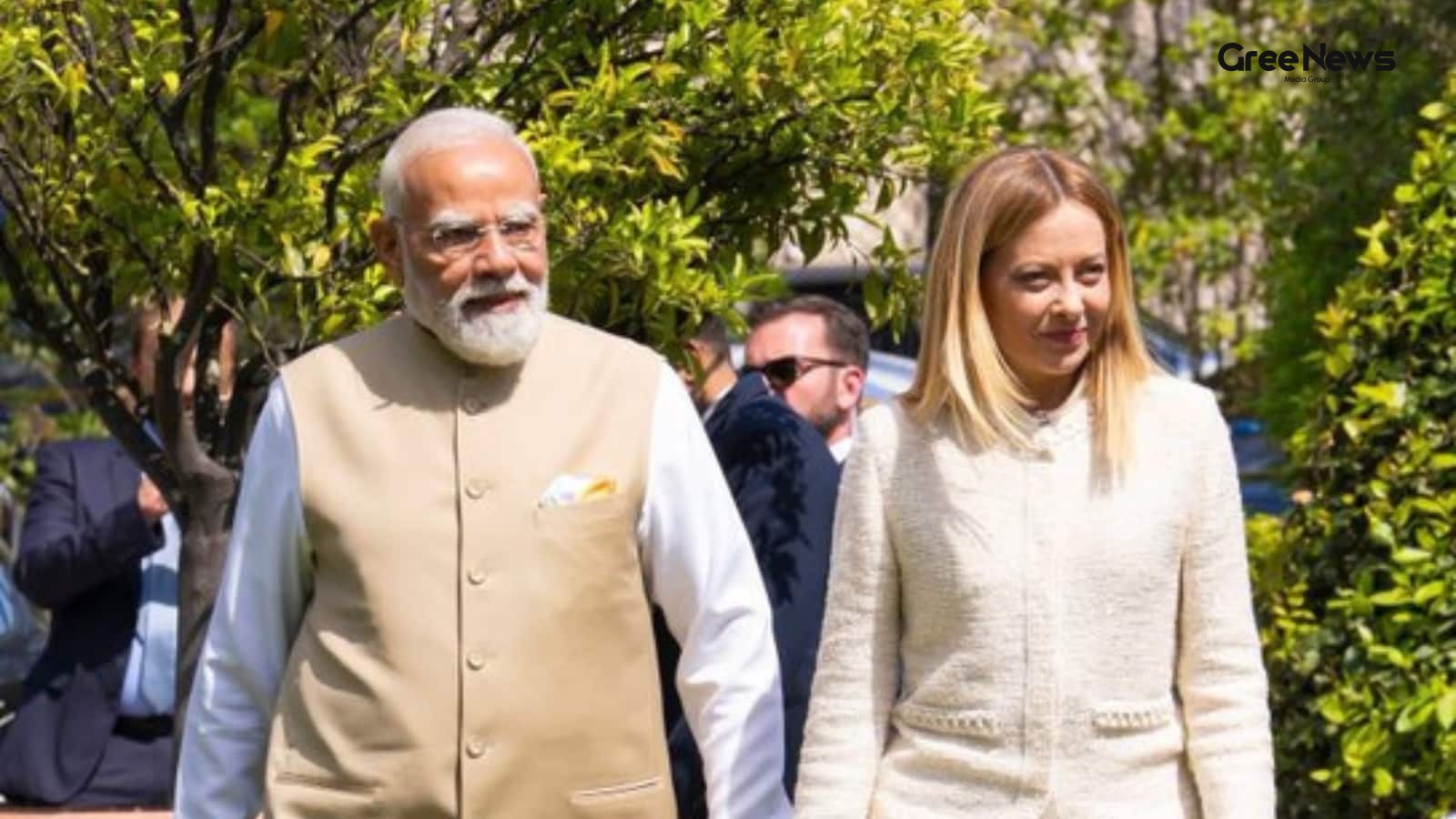
Giorgia Meloni's Note to PM Modi and the Growing Italy-India Relationship
Giorgia Meloni sent a note over to Prime Minister Narendra Modi. It was a congratulation about him holding the title of India’s longest-serving elected Prime Minister in history. She also touched on how much the relationship between Italy and India is actually growing. She wrote something specific.
Jun 11, 2026 by Gree News Team
Yogi Adityanath's Post and the Focus on Implementation for Viksit Bharat
Yogi Adityanath, the Chief Minister of Uttar Pradesh, put out a note on X yesterday. Just a simple greeting really. Extended well wishes to Prime Minister Modi for hitting this mark being the longest continuously serving elected Prime Minister in India’s history. It wasn't just some polite acknowled
Jun 11, 2026 by Gree News Team
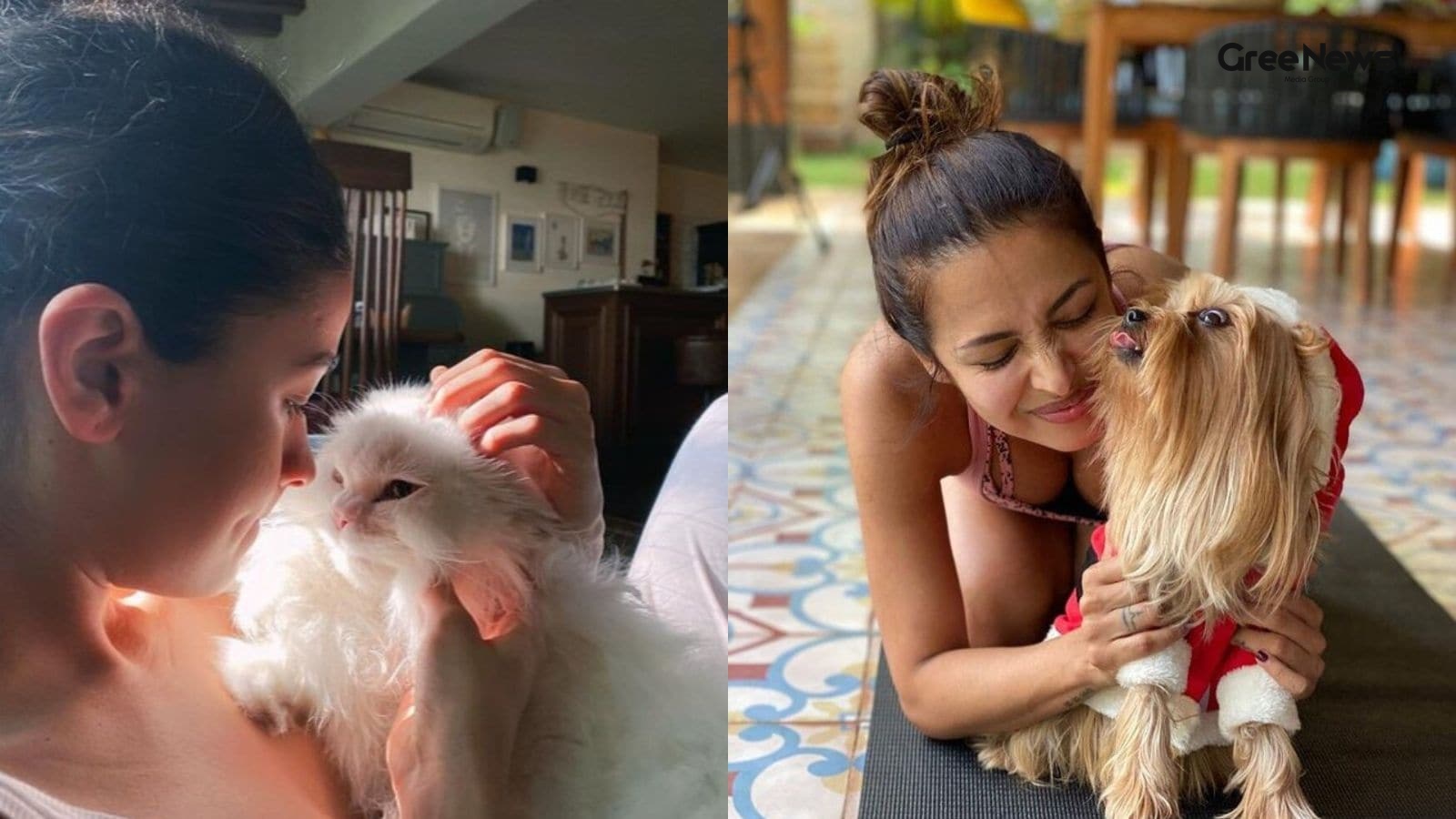
Protecting Your Pets from Ticks and Fleas in the Summer
Summer usually means longer walks, garden time, playtime outside for the pets. But there’s a hidden danger out there that many pet parents just don't see: ticks and fleas. As the temperatures climb up, these parasites get really active. That makes pets much more vulnerable to getting infested. He po
Jun 11, 2026 by Gree News Team
Droupadi Murmu Congratulates PM Modi on Milestone of Leadership
Droupadi Murmu congratulated Prime Minister Modi on Wednesday. It was about him hitting a massive milestone India’s longest continuously elected Prime Minister. She said it really showed how much confidence the people have repeatedly placed in his leadership over these years. In a letter she sent to
Jun 11, 2026 by Gree News Team

Toxic Workplaces and Boundaries in the Indian Professional Setting
A founder from Bengaluru posted something online that really got people talking about how work actually is in India. She basically laid out some behaviors she feels are just toxic things that shouldn't be accepted at all in a professional setting. She put it all up on LinkedIn. It was a reality chec
Jun 11, 2026 by Gree News Team
Brutal Torture and Death Allegations in Uttarakhand
Ketan Lal died after allegedly being brutally tortured over a relationship with a minor girl from an upper-caste family in Uttarakhand’s Tehri Garhwal district. This is what the family claims, sparking serious outrage among local villagers and demands for immediate justice. Police reported that Keta
Jun 11, 2026 by Gree News Team
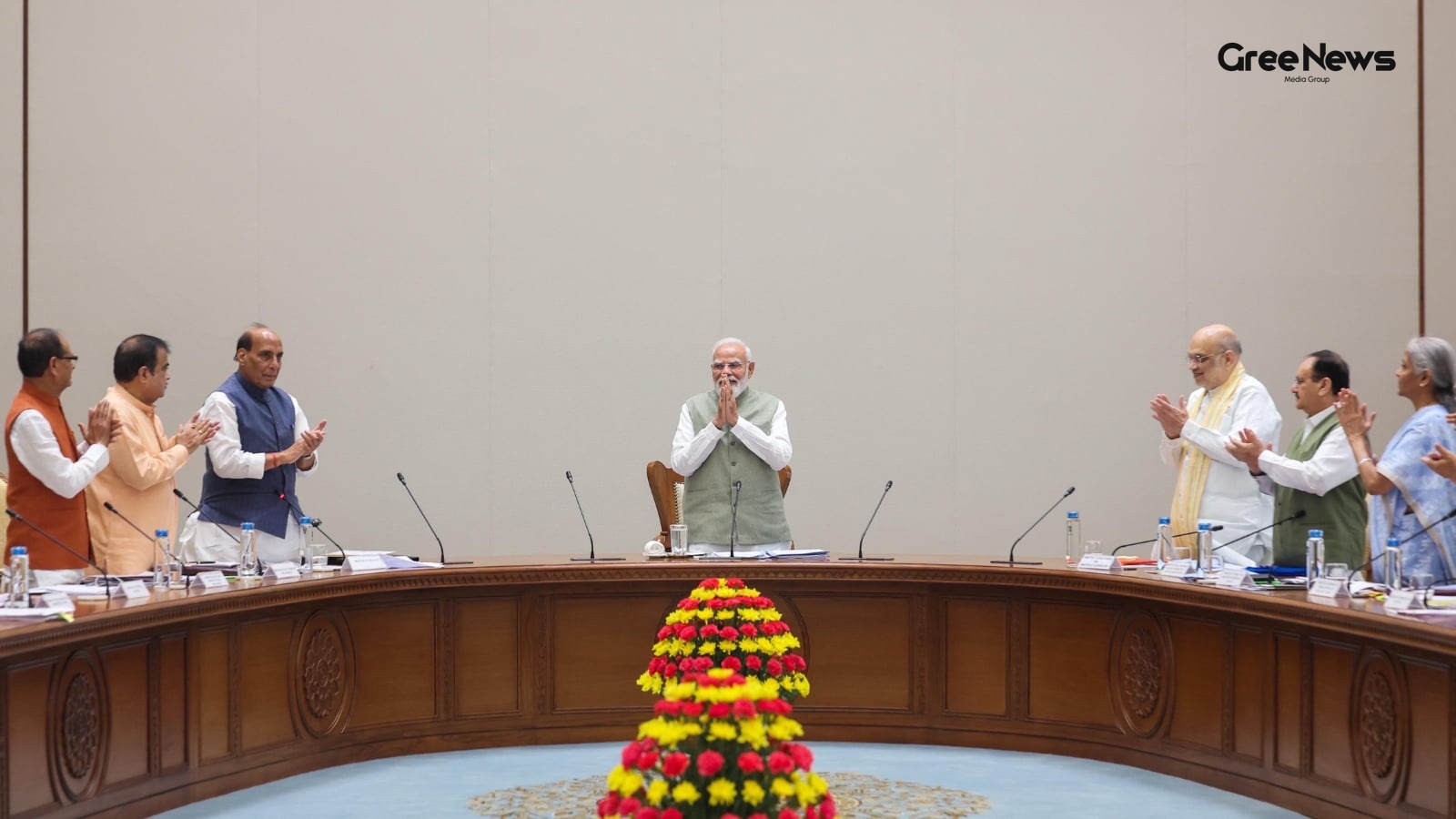
The Political Narrative of Prime Minister Modi's Tenure and Historical Context
The Cabinet moved on Wednesday. A resolution passed. It was an applause for Prime Minister Narendra Modi. Longest-serving elected Prime Minister of the country. That’s what they celebrated. And naturally, there was that standing ovation from everyone in the room. It wasn't just a formality. There's
Jun 11, 2026 by Gree News Team
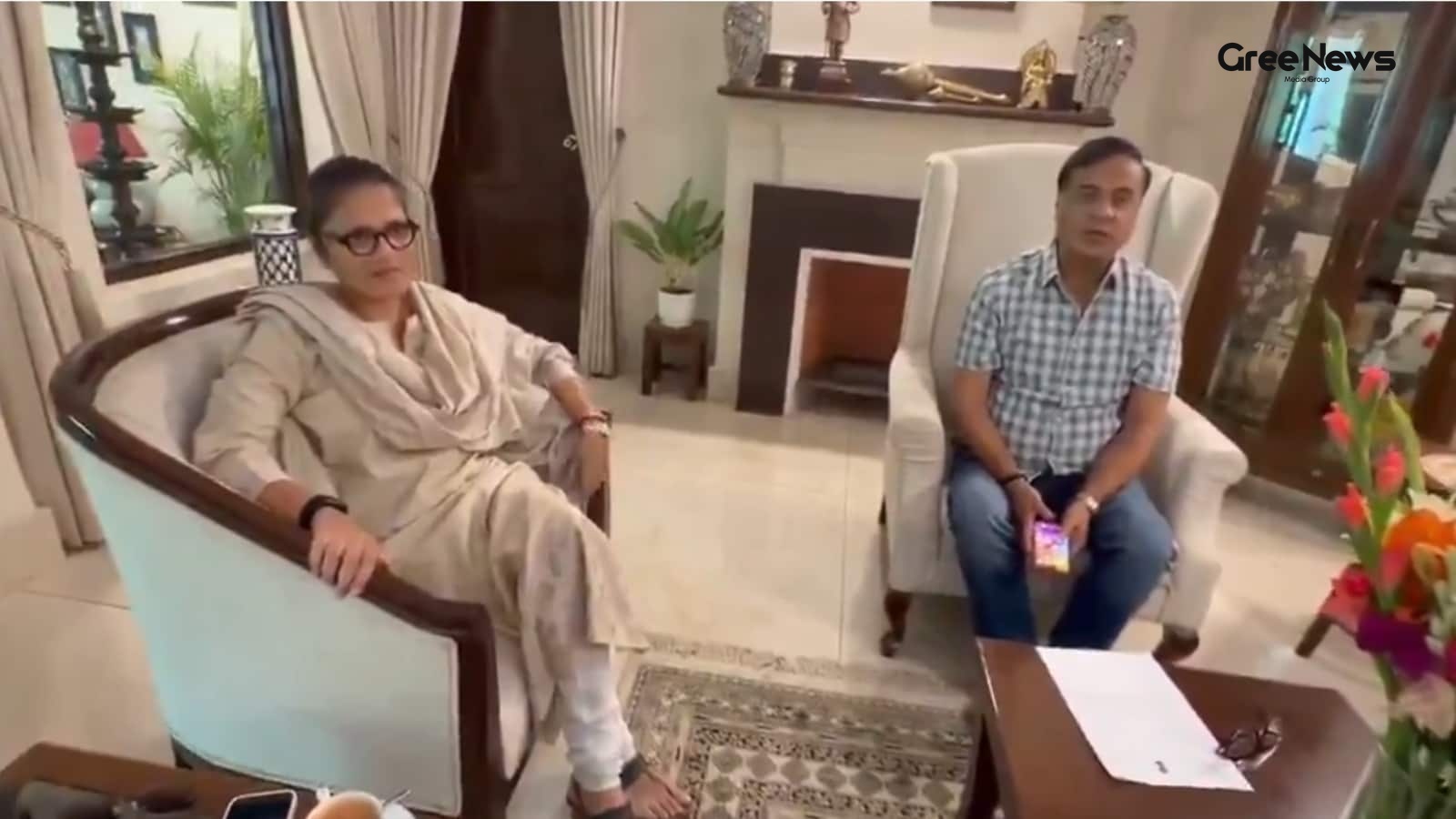
Sushmita Dev Resigns from Trinamool Congress and Steps Down as Rajya Sabha MP
Sushmita Dev broke her silence on Wednesday after resigning from the Trinamool Congress and stepping down as a Rajya Sabha MP. She framed the move not as a sudden exit, but something born from a long political journey and deep personal reflection. She said there were plenty of reasons behind it all,
Jun 11, 2026 by Gree News Team