The Gap Between Online Performance and Real-World Reality
The digital space is always churning something. You see these moments erupting, these little skirmishes happening behind screens, but they aren't just random noise. They’re shifts. Real ones, you have to admit.
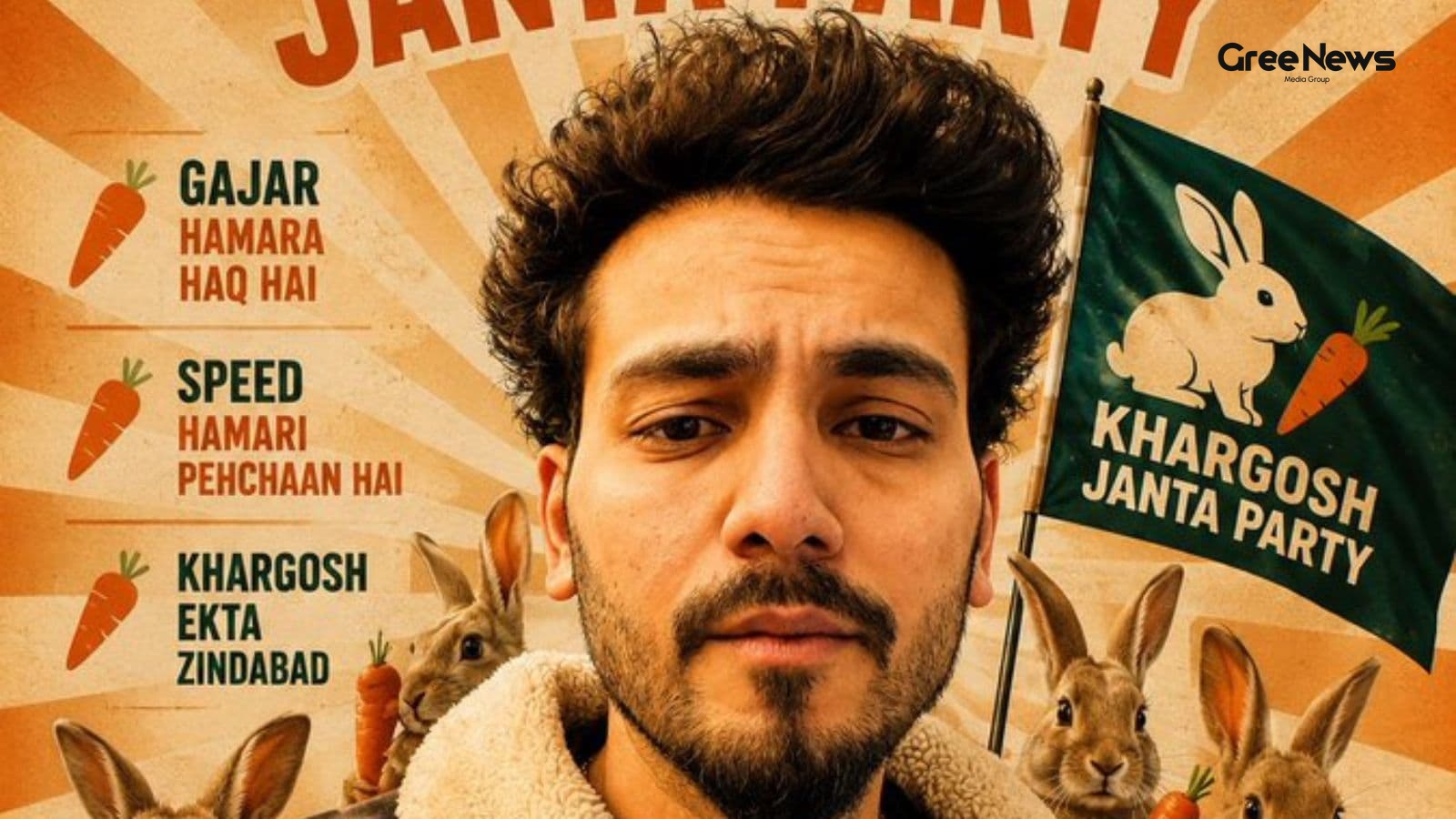
Right now, the whole atmosphere seems fixated on this particular back-and-forth involving Elvish and what started as a playful jab at the political landscape. It quickly morphed into something much messier, something where the line between satire and actual pain gets dangerously blurred. We’re talking about an online factionalization, using whatever names stick in the minds of people Cockroach Janta Party , Khargosh Janta Party as shorthand for a far larger kind of cultural friction happening right now among students and the public.
It started with that initial move. A deliberate splash into the controversy.
He dropped that first salvo the manifesto mocking the established structure. The imagery, the captions… it aimed for a specific kind of reaction: laughter mixed with discomfort. It’s the nature of online political performance now. You see these stunts constantly.
It fractured instantly. Some people tuned in and laughed. The fan base, clearly drawn to the spectacle, flooded the replies with support. There was that energy the kind of tribal affirmation you see online where you rally around a shared joke, even if the joke touches something serious underneath.
But then there were the others. And they weren’t laughing. They were reacting differently. The moment this started bleeding into genuine student anxieties, the tone shifted sharply. That’s when the layer beneath the surface of the digital performance became visible. It wasn't just about a funny poster anymore. It was about what that absurdity meant when you look at the actual realities facing people right now.
Think about the context behind those comments. The structural issues the sheer weight of educational pressure, the anxiety surrounding exams, the looming uncertainty about futures.
And then you have the counter-reaction. The pushback from those who felt the mockery crossed a line entirely. These weren't polite disaGreements. They were sharp, immediate condemnations. People started pointing out the disconnect. How could this level of performance coexist with real struggle? It’s that kind of observation that sticks.
One person pointed it out clearly: you can mock political structures all you want, but ignore the human cost attached to them. The feeling expressed there wasn't just about a party; it was about empathy . Or the lack thereof. You see this pattern play out everywhere online, don't you? A gap between performance and reality.
And then the conversation spirals further into something much darker. It moves from political satire straight into accusations about influence.
There's this pervasive feeling that influencers, or those who wield online attention, operate in a space separate from lived experience. They can generate massive engagement based on provocation. But when that provocation involves sensitive topics like educational failure, unemployment, the pressure cooker of student life the responsibility shifts immediately. It becomes heavier.
We see users making these pointed observations about how easily issues are trivialized. How a crisis is reduced to content fodder.
The narrative keeps shifting. One moment it’s about party names; the next, it's about the nature of free speech versus responsibility. It’s layered chaos. Both sides feel intensely.
And the implication that follows the unspoken judgment about how these public figures interact with the pain of others that’s where the real political weight settles.
The entire exchange becomes less about who is right and more about how we collectively choose to process difficult information when it’s delivered through such an unfiltered, immediate lens. There's a palpable tension there, an uneasy awareness that what passes for entertainment online can have very real consequences in the wider public sphere. It forces everyone watching the supporters, the critics, and those just trying to watch the flow of events unfold to pause and consider the ethical dimensions lurking beneath the surface of every shared post. It’s a messy reality, really, full of people fighting for space in the noise.
Written by Gree News Team — Senior Editorial Board
Gree News Team covers international news and global affairs at Gree News. Our collective of senior editors is dedicated to providing independent, accurate, and responsible journalism for a global audience.
More from Top News
View All
The Ethics of Vlogging: Privacy, Spectacle, and Family in the Digital Age
India’s whole daily vlogging scene, it’s always been under some kind of microscope. People criticize it constantly. Blurring the lines between what’s just private life and what they put out there for entertainment. It’s a persistent issue, isn't it? But something happened recently that really pushed
Jun 11, 2026 by Gree News Team
The Swimming Pool as a Money-Printing Machine: Profit, Skepticism, and the Water Debate
The whole idea a swimming pool acting like some kind of money-printing machine that’s what caught everyone’s attention online. It started when some content creator shared details about a friend's business in Meerut. They were talking about a pool that supposedly earned nearly twenty-two and a half l
Jun 11, 2026 by Gree News Team

The Fragmentation of Reality: Navigating Political Uncertainty
It was just… moving fast this week. You see, things aren't lining up right at all. There’s this feeling, a kind of low hum you can almost feel in the air, that everyone is waiting for something to break. It’s not some neat timeline thing, you know? Just bits and pieces sticking together somehow, mes
Jun 11, 2026 by Gree News Team
The Evolution of Fitness and Distraction in Bengaluru Running Culture
People in Bengaluru, you know how it is, always finding some new angle to mix fitness with actual fun. It’s not just about hitting the pavement anymore. We're talking cycling groups popping up everywhere, weekend marathons taking over the scene. These run clubs, they’ve really become these popular m
Jun 11, 2026 by Gree News Team
Latest Headlines

Vedang Raina's "Ishq Mastana" from Main Vaapas Aaunga: Behind the Music and Making
Vedang Raina just dropped this track, “Ishq Mastana,” from his upcoming film, *Main Vaapas Aaunga*, and honestly? it’s got people talking. It tugged some strings. Choreographer Ashley Lobo finally opened up about how he handled shooting that song. He was genuinely surprised to hear that Vedang was s
Jun 11, 2026 by Gree News Team

The Observation of Current Flux and Societal Shifts
The air just feels… thick lately. You know that feeling when everything is humming at a frequency you can’t quite tune into? That’s what this whole situation is right now. It’s not some neat little timeline or anything predictable. It's just happening. People are talking, of course. Everywhere. Abou
Jun 11, 2026 by Gree News Team
CBSE Student Appeals and Social Media Reaction to Academic Grievances
You see all this noise every results season. Proud parents, interviews. Big celebrations. Then there’s the other side of it the desperate stuff. The hilarious hail-mary plays from students who feel they’re right on the edge of failing. And now, with CBSE in the middle of all that recent drama, every
Jun 11, 2026 by Gree News Team
Manoj Bajpayee, Sensitivity, and the Weight of Creation
Manoj Bajpayee. The name itself carries a certain weight these days. It’s always in the headlines, isn't it? Especially when there’s some kind of friction happening a real push and pull behind the scenes. Right now, it’s that upcoming thriller, *Governor*. But honestly, the noise, the real sticking
Jun 11, 2026 by Gree News Team
The Volatile Collision of Football Ambitions: Group Stage Dynamics
The whole thing is set up in this group L… England, Croatia, Ghana, Panama. It’s going to be one of those groups that just feels immediately volatile. You know? The World Cup in the USA, Canada, Mexico. It’s supposed to be huge spectacle. And this little grouping feels like it’ll be anything but set
Jun 11, 2026 by Gree News Team

Workplace Tragedy and Allegations at Vehicle Tracking Company
The death of a 29-year-old employee inside the offices of one of South Africa’s big vehicle tracking companies really kicked off a massive wave of anger. People are asking serious questions now about how things actually work in these kinds of workplaces, and what protections are even supposed to exi
Jun 11, 2026 by Gree News Team
The Geopolitical Shift: Analyzing the Stalled War and Global Implications
More than four years in, things have gotten weird with the war. Ukraine is still standing. The government’s intact. But Russia? They’ve taken staggering military losses. It’s a strange situation, really. So has Kyiv shown itself lately. They managed to hit big strategic targets way out from the fron
Jun 11, 2026 by Gree News Team

Autonomous Maritime Tech and AI in Defense: The Role of Saronic Technologies
The whole thing about that rescue near the Strait of Hormuz really puts things into perspective. It wasn’t just a routine operation; it brought everything back to autonomous maritime tech, and who was involved in actually making that possible that’s where the focus lands now. The US Navy actually de
Jun 11, 2026 by Gree News Team
Internal Dissent and Defections within Trinamool Congress
The trouble inside the Trinamool Congress just got worse on Wednesday. It really deepened. Jadavpur Lok Sabha MP Saayoni Ghosh reportedly jumped ship, joining the rebel faction led by Kakoli Ghosh Dastidar. Sources are saying she actually contacted Dastidar. Extended her backing to that breakaway gr
Jun 11, 2026 by Gree News Team
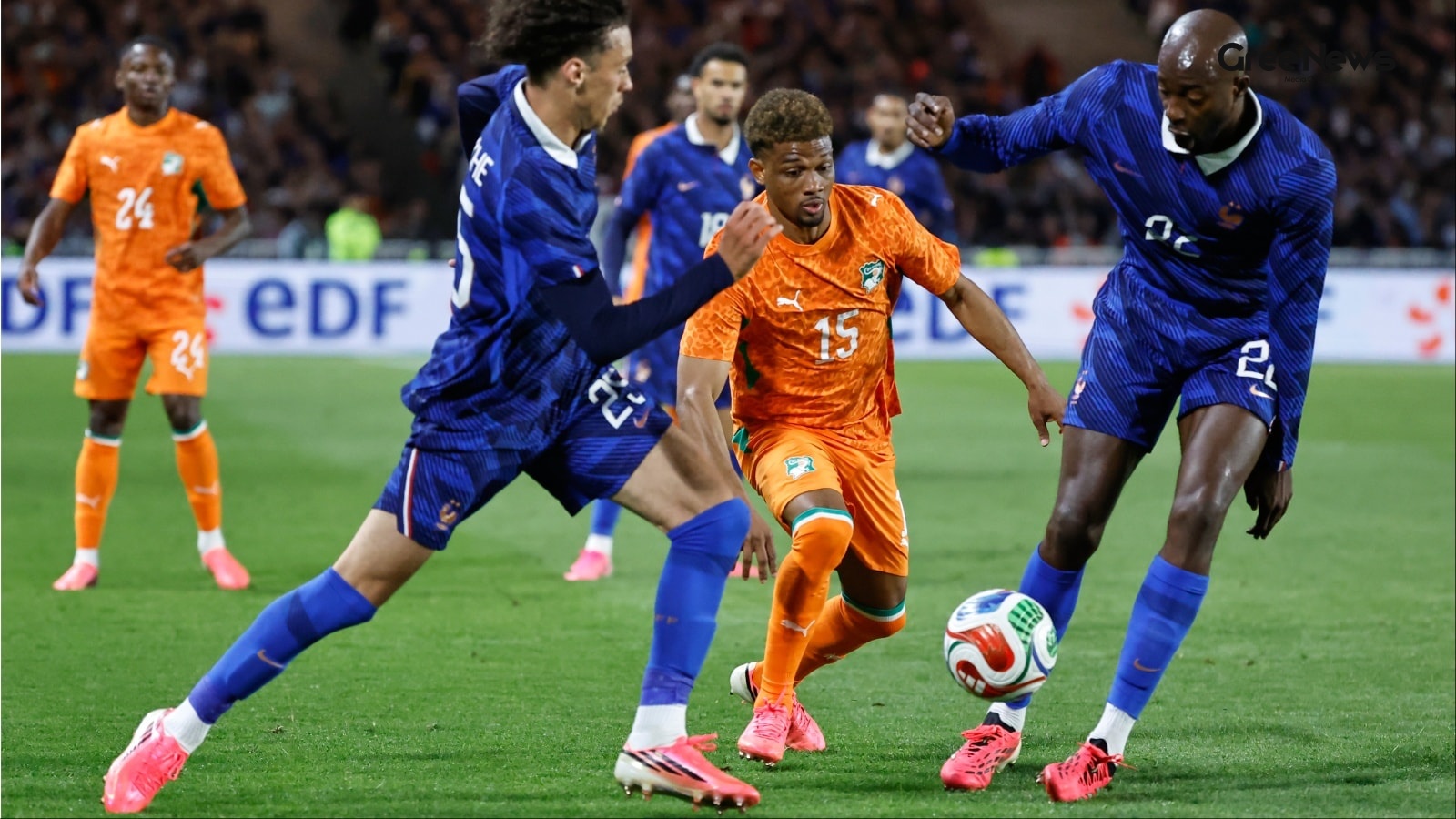
The Environmental Cost of the 2026 World Cup
The 2026 World Cup starts June 11th. It promises a month of insane sporting drama. But underneath all that noise the roaring crowds and the goals there’s this heavy environmental thing everyone is starting to notice. Scientists are looking at it, and frankly, they’re worried. Industry analysts are s
Jun 11, 2026 by Gree News Team
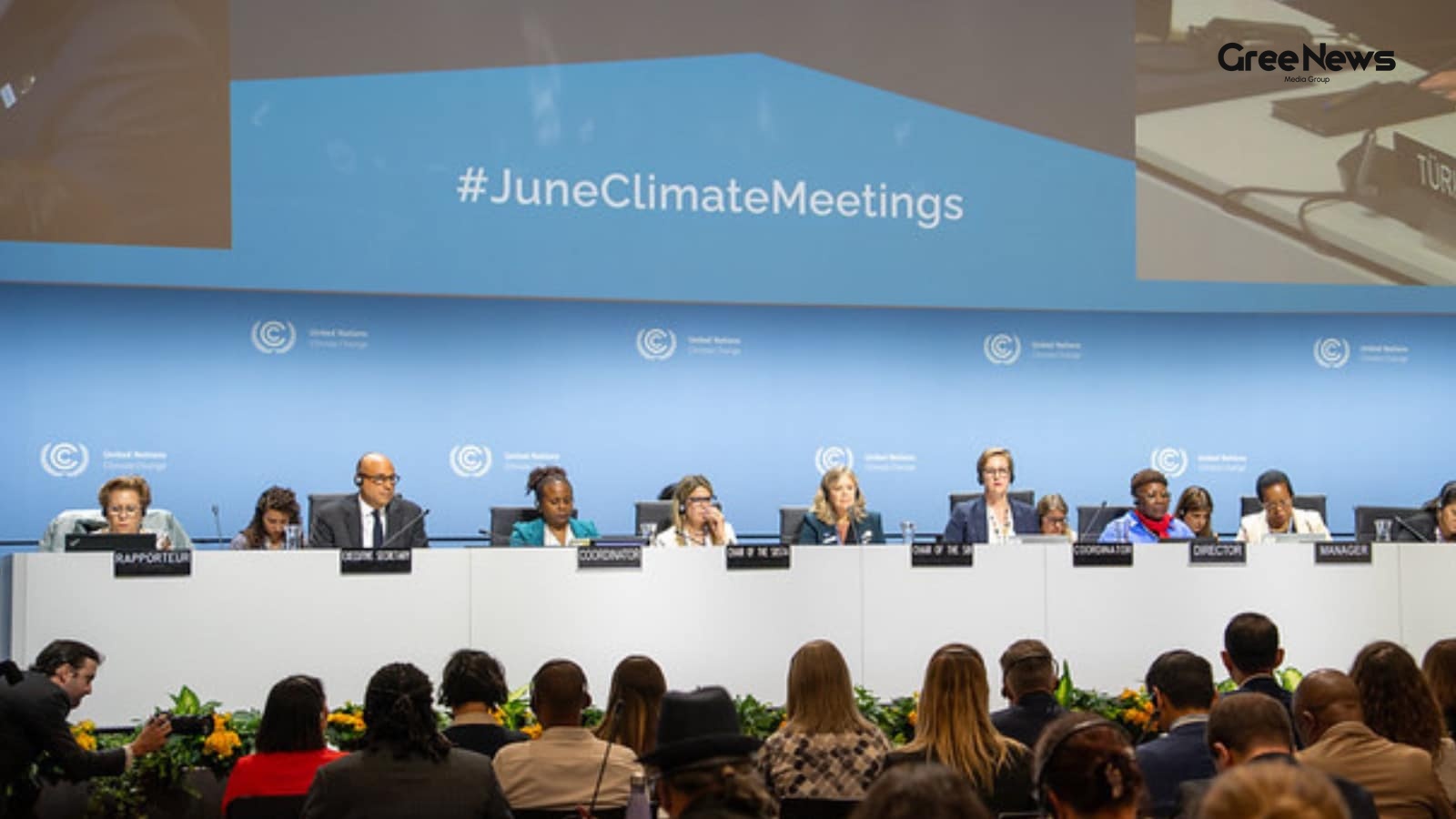
Rich Nations Are Not on Track to Hit Climate Goals for 2030 or 2035
Rich nations are apparently not on track to hit their climate goals for 2030 or 2035. That’s what a new report warned, just as international negotiators started kicking off discussions at those mid-year UN climate talks in Bonn, Germany. The whole ten-day meeting the 64th Sessions of the Subsidiary
Jun 11, 2026 by Gree News Team
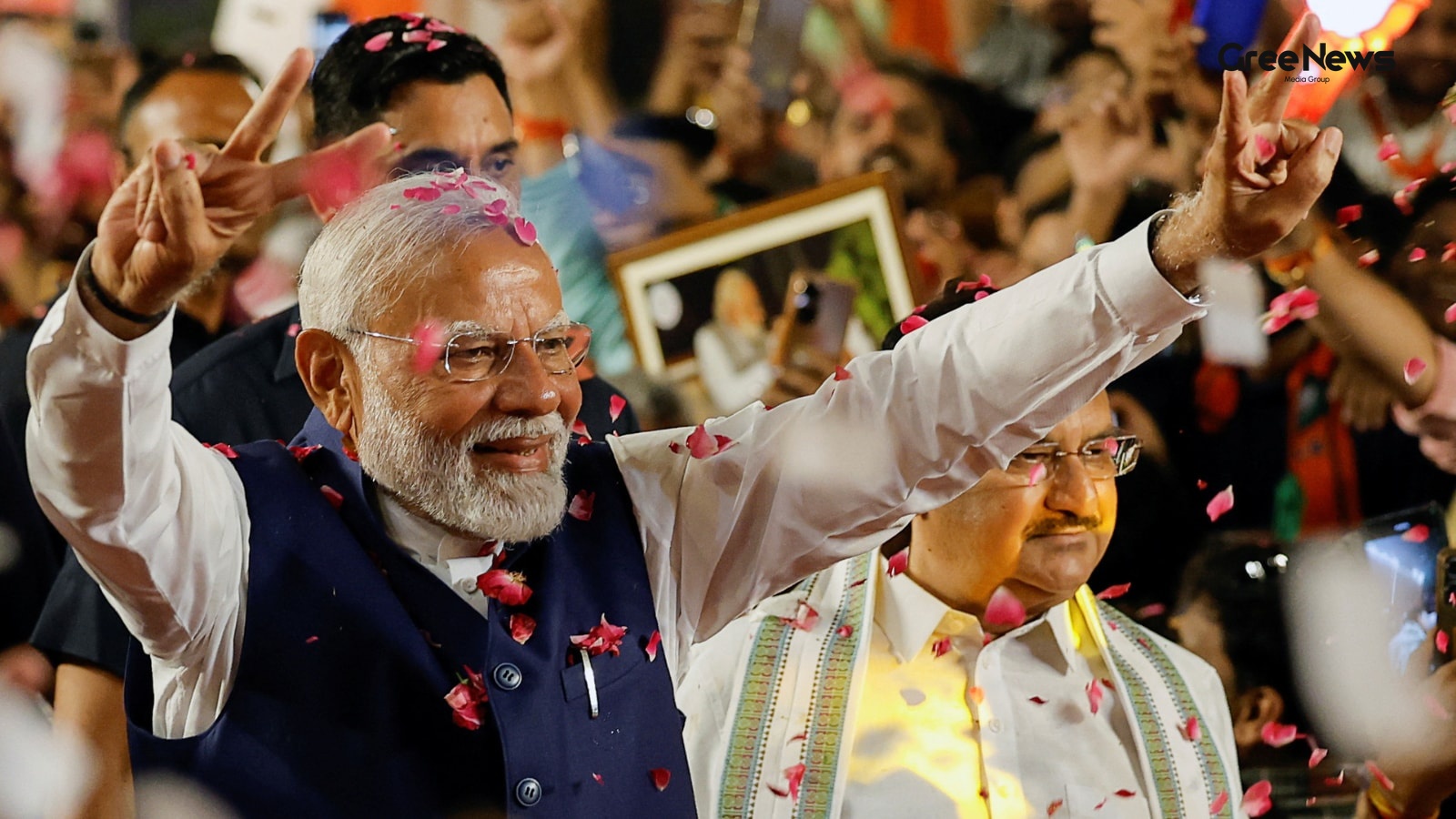
Global Congratulations for Prime Minister Modi's Record Tenure
Congratulations kept coming in from leaders globally for Prime Minister Modi. It’s a massive milestone, really. He’s now India’s longest-serving democratically elected prime minister four thousand three hundred ninety-nine days in office. That puts him ahead of Nehru's record. Israel’s Foreign Minis
Jun 11, 2026 by Gree News Team
The Ethics of Vlogging: Privacy, Spectacle, and Family in the Digital Age
India’s whole daily vlogging scene, it’s always been under some kind of microscope. People criticize it constantly. Blurring the lines between what’s just private life and what they put out there for entertainment. It’s a persistent issue, isn't it? But something happened recently that really pushed
Jun 11, 2026 by Gree News Team
The Swimming Pool as a Money-Printing Machine: Profit, Skepticism, and the Water Debate
The whole idea a swimming pool acting like some kind of money-printing machine that’s what caught everyone’s attention online. It started when some content creator shared details about a friend's business in Meerut. They were talking about a pool that supposedly earned nearly twenty-two and a half l
Jun 11, 2026 by Gree News Team
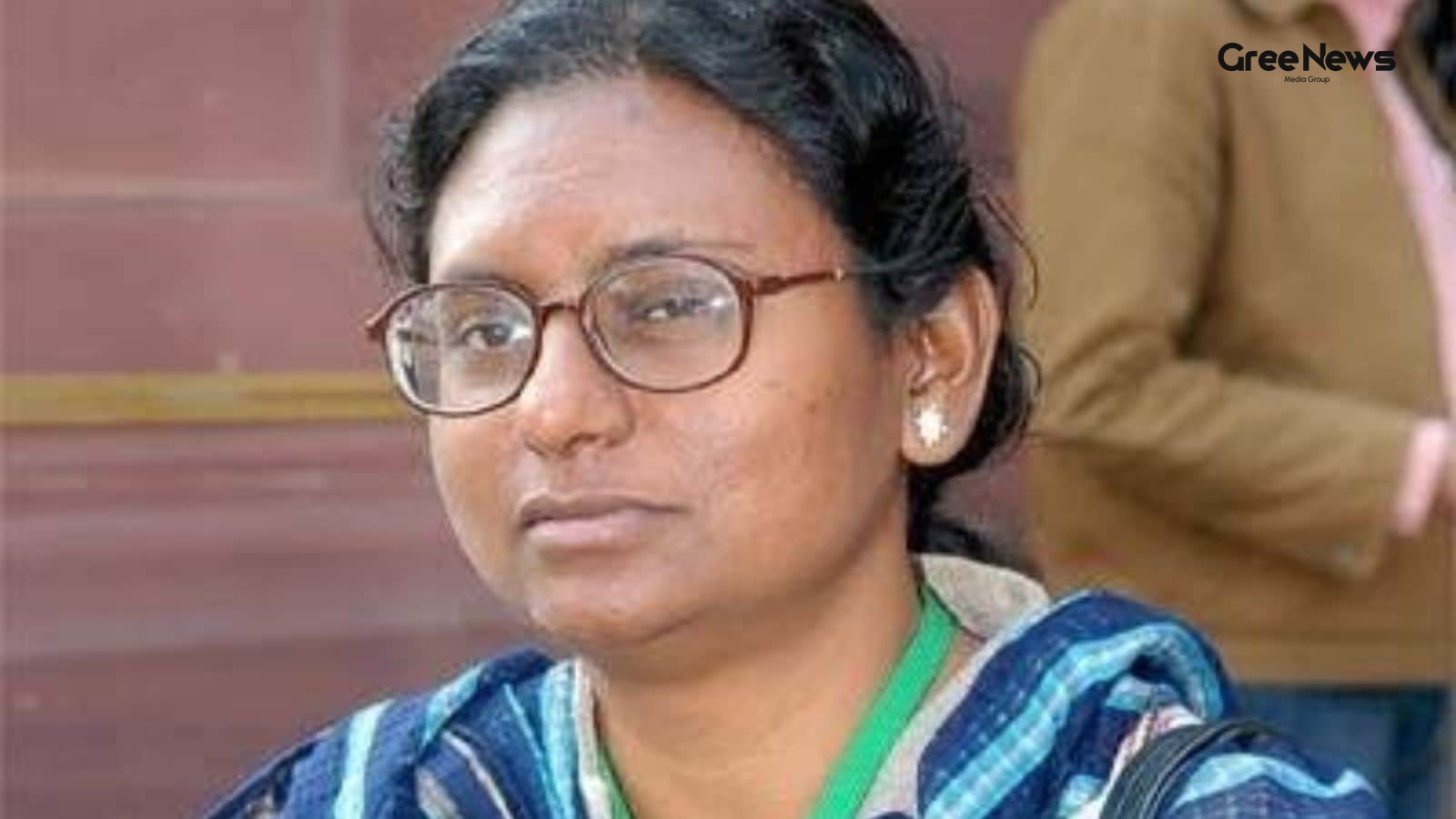
Legal Dispute in Madhya Pradesh Rajya Sabha Election Nomination
Madhya Pradesh is watching this whole Rajya Sabha election mess unfold between Congress and BJP with a real sense of intrigue. And the Election Commission is stuck with a question that feels huge should a candidate even be allowed to declare complaints against someone if there’s no actual cognizance
Jun 11, 2026 by Gree News Team