TMC Crisis: Live Updates and Internal Political Developments
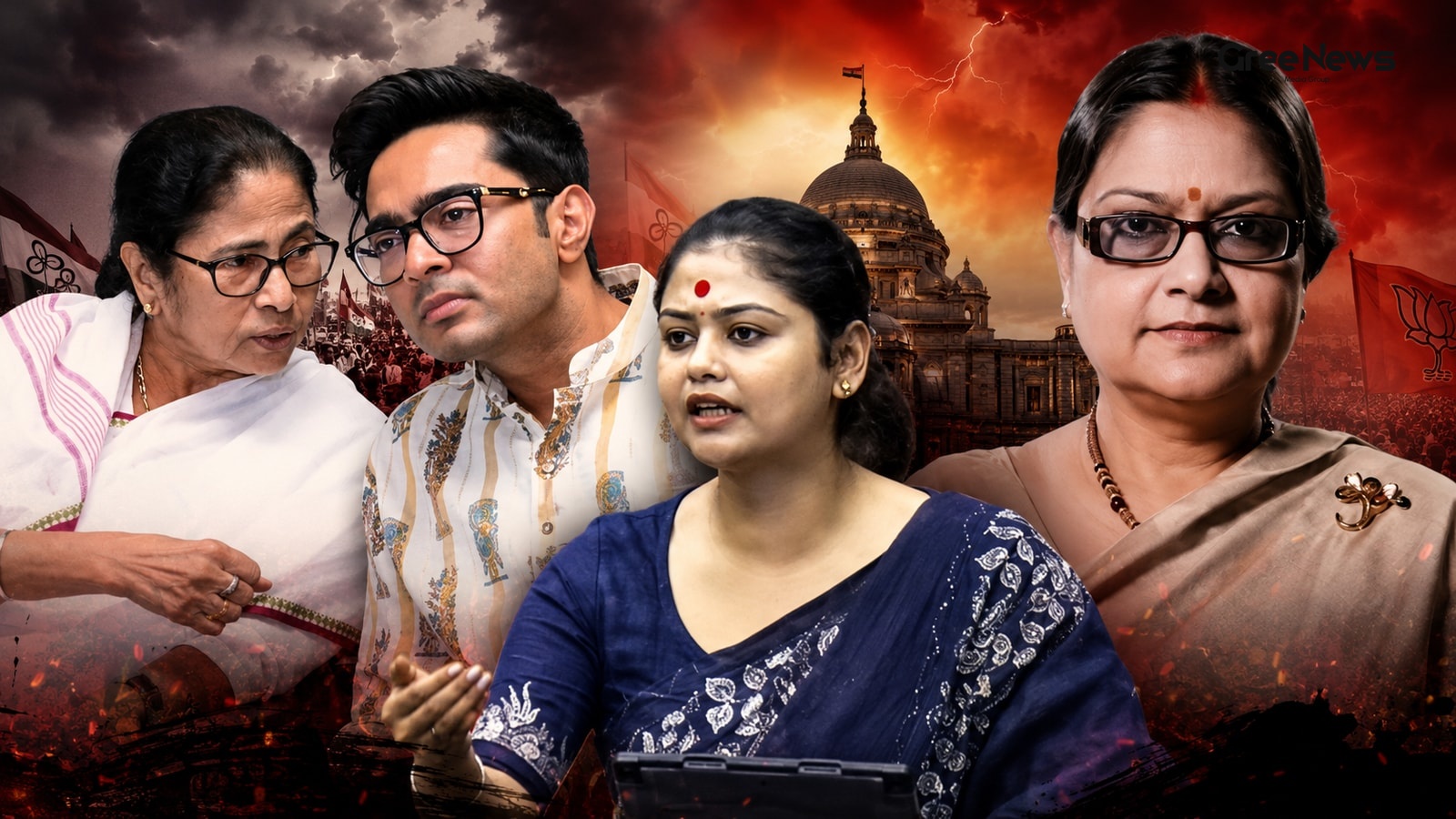
TMC Crisis Live Updates and Latest Developments
You just have to watch this unfold. It’s not some neat timeline or perfectly ordered sequence of events, you know?
The tension isn't just noise; it’s palpable. You can feel the strain from the top down, but it’s equally visible in the shuffling happening within the parliamentary ranks. People are starting to talk about splits, about where the loyalty actually lies now, and that uncertainty is eating away at everything. It’s a slow burn, really. A political fever that keeps rising without anyone seeming quite sure how to bring the temperature down.
Sushmita Dev stepping down from the Rajya Sabha. That was just the opening crack, wasn't it? One resignation in a short span already signals something deeper going on beneath the surface of the party structure. It’s not just an administrative shift; it becomes this massive symbol.
Two names dropping out of the official list within a week? That’s not just attrition. That's a signal flare. It suggests that whatever disaGreements are brewing whatever the internal friction has been simmering for months, maybe years they have finally found an outlet. People aren't just leaving positions; they are making noise, testing the boundaries of what is acceptable within the party framework.
And this ripple effect isn't confined to the Rajya Sabha exits alone. The conversation is spreading like wildfire through the state and the wider political ecosystem. Dissident leaders are openly talking about aligning with other forces. There’s this undercurrent of talk a genuine, almost breathless speculation that nearly twenty MPs are considering a move towards the BJP-led NDA camp. That number feels significant, doesn't it? It turns an internal party problem into a potential national realignment.
It makes you wonder about the actual cohesion of the Trinamool Congress leadership itself. Are they managing this chaos effectively? Or are they simply reacting to the fallout once it hits them? The way things are being reported suggests that senior leaders aren't just managing resignations; they are dealing with open criticism, and those criticisms carry a weight that goes beyond routine political sparring.
The narrative shifts from internal management to public accusation. That kind of dynamic is inherently destabilizing, especially when you are trying to project a united front externally.
Then there's this other movement happening in the periphery. Sayoni Ghosh, for instance. Her move into the rebel camp led by Kakoli Ghosh Dastidar adds another layer of complexity. It’s not just about individual dissatisfaction anymore; it’s about fracturing the existing structure into competing factions. Each split creates a new line of tension, a different political angle being pursued simultaneously.
It forces you to look at how power is actually distributed right now. Who has the real influence? Is it still concentrated in the established core, or are these dissenting voices gaining enough momentum enough visibility to start carving out their own space within the party’s orbit? It's observational stuff, really. Watching these shifts allows you to see where the lines of loyalty are drawn, and how those lines are fraying under pressure.
And then there is the context surrounding the larger political maneuvering happening outside the immediate TMC bubble. When internal instability flares up like this, external pressures become amplified. The discussions around opposition unity that’s where things get really interesting. It speaks volumes. It suggests that the focus isn't just on internal TMC management; it’s about positioning against the larger political currents at play.
When a party is internally reeling, these high-level talks become even more critical. It becomes less about policy and more about survival. About figuring out which alliance or lack thereof will offer the most stability moving forward.
The shrinking list of MPs within the TMC is a tangible metric of this distress.
There’s no single, clean explanation for it all. It’s messy because politics is inherently messy. People are operating on instinct and shifting loyalties based on immediate perceived threats and opportunities.
It’s a test of leadership under extreme stress.
We are watching multiple vectors converging here: the parliamentary exits, the dissident movements, the high-level opposition talks. They all feed into this central theme of institutional fragility. The system itself seems to be showing cracks under the strain of these internal political dynamics. It's not just a story about specific politicians; it’s a snapshot of how party loyalty and power structures operate when external forces are pushing in multiple directions simultaneously.
The narrative isn't neatly packaged by any single source or timeline. It’s more like an observational stream, where the facts bleed into speculation, and speculation fuels further observation. You have to keep watching those currents. The next move, whatever it turns out to be, will define the shape of this internal crisis entirely. There is no easy answer, just ongoing movement in a space that is rapidly becoming unpredictable. It's raw, unfiltered political reality playing out right now.
Written by Gree News Team — Senior Editorial Board
Gree News Team covers international news and global affairs at Gree News. Our collective of senior editors is dedicated to providing independent, accurate, and responsible journalism for a global audience.
More from India
View All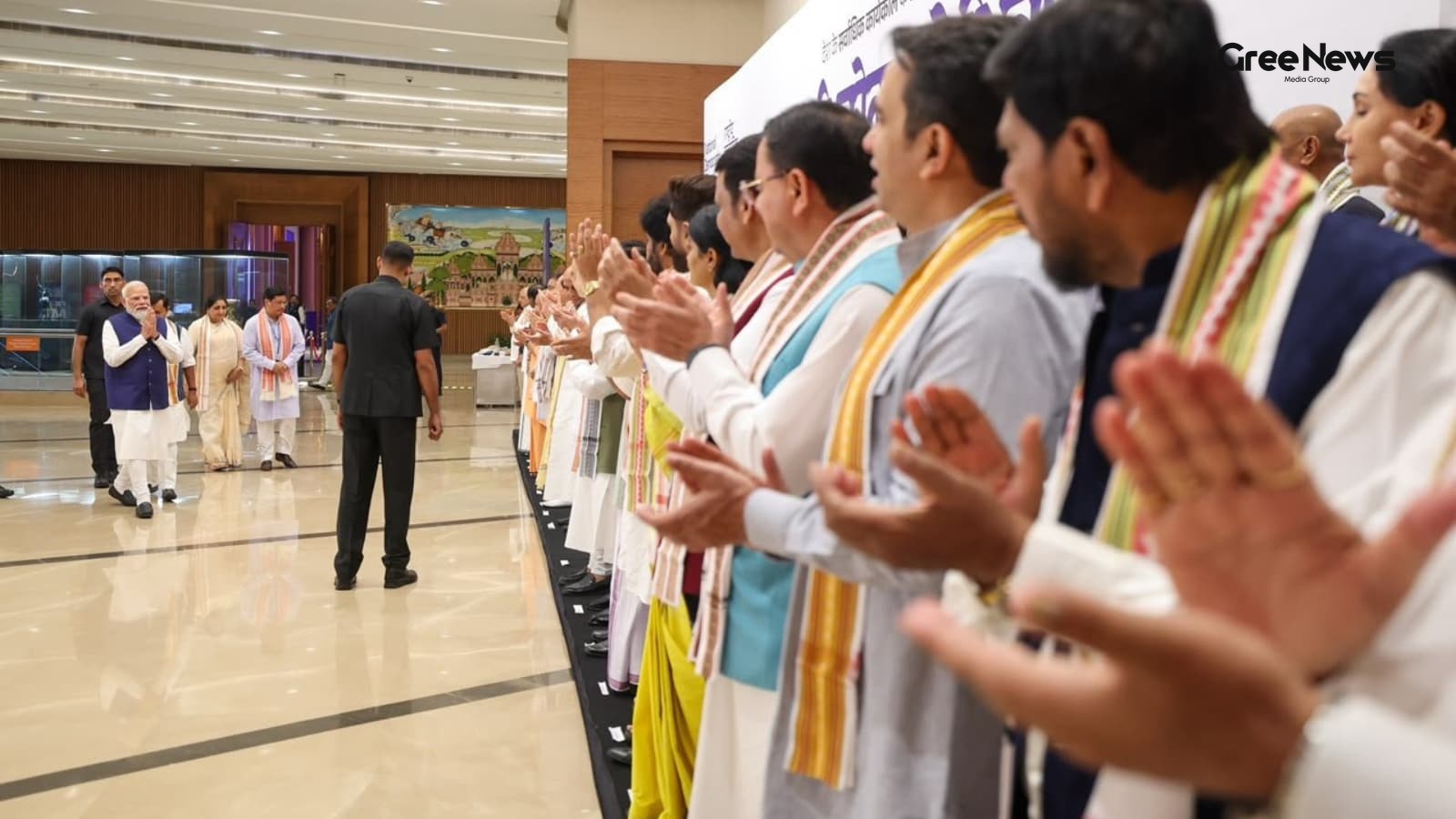
NDA Coalition Meeting: Leaders Celebrate Milestone and Discuss National Development
The NDA coalition, led by the BJP, just hit twelve years in office on Wednesday. Leaders got together for a meeting, trying to celebrate that milestone and all that. Andhra Pradesh Chief Minister N Chandrababu Naidu spoke up. He really praised PM Modi. Said he was leading this century. Inspiring eve
Jun 11, 2026 by Gree News Team
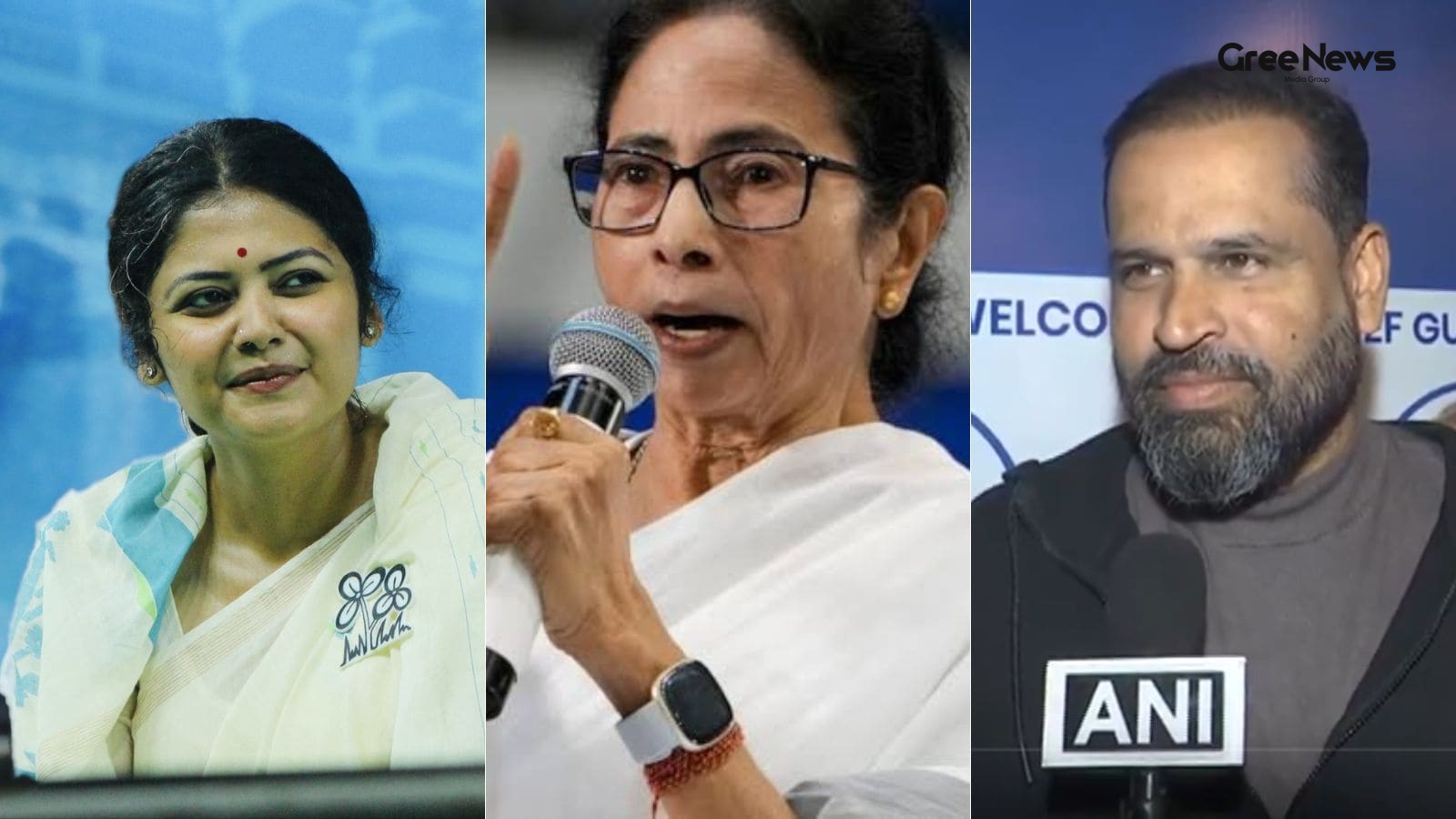
Trinamool Congress Internal Split: The Role of Celebrity Politicians in West Bengal Politics
Following Mamata Banerjee’s loss in the West Bengal Assembly elections, things are really starting to fray. It looks like the Trinamool Congress is heading for a serious split in Parliament now. This whole development kicks off after some drama happened right there in the Assembly too. Dissident TMC
Jun 11, 2026 by Gree News Team
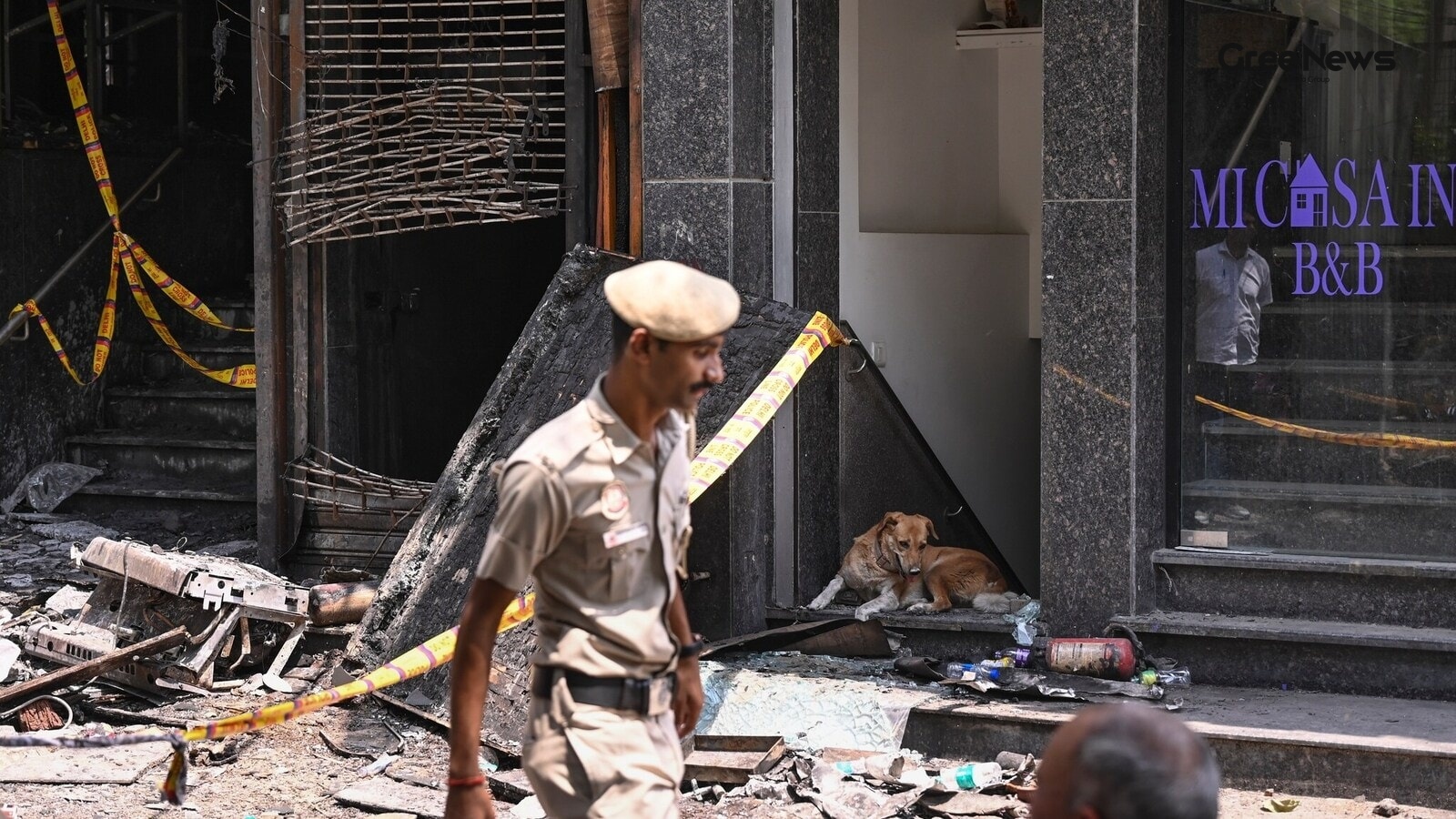
South Delhi Hotel Fire Investigation and Legal Custody
A Delhi court sent the owner of a South Delhi hotel and his accountant into twelve days of judicial custody. This followed a catastrophic fire that ripped through the establishment, killing twenty-two people on June 3rd. That’s the scale of it. A massive blaze consumed the Flourish Stays B&B in Hauz
Jun 11, 2026 by Gree News Team
Sachin Pilot's Restraint: Navigating Political Rivalry and Peace
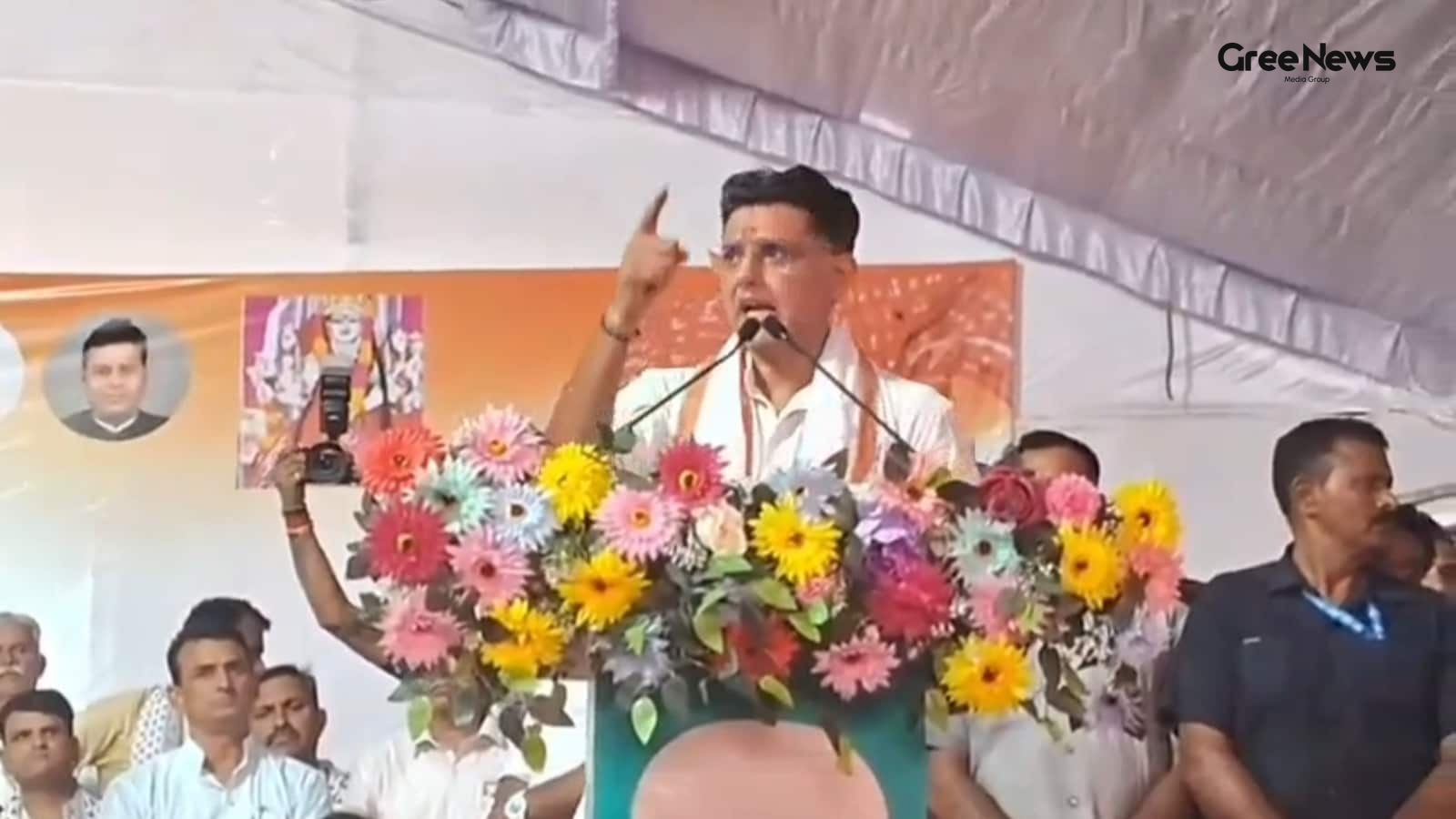
Sachin Pilot took a different route on Wednesday. Instead of firing back at his political rivals, he chose restraint. He was addressing a huge gathering a *Kisan Sammelan* in Karauli and what came out felt less like an attack and more like a plea for peace. Differences between political colleagues?
Jun 11, 2026 by Gree News Team
Latest Headlines

Kim Soo-Hyun's Comeback and the Aftermath of the Scandal
Weeks passed after that whole dating scandal with Kim Sae-Ron finally settled down, at least in terms of official statements. Now, actor Kim Soo-Hyun seems to be moving forward again. His agency dropped a note recently something about him getting ready for work. They said he’s going to shoot somethi
Jun 11, 2026 by Gree News Team
Internet Controversy Involving Pranit More and Himanshu Jangra
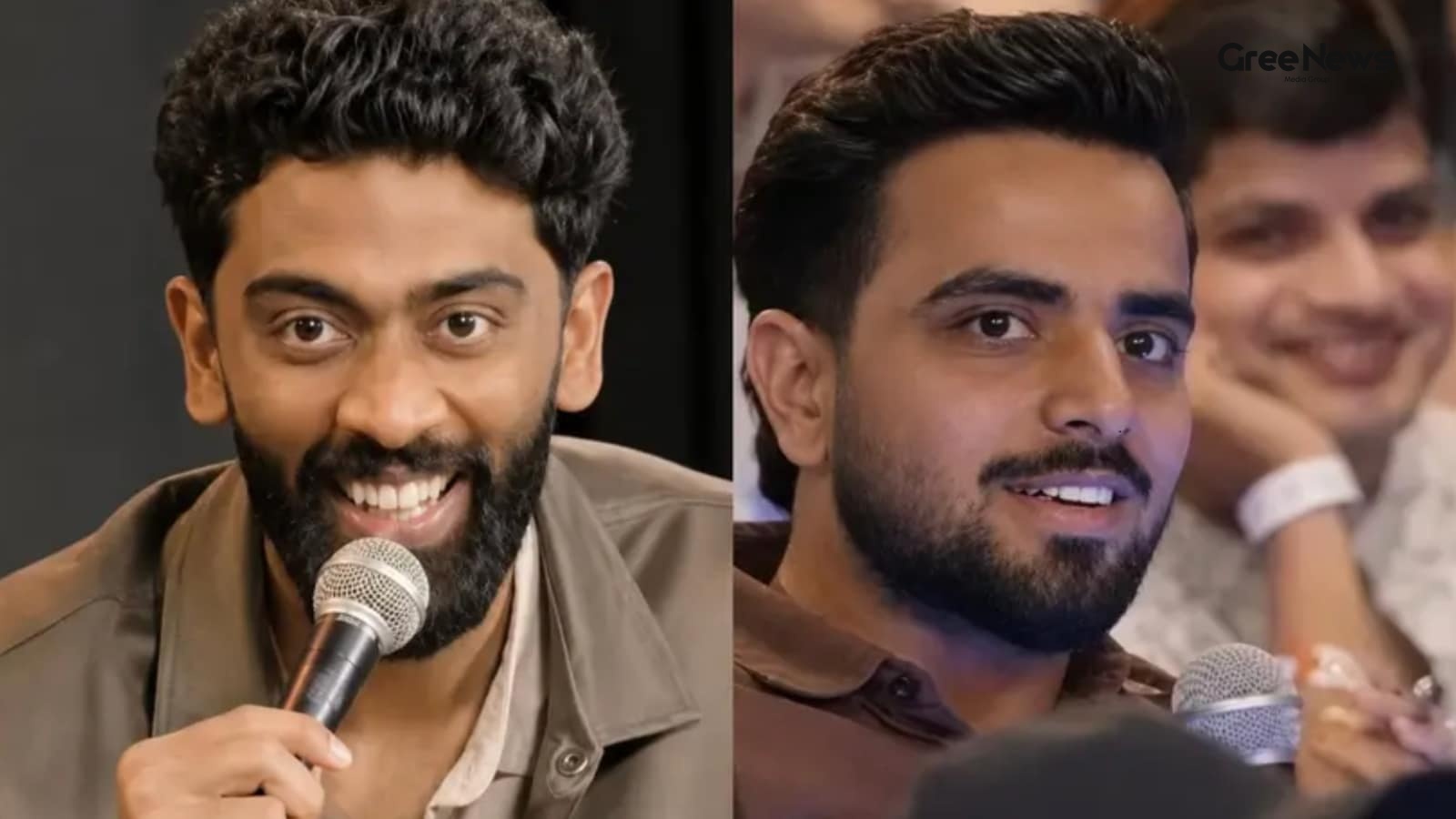
What started as some crowd stuff at Pranit More’s stand-up show just blew up into one of those massive internet controversies we see happening in India this week. It totally dominated Reddit, Instagram, X. Massive backlash hit because people screamed about misogyny and consent. And yeah, it ended up
Jun 11, 2026 by Gree News Team
Trinamool Congress Internal Split: The Role of Celebrity Politicians in West Bengal Politics
Following Mamata Banerjee’s loss in the West Bengal Assembly elections, things are really starting to fray. It looks like the Trinamool Congress is heading for a serious split in Parliament now. This whole development kicks off after some drama happened right there in the Assembly too. Dissident TMC
Jun 11, 2026 by Gree News Team
South Delhi Hotel Fire Investigation and Legal Custody
A Delhi court sent the owner of a South Delhi hotel and his accountant into twelve days of judicial custody. This followed a catastrophic fire that ripped through the establishment, killing twenty-two people on June 3rd. That’s the scale of it. A massive blaze consumed the Flourish Stays B&B in Hauz
Jun 11, 2026 by Gree News Team
Bollywood and Social Media Buzz: From Spy Thrillers to Accountability Drama
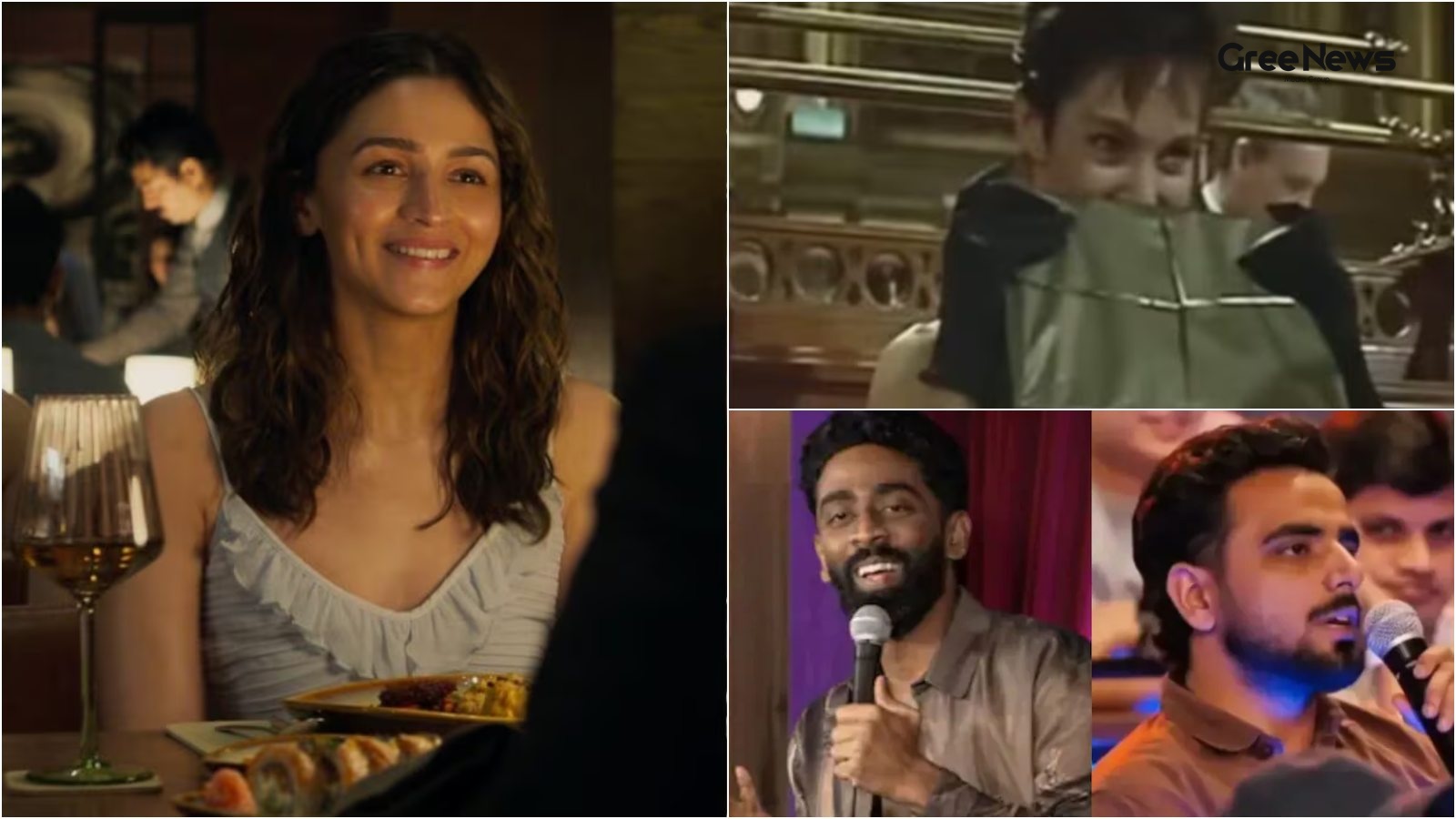
Alia Bhatt’s new spy thriller, *Alpha*, just dropped a teaser, and it immediately started causing a huge stir online. It’s not just the action visuals everyone is talking about, though. There's this one specific scene that people are obsessing over. It’s got this strange resemblance, some folks are
Jun 11, 2026 by Gree News Team
Sachin Pilot's Restraint: Navigating Political Rivalry and Peace
Sachin Pilot took a different route on Wednesday. Instead of firing back at his political rivals, he chose restraint. He was addressing a huge gathering a *Kisan Sammelan* in Karauli and what came out felt less like an attack and more like a plea for peace. Differences between political colleagues?
Jun 11, 2026 by Gree News Team
Belfast Wrecks and Civil Unrest: Fallout, Online Rhetoric, and Immigration Tensions
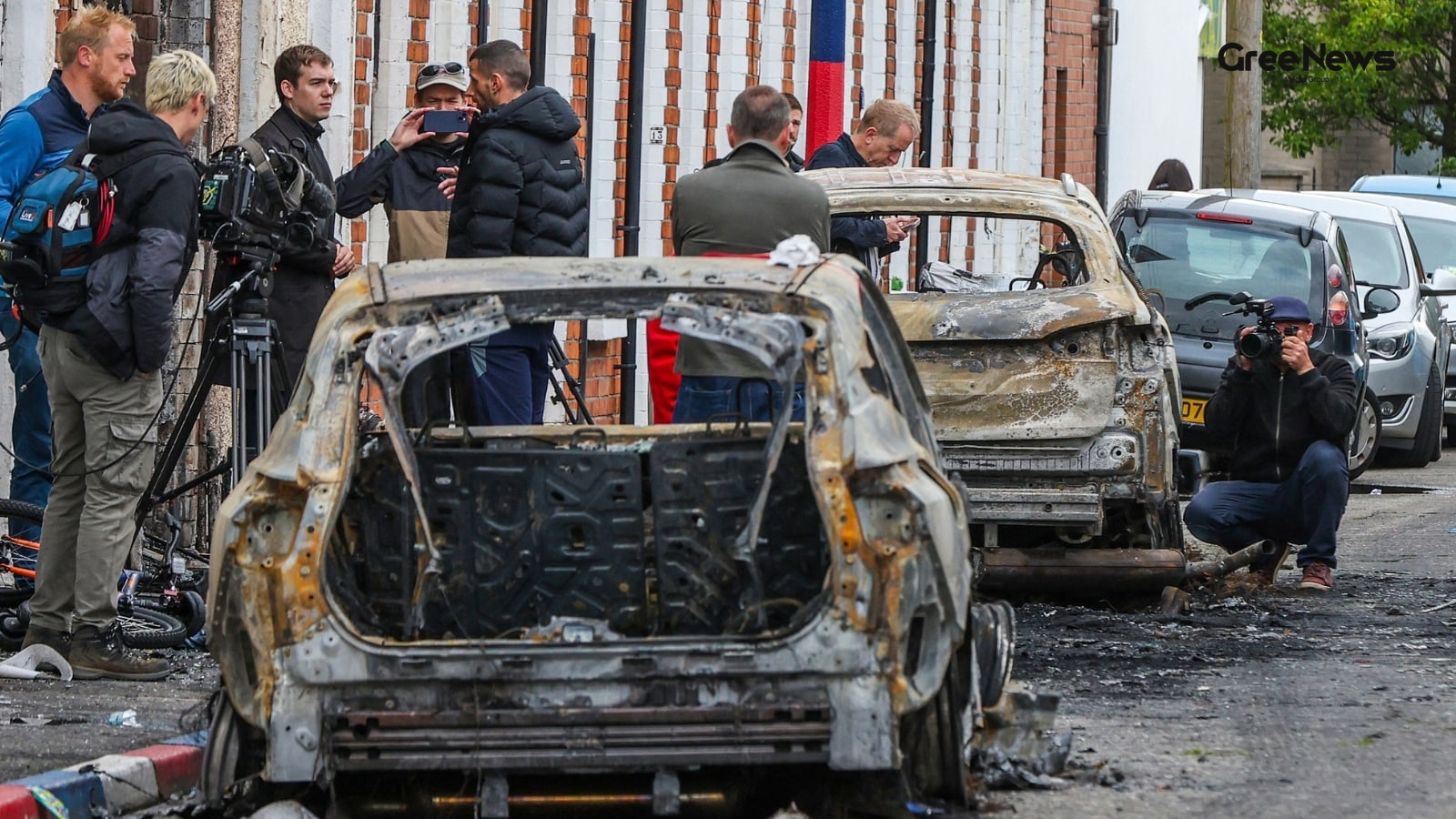
Belfast woke up Wednesday to the wreckage. Burnt cars, smashed shopfronts, charred remains of homes all left behind after the night before. It was just pure fire across the city following an arrest and stabbing that had left someone seriously hurt. The suspect ended up in Magistrates’ Court on Wedne
Jun 11, 2026 by Gree News Team
The Deepening Bond: Israel and India's Evolving Relationship
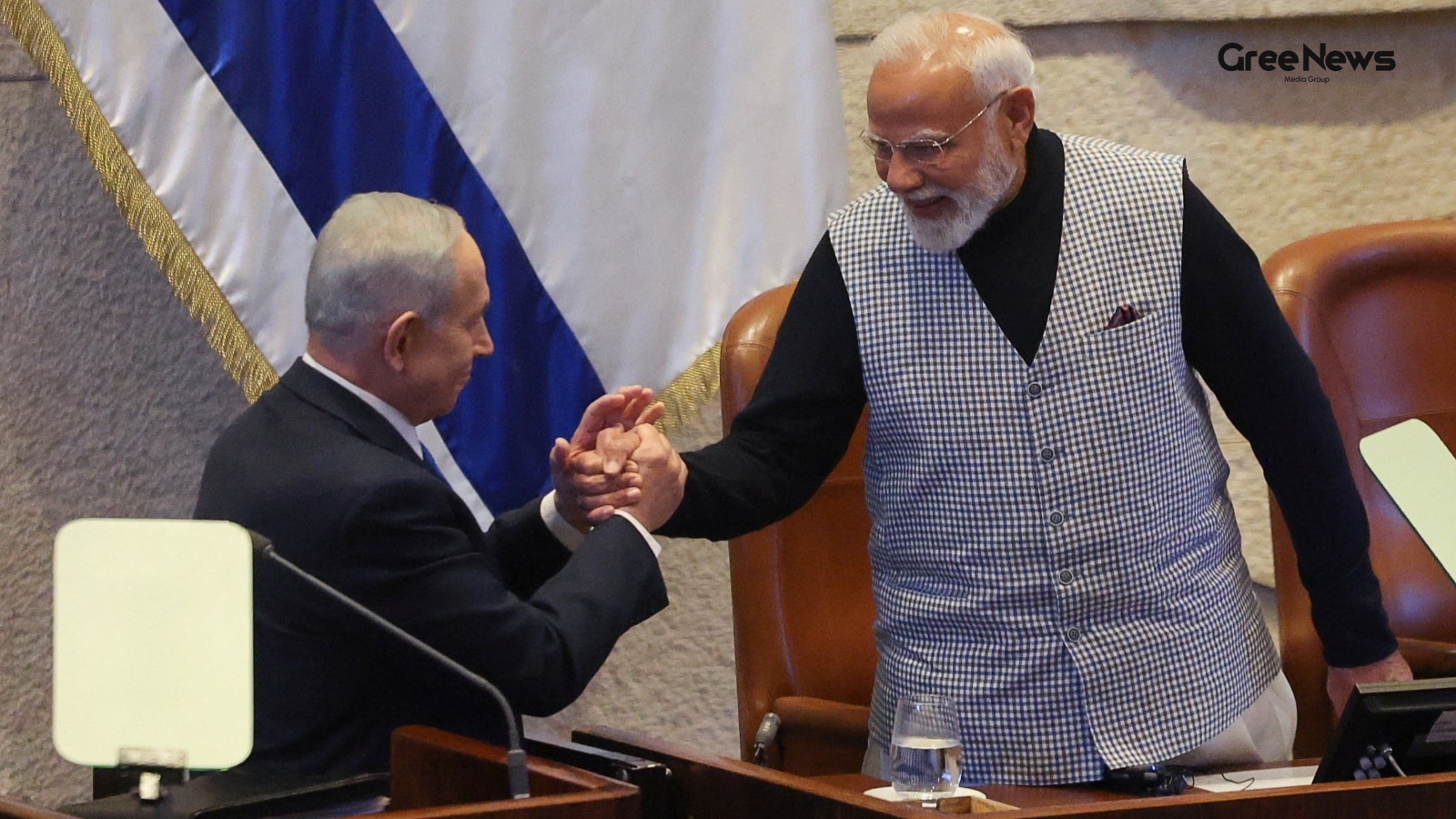
Netanyahu sent a message. A special one. To Modi. It wasn't just routine stuff. It was personal, framed as a friend speaking across borders. “Prime Minister Modi,” he wrote on X. “My dear friend in India.” That’s how it started. A congratulation for reaching twelve years in office. Longest serving e
Jun 11, 2026 by Gree News Team
West Bengal Political Volatility and the Rebel MPs
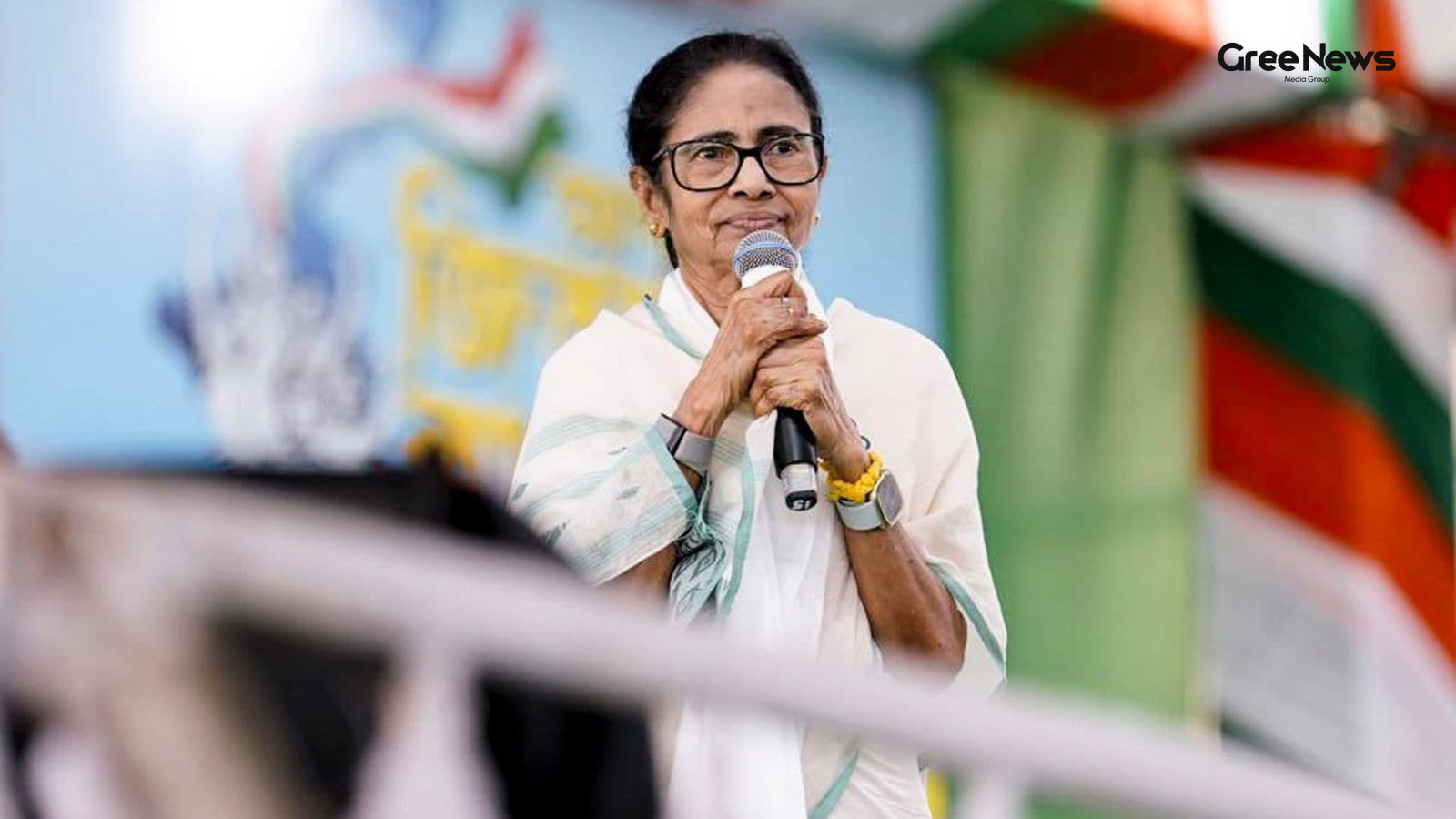
The situation in West Bengal is absolutely volatile right now. It’s not just some internal squabble; it’s a genuine political breaking point. Twenty rebel MPs have gone and approached Speaker Om Birla, trying to carve out their own parliamentary space. They claim allegiance to the BJP-led NDA. This
Jun 11, 2026 by Gree News Team
Escalation of Hostilities and Strikes Between US and Iran
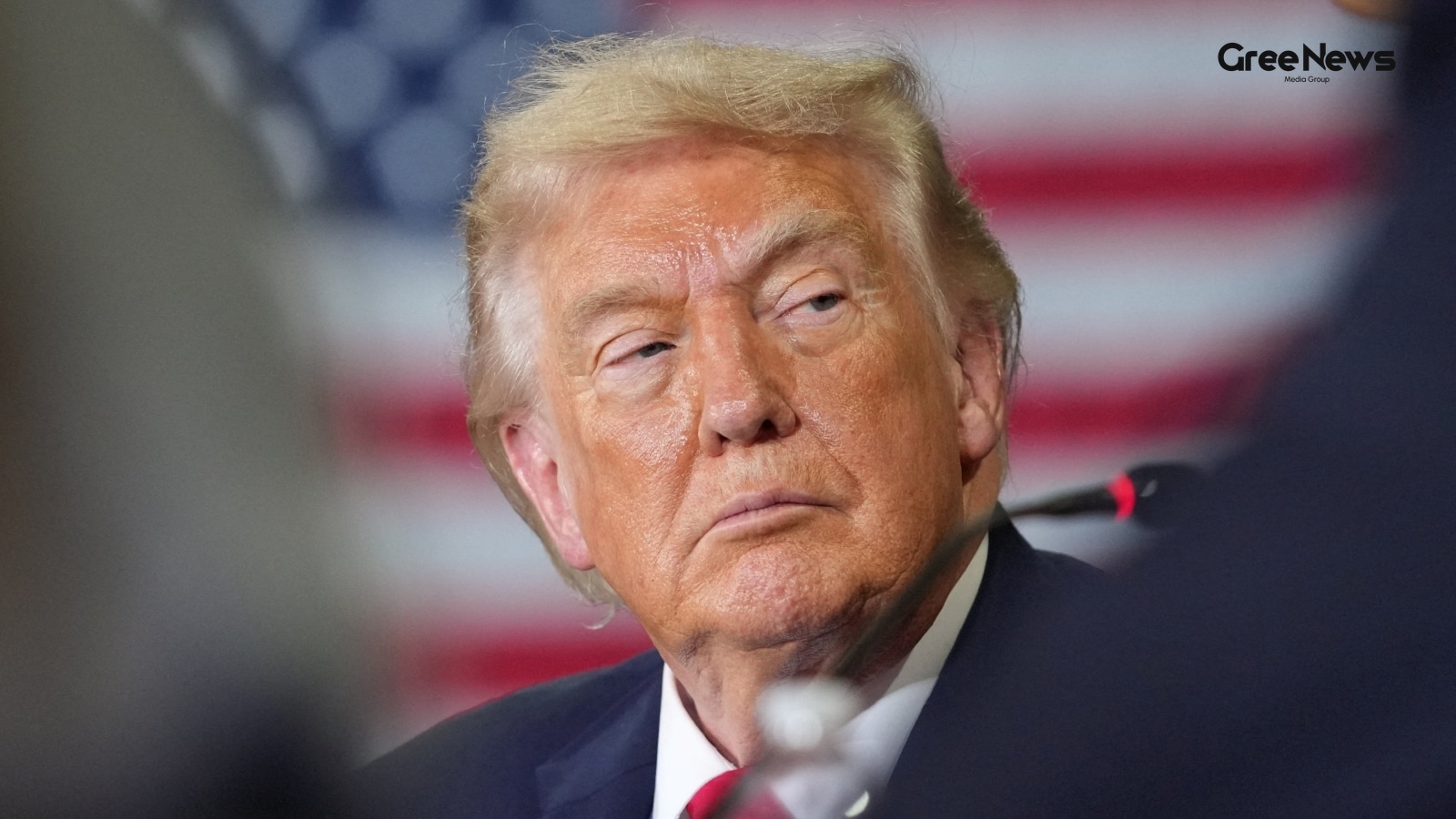
The strikes are happening again. It’s getting worse. US Central Command, CENTCOM, just said they started “additional self-defense strikes” inside Iran. Trump ordered them. “The strikes are in response to Iran’s unwarranted and continued aggression,” that’s what they put out. It follows the earlier a
Jun 11, 2026 by Gree News Team

The Shifting Reality: Unseen Tensions and Underlying Shifts
The air felt thick today. You could almost taste the tension, you know? It’s always something shifting under the surface of these things. Things in the capital are moving slow. Really slow. But the pressure isn't slowing down. It just changes direction. We saw some chatter this morning. Nothing conc
Jun 11, 2026 by Gree News Team
Fallout of Allegations: Institutional Response and Legal Action in Medical Colleges
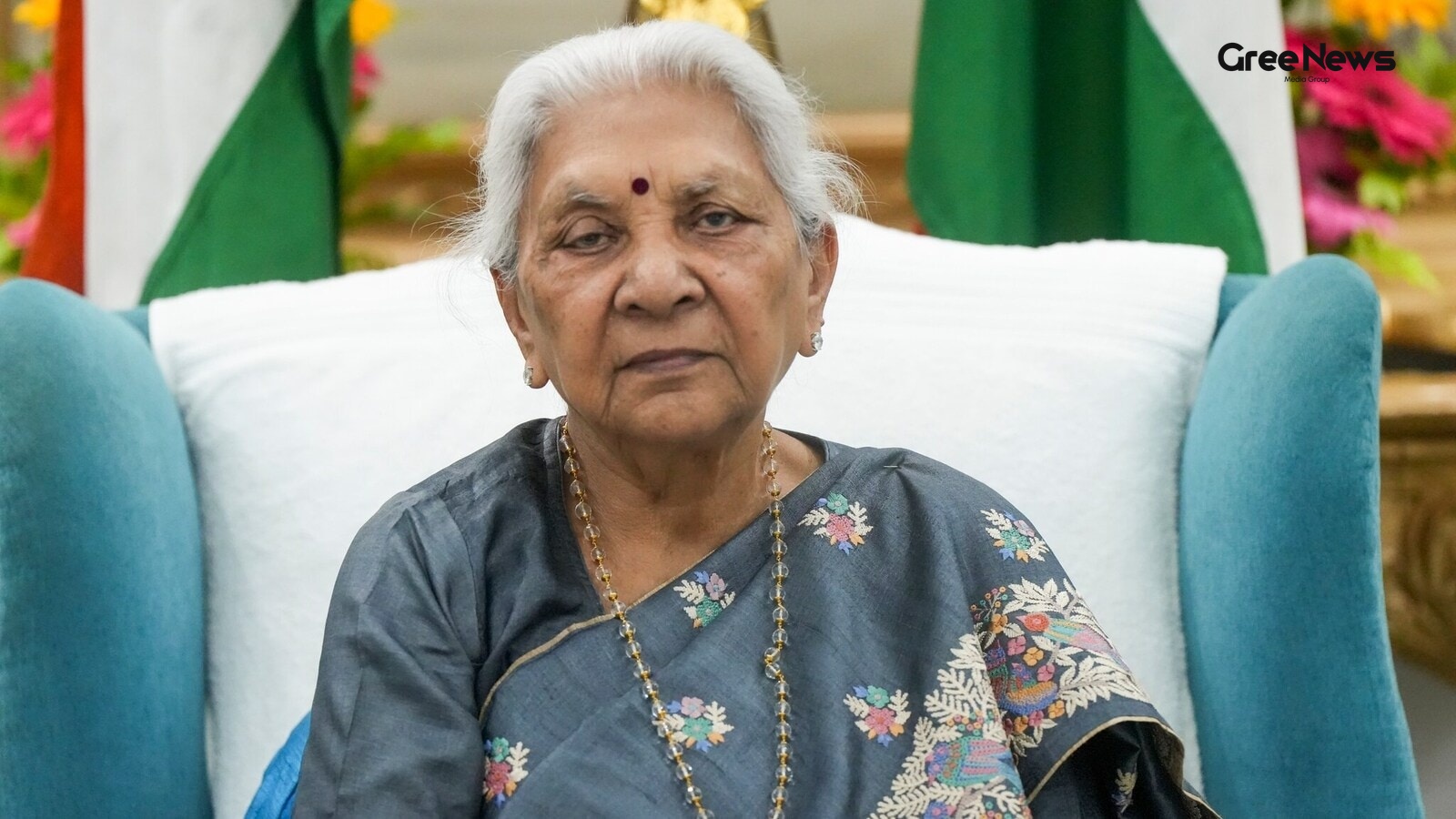
The whole situation is kind of messy. You have this high-level order coming down from Uttar Pradesh Governor Anandiben Patel, triggered by some really serious stuff allegations about religious conversion involving a doctor at KGMU, and someone’s daughter disappearing, linked to an SGPGI employee. An
Jun 11, 2026 by Gree News Team
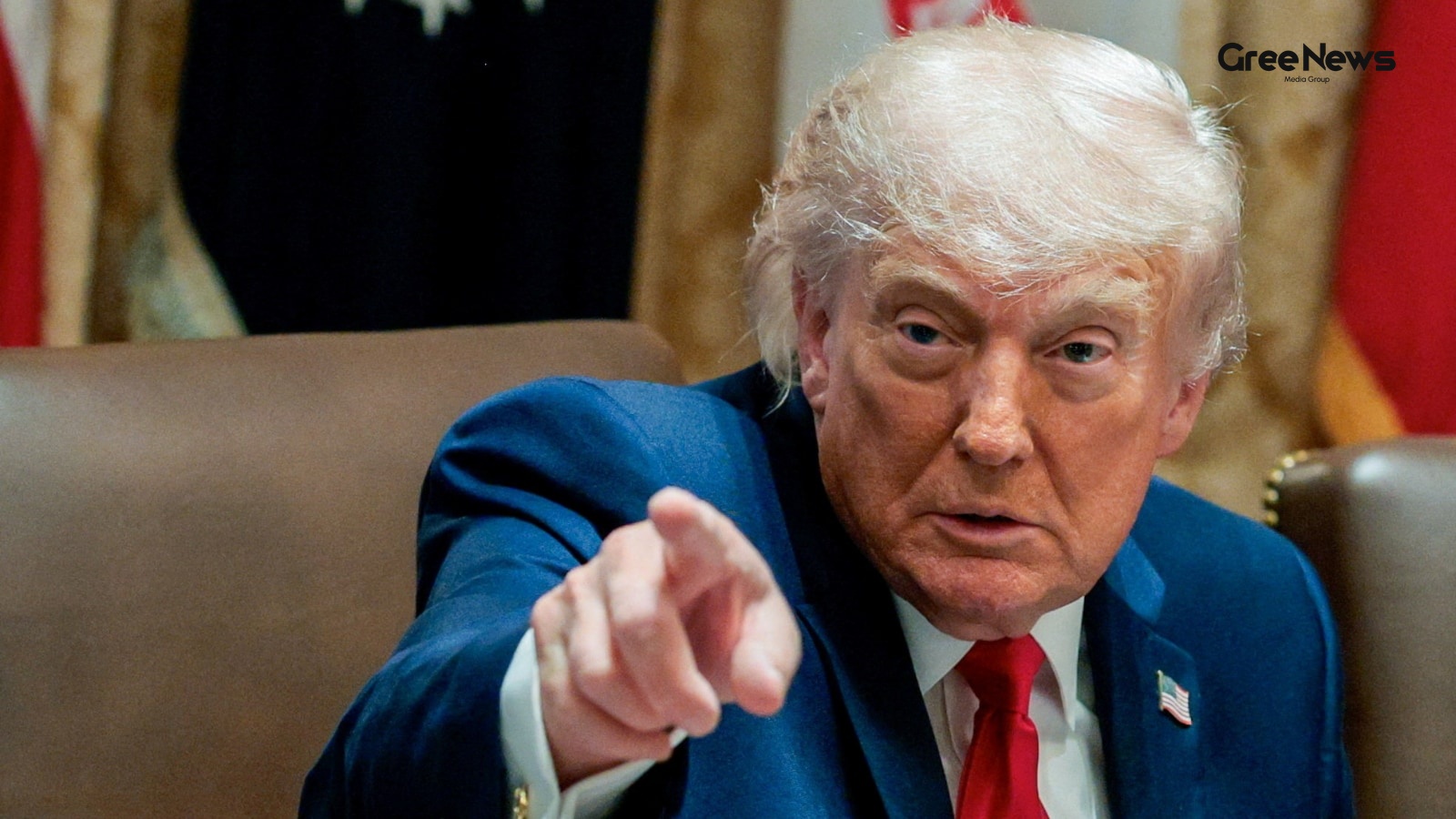
Donald Trump on Secret Military Operation and Oil Transit through the Strait of Hormuz
Donald Trump talked about something Wednesday. He claimed his country moved over 100 million barrels of oil through the Strait of Hormuz. And he said it was all part of some secret military operation. The Strait itself, you know, that’s a really important spot for global oil transit. A choke point.
Jun 11, 2026 by Gree News Team
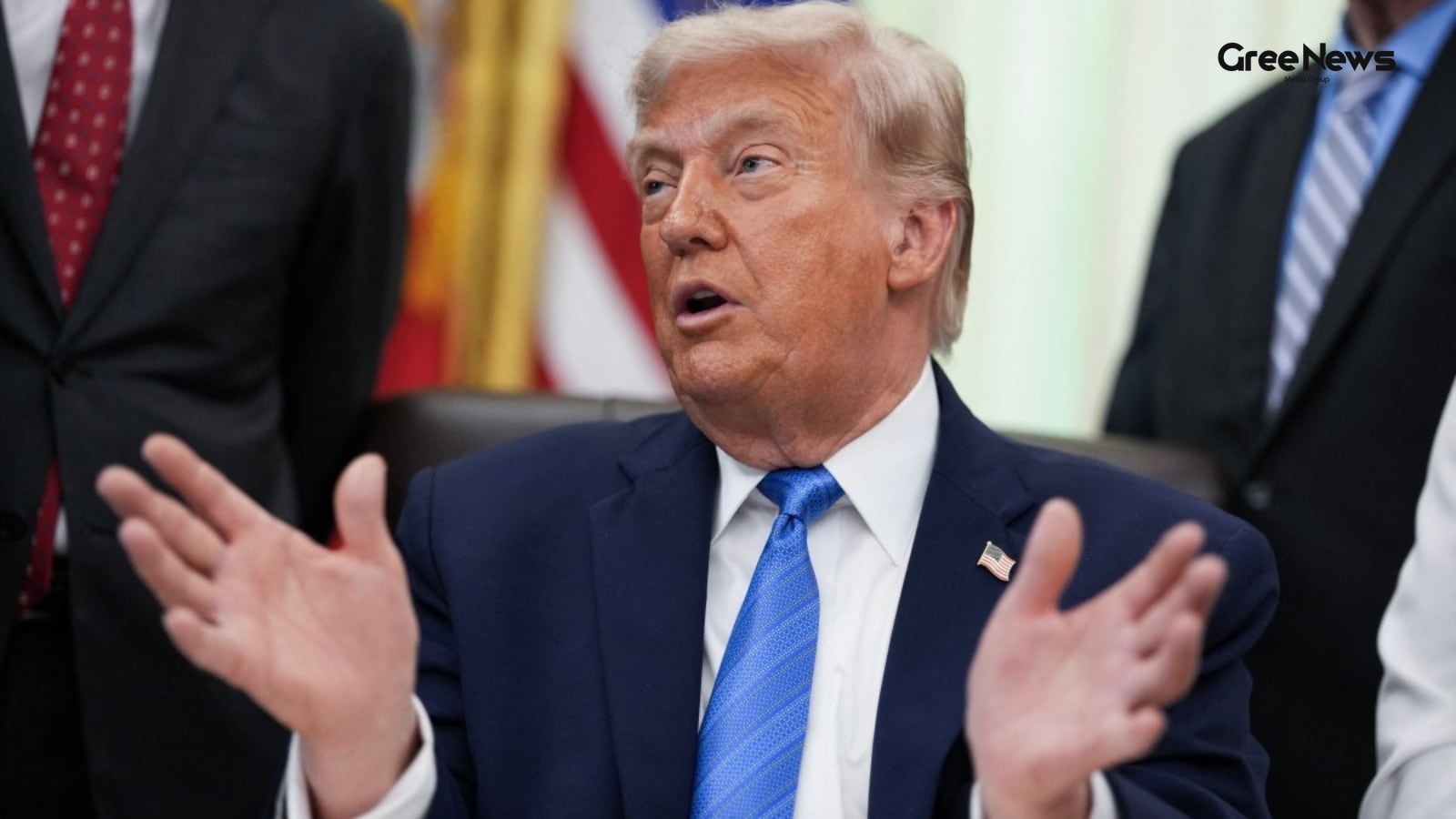
US-Iran Tensions, Nuclear Threats, and Regional Conflicts
The whole situation with the US and Iran is still boiling over. President Trump talked about it on Wednesday, local time. He insisted that America wants some kind of deal with Iran something meaningful, something effective. But even while pushing for this agreement, he kept signaling that the milita
Jun 11, 2026 by Gree News Team
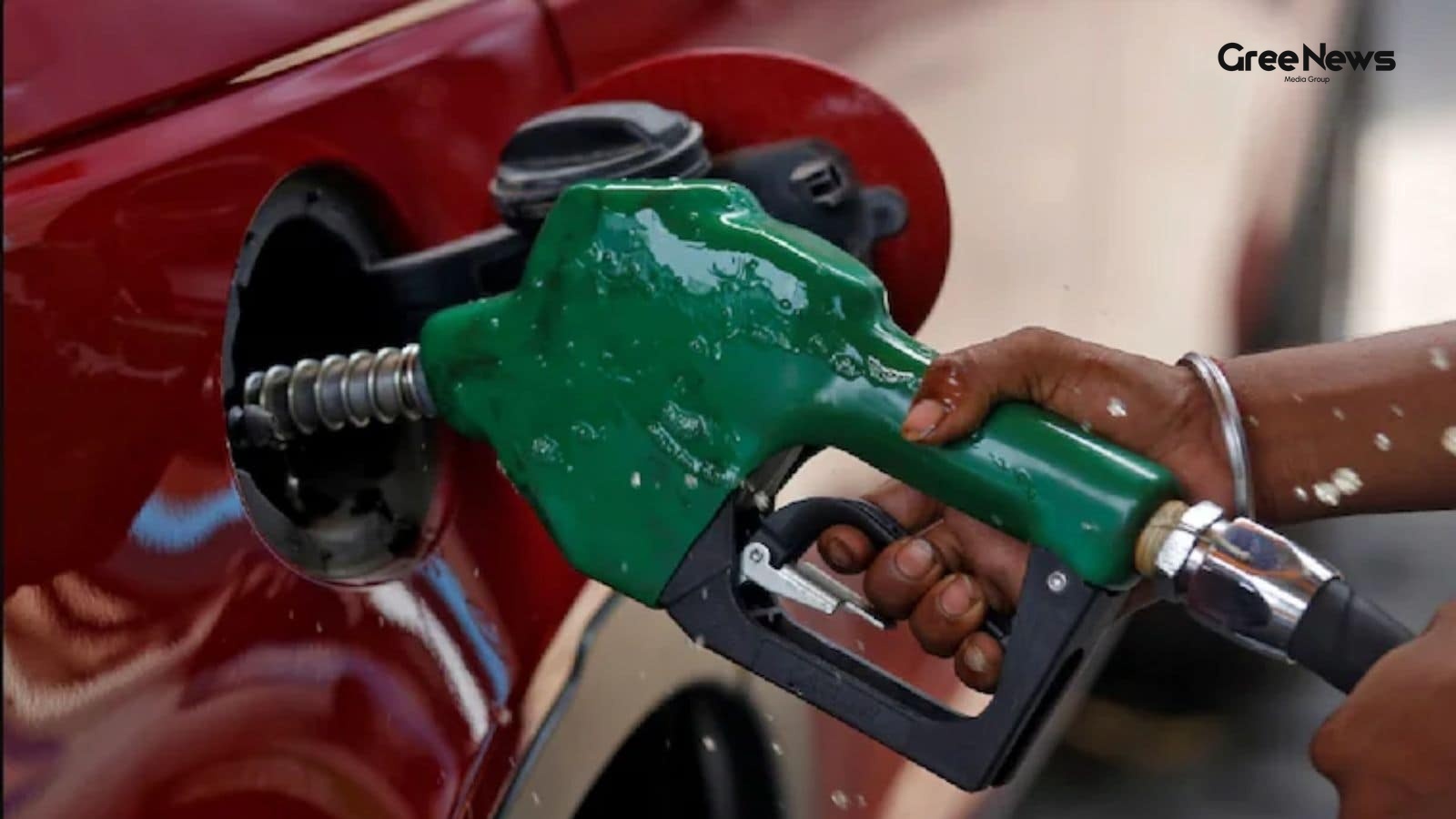
The Impact of Excise Duty Changes on Ethanol Blends and Global Energy Volatility
The finance ministry just dropped something. a notification, really. it wasn't some gentle update; it felt more like a sudden shift in the air, you know? suddenly these numbers, E22, E25, E27, and E30 they weren’t just labels on a spreadsheet anymore. they were suddenly real things hitting the road.
Jun 11, 2026 by Gree News Team