Sonia Gandhi, Mamata Banerjee Meeting and Political Rapprochement
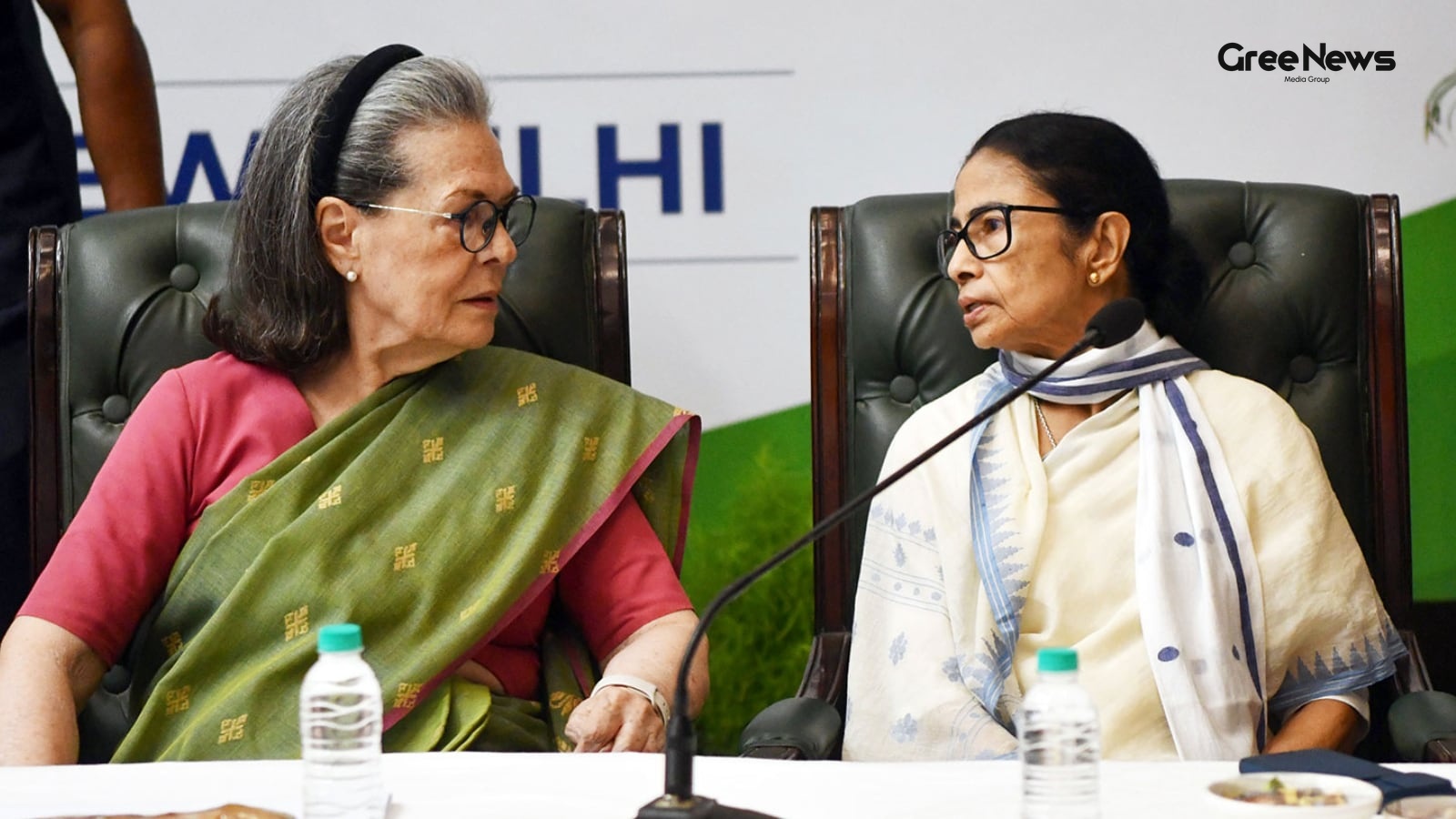
The meeting itself Sonia Gandhi talking to Mamata Banerjee it just threw everything into chaos about where Congress and the Trinamool Congress fit now. There’s a real buzz, you know? People are whispering about what this actually means for their relationship.
It all started because Gandhi reached out at a time when things were really messy inside the TMC. They're dealing with serious internal turbulence right now, questions floating around about dissent within their ranks. And that background noise just amplified whatever happened in that conversation. Did it signal something big? A closer political arrangement? Or is this just talk running ahead of anything real happening on the ground?
Congress sources they were talking to CNN-News18, you know how it goes said Gandhi basically told Banerjee they shouldn't be adversaries. They should work together politically. That’s the core message, I think. Cooperation over confrontation.
But then you look at the bigger picture. This talk happens while everyone in the INDIA bloc is trying to hold things together against the BJP. There are these massive battles happening out there, far more important than just two parties sorting themselves out.
Sources emphasized that both sides have huge political fights they need to deal with first. Any real arrangement? That could be figured out later. The mood was definitely about cooperation, not immediate confrontation. It’s a classic move, trying to smooth things over when the pressure is high.
Still, you can’t ignore the context of West Bengal. That state remains the biggest sticking point for any potential Congress-TMC rapprochement. Leaders pointed out that they couldn't just ignore what the state unit was feeling. The Bengal Congress has spent years positioning themselves against the TMC. They keep accusing the ruling party of targeting their workers, weakening their presence in the state structure. It’s a history loaded with mistrust.
Adhir Ranjan Chowdhury, one of those voices who are always critical of Banerjee, he made it crystal clear. He said something like: “We should never forget how the TMC killed our people. A merger doesn't fix that. This is the best shot Congress has to revive itself in Bengal, and if we get the TMC out of the way, things actually get better.” That kind of history weighs heavy.
So you see the tension. There’s a renewed willingness to talk, sure. But an actual organizational merger? That seems miles away right now. Why would anyone even consider it when there are these deep-seated historical wounds involved?
Ritabrata Banerjee, the Opposition leader from West Bengal, he pushed back on all that speculation. He said something quite blunt. More than two-thirds of their MPs aren't merging with Congress anyway. So who is actually merging with whom? The municipal reps aren’t going. The Zilla Parishad members aren’t going. Panchayat members aren't going either. There isn't a merger happening, not at all. It’s just noise.
That kind of dismissal that the whole idea of a merger is baseless it cuts through the political fluff. It brings it right back down to reality: no formal deal is on the table because there’s no real structure for it yet.
The timing, that's what really matters here. Sonia Gandhi making that outreach came at a moment when opposition parties are trying desperately to stick together behind Banerjee. Congress leaders have been signaling support, openly and privately. Gandhi even called Banerjee a “sherni” [lioness]. That kind of personal rapport exists alongside the broader need for unity against the BJP.
That message fight together instead of fighting each other it’s less about signing papers and more about managing opposition infighting. It's an attempt to stop internal squabbles from helping the ruling party, which is a very political calculation in itself.
So where does that leave things? Cooperation seems much more likely than some grand organizational merger. A formal merger would mean facing huge legal hurdles, massive organizational resistance from both sides, and fighting against pockets of dissent within themselves. That’s just too much friction.
A looser arrangement makes more sense. Electoral understandings? Parliamentary coordination? Just coordinating on specific issues? Those are achievable things. They require less drama.
That’s the whole messy reality, I suppose. The meeting wasn't the start of a grand political reset. It was more about using that moment to solidify opposition unity when it matters most. It’s about managing optics and keeping the focus pointed away from the real power struggle happening elsewhere. Things move slower than we think. And often, what looks like a big step is just careful maneuvering in the background.
Written by Gree News Team — Senior Editorial Board
Gree News Team covers international news and global affairs at Gree News. Our collective of senior editors is dedicated to providing independent, accurate, and responsible journalism for a global audience.
More from India
View All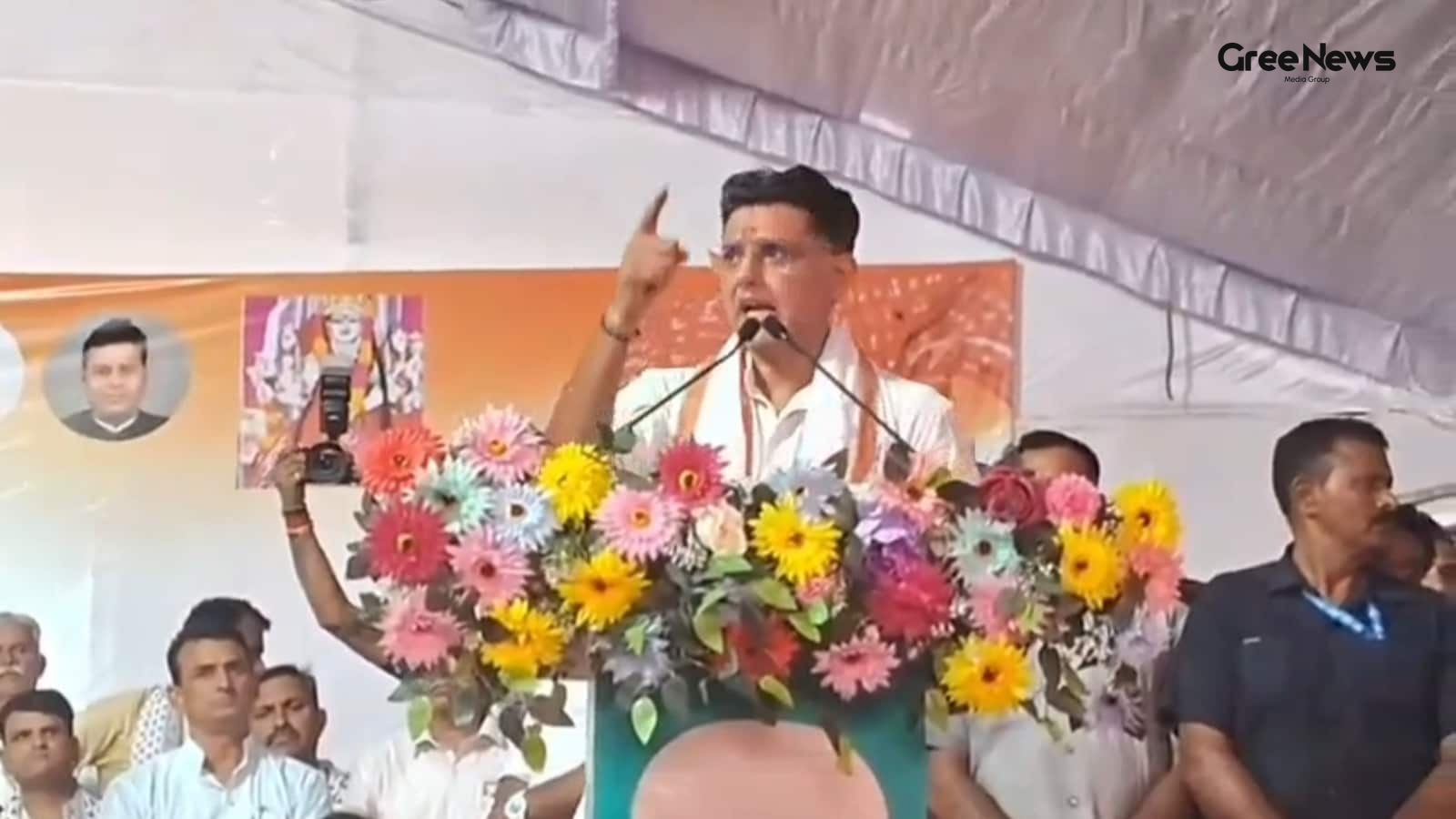
Sachin Pilot's Restraint: Navigating Political Rivalry and Peace
Sachin Pilot took a different route on Wednesday. Instead of firing back at his political rivals, he chose restraint. He was addressing a huge gathering a *Kisan Sammelan* in Karauli and what came out felt less like an attack and more like a plea for peace. Differences between political colleagues?
Jun 11, 2026 by Gree News Team
TMC Crisis: Live Updates and Internal Political Developments
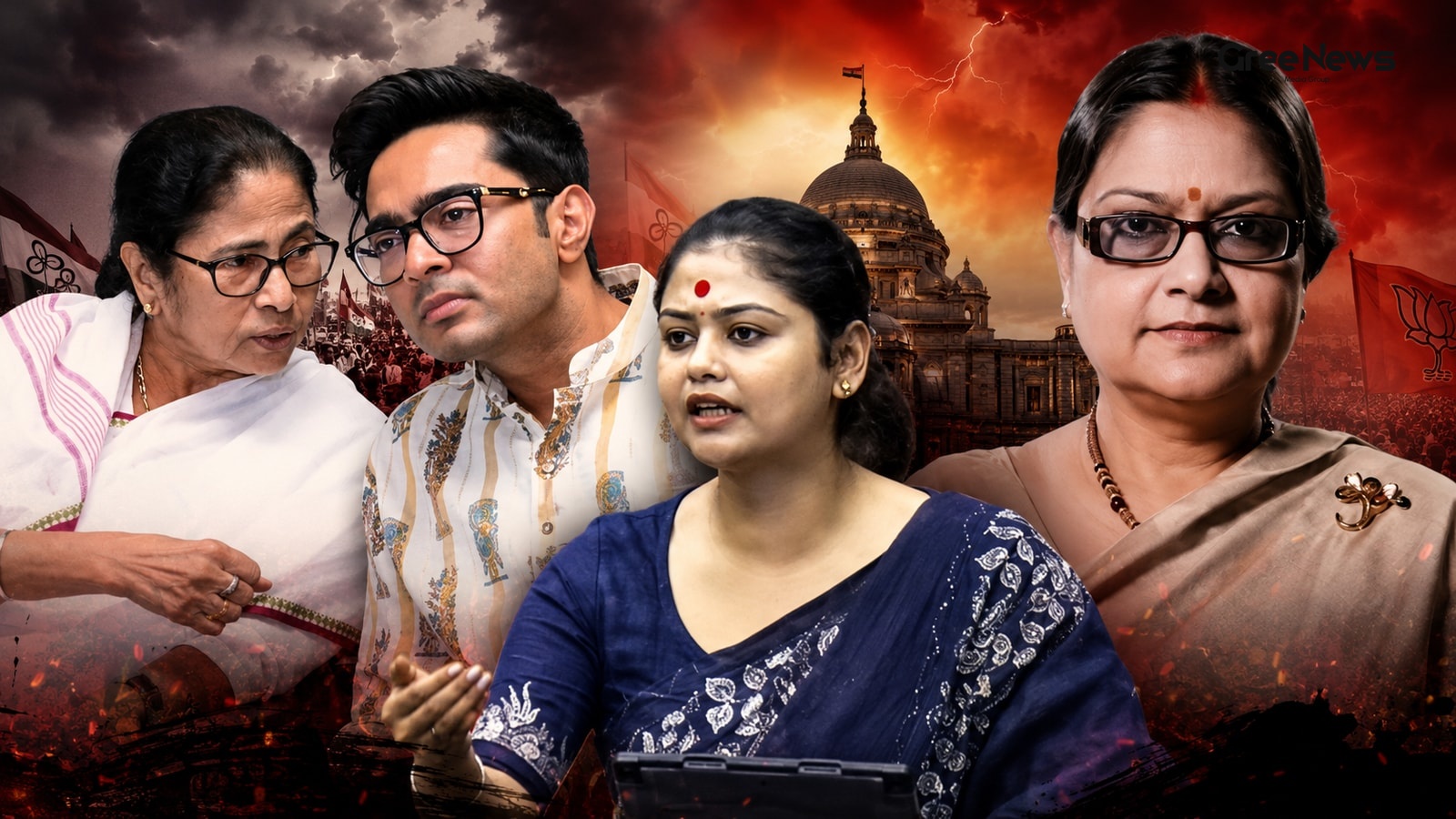
TMC Crisis Live Updates and Latest Developments You just have to watch this unfold. It’s not some neat timeline or perfectly ordered sequence of events, you know? The tension isn't just noise; it’s palpable. You can feel the strain from the top down, but it’s equally visible in the shuffling happeni
Jun 11, 2026 by Gree News Team
West Bengal Political Volatility and the Rebel MPs
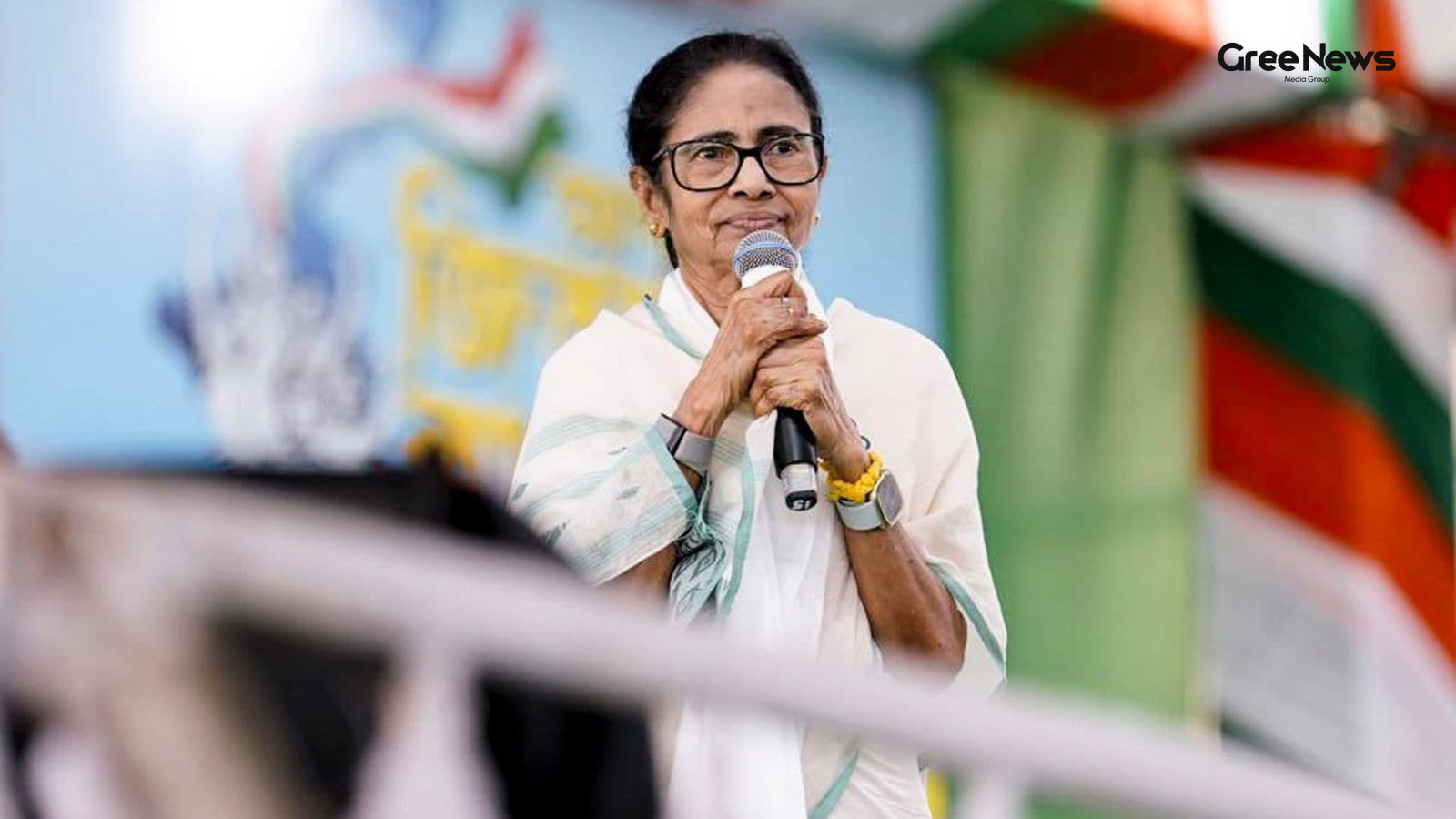
The situation in West Bengal is absolutely volatile right now. It’s not just some internal squabble; it’s a genuine political breaking point. Twenty rebel MPs have gone and approached Speaker Om Birla, trying to carve out their own parliamentary space. They claim allegiance to the BJP-led NDA. This
Jun 11, 2026 by Gree News Team
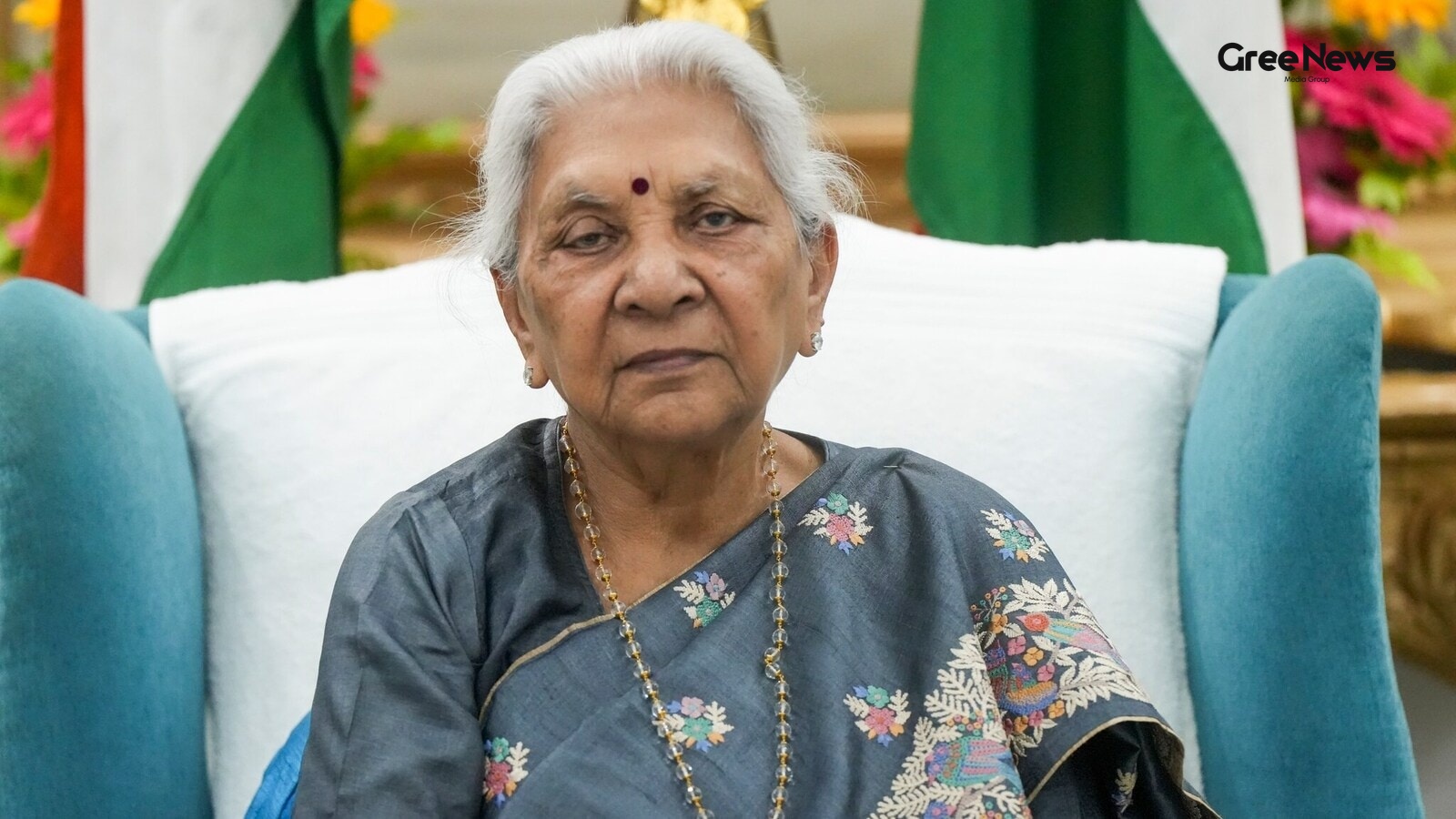
Fallout of Allegations: Institutional Response and Legal Action in Medical Colleges
The whole situation is kind of messy. You have this high-level order coming down from Uttar Pradesh Governor Anandiben Patel, triggered by some really serious stuff allegations about religious conversion involving a doctor at KGMU, and someone’s daughter disappearing, linked to an SGPGI employee. An
Jun 11, 2026 by Gree News Team
Latest Headlines
Sachin Pilot's Restraint: Navigating Political Rivalry and Peace
Sachin Pilot took a different route on Wednesday. Instead of firing back at his political rivals, he chose restraint. He was addressing a huge gathering a *Kisan Sammelan* in Karauli and what came out felt less like an attack and more like a plea for peace. Differences between political colleagues?
Jun 11, 2026 by Gree News Team
TMC Crisis: Live Updates and Internal Political Developments
TMC Crisis Live Updates and Latest Developments You just have to watch this unfold. It’s not some neat timeline or perfectly ordered sequence of events, you know? The tension isn't just noise; it’s palpable. You can feel the strain from the top down, but it’s equally visible in the shuffling happeni
Jun 11, 2026 by Gree News Team
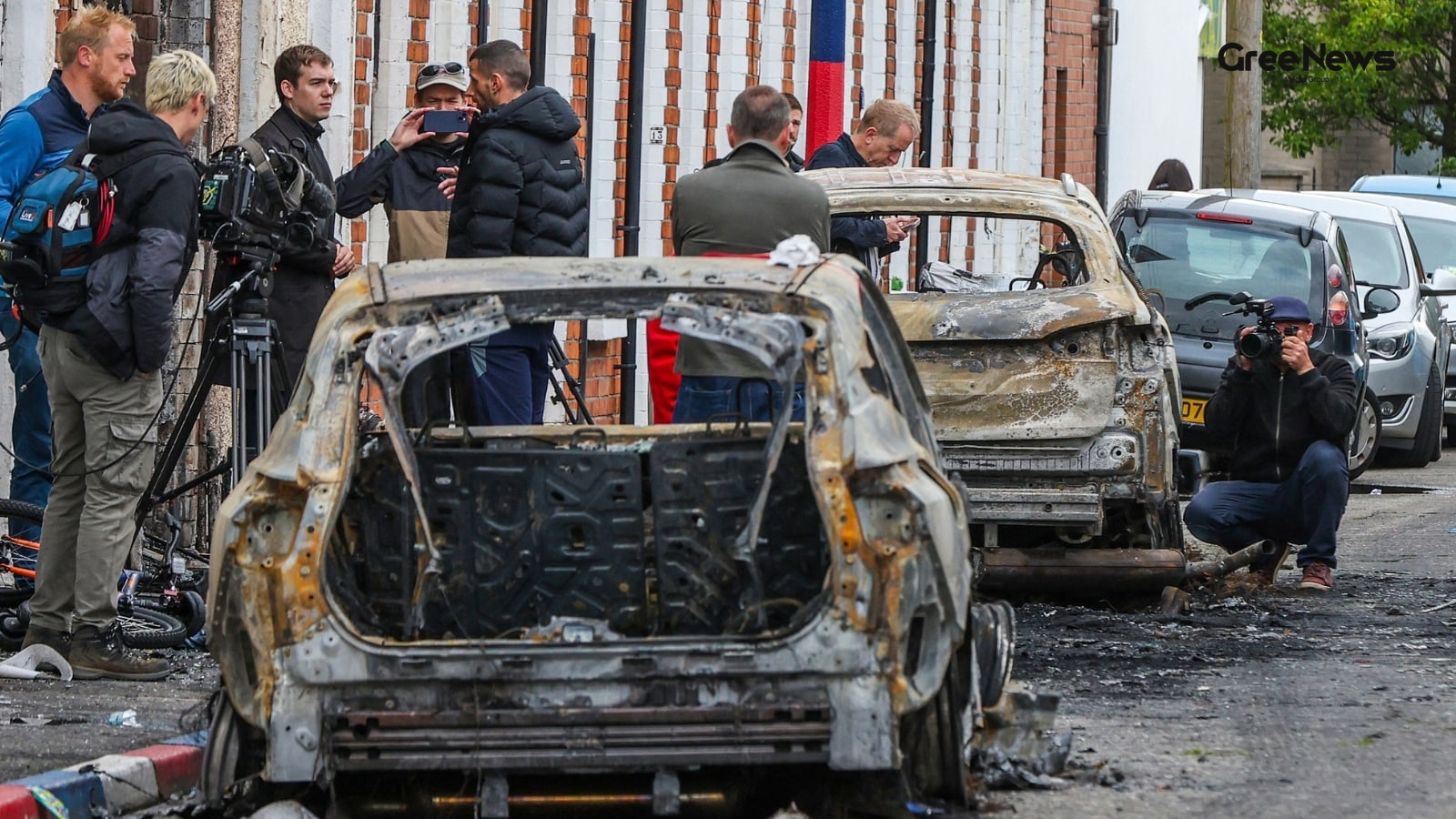
Belfast Wrecks and Civil Unrest: Fallout, Online Rhetoric, and Immigration Tensions
Belfast woke up Wednesday to the wreckage. Burnt cars, smashed shopfronts, charred remains of homes all left behind after the night before. It was just pure fire across the city following an arrest and stabbing that had left someone seriously hurt. The suspect ended up in Magistrates’ Court on Wedne
Jun 11, 2026 by Gree News Team
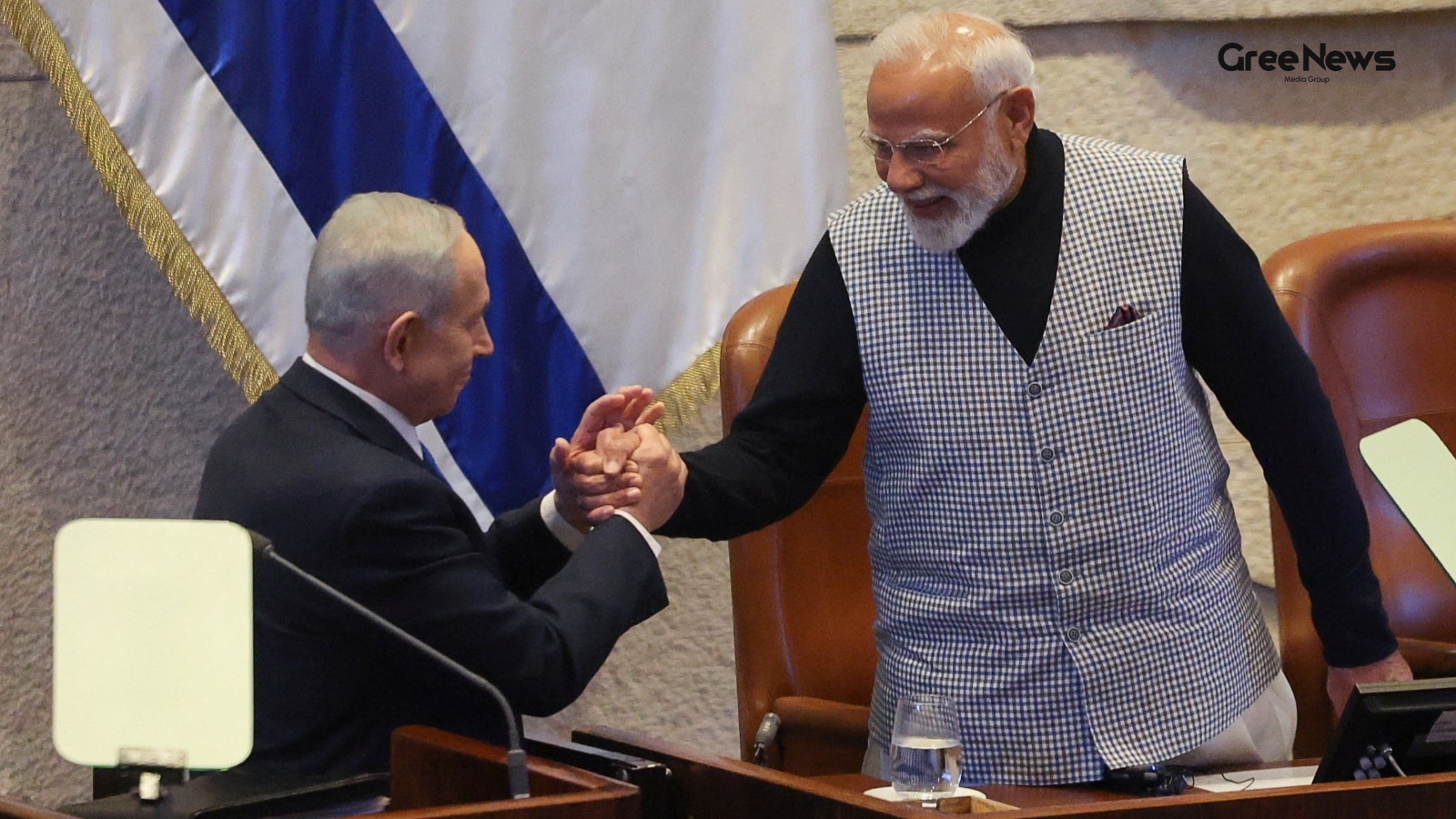
The Deepening Bond: Israel and India's Evolving Relationship
Netanyahu sent a message. A special one. To Modi. It wasn't just routine stuff. It was personal, framed as a friend speaking across borders. “Prime Minister Modi,” he wrote on X. “My dear friend in India.” That’s how it started. A congratulation for reaching twelve years in office. Longest serving e
Jun 11, 2026 by Gree News Team
West Bengal Political Volatility and the Rebel MPs
The situation in West Bengal is absolutely volatile right now. It’s not just some internal squabble; it’s a genuine political breaking point. Twenty rebel MPs have gone and approached Speaker Om Birla, trying to carve out their own parliamentary space. They claim allegiance to the BJP-led NDA. This
Jun 11, 2026 by Gree News Team
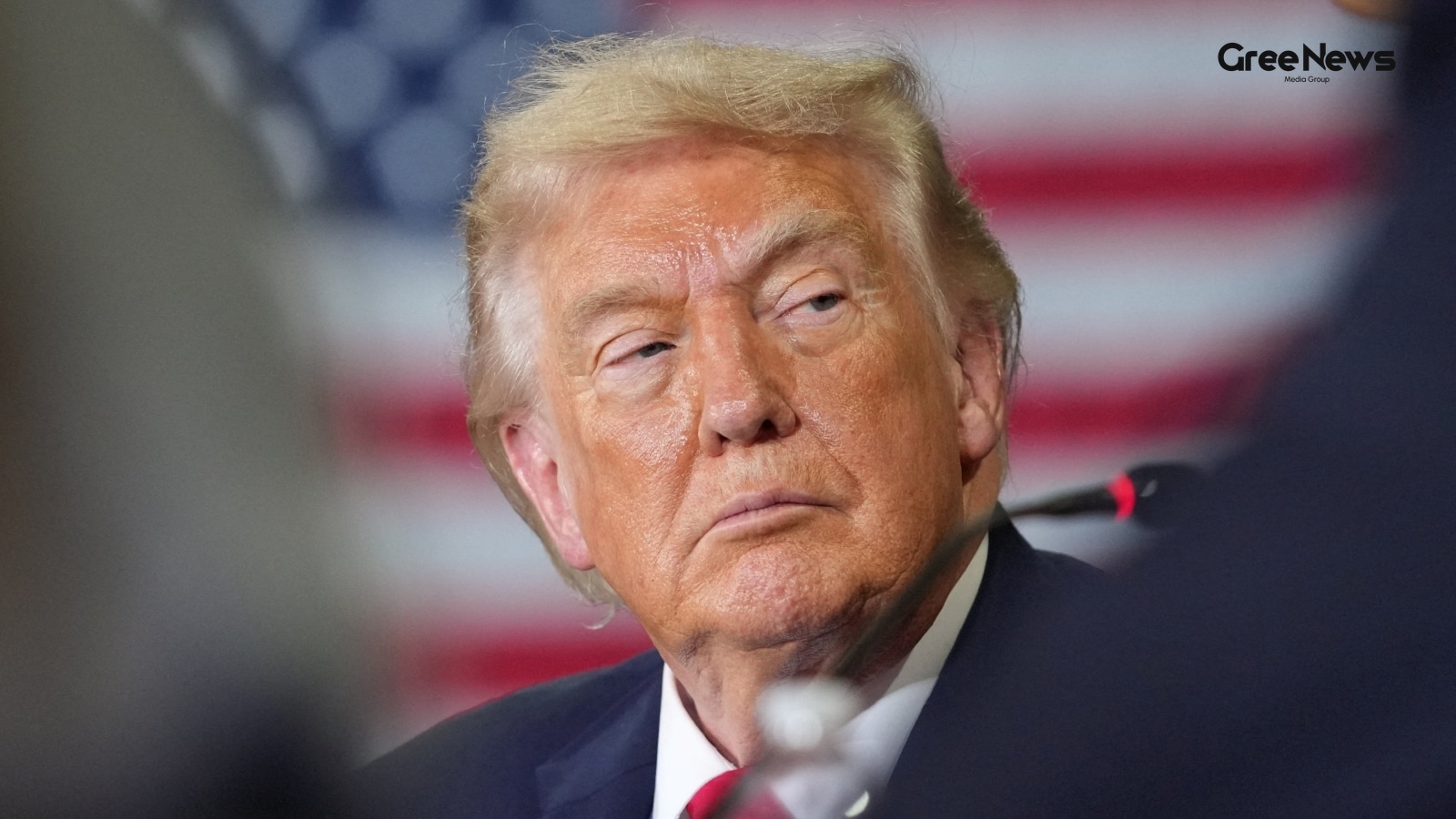
Escalation of Hostilities and Strikes Between US and Iran
The strikes are happening again. It’s getting worse. US Central Command, CENTCOM, just said they started “additional self-defense strikes” inside Iran. Trump ordered them. “The strikes are in response to Iran’s unwarranted and continued aggression,” that’s what they put out. It follows the earlier a
Jun 11, 2026 by Gree News Team

The Shifting Reality: Unseen Tensions and Underlying Shifts
The air felt thick today. You could almost taste the tension, you know? It’s always something shifting under the surface of these things. Things in the capital are moving slow. Really slow. But the pressure isn't slowing down. It just changes direction. We saw some chatter this morning. Nothing conc
Jun 11, 2026 by Gree News Team
Fallout of Allegations: Institutional Response and Legal Action in Medical Colleges
The whole situation is kind of messy. You have this high-level order coming down from Uttar Pradesh Governor Anandiben Patel, triggered by some really serious stuff allegations about religious conversion involving a doctor at KGMU, and someone’s daughter disappearing, linked to an SGPGI employee. An
Jun 11, 2026 by Gree News Team
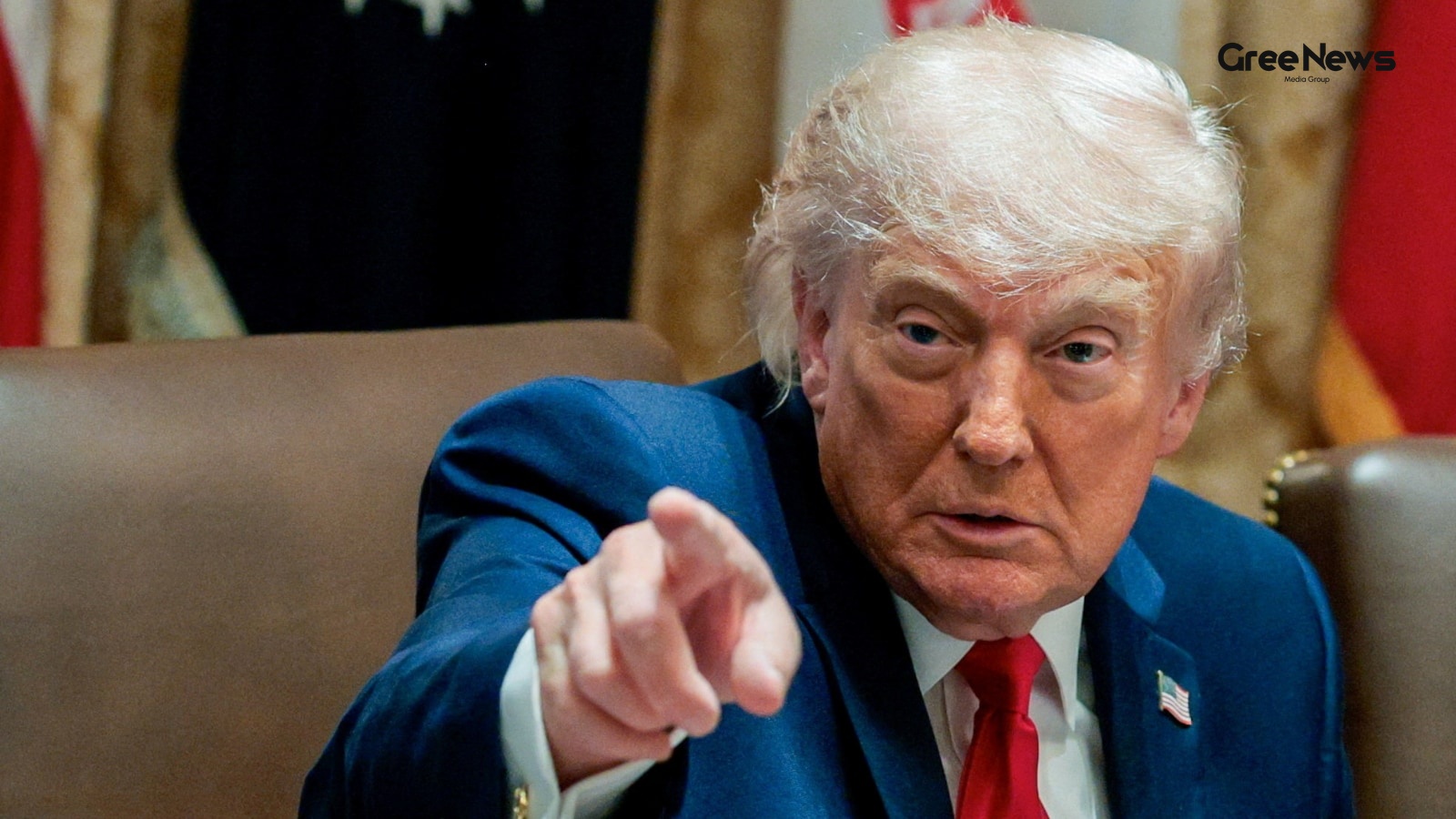
Donald Trump on Secret Military Operation and Oil Transit through the Strait of Hormuz
Donald Trump talked about something Wednesday. He claimed his country moved over 100 million barrels of oil through the Strait of Hormuz. And he said it was all part of some secret military operation. The Strait itself, you know, that’s a really important spot for global oil transit. A choke point.
Jun 11, 2026 by Gree News Team
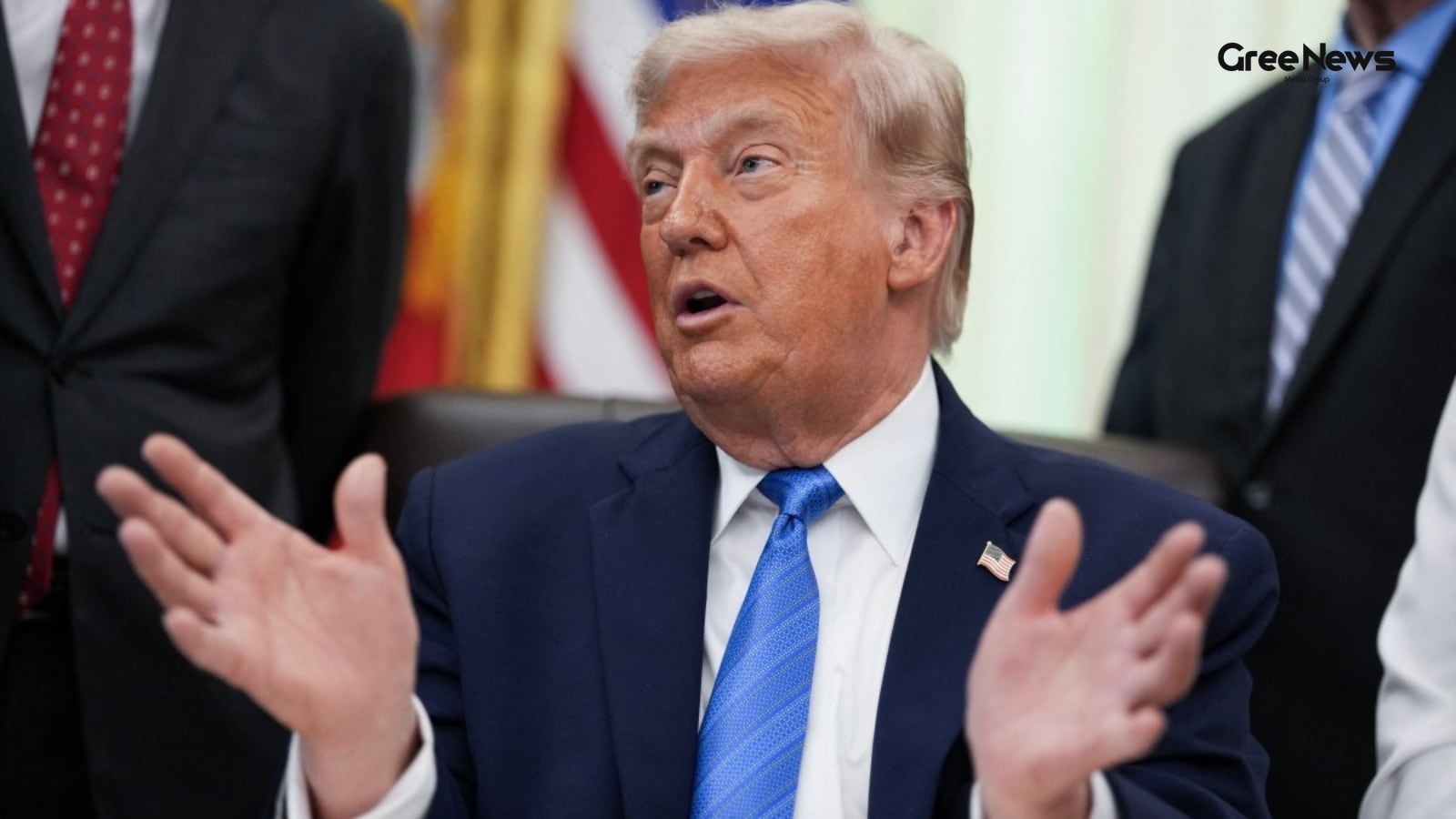
US-Iran Tensions, Nuclear Threats, and Regional Conflicts
The whole situation with the US and Iran is still boiling over. President Trump talked about it on Wednesday, local time. He insisted that America wants some kind of deal with Iran something meaningful, something effective. But even while pushing for this agreement, he kept signaling that the milita
Jun 11, 2026 by Gree News Team
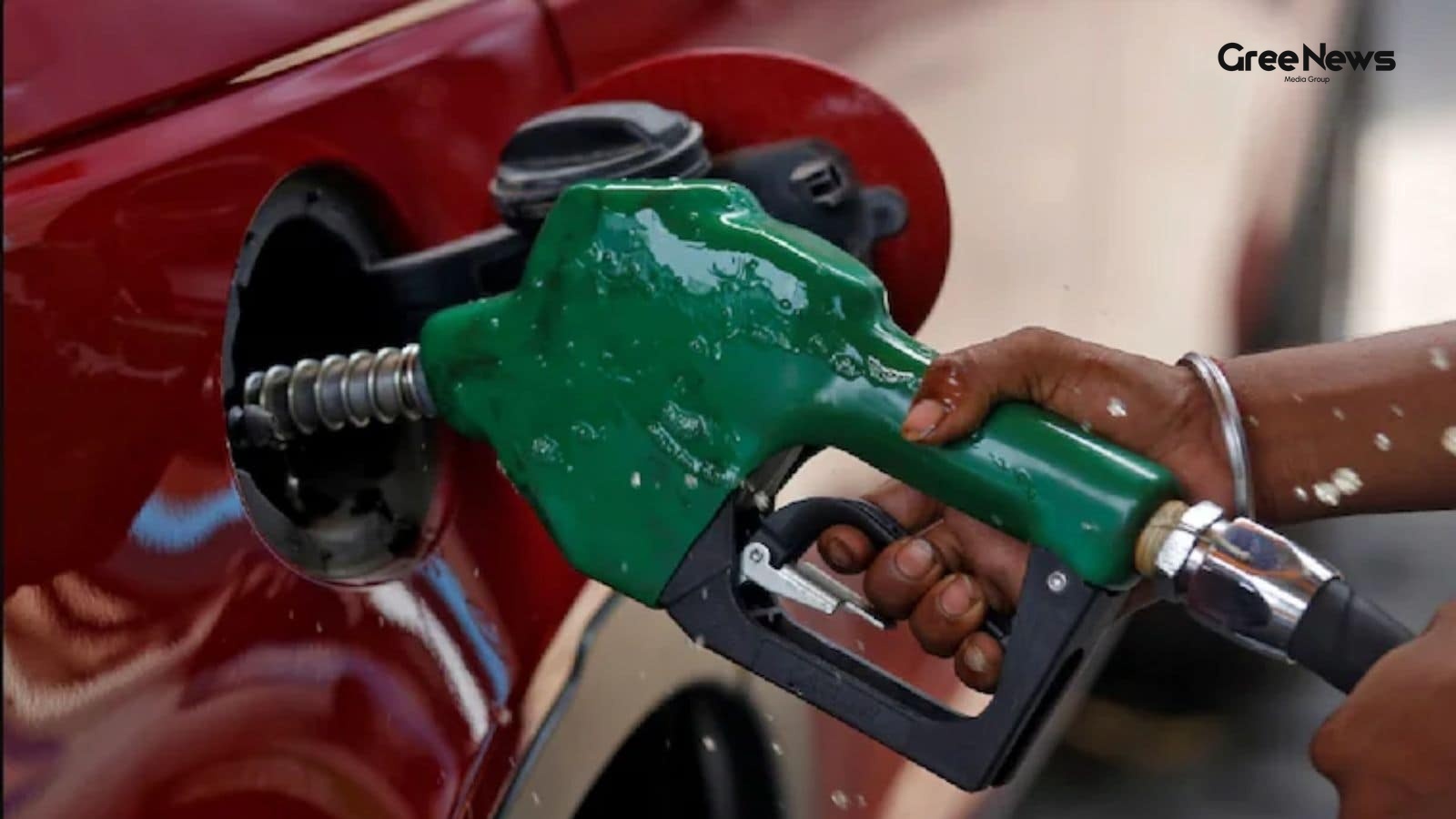
The Impact of Excise Duty Changes on Ethanol Blends and Global Energy Volatility
The finance ministry just dropped something. a notification, really. it wasn't some gentle update; it felt more like a sudden shift in the air, you know? suddenly these numbers, E22, E25, E27, and E30 they weren’t just labels on a spreadsheet anymore. they were suddenly real things hitting the road.
Jun 11, 2026 by Gree News Team
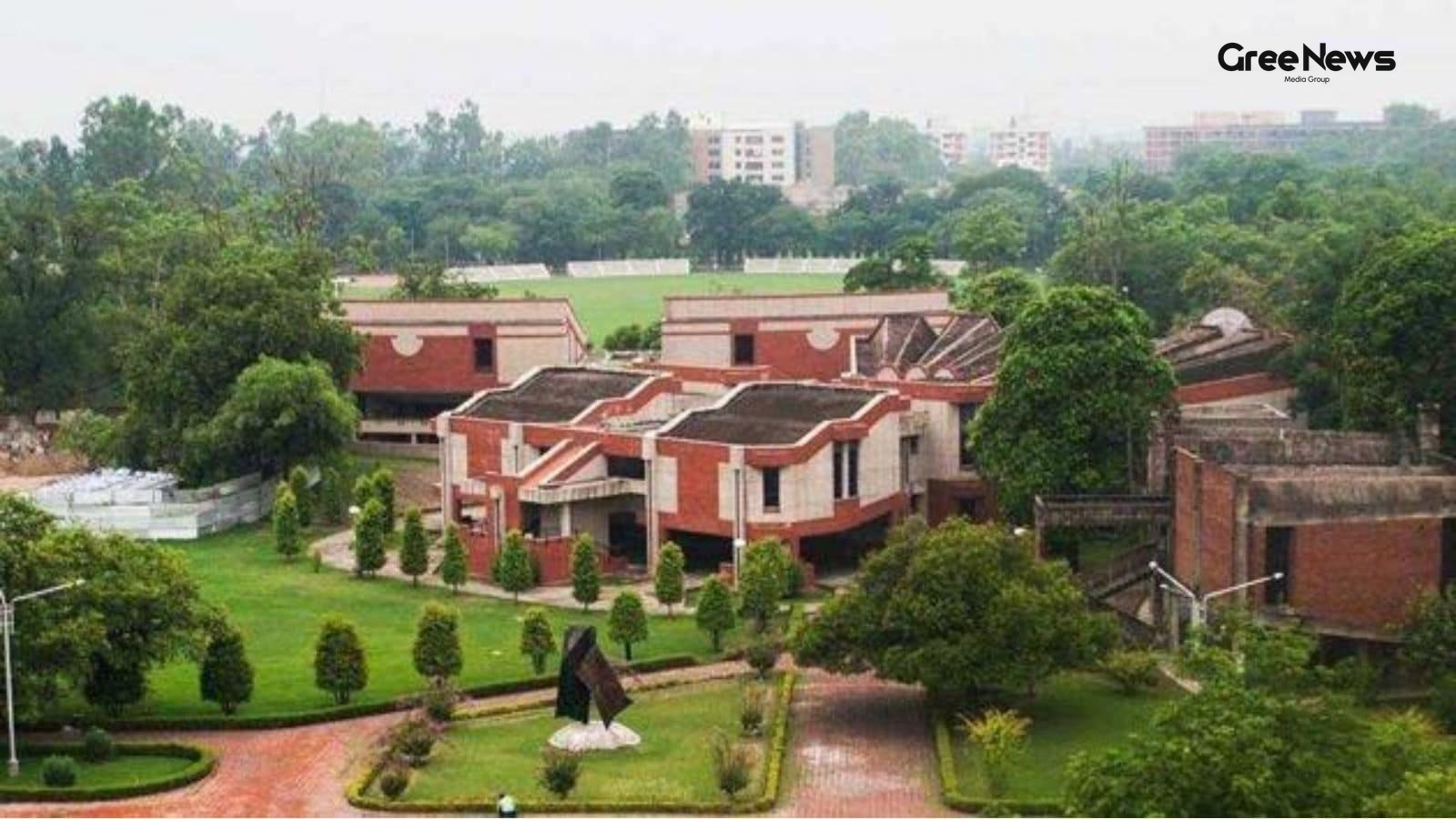
Teen Hacker Exposes Flaws in Education Portal, Joins Cybersecurity Team at IIT Kanpur
Most job seekers deal with resumes and cover emails. For nineteen-year-old Nisarga Adhikary, it was something different entirely: a blog post exposing holes in the Central Board of Secondary Education’s on-screen marking portal. That post dropped on May 22nd. It caught some serious attention. Manind
Jun 11, 2026 by Gree News Team
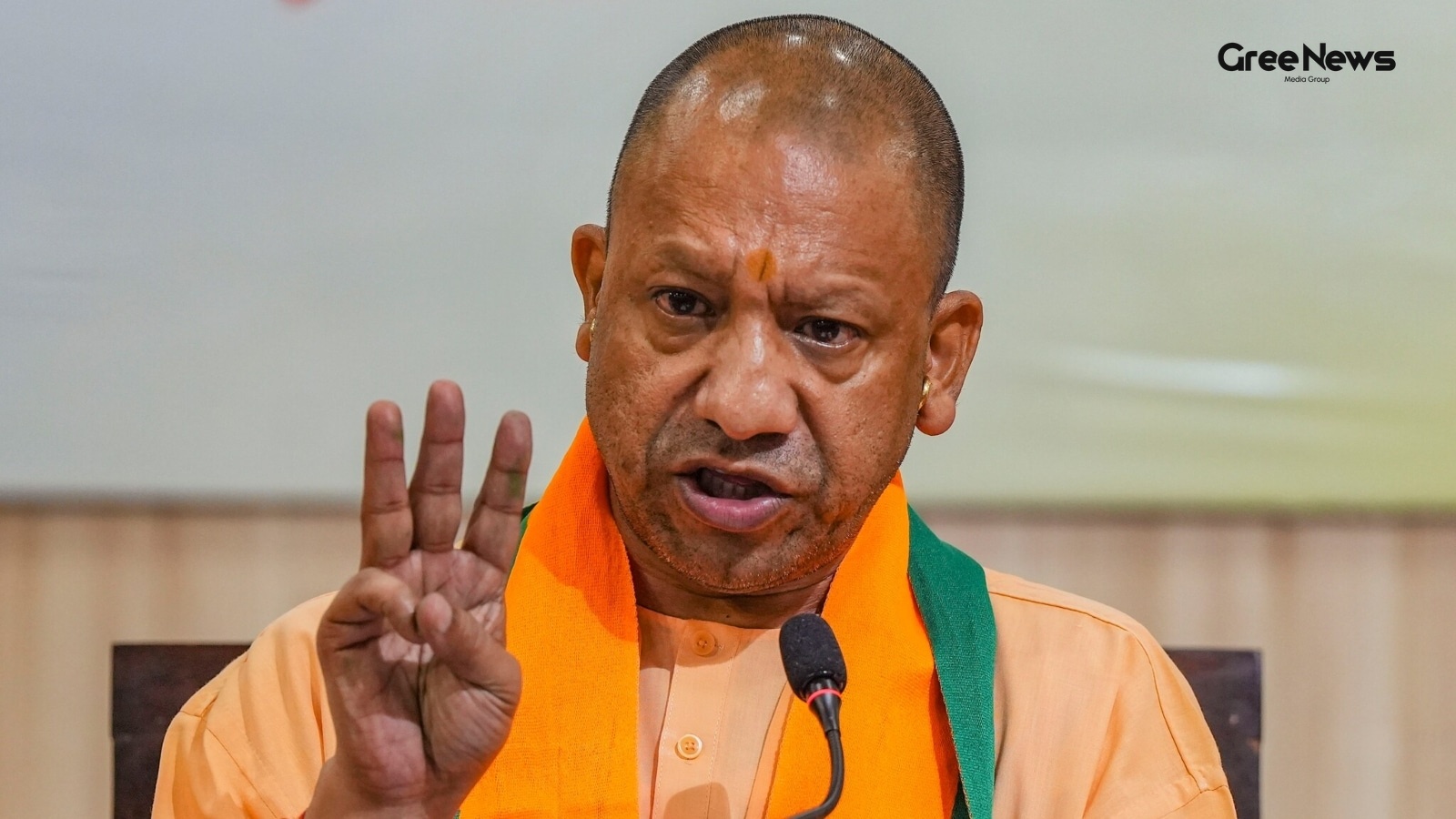
Yogi Adityanath's Letter to PM Modi on Nation-Building and UP's Progress
Yogi Adityanath sent out some greetings on Wednesday to Prime Minister Modi. It was about him reaching twelve years as the longest-serving elected prime minister, that’s what he congratulated him for. He didn't just send a standard note. He actually wrote a letter to PM Modi himself, extending well
Jun 11, 2026 by Gree News Team

Buying Guides: AC Specifications and Immersive Sound Systems
Buying an air conditioner has gotten so much more complicated lately. You have to think about tonnage, inverter tech, efficiency ratings, ambient temps a whole list of things that might or might not matter for just living in a room. The good news is, only a handful of specs actually change how you c
Jun 11, 2026 by Gree News Team

Canada's Digital Safety Act: Overhaul of Social Media and AI Regulation
Canada just rolled out this whole digital safety thing. A big overhaul, they call it. It’s about banning kids under sixteen from having social media accounts. And then there’s the AI bit they want chatbots to stop making harmful stuff. This "Digital Safety Act," introduced Wednesday local time, puts
Jun 11, 2026 by Gree News Team