Teen Hacker Exposes Flaws in Education Portal, Joins Cybersecurity Team at IIT Kanpur
Most job seekers deal with resumes and cover emails. For nineteen-year-old Nisarga Adhikary, it was something different entirely: a blog post exposing holes in the Central Board of Secondary Education’s on-screen marking portal.
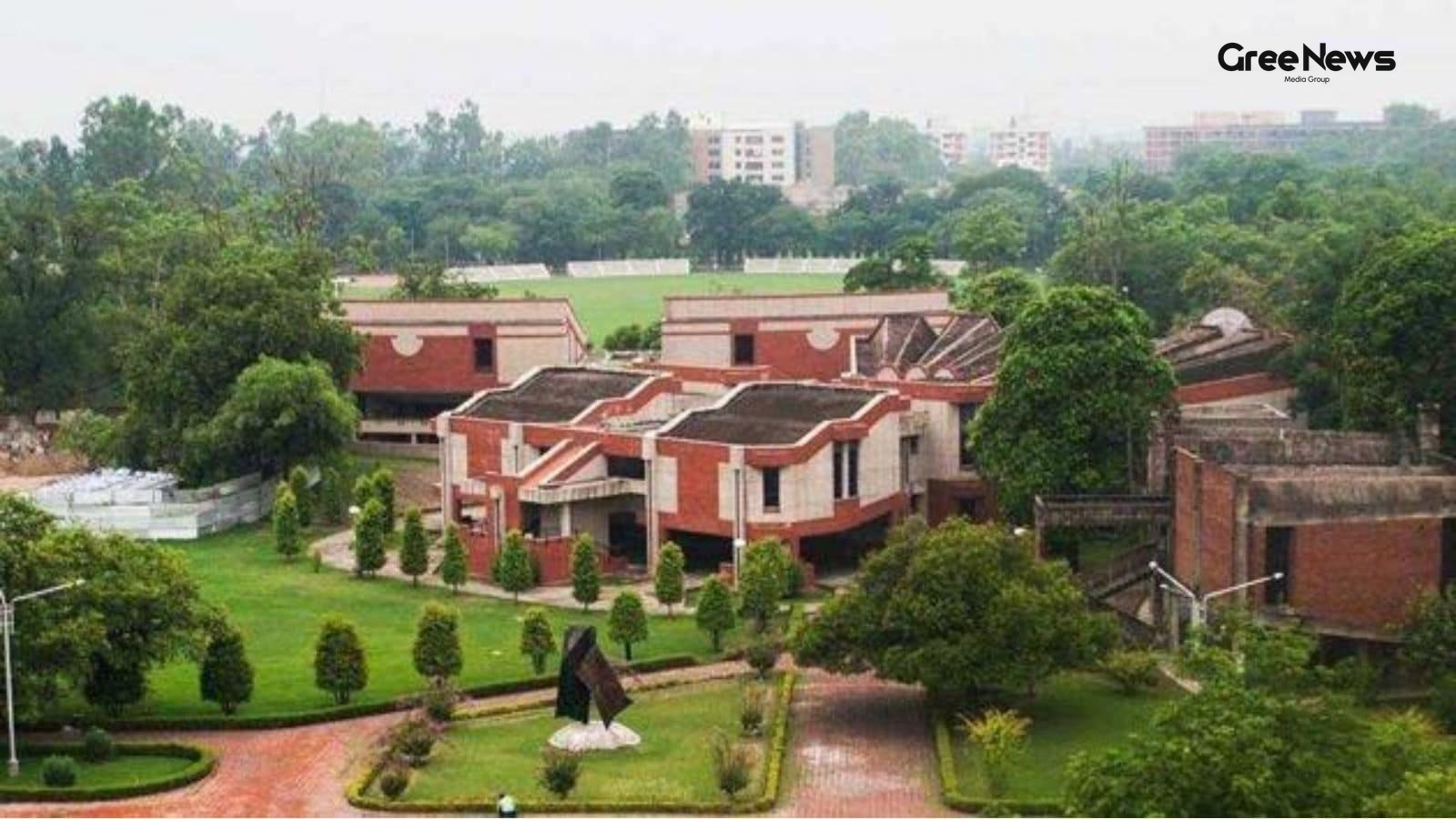
That post dropped on May 22nd. It caught some serious attention. Manindra Agrawal, the director at IIT Kanpur, said he reached out to Adhikary right after reading it. Now, this week, the teenager is actually working as an Open-Source Intelligence and threat intelligence engineer over at C3iHub, which is the institute’s tech innovation hub.
Agrawal mentioned it in an interview. He said Adhikary has been slotted into their cybersecurity team. They’ve hired young engineers before. He wasn't sure if Adhikary was the youngest ever recruited there, but he definitely pointed out that he was among the youngest hires IIT Kanpur had made.
The issues Adhikary flagged weren’t just about a website glitch. It fed into a much bigger mess concerning how this marking system was rolled out. Things got rushed. According to reports from the Hindustan Times , there were no bids in the first tender, nothing successful in the second round either. So they relaxed the technical requirements for the third time around. That one went to Coempt Edu Teck.
Further digging by the HT showed something else about that company’s certificates. One of them related to a completely different client using the same software in a pre-production setup. Another certificate? Nearly two years old. It felt shaky, you know?
Adhikary cleared his Class 12 exams this year and now he’ll be working under IIT Kanpur’s security team on a contract basis. What that means is analyzing public data, spotting weaknesses in websites and apps, helping organizations patch those security holes. It sounds intense.
When asked about the move, Adhikary seemed genuinely excited. He said it was the first time he’d been in a security-focused role. Before this, his background was mostly software engineering; cybersecurity felt more like a hobby.
Neither of his parents are in the field. They both work in finance. But that interest in tech runs deep. Adhikary recalled starting to code when he was six or seven. He got seriously into things when he started participating in Capture the Flag competitions back in Class 6. CTF, you know, those gamified hacking puzzles where you hunt for hidden strings flags in vulnerable programs or networks.
About the money side of things? Nobody’s exactly sure about his salary at IIT Kanpur. He did acknowledge it wasn't what he hoped for.
“The pay is decent,” he admitted. “But I was expecting a bit more.” He added that he’s used to working on projects with companies based in the US. There’s just this financial pull, the advantage of earning in dollars because of the USD-INR exchange rate.
Right now? No big plans for further education. He isn't really into academia. He wants to build stuff. Startups. Products people actually use.
Meanwhile, things were happening on the administrative side too. On May 24th, Union Education Minister Dharmendra Pradhan made a directive. IIT Madras and IIT Kanpur were told to send a four-person team of experts in computer systems, processes, and cybersecurity to help CBSE sort out those glitches in its post-result services portal.
Agrawal was part of that exercise. He was stationed at the CBSE headquarters in Delhi, met Adhikary about two weeks ago.
The director still offered some perspective. “Adhikari is obviously talented,” Agrawal said. “But he’s got a lot more to learn and needs to develop those skills further. IIT Kanpur gives him that chance. He’ll do fine if he keeps pushing.”
Back to the initial finding. In his blog, Adhikary had reported those vulnerabilities straight to CERT-In on February 25th. The HT picked up on this in June. He found five major flaws in that marking portal. One was seriously exposed: a master password stored in plain text. That meant users could totally skip two-factor authentication just by reading it.
He reported those issues. CERT-In fixed one flaw after the alert, but the rest? They lingered until the whole system got shut down eventually. It’s a messy process.
Written by Gree News Team — Senior Editorial Board
Gree News Team covers international news and global affairs at Gree News. Our collective of senior editors is dedicated to providing independent, accurate, and responsible journalism for a global audience.
More from India
View All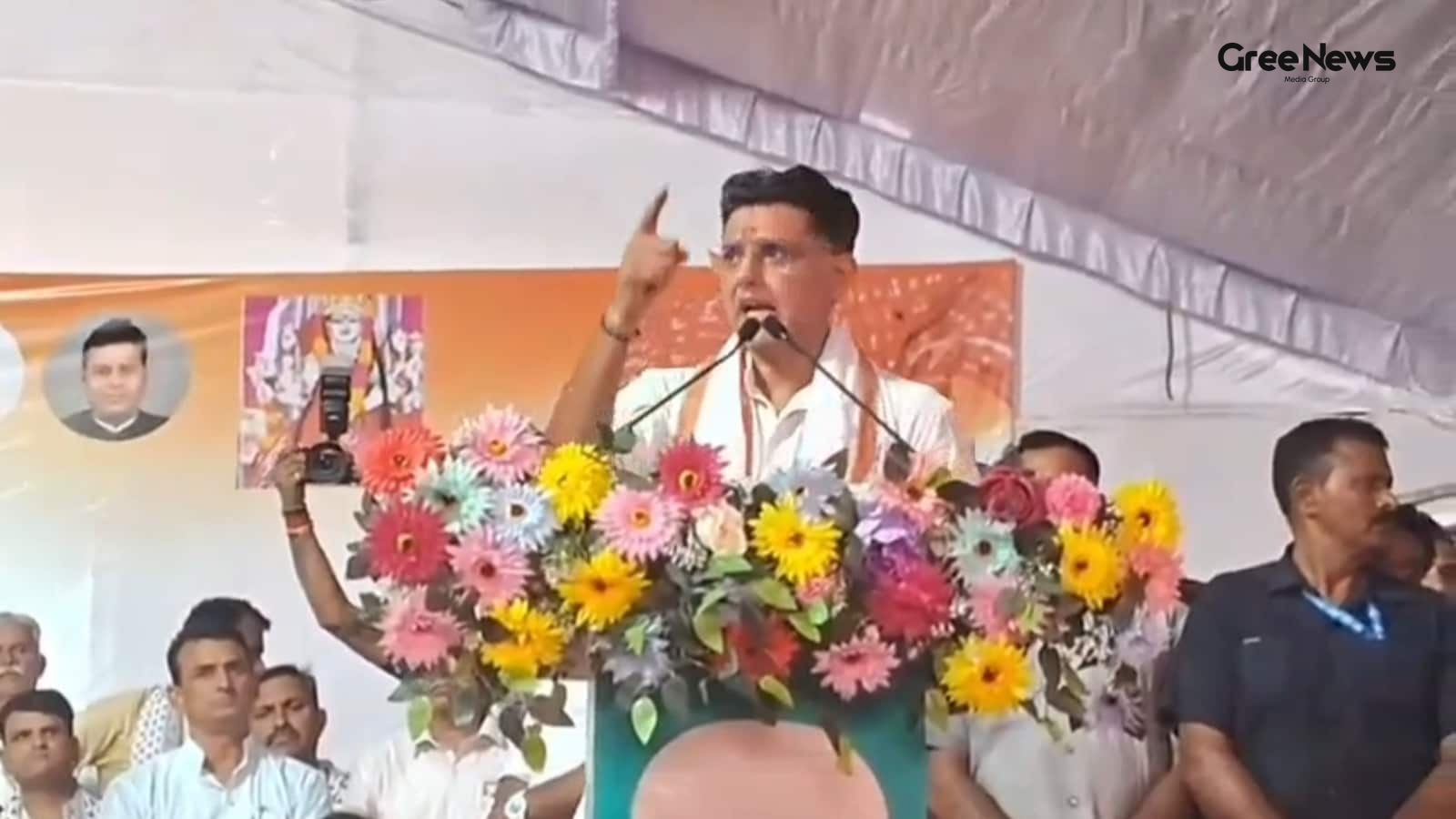
Sachin Pilot's Restraint: Navigating Political Rivalry and Peace
Sachin Pilot took a different route on Wednesday. Instead of firing back at his political rivals, he chose restraint. He was addressing a huge gathering a *Kisan Sammelan* in Karauli and what came out felt less like an attack and more like a plea for peace. Differences between political colleagues?
Jun 11, 2026 by Gree News Team
TMC Crisis: Live Updates and Internal Political Developments
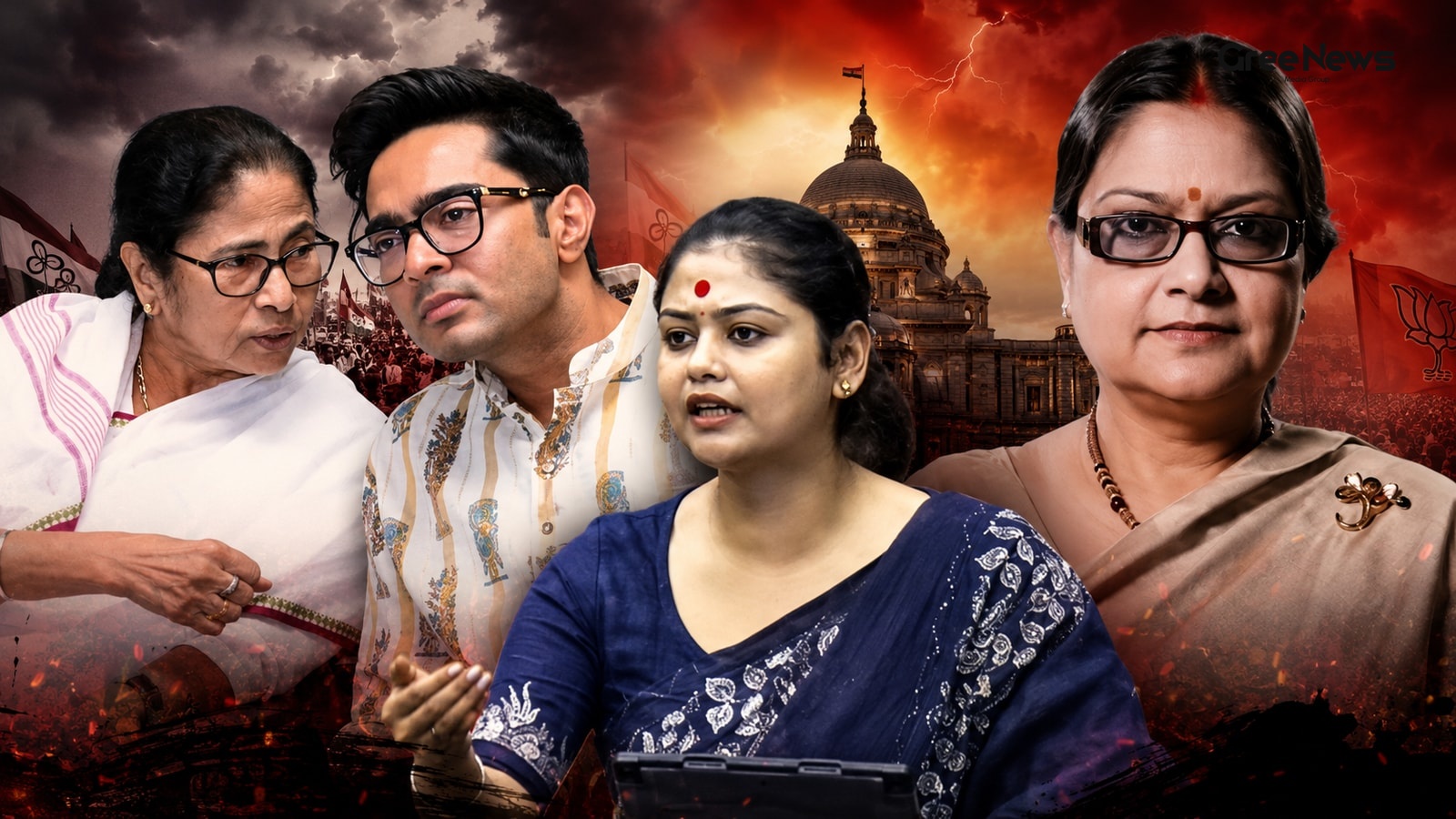
TMC Crisis Live Updates and Latest Developments You just have to watch this unfold. It’s not some neat timeline or perfectly ordered sequence of events, you know? The tension isn't just noise; it’s palpable. You can feel the strain from the top down, but it’s equally visible in the shuffling happeni
Jun 11, 2026 by Gree News Team
West Bengal Political Volatility and the Rebel MPs
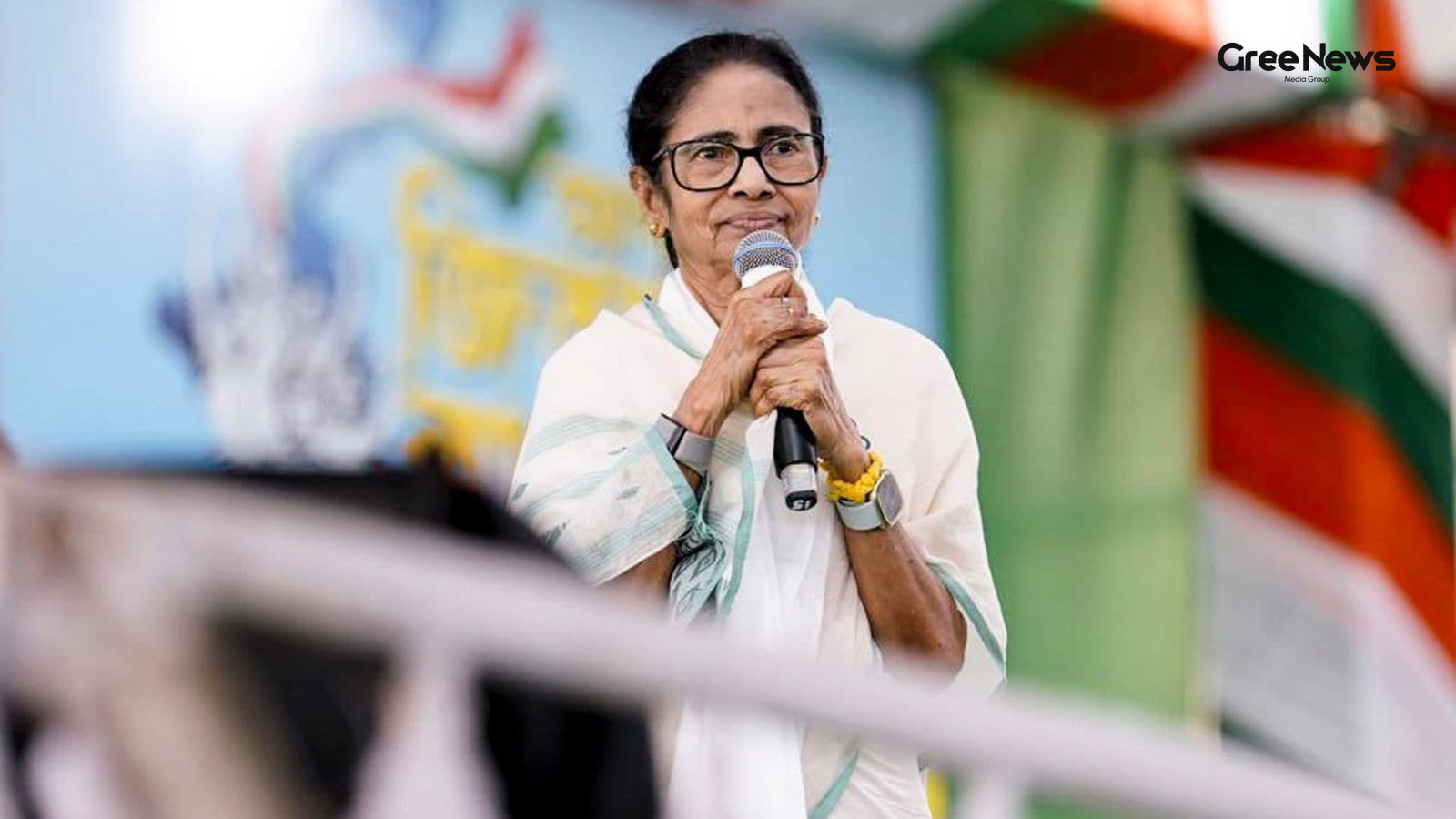
The situation in West Bengal is absolutely volatile right now. It’s not just some internal squabble; it’s a genuine political breaking point. Twenty rebel MPs have gone and approached Speaker Om Birla, trying to carve out their own parliamentary space. They claim allegiance to the BJP-led NDA. This
Jun 11, 2026 by Gree News Team
Fallout of Allegations: Institutional Response and Legal Action in Medical Colleges
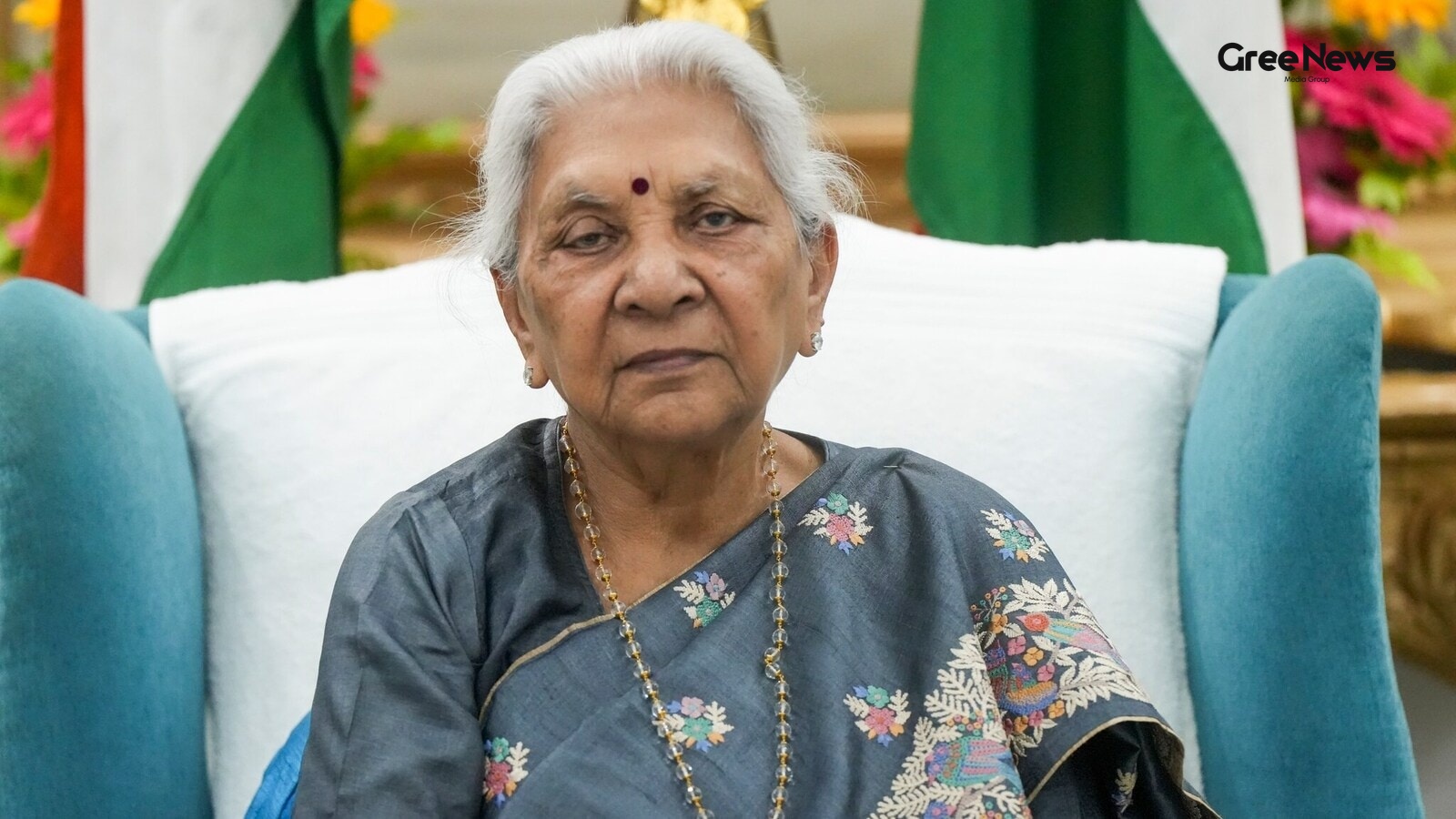
The whole situation is kind of messy. You have this high-level order coming down from Uttar Pradesh Governor Anandiben Patel, triggered by some really serious stuff allegations about religious conversion involving a doctor at KGMU, and someone’s daughter disappearing, linked to an SGPGI employee. An
Jun 11, 2026 by Gree News Team
Latest Headlines
Sachin Pilot's Restraint: Navigating Political Rivalry and Peace
Sachin Pilot took a different route on Wednesday. Instead of firing back at his political rivals, he chose restraint. He was addressing a huge gathering a *Kisan Sammelan* in Karauli and what came out felt less like an attack and more like a plea for peace. Differences between political colleagues?
Jun 11, 2026 by Gree News Team
TMC Crisis: Live Updates and Internal Political Developments
TMC Crisis Live Updates and Latest Developments You just have to watch this unfold. It’s not some neat timeline or perfectly ordered sequence of events, you know? The tension isn't just noise; it’s palpable. You can feel the strain from the top down, but it’s equally visible in the shuffling happeni
Jun 11, 2026 by Gree News Team

Belfast Wrecks and Civil Unrest: Fallout, Online Rhetoric, and Immigration Tensions
Belfast woke up Wednesday to the wreckage. Burnt cars, smashed shopfronts, charred remains of homes all left behind after the night before. It was just pure fire across the city following an arrest and stabbing that had left someone seriously hurt. The suspect ended up in Magistrates’ Court on Wedne
Jun 11, 2026 by Gree News Team
The Deepening Bond: Israel and India's Evolving Relationship
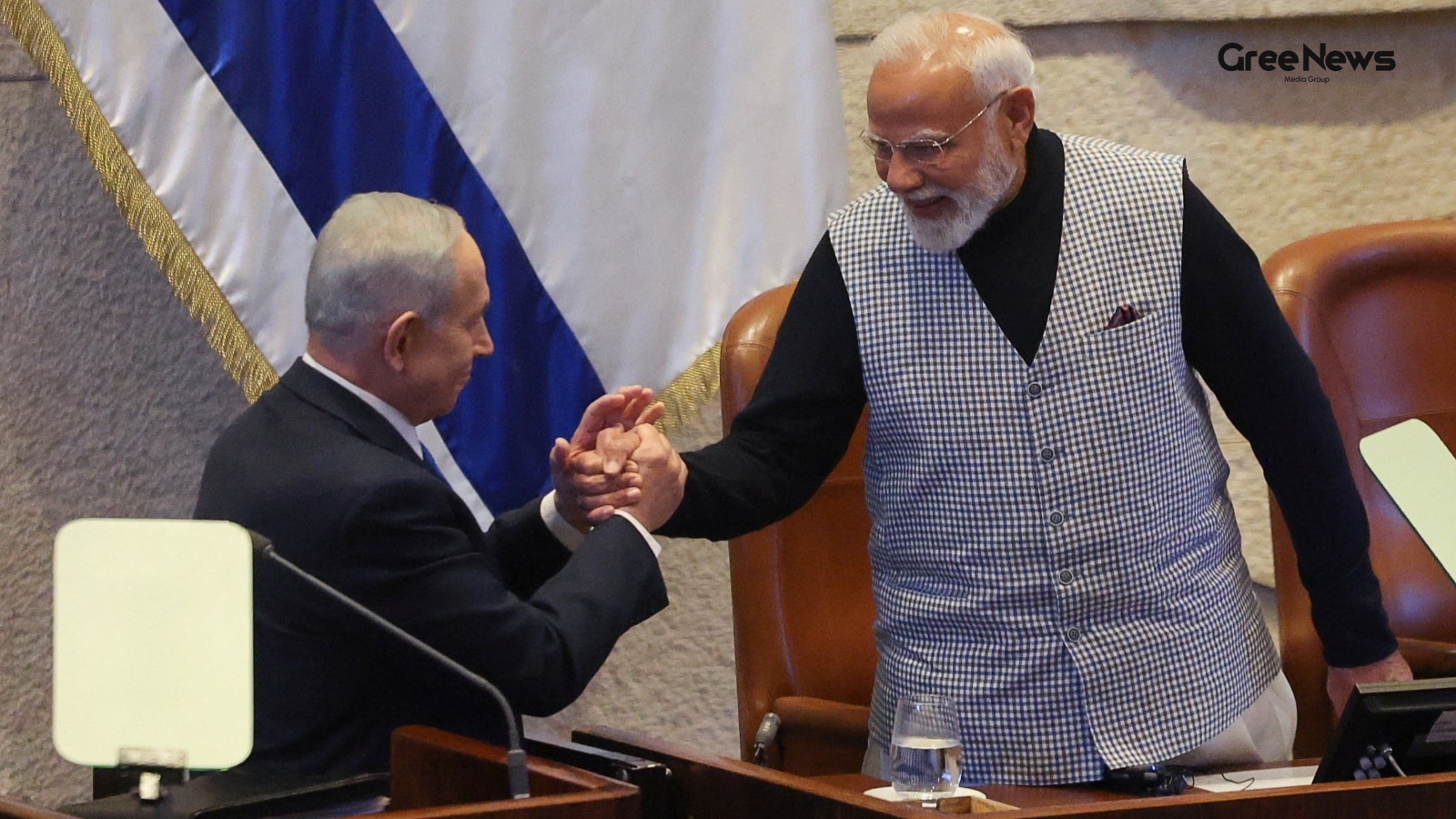
Netanyahu sent a message. A special one. To Modi. It wasn't just routine stuff. It was personal, framed as a friend speaking across borders. “Prime Minister Modi,” he wrote on X. “My dear friend in India.” That’s how it started. A congratulation for reaching twelve years in office. Longest serving e
Jun 11, 2026 by Gree News Team
West Bengal Political Volatility and the Rebel MPs
The situation in West Bengal is absolutely volatile right now. It’s not just some internal squabble; it’s a genuine political breaking point. Twenty rebel MPs have gone and approached Speaker Om Birla, trying to carve out their own parliamentary space. They claim allegiance to the BJP-led NDA. This
Jun 11, 2026 by Gree News Team
Escalation of Hostilities and Strikes Between US and Iran
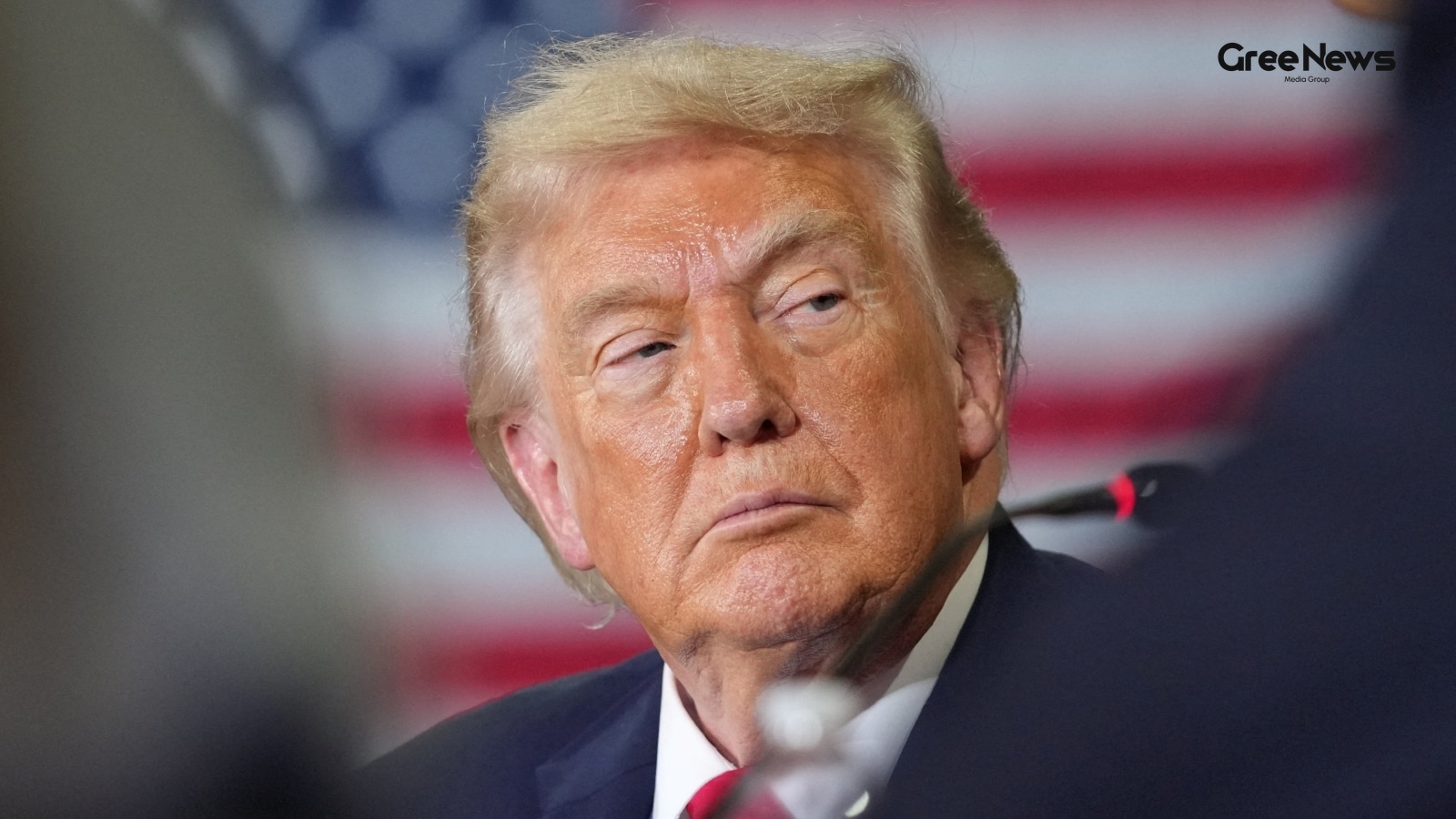
The strikes are happening again. It’s getting worse. US Central Command, CENTCOM, just said they started “additional self-defense strikes” inside Iran. Trump ordered them. “The strikes are in response to Iran’s unwarranted and continued aggression,” that’s what they put out. It follows the earlier a
Jun 11, 2026 by Gree News Team

The Shifting Reality: Unseen Tensions and Underlying Shifts
The air felt thick today. You could almost taste the tension, you know? It’s always something shifting under the surface of these things. Things in the capital are moving slow. Really slow. But the pressure isn't slowing down. It just changes direction. We saw some chatter this morning. Nothing conc
Jun 11, 2026 by Gree News Team
Fallout of Allegations: Institutional Response and Legal Action in Medical Colleges
The whole situation is kind of messy. You have this high-level order coming down from Uttar Pradesh Governor Anandiben Patel, triggered by some really serious stuff allegations about religious conversion involving a doctor at KGMU, and someone’s daughter disappearing, linked to an SGPGI employee. An
Jun 11, 2026 by Gree News Team
Donald Trump on Secret Military Operation and Oil Transit through the Strait of Hormuz
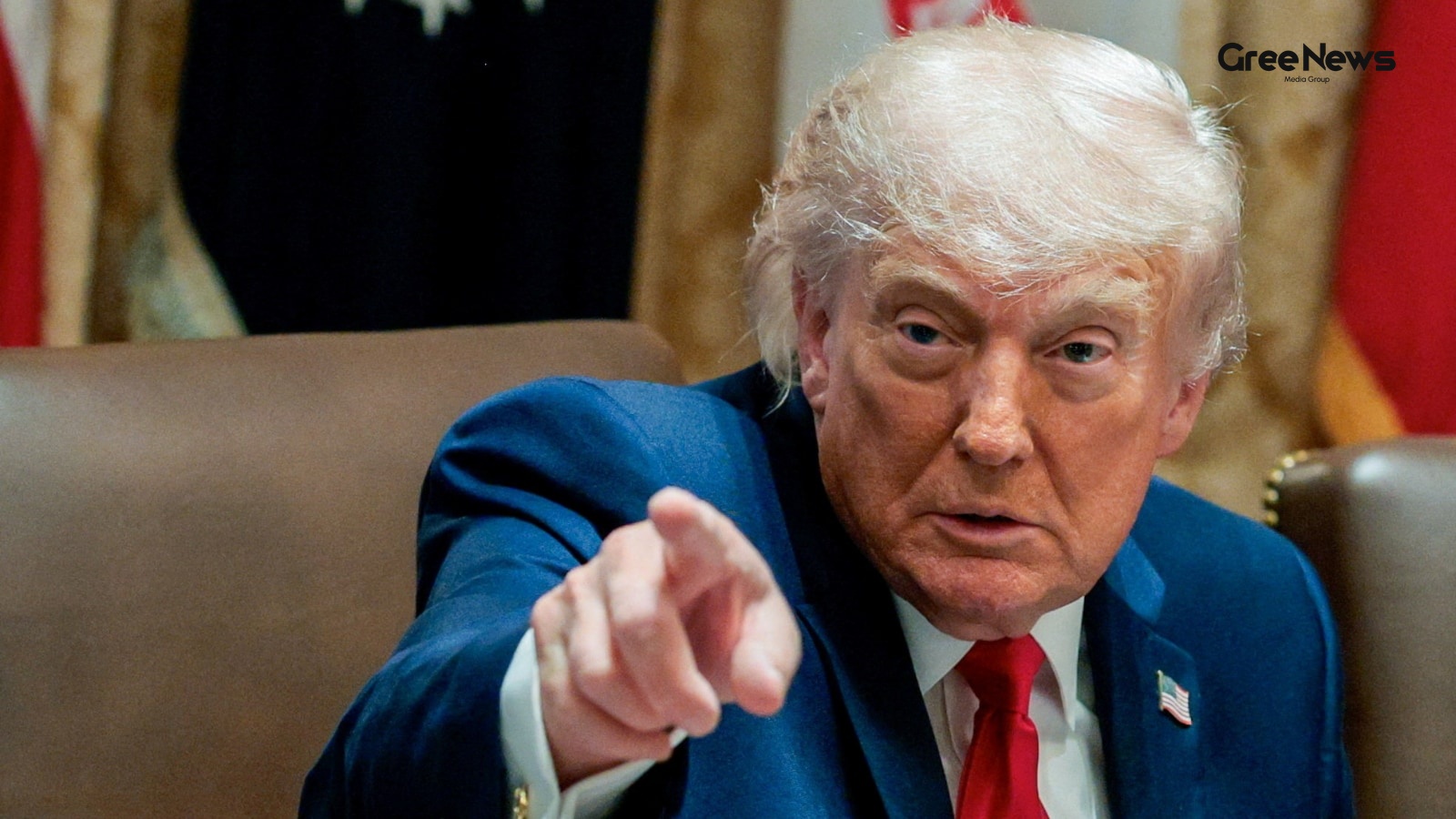
Donald Trump talked about something Wednesday. He claimed his country moved over 100 million barrels of oil through the Strait of Hormuz. And he said it was all part of some secret military operation. The Strait itself, you know, that’s a really important spot for global oil transit. A choke point.
Jun 11, 2026 by Gree News Team
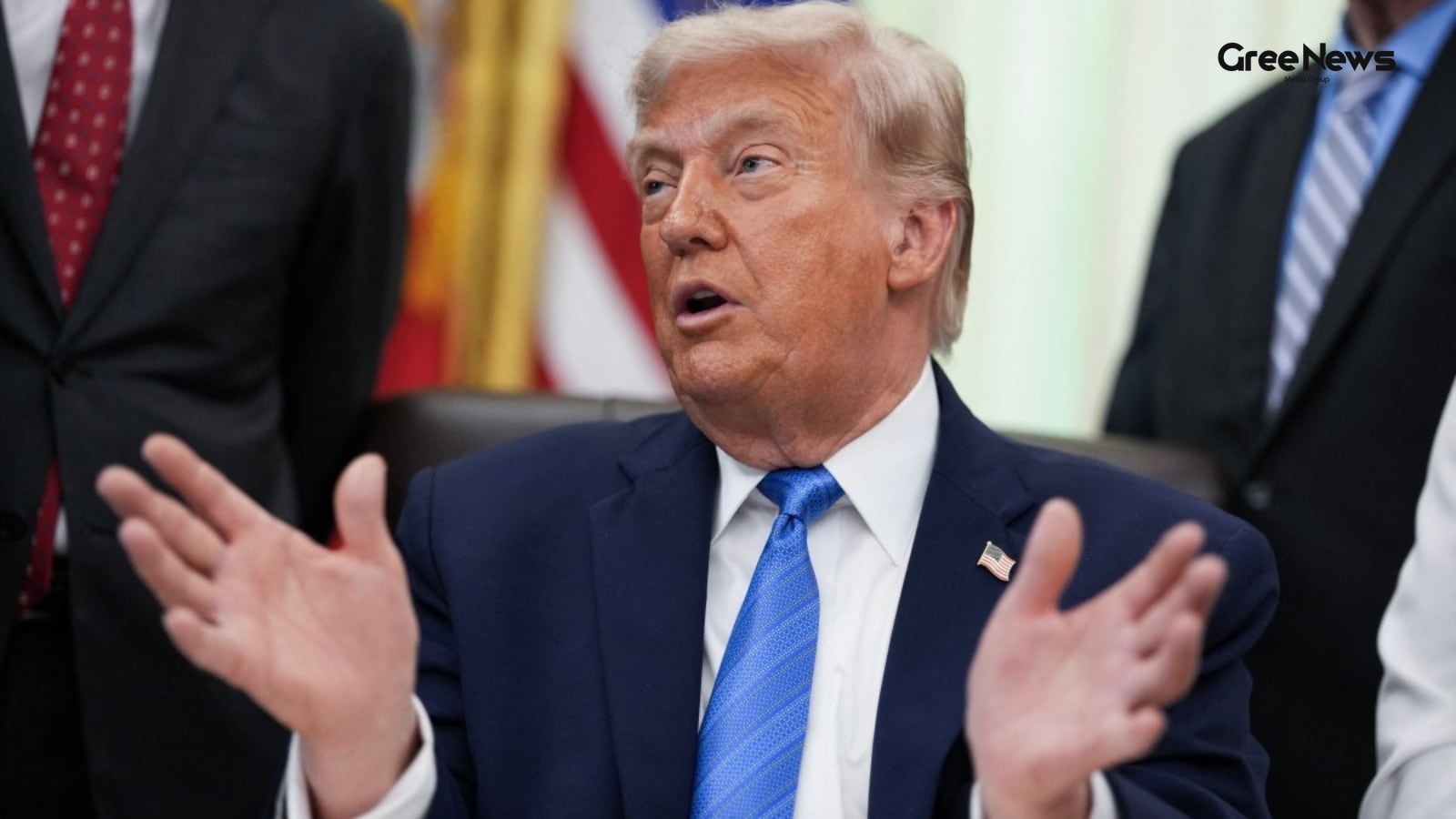
US-Iran Tensions, Nuclear Threats, and Regional Conflicts
The whole situation with the US and Iran is still boiling over. President Trump talked about it on Wednesday, local time. He insisted that America wants some kind of deal with Iran something meaningful, something effective. But even while pushing for this agreement, he kept signaling that the milita
Jun 11, 2026 by Gree News Team
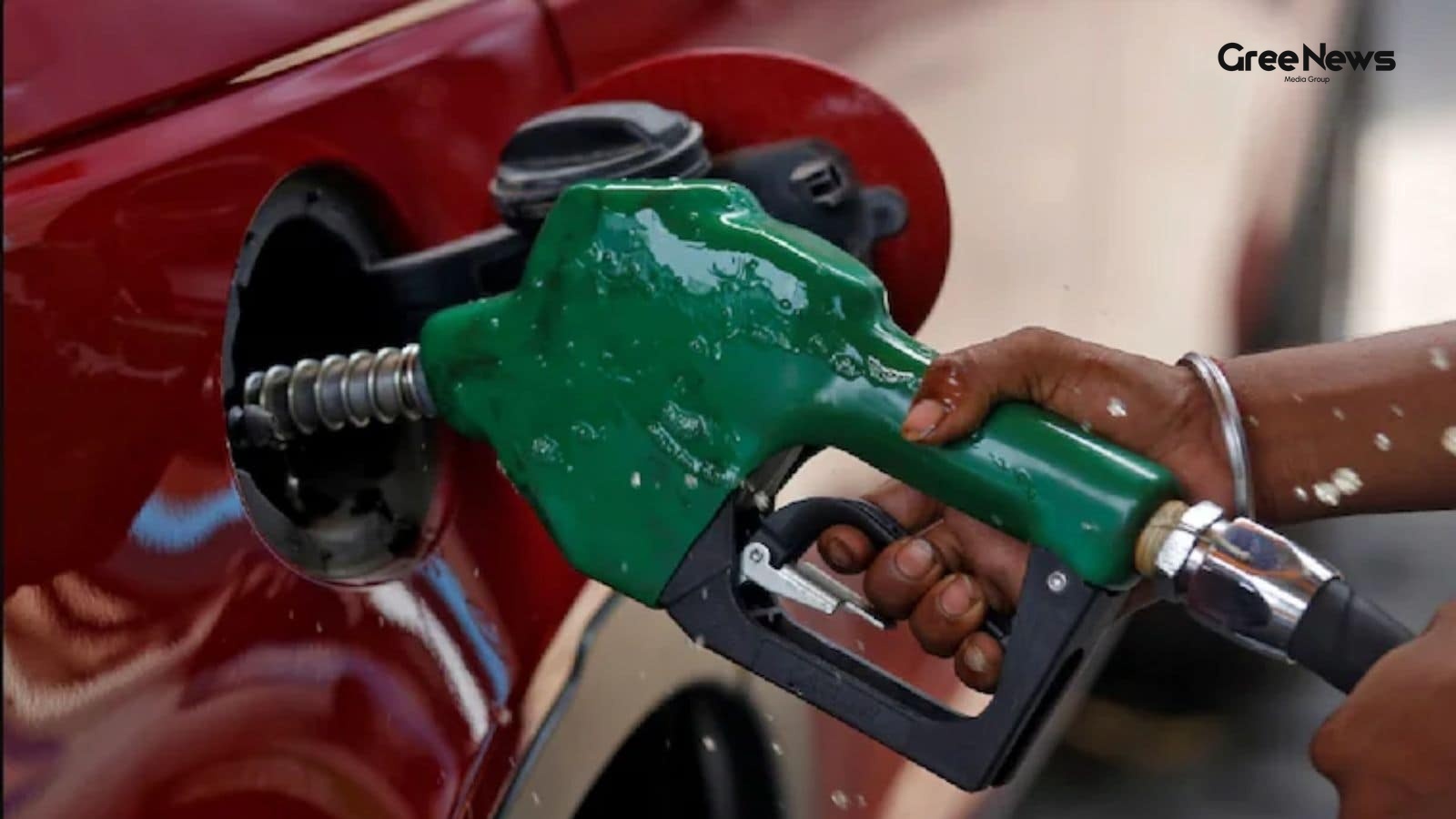
The Impact of Excise Duty Changes on Ethanol Blends and Global Energy Volatility
The finance ministry just dropped something. a notification, really. it wasn't some gentle update; it felt more like a sudden shift in the air, you know? suddenly these numbers, E22, E25, E27, and E30 they weren’t just labels on a spreadsheet anymore. they were suddenly real things hitting the road.
Jun 11, 2026 by Gree News Team
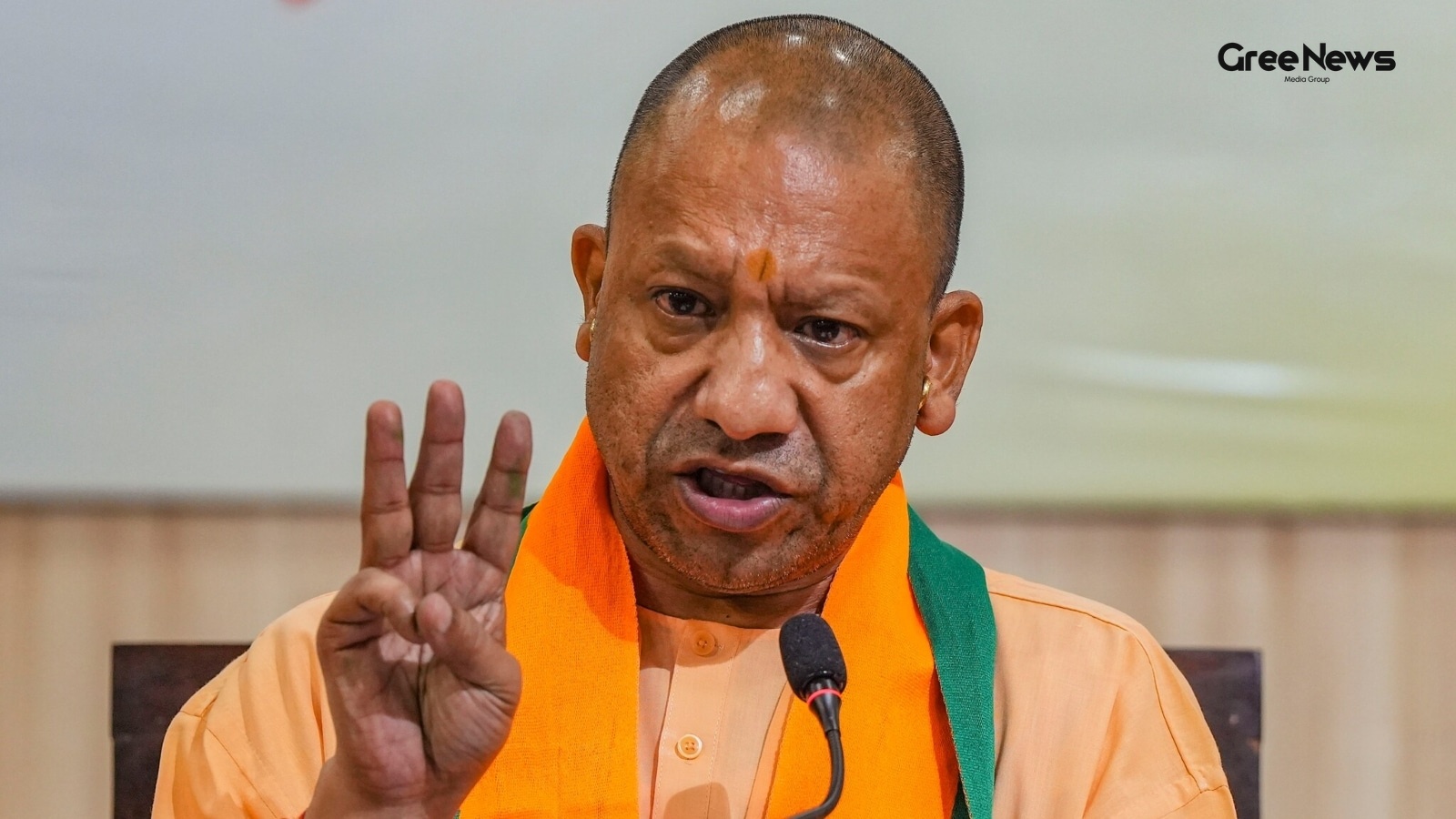
Yogi Adityanath's Letter to PM Modi on Nation-Building and UP's Progress
Yogi Adityanath sent out some greetings on Wednesday to Prime Minister Modi. It was about him reaching twelve years as the longest-serving elected prime minister, that’s what he congratulated him for. He didn't just send a standard note. He actually wrote a letter to PM Modi himself, extending well
Jun 11, 2026 by Gree News Team

Buying Guides: AC Specifications and Immersive Sound Systems
Buying an air conditioner has gotten so much more complicated lately. You have to think about tonnage, inverter tech, efficiency ratings, ambient temps a whole list of things that might or might not matter for just living in a room. The good news is, only a handful of specs actually change how you c
Jun 11, 2026 by Gree News Team

Canada's Digital Safety Act: Overhaul of Social Media and AI Regulation
Canada just rolled out this whole digital safety thing. A big overhaul, they call it. It’s about banning kids under sixteen from having social media accounts. And then there’s the AI bit they want chatbots to stop making harmful stuff. This "Digital Safety Act," introduced Wednesday local time, puts
Jun 11, 2026 by Gree News Team

Tanu Weds Manu: The Next Chapter Production Update
Man, it’s been a while. More than ten years after *Tanu Weds Manu Returns*, Kangana Ranaut and R Madhavan are finally getting the green light for another run. They’re set to do another chapter in that franchise. The third one is called *Tanu Weds Manu: The Next Chapter*. It’s slated for 2026. That t
Jun 11, 2026 by Gree News Team