Kolkata Port Infrastructure: A Signal for Centre-State Cooperation
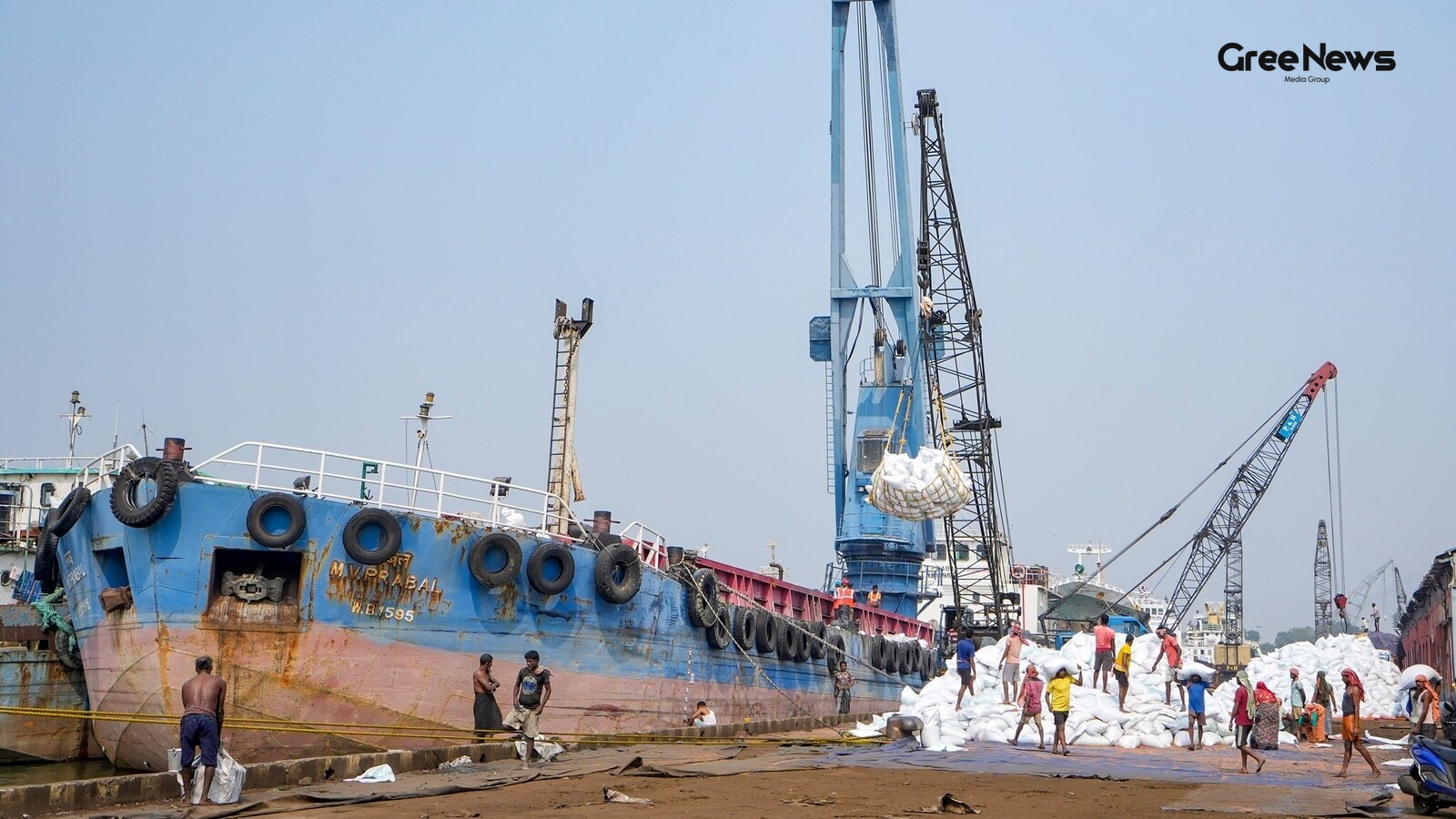
The Centre has pushed forward with this plan. A massive Rs 215-crore multi-modal cargo terminal at Kolkata Port. It’s being eyed as a signal. How the new political setup in West Bengal will actually shape infrastructure development there.
This deal centers on upgrading the Syama Prasad Mookerjee Port (SMP), Kolkata. They are talking about developing Kidderpore Dock-II, or KPD-II. This is supposed to be a modern cargo handling facility. And it’s being done through private participation. The total cost estimate lands around Rs 215.23 crore. The goal? To handle 2.478 million tonnes per annum. That’s serious capacity.
What kind of stuff will move through there? Fertilisers, food grains, gypsum, timber… general cargo. It just solidifies Kolkata's spot as a major logistics gateway for all of eastern and northern India. A key trade artery.
The timing feels important. Very significant.
Look at the political angle here. The BJP is now running in West Bengal under Suvendu Adhikari. And suddenly, the Centre and the state government are expected to work together on big infrastructure things for the first time in years. Officials think this alignment could actually speed up projects that usually get stuck because they need coordination across different agencies.
Kolkata Port itself holds a unique spot. It’s India's oldest major port. And it’s the only one operating as a riverine port. But its reach is huge. It doesn't just serve West Bengal. The hinterland stretches across Bihar, Uttar Pradesh, Madhya Pradesh, Punjab, Haryana, Rajasthan, and all those North Eastern states too. Plus, it’s a crucial gateway for landlocked neighbors like Nepal and Bhutan.
Industry folks aren't just focused on the sheer volume of cargo that KPD-II will handle. They see something deeper in this redevelopment.
“Modern logistics infrastructure,” one senior official noted. “It’s central to economic competitiveness.” He added, “Projects like these cut down turnaround times. Transportation costs drop. Connectivity between production centers and markets just gets better.”
The whole thing is being structured under a Design, Build, Finance, Operate and Transfer model. It shows the government leaning more on public-private partnerships. Trying to expand port infrastructure without putting the entire financial weight squarely on the exchequer. A shift in how things are funded.
For the new Bengal administration, this project is an opening. An opportunity to show they’re driving growth through infrastructure, backed by a closer working relationship with New Delhi. It’s about positioning themselves again as eastern India's main commercial entry point.
Meanwhile, for the Centre, it fits into that larger strategy of boosting connectivity across Eastern India. Integrating ports properly with highways, rail lines, and inland waterways all under the PM Gati Shakti umbrella.
But there’s a nagging question hanging over everything. Will this political alignment actually translate into faster action on the ground? That’s the real test.
If they manage to execute it smoothly, KPD-II won't just be another port expansion. It could become something bigger. A true marker for a new phase of Centre-state cooperation in West Bengal. One that aims to cement the state’s role as the primary commercial gateway for eastern India. The economic ripples from this project aren’t just confined to Kolkata docks. They spread across trade flows and connectivity with those Himalayan neighbors too. It’s all linked up, messy, but undeniably moving forward.
Written by Gree News Team — Senior Editorial Board
Gree News Team covers international news and global affairs at Gree News. Our collective of senior editors is dedicated to providing independent, accurate, and responsible journalism for a global audience.
More from India
View All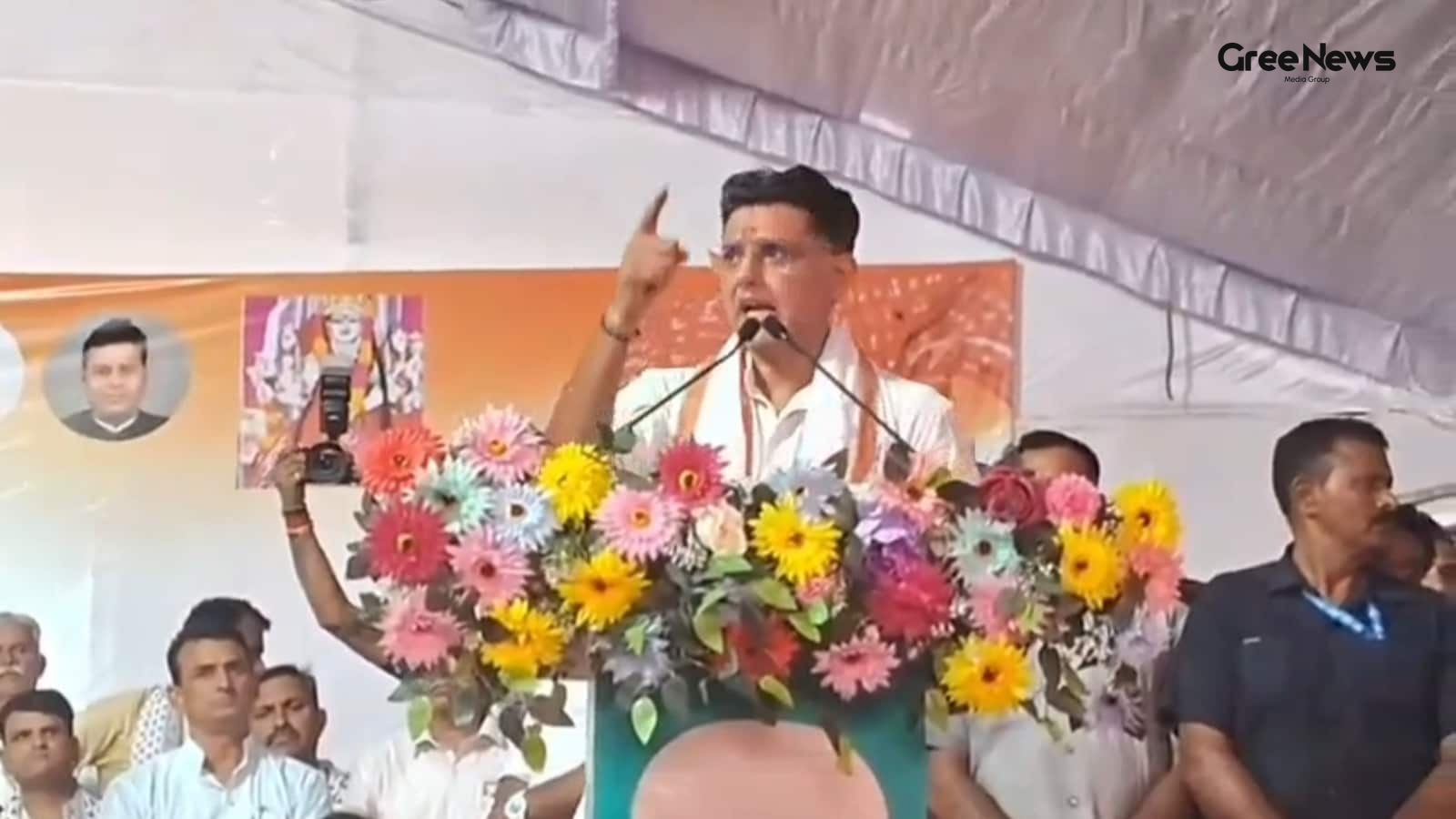
Sachin Pilot's Restraint: Navigating Political Rivalry and Peace
Sachin Pilot took a different route on Wednesday. Instead of firing back at his political rivals, he chose restraint. He was addressing a huge gathering a *Kisan Sammelan* in Karauli and what came out felt less like an attack and more like a plea for peace. Differences between political colleagues?
Jun 11, 2026 by Gree News Team
TMC Crisis: Live Updates and Internal Political Developments
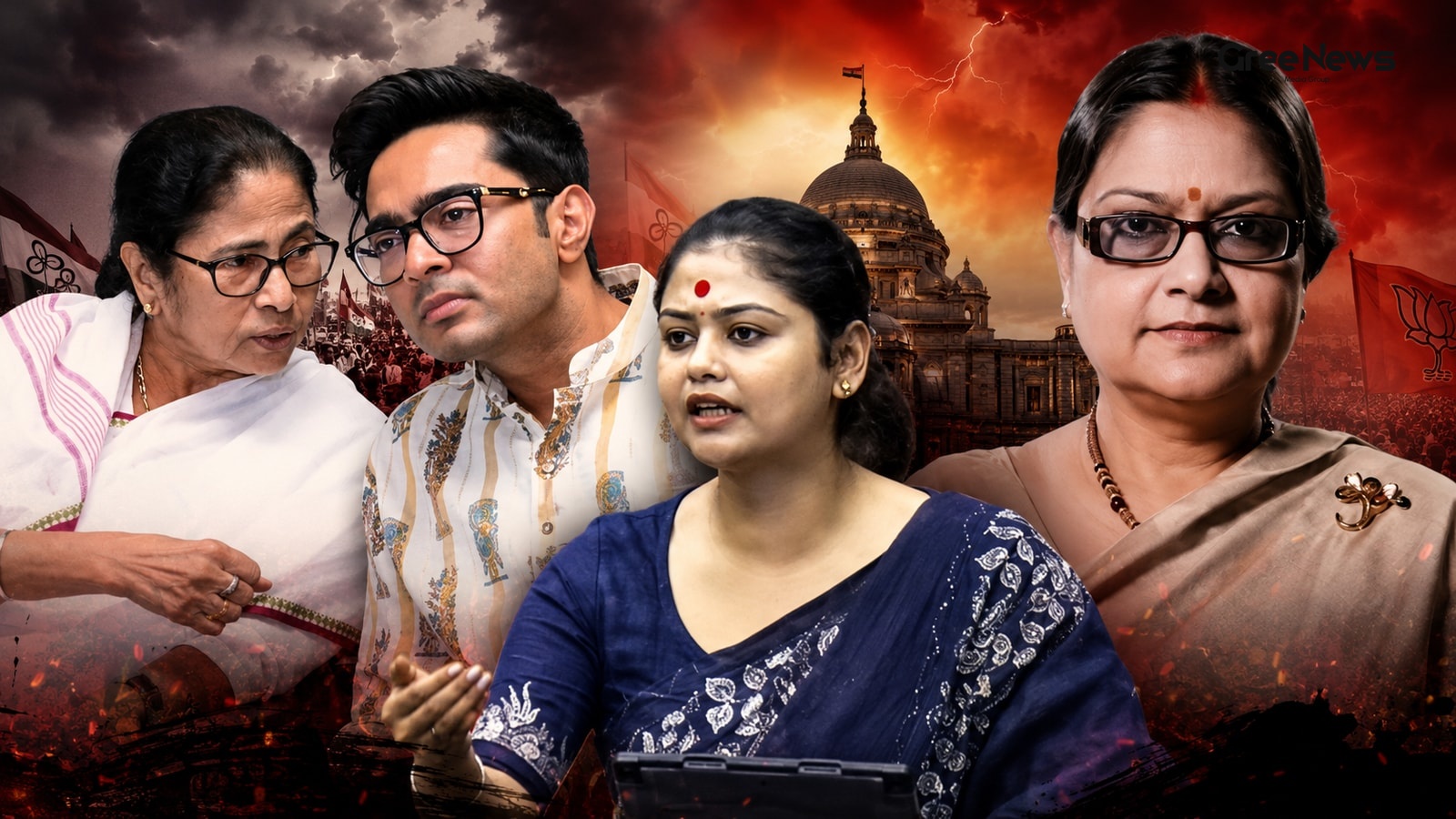
TMC Crisis Live Updates and Latest Developments You just have to watch this unfold. It’s not some neat timeline or perfectly ordered sequence of events, you know? The tension isn't just noise; it’s palpable. You can feel the strain from the top down, but it’s equally visible in the shuffling happeni
Jun 11, 2026 by Gree News Team
West Bengal Political Volatility and the Rebel MPs
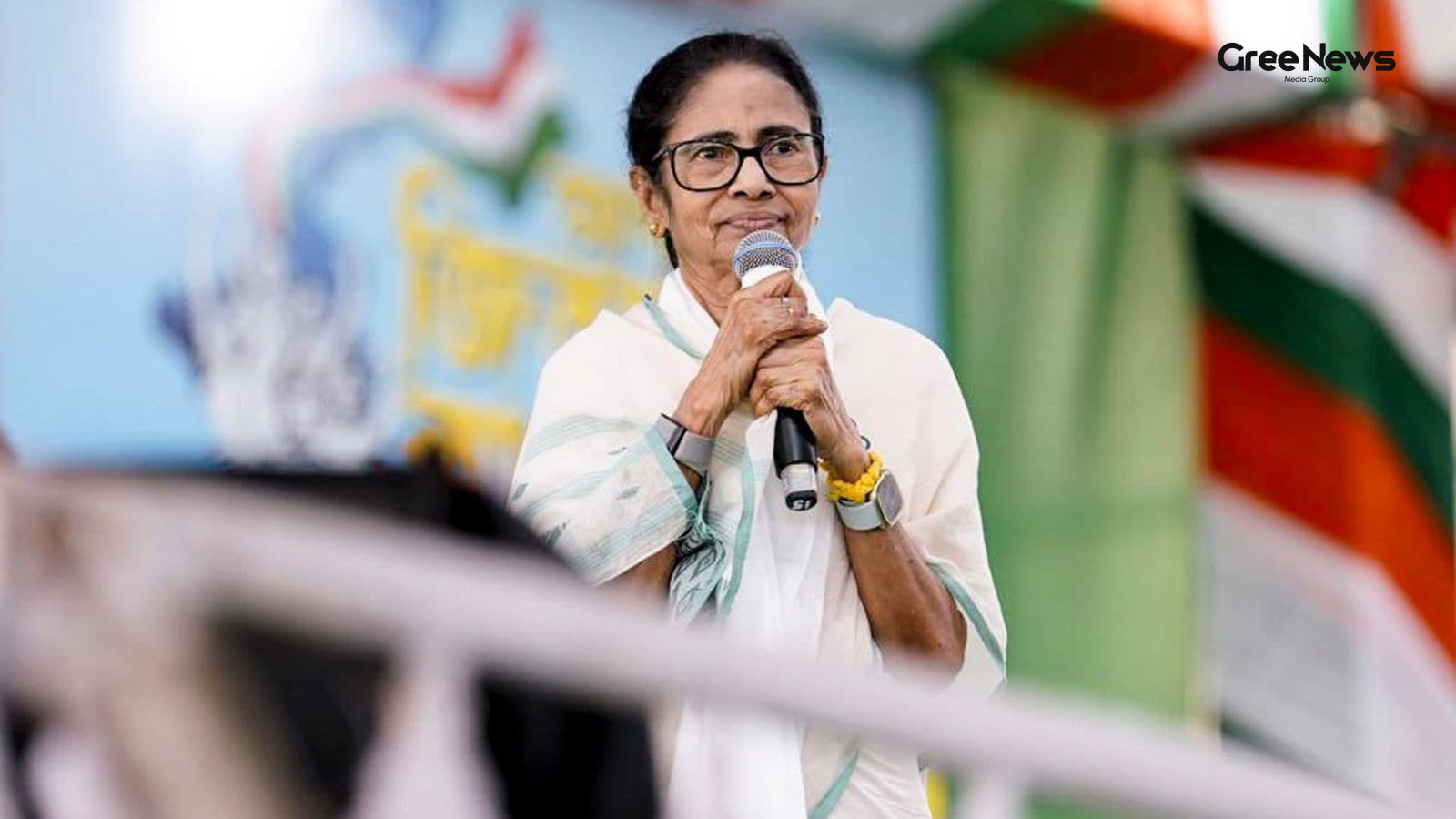
The situation in West Bengal is absolutely volatile right now. It’s not just some internal squabble; it’s a genuine political breaking point. Twenty rebel MPs have gone and approached Speaker Om Birla, trying to carve out their own parliamentary space. They claim allegiance to the BJP-led NDA. This
Jun 11, 2026 by Gree News Team
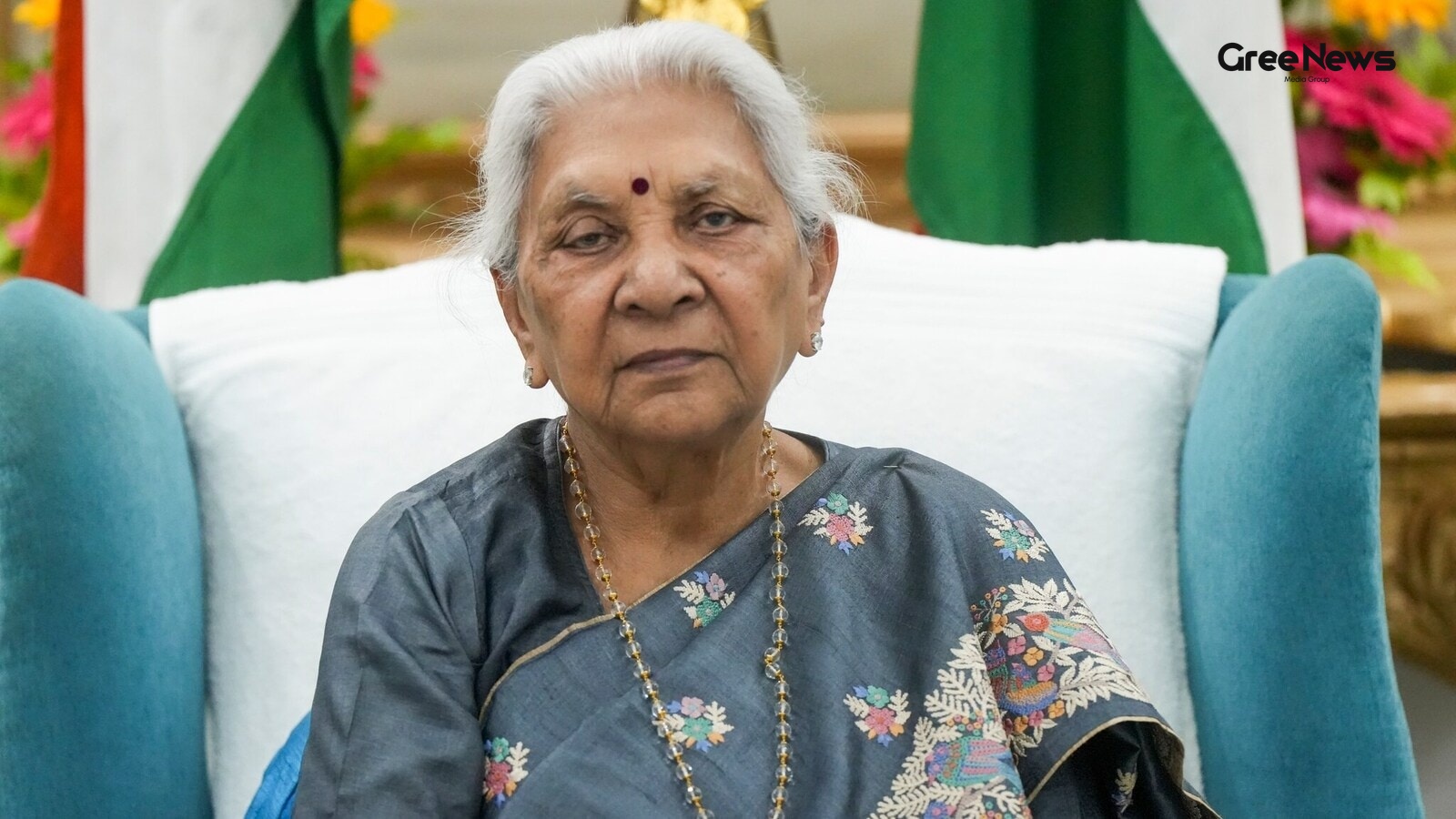
Fallout of Allegations: Institutional Response and Legal Action in Medical Colleges
The whole situation is kind of messy. You have this high-level order coming down from Uttar Pradesh Governor Anandiben Patel, triggered by some really serious stuff allegations about religious conversion involving a doctor at KGMU, and someone’s daughter disappearing, linked to an SGPGI employee. An
Jun 11, 2026 by Gree News Team
Latest Headlines
Sachin Pilot's Restraint: Navigating Political Rivalry and Peace
Sachin Pilot took a different route on Wednesday. Instead of firing back at his political rivals, he chose restraint. He was addressing a huge gathering a *Kisan Sammelan* in Karauli and what came out felt less like an attack and more like a plea for peace. Differences between political colleagues?
Jun 11, 2026 by Gree News Team
TMC Crisis: Live Updates and Internal Political Developments
TMC Crisis Live Updates and Latest Developments You just have to watch this unfold. It’s not some neat timeline or perfectly ordered sequence of events, you know? The tension isn't just noise; it’s palpable. You can feel the strain from the top down, but it’s equally visible in the shuffling happeni
Jun 11, 2026 by Gree News Team
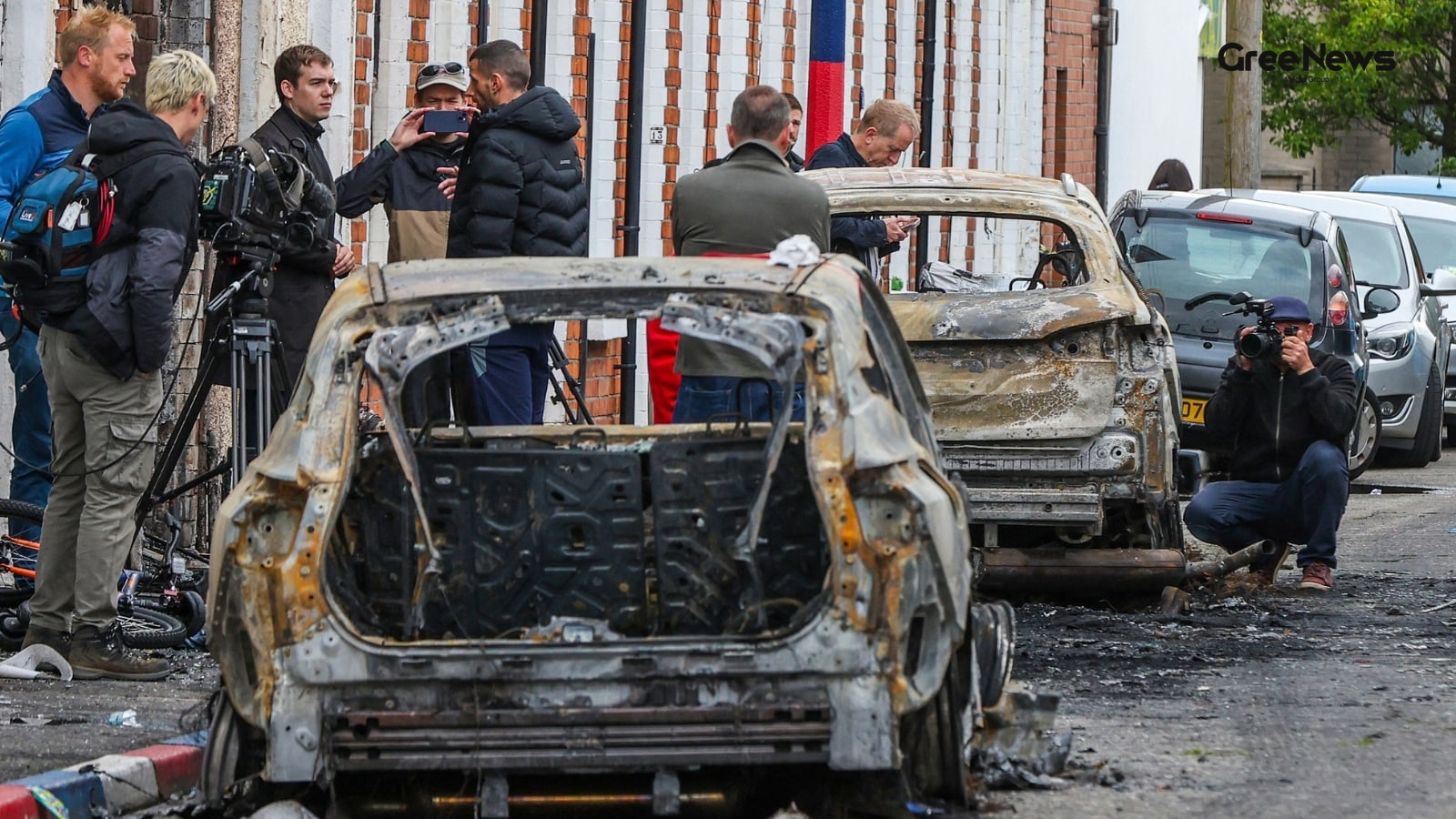
Belfast Wrecks and Civil Unrest: Fallout, Online Rhetoric, and Immigration Tensions
Belfast woke up Wednesday to the wreckage. Burnt cars, smashed shopfronts, charred remains of homes all left behind after the night before. It was just pure fire across the city following an arrest and stabbing that had left someone seriously hurt. The suspect ended up in Magistrates’ Court on Wedne
Jun 11, 2026 by Gree News Team
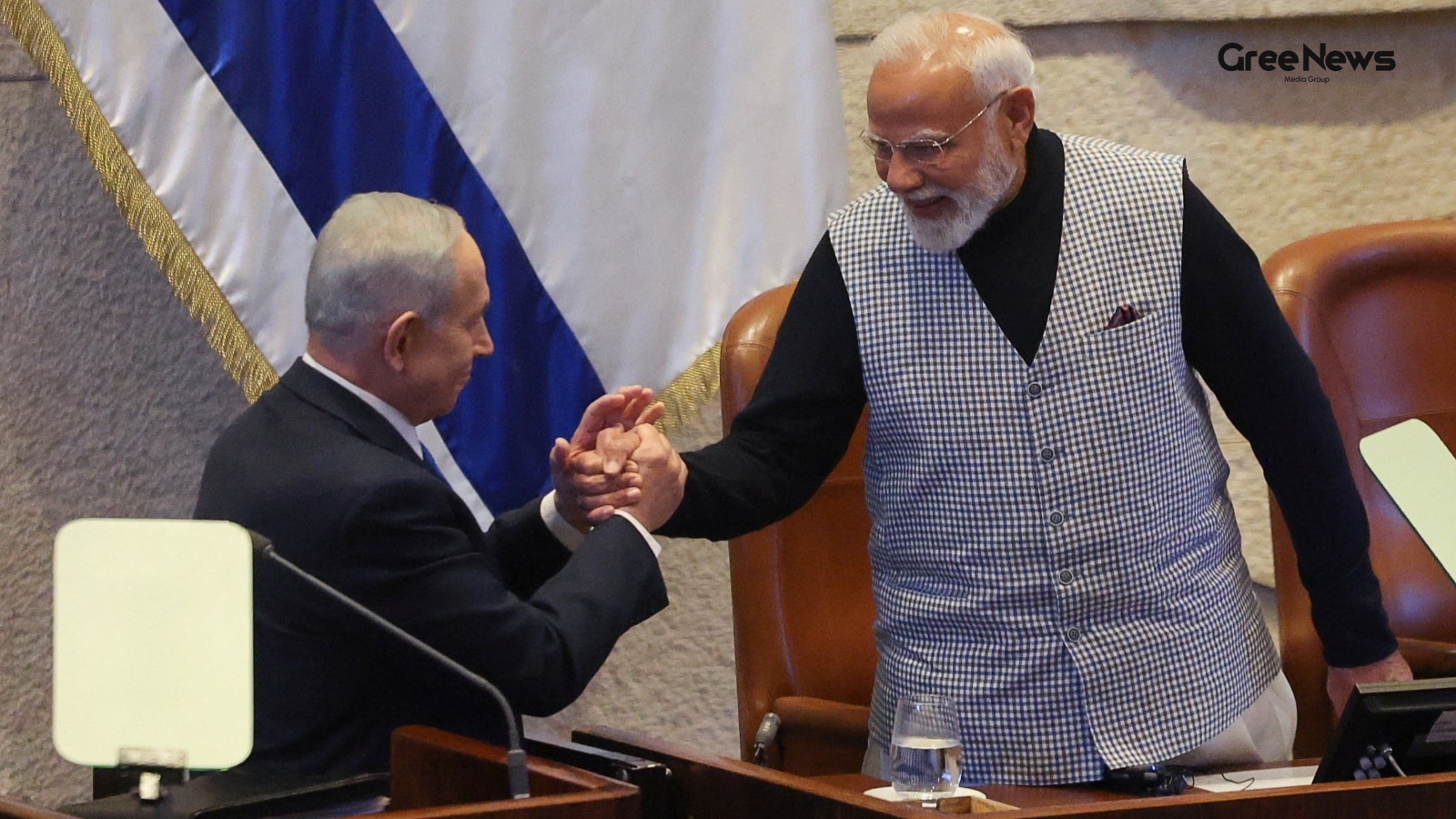
The Deepening Bond: Israel and India's Evolving Relationship
Netanyahu sent a message. A special one. To Modi. It wasn't just routine stuff. It was personal, framed as a friend speaking across borders. “Prime Minister Modi,” he wrote on X. “My dear friend in India.” That’s how it started. A congratulation for reaching twelve years in office. Longest serving e
Jun 11, 2026 by Gree News Team
West Bengal Political Volatility and the Rebel MPs
The situation in West Bengal is absolutely volatile right now. It’s not just some internal squabble; it’s a genuine political breaking point. Twenty rebel MPs have gone and approached Speaker Om Birla, trying to carve out their own parliamentary space. They claim allegiance to the BJP-led NDA. This
Jun 11, 2026 by Gree News Team
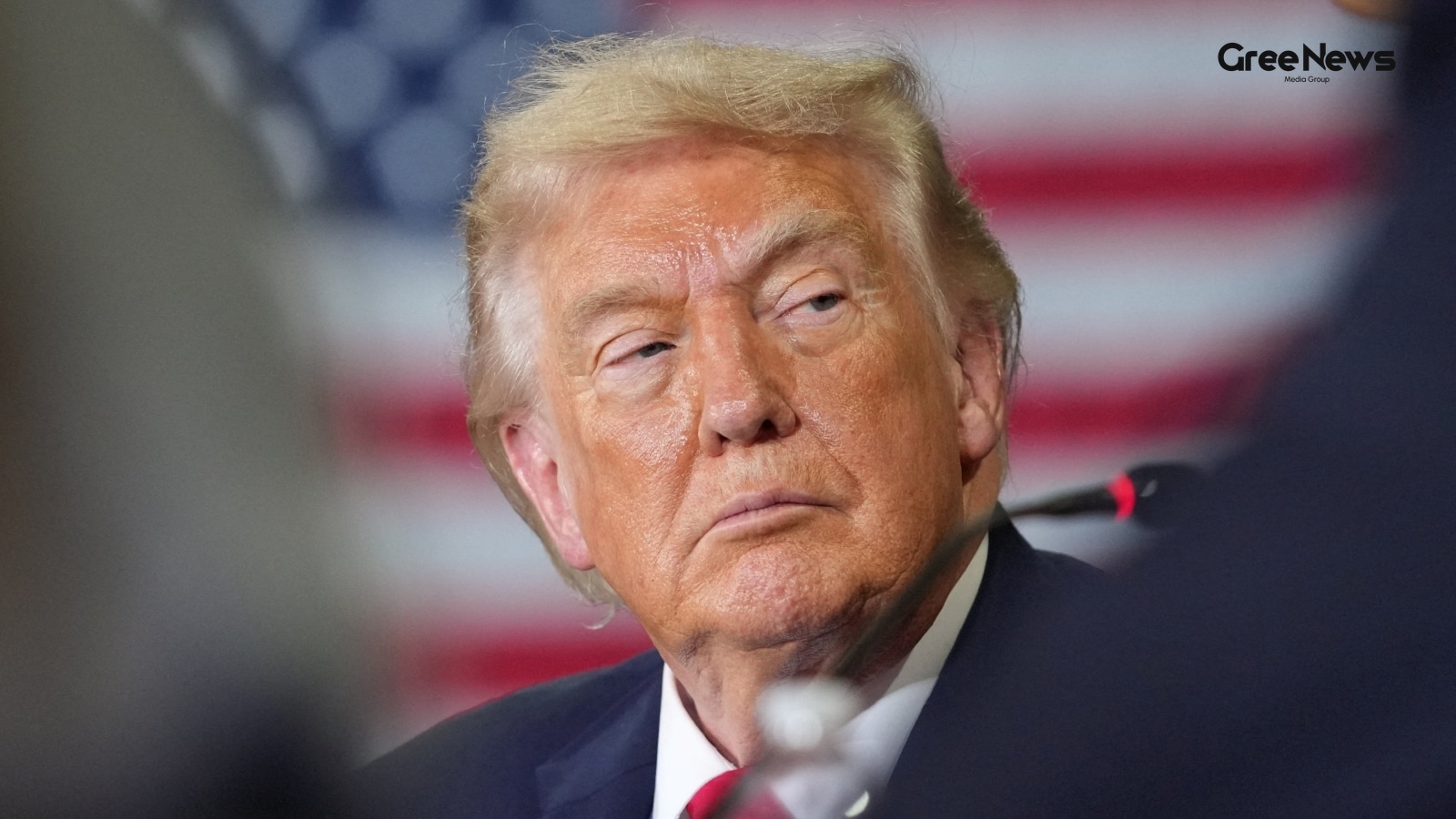
Escalation of Hostilities and Strikes Between US and Iran
The strikes are happening again. It’s getting worse. US Central Command, CENTCOM, just said they started “additional self-defense strikes” inside Iran. Trump ordered them. “The strikes are in response to Iran’s unwarranted and continued aggression,” that’s what they put out. It follows the earlier a
Jun 11, 2026 by Gree News Team

The Shifting Reality: Unseen Tensions and Underlying Shifts
The air felt thick today. You could almost taste the tension, you know? It’s always something shifting under the surface of these things. Things in the capital are moving slow. Really slow. But the pressure isn't slowing down. It just changes direction. We saw some chatter this morning. Nothing conc
Jun 11, 2026 by Gree News Team
Fallout of Allegations: Institutional Response and Legal Action in Medical Colleges
The whole situation is kind of messy. You have this high-level order coming down from Uttar Pradesh Governor Anandiben Patel, triggered by some really serious stuff allegations about religious conversion involving a doctor at KGMU, and someone’s daughter disappearing, linked to an SGPGI employee. An
Jun 11, 2026 by Gree News Team
Donald Trump on Secret Military Operation and Oil Transit through the Strait of Hormuz
Donald Trump talked about something Wednesday. He claimed his country moved over 100 million barrels of oil through the Strait of Hormuz. And he said it was all part of some secret military operation. The Strait itself, you know, that’s a really important spot for global oil transit. A choke point.
Jun 11, 2026 by Gree News Team
US-Iran Tensions, Nuclear Threats, and Regional Conflicts
The whole situation with the US and Iran is still boiling over. President Trump talked about it on Wednesday, local time. He insisted that America wants some kind of deal with Iran something meaningful, something effective. But even while pushing for this agreement, he kept signaling that the milita
Jun 11, 2026 by Gree News Team
The Impact of Excise Duty Changes on Ethanol Blends and Global Energy Volatility
The finance ministry just dropped something. a notification, really. it wasn't some gentle update; it felt more like a sudden shift in the air, you know? suddenly these numbers, E22, E25, E27, and E30 they weren’t just labels on a spreadsheet anymore. they were suddenly real things hitting the road.
Jun 11, 2026 by Gree News Team
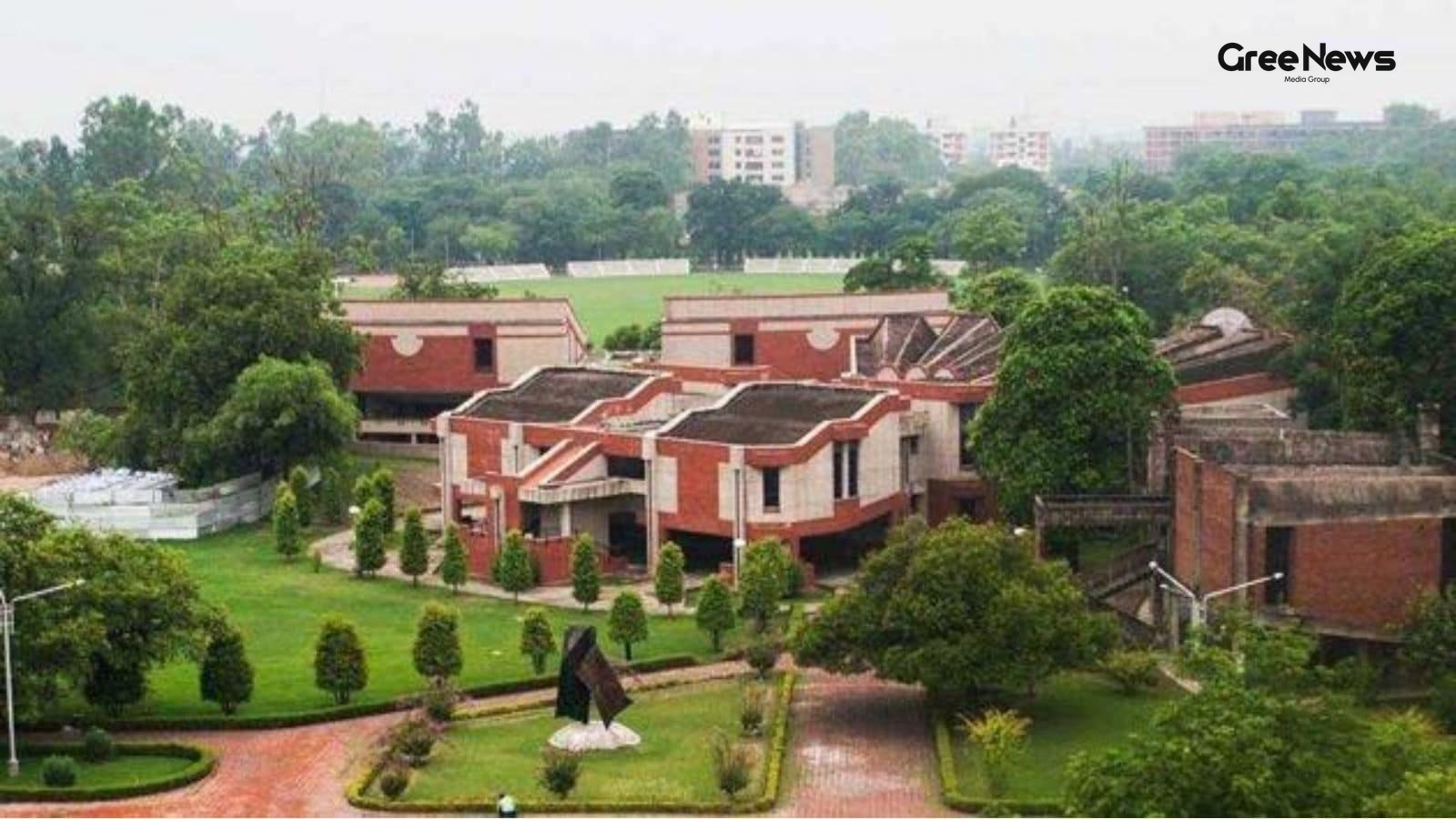
Teen Hacker Exposes Flaws in Education Portal, Joins Cybersecurity Team at IIT Kanpur
Most job seekers deal with resumes and cover emails. For nineteen-year-old Nisarga Adhikary, it was something different entirely: a blog post exposing holes in the Central Board of Secondary Education’s on-screen marking portal. That post dropped on May 22nd. It caught some serious attention. Manind
Jun 11, 2026 by Gree News Team
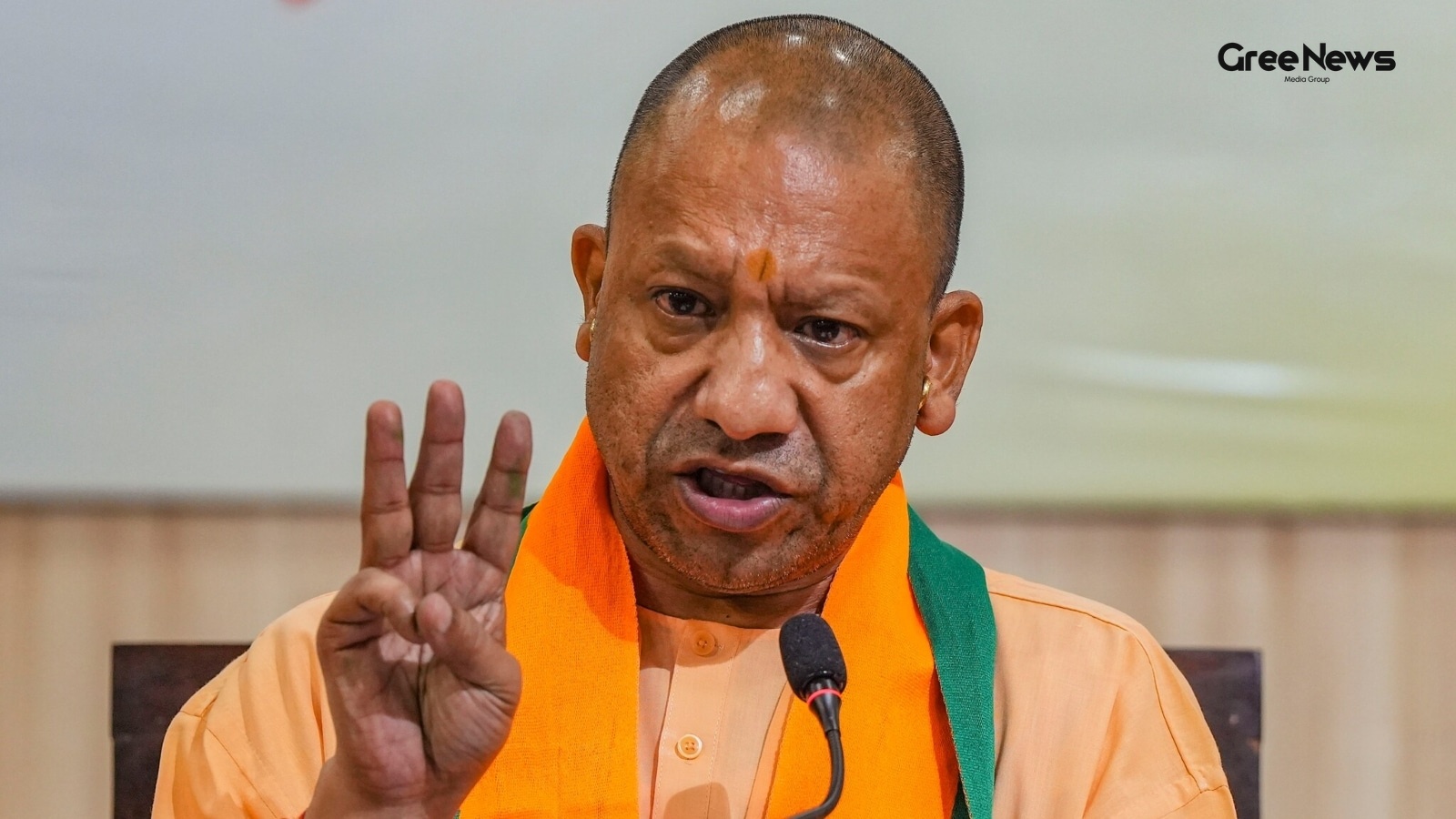
Yogi Adityanath's Letter to PM Modi on Nation-Building and UP's Progress
Yogi Adityanath sent out some greetings on Wednesday to Prime Minister Modi. It was about him reaching twelve years as the longest-serving elected prime minister, that’s what he congratulated him for. He didn't just send a standard note. He actually wrote a letter to PM Modi himself, extending well
Jun 11, 2026 by Gree News Team

Buying Guides: AC Specifications and Immersive Sound Systems
Buying an air conditioner has gotten so much more complicated lately. You have to think about tonnage, inverter tech, efficiency ratings, ambient temps a whole list of things that might or might not matter for just living in a room. The good news is, only a handful of specs actually change how you c
Jun 11, 2026 by Gree News Team

Canada's Digital Safety Act: Overhaul of Social Media and AI Regulation
Canada just rolled out this whole digital safety thing. A big overhaul, they call it. It’s about banning kids under sixteen from having social media accounts. And then there’s the AI bit they want chatbots to stop making harmful stuff. This "Digital Safety Act," introduced Wednesday local time, puts
Jun 11, 2026 by Gree News Team