The Impact of Excise Duty Changes on Ethanol Blends and Global Energy Volatility
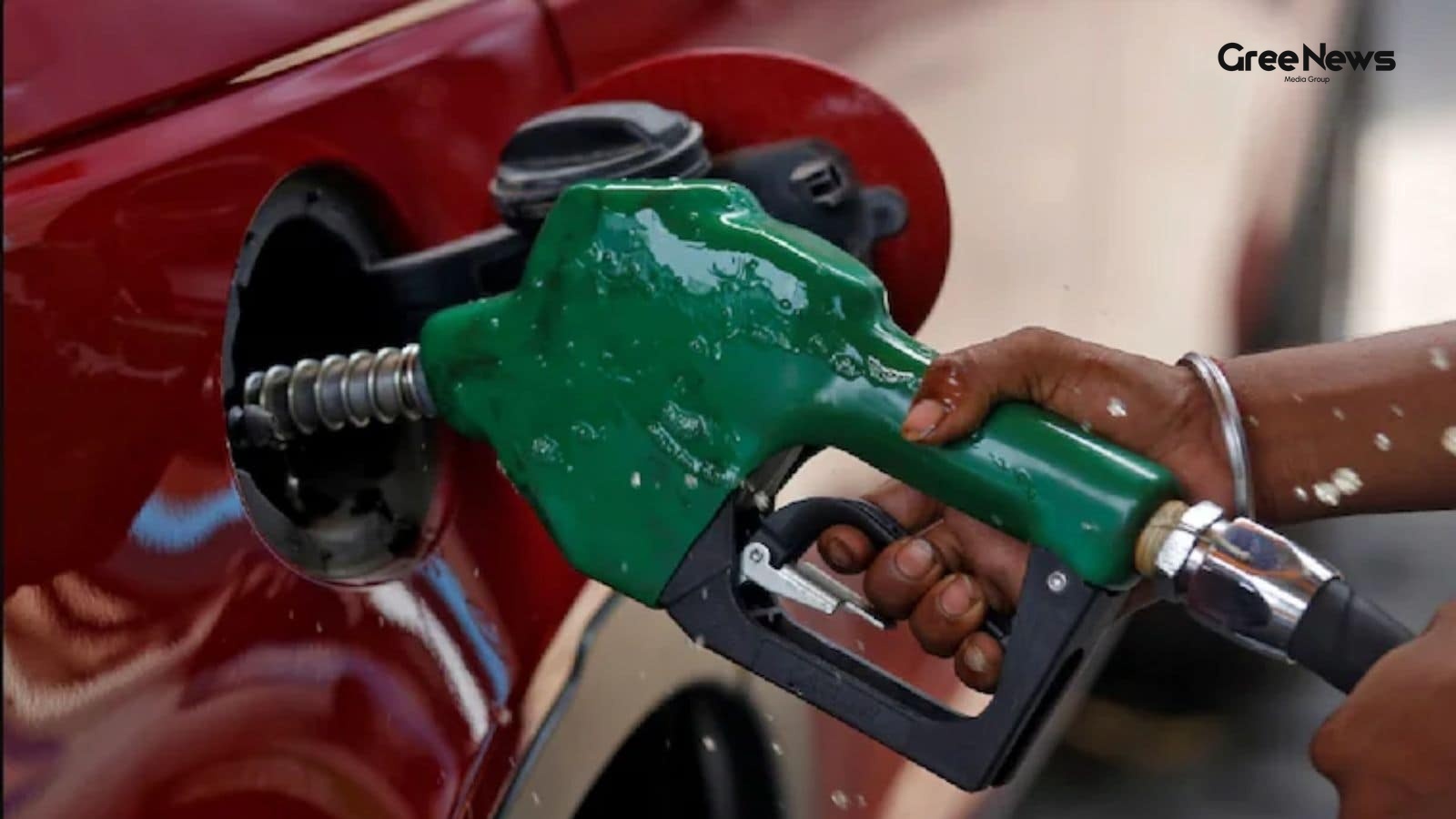
The finance ministry just dropped something. a notification, really. it wasn't some gentle update; it felt more like a sudden shift in the air, you know? suddenly these numbers, E22 , E25 , E27 , and E30 they weren’t just labels on a spreadsheet anymore. they were suddenly real things hitting the road.
it was about wiping out the excise duty for these higher ethanol blends entirely. it extended the tax benefits beyond whatever the existing, slower-moving ethanol regime had managed to set up. think about that. removing duties, not just tweaking them around. basic central excise duty gone. special additional excise duty dissolved. even those annoying road and infrastructure cesss, and that Agriculture Infrastructure and Development Cess AIDC. all swept away for these specific fuel blends. it’s a lot of moving parts being rearranged at once.
the mechanism itself felt almost arbitrary, didn't it? suddenly you have these four new categories carved out under the Central Excise notification. e22 , e25 , e27 , e30 . and the kicker: they all got slapped with a ‘Nil’ excise duty rate. zero, effectively. it sounds simple enough on paper. but when you look at what this implies for the market it changes everything about the cost structure. it forces you to look past the usual predictable flow of taxation decisions.
this exemption didn't happen in a vacuum. it came just days after that whole E85 launch, that push for flex-fuel vehicles on World Environment Day. there’s always some kind of parallel happening, isn't there? environmental goals bumping up against immediate economic pressures. the government seems to be juggling these threads the Green agenda and the immediate need to keep things flowing economically.
e85 itself is a different beast entirely. it's an 80-to-85 percent ethanol blend mixed with the rest of the petrol, plus some kerosene in there too. that’s not just some minor adjustment; it's about fundamentally changing how vehicles operate. flex-fuel capability that’s what they are aiming for, right? letting people run things on different blends. e20 to e100 variations. a whole new infrastructure being implied.
and this is where the real pressure kicks in. global crude oil prices. they keep climbing, don't they? and that forex bill… it’s just relentless. and suddenly, all this domestic policy maneuvering gets layered on top of that external volatility. the government is pushing harder now to get people using these higher ethanol blends because there's a clear underlying economic driver at play: managing the cost burden.
india relies so heavily on imports, doesn't it? almost ninety percent of its crude oil requirements just flow in from overseas. that dependency is a massive vulnerability. you’re exposed to every swing in the global market, every geopolitical hiccup thrown into the mix. and right now, things feel acutely unstable.
take the situation with the strait of hormuz. that chokepoint it's critical access for crude oil and natural gas from the gulf countries. when that gets closed, or even threatened, it throws a shadow over everything domestic. suddenly meeting those domestic requirements becomes harder. there’s this immediate squeeze on supply chains. an acute challenge to getting what the country needs.
and that pressure translates directly into policy choices like this one. why push for these higher ethanol blends? it's not just about environmental targets, though that part is always present. it’s also about managing the cost of fuel internally. it’s a strategic move, trying to insulate domestic consumption from some of those external shocks.
the irony isn't lost on anyone watching this. you have these complex international pressures, volatile commodity markets, and now we see internal adjustments being made regarding fuel taxation. it feels like an uneven dance. one moment, pushing for Greener energy solutions; the next, dealing with immediate supply anxieties through policy tweaks. where does that leave things?
the government is clearly trying to boost consumption of these higher ethanol blends. they want the transition to stick. they want people using them more widely. but you have to ask what this means on the ground. for the consumer, it's about price fluctuations, availability, and how these policy changes actually translate into tangible savings or increased fuel efficiency. is the intended benefit reaching the end user effectively? that’s the question hanging over all of this.
the whole system seems a bit messy when you trace it back. you have the global market pushing prices up. then domestic policies trying to mediate that pressure through taxation and blending mandates. and underneath it all, the physical reality of supply lines vulnerable, dependent on volatile regions. it’s an intricate tangle.
these fuel blends e22, e30, those others they are supposed to be a bridge. a way forward. but right now, they feel like another layer of complexity added to an already complicated situation. the transition isn't smooth. there are always these little friction points you don’t see in the big headlines.
it requires observation, really. watching how this plays out. not just looking at the announcement itself. looking at the flow afterward. how do logistics react? how do distributors adjust their models? and most importantly, how does this shift affect the daily reality for people who rely on these fuels to get around? it’s observational work. you have to see what happens when policy meets reality, not just read the decree.
the pace of change feels dictated by necessity more than careful planning sometimes. there’s a subtle urgency woven into every line. the world is moving fast, and the energy landscape has to keep up, even if the official narrative tries to smooth it out with predictable statements. but underneath that polish, there's this constant hum of uncertainty about where the next curve will lead.
we see these government notifications, these layers of duty removal and category insertion, and we have to consider the bigger picture: global fragility colliding with domestic ambition. it’s a stark reminder that even seemingly technical policy changes are deeply rooted in geopolitical stress and economic necessity. everything is interconnected. the oil market, the supply routes, the tax structures they all feed into this single reality of managed risk.
it's not just about fuel percentages anymore. it’s about resilience. it’s about making sure that when external forces push against us, the internal structure can absorb some of that shock. but absorbing a shock isn't always simple. sometimes it just means reallocating stress somewhere else. shifting burdens.
the narrative surrounding energy is constantly evolving. it shifts between pure environmental idealism and gritty economic reality. this move seems to sit right in that messy middle ground. it’s pragmatic, driven by the immediate need for fiscal stability while simultaneously trying to steer toward a different kind of future. it’s inherently contradictory, which makes it so interesting, or perhaps, so frustratingly slow sometimes.
there are always these unspoken implications floating around the unintended consequences of removing duties, inserting categories. they ripple outward into supply chains and consumer behavior in ways that the official press release never quite captures. you have to read between the lines. there’s an inherent uncertainty baked into any large-scale shift like this. a subtle feeling that things are changing beneath the surface, moving at a pace that sometimes feels too fast for comfort.
it requires a certain kind of focus then. not just on the numbers themselves e25 versus e30 but on the flow dynamics. how does energy move? how do economic pressures translate into fuel decisions? it’s an observational pursuit in itself, watching the real-world friction points where high-level mandates meet the messy physics of daily life and global politics. that's where the actual story lives, isn't it? not just in the perfectly structured announcement, but in the uneven rhythm of its unfolding impact.
Written by Gree News Team — Senior Editorial Board
Gree News Team covers international news and global affairs at Gree News. Our collective of senior editors is dedicated to providing independent, accurate, and responsible journalism for a global audience.
More from Economy
View All
India's E85 Rollout and the Future of Flex-Fuel Vehicles
India just made another move on fuel. They rolled out E85, that high-ethanol petrol blend, specifically for vehicles that can handle flex-fuel systems. It’s about cleaner transport, less reliance on imported crude. Hardeep Singh Puri, the Union Petroleum Minister, formally kicked things off at an In
Jun 8, 2026 by Gree News Team
Crude Oil Prices, Market Jitters, and US Job Data
Crude oil prices jumped four percent Monday. That was because Iran launched more missiles toward Israel, a clear retaliation for what happened in Lebanon. It totally messed up the ceasefire. WTI and Brent crude shot up, hitting over ninety-three and ninety-six dollars a barrel, following all that te
Jun 8, 2026 by Gree News Team
Piyush Goyal on US Tariffs and India-US Trade Negotiations
Piyush Goyal, the Commerce Minister, was talking about the US tariffs on India on Sunday. He was trying to ease worries, you know? About that whole Section 301 thing. He basically said New Delhi would handle things, protect its interests, and keep pushing for that trade agreement with Washington. It
Jun 8, 2026 by Gree News Team
India's Economic Picture and GDP Projections
The economic picture for India, right now, is still shifting. We’re looking at the January-March quarter of FY26, and most economists are banking on growth staying solid, hovering somewhere between 6.8 and 7.4 per cent for the GDP expansion. But that’s just the projection. The real moment is Friday,
Jun 5, 2026 by Gree News Team
Latest Headlines
Sachin Pilot's Restraint: Navigating Political Rivalry and Peace
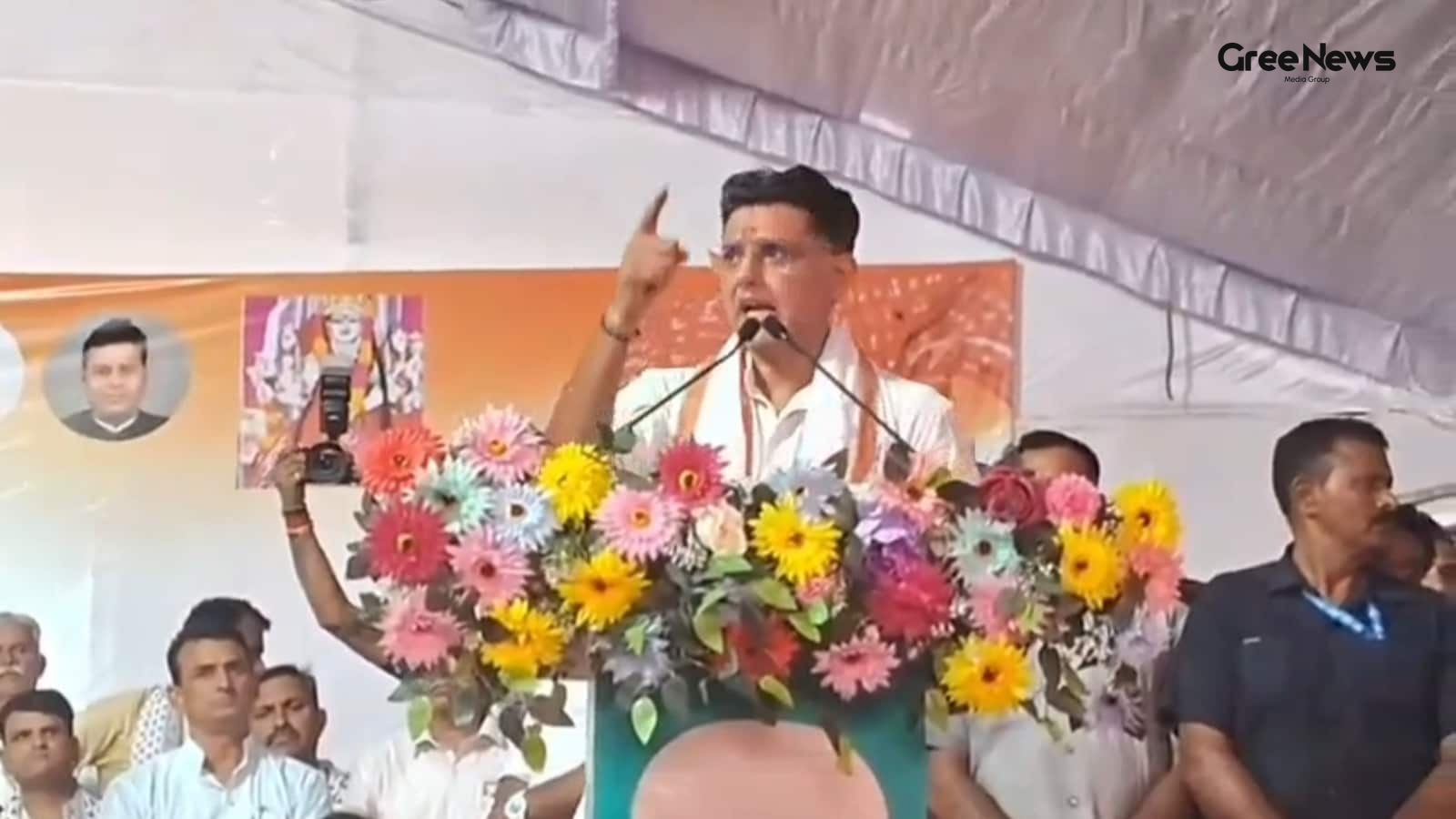
Sachin Pilot took a different route on Wednesday. Instead of firing back at his political rivals, he chose restraint. He was addressing a huge gathering a *Kisan Sammelan* in Karauli and what came out felt less like an attack and more like a plea for peace. Differences between political colleagues?
Jun 11, 2026 by Gree News Team

TMC Crisis: Live Updates and Internal Political Developments
TMC Crisis Live Updates and Latest Developments You just have to watch this unfold. It’s not some neat timeline or perfectly ordered sequence of events, you know? The tension isn't just noise; it’s palpable. You can feel the strain from the top down, but it’s equally visible in the shuffling happeni
Jun 11, 2026 by Gree News Team

Belfast Wrecks and Civil Unrest: Fallout, Online Rhetoric, and Immigration Tensions
Belfast woke up Wednesday to the wreckage. Burnt cars, smashed shopfronts, charred remains of homes all left behind after the night before. It was just pure fire across the city following an arrest and stabbing that had left someone seriously hurt. The suspect ended up in Magistrates’ Court on Wedne
Jun 11, 2026 by Gree News Team
The Deepening Bond: Israel and India's Evolving Relationship
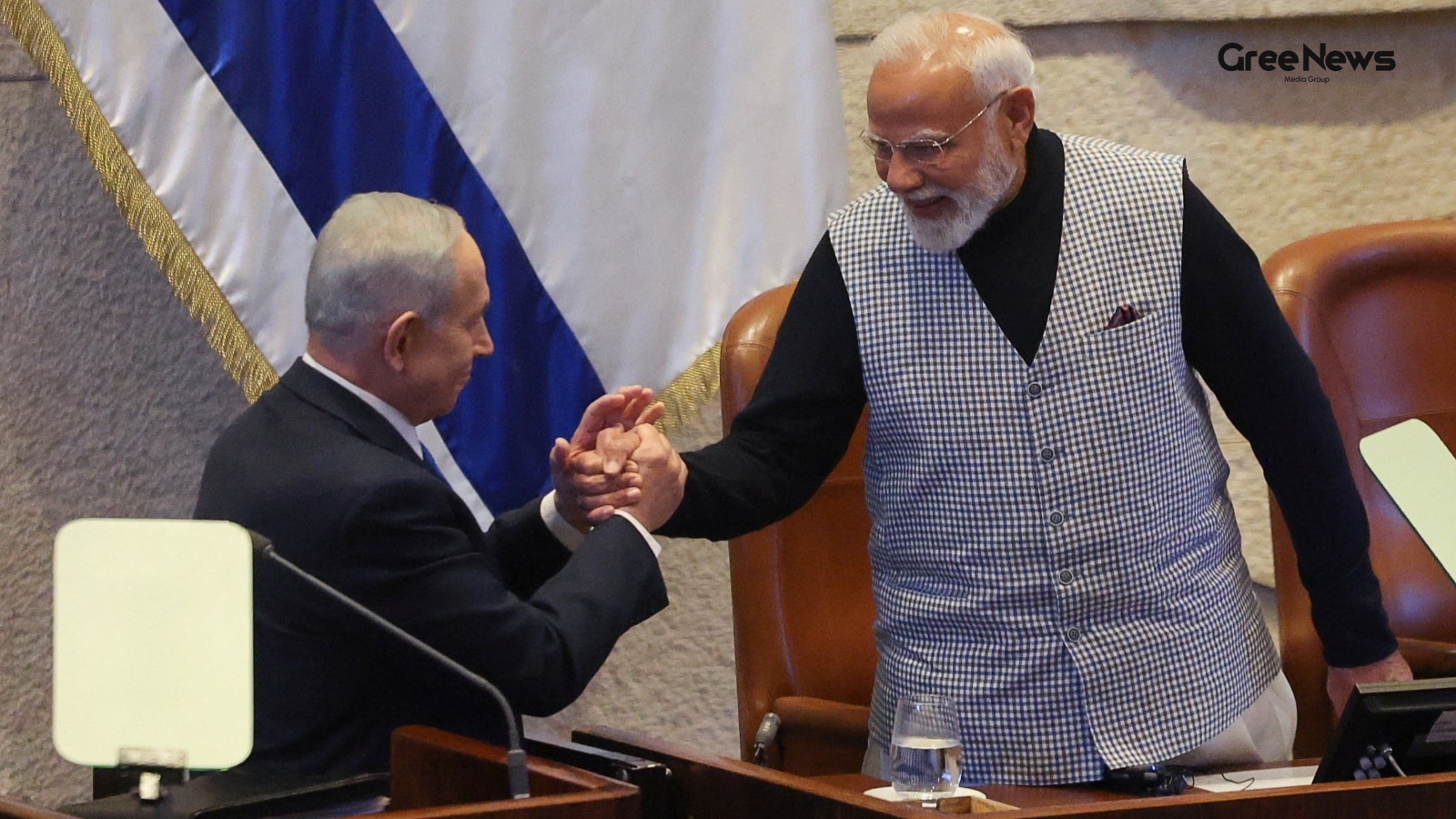
Netanyahu sent a message. A special one. To Modi. It wasn't just routine stuff. It was personal, framed as a friend speaking across borders. “Prime Minister Modi,” he wrote on X. “My dear friend in India.” That’s how it started. A congratulation for reaching twelve years in office. Longest serving e
Jun 11, 2026 by Gree News Team
West Bengal Political Volatility and the Rebel MPs
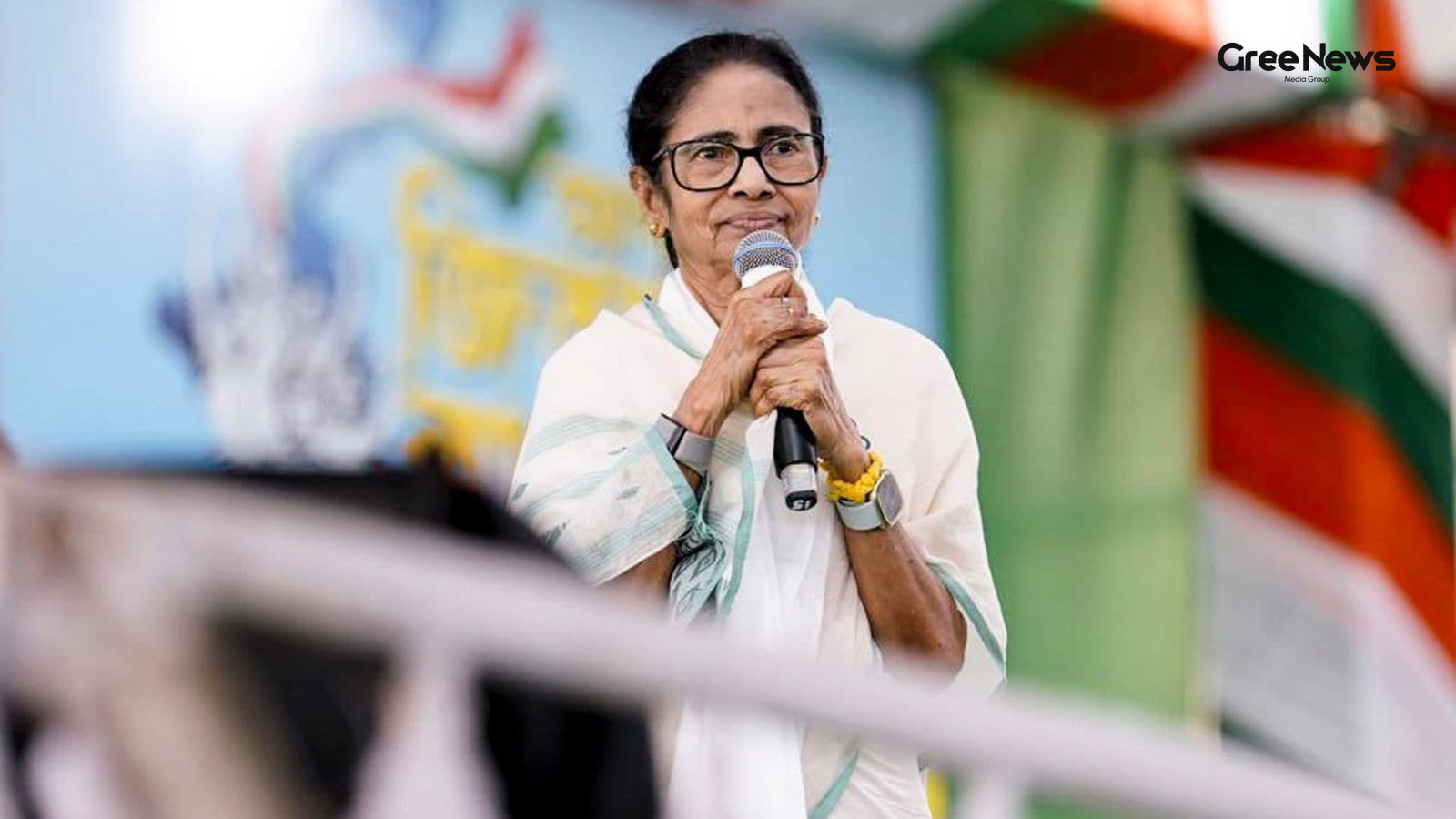
The situation in West Bengal is absolutely volatile right now. It’s not just some internal squabble; it’s a genuine political breaking point. Twenty rebel MPs have gone and approached Speaker Om Birla, trying to carve out their own parliamentary space. They claim allegiance to the BJP-led NDA. This
Jun 11, 2026 by Gree News Team
Escalation of Hostilities and Strikes Between US and Iran
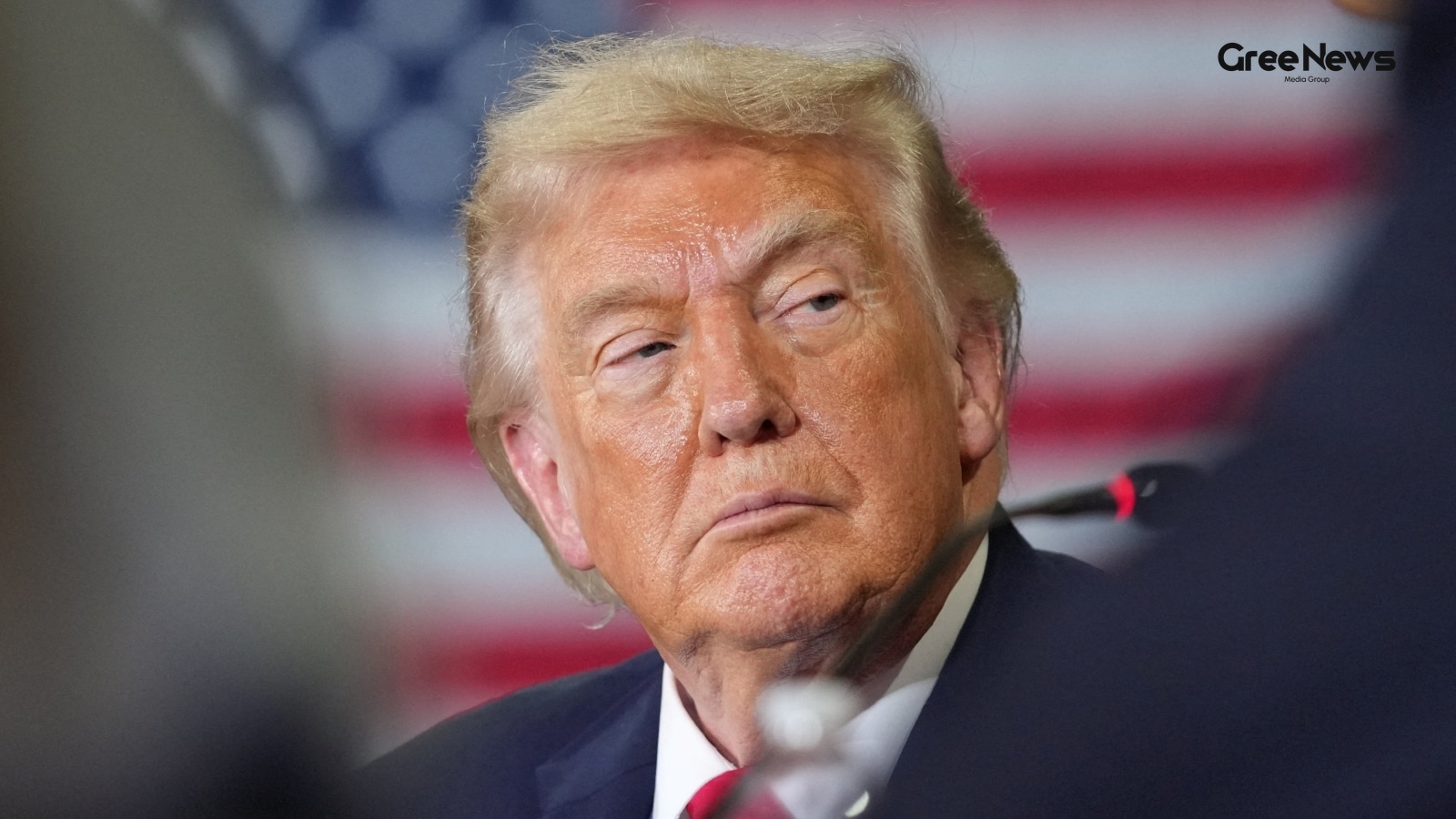
The strikes are happening again. It’s getting worse. US Central Command, CENTCOM, just said they started “additional self-defense strikes” inside Iran. Trump ordered them. “The strikes are in response to Iran’s unwarranted and continued aggression,” that’s what they put out. It follows the earlier a
Jun 11, 2026 by Gree News Team

The Shifting Reality: Unseen Tensions and Underlying Shifts
The air felt thick today. You could almost taste the tension, you know? It’s always something shifting under the surface of these things. Things in the capital are moving slow. Really slow. But the pressure isn't slowing down. It just changes direction. We saw some chatter this morning. Nothing conc
Jun 11, 2026 by Gree News Team

Fallout of Allegations: Institutional Response and Legal Action in Medical Colleges
The whole situation is kind of messy. You have this high-level order coming down from Uttar Pradesh Governor Anandiben Patel, triggered by some really serious stuff allegations about religious conversion involving a doctor at KGMU, and someone’s daughter disappearing, linked to an SGPGI employee. An
Jun 11, 2026 by Gree News Team
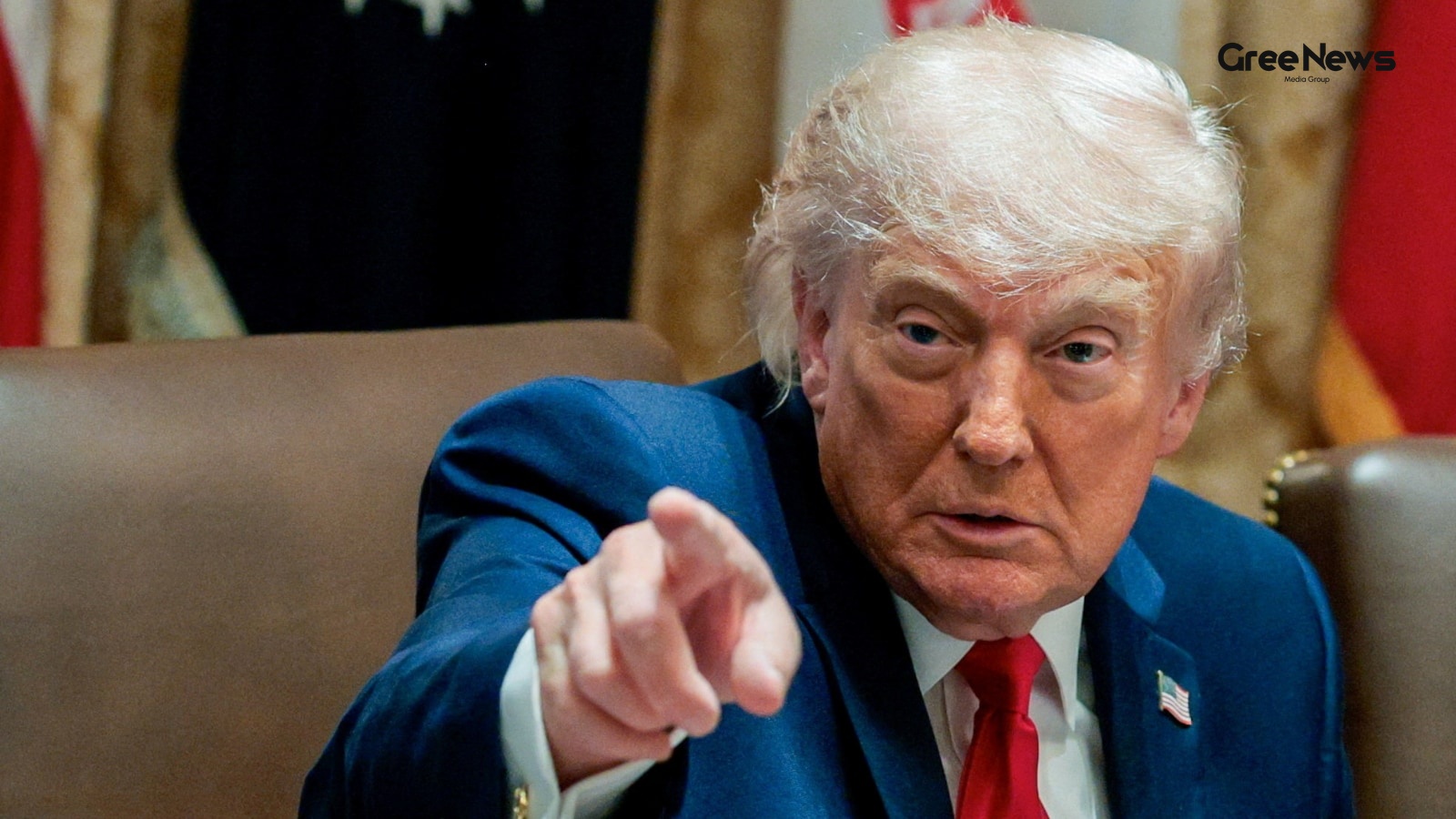
Donald Trump on Secret Military Operation and Oil Transit through the Strait of Hormuz
Donald Trump talked about something Wednesday. He claimed his country moved over 100 million barrels of oil through the Strait of Hormuz. And he said it was all part of some secret military operation. The Strait itself, you know, that’s a really important spot for global oil transit. A choke point.
Jun 11, 2026 by Gree News Team
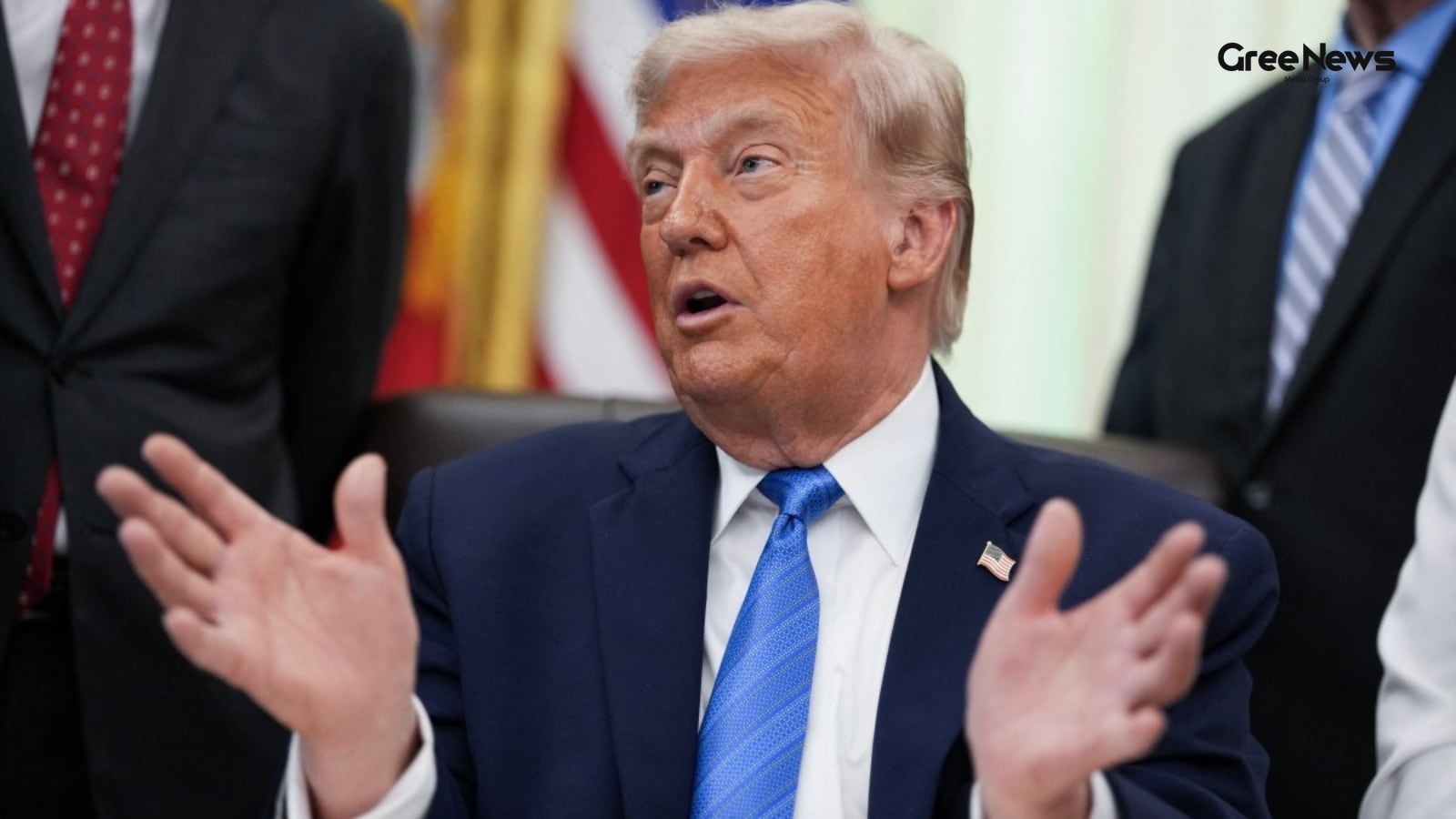
US-Iran Tensions, Nuclear Threats, and Regional Conflicts
The whole situation with the US and Iran is still boiling over. President Trump talked about it on Wednesday, local time. He insisted that America wants some kind of deal with Iran something meaningful, something effective. But even while pushing for this agreement, he kept signaling that the milita
Jun 11, 2026 by Gree News Team
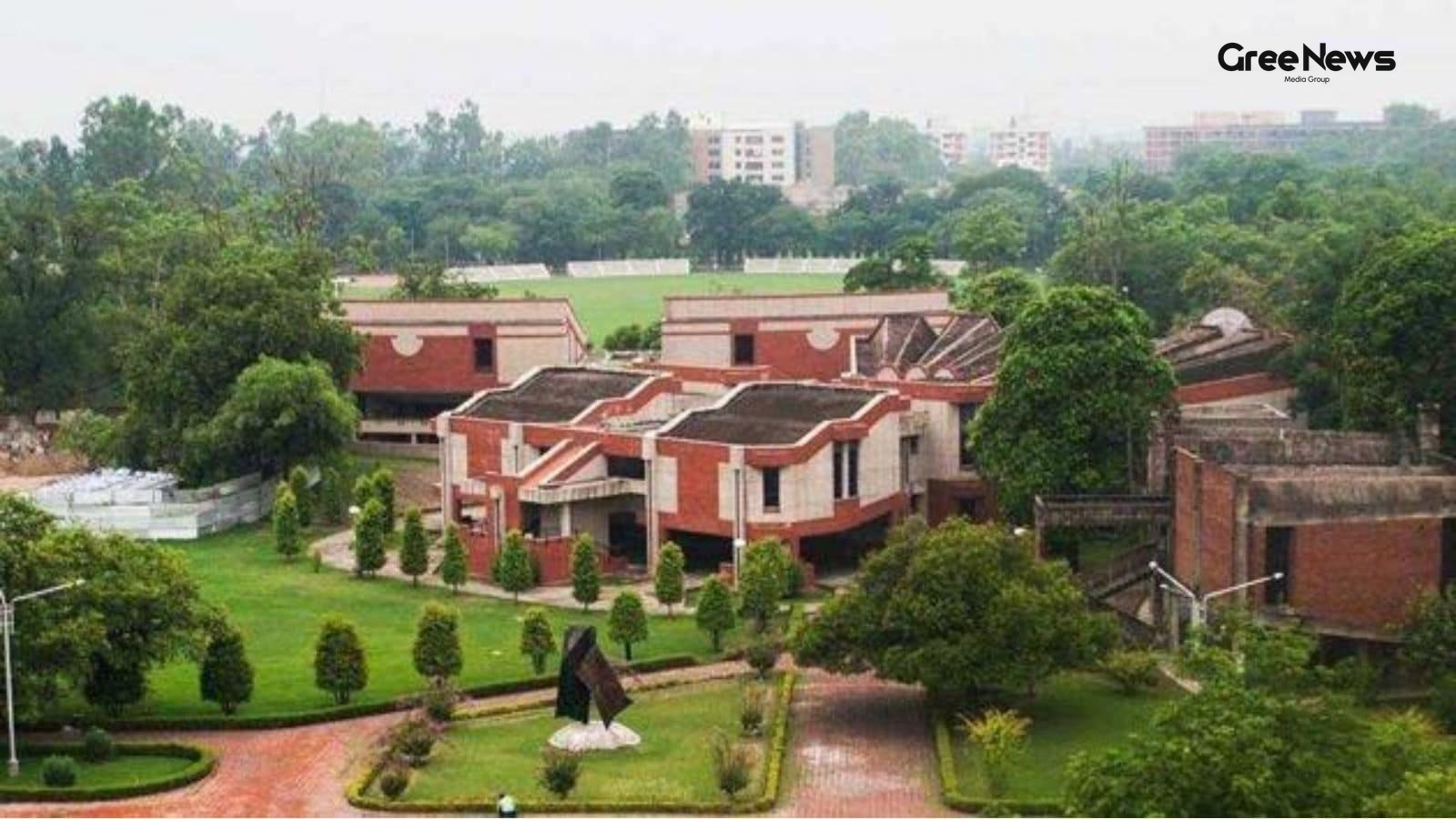
Teen Hacker Exposes Flaws in Education Portal, Joins Cybersecurity Team at IIT Kanpur
Most job seekers deal with resumes and cover emails. For nineteen-year-old Nisarga Adhikary, it was something different entirely: a blog post exposing holes in the Central Board of Secondary Education’s on-screen marking portal. That post dropped on May 22nd. It caught some serious attention. Manind
Jun 11, 2026 by Gree News Team
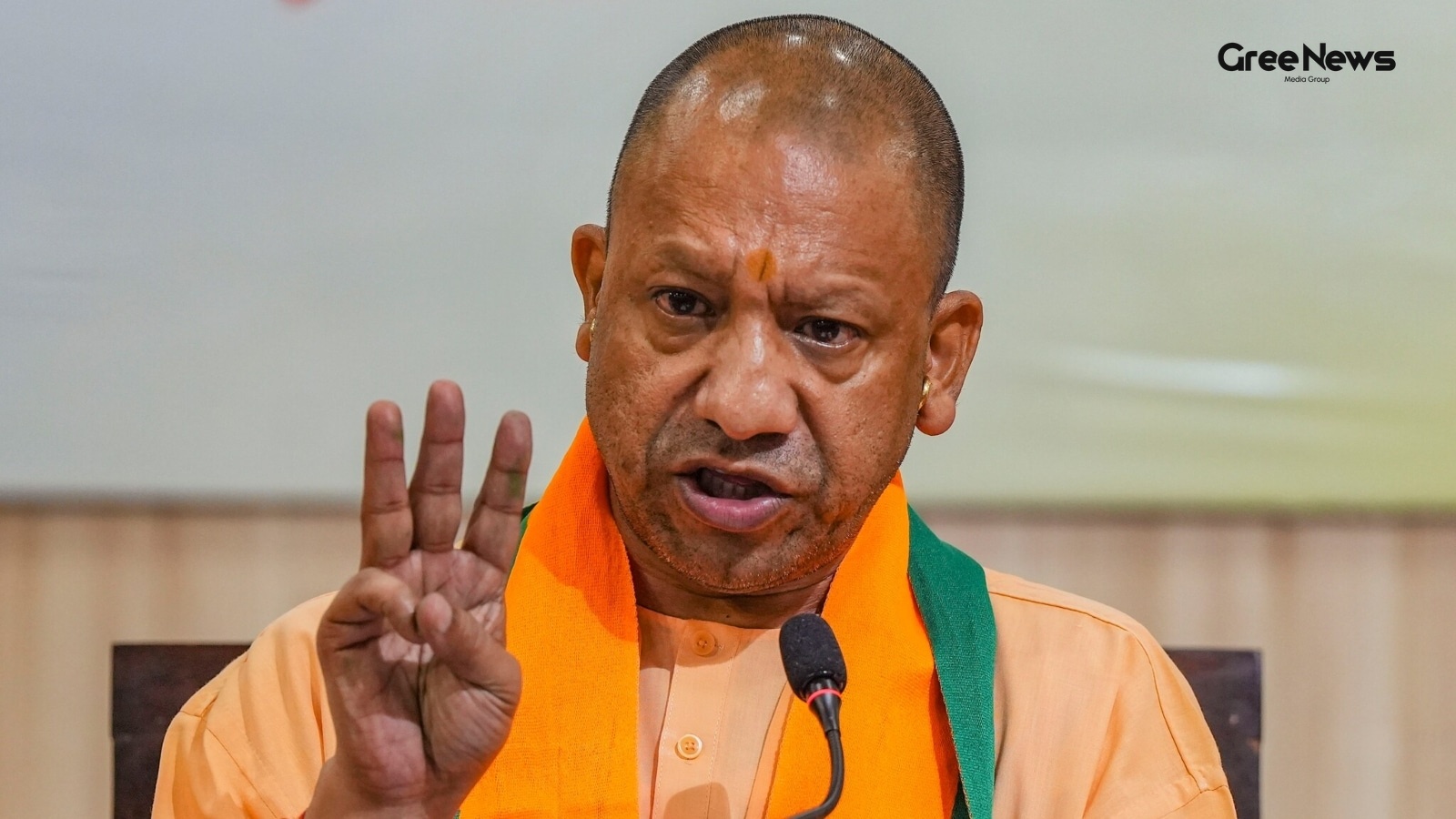
Yogi Adityanath's Letter to PM Modi on Nation-Building and UP's Progress
Yogi Adityanath sent out some greetings on Wednesday to Prime Minister Modi. It was about him reaching twelve years as the longest-serving elected prime minister, that’s what he congratulated him for. He didn't just send a standard note. He actually wrote a letter to PM Modi himself, extending well
Jun 11, 2026 by Gree News Team

Buying Guides: AC Specifications and Immersive Sound Systems
Buying an air conditioner has gotten so much more complicated lately. You have to think about tonnage, inverter tech, efficiency ratings, ambient temps a whole list of things that might or might not matter for just living in a room. The good news is, only a handful of specs actually change how you c
Jun 11, 2026 by Gree News Team

Canada's Digital Safety Act: Overhaul of Social Media and AI Regulation
Canada just rolled out this whole digital safety thing. A big overhaul, they call it. It’s about banning kids under sixteen from having social media accounts. And then there’s the AI bit they want chatbots to stop making harmful stuff. This "Digital Safety Act," introduced Wednesday local time, puts
Jun 11, 2026 by Gree News Team

Tanu Weds Manu: The Next Chapter Production Update
Man, it’s been a while. More than ten years after *Tanu Weds Manu Returns*, Kangana Ranaut and R Madhavan are finally getting the green light for another run. They’re set to do another chapter in that franchise. The third one is called *Tanu Weds Manu: The Next Chapter*. It’s slated for 2026. That t
Jun 11, 2026 by Gree News Team