Helicopter Crash and Investigation in the Neelum Valley Sector
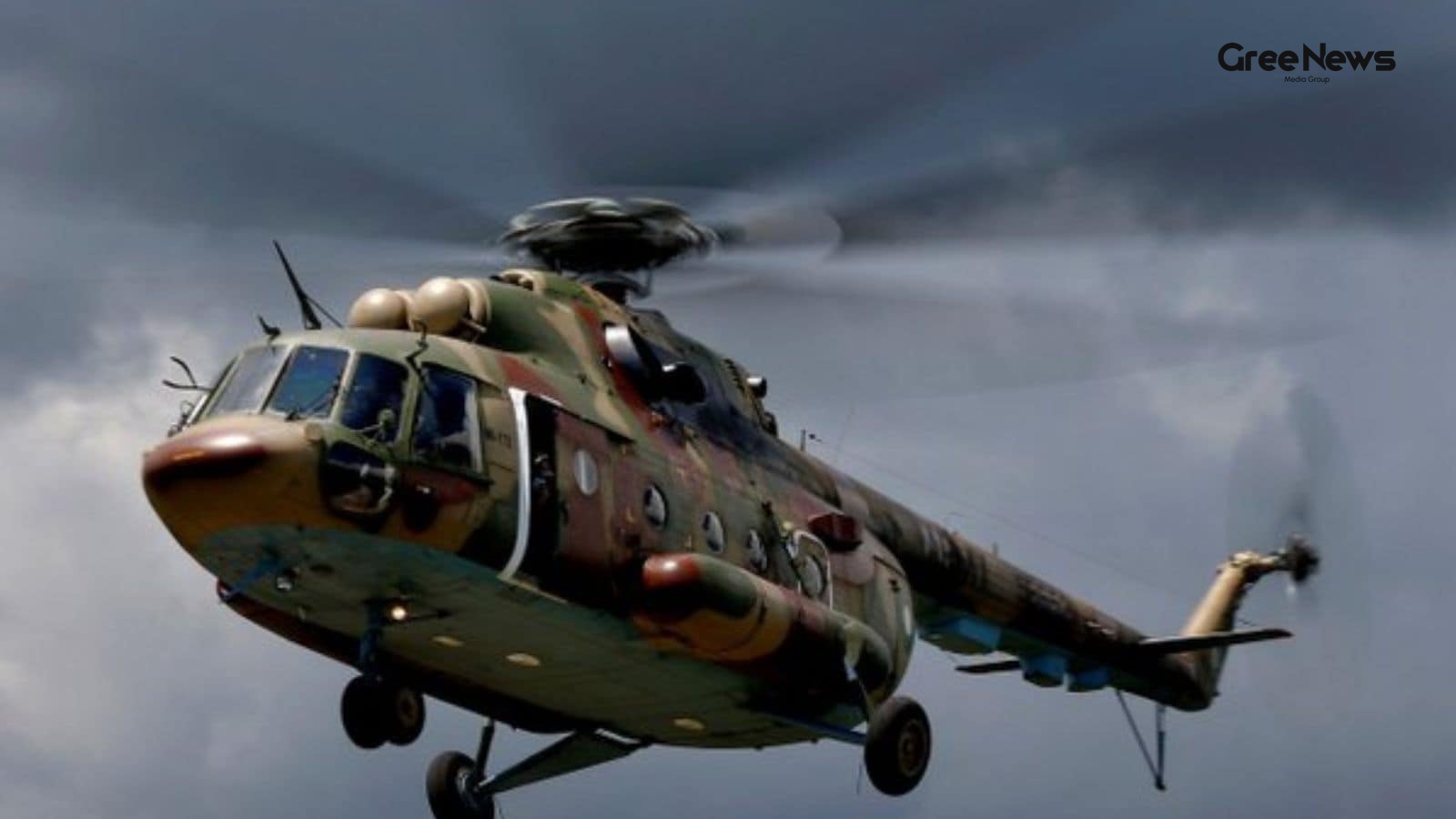
The air was thick with something heavy that Wednesday. Not just the usual heat of the mountains, but a silence that felt wrong. That’s what happened near Muzaffarabad.
An Mi-17 helicopter. Pakistan Army Aviation. It wasn't a smooth flight at all; it was a crash during take-off. A brutal end right there in the valley. Reports are already swirling about some kind of technical malfunction, something that went horribly wrong mid-flight. Twenty-one people on board. Gone. Just gone.
They were transporting troops, soldiers of Pakistan’s security forces. Moving them into that tricky sector of PoK, the Neelum Valley area. It was a serious mission, clearly. A convoy in the sky.
The crew tried something. An emergency landing attempt. You can imagine the sheer panic when things started going sideways. They fought it, trying to control the machine, but it was too late. The crash happened anyway. Violent.
Then the silence after that noise is what sticks with you. It’s deafening.
Rescue teams hit the site immediately. They launched operations right into that rough area. Getting help there must have been incredibly difficult, navigating whatever wreckage was scattered around. Everything went into emergency mode instantly.
And now? An inquiry. That's what they're doing. The Inter-Services Public Relations office ISPR they’ve ordered a board to look into it. Determine exactly what caused this disaster. Cause of the crash. It’s going to take time. A long, slow process for something like this.
You try to piece together what went down. Malfunction. Emergency landing failed. Dead men in a helicopter that was meant to carry them somewhere important. It just feels... messy. Unsettling. You wonder about the mechanics of it all. The training? The equipment? Everything seems fragile when you think about it from up there.
People talk. They always talk. About these things, don't they? Not just the official line coming out from Islamabad. There’s always that layer underneath. That bit of uncertainty clinging to every word reported. It’s hard to know what’s real when the official reports are so tightly controlled. You get the facts the crash, the dead count, the investigation starting but you don't get the texture of it all.
How do you even start describing that kind of loss? It’s not just numbers. It involves families. People who were supposed to be somewhere else entirely. Their absence is a physical weight in the air.
The movement of troops, those patrols, they operate in spaces that are inherently volatile. The borderlands. That area near Muzaffarabad carries a certain gravity. When you put military transport there, especially into contested zones like PoK, there’s an inherent risk already baked in. And then, on top of that, the mechanical failure the simple, terrifying reality of machinery failing under pressure. It compounds everything.
The response from the authorities is procedural, which is expected. The board has been ordered. That’s the immediate action. But the real story isn't just about the paperwork of an inquiry. It’s about what happens on the ground when you try to recover something that was violently destroyed in a remote place.
The sound of the helicopters moving in, the initial assessment that kind of raw scene is hard to capture in official statements. You have the physical reality of the wreckage, the landscape absorbing the impact. It’s a stark contrast to the clean lines of political declarations you usually see on the news. This… this is just broken metal and silence where life used to be moving.
And then there’s the weight of the context. The Neelum Valley sector. That area has its own history, its own layers of complexity that bleed into every operational decision made there. It’s not just a geographical point on a map. It carries political weight. And these accidents happen within that framework. They aren't just isolated mechanical failures; they are events layered with everything else happening in the region.
It makes you look at the system. How does it handle risk? How does it ensure safety when operating in such sensitive zones? The simple answer is often hidden behind complex bureaucratic structures and protocols. And yet, here we are. A fatal accident resulting from a technical slip-up during an operation that was already fraught with tension.
The ISPR statement will come later. It will be carefully worded. Measured. But the feeling right now isn't measured. It’s immediate shock mixed with a creeping sense of inevitability about how these things unfold. You wait for the full picture, but in the meantime, you have this raw impression. A stark reminder that even high-tech machines can fail spectacularly, and the consequences are absolute.
The recovery effort itself is another story. It’s not just hauling debris out. It's a logistical nightmare unfolding in a remote location. Coordinating those teams. Dealing with the physical aftermath of an accident in an area that might be difficult to access. There’s always this layer of human effort involved, trying to manage chaos when you should be managing order.
It forces a pause on the usual narrative flow. You stop the predictable chronology for a moment and just sit with the immediate aftermath. The technical failure is the spark. The emergency attempt is the reaction. The crash is the result. The investigation is the slow, inevitable consequence. It’s that messy progression you don't see in the headlines often enough. It’s just physics and human tragedy colliding under a thin layer of operational stress.
Written by Gree News Team — Senior Editorial Board
Gree News Team covers international news and global affairs at Gree News. Our collective of senior editors is dedicated to providing independent, accurate, and responsible journalism for a global audience.
More from World
View All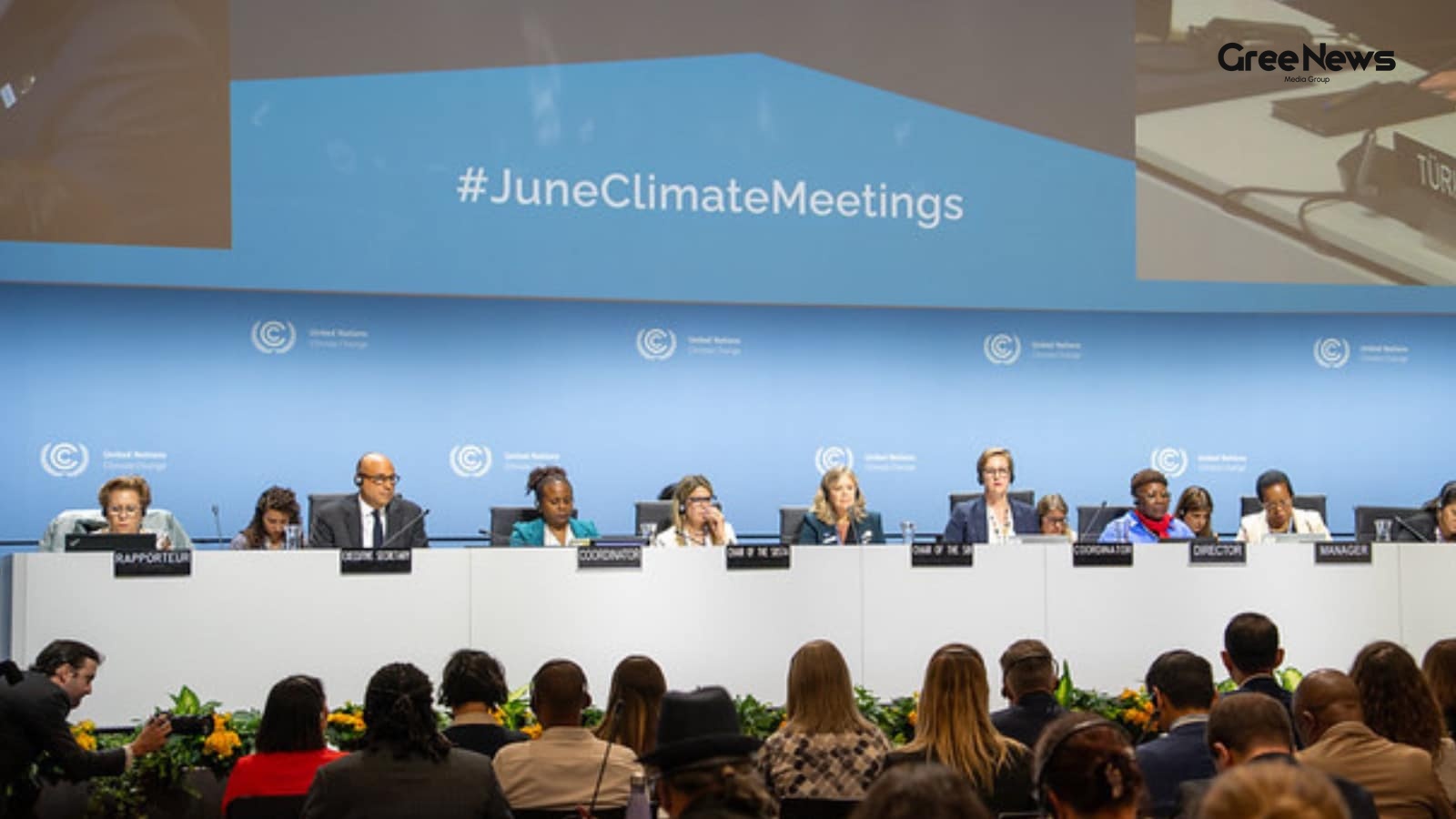
Rich Nations Are Not on Track to Hit Climate Goals for 2030 or 2035
Rich nations are apparently not on track to hit their climate goals for 2030 or 2035. That’s what a new report warned, just as international negotiators started kicking off discussions at those mid-year UN climate talks in Bonn, Germany. The whole ten-day meeting the 64th Sessions of the Subsidiary
Jun 11, 2026 by Gree News Team
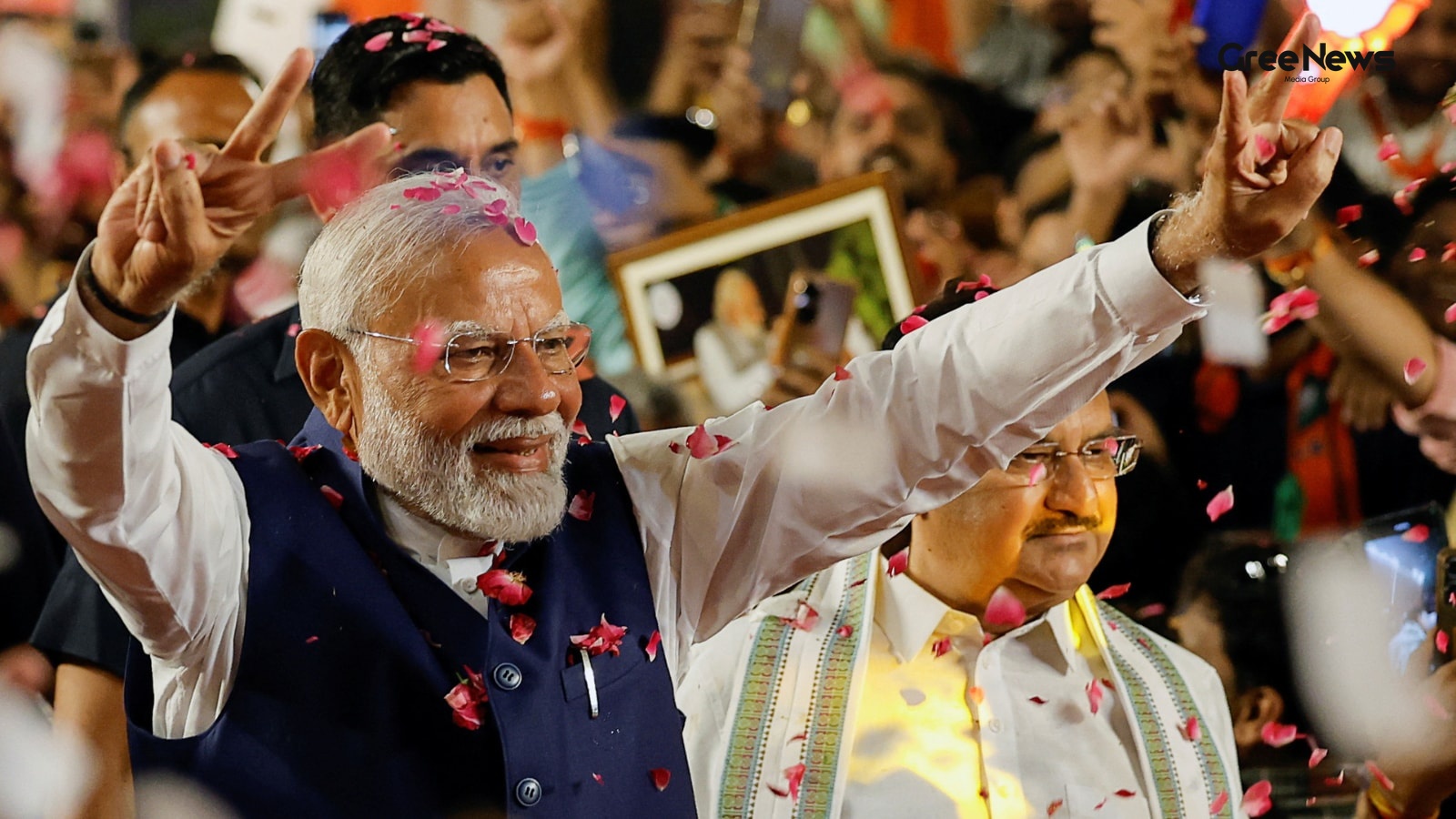
Global Congratulations for Prime Minister Modi's Record Tenure
Congratulations kept coming in from leaders globally for Prime Minister Modi. It’s a massive milestone, really. He’s now India’s longest-serving democratically elected prime minister four thousand three hundred ninety-nine days in office. That puts him ahead of Nehru's record. Israel’s Foreign Minis
Jun 11, 2026 by Gree News Team
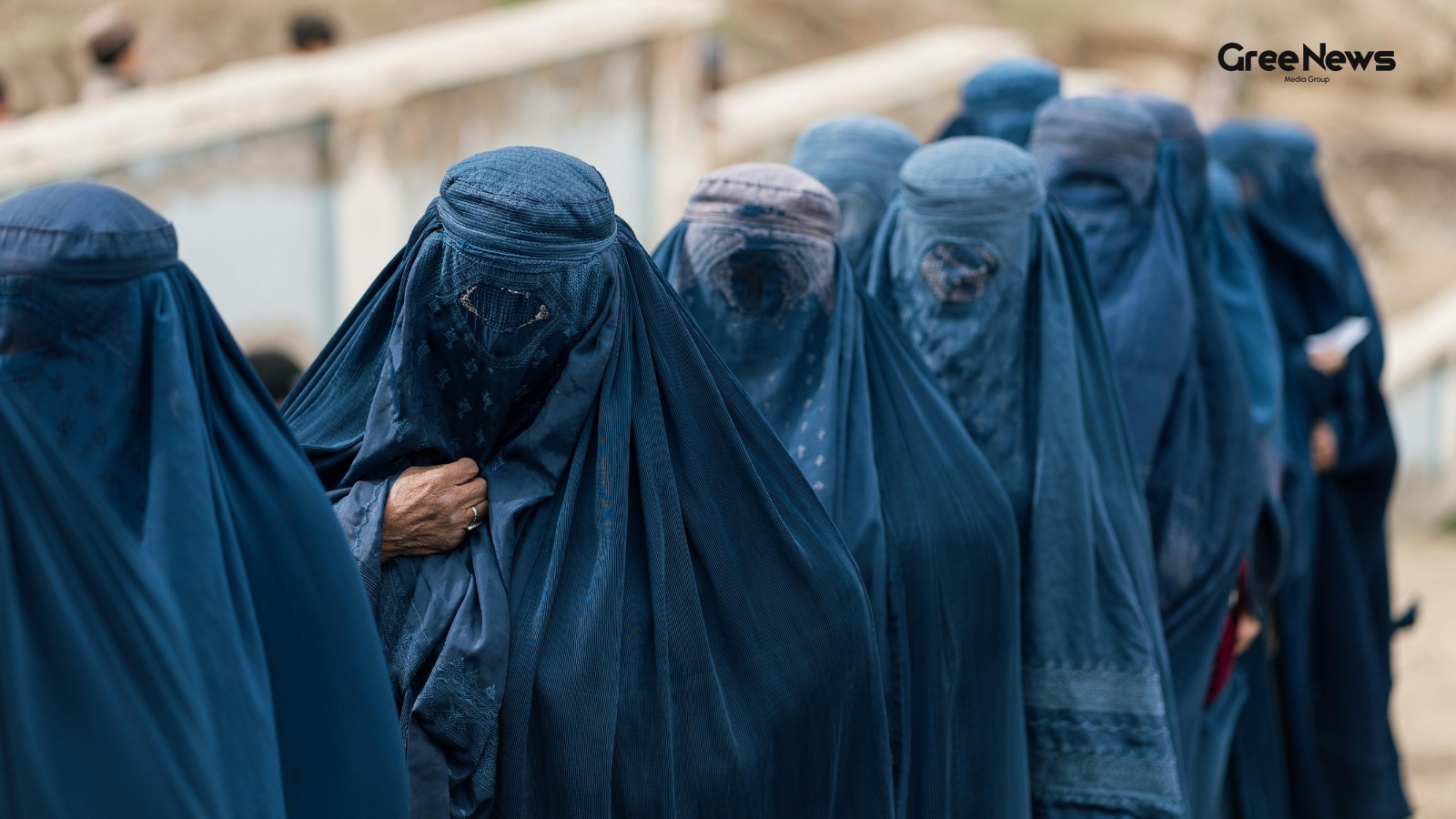
Arrests and Protests in Herat: The Struggle for Freedom
The arrests are really kicking off something in Herat. It’s not just some random noise. Reports coming out, especially from The Guardian, are talking about a real wave of arrests happening these past few days. They're targeting women and young girls, all under the banner of "improper hijab." And hon
Jun 11, 2026 by Gree News Team
Belfast Wrecks and Civil Unrest: Fallout, Online Rhetoric, and Immigration Tensions
Belfast woke up Wednesday to the wreckage. Burnt cars, smashed shopfronts, charred remains of homes all left behind after the night before. It was just pure fire across the city following an arrest and stabbing that had left someone seriously hurt. The suspect ended up in Magistrates’ Court on Wedne
Jun 11, 2026 by Gree News Team
Latest Headlines
The Environmental Cost of the 2026 World Cup
The 2026 World Cup starts June 11th. It promises a month of insane sporting drama. But underneath all that noise the roaring crowds and the goals there’s this heavy environmental thing everyone is starting to notice. Scientists are looking at it, and frankly, they’re worried. Industry analysts are s
Jun 11, 2026 by Gree News Team
Rich Nations Are Not on Track to Hit Climate Goals for 2030 or 2035
Rich nations are apparently not on track to hit their climate goals for 2030 or 2035. That’s what a new report warned, just as international negotiators started kicking off discussions at those mid-year UN climate talks in Bonn, Germany. The whole ten-day meeting the 64th Sessions of the Subsidiary
Jun 11, 2026 by Gree News Team
Global Congratulations for Prime Minister Modi's Record Tenure
Congratulations kept coming in from leaders globally for Prime Minister Modi. It’s a massive milestone, really. He’s now India’s longest-serving democratically elected prime minister four thousand three hundred ninety-nine days in office. That puts him ahead of Nehru's record. Israel’s Foreign Minis
Jun 11, 2026 by Gree News Team

The Ethics of Vlogging: Privacy, Spectacle, and Family in the Digital Age
India’s whole daily vlogging scene, it’s always been under some kind of microscope. People criticize it constantly. Blurring the lines between what’s just private life and what they put out there for entertainment. It’s a persistent issue, isn't it? But something happened recently that really pushed
Jun 11, 2026 by Gree News Team
The Swimming Pool as a Money-Printing Machine: Profit, Skepticism, and the Water Debate
The whole idea a swimming pool acting like some kind of money-printing machine that’s what caught everyone’s attention online. It started when some content creator shared details about a friend's business in Meerut. They were talking about a pool that supposedly earned nearly twenty-two and a half l
Jun 11, 2026 by Gree News Team
Legal Dispute in Madhya Pradesh Rajya Sabha Election Nomination
Madhya Pradesh is watching this whole Rajya Sabha election mess unfold between Congress and BJP with a real sense of intrigue. And the Election Commission is stuck with a question that feels huge should a candidate even be allowed to declare complaints against someone if there’s no actual cognizance
Jun 11, 2026 by Gree News Team
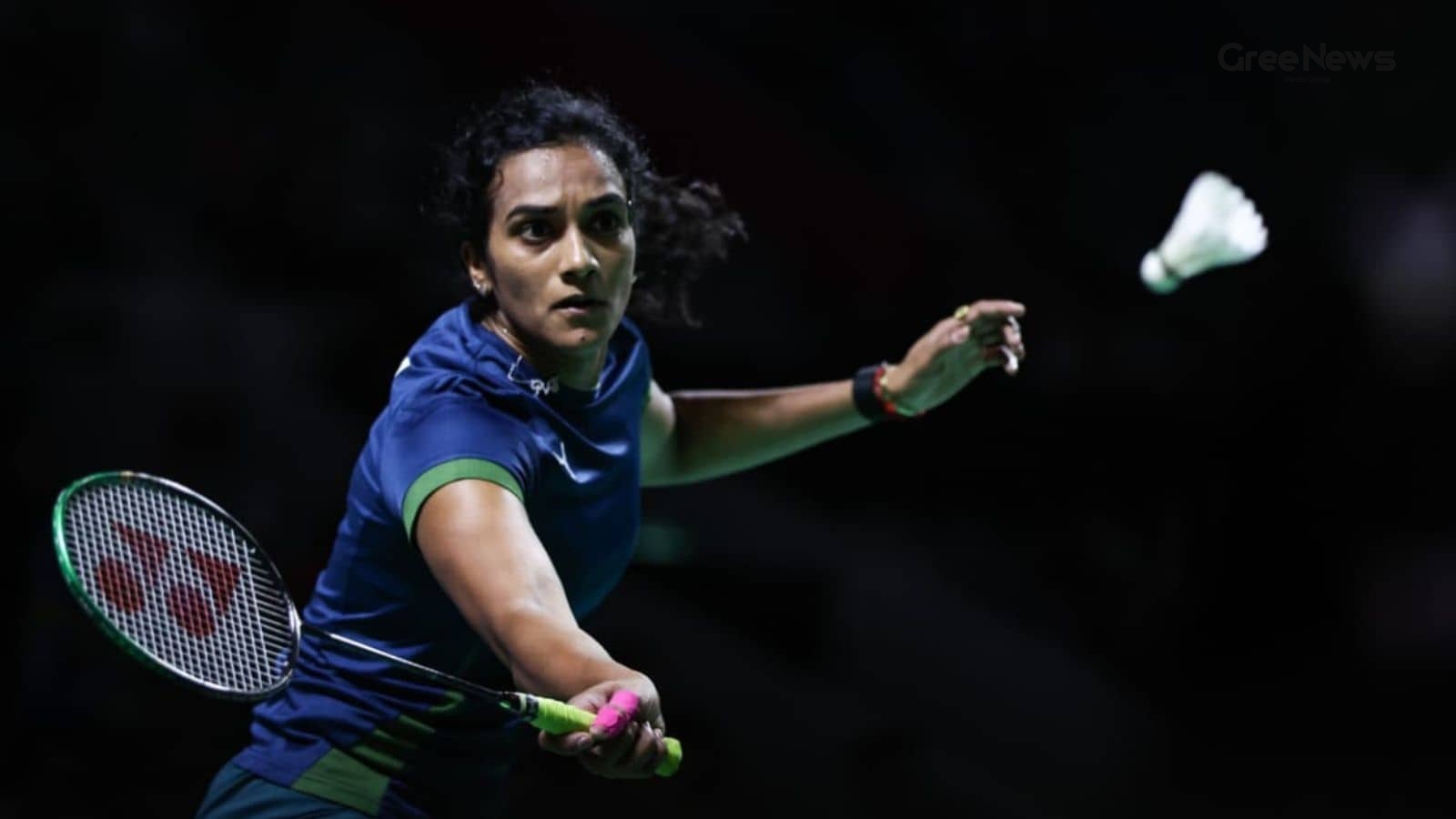
Australian Open Super 500 Match Report: Sindhu, Sharma, and Men's Singles
Two-time Olympic medallist PV Sindhu really put on a show today. Indian women dominated. An easy win against Peru’s Ines Salazar. And then there was Tanvi Sharma, that teenager, pulling off an upset over the fifth seed, Chiu Pin-Chian at the Australian Open Super 500 in Sydney. Wednesday. Third seed
Jun 11, 2026 by Gree News Team
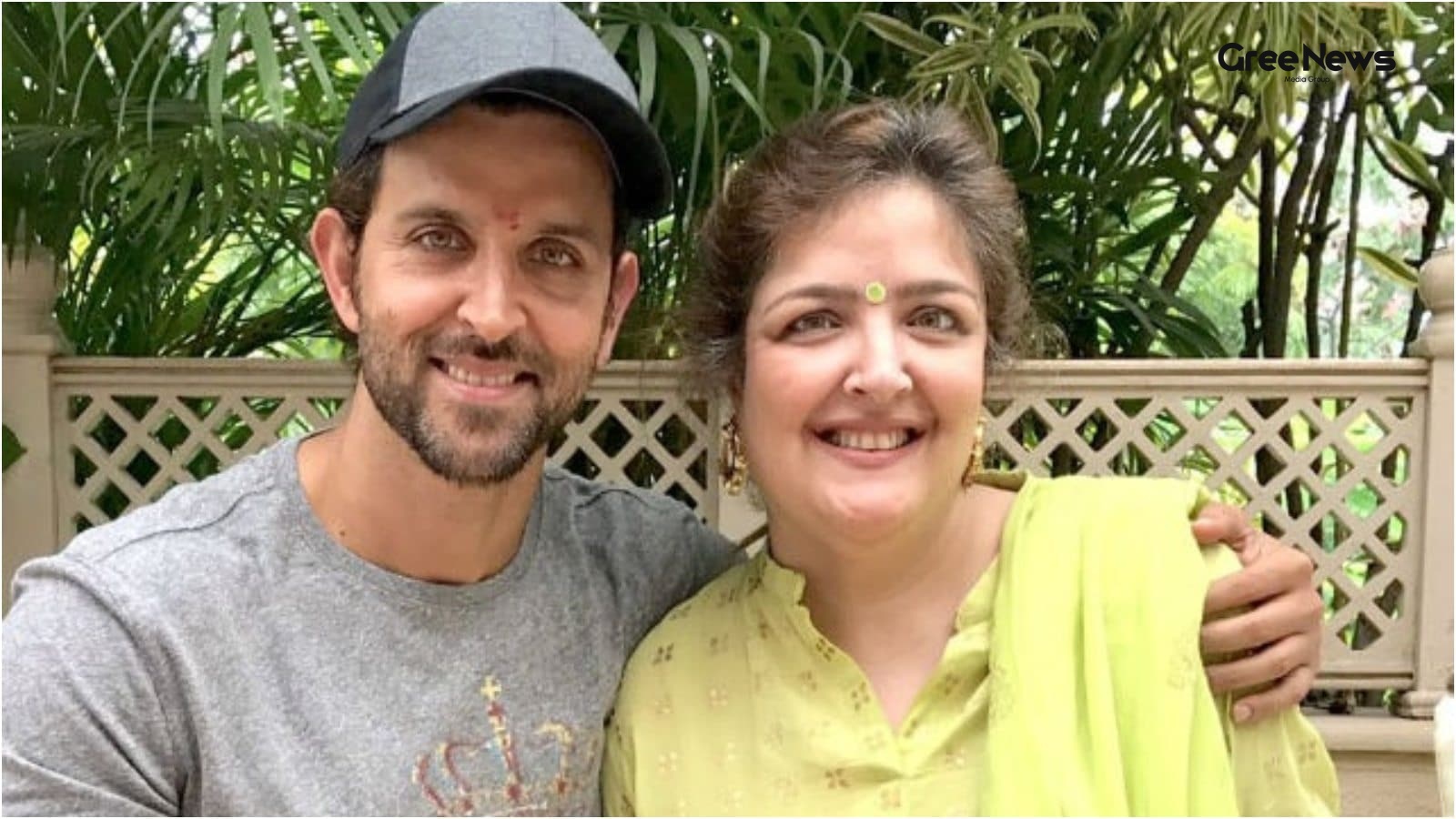
The Cost of Crash Diets: A Story of Survival and Health
The silence around that story, really. It’s not just about a health scare. It’s about what happens when you chase something so aggressively something marketed as a shortcut, a fix that you completely dismantle your own survival mechanism. Sunaina Roshan brought it up in that video. It wasn't a polis
Jun 11, 2026 by Gree News Team

The Fragmentation of Reality: Navigating Political Uncertainty
It was just… moving fast this week. You see, things aren't lining up right at all. There’s this feeling, a kind of low hum you can almost feel in the air, that everyone is waiting for something to break. It’s not some neat timeline thing, you know? Just bits and pieces sticking together somehow, mes
Jun 11, 2026 by Gree News Team
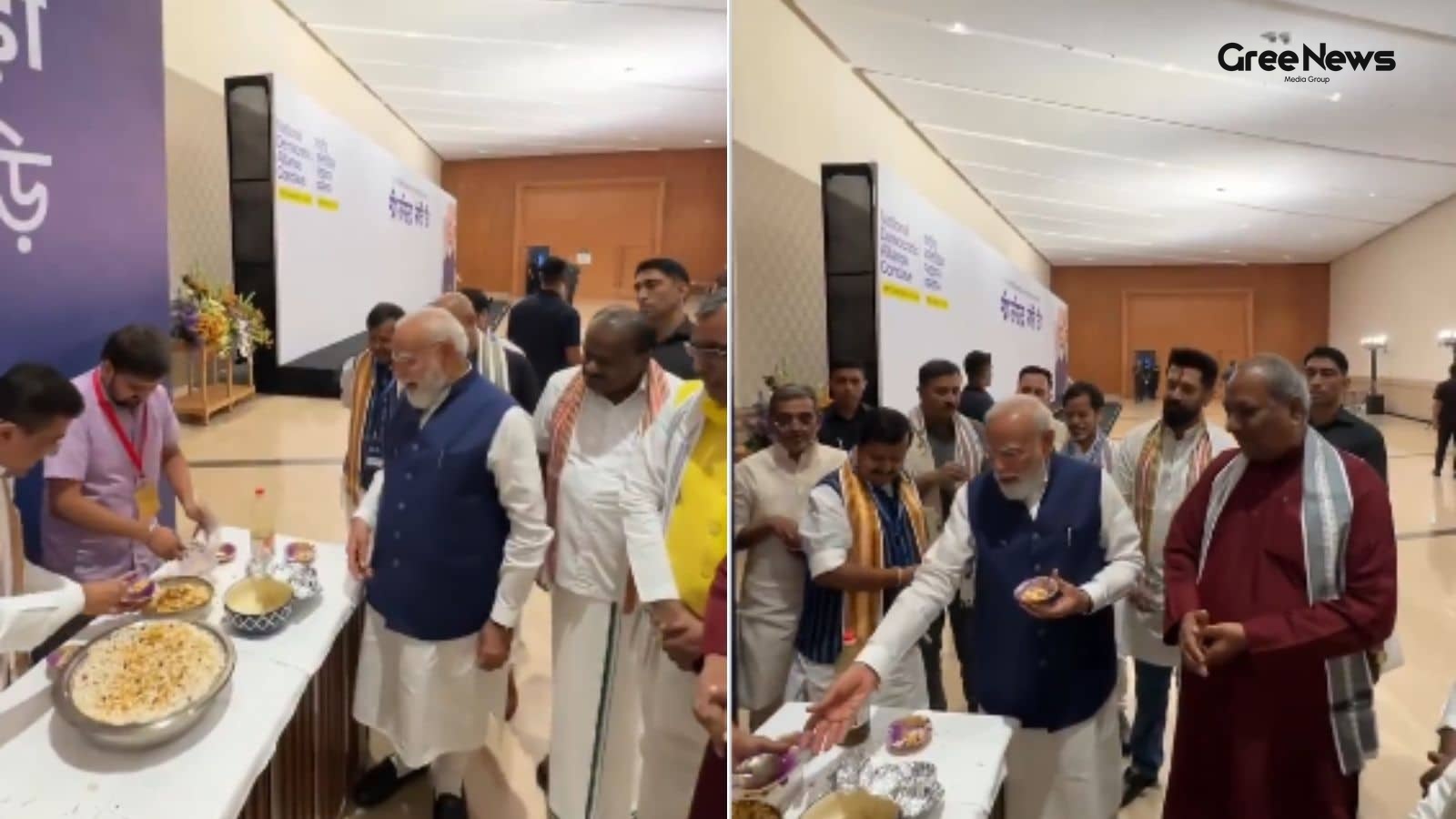
The Intersection of Politics and Culture: Jhalmuri and Public Perception
the air in new delhi felt thick that day. not just the usual pre-meeting tension, you know? there was this hum, a sort of expectant energy buzzing around the halls where the national democratic alliance was gathering. twelve years. that’s what they were marking. twelve years under modi’s watch. and
Jun 11, 2026 by Gree News Team
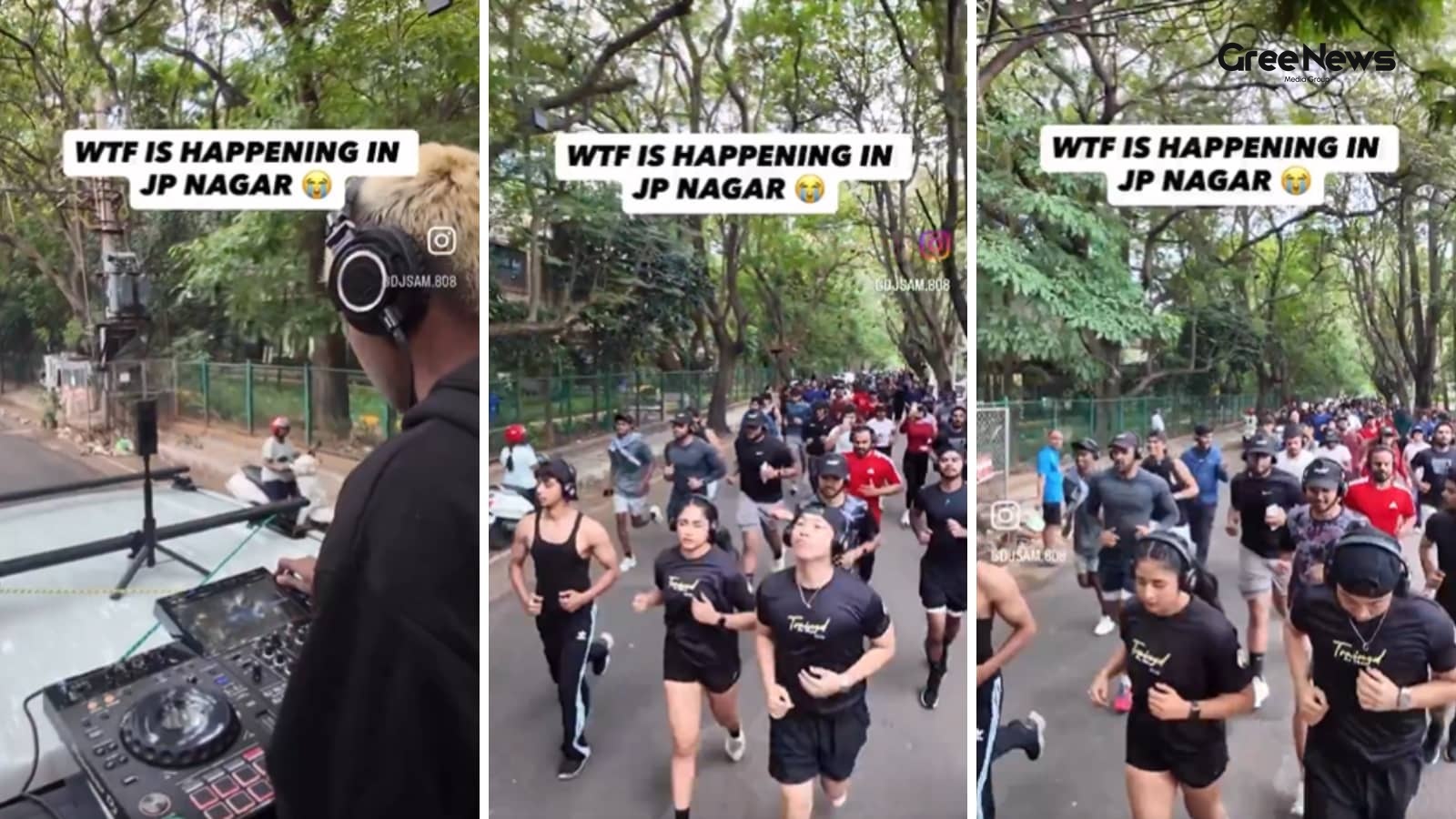
The Evolution of Fitness and Distraction in Bengaluru Running Culture
People in Bengaluru, you know how it is, always finding some new angle to mix fitness with actual fun. It’s not just about hitting the pavement anymore. We're talking cycling groups popping up everywhere, weekend marathons taking over the scene. These run clubs, they’ve really become these popular m
Jun 11, 2026 by Gree News Team
TMC Merger Resistance and Internal Political Split
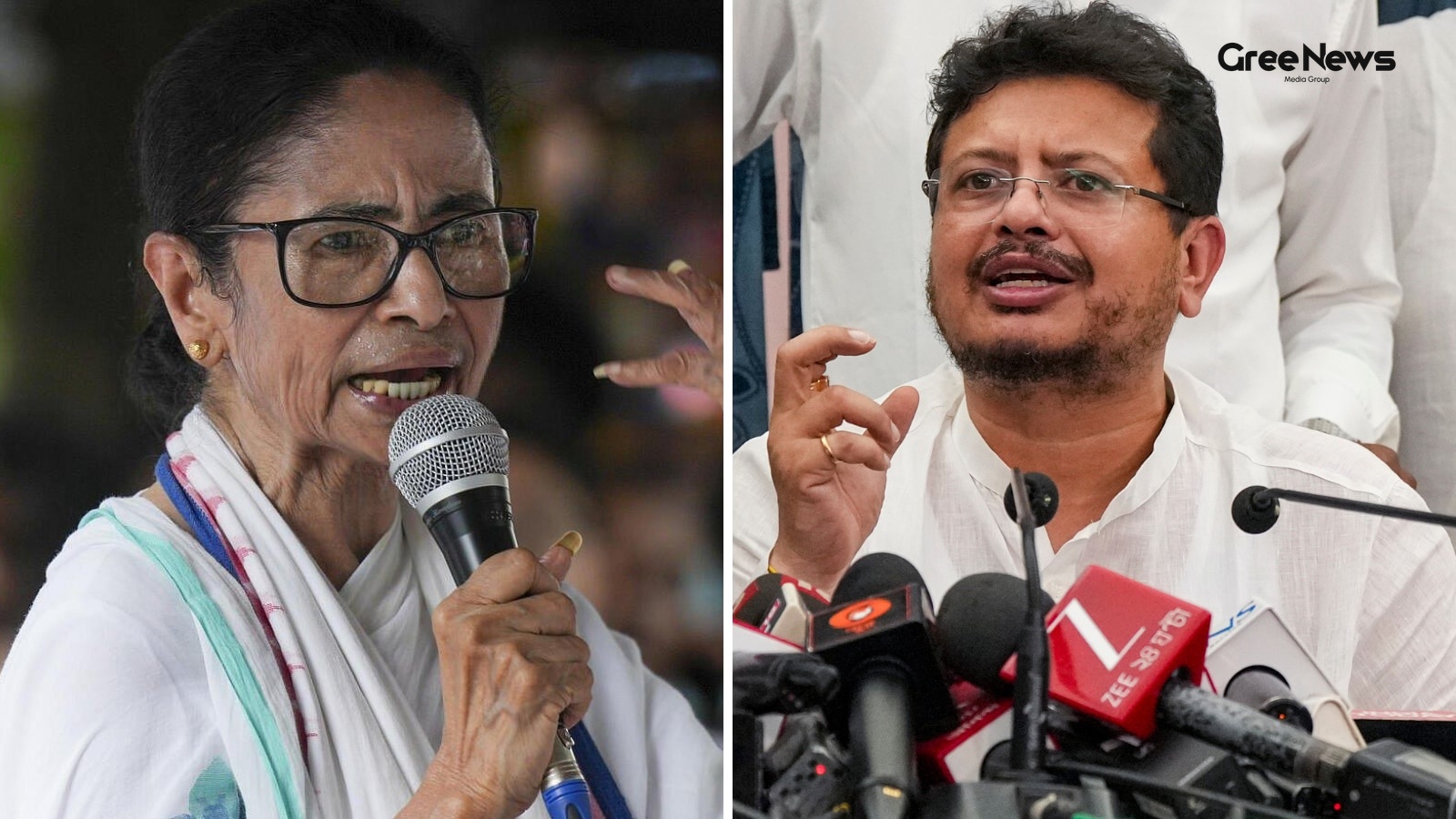
Ritabrata Banerjee, the Opposition leader from West Bengal, is pushing back hard against all the chatter about a possible merger between the Trinamool Congress and the Congress. He’s saying that the rebel faction inside the party has absolutely no intention of joining whatever grand old structure th
Jun 11, 2026 by Gree News Team
NDA Coalition Meeting: Leaders Celebrate Milestone and Discuss National Development
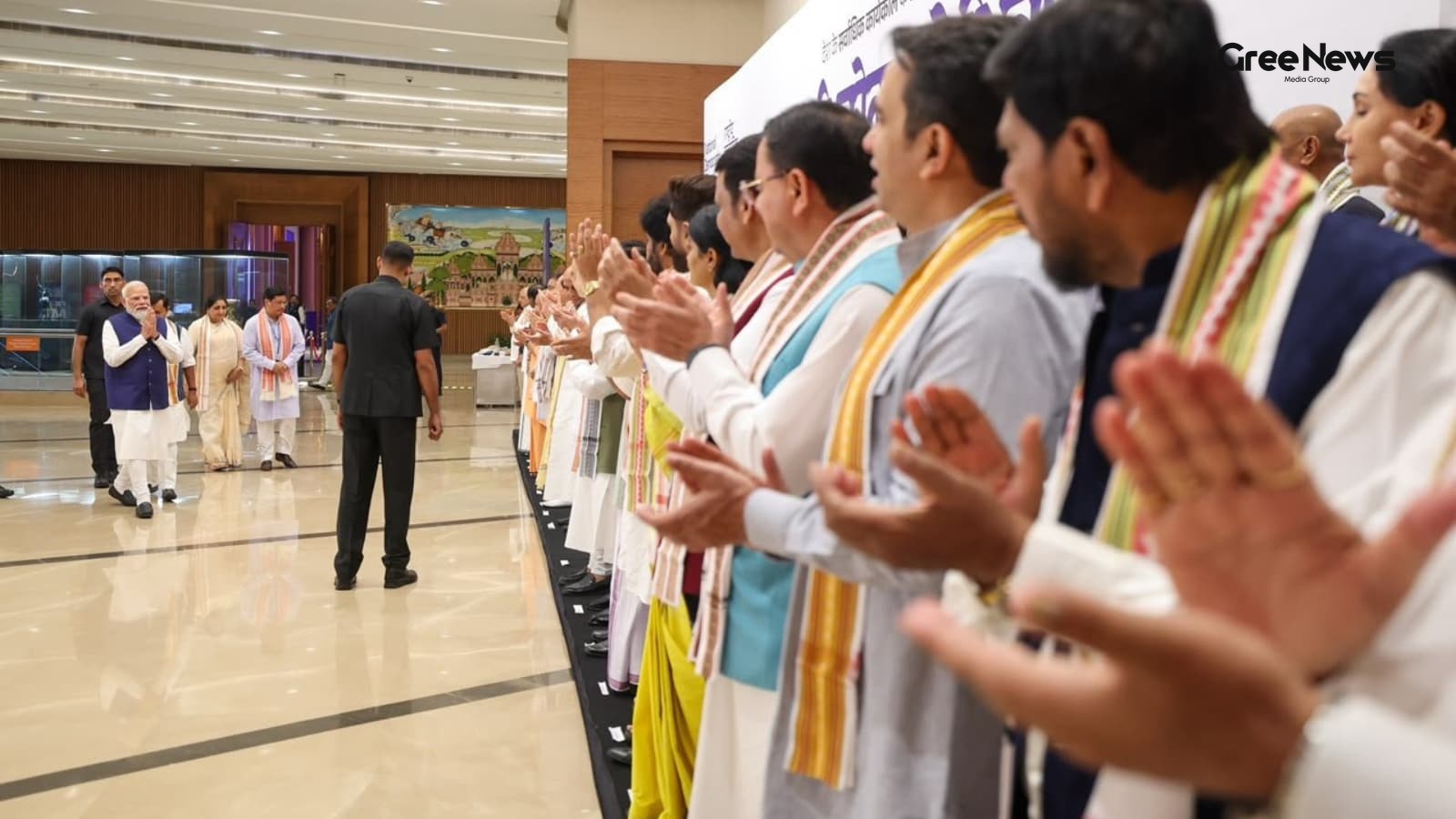
The NDA coalition, led by the BJP, just hit twelve years in office on Wednesday. Leaders got together for a meeting, trying to celebrate that milestone and all that. Andhra Pradesh Chief Minister N Chandrababu Naidu spoke up. He really praised PM Modi. Said he was leading this century. Inspiring eve
Jun 11, 2026 by Gree News Team
Haiti's Jersey: A Deep Dive into Historical Echoes and the Polish Flag
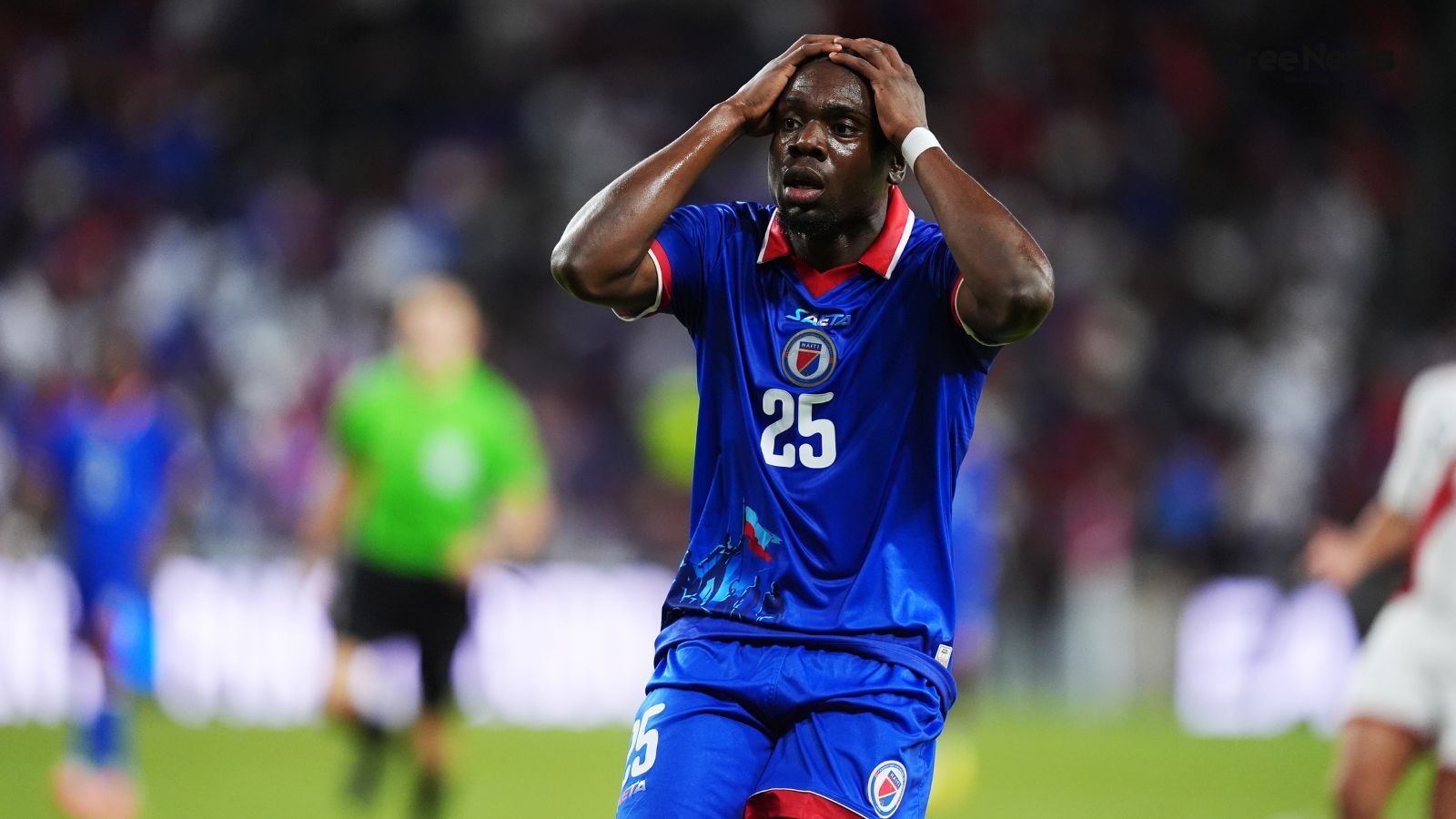
Haiti’s heading into the World Cup qualifiers against Scotland in Group C. And what you notice right away what really grabs you is that their jerseys sport the Polish flag. It’s there, woven into the design. Something with real history attached. It makes you stop and think about where this comes fro
Jun 11, 2026 by Gree News Team
Arrests and Protests in Herat: The Struggle for Freedom
The arrests are really kicking off something in Herat. It’s not just some random noise. Reports coming out, especially from The Guardian, are talking about a real wave of arrests happening these past few days. They're targeting women and young girls, all under the banner of "improper hijab." And hon
Jun 11, 2026 by Gree News Team