Rich Nations Are Not on Track to Hit Climate Goals for 2030 or 2035
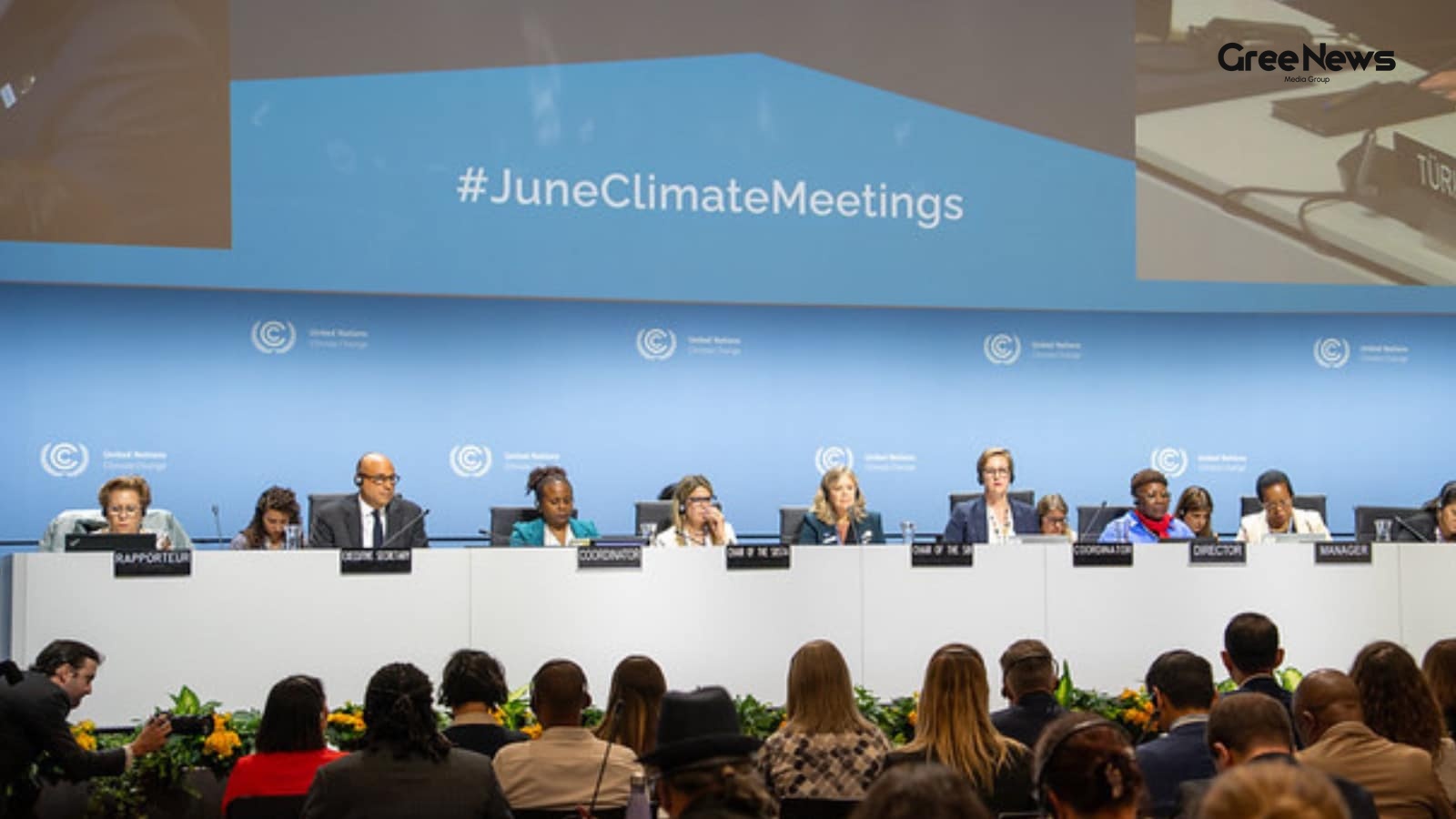
Rich nations are apparently not on track to hit their climate goals for 2030 or 2035. That’s what a new report warned, just as international negotiators started kicking off discussions at those mid-year UN climate talks in Bonn, Germany.
The whole ten-day meeting the 64th Sessions of the Subsidiary Bodies (SB64) under the UNFCCC is where they try to figure out the agenda for the big UN Climate COP later this year. Delegates are hammering things: mitigation, adaptation, finance, technology. They’re trying to nail down some draft decisions before heading to Antalya in November for COP31.
But the numbers tell a different story. A study put out by the Council on Energy, Environment and Water (CEEW), based in New Delhi, looked at three main climate groups. The Umbrella Group think Australia, Canada, Japan, the US, the UK, plus the EU and another one called the Environmental Integrity Group, which includes Switzerland and South Korea they are collectively projected to miss their targets entirely.
They’re looking at emitting nine percent more than what they promised for 2030, and that jump could hit nineteen percent by 2035 compared to their stated goals. It just shows the gap is real.
This all comes when climate cooperation is under serious geopolitical pressure. Climate experts from the Global South are pushing hard now. They want accountability. Who’s doing what? Who’s falling behind?
Ravi S. Prasad, a distinguished fellow and former chief climate change negotiator for India, put it plainly: “Ten years after Paris, you can’t measure leadership just by announcements. South Asia and the wider Global South are proving that development and climate action can actually go hand-in-hand. But this demands fairness in how ambition is judged, and how support gets delivered.”
Wealthy economies need to speed up. They need to meet their targets and leave enough carbon space for countries still struggling with basic development needs. It’s a tough demand.
The specifics are stark. The report suggested the EU has to slash emissions by nearly five percent every year starting after 2022 almost four times the rate they were previously aiming for. And the UK? They need to more than double their annual cuts, pushing them toward 5.4% reduction after 2022. The US and Canada also face increases: five and six percent yearly reductions respectively, starting in 2022.
Meanwhile, things look different for some nations. Most of the countries in the BASIC group Brazil, South Africa, India, China they showed a stronger alignment with their 2030 commitments. That makes sense given the developmental constraints they face historically.
India is actually doing well on its side. It hit that 50% non-fossil installed capacity goal ahead of schedule. And it’s making progress on emissions intensity and creating carbon sinks about 2.4 billion tonnes of extra carbon sink, for example. China also managed to hit targets for wind and solar capacity and forest stocks before 2030. They cut their energy emissions per unit of GDP by about fifty-one percent compared to 2005 levels. South Africa’s 2022 emissions were already below its 2030 target range, at around 394 million tonnes of CO₂e.
Sumit Prasad, who co-authored the study and is a senior program lead at CEEW, added some context. He said the first transparency cycle under the Paris AGreement actually gives countries a clearer mirror of what they’ve done. If you’re off track, you have to step up your action now before 2030. You need to improve the credibility of those 2035 goals and stop pushing the burden onto the future. The analysis pulled from reports submitted by countries themselves things like Biennial Transparency Reports and Common Reporting Tables.
Back at the start of the UN Climate June meetings, things felt heavy. They kicked off Monday at the World Conference Center in Bonn. It’s where the UNFCCC is based. Over ten days, it ends this year on June 18th. They expect thousands there negotiators from all those Paris AGreement countries, civil society observers, and big industry leaders.
The Executive Secretary, Simon Stiell, spoke right out of the gate. He really hammered home the urgency. “As deadly heat kills thousands in a single day. As El Niño messes with things supercharged by this climate crisis we are promised more pain, more inflationary shocks. It’s crystal clear: sticking to fossil fuels means continuing to import instability and economic inflation.”
Written by Gree News Team — Senior Editorial Board
Gree News Team covers international news and global affairs at Gree News. Our collective of senior editors is dedicated to providing independent, accurate, and responsible journalism for a global audience.
More from World
View All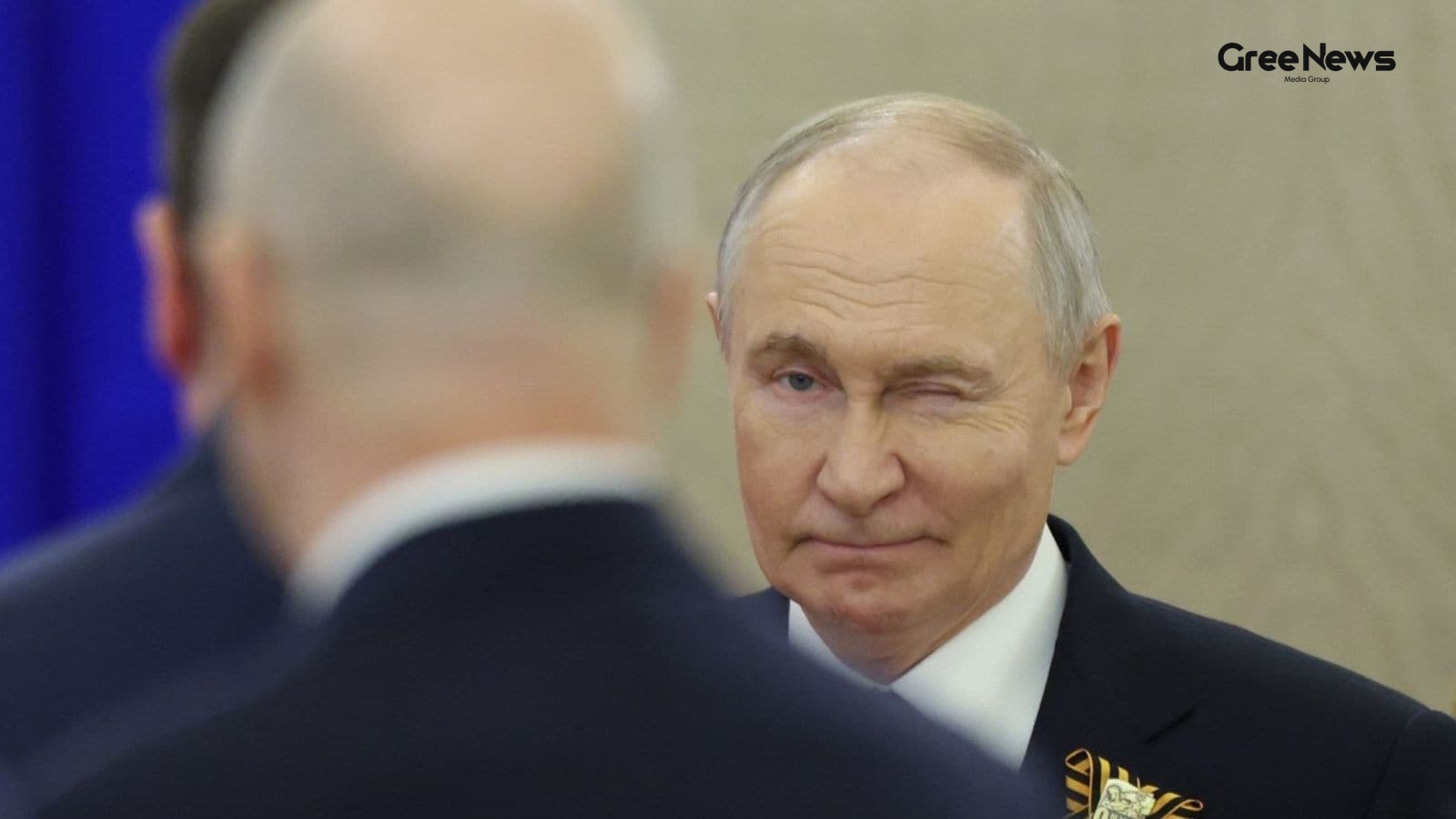
The Geopolitical Shift: Analyzing the Stalled War and Global Implications
More than four years in, things have gotten weird with the war. Ukraine is still standing. The government’s intact. But Russia? They’ve taken staggering military losses. It’s a strange situation, really. So has Kyiv shown itself lately. They managed to hit big strategic targets way out from the fron
Jun 11, 2026 by Gree News Team
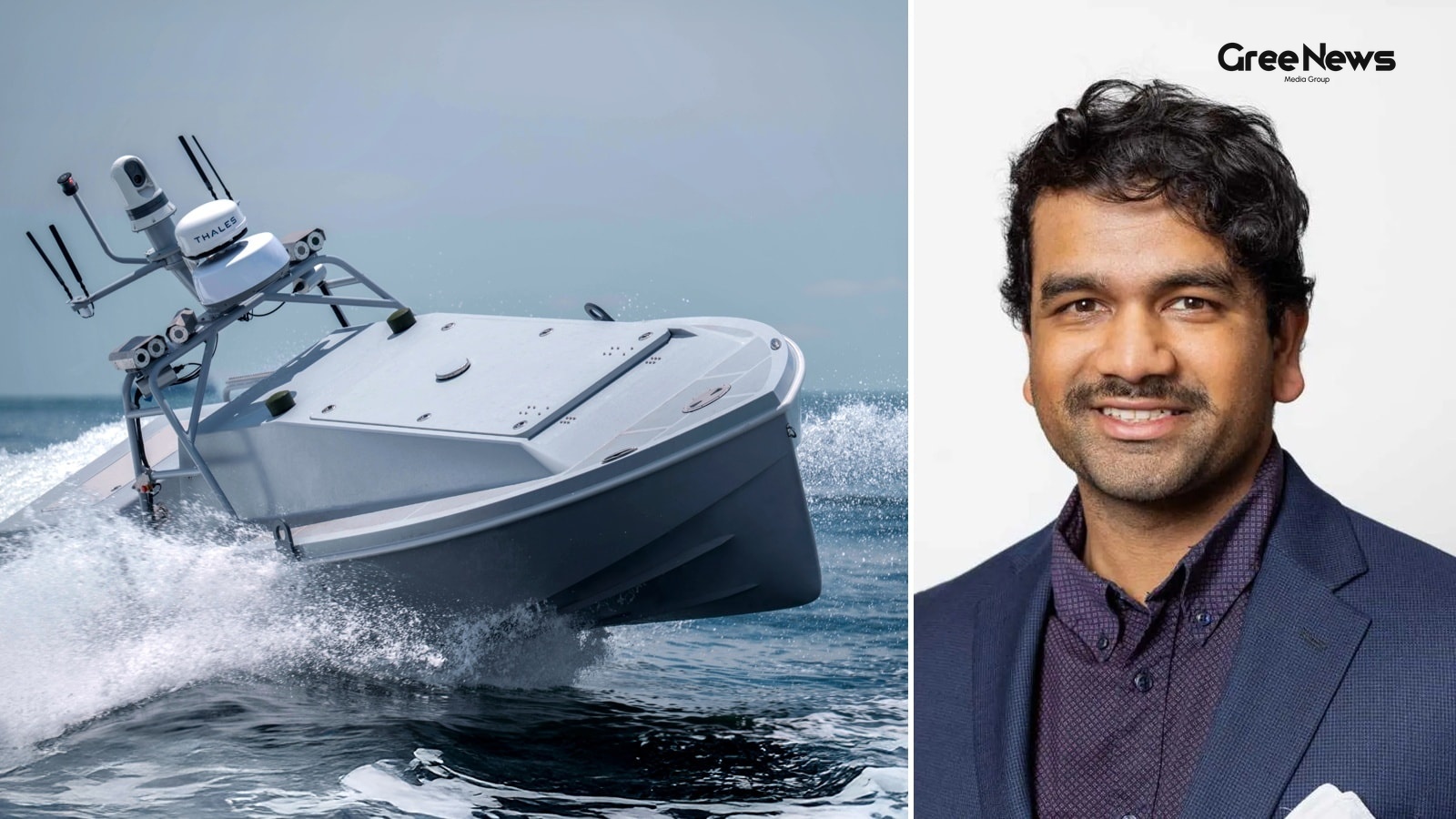
Autonomous Maritime Tech and AI in Defense: The Role of Saronic Technologies
The whole thing about that rescue near the Strait of Hormuz really puts things into perspective. It wasn’t just a routine operation; it brought everything back to autonomous maritime tech, and who was involved in actually making that possible that’s where the focus lands now. The US Navy actually de
Jun 11, 2026 by Gree News Team
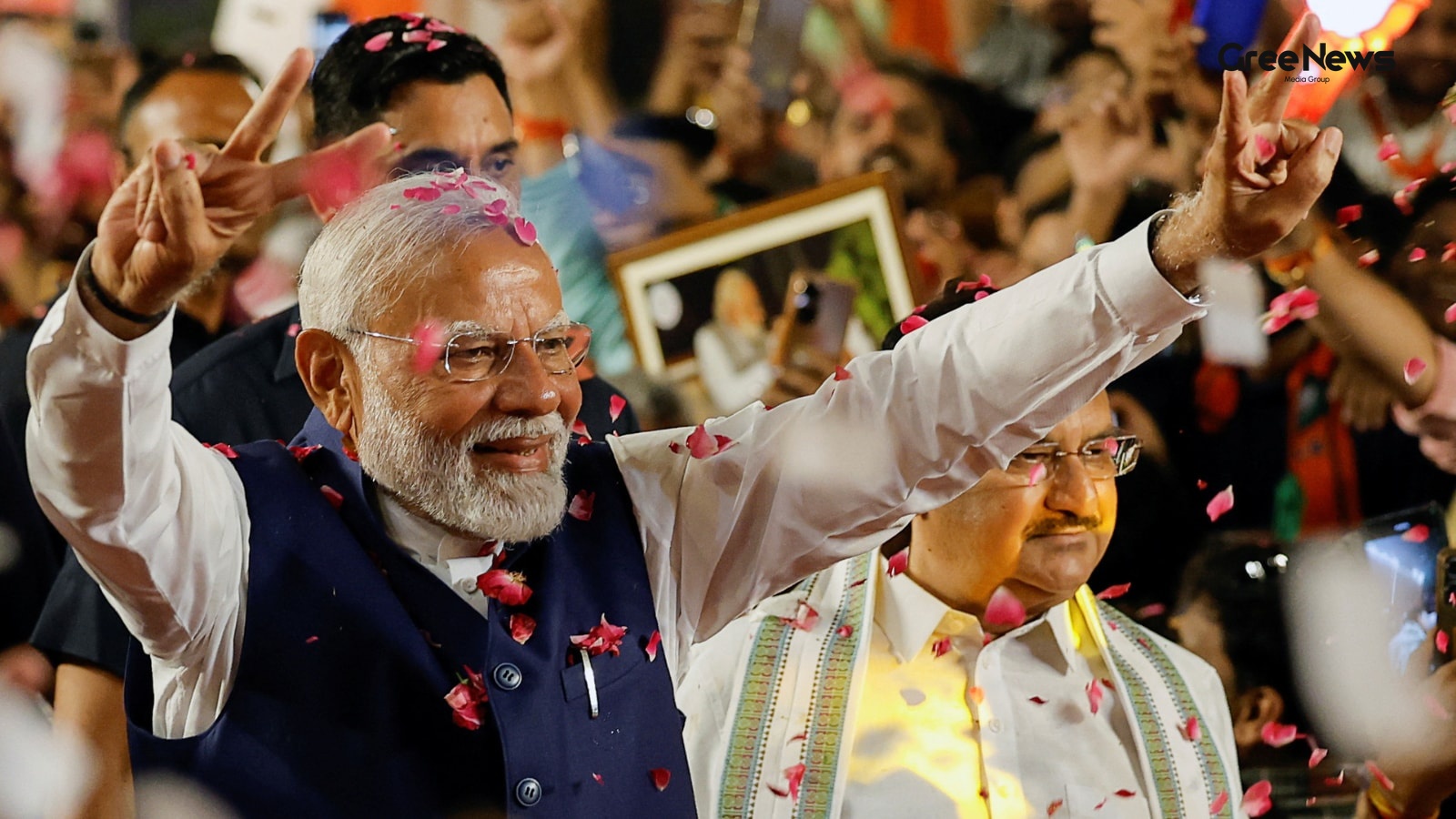
Global Congratulations for Prime Minister Modi's Record Tenure
Congratulations kept coming in from leaders globally for Prime Minister Modi. It’s a massive milestone, really. He’s now India’s longest-serving democratically elected prime minister four thousand three hundred ninety-nine days in office. That puts him ahead of Nehru's record. Israel’s Foreign Minis
Jun 11, 2026 by Gree News Team
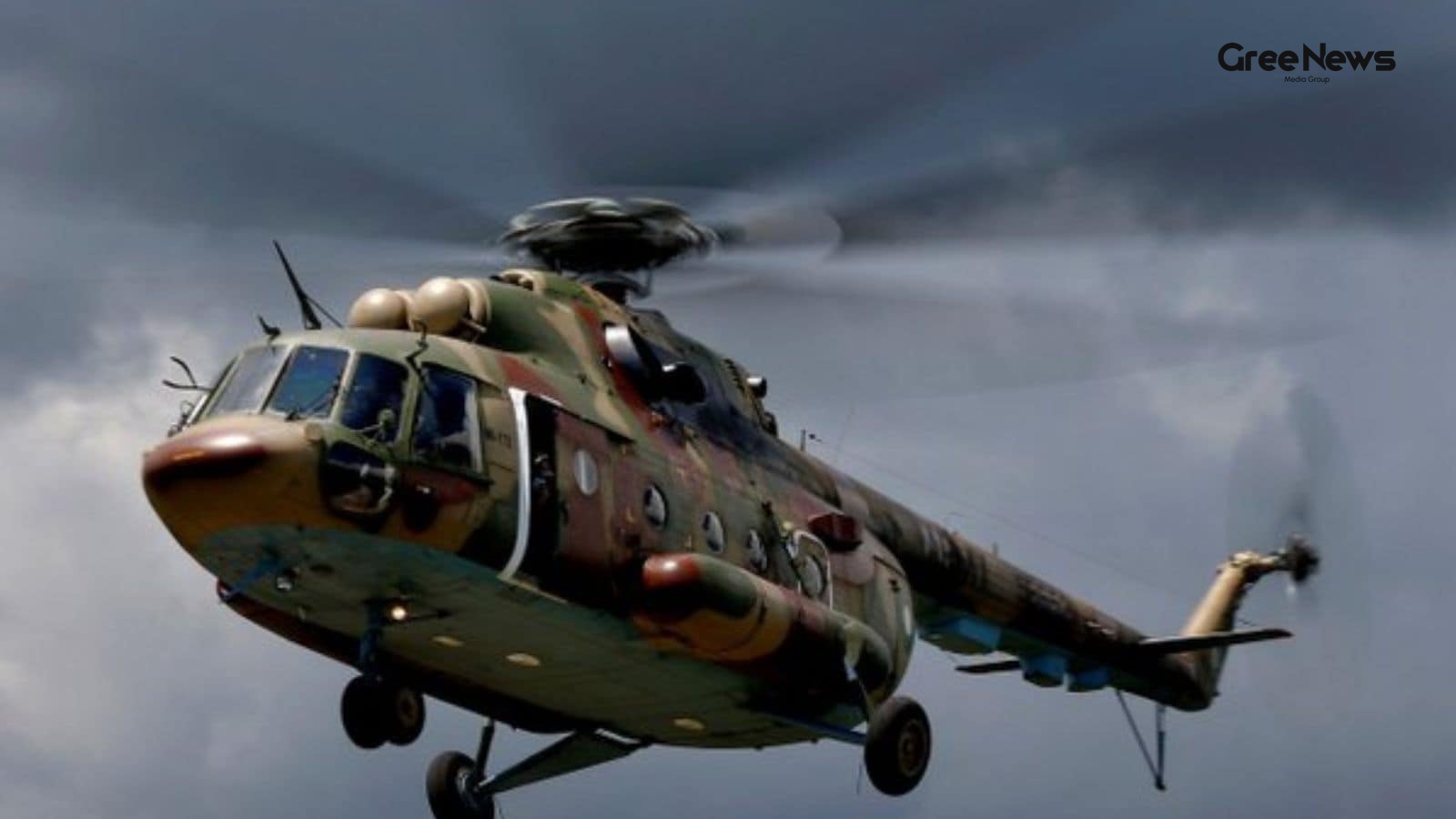
Helicopter Crash and Investigation in the Neelum Valley Sector
The air was thick with something heavy that Wednesday. Not just the usual heat of the mountains, but a silence that felt wrong. That’s what happened near Muzaffarabad. An Mi-17 helicopter. Pakistan Army Aviation. It wasn't a smooth flight at all; it was a crash during take-off. A brutal end right th
Jun 11, 2026 by Gree News Team
Latest Headlines
The Geopolitical Shift: Analyzing the Stalled War and Global Implications
More than four years in, things have gotten weird with the war. Ukraine is still standing. The government’s intact. But Russia? They’ve taken staggering military losses. It’s a strange situation, really. So has Kyiv shown itself lately. They managed to hit big strategic targets way out from the fron
Jun 11, 2026 by Gree News Team
Autonomous Maritime Tech and AI in Defense: The Role of Saronic Technologies
The whole thing about that rescue near the Strait of Hormuz really puts things into perspective. It wasn’t just a routine operation; it brought everything back to autonomous maritime tech, and who was involved in actually making that possible that’s where the focus lands now. The US Navy actually de
Jun 11, 2026 by Gree News Team

Internal Dissent and Defections within Trinamool Congress
The trouble inside the Trinamool Congress just got worse on Wednesday. It really deepened. Jadavpur Lok Sabha MP Saayoni Ghosh reportedly jumped ship, joining the rebel faction led by Kakoli Ghosh Dastidar. Sources are saying she actually contacted Dastidar. Extended her backing to that breakaway gr
Jun 11, 2026 by Gree News Team
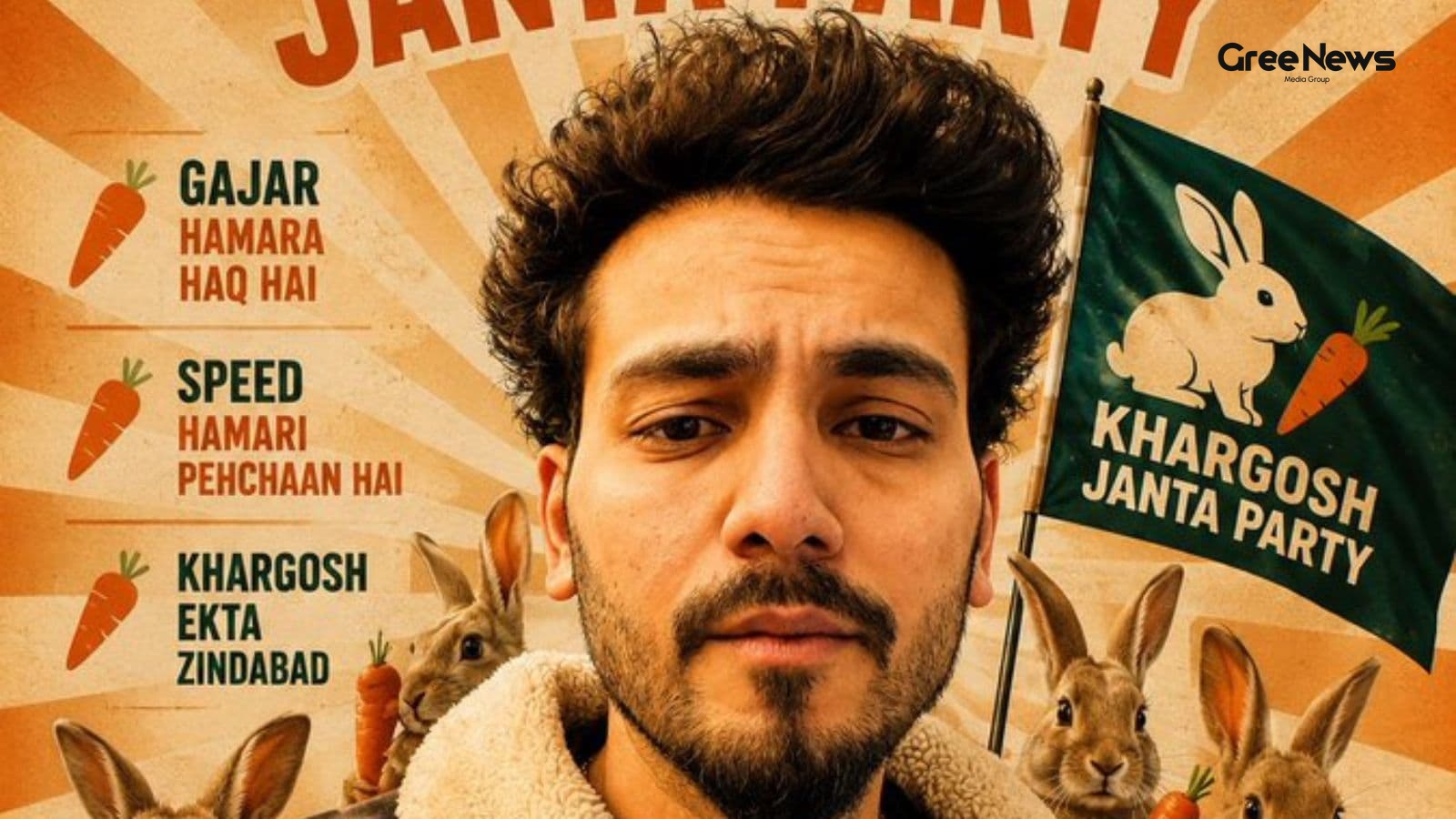
The Gap Between Online Performance and Real-World Reality
The digital space is always churning something. You see these moments erupting, these little skirmishes happening behind screens, but they aren't just random noise. They’re shifts. Real ones, you have to admit. Right now, the whole atmosphere seems fixated on this particular back-and-forth involving
Jun 11, 2026 by Gree News Team
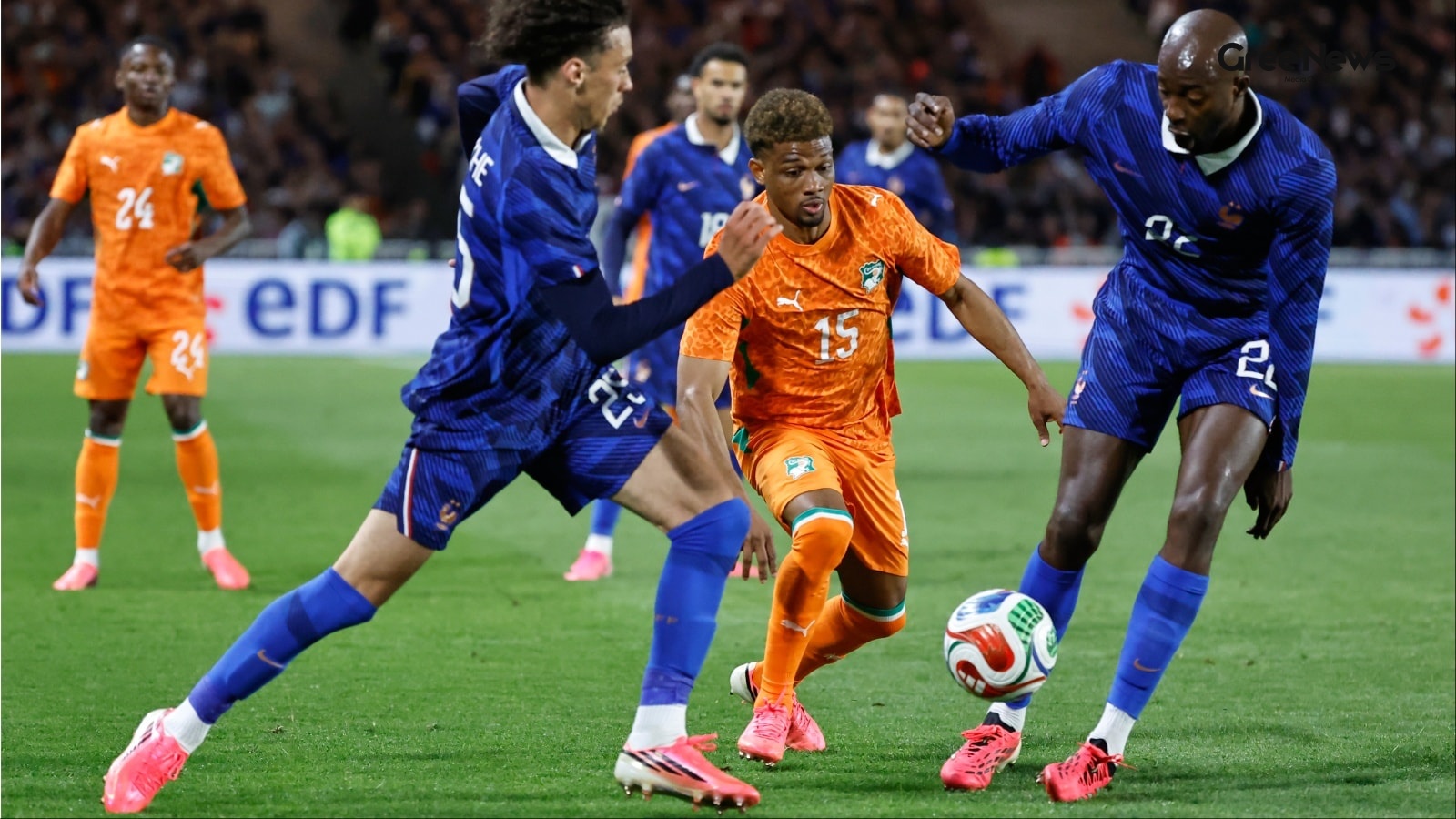
The Environmental Cost of the 2026 World Cup
The 2026 World Cup starts June 11th. It promises a month of insane sporting drama. But underneath all that noise the roaring crowds and the goals there’s this heavy environmental thing everyone is starting to notice. Scientists are looking at it, and frankly, they’re worried. Industry analysts are s
Jun 11, 2026 by Gree News Team
Global Congratulations for Prime Minister Modi's Record Tenure
Congratulations kept coming in from leaders globally for Prime Minister Modi. It’s a massive milestone, really. He’s now India’s longest-serving democratically elected prime minister four thousand three hundred ninety-nine days in office. That puts him ahead of Nehru's record. Israel’s Foreign Minis
Jun 11, 2026 by Gree News Team

The Ethics of Vlogging: Privacy, Spectacle, and Family in the Digital Age
India’s whole daily vlogging scene, it’s always been under some kind of microscope. People criticize it constantly. Blurring the lines between what’s just private life and what they put out there for entertainment. It’s a persistent issue, isn't it? But something happened recently that really pushed
Jun 11, 2026 by Gree News Team

The Swimming Pool as a Money-Printing Machine: Profit, Skepticism, and the Water Debate
The whole idea a swimming pool acting like some kind of money-printing machine that’s what caught everyone’s attention online. It started when some content creator shared details about a friend's business in Meerut. They were talking about a pool that supposedly earned nearly twenty-two and a half l
Jun 11, 2026 by Gree News Team
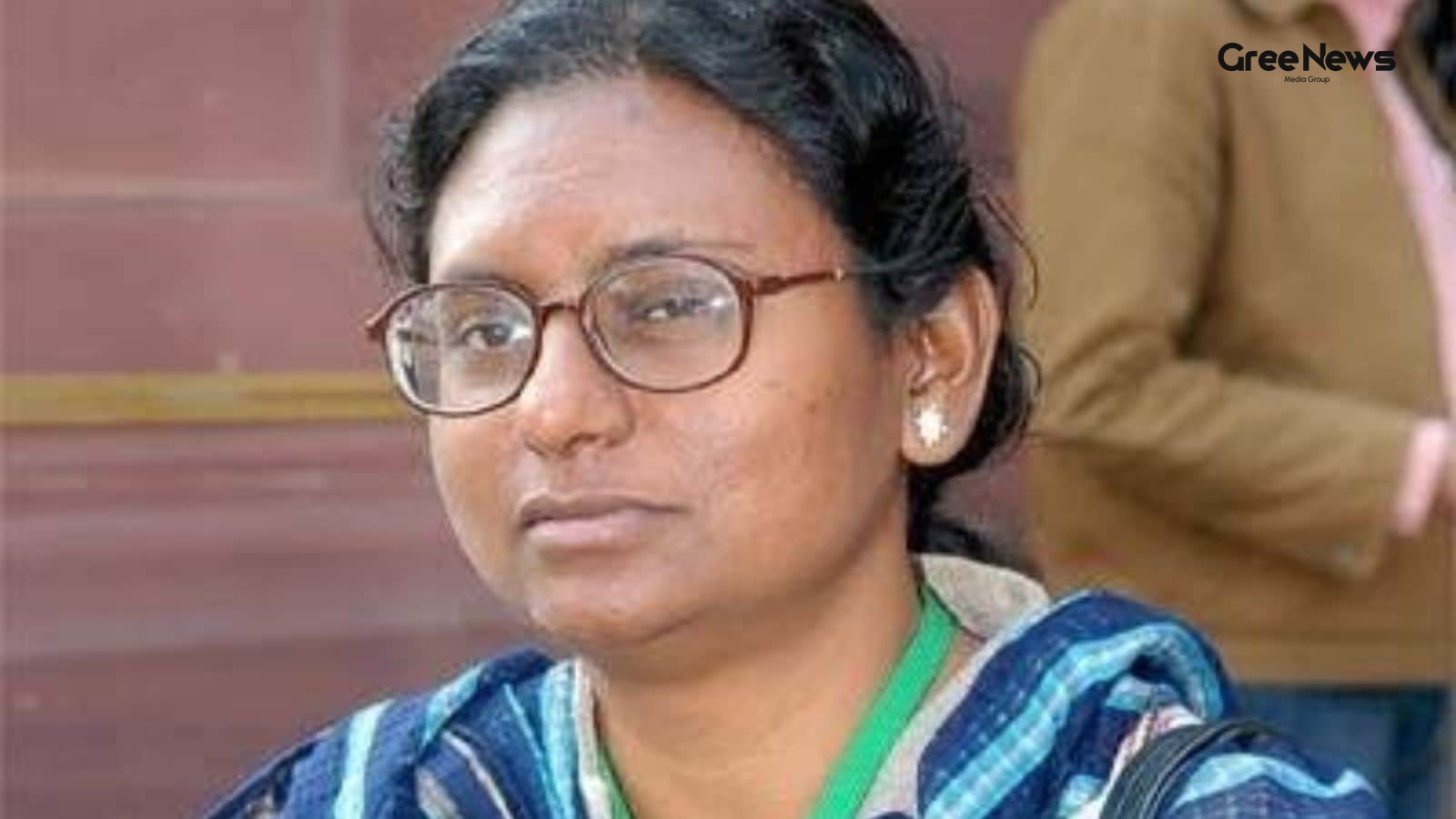
Legal Dispute in Madhya Pradesh Rajya Sabha Election Nomination
Madhya Pradesh is watching this whole Rajya Sabha election mess unfold between Congress and BJP with a real sense of intrigue. And the Election Commission is stuck with a question that feels huge should a candidate even be allowed to declare complaints against someone if there’s no actual cognizance
Jun 11, 2026 by Gree News Team
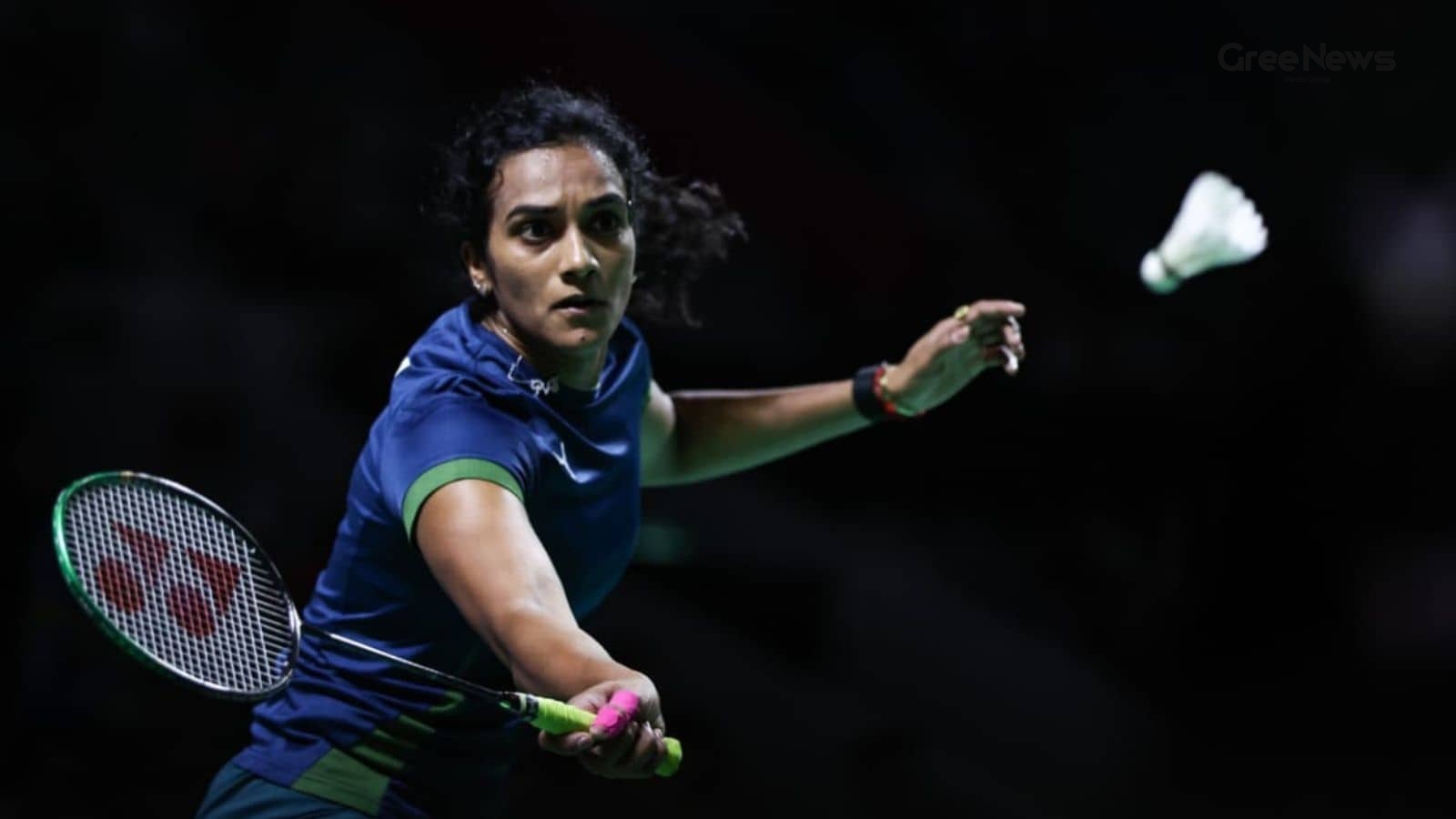
Australian Open Super 500 Match Report: Sindhu, Sharma, and Men's Singles
Two-time Olympic medallist PV Sindhu really put on a show today. Indian women dominated. An easy win against Peru’s Ines Salazar. And then there was Tanvi Sharma, that teenager, pulling off an upset over the fifth seed, Chiu Pin-Chian at the Australian Open Super 500 in Sydney. Wednesday. Third seed
Jun 11, 2026 by Gree News Team
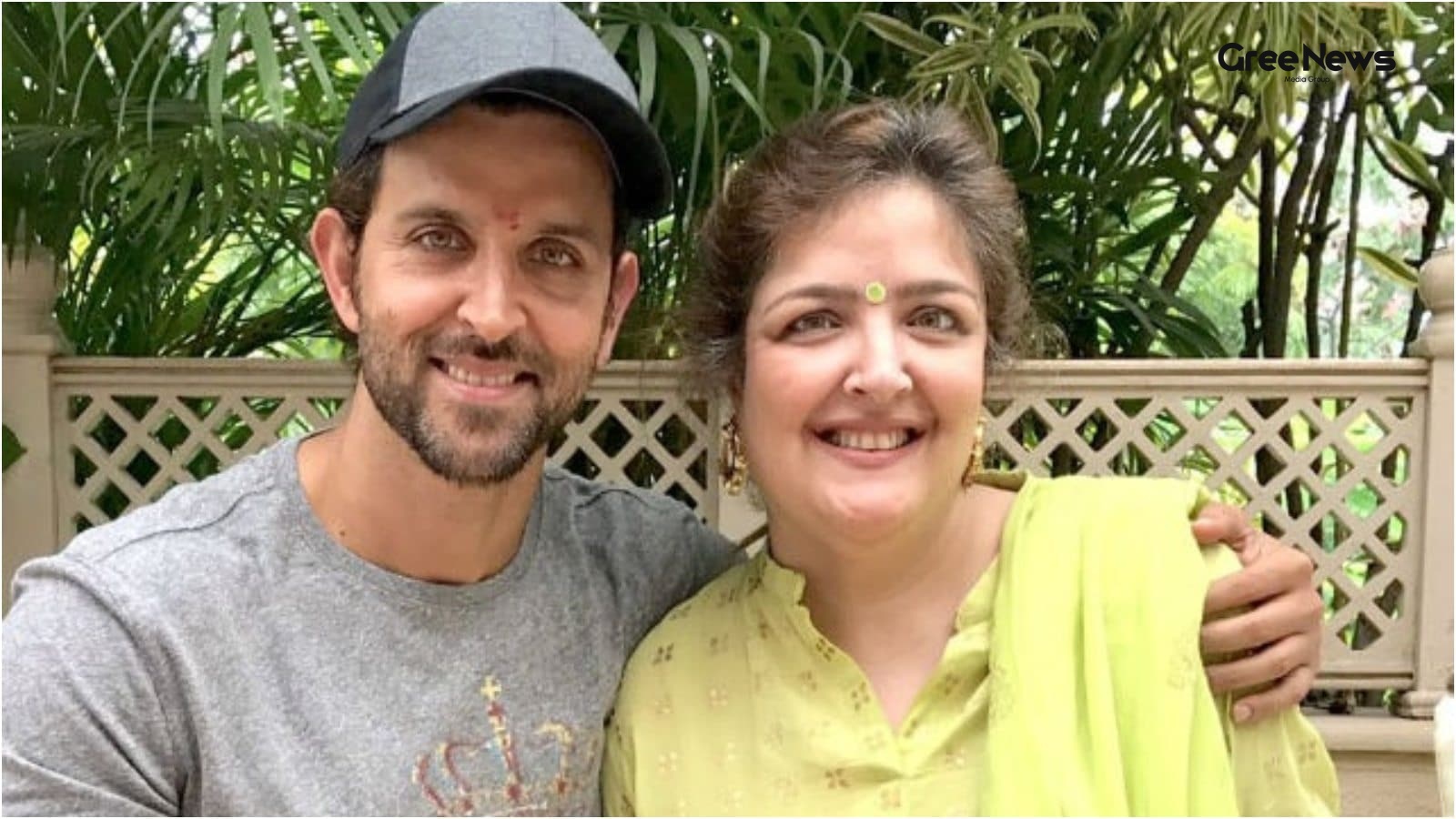
The Cost of Crash Diets: A Story of Survival and Health
The silence around that story, really. It’s not just about a health scare. It’s about what happens when you chase something so aggressively something marketed as a shortcut, a fix that you completely dismantle your own survival mechanism. Sunaina Roshan brought it up in that video. It wasn't a polis
Jun 11, 2026 by Gree News Team
Helicopter Crash and Investigation in the Neelum Valley Sector
The air was thick with something heavy that Wednesday. Not just the usual heat of the mountains, but a silence that felt wrong. That’s what happened near Muzaffarabad. An Mi-17 helicopter. Pakistan Army Aviation. It wasn't a smooth flight at all; it was a crash during take-off. A brutal end right th
Jun 11, 2026 by Gree News Team

The Fragmentation of Reality: Navigating Political Uncertainty
It was just… moving fast this week. You see, things aren't lining up right at all. There’s this feeling, a kind of low hum you can almost feel in the air, that everyone is waiting for something to break. It’s not some neat timeline thing, you know? Just bits and pieces sticking together somehow, mes
Jun 11, 2026 by Gree News Team
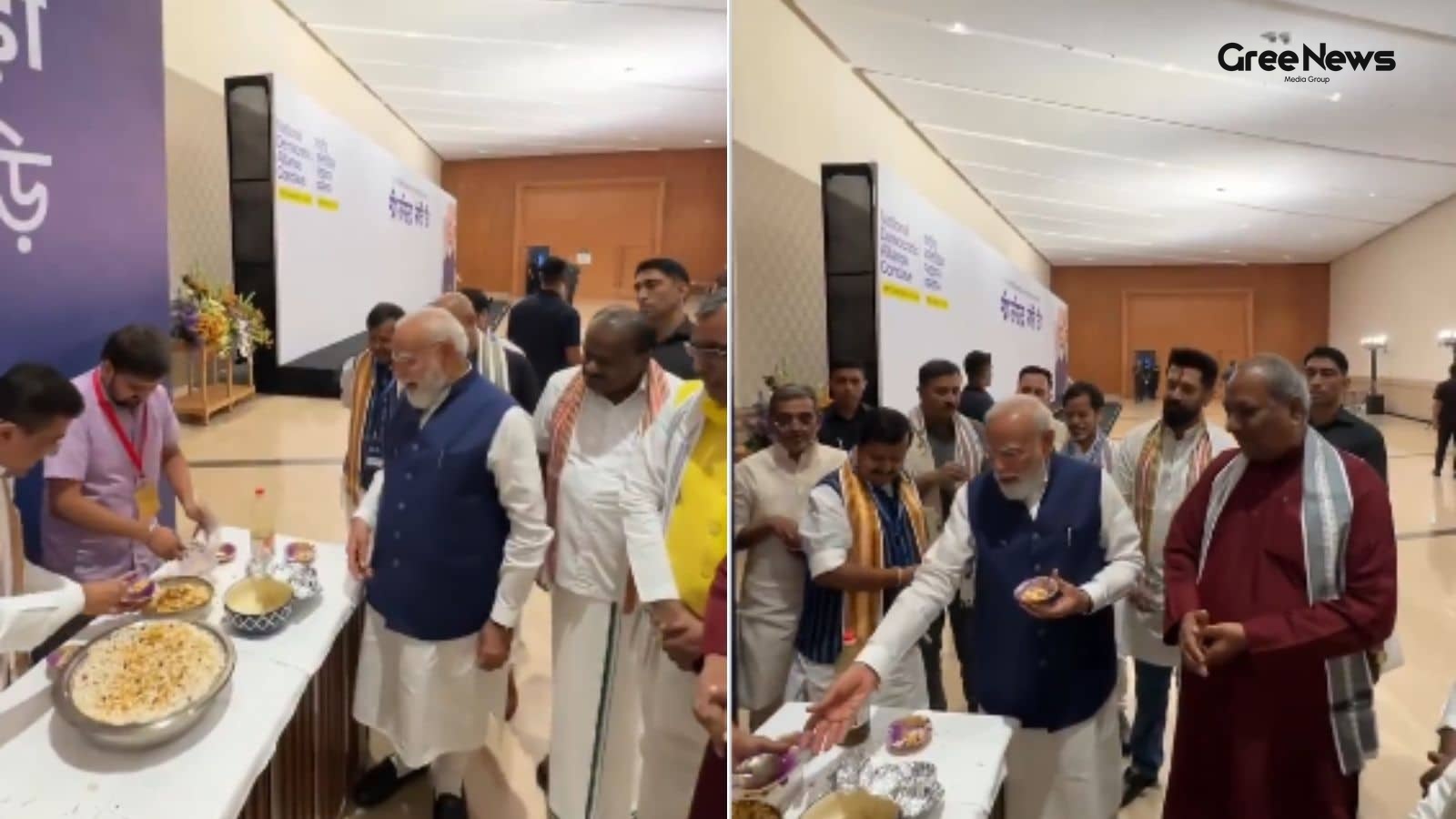
The Intersection of Politics and Culture: Jhalmuri and Public Perception
the air in new delhi felt thick that day. not just the usual pre-meeting tension, you know? there was this hum, a sort of expectant energy buzzing around the halls where the national democratic alliance was gathering. twelve years. that’s what they were marking. twelve years under modi’s watch. and
Jun 11, 2026 by Gree News Team
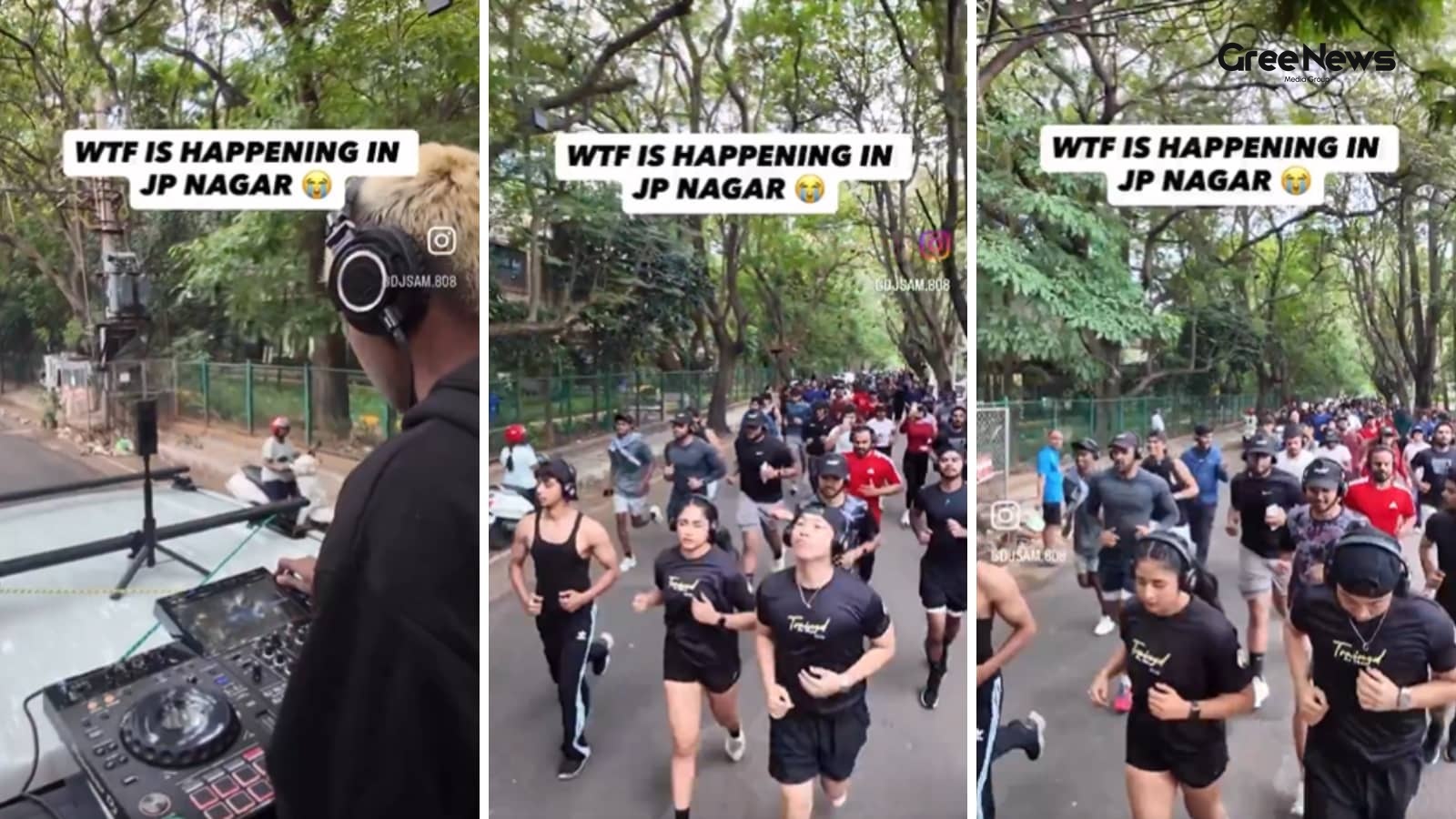
The Evolution of Fitness and Distraction in Bengaluru Running Culture
People in Bengaluru, you know how it is, always finding some new angle to mix fitness with actual fun. It’s not just about hitting the pavement anymore. We're talking cycling groups popping up everywhere, weekend marathons taking over the scene. These run clubs, they’ve really become these popular m
Jun 11, 2026 by Gree News Team