Autonomous Maritime Tech and AI in Defense: The Role of Saronic Technologies
The whole thing about that rescue near the Strait of Hormuz really puts things into perspective. It wasn’t just a routine operation; it brought everything back to autonomous maritime tech , and who was involved in actually making that possible that’s where the focus lands now.
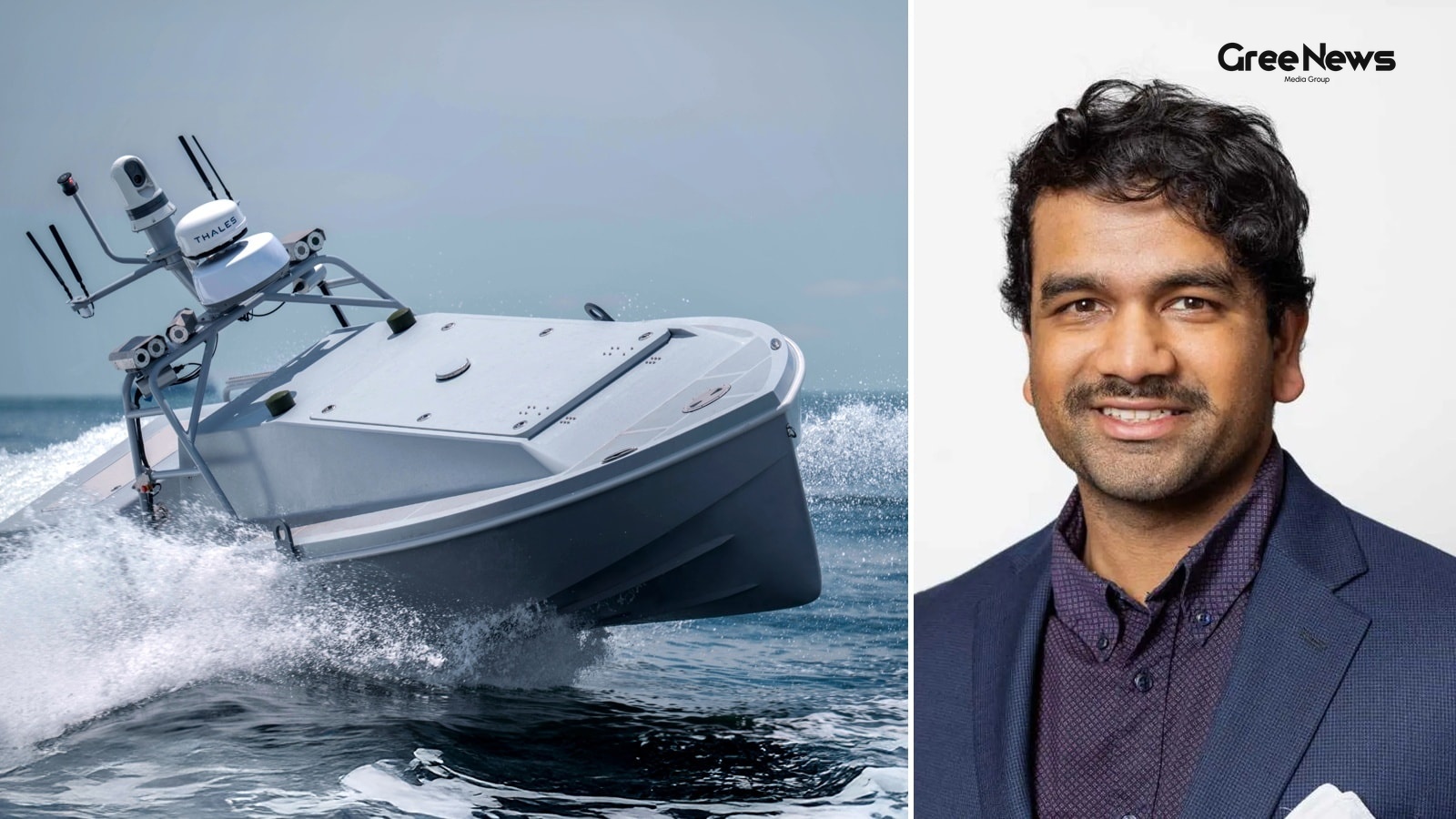
The US Navy actually deployed an autonomous drone boat for the recovery. That vessel, they called the Corsair , was used to pull out the pilot and co-pilot after their Apache helicopter went down near that strategic waterway. It was a big first step for the military too. Using a remotely operated, autonomous surface vessel to grab people at sea.
This whole setup points back to Saronic Technologies. That’s where the Corsair came from. They are based out of Texas. And guess what? Vibhav Altekar, an Indian-American engineer, was co-founding that company.
It’s a strange connection, really. This executive suddenly ends up being at the heart of some heavy military tech deployed right in the middle of a conflict zone. It makes you wonder about where these kinds of specialized skills end up.
The Corsair itself is pretty advanced. We're talking about a twenty-four-foot vessel. It runs on diesel fuel. And it can push speeds up to thirty-five knots. Range? Over a thousand nautical miles. Apparently, they could haul payloads up to a thousand pounds. Sounds practical enough, if you ignore the political noise surrounding it all.
But the real engine running this isn't just the hull. It’s artificial intelligence . That AI powers everything. And it plugs directly into the US Navy’s Task Force 59. That task force is overseeing all the uncrewed vessels and the AI-enabled drones floating around. It fits into that Pentagon push, trying to merge autonomous platforms with the standard military assets we already have.
Vibhav Altekar, he’s the CTO there. He handles the heavy lifting on the software architecture for these systems. Forward Deployed Engineering, Product all of it flows through him. He coordinates groups looking at perception, navigation, machine learning... command and control stuff. It's cross-disciplinary work.
He’s got that specialist vibe. Autonomous systems and maritime tech. A lot of time spent on projects tied directly to the Department of Defense. Before Saronic? He was already involved in defense tech. Early days at Anduril, leading engineering for programs like that Ghost Shark drone submarine for the Royal Australian Navy.
So you see where it goes. From developing specialized underwater drones, to building autonomous surface vessels now. The successful rescue near Hormuz really shines a light on how critical these kinds of engineers are. Altekar’s role here feels huge. It underlines this whole shift toward unmanned systems and AI in defense applications. A lot is happening in Austin right now, driven by people like him pushing the boundaries of what's possible at sea.
Written by Gree News Team — Senior Editorial Board
Gree News Team covers international news and global affairs at Gree News. Our collective of senior editors is dedicated to providing independent, accurate, and responsible journalism for a global audience.
More from World
View All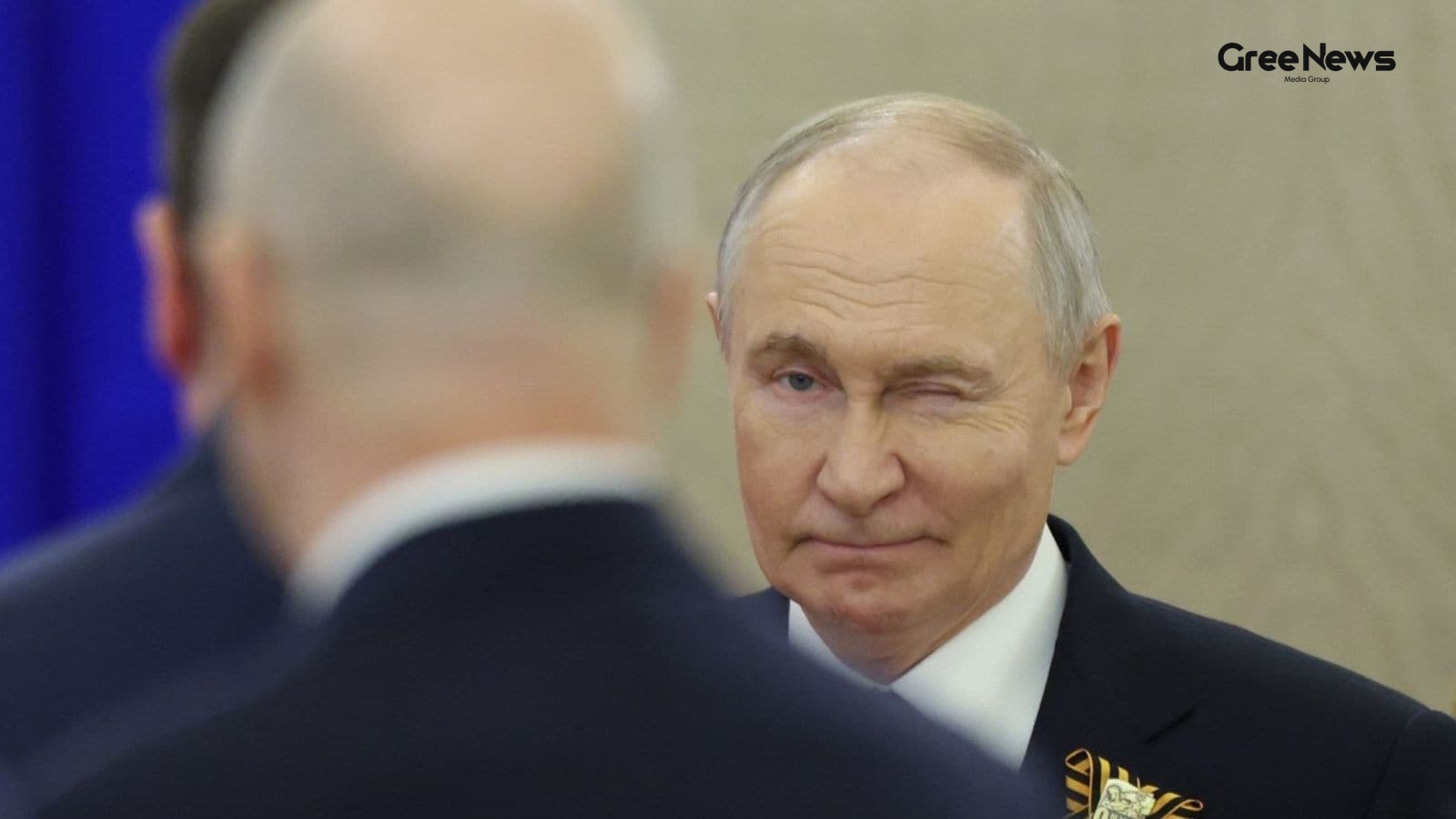
The Geopolitical Shift: Analyzing the Stalled War and Global Implications
More than four years in, things have gotten weird with the war. Ukraine is still standing. The government’s intact. But Russia? They’ve taken staggering military losses. It’s a strange situation, really. So has Kyiv shown itself lately. They managed to hit big strategic targets way out from the fron
Jun 11, 2026 by Gree News Team
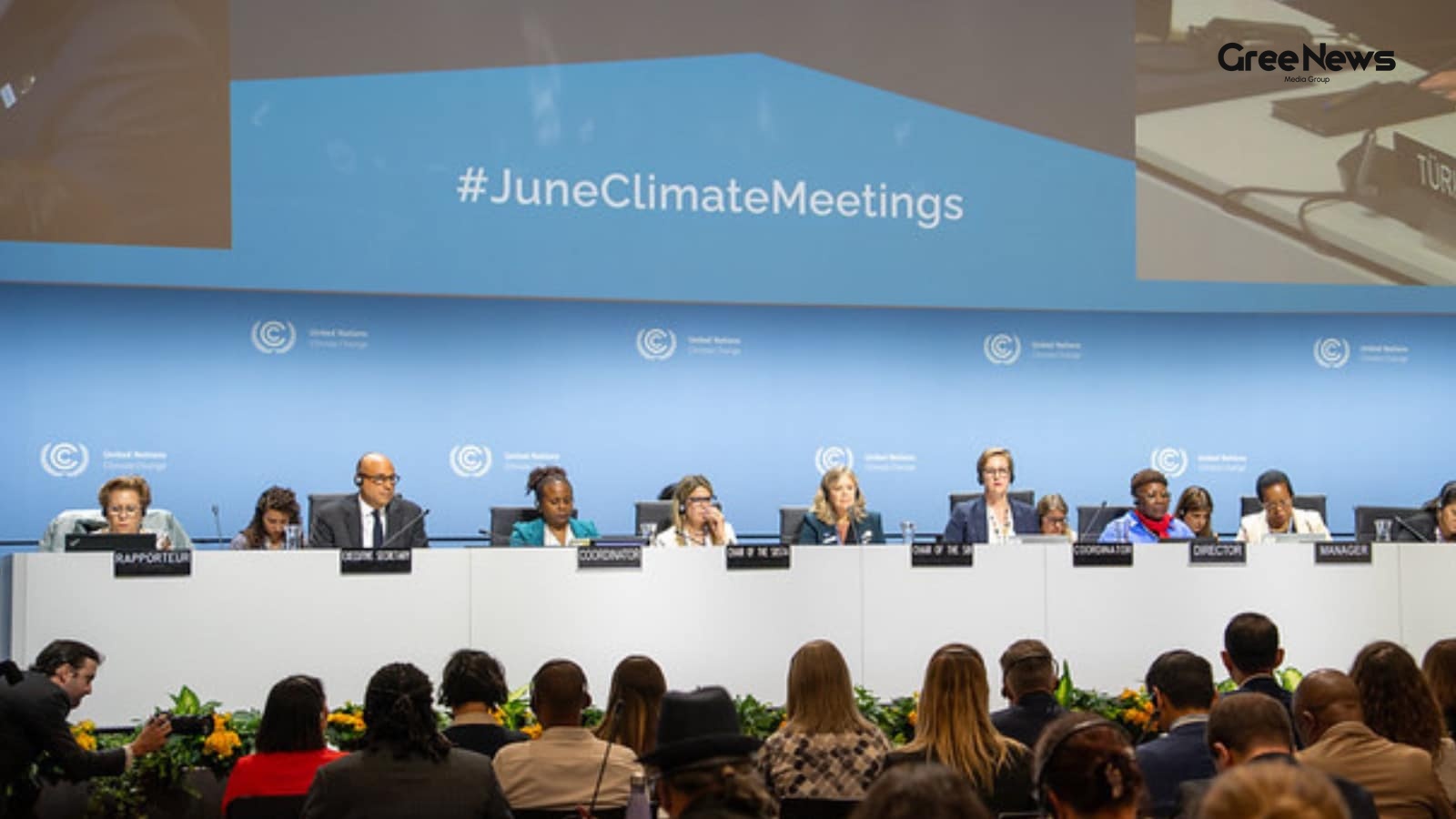
Rich Nations Are Not on Track to Hit Climate Goals for 2030 or 2035
Rich nations are apparently not on track to hit their climate goals for 2030 or 2035. That’s what a new report warned, just as international negotiators started kicking off discussions at those mid-year UN climate talks in Bonn, Germany. The whole ten-day meeting the 64th Sessions of the Subsidiary
Jun 11, 2026 by Gree News Team
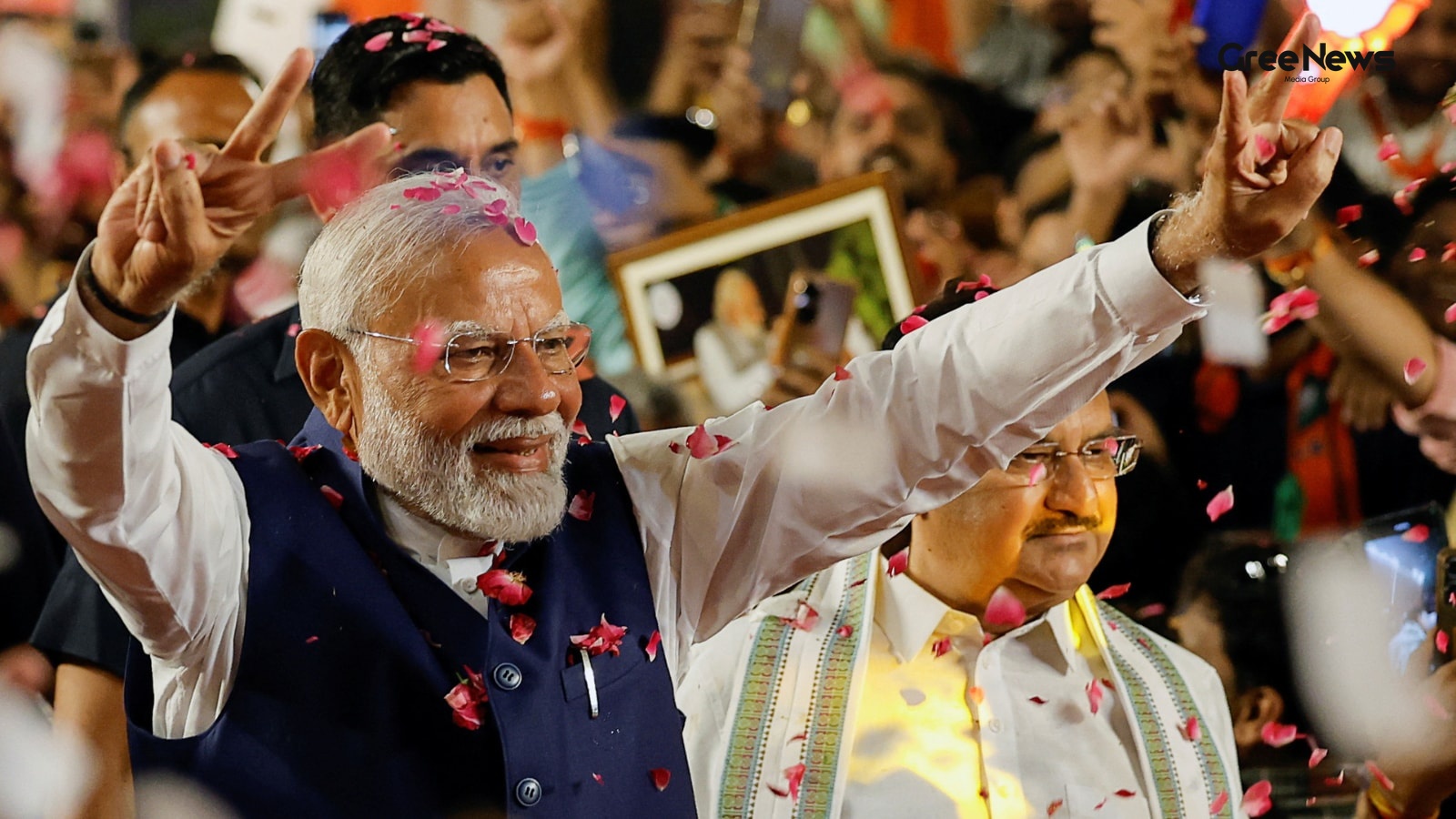
Global Congratulations for Prime Minister Modi's Record Tenure
Congratulations kept coming in from leaders globally for Prime Minister Modi. It’s a massive milestone, really. He’s now India’s longest-serving democratically elected prime minister four thousand three hundred ninety-nine days in office. That puts him ahead of Nehru's record. Israel’s Foreign Minis
Jun 11, 2026 by Gree News Team
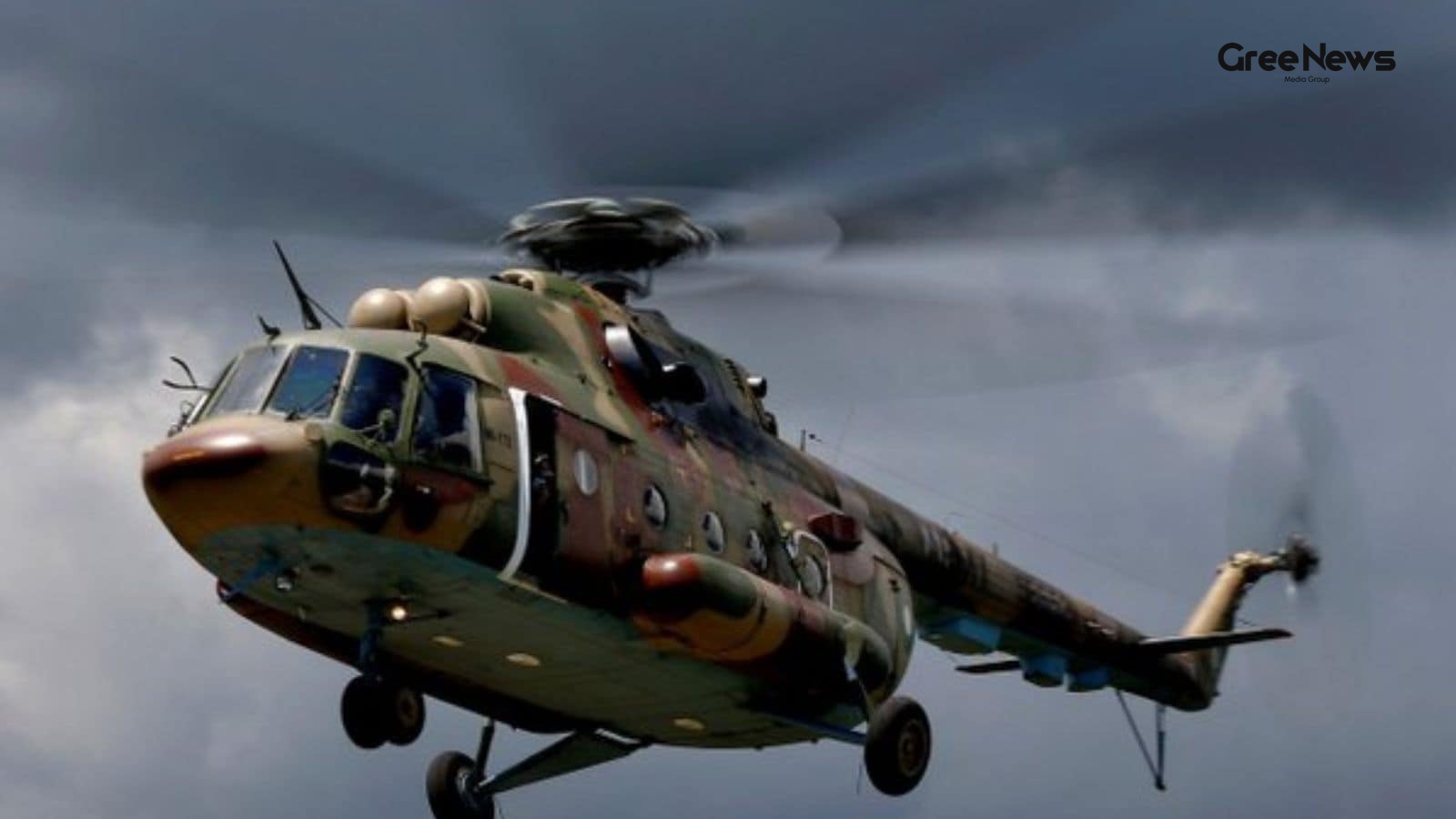
Helicopter Crash and Investigation in the Neelum Valley Sector
The air was thick with something heavy that Wednesday. Not just the usual heat of the mountains, but a silence that felt wrong. That’s what happened near Muzaffarabad. An Mi-17 helicopter. Pakistan Army Aviation. It wasn't a smooth flight at all; it was a crash during take-off. A brutal end right th
Jun 11, 2026 by Gree News Team
Latest Headlines

Vedang Raina's "Ishq Mastana" from Main Vaapas Aaunga: Behind the Music and Making
Vedang Raina just dropped this track, “Ishq Mastana,” from his upcoming film, *Main Vaapas Aaunga*, and honestly? it’s got people talking. It tugged some strings. Choreographer Ashley Lobo finally opened up about how he handled shooting that song. He was genuinely surprised to hear that Vedang was s
Jun 11, 2026 by Gree News Team

The Observation of Current Flux and Societal Shifts
The air just feels… thick lately. You know that feeling when everything is humming at a frequency you can’t quite tune into? That’s what this whole situation is right now. It’s not some neat little timeline or anything predictable. It's just happening. People are talking, of course. Everywhere. Abou
Jun 11, 2026 by Gree News Team
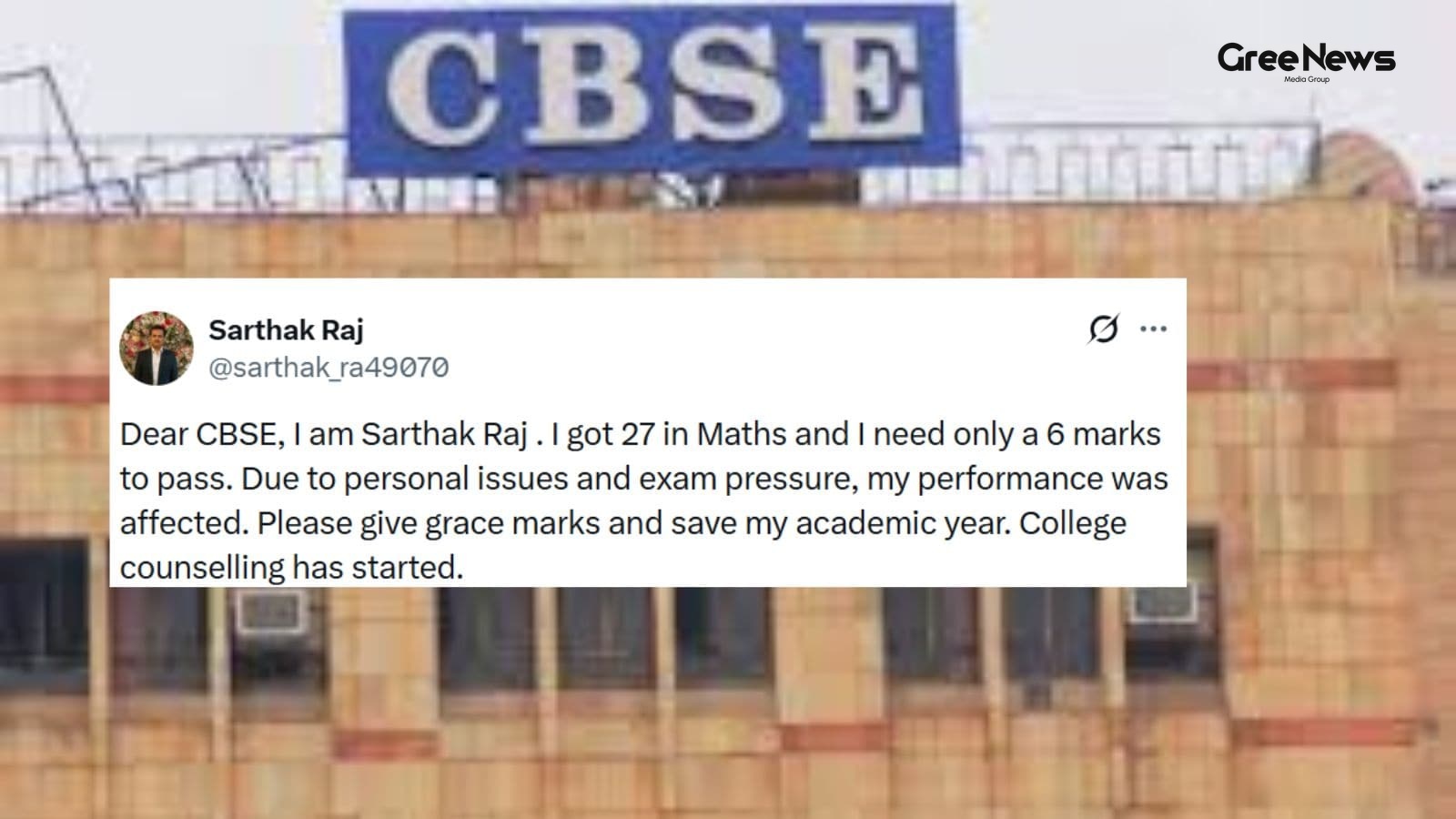
CBSE Student Appeals and Social Media Reaction to Academic Grievances
You see all this noise every results season. Proud parents, interviews. Big celebrations. Then there’s the other side of it the desperate stuff. The hilarious hail-mary plays from students who feel they’re right on the edge of failing. And now, with CBSE in the middle of all that recent drama, every
Jun 11, 2026 by Gree News Team
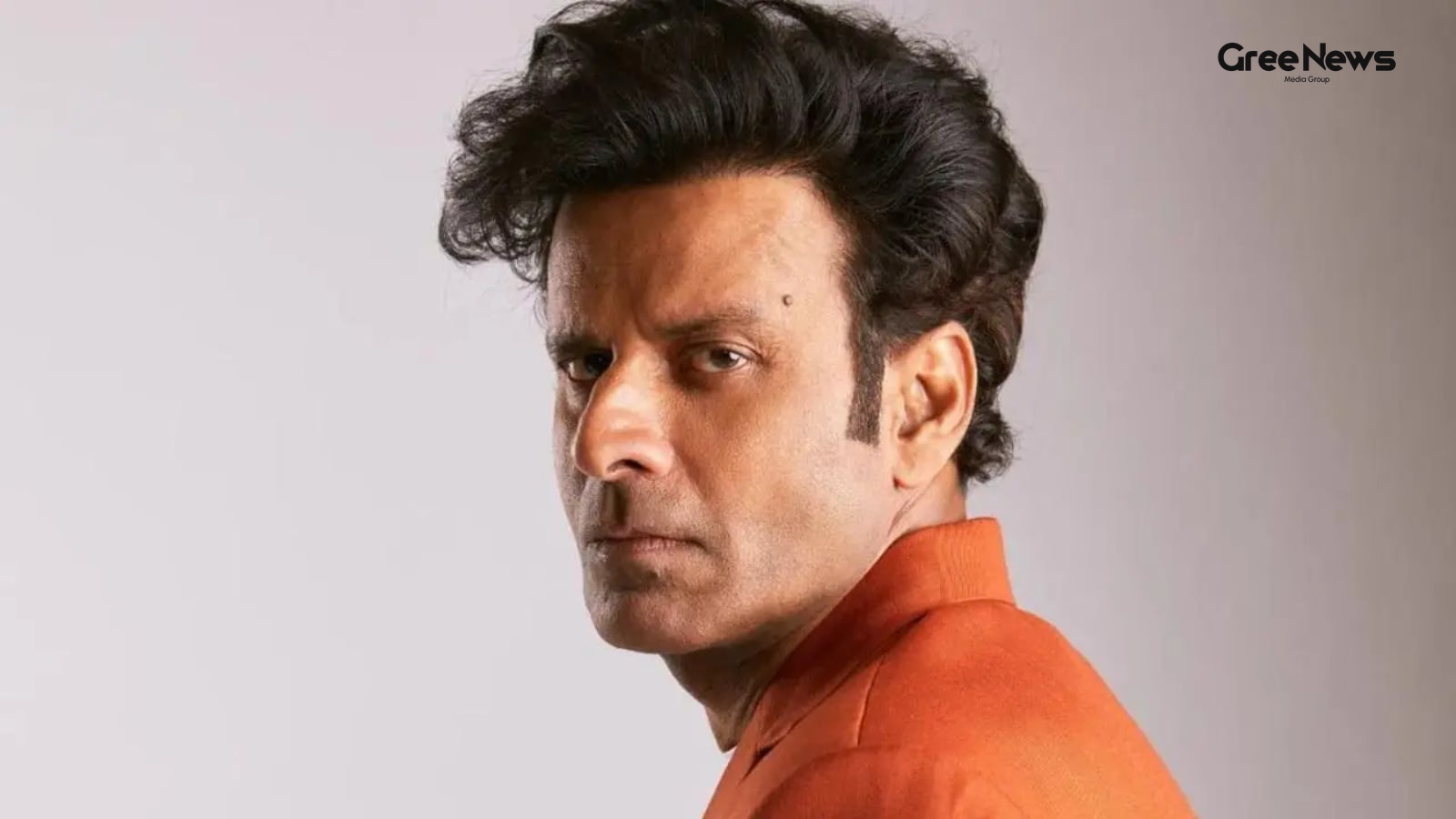
Manoj Bajpayee, Sensitivity, and the Weight of Creation
Manoj Bajpayee. The name itself carries a certain weight these days. It’s always in the headlines, isn't it? Especially when there’s some kind of friction happening a real push and pull behind the scenes. Right now, it’s that upcoming thriller, *Governor*. But honestly, the noise, the real sticking
Jun 11, 2026 by Gree News Team
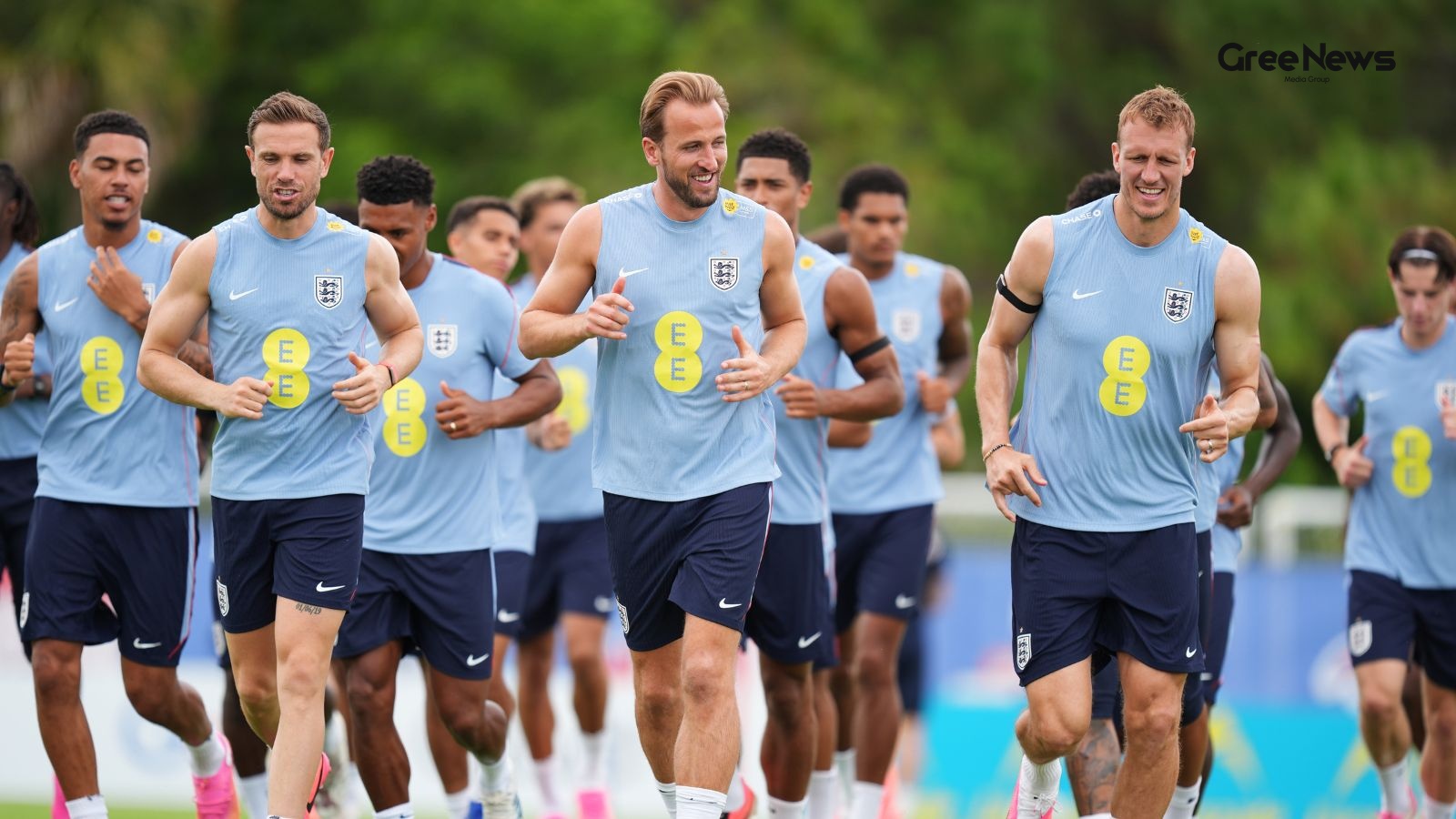
The Volatile Collision of Football Ambitions: Group Stage Dynamics
The whole thing is set up in this group L… England, Croatia, Ghana, Panama. It’s going to be one of those groups that just feels immediately volatile. You know? The World Cup in the USA, Canada, Mexico. It’s supposed to be huge spectacle. And this little grouping feels like it’ll be anything but set
Jun 11, 2026 by Gree News Team

Workplace Tragedy and Allegations at Vehicle Tracking Company
The death of a 29-year-old employee inside the offices of one of South Africa’s big vehicle tracking companies really kicked off a massive wave of anger. People are asking serious questions now about how things actually work in these kinds of workplaces, and what protections are even supposed to exi
Jun 11, 2026 by Gree News Team
The Geopolitical Shift: Analyzing the Stalled War and Global Implications
More than four years in, things have gotten weird with the war. Ukraine is still standing. The government’s intact. But Russia? They’ve taken staggering military losses. It’s a strange situation, really. So has Kyiv shown itself lately. They managed to hit big strategic targets way out from the fron
Jun 11, 2026 by Gree News Team

Internal Dissent and Defections within Trinamool Congress
The trouble inside the Trinamool Congress just got worse on Wednesday. It really deepened. Jadavpur Lok Sabha MP Saayoni Ghosh reportedly jumped ship, joining the rebel faction led by Kakoli Ghosh Dastidar. Sources are saying she actually contacted Dastidar. Extended her backing to that breakaway gr
Jun 11, 2026 by Gree News Team

The Gap Between Online Performance and Real-World Reality
The digital space is always churning something. You see these moments erupting, these little skirmishes happening behind screens, but they aren't just random noise. They’re shifts. Real ones, you have to admit. Right now, the whole atmosphere seems fixated on this particular back-and-forth involving
Jun 11, 2026 by Gree News Team

The Environmental Cost of the 2026 World Cup
The 2026 World Cup starts June 11th. It promises a month of insane sporting drama. But underneath all that noise the roaring crowds and the goals there’s this heavy environmental thing everyone is starting to notice. Scientists are looking at it, and frankly, they’re worried. Industry analysts are s
Jun 11, 2026 by Gree News Team
Rich Nations Are Not on Track to Hit Climate Goals for 2030 or 2035
Rich nations are apparently not on track to hit their climate goals for 2030 or 2035. That’s what a new report warned, just as international negotiators started kicking off discussions at those mid-year UN climate talks in Bonn, Germany. The whole ten-day meeting the 64th Sessions of the Subsidiary
Jun 11, 2026 by Gree News Team
Global Congratulations for Prime Minister Modi's Record Tenure
Congratulations kept coming in from leaders globally for Prime Minister Modi. It’s a massive milestone, really. He’s now India’s longest-serving democratically elected prime minister four thousand three hundred ninety-nine days in office. That puts him ahead of Nehru's record. Israel’s Foreign Minis
Jun 11, 2026 by Gree News Team

The Ethics of Vlogging: Privacy, Spectacle, and Family in the Digital Age
India’s whole daily vlogging scene, it’s always been under some kind of microscope. People criticize it constantly. Blurring the lines between what’s just private life and what they put out there for entertainment. It’s a persistent issue, isn't it? But something happened recently that really pushed
Jun 11, 2026 by Gree News Team
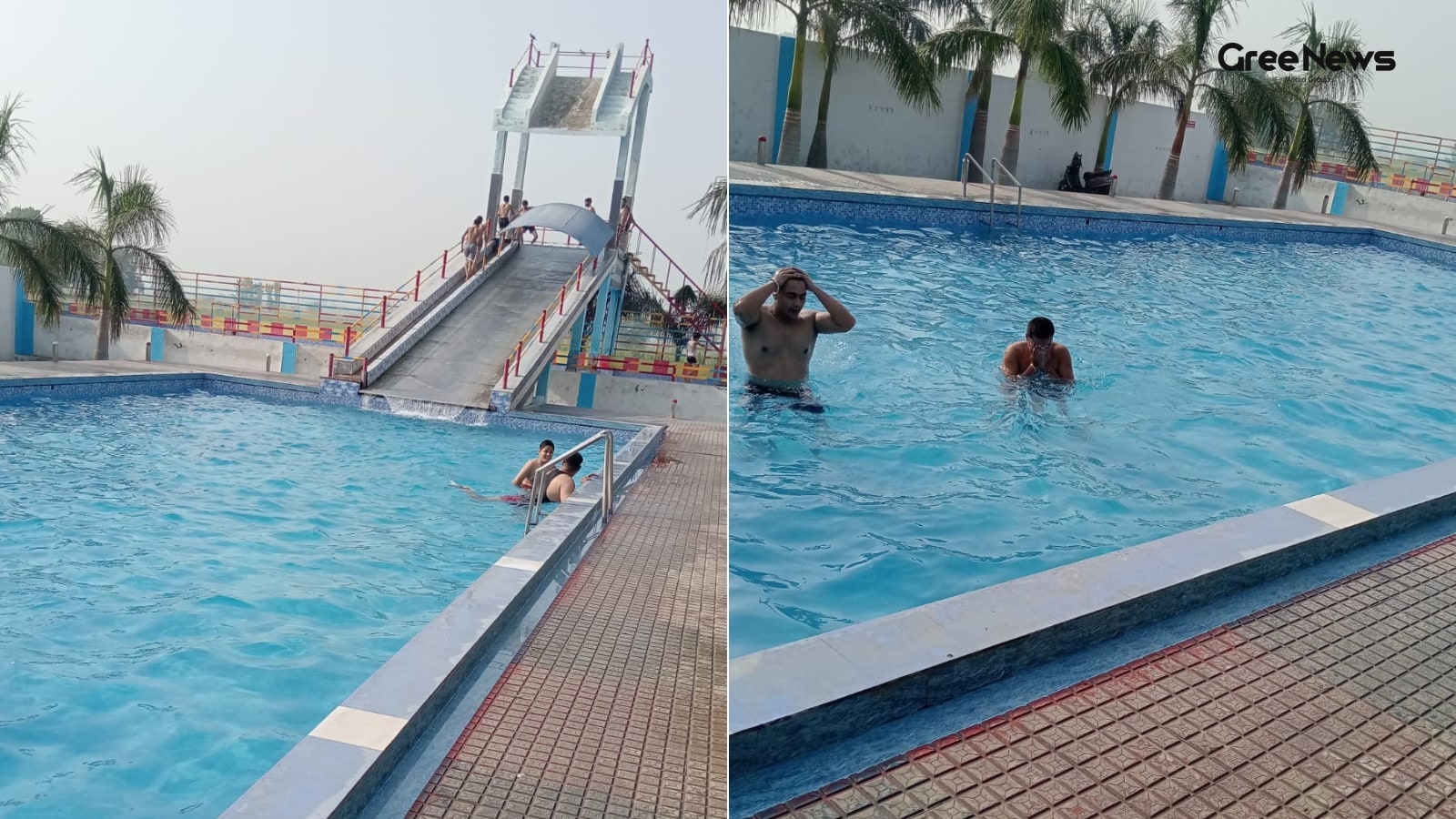
The Swimming Pool as a Money-Printing Machine: Profit, Skepticism, and the Water Debate
The whole idea a swimming pool acting like some kind of money-printing machine that’s what caught everyone’s attention online. It started when some content creator shared details about a friend's business in Meerut. They were talking about a pool that supposedly earned nearly twenty-two and a half l
Jun 11, 2026 by Gree News Team
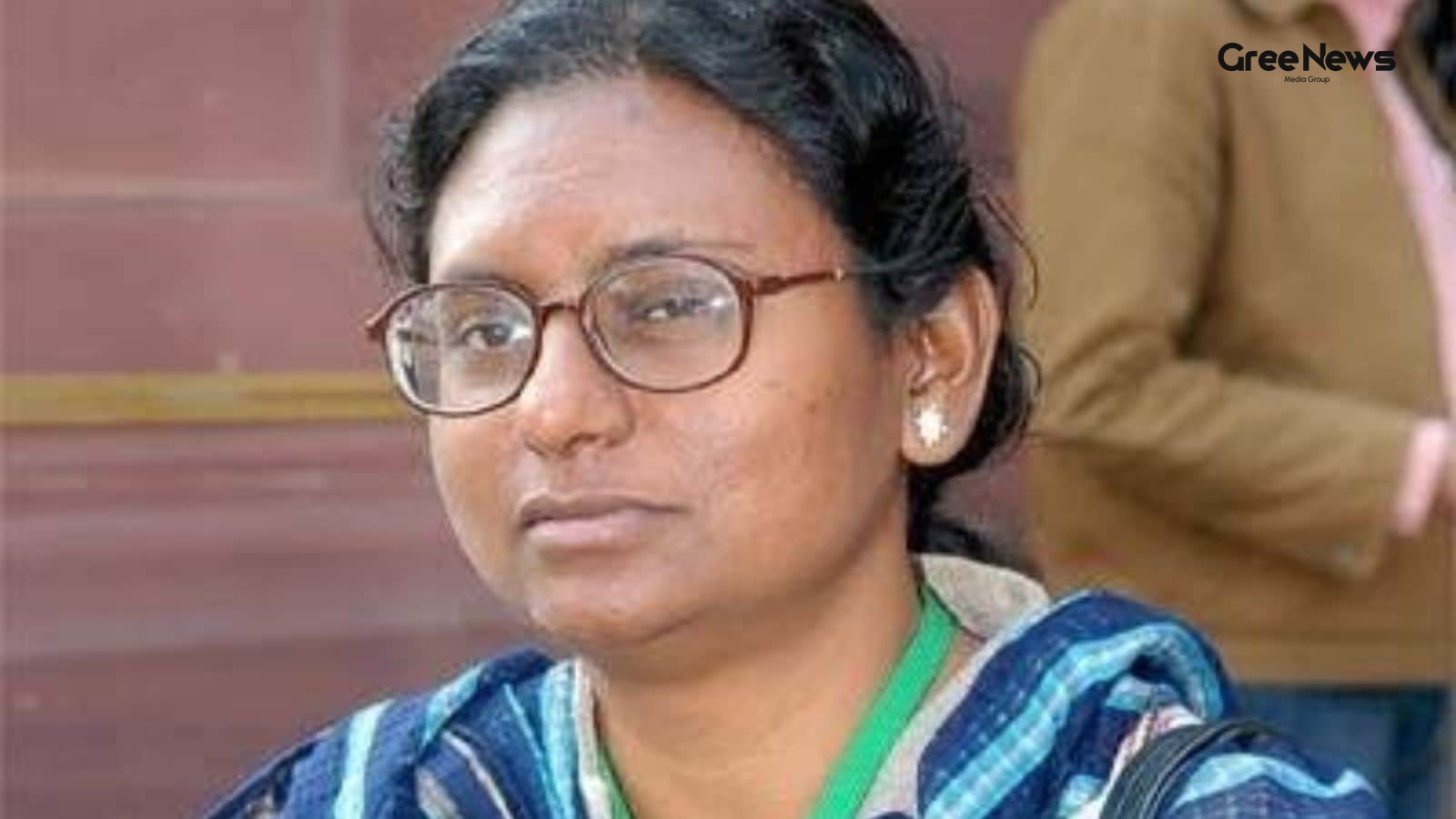
Legal Dispute in Madhya Pradesh Rajya Sabha Election Nomination
Madhya Pradesh is watching this whole Rajya Sabha election mess unfold between Congress and BJP with a real sense of intrigue. And the Election Commission is stuck with a question that feels huge should a candidate even be allowed to declare complaints against someone if there’s no actual cognizance
Jun 11, 2026 by Gree News Team