The Cost of Crash Diets: A Story of Survival and Health
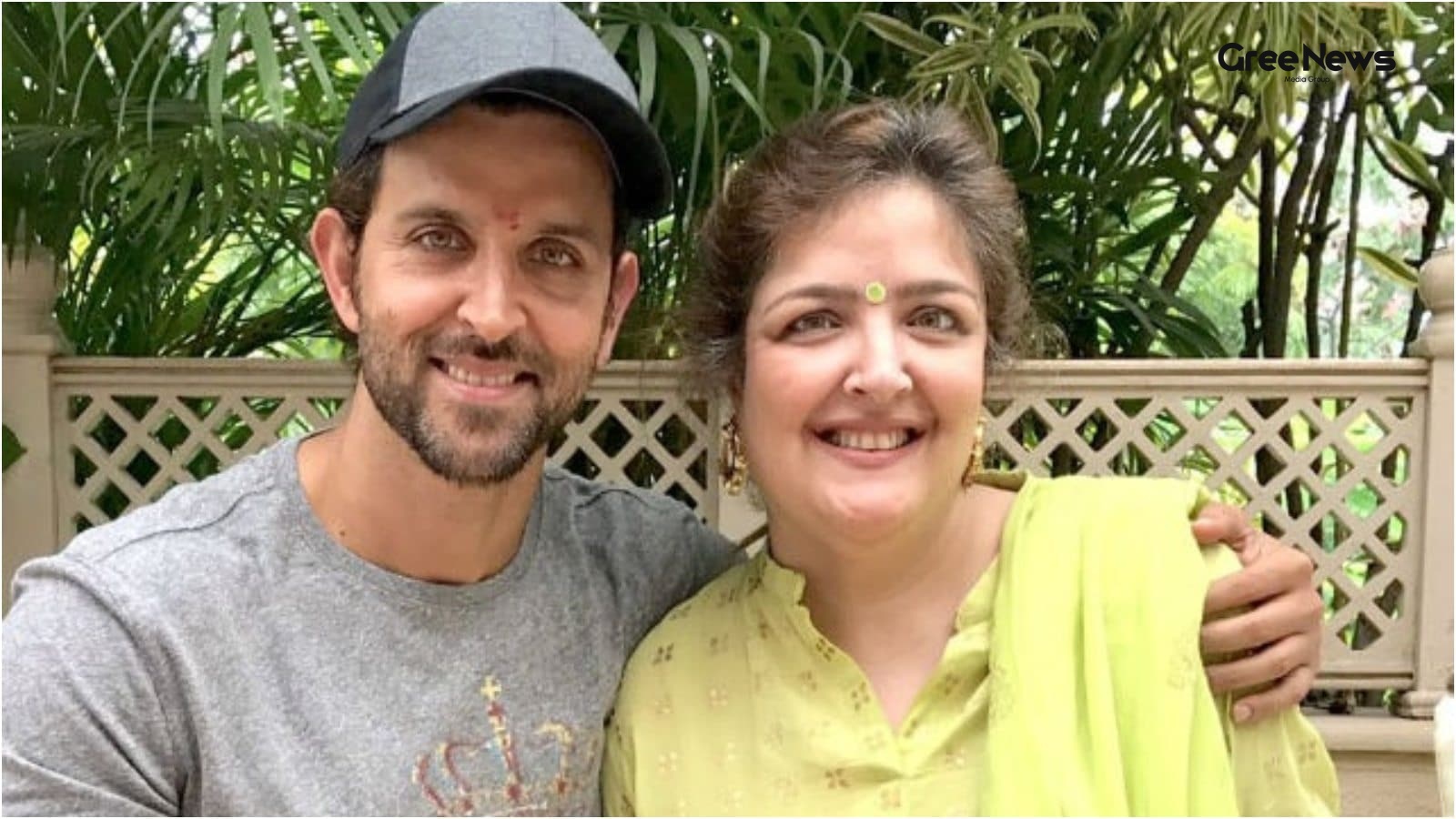
The silence around that story, really. It’s not just about a health scare. It’s about what happens when you chase something so aggressively something marketed as a shortcut, a fix that you completely dismantle your own survival mechanism.
Sunaina Roshan brought it up in that video. It wasn't a polished address; it felt raw. Like peeling back layers of something deeply private and profoundly scary. The whole thing started with 2001. A crash diet. That’s where the path veered off. Not just weight loss, you understand? This was a total surrender to a philosophy that promised immediate results, demanding everything from your body in exchange for a fleeting sense of control.
She spoke about it as if recounting a ghost story, something haunting and inescapable. How that obsession with restriction, this relentless pursuit of the 'less,' somehow became the very thing that sabotaged her immunity. It wasn't just dieting gone wrong; it was a physical betrayal. A system overload, turning her body against itself.
And then came the real darkness. The diagnosis. Tuberculosis meningitis. It sounds clinical, cold facts on paper. But for Sunaina, this wasn't a medical term; it was the abrupt slamming of the door on the life she thought she knew.
She talked about the aftermath. Those two to three days where awareness just… dissolved. That void before reality crashed back in. It’s an incredibly unsettling experience, that feeling of being disconnected from your own body while something catastrophic is unfolding inside. Imagine having a ticking clock you can’t see, only feel the slow erosion of time.
The fear wasn't just about the illness itself. It was about what lay ahead. The whispers her family heard the doctor’s caution that followed. Paralysis. Loss of sight. Coma. These weren't abstract threats in her mind; they were tangible possibilities, shadows dancing on the walls of their worried reality.
It forces you to think about the sheer fragility of health. How easily a carefully constructed internal balance can shatter. It makes you question all those quick fixes we are constantly sold the overnight solutions, the miracle supplements are they just feeding another cycle of damage? The crash diet wasn’t just dietary; it was an attack on her very core resilience.
And the reaction from the family that’s where the story shifts from personal tragedy to communal endurance. It becomes a shared burden. You hear that moment, right? Her brother spending the night at a temple. Not some grand gesture, but pure, desperate prayer spilled out in the quiet of fear. A plea for healing when all they could offer was vigil.
It’s those small, raw moments that stick with you most. The doctor’s words about asking for food as the first sign of recovery. It sounds so simple, yet it represents the monumental shift from fighting for survival to simply existing again. That one tiny request it became everything. It anchored their hope when everything else felt like chaos.
Then there was the physical reality of the fight itself. A month in the hospital. Then the forced stillness at home, those four months spent waiting, trying to starve the relapse. Heavy medication, a constant battle against an immunity that had completely collapsed under the strain. It’s a brutal cycle. The body exhausted, fighting for basic life functions while the underlying damage remains deep and insidious. And the root cause? Always traced back to that initial, reckless decision about what she ate.
It makes you pause. Really pause. How much of our modern health narrative is built on these kinds of unsustainable extremes? We chase the ideal the perfect physique, the instantaneous glow and we ignore the foundational truth: true well-being isn't found at the extreme edge; it’s in sustainable nourishment. It forces a fundamental reevaluation of what 'shortcut' actually means when your life hangs in the balance.
Sunaina ended that segment with something heavy. A direct confrontation with the temptation itself. No goal is worth risking your life. That line cuts through all the noise of fitness trends and quick fixes. It’s a stark, necessary observation delivered from the depths of lived experience. Nourishment over shortcuts. Patience instead of panic.
It wasn't just her story, though. The response she received echoed that sentiment back to her. Her parents, witnessing this ordeal after twenty-five years, were overwhelmed. Their words weren’t just supportive; they carried the weight of a lifetime of watching their child struggle and fight. Pinkie Roshan spoke of the mental and physical battle fought internally.
And then there was Rakesh Roshan, her father. His response "Sharing your experience is giving strength to many" that simple statement carries immense gravity. It’s not just about personal triumph; it's about using vulnerability as a weapon against the sterile distance that often surrounds health crises. It’s about turning private pain into public awareness.
The way they reacted showed something important about the cycle of care. There is an immediate, visceral need to intervene when someone cries out this loudly. The fear transitions, in some ways, into fierce advocacy. They recognized that her struggle wasn't just hers; it was a lesson meant for everyone who is tempted by the siren song of fast health.
The entire sequence from the initial diet obsession to the terrifying diagnosis, the desperate family prayers, the long, grueling recovery, and finally the reflective wisdom shared it’s all messy. It resists neat categorization. There are no perfectly balanced segments. Just the uneven rhythm of a human trying to process trauma, survival, and profound realization all at once.
It forces us back to the basics. When we talk about health today, we have to stop treating it like an equation to be solved with caloric deficits or restrictive schedules. It has to be treated as something organic, something deeply connected to patience, respect for the body’s inherent rhythms, and choosing sustenance over speed. That's the real lesson buried beneath the fear of paralysis and coma.
Written by Gree News Team — Senior Editorial Board
Gree News Team covers international news and global affairs at Gree News. Our collective of senior editors is dedicated to providing independent, accurate, and responsible journalism for a global audience.
More from Movies
View All
Kim Soo-Hyun's Comeback and the Aftermath of the Scandal
Weeks passed after that whole dating scandal with Kim Sae-Ron finally settled down, at least in terms of official statements. Now, actor Kim Soo-Hyun seems to be moving forward again. His agency dropped a note recently something about him getting ready for work. They said he’s going to shoot somethi
Jun 11, 2026 by Gree News Team
Bollywood and Social Media Buzz: From Spy Thrillers to Accountability Drama
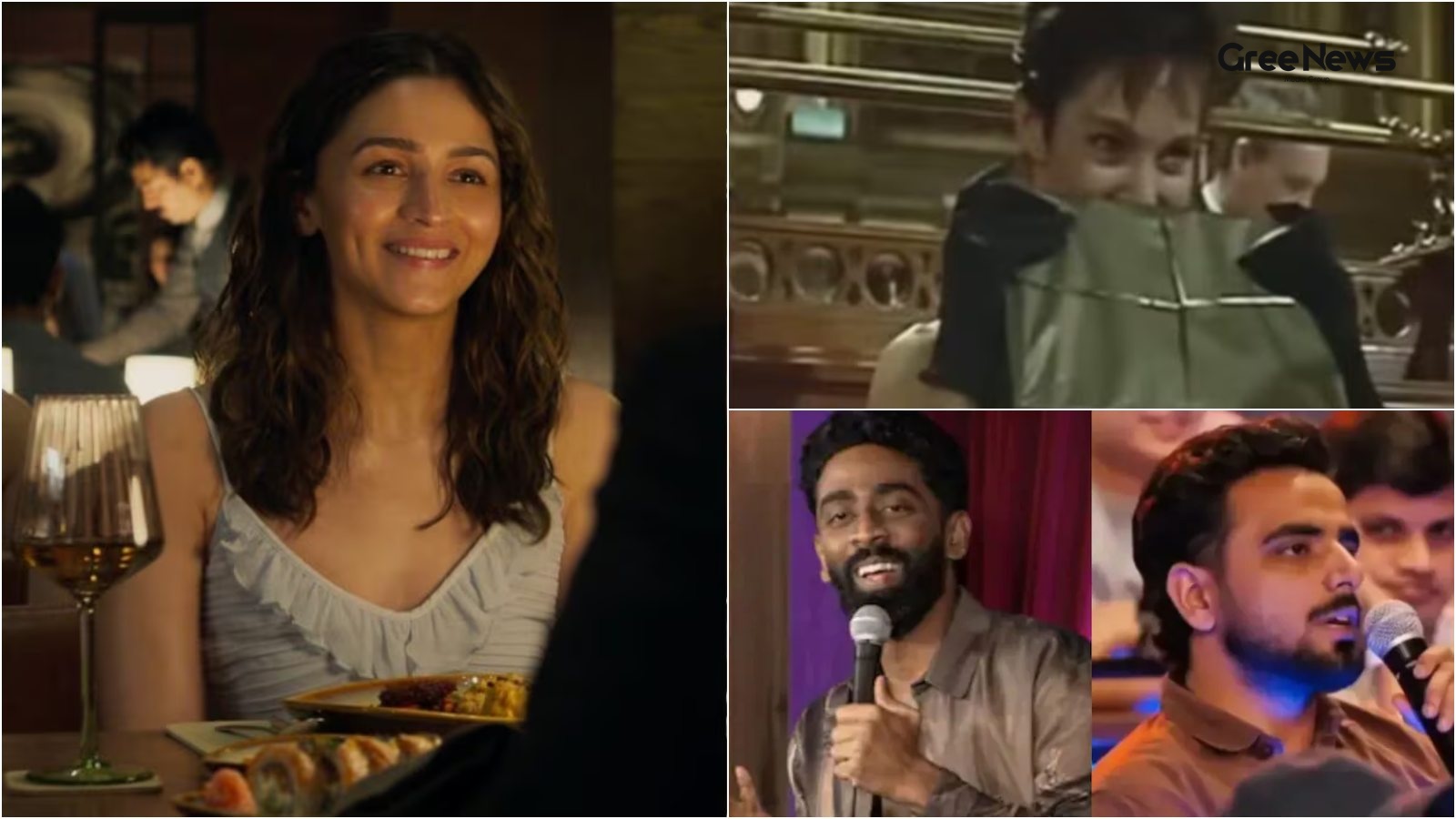
Alia Bhatt’s new spy thriller, *Alpha*, just dropped a teaser, and it immediately started causing a huge stir online. It’s not just the action visuals everyone is talking about, though. There's this one specific scene that people are obsessing over. It’s got this strange resemblance, some folks are
Jun 11, 2026 by Gree News Team
Tanu Weds Manu: The Next Chapter Production Update
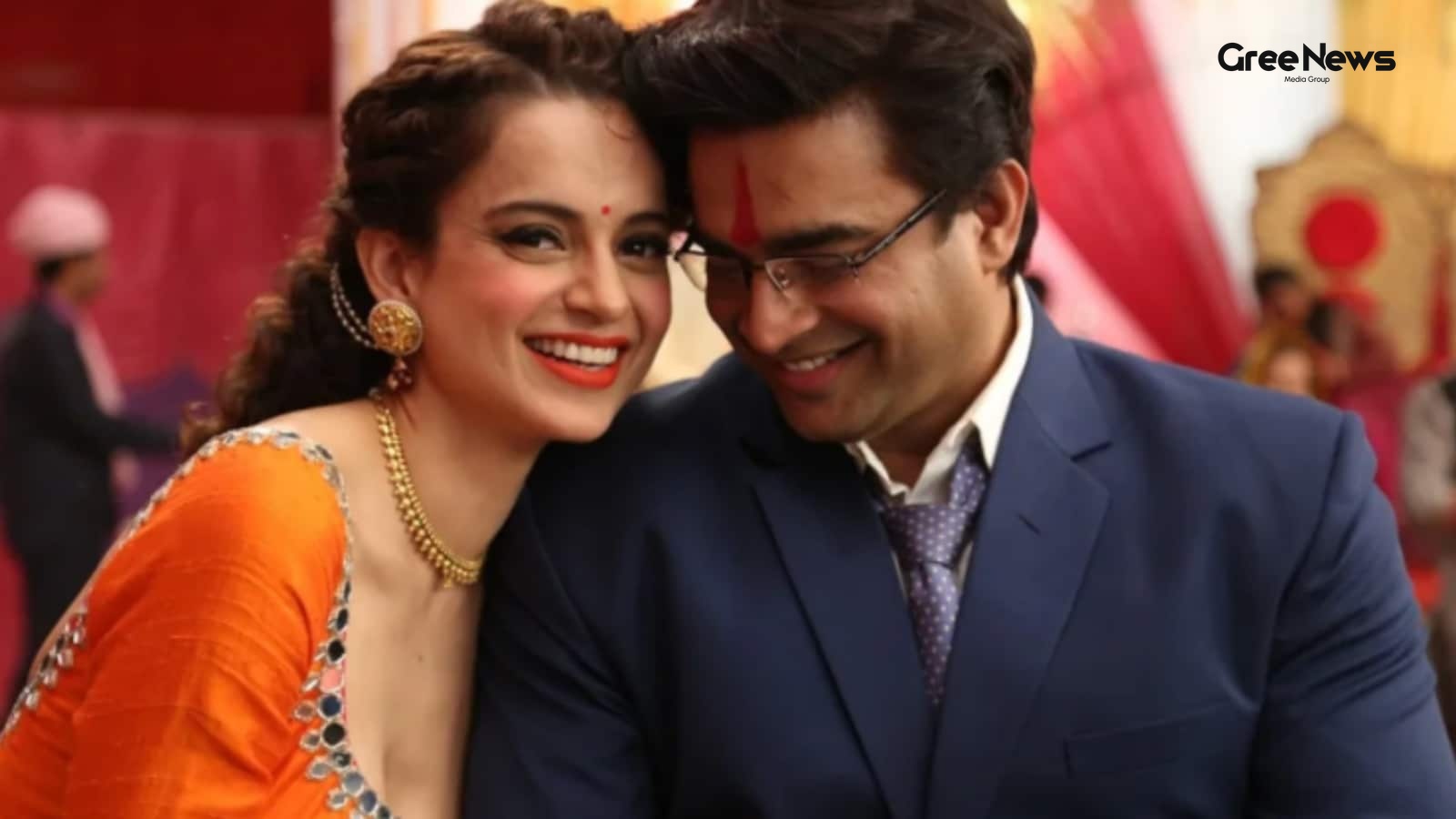
Man, it’s been a while. More than ten years after *Tanu Weds Manu Returns*, Kangana Ranaut and R Madhavan are finally getting the green light for another run. They’re set to do another chapter in that franchise. The third one is called *Tanu Weds Manu: The Next Chapter*. It’s slated for 2026. That t
Jun 11, 2026 by Gree News Team
Intersection of Art, Politics, and Public Morality at Film Screening
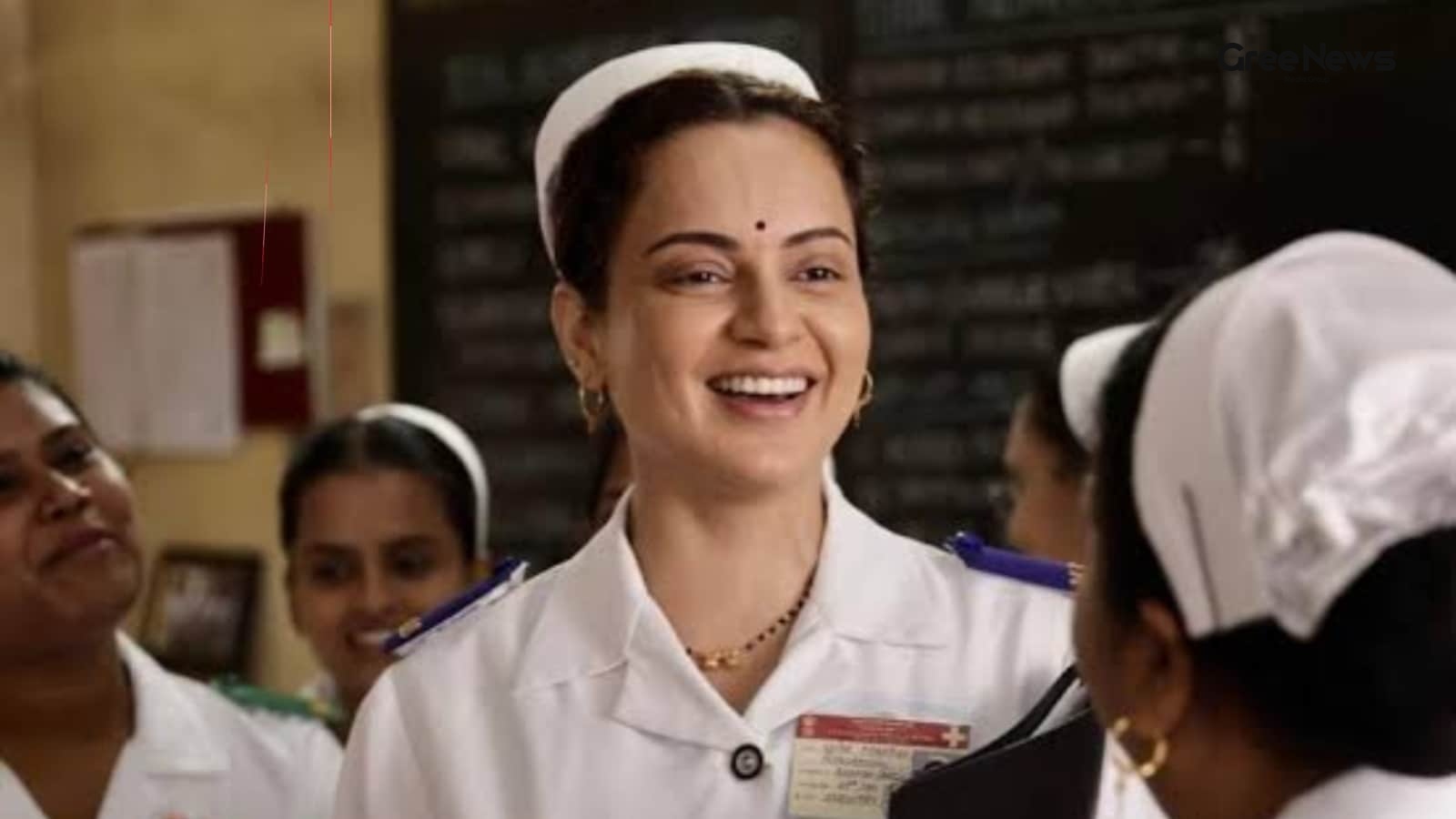
The buzz around the screening for ‘Bharat Bhhagya Viddhaata’ was definitely something special that Tuesday evening in Delhi. It wasn't just about watching a movie; it felt like a convergence a mix of film fans, some political heavyweights, and a surprising amount of high-level government presence. P
Jun 10, 2026 by Gree News Team
Latest Headlines
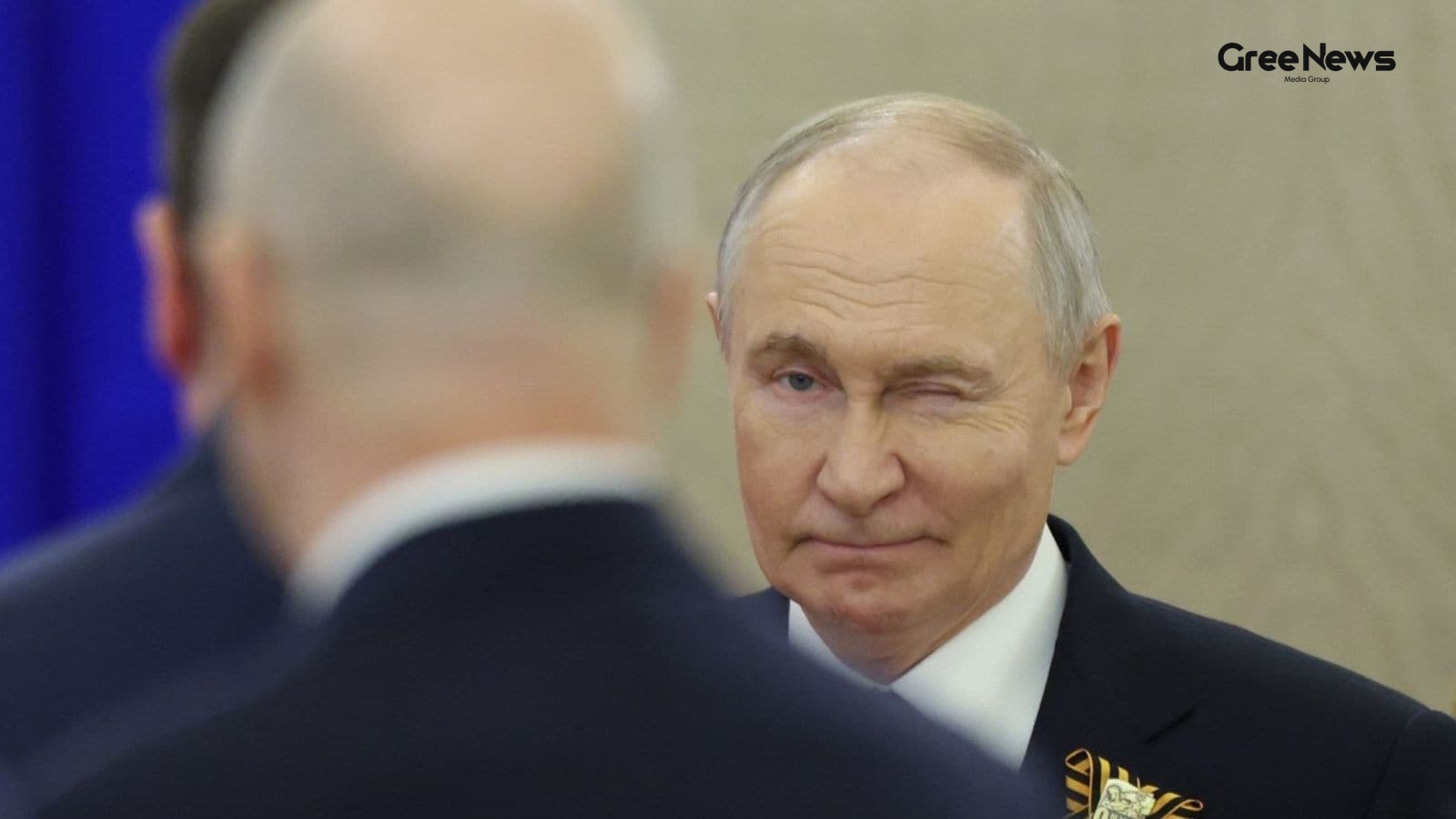
The Geopolitical Shift: Analyzing the Stalled War and Global Implications
More than four years in, things have gotten weird with the war. Ukraine is still standing. The government’s intact. But Russia? They’ve taken staggering military losses. It’s a strange situation, really. So has Kyiv shown itself lately. They managed to hit big strategic targets way out from the fron
Jun 11, 2026 by Gree News Team

Autonomous Maritime Tech and AI in Defense: The Role of Saronic Technologies
The whole thing about that rescue near the Strait of Hormuz really puts things into perspective. It wasn’t just a routine operation; it brought everything back to autonomous maritime tech, and who was involved in actually making that possible that’s where the focus lands now. The US Navy actually de
Jun 11, 2026 by Gree News Team
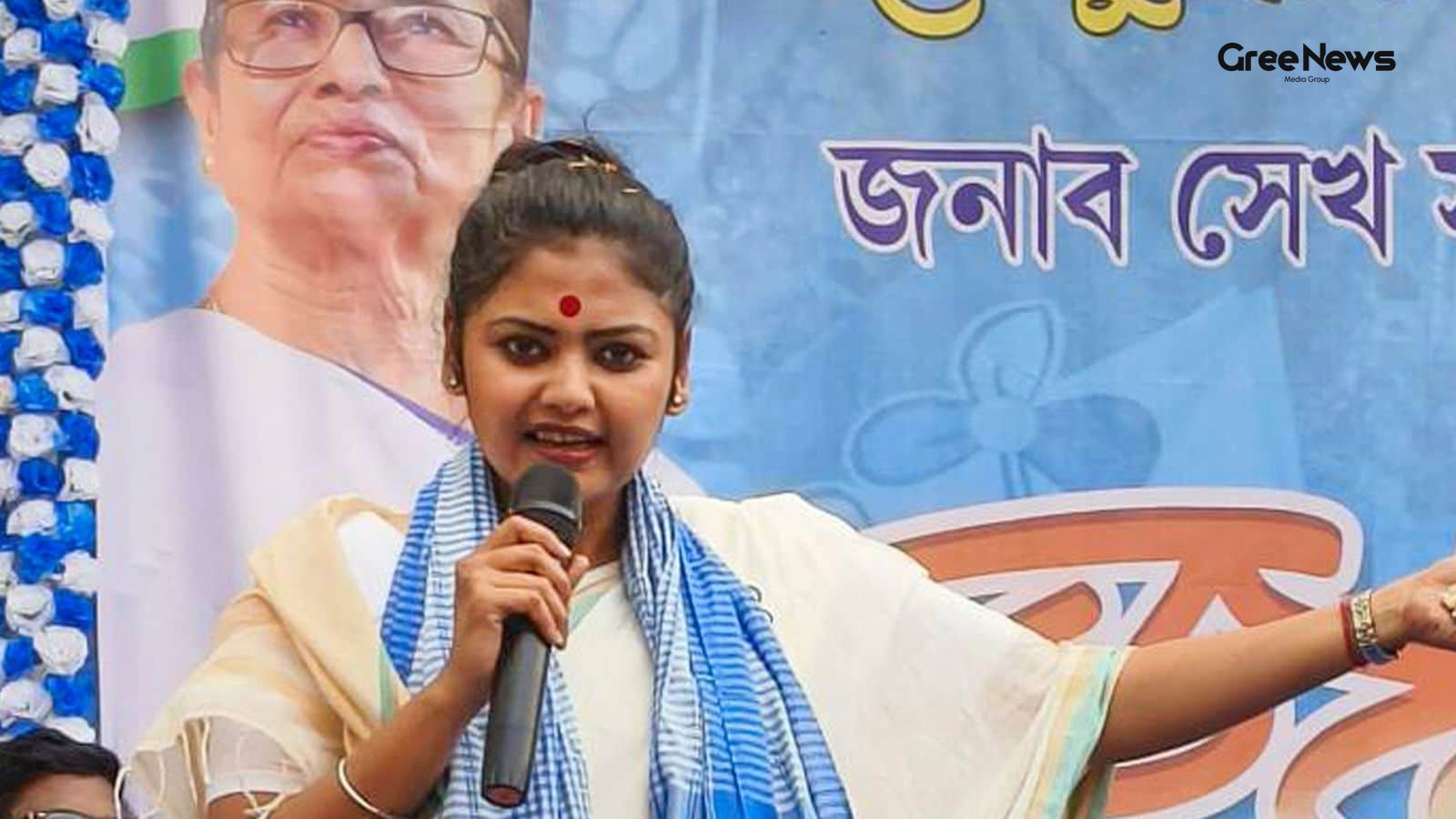
Internal Dissent and Defections within Trinamool Congress
The trouble inside the Trinamool Congress just got worse on Wednesday. It really deepened. Jadavpur Lok Sabha MP Saayoni Ghosh reportedly jumped ship, joining the rebel faction led by Kakoli Ghosh Dastidar. Sources are saying she actually contacted Dastidar. Extended her backing to that breakaway gr
Jun 11, 2026 by Gree News Team
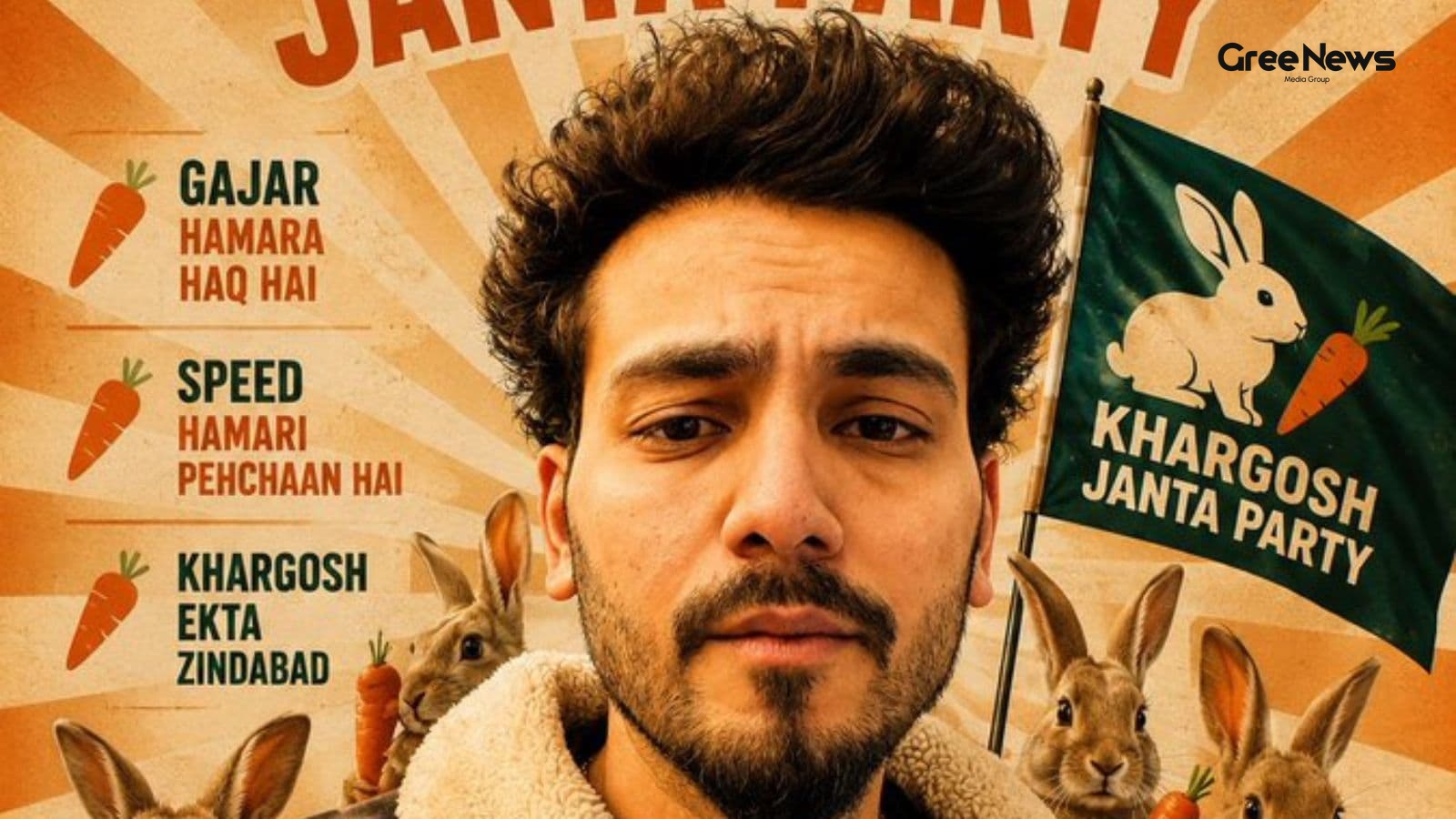
The Gap Between Online Performance and Real-World Reality
The digital space is always churning something. You see these moments erupting, these little skirmishes happening behind screens, but they aren't just random noise. They’re shifts. Real ones, you have to admit. Right now, the whole atmosphere seems fixated on this particular back-and-forth involving
Jun 11, 2026 by Gree News Team
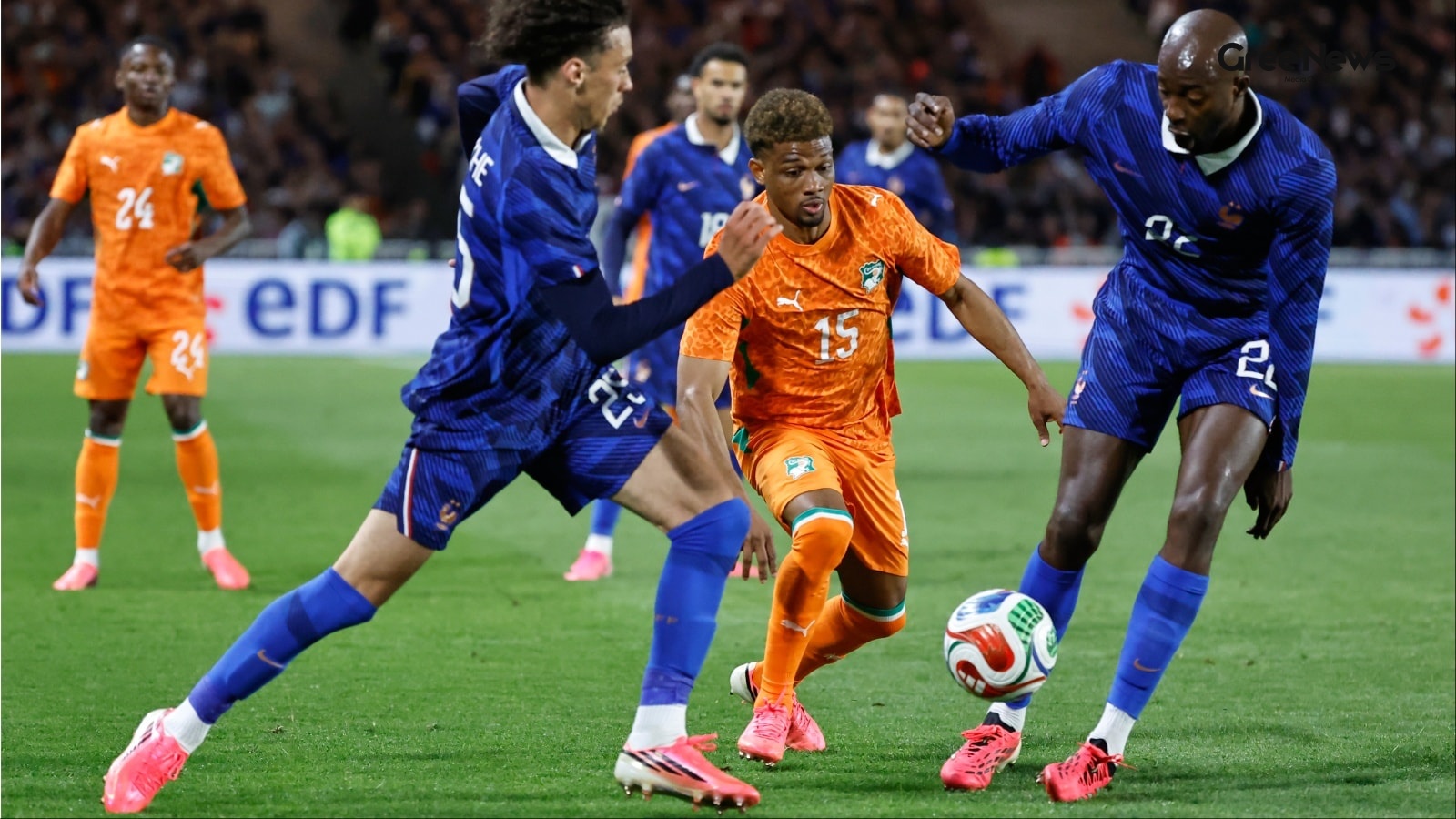
The Environmental Cost of the 2026 World Cup
The 2026 World Cup starts June 11th. It promises a month of insane sporting drama. But underneath all that noise the roaring crowds and the goals there’s this heavy environmental thing everyone is starting to notice. Scientists are looking at it, and frankly, they’re worried. Industry analysts are s
Jun 11, 2026 by Gree News Team
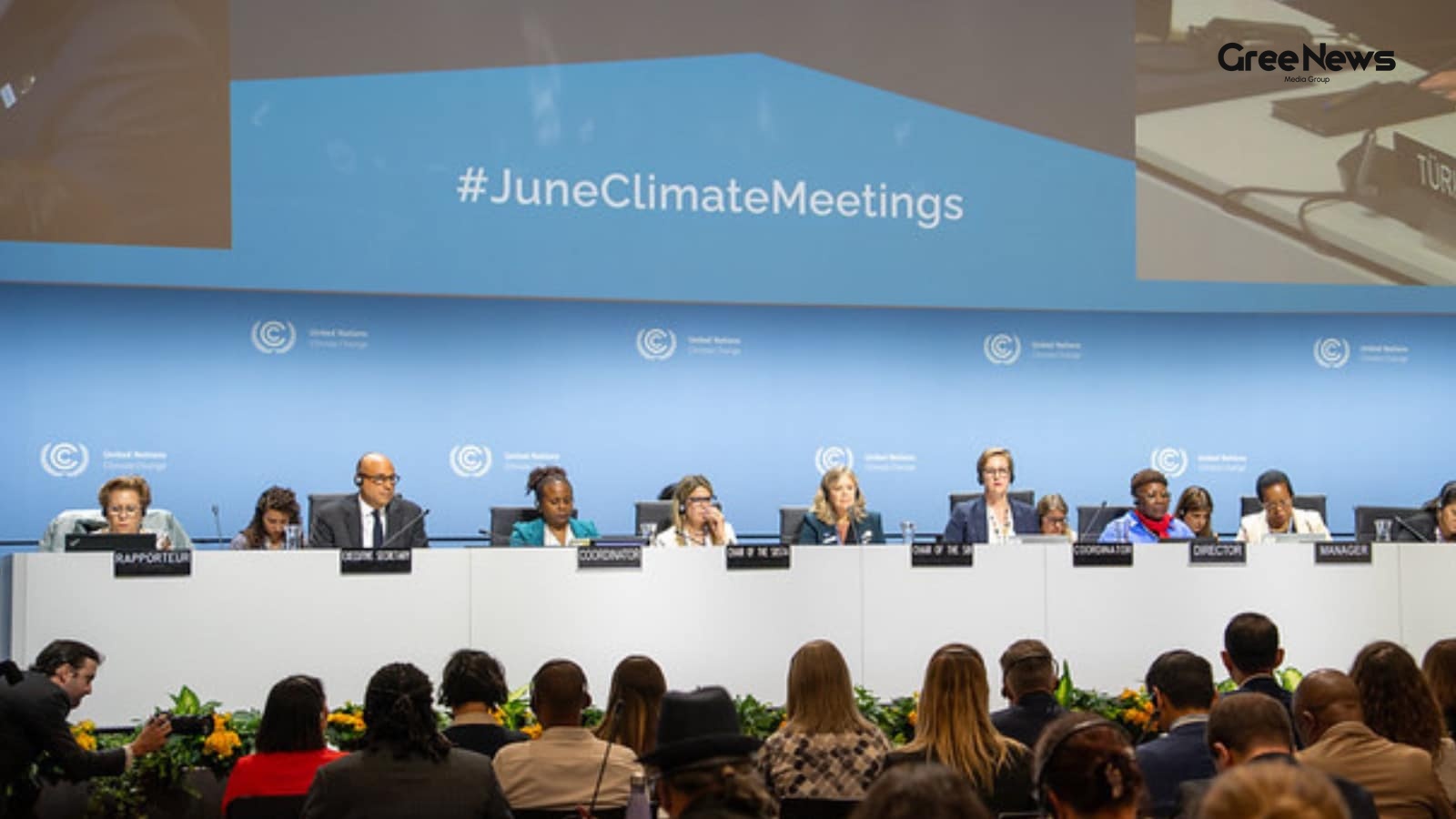
Rich Nations Are Not on Track to Hit Climate Goals for 2030 or 2035
Rich nations are apparently not on track to hit their climate goals for 2030 or 2035. That’s what a new report warned, just as international negotiators started kicking off discussions at those mid-year UN climate talks in Bonn, Germany. The whole ten-day meeting the 64th Sessions of the Subsidiary
Jun 11, 2026 by Gree News Team
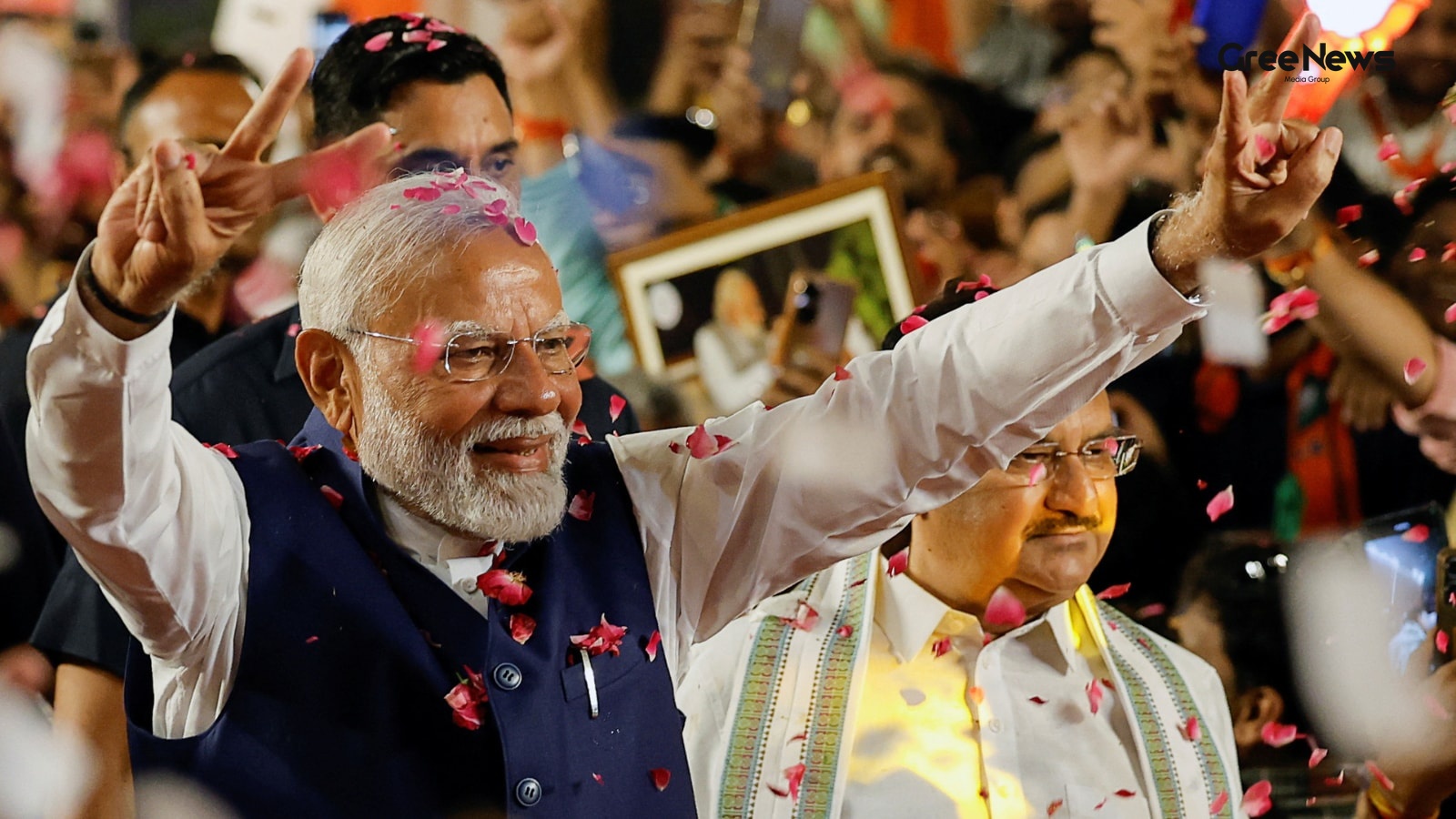
Global Congratulations for Prime Minister Modi's Record Tenure
Congratulations kept coming in from leaders globally for Prime Minister Modi. It’s a massive milestone, really. He’s now India’s longest-serving democratically elected prime minister four thousand three hundred ninety-nine days in office. That puts him ahead of Nehru's record. Israel’s Foreign Minis
Jun 11, 2026 by Gree News Team
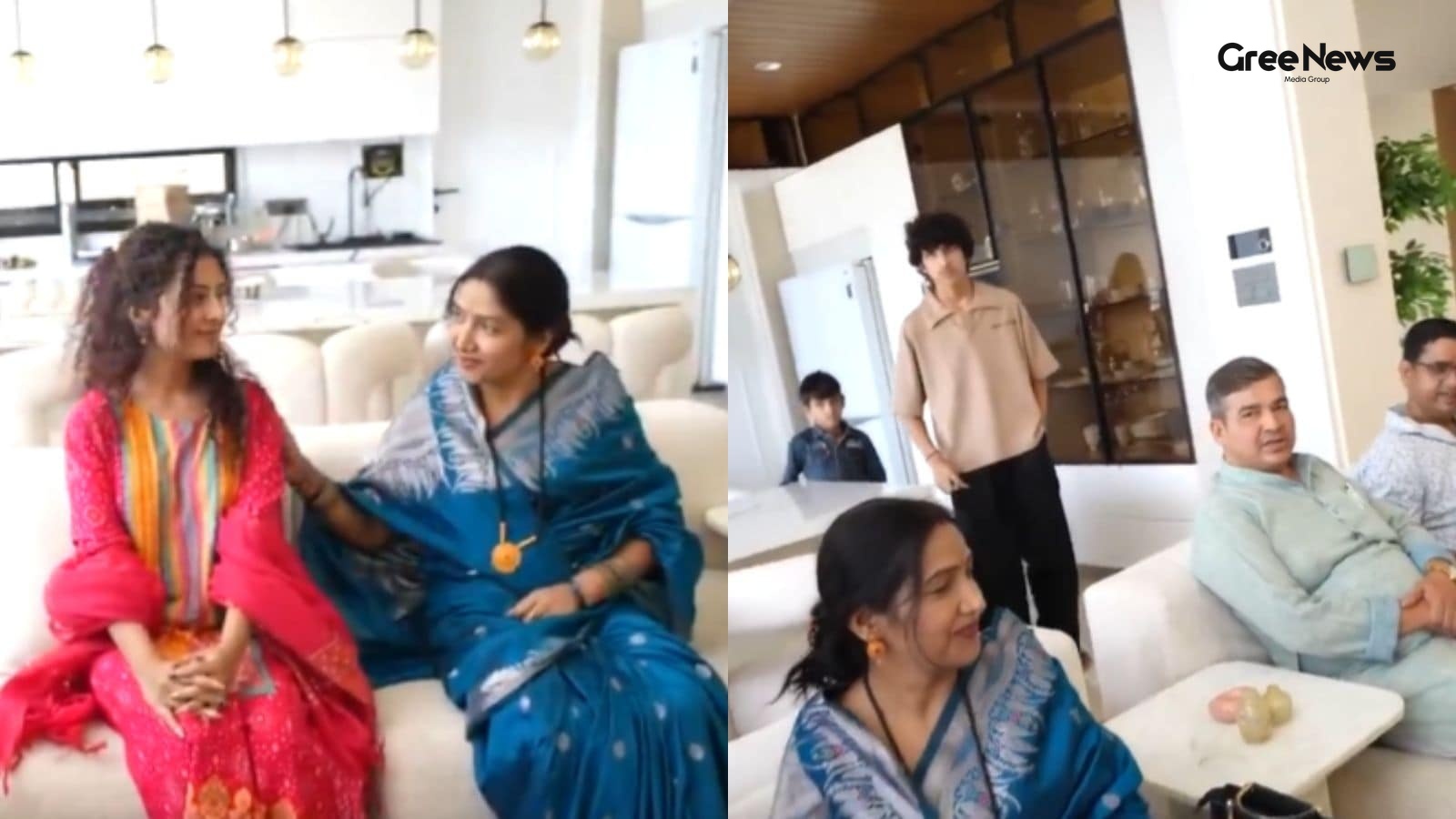
The Ethics of Vlogging: Privacy, Spectacle, and Family in the Digital Age
India’s whole daily vlogging scene, it’s always been under some kind of microscope. People criticize it constantly. Blurring the lines between what’s just private life and what they put out there for entertainment. It’s a persistent issue, isn't it? But something happened recently that really pushed
Jun 11, 2026 by Gree News Team
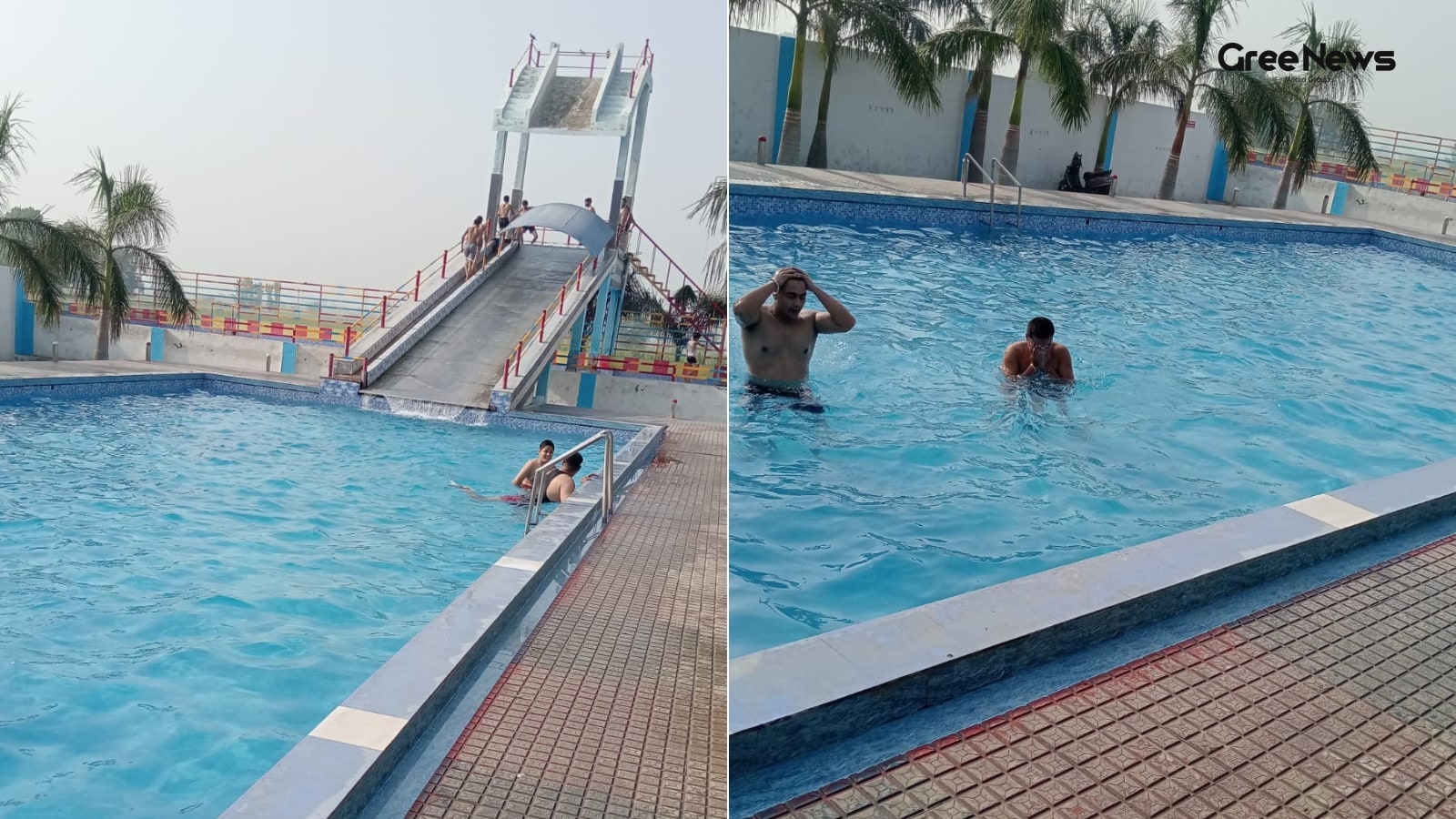
The Swimming Pool as a Money-Printing Machine: Profit, Skepticism, and the Water Debate
The whole idea a swimming pool acting like some kind of money-printing machine that’s what caught everyone’s attention online. It started when some content creator shared details about a friend's business in Meerut. They were talking about a pool that supposedly earned nearly twenty-two and a half l
Jun 11, 2026 by Gree News Team
Legal Dispute in Madhya Pradesh Rajya Sabha Election Nomination
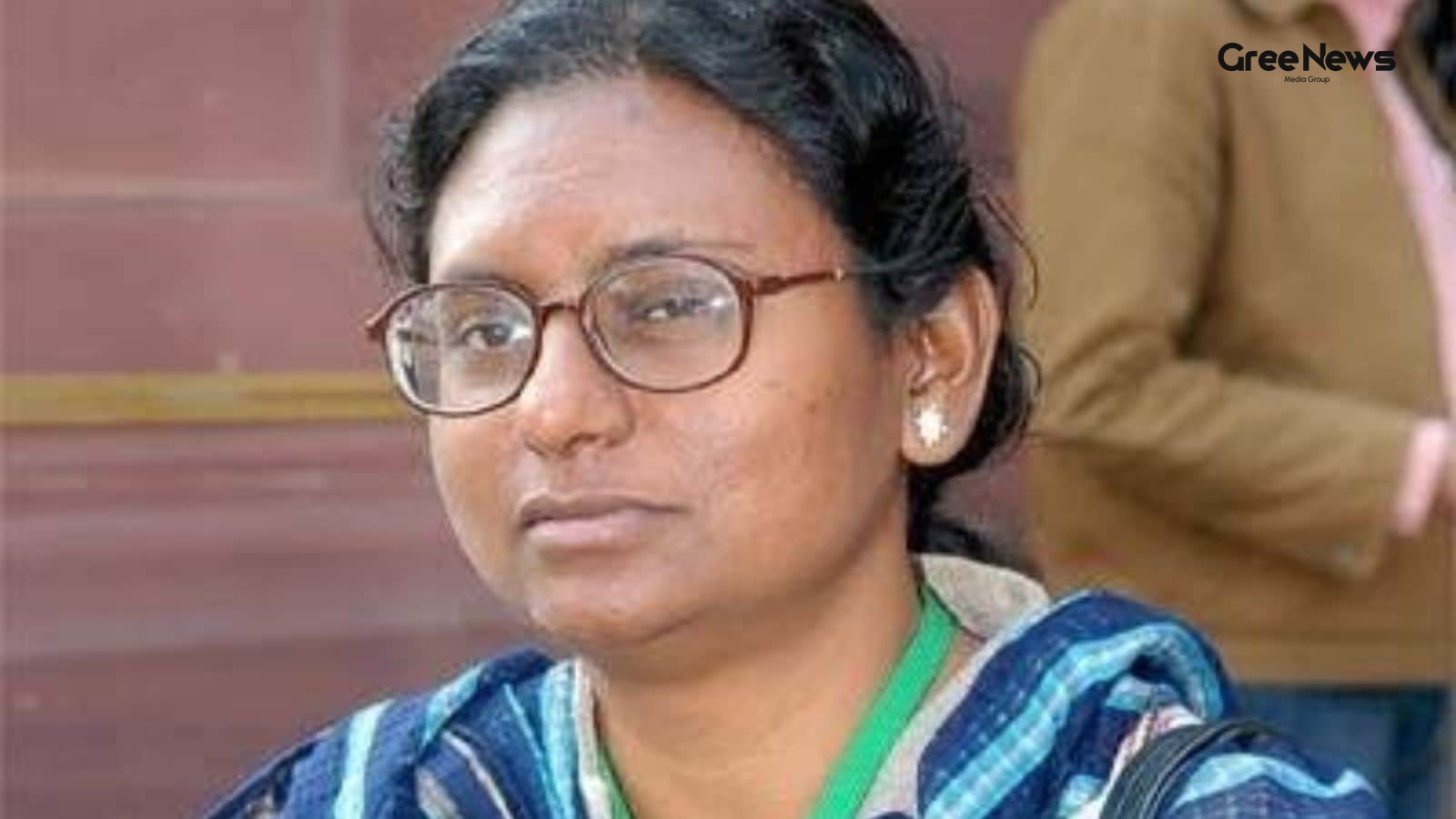
Madhya Pradesh is watching this whole Rajya Sabha election mess unfold between Congress and BJP with a real sense of intrigue. And the Election Commission is stuck with a question that feels huge should a candidate even be allowed to declare complaints against someone if there’s no actual cognizance
Jun 11, 2026 by Gree News Team
Australian Open Super 500 Match Report: Sindhu, Sharma, and Men's Singles
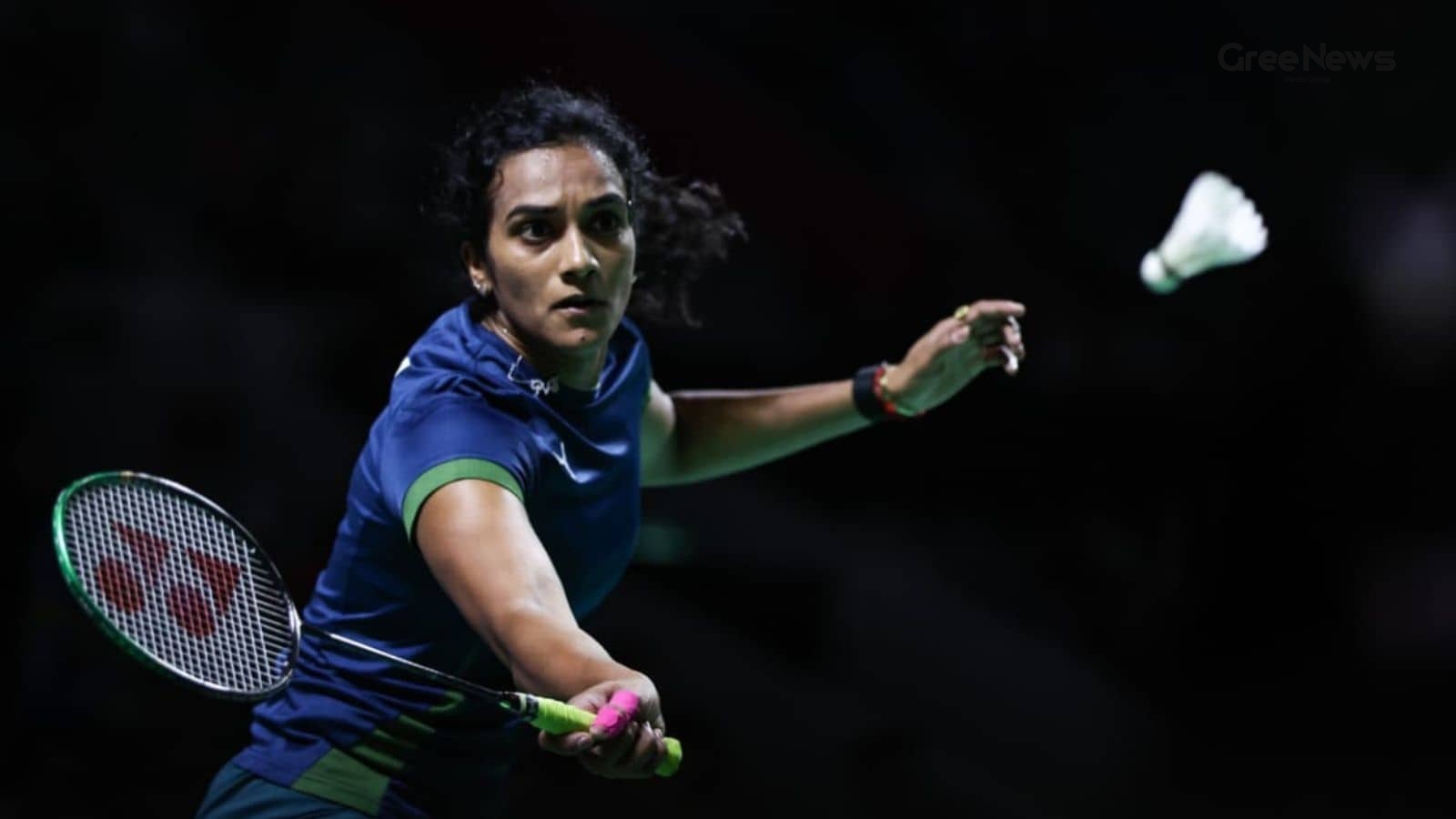
Two-time Olympic medallist PV Sindhu really put on a show today. Indian women dominated. An easy win against Peru’s Ines Salazar. And then there was Tanvi Sharma, that teenager, pulling off an upset over the fifth seed, Chiu Pin-Chian at the Australian Open Super 500 in Sydney. Wednesday. Third seed
Jun 11, 2026 by Gree News Team
Helicopter Crash and Investigation in the Neelum Valley Sector
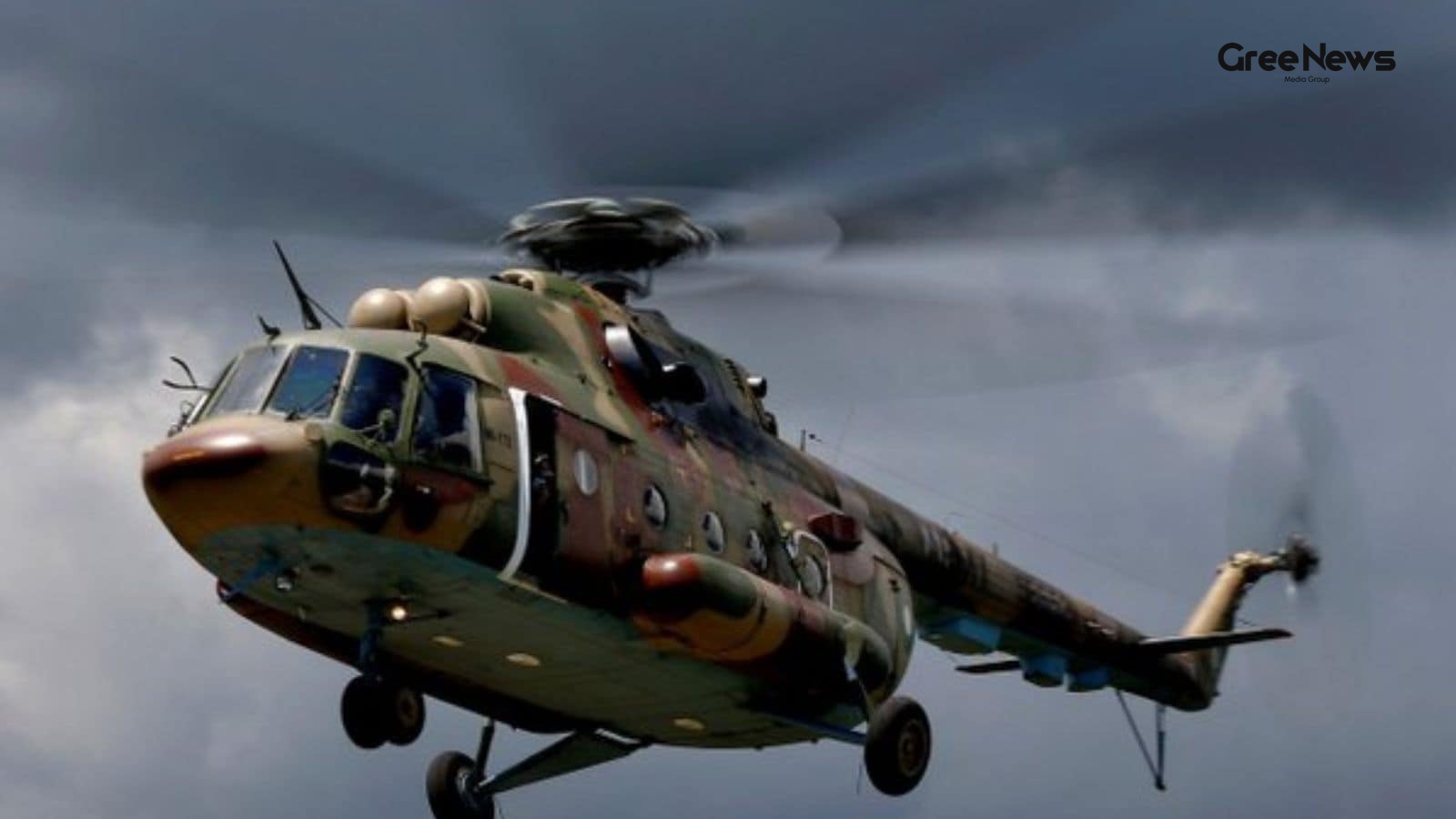
The air was thick with something heavy that Wednesday. Not just the usual heat of the mountains, but a silence that felt wrong. That’s what happened near Muzaffarabad. An Mi-17 helicopter. Pakistan Army Aviation. It wasn't a smooth flight at all; it was a crash during take-off. A brutal end right th
Jun 11, 2026 by Gree News Team
The Fragmentation of Reality: Navigating Political Uncertainty
It was just… moving fast this week. You see, things aren't lining up right at all. There’s this feeling, a kind of low hum you can almost feel in the air, that everyone is waiting for something to break. It’s not some neat timeline thing, you know? Just bits and pieces sticking together somehow, mes
Jun 11, 2026 by Gree News Team
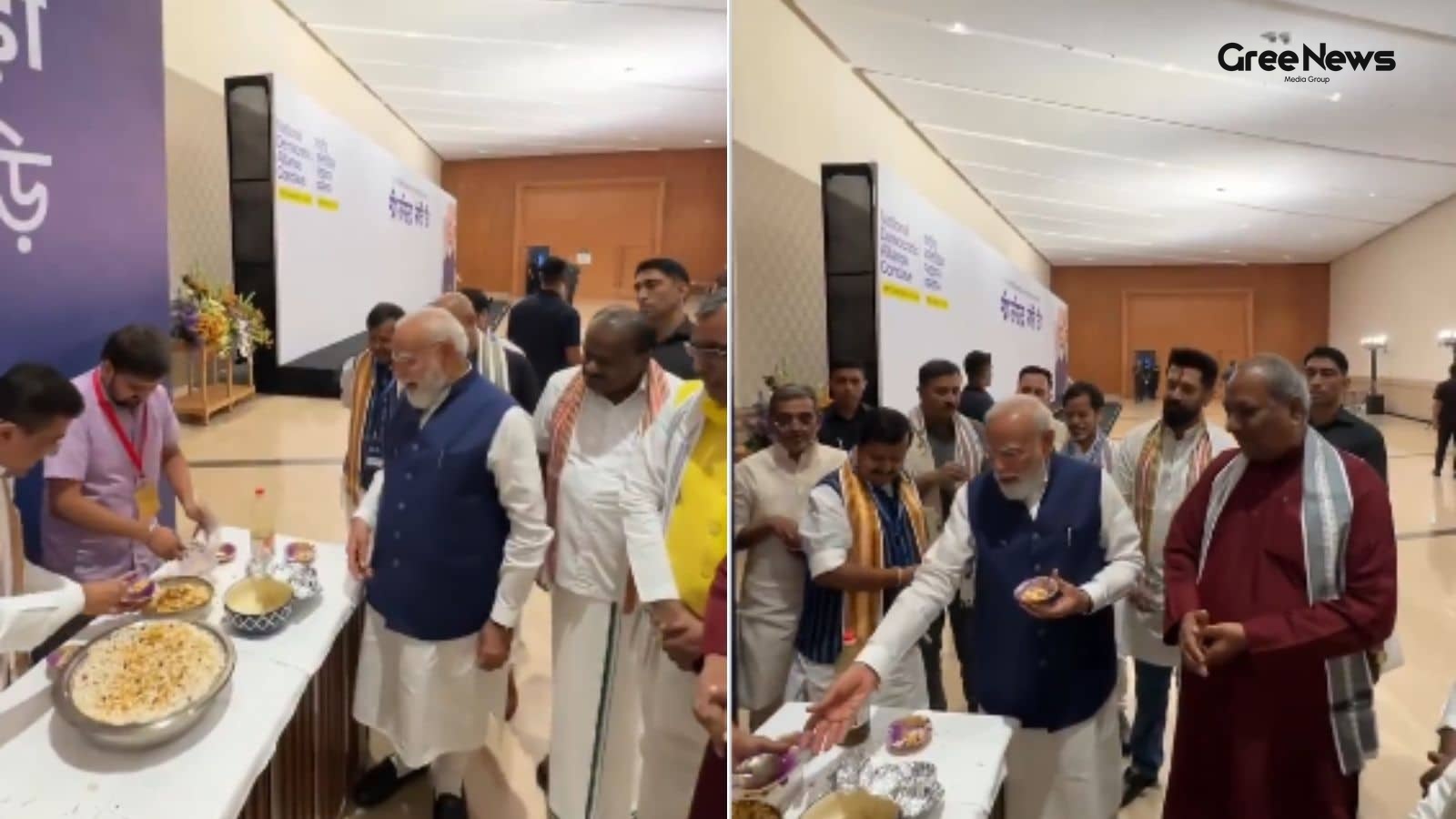
The Intersection of Politics and Culture: Jhalmuri and Public Perception
the air in new delhi felt thick that day. not just the usual pre-meeting tension, you know? there was this hum, a sort of expectant energy buzzing around the halls where the national democratic alliance was gathering. twelve years. that’s what they were marking. twelve years under modi’s watch. and
Jun 11, 2026 by Gree News Team
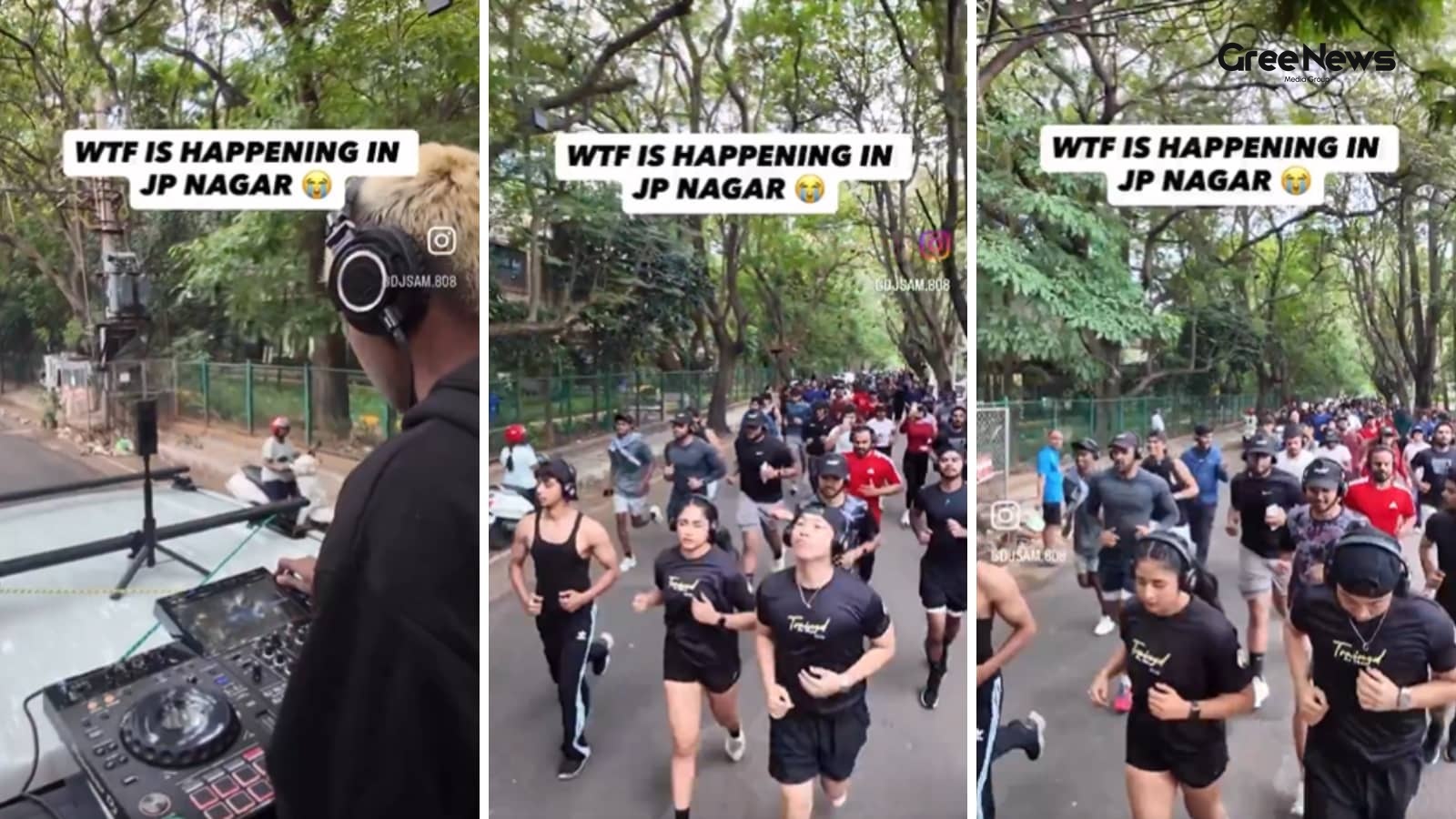
The Evolution of Fitness and Distraction in Bengaluru Running Culture
People in Bengaluru, you know how it is, always finding some new angle to mix fitness with actual fun. It’s not just about hitting the pavement anymore. We're talking cycling groups popping up everywhere, weekend marathons taking over the scene. These run clubs, they’ve really become these popular m
Jun 11, 2026 by Gree News Team