The Geopolitical Shift: Analyzing the Stalled War and Global Implications
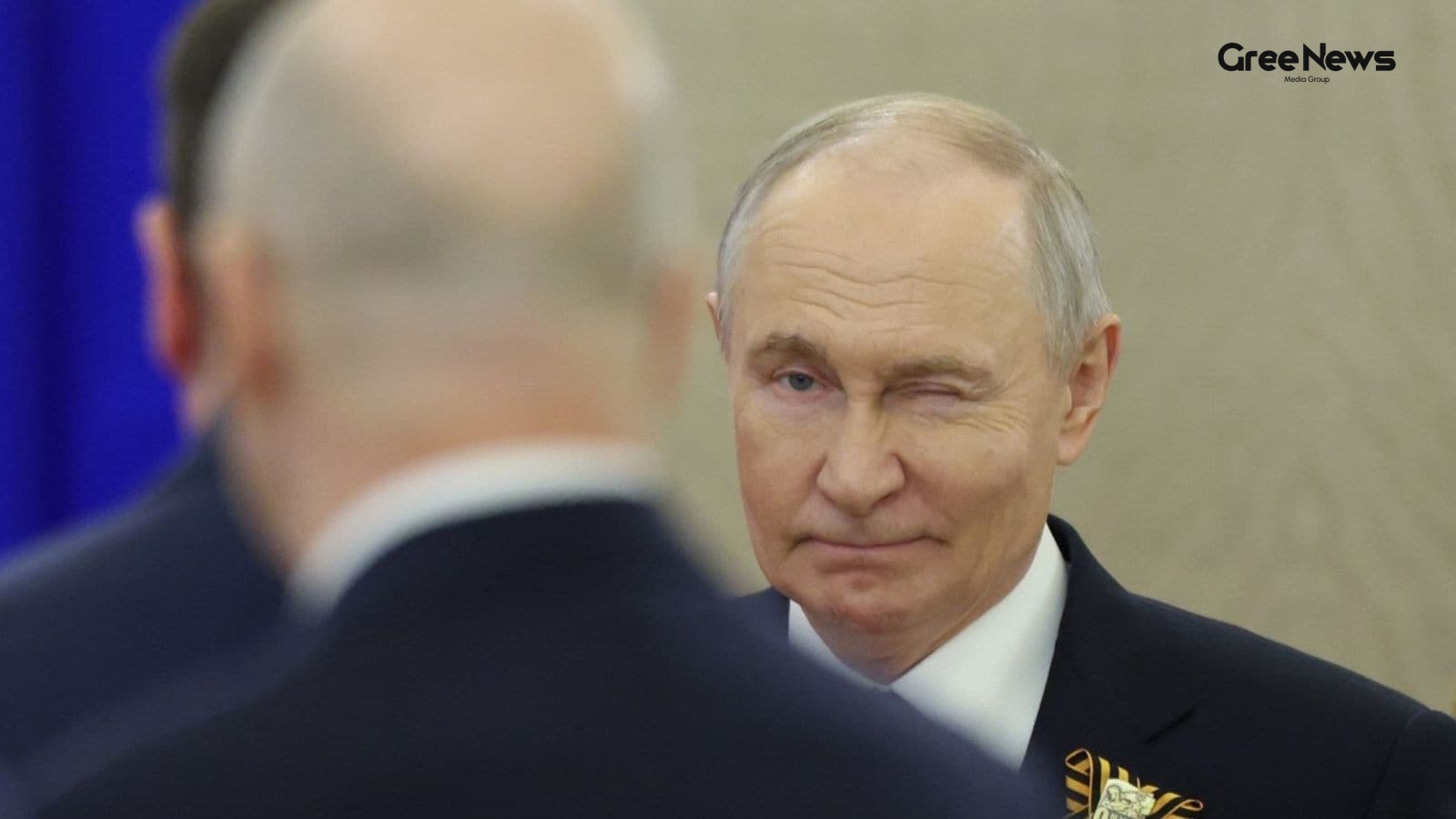
More than four years in, things have gotten weird with the war.
Ukraine is still standing. The government’s intact. But Russia? They’ve taken staggering military losses. It’s a strange situation, really.
So has Kyiv shown itself lately. They managed to hit big strategic targets way out from the front lines. It reminded everyone they can surprise Moscow. Retired US generals are saying now that Ukraine actually holds some kind of upper hand against Russia in this mess.
But winning battles isn't winning wars. That’s the real dilemma staring us down.
The War That Refuses To End
When those Russian troops first crossed into Ukraine in February 2022, everyone expected it to end fast. Moscow thought Kyiv would fall quickly. Instead, this thing has turned into Europe’s biggest military conflict since World War II. It just drags on.
Ukraine fought back hard. They pushed Russians away from Kyiv. Reclaimed ground in Kharkiv and Kherson too. Inflicted heavy damage on the Russian side. Western governments threw billions at it weapons, money, aid.
Yet after all those years of fighting, nobody has seen a real breakthrough. Russia still controls about a fifth of Ukrainian land. Crimea? They annexed that back in 2014. The front lines haven't moved much these last two years despite the intensity. It’s just… static.
How Putin Changed The Goalposts
The reason this is so stuck, I think it comes down to how Russia keeps changing what they want. At the start, Putin talked about regime change in Kyiv. Political subjugation of Ukraine. Those goals? Failed completely. Zelenskyy stayed put. And NATO ended up stronger than anyone predicted. But instead of stopping the war, the Kremlin shifted its focus.
Instead of conquering everything which they never did they started trying to secure what they had. Consolidating control over the occupied areas. Exhausting Ukraine’s ability to keep fighting. Over time, betting on something else too: Western exhaustion.
If Russia can just hold onto territory long enough, maintain pressure and outlast political support in Europe and the US, maybe that's how they get what they want through negotiation instead of pure military victory. That kind of calculation is heavy.
Why Trump’s Return Changes The Equation
Then Donald Trump comes back to the White House in January 2025. It just adds another layer of headache. Back during the fighting, Trump kept pushing for talks. He questioned how sustainable massive US aid was long-term. His administration hasn't dropped support for Ukraine, but they are signaling a real interest in forcing both sides toward some kind of settlement. That puts Kyiv in a tough spot.
Ukraine’s stance has always been simple: the borders must be respected. But the longer this drags on, the more people demand a compromise.
Recent strikes by Ukrainians inside Russia have made Kyiv look stronger. They can still impose costs on Moscow. Some analysts see these actions as giving Trump leverage. It shows Putin can't just wait for Ukraine to completely collapse.
Others argue that simply having battlefield momentum isn’t enough. You can’t force a fundamental political reality to change by fighting alone.
Can Ukraine Still Win?
If winning means keeping Ukraine independent, sovereign, and democratic then they already won something huge. Russia failed to erase Ukraine as a state.
Zelenskyy recently wrote an open letter to Putin, asking for direct talks to stop the fighting. He said, "when Russia grows tired, changes come."
The territorial claims made by the Kremlin? Most of it seems like temporary advances. Small assault units pushing into new areas. Russian troops might step there briefly, but they usually can't hold on. They get pushed back eventually. It’s hard for them to turn those advances into real, lasting territory.
Ukrainian officials pointed out that recent strikes inside Russia actually disrupt Moscow’s supply lines. Making it harder for Russian forces to keep their units supplied and keep pushing forward.
But restoring the borders before 2014? That requires a massive military effort. Years of sustained Western backing. It’s just not realistic right now. Even some high-level figures, like the US Defence Secretary, admitted that chasing an imaginary goal like returning to those old lines just prolongs the suffering.
Why Europe Is Nervous
Europe is really shaken up. A deal that rewards Russia for taking territory would raise massive questions about the entire international order we thought existed after WWII. Leaders are terrified it signals that military force is still a viable way to redraw maps.
Especially those on NATO’s eastern edge, Poland and the Baltics. They worry that if Russia wins this much, future aggression becomes easier. That’s why they stay committed to Ukraine despite all the economic pressure at home.
Trust in the US as a security anchor has really frayed. The European Council on Foreign Relations notes it. Many Europeans doubt Washington will step up for them, especially under Trump. So, there's a growing push for Europe to build its own defense structure something more autonomous, financed collectively through greater spending.
And still, even while backing Ukraine’s fight, Europe is hesitant about pushing the EU further east or sending their own troops in to settle things after the war.
What Does This Mean For India?
New Delhi has always tried to keep things diplomatic with both Moscow and Kyiv. They don't condemn Russia outright, but they stress respect for borders and sovereignty.
In September 2025, India called for talks again. They focused on the bigger economic mess. New Delhi warned that rising fuel costs and other global chaos are hitting developing nations way harder than others. The Global South is bearing a lot of this weight.
As things move toward potential negotiations, India’s stance looks increasingly practical. They’ve always argued military action alone won't solve anything.
But the war hits India too. Russian oil discounts messed up energy imports. Food and fertilizer markets got chaotic. All those geopolitical shifts complicate diplomacy everywhere. A recent report noted Russia’s share in India’s oil imports jumped back to nearly 38% by April 2026. That was coupled with a massive 425% jump in the premium Russia charged for its oil, going against all the discounts they offered before. The volume of crude imports was about 34%. It just shows how tangled everything is now.
Written by Gree News Team — Senior Editorial Board
Gree News Team covers international news and global affairs at Gree News. Our collective of senior editors is dedicated to providing independent, accurate, and responsible journalism for a global audience.
More from World
View All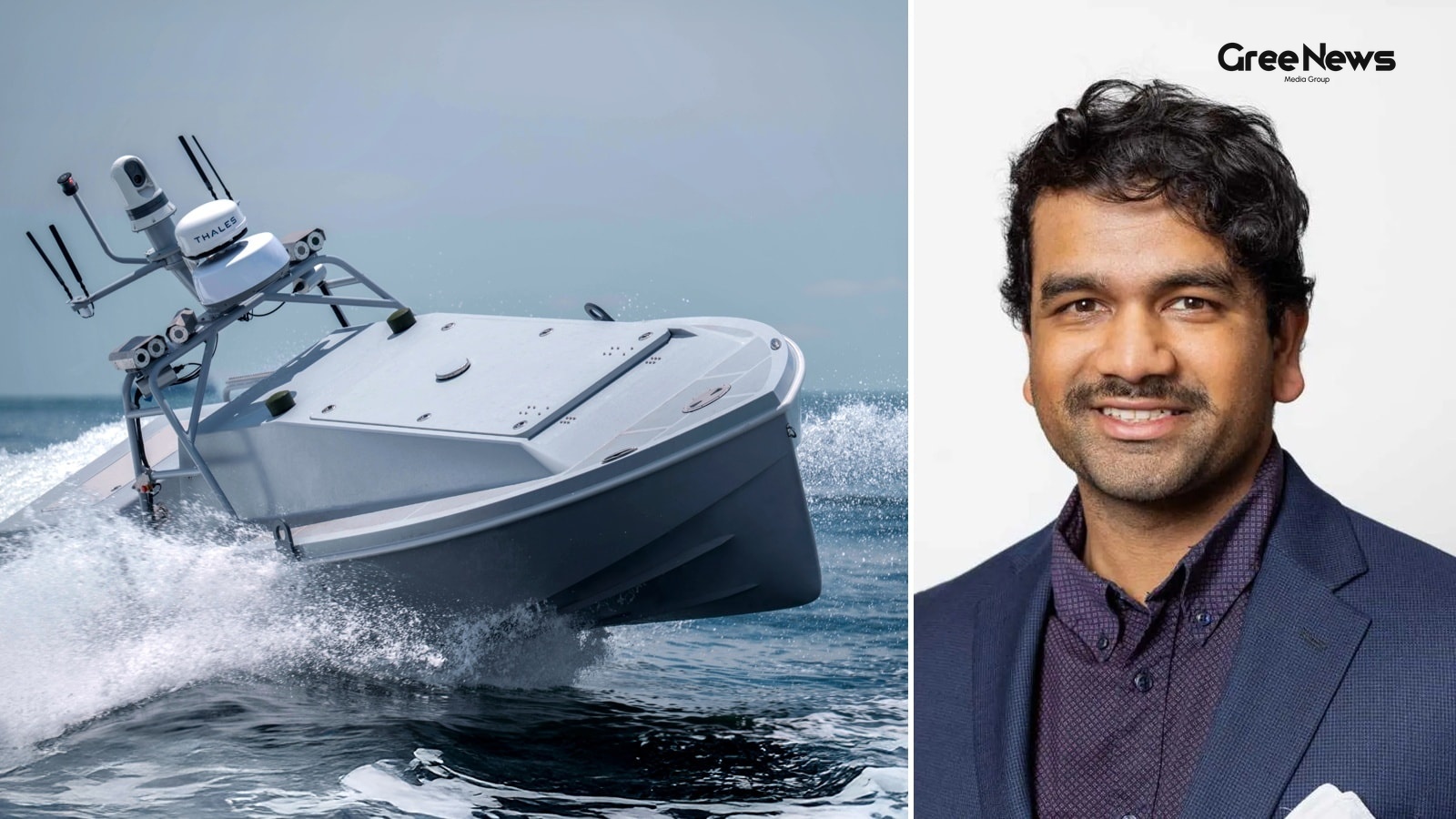
Autonomous Maritime Tech and AI in Defense: The Role of Saronic Technologies
The whole thing about that rescue near the Strait of Hormuz really puts things into perspective. It wasn’t just a routine operation; it brought everything back to autonomous maritime tech, and who was involved in actually making that possible that’s where the focus lands now. The US Navy actually de
Jun 11, 2026 by Gree News Team
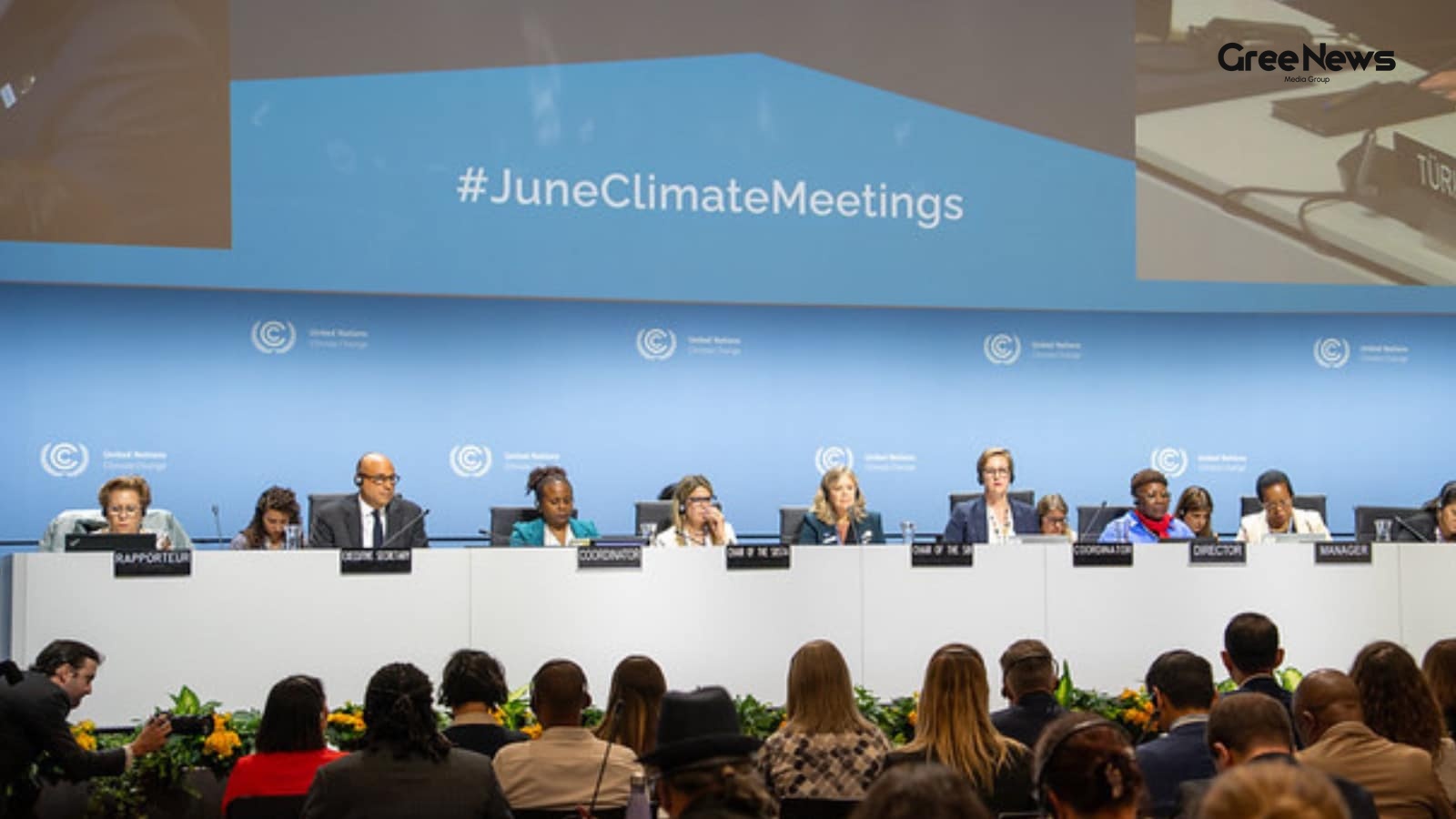
Rich Nations Are Not on Track to Hit Climate Goals for 2030 or 2035
Rich nations are apparently not on track to hit their climate goals for 2030 or 2035. That’s what a new report warned, just as international negotiators started kicking off discussions at those mid-year UN climate talks in Bonn, Germany. The whole ten-day meeting the 64th Sessions of the Subsidiary
Jun 11, 2026 by Gree News Team
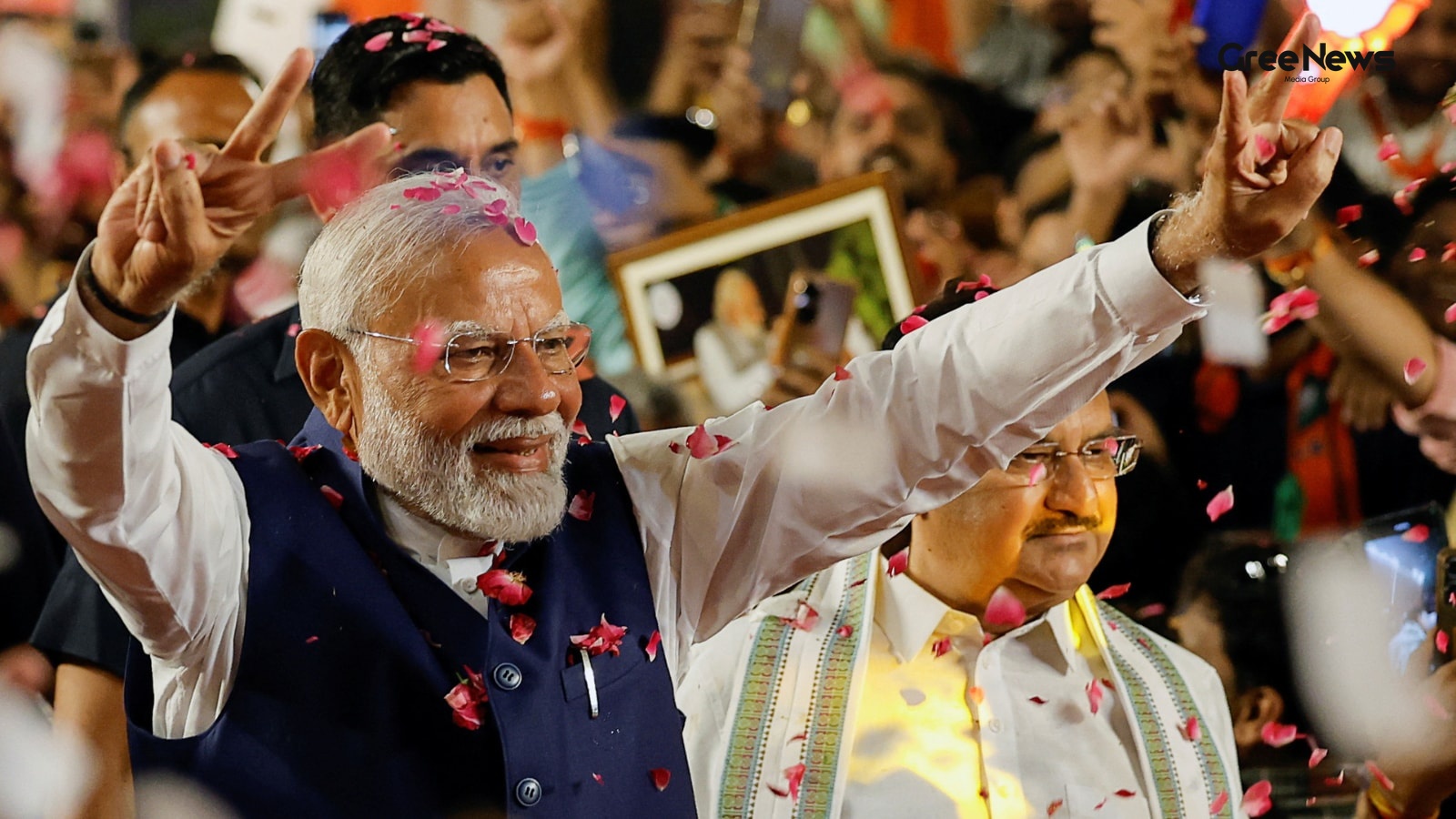
Global Congratulations for Prime Minister Modi's Record Tenure
Congratulations kept coming in from leaders globally for Prime Minister Modi. It’s a massive milestone, really. He’s now India’s longest-serving democratically elected prime minister four thousand three hundred ninety-nine days in office. That puts him ahead of Nehru's record. Israel’s Foreign Minis
Jun 11, 2026 by Gree News Team
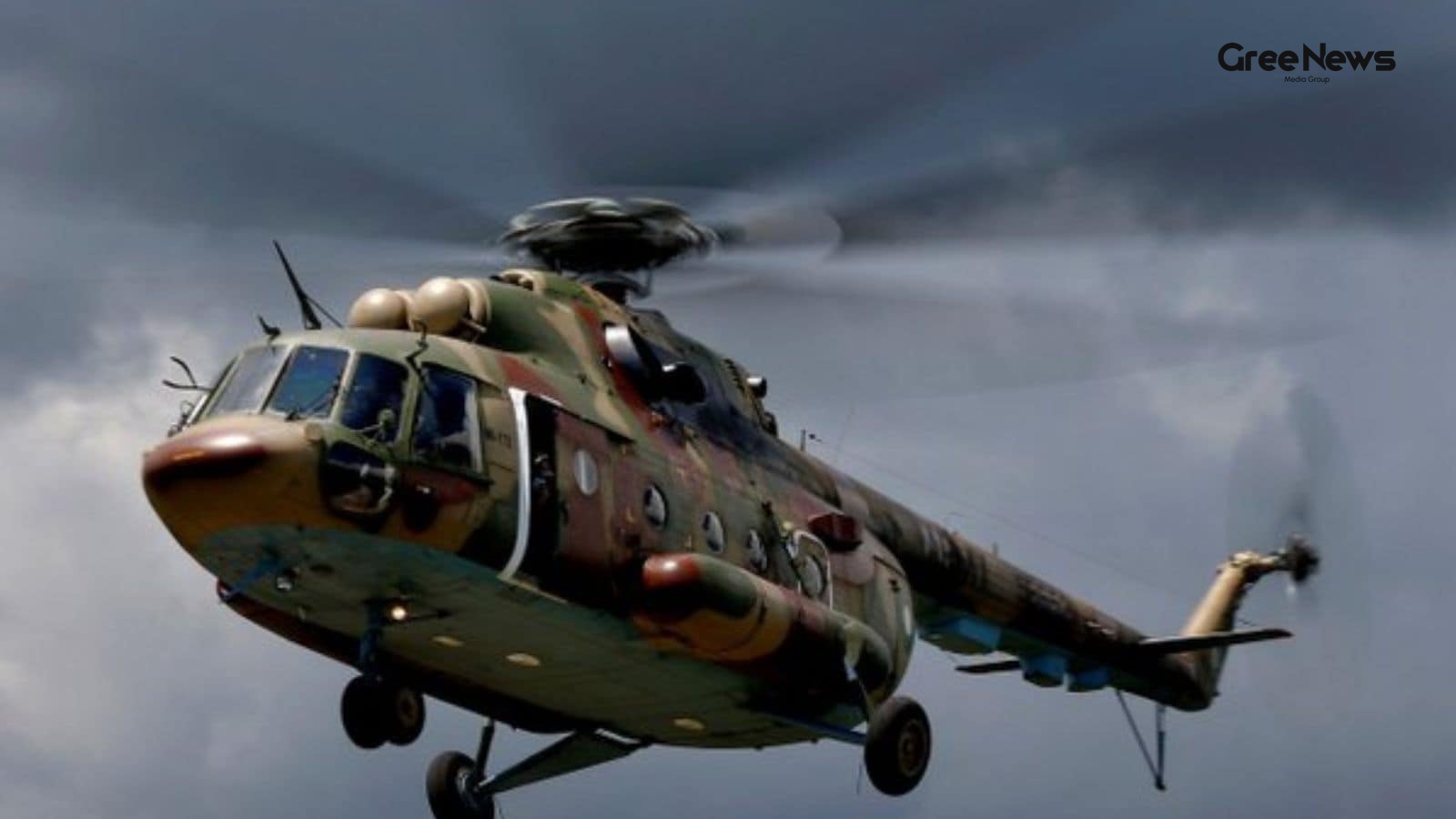
Helicopter Crash and Investigation in the Neelum Valley Sector
The air was thick with something heavy that Wednesday. Not just the usual heat of the mountains, but a silence that felt wrong. That’s what happened near Muzaffarabad. An Mi-17 helicopter. Pakistan Army Aviation. It wasn't a smooth flight at all; it was a crash during take-off. A brutal end right th
Jun 11, 2026 by Gree News Team
Latest Headlines

Vedang Raina's "Ishq Mastana" from Main Vaapas Aaunga: Behind the Music and Making
Vedang Raina just dropped this track, “Ishq Mastana,” from his upcoming film, *Main Vaapas Aaunga*, and honestly? it’s got people talking. It tugged some strings. Choreographer Ashley Lobo finally opened up about how he handled shooting that song. He was genuinely surprised to hear that Vedang was s
Jun 11, 2026 by Gree News Team

The Observation of Current Flux and Societal Shifts
The air just feels… thick lately. You know that feeling when everything is humming at a frequency you can’t quite tune into? That’s what this whole situation is right now. It’s not some neat little timeline or anything predictable. It's just happening. People are talking, of course. Everywhere. Abou
Jun 11, 2026 by Gree News Team
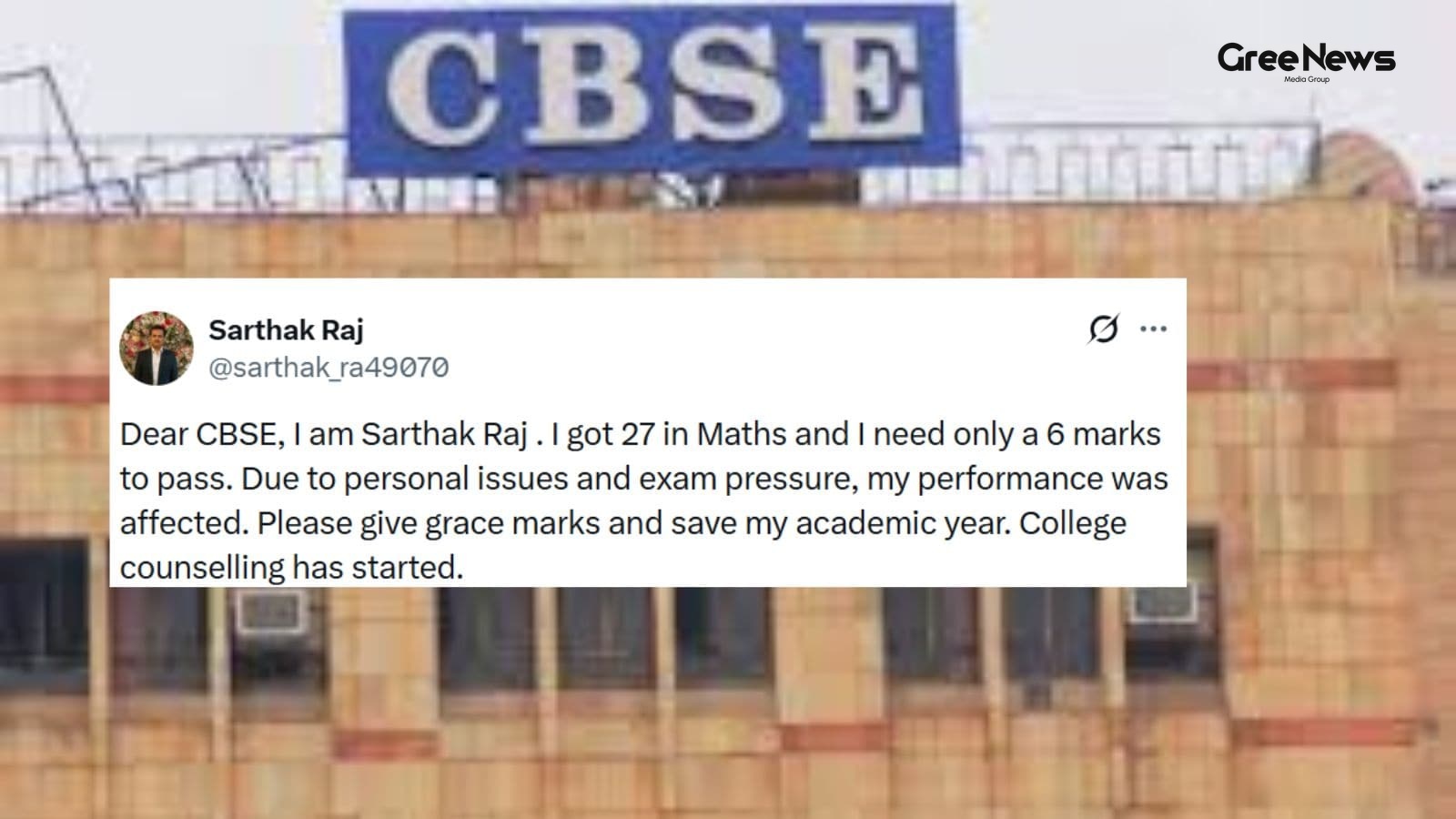
CBSE Student Appeals and Social Media Reaction to Academic Grievances
You see all this noise every results season. Proud parents, interviews. Big celebrations. Then there’s the other side of it the desperate stuff. The hilarious hail-mary plays from students who feel they’re right on the edge of failing. And now, with CBSE in the middle of all that recent drama, every
Jun 11, 2026 by Gree News Team
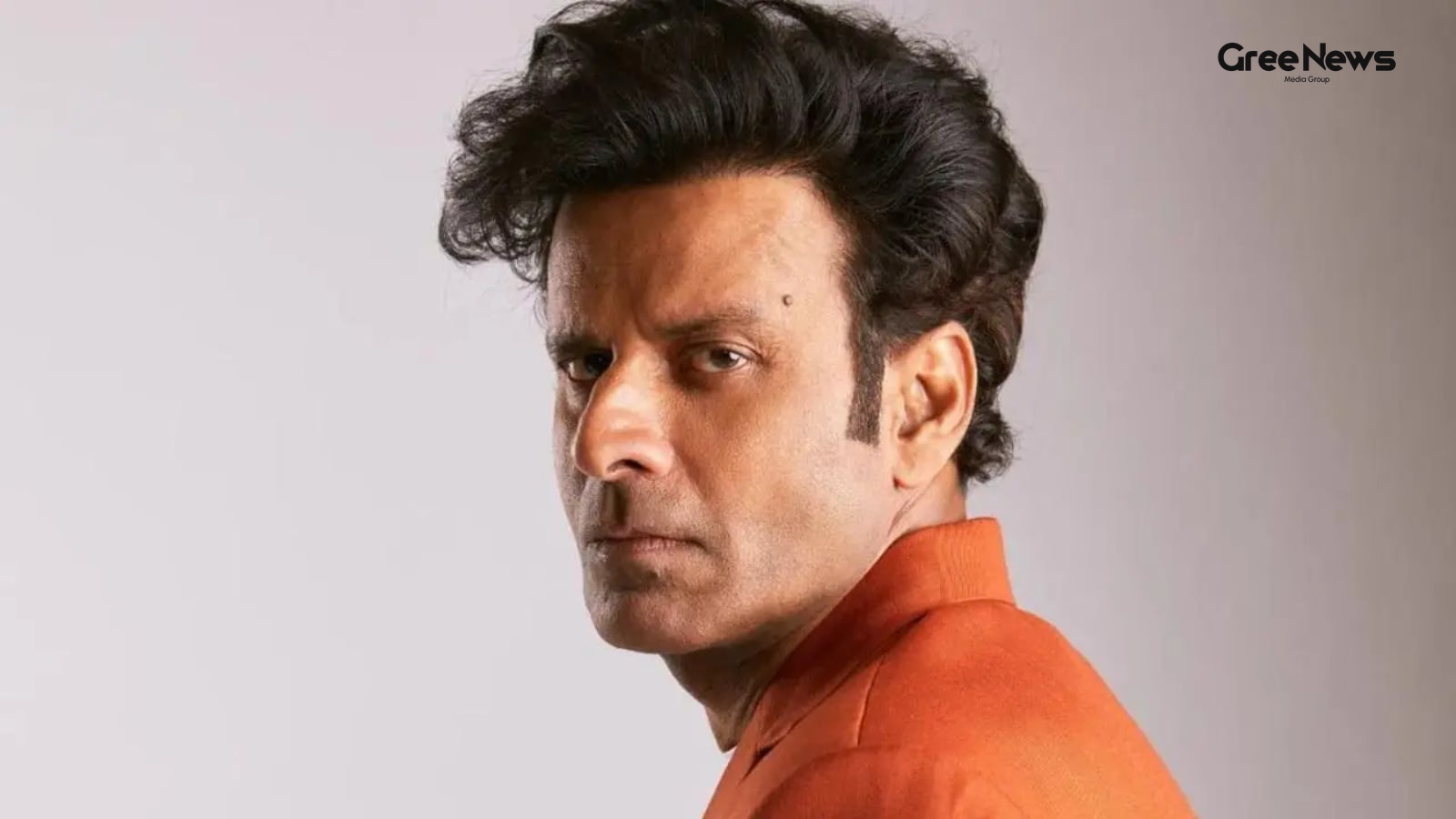
Manoj Bajpayee, Sensitivity, and the Weight of Creation
Manoj Bajpayee. The name itself carries a certain weight these days. It’s always in the headlines, isn't it? Especially when there’s some kind of friction happening a real push and pull behind the scenes. Right now, it’s that upcoming thriller, *Governor*. But honestly, the noise, the real sticking
Jun 11, 2026 by Gree News Team
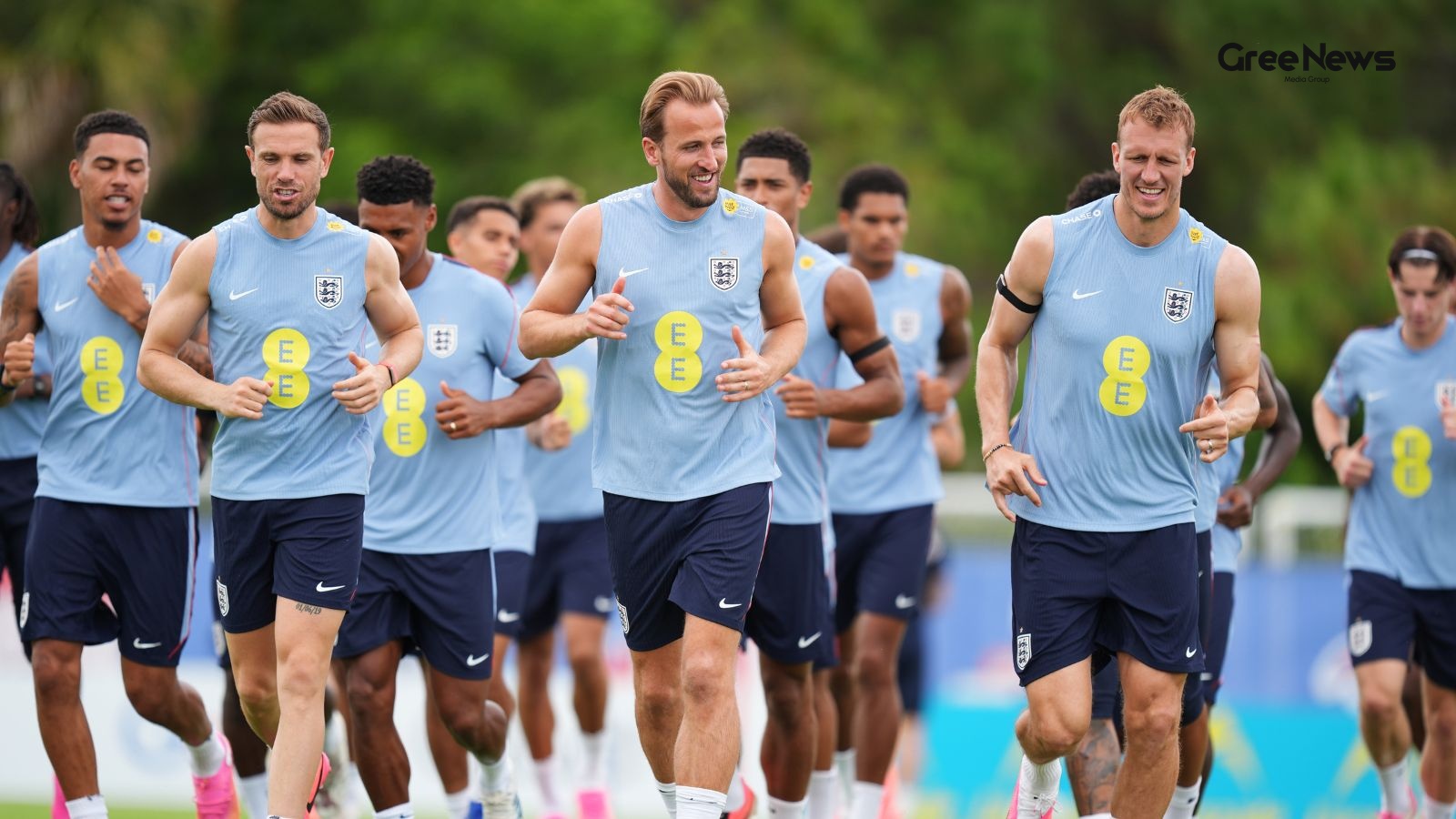
The Volatile Collision of Football Ambitions: Group Stage Dynamics
The whole thing is set up in this group L… England, Croatia, Ghana, Panama. It’s going to be one of those groups that just feels immediately volatile. You know? The World Cup in the USA, Canada, Mexico. It’s supposed to be huge spectacle. And this little grouping feels like it’ll be anything but set
Jun 11, 2026 by Gree News Team

Workplace Tragedy and Allegations at Vehicle Tracking Company
The death of a 29-year-old employee inside the offices of one of South Africa’s big vehicle tracking companies really kicked off a massive wave of anger. People are asking serious questions now about how things actually work in these kinds of workplaces, and what protections are even supposed to exi
Jun 11, 2026 by Gree News Team
Autonomous Maritime Tech and AI in Defense: The Role of Saronic Technologies
The whole thing about that rescue near the Strait of Hormuz really puts things into perspective. It wasn’t just a routine operation; it brought everything back to autonomous maritime tech, and who was involved in actually making that possible that’s where the focus lands now. The US Navy actually de
Jun 11, 2026 by Gree News Team

Internal Dissent and Defections within Trinamool Congress
The trouble inside the Trinamool Congress just got worse on Wednesday. It really deepened. Jadavpur Lok Sabha MP Saayoni Ghosh reportedly jumped ship, joining the rebel faction led by Kakoli Ghosh Dastidar. Sources are saying she actually contacted Dastidar. Extended her backing to that breakaway gr
Jun 11, 2026 by Gree News Team
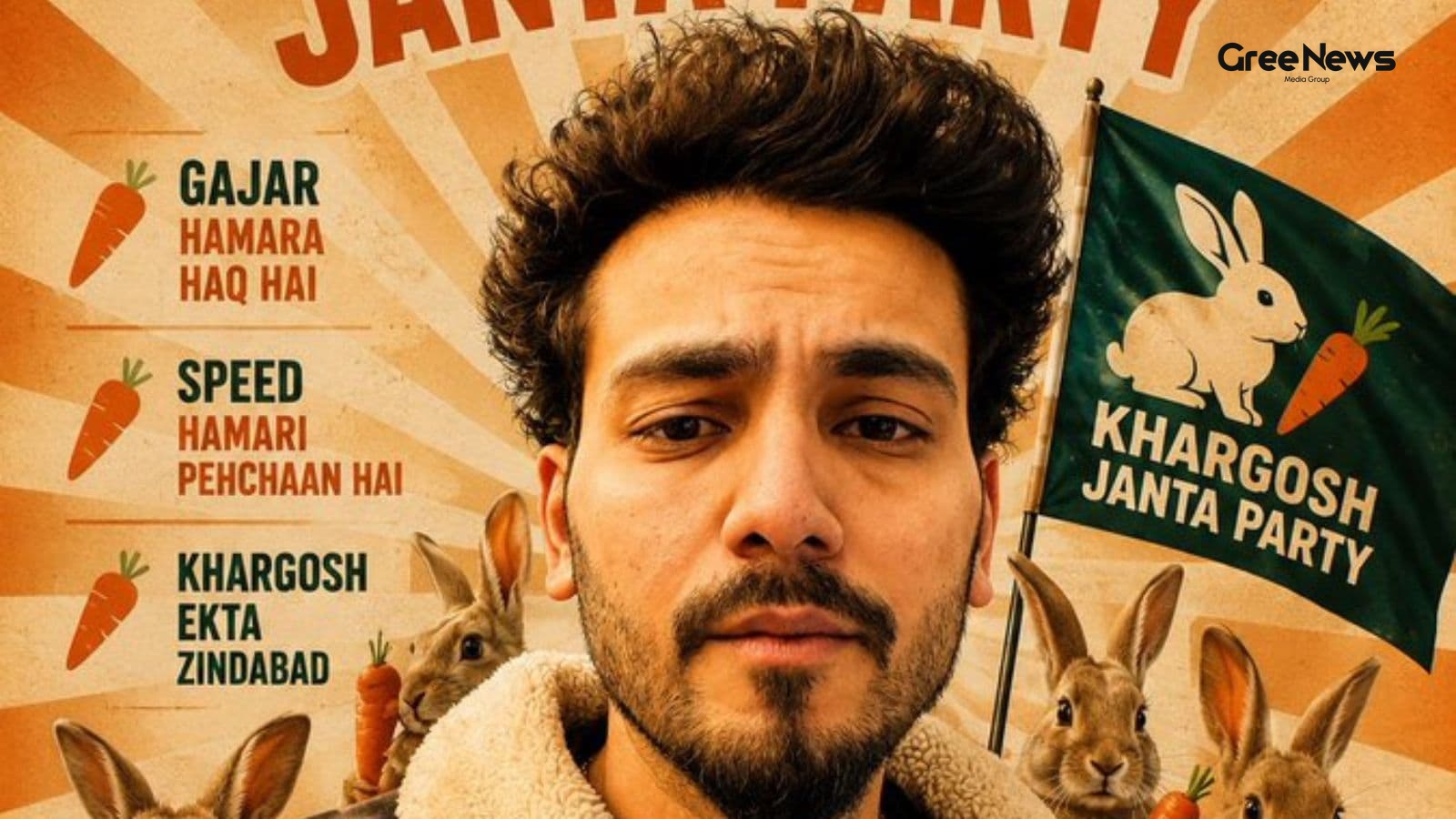
The Gap Between Online Performance and Real-World Reality
The digital space is always churning something. You see these moments erupting, these little skirmishes happening behind screens, but they aren't just random noise. They’re shifts. Real ones, you have to admit. Right now, the whole atmosphere seems fixated on this particular back-and-forth involving
Jun 11, 2026 by Gree News Team
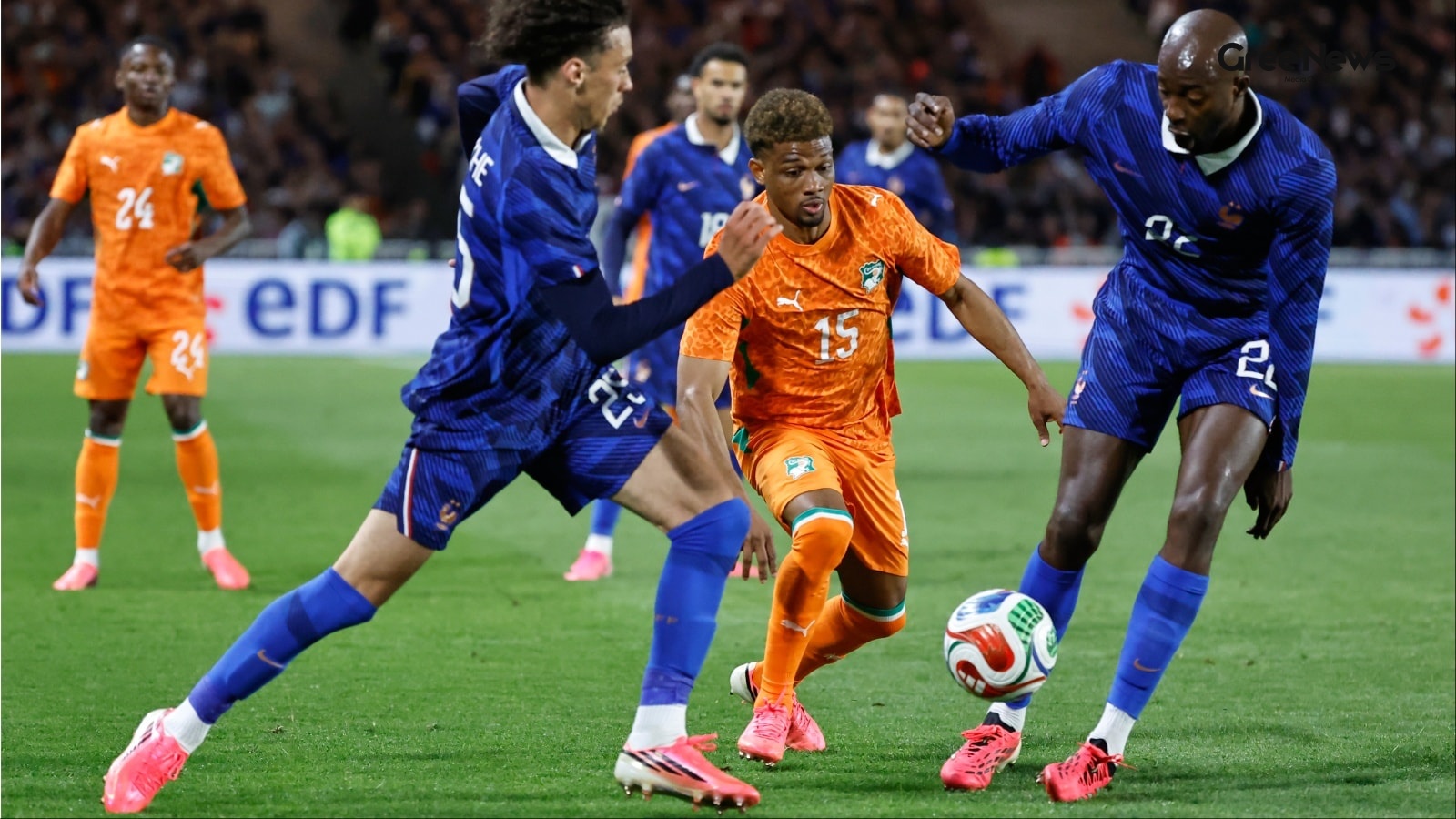
The Environmental Cost of the 2026 World Cup
The 2026 World Cup starts June 11th. It promises a month of insane sporting drama. But underneath all that noise the roaring crowds and the goals there’s this heavy environmental thing everyone is starting to notice. Scientists are looking at it, and frankly, they’re worried. Industry analysts are s
Jun 11, 2026 by Gree News Team
Rich Nations Are Not on Track to Hit Climate Goals for 2030 or 2035
Rich nations are apparently not on track to hit their climate goals for 2030 or 2035. That’s what a new report warned, just as international negotiators started kicking off discussions at those mid-year UN climate talks in Bonn, Germany. The whole ten-day meeting the 64th Sessions of the Subsidiary
Jun 11, 2026 by Gree News Team
Global Congratulations for Prime Minister Modi's Record Tenure
Congratulations kept coming in from leaders globally for Prime Minister Modi. It’s a massive milestone, really. He’s now India’s longest-serving democratically elected prime minister four thousand three hundred ninety-nine days in office. That puts him ahead of Nehru's record. Israel’s Foreign Minis
Jun 11, 2026 by Gree News Team

The Ethics of Vlogging: Privacy, Spectacle, and Family in the Digital Age
India’s whole daily vlogging scene, it’s always been under some kind of microscope. People criticize it constantly. Blurring the lines between what’s just private life and what they put out there for entertainment. It’s a persistent issue, isn't it? But something happened recently that really pushed
Jun 11, 2026 by Gree News Team

The Swimming Pool as a Money-Printing Machine: Profit, Skepticism, and the Water Debate
The whole idea a swimming pool acting like some kind of money-printing machine that’s what caught everyone’s attention online. It started when some content creator shared details about a friend's business in Meerut. They were talking about a pool that supposedly earned nearly twenty-two and a half l
Jun 11, 2026 by Gree News Team
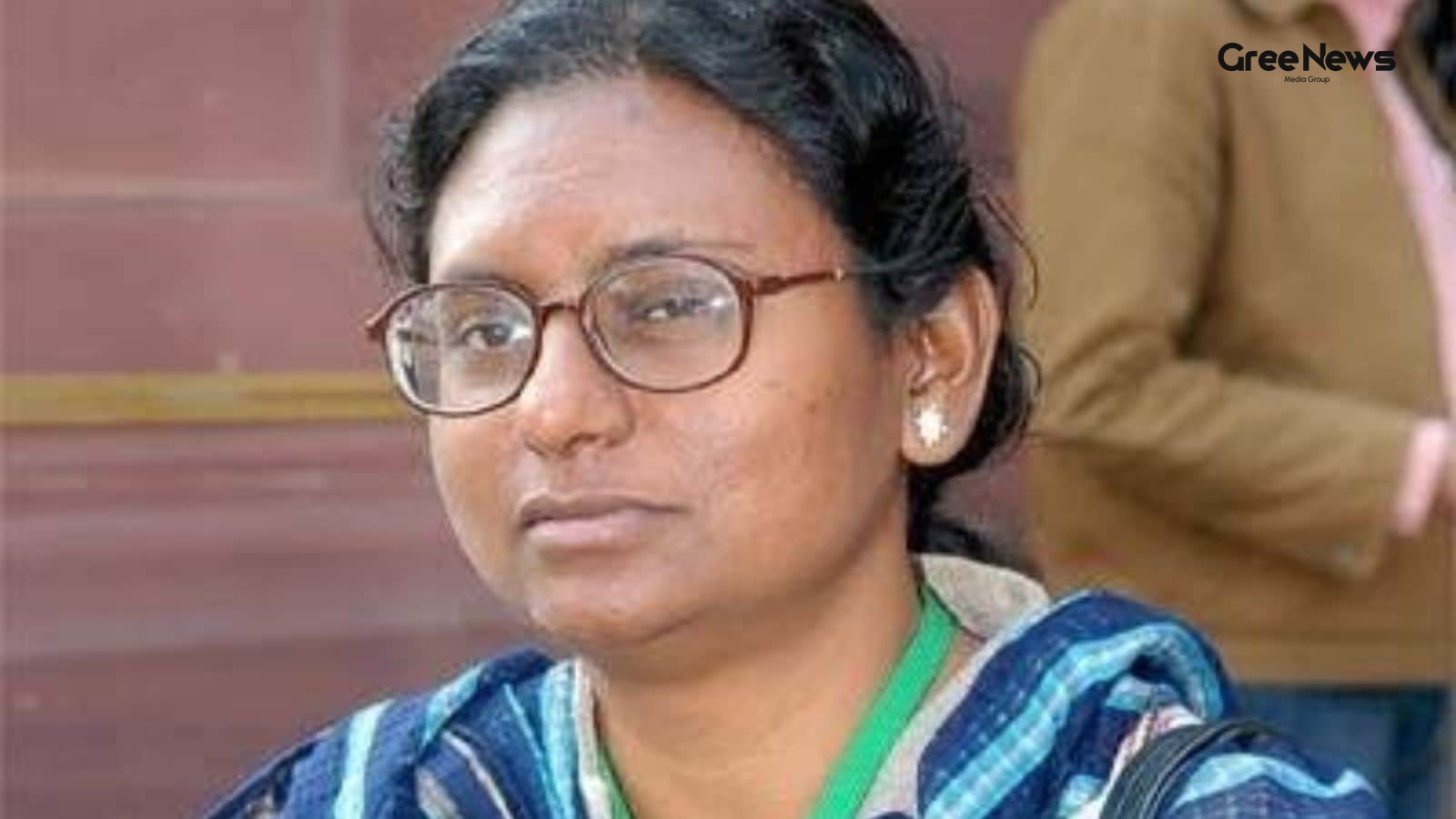
Legal Dispute in Madhya Pradesh Rajya Sabha Election Nomination
Madhya Pradesh is watching this whole Rajya Sabha election mess unfold between Congress and BJP with a real sense of intrigue. And the Election Commission is stuck with a question that feels huge should a candidate even be allowed to declare complaints against someone if there’s no actual cognizance
Jun 11, 2026 by Gree News Team