Manoj Bajpayee, Sensitivity, and the Weight of Creation
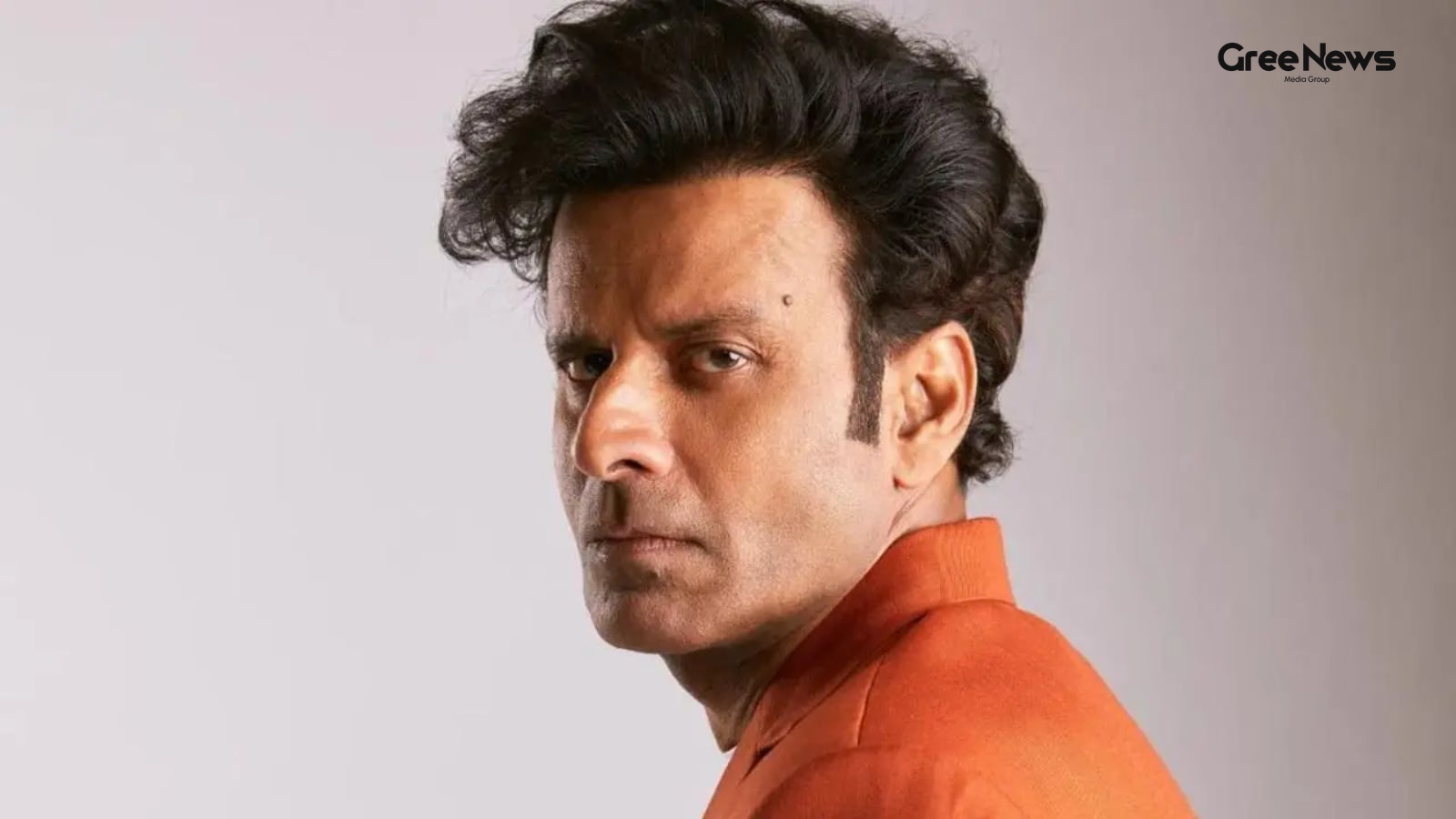
Manoj Bajpayee. The name itself carries a certain weight these days. It’s always in the headlines, isn't it? Especially when there’s some kind of friction happening a real push and pull behind the scenes. Right now, it’s that upcoming thriller, Governor . But honestly, the noise, the real sticking point for most people, is still circling back to something older, something more raw: the fallout from his cop drama, Ghooskhor Pandat . That title alone has become a kind of talking point.
You see, there’s this constant tension humming beneath everything we say and watch now. People are just… ready. Ready to feel things, ready to be offended over small things. And when you look at the actor, Bajpayee, he steps into that space, and what comes out isn't polished PR. It’s something more immediate, a kind of weary awareness mixed with a stubborn insistence on doing things right.
He was talking recently, in one of those chats with News18 Showsha, you know how they do these sessions and the questions that popped up weren't about box office numbers or script details. They were about caution. How much caution is actually enough? That simple question, when thrown out into the air, feels enormous right now.
He didn't give some neat answer. Not the kind you usually get in a formal interview. He just leaned into it, and what came out felt like an admission of something deeper. “Bohot dhyan rakhna.” Just that. A simple command wrapped up in a shrug. It’s not much, really, but when you say it in this atmosphere, it sounds heavy. Like a warning whispered across a crowded room instead of a statement.
It makes you wonder about the environment we inhabit. We are living in a time, worldwide I am saying. That phrase hangs there. It isn't just some academic observation; it feels like something lived, breathed, experienced by everyone right now. Look around. The way people interact online, the speed of reaction it all points to this collective readiness for offense.
It’s strange how quickly sensitivity has ballooned into a full-blown public force. It's as if there's an expectation that everything must be perfectly calibrated, every word weighed down by potential hurt. You see it playing out in places like the US, or any other country you look at there’s this hyper-awareness. People seem primed to react instantly.
He brought up a really vivid analogy then, something that felt almost painfully real when he delivered it: “Ajao mujhe offend karo, main subah se baitha hoon; kisi ne 12 baje tak nahi kiya hai, toh kardo, tab main khana khaunga.” That anecdote, the image of someone waiting patiently for a slight infraction before reacting it’s deeply human. It taps into that primal need for fairness, for being allowed to exist without immediate friction.
It highlights this strange paradox. We are so primed to judge, so ready to push back against perceived slights, yet we also seem desperate for space, for peace. The tension between the two is exhausting.
And Bajpayee pivots from that external observation the public’s readiness to something internal, something tied directly to the act of creation itself. He spoke about having to be very careful when you are navigating this sensitive terrain. Because what he felt was that if people are this sensitive to everything, then the creator needs an extra layer of shielding.
He said that there’s a need for consciousness. You can’t just operate blindly. Especially when the work involves something visceral, something heavy with experience. He touched on the film itself: “In such times, one has to be conscious because you don’t want unnecessary attention to the film which you have made with a lot of blood and sweat.”
That line hits hard. It pulls back from the surface level chatter about titles and opinions and grounds it in the actual labor involved. He implies that making art isn't just some abstract exercise; it costs real things. Blood, sweat that’s what goes into the process. And when you put that much energy down, that personal investment, it becomes a shared thing. It involves everybody’s life and career, doesn't it?
It’s not just about the director or the actor, though they are central. The film, as an entity, absorbs contributions from everyone involved in its making. It’s a collective weight. That idea that a movie isn’t the effort of just one person; it involves everyone’s contribution it shifts the focus entirely. It moves away from simple authorship and into a shared responsibility for the emotional landscape created on screen.
This brings us back to that title, Ghooskhor Pandat . That is where the real friction point lies, isn't it? The controversy around naming something it’s never just about words. It’s about history, about community perception, about who gets to define what is acceptable. Critics pointed out that the use of ‘Pandat,’ a surname often tied to specific Brahmin associations, carries baggage. It reinforces certain stereotypes. It touches on sensitivities that aren't necessarily about the art itself, but about the social framework in which it’s viewed.
And when those criticisms hit the backlash, the demands for change the makers had to respond. They apologized. That was necessary. A gesture of acknowledging the hurt caused. But apologies don't erase the initial sting, do they? They just manage the aftermath. The work then shifts from confronting the offense to managing the ensuing conversation.
The process itself becomes layered with this external pressure. You have the artistic vision wrestling with public expectation. You have the personal investment clashing with societal rules. And you have that underlying anxiety about whether the effort, the sweat poured into something meant to be shared, will be seen fairly or unfairly. It’s messy. That's how it is.
We watch these things unfold the film controversy, Bajpayee’s reflections on sensitivity and what we see isn't a clean narrative arc. It’s more like watching a slow-motion collision of real life and public opinion. There are no neat conclusions there. Just the ongoing reality of trying to navigate complex emotional territory while creating something meant to be seen.
The hope, when he finally brought it up in that chat, was also deeply intertwined with this complexity. He spoke about wanting a better world. Not some utopian fantasy, but a place where thinking is prioritized. “Hum us time mein reh rahe hain jahan hume sochna padega.” We are living in a time where we have to think carefully. That’s the baseline now. It’s not easy.
But then there’s this flicker of imagination. The possibility, however distant it seems right now, that we can imagine a world where that constant state of offense just doesn't exist. A space where people can coexist without immediate friction over every detail. That kind of peace feels almost impossible to grasp in the present moment, but the desire for it remains a powerful anchor.
It’s this tension the realness of the struggle juxtaposed with the yearning for simplicity. The actor and the public are caught in this loop, dealing with titles, sensitivities, and the sheer weight of making things. It’s all just unfolding, unevenly paced, like a poorly edited reel where the focus keeps shifting between the immediate drama and the vast, uneasy backdrop of global feeling. There isn't a neat sequence to it, only the continuous hum of awareness, demanding that we observe how everything connects, even when the connections feel deliberately obscured or messy.
Written by Gree News Team — Senior Editorial Board
Gree News Team covers international news and global affairs at Gree News. Our collective of senior editors is dedicated to providing independent, accurate, and responsible journalism for a global audience.
More from Movies
View All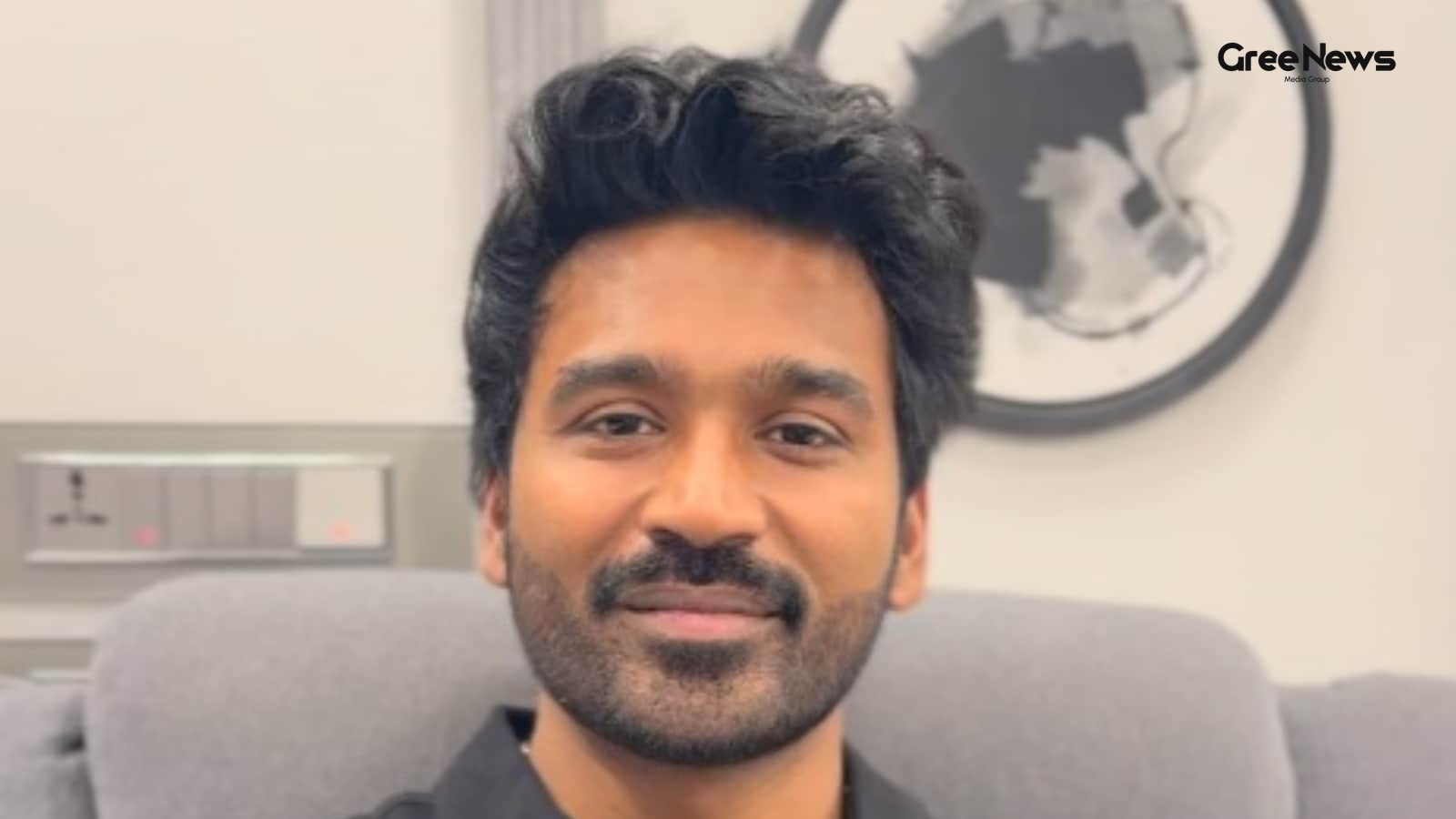
Dhanush and Siruthai Siva Action Film Project Details
Dhanush and Siruthai Siva are apparently teaming up for something big. A major action entertainer. That’s what’s swirling around right now. The chatter suggests this thing might finally hit screens sometime in January 2027. That’s when both the actor and the director are supposed to be done with the
Jun 11, 2026 by Gree News Team
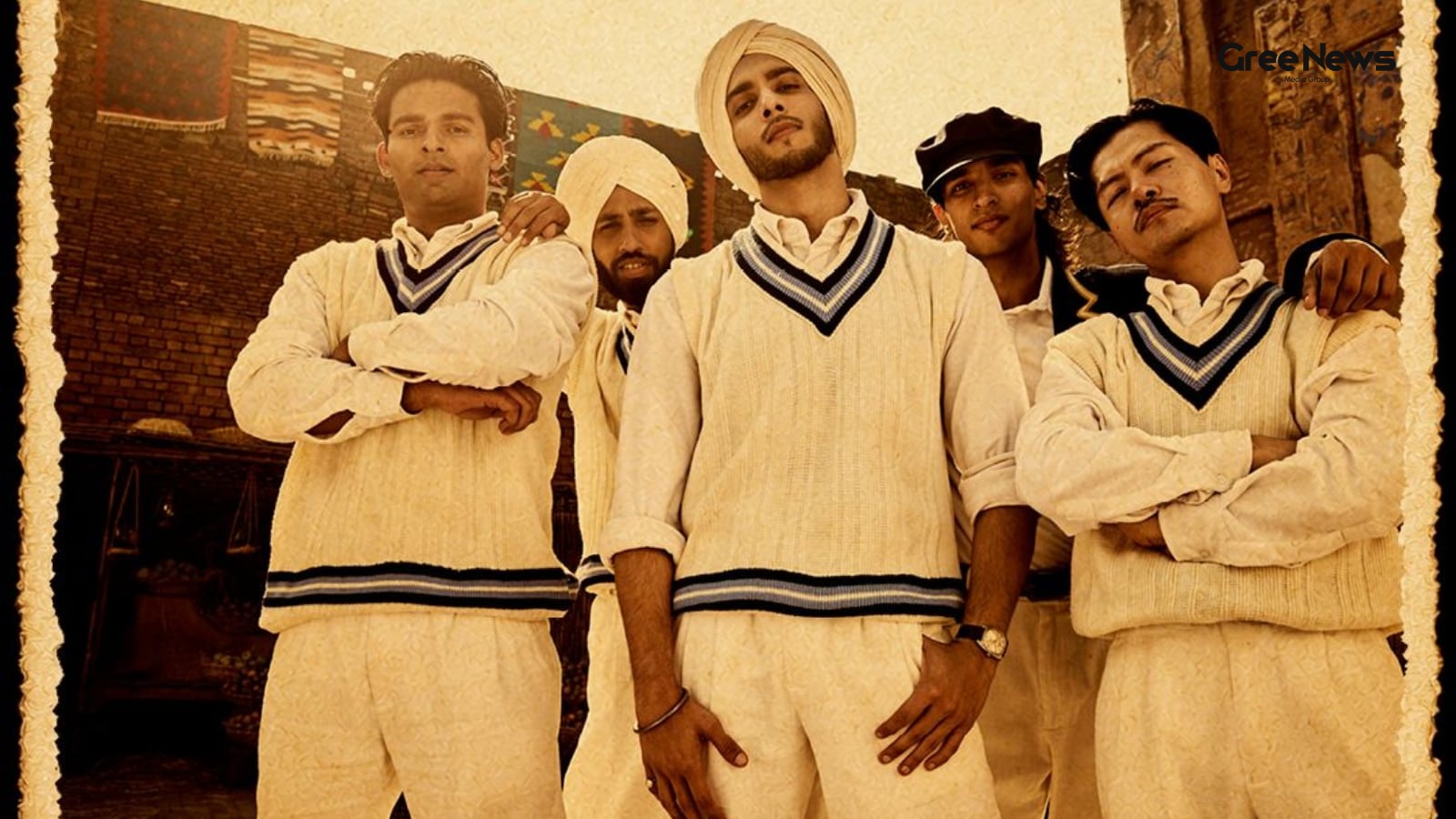
Vedang Raina's "Ishq Mastana" from Main Vaapas Aaunga: Behind the Music and Making
Vedang Raina just dropped this track, “Ishq Mastana,” from his upcoming film, *Main Vaapas Aaunga*, and honestly? it’s got people talking. It tugged some strings. Choreographer Ashley Lobo finally opened up about how he handled shooting that song. He was genuinely surprised to hear that Vedang was s
Jun 11, 2026 by Gree News Team
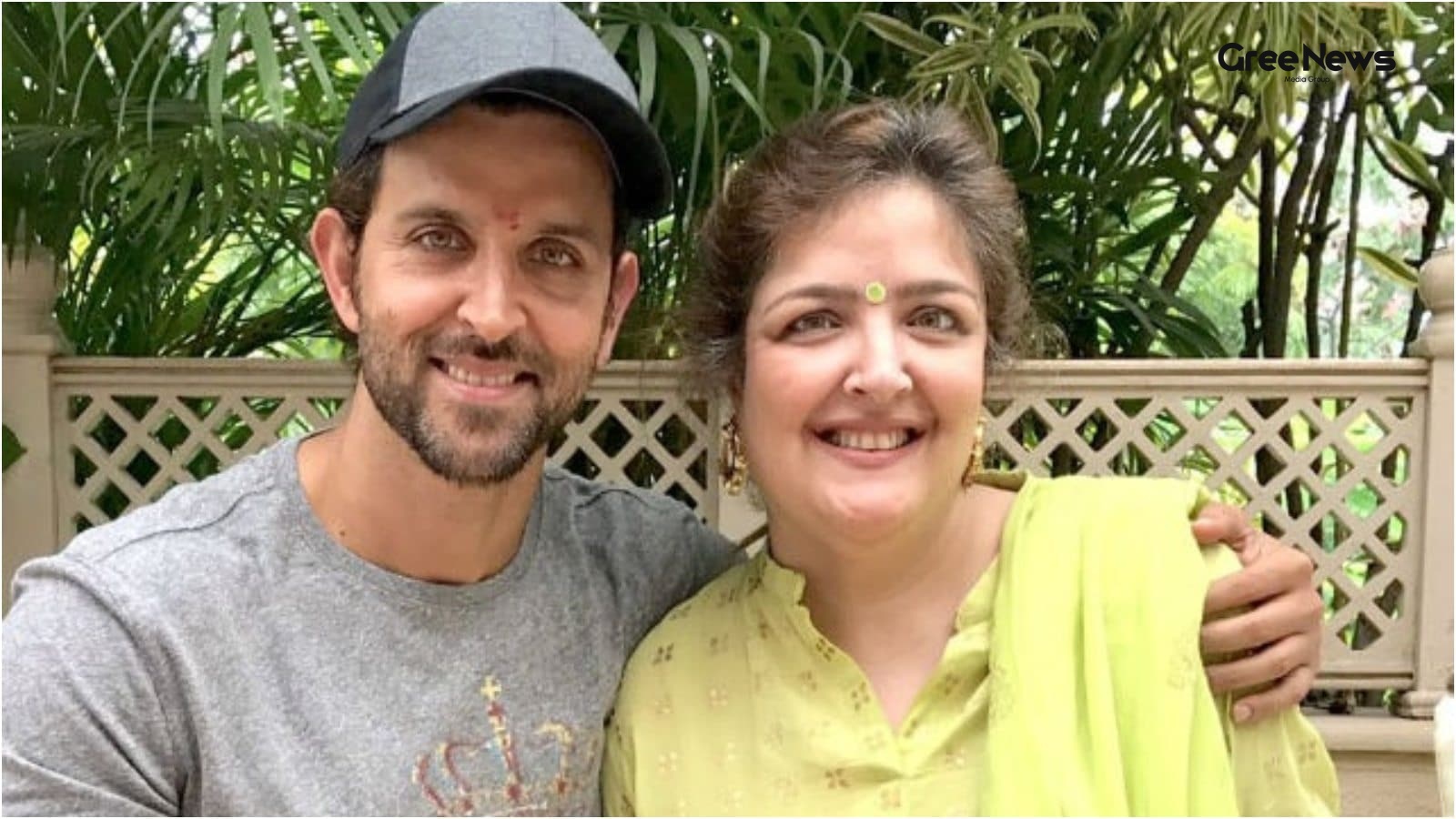
The Cost of Crash Diets: A Story of Survival and Health
The silence around that story, really. It’s not just about a health scare. It’s about what happens when you chase something so aggressively something marketed as a shortcut, a fix that you completely dismantle your own survival mechanism. Sunaina Roshan brought it up in that video. It wasn't a polis
Jun 11, 2026 by Gree News Team

Kim Soo-Hyun's Comeback and the Aftermath of the Scandal
Weeks passed after that whole dating scandal with Kim Sae-Ron finally settled down, at least in terms of official statements. Now, actor Kim Soo-Hyun seems to be moving forward again. His agency dropped a note recently something about him getting ready for work. They said he’s going to shoot somethi
Jun 11, 2026 by Gree News Team
Latest Headlines
Vedang Raina's "Ishq Mastana" from Main Vaapas Aaunga: Behind the Music and Making
Vedang Raina just dropped this track, “Ishq Mastana,” from his upcoming film, *Main Vaapas Aaunga*, and honestly? it’s got people talking. It tugged some strings. Choreographer Ashley Lobo finally opened up about how he handled shooting that song. He was genuinely surprised to hear that Vedang was s
Jun 11, 2026 by Gree News Team

The Observation of Current Flux and Societal Shifts
The air just feels… thick lately. You know that feeling when everything is humming at a frequency you can’t quite tune into? That’s what this whole situation is right now. It’s not some neat little timeline or anything predictable. It's just happening. People are talking, of course. Everywhere. Abou
Jun 11, 2026 by Gree News Team
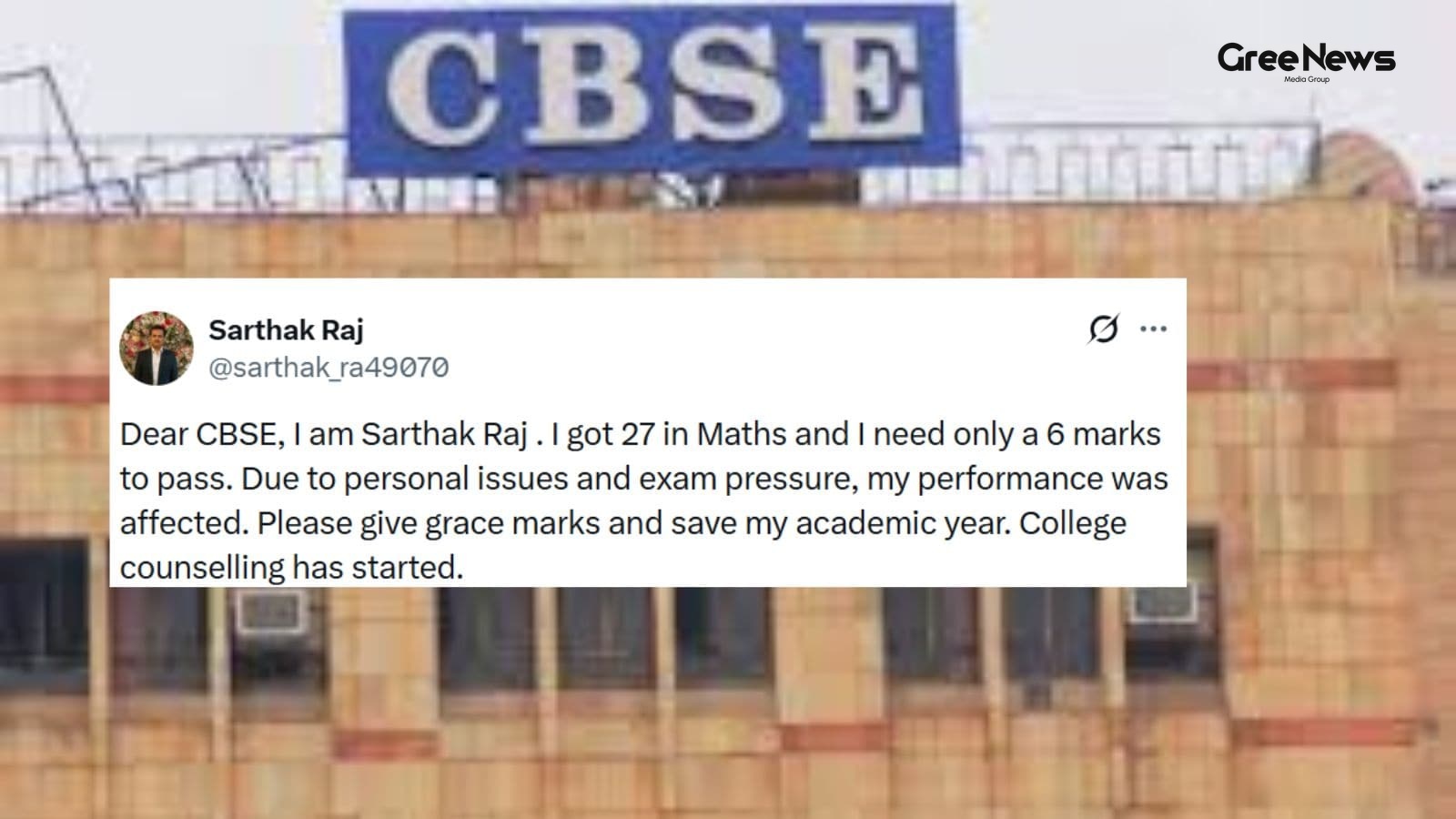
CBSE Student Appeals and Social Media Reaction to Academic Grievances
You see all this noise every results season. Proud parents, interviews. Big celebrations. Then there’s the other side of it the desperate stuff. The hilarious hail-mary plays from students who feel they’re right on the edge of failing. And now, with CBSE in the middle of all that recent drama, every
Jun 11, 2026 by Gree News Team
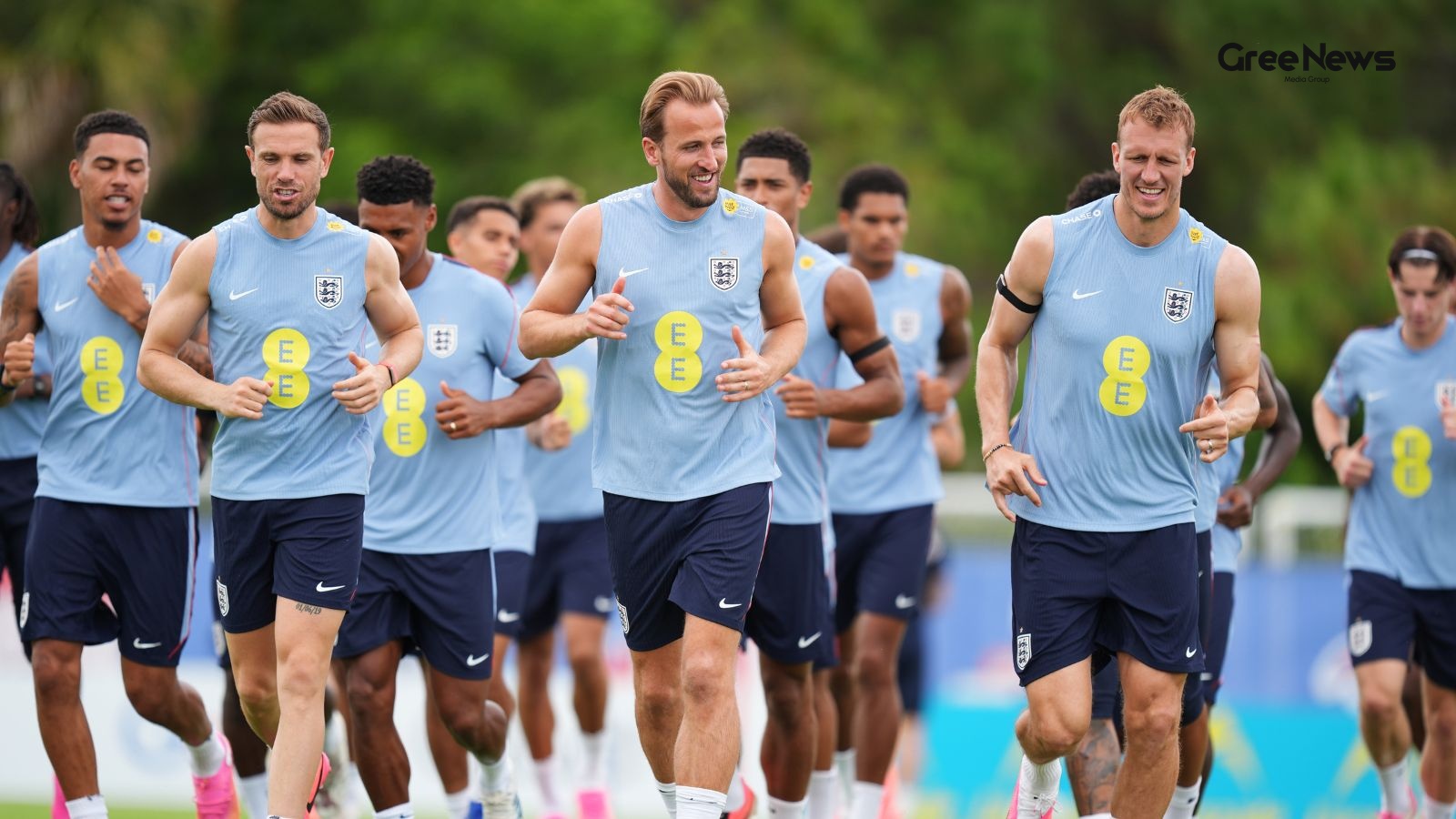
The Volatile Collision of Football Ambitions: Group Stage Dynamics
The whole thing is set up in this group L… England, Croatia, Ghana, Panama. It’s going to be one of those groups that just feels immediately volatile. You know? The World Cup in the USA, Canada, Mexico. It’s supposed to be huge spectacle. And this little grouping feels like it’ll be anything but set
Jun 11, 2026 by Gree News Team

Workplace Tragedy and Allegations at Vehicle Tracking Company
The death of a 29-year-old employee inside the offices of one of South Africa’s big vehicle tracking companies really kicked off a massive wave of anger. People are asking serious questions now about how things actually work in these kinds of workplaces, and what protections are even supposed to exi
Jun 11, 2026 by Gree News Team
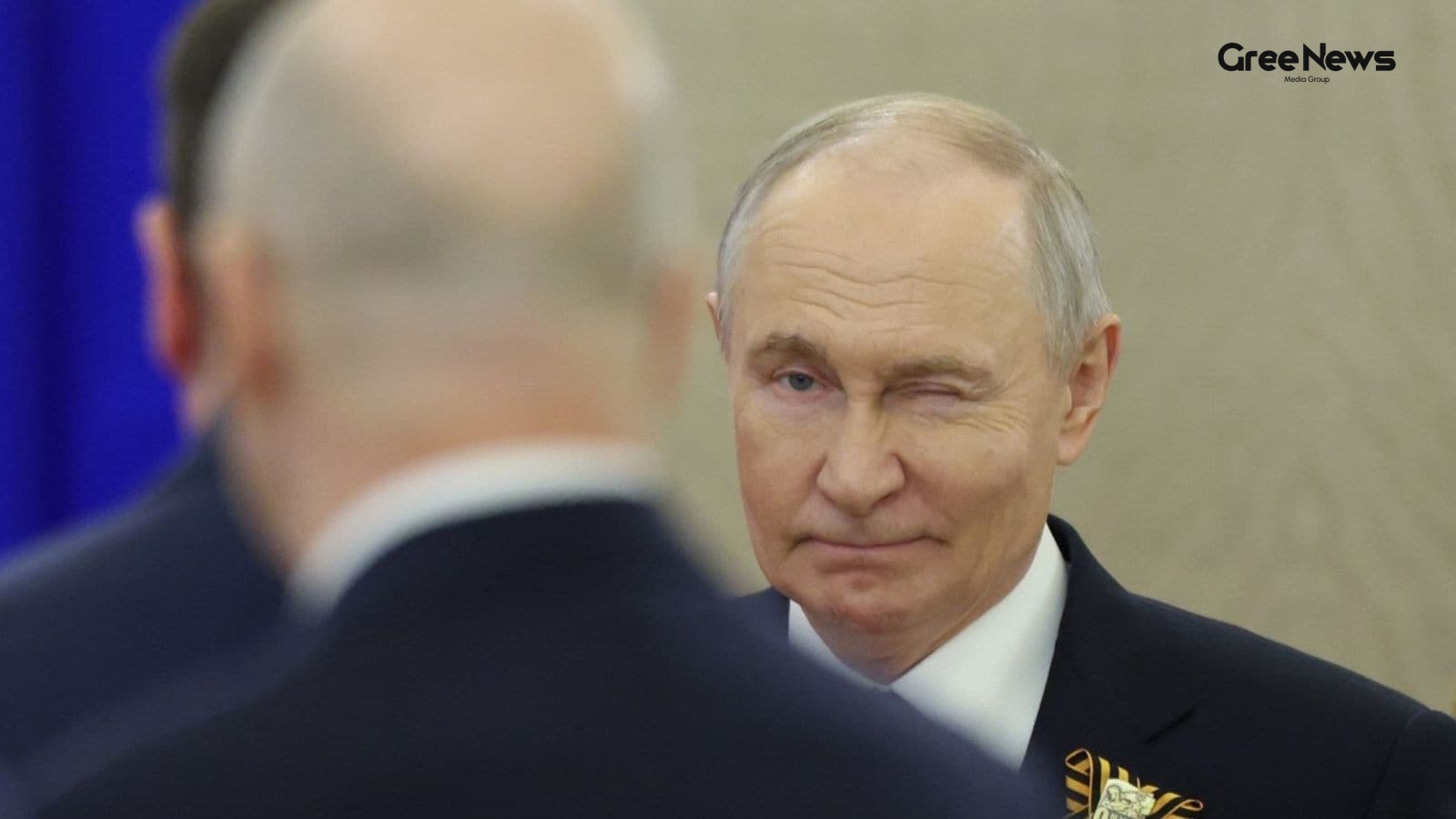
The Geopolitical Shift: Analyzing the Stalled War and Global Implications
More than four years in, things have gotten weird with the war. Ukraine is still standing. The government’s intact. But Russia? They’ve taken staggering military losses. It’s a strange situation, really. So has Kyiv shown itself lately. They managed to hit big strategic targets way out from the fron
Jun 11, 2026 by Gree News Team

Autonomous Maritime Tech and AI in Defense: The Role of Saronic Technologies
The whole thing about that rescue near the Strait of Hormuz really puts things into perspective. It wasn’t just a routine operation; it brought everything back to autonomous maritime tech, and who was involved in actually making that possible that’s where the focus lands now. The US Navy actually de
Jun 11, 2026 by Gree News Team
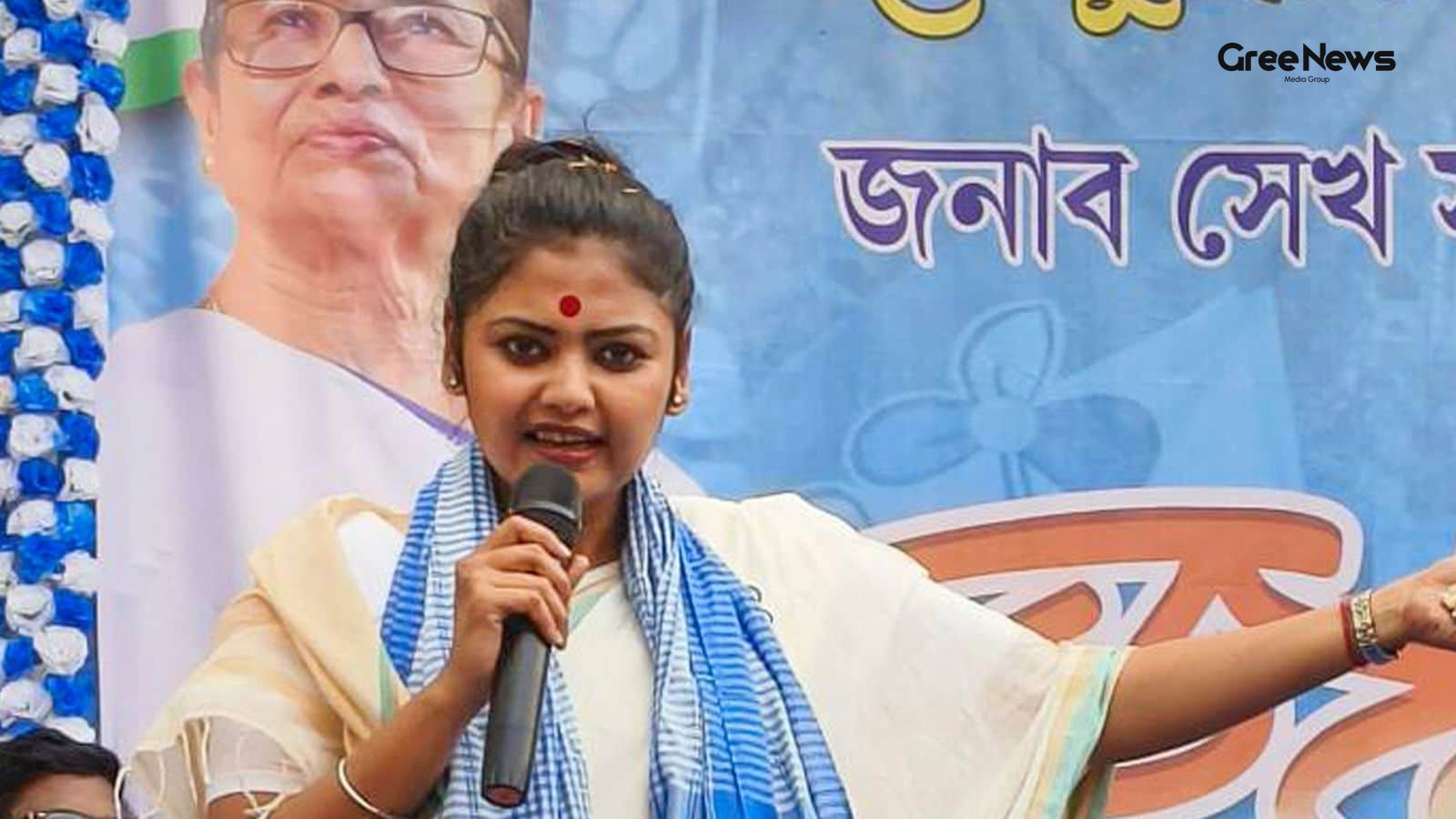
Internal Dissent and Defections within Trinamool Congress
The trouble inside the Trinamool Congress just got worse on Wednesday. It really deepened. Jadavpur Lok Sabha MP Saayoni Ghosh reportedly jumped ship, joining the rebel faction led by Kakoli Ghosh Dastidar. Sources are saying she actually contacted Dastidar. Extended her backing to that breakaway gr
Jun 11, 2026 by Gree News Team
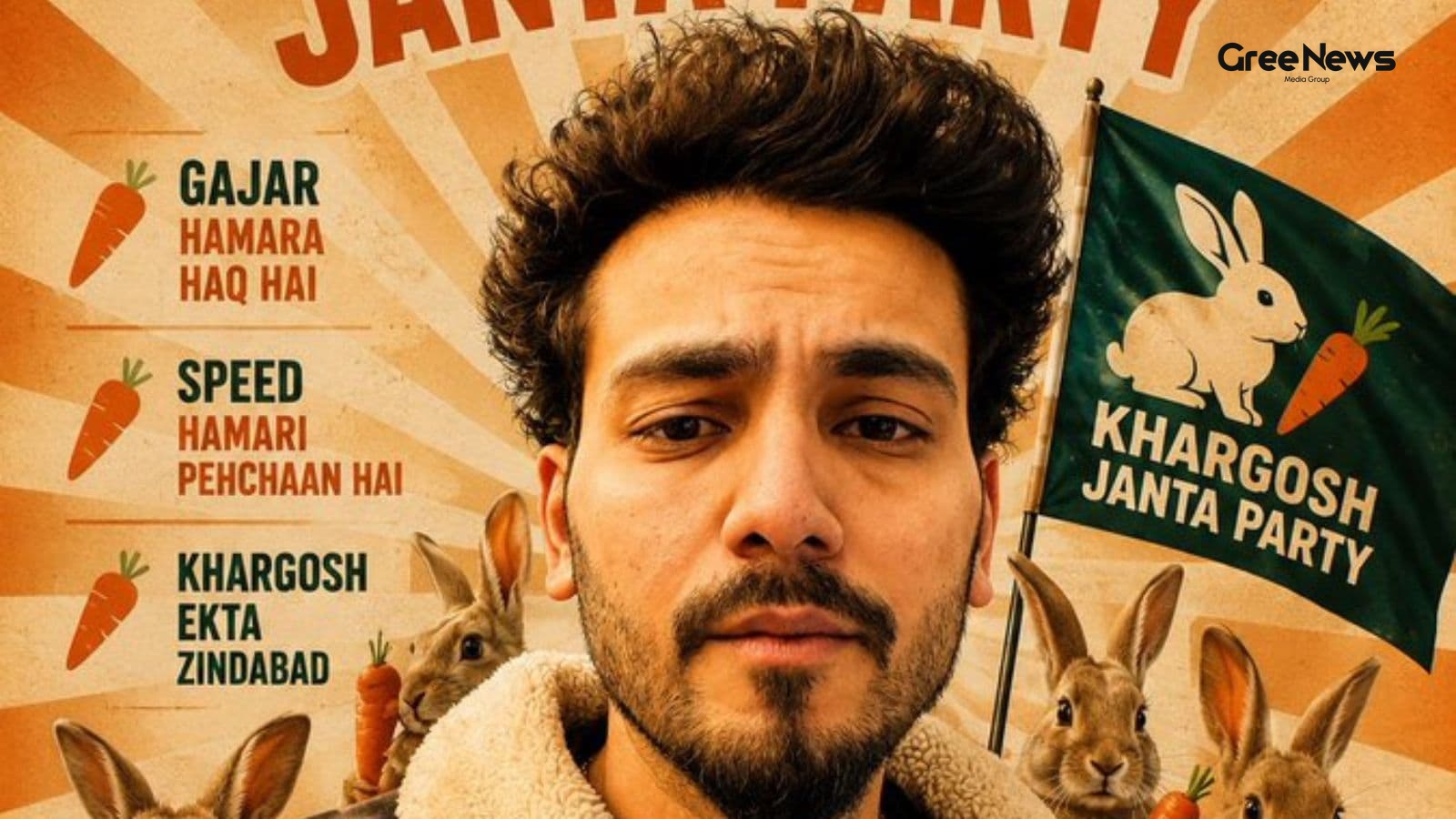
The Gap Between Online Performance and Real-World Reality
The digital space is always churning something. You see these moments erupting, these little skirmishes happening behind screens, but they aren't just random noise. They’re shifts. Real ones, you have to admit. Right now, the whole atmosphere seems fixated on this particular back-and-forth involving
Jun 11, 2026 by Gree News Team
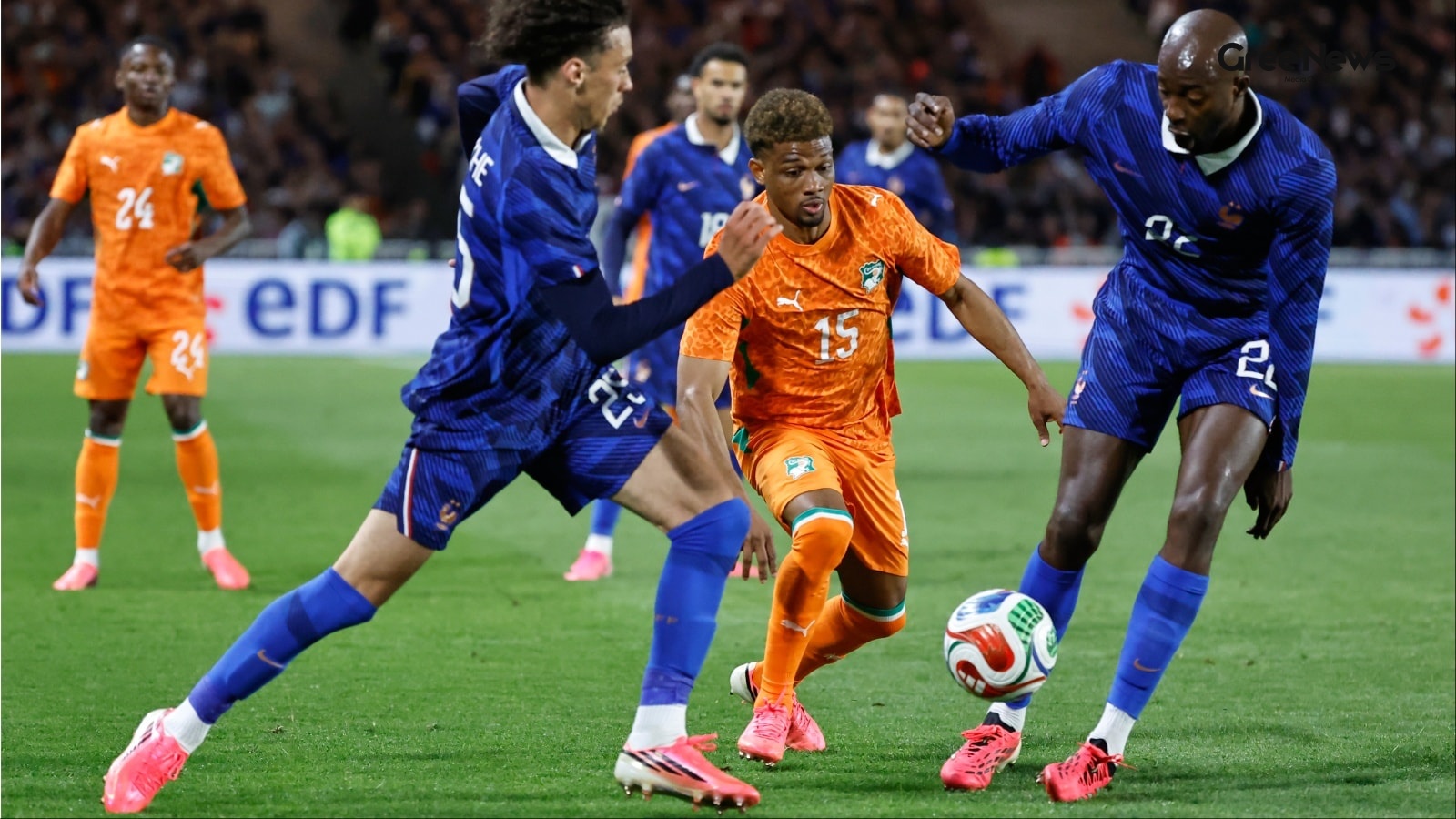
The Environmental Cost of the 2026 World Cup
The 2026 World Cup starts June 11th. It promises a month of insane sporting drama. But underneath all that noise the roaring crowds and the goals there’s this heavy environmental thing everyone is starting to notice. Scientists are looking at it, and frankly, they’re worried. Industry analysts are s
Jun 11, 2026 by Gree News Team
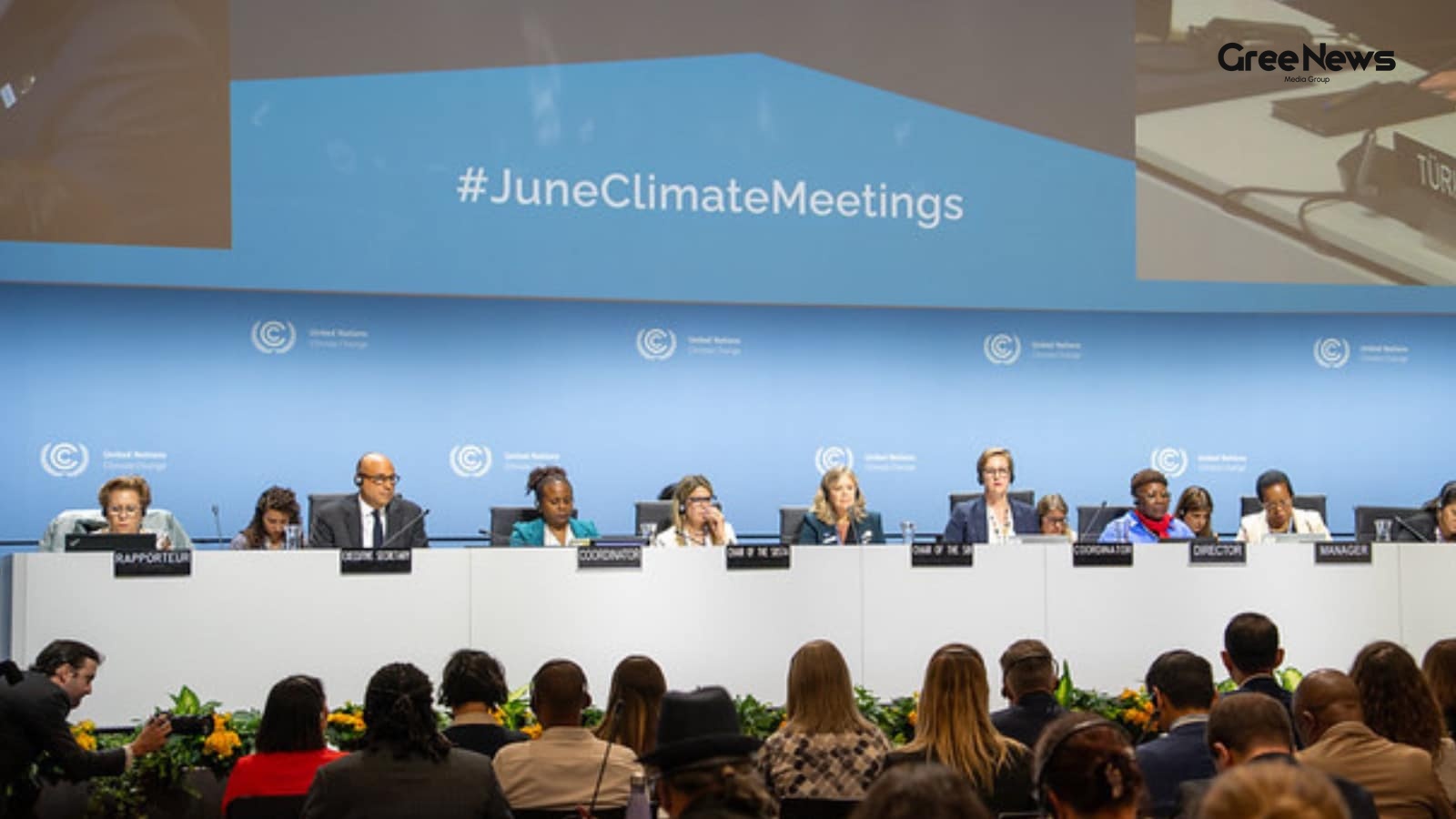
Rich Nations Are Not on Track to Hit Climate Goals for 2030 or 2035
Rich nations are apparently not on track to hit their climate goals for 2030 or 2035. That’s what a new report warned, just as international negotiators started kicking off discussions at those mid-year UN climate talks in Bonn, Germany. The whole ten-day meeting the 64th Sessions of the Subsidiary
Jun 11, 2026 by Gree News Team
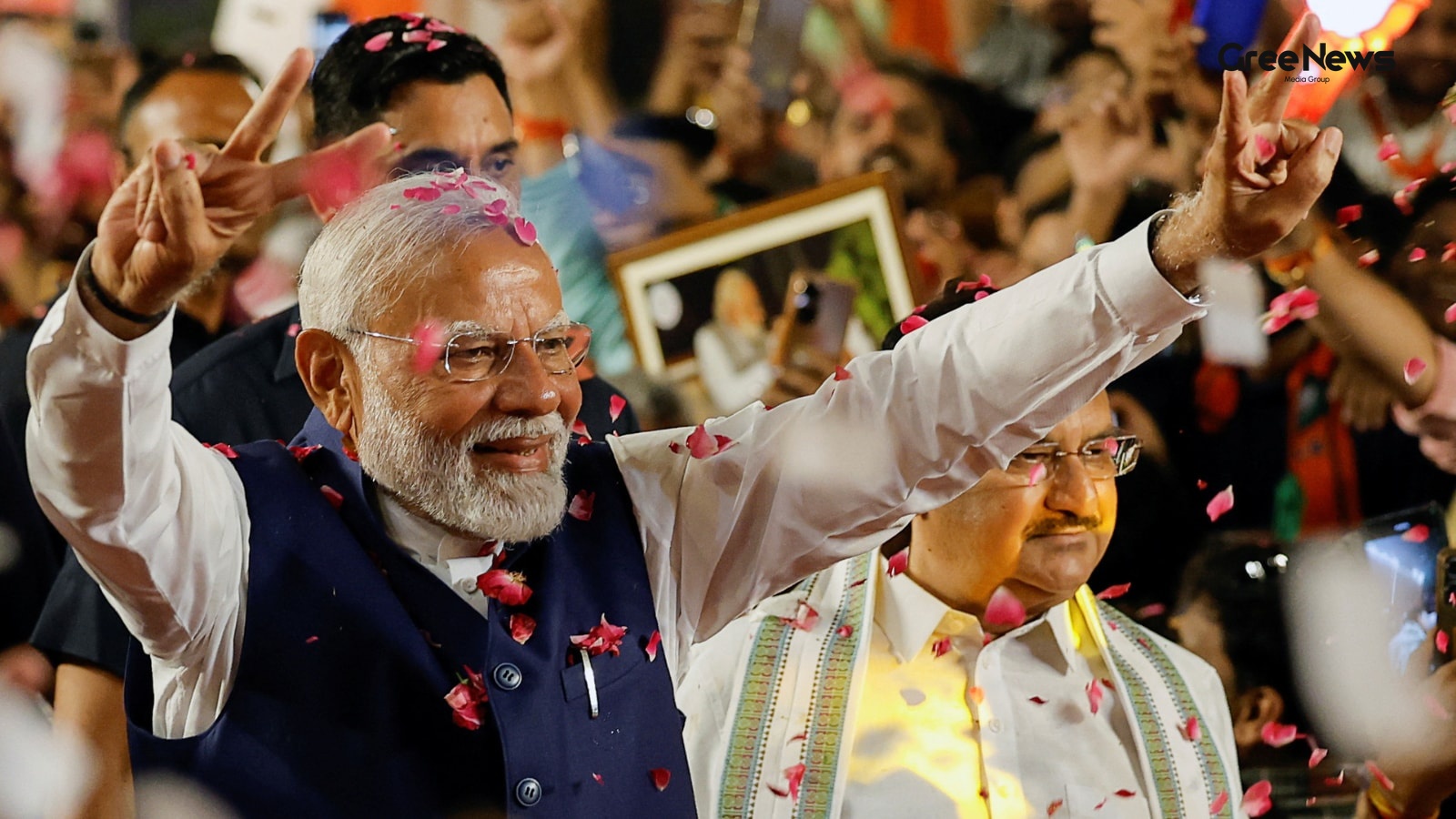
Global Congratulations for Prime Minister Modi's Record Tenure
Congratulations kept coming in from leaders globally for Prime Minister Modi. It’s a massive milestone, really. He’s now India’s longest-serving democratically elected prime minister four thousand three hundred ninety-nine days in office. That puts him ahead of Nehru's record. Israel’s Foreign Minis
Jun 11, 2026 by Gree News Team

The Ethics of Vlogging: Privacy, Spectacle, and Family in the Digital Age
India’s whole daily vlogging scene, it’s always been under some kind of microscope. People criticize it constantly. Blurring the lines between what’s just private life and what they put out there for entertainment. It’s a persistent issue, isn't it? But something happened recently that really pushed
Jun 11, 2026 by Gree News Team

The Swimming Pool as a Money-Printing Machine: Profit, Skepticism, and the Water Debate
The whole idea a swimming pool acting like some kind of money-printing machine that’s what caught everyone’s attention online. It started when some content creator shared details about a friend's business in Meerut. They were talking about a pool that supposedly earned nearly twenty-two and a half l
Jun 11, 2026 by Gree News Team
Legal Dispute in Madhya Pradesh Rajya Sabha Election Nomination
Madhya Pradesh is watching this whole Rajya Sabha election mess unfold between Congress and BJP with a real sense of intrigue. And the Election Commission is stuck with a question that feels huge should a candidate even be allowed to declare complaints against someone if there’s no actual cognizance
Jun 11, 2026 by Gree News Team