The Intersection of Politics and Culture: Jhalmuri and Public Perception
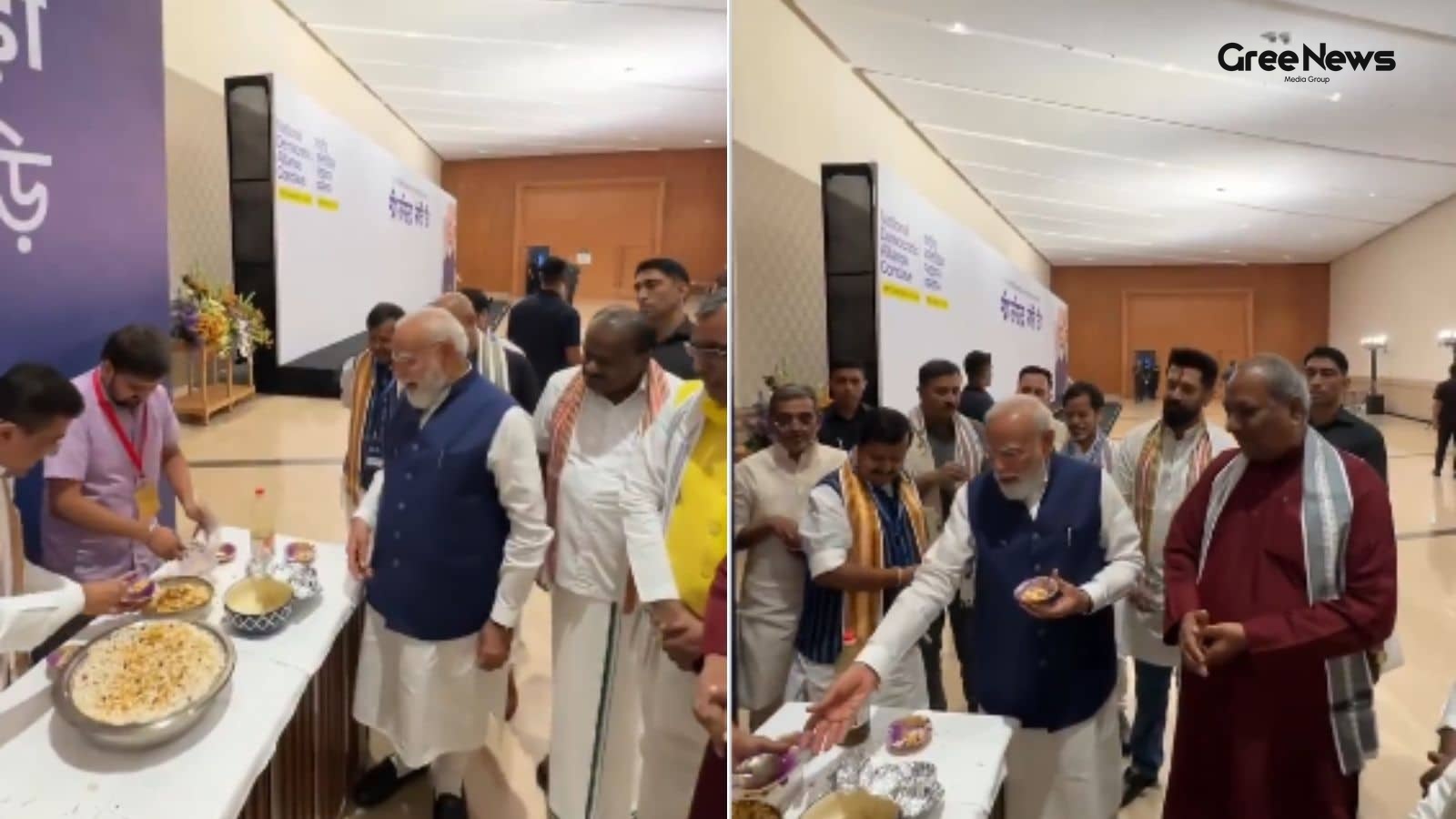
the air in new delhi felt thick that day. not just the usual pre-meeting tension, you know? there was this hum, a sort of expectant energy buzzing around the halls where the national democratic alliance was gathering. twelve years. that’s what they were marking. twelve years under modi’s watch. and the celebration wasn't some stiff formal affair. it just... happened.
it started with something utterly unexpected. jhalmuri.
yes, you read that right. jhalmuri. a simple snack, really. puffed rice mixed up with peanuts, onions, tomatoes, potatoes, all those spices coating it. but suddenly, it became this kind of moment. a visual break in the serious political machinery.
pm modi wasn't just sitting there talking about policy or alliances. he was sharing this jhalmuri. with his fellow nda leaders. it was casual. almost jarringly so against the backdrop of high-stakes political maneuvering.
the video that circulated later, shared on instagram that’s where the whole thing exploded. modi, smiling, surrounded by the alliance members, enjoying the snack. some people called it heartwarming. unscripted. a moment stripped bare of the usual political artifice. but others saw something else entirely. they saw an anomaly. a little slice of everyday life bleeding into the very serious business of governance.
then you had to think about where this food actually comes from. jhalmuri isn't just any snack. it’s steeped in west bengal culture. especially kolkata, people remember that association instantly. it carries a flavor, a history, something deeply rooted in the local identity. and suddenly, that flavor made its way onto the national stage, right there in new delhi.
it forces you to pause. to look past the headlines about budgets and votes for a second. to consider the small things. the human element underneath all the big political structures. what does sharing a snack really communicate? is it just a joke? or is there something deeper going on with how leaders interact, or how they are perceived by the masses?
it’s not easy to pin down. that's the thing about these moments. they resist neat categorization. you try to put them in a box political gesture, cultural appropriation, personal habit but it just floats there, messy and real.
and this wasn't the first time we saw modi engaging with street food. it’s kind of a pattern, isn't it? a recurring theme where the grand political stage seems to intersect with the very mundane realities of the common people.
think back a little further. during that west bengal assembly election campaign, around april 19th. things were moving fast then. rallies, addresses, the usual political choreography unfolding across the state. and amidst all that noise, there was this little pause. an unexpected detour.
pm modi stopped. not at a grand monument or a major political gathering spot. he stopped by a roadside stall. a jhalmuri stall. in jhargram.
that image sticks with you. it’s so specific. the contrast between the high office and that simple roadside snack. he was there, interacting with the vendors, spending those few moments chatting with people just gathered there. not a staged photo op. just… interaction. buying jhalmuri. sharing a moment on the street corner.
it felt almost accidental in its authenticity. like a glimpse behind the curtain of campaigning. it wasn't about grand pronouncements; it was about being present, engaging with something tangible, something familiar to the people he was trying to connect with. that roadside interaction, that small purchase and those few minutes spent talking that’s where some of the real human connection seems to live, away from the polished speeches.
the video from jhargram caught that essence perfectly. it wasn't about political strategy; it was about a man enjoying a snack, connecting with locals in a very unvarnished way. and then social media took over. suddenly this small moment became amplified. it went viral. people poured their feelings into it. some saw it as charming. others maybe felt a little confused by the juxtaposition of politics and street food.
the jhalmuri itself, you see, has layers. it’s more than just puffed rice. it’s flavor. it's that tanginess, that spice, the distinct aroma of mustard oil that gives it its signature punch. it’s a taste of home, or at least, a shared cultural memory for so many people in west bengal and beyond. when modi engages with it, even briefly, it carries an echo of that wider cultural landscape.
it makes you wonder about the layers of identity we carry. how easily can these seemingly disparate elements high politics and humble street food become intertwined in public perception? it’s a constant negotiation between the polished image of power and the messy reality of human experience.
this isn't just about snacks or meetings. it’s about narrative control, perhaps. how leaders choose what to emphasize. what they let slip into the frame. when you see someone like modi, who commands such massive attention, engaging with something so distinctly regional and casual, it opens up a whole different kind of conversation about belonging and reach.
the way things are reported, or not reported. that’s another thing entirely. sometimes the most important stories aren't the official press releases. they are these little, messy interactions that happen in the margins. the pauses. the unguarded moments. the stuff that gets shared online because it feels undeniably real .
it’s this inherent tension, isn't it? between the meticulously managed political narrative and the spontaneous eruption of everyday life. the carefully constructed image versus the simple act of eating something spicy and tangy on a roadside stall.
and then you have to consider the weight of that visibility. when such moments are amplified by millions of views, they become part of the public discourse. people start analyzing. they start interpreting. is it a calculated move? or is it just someone being human? maybe both. probably both. that’s how things work in the real world, isn't it? not in perfectly balanced columns, but in this uneven, slightly messy stream of observation.
the food itself becomes a lens. it filters the political action through a very accessible cultural filter. it makes the abstract concept of national unity or alliance suddenly tangible, anchored by something as simple as a shared taste experience.
and that’s where the real reporting challenge lies. how do you report this without falling into the trap of overly clean analysis? you can’t just say, ‘modi ate jhalmuri.’ that’s too sterile. you have to feel the air around it. the slight awkwardness mixed with genuine warmth. the fleeting nature of the moment against the permanence of political history.
it requires a certain kind of observational distance. noticing the rhythm, the breaks in the flow. seeing how these small actions accumulate into something larger. the slow, almost imperceptible shift in public understanding that happens when the formal structures momentarily yield to the informal.
and this pattern the leader engaging with the local culture through a familiar foodstuff it suggests something about the kind of connection being forged, or perhaps, the kind of space being created, even if just for a fleeting moment. it hints at an attempt to bridge the gap between the distant power center and the lived experience on the ground.
it’s not always smooth. there are bumps in the road. misunderstandings bloom quickly when you try to translate deep cultural resonance into brief media snippets. people react differently, of course. some see a sign of genuine connection. others might see something else entirely. it depends on what they are looking for.
and that's the nature of public reaction. it’s rarely monolithic. it splits. it reflects the many different ways people process the world. some embrace the heartwarming aspect. others analyze the political context behind the snack. there’s always that layer of interpretation added, layered on top of the initial observation.
we are left with these fragments. not a perfectly assembled whole. just bits of observation the scent of mustard oil mixed with political maneuvering. the fleeting joy of a roadside bite against the backdrop of national politics. and the endless, slightly uneven journey of how those tiny moments get stretched out, examined, and eventually woven into the larger tapestry of what we call history. it’s messy. it's human. and it doesn’t fit neatly into any predictable structure you might expect from a perfectly balanced news feed.
Written by Gree News Team — Senior Editorial Board
Gree News Team covers international news and global affairs at Gree News. Our collective of senior editors is dedicated to providing independent, accurate, and responsible journalism for a global audience.
More from India
View All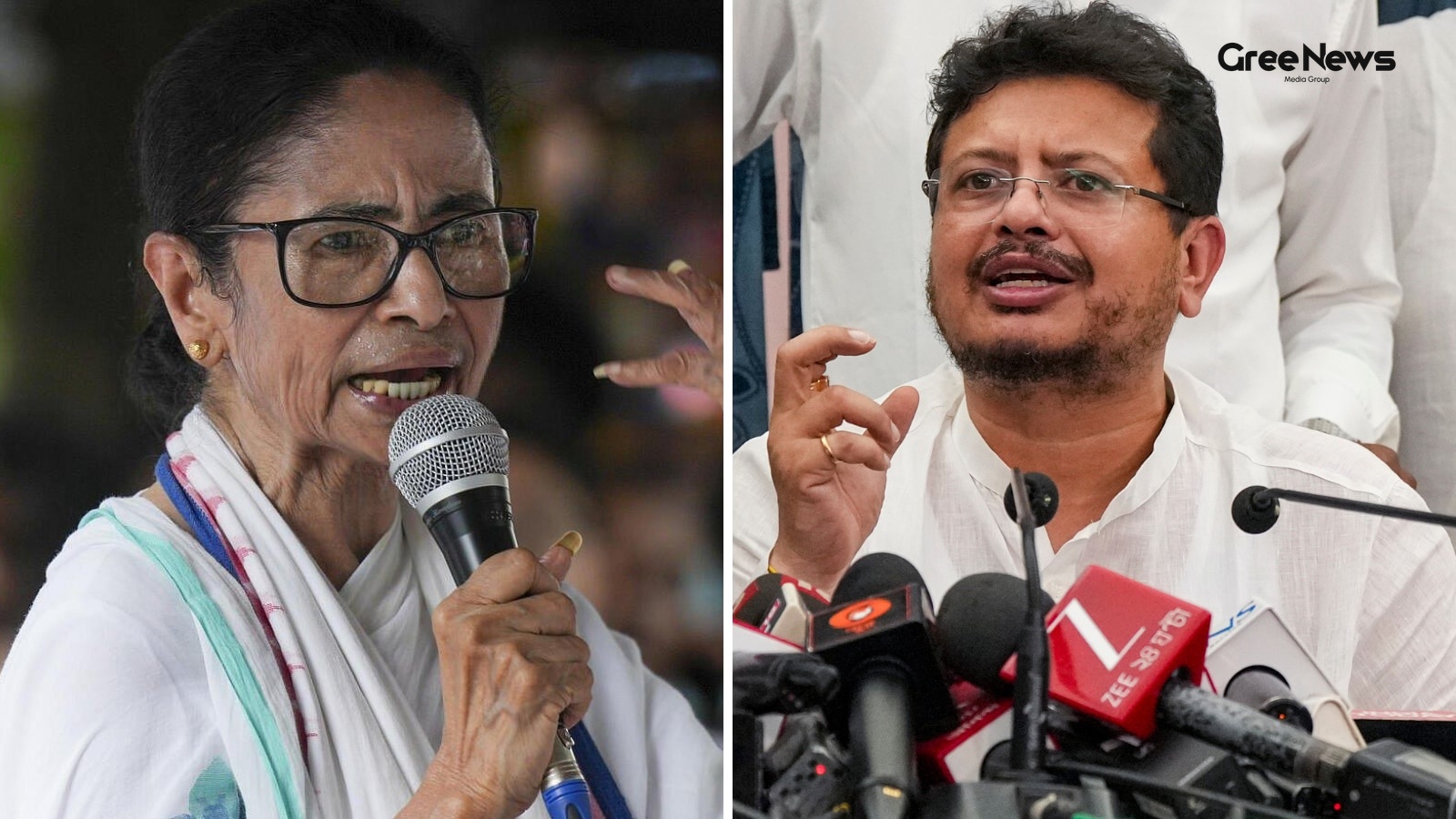
TMC Merger Resistance and Internal Political Split
Ritabrata Banerjee, the Opposition leader from West Bengal, is pushing back hard against all the chatter about a possible merger between the Trinamool Congress and the Congress. He’s saying that the rebel faction inside the party has absolutely no intention of joining whatever grand old structure th
Jun 11, 2026 by Gree News Team
NDA Coalition Meeting: Leaders Celebrate Milestone and Discuss National Development
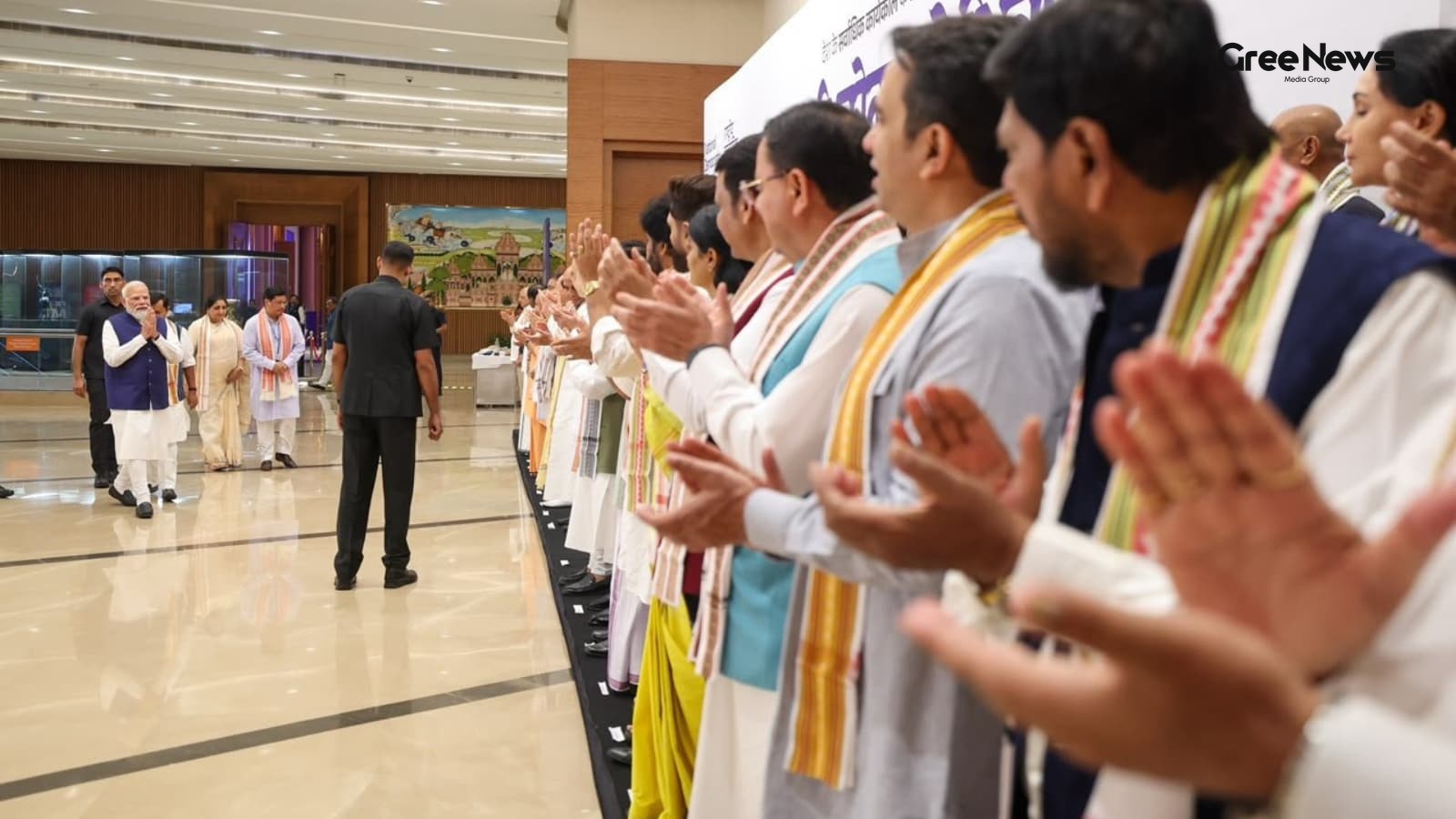
The NDA coalition, led by the BJP, just hit twelve years in office on Wednesday. Leaders got together for a meeting, trying to celebrate that milestone and all that. Andhra Pradesh Chief Minister N Chandrababu Naidu spoke up. He really praised PM Modi. Said he was leading this century. Inspiring eve
Jun 11, 2026 by Gree News Team
Trinamool Congress Internal Split: The Role of Celebrity Politicians in West Bengal Politics
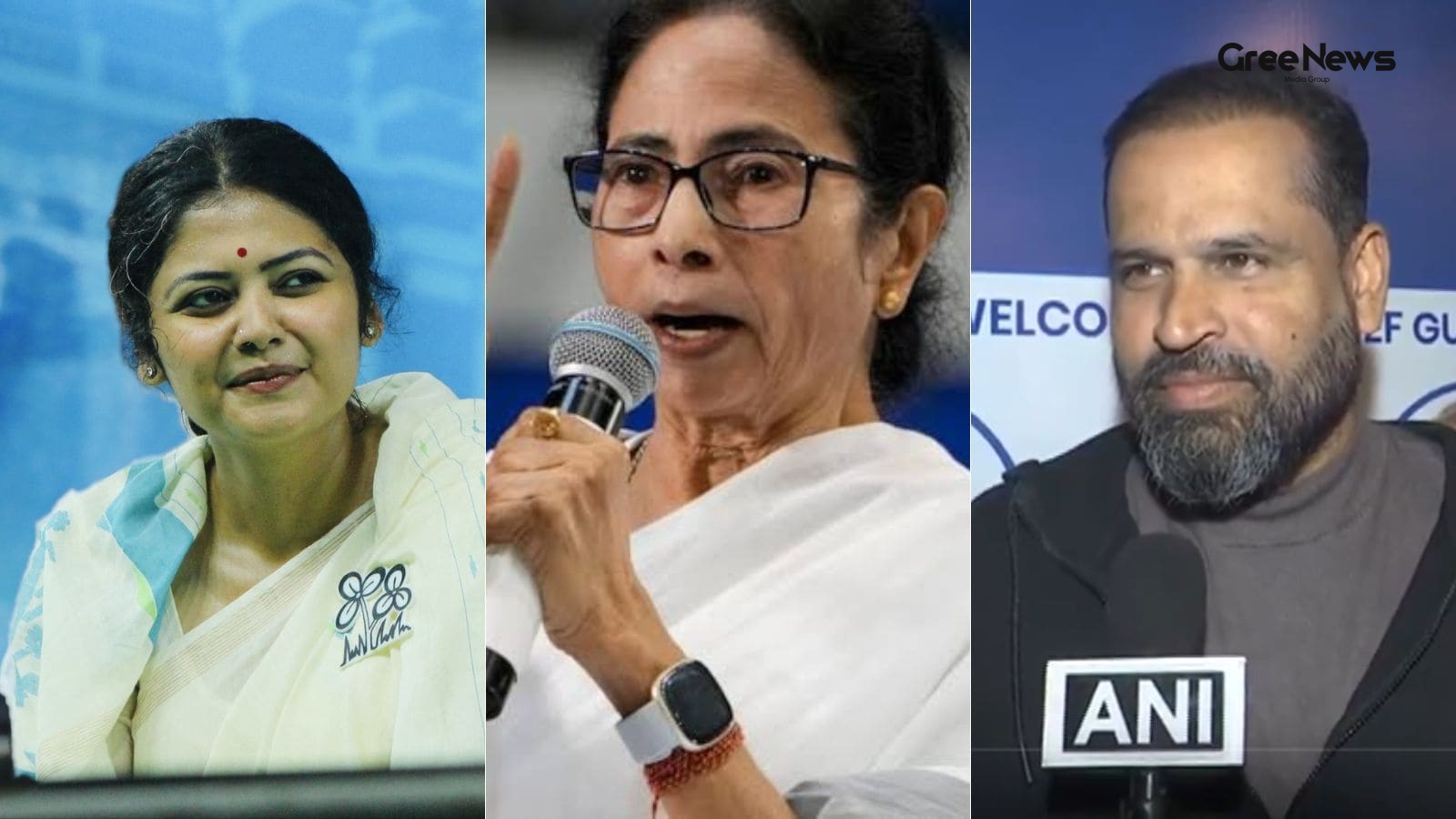
Following Mamata Banerjee’s loss in the West Bengal Assembly elections, things are really starting to fray. It looks like the Trinamool Congress is heading for a serious split in Parliament now. This whole development kicks off after some drama happened right there in the Assembly too. Dissident TMC
Jun 11, 2026 by Gree News Team
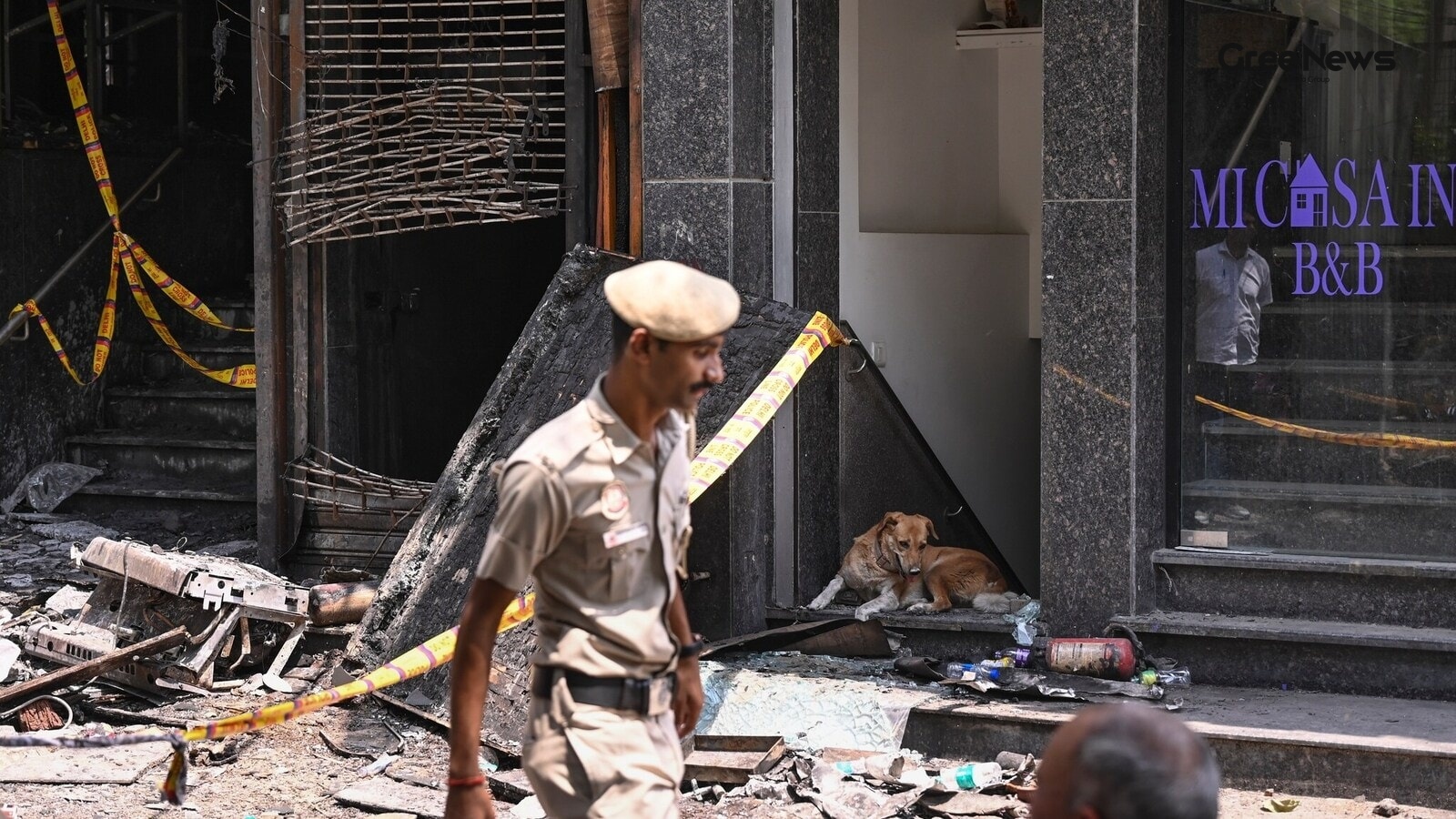
South Delhi Hotel Fire Investigation and Legal Custody
A Delhi court sent the owner of a South Delhi hotel and his accountant into twelve days of judicial custody. This followed a catastrophic fire that ripped through the establishment, killing twenty-two people on June 3rd. That’s the scale of it. A massive blaze consumed the Flourish Stays B&B in Hauz
Jun 11, 2026 by Gree News Team
Latest Headlines
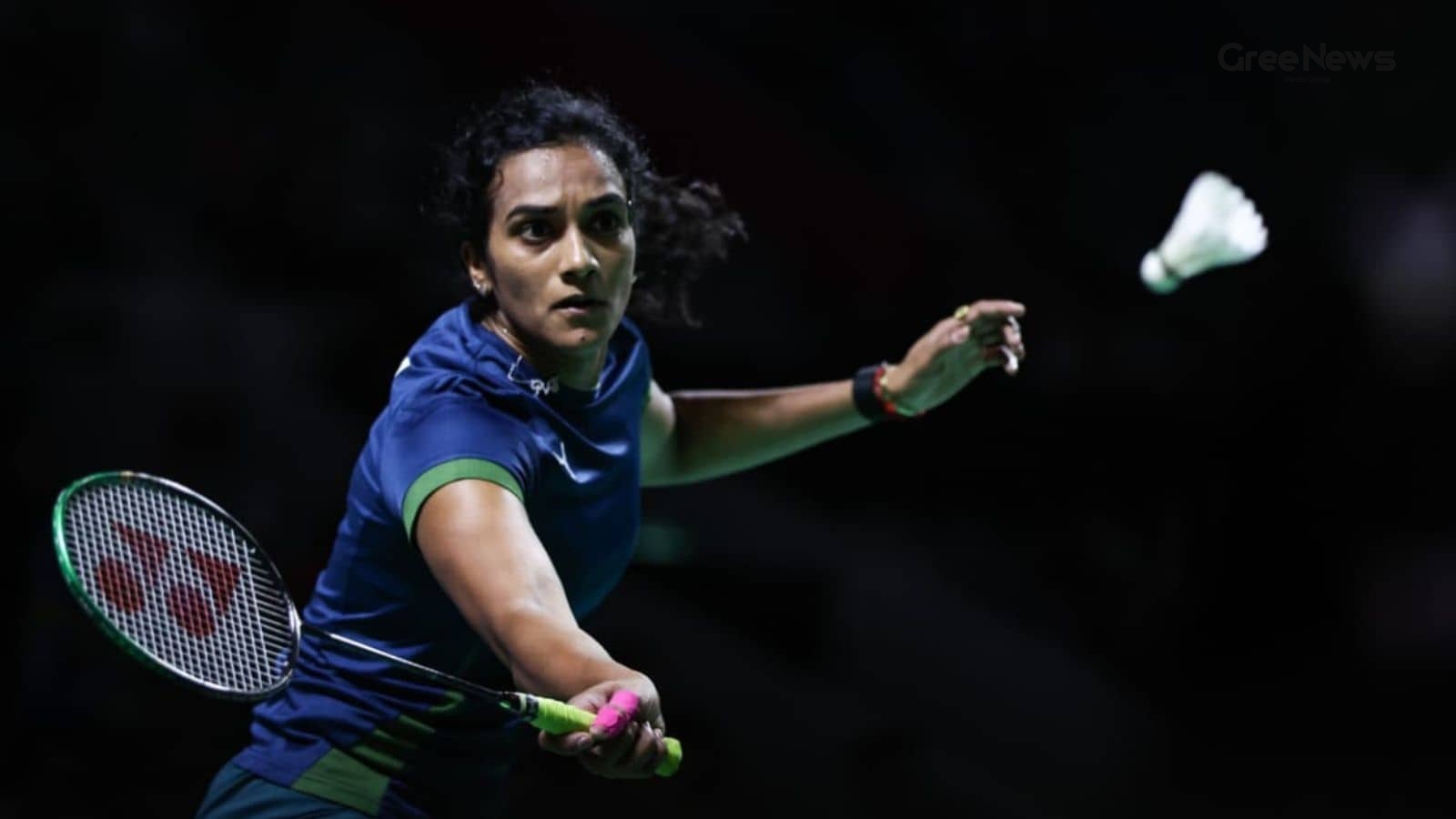
Australian Open Super 500 Match Report: Sindhu, Sharma, and Men's Singles
Two-time Olympic medallist PV Sindhu really put on a show today. Indian women dominated. An easy win against Peru’s Ines Salazar. And then there was Tanvi Sharma, that teenager, pulling off an upset over the fifth seed, Chiu Pin-Chian at the Australian Open Super 500 in Sydney. Wednesday. Third seed
Jun 11, 2026 by Gree News Team
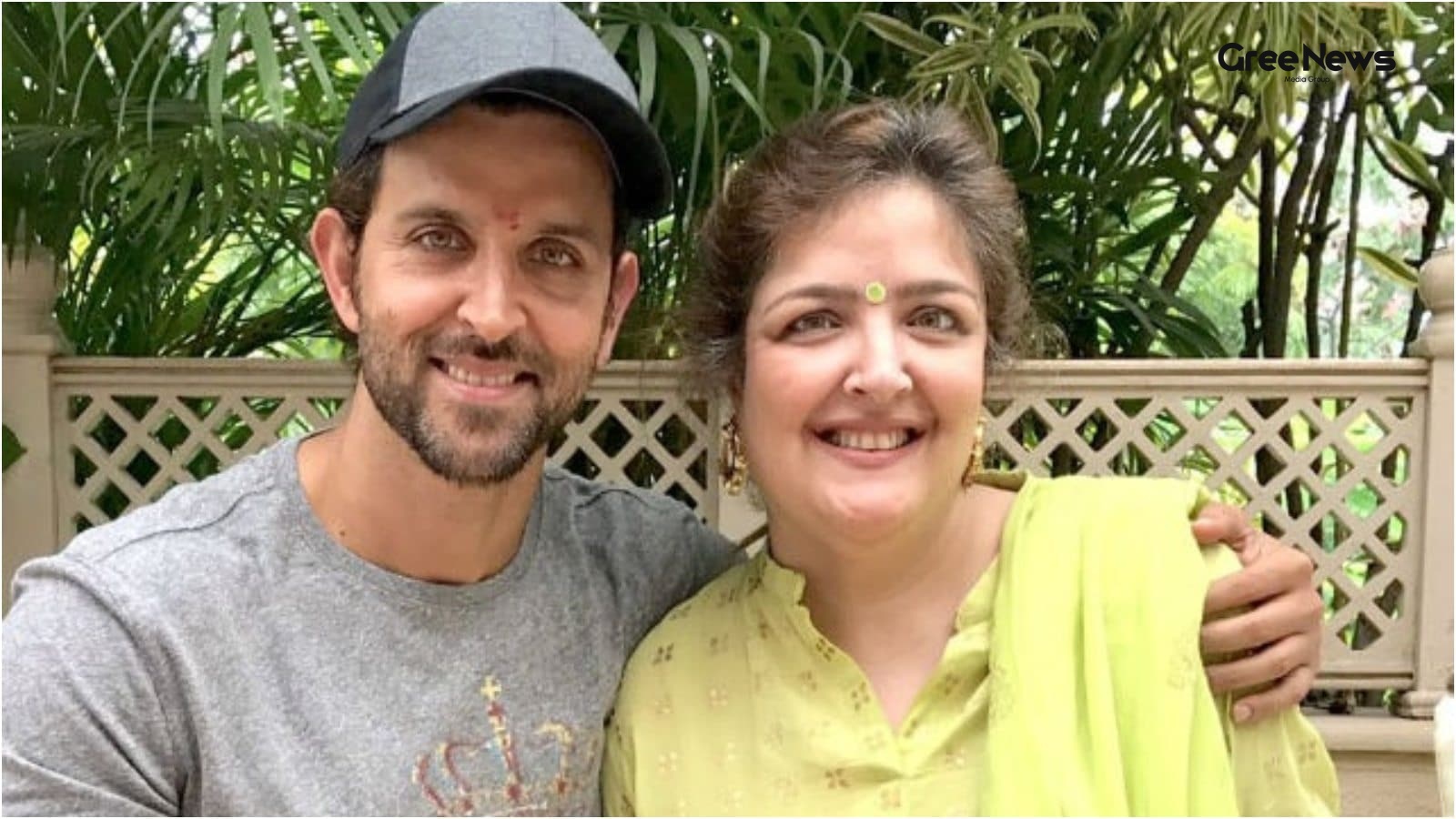
The Cost of Crash Diets: A Story of Survival and Health
The silence around that story, really. It’s not just about a health scare. It’s about what happens when you chase something so aggressively something marketed as a shortcut, a fix that you completely dismantle your own survival mechanism. Sunaina Roshan brought it up in that video. It wasn't a polis
Jun 11, 2026 by Gree News Team
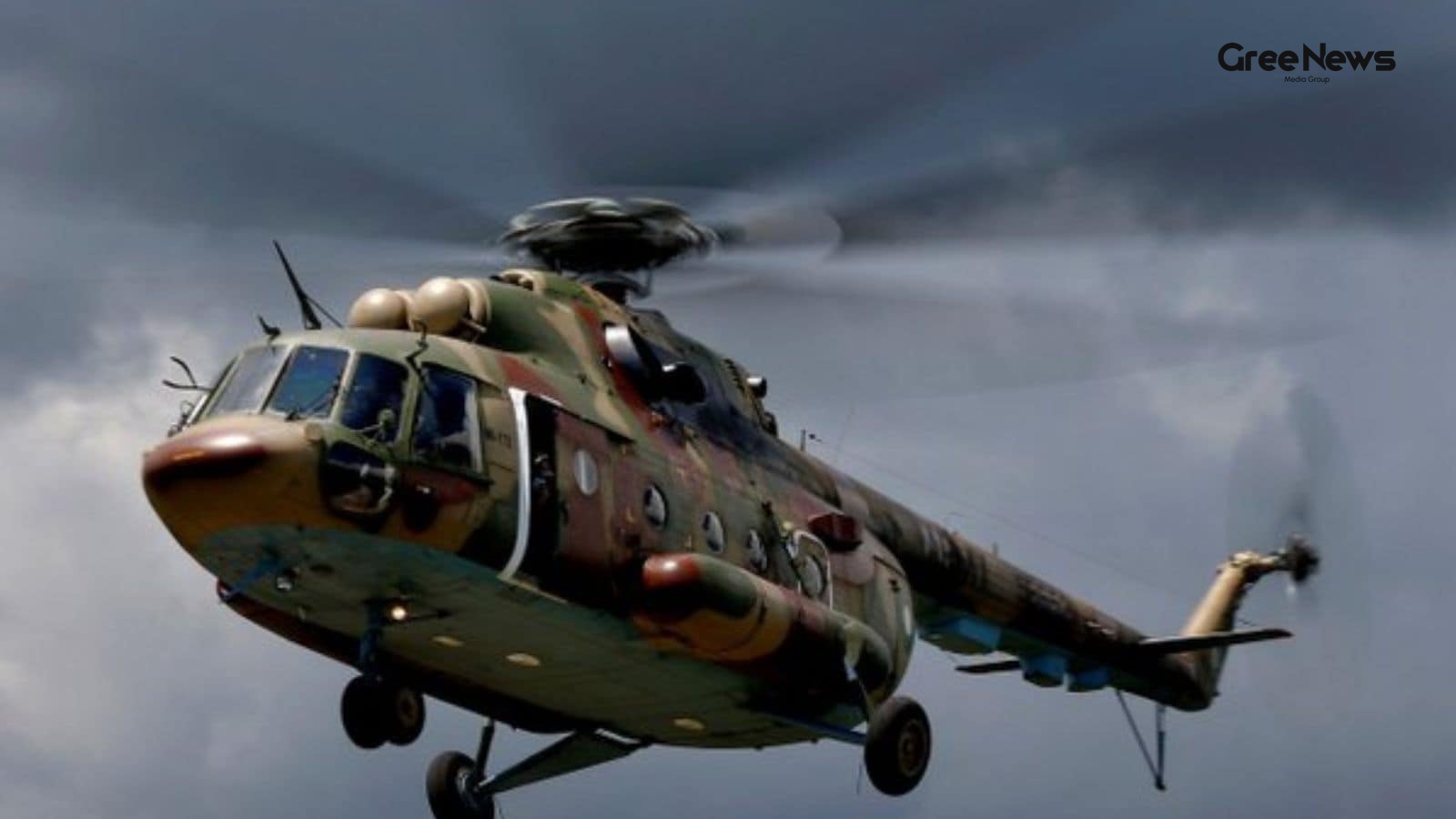
Helicopter Crash and Investigation in the Neelum Valley Sector
The air was thick with something heavy that Wednesday. Not just the usual heat of the mountains, but a silence that felt wrong. That’s what happened near Muzaffarabad. An Mi-17 helicopter. Pakistan Army Aviation. It wasn't a smooth flight at all; it was a crash during take-off. A brutal end right th
Jun 11, 2026 by Gree News Team
The Fragmentation of Reality: Navigating Political Uncertainty
It was just… moving fast this week. You see, things aren't lining up right at all. There’s this feeling, a kind of low hum you can almost feel in the air, that everyone is waiting for something to break. It’s not some neat timeline thing, you know? Just bits and pieces sticking together somehow, mes
Jun 11, 2026 by Gree News Team
The Evolution of Fitness and Distraction in Bengaluru Running Culture
People in Bengaluru, you know how it is, always finding some new angle to mix fitness with actual fun. It’s not just about hitting the pavement anymore. We're talking cycling groups popping up everywhere, weekend marathons taking over the scene. These run clubs, they’ve really become these popular m
Jun 11, 2026 by Gree News Team
TMC Merger Resistance and Internal Political Split
Ritabrata Banerjee, the Opposition leader from West Bengal, is pushing back hard against all the chatter about a possible merger between the Trinamool Congress and the Congress. He’s saying that the rebel faction inside the party has absolutely no intention of joining whatever grand old structure th
Jun 11, 2026 by Gree News Team
NDA Coalition Meeting: Leaders Celebrate Milestone and Discuss National Development
The NDA coalition, led by the BJP, just hit twelve years in office on Wednesday. Leaders got together for a meeting, trying to celebrate that milestone and all that. Andhra Pradesh Chief Minister N Chandrababu Naidu spoke up. He really praised PM Modi. Said he was leading this century. Inspiring eve
Jun 11, 2026 by Gree News Team
Haiti's Jersey: A Deep Dive into Historical Echoes and the Polish Flag
Haiti’s heading into the World Cup qualifiers against Scotland in Group C. And what you notice right away what really grabs you is that their jerseys sport the Polish flag. It’s there, woven into the design. Something with real history attached. It makes you stop and think about where this comes fro
Jun 11, 2026 by Gree News Team
Arrests and Protests in Herat: The Struggle for Freedom
The arrests are really kicking off something in Herat. It’s not just some random noise. Reports coming out, especially from The Guardian, are talking about a real wave of arrests happening these past few days. They're targeting women and young girls, all under the banner of "improper hijab." And hon
Jun 11, 2026 by Gree News Team

Kim Soo-Hyun's Comeback and the Aftermath of the Scandal
Weeks passed after that whole dating scandal with Kim Sae-Ron finally settled down, at least in terms of official statements. Now, actor Kim Soo-Hyun seems to be moving forward again. His agency dropped a note recently something about him getting ready for work. They said he’s going to shoot somethi
Jun 11, 2026 by Gree News Team
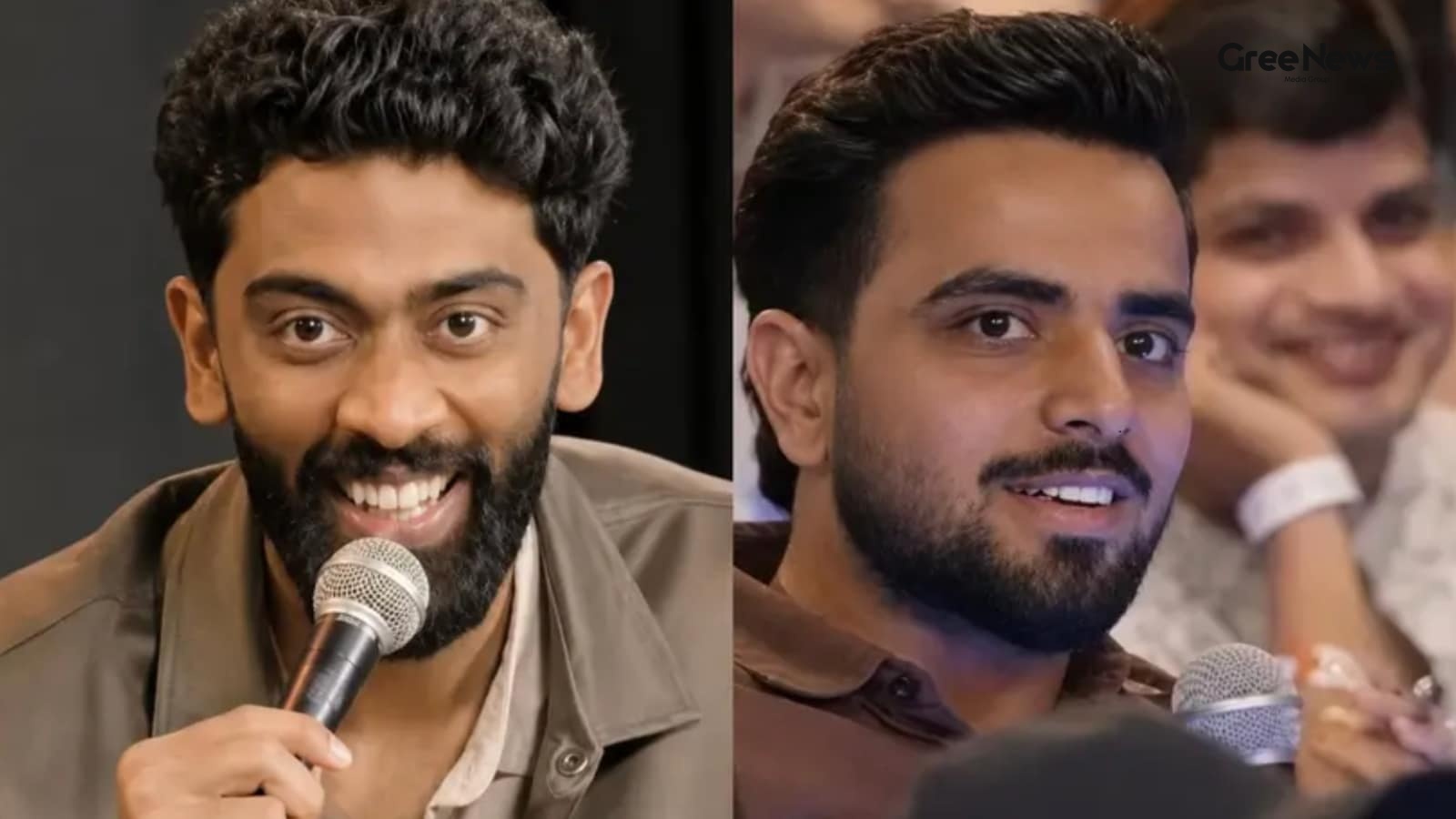
Internet Controversy Involving Pranit More and Himanshu Jangra
What started as some crowd stuff at Pranit More’s stand-up show just blew up into one of those massive internet controversies we see happening in India this week. It totally dominated Reddit, Instagram, X. Massive backlash hit because people screamed about misogyny and consent. And yeah, it ended up
Jun 11, 2026 by Gree News Team
Trinamool Congress Internal Split: The Role of Celebrity Politicians in West Bengal Politics
Following Mamata Banerjee’s loss in the West Bengal Assembly elections, things are really starting to fray. It looks like the Trinamool Congress is heading for a serious split in Parliament now. This whole development kicks off after some drama happened right there in the Assembly too. Dissident TMC
Jun 11, 2026 by Gree News Team
South Delhi Hotel Fire Investigation and Legal Custody
A Delhi court sent the owner of a South Delhi hotel and his accountant into twelve days of judicial custody. This followed a catastrophic fire that ripped through the establishment, killing twenty-two people on June 3rd. That’s the scale of it. A massive blaze consumed the Flourish Stays B&B in Hauz
Jun 11, 2026 by Gree News Team
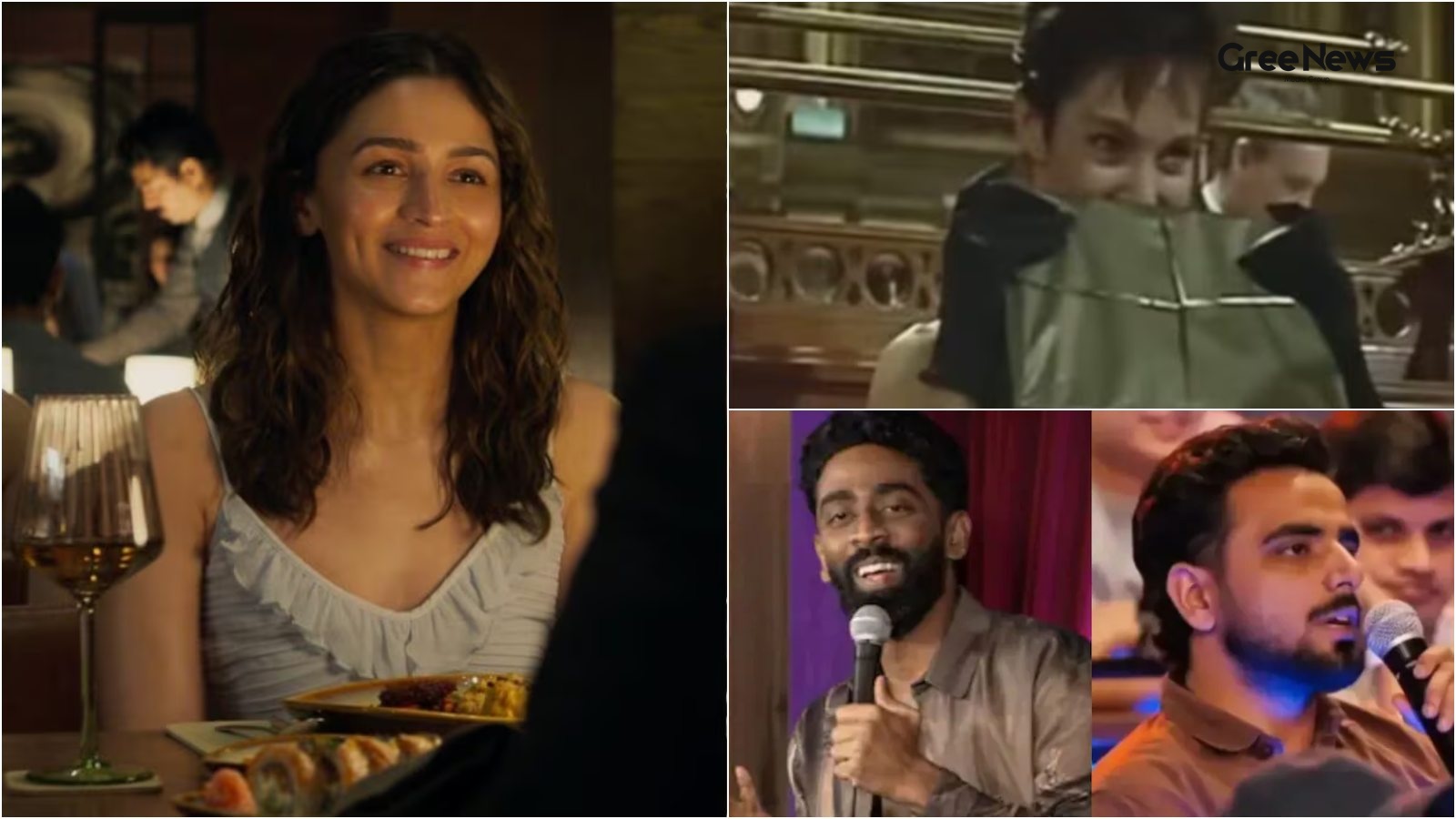
Bollywood and Social Media Buzz: From Spy Thrillers to Accountability Drama
Alia Bhatt’s new spy thriller, *Alpha*, just dropped a teaser, and it immediately started causing a huge stir online. It’s not just the action visuals everyone is talking about, though. There's this one specific scene that people are obsessing over. It’s got this strange resemblance, some folks are
Jun 11, 2026 by Gree News Team
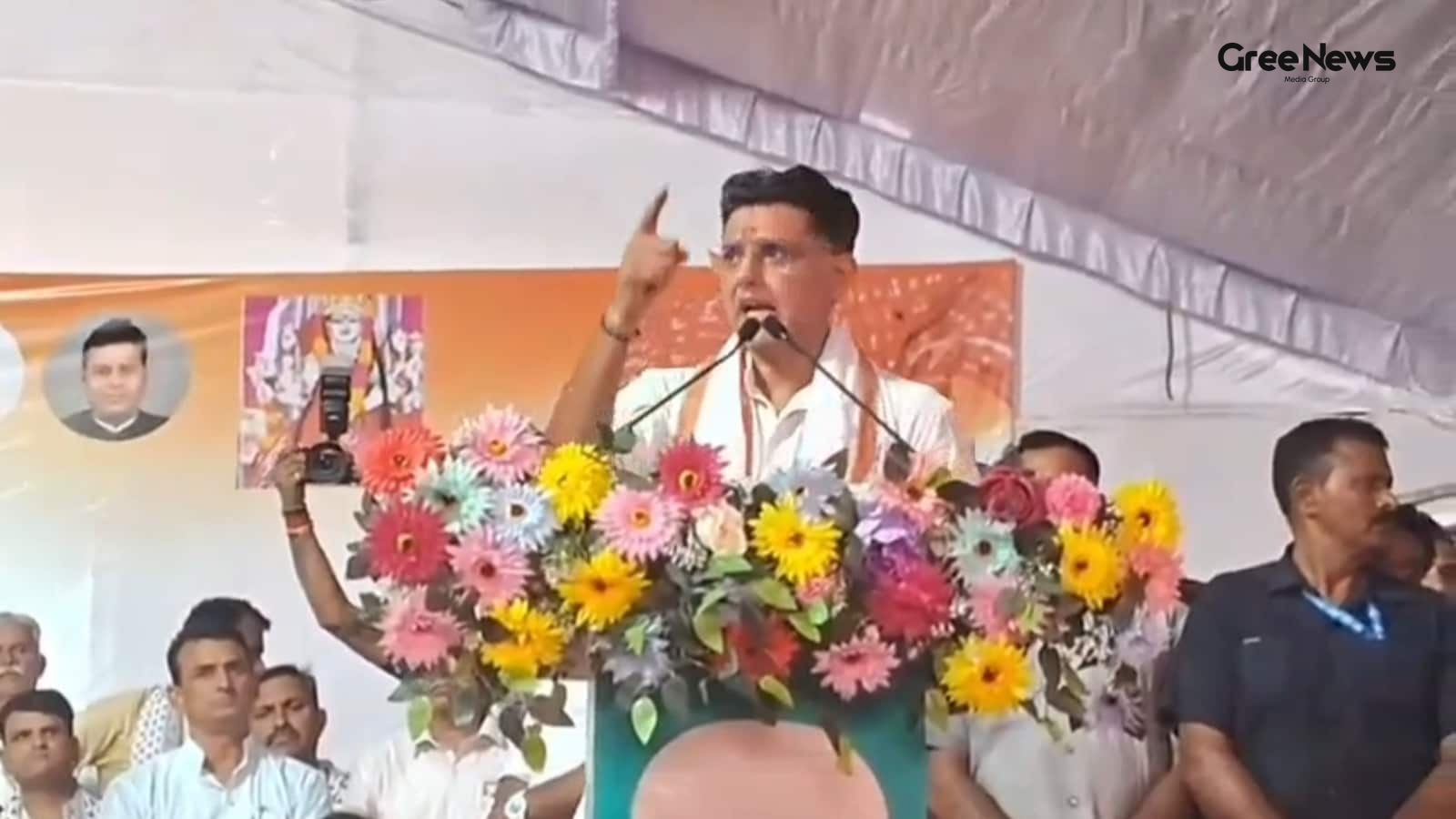
Sachin Pilot's Restraint: Navigating Political Rivalry and Peace
Sachin Pilot took a different route on Wednesday. Instead of firing back at his political rivals, he chose restraint. He was addressing a huge gathering a *Kisan Sammelan* in Karauli and what came out felt less like an attack and more like a plea for peace. Differences between political colleagues?
Jun 11, 2026 by Gree News Team