The Political Narrative of Prime Minister Modi's Tenure and Historical Context
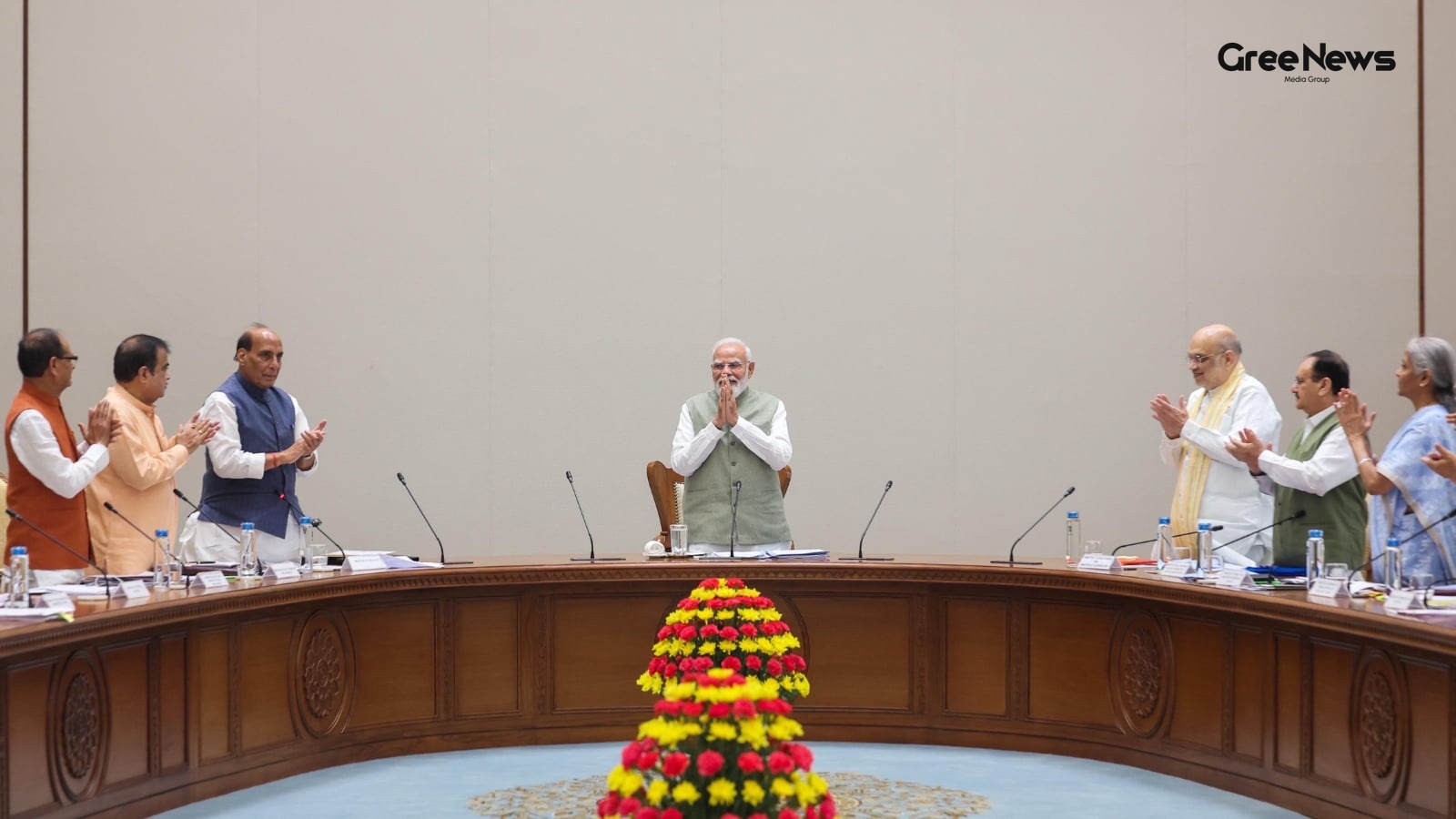
The Cabinet moved on Wednesday. A resolution passed. It was an applause for Prime Minister Narendra Modi. Longest-serving elected Prime Minister of the country. That’s what they celebrated. And naturally, there was that standing ovation from everyone in the room.
It wasn't just a formality. There's always something deeper going on when numbers get this historical. It signals something about public perception. About trust. Or maybe just exhaustion with the old ways. You watch these moments unfold and you start noticing the weight of those days, how they stack up against history.
Modi shared that moment online. On Instagram. A quick post but it carried a certain gravity. Gratitude to his Cabinet colleagues. That’s what he emphasized. Not just personal achievement. It immediately pivots to the collective effort. Working towards Viksit Bharat . Greater vigour, they said. Guided by the aspirations of 140 crore Indians. A massive goal, isn't it? And now that goal is being chased under this particular historical banner.
It makes you think about what 'longest serving' actually means in this context. It’s not just a number on a ledger. It’s history made tangible. An unbroken tenure. Four thousand three hundred ninety-nine days. That seems a long stretch of time, especially when you start comparing it to the historical figures who came before.
Think about Nehru. Jawaharlal Nehru was the first prime minister elected in '52. He took the oath then. And he served until '64. That’s four thousand three hundred ninety-eight days. So Modi edged ahead by just one day. A single day separates two monumental eras of governance, yet here we are celebrating this incremental leap across decades. It’s a very fine line to walk when you talk about national history and political tenure.
The official text they passed? It wasn't just a simple congratulation. It framed the achievement in terms of something much bigger. It talked about India’s democratic consciousness. Public trust. The sheer power of public participation reflected, according to the resolution. And that was tied directly to following the 'Nation First' resolve. That phrase hangs heavy, doesn't it? It suggests a specific kind of narrative is being constructed around this longevity. A story of enduring leadership.
And then there’s the service aspect. Approaching twenty-five years as Head of Government. Twenty-five years of continuous responsibility at the highest level. That itself is staggering when you break down the timeline. You look back at how power shifts, how governments come and go. It feels like a different kind of continuity now. A sustained presence.
The official text also touches on leadership qualities. Sensitivity. Restraint. Intent. Decisiveness. These are the traits they want to associate with this long tenure. It positions the experience not just as time served but as demonstrated character. Six decades, they noted, is a significant marker for the mandate given by the nation to the NDA government.
It’s interesting how those historical references bleed into the present moment. We look at Indira Gandhi too. She had fourteen years in office, '66 to '84. But that tenure was punctuated. Interrupted. Voted out during the Emergency period. That kind of disruption changes everything about continuity. It makes the unbroken line feel even more significant, doesn't it?
Modi’s own history is layered. His earlier time, between '47 and '52, wasn't in the main post then. He was leading an interim government. Elections hadn't really settled into a formal structure yet. That context shapes how we view his initial rise too. It wasn't just smooth progression; it had its own unique political environment surrounding it.
Then came 2014. The landslide victory changed the landscape entirely. He assumed office in May of 2014. A massive shift. And then the re-election, bigger mandate in '2019. That provided a solid base for the subsequent term starting in June of '24. It's this sequence the shifts and the sustained holding that builds the narrative around that record number.
And we have to remember the underlying philosophy he often championed. The declaration as the ‘Pradhan Sevak’. Committed to ‘Sabka Saath, Sabka Vikas’. That’s the emotional core of the appeal. It connects the longevity not just to political maneuvering but to a supposed dedication to the common man's welfare. It ties the mathematical record into an ethical claim about service.
Now, all this historical context is set against an immediate upcoming event. The National Democratic Alliance meeting. Scheduled for Wednesday in Delhi. This isn't just some quiet reflection; it’s a public display happening now. All constituents of the ruling NDA are expected to be there. The top leadership of the BJP, including Modi himself. It's about projecting unity around this milestone.
The expectation is that a resolution celebrating this achievement will be adopted. And then Modi will address the conclave after that happens. That post-resolution moment, when the official narrative solidifies itself in front of these political figures that’s where the real work happens. It's about turning a statistical fact into political capital.
The whole situation feels less like just a news item and more like an ongoing performance. A carefully managed demonstration of stability and mandate. The record, 4399 days, is just one thread in that complex tapestry of governance history. It’s used to frame the present reality, setting expectations for what comes next under this long-standing leadership structure.
You see how quickly these facts are woven together? A record number becomes a symbol of democratic consciousness. The duration becomes proof of public trust. And the personal attributes sensitivity, decisiveness are layered on top to give it moral weight. It’s not just about counting days anymore. It's about managing perception over a very long period.
The narrative flow gets messy when you try to impose perfect logic on these things. You can’t just state what happened. You have to feel the tension of the time between Nehru and Modi. You have to sense the political maneuvering that went into establishing this record as meaningful for the public sphere. It's observational, really. Watching how history is being written in real-time, day by calculated day.
Written by Gree News Team — Senior Editorial Board
Gree News Team covers international news and global affairs at Gree News. Our collective of senior editors is dedicated to providing independent, accurate, and responsible journalism for a global audience.
More from India
View All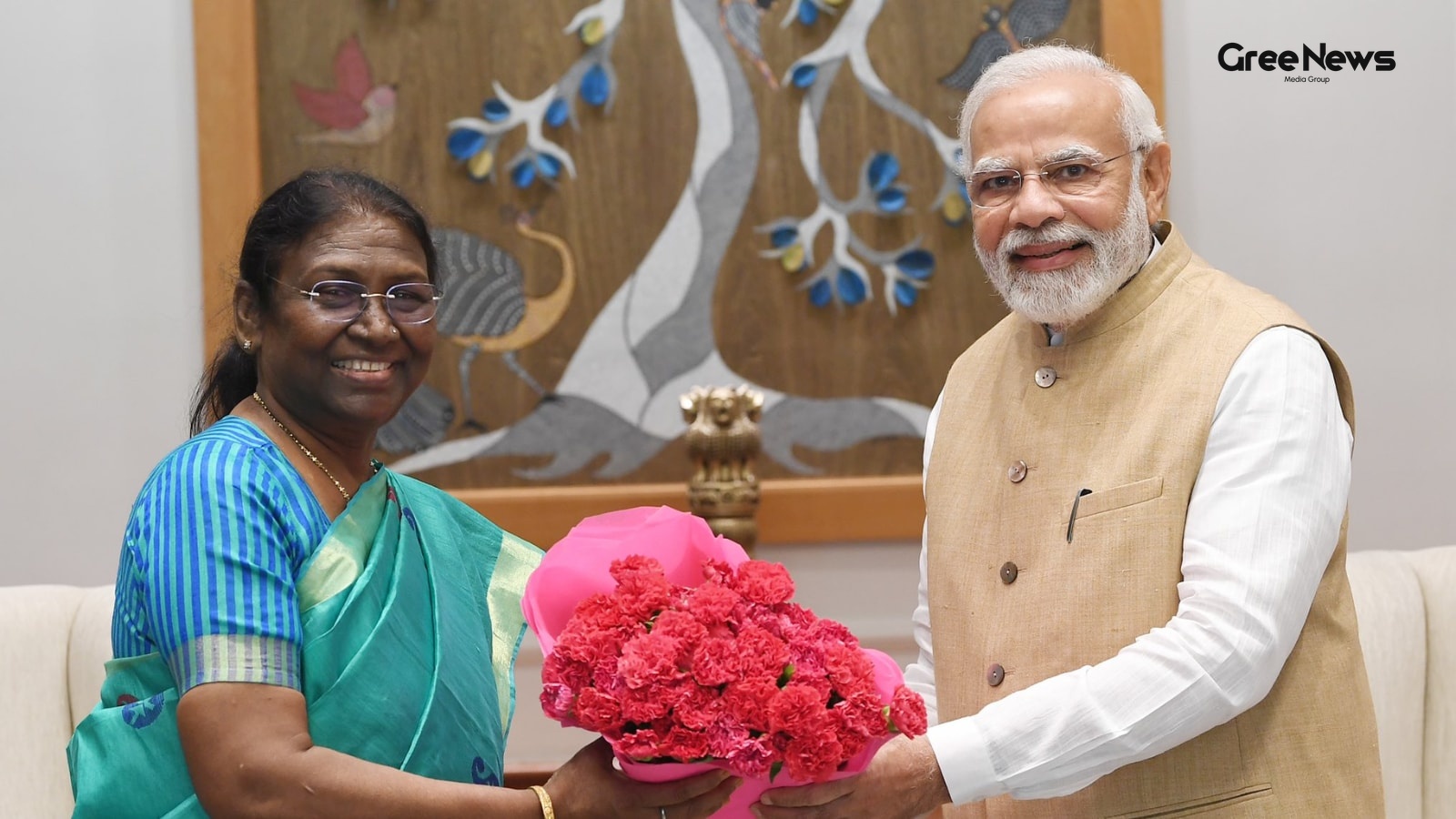
Droupadi Murmu Congratulates PM Modi on Milestone of Leadership
Droupadi Murmu congratulated Prime Minister Modi on Wednesday. It was about him hitting a massive milestone India’s longest continuously elected Prime Minister. She said it really showed how much confidence the people have repeatedly placed in his leadership over these years. In a letter she sent to
Jun 11, 2026 by Gree News Team
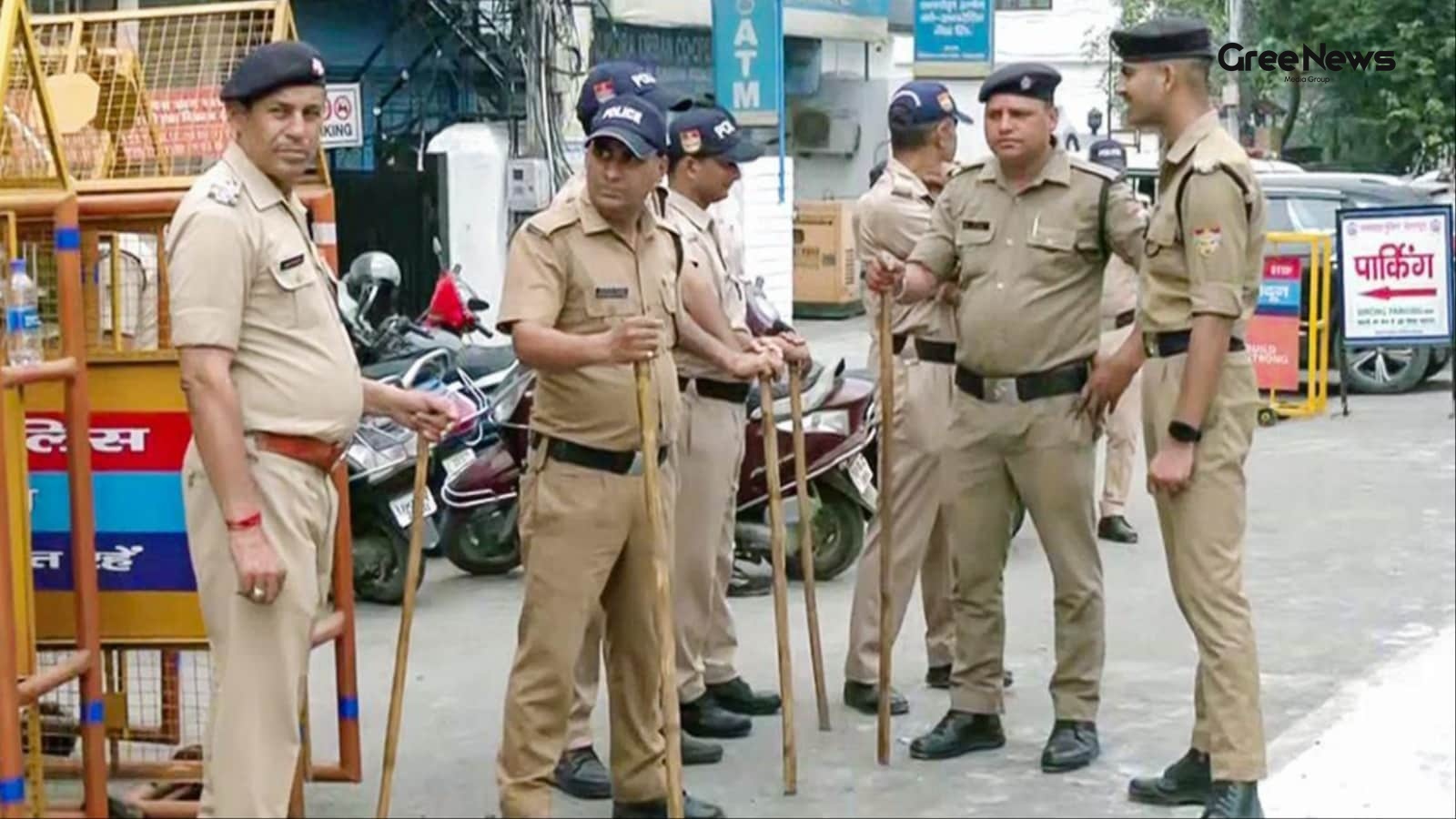
Brutal Torture and Death Allegations in Uttarakhand
Ketan Lal died after allegedly being brutally tortured over a relationship with a minor girl from an upper-caste family in Uttarakhand’s Tehri Garhwal district. This is what the family claims, sparking serious outrage among local villagers and demands for immediate justice. Police reported that Keta
Jun 11, 2026 by Gree News Team
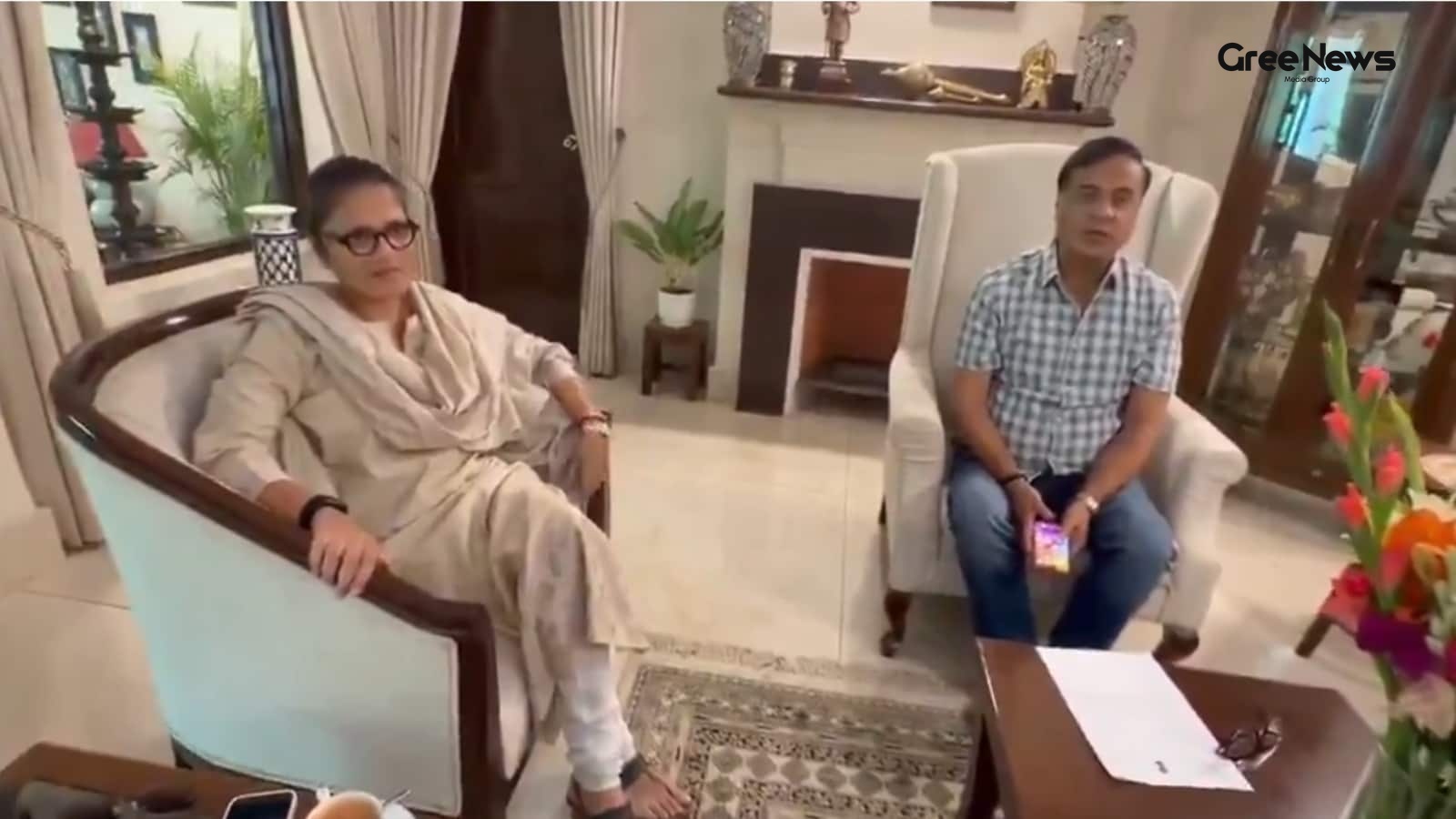
Sushmita Dev Resigns from Trinamool Congress and Steps Down as Rajya Sabha MP
Sushmita Dev broke her silence on Wednesday after resigning from the Trinamool Congress and stepping down as a Rajya Sabha MP. She framed the move not as a sudden exit, but something born from a long political journey and deep personal reflection. She said there were plenty of reasons behind it all,
Jun 11, 2026 by Gree News Team
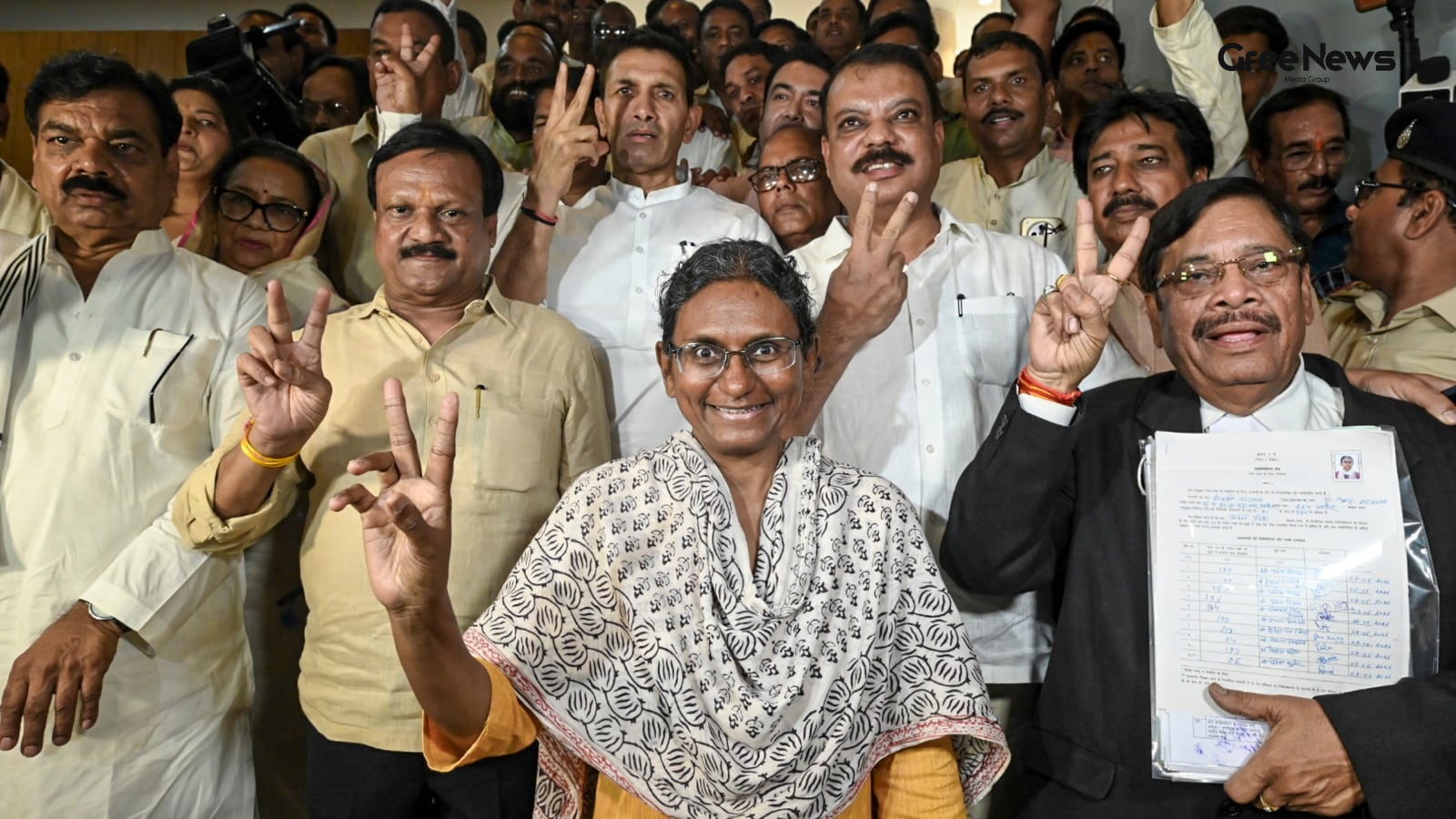
Congress Leaders Challenge EC Over Meenakshi Natarajan's Nomination Rejection
A group of top Congress leaders approached the Election Commission this Wednesday. They were challenging why Meenakshi Natarajan’s nomination papers had been rejected for Rajya Sabha elections. They pushed hard, calling the decision completely egregious, blatant, patently unlawful. The delegation in
Jun 11, 2026 by Gree News Team
Latest Headlines
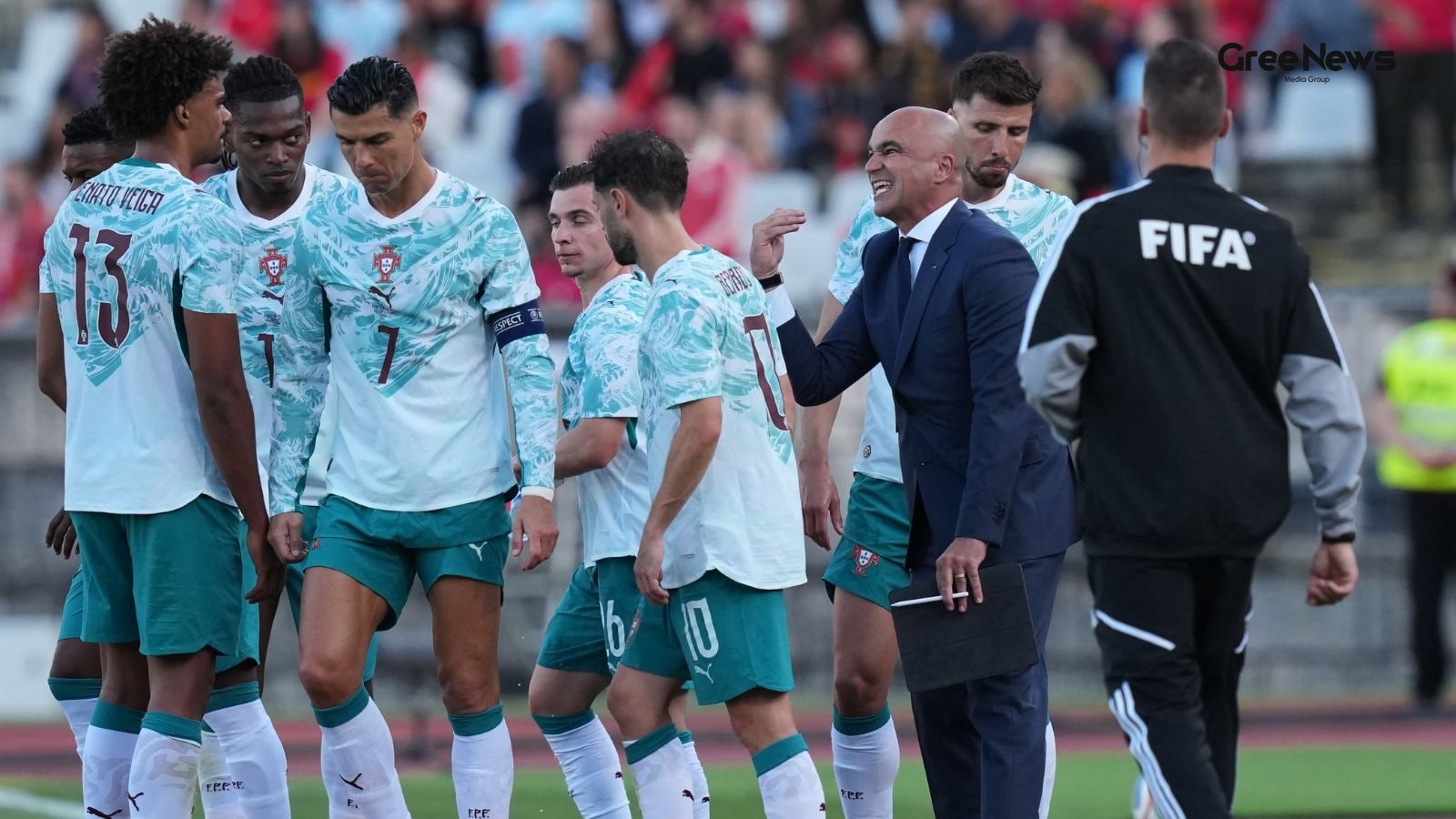
Ronaldo's Final Chance and the FIFA World Cup 2026 Group K
Ronaldo finally gets one last chance. It’s the biggest prize in football, and Portugal is starting their FIFA World Cup 2026 journey right now. They're slotted into Group K with Colombia, DR Congo, and Uzbekistan. That feels like a massive moment, doesn't it? Colombia, they’ve got that South America
Jun 11, 2026 by Gree News Team
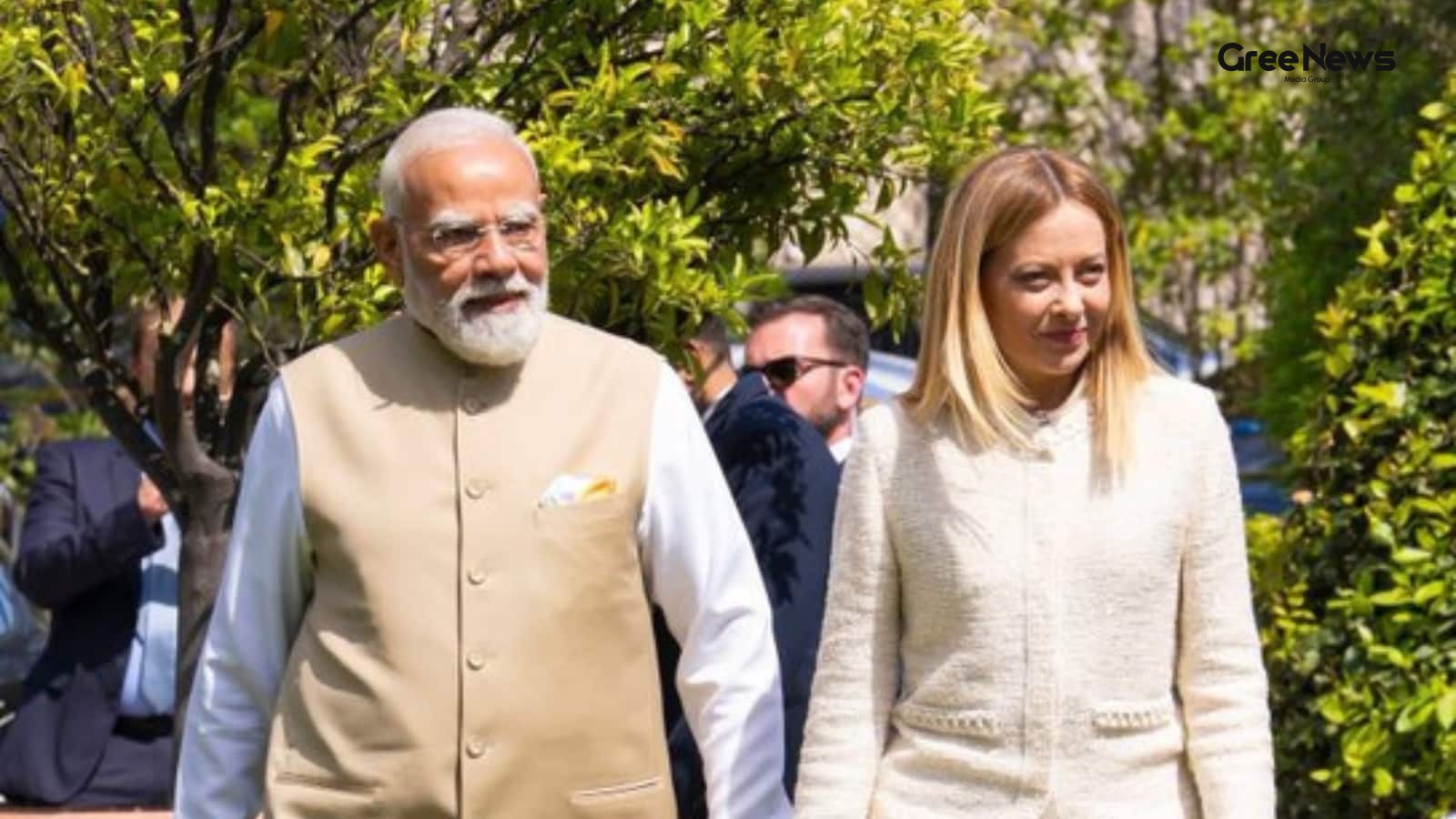
Giorgia Meloni's Note to PM Modi and the Growing Italy-India Relationship
Giorgia Meloni sent a note over to Prime Minister Narendra Modi. It was a congratulation about him holding the title of India’s longest-serving elected Prime Minister in history. She also touched on how much the relationship between Italy and India is actually growing. She wrote something specific.
Jun 11, 2026 by Gree News Team
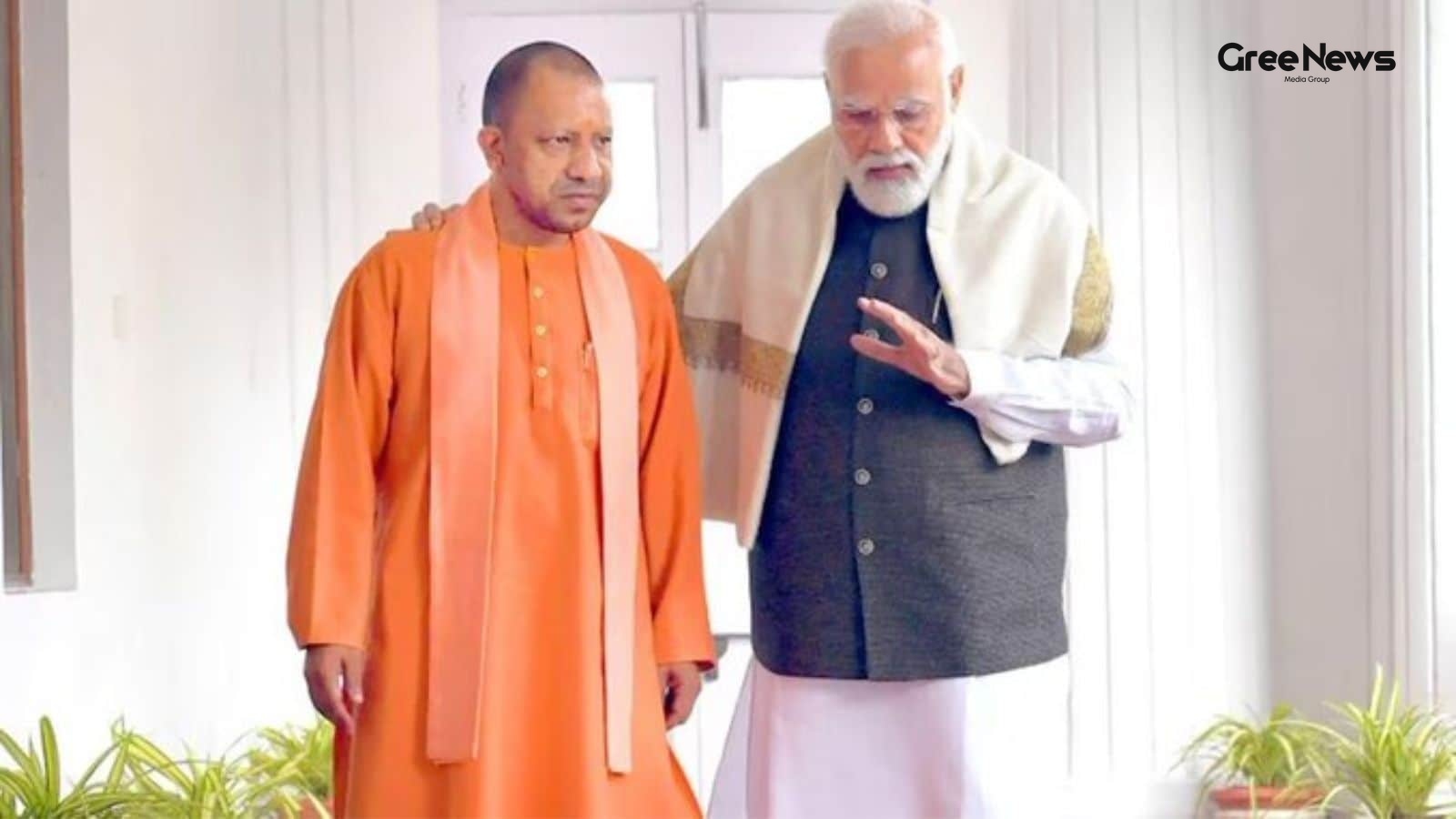
Yogi Adityanath's Post and the Focus on Implementation for Viksit Bharat
Yogi Adityanath, the Chief Minister of Uttar Pradesh, put out a note on X yesterday. Just a simple greeting really. Extended well wishes to Prime Minister Modi for hitting this mark being the longest continuously serving elected Prime Minister in India’s history. It wasn't just some polite acknowled
Jun 11, 2026 by Gree News Team

Protecting Your Pets from Ticks and Fleas in the Summer
Summer usually means longer walks, garden time, playtime outside for the pets. But there’s a hidden danger out there that many pet parents just don't see: ticks and fleas. As the temperatures climb up, these parasites get really active. That makes pets much more vulnerable to getting infested. He po
Jun 11, 2026 by Gree News Team
Droupadi Murmu Congratulates PM Modi on Milestone of Leadership
Droupadi Murmu congratulated Prime Minister Modi on Wednesday. It was about him hitting a massive milestone India’s longest continuously elected Prime Minister. She said it really showed how much confidence the people have repeatedly placed in his leadership over these years. In a letter she sent to
Jun 11, 2026 by Gree News Team

Toxic Workplaces and Boundaries in the Indian Professional Setting
A founder from Bengaluru posted something online that really got people talking about how work actually is in India. She basically laid out some behaviors she feels are just toxic things that shouldn't be accepted at all in a professional setting. She put it all up on LinkedIn. It was a reality chec
Jun 11, 2026 by Gree News Team
Brutal Torture and Death Allegations in Uttarakhand
Ketan Lal died after allegedly being brutally tortured over a relationship with a minor girl from an upper-caste family in Uttarakhand’s Tehri Garhwal district. This is what the family claims, sparking serious outrage among local villagers and demands for immediate justice. Police reported that Keta
Jun 11, 2026 by Gree News Team
Sushmita Dev Resigns from Trinamool Congress and Steps Down as Rajya Sabha MP
Sushmita Dev broke her silence on Wednesday after resigning from the Trinamool Congress and stepping down as a Rajya Sabha MP. She framed the move not as a sudden exit, but something born from a long political journey and deep personal reflection. She said there were plenty of reasons behind it all,
Jun 11, 2026 by Gree News Team

The Viral Escape: Remote Work and Road Trips from Bengaluru to Chikkamagaluru
Man, you see what happened? This guy from Bengaluru just went completely viral. Swapped out the usual city grind that absolute nightmare of traffic and office routine for something totally different. He headed for Chikkamagaluru, those misty hills. He left home at 4:30 am. Early. Managed to hit that
Jun 11, 2026 by Gree News Team
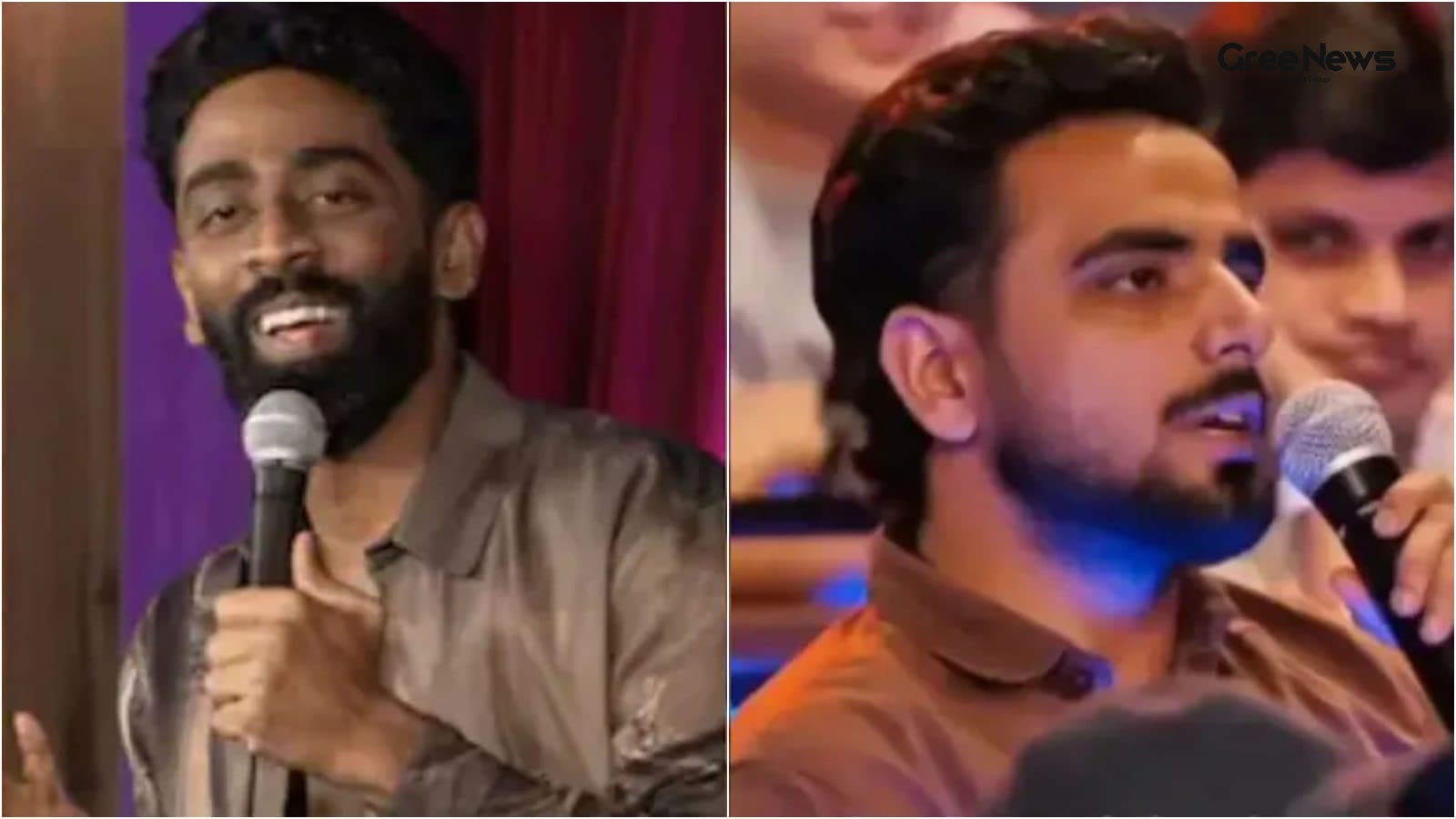
Pranit More Backlash and the Viral '₹370 Biryani' Incident
The whole thing about that viral ‘₹370 biryani’ clip just keeps blowing up on social media. It's impossible to ignore. And now, Pranit More? He seems to have just vanished from Instagram. People searching for him can’t find anything. No profile. Nothing. Just silence where there should be activity.
Jun 11, 2026 by Gree News Team
Congress Leaders Challenge EC Over Meenakshi Natarajan's Nomination Rejection
A group of top Congress leaders approached the Election Commission this Wednesday. They were challenging why Meenakshi Natarajan’s nomination papers had been rejected for Rajya Sabha elections. They pushed hard, calling the decision completely egregious, blatant, patently unlawful. The delegation in
Jun 11, 2026 by Gree News Team

Navigating Job Loss and the Modern Job Search: A Developer's Journey
Losing a job unexpectedly hits you hard. Especially when there’s absolutely nothing lined up. One software developer recently opened up about how he navigated that mess after getting laid off during his probation period. He posted it on Reddit, talking about the sheer uncertainty of losing his sourc
Jun 11, 2026 by Gree News Team
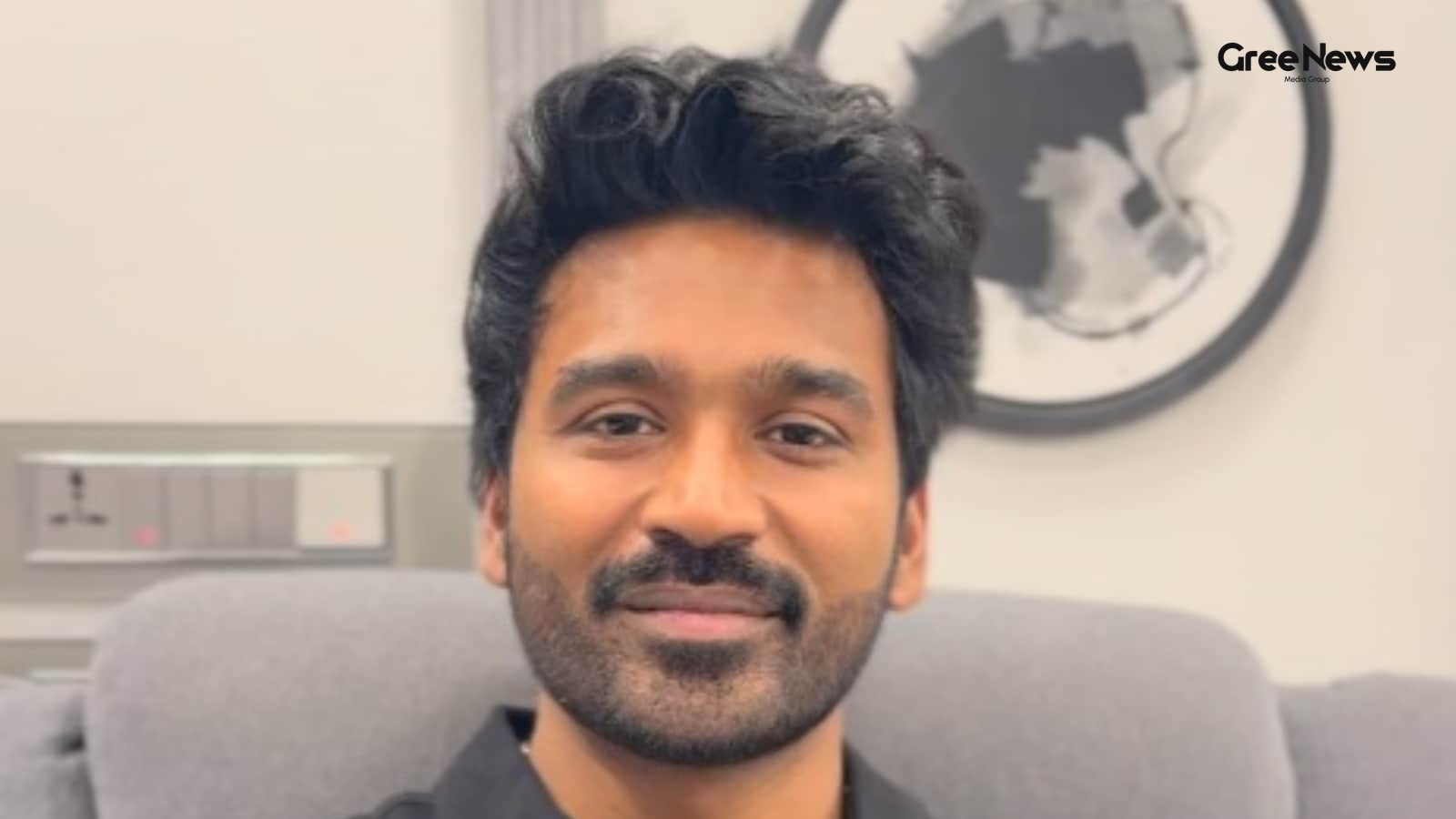
Dhanush and Siruthai Siva Action Film Project Details
Dhanush and Siruthai Siva are apparently teaming up for something big. A major action entertainer. That’s what’s swirling around right now. The chatter suggests this thing might finally hit screens sometime in January 2027. That’s when both the actor and the director are supposed to be done with the
Jun 11, 2026 by Gree News Team
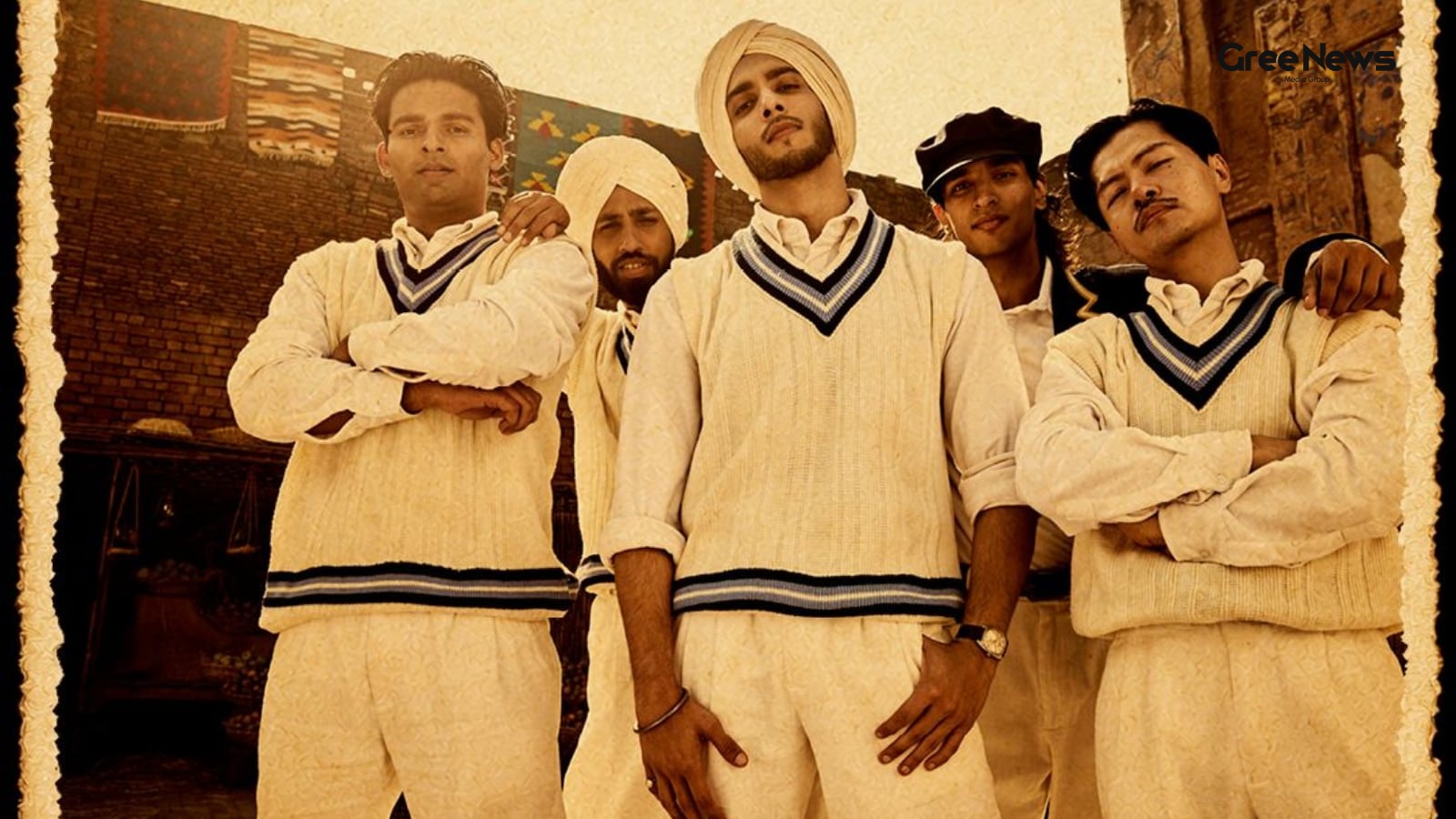
Vedang Raina's "Ishq Mastana" from Main Vaapas Aaunga: Behind the Music and Making
Vedang Raina just dropped this track, “Ishq Mastana,” from his upcoming film, *Main Vaapas Aaunga*, and honestly? it’s got people talking. It tugged some strings. Choreographer Ashley Lobo finally opened up about how he handled shooting that song. He was genuinely surprised to hear that Vedang was s
Jun 11, 2026 by Gree News Team

The Observation of Current Flux and Societal Shifts
The air just feels… thick lately. You know that feeling when everything is humming at a frequency you can’t quite tune into? That’s what this whole situation is right now. It’s not some neat little timeline or anything predictable. It's just happening. People are talking, of course. Everywhere. Abou
Jun 11, 2026 by Gree News Team