Modi's Longest Tenure: A Defining Moment for India's Democratic Journey
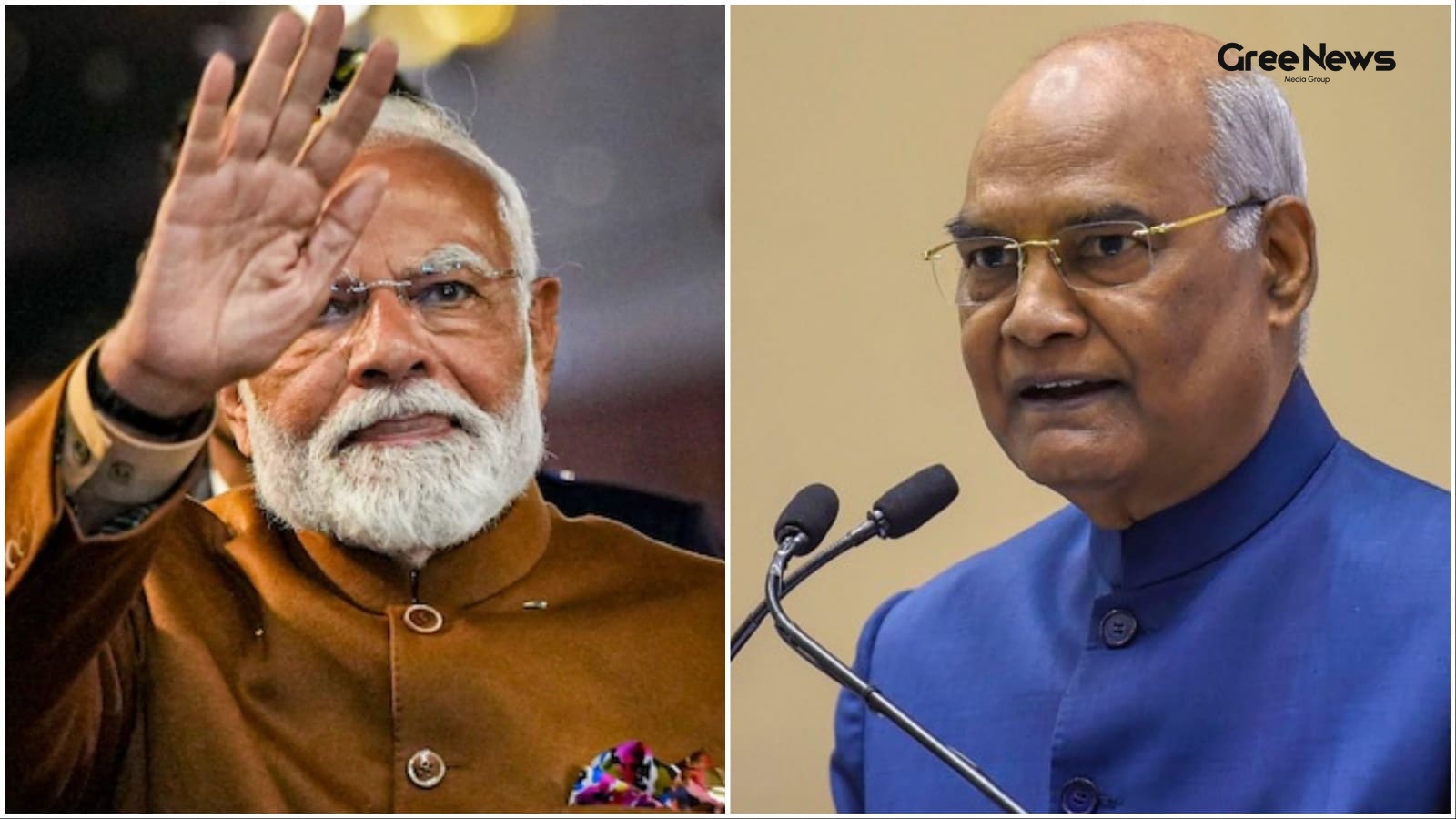
Modi hitting his longest tenure, officially becoming India’s longest-serving democratically elected Prime Minister, that’s what happened Wednesday. Former President Ram Nath Kovind weighed in, calling it a defining moment for the post-Independence journey. He argued that just counting the days isn't really the point, you know?
Kovind put it in an opinion piece in the Hindustan Times . He said June 10, 2026, is a special occasion in India’s history after Independence. Modi surpassed Nehru’s record of continuous service. That fact alone is historic enough.
But he pushed further. He felt that focusing just on tenure doesn't capture the real weight of what we call the watershed period since Independence. There was more to it than just time spent in office, apparently.
The shift started when Modi took over on May 26, 2014. That’s where the political trajectory really changed, Kovind suggested. It moved India toward something that felt more "Indian-ness." He referenced leaders like Gandhi, Patel, Ambedkar all those figures guiding that vision.
It wasn't just about politics though. There was a real contrast drawn between Modi’s style and what he called the old Nehruvian economic framework. Kovind looked at how things were structured before. Think of the "quota, permit and licence raj." That was all about command and control economics.
Modi apparently advanced something different. A development model that moved away from that old structure entirely. It wasn't just an economic tweak; it was a political shift in how power was expressed.
Then there’s the whole discussion around democracy itself. Kovind brought up Ambedkar, those remarks from the Constituent Assembly. He noted democratic practices existed way back in ancient Indian institutions, long before any modern Western democracies showed up.
Modi himself keeps talking about this. At international forums, he consistently insists that India is the "mother of democracy." It taps into that old ethos. Kovind observed that the world seems to be catching up now. They are waking up to the fact that India isn't just ancient; it’s huge and vibrant in its democracy.
And then there’s the scale. The sheer size of the Indian democracy is staggering. Nearly 100 crore voters right now. That figure almost triples the population India had when it gained independence. It’s a massive engine, but that scale brings complexity.
The electoral landscape has gotten much messier too. Back in the first general election, there were only about 53 parties. Now? 744 political parties participated in the 2024 election alone. That jump is significant. Trying to maintain public trust and meeting rising expectations must be way harder for contemporary leaders.
Kovind suggested Modi managed this exceptionally well. He said sustaining that robust bond of trust, keeping approval ratings high while facing these demands that was an exceptional success.
And it wasn’t just about leadership style. There was a deep focus on what he called "mental decolonisation." A lot of the article focused on overcoming the lingering sense of inferiority left by colonial rule. Despite all that rich civilization, some felt trapped by colonial attitudes. English remained the language of power while local traditions were often sidelined by the elite.
Modi’s move seemed to push Indian languages and cultural symbols right into the public spotlight. There’s a visible pride now. A sense of being Indian emerging strongly among the people. Even members of the diaspora shared that feeling when they interacted with him abroad.
There was this reflection on time, too. While some world leaders had long tenures in the mid-20th century, political leadership today seems much shorter-lived. Modi is, in a way, an exception to that global trend. A generational shift happening.
Kovind recalled talking with a younger relative. The kid told him that while the older generation grew up in "Nehru’s India," his generation was growing up in "Modi’s Bharat." And they felt it was better for them. That sense of evolution, moving forward.
The official milestone itself: Modi completed 4,399 continuous days in office on June 10th. A big number, certainly.
To mark this, things got very public. NDA chief ministers and senior leaders from twenty-two states and territories gathered at Bharat Mandapam in New Delhi for a meeting chaired by the PM himself. The agenda? Reviewing schemes, infrastructure, pushing toward that ‘Viksit Bharat’ vision by 2047. Just trying to figure out where they stand now.
Written by Gree News Team — Senior Editorial Board
Gree News Team covers international news and global affairs at Gree News. Our collective of senior editors is dedicated to providing independent, accurate, and responsible journalism for a global audience.
More from India
View All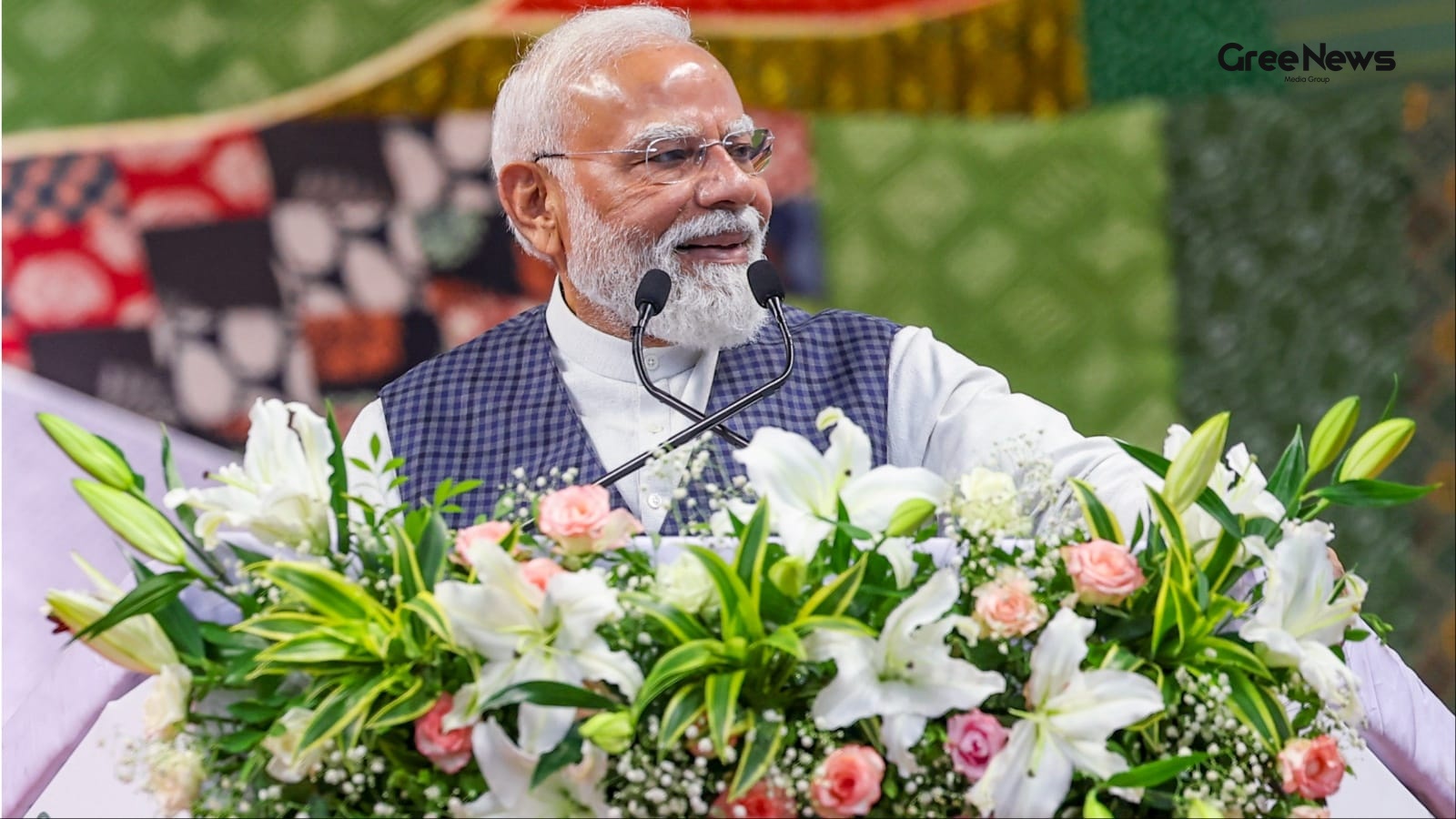
PM Modi's Milestone, Political Roadmap, and Global Standing
The numbers are starting to pile up. Prime Minister Modi has officially hit a major milestone: 4399 consecutive days in office. That’s a long stretch, certainly. It puts him ahead of Nehru's record for continuous service after India’s first elections, which is something you have to consider when you
Jun 12, 2026 by Gree News Team
Political Controversy: Ideology and Governance in Hyderabad
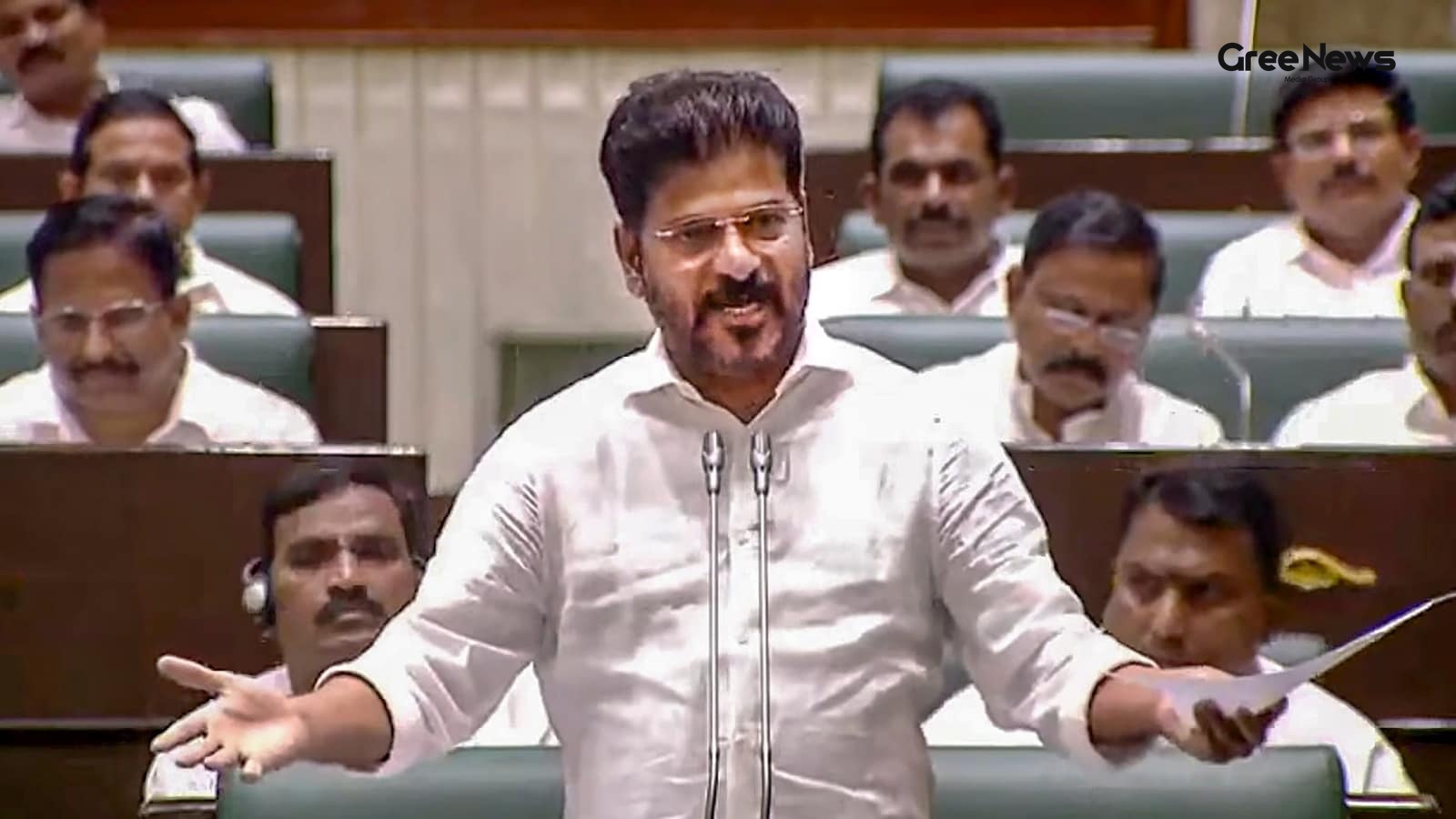
The air in Hyderabad felt thick with controversy after Telangana Chief Minister Revanth Reddy made his remarks. It wasn't some quiet statement; it was an explosion, drawing immediate fire from across the political spectrum. The whole thing kicked off when Reddy spoke at a conclave in Bengaluru. He c
Jun 11, 2026 by Gree News Team
Yogi Adityanath's Post and the Focus on Implementation for Viksit Bharat
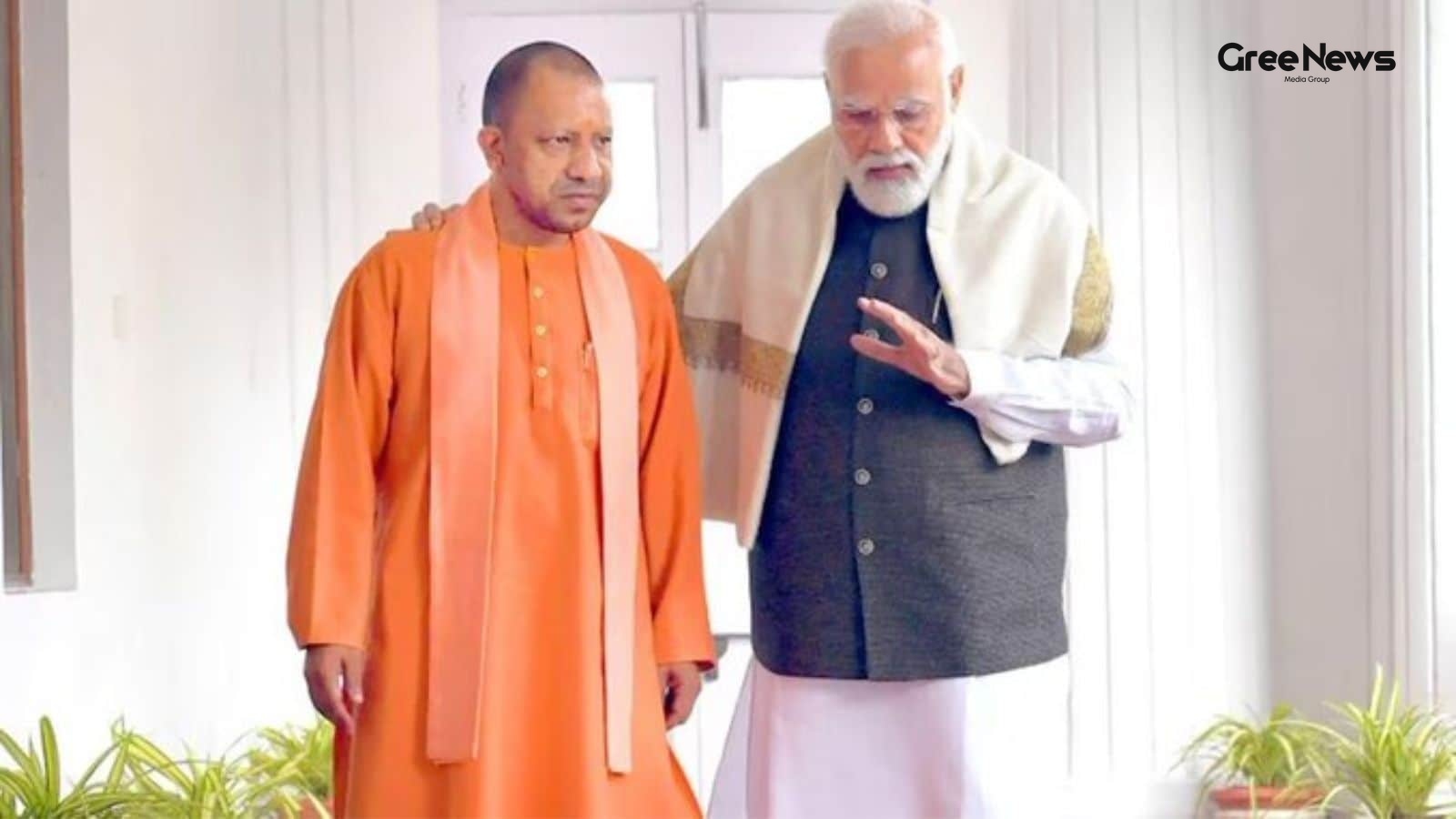
Yogi Adityanath, the Chief Minister of Uttar Pradesh, put out a note on X yesterday. Just a simple greeting really. Extended well wishes to Prime Minister Modi for hitting this mark being the longest continuously serving elected Prime Minister in India’s history. It wasn't just some polite acknowled
Jun 11, 2026 by Gree News Team
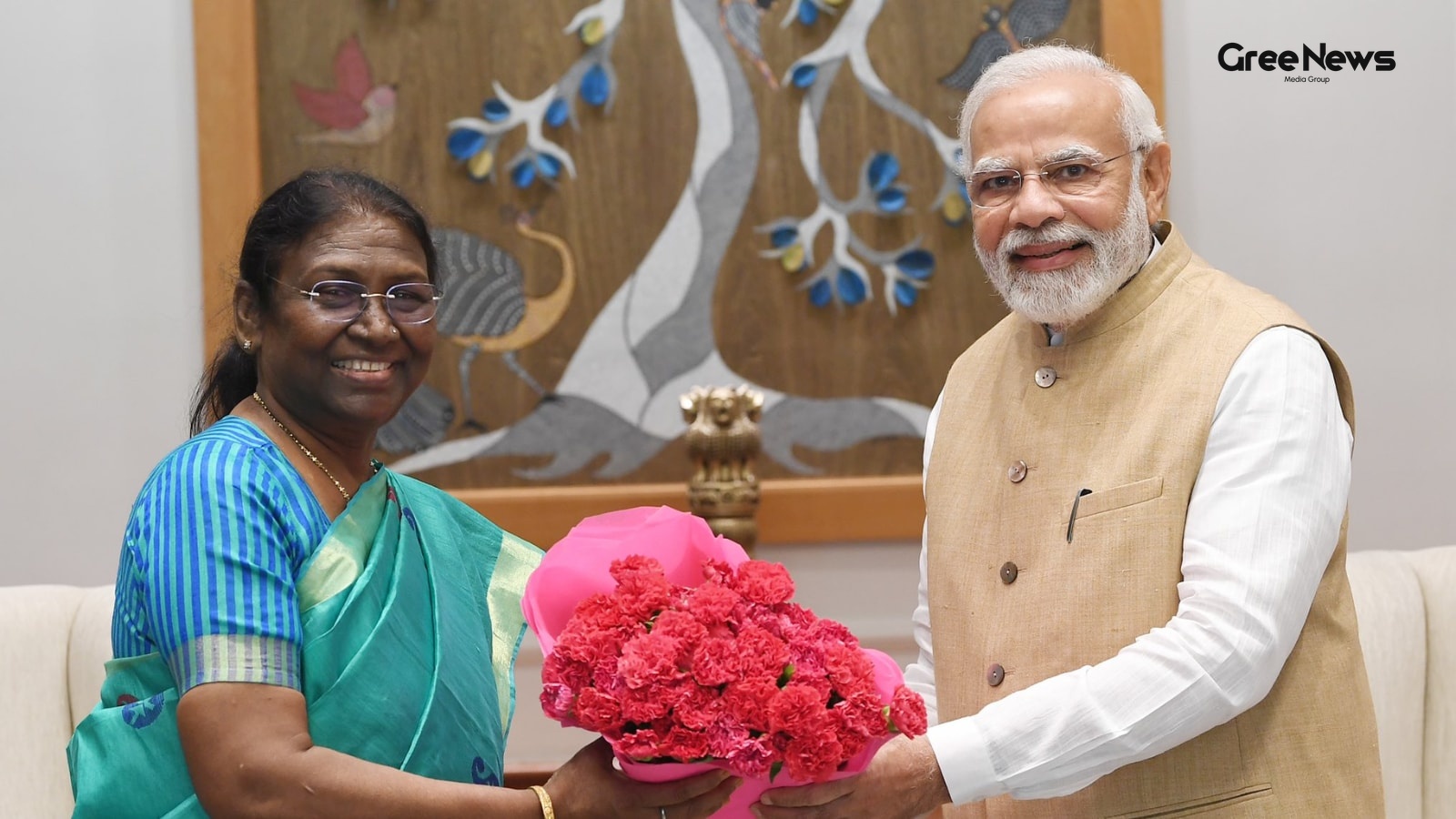
Droupadi Murmu Congratulates PM Modi on Milestone of Leadership
Droupadi Murmu congratulated Prime Minister Modi on Wednesday. It was about him hitting a massive milestone India’s longest continuously elected Prime Minister. She said it really showed how much confidence the people have repeatedly placed in his leadership over these years. In a letter she sent to
Jun 11, 2026 by Gree News Team
Latest Headlines
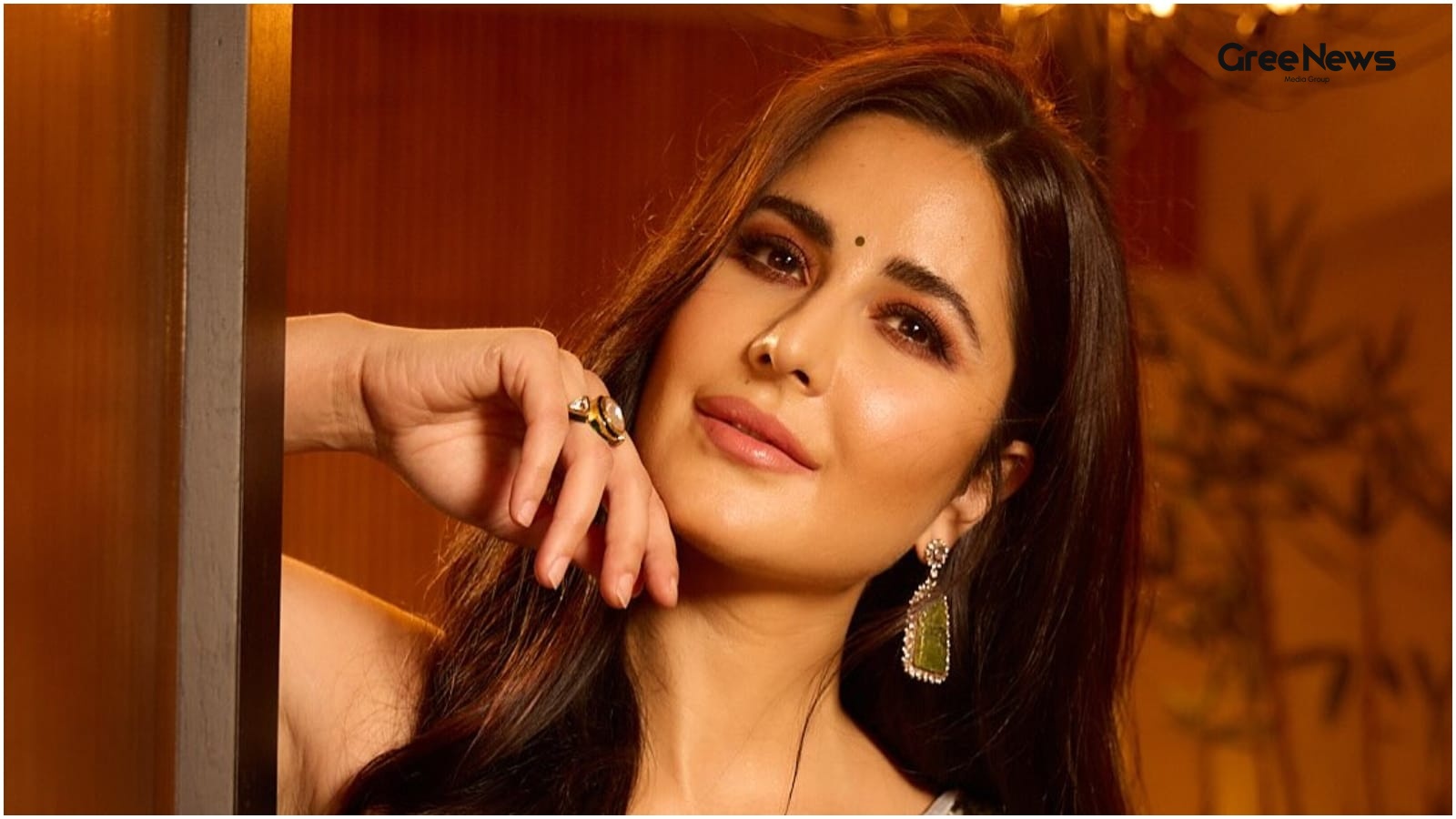
Katrina Kaif: Career Comeback, OTT Exploration, and Personal Life
Katrina Kaif. She’s apparently gearing up for a return to acting. It’s all kind of talk right now. Some reports floating around suggest she might be looking into projects in the OTT space. A comeback story, you know? Especially after everything that happened with her son, Vihaan Kaushal, last year.
Jun 12, 2026 by Gree News Team
The Unspoken Dynamics of Political Uncertainty
The air felt thick today. Not just humid. Something else was hanging there. A kind of low hum you can feel in your teeth. It’s always like this when things are about to shift, isn't it? You just sense the change before anyone actually says a word. The political scene right now... it’s not neat. It’s
Jun 12, 2026 by Gree News Team
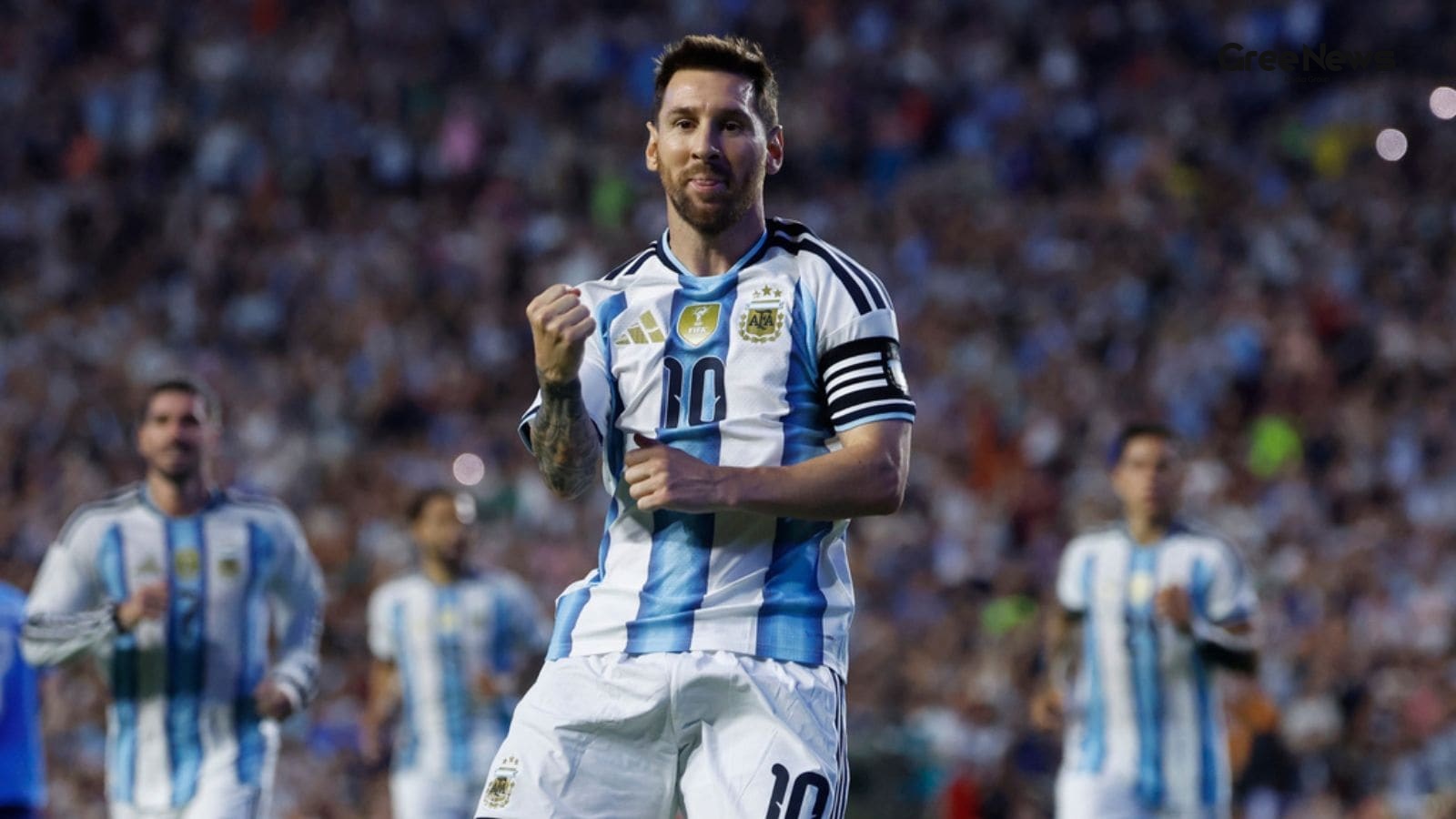
Argentina vs Iceland: The Emotional Shift and Messi's Return
The game against Iceland wasn't exactly a showcase for anything spectacular, really. It felt more like an early warm-up a kind of test run, you know? But what happened on that Tuesday, though, was definitely something. Argentina managed to pull off a convincing 3-0 win over Iceland in that final war
Jun 12, 2026 by Gree News Team
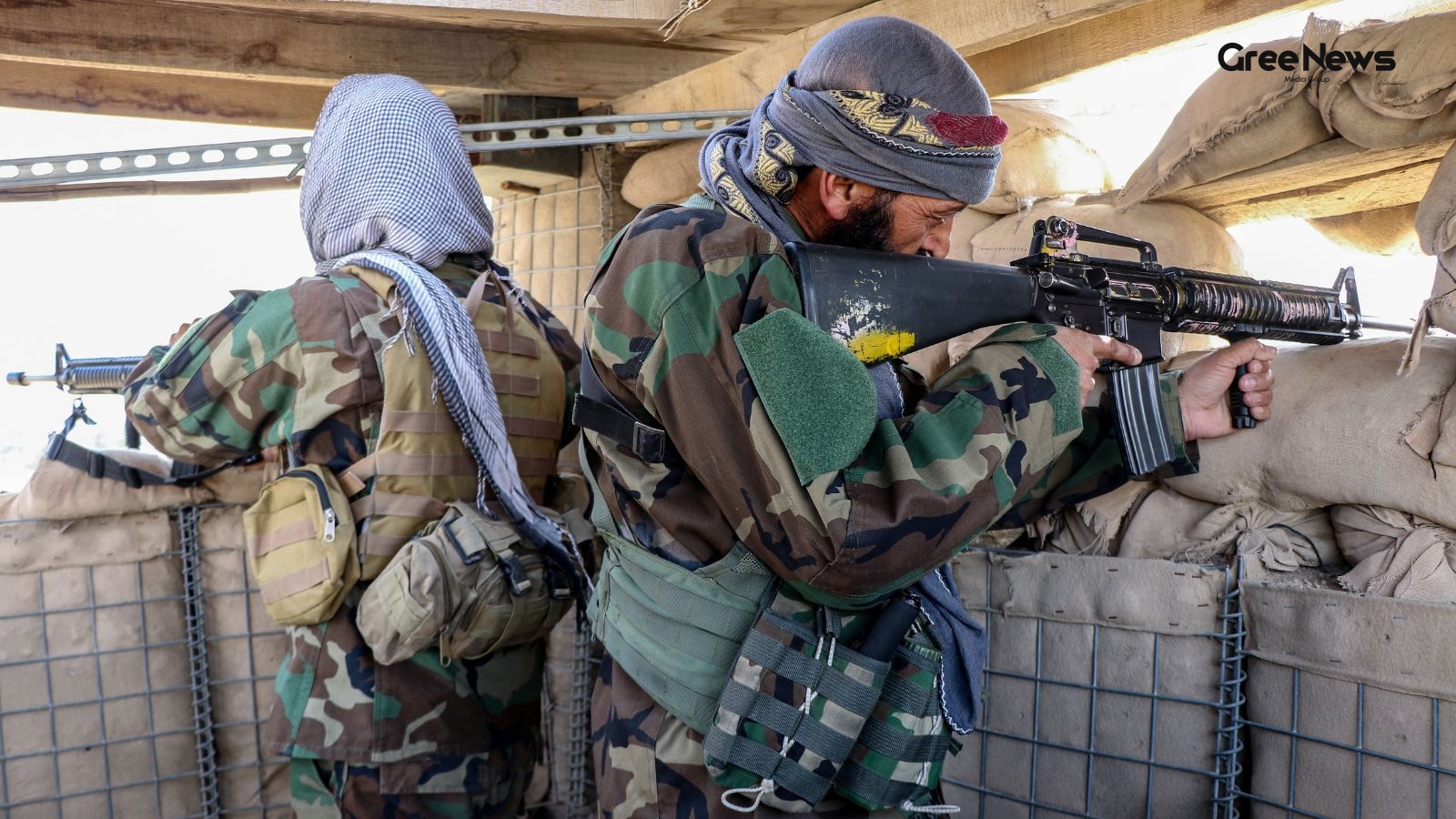
Pakistani Air Strikes in Afghanistan: Civilian Casualties and Regional Tensions
The death toll from those reported Pakistani air strikes in eastern Afghanistan has jumped up to nineteen, TOLO News is reporting. The targeting was in Manay village, Spera district. At least one woman and eight children were killed there. Several others also got hurt. Sources mentioned the victims
Jun 12, 2026 by Gree News Team
PM Modi's Milestone, Political Roadmap, and Global Standing
The numbers are starting to pile up. Prime Minister Modi has officially hit a major milestone: 4399 consecutive days in office. That’s a long stretch, certainly. It puts him ahead of Nehru's record for continuous service after India’s first elections, which is something you have to consider when you
Jun 12, 2026 by Gree News Team
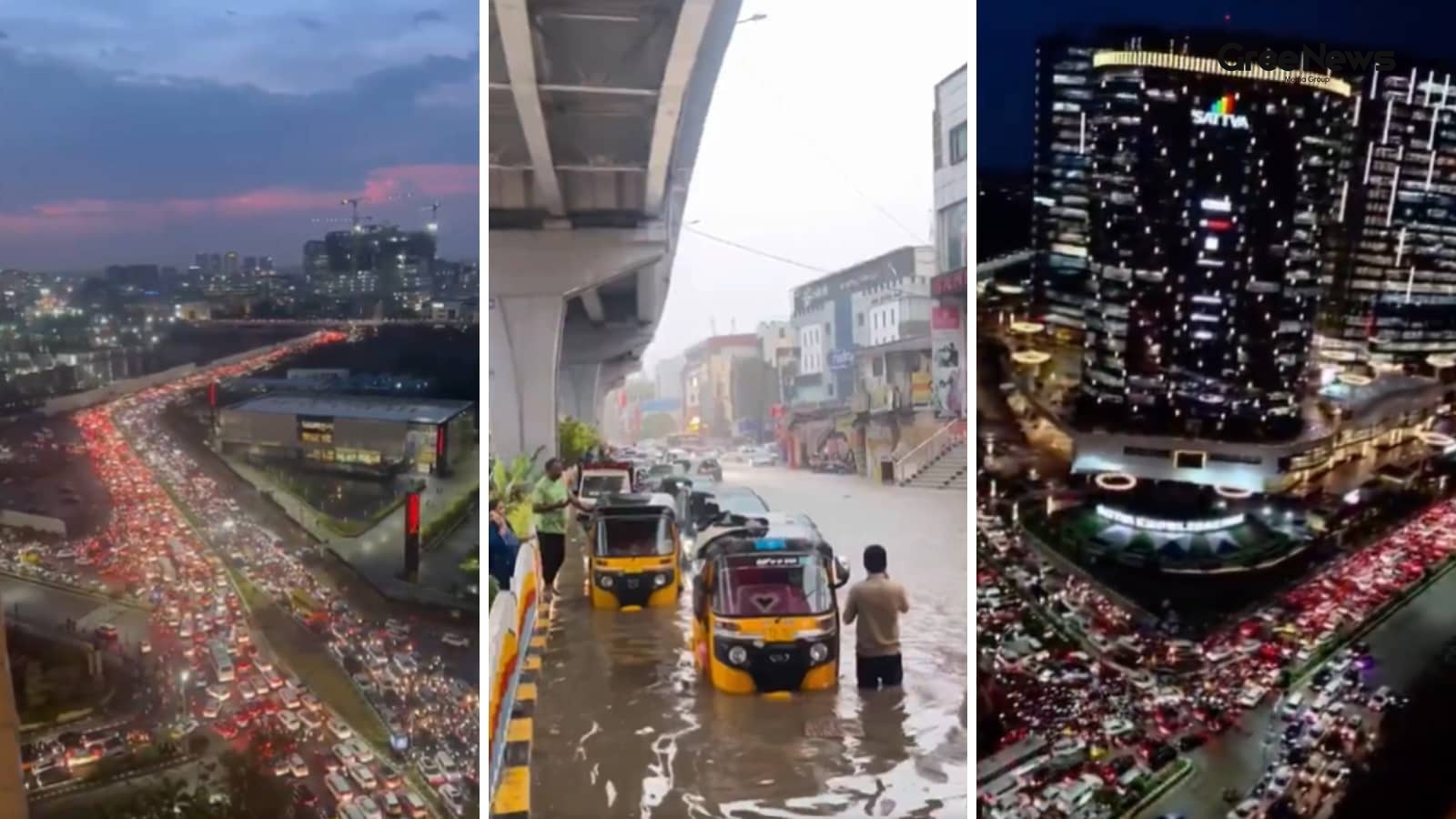
Hyderabad Traffic, Flooding, and Urban Planning Crisis During Monsoon
The rain hit Hyderabad hard on June 9th. It wasn't just a sprinkle; it was serious enough to bring the entire city to a grinding halt. Roads turned into rivers almost immediately, and the chaos started setting in fast. People were stuck. Thousands of them. Especially those working in the IT corridor
Jun 11, 2026 by Gree News Team

Mutual Fund Market Analysis: Equity Dip, Debt Exodus, and Investor Resilience in May 2026
The equity side of things took a real hit in May 2026. We saw a sharp slump forty percent, actually in net equity inflow. It dropped down to twenty-two thousand nine hundred eight crore rupees. That was compared to April, where the flow was much healthier, thirty-eight point four four crore. But don
Jun 11, 2026 by Gree News Team
Political Controversy: Ideology and Governance in Hyderabad
The air in Hyderabad felt thick with controversy after Telangana Chief Minister Revanth Reddy made his remarks. It wasn't some quiet statement; it was an explosion, drawing immediate fire from across the political spectrum. The whole thing kicked off when Reddy spoke at a conclave in Bengaluru. He c
Jun 11, 2026 by Gree News Team
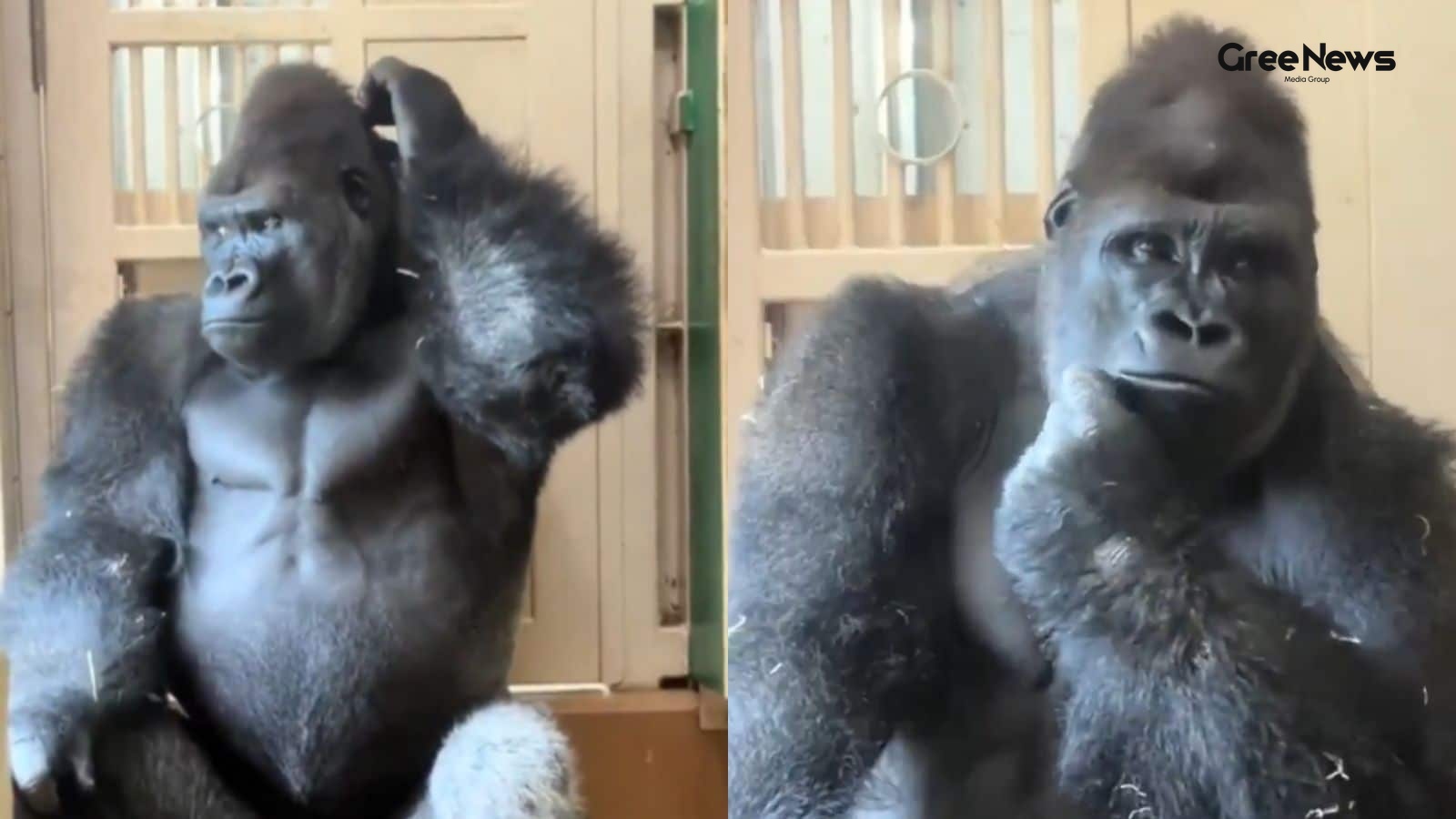
The Gorilla of Domestic Drama: Relatable Existential Melancholy
If you’ve been scrolling lately, chances are something caught your eye. The internet just churned out this thing: a deeply dejected gorilla. It looks like he’s constantly auditing every single life choice he ever made. It's hilarious, honestly. A whole video package went viral across the platforms,
Jun 11, 2026 by Gree News Team
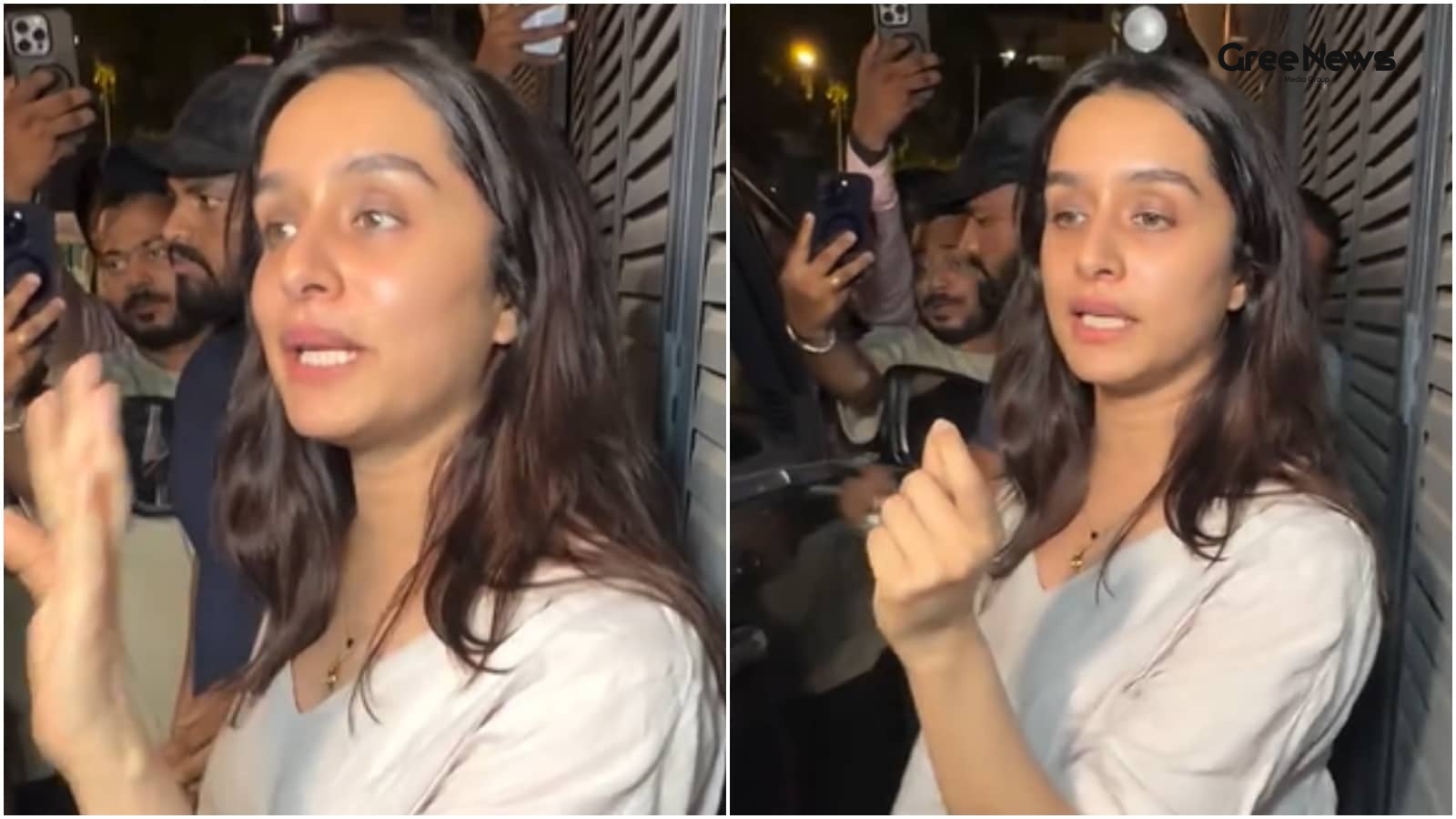
Shraddha Kapoor: Fame, Friction, and the Journey of 'Eetha'
Shraddha Kapoor. You see her everywhere lately, right? Mumbai. Just spotted by those relentless paparazzi. It wasn’t exactly a calm scene, though. She’s known for being pretty cheerful, light banter with the photographers usually, but this time felt different. A little frayed around the edges. She w
Jun 11, 2026 by Gree News Team
Sovereign Gold Bond Redemption: The Mechanics, Gains, and History
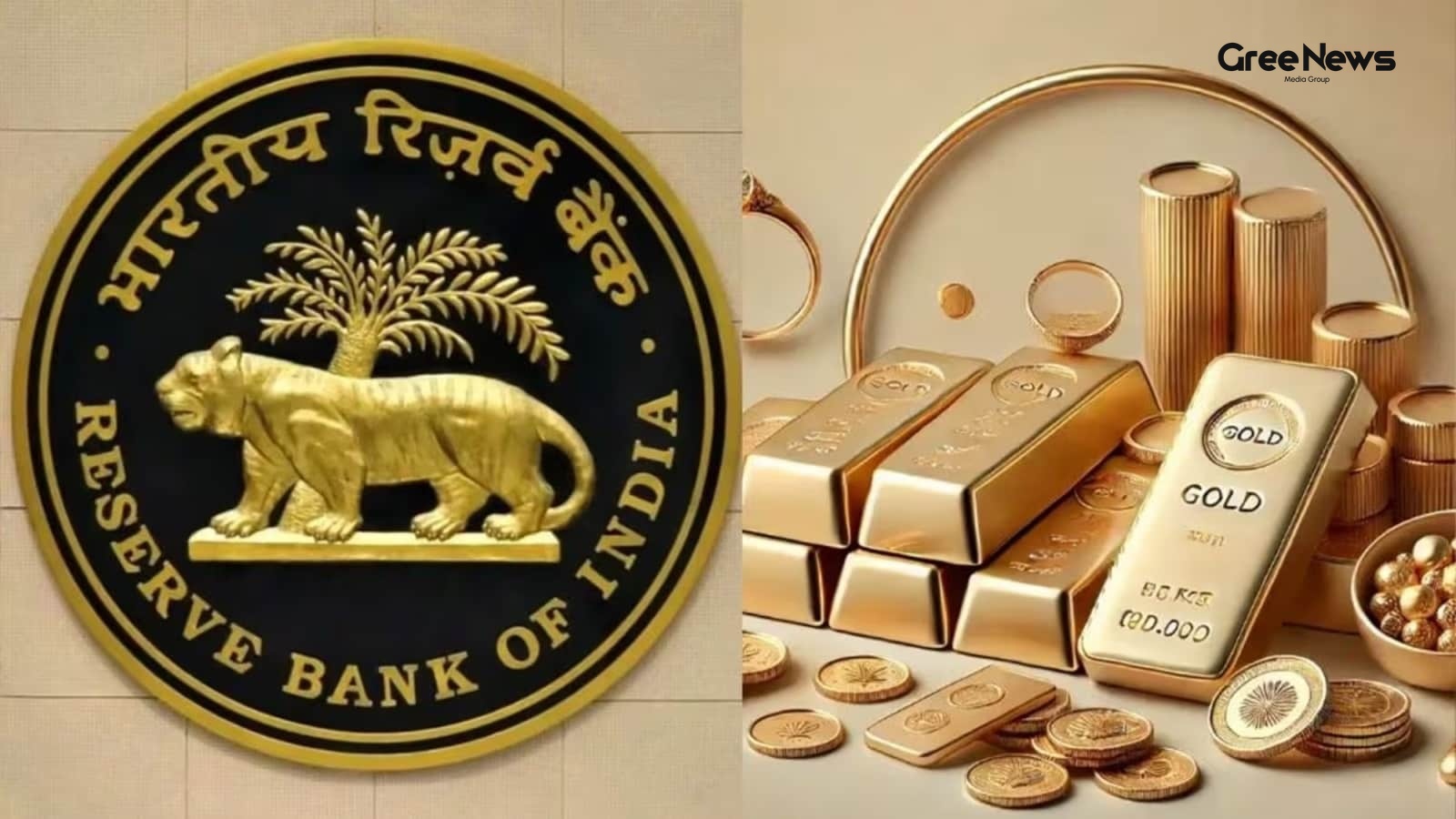
The redemption finally happened today, June 10th, 2026. It was permitted, that is, after all. The price set for these Sovereign Gold Bonds came out at Rs 15,275 per unit. That’s a huge jump a gain of 307.87% over the original issue price of Rs 3,745. And don't forget that doesn't even factor in the
Jun 11, 2026 by Gree News Team
Neymar's Journey: Anticipation, Fitness, and the Final World Cup Moment
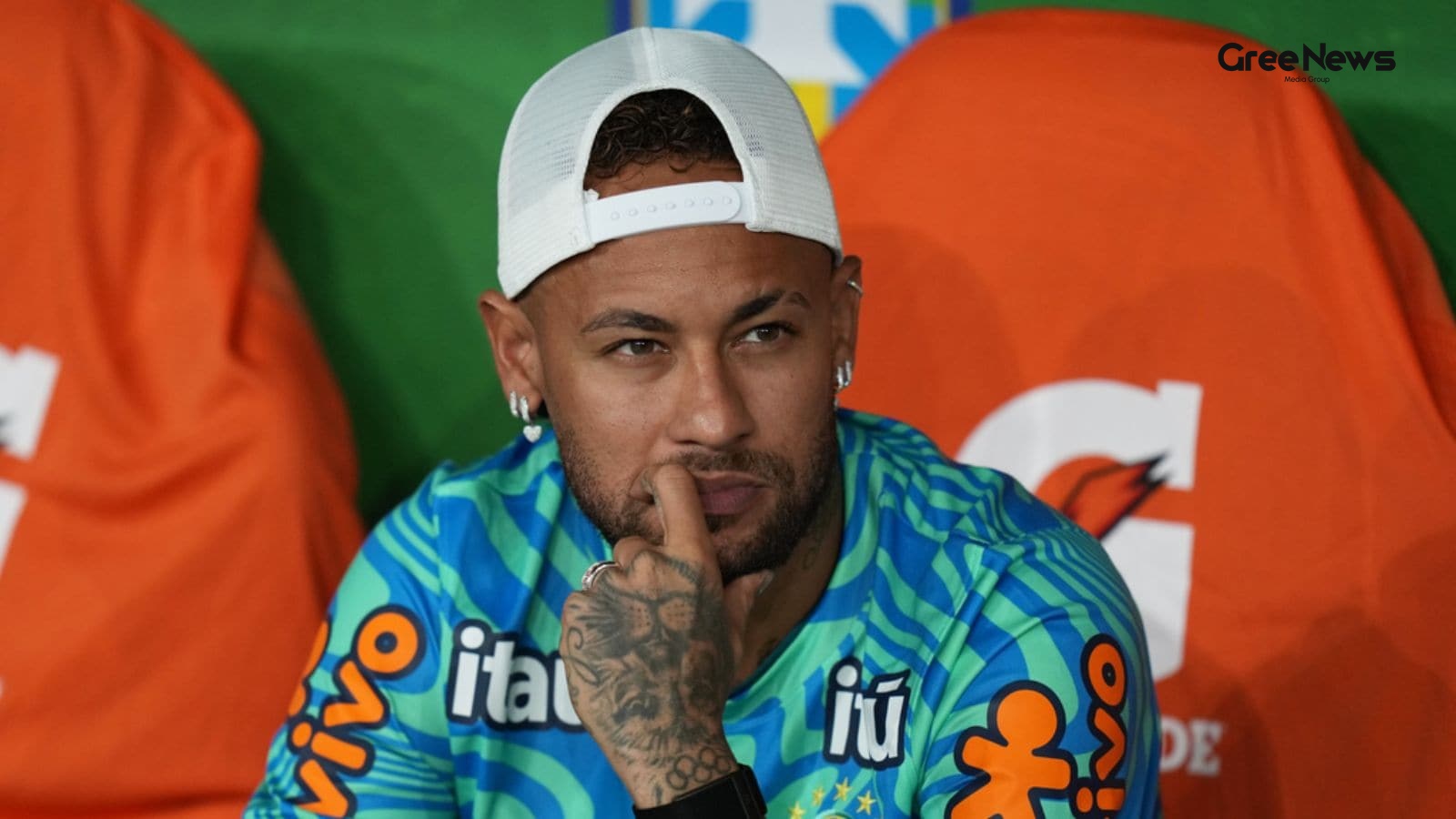
Neymar, that Brazilian superstar, he’s talking about feeling like a teenager right now. Like he's gearing up for something huge, even though everyone knows this might be his last big World Cup moment. He’s 34 years old, but the vibe is definitely younger. That kind of excitement you see in someone j
Jun 11, 2026 by Gree News Team
The Viral Ad: Menstruation, Marketing, and Social Taboos
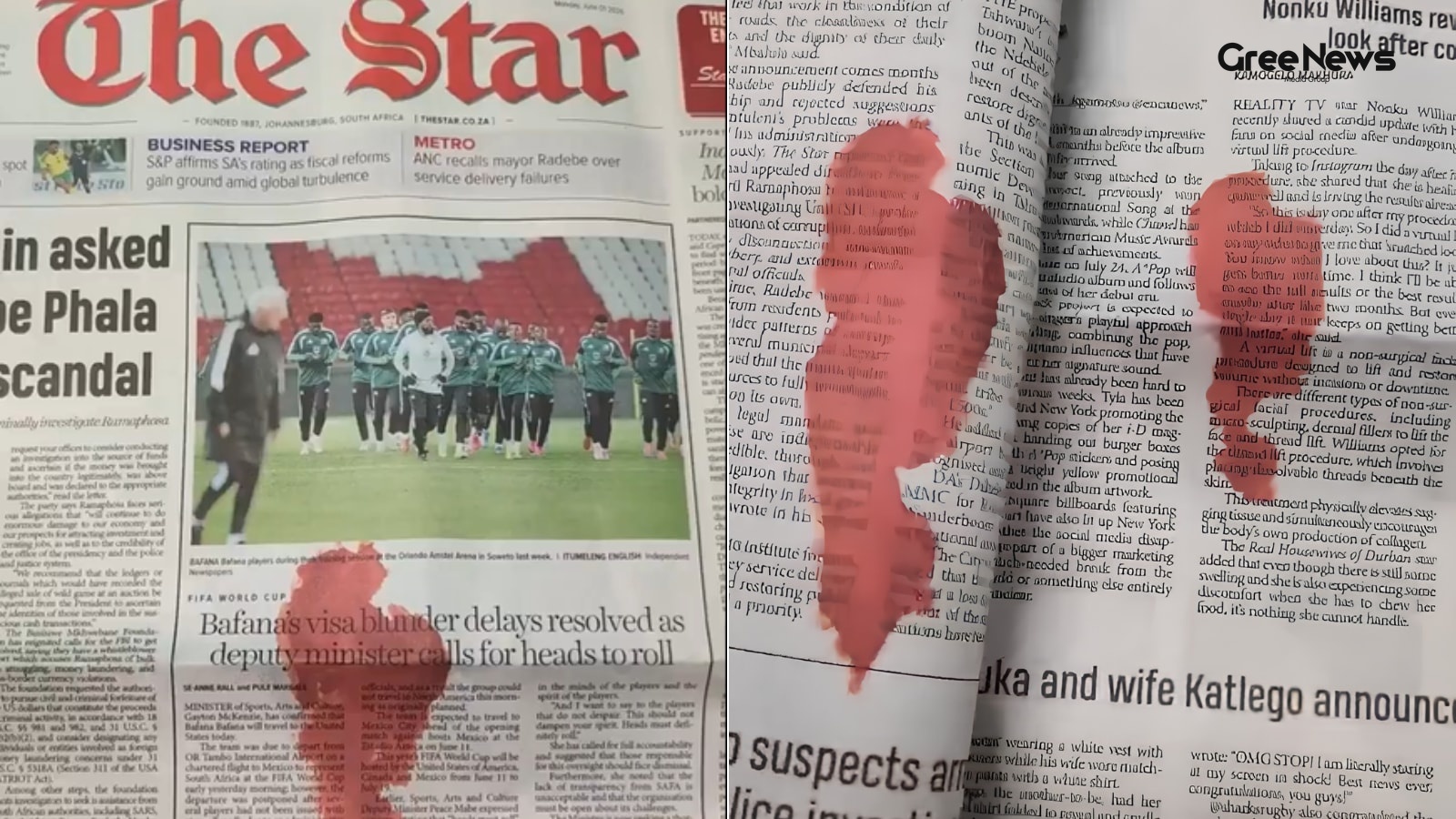
That front-page ad in a South African paper really blew up on social media. It’s all about that shocking ‘printing error.’ Published in The Star in Johannesburg, it just made people stop and look twice. There was this huge dark red stain spreading across the front page, right? It caught fire online
Jun 11, 2026 by Gree News Team
Ronaldo's Final Chance and the FIFA World Cup 2026 Group K
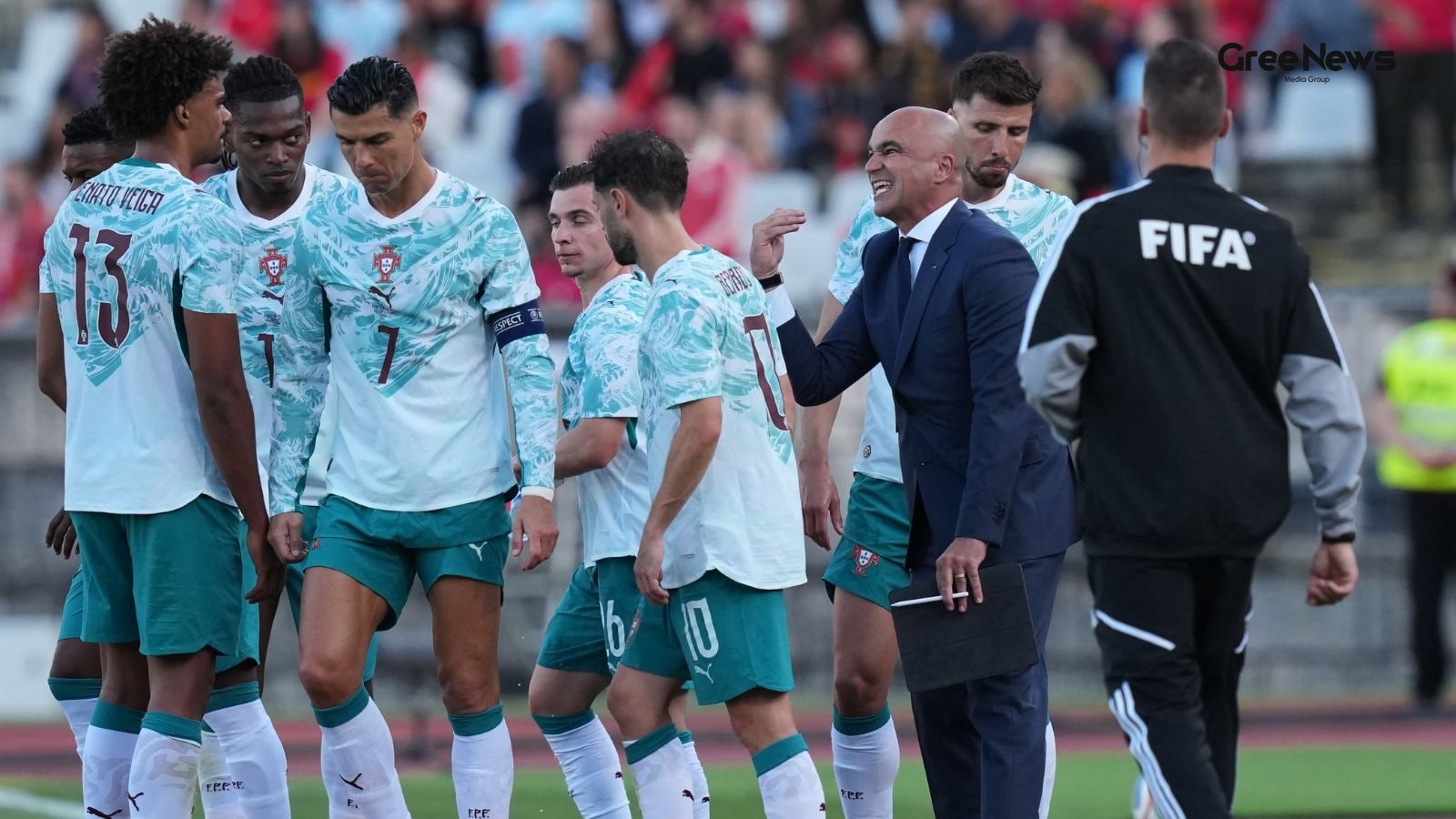
Ronaldo finally gets one last chance. It’s the biggest prize in football, and Portugal is starting their FIFA World Cup 2026 journey right now. They're slotted into Group K with Colombia, DR Congo, and Uzbekistan. That feels like a massive moment, doesn't it? Colombia, they’ve got that South America
Jun 11, 2026 by Gree News Team
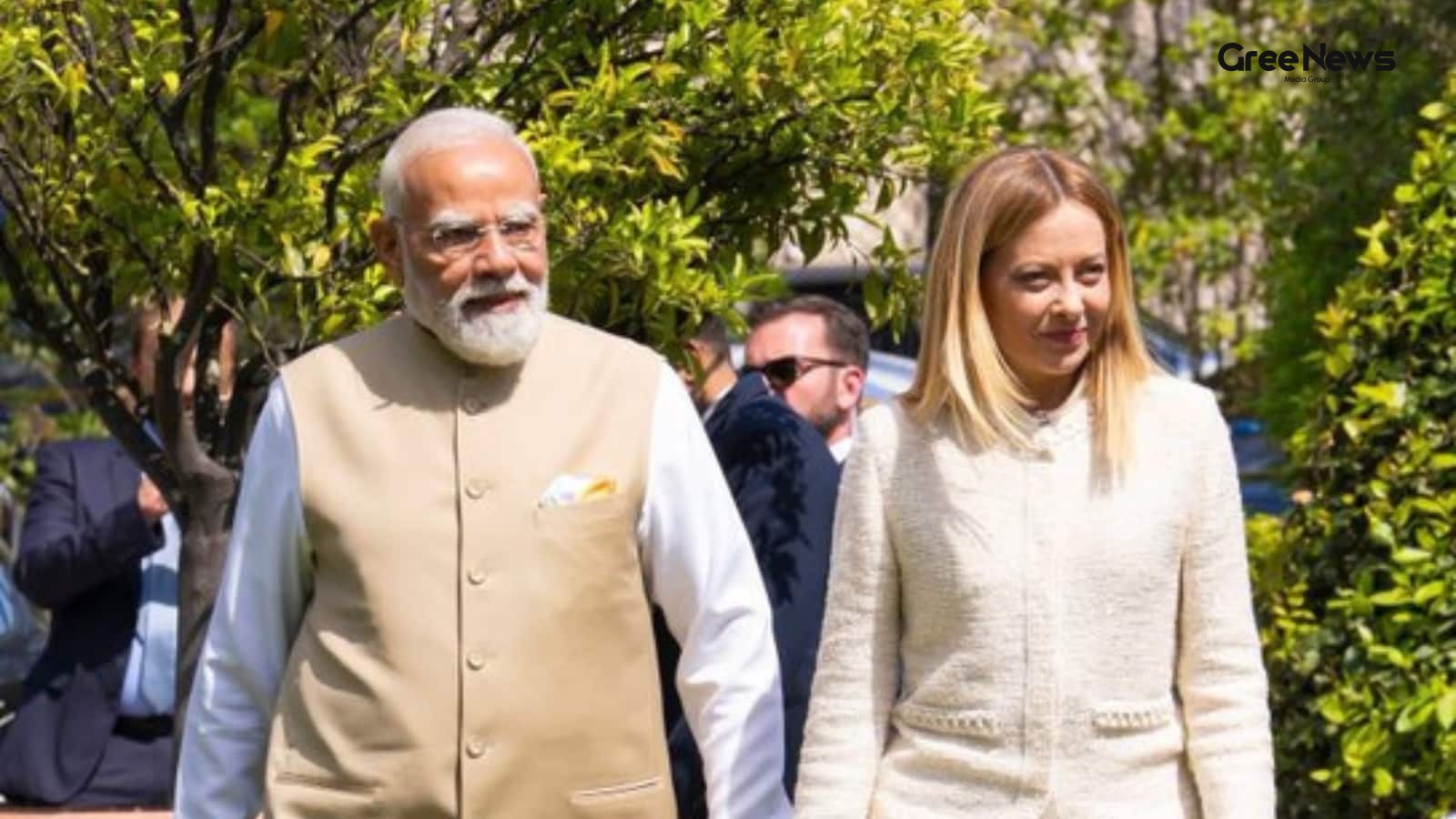
Giorgia Meloni's Note to PM Modi and the Growing Italy-India Relationship
Giorgia Meloni sent a note over to Prime Minister Narendra Modi. It was a congratulation about him holding the title of India’s longest-serving elected Prime Minister in history. She also touched on how much the relationship between Italy and India is actually growing. She wrote something specific.
Jun 11, 2026 by Gree News Team