The Tragic Loss and Unanswered Questions of the Air India AI-171 Crash
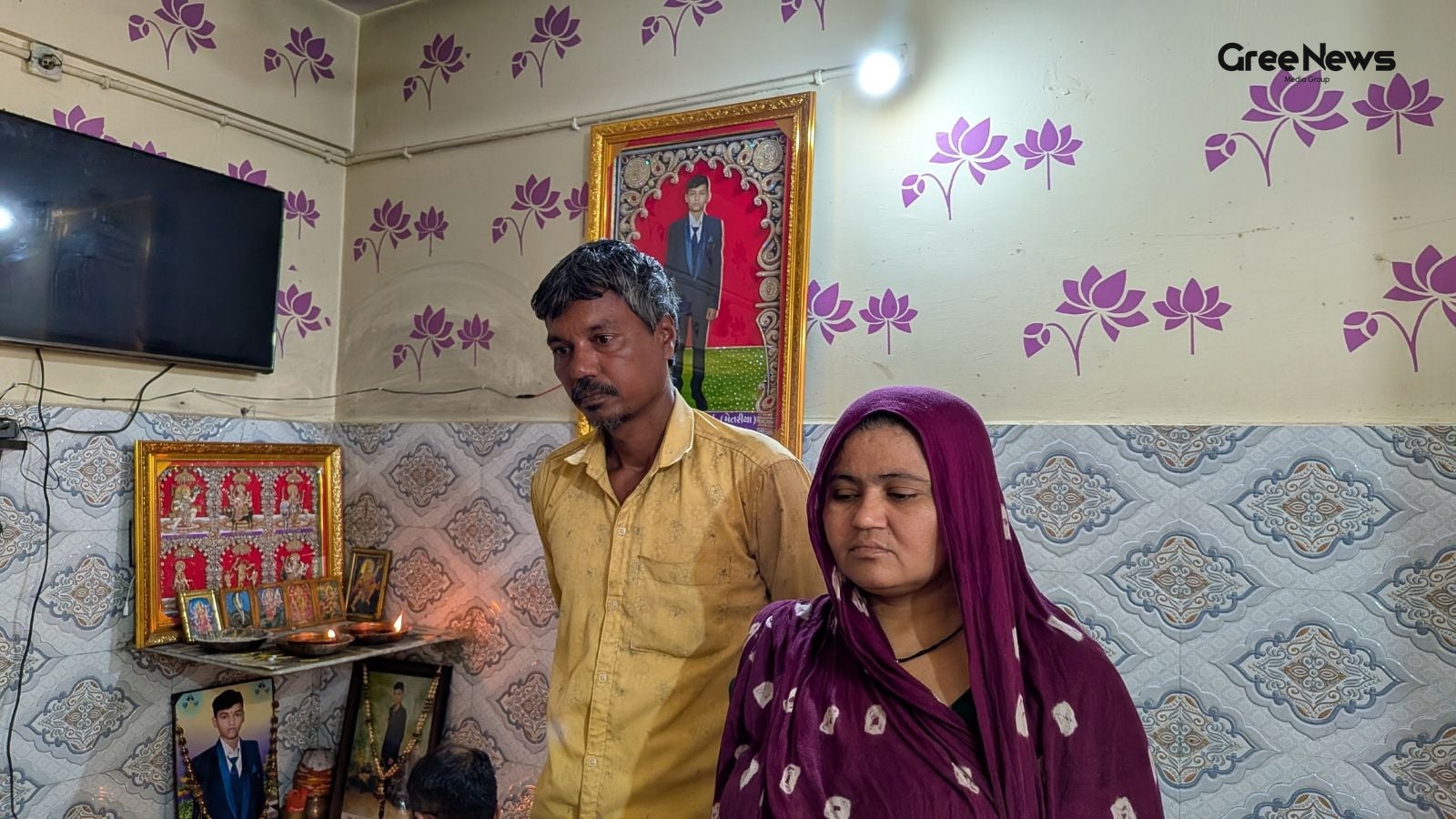
For David Christian , 72, a retired government official from Chandkheda in Ahmedabad, air travel just isn’t the same anymore. It all changed after what happened.
A few weeks back, when he and his elder son traveled to Australia, David made sure they took separate flights. It was a precaution born out of a fear he never thought he’d have to face the sheer terror of losing his whole family in an aviation disaster.
David lost his younger son, Rozar Christian , in the Air India AI-171 crash last year. That June 12th. Rozar, 37, and his wife Rachna , 36, they were heading back to the UK from London when that Boeing 787 went down near Ahmedabad.
David had been there, at the airport that day. He spoke to Rozar around 1:15 PM. Rozar just told him they were settled in their seats, about to take off. David was sorting through some stuff his friends sent from London, trying to make sense of things then.
Twenty-four minutes later, barely reaching home, the crash happened. We rushed back toward the airport. The plane had barely lifted off when everything went wrong. At the hospital... we realized we’d lost both our son and daughter-in-law.
Sarla , David’s wife, still carries that grief. It remains as raw as it was a year ago.
The family has pulled all photos of Rozar from their walls. They keep talking to his pictures every day. “My son surprised us by coming home from London on June 7th last year,” she said, fighting back tears. “It feels like he could walk through the door any minute now. We took them down and locked them away.”
The tragedy wasn’t just about those on the plane. Sixteen people on the ground died when the aircraft hit a medical college hostel building. Aspiring doctors. Local residents.
Akash Patni was one of them. He was just 14. Minutes before the crash, he had been delivering lunch to his mother, Sita Ben , who ran a tea stall near the hostel gate. Hot from the afternoon heat, he must have fallen asleep on a bench, about 300 meters from where the disaster unfolded.
Sita Ben , 43, watched it all. “Suddenly,” she said, her voice shaky, “there was this horrible sound and fire spread everywhere. Everything in its path burned.” She searched for her son frantically. When she couldn’t find him, she ran around asking for help. Too late.
She herself suffered thirty percent burns while desperately searching for Akash in the flames. She is still recovering from those injuries.
Her husband, Suresh Patni , an autorickshaw driver nearby, heard the explosion. He reached the spot and people told him to go to the hospital. They sent him to the post-mortem room. That’s when his heart just sank. Lost his child.
Akash was the youngest of their five kids.
On Thursday evening, families of those who lost loved ones gathered at the crash site again. A candlelight march. It wasn't just grief they shared. There was this constant need for answers. Accountability. Closure.
One year later, and still nothing settled. The Aircraft Accident Investigation Bureau, the AAIB, hasn’t released its final report. Families are left with so many unanswered questions hanging in the air.
Mike Andrews , a lawyer representing at least 120 families, told News18 about independent tests his team ran on simulators. They found some serious things. He claimed documents he accessed pointed toward possible electrical problems in the plane.
“The deployment of that Ram Air Turbine so early,” Andrews said, “it suggests there was a huge problem with the aircraft. It was deployed during takeoff.”
He said he never got the data he asked for. No information from the flight recorders or accident site videos or engine tear-down details.
Ed Pierson , from the Foundation for Aviation Safety, had raised concerns about electrical faults in older planes before. He shared his findings with the US board, but got no reply back.
“I also talked to the Indian AAIB,” Pierson admitted. “But they weren’t responsive. I don't have much faith that investigators will actually find what they need.”
CS Randhawa , president of the Federation of Indian Pilots, spoke up in Ahmedabad recently. He insisted that the Boeing 787 probably had major electrical issues causing the crash. The federation was one of the first to push back against ideas that Captain Sumeet Sabharwal was responsible for it.
“Since the preliminary report came out,” Randhawa said, “we’ve kept saying this plane had serious electrical problems. The 787 has faced these issues globally things about the Ram Air Turbine , batteries, even water getting into the electronics behind the cockpit.”
He pointed to the investigation timeline too. Under the rules, the AAIB should share a draft report with everyone thirty days before the final one. Nothing has been circulated yet. It just means the investigation is still dragging on.
Randhawa warned against rushing things. “Another interim report will just cause more confusion and speculation. The investigators need the time to actually figure this out and give us a real final report.”
He mentioned that the federation, along with the captain’s father, pushed for a judicial probe under some AAIB rules. They want something concrete.
On Friday, marking the one-year anniversary of the crash, families gathered at the site again. Candlelight marches. And they still seek answers. Accountability. Closure. The grief is huge, but that demand that's what unites them now.
Written by Gree News Team — Senior Editorial Board
Gree News Team covers international news and global affairs at Gree News. Our collective of senior editors is dedicated to providing independent, accurate, and responsible journalism for a global audience.
More from India
View All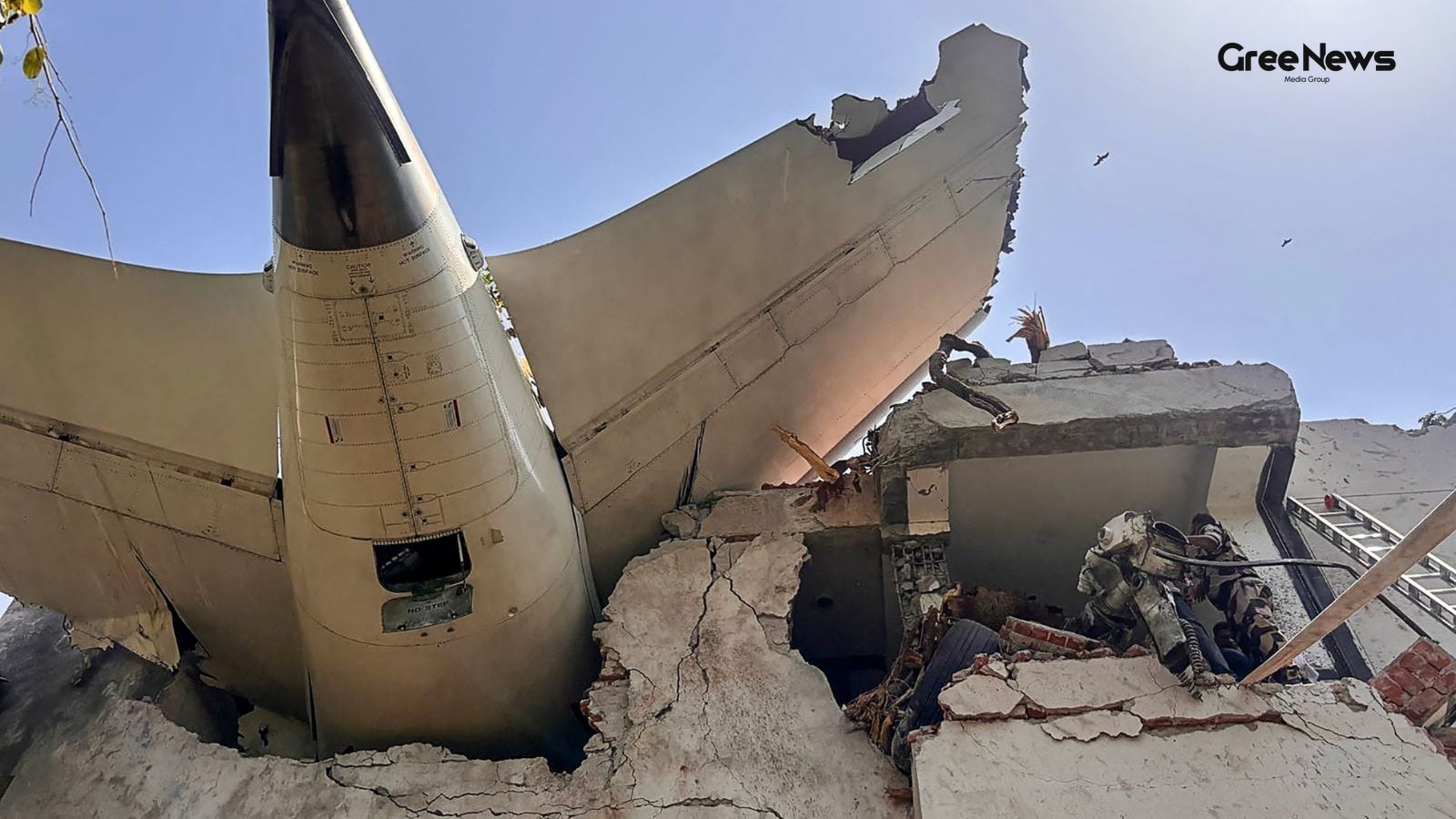
The Mystery of Air India Flight AI171: What Caused the Disaster?
One year has passed since Air India Flight AI171 went down. It happened right after takeoff from Ahmedabad, taking 260 lives with it. But one question just keeps hanging there. What actually caused this disaster? The plane involved was a Boeing 787 Dreamliner. It was supposed to head to London, Gatw
Jun 12, 2026 by Gree News Team
Fake Signature Case: Abhishek Banerjee and the CID Investigation
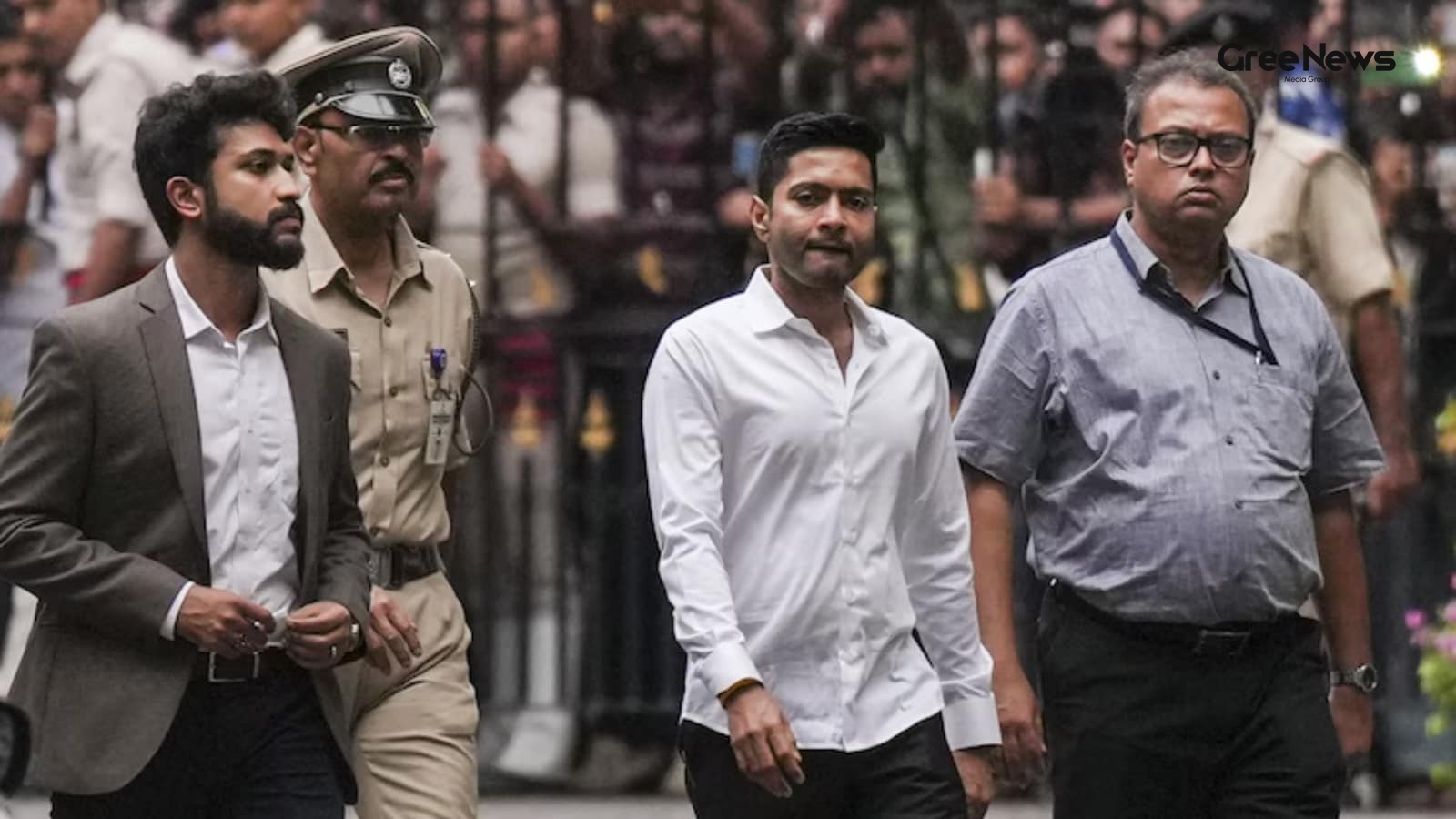
Fake Signature Case Abhishek Banerjee. Trinamool Congress general secretary. He was hauled in for questioning by the West Bengal CID. Over five hours of it. All connected to this signature mismatch thing. It involves some key resolution submitted in the state Assembly. The Diamond Harbour Lok Sabha
Jun 12, 2026 by Gree News Team
Internal Fracture and Instability within the Trinamool Congress
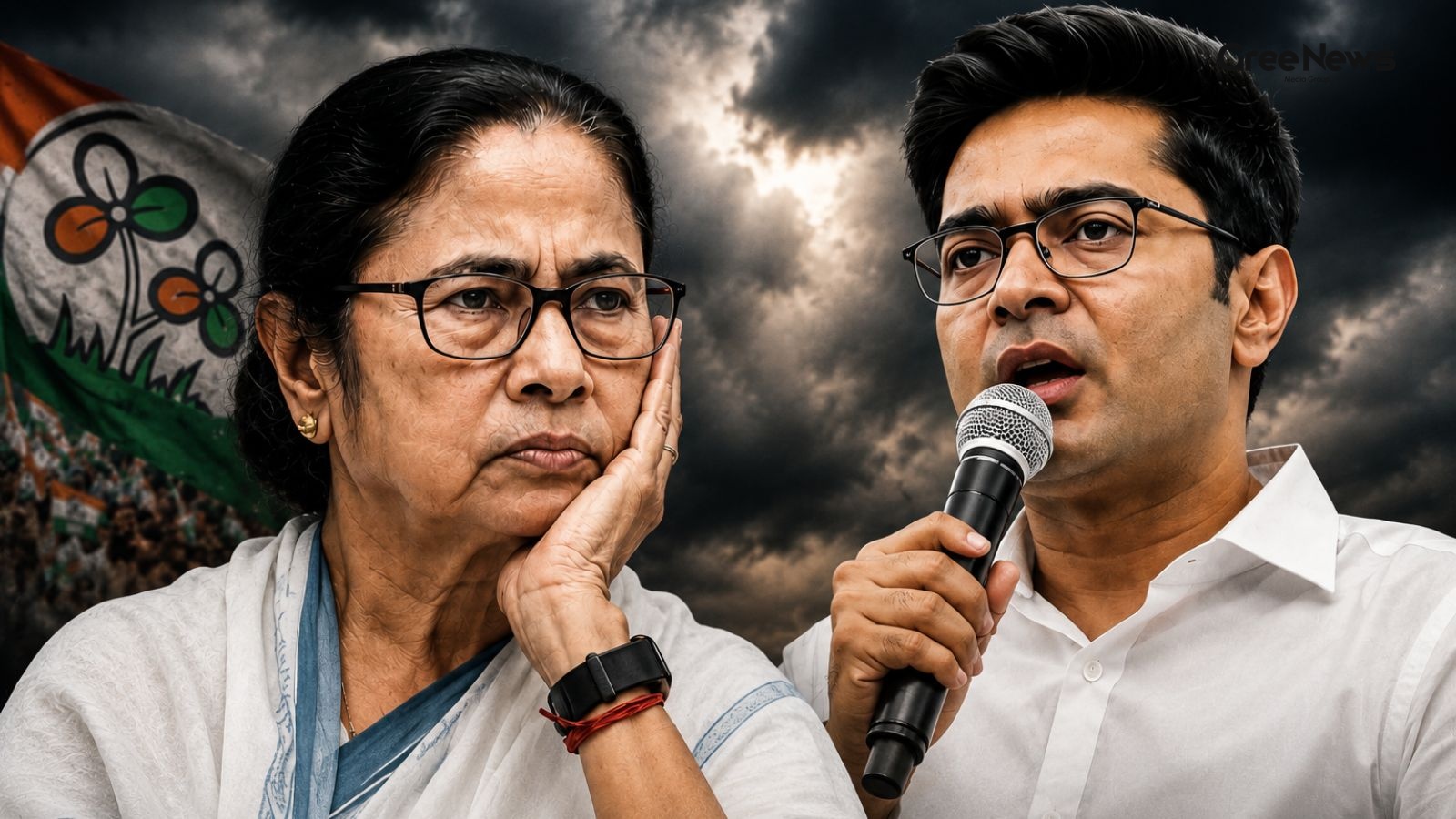
The air around the Trinamool Congress right now isn’t just heavy with disappointment; it feels brittle. It’s one of those periods where everything that was simmering beneath the surface suddenly boils over into something very real and very dangerous. The party is reeling, utterly battered by the ele
Jun 12, 2026 by Gree News Team
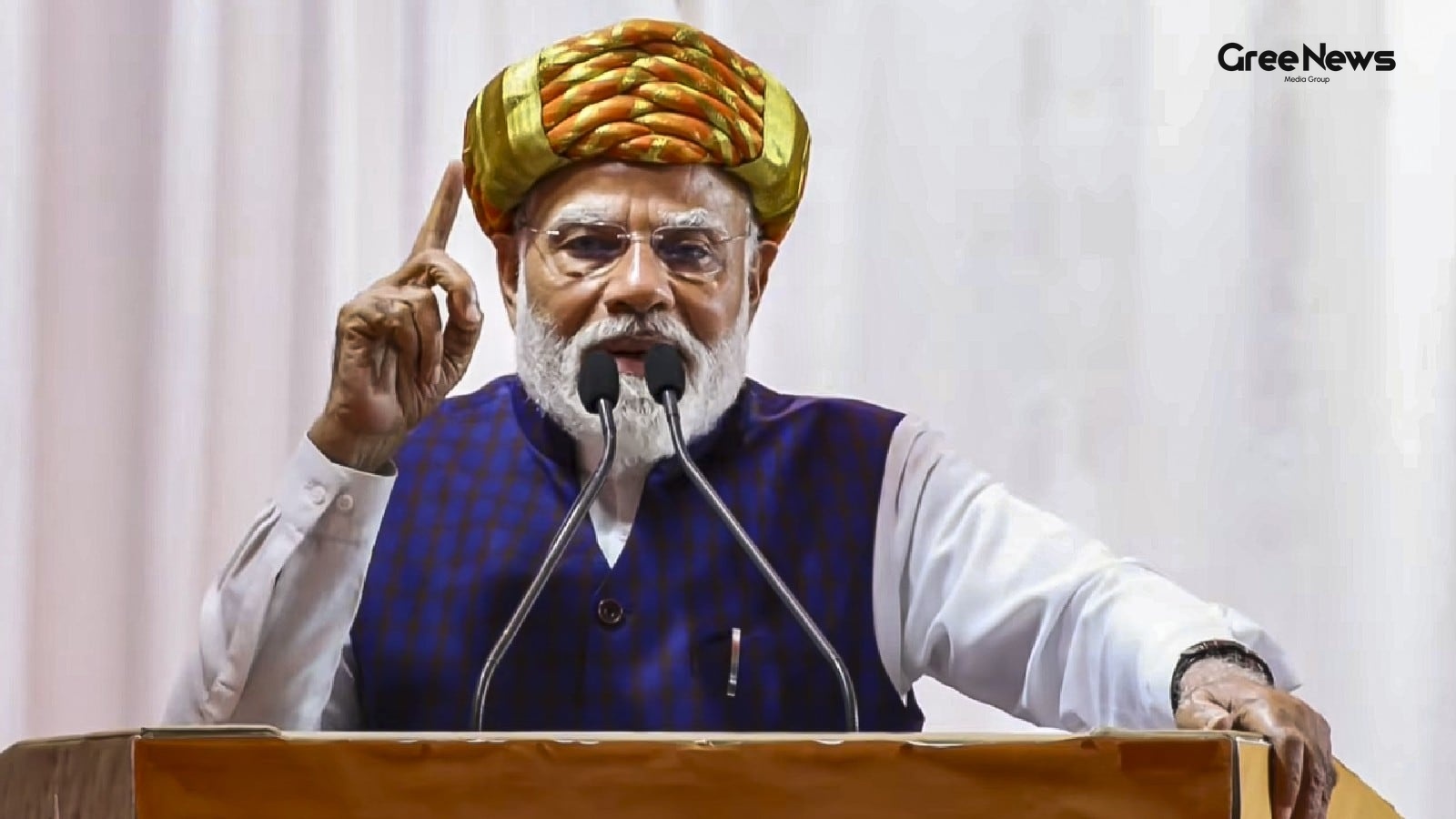
Global Recognition of Modi's Leadership and Tenure
Modi, having held the reins for what feels like an eternity now, got waves of congratulations from leaders all over the world. It’s been a long run, and apparently, that translates into global recognition praise about his leadership, the economic direction he’s set, and how much influence he seems t
Jun 12, 2026 by Gree News Team
Latest Headlines
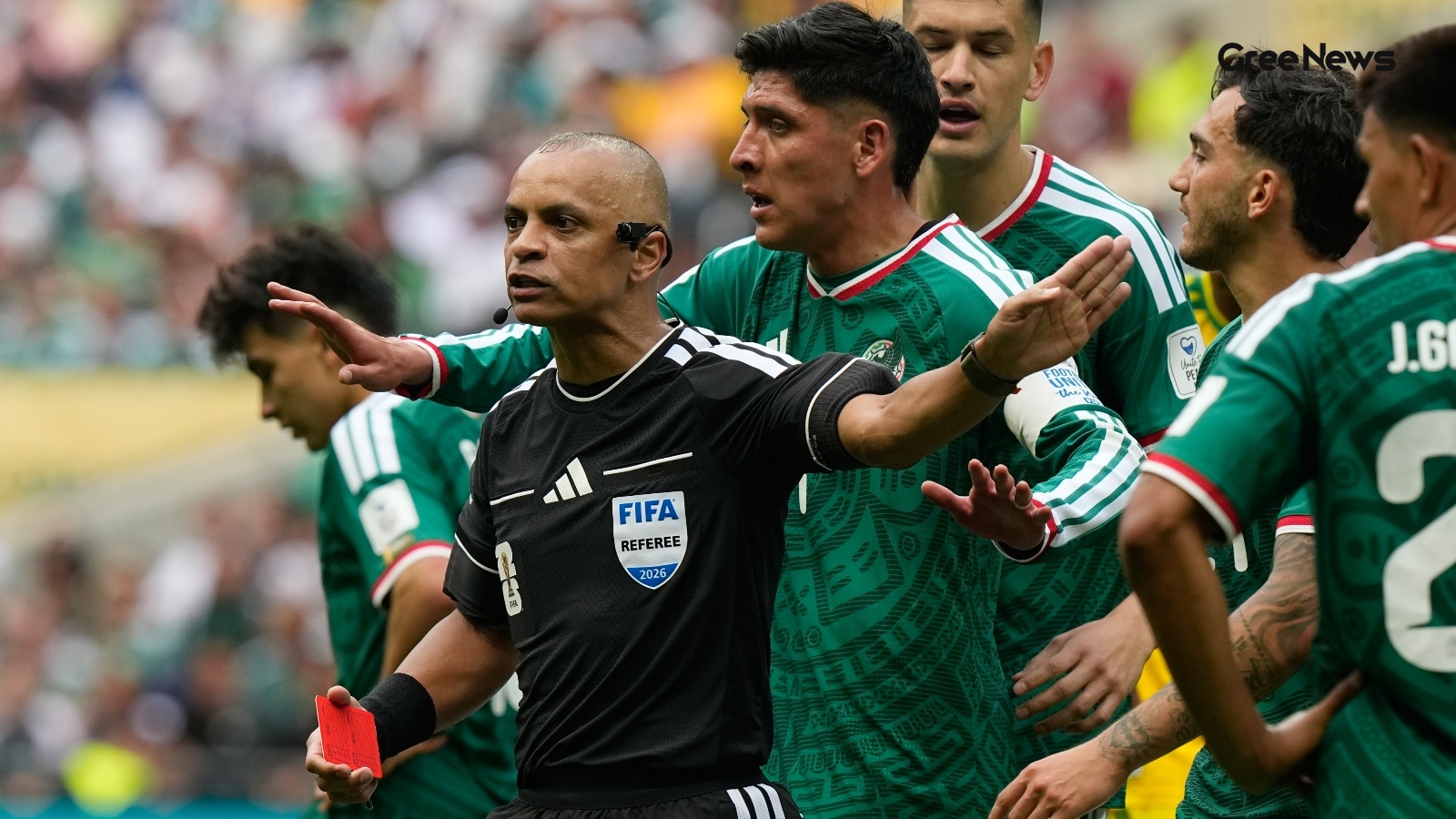
The Unprecedented Chaos of Red Cards in the World Cup Opening Match
Man, that World Cup start was something else. A real firestorm kicked off in Mexico City. Mexico managed a solid 2-0 win against South Africa, sure enough. But honestly? That’s just the surface story from the Estadio Azteca. The real noise, the actual thing that stuck with everyone watching through
Jun 12, 2026 by Gree News Team
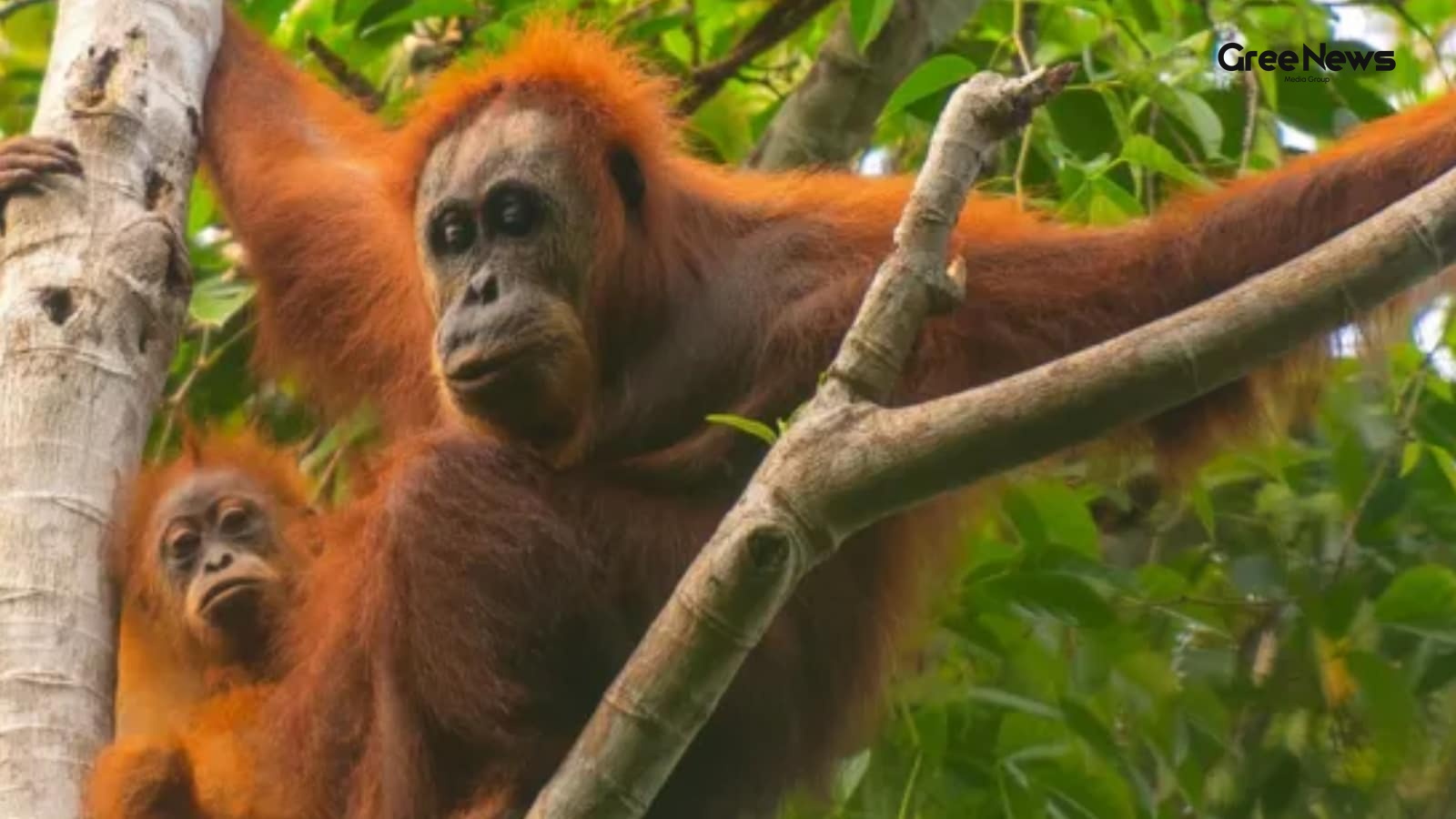
Tapanuli Orangutan Loss Following Cyclone Senyar
A cyclone hit Sumatra last year, absolutely devastating. It wiped out at least fifty-eight critically endangered Tapanuli orangutans. That’s roughly seven percent of the world's remaining population gone. A new study put this into stark perspective, pushing the species closer to extinction. The find
Jun 12, 2026 by Gree News Team

Raúl Jiménez: The Collision, Survival, and World Cup Moment
Mexico’s players are all wearing those iconic green jerseys for the 2026 World Cup. But there’s one man who just immediately stands out. Every time Raúl Jiménez steps onto the field, you see him. And he always wears that custom black protective head guard. It's a permanent marker. A reminder of the
Jun 12, 2026 by Gree News Team
The Complexity of Shifting Narratives and Power Dynamics
It’s funny how things just… shift. You watch the news cycle spin, you think there’s a clean thread, right? But underneath it all, it's never really neat. It’s more like watching water move over rocks, constantly changing shape. It happens when the underlying currents change direction. They ripple ou
Jun 12, 2026 by Gree News Team
The Mystery of Air India Flight AI171: What Caused the Disaster?
One year has passed since Air India Flight AI171 went down. It happened right after takeoff from Ahmedabad, taking 260 lives with it. But one question just keeps hanging there. What actually caused this disaster? The plane involved was a Boeing 787 Dreamliner. It was supposed to head to London, Gatw
Jun 12, 2026 by Gree News Team
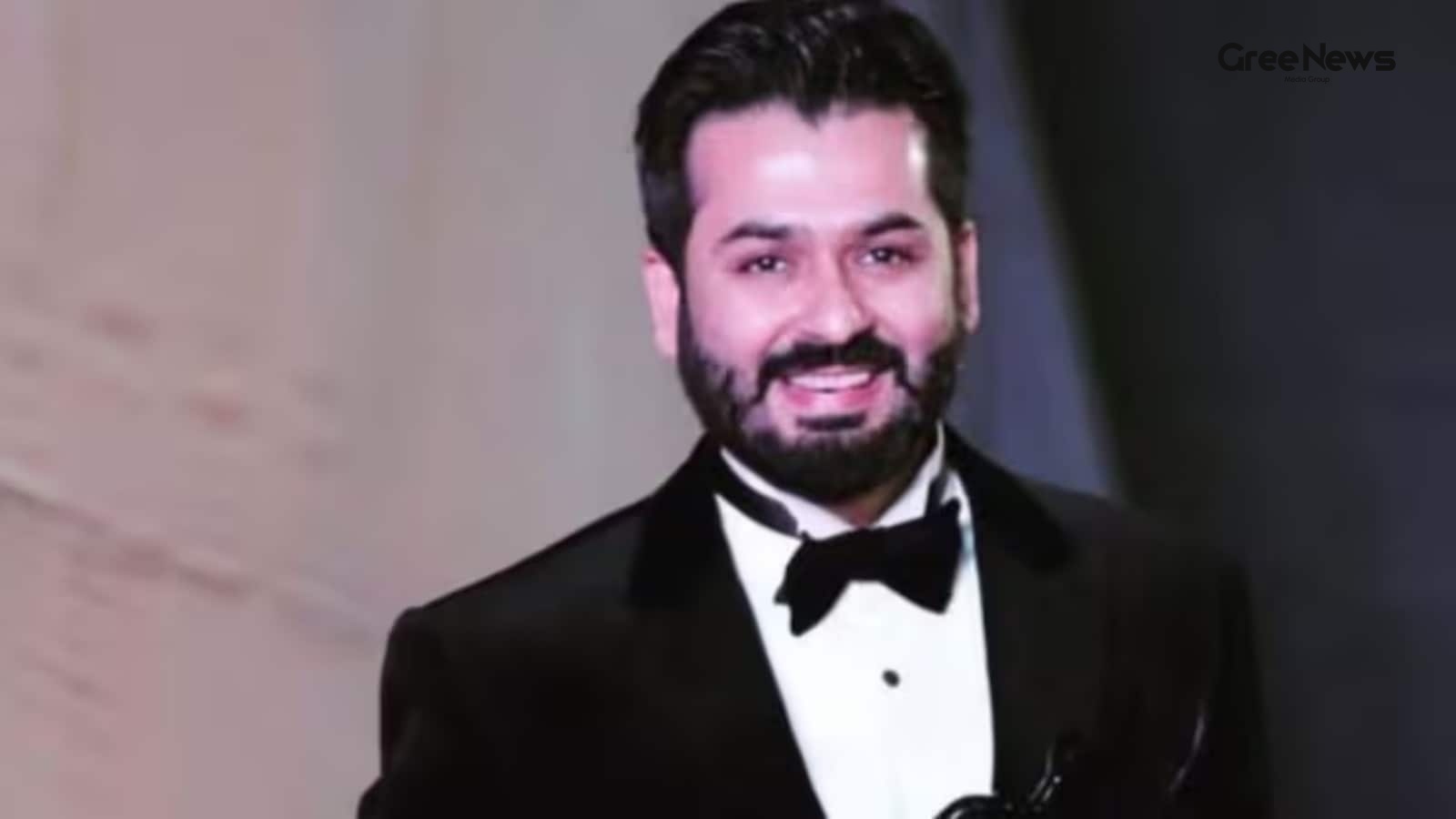
The Impact of Music and Passion in the *Dhurandhar* Franchise Success
Shashwat Sachdev’s music really shifted things with Aditya Dhar’s *Dhurandhar* and then *Dhurandhar 2*. People kept talking about how much that background score just lifted the scenes, made everything hit harder. It became a huge deal after the film came out. He got famous fast riding that wave of s
Jun 12, 2026 by Gree News Team
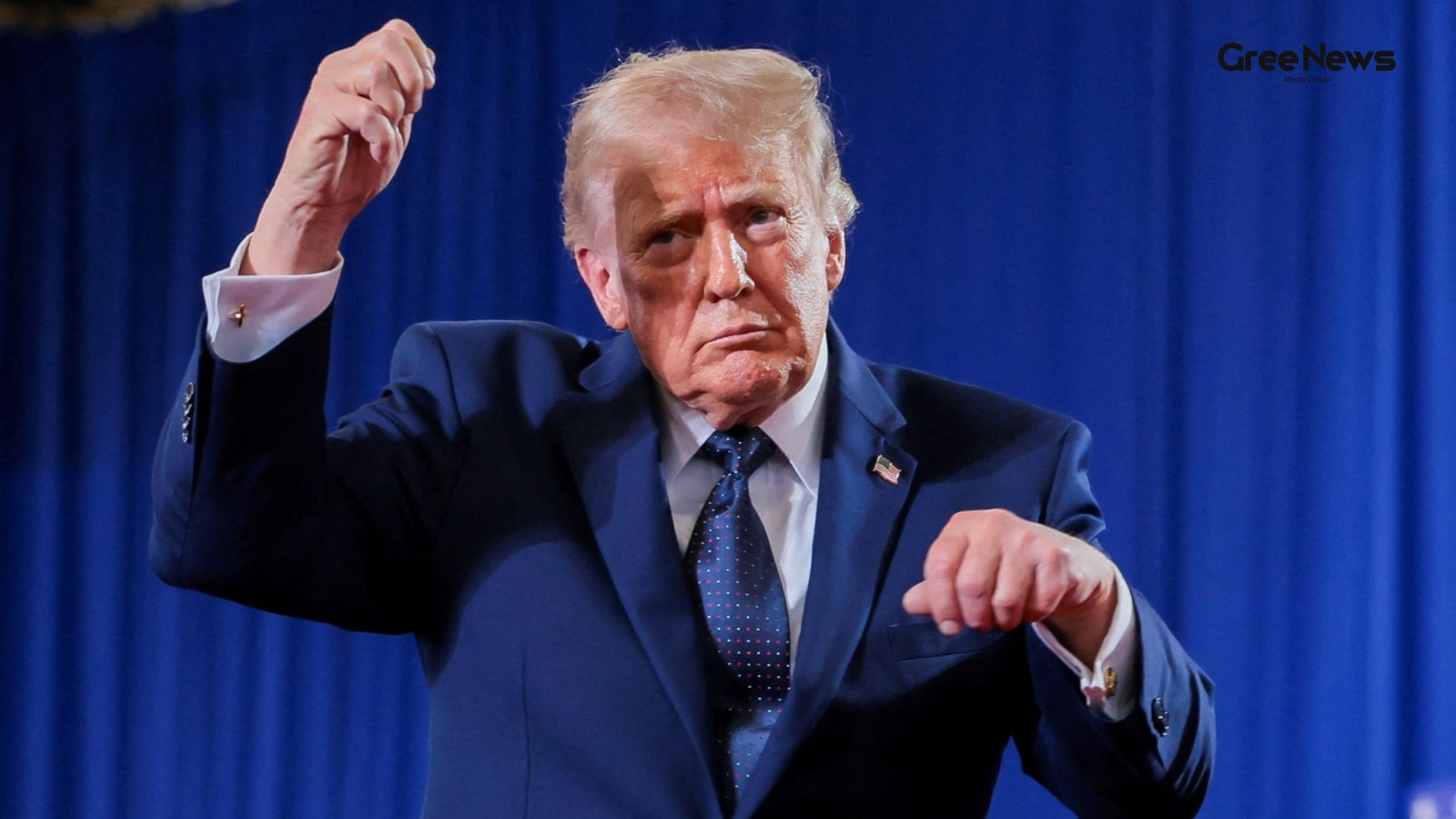
The Alleged Deal with Iran and Shifting Geopolitical Statements
The whole thing is moving fast now. A deal with Iran? It’s supposedly nearly done. Trump was talking about it in the Oval Office, saying they were super close. He called it a “very detailed memorandum of understanding.” Sounds official, but you know how those things are just paper and promises. Pavi
Jun 12, 2026 by Gree News Team

Market Update: Global Cues, Corporate Shifts, and Institutional Activity
The markets kicked off this morning with a generally positive signal, tracking firm global cues. Gift Nifty was sitting at 23,478.5 when the clock hit 7:48 am a modest bump of 76 points, or just 0.32 percent. That’s what we saw initially. But there were other things moving around in the background.
Jun 12, 2026 by Gree News Team
Fake Signature Case: Abhishek Banerjee and the CID Investigation
Fake Signature Case Abhishek Banerjee. Trinamool Congress general secretary. He was hauled in for questioning by the West Bengal CID. Over five hours of it. All connected to this signature mismatch thing. It involves some key resolution submitted in the state Assembly. The Diamond Harbour Lok Sabha
Jun 12, 2026 by Gree News Team
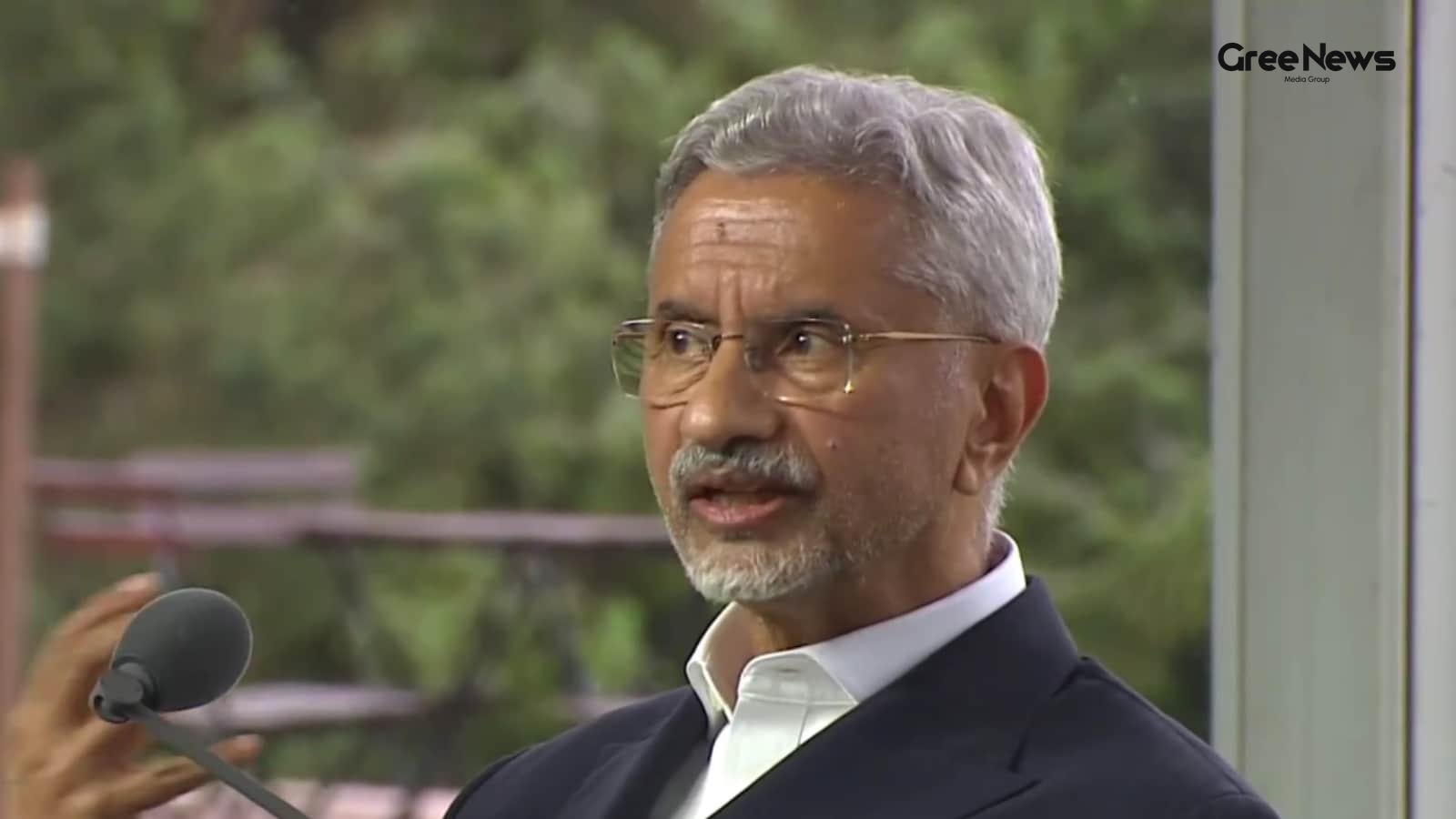
India's Energy Decisions and the Russia Oil Dynamic
Dr S Jaishankar, External Affairs Minister, he was talking about Russia oil on Friday. He defended India’s buying of it, pointing out some kind of contradiction in how Europe was criticizing New Delhi's energy policy. This happened while he was at the Kultaranta Talks in Finland, chatting about "Eme
Jun 12, 2026 by Gree News Team

Indian Equity Markets Rally Fueled by Global Optimism
The domestic markets opened sharply higher Friday, fueled by a wave of global optimism that swept across international equities. We saw the BSE Sensex jump nearly 981 points that’s over 1.3% gain landing at 74,814 in early trading. The NSE Nifty 50 followed suit, ticking up by 272 points, hitting 23
Jun 12, 2026 by Gree News Team

Smart Home Tech: Choosing Between Plugs, Switches, and Soundbars
Choosing between a smart plug and a smart switch isn't really about technology itself. It’s more about how much control you actually want over your home, end of story. If you’re renting an apartment and just need a simple way to automate things a lamp or maybe a coffee machine a smart plug is usuall
Jun 12, 2026 by Gree News Team
Internal Fracture and Instability within the Trinamool Congress
The air around the Trinamool Congress right now isn’t just heavy with disappointment; it feels brittle. It’s one of those periods where everything that was simmering beneath the surface suddenly boils over into something very real and very dangerous. The party is reeling, utterly battered by the ele
Jun 12, 2026 by Gree News Team
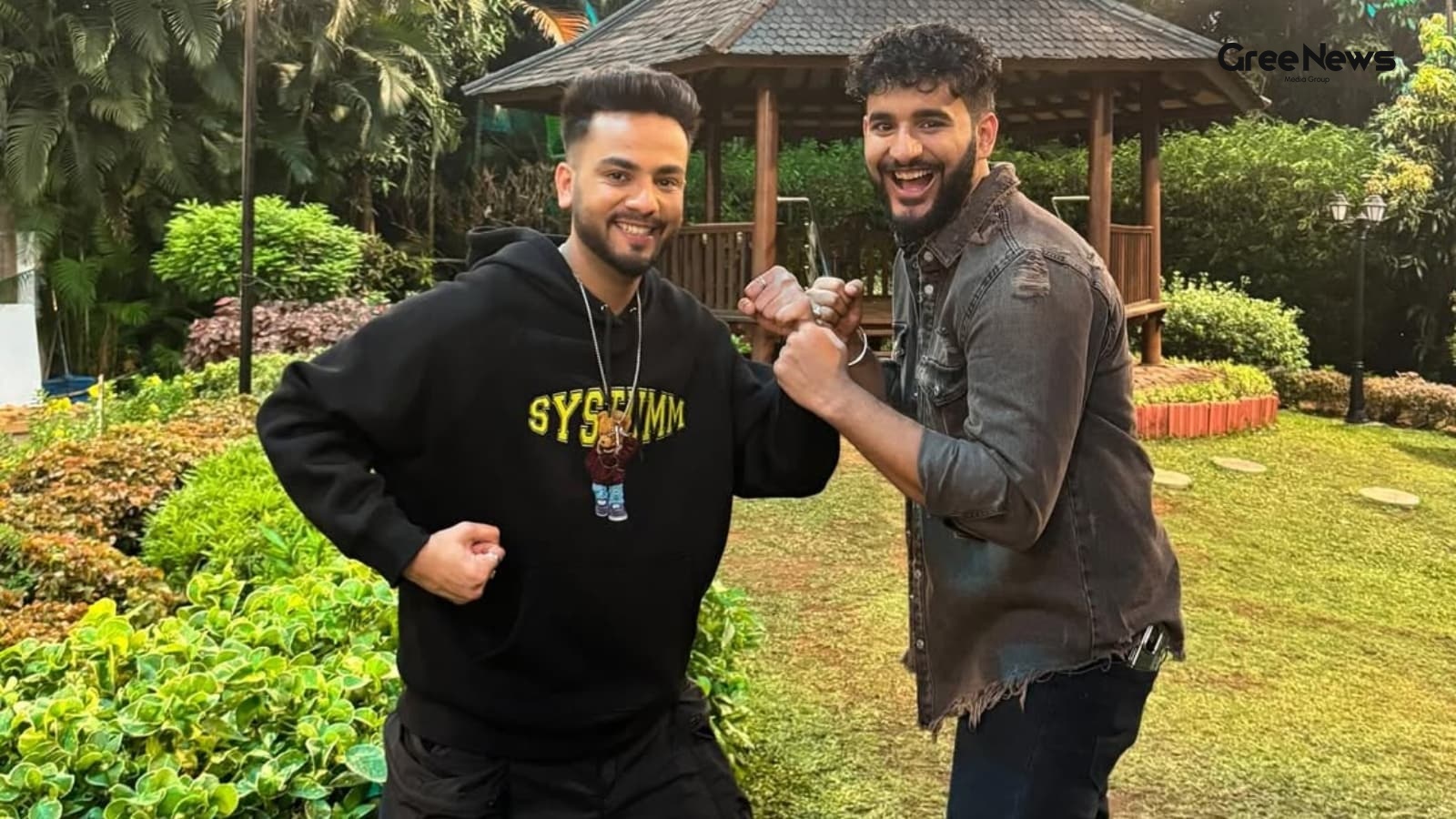
The Rise of Social Media Creators in Indian Reality TV
The Indian television scene is changing fast. Seriously. Over the last few years, it’s been a massive shift. Content creators, YouTubers, those social media influencers? They are totally taking over reality TV now. Think about names like Elvish Yadav, Mr Faisu, Abhishek Malhan. People used to see th
Jun 12, 2026 by Gree News Team
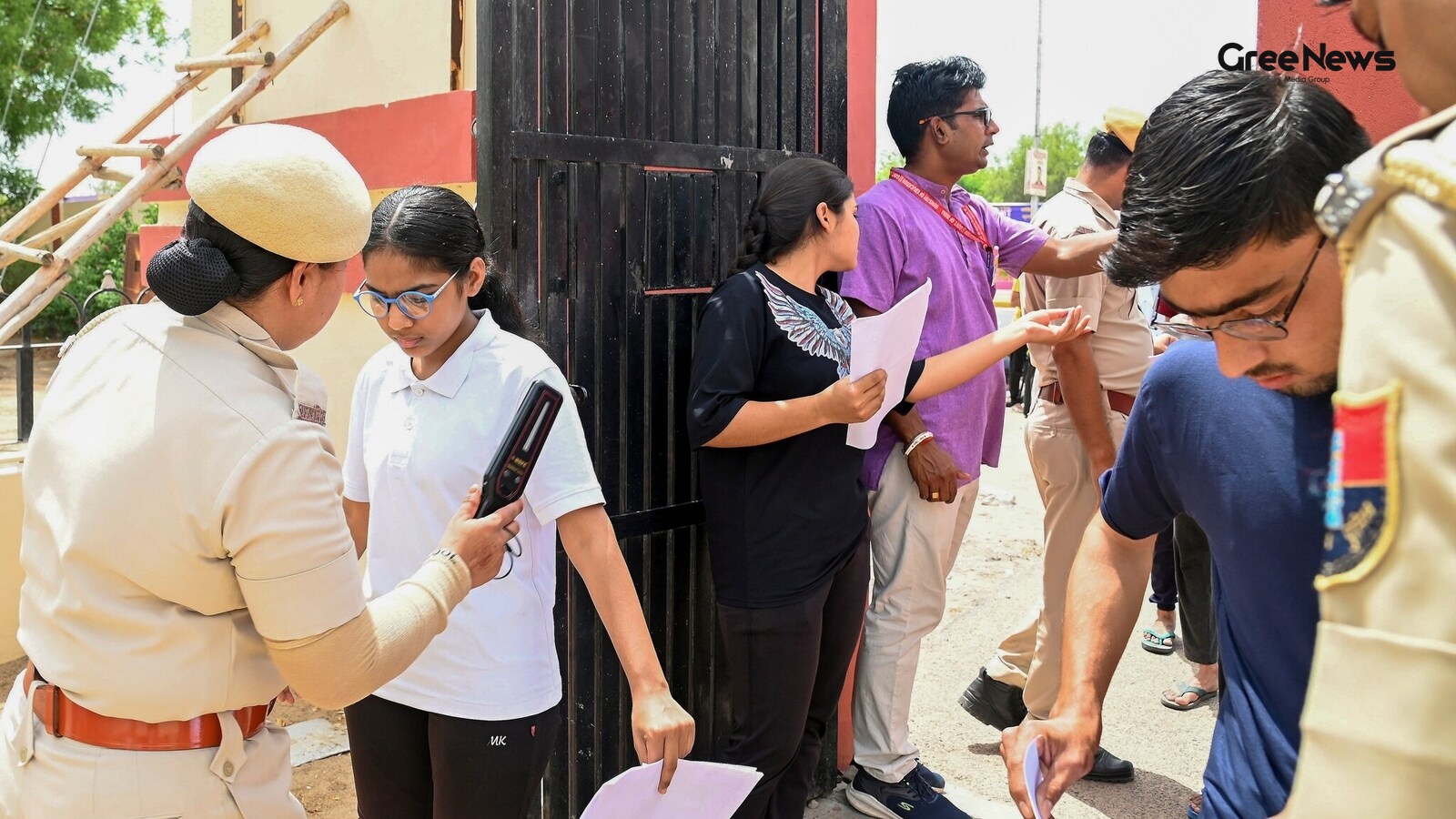
The Psychological Toll of NEET Cancellation and Re-attempts
The mood among those prepping for NEET right now is pretty messed up. A lot of aspirants are feeling this intense anxiety, routines totally shot, confidence gone, and a deep distrust of the whole system after that earlier test got cancelled. Months or even years spent grinding just got hit by this s
Jun 12, 2026 by Gree News Team