Tapanuli Orangutan Loss Following Cyclone Senyar
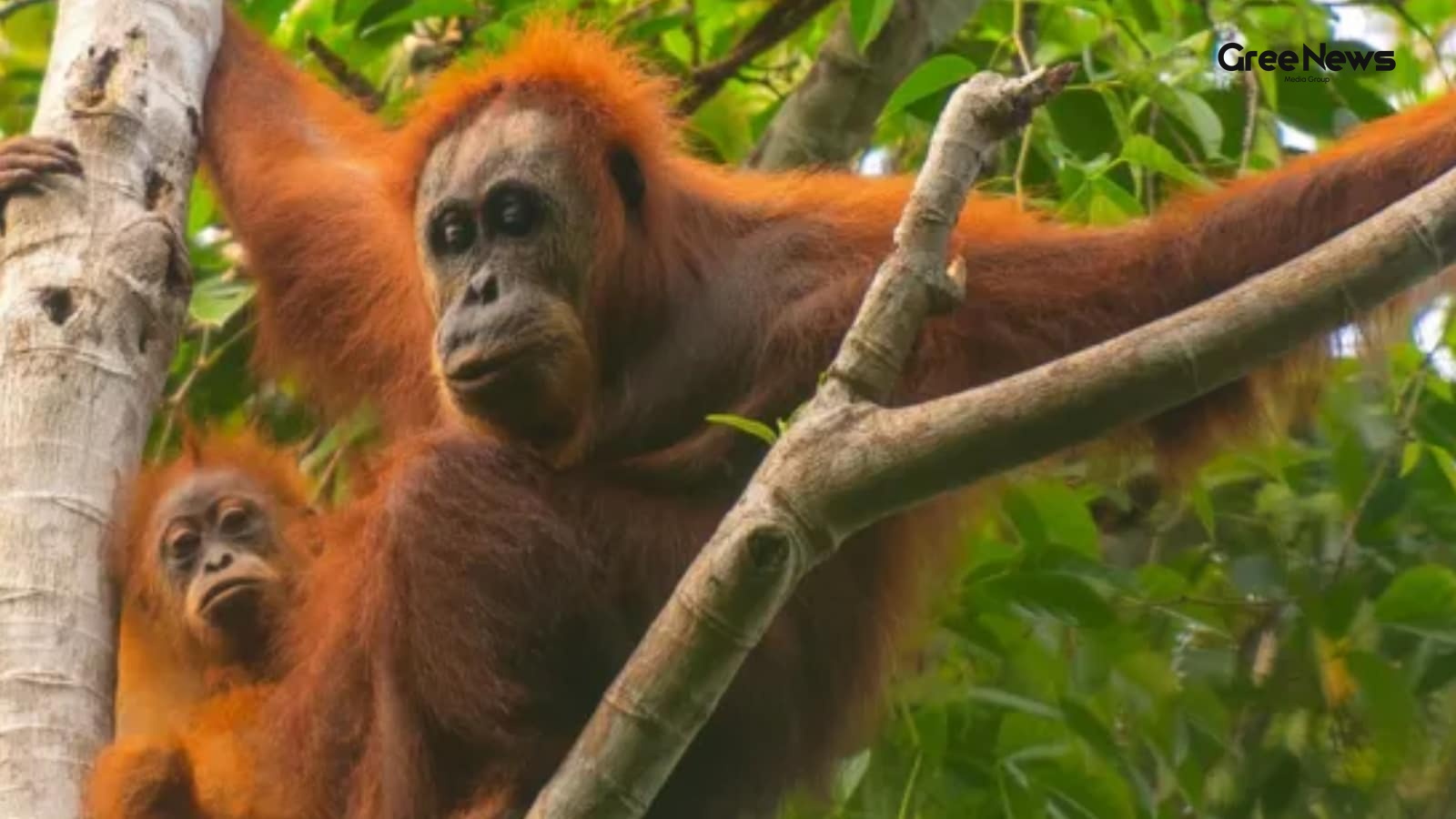
A cyclone hit Sumatra last year, absolutely devastating. It wiped out at least fifty-eight critically endangered Tapanuli orangutans. That’s roughly seven percent of the world's remaining population gone. A new study put this into stark perspective, pushing the species closer to extinction.
The findings from that research really show what happened during Cyclone Senyar. Four days of brutal rain and landslides ripped across Sumatra in late November. Researchers caution that these numbers are probably conservative. They don’t even count the bigger picture the habitat destruction, the ruined canopy, the lack of food afterward.
With fewer than eight hundred Tapanuli orangutans left alone in the wild now? Conservationists are sounding the alarm. These deaths feel like a massive setback for the world’s rarest great ape. It’s a huge blow.
How many exactly did the storm take? Researchers estimate fifty-eight individuals died directly because of the storm itself. That’s almost double what earlier projections suggested after the disaster hit. Remember, this species was first recognized as distinct back in 2017. It lives only in that specific Batang Toru forest ecosystem in North Sumatra.
Professor Sergei Vich, who helped with the study and is a primatologist over at Liverpool John Moores University, said the scale of the loss just makes no sense for what the population can handle.
“So, having about fifty-eight individuals killed out of five hundred, that’s ten to eleven percent of the total population,” he noted. “That means seven percent of the whole species is gone. That's way beyond what these animals can withstand.” He added simply, “This was a huge event.”
The real problem isn’t just the immediate deaths from flooding and landslides. The damage to the forest habitat matters too. It messes up food sources. It disrupts breeding patterns. Long-term recovery is going to be incredibly tough.
The crisis facing this orangutan group really shows how everything connects. Climate instability, biodiversity loss, sheer vulnerability it all crashes together. They are calling for a response that matches the scale of the threat. A coordinated effort.
Cyclone Senyar itself was brutal. It slammed into Sumatra in late November. Floods and landslides killed over one thousand people across Southeast Asia that year alone. That disaster really tore through massive areas of forest, especially in the Batang Toru ecosystem the home of those remaining Tapanuli orangutans.
Professor Erik Meijaard, who manages Borneo Futures and co-authored the report, looked at the photos from the damage during the landslides. He said they illustrated the sheer violence.
“What really hit me,” he commented, “was seeing how much flesh had been ripped off the faces.” He paused there. “If a few hectares of forest just come down in massive slides, even powerful orangutans are helpless. They get mangled. It must have been hellish in the forest at that time.”
Written by Gree News Team — Senior Editorial Board
Gree News Team covers international news and global affairs at Gree News. Our collective of senior editors is dedicated to providing independent, accurate, and responsible journalism for a global audience.
More from World
View All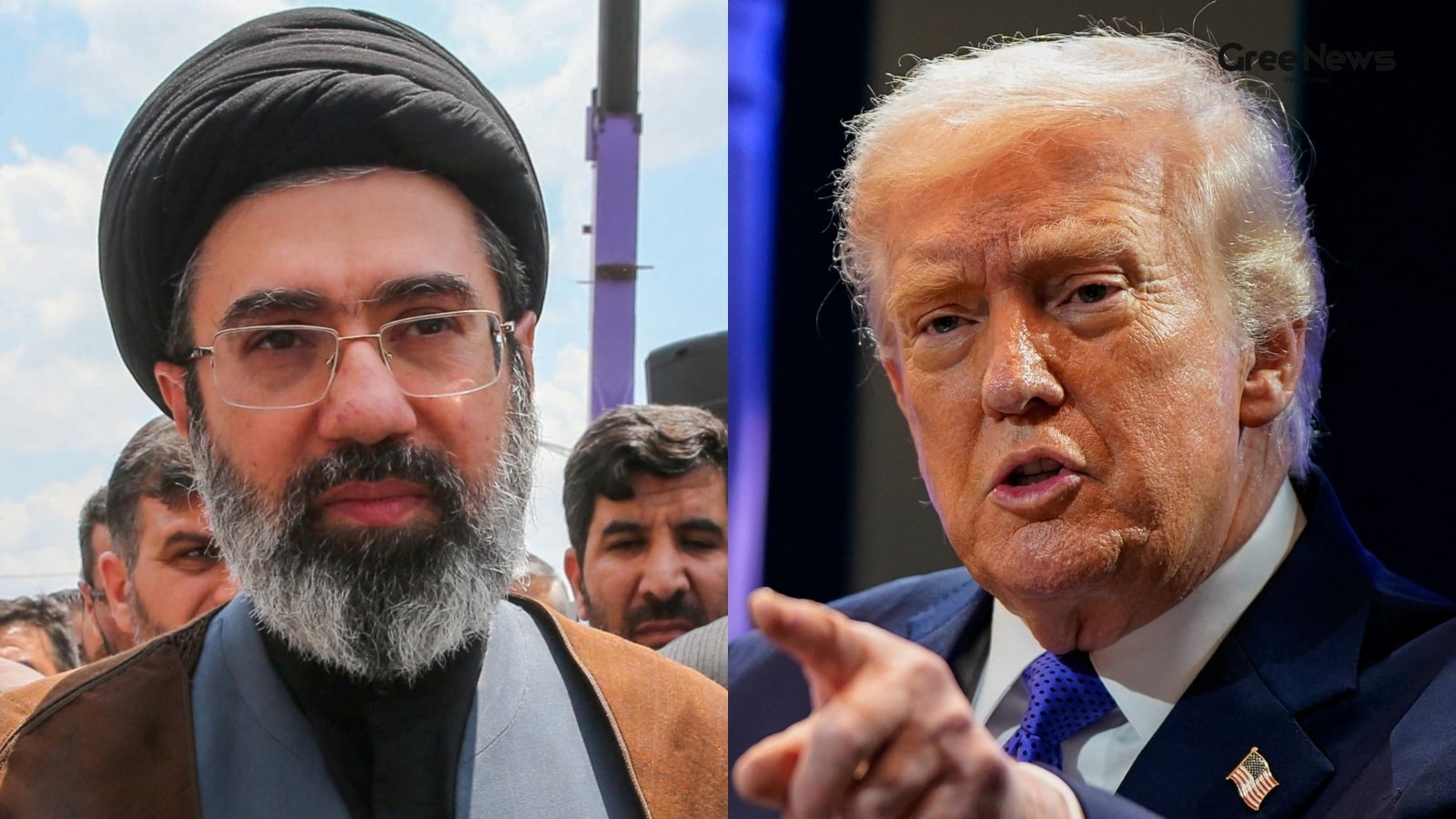
The Gap Between Diplomacy and Reality: Analyzing the Iran-Washington Nuclear Negotiations
The air around these talks always feels thick, doesn't it? Like you can almost taste the friction building up between two sides that desperately want to move forward but are constantly bumping against each other. That’s what was happening with Iran and Washington lately. A deal. Or at least, the *id
Jun 12, 2026 by Gree News Team
The Alleged Deal with Iran and Shifting Geopolitical Statements
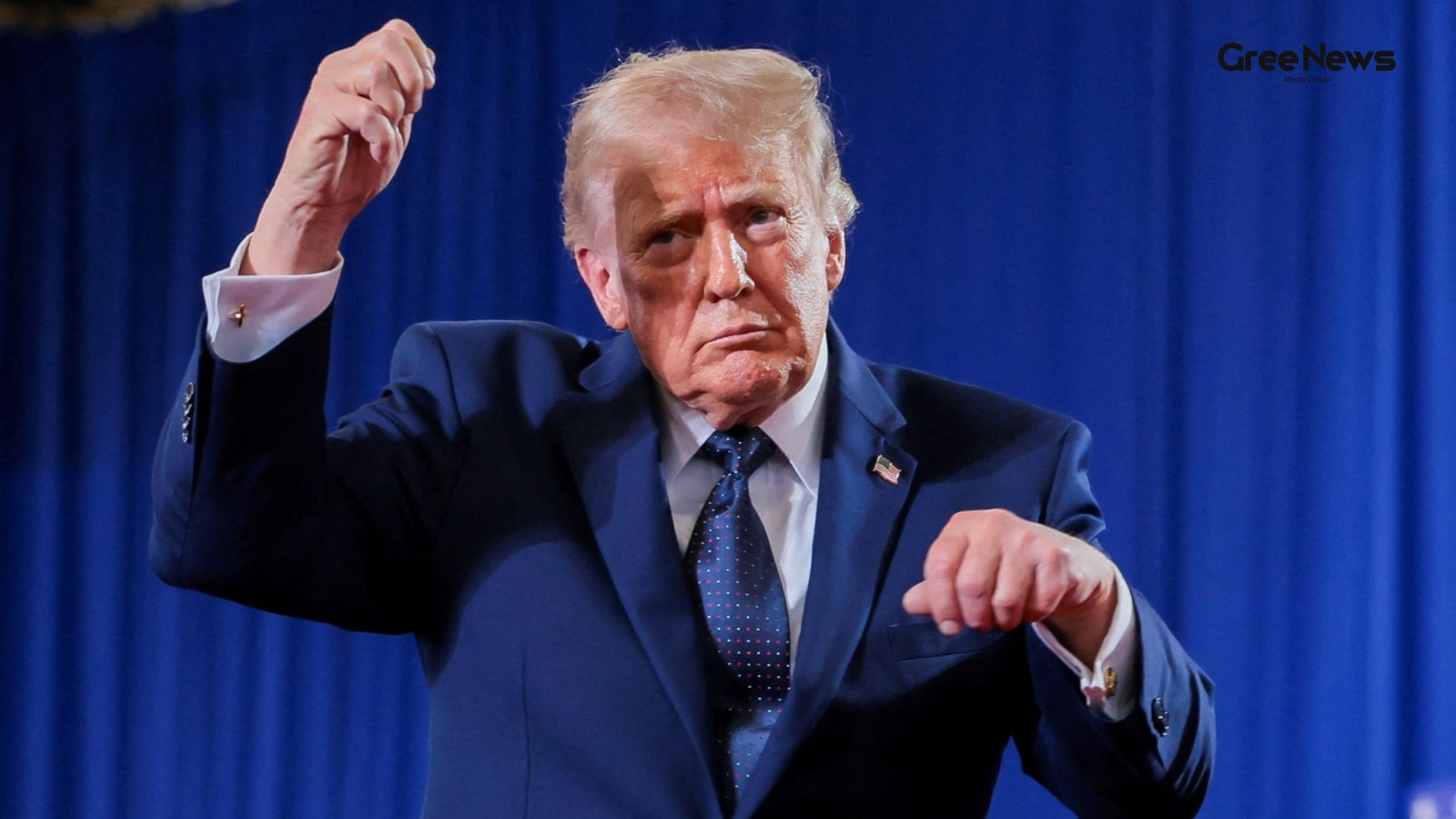
The whole thing is moving fast now. A deal with Iran? It’s supposedly nearly done. Trump was talking about it in the Oval Office, saying they were super close. He called it a “very detailed memorandum of understanding.” Sounds official, but you know how those things are just paper and promises. Pavi
Jun 12, 2026 by Gree News Team
India's Energy Decisions and the Russia Oil Dynamic
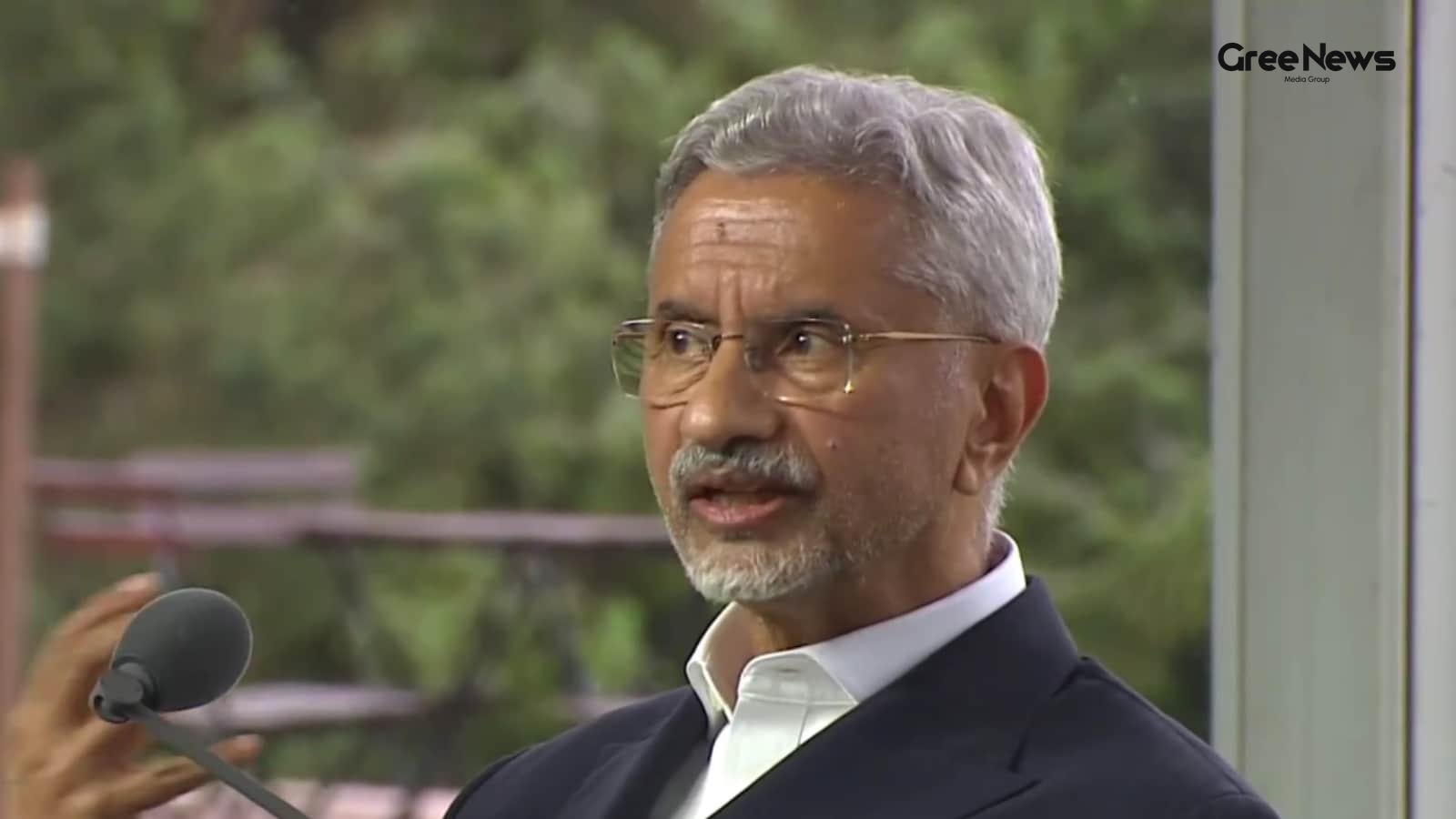
Dr S Jaishankar, External Affairs Minister, he was talking about Russia oil on Friday. He defended India’s buying of it, pointing out some kind of contradiction in how Europe was criticizing New Delhi's energy policy. This happened while he was at the Kultaranta Talks in Finland, chatting about "Eme
Jun 12, 2026 by Gree News Team

Denaturalization Actions Against Foreign-Born Americans
The Department of Justice just announced something heavy. They’ve filed denaturalization actions against seventeen foreign-born Americans. The accusation? They allegedly got U.S. citizenship through fraud, hiding things, or outright misrepresentation during that process. It marks a real expansion in
Jun 12, 2026 by Gree News Team
Latest Headlines
The Gap Between Diplomacy and Reality: Analyzing the Iran-Washington Nuclear Negotiations
The air around these talks always feels thick, doesn't it? Like you can almost taste the friction building up between two sides that desperately want to move forward but are constantly bumping against each other. That’s what was happening with Iran and Washington lately. A deal. Or at least, the *id
Jun 12, 2026 by Gree News Team

The Unprecedented Chaos of Red Cards in the World Cup Opening Match
Man, that World Cup start was something else. A real firestorm kicked off in Mexico City. Mexico managed a solid 2-0 win against South Africa, sure enough. But honestly? That’s just the surface story from the Estadio Azteca. The real noise, the actual thing that stuck with everyone watching through
Jun 12, 2026 by Gree News Team

Raúl Jiménez: The Collision, Survival, and World Cup Moment
Mexico’s players are all wearing those iconic green jerseys for the 2026 World Cup. But there’s one man who just immediately stands out. Every time Raúl Jiménez steps onto the field, you see him. And he always wears that custom black protective head guard. It's a permanent marker. A reminder of the
Jun 12, 2026 by Gree News Team
The Complexity of Shifting Narratives and Power Dynamics
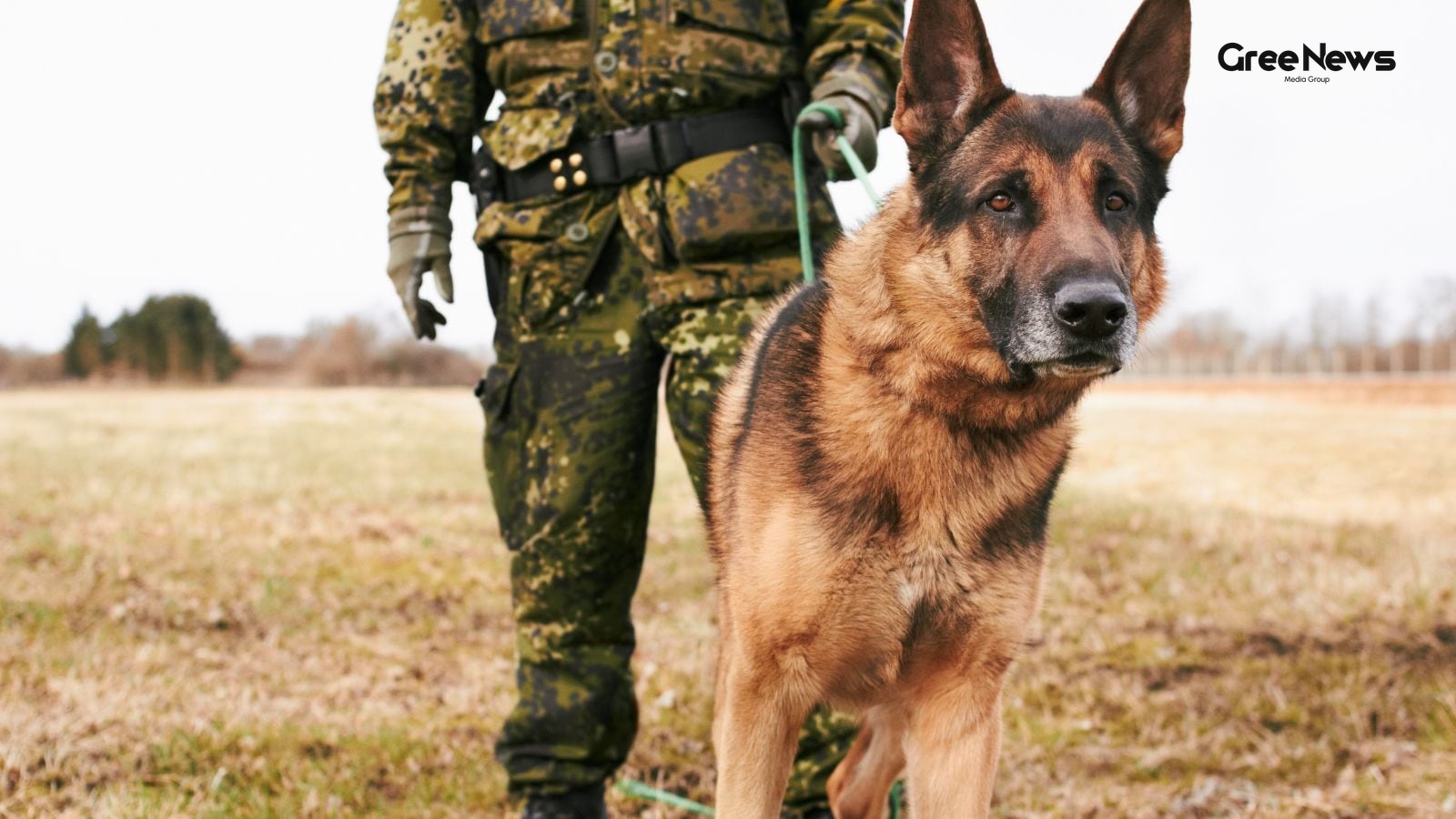
It’s funny how things just… shift. You watch the news cycle spin, you think there’s a clean thread, right? But underneath it all, it's never really neat. It’s more like watching water move over rocks, constantly changing shape. It happens when the underlying currents change direction. They ripple ou
Jun 12, 2026 by Gree News Team
The Mystery of Air India Flight AI171: What Caused the Disaster?
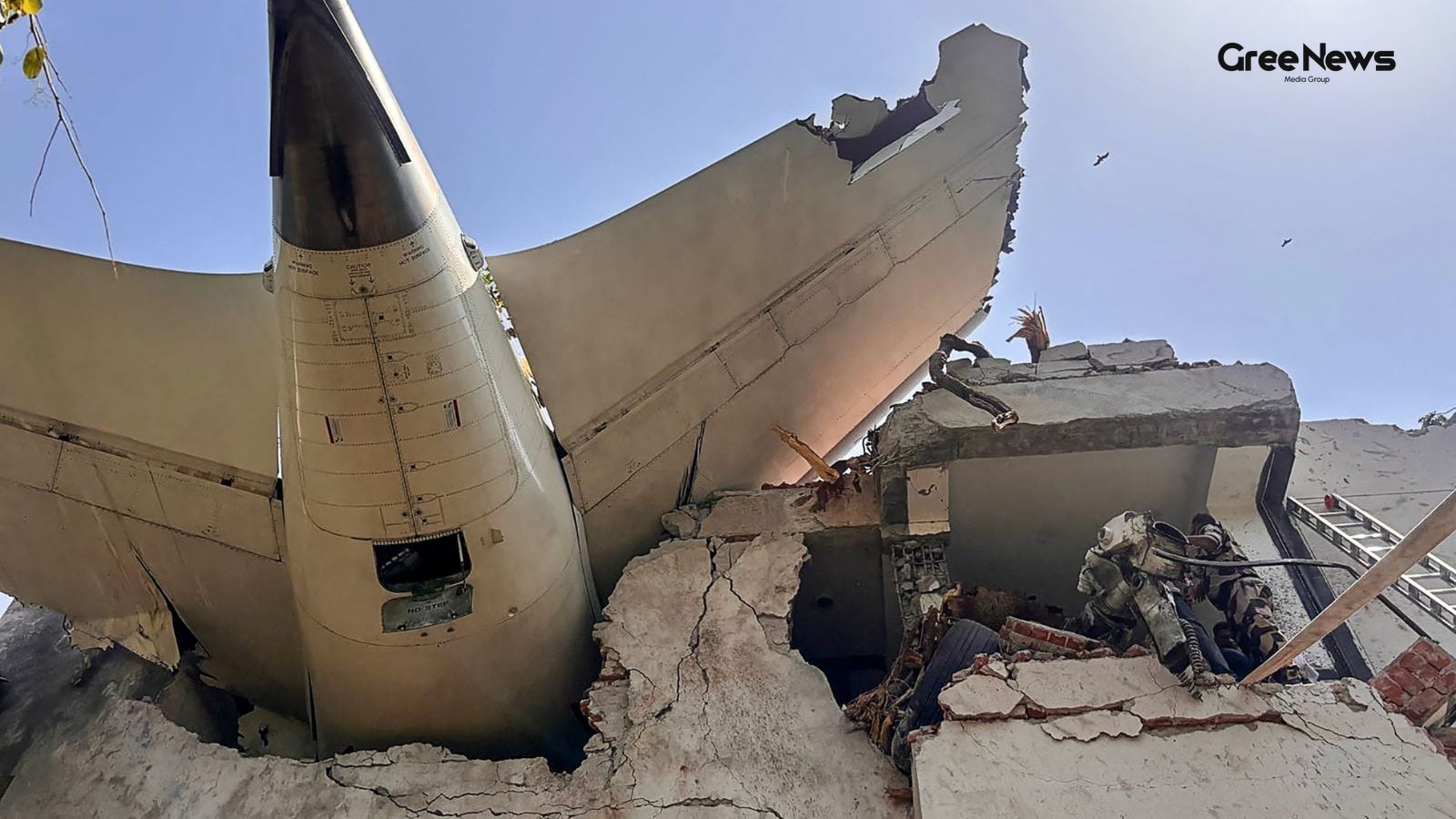
One year has passed since Air India Flight AI171 went down. It happened right after takeoff from Ahmedabad, taking 260 lives with it. But one question just keeps hanging there. What actually caused this disaster? The plane involved was a Boeing 787 Dreamliner. It was supposed to head to London, Gatw
Jun 12, 2026 by Gree News Team

The Impact of Music and Passion in the *Dhurandhar* Franchise Success
Shashwat Sachdev’s music really shifted things with Aditya Dhar’s *Dhurandhar* and then *Dhurandhar 2*. People kept talking about how much that background score just lifted the scenes, made everything hit harder. It became a huge deal after the film came out. He got famous fast riding that wave of s
Jun 12, 2026 by Gree News Team
The Alleged Deal with Iran and Shifting Geopolitical Statements
The whole thing is moving fast now. A deal with Iran? It’s supposedly nearly done. Trump was talking about it in the Oval Office, saying they were super close. He called it a “very detailed memorandum of understanding.” Sounds official, but you know how those things are just paper and promises. Pavi
Jun 12, 2026 by Gree News Team

Market Update: Global Cues, Corporate Shifts, and Institutional Activity
The markets kicked off this morning with a generally positive signal, tracking firm global cues. Gift Nifty was sitting at 23,478.5 when the clock hit 7:48 am a modest bump of 76 points, or just 0.32 percent. That’s what we saw initially. But there were other things moving around in the background.
Jun 12, 2026 by Gree News Team
The Tragic Loss and Unanswered Questions of the Air India AI-171 Crash
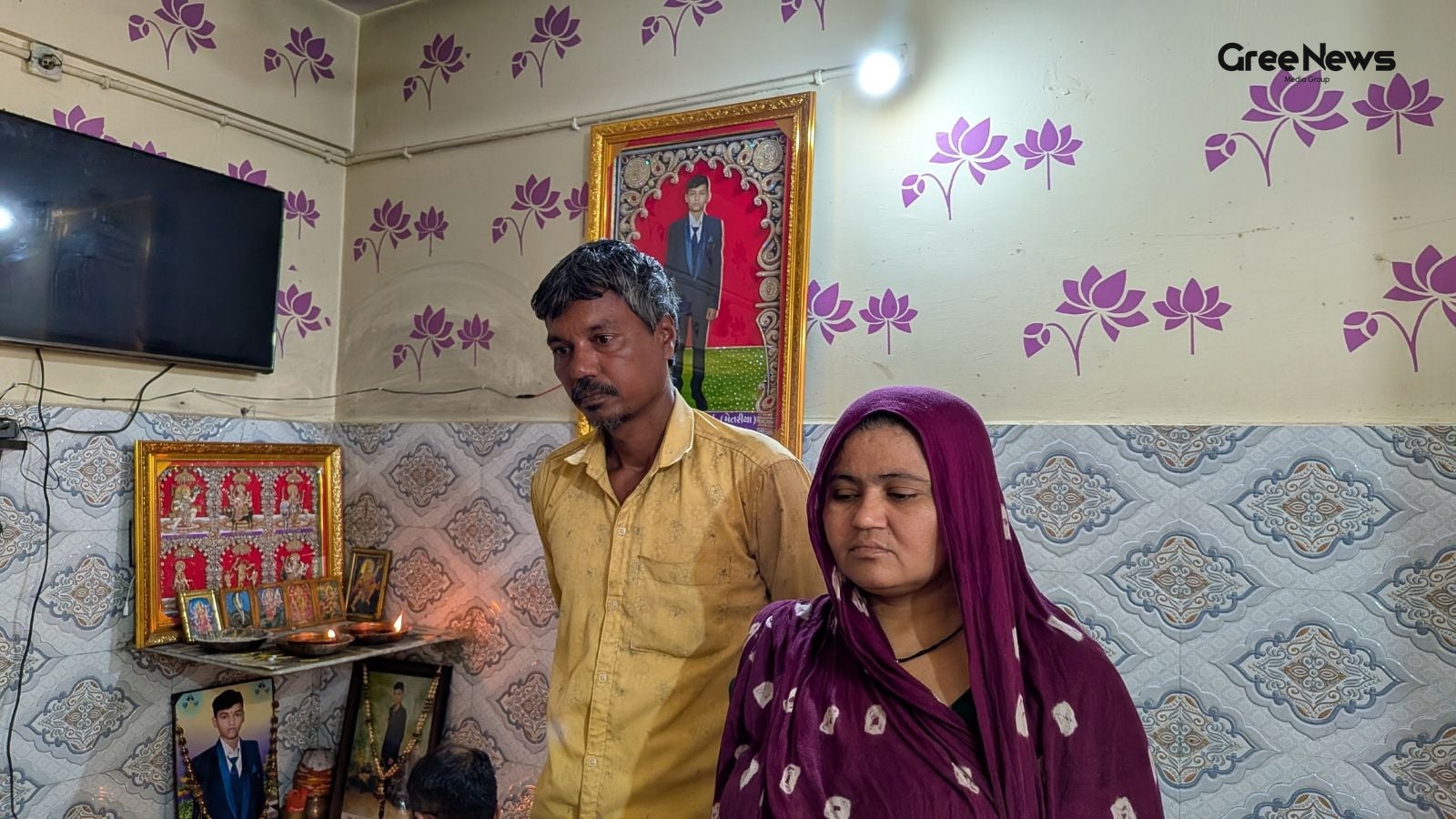
For David Christian, 72, a retired government official from Chandkheda in Ahmedabad, air travel just isn’t the same anymore. It all changed after what happened. A few weeks back, when he and his elder son traveled to Australia, David made sure they took separate flights. It was a precaution born out
Jun 12, 2026 by Gree News Team
Fake Signature Case: Abhishek Banerjee and the CID Investigation
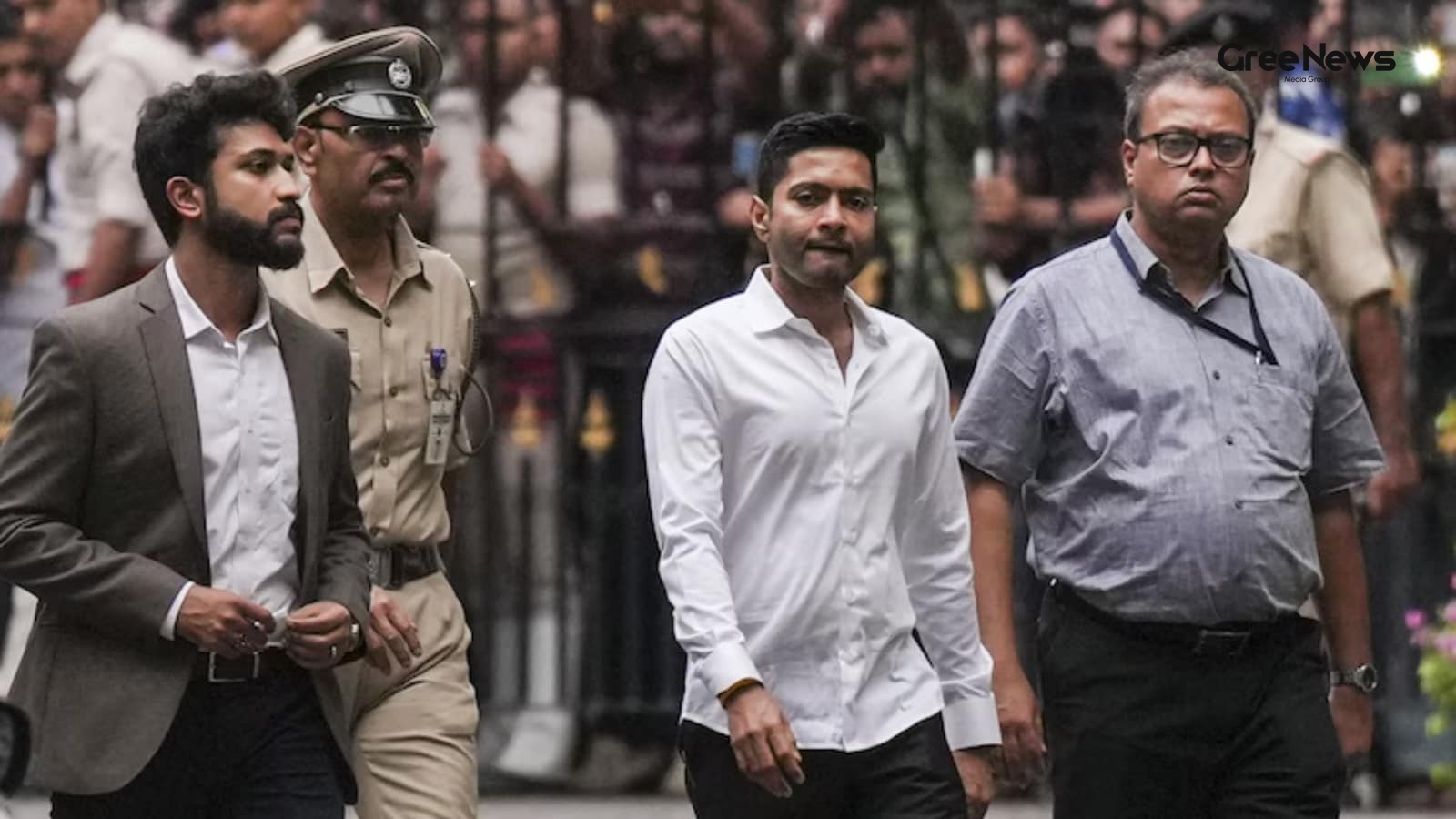
Fake Signature Case Abhishek Banerjee. Trinamool Congress general secretary. He was hauled in for questioning by the West Bengal CID. Over five hours of it. All connected to this signature mismatch thing. It involves some key resolution submitted in the state Assembly. The Diamond Harbour Lok Sabha
Jun 12, 2026 by Gree News Team
India's Energy Decisions and the Russia Oil Dynamic
Dr S Jaishankar, External Affairs Minister, he was talking about Russia oil on Friday. He defended India’s buying of it, pointing out some kind of contradiction in how Europe was criticizing New Delhi's energy policy. This happened while he was at the Kultaranta Talks in Finland, chatting about "Eme
Jun 12, 2026 by Gree News Team

Indian Equity Markets Rally Fueled by Global Optimism
The domestic markets opened sharply higher Friday, fueled by a wave of global optimism that swept across international equities. We saw the BSE Sensex jump nearly 981 points that’s over 1.3% gain landing at 74,814 in early trading. The NSE Nifty 50 followed suit, ticking up by 272 points, hitting 23
Jun 12, 2026 by Gree News Team

Smart Home Tech: Choosing Between Plugs, Switches, and Soundbars
Choosing between a smart plug and a smart switch isn't really about technology itself. It’s more about how much control you actually want over your home, end of story. If you’re renting an apartment and just need a simple way to automate things a lamp or maybe a coffee machine a smart plug is usuall
Jun 12, 2026 by Gree News Team
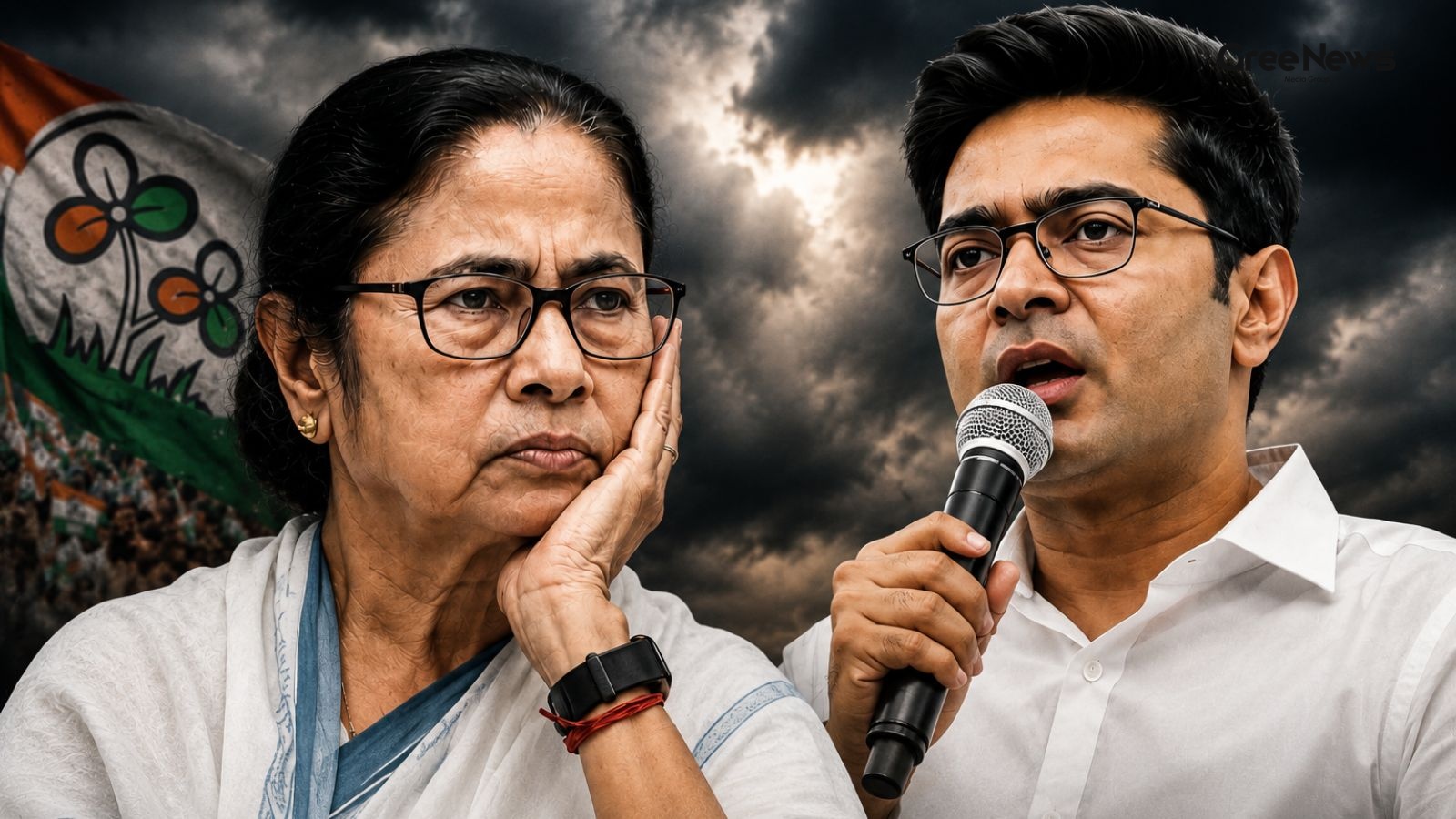
Internal Fracture and Instability within the Trinamool Congress
The air around the Trinamool Congress right now isn’t just heavy with disappointment; it feels brittle. It’s one of those periods where everything that was simmering beneath the surface suddenly boils over into something very real and very dangerous. The party is reeling, utterly battered by the ele
Jun 12, 2026 by Gree News Team
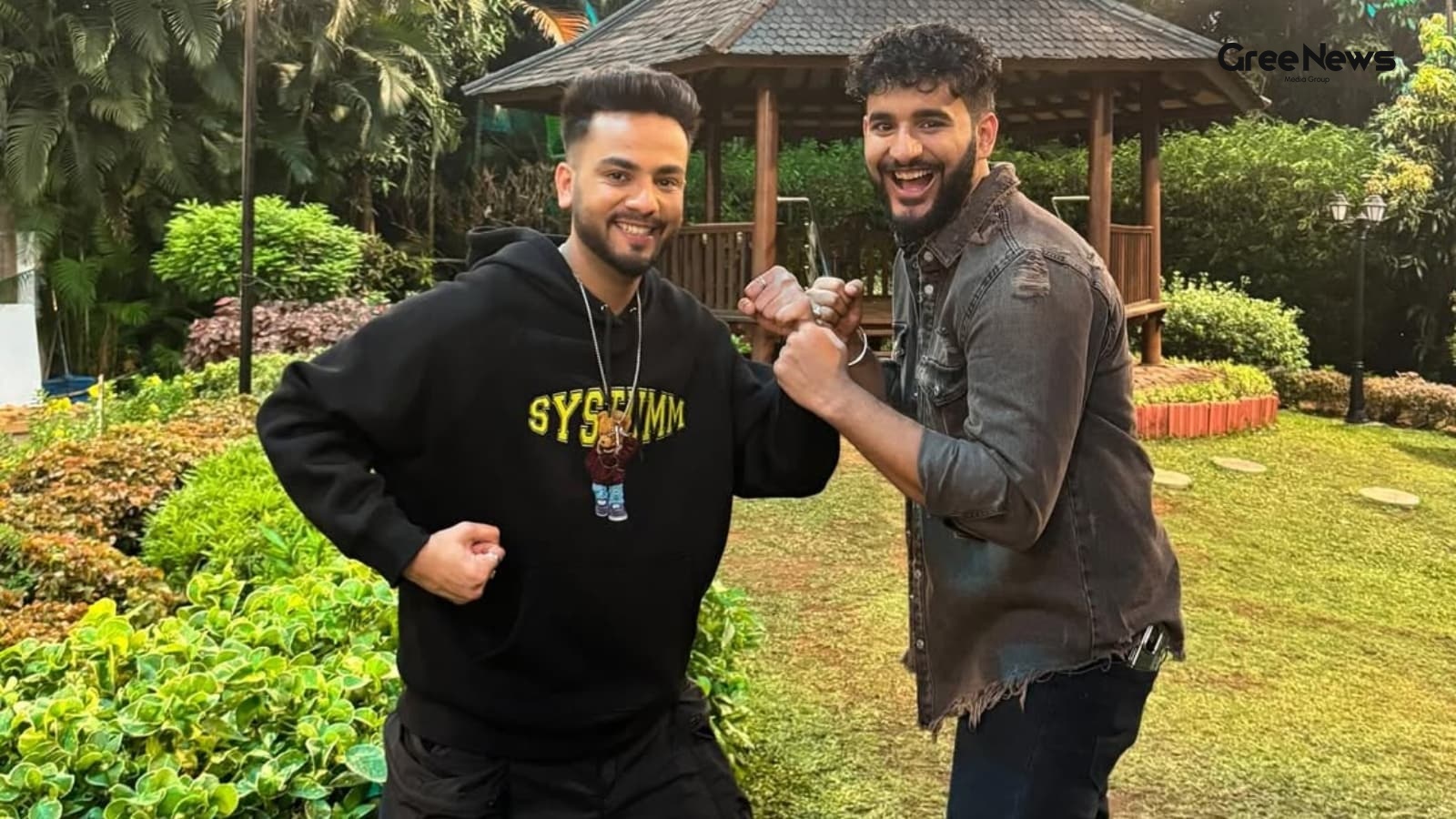
The Rise of Social Media Creators in Indian Reality TV
The Indian television scene is changing fast. Seriously. Over the last few years, it’s been a massive shift. Content creators, YouTubers, those social media influencers? They are totally taking over reality TV now. Think about names like Elvish Yadav, Mr Faisu, Abhishek Malhan. People used to see th
Jun 12, 2026 by Gree News Team