The Gap Between Diplomacy and Reality: Analyzing the Iran-Washington Nuclear Negotiations
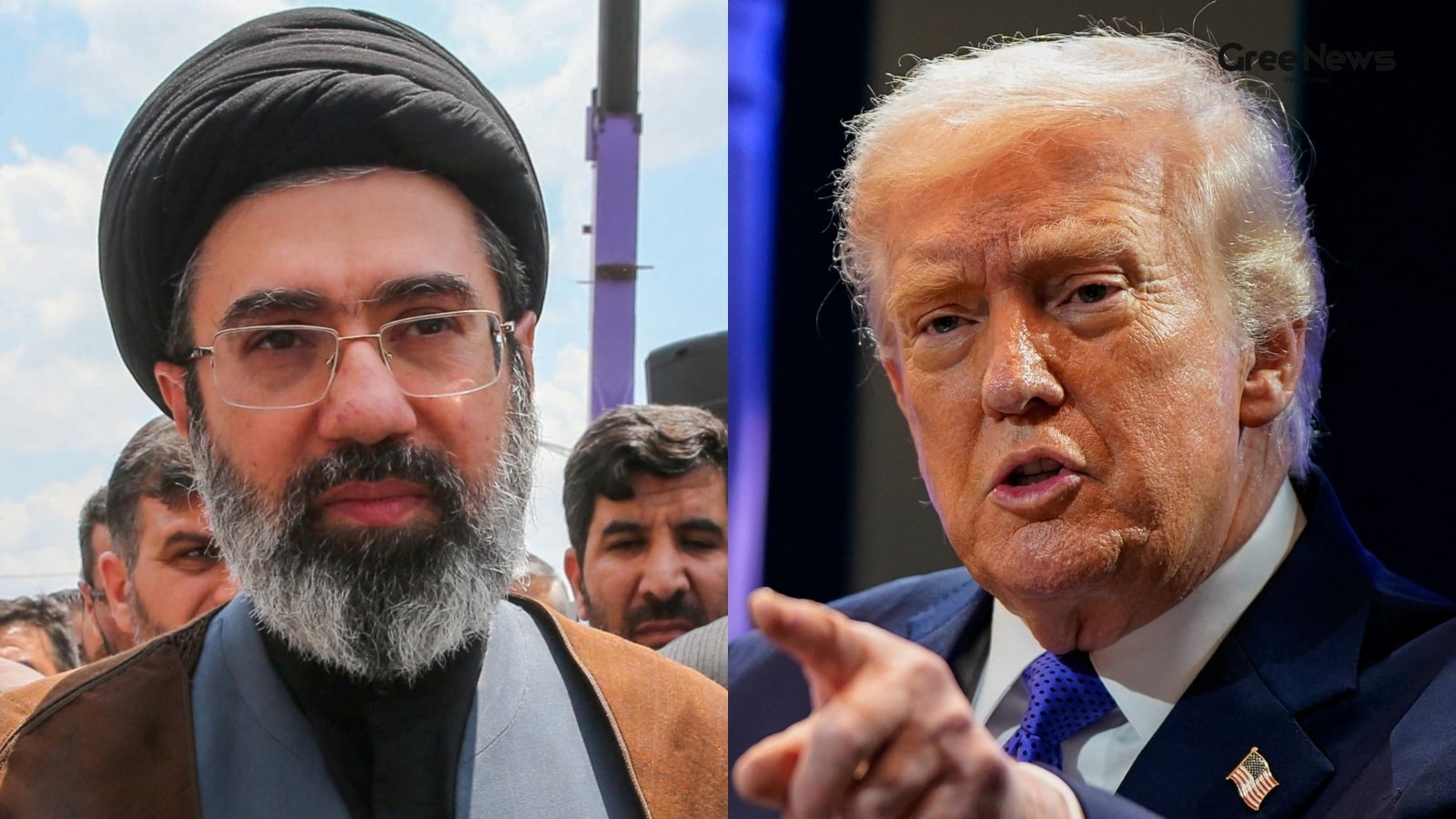
The air around these talks always feels thick, doesn't it? Like you can almost taste the friction building up between two sides that desperately want to move forward but are constantly bumping against each other. That’s what was happening with Iran and Washington lately. A deal. Or at least, the idea of a deal being hammered out.
Donald Trump, speaking from the Oval Office, kept hammering this narrative: that things were moving. Imminent. Almost done. He insisted he understood something crucial that the new supreme leader over there had actually signed off on the framework they were working on. It wasn't just some casual handshake; it was a big deal, presented as a settled matter heading toward conclusion.
But you have to look closer at what that supposed aGreement actually means. Because when high-stakes negotiations are involved especially those touching weapons of mass destruction and international pressure the gap between what one side is saying and what is actually finalized can be vast, sometimes wider than you’d expect.
He claimed understanding was there. He said he understood the answer was yes to whether the supreme leader had approved the framework. That sounds definitive, right? A clean conclusion. But that's where things get messy. It hinges entirely on what kind of approval we are talking about. Was it a binding treaty? A fully ratified document with teeth? Or something much softer?
Trump framed it as an aGreement to secure nuclear materials while simultaneously aGreeing to permanently ditch the pursuit of building any kind of nuclear weapon whatsoever. He pushed this specific line the concept was conceptual, a memorandum of understanding. Not a final treaty. That little distinction matters immensely in diplomacy. It separates a statement of intent from a legal reality.
He talked about Iran finally giving up on that path. The insistence that they simply will not have a nuclear weapon, that they will not purchase or develop any shape of it. It’s an astonishing claim, given the history and the sheer complexity of what it would take to dismantle those deep-seated ambitions for some nations. Yet he presented this as settled fact.
Meanwhile, on the operational side, there was another element being discussed: the naval blockade. That pressure cooker that Washington used for years, introduced back in April, a constant source of tension and leverage against Tehran. Trump suggested something concrete would follow if these talks worked out. He indicated that once the framework was signed that theoretical aGreement materialized the United States would immediately lift that blockade.
The idea is simple: negotiations lead to action. AGreement leads to relief. But bridging that gap between a conceptual understanding and tangible policy shift requires layers of political maneuvering, legal ratification, and internal consensus on both sides. And frankly, those details? They got lost in the noise.
It’s this lack of detail that keeps things frustratingly unresolved. Trump called it a "very strong memorandum of understanding." A nice phrase for a press release. But what does an MOU actually do when you are talking about dismantling a nuclear program? It doesn't automatically erase decades of infrastructure, redefine international legal status overnight, or solve the complex verification issues that inevitably come up in these scenarios.
The real sticking points, the parts that get conveniently omitted from the headline statements, are usually the technicalities: how do you verify disarmament? What happens to sanctions relief if implementation stalls? Where is the mechanism for inspections? These are the gears that turn an aGreement into reality, and they seem to have evaporated in the flurry of public declarations.
Iran, meanwhile, hasn't offered any public confirmation regarding Trump’s characterization of the talks or the supposed approval from their supreme leader. They haven't weighed in on whether this is truly a finalized deal or just another round of diplomatic posturing. This silence amplifies all the uncertainty surrounding the narrative being presented by Washington.
We are left observing, waiting for something solid to emerge from this cloud of hopeful pronouncements and unverified claims. It’s a classic political dance where words fly around like smoke, promising fire but offering no actual heat. The urgency feels palpable, doesn't it? Because the stakes here aren't just about diplomacy; they are about global security, about the future trajectory of a major regional power, and about how these very high-level negotiations play out in the messy reality of international politics.
The concept of an aGreement is easy to spin. It’s clean. It implies resolution. But when you look at the actual process the slow, grinding work of turning national ambitions into international law it requires so much more than just a signature on a document. It demands institutional commitment, verification protocols that are ironclad, and a willingness by both sides to accept verifiable consequences for their actions.
And yet, here we are with this high-level assertion hanging in the air. A framework exists conceptually. The blockade is mentioned as a potential consequence. But the specifics the substance of what will actually happen on the ground regarding nuclear materials or sanctions remain stubbornly hidden. It’s less about an achieved goal and more about the performance of political theater.
Think about the reporting itself. It's not perfectly ordered, right? There are these abrupt shifts in focus, fragments of assertion followed by silence, leaving gaps that demand filling. This mirrors the reality of international negotiations: massive amounts of effort, highly sensitive details deliberately withheld from public view until certain conditions are met. The flow is uneven because the truth isn't delivered neatly in a chronological sequence; it’s layered with implication and political strategy.
The sheer weight of what isn't said becomes almost as heavy as what is stated. If you strip away the rhetoric, what remains is the constant, agonizing pressure to move from abstract goals to concrete implementation. That’s where the real difficulty lies. It’s not just about getting aGreement; it’s about building a verifiable structure upon that aGreement a structure robust enough to withstand future political shifts and inevitable disaGreements between the signatories.
And the public perception? It shifts constantly depending on who you ask. One side sees progress, a resolution achieved through strong leadership. The other side sees continued ambiguity, veiled threats, and an ongoing struggle for control over existential issues. This dual reality is what fuels the tension surrounding these discussions. It’s not just policy; it's narrative warfare played out in diplomatic chambers and on the news feeds.
The process itself feels less like a smooth progression of events and more like a series of calculated maneuvers. Every statement, every emphasis placed on "aGreement," serves a strategic purpose. They are setting expectations, managing risk, and attempting to control the flow of information before any substantive details can be established. It's performance art dressed up as diplomacy.
And that’s where the observational aspect comes in. We watch these interactions not just for what is said, but for the spaces between the words. The pauses. The evasions. The carefully chosen vocabulary designed to sound strong while remaining deliberately vague on the most crucial points of potential future action. It's human interaction at its most political driven by self-interest and the need to manage perception rather than simply state objective facts.
The concept of a finalized treaty is incredibly powerful. It implies finality, accountability, and a clear path forward. But when you look at what we have a memorandum of understanding it feels provisional. It exists in the realm of possibility, heavily reliant on future actions that haven't yet been codified or guaranteed by ironclad mechanisms.
This lack of concrete detail forces us to grapple with the inherent uncertainty. How do you build a future based on an understanding that is strong in principle but weak in execution? The risk is enormous. The potential reward, if this conceptual framework actually translates into tangible steps toward de-escalation and material control, is equally staggering. But the bridge between those two realities the theoretical aGreement and the physical implementation is currently standing half-built, exposed to constant scrutiny.
So, as we watch this unfold, what remains is a sense of simmering tension. The urgency isn't just about the next press release or the next scheduled meeting; it’s about whether this conceptual foundation can withstand the inevitable practical challenges. It’s about whether real, tangible steps will follow the rhetoric. That’s the real story bubbling beneath the surface of these high-level declarations. And that, perhaps more than any single sentence reported today, is what everyone is waiting to see happen next. The silence around the verification details is deafening.
Written by Gree News Team — Senior Editorial Board
Gree News Team covers international news and global affairs at Gree News. Our collective of senior editors is dedicated to providing independent, accurate, and responsible journalism for a global audience.
More from World
View All
Tapanuli Orangutan Loss Following Cyclone Senyar
A cyclone hit Sumatra last year, absolutely devastating. It wiped out at least fifty-eight critically endangered Tapanuli orangutans. That’s roughly seven percent of the world's remaining population gone. A new study put this into stark perspective, pushing the species closer to extinction. The find
Jun 12, 2026 by Gree News Team
The Alleged Deal with Iran and Shifting Geopolitical Statements
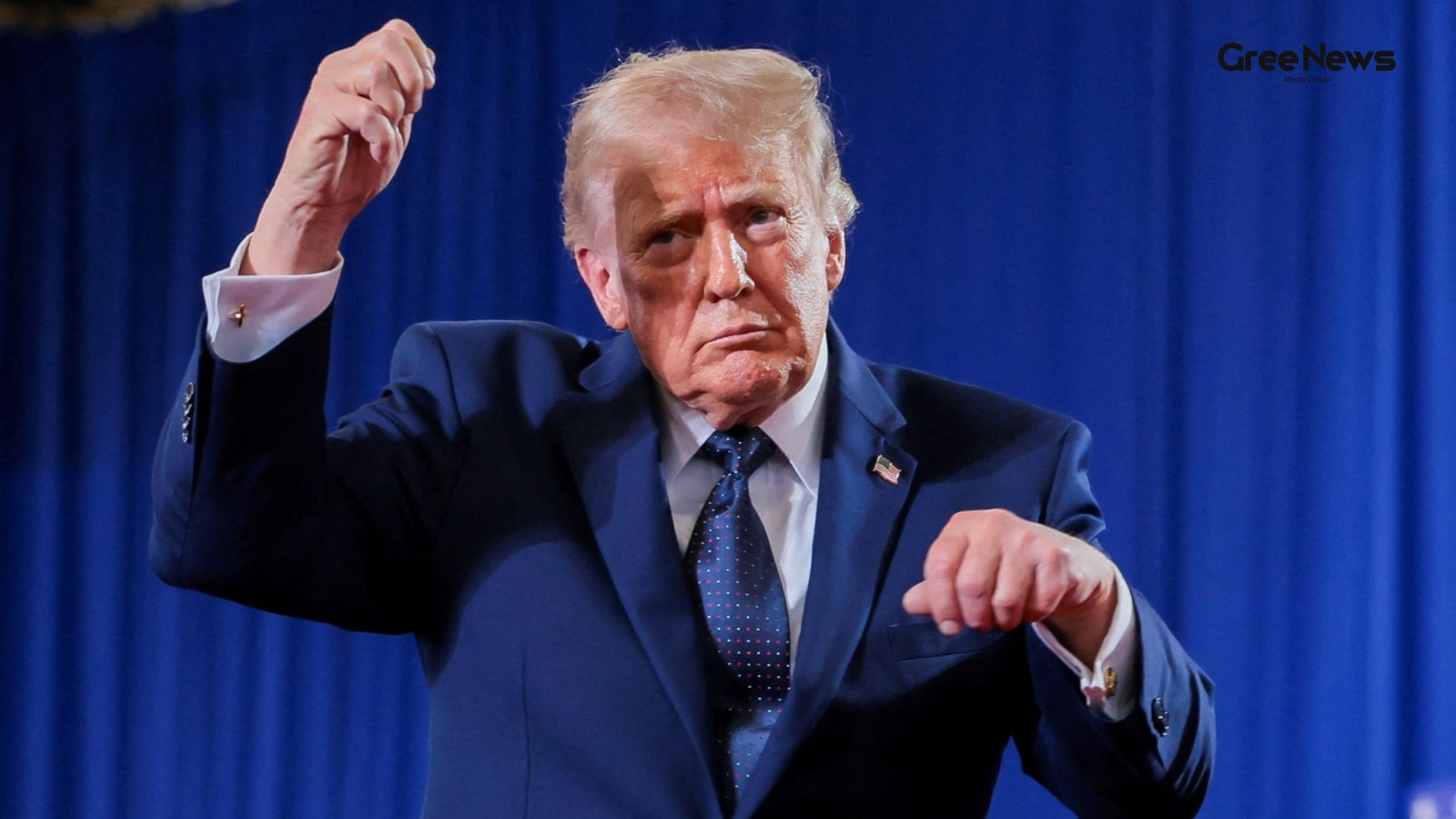
The whole thing is moving fast now. A deal with Iran? It’s supposedly nearly done. Trump was talking about it in the Oval Office, saying they were super close. He called it a “very detailed memorandum of understanding.” Sounds official, but you know how those things are just paper and promises. Pavi
Jun 12, 2026 by Gree News Team
India's Energy Decisions and the Russia Oil Dynamic
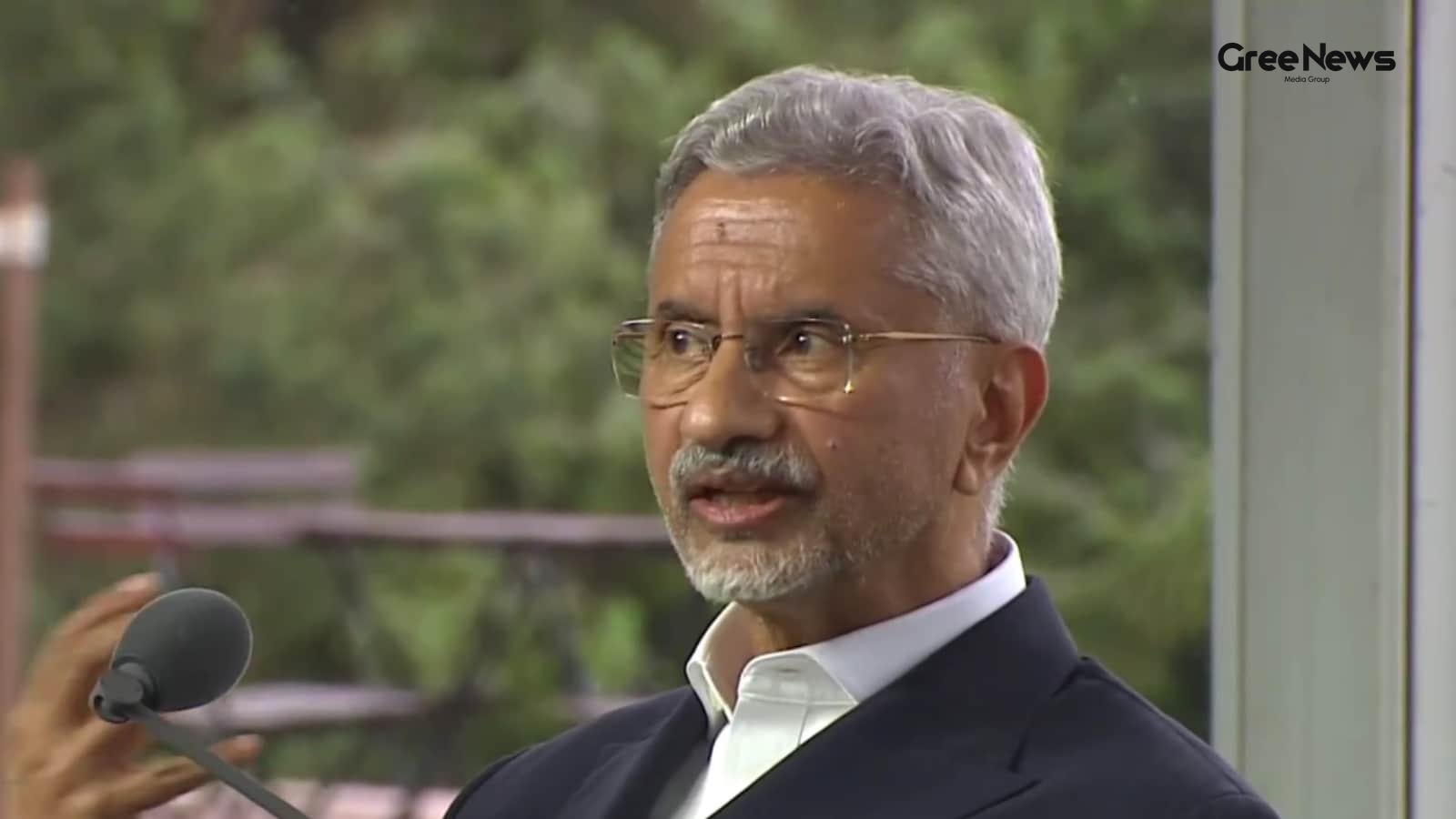
Dr S Jaishankar, External Affairs Minister, he was talking about Russia oil on Friday. He defended India’s buying of it, pointing out some kind of contradiction in how Europe was criticizing New Delhi's energy policy. This happened while he was at the Kultaranta Talks in Finland, chatting about "Eme
Jun 12, 2026 by Gree News Team
Denaturalization Actions Against Foreign-Born Americans
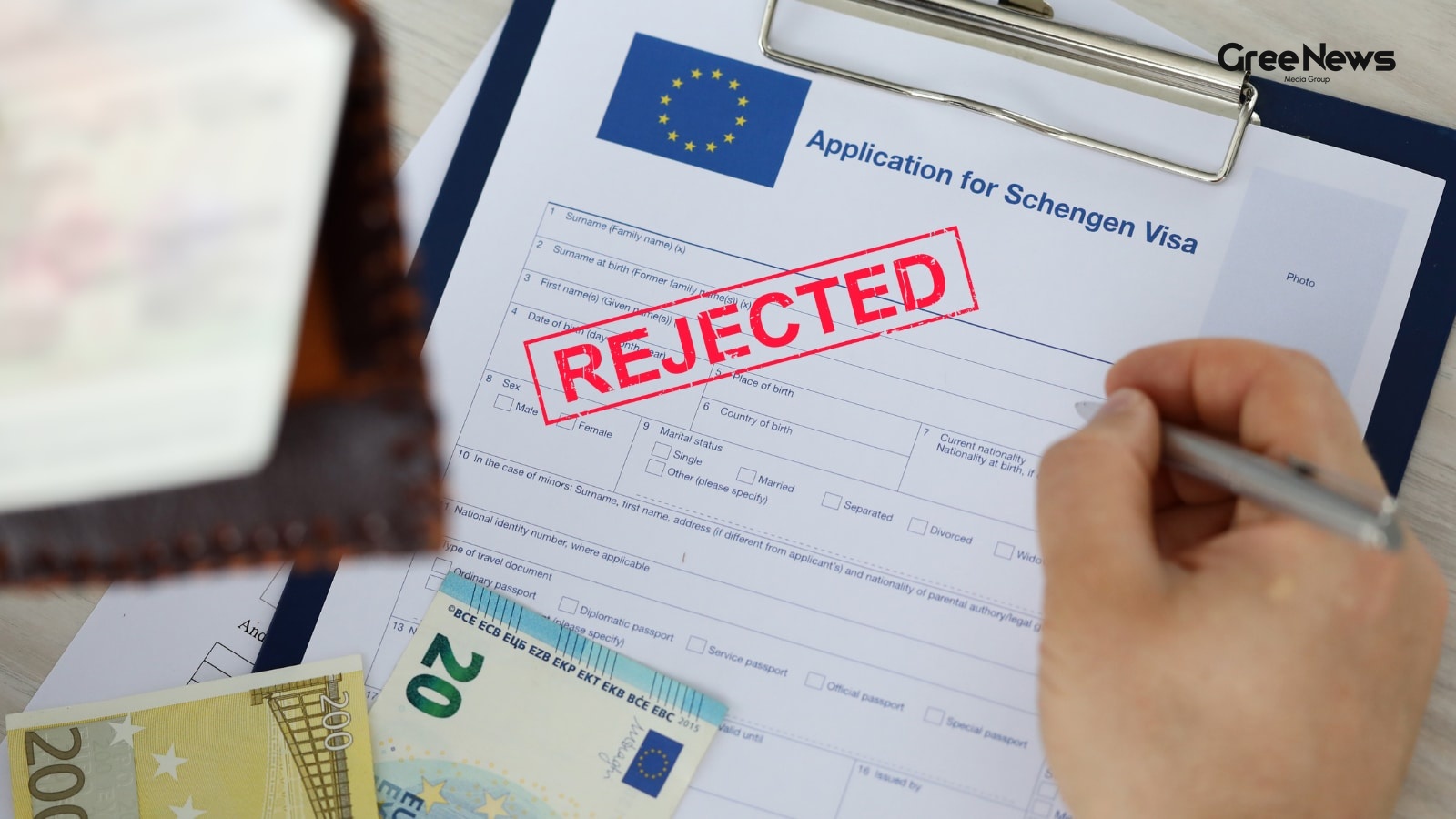
The Department of Justice just announced something heavy. They’ve filed denaturalization actions against seventeen foreign-born Americans. The accusation? They allegedly got U.S. citizenship through fraud, hiding things, or outright misrepresentation during that process. It marks a real expansion in
Jun 12, 2026 by Gree News Team
Latest Headlines
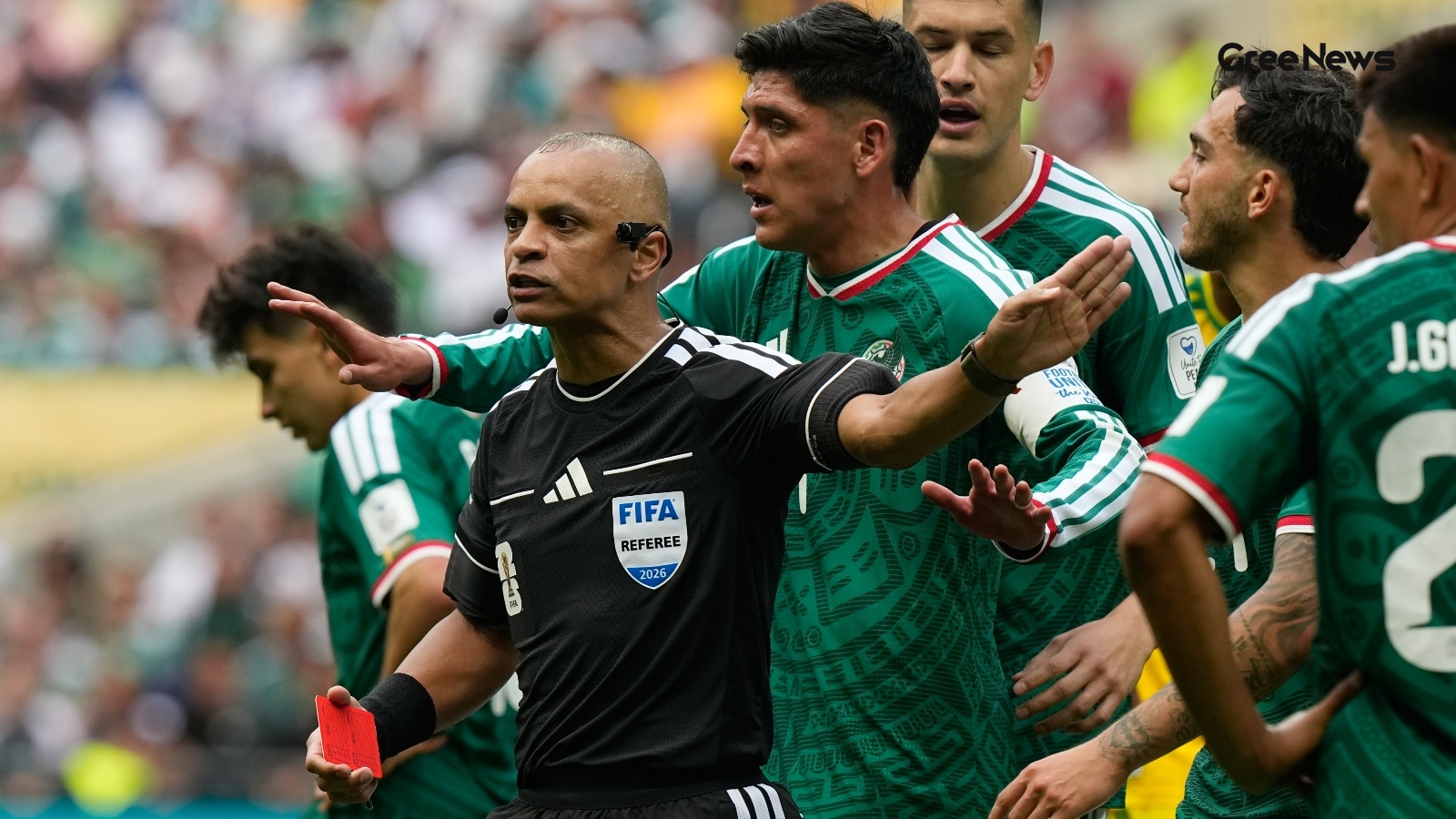
The Unprecedented Chaos of Red Cards in the World Cup Opening Match
Man, that World Cup start was something else. A real firestorm kicked off in Mexico City. Mexico managed a solid 2-0 win against South Africa, sure enough. But honestly? That’s just the surface story from the Estadio Azteca. The real noise, the actual thing that stuck with everyone watching through
Jun 12, 2026 by Gree News Team
Tapanuli Orangutan Loss Following Cyclone Senyar
A cyclone hit Sumatra last year, absolutely devastating. It wiped out at least fifty-eight critically endangered Tapanuli orangutans. That’s roughly seven percent of the world's remaining population gone. A new study put this into stark perspective, pushing the species closer to extinction. The find
Jun 12, 2026 by Gree News Team

Raúl Jiménez: The Collision, Survival, and World Cup Moment
Mexico’s players are all wearing those iconic green jerseys for the 2026 World Cup. But there’s one man who just immediately stands out. Every time Raúl Jiménez steps onto the field, you see him. And he always wears that custom black protective head guard. It's a permanent marker. A reminder of the
Jun 12, 2026 by Gree News Team
The Complexity of Shifting Narratives and Power Dynamics
It’s funny how things just… shift. You watch the news cycle spin, you think there’s a clean thread, right? But underneath it all, it's never really neat. It’s more like watching water move over rocks, constantly changing shape. It happens when the underlying currents change direction. They ripple ou
Jun 12, 2026 by Gree News Team
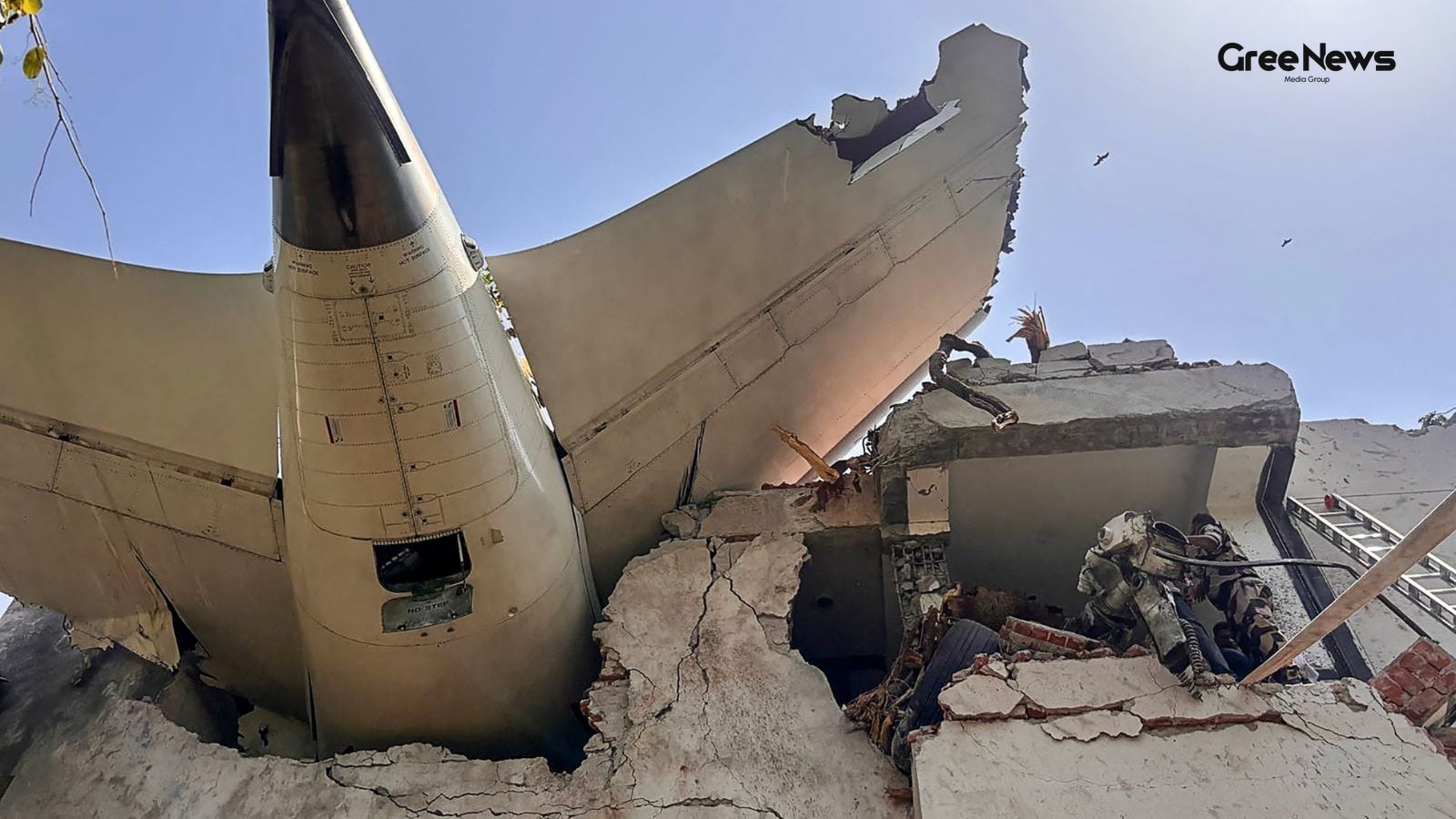
The Mystery of Air India Flight AI171: What Caused the Disaster?
One year has passed since Air India Flight AI171 went down. It happened right after takeoff from Ahmedabad, taking 260 lives with it. But one question just keeps hanging there. What actually caused this disaster? The plane involved was a Boeing 787 Dreamliner. It was supposed to head to London, Gatw
Jun 12, 2026 by Gree News Team

The Impact of Music and Passion in the *Dhurandhar* Franchise Success
Shashwat Sachdev’s music really shifted things with Aditya Dhar’s *Dhurandhar* and then *Dhurandhar 2*. People kept talking about how much that background score just lifted the scenes, made everything hit harder. It became a huge deal after the film came out. He got famous fast riding that wave of s
Jun 12, 2026 by Gree News Team
The Alleged Deal with Iran and Shifting Geopolitical Statements
The whole thing is moving fast now. A deal with Iran? It’s supposedly nearly done. Trump was talking about it in the Oval Office, saying they were super close. He called it a “very detailed memorandum of understanding.” Sounds official, but you know how those things are just paper and promises. Pavi
Jun 12, 2026 by Gree News Team

Market Update: Global Cues, Corporate Shifts, and Institutional Activity
The markets kicked off this morning with a generally positive signal, tracking firm global cues. Gift Nifty was sitting at 23,478.5 when the clock hit 7:48 am a modest bump of 76 points, or just 0.32 percent. That’s what we saw initially. But there were other things moving around in the background.
Jun 12, 2026 by Gree News Team

The Tragic Loss and Unanswered Questions of the Air India AI-171 Crash
For David Christian, 72, a retired government official from Chandkheda in Ahmedabad, air travel just isn’t the same anymore. It all changed after what happened. A few weeks back, when he and his elder son traveled to Australia, David made sure they took separate flights. It was a precaution born out
Jun 12, 2026 by Gree News Team

Fake Signature Case: Abhishek Banerjee and the CID Investigation
Fake Signature Case Abhishek Banerjee. Trinamool Congress general secretary. He was hauled in for questioning by the West Bengal CID. Over five hours of it. All connected to this signature mismatch thing. It involves some key resolution submitted in the state Assembly. The Diamond Harbour Lok Sabha
Jun 12, 2026 by Gree News Team
India's Energy Decisions and the Russia Oil Dynamic
Dr S Jaishankar, External Affairs Minister, he was talking about Russia oil on Friday. He defended India’s buying of it, pointing out some kind of contradiction in how Europe was criticizing New Delhi's energy policy. This happened while he was at the Kultaranta Talks in Finland, chatting about "Eme
Jun 12, 2026 by Gree News Team

Indian Equity Markets Rally Fueled by Global Optimism
The domestic markets opened sharply higher Friday, fueled by a wave of global optimism that swept across international equities. We saw the BSE Sensex jump nearly 981 points that’s over 1.3% gain landing at 74,814 in early trading. The NSE Nifty 50 followed suit, ticking up by 272 points, hitting 23
Jun 12, 2026 by Gree News Team

Smart Home Tech: Choosing Between Plugs, Switches, and Soundbars
Choosing between a smart plug and a smart switch isn't really about technology itself. It’s more about how much control you actually want over your home, end of story. If you’re renting an apartment and just need a simple way to automate things a lamp or maybe a coffee machine a smart plug is usuall
Jun 12, 2026 by Gree News Team

Internal Fracture and Instability within the Trinamool Congress
The air around the Trinamool Congress right now isn’t just heavy with disappointment; it feels brittle. It’s one of those periods where everything that was simmering beneath the surface suddenly boils over into something very real and very dangerous. The party is reeling, utterly battered by the ele
Jun 12, 2026 by Gree News Team

The Rise of Social Media Creators in Indian Reality TV
The Indian television scene is changing fast. Seriously. Over the last few years, it’s been a massive shift. Content creators, YouTubers, those social media influencers? They are totally taking over reality TV now. Think about names like Elvish Yadav, Mr Faisu, Abhishek Malhan. People used to see th
Jun 12, 2026 by Gree News Team