Internal Fracture and Instability within the Trinamool Congress
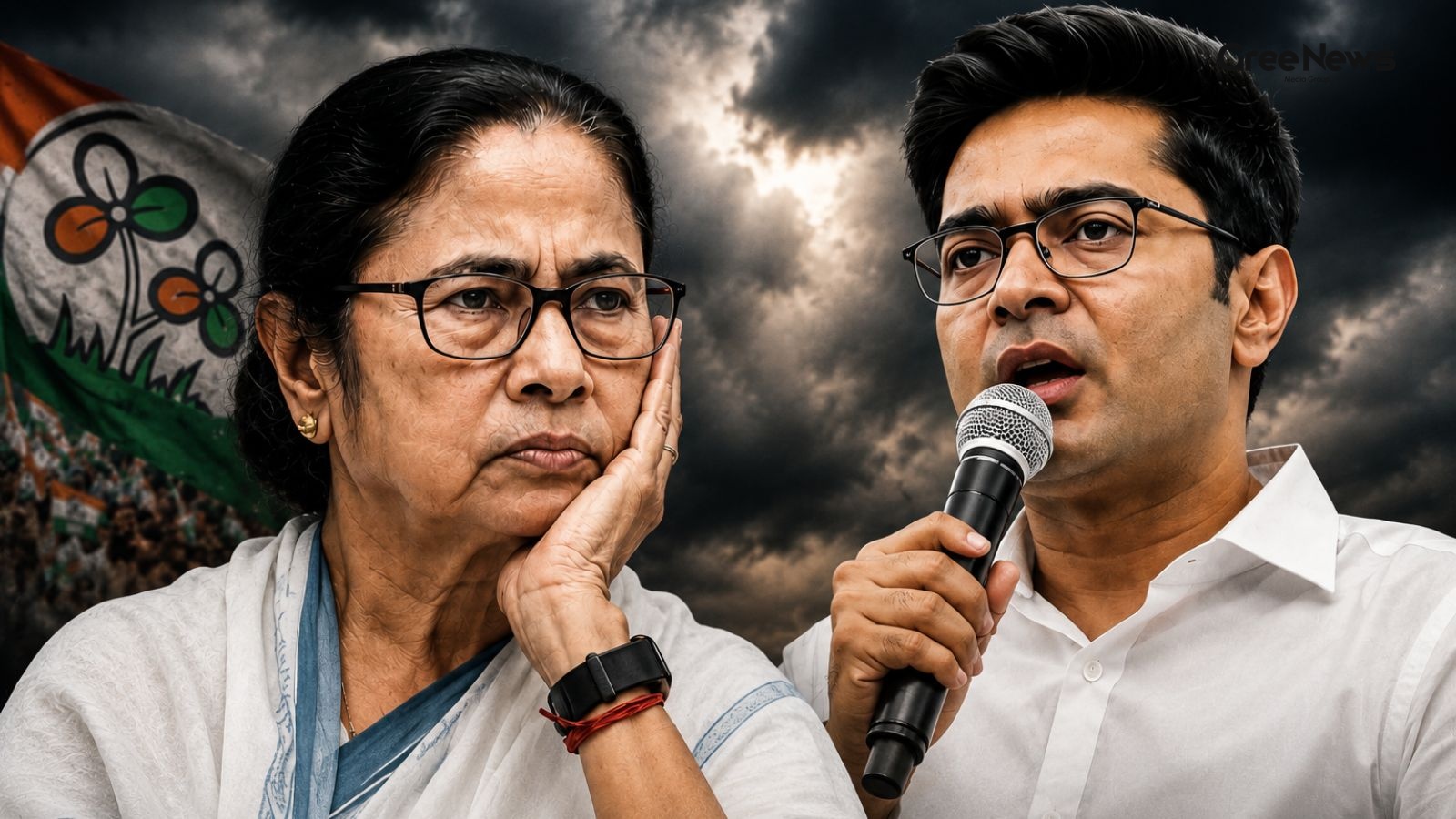
The air around the Trinamool Congress right now isn’t just heavy with disappointment; it feels brittle. It’s one of those periods where everything that was simmering beneath the surface suddenly boils over into something very real and very dangerous. The party is reeling, utterly battered by the electoral reality in West Bengal, but what’s happening now goes far beyond simple defeat. We’re talking about a deep fracture, an internal reckoning that has spilled out into public speculation, parliamentary maneuvering, and outright defiance from within its own ranks.
Rebel MPs are suddenly making noise. They aren't just whispering; they are publicly challenging the established leadership. This isn't some routine internal squabble you see in quieter times. This is a genuine challenge to authority, a visible splitting of the party’s structure that suggests the cracks run deep into the foundation of TMC itself. And then there's the persistent, almost feverish talk about mergers with Congress, or anything else at all. It’s political intrigue layered on top of profound organizational stress.
The sheer weight of this situation is evident in how quickly these threads are being pulled. You have senior leaders openly acknowledging that this isn't just a temporary dip; it’s an existential crisis for the party structure as they know it. This acknowledgment, coming from within the inner circle, changes everything about how you look at the political landscape of Bengal right now.
Then there’s Saugata Roy. He stepped forward, and what he said wasn't a polite platitude. He didn't just offer sympathy; he framed the entire predicament as a genuine crisis for the party. He suggested that if they want to rebuild any kind of opposition space in Bengal at all if they want relevance they might actually need cooperation with Congress. It’s a stark, almost desperate admission that the existing structure is insufficient on its own terms.
He pointed fingers, sort of gently, but firmly, toward the internal dynamics. He spoke about needing to listen. Listening to people who are still part of the party, listening to grievances. And he specifically brought up Abhishek Banerjee. It wasn't just a general call for reconciliation; it was an explicit demand that Mamata Banerjee address specific tensions, especially those surrounding the camp of Abhishek. It suggested that the fault lines aren’t abstract political differences; they are very personal, very factional.
This kind of admission from someone who is supposedly close to the top a trusted lieutenant carries immense weight. It suggests that the rebellion isn't just about policy or electoral strategy; it’s about power distribution and loyalty within the party machinery itself. The fact that this acknowledgment surfaced amidst all the noise shows how serious the internal division has become.
Meanwhile, outside those immediate high-level statements, the political atmosphere is thick with speculation about grander maneuvers. There was this buzz after a series of back-to-back meetings. Abhishek Banerjee meeting Rahul Gandhi in Delhi, juxtaposed against Mamata Banerjee’s own discussions with Sonia Gandhi. It felt like two separate orbits colliding, and people naturally started wondering if that collision led somewhere concrete.
The idea floated around the possibility of a merger or some kind of formal alliance. Not just political convenience; something more structural was being imagined amidst the fallout from the election results. Sougata Roy amplified this thought too, suggesting both merging with Congress or forming an alliance were viable options. The underlying message seems to be that unity opposition unity is now absolutely critical in this fractured climate.
But of course, these speculations are immediately met with resistance, or at least a sharp deflection. You see the immediate pushback from the established political machinery. Congress leaders came out quickly, dismissing any reports of merger talks as nothing more than "baseless rumours." They insisted that the focus should remain on larger national issues and opposition coordination, not internal party reshuffling.
TMC itself tried to manage this narrative too. They issued a clarification, trying to shut down the idea entirely stating clearly that no discussions or proposals regarding a merger were taking place. It’s a classic political dance: one side hints at possibility, the other slams the door shut, insisting on maintaining a specific line of official denial while the underlying tension remains palpable in the air.
But the real turbulence wasn't just external speculation; it was happening right there within the halls and chambers of the party itself. The most dramatic development and perhaps the most worrying sign of disintegration was the emergence of that rebel bloc. It’s not a small splinter group anymore. This is a significant faction, backed by serious institutional weight.
We saw access to a letter, signed by twenty senior TMC MPs who are actively rebelling against Mamata Banerjee and seeking recognition as a separate entity. Think about that number: twenty MPs pulling away from the central command. These weren't just disgruntled voices; these were figures once considered close to the leadership, names like Saayoni Ghosh and Yusuf Pathan being among them. This is serious political fragmentation right at the heart of the legislative body.
And this rebellion has teeth. It’s not just talk on the floor. With more than two-thirds of TMC's Lok Sabha MPs reportedly backing this move, the implications regarding anti-defection provisions are massive. These rebels believe they can navigate these legal hurdles and avoid disqualification, carving out their own space within the parliamentary structure.
Then you have the resignations piling up. It’s a slow bleed, really. On Thursday, another Rajya Sabha MP, Prakash Chik Baraik, stepped away from the Upper House. This wasn't an isolated incident. Earlier in the week, Sukhendu Sekhar Ray and Sushmita Dev had already made their exits.
Baraik’s departure just adds another layer to the instability. He reportedly felt that the political mandate in Bengal had shifted a shift perceived by him as favoring the BJP. It speaks volumes about where the loyalty now lies. When senior members of the party start walking away, resigning, or actively rebelling, it signals a fundamental loss of cohesion at the very top and middle levels.
Underneath all these dramatic public moves and whispers about mergers, there’s a core issue that keeps bubbling to the surface: the role played by Abhishek Banerjee. It’s not just an administrative headache; it has become the central fault line of the entire organization. Party insiders are talking and you can hear this tone in the background chatter that a significant number of TMC veterans feel alienated. They see power concentrating around Banerjee's nephew, and that concentration is blamed for pushing out or marginalizing senior leaders.
This creates this toxic dynamic: the old guard versus the camp associated with Abhishek. It’s not some neat political equation; it’s a deeply personal fissure now bleeding into organizational politics. This tension has been recurring, resurfacing every time someone leaves or joins that rebel fold. It's the internal fault line manifesting externally in these public challenges and resignations.
The picture emerging is one of profound instability. You have a party facing an electoral defeat, senior figures publicly calling for external cooperation to survive, institutional members actively challenging leadership through organized defiance, and parliamentary seats emptying out in rapid succession. All these elements combine to paint a portrait of an organization tearing itself apart from the inside out. It’s messy. It’s unpredictable. And it is, undeniably, one of the most turbulent political scenes unfolding right now.
Written by Gree News Team — Senior Editorial Board
Gree News Team covers international news and global affairs at Gree News. Our collective of senior editors is dedicated to providing independent, accurate, and responsible journalism for a global audience.
More from India
View All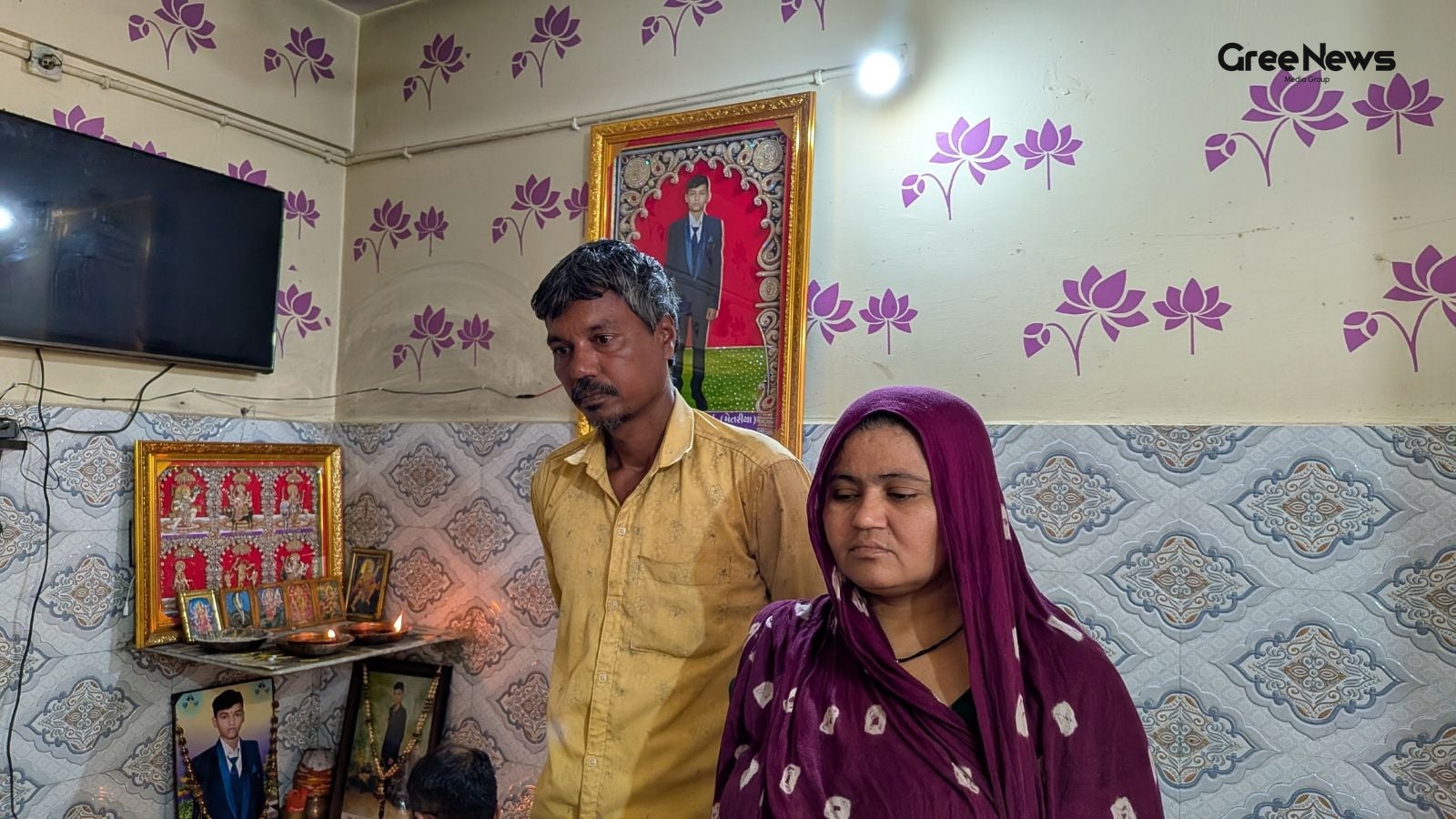
The Tragic Loss and Unanswered Questions of the Air India AI-171 Crash
For David Christian, 72, a retired government official from Chandkheda in Ahmedabad, air travel just isn’t the same anymore. It all changed after what happened. A few weeks back, when he and his elder son traveled to Australia, David made sure they took separate flights. It was a precaution born out
Jun 12, 2026 by Gree News Team
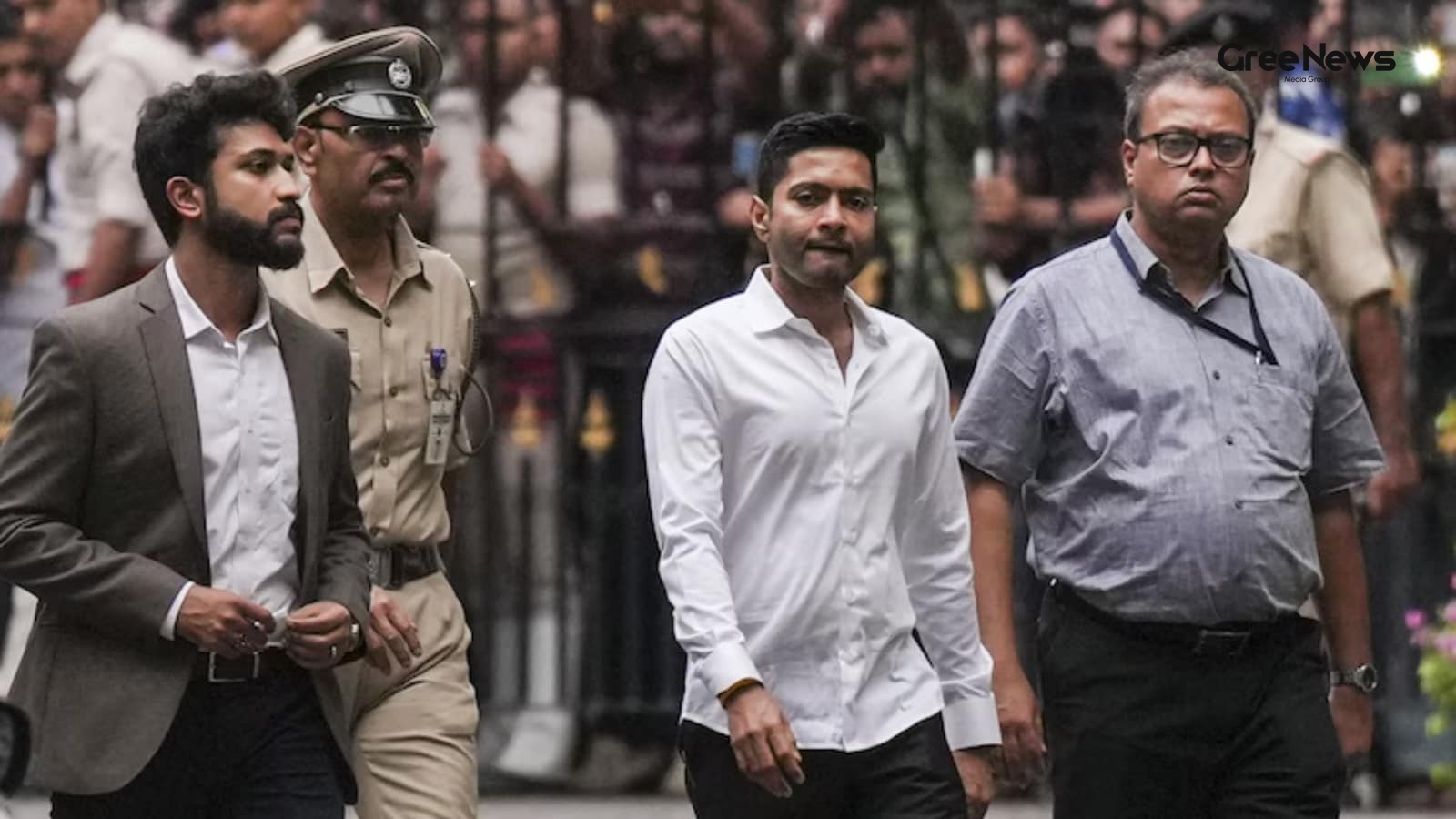
Fake Signature Case: Abhishek Banerjee and the CID Investigation
Fake Signature Case Abhishek Banerjee. Trinamool Congress general secretary. He was hauled in for questioning by the West Bengal CID. Over five hours of it. All connected to this signature mismatch thing. It involves some key resolution submitted in the state Assembly. The Diamond Harbour Lok Sabha
Jun 12, 2026 by Gree News Team
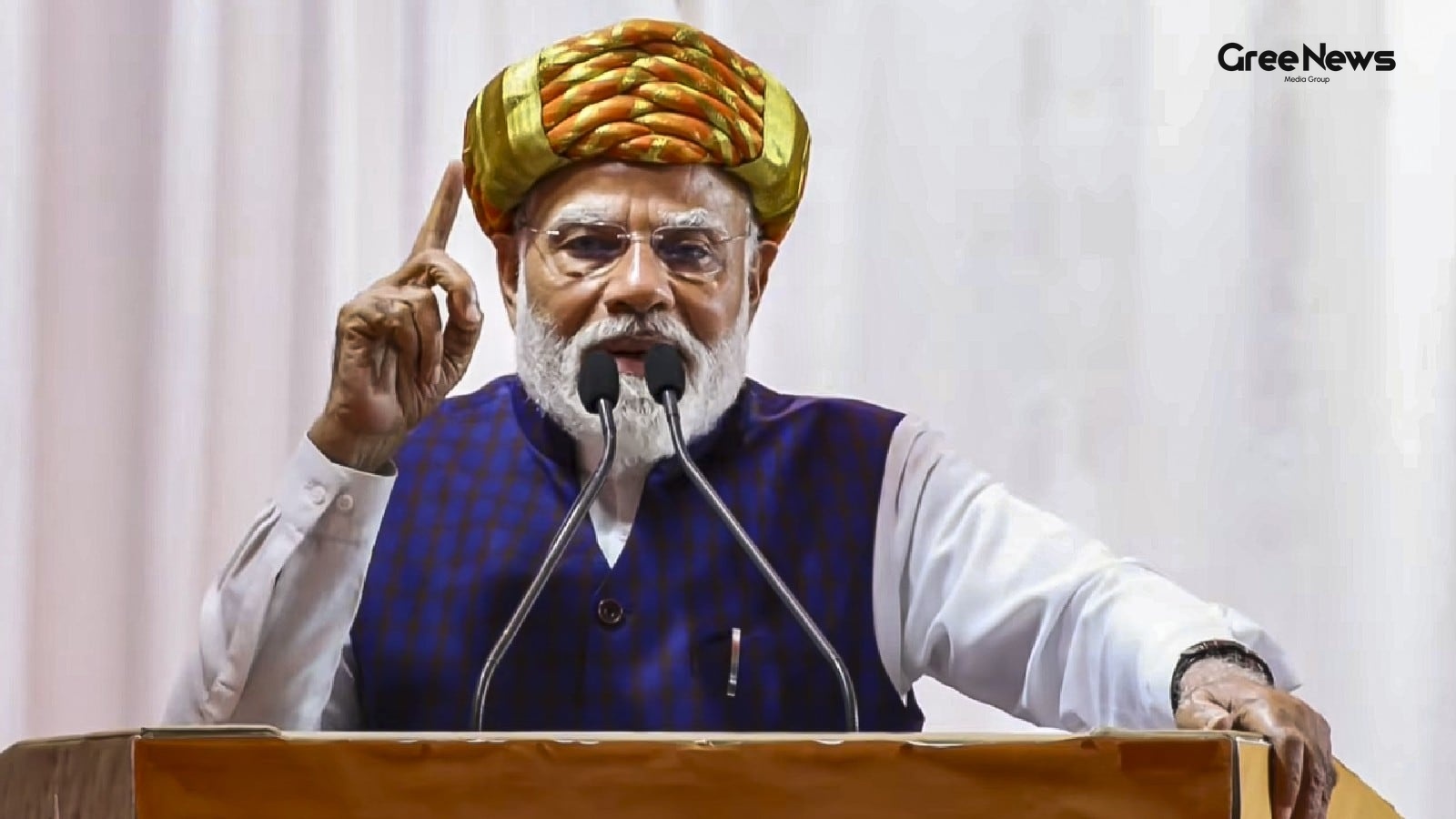
Global Recognition of Modi's Leadership and Tenure
Modi, having held the reins for what feels like an eternity now, got waves of congratulations from leaders all over the world. It’s been a long run, and apparently, that translates into global recognition praise about his leadership, the economic direction he’s set, and how much influence he seems t
Jun 12, 2026 by Gree News Team
Partha Bhowmick Moves Out of Delhi Bungalow: Political Implications for Trinamool Congress
Something’s shifting around here with all the noise about the Trinamool Congress MPs right now. Partha Bhowmick, one of them, has formally moved out of that government bungalow in New Delhi. It was basically where the party ran things, their real base in the capital. He actually asked for that move
Jun 12, 2026 by Gree News Team
Latest Headlines
Fake Signature Case: Abhishek Banerjee and the CID Investigation
Fake Signature Case Abhishek Banerjee. Trinamool Congress general secretary. He was hauled in for questioning by the West Bengal CID. Over five hours of it. All connected to this signature mismatch thing. It involves some key resolution submitted in the state Assembly. The Diamond Harbour Lok Sabha
Jun 12, 2026 by Gree News Team
India's Energy Decisions and the Russia Oil Dynamic
Dr S Jaishankar, External Affairs Minister, he was talking about Russia oil on Friday. He defended India’s buying of it, pointing out some kind of contradiction in how Europe was criticizing New Delhi's energy policy. This happened while he was at the Kultaranta Talks in Finland, chatting about "Eme
Jun 12, 2026 by Gree News Team

Indian Equity Markets Rally Fueled by Global Optimism
The domestic markets opened sharply higher Friday, fueled by a wave of global optimism that swept across international equities. We saw the BSE Sensex jump nearly 981 points that’s over 1.3% gain landing at 74,814 in early trading. The NSE Nifty 50 followed suit, ticking up by 272 points, hitting 23
Jun 12, 2026 by Gree News Team

Smart Home Tech: Choosing Between Plugs, Switches, and Soundbars
Choosing between a smart plug and a smart switch isn't really about technology itself. It’s more about how much control you actually want over your home, end of story. If you’re renting an apartment and just need a simple way to automate things a lamp or maybe a coffee machine a smart plug is usuall
Jun 12, 2026 by Gree News Team

The Rise of Social Media Creators in Indian Reality TV
The Indian television scene is changing fast. Seriously. Over the last few years, it’s been a massive shift. Content creators, YouTubers, those social media influencers? They are totally taking over reality TV now. Think about names like Elvish Yadav, Mr Faisu, Abhishek Malhan. People used to see th
Jun 12, 2026 by Gree News Team
The Psychological Toll of NEET Cancellation and Re-attempts
The mood among those prepping for NEET right now is pretty messed up. A lot of aspirants are feeling this intense anxiety, routines totally shot, confidence gone, and a deep distrust of the whole system after that earlier test got cancelled. Months or even years spent grinding just got hit by this s
Jun 12, 2026 by Gree News Team

Elon Musk’s SpaceX IPO: The $75 Billion Bet and Future Implications
Elon Musk’s SpaceX is about to go public. It's set for its Wall Street debut this Friday. People are calling it potentially the biggest IPO in history. That kind of stuff gets everyone watching. They priced the shares at $135 each. And they’re aiming to raise a staggering $75 billion. Think about th
Jun 12, 2026 by Gree News Team

Denaturalization Actions Against Foreign-Born Americans
The Department of Justice just announced something heavy. They’ve filed denaturalization actions against seventeen foreign-born Americans. The accusation? They allegedly got U.S. citizenship through fraud, hiding things, or outright misrepresentation during that process. It marks a real expansion in
Jun 12, 2026 by Gree News Team
Testimony of Jeffrey Epstein's Former Executive Assistant
Jeffrey Epstein’s longtime executive assistant told the House Oversight Committee something heavy. She claimed she had no knowledge of the late financier’s sexual abuse crimes. She described him as a "monster," a "master manipulator" who managed to keep his secret life completely hidden from everyon
Jun 12, 2026 by Gree News Team
Global Recognition of Modi's Leadership and Tenure
Modi, having held the reins for what feels like an eternity now, got waves of congratulations from leaders all over the world. It’s been a long run, and apparently, that translates into global recognition praise about his leadership, the economic direction he’s set, and how much influence he seems t
Jun 12, 2026 by Gree News Team
Pranit More: Controversy, History, and Public Reaction
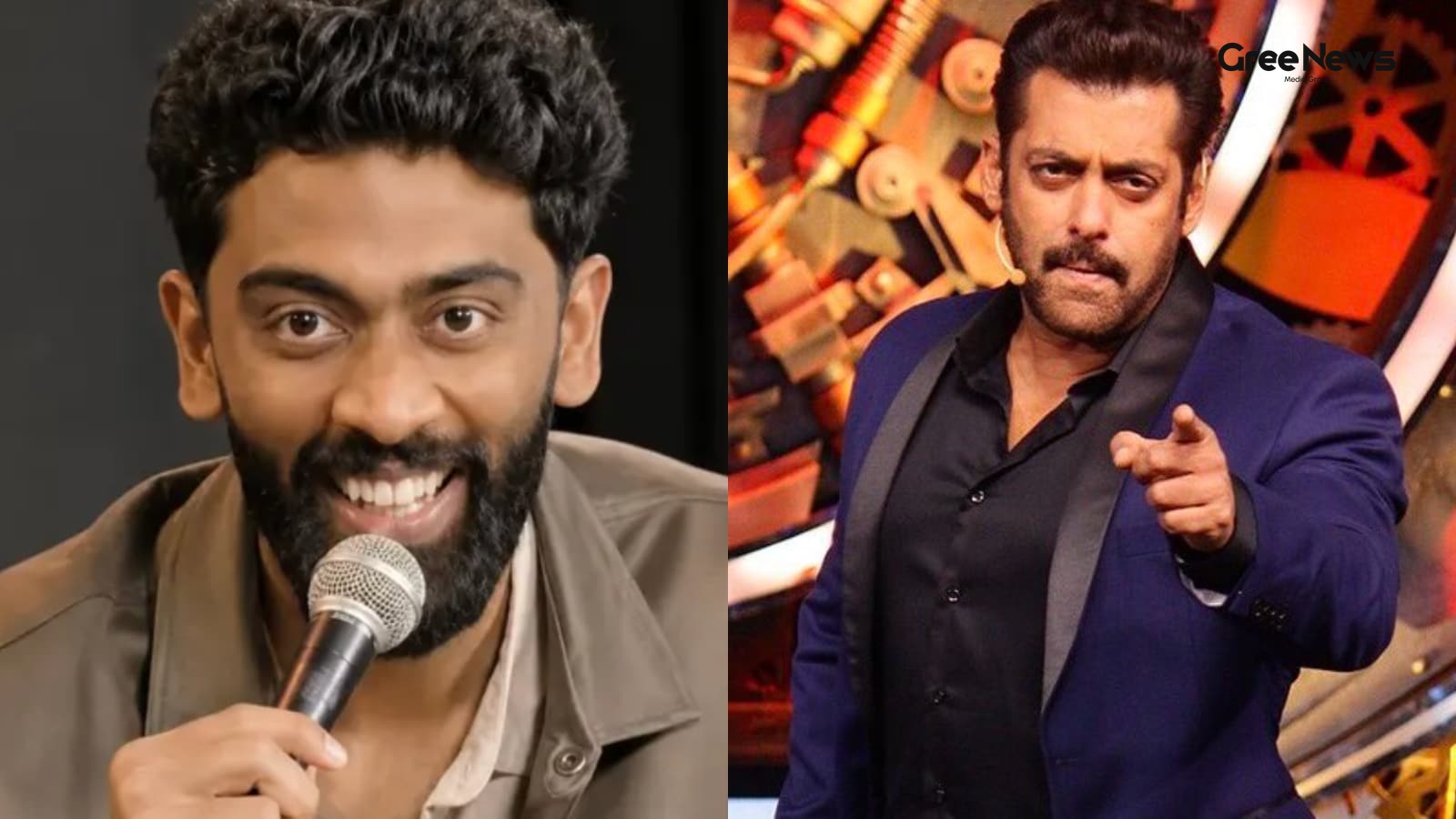
Pranit More. The name surfaces in the middle of something ugly. Comedian, contestant from Bigg Boss 19. Now he’s caught up in this massive stir because of some clip that blew up online from one of his crowd shows. Just plain messy. The whole thing kicked off with an audience member. Himanshu Jangra.
Jun 12, 2026 by Gree News Team
Partha Bhowmick Moves Out of Delhi Bungalow: Political Implications for Trinamool Congress
Something’s shifting around here with all the noise about the Trinamool Congress MPs right now. Partha Bhowmick, one of them, has formally moved out of that government bungalow in New Delhi. It was basically where the party ran things, their real base in the capital. He actually asked for that move
Jun 12, 2026 by Gree News Team

Geopolitical Escalation and Fear in the Strait of Hormuz
The air around the Strait of Hormuz just got heavier. It’s that kind of palpable shift you feel before something breaks a low hum of anxiety that settles deep in the bones of anyone paying attention to the geopolitical currents swirling through the Middle East right now. And it wasn't subtle this ti
Jun 12, 2026 by Gree News Team
CUET UG 2026 Provisional Answer Key, Challenge Process, and Scoring
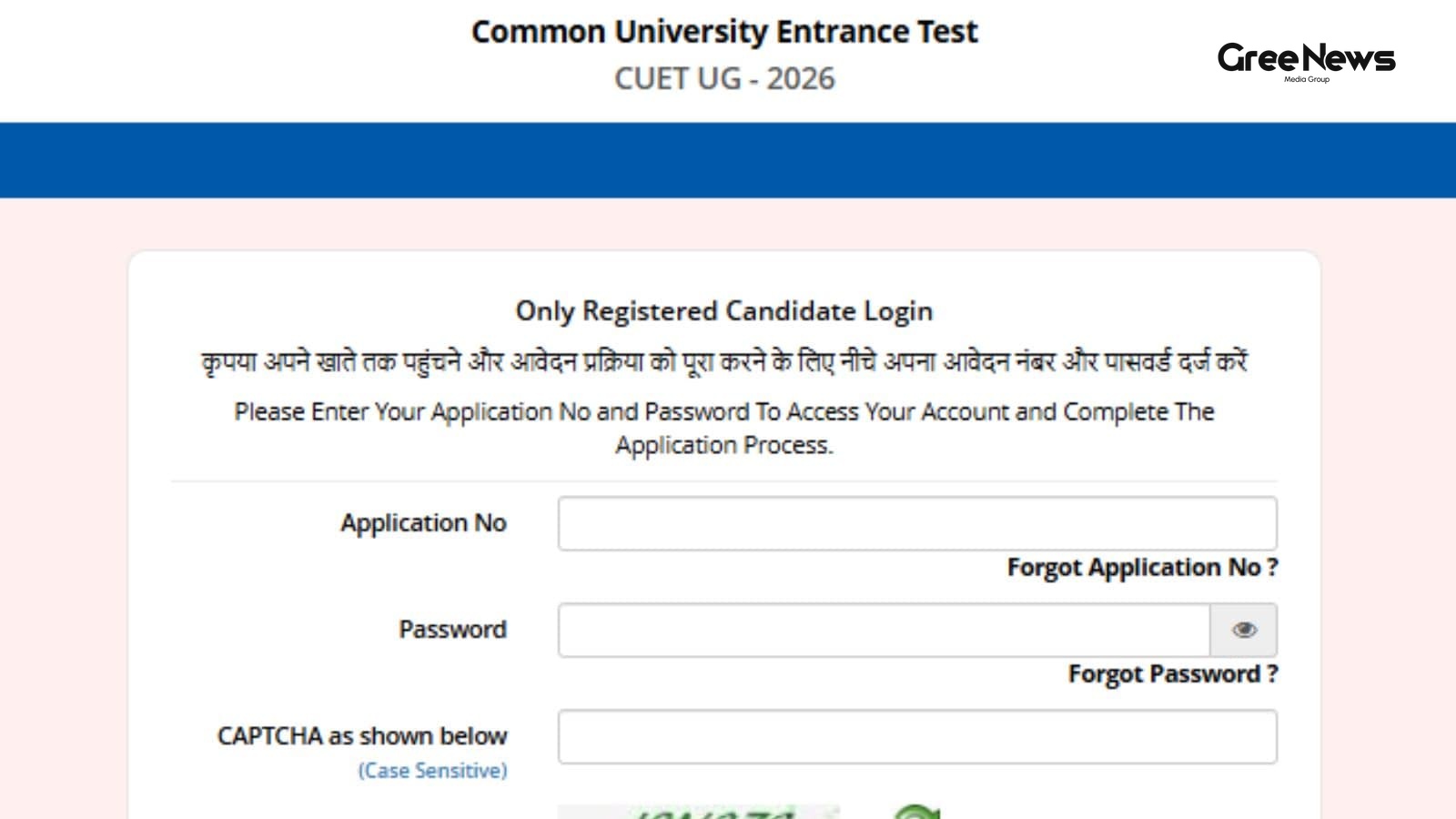
The National Testing Agency just dropped the provisional answer key for the CUET UG 2026 exams. It’s out now. Candidates need to log in exams.nta.ac.in or cuet.nta.nic.in. That's where you can see your response sheets and the provisional answers. But there’s more than just the key floating around. T
Jun 12, 2026 by Gree News Team

Katrina Kaif: Career Comeback, OTT Exploration, and Personal Life
Katrina Kaif. She’s apparently gearing up for a return to acting. It’s all kind of talk right now. Some reports floating around suggest she might be looking into projects in the OTT space. A comeback story, you know? Especially after everything that happened with her son, Vihaan Kaushal, last year.
Jun 12, 2026 by Gree News Team