Geopolitical Escalation and Fear in the Strait of Hormuz
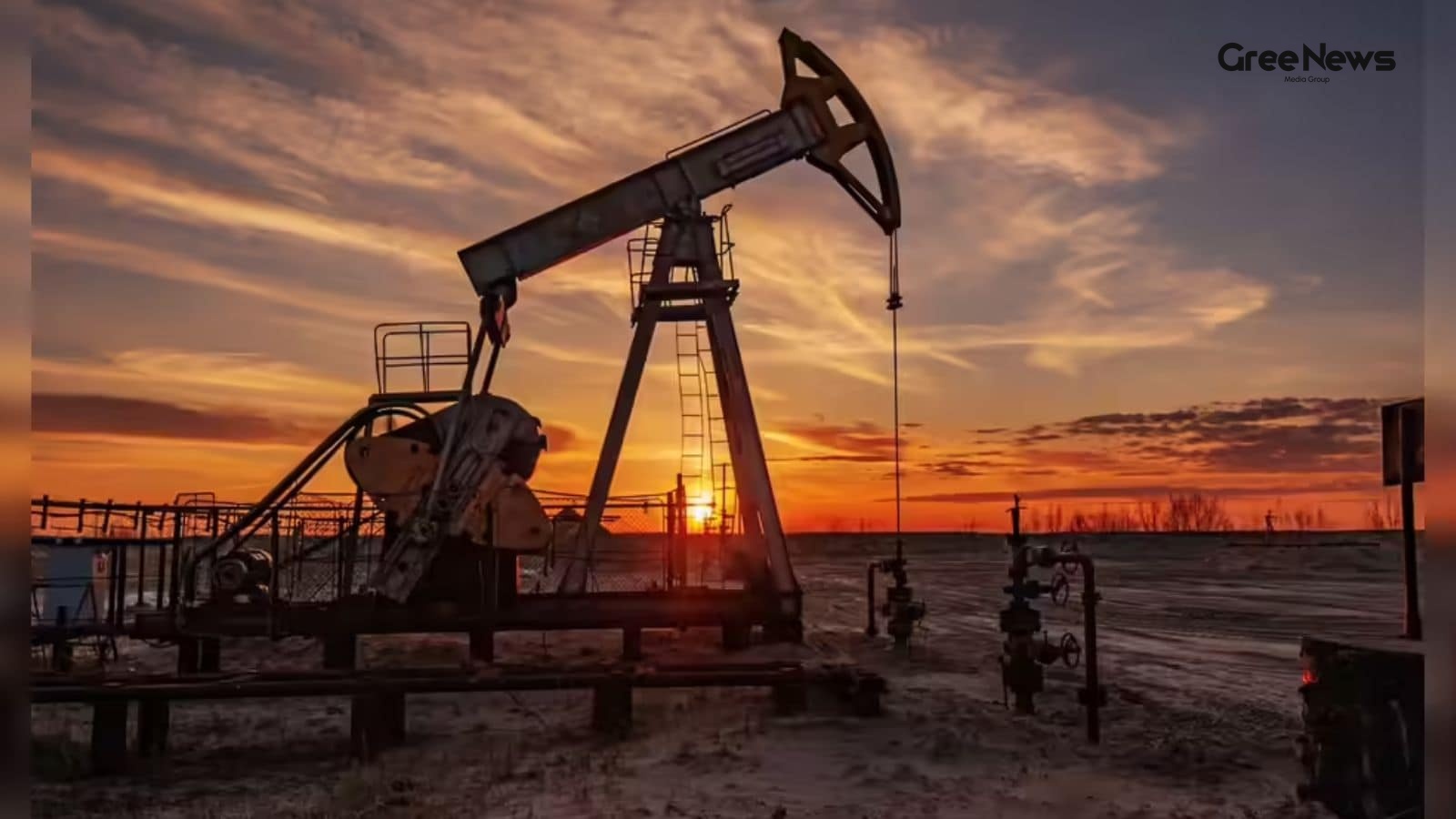
The air around the Strait of Hormuz just got heavier. It’s that kind of palpable shift you feel before something breaks a low hum of anxiety that settles deep in the bones of anyone paying attention to the geopolitical currents swirling through the Middle East right now. And it wasn't subtle this time.
Oil markets, always those feverish indicators, reacted instantly. WTI and Brent crude were jumping around. We’re talking prices pushing past eighty-nine dollars a barrel, maybe even ninety-two and fifty-one for Brent on Wednesday morning alone. It’s not just a dip or a rise; it's a frantic scramble fueled by pure fear. People are watching these numbers, wondering if this is the start of something much bigger, if that fragile balance holding things steady is about to completely shatter.
The immediate catalyst? A drone strike . Simple, brutal in its immediacy. The Islamic Revolutionary Guard Corps the IRGC they decided to push back. They launched a retaliatory strike targeting what they framed as American naval presence down in Bahrain. It happened at two thirty in the morning, a sharp, sudden noise thrown into the quiet of the early hours.
This wasn't just some random skirmish; it was an escalation . It pulled the existing ceasefire thread taut until it started to snap. Suddenly, all those careful diplomatic lines the ones Tehran and Washington were supposedly trying, however poorly, to manage they look incredibly thin now. The hope for some sort of cooling down, some breathing room, seems utterly derailed by this kind of reflexive response.
It all loops back to the initial friction. We have to remember where this tension actually originated. It wasn’t just a spontaneous act of aggression. There was an earlier sequence of events leading up to this drone exchange. The US had already struck across Iranian territory on Tuesday, following some incident involving an Army Apache helicopter down in that critical waterway. That was the trigger point for many of these current anxieties. A chain reaction, you see, where one action immediately demands a response from the other side.
The narrative being pushed by the IRGC is stark. They claim US forces were attacking multiple locations across southern Iran Jask, Sirik, Qeshm. That’s the context they use to justify their move. They frame it as a necessary reaction against what they perceive as an overarching assault on their interests. It’s that classic maneuver: define your action in terms of defense or retaliation, regardless of the actual proportionality involved.
“In response to the enemy’s vicious move,” the guards stated, carrying this message through Iranian media channels. The language itself is loaded. ‘Vicious move.’ It sets an immediate tone this isn’t a calculated diplomatic maneuver; it’s pure anger boiling over into kinetic action.
And then they launched their counter-strike. Targeting the Bahraini 5th Navy. It was a direct, physical push back against the naval presence that they felt had initiated the cycle of conflict. The implication is clear: the maritime tension in this region isn’t going to be managed by talking; it’s going to be decided by missiles and drones.
The sheer unpredictability of it all is what really unnerves things. You watch these reports, trying to piece together who was right, or even where the actual power lies, but every move seems designed to destabilize any potential middle ground. It creates this sense that the rules are constantly being rewritten in real time, not by treaties signed months ago, but by immediate, desperate reactions on the ground.
And then there’s the shadow hanging over everything else. The warning issued alongside the strike the threat of "heavier responses." That line, delivered with such cold certainty, is perhaps the most chilling part of this whole mess. It suggests that if these attacks against Iran continue, the response will not remain contained to drone strikes or naval skirmishes. It implies a readiness for something far more expansive, much more devastating.
It forces you to look beyond the immediate exchange in Hormuz and consider the wider implications. What happens when those lines get crossed repeatedly? When the concept of a stable zone simply dissolves into a constant state of high alert? The fear isn’t just about oil prices; it’s about that simmering, almost invisible threat escalating into something truly catastrophic for everyone involved. It makes you wonder how much room there is left for diplomacy when the very tools of confrontation are so easily deployed and immediately feared.
The flow of information feels fractured, doesn't it? You get the immediate action, then the justification, then the looming threat of further escalation. It’s messy because reality rarely flows in clean, predictable lines. There are no neat conclusions here, just a continuous, uneven rhythm of fear being manufactured and exchanged across the water.
And all we can do is watch where this turbulent current takes us next.
Written by Gree News Team — Senior Editorial Board
Gree News Team covers international news and global affairs at Gree News. Our collective of senior editors is dedicated to providing independent, accurate, and responsible journalism for a global audience.
More from Economy
View All
The Impact of Excise Duty Changes on Ethanol Blends and Global Energy Volatility
The finance ministry just dropped something. a notification, really. it wasn't some gentle update; it felt more like a sudden shift in the air, you know? suddenly these numbers, E22, E25, E27, and E30 they weren’t just labels on a spreadsheet anymore. they were suddenly real things hitting the road.
Jun 11, 2026 by Gree News Team

India's E85 Rollout and the Future of Flex-Fuel Vehicles
India just made another move on fuel. They rolled out E85, that high-ethanol petrol blend, specifically for vehicles that can handle flex-fuel systems. It’s about cleaner transport, less reliance on imported crude. Hardeep Singh Puri, the Union Petroleum Minister, formally kicked things off at an In
Jun 8, 2026 by Gree News Team
Crude Oil Prices, Market Jitters, and US Job Data
Crude oil prices jumped four percent Monday. That was because Iran launched more missiles toward Israel, a clear retaliation for what happened in Lebanon. It totally messed up the ceasefire. WTI and Brent crude shot up, hitting over ninety-three and ninety-six dollars a barrel, following all that te
Jun 8, 2026 by Gree News Team

Piyush Goyal on US Tariffs and India-US Trade Negotiations
Piyush Goyal, the Commerce Minister, was talking about the US tariffs on India on Sunday. He was trying to ease worries, you know? About that whole Section 301 thing. He basically said New Delhi would handle things, protect its interests, and keep pushing for that trade agreement with Washington. It
Jun 8, 2026 by Gree News Team
Latest Headlines

Internal Fracture and Instability within the Trinamool Congress
The air around the Trinamool Congress right now isn’t just heavy with disappointment; it feels brittle. It’s one of those periods where everything that was simmering beneath the surface suddenly boils over into something very real and very dangerous. The party is reeling, utterly battered by the ele
Jun 12, 2026 by Gree News Team

The Rise of Social Media Creators in Indian Reality TV
The Indian television scene is changing fast. Seriously. Over the last few years, it’s been a massive shift. Content creators, YouTubers, those social media influencers? They are totally taking over reality TV now. Think about names like Elvish Yadav, Mr Faisu, Abhishek Malhan. People used to see th
Jun 12, 2026 by Gree News Team
The Psychological Toll of NEET Cancellation and Re-attempts
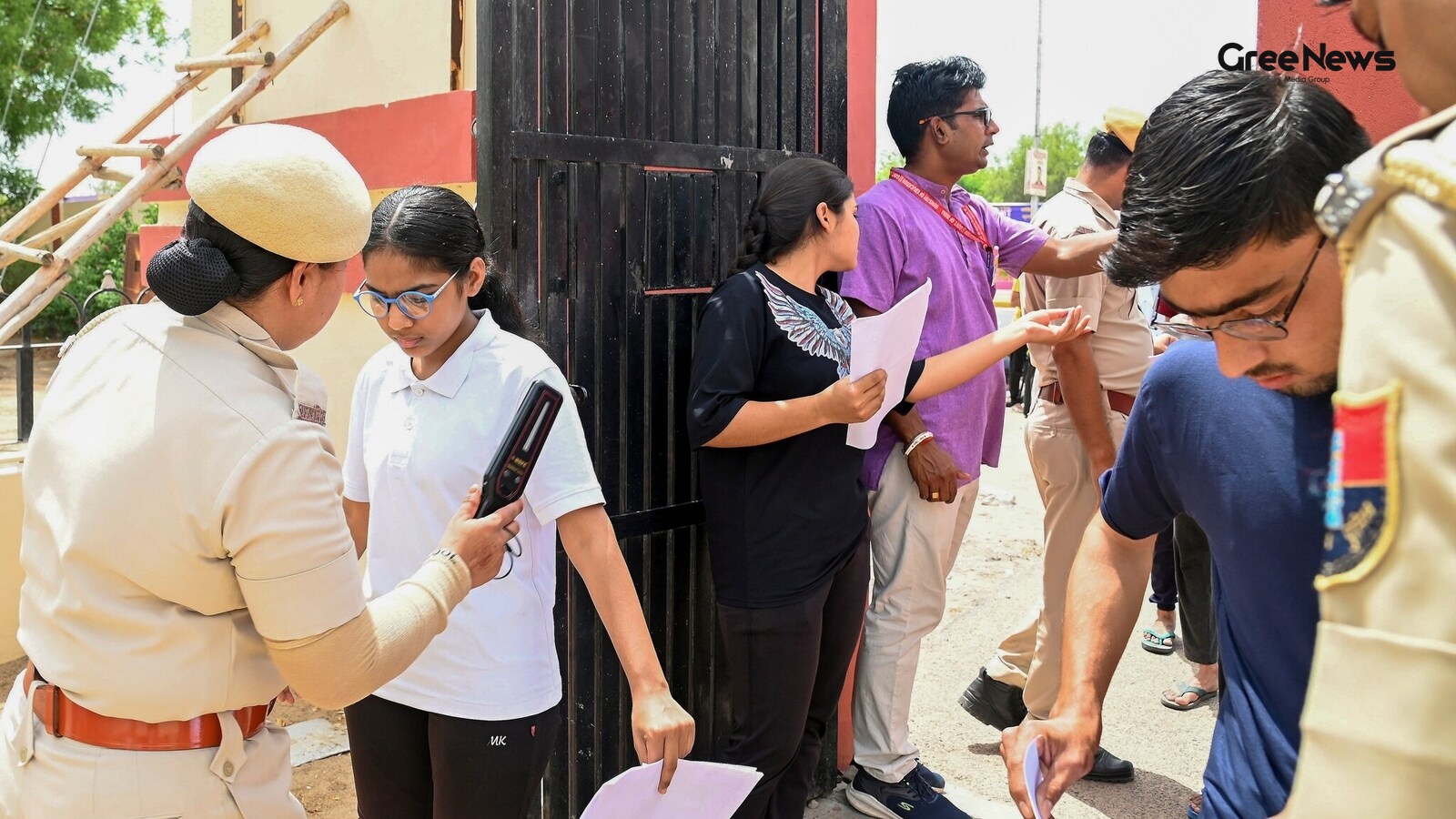
The mood among those prepping for NEET right now is pretty messed up. A lot of aspirants are feeling this intense anxiety, routines totally shot, confidence gone, and a deep distrust of the whole system after that earlier test got cancelled. Months or even years spent grinding just got hit by this s
Jun 12, 2026 by Gree News Team

Elon Musk’s SpaceX IPO: The $75 Billion Bet and Future Implications
Elon Musk’s SpaceX is about to go public. It's set for its Wall Street debut this Friday. People are calling it potentially the biggest IPO in history. That kind of stuff gets everyone watching. They priced the shares at $135 each. And they’re aiming to raise a staggering $75 billion. Think about th
Jun 12, 2026 by Gree News Team

Denaturalization Actions Against Foreign-Born Americans
The Department of Justice just announced something heavy. They’ve filed denaturalization actions against seventeen foreign-born Americans. The accusation? They allegedly got U.S. citizenship through fraud, hiding things, or outright misrepresentation during that process. It marks a real expansion in
Jun 12, 2026 by Gree News Team
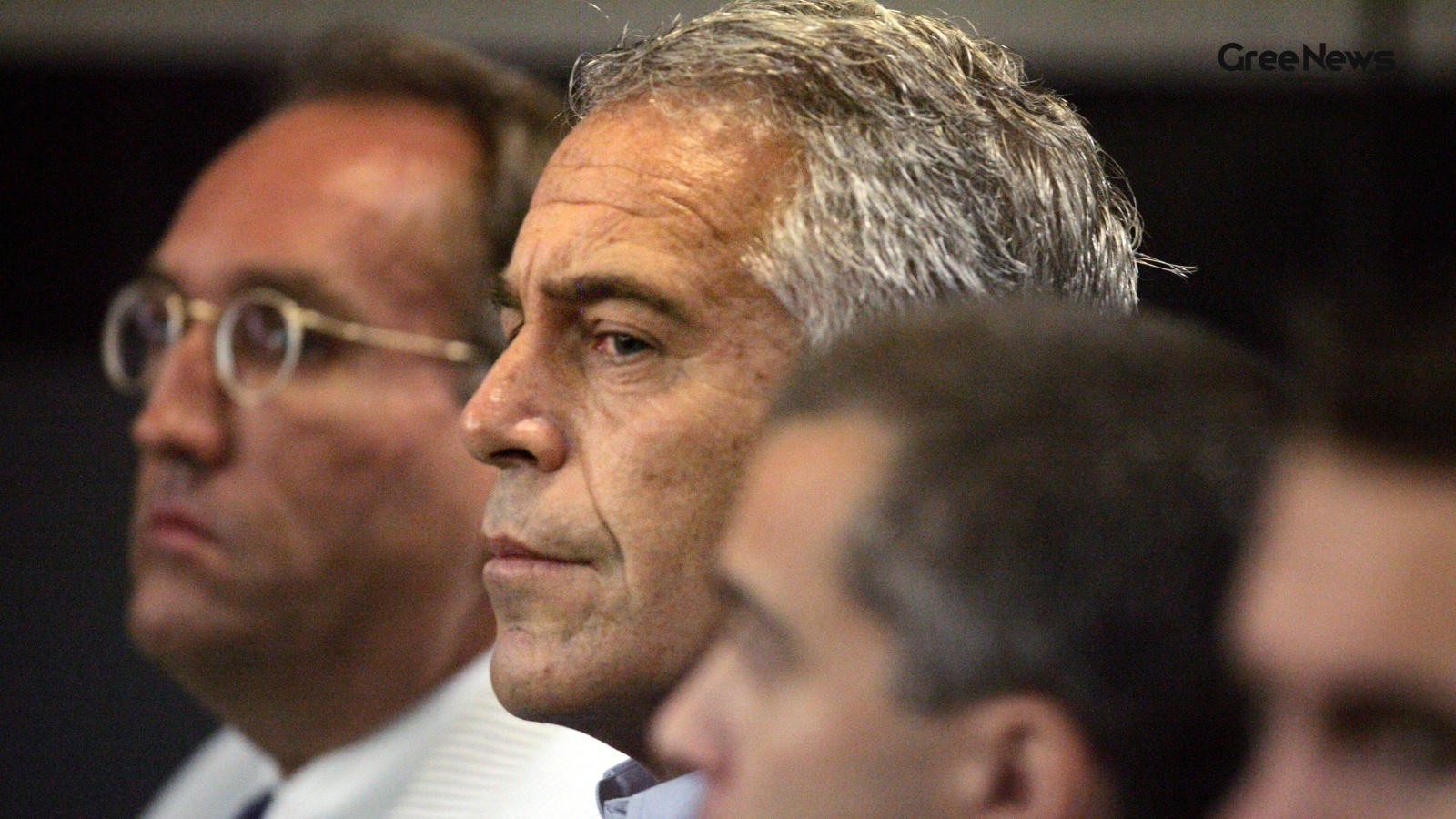
Testimony of Jeffrey Epstein's Former Executive Assistant
Jeffrey Epstein’s longtime executive assistant told the House Oversight Committee something heavy. She claimed she had no knowledge of the late financier’s sexual abuse crimes. She described him as a "monster," a "master manipulator" who managed to keep his secret life completely hidden from everyon
Jun 12, 2026 by Gree News Team
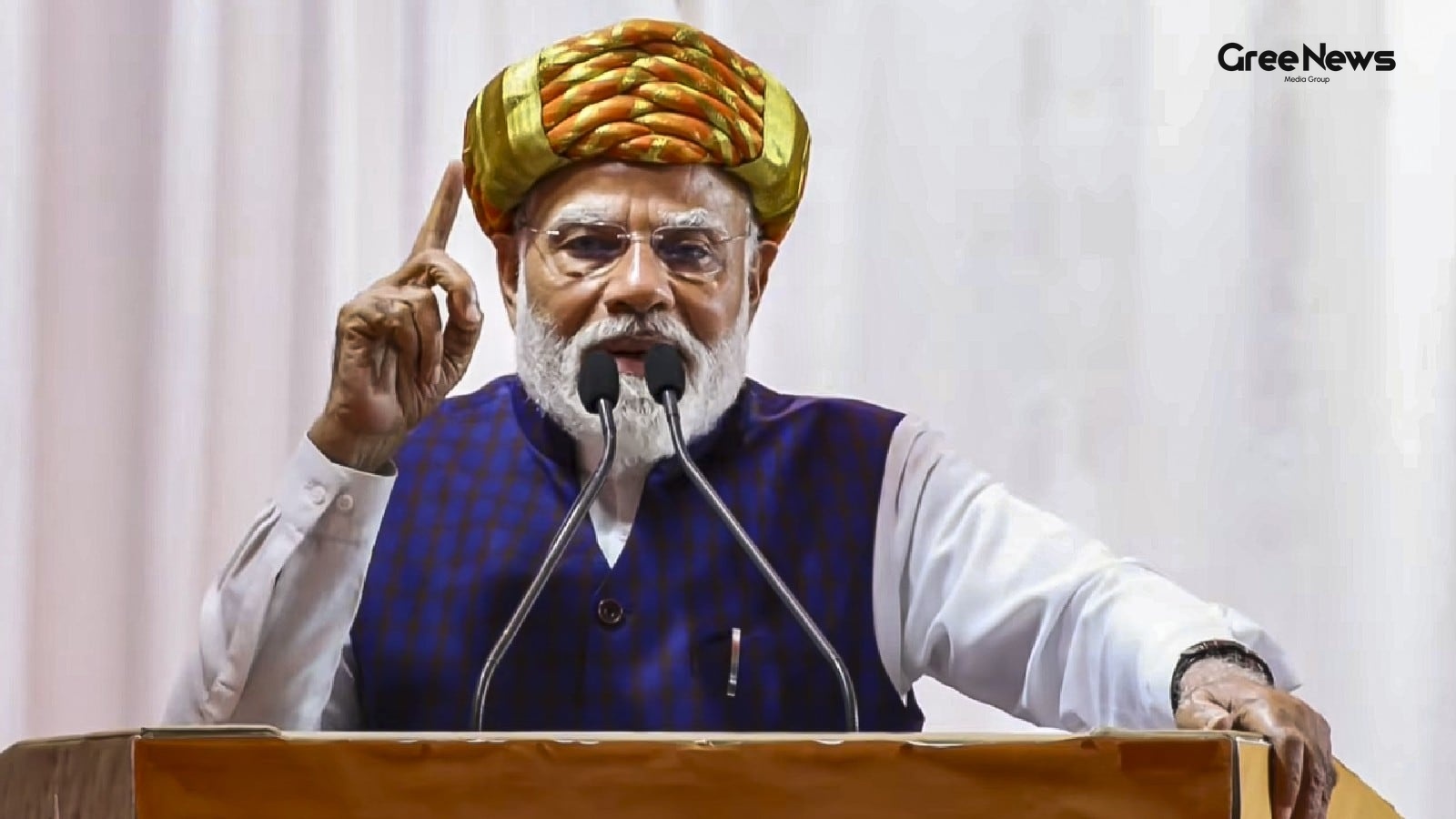
Global Recognition of Modi's Leadership and Tenure
Modi, having held the reins for what feels like an eternity now, got waves of congratulations from leaders all over the world. It’s been a long run, and apparently, that translates into global recognition praise about his leadership, the economic direction he’s set, and how much influence he seems t
Jun 12, 2026 by Gree News Team

Pranit More: Controversy, History, and Public Reaction
Pranit More. The name surfaces in the middle of something ugly. Comedian, contestant from Bigg Boss 19. Now he’s caught up in this massive stir because of some clip that blew up online from one of his crowd shows. Just plain messy. The whole thing kicked off with an audience member. Himanshu Jangra.
Jun 12, 2026 by Gree News Team

Partha Bhowmick Moves Out of Delhi Bungalow: Political Implications for Trinamool Congress
Something’s shifting around here with all the noise about the Trinamool Congress MPs right now. Partha Bhowmick, one of them, has formally moved out of that government bungalow in New Delhi. It was basically where the party ran things, their real base in the capital. He actually asked for that move
Jun 12, 2026 by Gree News Team

CUET UG 2026 Provisional Answer Key, Challenge Process, and Scoring
The National Testing Agency just dropped the provisional answer key for the CUET UG 2026 exams. It’s out now. Candidates need to log in exams.nta.ac.in or cuet.nta.nic.in. That's where you can see your response sheets and the provisional answers. But there’s more than just the key floating around. T
Jun 12, 2026 by Gree News Team

Katrina Kaif: Career Comeback, OTT Exploration, and Personal Life
Katrina Kaif. She’s apparently gearing up for a return to acting. It’s all kind of talk right now. Some reports floating around suggest she might be looking into projects in the OTT space. A comeback story, you know? Especially after everything that happened with her son, Vihaan Kaushal, last year.
Jun 12, 2026 by Gree News Team
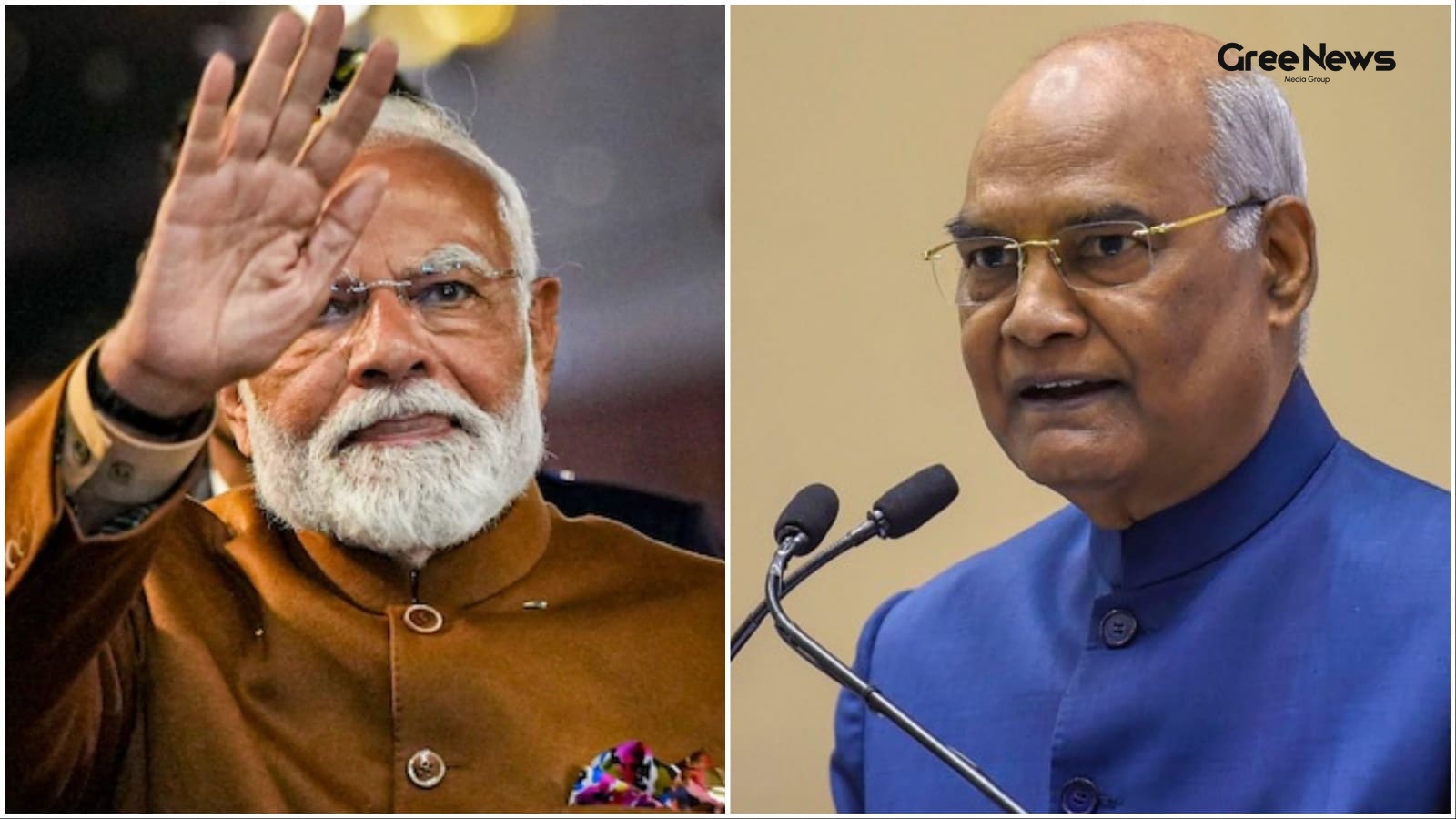
Modi's Longest Tenure: A Defining Moment for India's Democratic Journey
Modi hitting his longest tenure, officially becoming India’s longest-serving democratically elected Prime Minister, that’s what happened Wednesday. Former President Ram Nath Kovind weighed in, calling it a defining moment for the post-Independence journey. He argued that just counting the days isn't
Jun 12, 2026 by Gree News Team

The Unspoken Dynamics of Political Uncertainty
The air felt thick today. Not just humid. Something else was hanging there. A kind of low hum you can feel in your teeth. It’s always like this when things are about to shift, isn't it? You just sense the change before anyone actually says a word. The political scene right now... it’s not neat. It’s
Jun 12, 2026 by Gree News Team

Argentina vs Iceland: The Emotional Shift and Messi's Return
The game against Iceland wasn't exactly a showcase for anything spectacular, really. It felt more like an early warm-up a kind of test run, you know? But what happened on that Tuesday, though, was definitely something. Argentina managed to pull off a convincing 3-0 win over Iceland in that final war
Jun 12, 2026 by Gree News Team
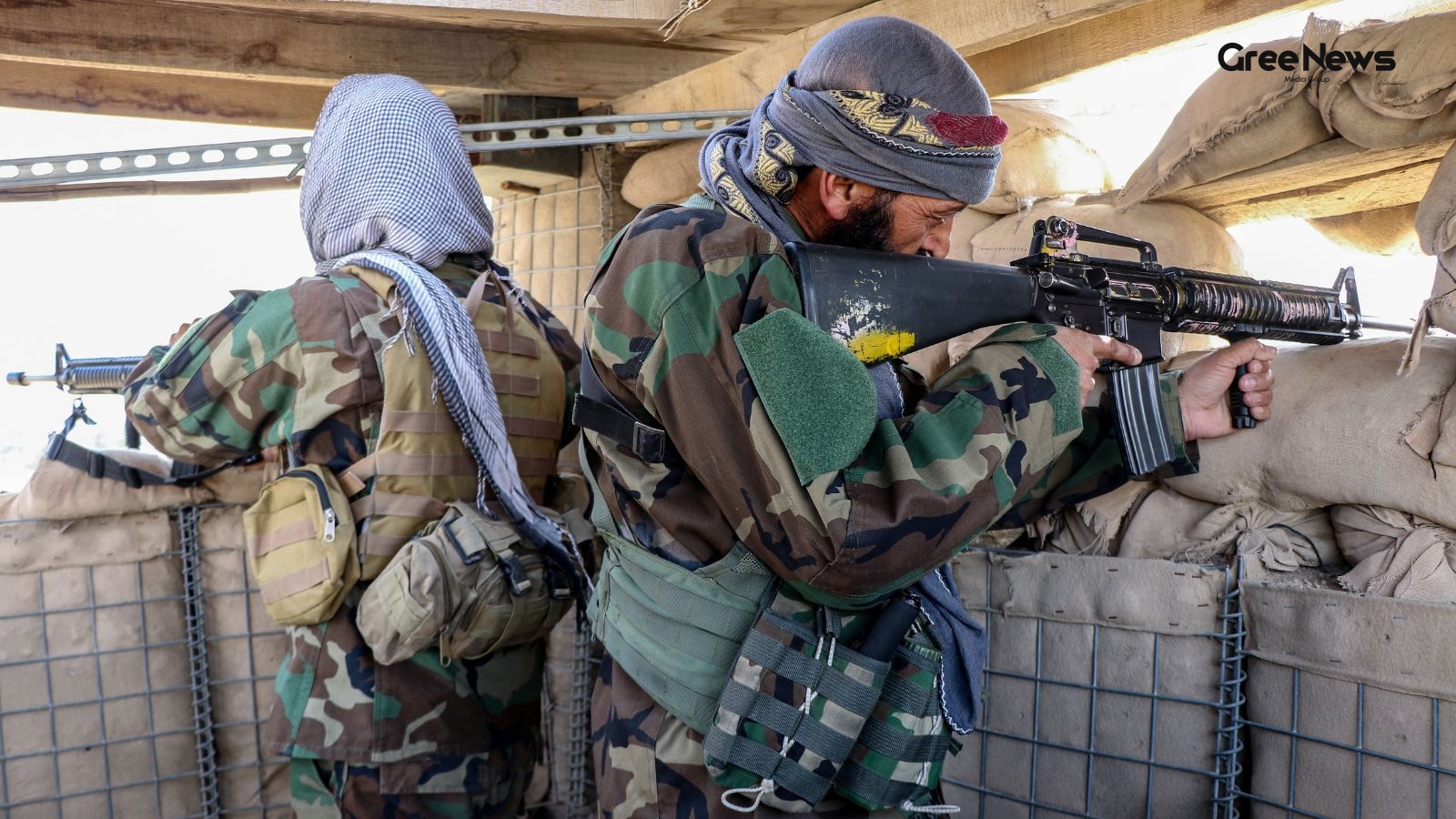
Pakistani Air Strikes in Afghanistan: Civilian Casualties and Regional Tensions
The death toll from those reported Pakistani air strikes in eastern Afghanistan has jumped up to nineteen, TOLO News is reporting. The targeting was in Manay village, Spera district. At least one woman and eight children were killed there. Several others also got hurt. Sources mentioned the victims
Jun 12, 2026 by Gree News Team