Narendra Modi's Vision: Investment, Manufacturing, and Inclusive Development for Viksit Bharat
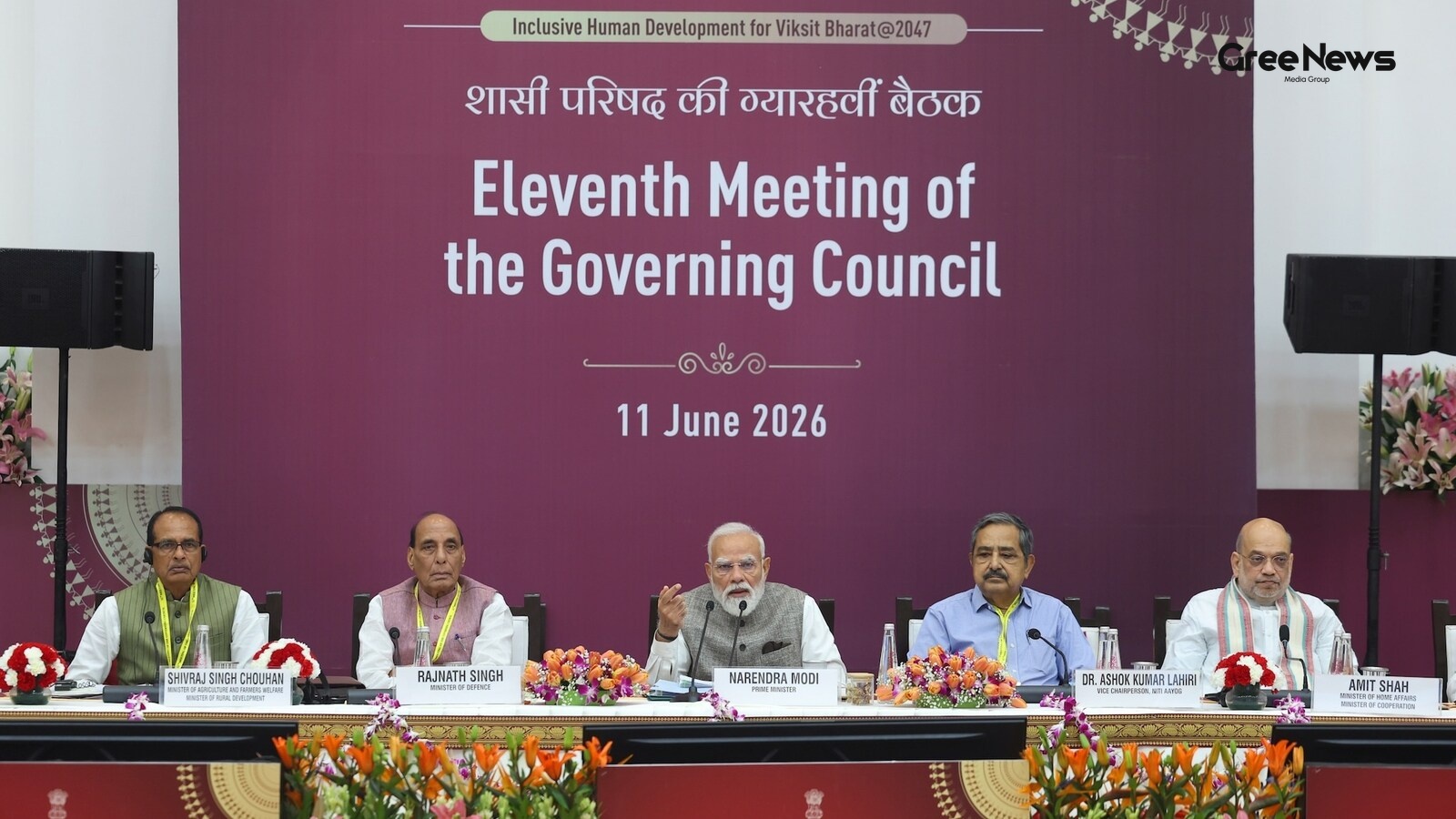
Narendra Modi asked states to hurry up with investment. Manufacturing, skilling, planning down to the district level that was the vibe at the eleventh NITI Aayog Governing Council meeting. It happened while crude prices were shooting up because of that whole West Asia mess.
The PM chaired it. And this wasn't just some small gathering either. All twenty-eight Chief Ministers showed up. Seven of them, mind you, were from opposition parties. First time ever for all the CMs to actually sit in that NITI Aayog Governing Council meeting.
The big theme? “Inclusive Human Development for Viksit Bharat@2047 .” Sounds grand, but it felt heavy.
Energy prices were a huge talking point, naturally. Everyone was worried about keeping things affordable and reliable when global crude costs were soaring because of the conflict in West Asia.
Ashok Kumar Lahiri , Vice Chairperson of NITI Aayog, said there was serious discussion on making energy competitive and ensuring supply. He brought up solar power too.
“There was a lot going on,” he mentioned. “We talked about spreading solar across rooftops, residential buildings, schools, hospitals, government offices. That way, household dependence on the grid drops. And that subsidy headache gets manageable.”
He paused there. Then came the bigger worry. India couldn’t just sit still because of outside uncertainty. Lahiri said you can't slow down development. You have to keep doing your work, developing human capital.
The PM hammered home this point. Even with all the economic stress happening globally, India’s growth story kept moving forward, confidence and determination high. It just keeps going.
Modi stressed self-reliance. And renewable energy best practices became central.
Abhay Karandikar , another NITI Aayog member, brought up nuclear energy and that SHANTI Act passed last December. That opened the door for private players.
“That could be a good energy source,” Karandikar noted. Especially since states are looking to build data centers.
Manufacturing was another massive focus. Lahiri made it clear: India needs to scale up manufacturing. The PM talked about that next generation of making things.
He pointed to the trade deals India had recently locked down with various countries. He urged states to actually create chances for youth and MSMEs to jump on those opportunities.
The message from the PM was direct: attract investment. Address investor worries fast. Be more aggressive in chasing those opportunities.
Then there was One District One Product. States were asked to focus there, build export strategies around it. Defence manufacturing came up too an emerging area where India is trying to establish itself. They wanted states to make policies that seized those chances.
Modi also pushed for a ground-level view. He asked states to prepare district-level GDP estimates. Why? To spot exactly where growth problems are happening at the grassroots. Where do you need better infrastructure? Sharper skilling? More investment support? Localized planning, data-driven decisions. That was the goal there.
Jobs and skilling followed. The PM stressed adapting to new tech because times are changing fast. Lahiri felt a big collaboration was needed between industry and skilled institutions for this work.
He looked at the youth dividend nearly 70 crore Indians under twenty-five. A huge potential, he said. But it has to turn into a development dividend through real education and capacity building.
States pushed back for more professional skilling. Especially now that AI, automation, Green energy, all these things are changing how work gets done.
Jharkhand’s Chief Minister Hemant Soren asked for help. He wanted central assistance eight hundred crores for setting up a Skill University and a FinTech University there.
Soren explained the reality: technology is reshaping jobs fast. States need to prepare people for what's next. Jharkhand was already training folks in solar tech, EV repair, drones, healthcare, digital services. Trying to boost employability.
The focus shifted slightly then. Women-led development came into sharp focus. The PM asked states to work on turning the Lakhpati Didi goal from three crore up to six crore. He stressed a safe environment for women too. This initiative links income generation through self-help groups directly into that big Viksit Bharat picture.
Some Chief Ministers, though? They didn't exactly spill details inside the meeting. But later, you hear what they were talking about.
Telangana’s Revanth Reddy, for instance, posted something online. He asked for the PM’s push to speed up approvals and support. Things like expanding Hyderabad Metro Rail, building that Regional Ring Road, a twelve-lane expressway from Future City all the way to Bandar seaport in Andhra Pradesh, airports near Warangal and Adilabad.
Omar Abdullah, Jammu and Kashmir CM, also spoke on X. He brought up the state’s history. He said they needed support for economic growth, better connectivity, jobs, infrastructure, public welfare across J&K. He emphasized that Centre backing was crucial to speed things up.
Lahiri seemed impressed by some state-level ambition too. He mentioned Tamil Nadu’s Chief Minister C Joseph Vijay, who aimed for the state to hit a one and a half trillion economy by 2035. Big targets floating around.
Written by Gree News Team — Senior Editorial Board
Gree News Team covers international news and global affairs at Gree News. Our collective of senior editors is dedicated to providing independent, accurate, and responsible journalism for a global audience.
More from India
View All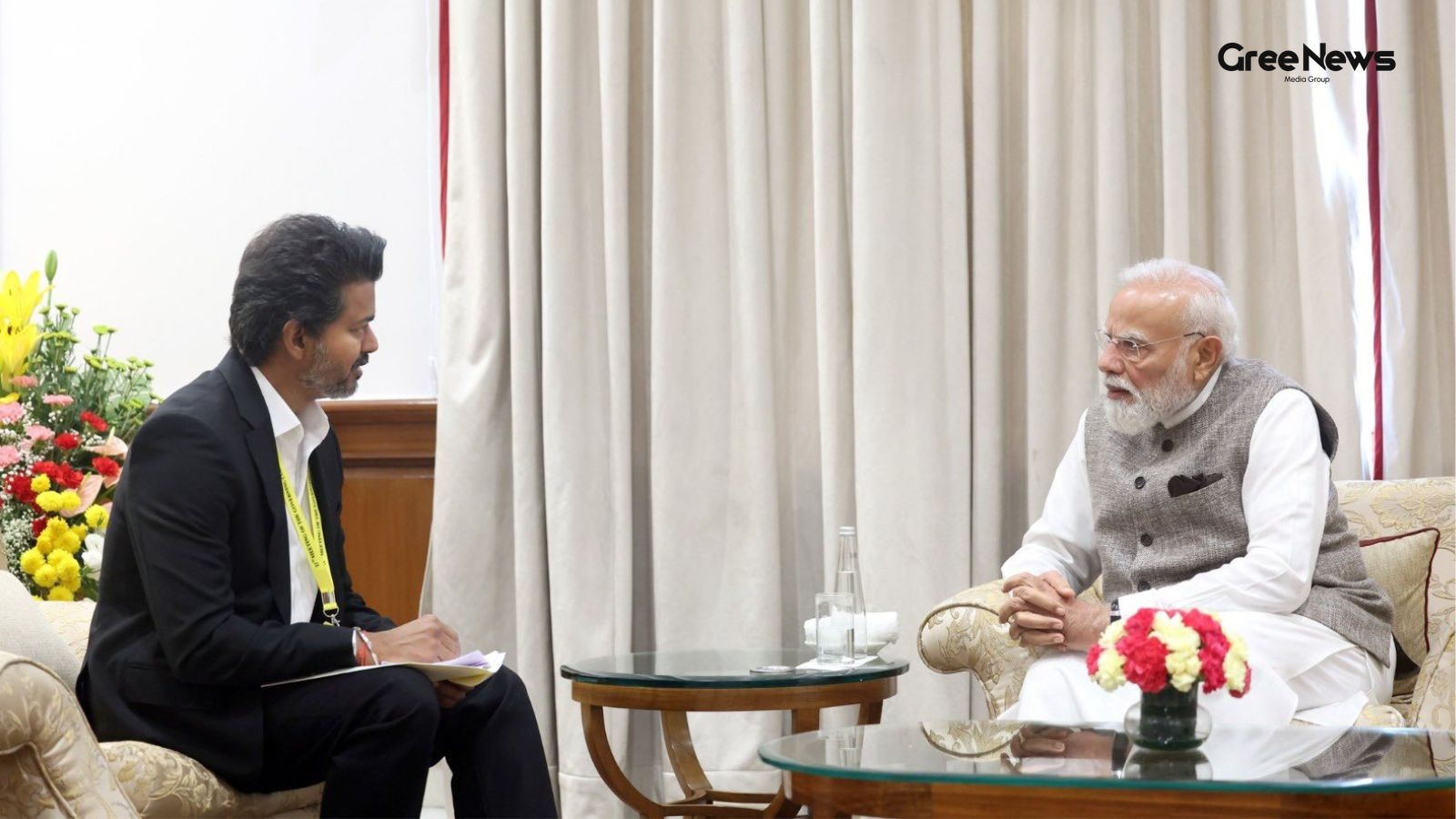
The Slow Recalibration of Tamil Nadu's Relationship with the Centre
That meeting signaled something a slight pivot away from the approach that characterized the previous DMK government when dealing with the Union. It’s not a sudden revolution, really. More like a slow recalibration. Vijay didn't just show up for the formalities. He actively sought engagement. That p
Jun 12, 2026 by Gree News Team
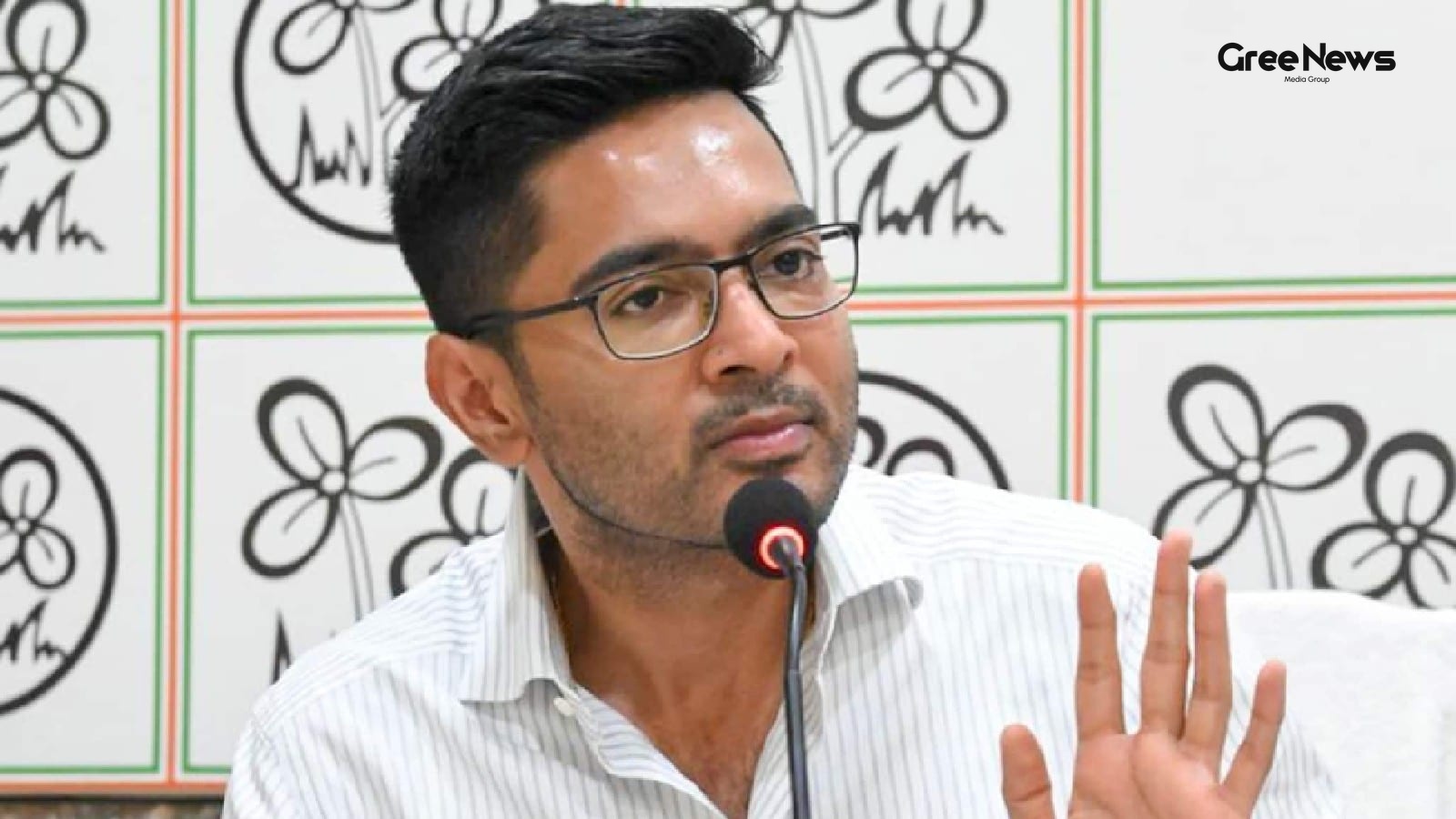
Investigation into Signatures and Scrutiny of Political Resolution
The air around this whole thing is thick with things that aren’t being said. It’s an investigation, sure, but it feels less like a clean procedural step and more like something pulled apart piece by piece under intense scrutiny. It started when the Calcutta High Court stepped in. That was the nudge.
Jun 12, 2026 by Gree News Team
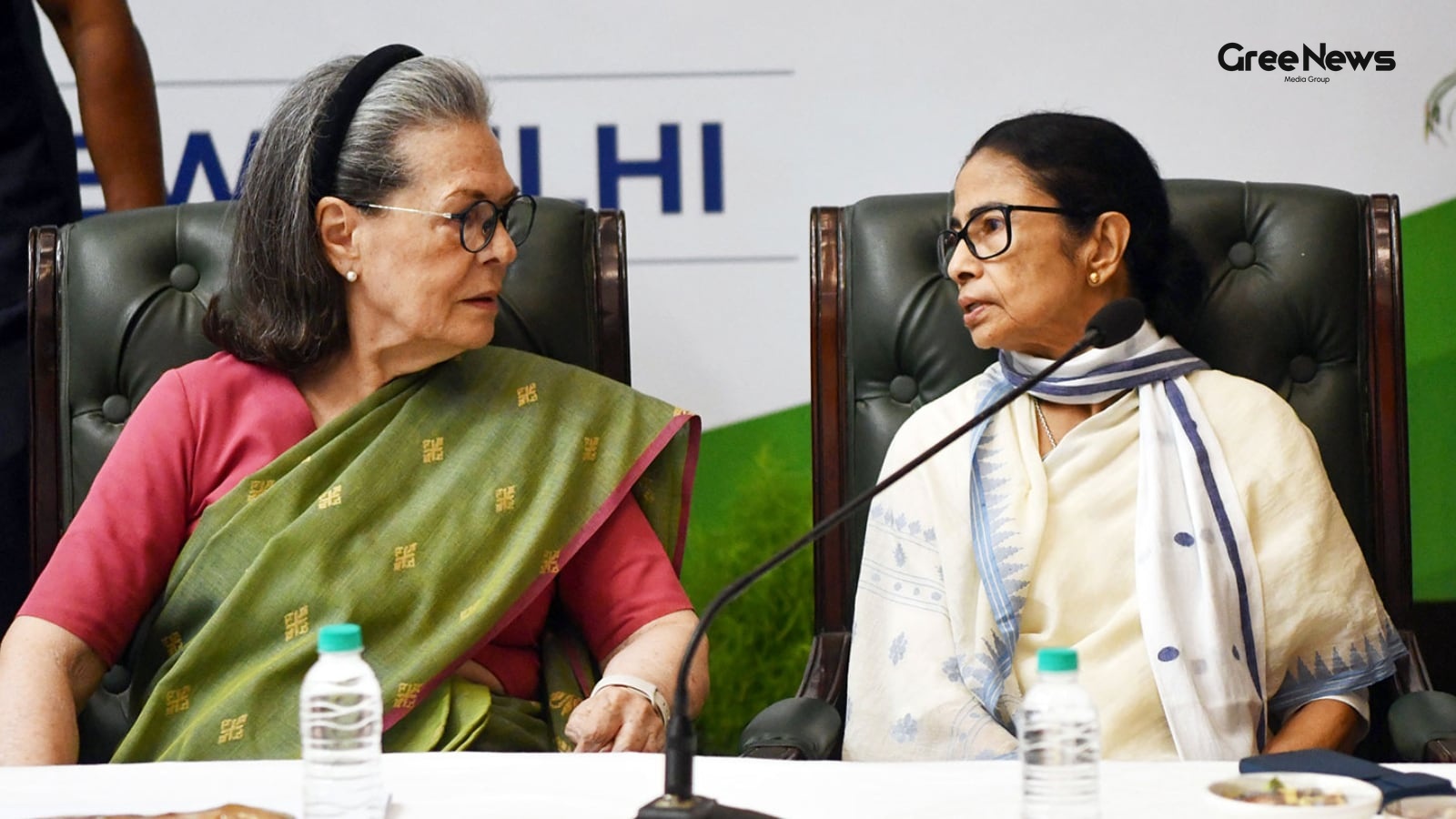
Internal Political Friction: Dynamics within Congress and Trinamool Congress
Rahul Gandhi and Abhishek Banerjee. Two names that really define this internal friction inside their parties. It’s not just political sparring. It’s something deeper. A constant sense of being pushed out. A few years back, you had that whole "G-23" thing. That rebellion fractured the Congress from t
Jun 12, 2026 by Gree News Team
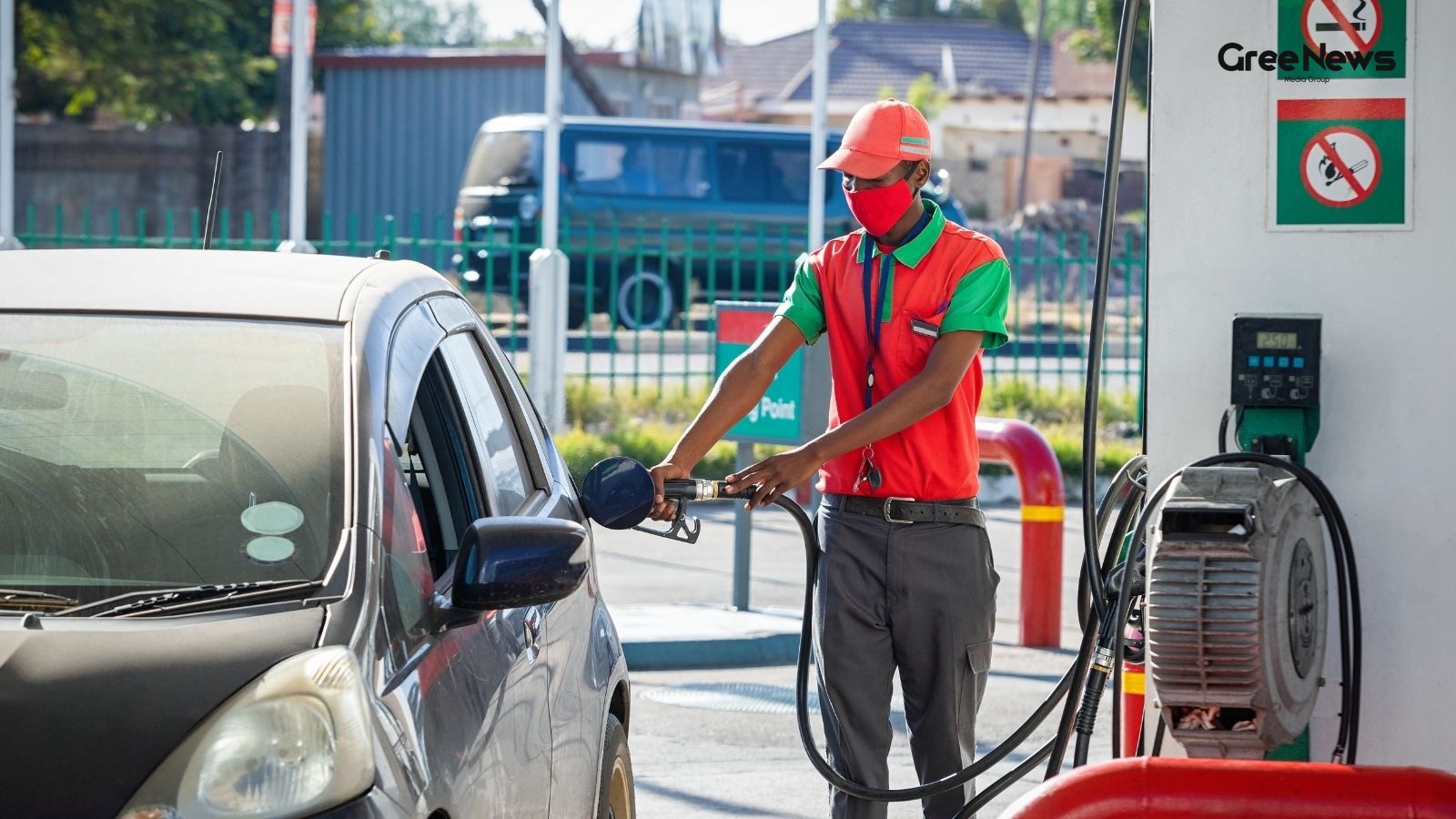
Government Order Restricts Retail Fuel Sales and Mandates Bulk Procurement
The government dropped the hammer this Thursday. They’ve effectively stopped industrial, commercial, and institutional buyers from grabbing petrol or HSD straight from those retail fuel stations. Instead, they’re being forced back to bulk points or using their own consumer pumps. This order came dow
Jun 12, 2026 by Gree News Team
Latest Headlines
Investigation into Signatures and Scrutiny of Political Resolution
The air around this whole thing is thick with things that aren’t being said. It’s an investigation, sure, but it feels less like a clean procedural step and more like something pulled apart piece by piece under intense scrutiny. It started when the Calcutta High Court stepped in. That was the nudge.
Jun 12, 2026 by Gree News Team
Pakistan's Acknowledgment of India's Growing Strategic and Nuclear Muscle
Thursday saw Pakistan publicly nod towards the rapid growth and increasing complexity of India’s strategic muscle. It wasn't a full concession, more of an acknowledgment, but it definitely voiced real unease about what New Delhi was doing with its nuclear stance. The Foreign Office put out this stat
Jun 12, 2026 by Gree News Team
Internal Political Friction: Dynamics within Congress and Trinamool Congress
Rahul Gandhi and Abhishek Banerjee. Two names that really define this internal friction inside their parties. It’s not just political sparring. It’s something deeper. A constant sense of being pushed out. A few years back, you had that whole "G-23" thing. That rebellion fractured the Congress from t
Jun 12, 2026 by Gree News Team
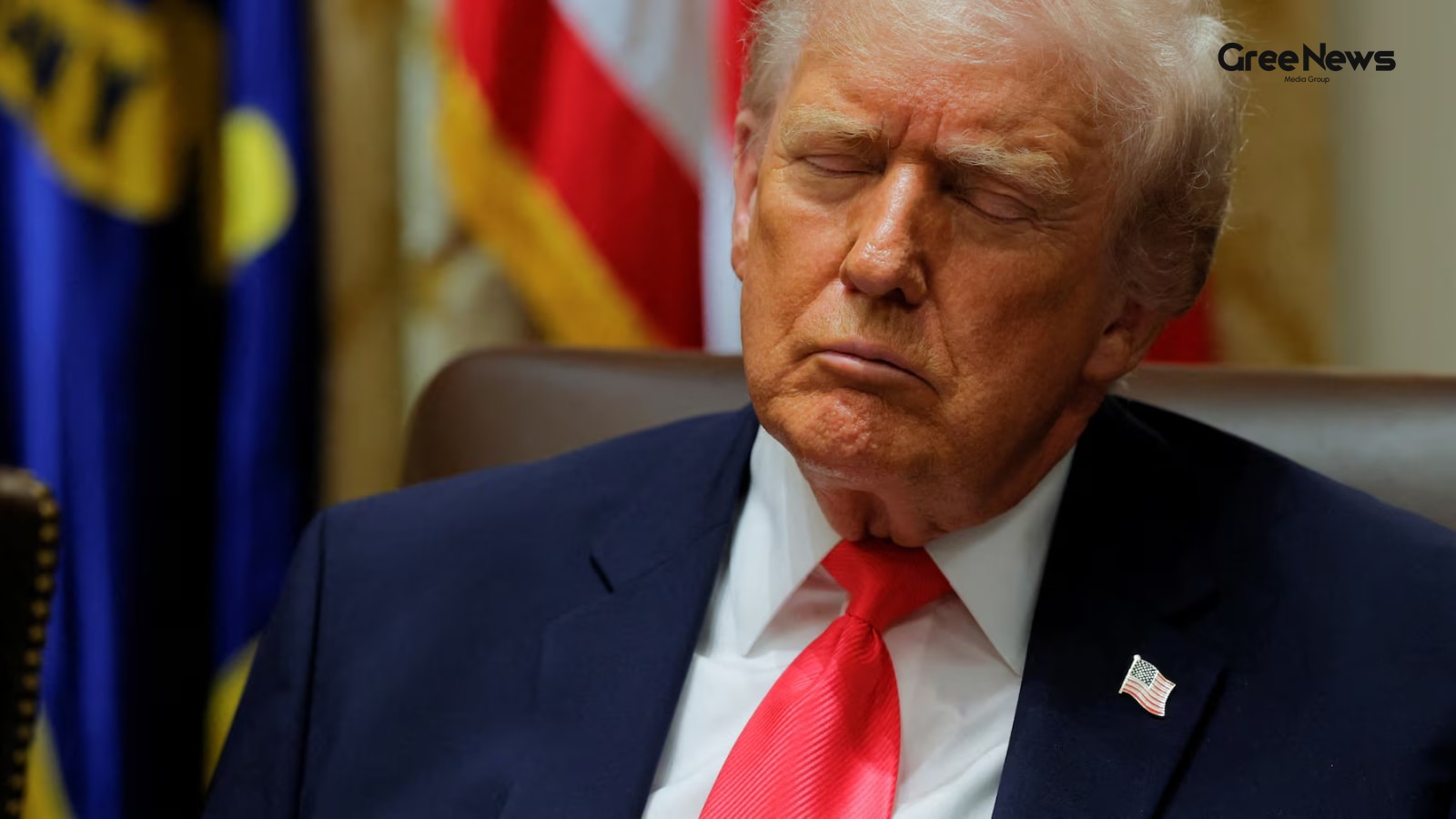
The Uncertainty of the Iran Deal Narrative
The chatter coming out of the White House about an Iran deal it’s all built on a foundation that feels, frankly, shaky right now. You have these pronouncements, these flashes of supposed finality, but underneath it all, there's this thick layer of doubt you can practically taste in the air. Donald T
Jun 12, 2026 by Gree News Team
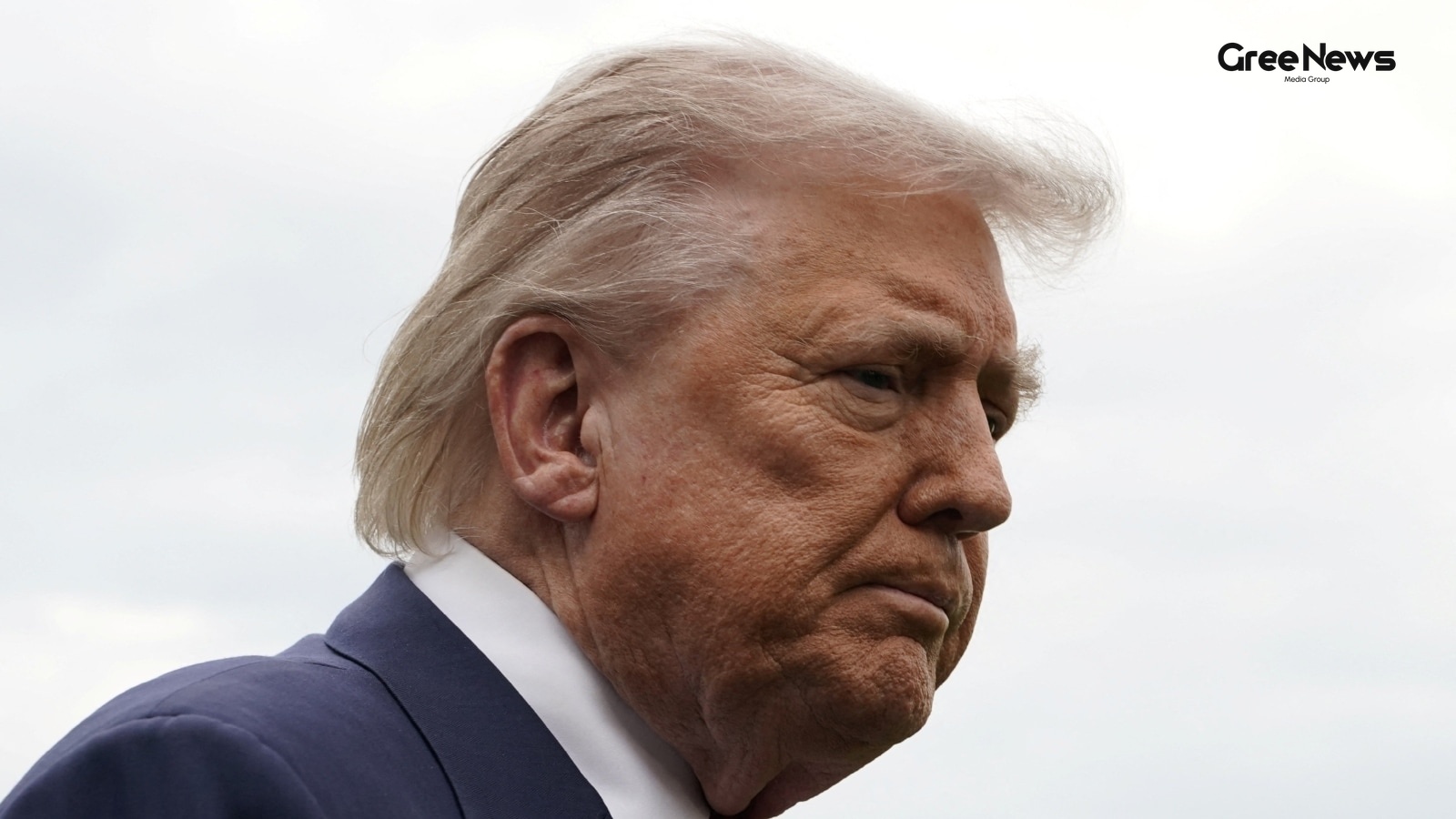
The Dynamics of Conflict and Diplomacy: The Iran Negotiations
The air around the negotiations feels… heavy right now. There’s this strange tension hanging over everything, a feeling that things are about to shift, but it’s not smooth. It's just a grind, you know? The kind of grinding that happens when military moves meet diplomatic stalls. We keep hearing thes
Jun 12, 2026 by Gree News Team
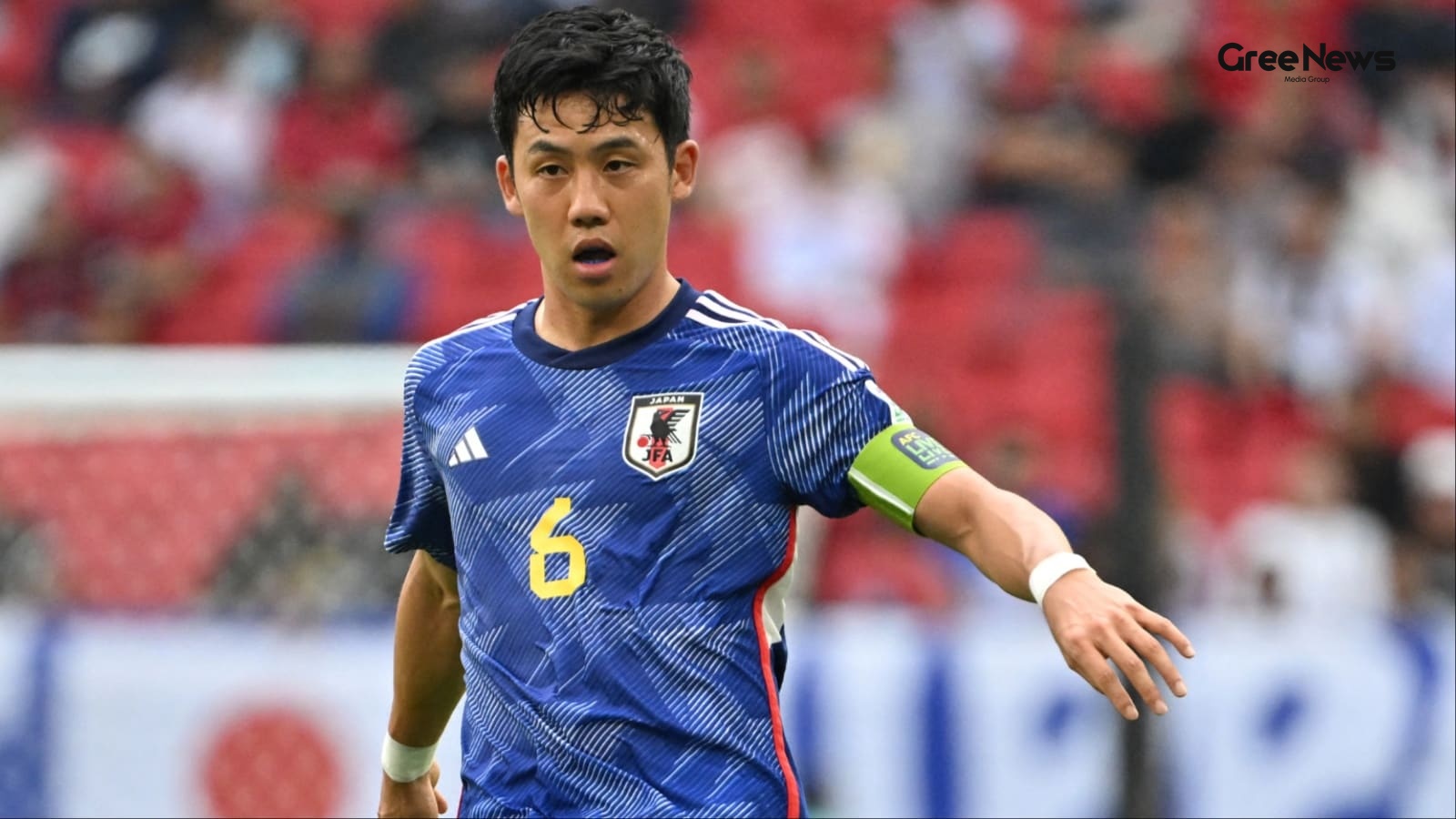
Wataru Endo and Marcos Senesi: World Cup Updates and Transfers
Wataru Endo pulled out of the 2026 World Cup squad. That’s what he confirmed on X Thursday, June 11th. He cited injury. Endo plays for Liverpool in the Premier League, and apparently, he tried everything to get back fit for the tournament but just couldn't make it work. It ended up being a withdrawa
Jun 12, 2026 by Gree News Team
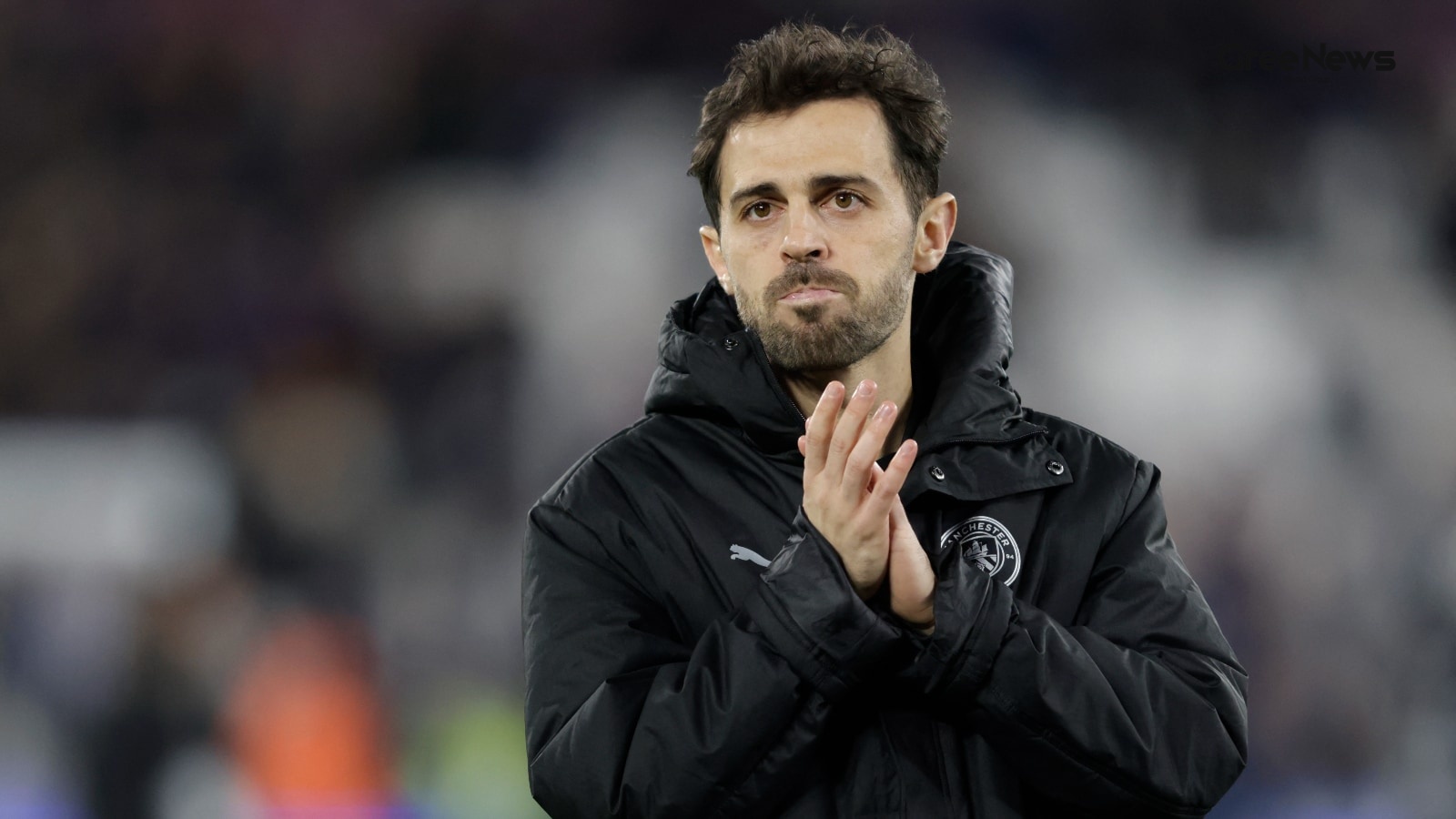
Real Madrid's Push for Bernardo Silva: The Transfer Saga
Real Madrid is reportedly pushing hard for Bernardo Silva. They seem to have moved into pole position trying to sign him, with sources saying the Portuguese midfielder is leaning heavily toward the Santiago Bernabéu over his long-time admirers, Barcelona and Atlético Madrid. Negotiations are suppose
Jun 12, 2026 by Gree News Team
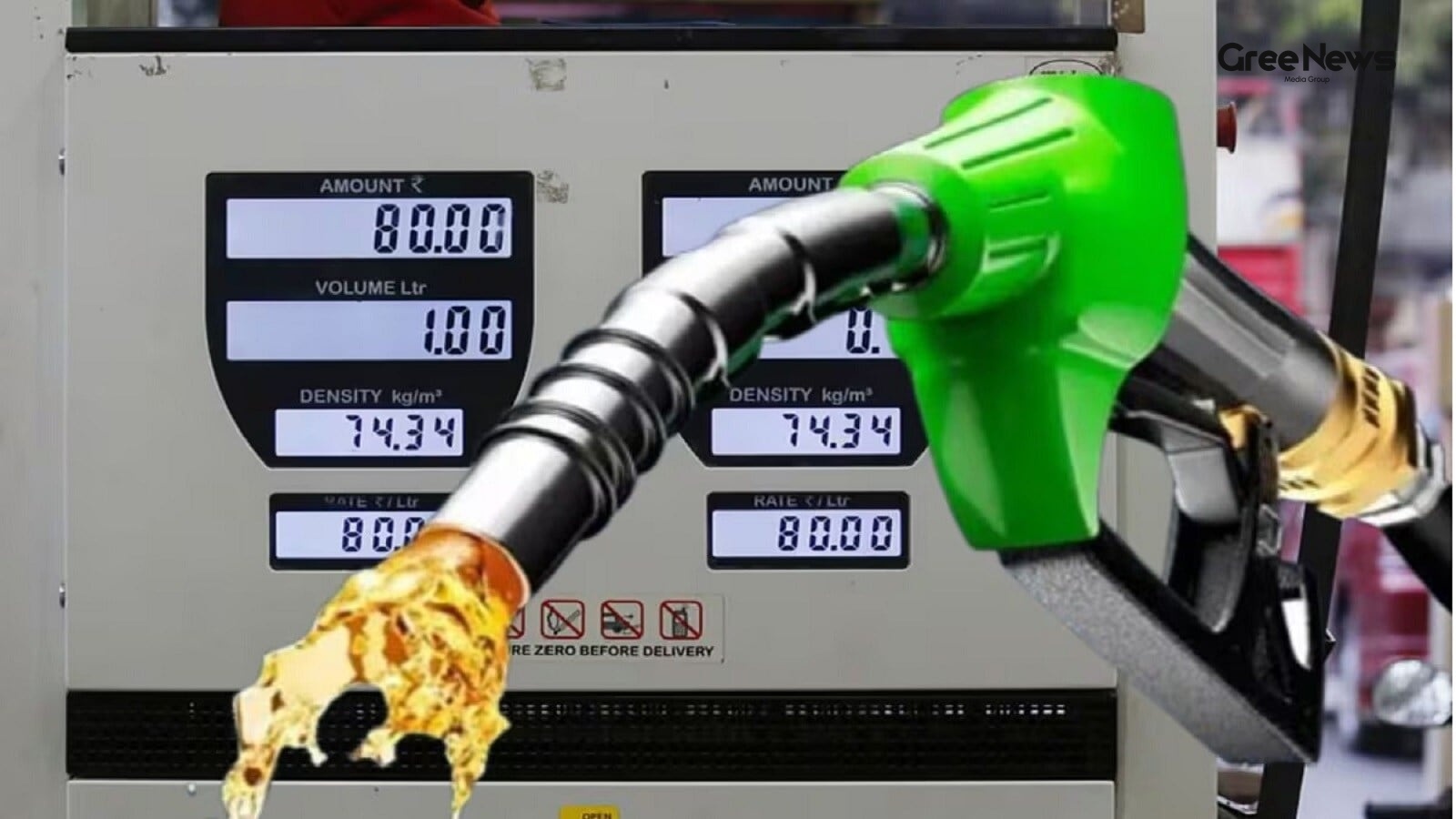
Fuel Prices and Market Updates: Petrol, Diesel, and CNG
Petrol, diesel, and CNG prices hung steady on Friday, June 12th. Nothing moved there officially. But behind the scenes, oil market companies and those running gas distribution firms are still tweaking things every morning at six. Still, you saw movement elsewhere. Petrol and diesel had already jumpe
Jun 12, 2026 by Gree News Team
Government Order Restricts Retail Fuel Sales and Mandates Bulk Procurement
The government dropped the hammer this Thursday. They’ve effectively stopped industrial, commercial, and institutional buyers from grabbing petrol or HSD straight from those retail fuel stations. Instead, they’re being forced back to bulk points or using their own consumer pumps. This order came dow
Jun 12, 2026 by Gree News Team
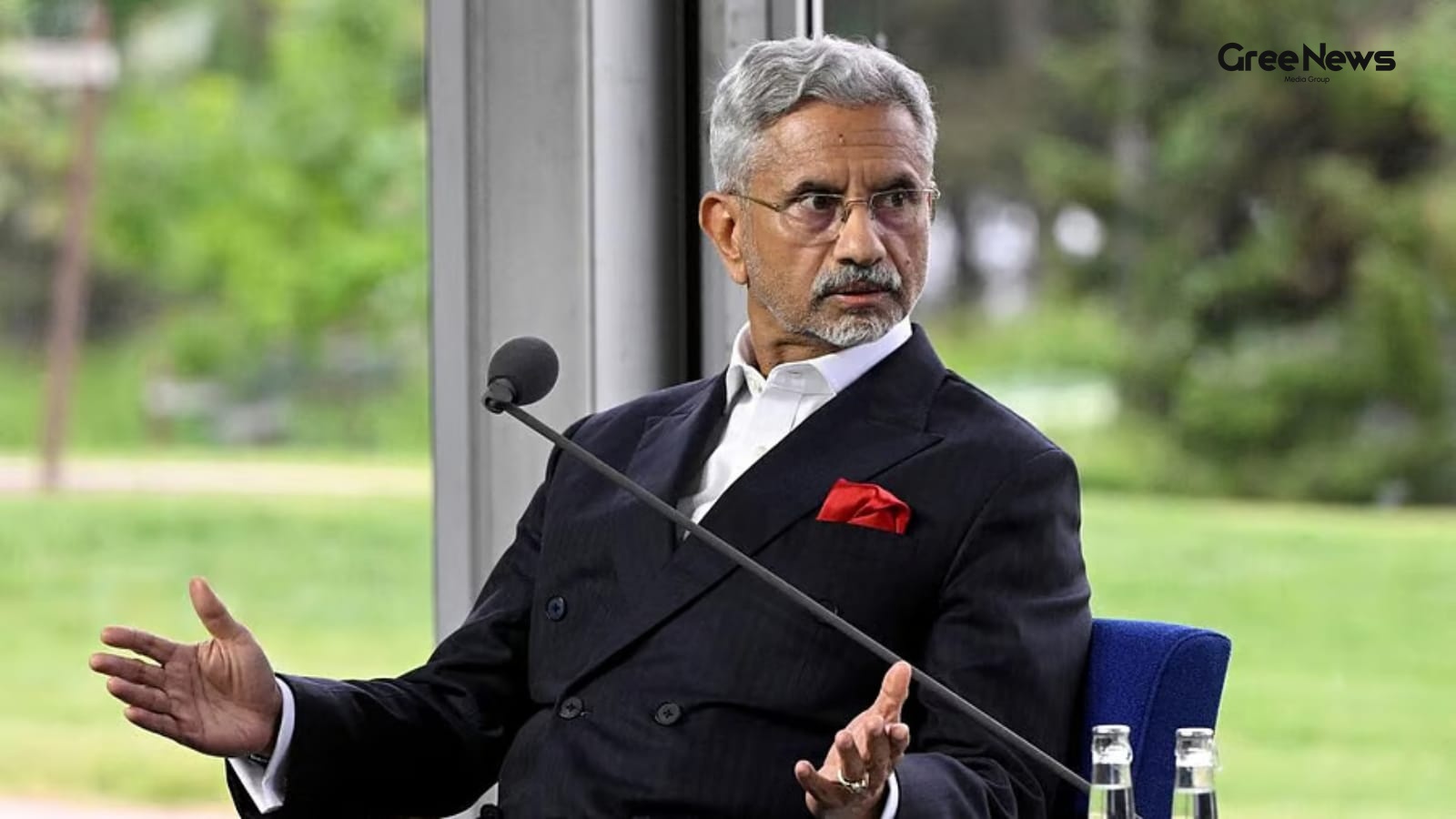
India's Decision to Buy Russian Oil: Geopolitics and Energy Security
S Jaishankar talked about India buying Russian oil on Friday. He said it started back in 2022 because prices were lower and supply was available. He added that this move happened because the United States asked for it. The goal, he claimed, was to keep global oil prices down. “At that time,” Jaishan
Jun 12, 2026 by Gree News Team
Kerala Lottery Results: Suvarna Keralam SK-56 Draw Details and Claim Process
Kerala Lottery results coming up. It’s all about the Suvarna Keralam SK-56 draw. They're setting the date for Friday, June 12th, 2026. Three PM sharp. That’s when the Kerala Lottery Department will finally announce everything. The draw itself happens at Gorky Bhavan. Near Bakery Junction in Thiruvan
Jun 12, 2026 by Gree News Team
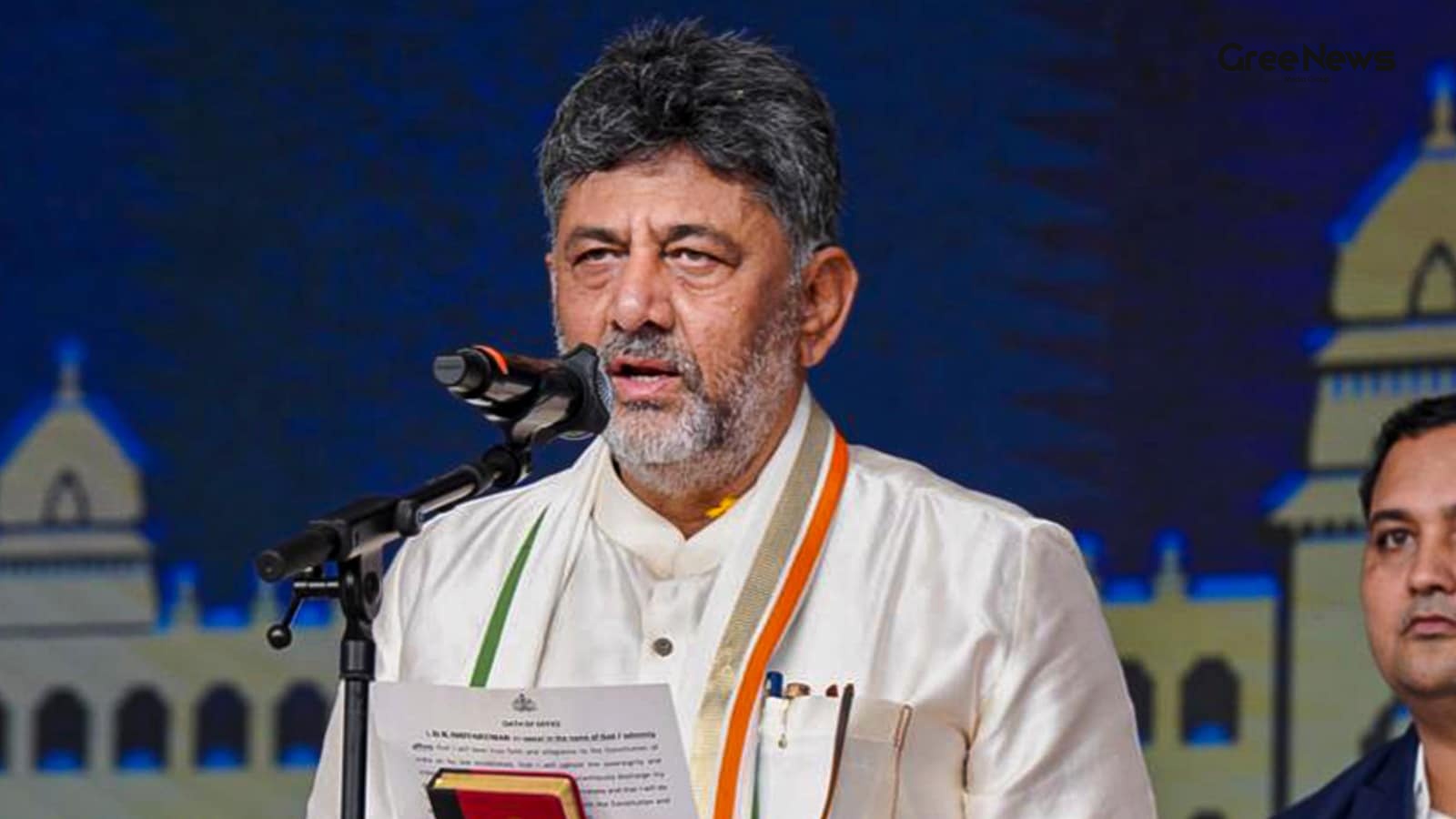
Karnataka Demands for Central Funding and Development Support
Shivakumar met Prime Minister Modi in New Delhi on Thursday. It wasn't just a casual chat. He brought an 18-point memorandum. A big ask, really. It was all about getting the Centre’s backing money and support for development across Karnataka. Infrastructure, irrigation, all of it piling up. The dema
Jun 12, 2026 by Gree News Team
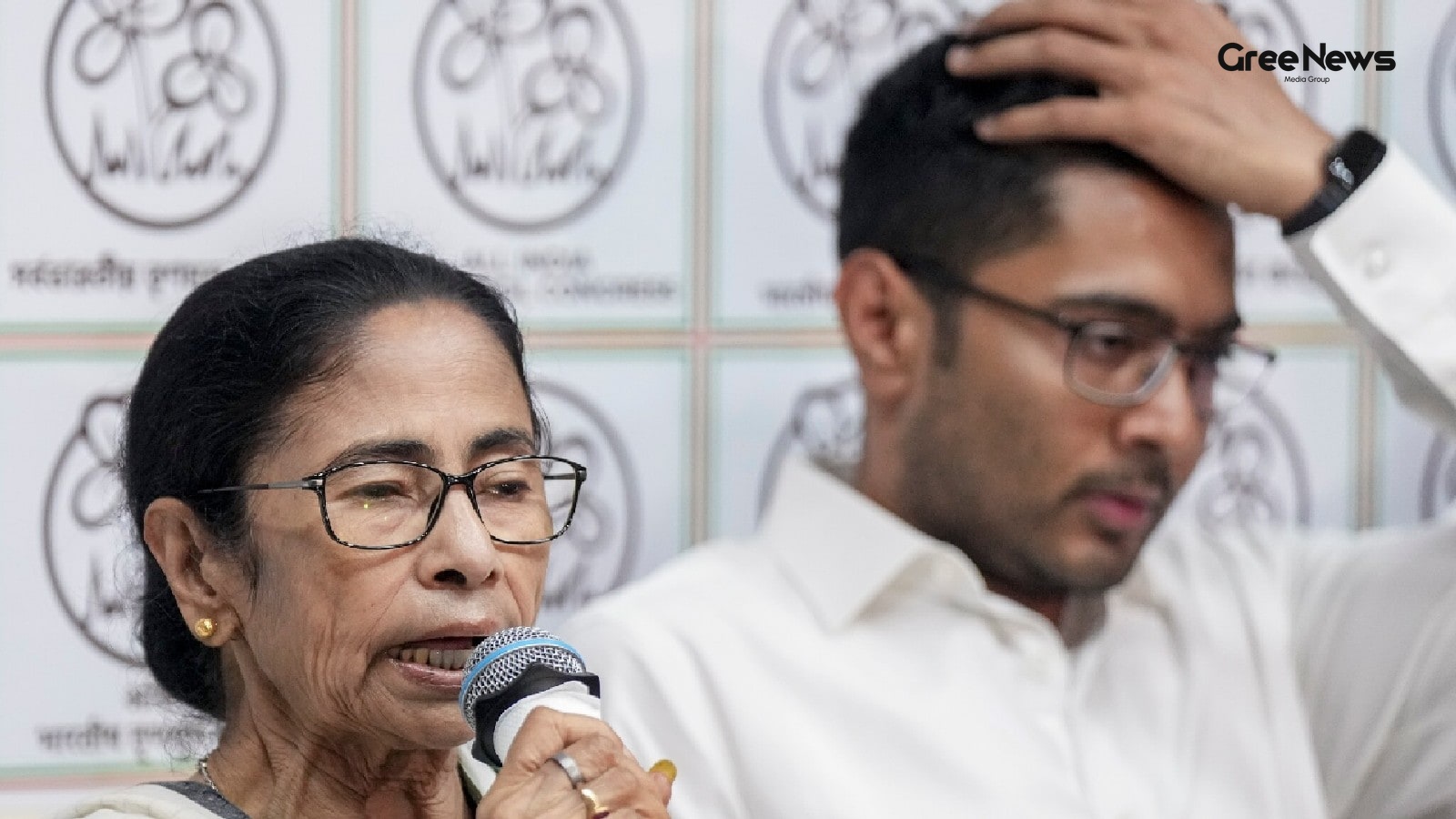
Trinamool Congress Internal Crisis and Rebel MPs' Demands
The Trinamool Congress is really in deep trouble right now. It’s having one of its biggest internal crises following that Assembly election loss, you know? There’s a whole wave of resignations and outright rebellion happening among MLAs and MPs. It's causing serious political churn inside the party.
Jun 12, 2026 by Gree News Team
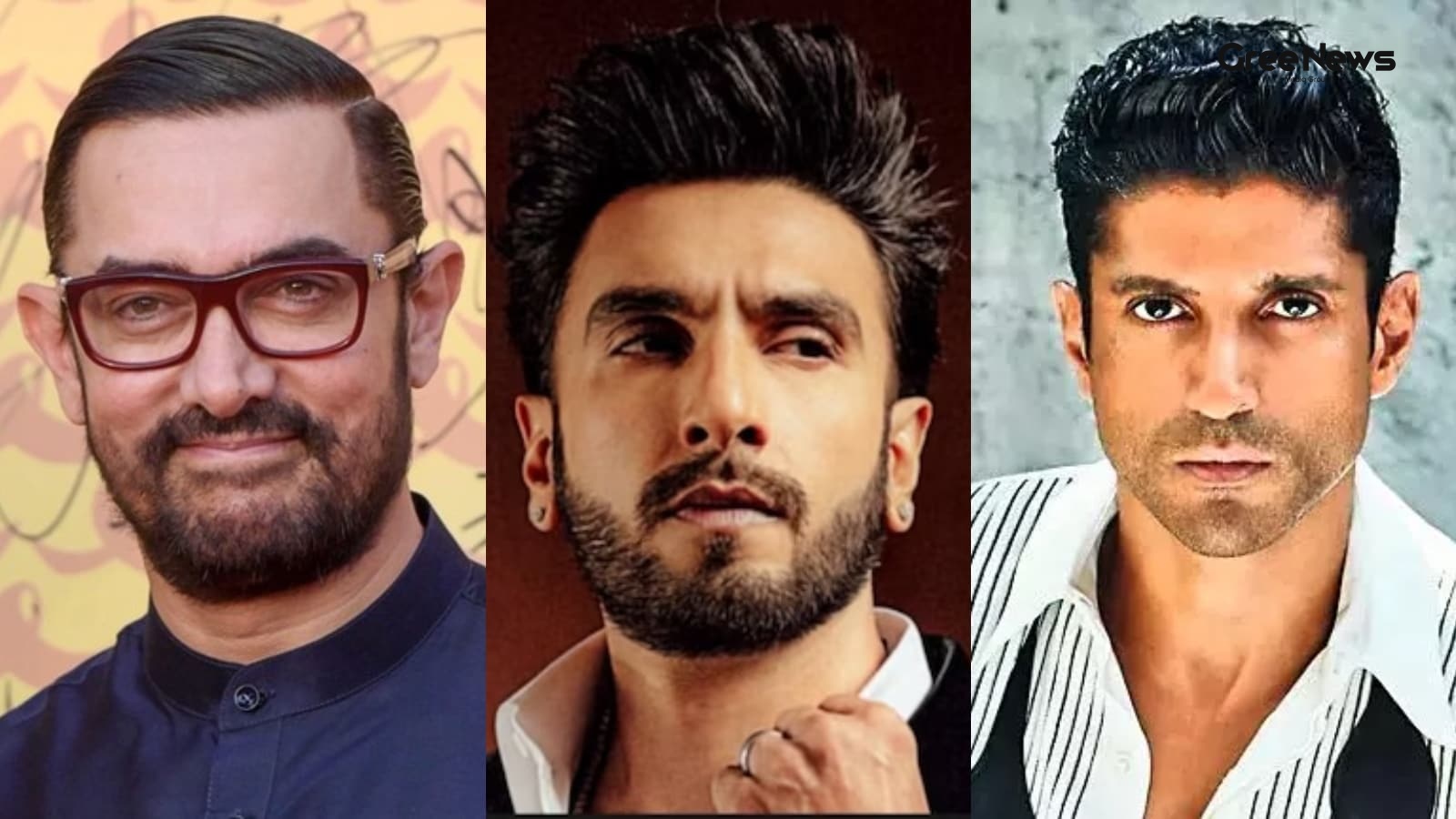
The Fallout and Friction: Farhan Akhtar, Ranveer Singh, and the *Don 3* Dispute
The air around Farhan Akhtar and Ranveer Singh just keeps getting thicker. It’s not just idle gossip anymore. It’s this real friction, amplified by everything that happened with *Don 3*. You see the fallout spilling out legal notices popping up, FWICE directives flying around like something official
Jun 12, 2026 by Gree News Team
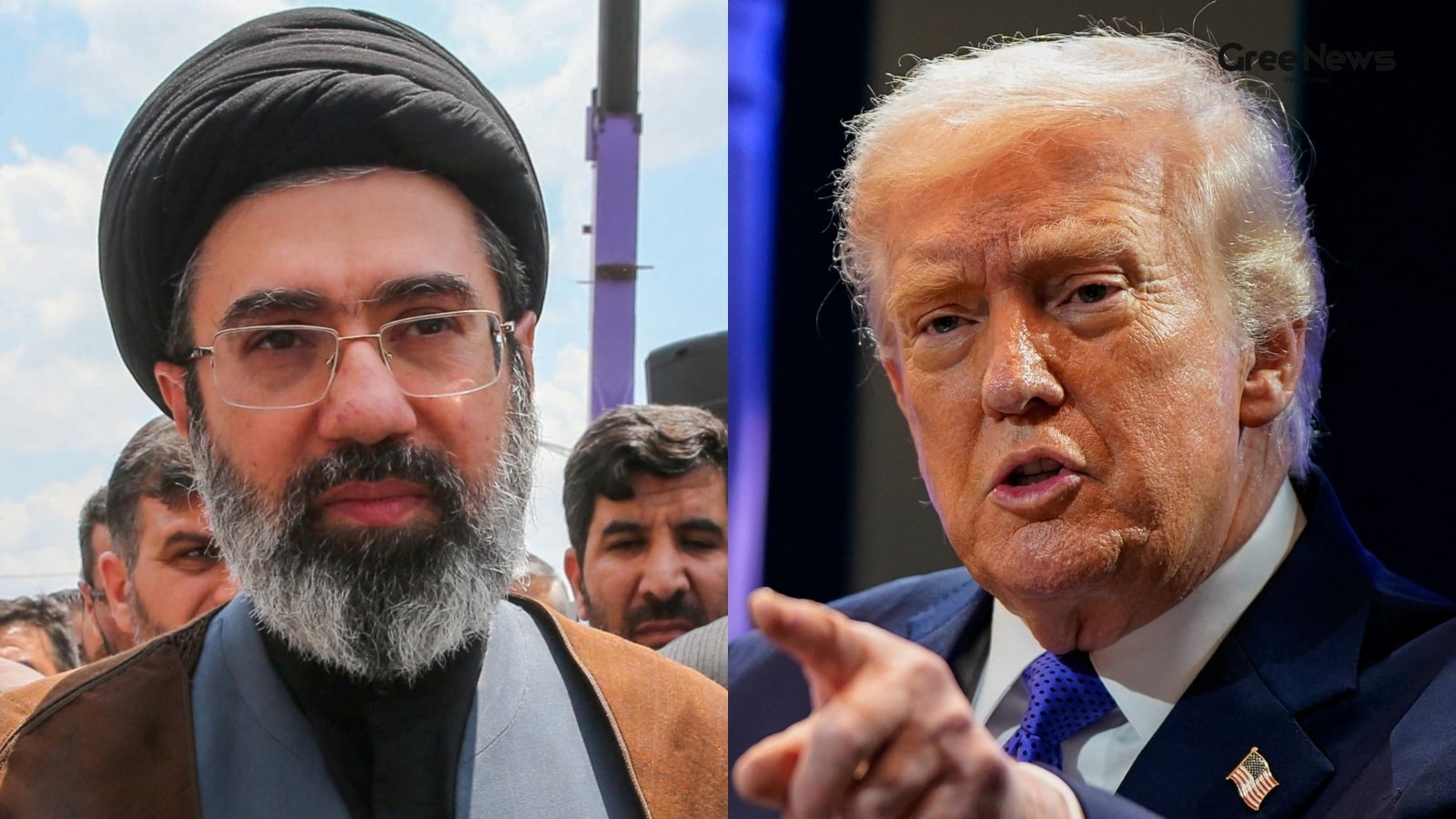
The Gap Between Diplomacy and Reality: Analyzing the Iran-Washington Nuclear Negotiations
The air around these talks always feels thick, doesn't it? Like you can almost taste the friction building up between two sides that desperately want to move forward but are constantly bumping against each other. That’s what was happening with Iran and Washington lately. A deal. Or at least, the *id
Jun 12, 2026 by Gree News Team