Investigation into Signatures and Scrutiny of Political Resolution
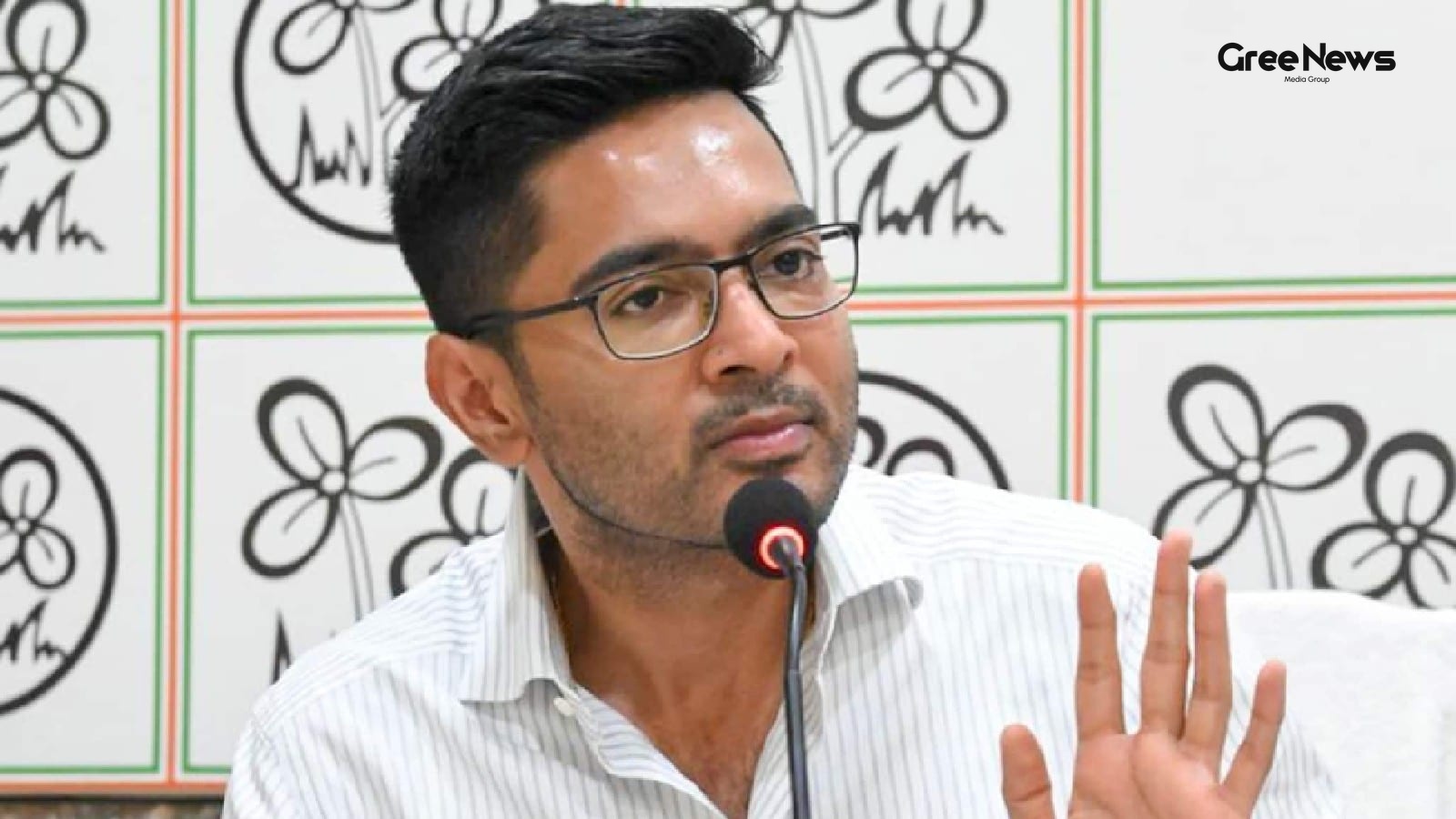
The air around this whole thing is thick with things that aren’t being said. It’s an investigation, sure, but it feels less like a clean procedural step and more like something pulled apart piece by piece under intense scrutiny.
It started when the Calcutta High Court stepped in. That was the nudge. The court directed that Abhishek Banerjee had to show up for the CID . Simple enough on paper a legal mandate but the reality of what that meant, the actual weight behind it, is a different story entirely.
The questioning itself… that dragged on. Not just the four hours initially allotted. It went much longer. Investigators were digging into something specific: signatures . Alleged mismatches on a key resolution passed in the state Assembly. It wasn’t some abstract political squabble; this was about physical markings, supposed discrepancies between what was signed and what was presented.
The focus immediately jumped to those MLAs . Several of them. The whole thread is tied up in whether the signatures collected matched the originals for that specific document. Handwriting samples were gathered. That’s where things got tangible, or maybe just more confusingly tangled. Preliminary findings came out suggesting these mismatches existed. Signatures didn't line up with the legislators themselves.
And then there was Banerjee . His appearance wasn't immediate. It followed a series of summons from the CID . A slow build-up, you know? He had to appear after the court ordered it. But even his presence in that room felt constrained by what they were trying to uncover about this whole setup.
What’s frustrating is how little actual substance comes out. The details of *what* exactly was asked are guarded. They haven't released specifics on the questions put to him or whether he might be called again down the line for more interrogation. It stays locked away.
Meanwhile, you have the backdrop of his side. The national general secretary had tried to push back against the timeline. Health issues surfaced. Prior commitments in New Delhi piled up. He skipped some of the earlier calls. That naturally caused friction with the agency. The CID had to step up, issuing notices and warnings. Threats about potential legal action if he kept avoiding the process. It’s that kind of pressure you feel when official machinery starts grinding into motion against someone.
The department insists this questioning is vital. They argue it's crucial for mapping out the sequence of events surrounding that disputed resolution. And those alleged signature differences. It seems to be the hinge point of the entire probe. But how deep does this rabbit hole go?
Investigators have been collecting these samples, looking at documents alongside the handwriting evidence from the legislators involved. It’s a meticulous process, but it feels slow, almost deliberately paced. You watch the files accumulate the signatures, the statements, the legal directives and you realize this isn't a quick fix. It’s an ongoing examination of paper and ink.
The whole narrative is unfolding in these fragmented ways. There’s the court order. There’s the physical evidence being analyzed. There’s the political context of appointments. And there’s the personal friction involving those who were summoned, like Banerjee trying to navigate the demands while dealing with existing commitments. It just keeps shifting, doesn't it? A slow, messy rotation of facts where the real picture seems deliberately obscured by procedure. The investigation continues in this thick, uncertain space.
Written by Gree News Team — Senior Editorial Board
Gree News Team covers international news and global affairs at Gree News. Our collective of senior editors is dedicated to providing independent, accurate, and responsible journalism for a global audience.
More from India
View All
NCW Intervention and Legal Action Following Viral Comedy Incident
The National Commission for Women NCW. They took notice on Thursday about something called “Rs370 biryani.” It wasn’t a quiet thing, not at all. They ordered immediate action. Stringent action, time-bound. Against comedian Pranit More and Himanshu Jangra. That’s what they demanded. This whole mess s
Jun 12, 2026 by Gree News Team
The Slow Recalibration of Tamil Nadu's Relationship with the Centre
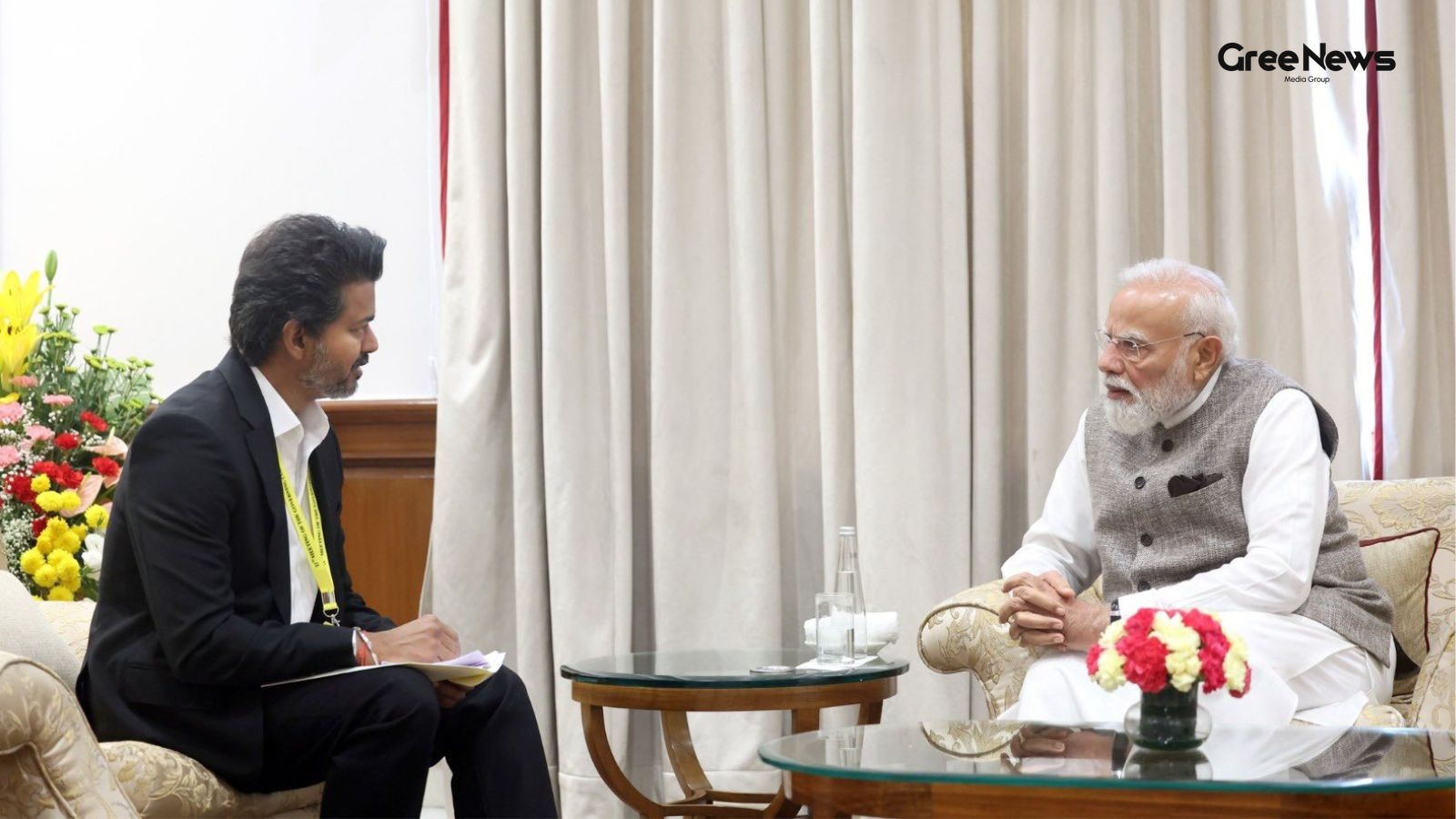
That meeting signaled something a slight pivot away from the approach that characterized the previous DMK government when dealing with the Union. It’s not a sudden revolution, really. More like a slow recalibration. Vijay didn't just show up for the formalities. He actively sought engagement. That p
Jun 12, 2026 by Gree News Team
Internal Political Friction: Dynamics within Congress and Trinamool Congress
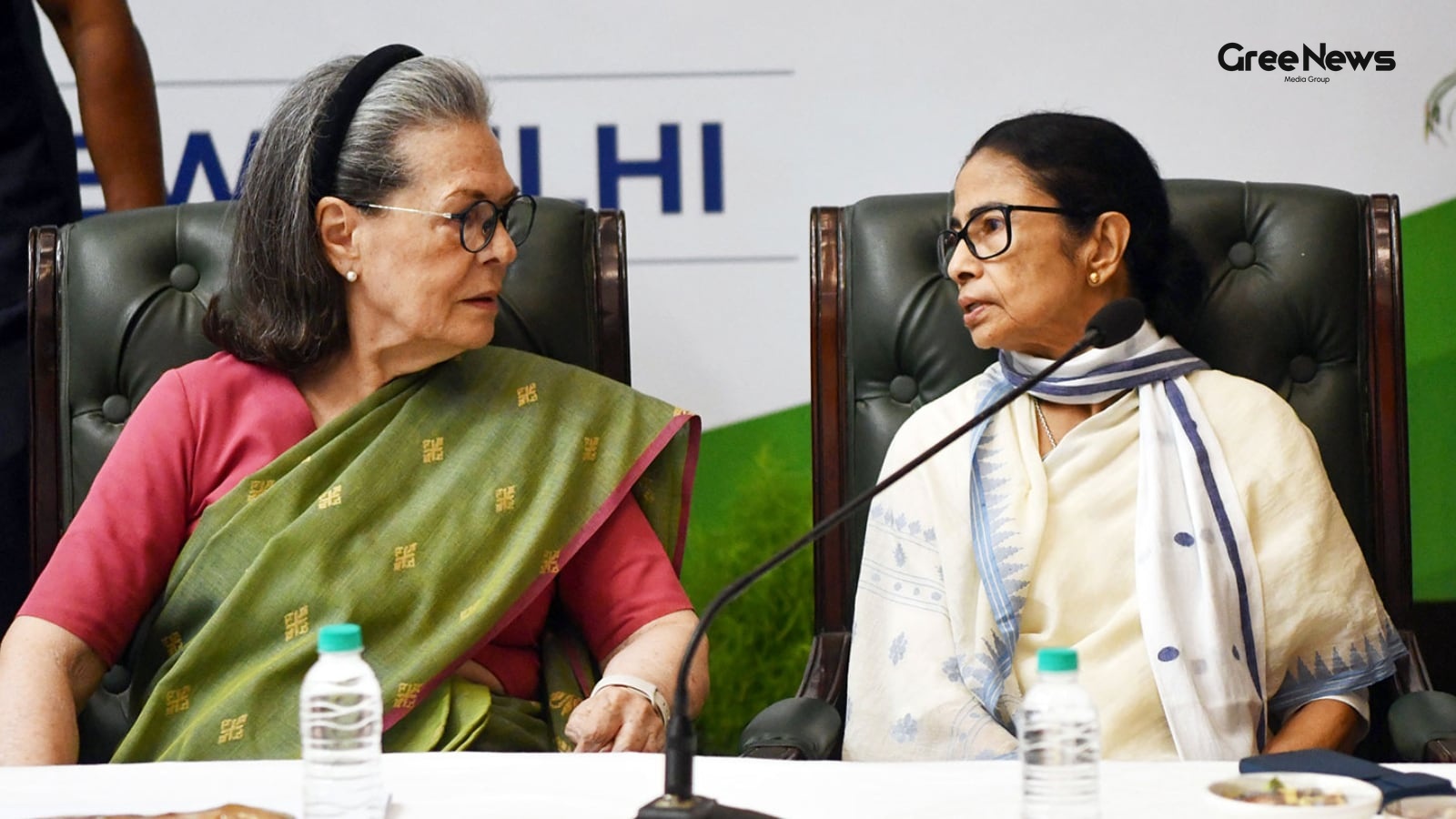
Rahul Gandhi and Abhishek Banerjee. Two names that really define this internal friction inside their parties. It’s not just political sparring. It’s something deeper. A constant sense of being pushed out. A few years back, you had that whole "G-23" thing. That rebellion fractured the Congress from t
Jun 12, 2026 by Gree News Team
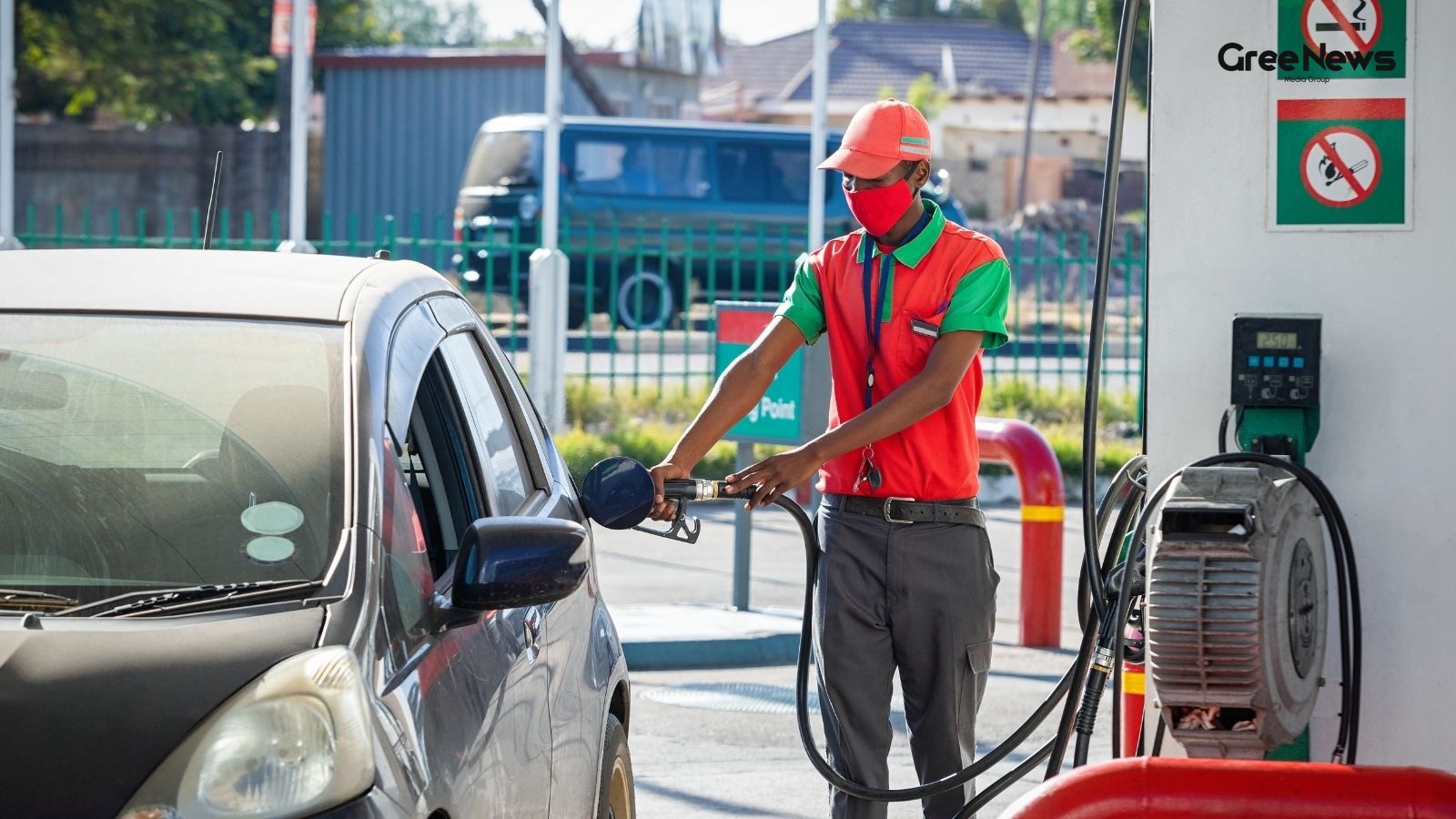
Government Order Restricts Retail Fuel Sales and Mandates Bulk Procurement
The government dropped the hammer this Thursday. They’ve effectively stopped industrial, commercial, and institutional buyers from grabbing petrol or HSD straight from those retail fuel stations. Instead, they’re being forced back to bulk points or using their own consumer pumps. This order came dow
Jun 12, 2026 by Gree News Team
Latest Headlines
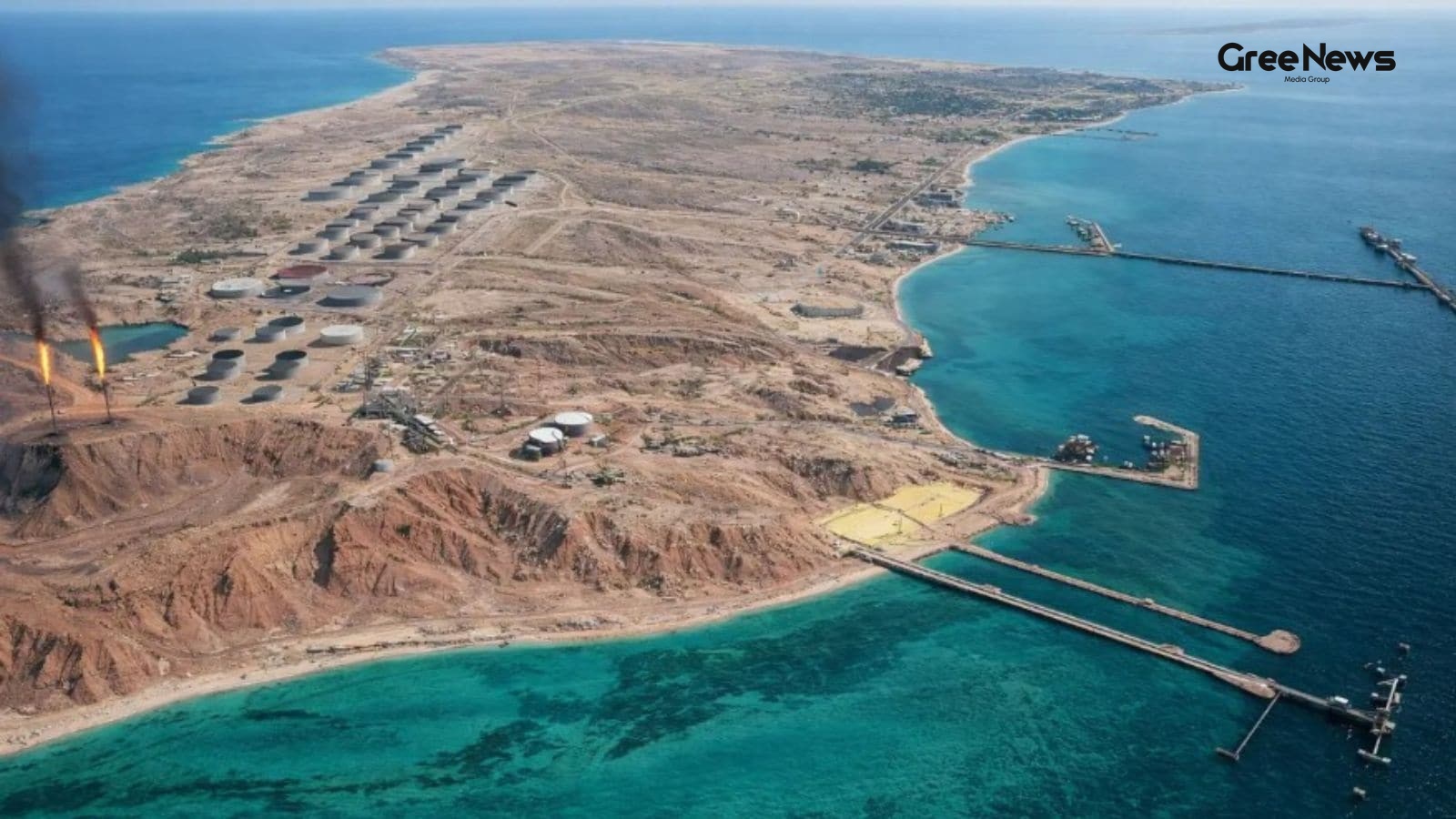
Kharg Island: The Critical Nexus in the US-Iran Oil Standoff
Donald Trump just escalated things again with Iran. He basically said the United States would take control of Kharg Island. It’s a small piece of land, but it’s absolutely crucial for Iran’s oil export network. The claim, made on Truth Social, was that Washington could assume "total control" over Ir
Jun 12, 2026 by Gree News Team
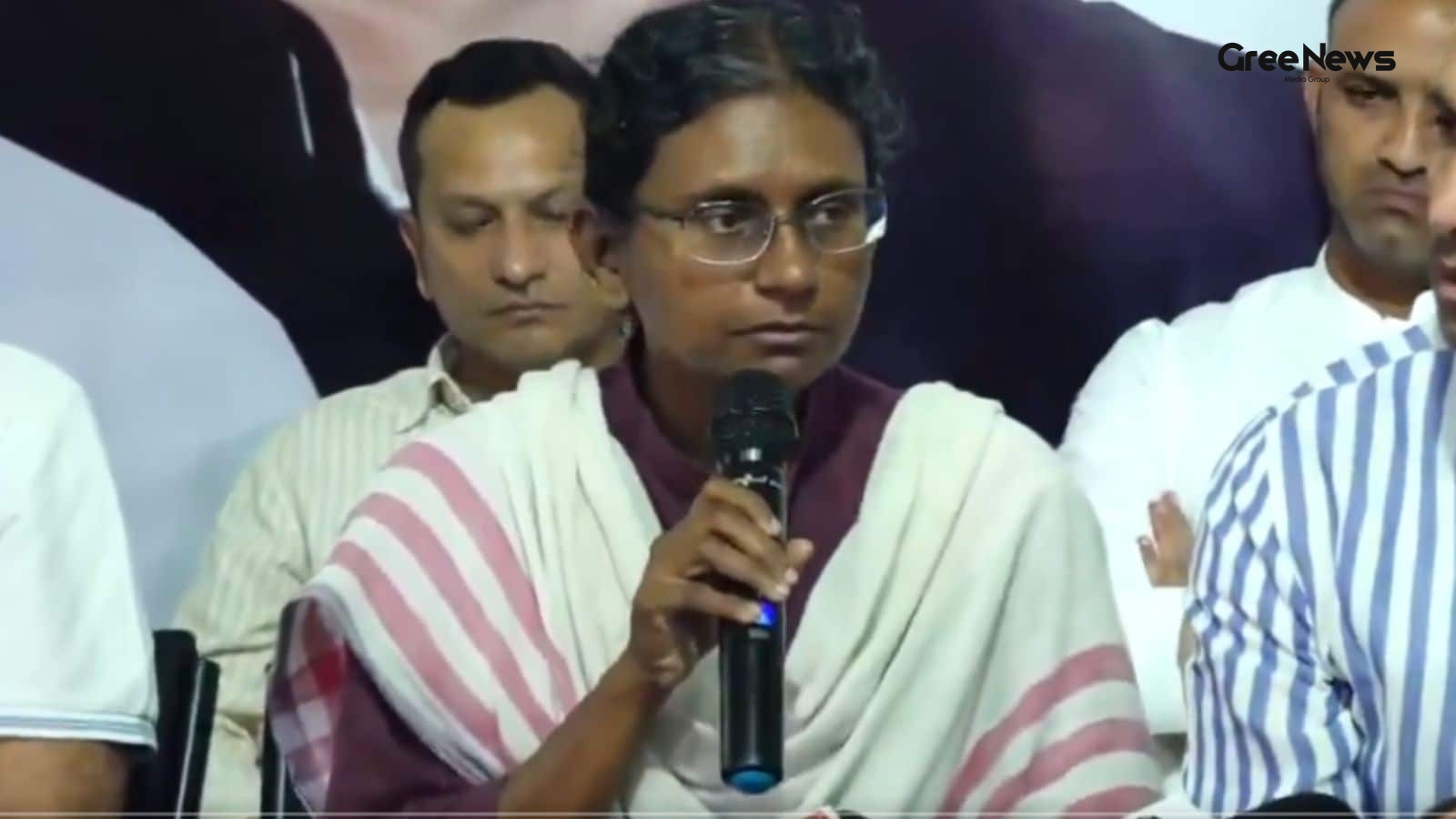
BJP Elected Unopposed to Rajya Sabha Amid Legal Dispute and Political Allegations
Three BJP folks from Madhya Pradesh got elected unopposed to the Rajya Sabha on Thursday. It happened days after Congress leader Meenakshi Natarajan’s nomination got rejected by the Returning Officer. Polling for those three spots was set for June 18th. Given how strong the BJP is in that state asse
Jun 12, 2026 by Gree News Team

The Reality of Tech Pressure: Focus on Basics, Stability, and Real Skills
Freshers hitting the tech scene right now, they feel this huge pressure. You have to keep up. Learning every new framework, building those AI projects it feels like you’re just chasing whatever is hot. It’s the only way to stay relevant, everyone thinks. But listen. One software engineer, someone wh
Jun 12, 2026 by Gree News Team
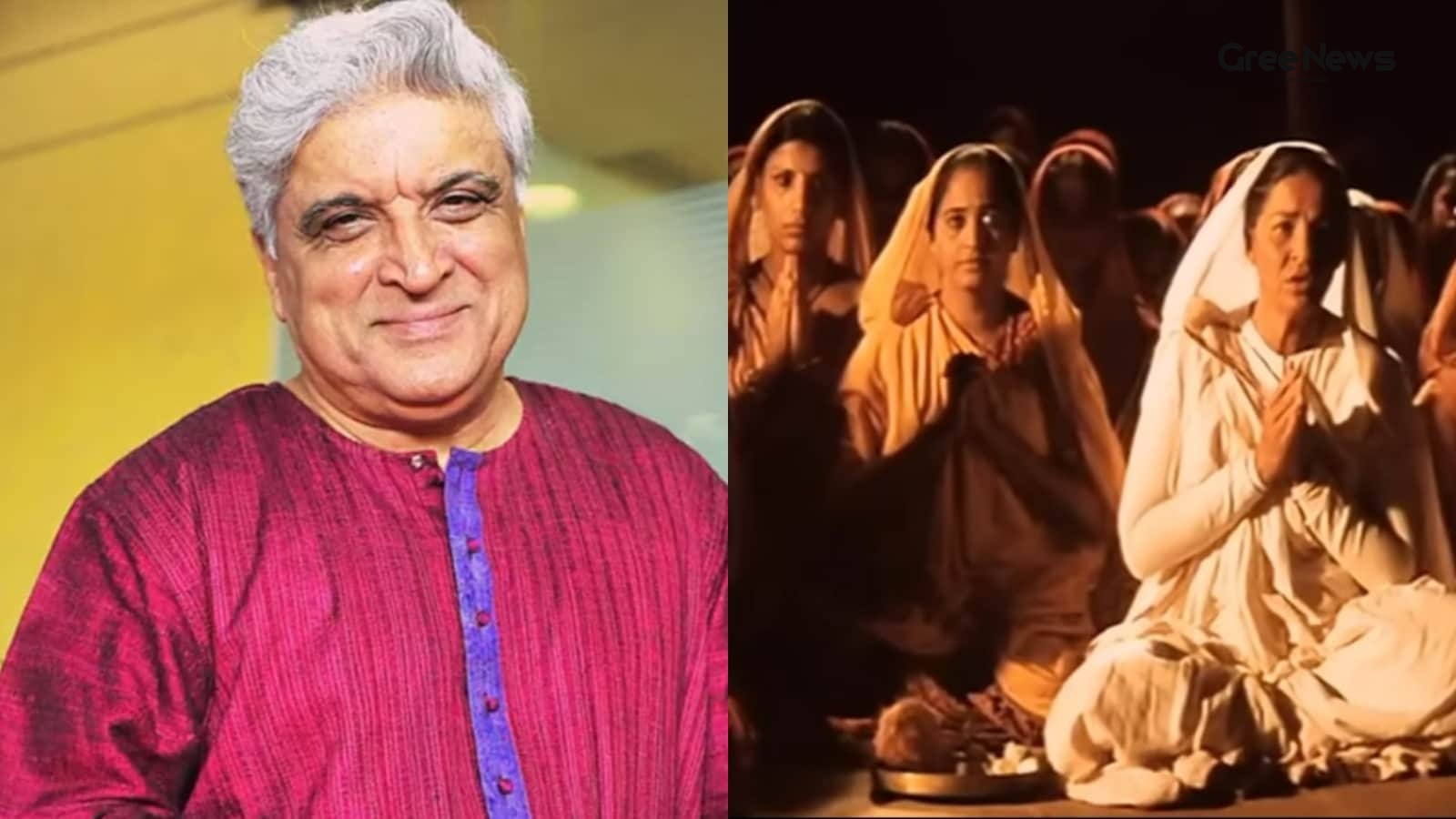
The Legacy and Reunion of Lagaan: Celebrating 25 Years
Twenty-five years. *Lagaan* just hit that mark. And now they’re doing a re-release. It feels like more than just watching an old movie; it’s something bigger for the team. Javed Akhtar actually got into some deep reflection recently about the soundtrack, which is kind of interesting when you think a
Jun 12, 2026 by Gree News Team
NCW Intervention and Legal Action Following Viral Comedy Incident
The National Commission for Women NCW. They took notice on Thursday about something called “Rs370 biryani.” It wasn’t a quiet thing, not at all. They ordered immediate action. Stringent action, time-bound. Against comedian Pranit More and Himanshu Jangra. That’s what they demanded. This whole mess s
Jun 12, 2026 by Gree News Team
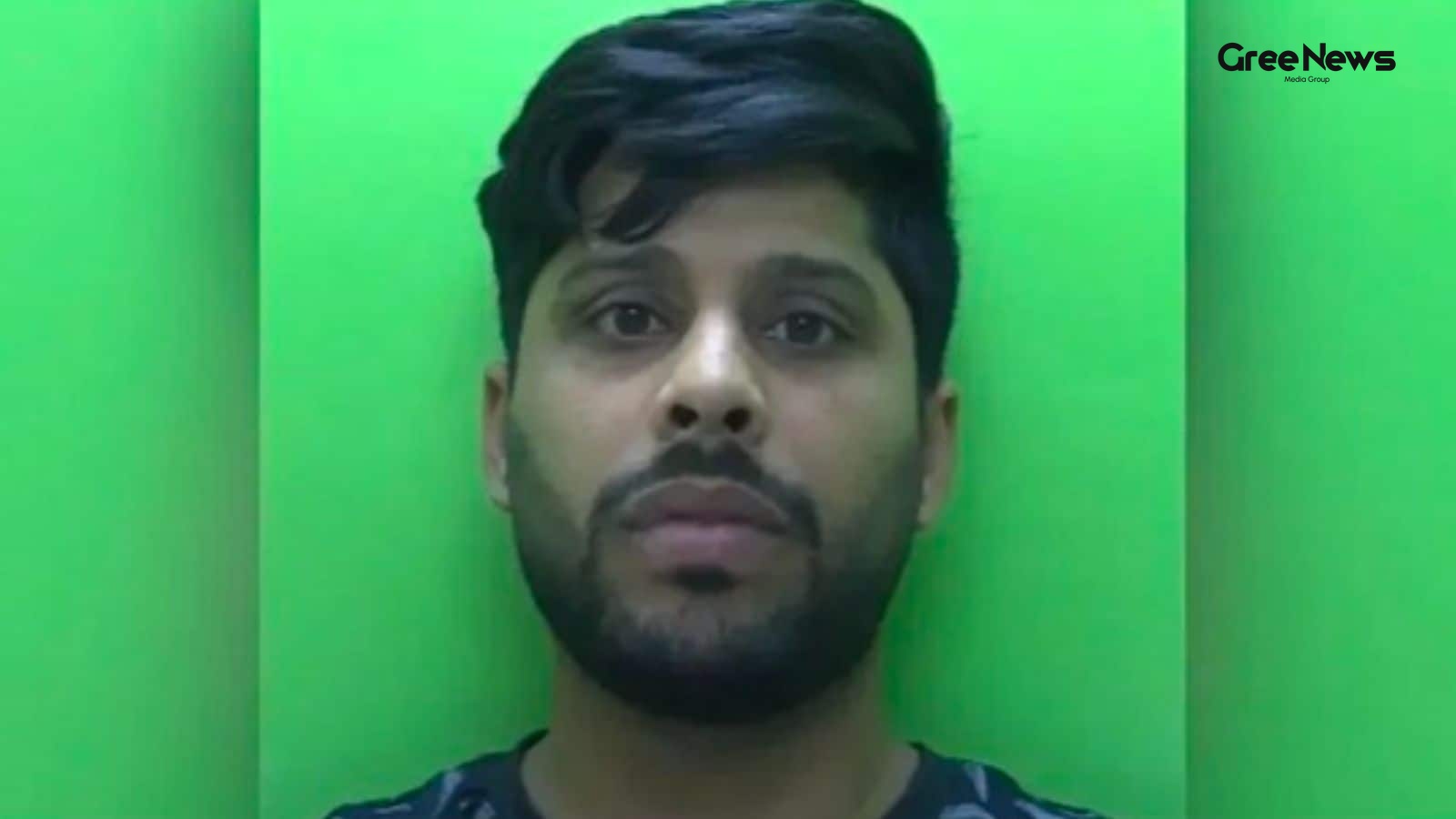
Sheraz Malik Sentencing and the Wider Context of Grooming Gangs
Sheraz Malik got his sentence on Thursday. Ten years in jail, plus four years on extended license. The whole thing happened way back on June 29 last year. In Sutton Lawn park. That’s where the attack took place. The details are kind of messy. She was drinking with a friend when he and some other guy
Jun 12, 2026 by Gree News Team
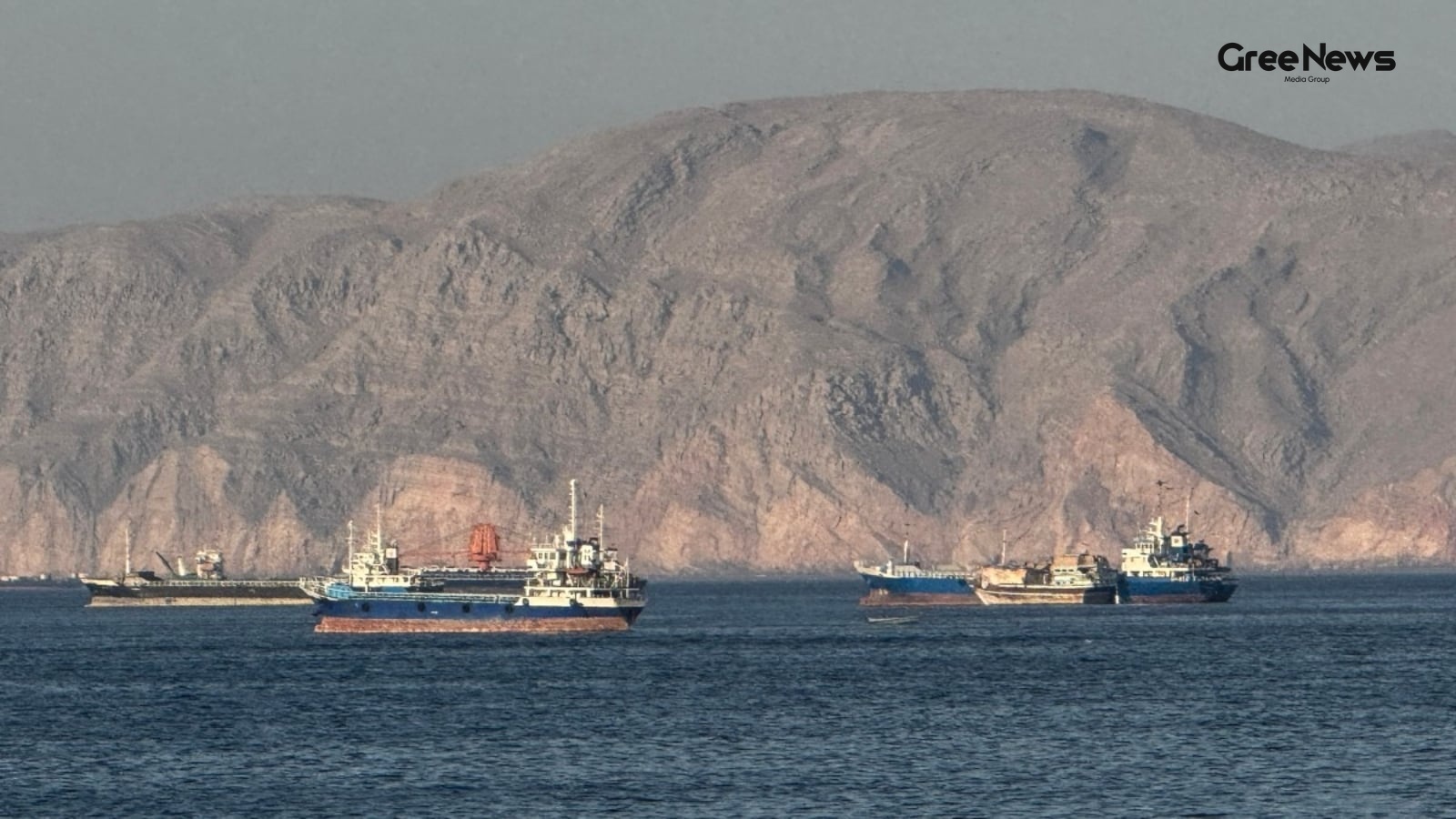
The Strait of Hormuz: Oil Smuggling, Shipping Restrictions, and Global Market Impact
The Strait of Hormuz? It’s practically shut down for commercial shipping now, ever since that US-Iran conflict kicked off back in February. Roughly fifteen oil tankers manage to slip through the narrow Omani coastal corridor daily under American air cover. They turn their GPS transponders off comple
Jun 12, 2026 by Gree News Team
The Slow Recalibration of Tamil Nadu's Relationship with the Centre
That meeting signaled something a slight pivot away from the approach that characterized the previous DMK government when dealing with the Union. It’s not a sudden revolution, really. More like a slow recalibration. Vijay didn't just show up for the formalities. He actively sought engagement. That p
Jun 12, 2026 by Gree News Team
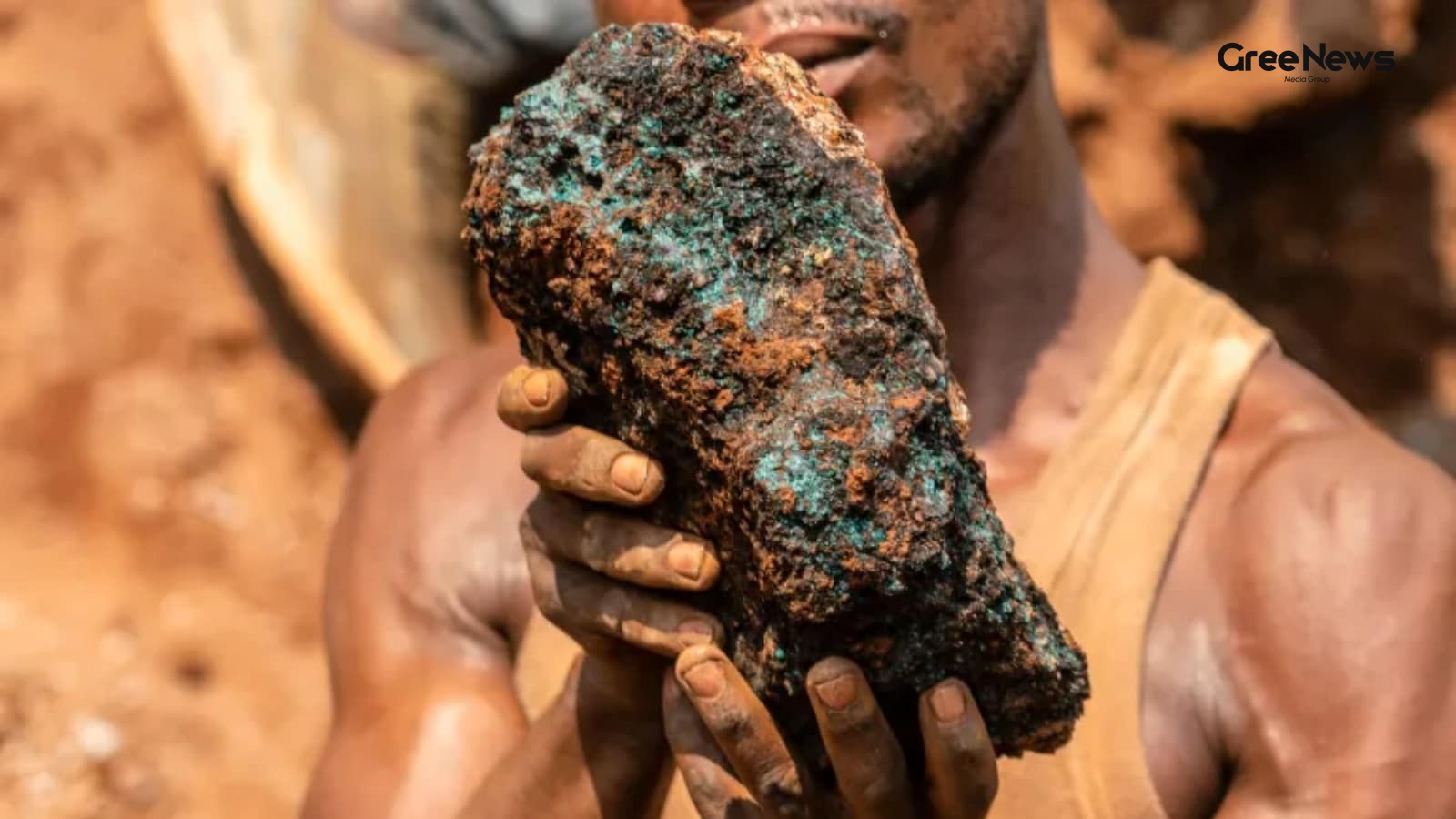
Cobalt Supply Chain, Market Dynamics, and Geopolitical Risks
Cobalt used to be something else entirely. Before it powered electric vehicles before it became the engine of today’s green push it was the color behind Chinese porcelain, staining Tang and Ming dynasty ceramics blue. That's where the element sits now. In the cathodes of rechargeable batteries. The
Jun 12, 2026 by Gree News Team
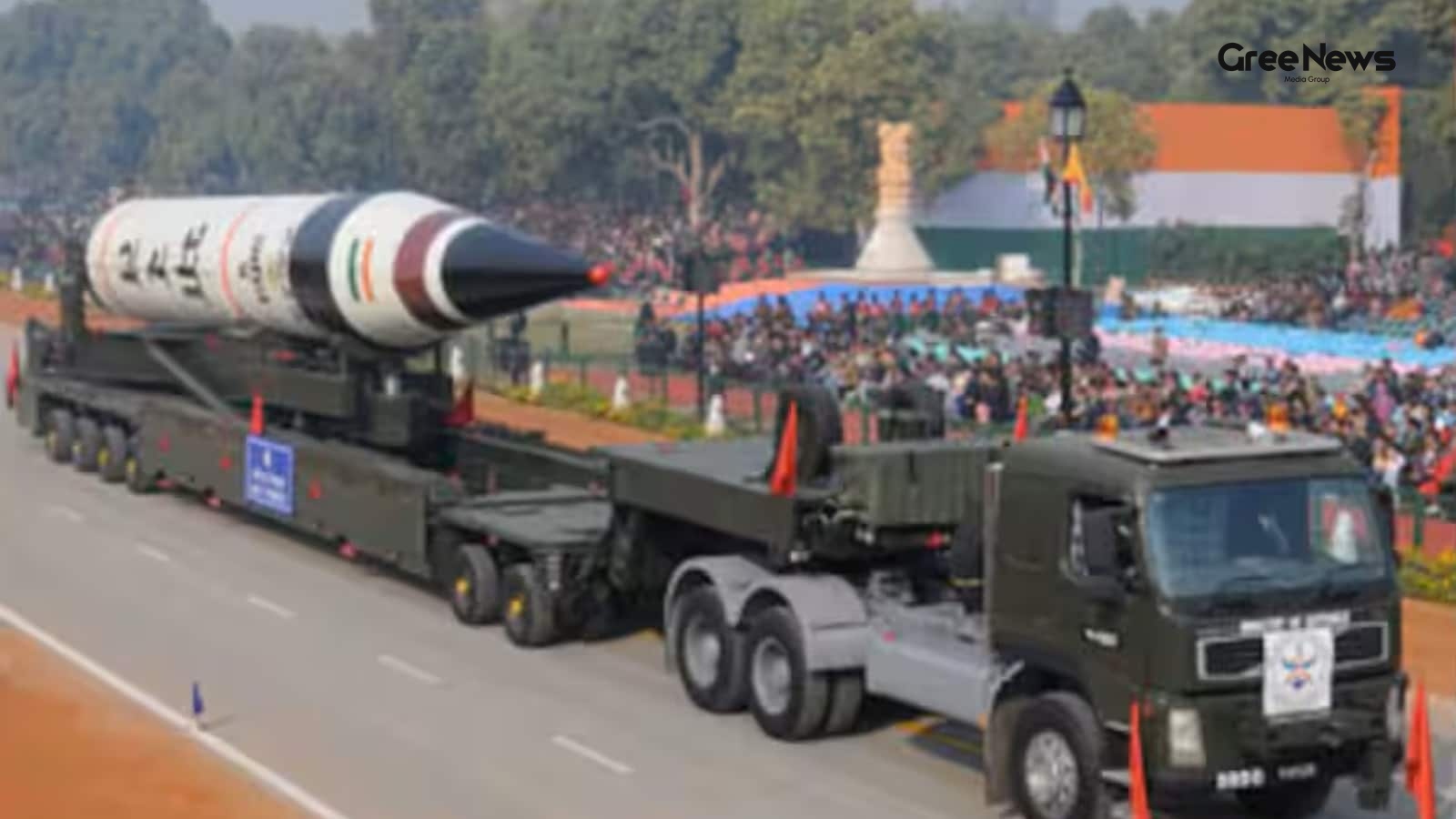
Pakistan's Acknowledgment of India's Growing Strategic and Nuclear Muscle
Thursday saw Pakistan publicly nod towards the rapid growth and increasing complexity of India’s strategic muscle. It wasn't a full concession, more of an acknowledgment, but it definitely voiced real unease about what New Delhi was doing with its nuclear stance. The Foreign Office put out this stat
Jun 12, 2026 by Gree News Team
Internal Political Friction: Dynamics within Congress and Trinamool Congress
Rahul Gandhi and Abhishek Banerjee. Two names that really define this internal friction inside their parties. It’s not just political sparring. It’s something deeper. A constant sense of being pushed out. A few years back, you had that whole "G-23" thing. That rebellion fractured the Congress from t
Jun 12, 2026 by Gree News Team
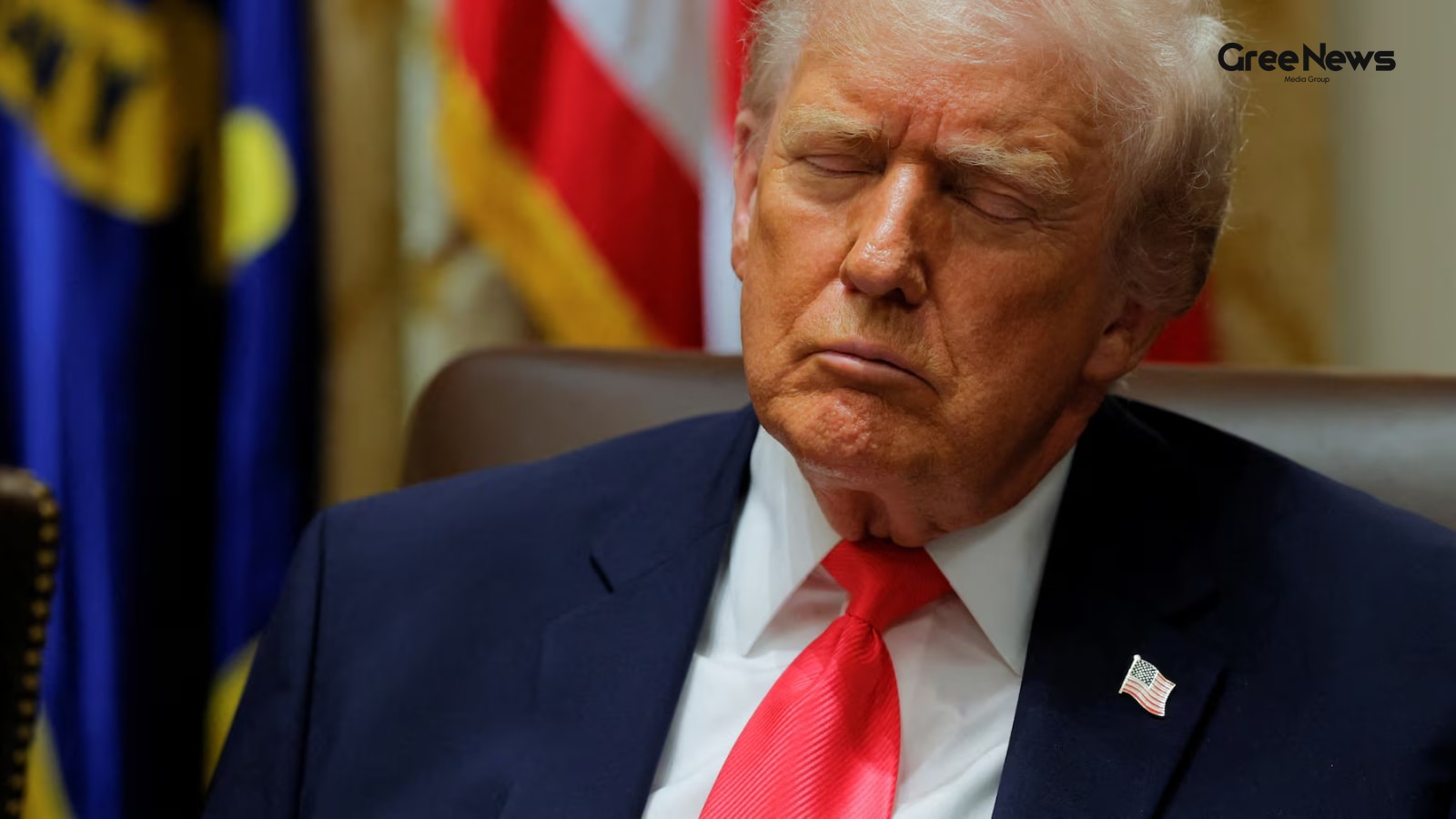
The Uncertainty of the Iran Deal Narrative
The chatter coming out of the White House about an Iran deal it’s all built on a foundation that feels, frankly, shaky right now. You have these pronouncements, these flashes of supposed finality, but underneath it all, there's this thick layer of doubt you can practically taste in the air. Donald T
Jun 12, 2026 by Gree News Team
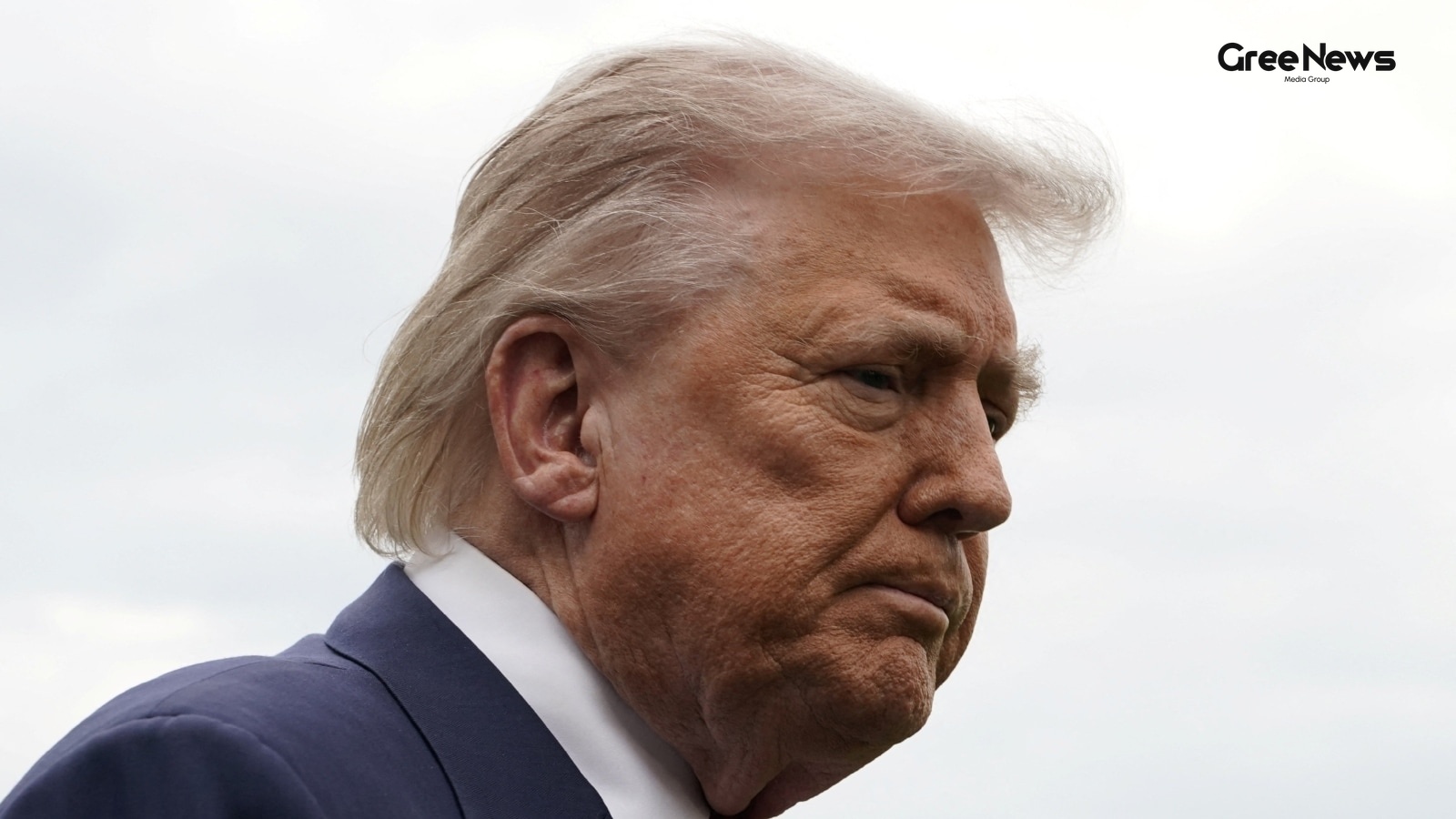
The Dynamics of Conflict and Diplomacy: The Iran Negotiations
The air around the negotiations feels… heavy right now. There’s this strange tension hanging over everything, a feeling that things are about to shift, but it’s not smooth. It's just a grind, you know? The kind of grinding that happens when military moves meet diplomatic stalls. We keep hearing thes
Jun 12, 2026 by Gree News Team
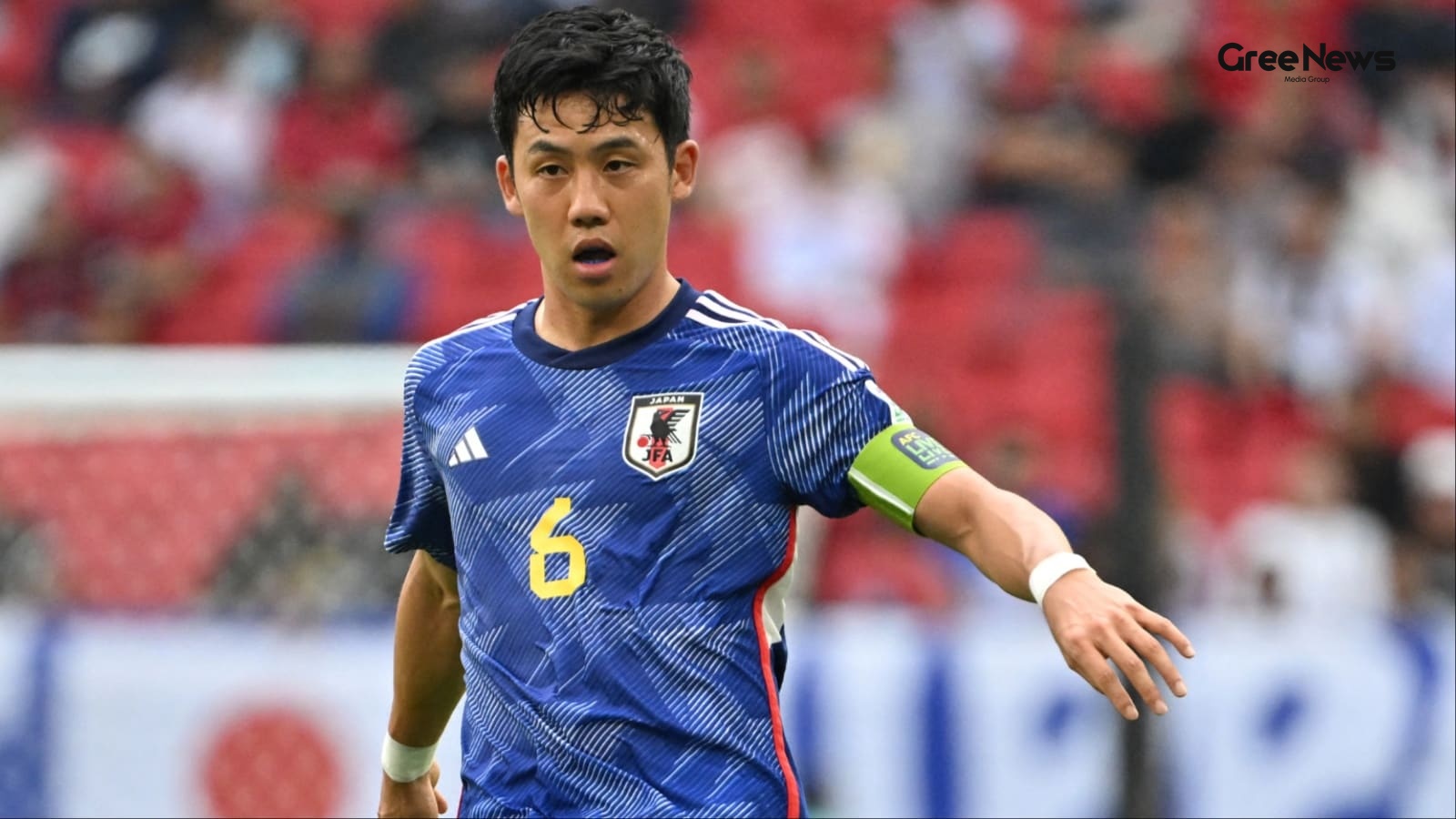
Wataru Endo and Marcos Senesi: World Cup Updates and Transfers
Wataru Endo pulled out of the 2026 World Cup squad. That’s what he confirmed on X Thursday, June 11th. He cited injury. Endo plays for Liverpool in the Premier League, and apparently, he tried everything to get back fit for the tournament but just couldn't make it work. It ended up being a withdrawa
Jun 12, 2026 by Gree News Team
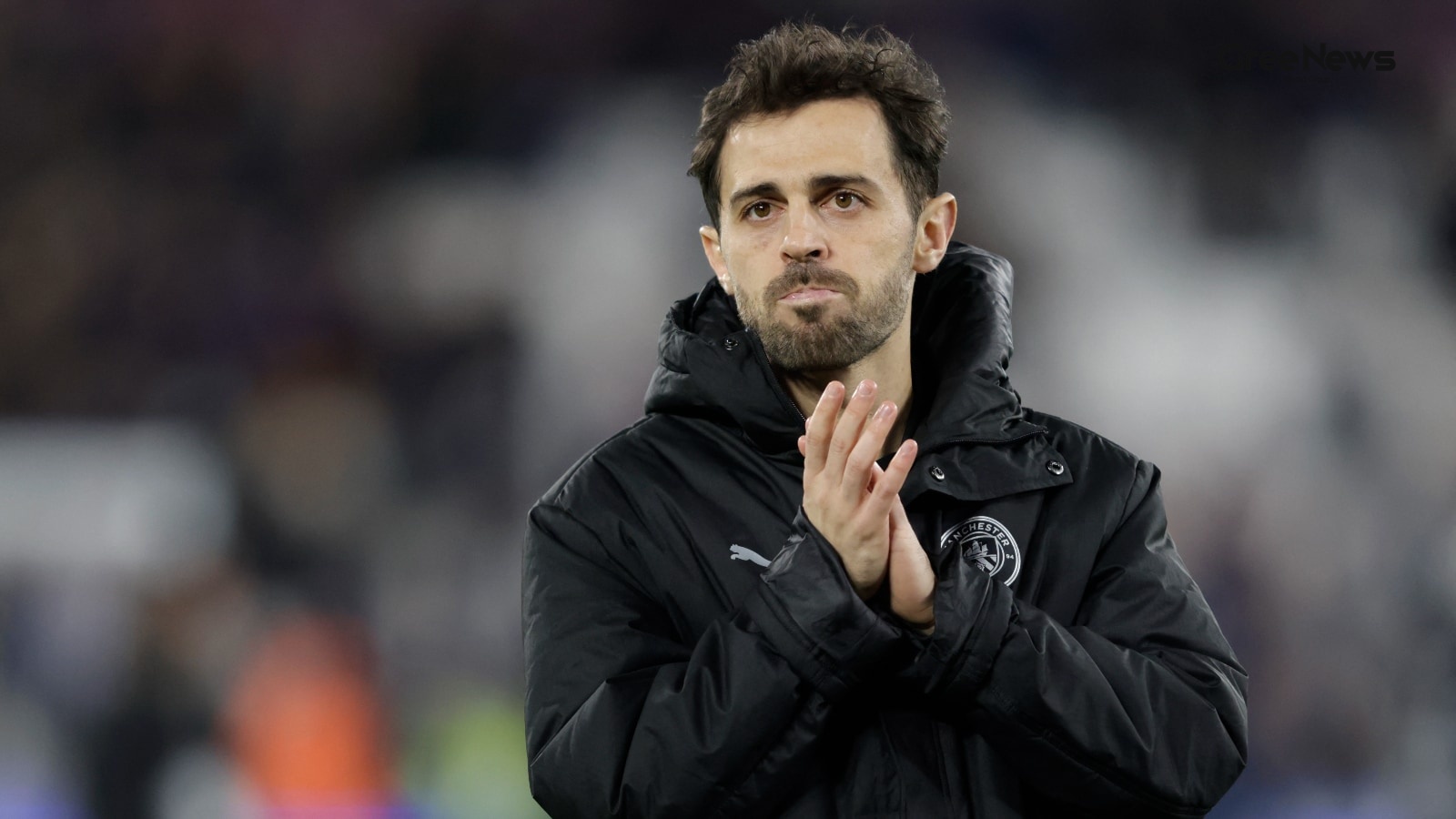
Real Madrid's Push for Bernardo Silva: The Transfer Saga
Real Madrid is reportedly pushing hard for Bernardo Silva. They seem to have moved into pole position trying to sign him, with sources saying the Portuguese midfielder is leaning heavily toward the Santiago Bernabéu over his long-time admirers, Barcelona and Atlético Madrid. Negotiations are suppose
Jun 12, 2026 by Gree News Team