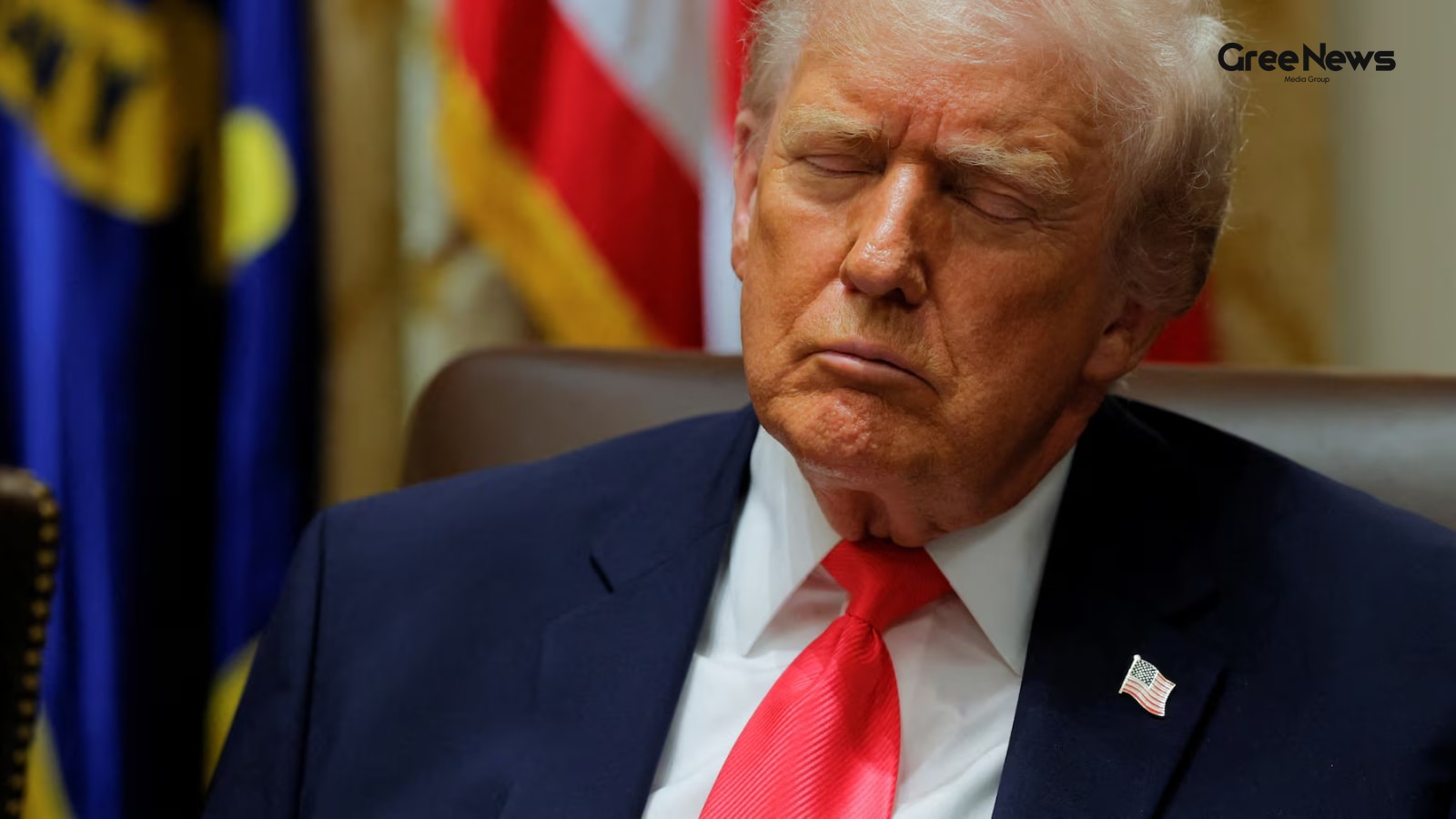
The chatter coming out of the White House about an Iran deal it’s all built on a foundation that feels, frankly, shaky right now. You have these pronouncements, these flashes of supposed finality, but underneath it all, there's this thick layer of doubt you can practically taste in the air.
Donald Trump, speaking from the Oval Office, tossed out this idea about a “great settlement.” Days? He suggested that ending what’s been dragging on for months between the US, Israel, and Iran could be wrapped up in just a few days. It’s the kind of language you hear when someone is trying desperately to project control over something inherently chaotic, isn't it?
He wasn't exactly laying out the fine print, not at all. Just this broad confidence that things were finally winding down. He leaned into the idea that the documents themselves are pretty much in shape now. “The documents are pretty final shape, so we’ll see,” he muttered. That little pause, that hedging it’s telling. It’s less a statement of fact and more an attempt to manage expectations while simultaneously pushing for a positive outcome. "We’ll see." That phrase hangs there, heavy with implication. It suggests the final steps are almost done, but it also admits there might still be some snag left in the weeds that nobody wants to admit.
And then there's the logistical bit the idea of where this whole messy conclusion might actually happen. Trump floated the notion of a signing ceremony. Not some sterile room in D.C., no. He hinted at Europe. A signing ceremony taking place somewhere in Europe, maybe? And he even threw out Vice President JD Vance as the potential representative to stand there for it. It’s a move that tries to inject some sort of international flair, some grand stage for what is supposed to be a massive geopolitical resolution. But here's where things get immediately complicated, because those details just evaporate into thin air. The White House hasn't said anything concrete about a venue or even a date. Nothing solid. It’s all just smoke and mirrors right now. No other players involved in these long negotiations have confirmed any plans for an actual ceremony either. It remains completely unconfirmed.
This whole narrative of imminent closure feels layered on top of something far more uncertain, doesn't it? You have the assertion that everything is nearly done, but you look at the reality on the ground and you realize that’s just rhetoric. The underlying tension is palpable because there are so many unresolved threads stretching between these major players.
When you consider where this entire negotiation has been happening the backroom deals, the tense exchanges you have to ask about the actual substance of what was aGreed upon. Trump talked about a “great settlement,” but what does that actually mean? The reality is, he didn't offer any details on what those documents actually contain. No specifics on which outstanding issues were finally addressed or how all those lingering conflicts got smoothed over. It’s like watching a movie where the climax is promised, but you never see the script they are following.
Meanwhile, this optimism contrasts sharply with the silence from Tehran. Iran hasn't offered any public confirmation that these claims about finality are true. They haven't acknowledged the US President’s assertion that an aGreement is close to being finalized. That lack of response throws a huge wrench into the whole picture. It makes you wonder if Trump is projecting confidence where there isn't necessarily much actual aGreement at all, or if he’s simply trying to control the narrative for his own political benefit.
The context surrounding these comments feels incredibly strange when you look back at what came immediately before them. Just hours earlier, Trump had made some announcements on Truth Social about cancelling planned military strikes against Iran. He claimed those discussions had reached the very highest levels of Iranian leadership and that final points had been approved by the involved parties during the talks. That sequence the promise of a deal, then the cancellation of action based on that perceived aGreement it creates a kind of dizzying loop. It forces you to re-evaluate what "final" even means in this context.
It shifts the focus from diplomatic negotiation to raw political performance. Did those high-level discussions actually result in anything tangible? Or was it just another maneuver, another piece of public theater designed to signal progress where there might be none? That’s the kind of ambiguity that sticks with you. It moves the entire discussion away from concrete policy and straight into pure political positioning.
And speaking of those high-level discussions who was Trump talking to when he made these pronouncements? He mentioned having spoken with several regional leaders, trying to push things forward. Among the names he floated, there was Israeli Prime Minister Benjamin Netanyahu. That connection, that shared history in conflict and strategy between Washington and Jerusalem, always carries immense weight. It’s one of those relationships where everything is layered with historical baggage.
Then there were the leaders from the Gulf nations too. He mentioned speaking with them as part of these ongoing efforts to secure an understanding. But he didn't name any specific figures. Just general references to regional engagement. That omission itself feels telling, doesn't it? It keeps the focus on Trump’s perspective and his interactions rather than presenting a unified view of the actual diplomatic process happening across the Middle East.
You see how easily the story fragments here. You have these grand statements about quick settlements, the logistical suggestion about Europe and Vance, the mention of regional contacts, and then all that uncertainty hanging over it like a shadow. It’s not a clean timeline; it's more like an uneven stream of thought, constantly shifting between what is said and what is known.
The real sticking point, the part that demands the most attention, is that significant uncertainty still reigns supreme about the actual status of these negotiations. Despite Trump’s very confident tone, you can’t ignore the fact that Iran itself hasn't publicly confirmed any of these claims. They haven't released details or given any sign-off on what we are supposed to be hearing from Washington regarding this potential aGreement. That silence is deafening in a situation where months of tension have been building up.
It all comes down to the gap between perception and reality. Trump projects an image of imminent resolution, a swift conclusion to a long conflict. But when you look at the actual information flow or lack thereof it feels like that projection might be more about political messaging than verifiable diplomatic progress. The focus seems less on achieving the settlement itself and much more on managing the narrative surrounding the idea of the settlement.
This constant dance around what’s settled and what isn’t is exhausting to watch, really. It forces us to keep looking for signals in the noise. Are these statements indicators of genuine movement, or are they just another layer of political maneuvering designed to distract from deeper, more intractable problems? The lack of transparency surrounding the details means we are left navigating a space where confidence and confirmation seem entirely separate things. There’s this uncomfortable feeling that you need to step back and look at the mechanics, not just the headlines, because the surface level narrative is clearly incomplete.
Written by Gree News Team — Senior Editorial Board
Gree News Team covers international news and global affairs at Gree News. Our collective of senior editors is dedicated to providing independent, accurate, and responsible journalism for a global audience.
More from World
View All
Cobalt Supply Chain, Market Dynamics, and Geopolitical Risks
Cobalt used to be something else entirely. Before it powered electric vehicles before it became the engine of today’s green push it was the color behind Chinese porcelain, staining Tang and Ming dynasty ceramics blue. That's where the element sits now. In the cathodes of rechargeable batteries. The
Jun 12, 2026 by Gree News Team
Pakistan's Acknowledgment of India's Growing Strategic and Nuclear Muscle
Thursday saw Pakistan publicly nod towards the rapid growth and increasing complexity of India’s strategic muscle. It wasn't a full concession, more of an acknowledgment, but it definitely voiced real unease about what New Delhi was doing with its nuclear stance. The Foreign Office put out this stat
Jun 12, 2026 by Gree News Team
The Dynamics of Conflict and Diplomacy: The Iran Negotiations
The air around the negotiations feels… heavy right now. There’s this strange tension hanging over everything, a feeling that things are about to shift, but it’s not smooth. It's just a grind, you know? The kind of grinding that happens when military moves meet diplomatic stalls. We keep hearing thes
Jun 12, 2026 by Gree News Team
India's Decision to Buy Russian Oil: Geopolitics and Energy Security
S Jaishankar talked about India buying Russian oil on Friday. He said it started back in 2022 because prices were lower and supply was available. He added that this move happened because the United States asked for it. The goal, he claimed, was to keep global oil prices down. “At that time,” Jaishan
Jun 12, 2026 by Gree News Team
Latest Headlines
Investigation into Signatures and Scrutiny of Political Resolution
The air around this whole thing is thick with things that aren’t being said. It’s an investigation, sure, but it feels less like a clean procedural step and more like something pulled apart piece by piece under intense scrutiny. It started when the Calcutta High Court stepped in. That was the nudge.
Jun 12, 2026 by Gree News Team
Pakistan's Acknowledgment of India's Growing Strategic and Nuclear Muscle
Thursday saw Pakistan publicly nod towards the rapid growth and increasing complexity of India’s strategic muscle. It wasn't a full concession, more of an acknowledgment, but it definitely voiced real unease about what New Delhi was doing with its nuclear stance. The Foreign Office put out this stat
Jun 12, 2026 by Gree News Team
Internal Political Friction: Dynamics within Congress and Trinamool Congress
Rahul Gandhi and Abhishek Banerjee. Two names that really define this internal friction inside their parties. It’s not just political sparring. It’s something deeper. A constant sense of being pushed out. A few years back, you had that whole "G-23" thing. That rebellion fractured the Congress from t
Jun 12, 2026 by Gree News Team
The Dynamics of Conflict and Diplomacy: The Iran Negotiations
The air around the negotiations feels… heavy right now. There’s this strange tension hanging over everything, a feeling that things are about to shift, but it’s not smooth. It's just a grind, you know? The kind of grinding that happens when military moves meet diplomatic stalls. We keep hearing thes
Jun 12, 2026 by Gree News Team

Wataru Endo and Marcos Senesi: World Cup Updates and Transfers
Wataru Endo pulled out of the 2026 World Cup squad. That’s what he confirmed on X Thursday, June 11th. He cited injury. Endo plays for Liverpool in the Premier League, and apparently, he tried everything to get back fit for the tournament but just couldn't make it work. It ended up being a withdrawa
Jun 12, 2026 by Gree News Team
Real Madrid's Push for Bernardo Silva: The Transfer Saga
Real Madrid is reportedly pushing hard for Bernardo Silva. They seem to have moved into pole position trying to sign him, with sources saying the Portuguese midfielder is leaning heavily toward the Santiago Bernabéu over his long-time admirers, Barcelona and Atlético Madrid. Negotiations are suppose
Jun 12, 2026 by Gree News Team
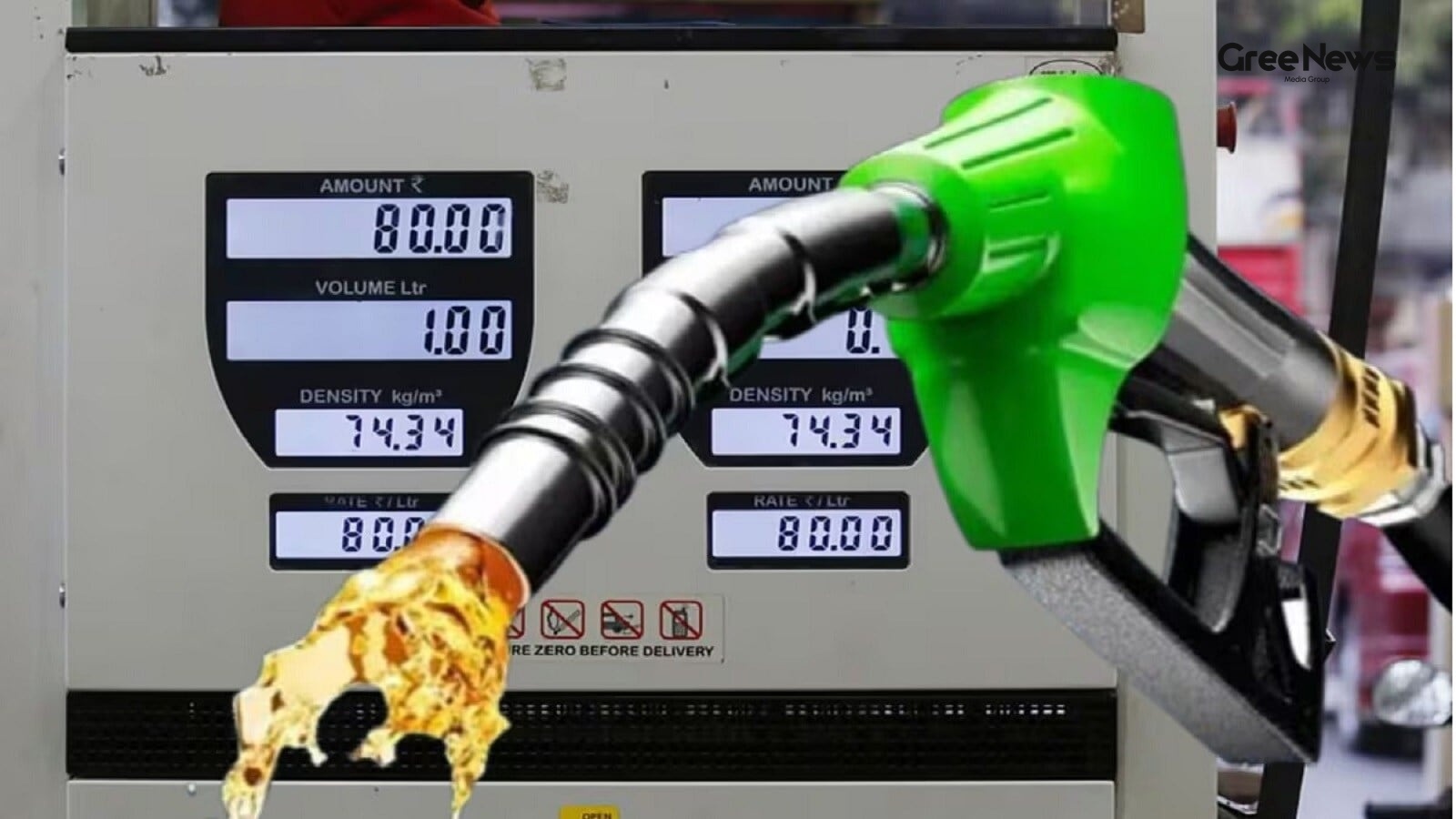
Fuel Prices and Market Updates: Petrol, Diesel, and CNG
Petrol, diesel, and CNG prices hung steady on Friday, June 12th. Nothing moved there officially. But behind the scenes, oil market companies and those running gas distribution firms are still tweaking things every morning at six. Still, you saw movement elsewhere. Petrol and diesel had already jumpe
Jun 12, 2026 by Gree News Team
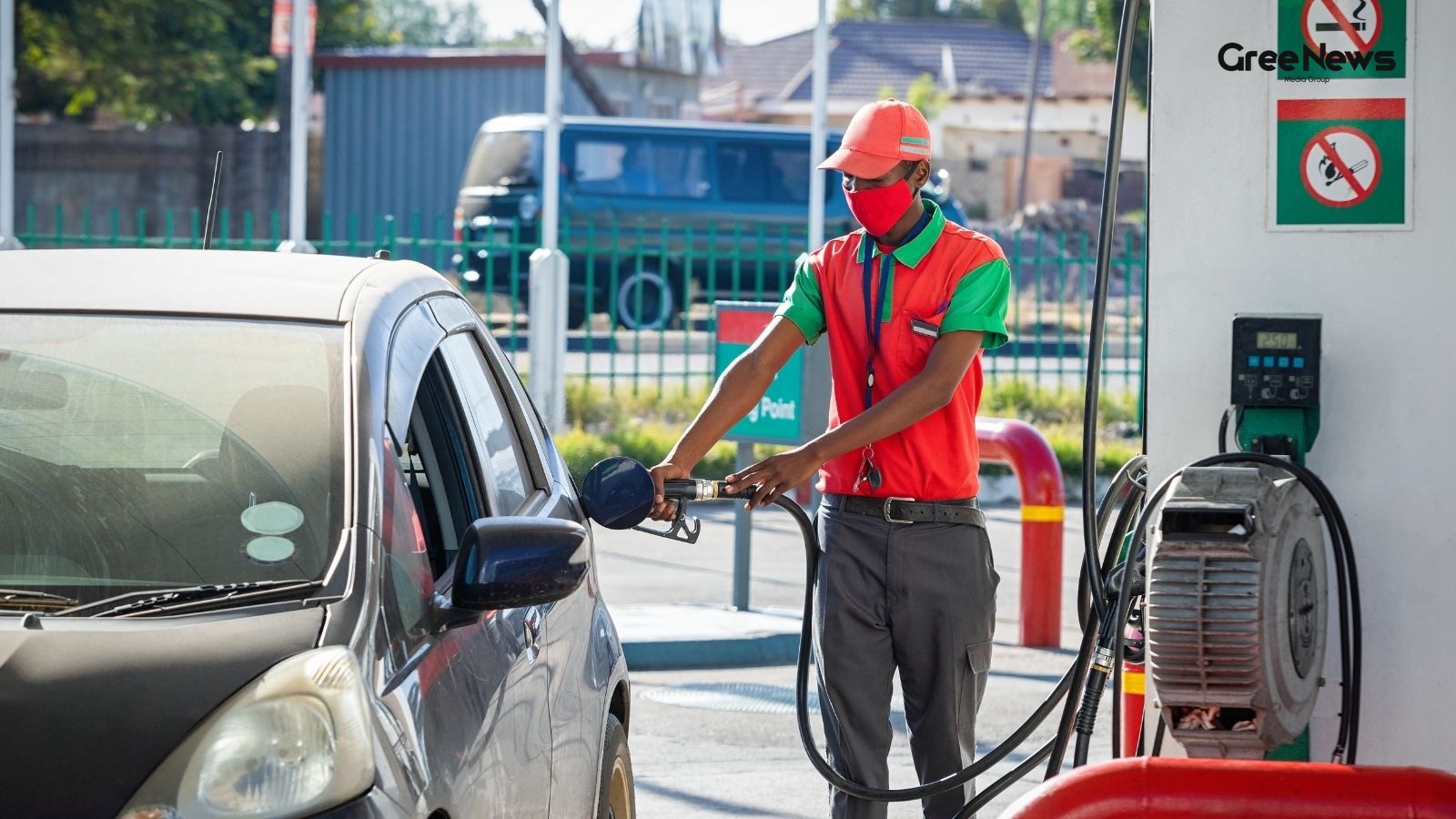
Government Order Restricts Retail Fuel Sales and Mandates Bulk Procurement
The government dropped the hammer this Thursday. They’ve effectively stopped industrial, commercial, and institutional buyers from grabbing petrol or HSD straight from those retail fuel stations. Instead, they’re being forced back to bulk points or using their own consumer pumps. This order came dow
Jun 12, 2026 by Gree News Team
India's Decision to Buy Russian Oil: Geopolitics and Energy Security
S Jaishankar talked about India buying Russian oil on Friday. He said it started back in 2022 because prices were lower and supply was available. He added that this move happened because the United States asked for it. The goal, he claimed, was to keep global oil prices down. “At that time,” Jaishan
Jun 12, 2026 by Gree News Team
Kerala Lottery Results: Suvarna Keralam SK-56 Draw Details and Claim Process
Kerala Lottery results coming up. It’s all about the Suvarna Keralam SK-56 draw. They're setting the date for Friday, June 12th, 2026. Three PM sharp. That’s when the Kerala Lottery Department will finally announce everything. The draw itself happens at Gorky Bhavan. Near Bakery Junction in Thiruvan
Jun 12, 2026 by Gree News Team
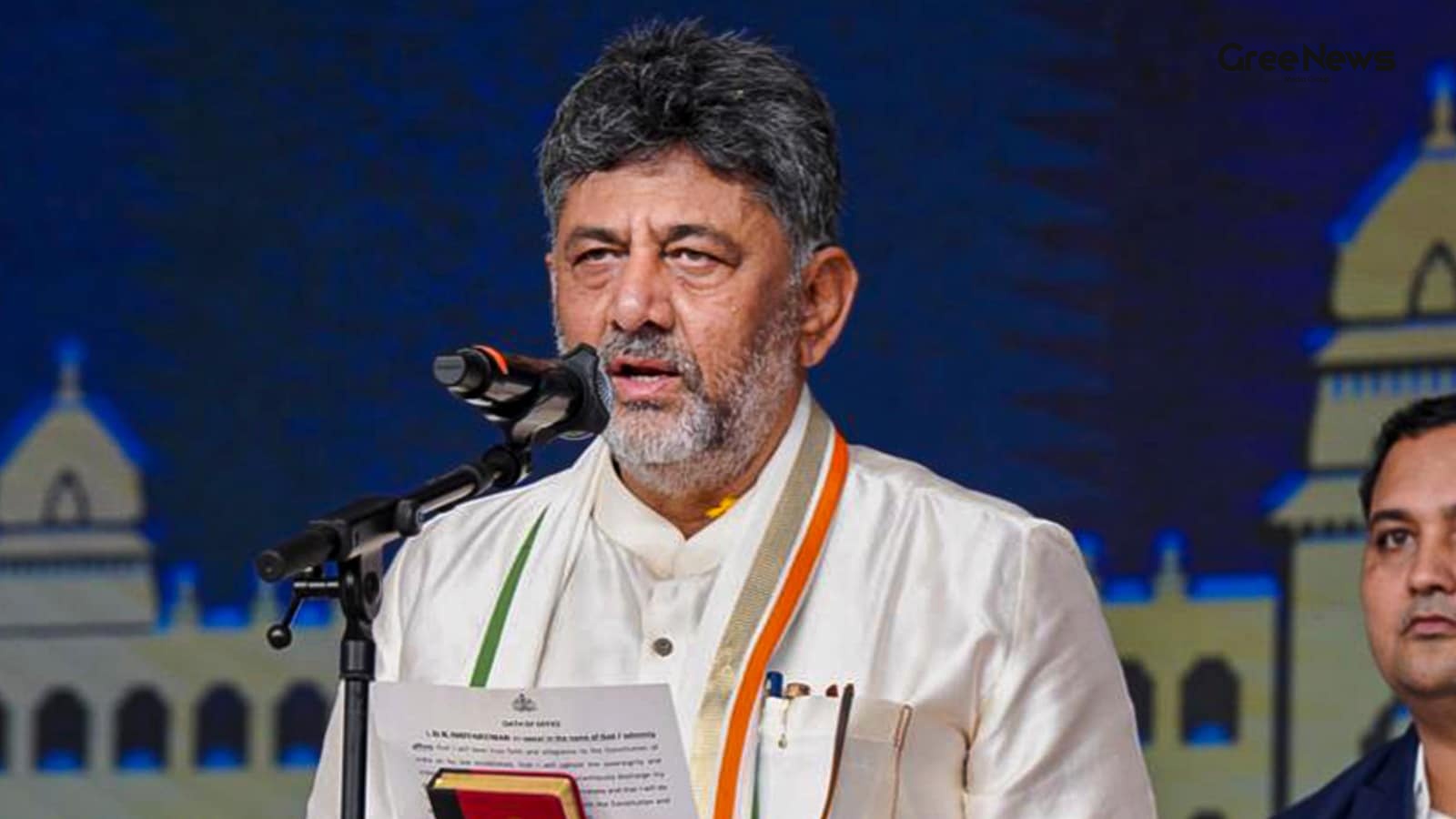
Karnataka Demands for Central Funding and Development Support
Shivakumar met Prime Minister Modi in New Delhi on Thursday. It wasn't just a casual chat. He brought an 18-point memorandum. A big ask, really. It was all about getting the Centre’s backing money and support for development across Karnataka. Infrastructure, irrigation, all of it piling up. The dema
Jun 12, 2026 by Gree News Team
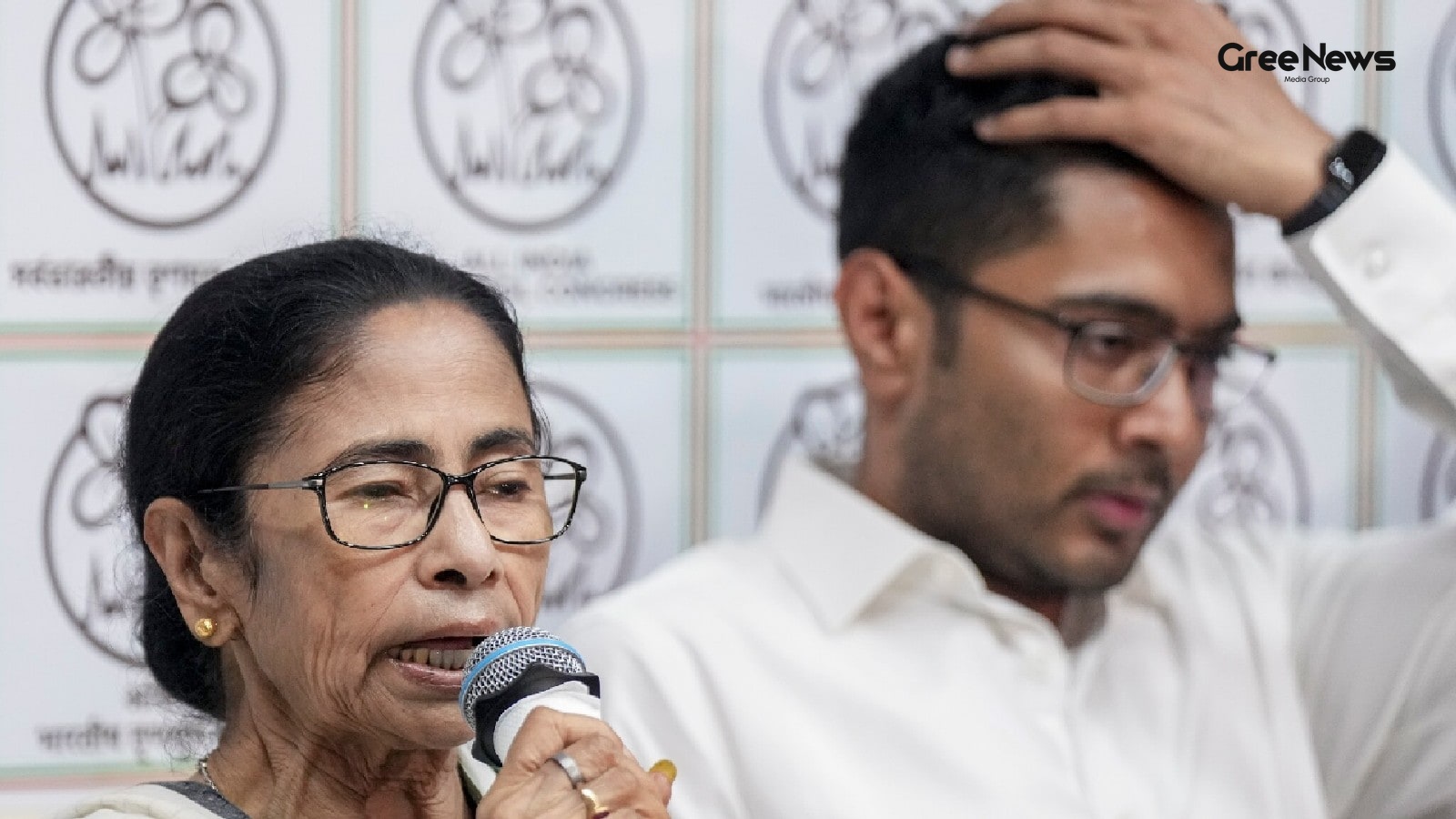
Trinamool Congress Internal Crisis and Rebel MPs' Demands
The Trinamool Congress is really in deep trouble right now. It’s having one of its biggest internal crises following that Assembly election loss, you know? There’s a whole wave of resignations and outright rebellion happening among MLAs and MPs. It's causing serious political churn inside the party.
Jun 12, 2026 by Gree News Team
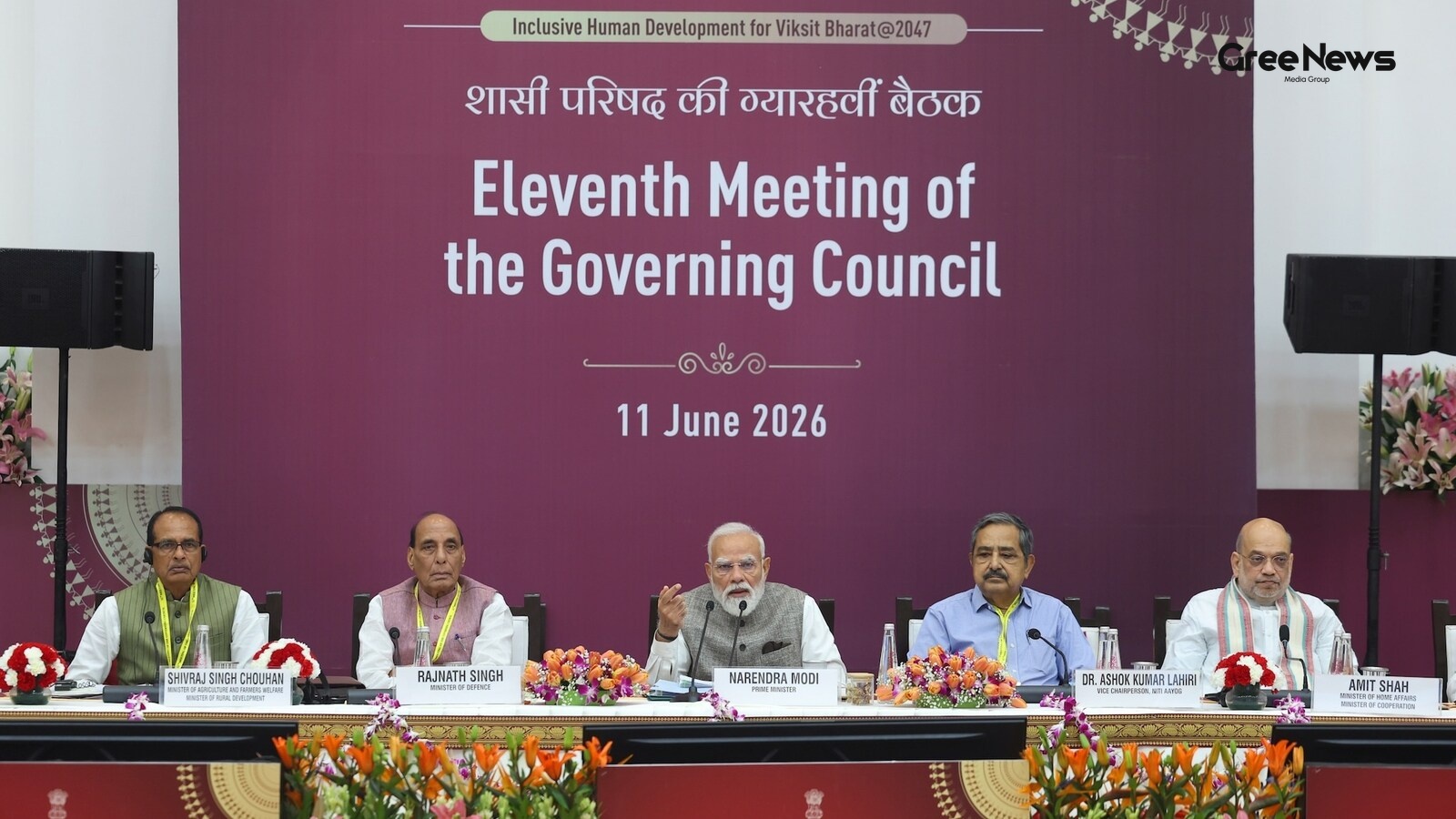
Narendra Modi's Vision: Investment, Manufacturing, and Inclusive Development for Viksit Bharat
Narendra Modi asked states to hurry up with investment. Manufacturing, skilling, planning down to the district level that was the vibe at the eleventh NITI Aayog Governing Council meeting. It happened while crude prices were shooting up because of that whole West Asia mess. The PM chaired it. And th
Jun 12, 2026 by Gree News Team
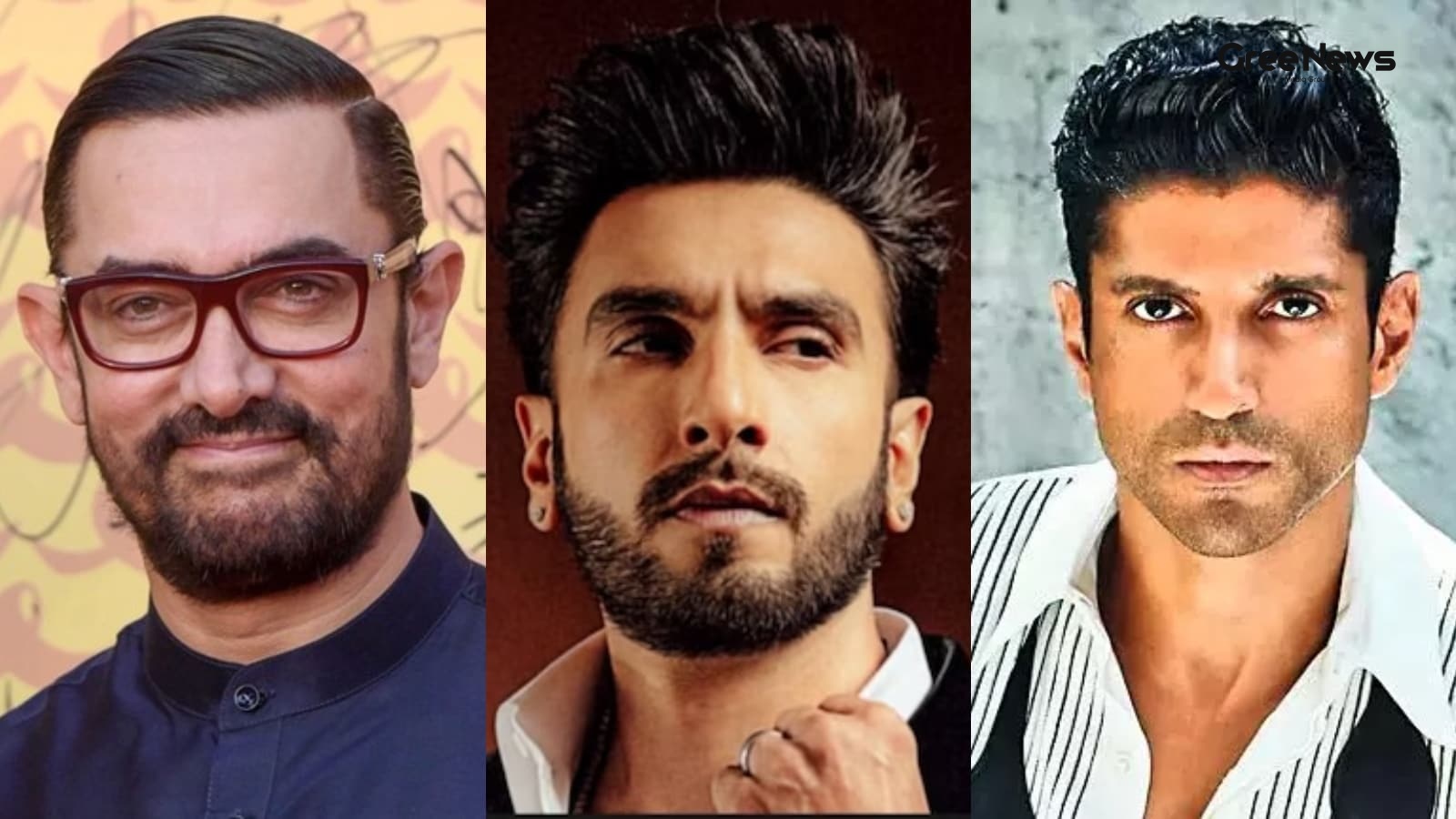
The Fallout and Friction: Farhan Akhtar, Ranveer Singh, and the *Don 3* Dispute
The air around Farhan Akhtar and Ranveer Singh just keeps getting thicker. It’s not just idle gossip anymore. It’s this real friction, amplified by everything that happened with *Don 3*. You see the fallout spilling out legal notices popping up, FWICE directives flying around like something official
Jun 12, 2026 by Gree News Team
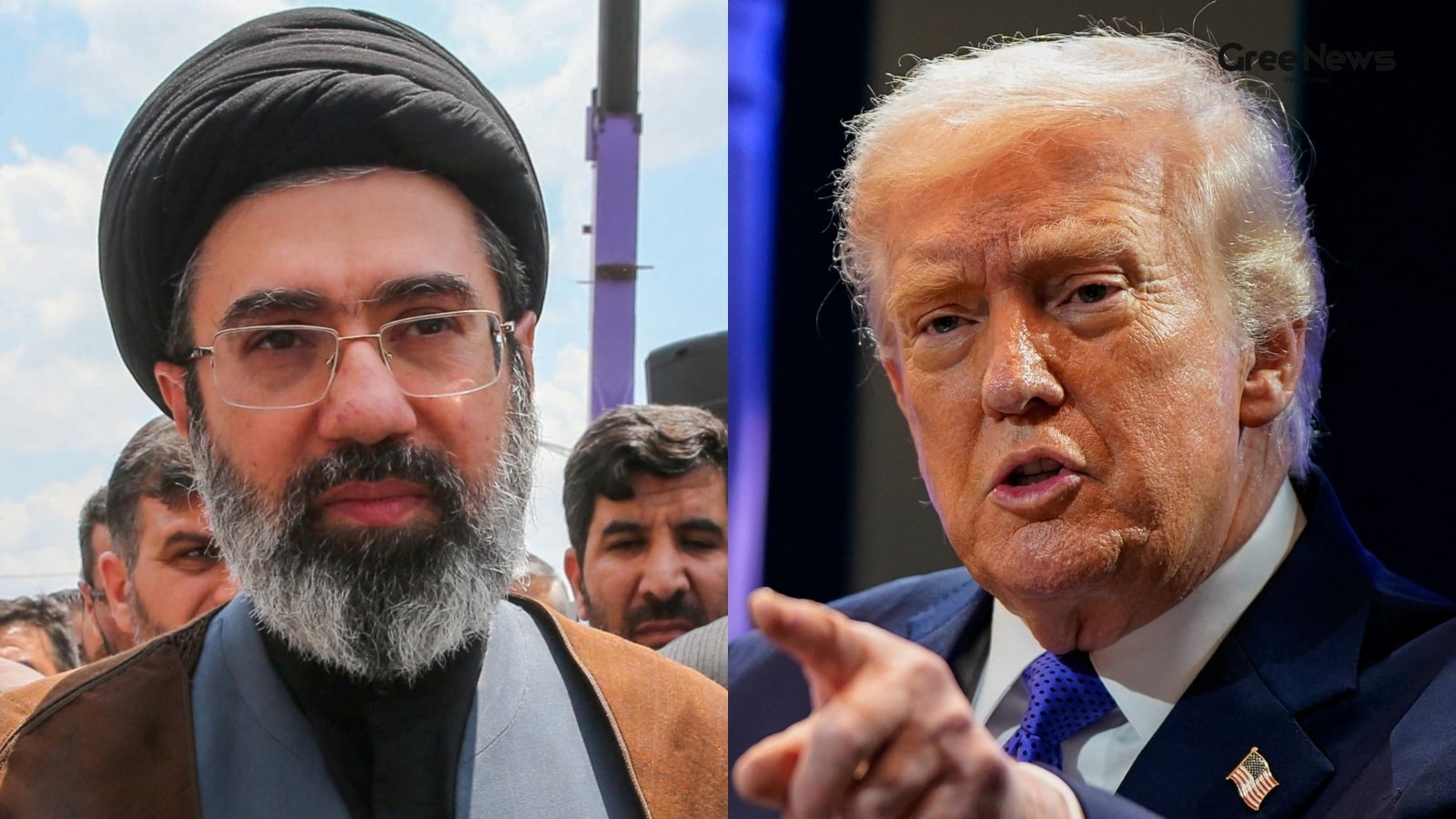
The Gap Between Diplomacy and Reality: Analyzing the Iran-Washington Nuclear Negotiations
The air around these talks always feels thick, doesn't it? Like you can almost taste the friction building up between two sides that desperately want to move forward but are constantly bumping against each other. That’s what was happening with Iran and Washington lately. A deal. Or at least, the *id
Jun 12, 2026 by Gree News Team