Cobalt Supply Chain, Market Dynamics, and Geopolitical Risks
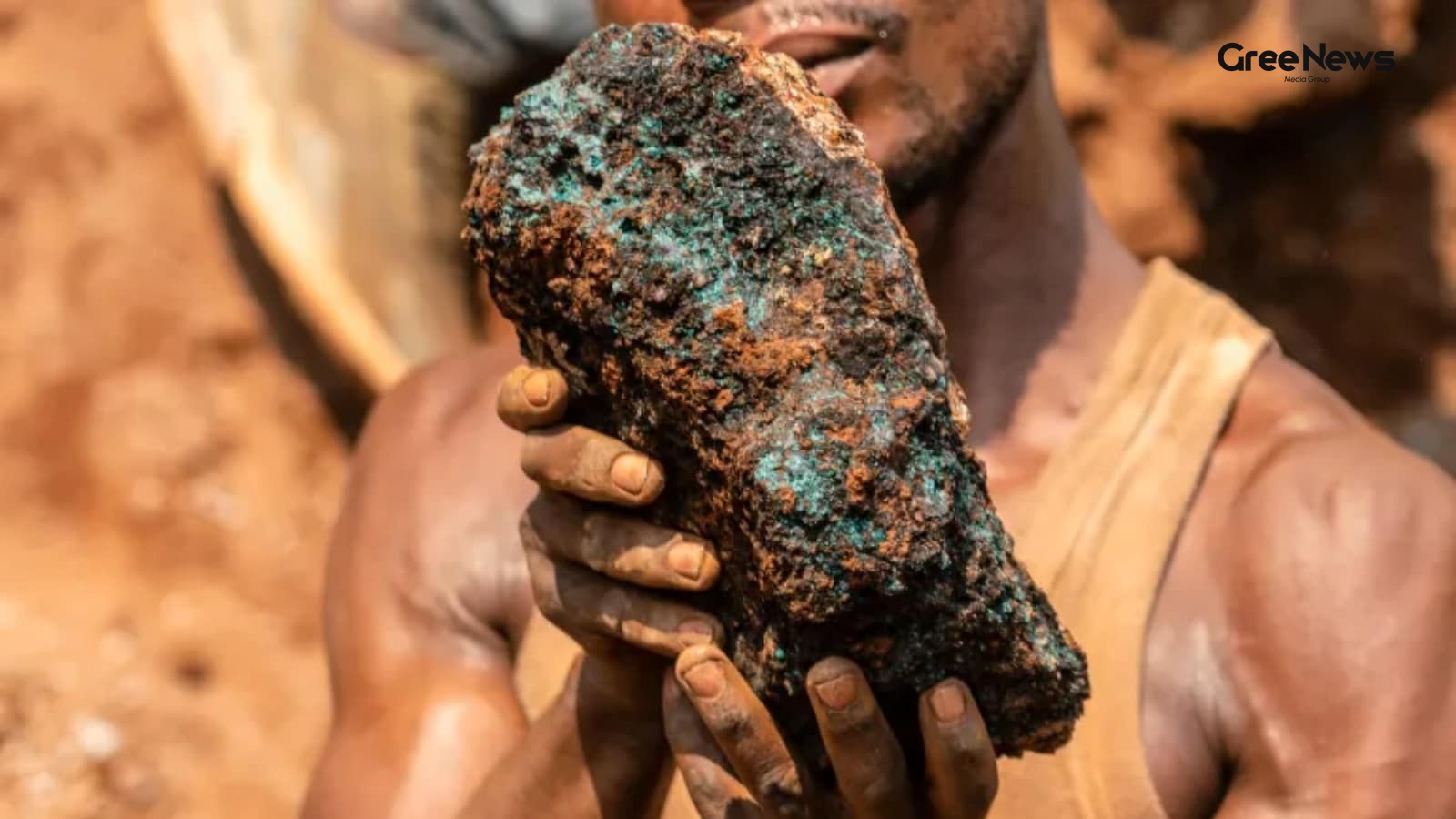
Cobalt used to be something else entirely. Before it powered electric vehicles before it became the engine of today’s Green push it was the color behind Chinese porcelain, staining Tang and Ming dynasty ceramics blue. That's where the element sits now. In the cathodes of rechargeable batteries. The stuff that powers the EVs India, China, Europe, and the United States are all throwing energy futures into.
Globally, demand for cobalt exploded in 2024. We’re talking over two hundred thousand tonnes. And most of that growth? It came from batteries and electric vehicles. Sixty-one percent of market growth there.
But where does it come from? That's the sticking point. The Democratic Republic of Congo holds roughly three-quarters of all global supply. And then, in early 2025, Kinshasa finally shut the tap.
They imposed an export ban on cobalt hydroxide back in February. Then they switched to strict quotas. Years of low prices and a massive market glut meant that resource was just sitting there, chronically undervalued for the country.
The intervention worked, at least in price terms. Cobalt metal prices more than doubled by year-end. It shot up from near nine-year lows only $21,502 per tonne to $48,570 by October. The Cobalt Institute noted a 130 percent rise in refined metal prices over that same period. Hydroxide prices? Quadrupled.
The squeeze has since hit a level you just don't see anymore. Fastmarkets reports show the price smelters pay for cobalt hydroxide is now matching the actual price of the cobalt metal they pull out of it. This dynamic started back in March, and it’s never happened before in the data going all the way back to 2019.
It means the raw material now costs as much as the finished product. Tony Southgate, a trader at Stratton Metals, put it plainly when talking to the Financial Times. He said what this looks like on the ground: "The prices smelters were paying for feedstock had gone to levels that don’t really make financial sense. They just need the units."
China faces real headaches with all this now. It's the world's biggest EV market, and they dominate battery manufacturing. They have to keep hitting those huge production targets while dealing with these new constraints.
So what are they doing? Chinese refiners, who process most of that Congolese hydroxide, are pivoting. They’re turning to shredded batteries the black mass. And recycled cobalt metal is another option. There's this other thing too: a mixed hydroxide precipitate containing nickel and cobalt. Demand for that spiked sharply, but the supply side is now seriously compromised.
And then there’s production of Mixed Hydroxide Precipitate itself. That’s expected to drop this year. Why? The Iran war kicked off a global shortage of sulphuric acid needed to make it. Another exit just as smelters were already running into trouble.
Andries Gerbens, trading director at Darton Commodities, noted that demand for MHP picked up significantly. But now the availability is compromised. It’s pushing everyone toward recycling cobalt.
Jervois Global, which runs one of the biggest cobalt facilities outside China, admitted their profitability was "currently severely impacted" by all this market movement. Olivier Masson, a Fastmarkets expert on cobalt, said that prices across hydroxide, black mass, and other alternatives just aren't sustainable. He argued: "The numbers don’t add up," he told the FT.
India is in a tough spot under this whole situation. The DRC policy shift hits them particularly hard. Right now, India is 100 percent import dependent for lithium, cobalt, and nickel, according to an April briefing from the Institute for Energy Economics and Financial Analysis.
And they don't even have commercially viable reserves of these minerals themselves. That matters when you look at EV sales in India. They hit about 25 million units in FY2026. Electric cars nearly doubled their sales, and electric trucks jumped by two and a half times. Those trends now run straight into this tightening cobalt supply chain at every single step.
India’s imports are concentrated among just a few supplier countries. That magnifies the risk, even as they push for clean energy. The government launched the National Critical Mineral Mission in 2025. They allocated sixteen thousand three hundred crore rupees to secure supplies of minerals like cobalt. India and the DRC are supposed to sign an MoU soon about accessing these critical minerals, especially copper and cobalt.
They’re also looking further afield. India applied to the International Seabed Authority to explore that cobalt-rich Afanasy Nikitin Seamount in the central Indian Ocean. That's three thousand square kilometers over fifteen years. These bets might ease dependency eventually. But right now? The squeeze is happening now.
Written by Gree News Team — Senior Editorial Board
Gree News Team covers international news and global affairs at Gree News. Our collective of senior editors is dedicated to providing independent, accurate, and responsible journalism for a global audience.
More from World
View All
Sheraz Malik Sentencing and the Wider Context of Grooming Gangs
Sheraz Malik got his sentence on Thursday. Ten years in jail, plus four years on extended license. The whole thing happened way back on June 29 last year. In Sutton Lawn park. That’s where the attack took place. The details are kind of messy. She was drinking with a friend when he and some other guy
Jun 12, 2026 by Gree News Team
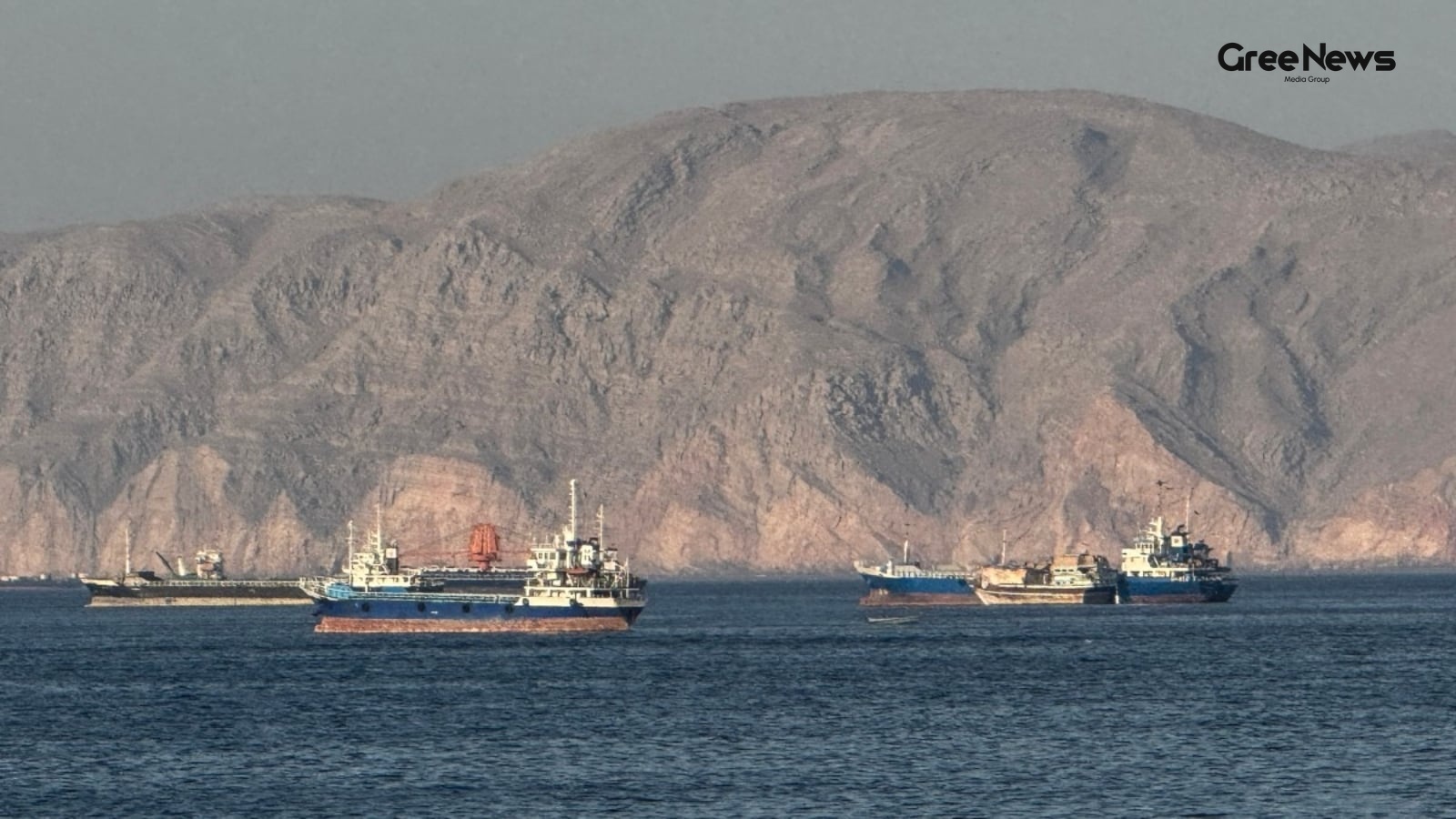
The Strait of Hormuz: Oil Smuggling, Shipping Restrictions, and Global Market Impact
The Strait of Hormuz? It’s practically shut down for commercial shipping now, ever since that US-Iran conflict kicked off back in February. Roughly fifteen oil tankers manage to slip through the narrow Omani coastal corridor daily under American air cover. They turn their GPS transponders off comple
Jun 12, 2026 by Gree News Team
Pakistan's Acknowledgment of India's Growing Strategic and Nuclear Muscle
Thursday saw Pakistan publicly nod towards the rapid growth and increasing complexity of India’s strategic muscle. It wasn't a full concession, more of an acknowledgment, but it definitely voiced real unease about what New Delhi was doing with its nuclear stance. The Foreign Office put out this stat
Jun 12, 2026 by Gree News Team
The Uncertainty of the Iran Deal Narrative
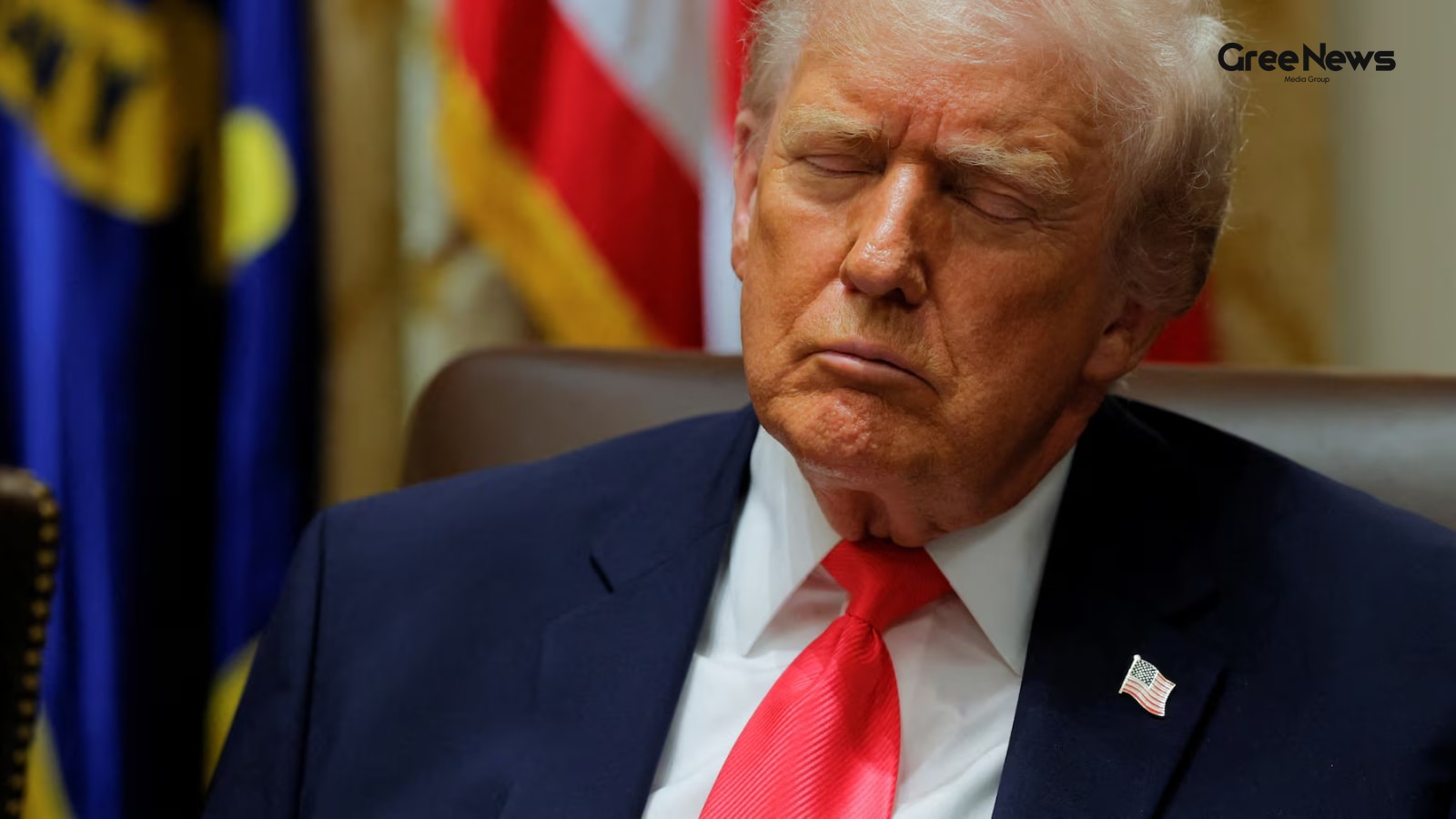
The chatter coming out of the White House about an Iran deal it’s all built on a foundation that feels, frankly, shaky right now. You have these pronouncements, these flashes of supposed finality, but underneath it all, there's this thick layer of doubt you can practically taste in the air. Donald T
Jun 12, 2026 by Gree News Team
Latest Headlines
Kharg Island: The Critical Nexus in the US-Iran Oil Standoff
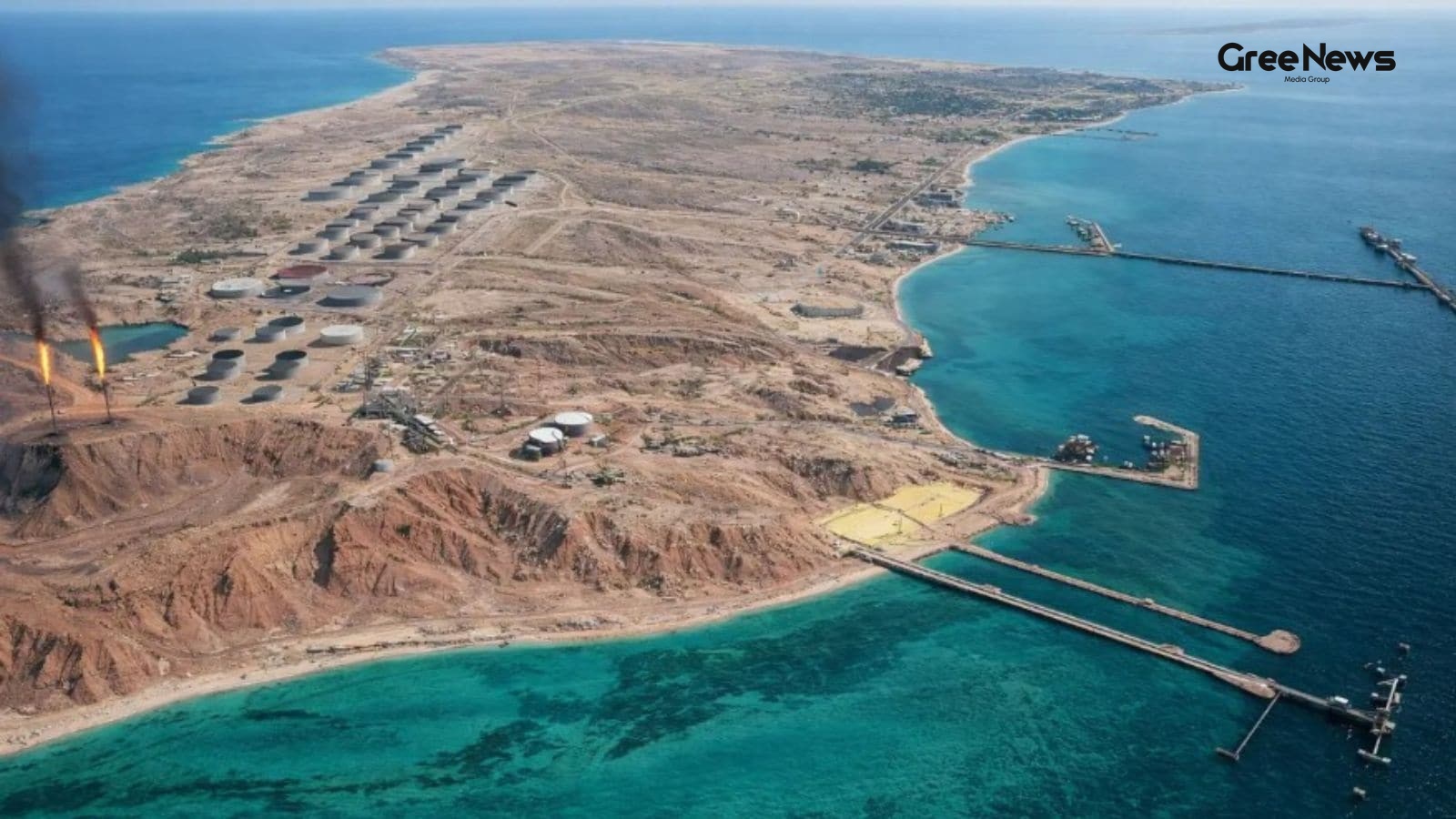
Donald Trump just escalated things again with Iran. He basically said the United States would take control of Kharg Island. It’s a small piece of land, but it’s absolutely crucial for Iran’s oil export network. The claim, made on Truth Social, was that Washington could assume "total control" over Ir
Jun 12, 2026 by Gree News Team
BJP Elected Unopposed to Rajya Sabha Amid Legal Dispute and Political Allegations
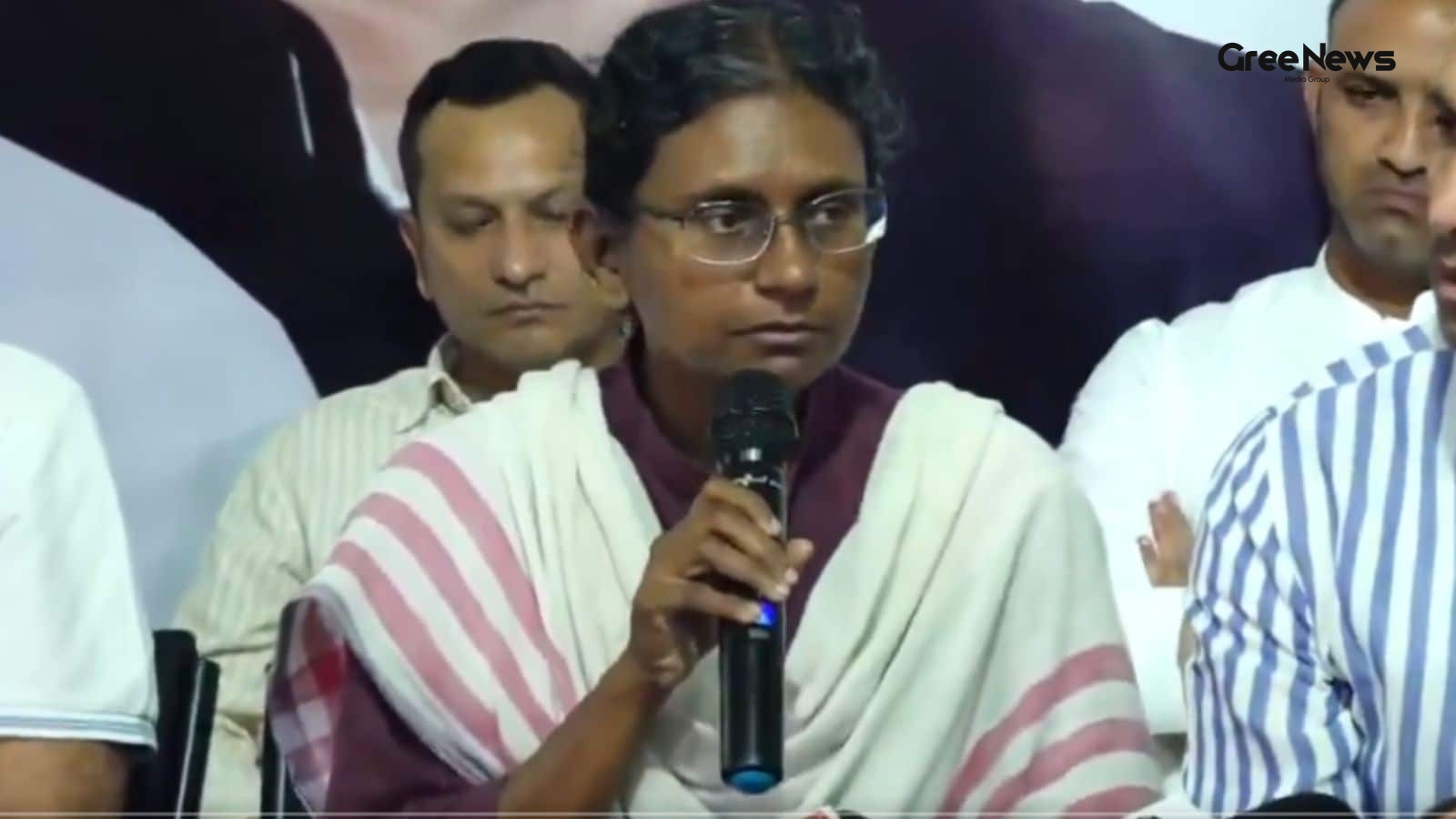
Three BJP folks from Madhya Pradesh got elected unopposed to the Rajya Sabha on Thursday. It happened days after Congress leader Meenakshi Natarajan’s nomination got rejected by the Returning Officer. Polling for those three spots was set for June 18th. Given how strong the BJP is in that state asse
Jun 12, 2026 by Gree News Team

The Reality of Tech Pressure: Focus on Basics, Stability, and Real Skills
Freshers hitting the tech scene right now, they feel this huge pressure. You have to keep up. Learning every new framework, building those AI projects it feels like you’re just chasing whatever is hot. It’s the only way to stay relevant, everyone thinks. But listen. One software engineer, someone wh
Jun 12, 2026 by Gree News Team
The Legacy and Reunion of Lagaan: Celebrating 25 Years
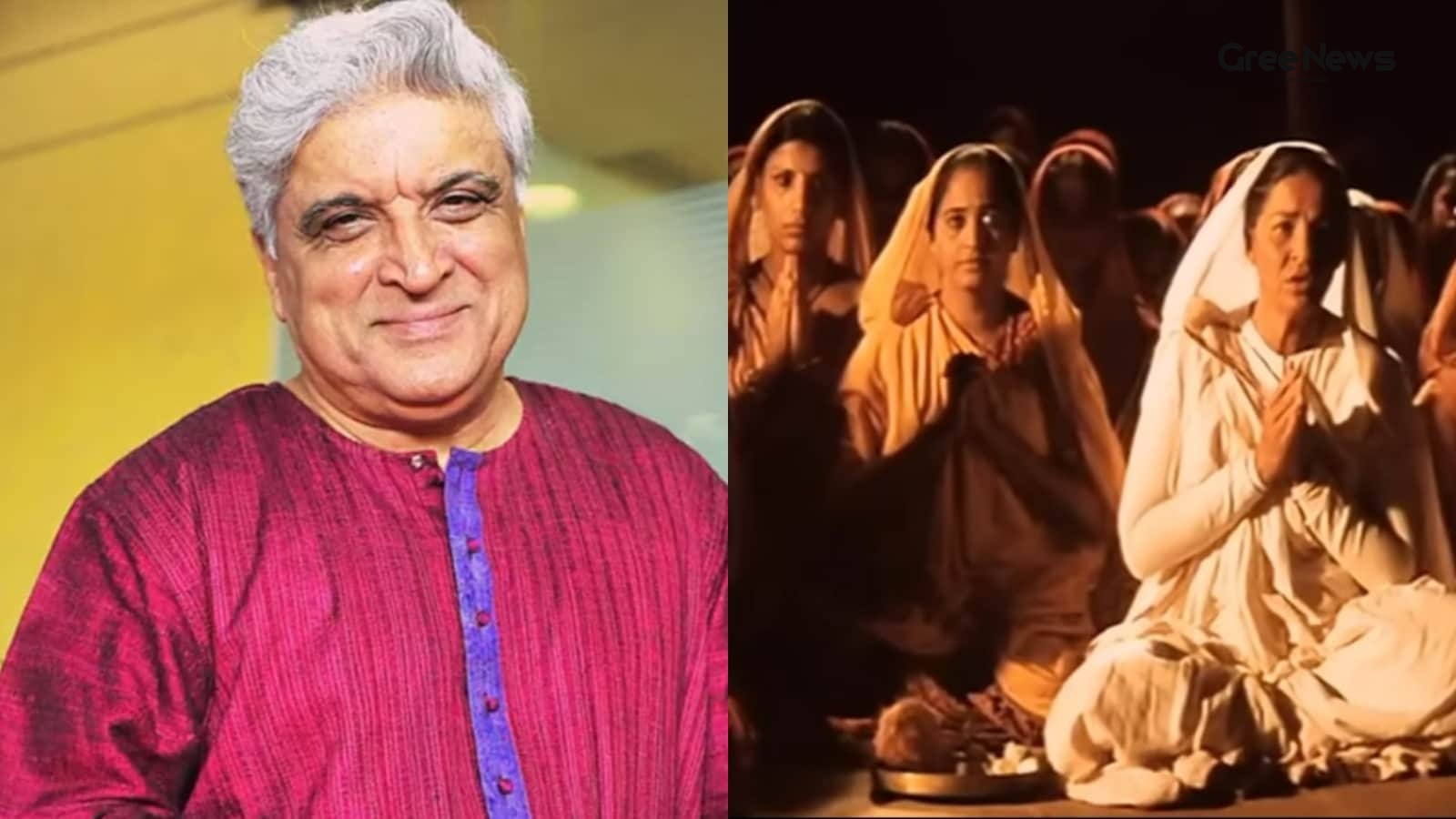
Twenty-five years. *Lagaan* just hit that mark. And now they’re doing a re-release. It feels like more than just watching an old movie; it’s something bigger for the team. Javed Akhtar actually got into some deep reflection recently about the soundtrack, which is kind of interesting when you think a
Jun 12, 2026 by Gree News Team

NCW Intervention and Legal Action Following Viral Comedy Incident
The National Commission for Women NCW. They took notice on Thursday about something called “Rs370 biryani.” It wasn’t a quiet thing, not at all. They ordered immediate action. Stringent action, time-bound. Against comedian Pranit More and Himanshu Jangra. That’s what they demanded. This whole mess s
Jun 12, 2026 by Gree News Team
Sheraz Malik Sentencing and the Wider Context of Grooming Gangs
Sheraz Malik got his sentence on Thursday. Ten years in jail, plus four years on extended license. The whole thing happened way back on June 29 last year. In Sutton Lawn park. That’s where the attack took place. The details are kind of messy. She was drinking with a friend when he and some other guy
Jun 12, 2026 by Gree News Team
The Strait of Hormuz: Oil Smuggling, Shipping Restrictions, and Global Market Impact
The Strait of Hormuz? It’s practically shut down for commercial shipping now, ever since that US-Iran conflict kicked off back in February. Roughly fifteen oil tankers manage to slip through the narrow Omani coastal corridor daily under American air cover. They turn their GPS transponders off comple
Jun 12, 2026 by Gree News Team
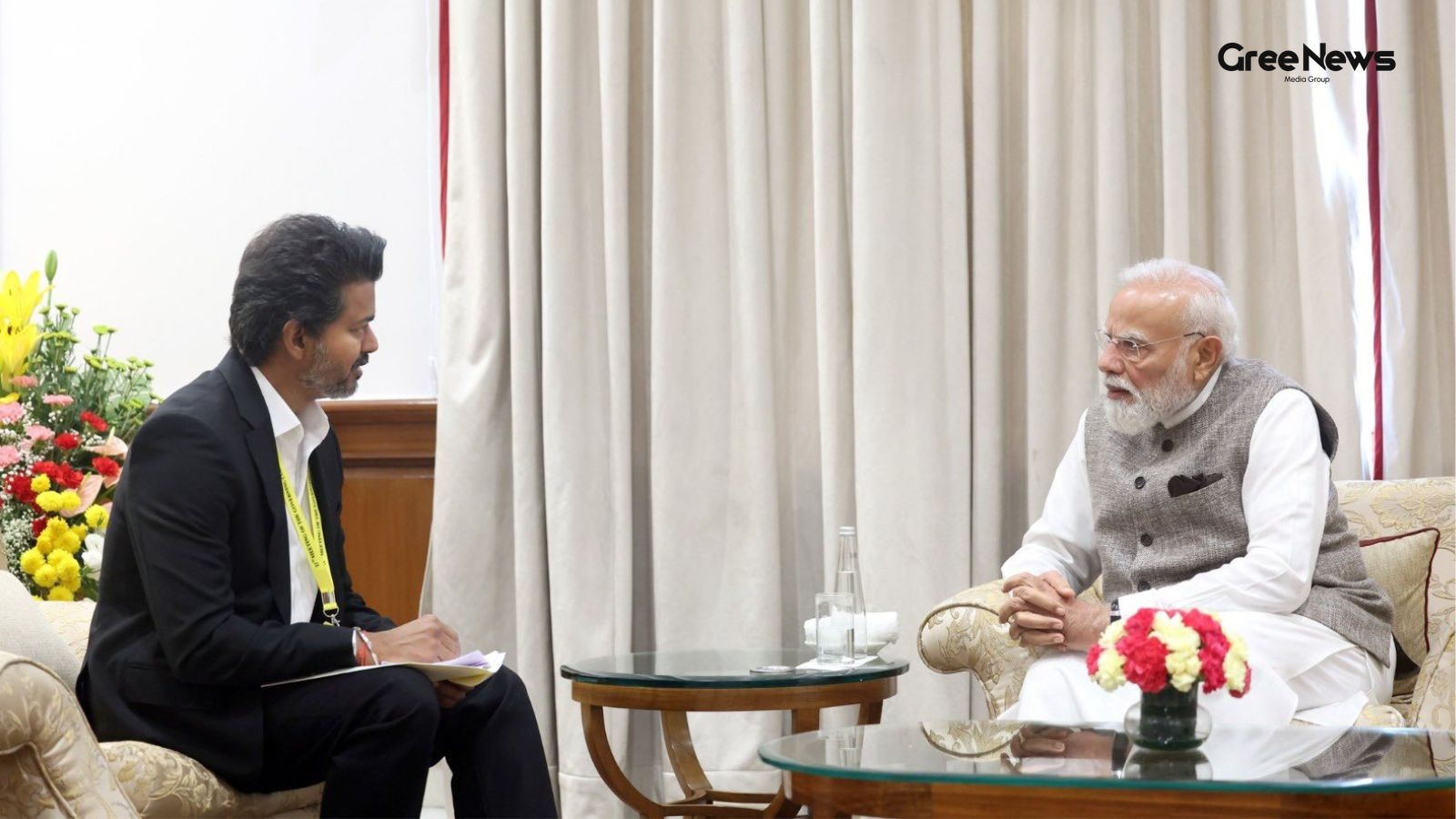
The Slow Recalibration of Tamil Nadu's Relationship with the Centre
That meeting signaled something a slight pivot away from the approach that characterized the previous DMK government when dealing with the Union. It’s not a sudden revolution, really. More like a slow recalibration. Vijay didn't just show up for the formalities. He actively sought engagement. That p
Jun 12, 2026 by Gree News Team
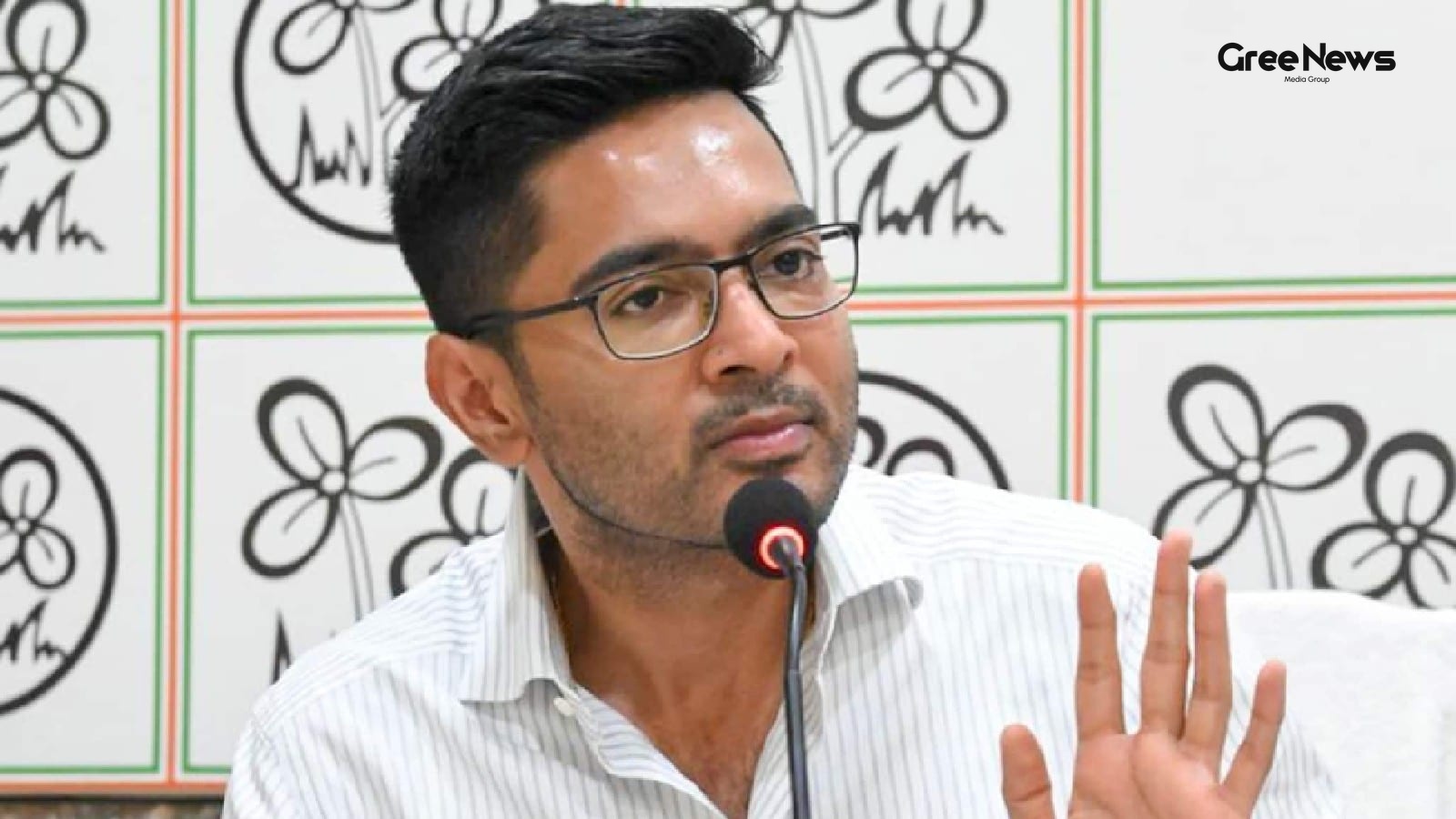
Investigation into Signatures and Scrutiny of Political Resolution
The air around this whole thing is thick with things that aren’t being said. It’s an investigation, sure, but it feels less like a clean procedural step and more like something pulled apart piece by piece under intense scrutiny. It started when the Calcutta High Court stepped in. That was the nudge.
Jun 12, 2026 by Gree News Team
Pakistan's Acknowledgment of India's Growing Strategic and Nuclear Muscle
Thursday saw Pakistan publicly nod towards the rapid growth and increasing complexity of India’s strategic muscle. It wasn't a full concession, more of an acknowledgment, but it definitely voiced real unease about what New Delhi was doing with its nuclear stance. The Foreign Office put out this stat
Jun 12, 2026 by Gree News Team
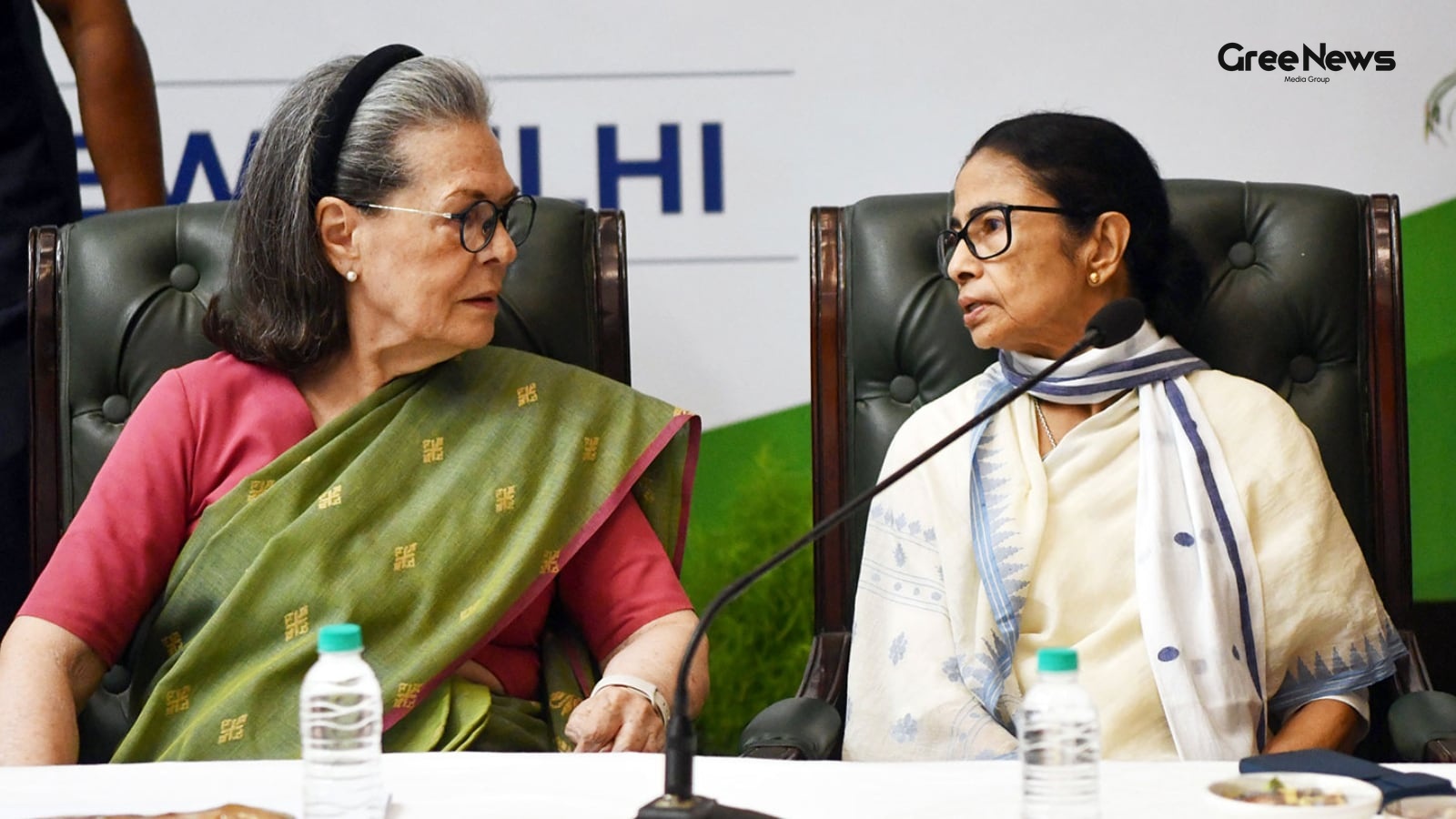
Internal Political Friction: Dynamics within Congress and Trinamool Congress
Rahul Gandhi and Abhishek Banerjee. Two names that really define this internal friction inside their parties. It’s not just political sparring. It’s something deeper. A constant sense of being pushed out. A few years back, you had that whole "G-23" thing. That rebellion fractured the Congress from t
Jun 12, 2026 by Gree News Team
The Uncertainty of the Iran Deal Narrative
The chatter coming out of the White House about an Iran deal it’s all built on a foundation that feels, frankly, shaky right now. You have these pronouncements, these flashes of supposed finality, but underneath it all, there's this thick layer of doubt you can practically taste in the air. Donald T
Jun 12, 2026 by Gree News Team
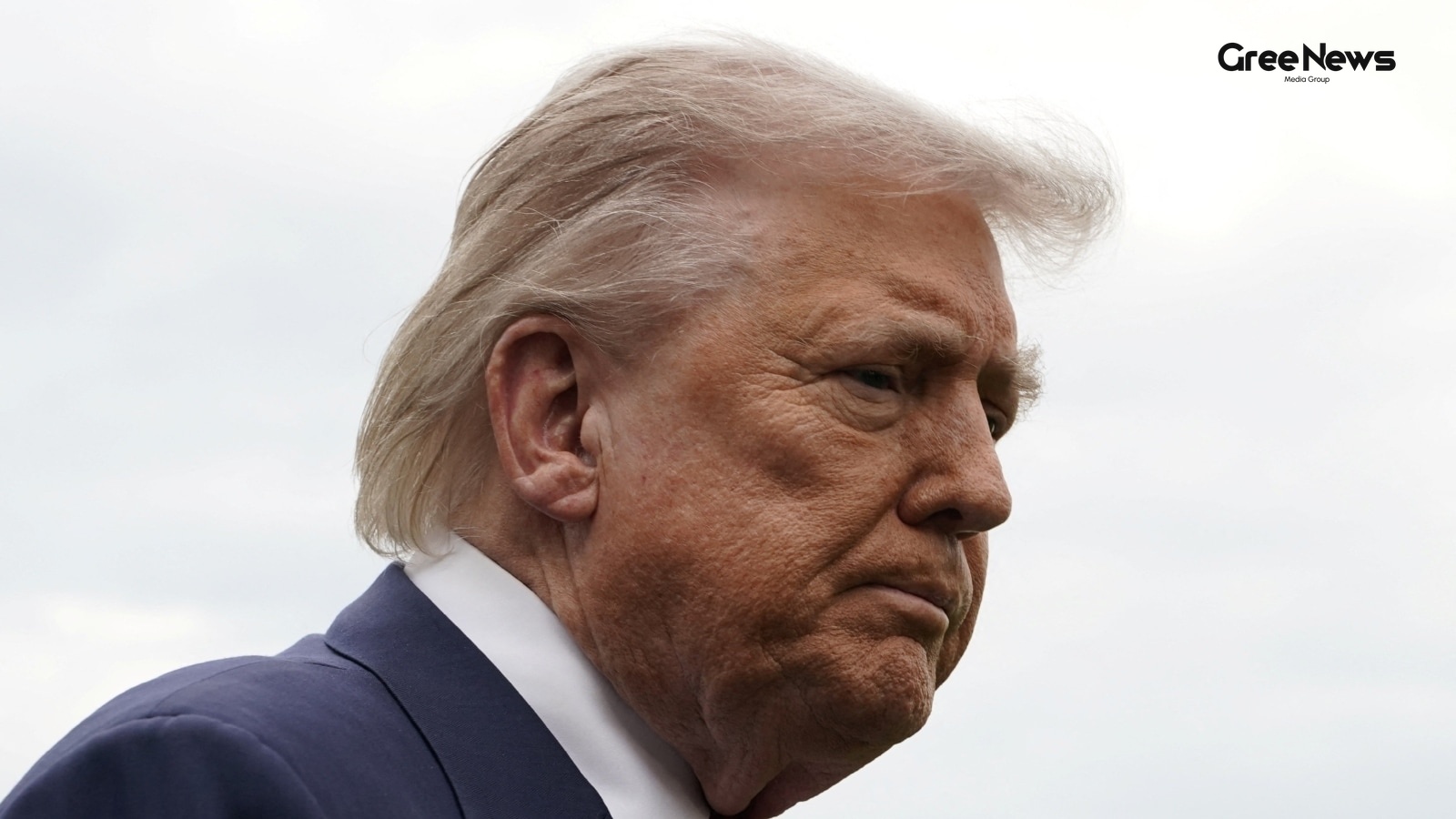
The Dynamics of Conflict and Diplomacy: The Iran Negotiations
The air around the negotiations feels… heavy right now. There’s this strange tension hanging over everything, a feeling that things are about to shift, but it’s not smooth. It's just a grind, you know? The kind of grinding that happens when military moves meet diplomatic stalls. We keep hearing thes
Jun 12, 2026 by Gree News Team

Wataru Endo and Marcos Senesi: World Cup Updates and Transfers
Wataru Endo pulled out of the 2026 World Cup squad. That’s what he confirmed on X Thursday, June 11th. He cited injury. Endo plays for Liverpool in the Premier League, and apparently, he tried everything to get back fit for the tournament but just couldn't make it work. It ended up being a withdrawa
Jun 12, 2026 by Gree News Team
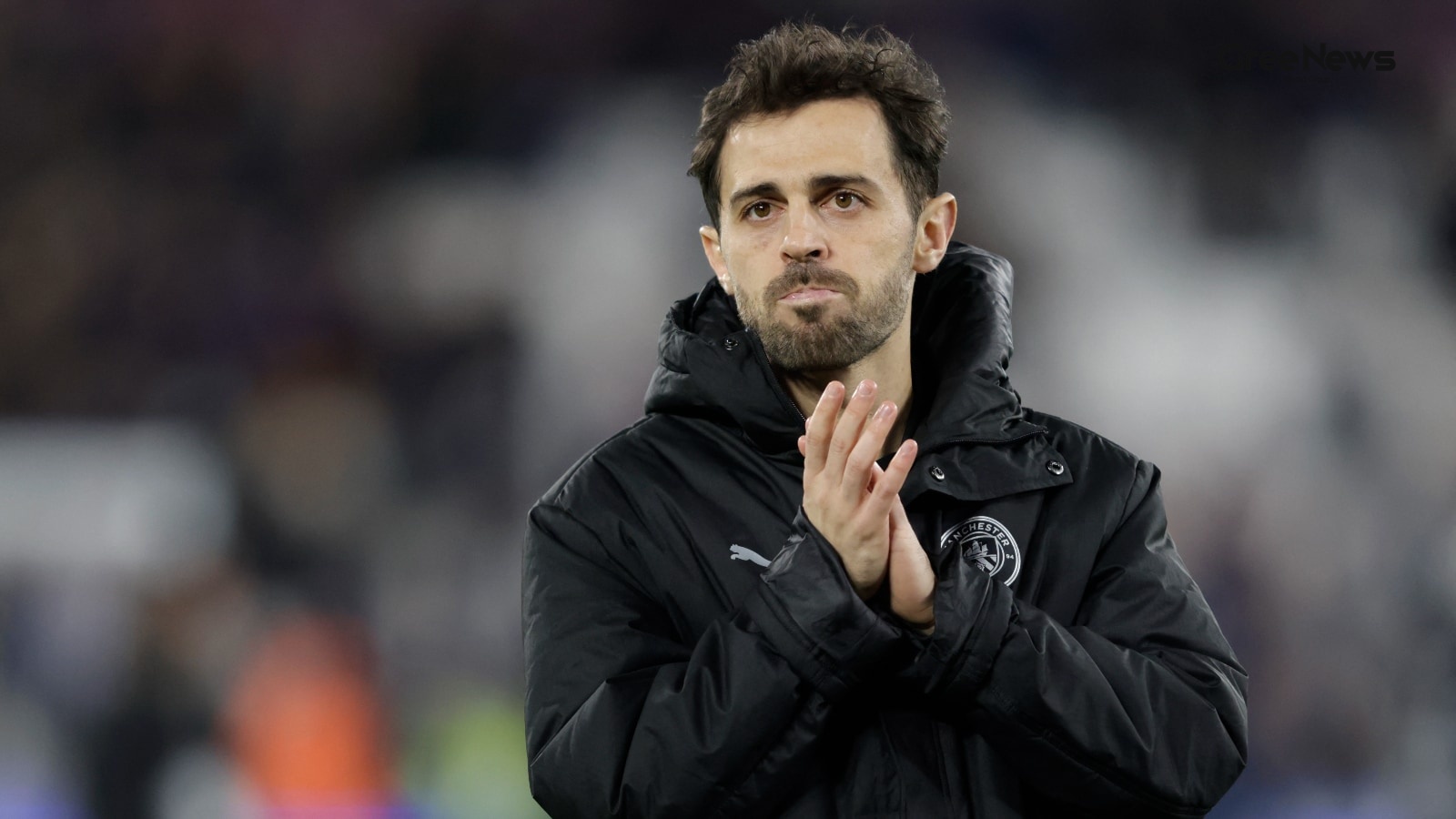
Real Madrid's Push for Bernardo Silva: The Transfer Saga
Real Madrid is reportedly pushing hard for Bernardo Silva. They seem to have moved into pole position trying to sign him, with sources saying the Portuguese midfielder is leaning heavily toward the Santiago Bernabéu over his long-time admirers, Barcelona and Atlético Madrid. Negotiations are suppose
Jun 12, 2026 by Gree News Team