Calcutta High Court on Rebel MLA Recognition and Anti-defection Rules
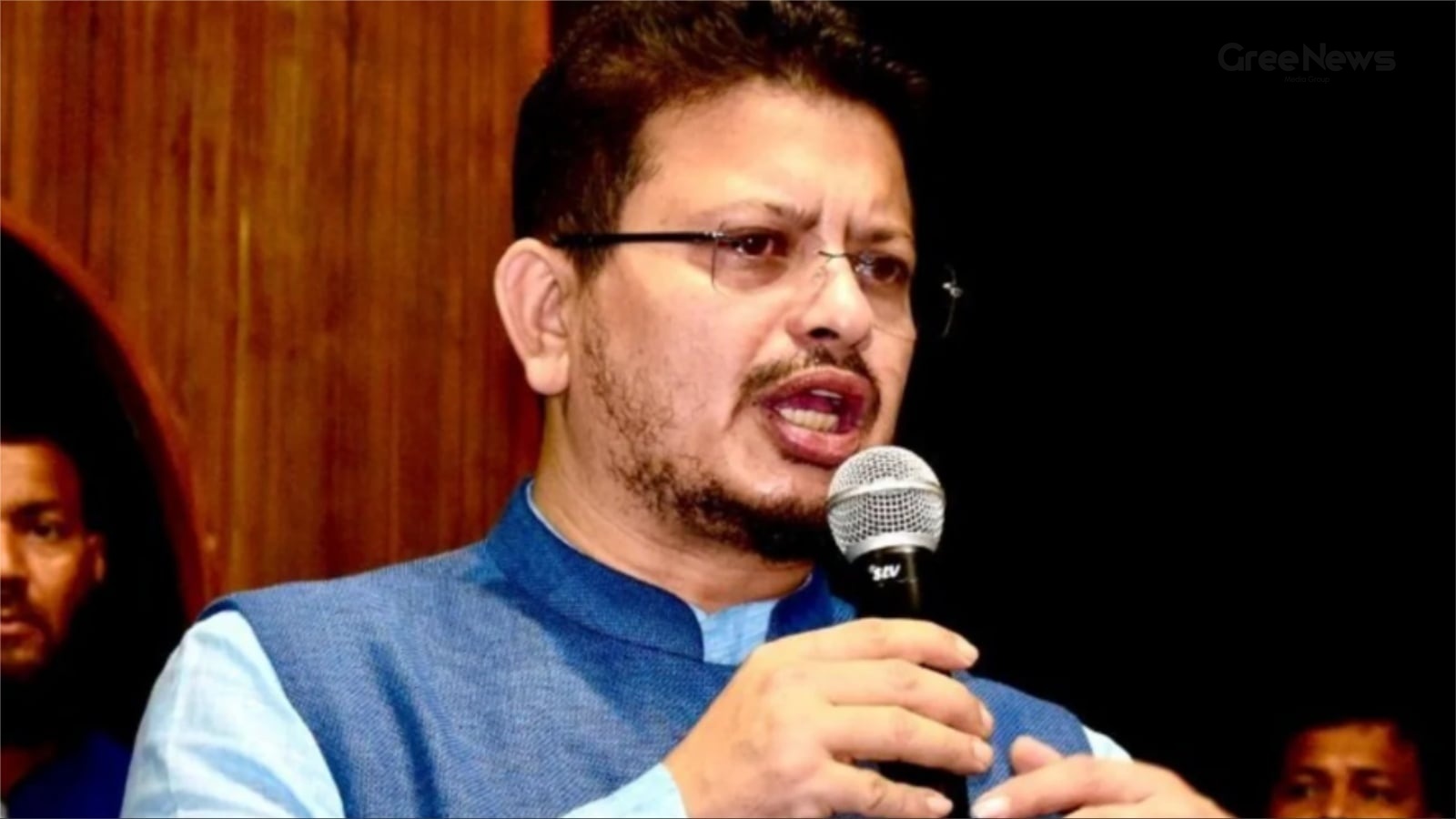
The Calcutta High Court got involved here on Thursday. It was all about how a rebel MLA was recognized as the Leader of Opposition in the West Bengal Assembly. The court started raising serious questions about the whole process. Could that decision really be made without some sort of approval from the political party the legislator had supposedly been expelled from?
Justice Krishna Rao , hearing the petition, made these observations. He looked at the challenge against the Assembly Speaker’s choice to recognize MLA Ritabrata Banerjee as LoP and appoint a Chief Whip backed by a bunch of dissident legislators.
The petitioners argued that Banerjee had actually left the party after he was expelled. So, they claimed he couldn't be recognized as opposition leader on behalf of that party at all.
Justice Rao pushed back hard on this. He remarked something pointed: “Can the Speaker recognize the rebel leader without the consent of the political party? The person appointed as LoP isn’t in any party. He has been expelled.”
Senior advocate Kalyan Bandopadhyay , who was arguing for the petitioners, immediately asked for a stay. He felt that recognizing Banerjee just didn't line up with how constitutional principles actually handle political parties and legislative bodies under anti-defection rules .
Bandopadhyay brought up some points about what happened previously. There had been a meeting of elected MLAs back in May six. Sobhandeb Chattopadhyay was picked as the party’s nominee for Leader of Opposition then. They argued that signatures from supporting MLAs were collected for Chattopadhyay, and the Speaker had been told about the party's decision multiple times before this went down.
But even with all that, it seemed the Speaker just moved ahead. He recognized a rival group supported by fifty-nine legislators instead.
Bandopadhyay pointed to Supreme Court rulings things about political party mergers and even the Maharashtra crisis. He insisted the Tenth Schedule of the Constitution gives priority to the actual political party, not just whatever legislative grouping existed at that moment.
“The decision made by the political party must be accepted by the Speaker,” he submitted before the Bench. “Not just the legislature party.”
They contended that prioritizing the sheer number of legislators over what the parent political party decided would just weaken anti-defection law . They felt those recognized legislators were already expelled and hadn't fought those expulsion orders themselves. How, they asked, could the Speaker then recognize them as LoP?
The petitioners also pushed for immediate action before the Assembly reconvenes on June 18. They argued that things like seating arrangements and other House decisions depended entirely on the Speaker’s recognition order. So, they requested some interim protection right away.
During the hearing itself, the Bench kept asking a very specific question: Was there actually a formal order recognizing the Leader of Opposition that was issued and made available? The court noted that this needed to be looked at before anything else could be considered in the challenge.
Opposing this need for immediate relief, Additional Advocate General Billwadal Bhattacharya argued against it. He felt the petition wasn't complete. It lacked a specific request asking the court to overturn the Speaker’s decision entirely.
He suggested that Assembly records could be found through normal House rules and asked for time to put those documents in front of the court. Furthermore, he stated the State would file an affidavit with all the relevant records including the order being challenged and they would object to whether the petition was even maintainable. He argued the requests were mostly about declarations rather than immediate interim orders.
After hearing both sides, the High Court didn't grant any immediate protective directions. Instead of that, the court ordered that the Speaker’s order and all related records must be presented to them for examination first.
The matter is now scheduled to come back before the court again on June 16.
Written by Gree News Team — Senior Editorial Board
Gree News Team covers international news and global affairs at Gree News. Our collective of senior editors is dedicated to providing independent, accurate, and responsible journalism for a global audience.
More from India
View All
Air India AI-171 Crash: The Aftermath, Trauma, and Compensation
A year has passed since that awful Air India AI-171 crash. Twenty-six hundred lives lost. And Vishwash Kumar Ramesh, he was the only one left standing. He keeps asking for honesty. For transparency. Answers. It’s not just a demand; it feels like a constant ache. The trauma, it doesn't just stay on t
Jun 12, 2026 by Gree News Team
BJP Elected Unopposed to Rajya Sabha Amid Legal Dispute and Political Allegations
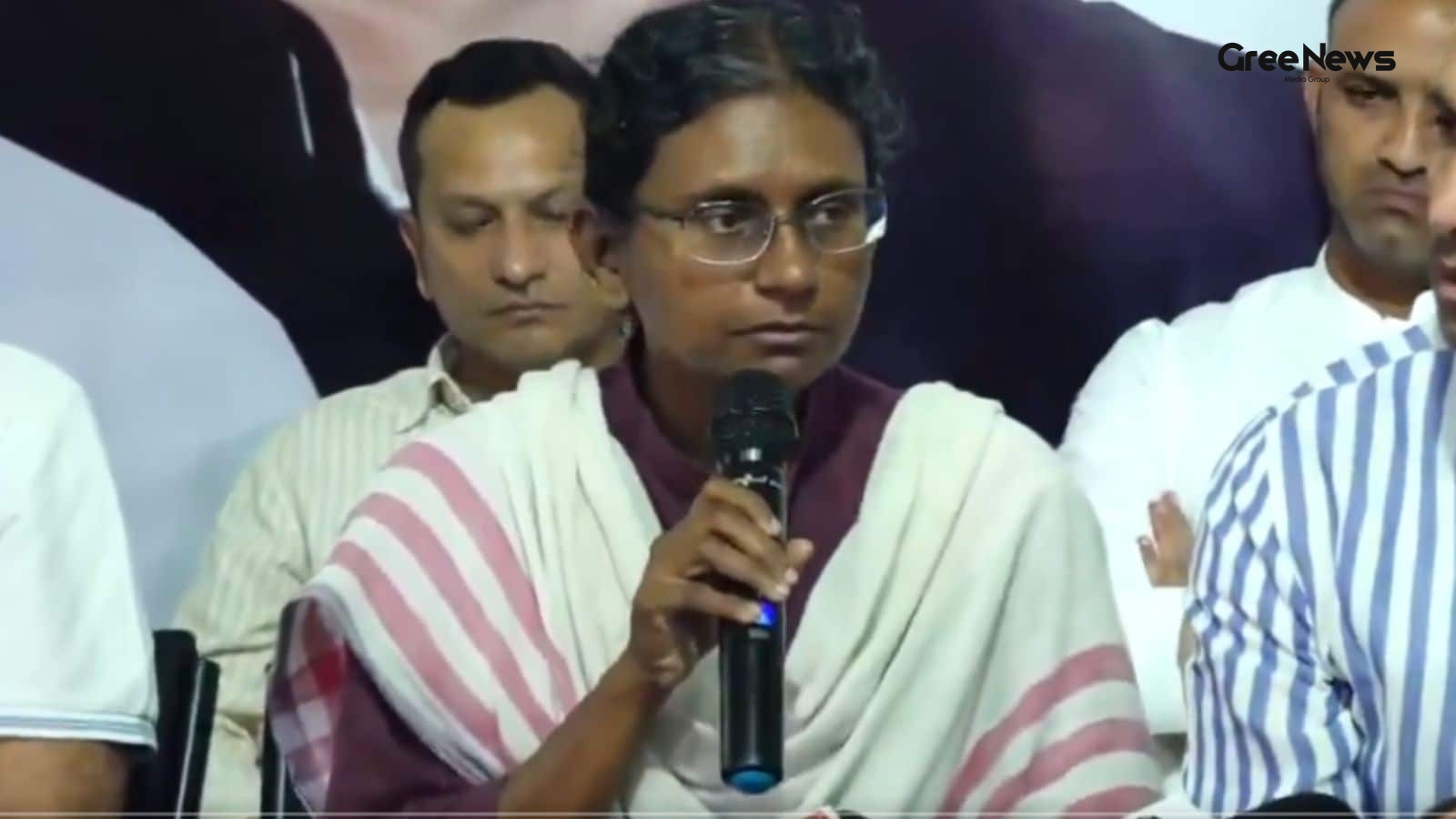
Three BJP folks from Madhya Pradesh got elected unopposed to the Rajya Sabha on Thursday. It happened days after Congress leader Meenakshi Natarajan’s nomination got rejected by the Returning Officer. Polling for those three spots was set for June 18th. Given how strong the BJP is in that state asse
Jun 12, 2026 by Gree News Team
NCW Intervention and Legal Action Following Viral Comedy Incident
The National Commission for Women NCW. They took notice on Thursday about something called “Rs370 biryani.” It wasn’t a quiet thing, not at all. They ordered immediate action. Stringent action, time-bound. Against comedian Pranit More and Himanshu Jangra. That’s what they demanded. This whole mess s
Jun 12, 2026 by Gree News Team
The Slow Recalibration of Tamil Nadu's Relationship with the Centre
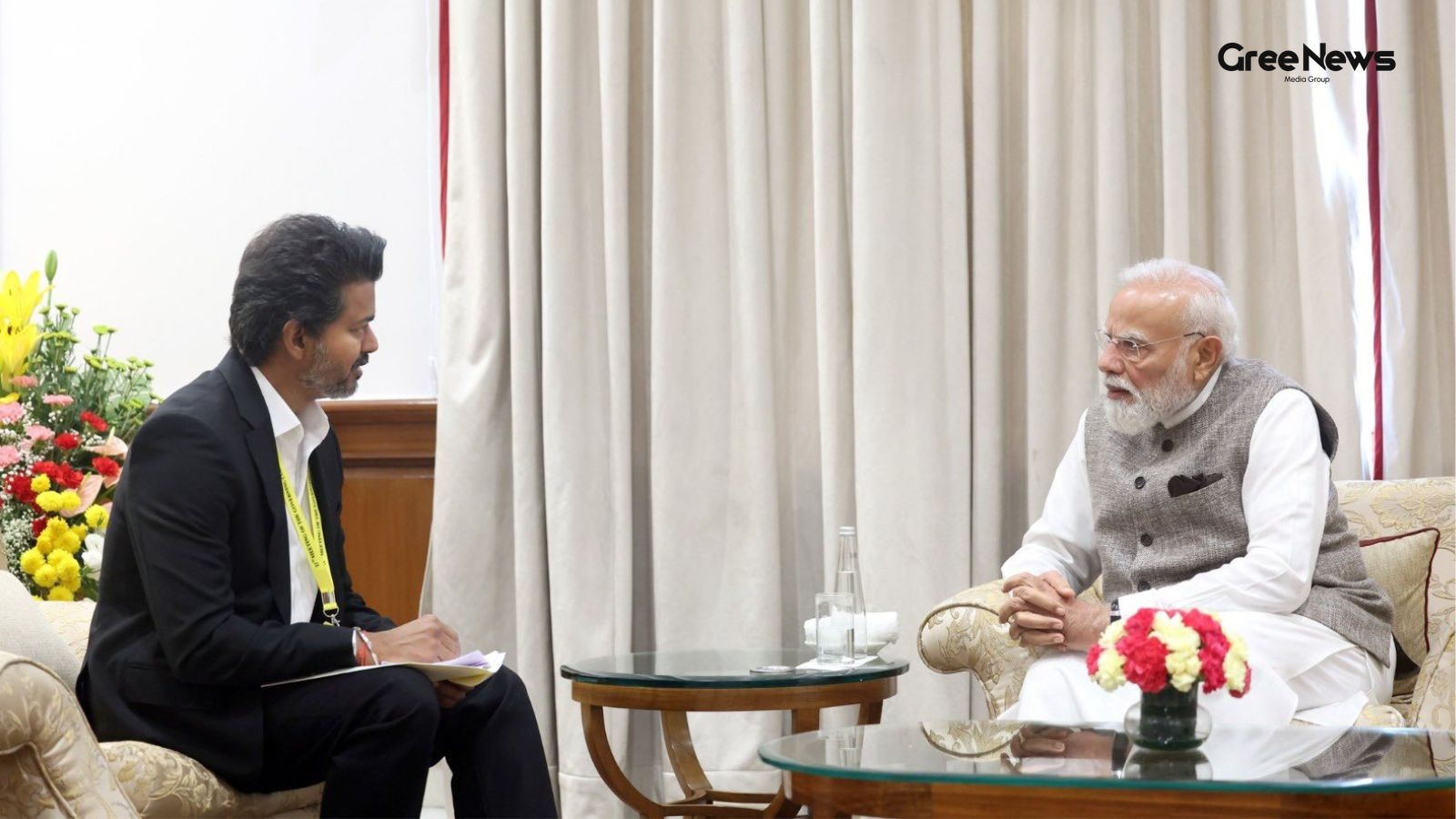
That meeting signaled something a slight pivot away from the approach that characterized the previous DMK government when dealing with the Union. It’s not a sudden revolution, really. More like a slow recalibration. Vijay didn't just show up for the formalities. He actively sought engagement. That p
Jun 12, 2026 by Gree News Team
Latest Headlines

Simple Morning Habits for Better Liver Health
You’re trying to figure out how to actually support your liver every single day? It sounds simple, but those tiny shifts you make right when you wake up can seriously change how well that organ functions over time. People just don't realize it. This silent thing your liver it works non-stop. Filteri
Jun 12, 2026 by Gree News Team
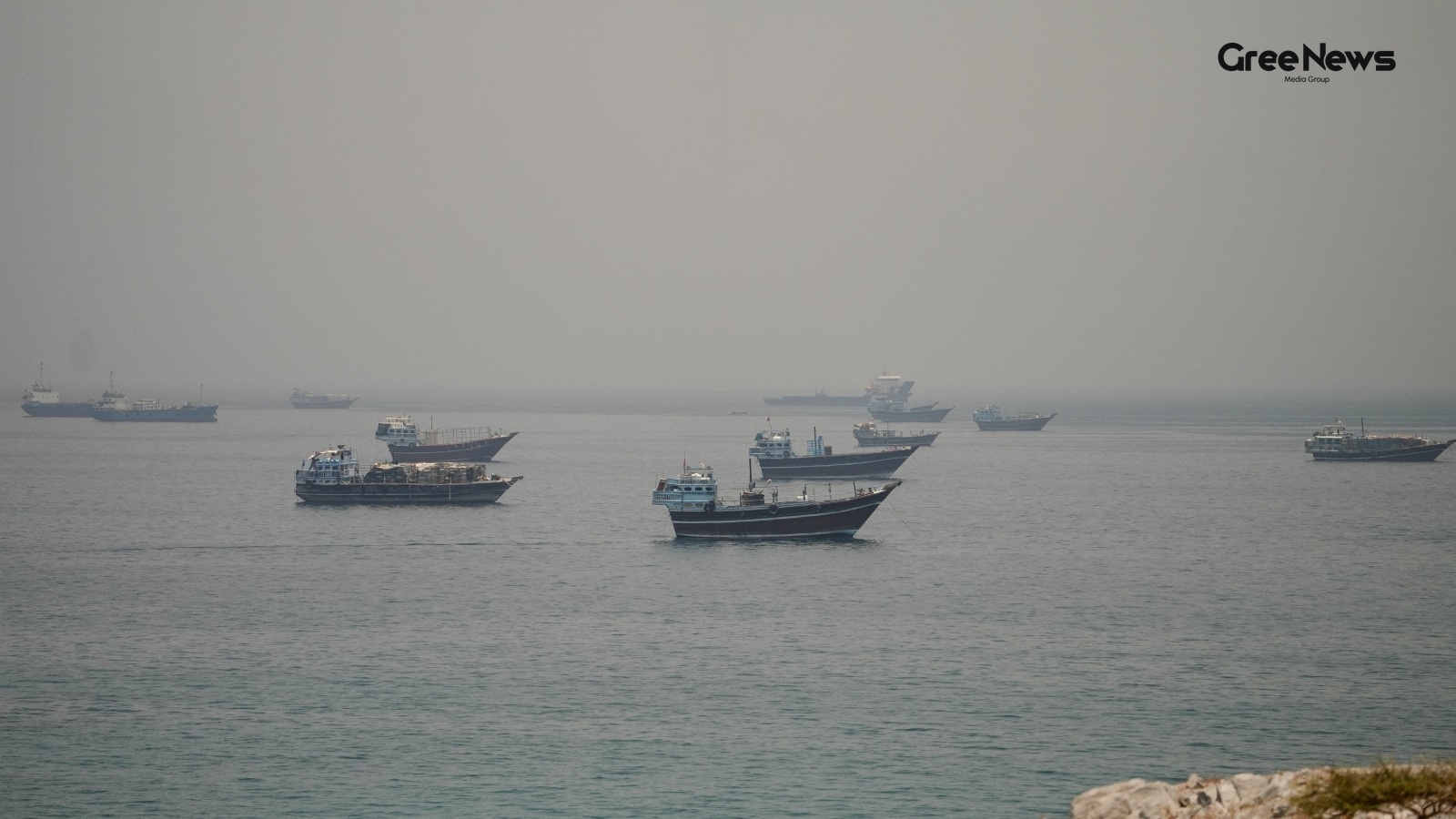
The Fragile Balance: Escalation and Uncertainty in US-Iran Tensions
The talks between Washington and Tehran about ending the ongoing war? They’re still moving, right? On track, they say. But that feels like a cruel joke sometimes, doesn't it? Because just as negotiations keep shuffling along, renewed hostilities keep popping up hostilities that threaten to completel
Jun 12, 2026 by Gree News Team

The Physics of Belief: Observing Shifting Realities
It was just one of those days where everything felt… loose. You know? Like the threads are fraying a little bit at the edges. That shift is always there. Like a temperature change. We were watching the feeds again, mostly just absorbing the noise, not trying to find some neat little narrative arc fo
Jun 12, 2026 by Gree News Team
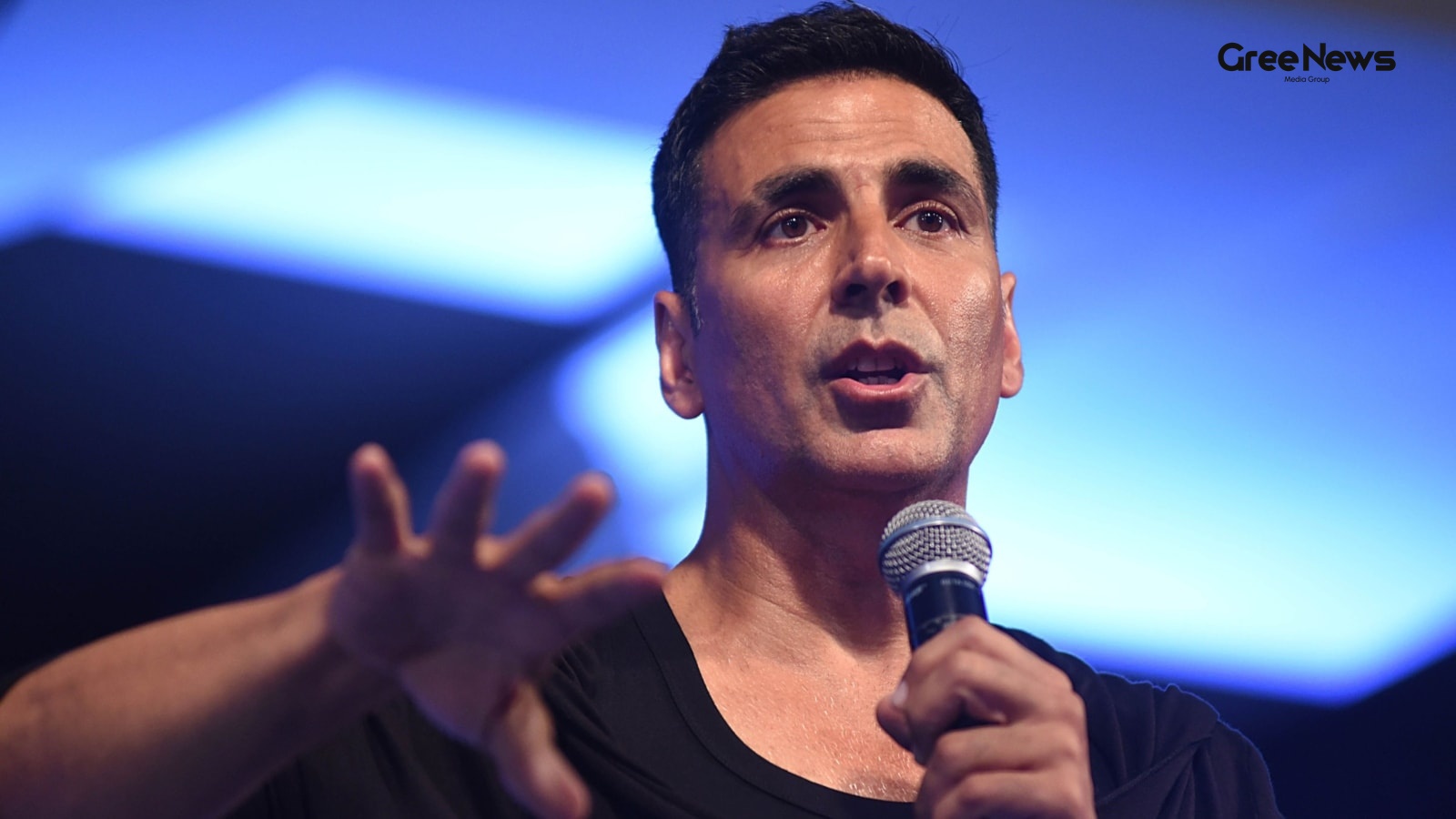
Akshay Kumar on Retirement: The Pursuit of Relentless Motion
Akshay Kumar. Retirement. It’s a word that floats around Bollywood sometimes, isn't it? Not just in the headlines, but in the whispers backstage, the way people talk about these massive careers winding down. And now, all this chatter it boils down to him. He was speaking at the trailer launch for *W
Jun 12, 2026 by Gree News Team
Air India AI-171 Crash: The Aftermath, Trauma, and Compensation
A year has passed since that awful Air India AI-171 crash. Twenty-six hundred lives lost. And Vishwash Kumar Ramesh, he was the only one left standing. He keeps asking for honesty. For transparency. Answers. It’s not just a demand; it feels like a constant ache. The trauma, it doesn't just stay on t
Jun 12, 2026 by Gree News Team

The Human Cost of Geopolitical Risk in the Maritime Industry
The reports coming out of the maritime zones are grim. Real, starkly painful stuff. We’re talking about lives lost in crossfire near choke points Strait of Hormuz, Gulf of Oman. Not abstract casualty figures. Actual sailors. Indian nationals caught in the middle of these global skirmishes. It’s a so
Jun 12, 2026 by Gree News Team
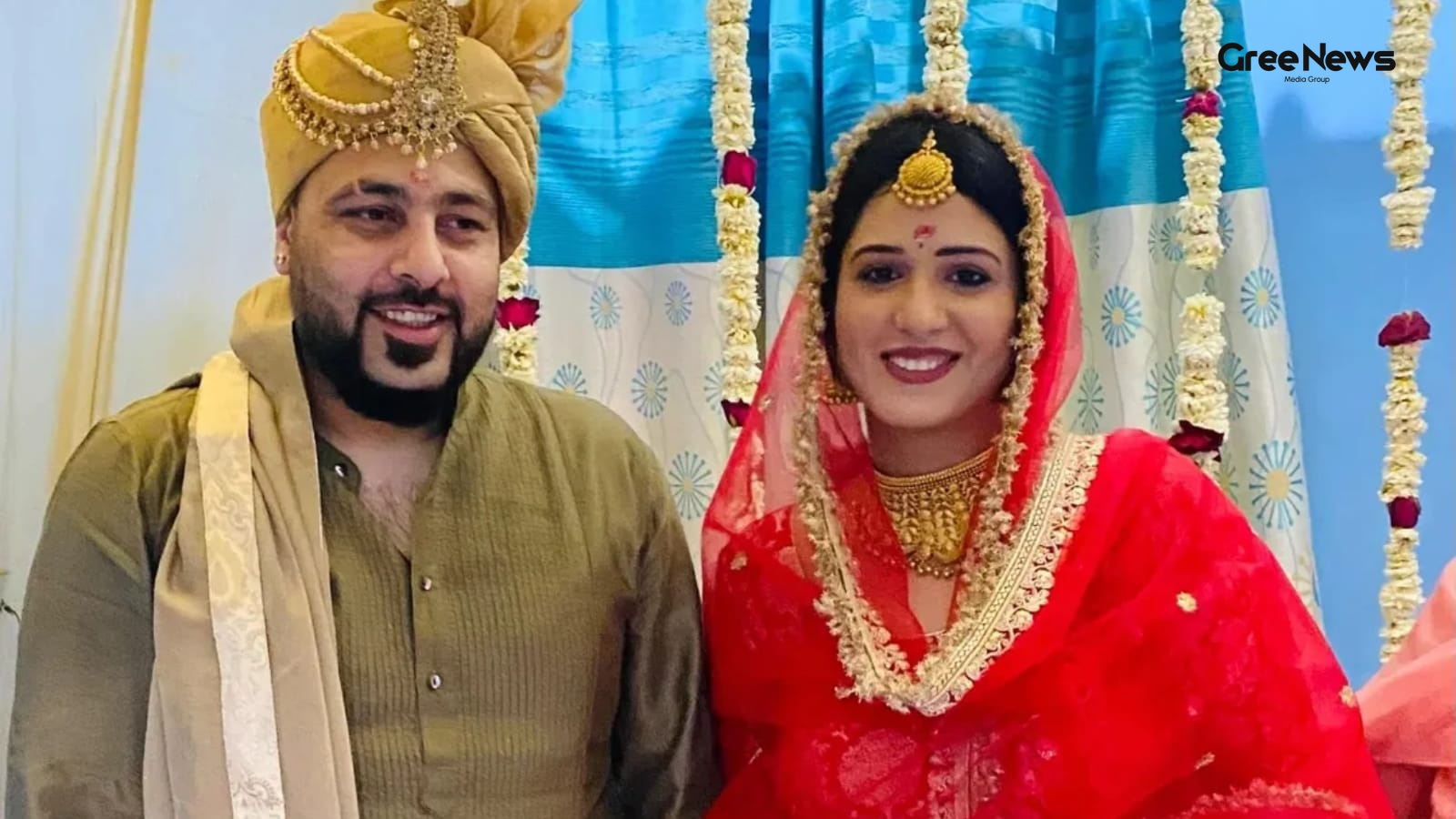
Isha Rikhi and Badshah: The Story Behind Their Relationship
Isha Rikhi finally dropped the news on Thursday. She confirmed it. She’s married to Badshah. It came out during some kind of Ask Me Anything session on social media. Fans had been asking about this for ages, you know? About her relationship with him. It felt like a big deal, I guess. The confirmatio
Jun 12, 2026 by Gree News Team
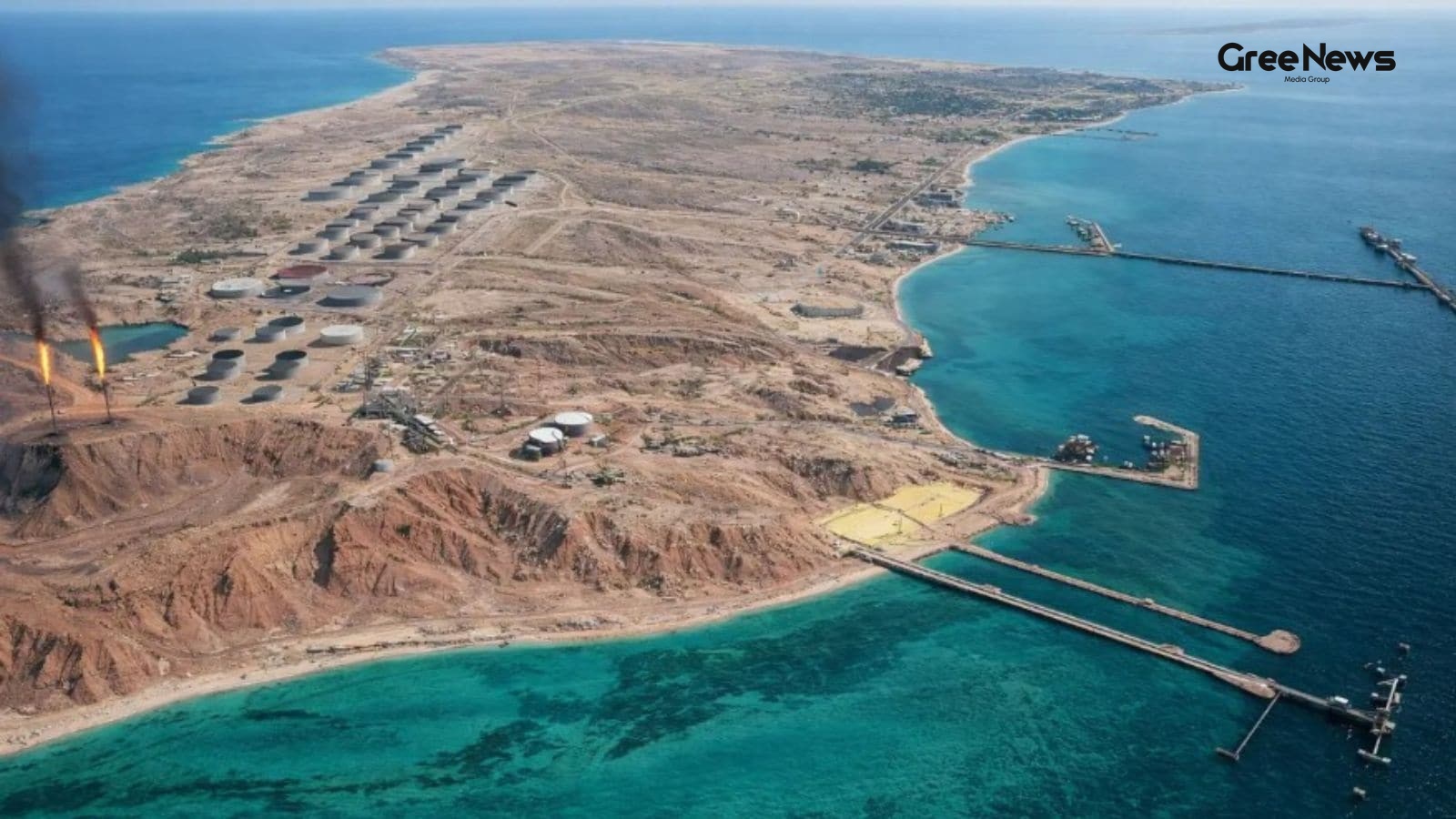
Kharg Island: The Critical Nexus in the US-Iran Oil Standoff
Donald Trump just escalated things again with Iran. He basically said the United States would take control of Kharg Island. It’s a small piece of land, but it’s absolutely crucial for Iran’s oil export network. The claim, made on Truth Social, was that Washington could assume "total control" over Ir
Jun 12, 2026 by Gree News Team
BJP Elected Unopposed to Rajya Sabha Amid Legal Dispute and Political Allegations
Three BJP folks from Madhya Pradesh got elected unopposed to the Rajya Sabha on Thursday. It happened days after Congress leader Meenakshi Natarajan’s nomination got rejected by the Returning Officer. Polling for those three spots was set for June 18th. Given how strong the BJP is in that state asse
Jun 12, 2026 by Gree News Team

The Reality of Tech Pressure: Focus on Basics, Stability, and Real Skills
Freshers hitting the tech scene right now, they feel this huge pressure. You have to keep up. Learning every new framework, building those AI projects it feels like you’re just chasing whatever is hot. It’s the only way to stay relevant, everyone thinks. But listen. One software engineer, someone wh
Jun 12, 2026 by Gree News Team
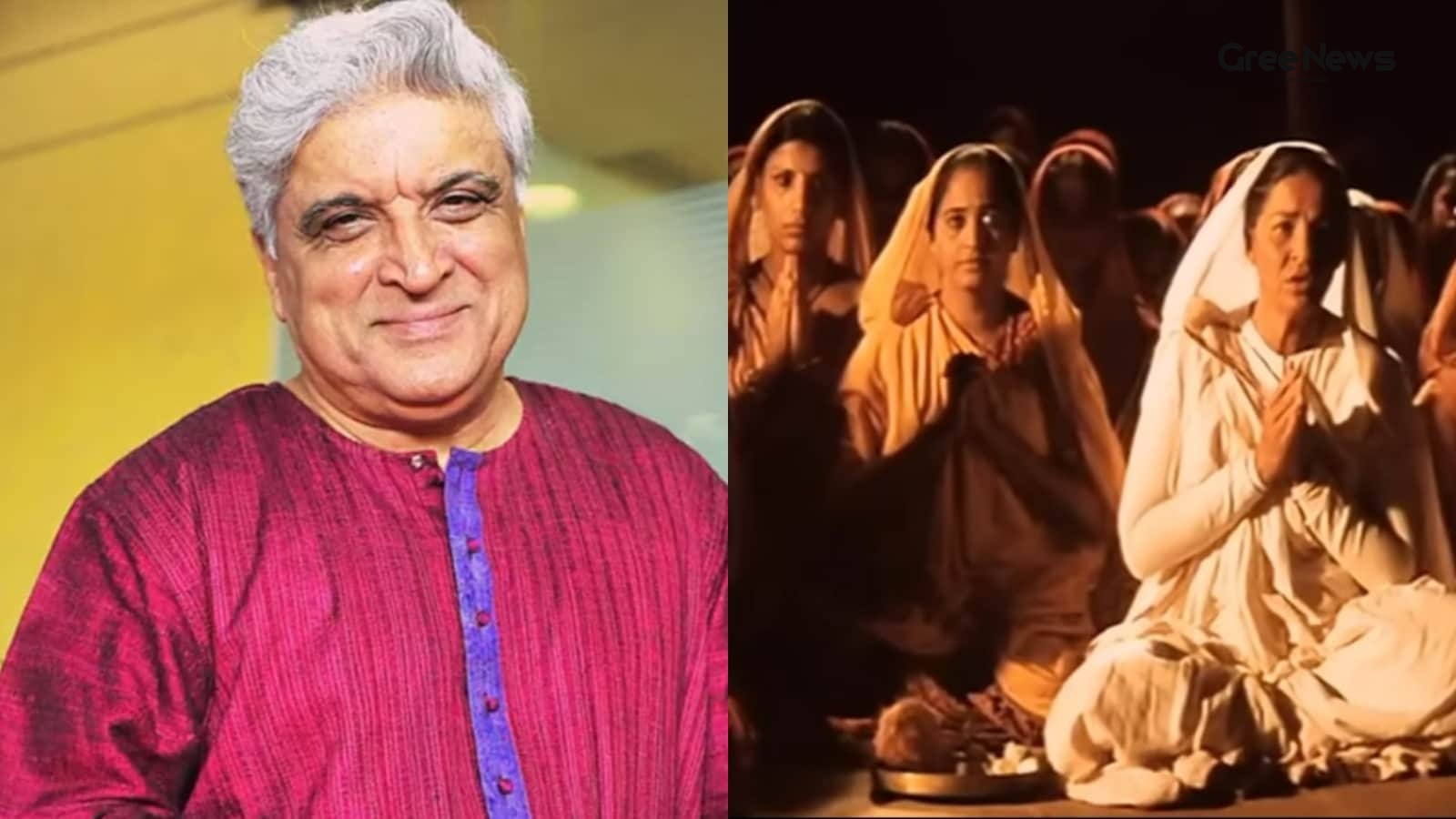
The Legacy and Reunion of Lagaan: Celebrating 25 Years
Twenty-five years. *Lagaan* just hit that mark. And now they’re doing a re-release. It feels like more than just watching an old movie; it’s something bigger for the team. Javed Akhtar actually got into some deep reflection recently about the soundtrack, which is kind of interesting when you think a
Jun 12, 2026 by Gree News Team
NCW Intervention and Legal Action Following Viral Comedy Incident
The National Commission for Women NCW. They took notice on Thursday about something called “Rs370 biryani.” It wasn’t a quiet thing, not at all. They ordered immediate action. Stringent action, time-bound. Against comedian Pranit More and Himanshu Jangra. That’s what they demanded. This whole mess s
Jun 12, 2026 by Gree News Team
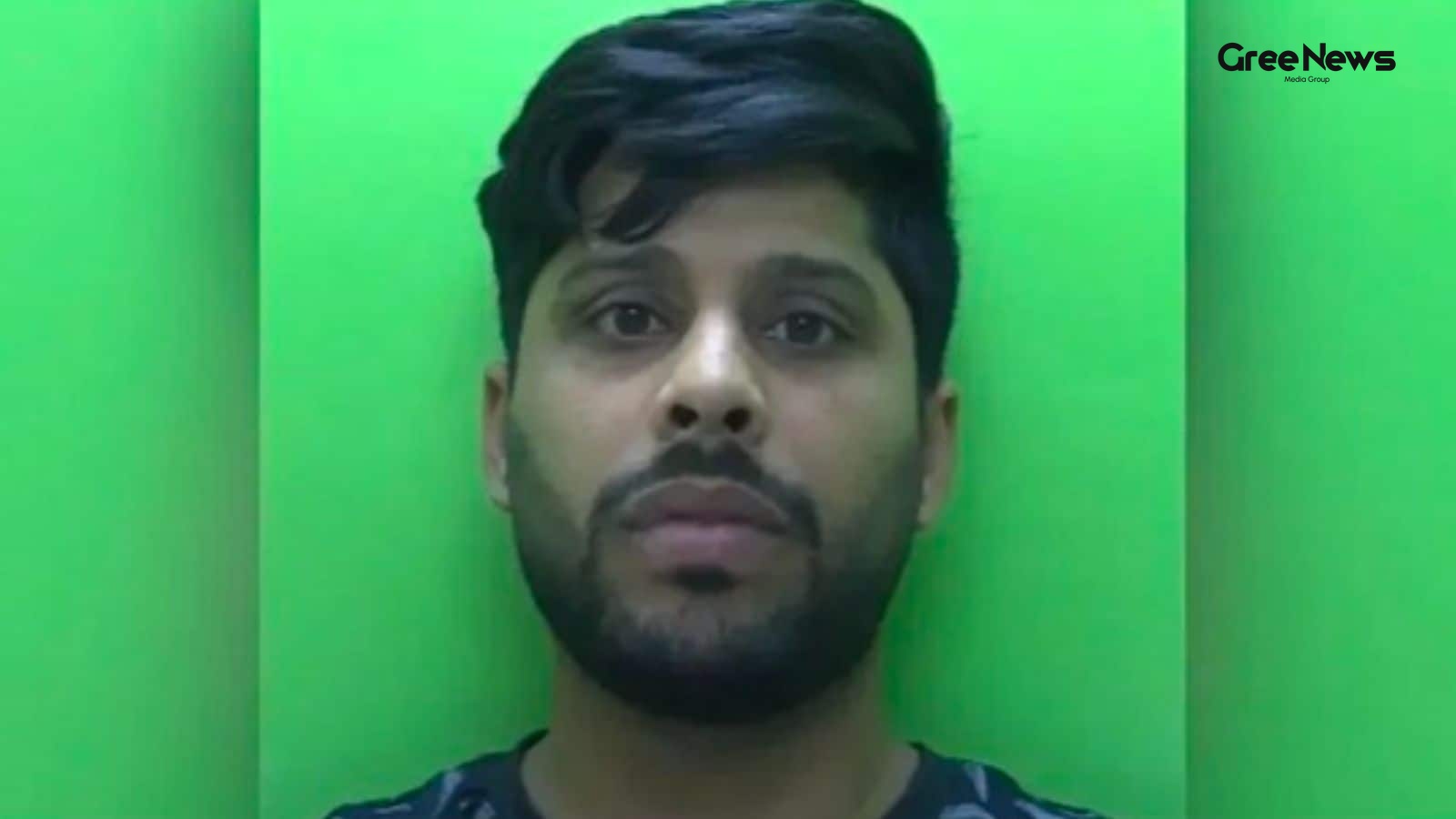
Sheraz Malik Sentencing and the Wider Context of Grooming Gangs
Sheraz Malik got his sentence on Thursday. Ten years in jail, plus four years on extended license. The whole thing happened way back on June 29 last year. In Sutton Lawn park. That’s where the attack took place. The details are kind of messy. She was drinking with a friend when he and some other guy
Jun 12, 2026 by Gree News Team

The Strait of Hormuz: Oil Smuggling, Shipping Restrictions, and Global Market Impact
The Strait of Hormuz? It’s practically shut down for commercial shipping now, ever since that US-Iran conflict kicked off back in February. Roughly fifteen oil tankers manage to slip through the narrow Omani coastal corridor daily under American air cover. They turn their GPS transponders off comple
Jun 12, 2026 by Gree News Team
The Slow Recalibration of Tamil Nadu's Relationship with the Centre
That meeting signaled something a slight pivot away from the approach that characterized the previous DMK government when dealing with the Union. It’s not a sudden revolution, really. More like a slow recalibration. Vijay didn't just show up for the formalities. He actively sought engagement. That p
Jun 12, 2026 by Gree News Team