Akshay Kumar on Retirement: The Pursuit of Relentless Motion
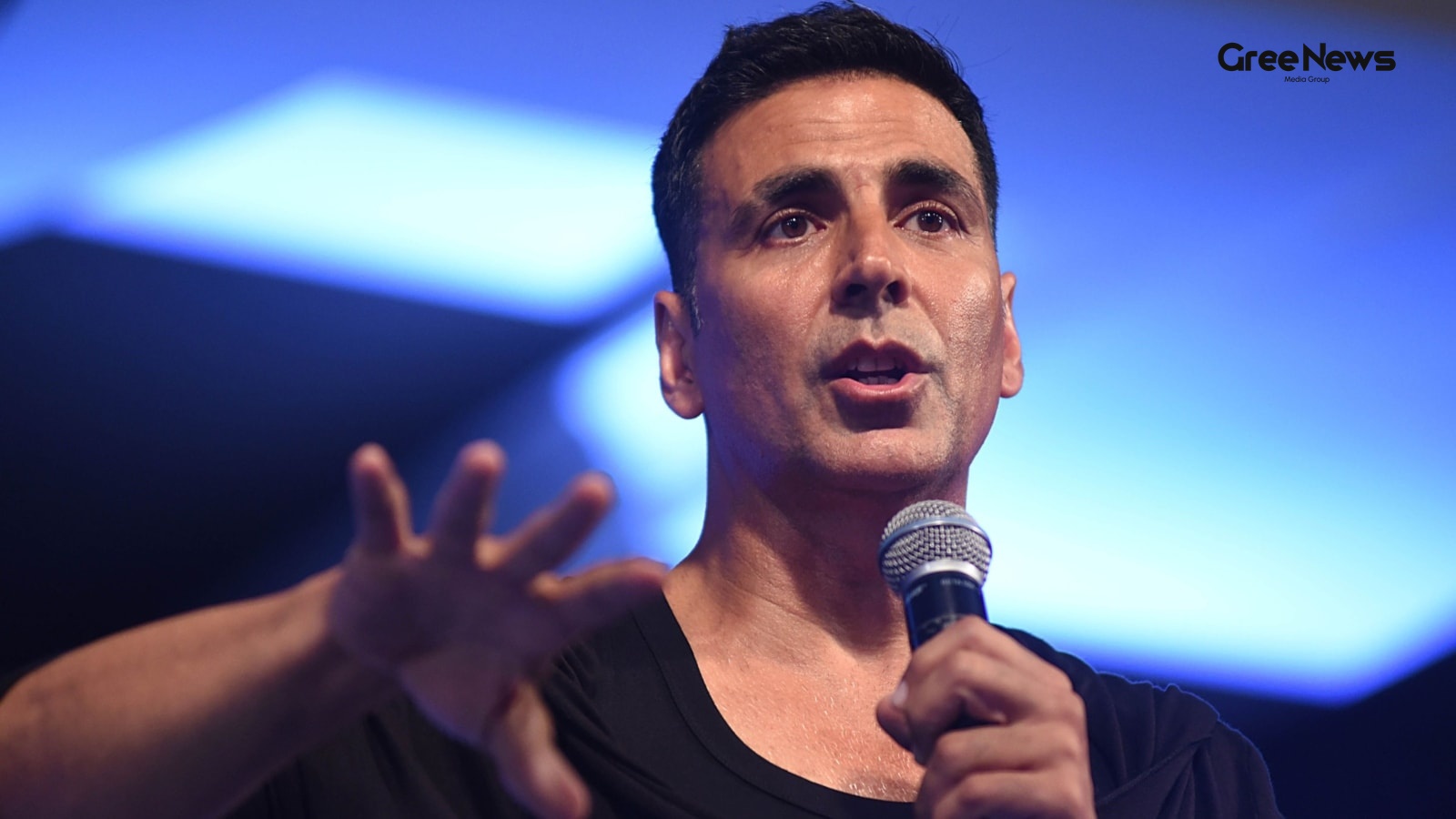
Akshay Kumar. Retirement. It’s a word that floats around Bollywood sometimes, isn't it? Not just in the headlines, but in the whispers backstage, the way people talk about these massive careers winding down. And now, all this chatter it boils down to him.
He was speaking at the trailer launch for Welcome To The Jungle on Thursday. Just talking about the movie, and then the air shifted. He got asked about retirement. It’s always a pivot point, that talk of stopping. But Akshay just threw it back. He doesn't plan on retiring soon. That was the core message, wasn’t it? A firm refusal to step away from the grind.
It happens, this feeling of impending rest. You see it in the wake of these massive stars, the ones who’ve built empires over decades. It feels inevitable sometimes, like a natural endpoint for something so long-running. But Akshay seemed immune to that narrative. He just laughed off the idea. A very human laugh, maybe a little defensive.
He explained the timing behind it, which is where things get interesting, or maybe just more complicated. “It happens at four in the morning,” he said. That’s a specific detail. Not some sweeping statement about his career path. It’s personal. Waking up then, and the immediate thought of shooting, thirty-hundred people waiting for him on set. Five seconds, that's all it takes to cycle through the thought: I should retire tomorrow. Then you wake up at four again. And it just repeats. Thirty-six years, he said. That’s what passes by doing this work. That relentless motion.”
That image the repetition of the cycle it paints a picture that isn't restful. It sounds exhausting. Like an engine that just keeps running because it has to. Not stopping. Just continuing.
Then he jumped into something lighter, trying to diffuse the seriousness with some dark humor. He wondered what would happen if he actually stopped working. What’s the alternative? If he sat down? “What will happen if I retire?” he asked, and you can almost hear the absurdity in it. Then came the list. The hypothetical life. An electrician sitting at home. A dog walker. A gardener. All those household chores waiting for him. He made it clear: no. That’s not what he wants. It’s better to keep working. That is clearly the preferred outcome.
It wasn't just about money, I think. It felt deeper than that. It was about purpose, maybe? Or just the sheer momentum of being in that space. Staying in motion seems to be the only option left for him. He pushed back against the idea of a clean stop. A true end point.
The conversation then veered into something more personal, something about family. Was this purely career talk? No. People always connect the professional life to the private one. When asked if he wanted more time with his family, the response was measured but firm. He admitted he had tried taking a break before. A real attempt.
And what happened after that attempt? It wasn't smooth sailing. There’s always friction there, isn't there? The reality of life hitting you when you try to change it. “It happens,” he stated simply. Then the reaction from his family came through. They asked, almost immediately, the same question back at him: “Son, when will you go to work? When will you finally go to work?” It’s a loop. A familiar push and pull.
That interaction really hammered home something for the audience, didn't it? The resistance wasn't external pressure, not exactly. It felt like an internal deadlock. Trying to shift gears just seems impossible when the habit is so deeply ingrained. It’s better to keep working, he insisted. That simple statement carries a surprising weight.
And then he offered this kind of observation about the word itself. He called it wrong. “Honestly, I think the word is wrong retire.” The implication was heavy. Retirement isn't the goal. It feels like something else entirely. He suggested that true cessation, real finality, happens much later. Something more absolute.
He offered a stark, almost philosophical thought there. A statement that felt very direct, stripping away all the polite cushioning. “A person should retire only when they have five seconds left to die.” That line hangs in the air. It’s provocative. It forces you to consider what ‘retiring’ actually means in this context. Dying that's the final moment. And in that instant, he suggested, there might be a quiet acknowledgement: ‘Brother, I’m retiring.’ A strange twist on expectation.
It wasn't meant to cause alarm, perhaps. It was more like an observation about time and mortality intertwined with work. Keep working. If you want a long life, keep working. That felt like the ultimate directive. An instruction rooted in experience, not some platitude from a well-meaning pundit.
Looking at his career overall, it’s staggering. Akshay Kumar isn't just one actor; he’s this vast tapestry of Hindi cinema success. He started way back with Saugandh in '91. That was the beginning of something huge. Action, comedy, romance he’s been everywhere. Over fifteen hundred films. Blockbusters stacking up: Khiladi , Hera Pheri , Welcome , Bhool Bhulaiyaa , Rowdy Rathore , Airlift , Kesari . And now the newer stuff like Sky Force , Housefull 5 , and of course, the horror-comedy vibe with Bhooth Bangla . It’s an astonishing run.
This isn't just a string of film titles. This is three decades woven into the fabric of Indian entertainment. A force that has kept moving through it all. And now this statement about retirement it feels like more than just celebrity gossip. It feels like a reflection on what it means to exist within such a demanding, high-energy profession for so long. The pressure cooker of fame and constant output.
You watch these stars, they seem to have an endpoint waiting. A curtain call. But Akshay seems determined to keep the show running. He doesn't want the pause. He doesn't want the quiet aftermath that retirement sometimes promises. He wants the action. He wants the next scene. That’s what he’s communicating, isn't it? Not just a career choice. A stance on life itself. An observational political tone, if you will, about the nature of relentless effort versus imposed rest. It’s messy, maybe. It’s human, definitely. And that’s what sticks with you when all the perfectly polished reports fade away.
Written by Gree News Team — Senior Editorial Board
Gree News Team covers international news and global affairs at Gree News. Our collective of senior editors is dedicated to providing independent, accurate, and responsible journalism for a global audience.
More from Movies
View All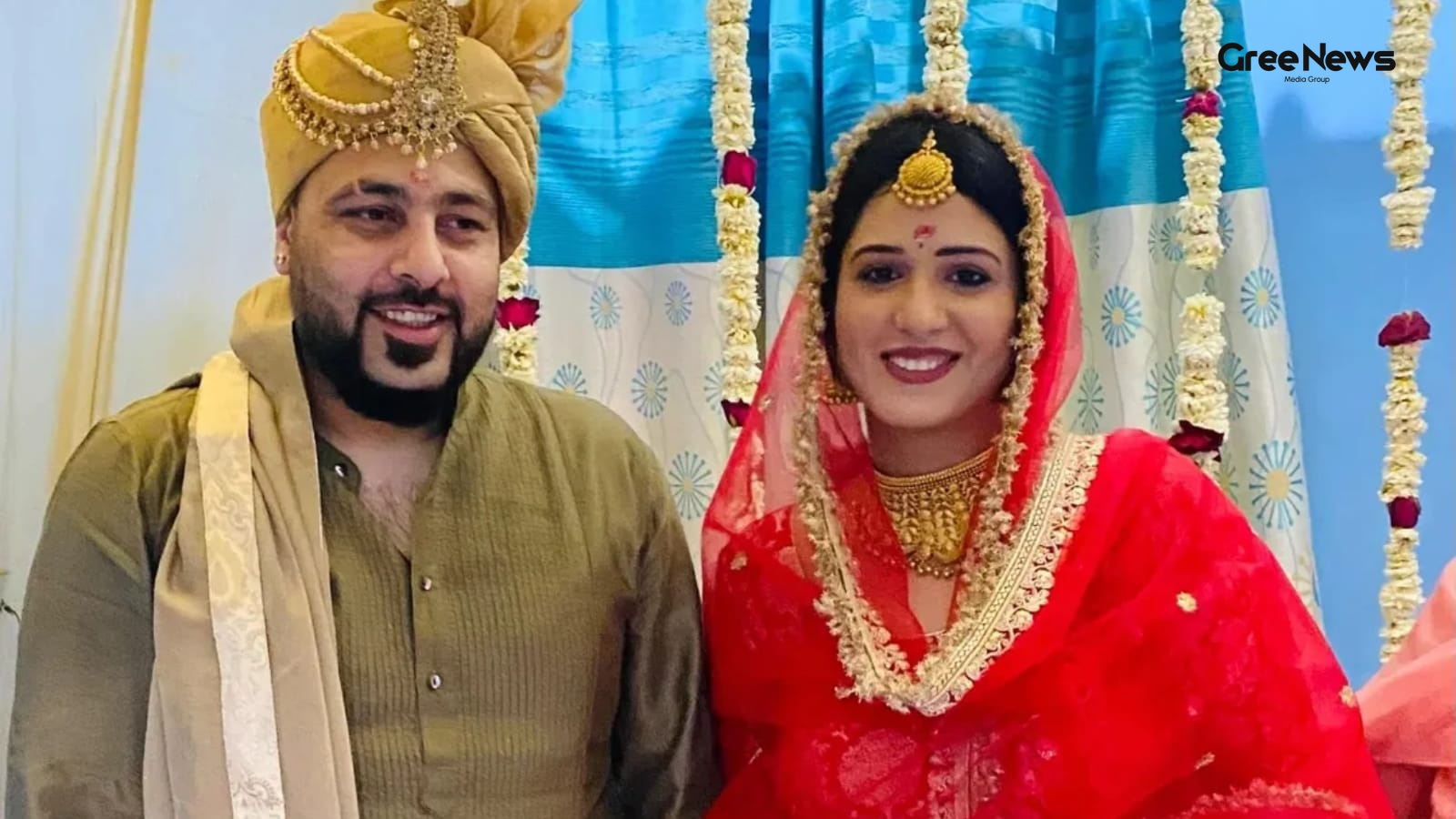
Isha Rikhi and Badshah: The Story Behind Their Relationship
Isha Rikhi finally dropped the news on Thursday. She confirmed it. She’s married to Badshah. It came out during some kind of Ask Me Anything session on social media. Fans had been asking about this for ages, you know? About her relationship with him. It felt like a big deal, I guess. The confirmatio
Jun 12, 2026 by Gree News Team
The Legacy and Reunion of Lagaan: Celebrating 25 Years
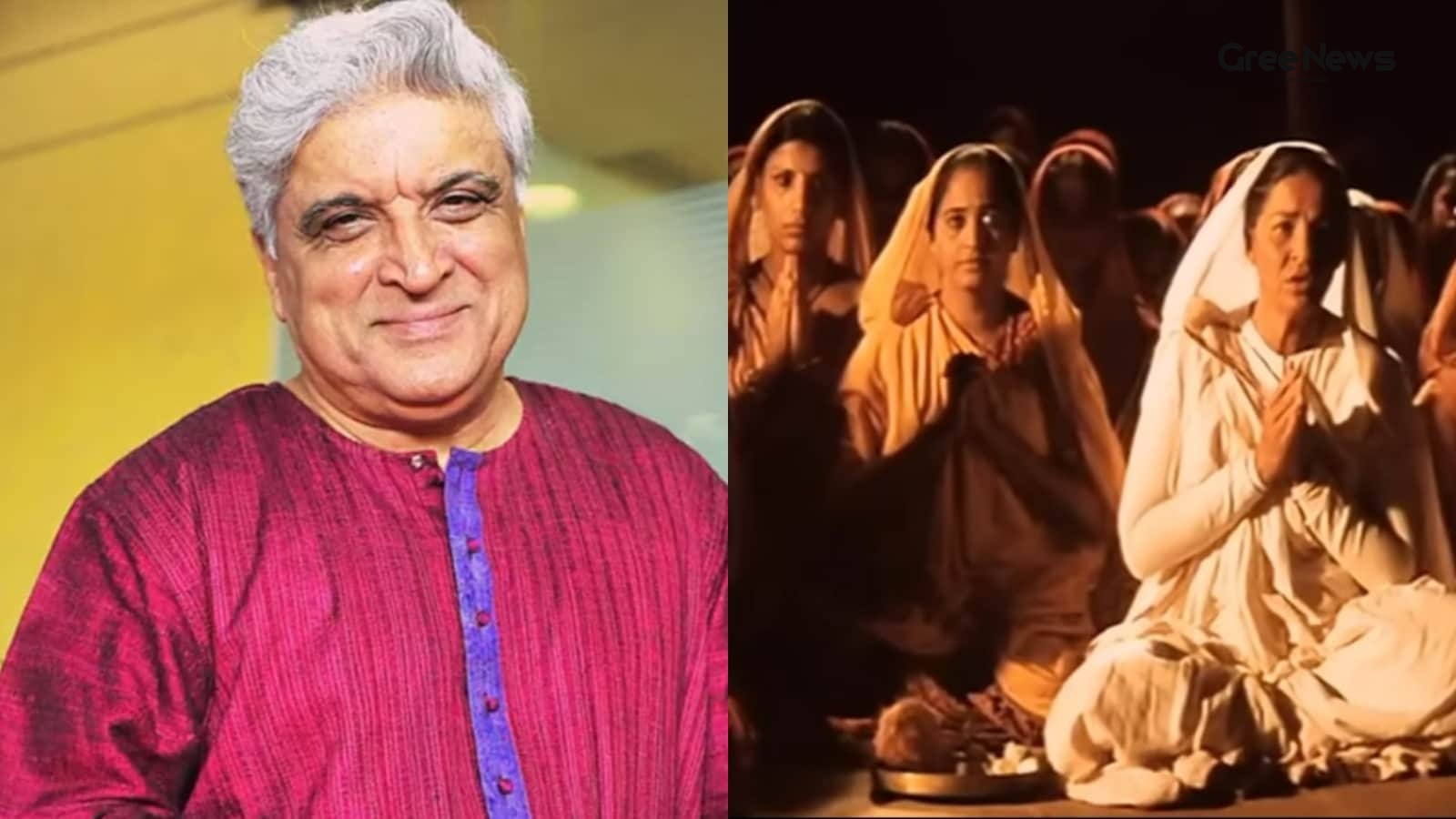
Twenty-five years. *Lagaan* just hit that mark. And now they’re doing a re-release. It feels like more than just watching an old movie; it’s something bigger for the team. Javed Akhtar actually got into some deep reflection recently about the soundtrack, which is kind of interesting when you think a
Jun 12, 2026 by Gree News Team
The Fallout and Friction: Farhan Akhtar, Ranveer Singh, and the *Don 3* Dispute
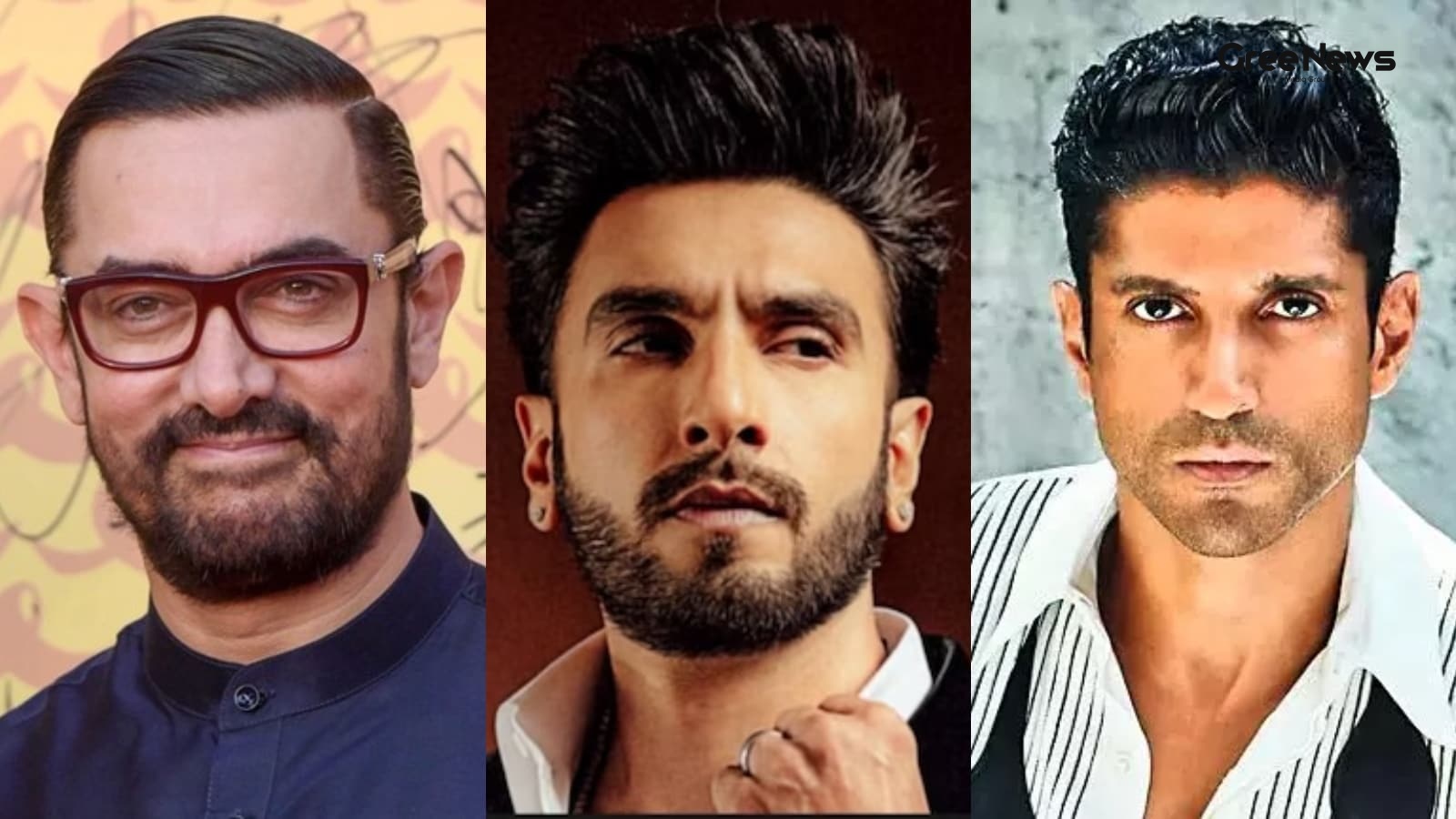
The air around Farhan Akhtar and Ranveer Singh just keeps getting thicker. It’s not just idle gossip anymore. It’s this real friction, amplified by everything that happened with *Don 3*. You see the fallout spilling out legal notices popping up, FWICE directives flying around like something official
Jun 12, 2026 by Gree News Team
The Impact of Music and Passion in the *Dhurandhar* Franchise Success
Shashwat Sachdev’s music really shifted things with Aditya Dhar’s *Dhurandhar* and then *Dhurandhar 2*. People kept talking about how much that background score just lifted the scenes, made everything hit harder. It became a huge deal after the film came out. He got famous fast riding that wave of s
Jun 12, 2026 by Gree News Team
Latest Headlines

Simple Morning Habits for Better Liver Health
You’re trying to figure out how to actually support your liver every single day? It sounds simple, but those tiny shifts you make right when you wake up can seriously change how well that organ functions over time. People just don't realize it. This silent thing your liver it works non-stop. Filteri
Jun 12, 2026 by Gree News Team

The Fragile Balance: Escalation and Uncertainty in US-Iran Tensions
The talks between Washington and Tehran about ending the ongoing war? They’re still moving, right? On track, they say. But that feels like a cruel joke sometimes, doesn't it? Because just as negotiations keep shuffling along, renewed hostilities keep popping up hostilities that threaten to completel
Jun 12, 2026 by Gree News Team

The Physics of Belief: Observing Shifting Realities
It was just one of those days where everything felt… loose. You know? Like the threads are fraying a little bit at the edges. That shift is always there. Like a temperature change. We were watching the feeds again, mostly just absorbing the noise, not trying to find some neat little narrative arc fo
Jun 12, 2026 by Gree News Team
Calcutta High Court on Rebel MLA Recognition and Anti-defection Rules
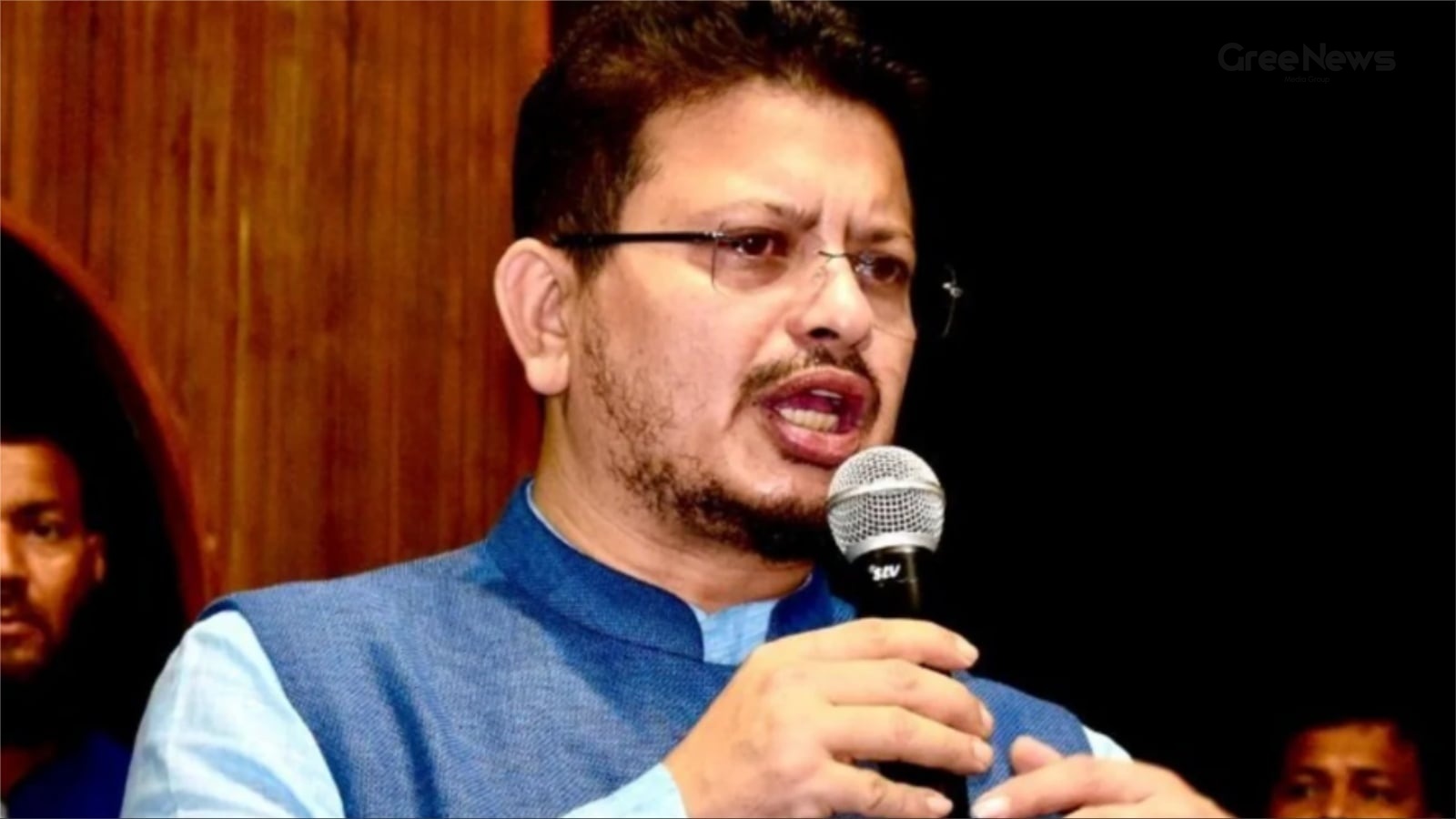
The Calcutta High Court got involved here on Thursday. It was all about how a rebel MLA was recognized as the Leader of Opposition in the West Bengal Assembly. The court started raising serious questions about the whole process. Could that decision really be made without some sort of approval from t
Jun 12, 2026 by Gree News Team
Air India AI-171 Crash: The Aftermath, Trauma, and Compensation
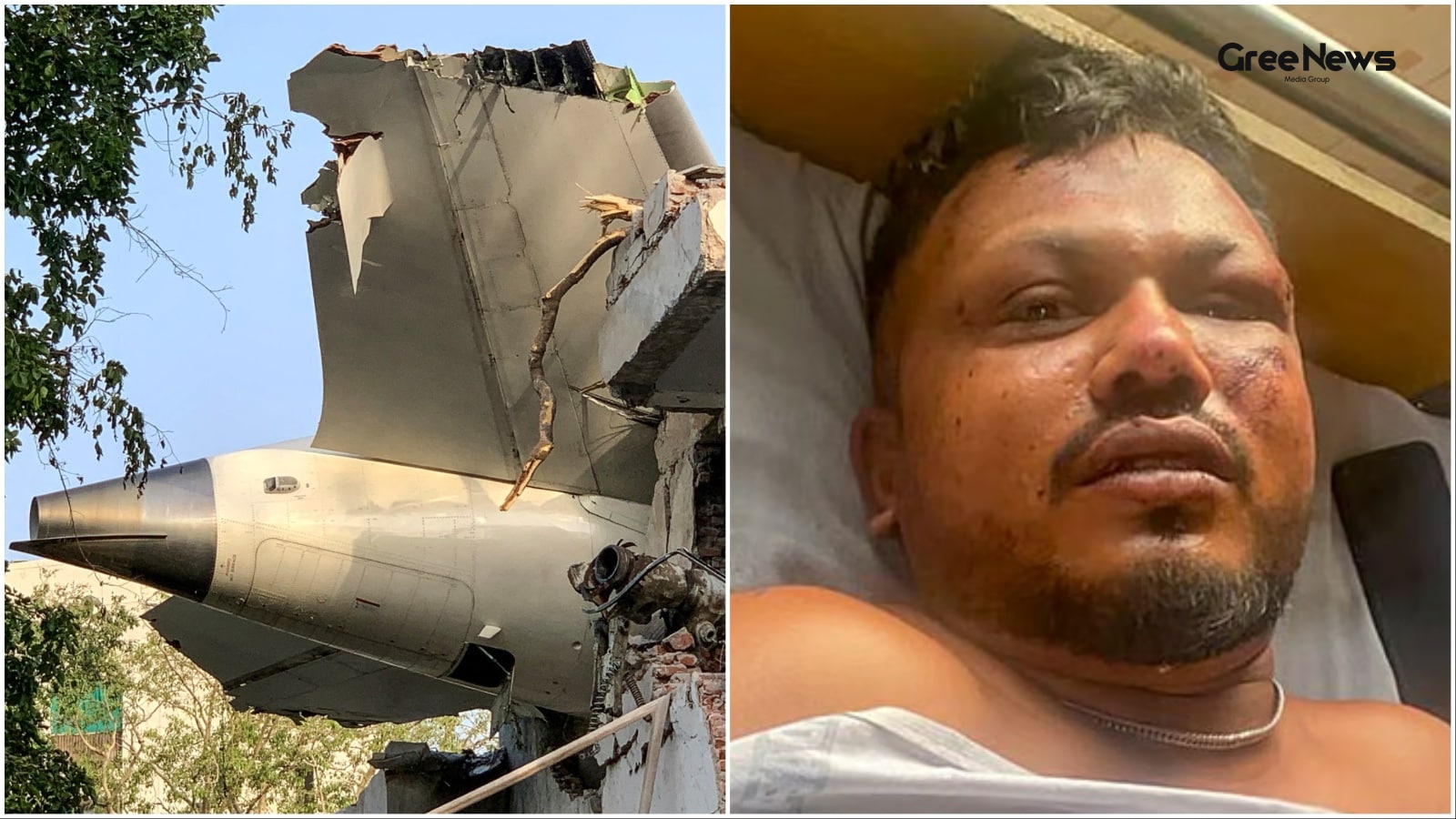
A year has passed since that awful Air India AI-171 crash. Twenty-six hundred lives lost. And Vishwash Kumar Ramesh, he was the only one left standing. He keeps asking for honesty. For transparency. Answers. It’s not just a demand; it feels like a constant ache. The trauma, it doesn't just stay on t
Jun 12, 2026 by Gree News Team

The Human Cost of Geopolitical Risk in the Maritime Industry
The reports coming out of the maritime zones are grim. Real, starkly painful stuff. We’re talking about lives lost in crossfire near choke points Strait of Hormuz, Gulf of Oman. Not abstract casualty figures. Actual sailors. Indian nationals caught in the middle of these global skirmishes. It’s a so
Jun 12, 2026 by Gree News Team
Isha Rikhi and Badshah: The Story Behind Their Relationship
Isha Rikhi finally dropped the news on Thursday. She confirmed it. She’s married to Badshah. It came out during some kind of Ask Me Anything session on social media. Fans had been asking about this for ages, you know? About her relationship with him. It felt like a big deal, I guess. The confirmatio
Jun 12, 2026 by Gree News Team

Kharg Island: The Critical Nexus in the US-Iran Oil Standoff
Donald Trump just escalated things again with Iran. He basically said the United States would take control of Kharg Island. It’s a small piece of land, but it’s absolutely crucial for Iran’s oil export network. The claim, made on Truth Social, was that Washington could assume "total control" over Ir
Jun 12, 2026 by Gree News Team
BJP Elected Unopposed to Rajya Sabha Amid Legal Dispute and Political Allegations
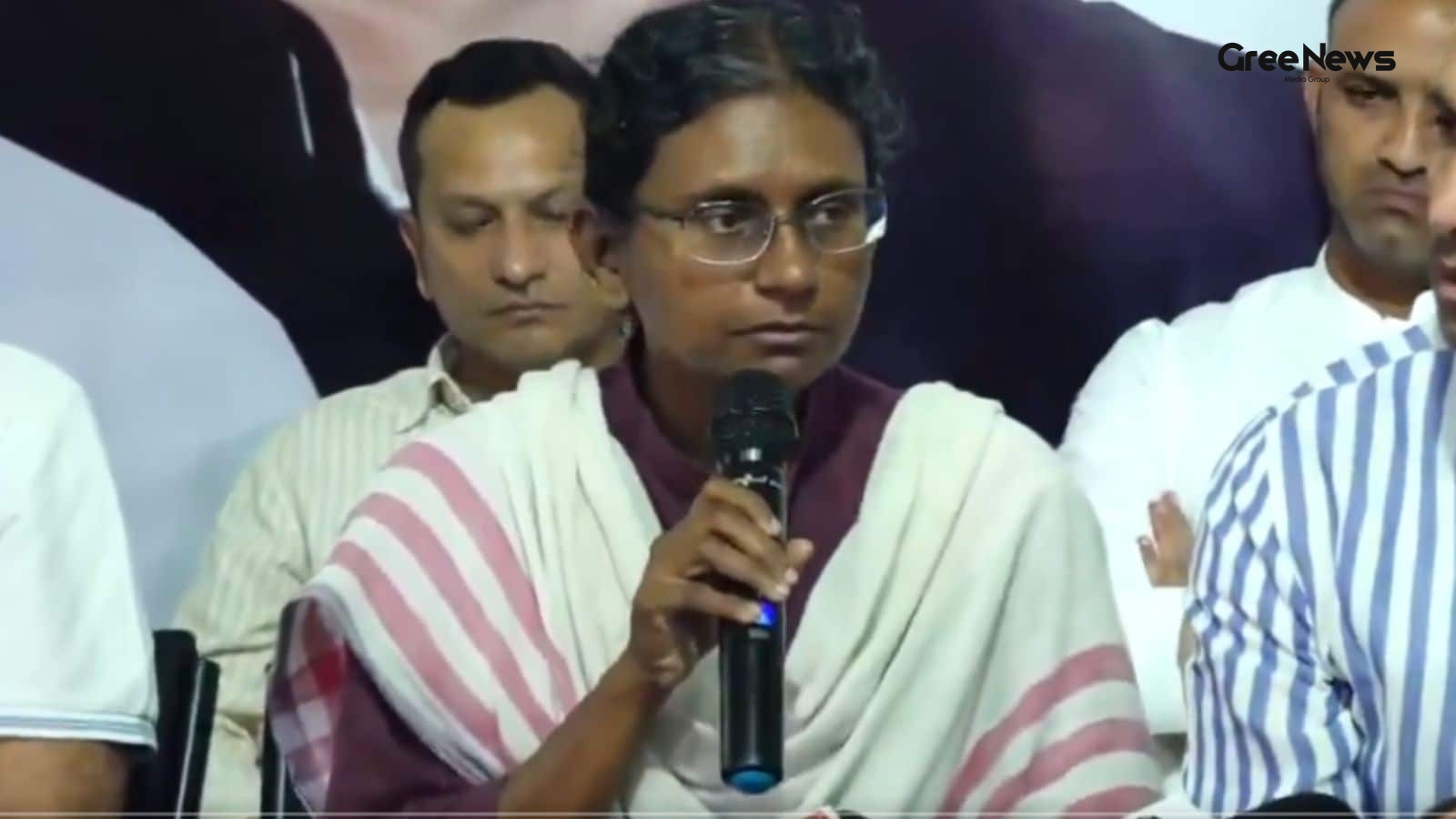
Three BJP folks from Madhya Pradesh got elected unopposed to the Rajya Sabha on Thursday. It happened days after Congress leader Meenakshi Natarajan’s nomination got rejected by the Returning Officer. Polling for those three spots was set for June 18th. Given how strong the BJP is in that state asse
Jun 12, 2026 by Gree News Team

The Reality of Tech Pressure: Focus on Basics, Stability, and Real Skills
Freshers hitting the tech scene right now, they feel this huge pressure. You have to keep up. Learning every new framework, building those AI projects it feels like you’re just chasing whatever is hot. It’s the only way to stay relevant, everyone thinks. But listen. One software engineer, someone wh
Jun 12, 2026 by Gree News Team
The Legacy and Reunion of Lagaan: Celebrating 25 Years
Twenty-five years. *Lagaan* just hit that mark. And now they’re doing a re-release. It feels like more than just watching an old movie; it’s something bigger for the team. Javed Akhtar actually got into some deep reflection recently about the soundtrack, which is kind of interesting when you think a
Jun 12, 2026 by Gree News Team
NCW Intervention and Legal Action Following Viral Comedy Incident
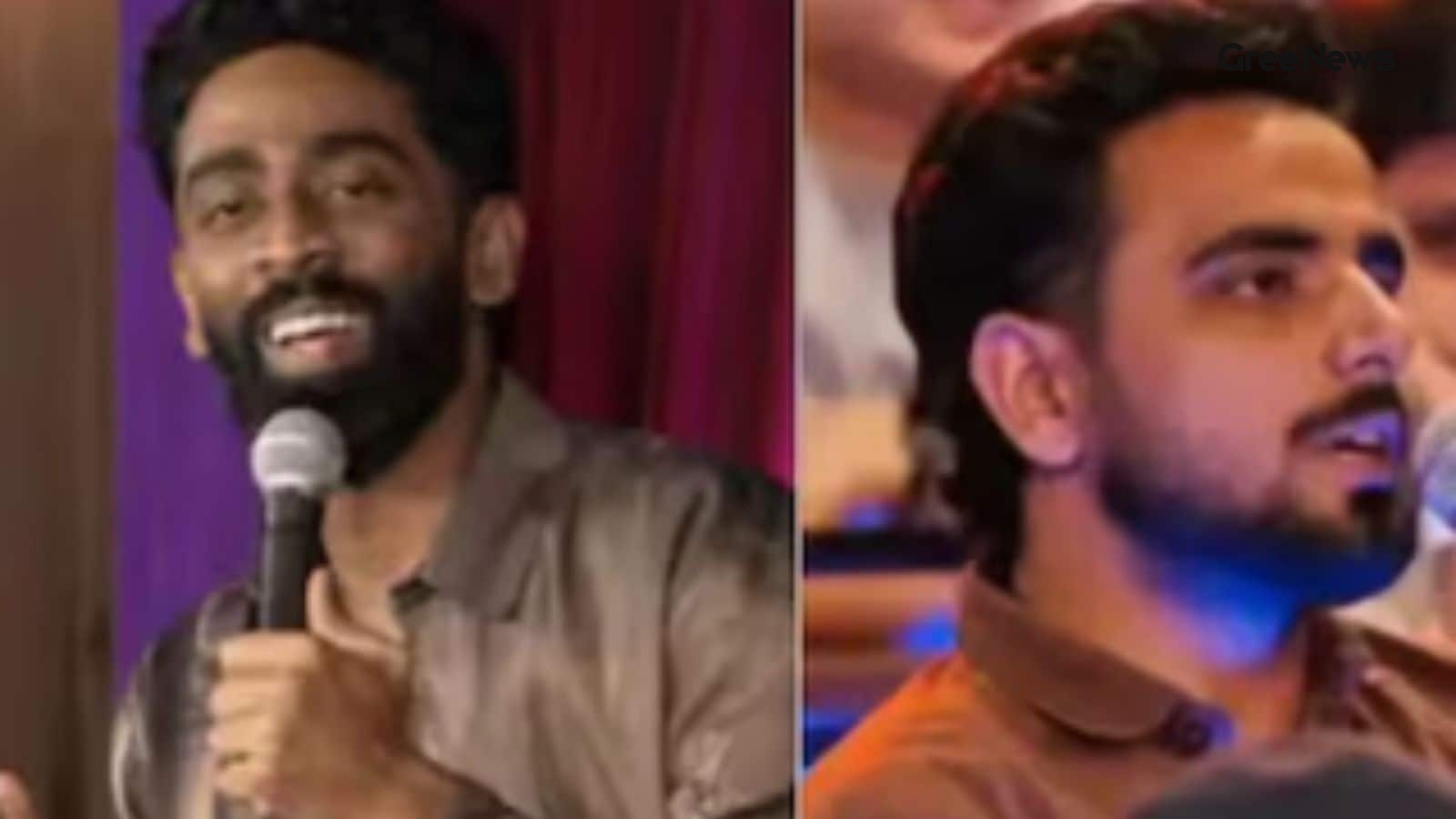
The National Commission for Women NCW. They took notice on Thursday about something called “Rs370 biryani.” It wasn’t a quiet thing, not at all. They ordered immediate action. Stringent action, time-bound. Against comedian Pranit More and Himanshu Jangra. That’s what they demanded. This whole mess s
Jun 12, 2026 by Gree News Team
Sheraz Malik Sentencing and the Wider Context of Grooming Gangs
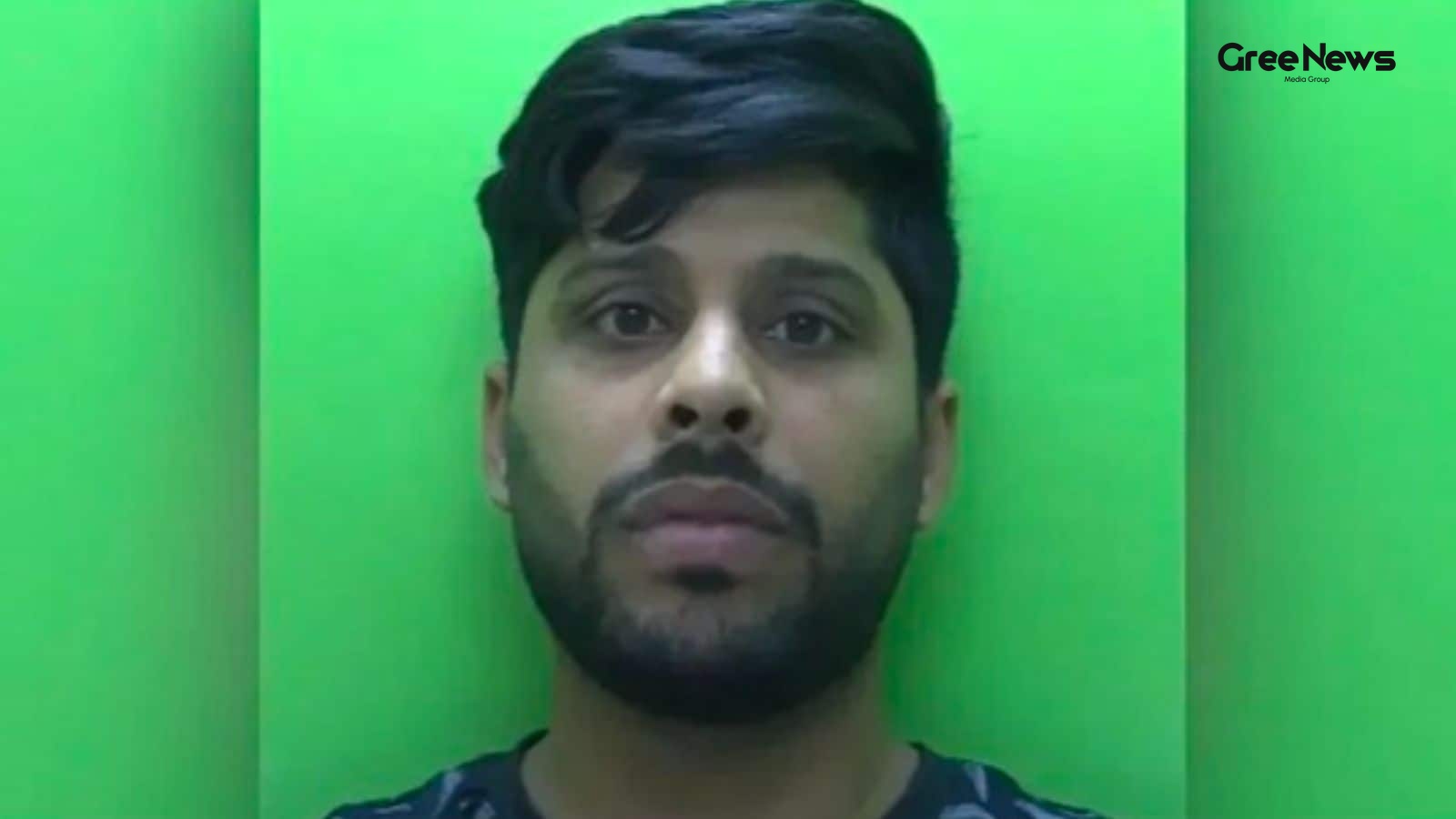
Sheraz Malik got his sentence on Thursday. Ten years in jail, plus four years on extended license. The whole thing happened way back on June 29 last year. In Sutton Lawn park. That’s where the attack took place. The details are kind of messy. She was drinking with a friend when he and some other guy
Jun 12, 2026 by Gree News Team

The Strait of Hormuz: Oil Smuggling, Shipping Restrictions, and Global Market Impact
The Strait of Hormuz? It’s practically shut down for commercial shipping now, ever since that US-Iran conflict kicked off back in February. Roughly fifteen oil tankers manage to slip through the narrow Omani coastal corridor daily under American air cover. They turn their GPS transponders off comple
Jun 12, 2026 by Gree News Team
The Slow Recalibration of Tamil Nadu's Relationship with the Centre
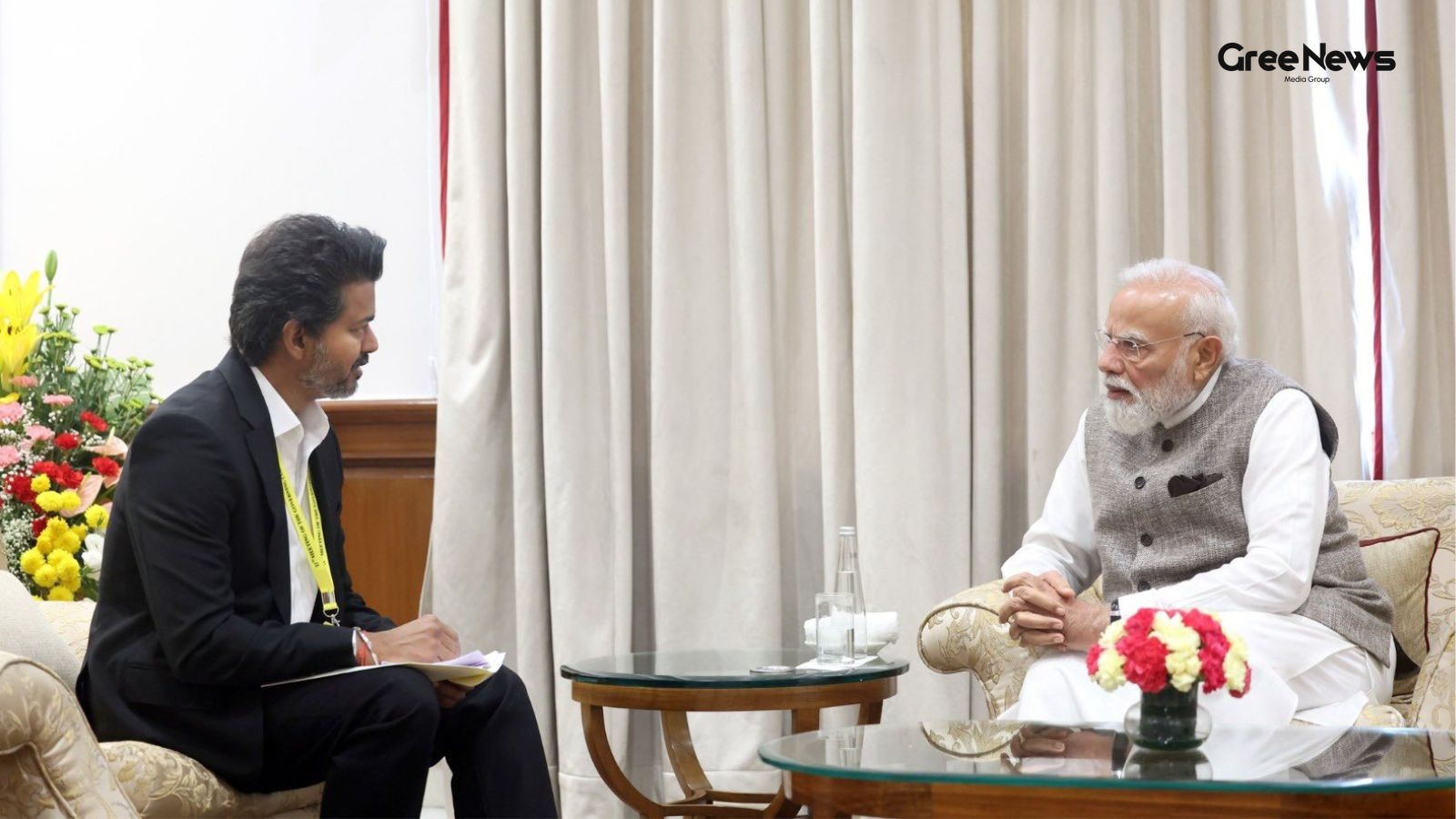
That meeting signaled something a slight pivot away from the approach that characterized the previous DMK government when dealing with the Union. It’s not a sudden revolution, really. More like a slow recalibration. Vijay didn't just show up for the formalities. He actively sought engagement. That p
Jun 12, 2026 by Gree News Team